

Optimizing Conveyor Systems with the Right Belt Scraper Selection
Choosing the Right Belt Scraper: A Comprehensive Guide
Efficient material handling is crucial for productivity in many industries. A key component in these systems is the belt scraper, designed to remove build-up from conveyor belts and prevent costly downtime. This article provides a detailed overview of belt scrapers, their types, applications, benefits, and how to select the best option for your needs. Understanding the nuances of belt scrapers is vital for optimizing your operations.
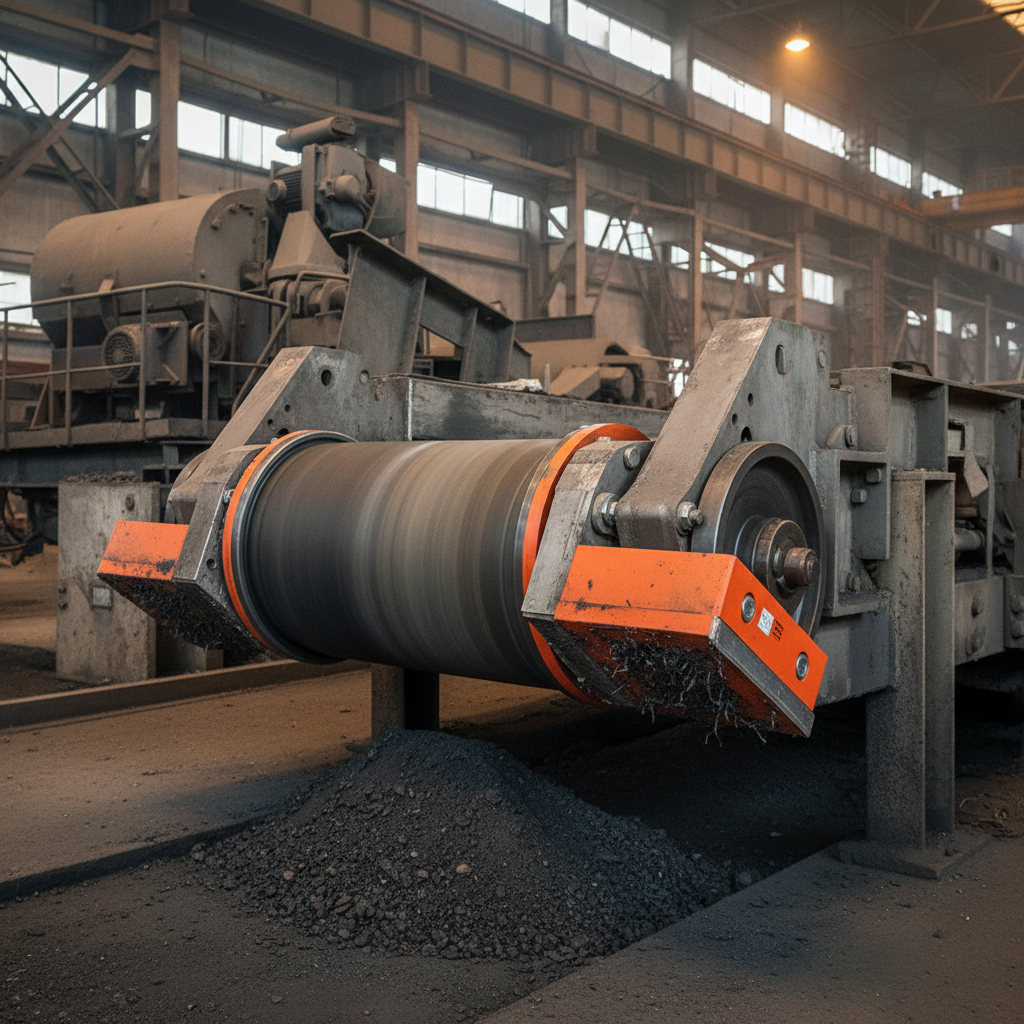
Understanding the Purpose of a Belt Scraper
A belt scraper’s primary function is to effectively clean conveyor belts, removing materials that adhere to the belt surface. This build-up, if left unchecked, can lead to several issues: reduced belt life, mistracking, increased energy consumption, and product contamination. By maintaining a clean belt, you improve operational efficiency, reduce maintenance costs, and ensure product quality. Properly maintained belts are also safer, reducing the risk of accidents. Investing in the right idler roller belt scraper will yield significant returns.
Key Benefits: Reduced downtime, improved belt life, lower energy costs, and enhanced product quality.
Types of Belt Scrapers
Belt scrapers come in various designs, each suited for different applications and materials. The most common types include:
- Mechanical Belt Scrapers: These use a spring-loaded blade to remove material. They are ideal for moderate build-up and consistent materials.
- Air Scrapers: Utilizing compressed air, these scrapers are effective for sticky or abrasive materials, minimizing blade wear.
- Foam Belt Scrapers: Made from polyurethane foam, these are gentle on the belt and suitable for delicate materials.
- Segmented Belt Scrapers: Featuring multiple cleaning segments, they adapt to uneven belt surfaces and provide thorough cleaning.
The choice of scraper depends on factors such as the type of material conveyed, the amount of build-up, and the belt's material and construction. Choosing the right type of conveyor belt scraper is crucial for optimal performance.
Scraper Selection Criteria:
• Material conveyed (e.g., sand, coal, aggregate)
• Build-up rate and consistency
• Belt material and construction
• Conveyor speed and operating environment
Belt Scraper Comparison: Mechanical vs. Air Scrapers
Choosing between mechanical and air scrapers often depends on the specific application. Mechanical scrapers are generally more affordable and easier to maintain, but air scrapers offer superior cleaning performance for sticky or abrasive materials. Here’s a comparative overview:
Applications Across Industries
Belt scrapers are indispensable in various industries, including mining, aggregate processing, coal handling, food processing, and recycling. In mining, they prevent material build-up on conveyor belts transporting ore. In food processing, they maintain hygiene and prevent contamination. Recycling plants rely on them to remove debris and ensure efficient material sorting. Effective use of a belt scraper system translates to significant cost savings and increased productivity across all sectors.
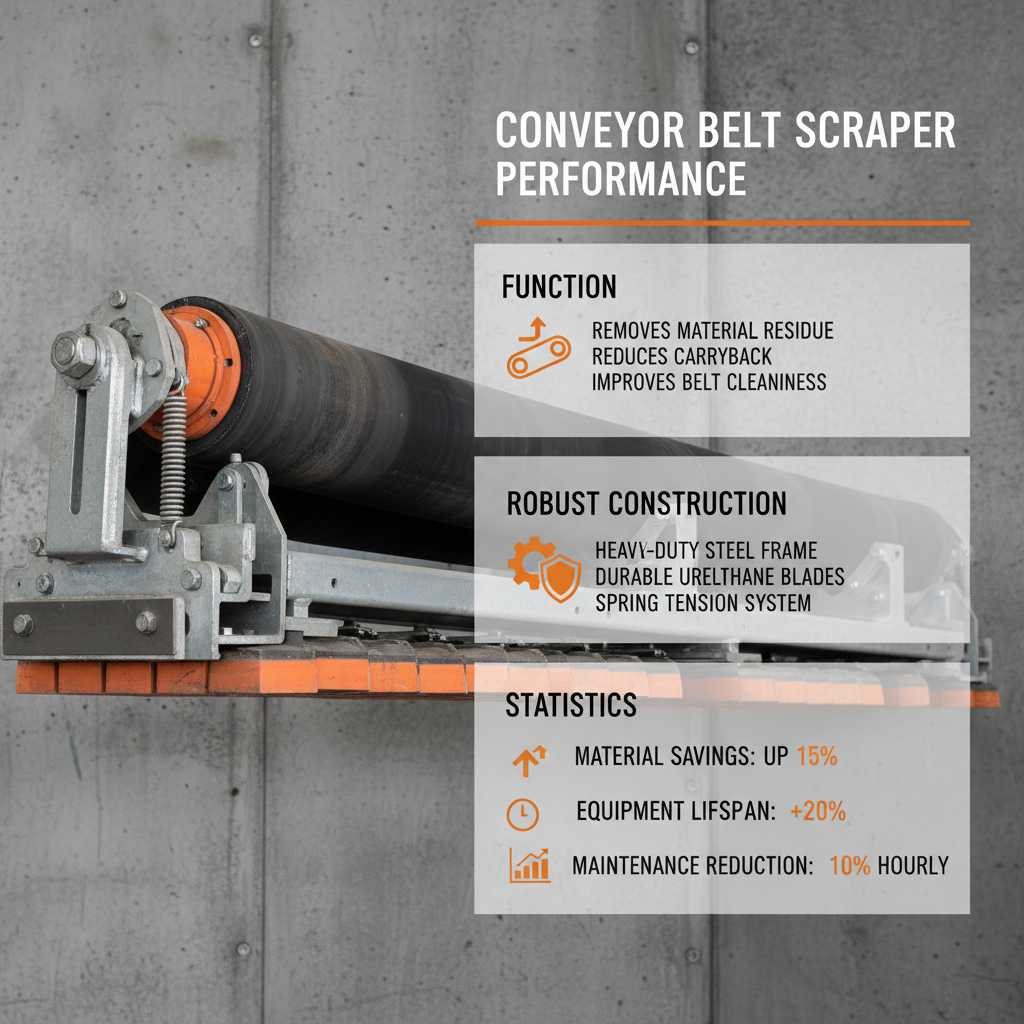
Selecting the Right Belt Scraper: Key Considerations
Choosing the ideal belt scraper requires careful evaluation of your specific needs. Consider the following factors:
- Material Type: Abrasive materials require durable scrapers like air scrapers.
- Belt Speed: Higher speeds may necessitate more robust scraping mechanisms.
- Belt Material: Gentle materials like foam scrapers are ideal for delicate belts.
- Environmental Conditions: Dusty or wet environments require scrapers designed to withstand these conditions.
- Maintenance Requirements: Choose a scraper that aligns with your maintenance capabilities.
Conclusion: Maximizing Efficiency with the Right Belt Scraper
Investing in the right belt scraper is a crucial step towards optimizing your conveyor system. By understanding the different types, their applications, and key selection criteria, you can choose a solution that enhances efficiency, reduces downtime, and lowers operating costs. Idler RaoHua offers a comprehensive range of high-quality belt scrapers to meet your specific needs.
Frequently Asked Questions (FAQs)
What is the typical lifespan of a belt scraper blade?
The lifespan of a belt scraper blade varies depending on the material being conveyed, the belt speed, and the scraper's quality. Generally, mechanical scraper blades last between 6 months to 2 years. Air scraper nozzles may require replacement more frequently, typically every 3-6 months, due to wear from abrasive particles. Regular inspection is crucial to identify wear and prevent damage to the belt. Using high-quality blades and proper installation can significantly extend their lifespan.
How do I properly adjust a mechanical belt scraper?
Proper adjustment is vital for optimal performance and belt protection. The blade should make consistent contact with the belt surface, removing material without excessive pressure. Start with minimal pressure and gradually increase it until cleaning is effective. Avoid excessive pressure, as it can cause belt wear. The blade angle should also be adjusted to match the belt speed and material characteristics. Regularly check the blade for wear and readjust as needed.
What are the benefits of using a segmented belt scraper?
Segmented belt scrapers are ideal for belts with uneven surfaces or variations in material build-up. Each segment independently adjusts to the belt contour, ensuring consistent cleaning across the entire width. This design minimizes wear on the belt and provides more thorough material removal than traditional fixed-blade scrapers. They are particularly effective in applications where material distribution is inconsistent.
-
Maximize Conveyor Life with a High Performance impact bedNewsApr.16,2026
-
Maximize Conveyor Efficiency Using a v plow belt scraperNewsApr.09,2026
-
Comprehensive Guide to Understanding Different Types of Belt CleanersNewsApr.07,2026
-
Enhancing Conveyor Efficiency with an Effective Scraper Belt CleanerNewsApr.04,2026
-
Optimizing Conveyor Systems with Advanced Cleaning Equipment SolutionsNewsMar.31,2026
-
Effective Conveyor Belt Scraper Adjustment for Optimal System PerformanceNewsMar.28,2026