Garland idlers are critical components in conveyor systems across a multitude of industries, playing a vital role in maintaining belt alignment, reducing friction, and extending belt life. Their impact extends far beyond simple material handling, influencing operational efficiency, safety, and cost-effectiveness. Understanding the nuances of garland idler design, application, and maintenance is paramount for optimizing conveyor performance and minimizing downtime, ultimately impacting the bottom line for businesses worldwide.
The global conveyor system market is a substantial one, valued at billions of dollars, and garland idlers represent a significant segment within it. Driven by growth in sectors like mining, agriculture, logistics, and manufacturing, demand for reliable and high-performing idlers continues to rise. ISO standards and industry best practices increasingly emphasize the importance of quality idler components, leading to a focus on durability, low maintenance, and optimized design.
Addressing challenges like abrasive materials, harsh environmental conditions, and heavy load capacities requires specialized garland idler solutions. Innovation in materials science, bearing technology, and sealing systems is constantly evolving to meet these demands, ensuring continuous operation and reducing the total cost of ownership for conveyor systems. The ongoing focus on efficiency and sustainability also drives demand for idlers that minimize energy consumption and environmental impact.
The Role of Garland Idlers in Conveyor Systems
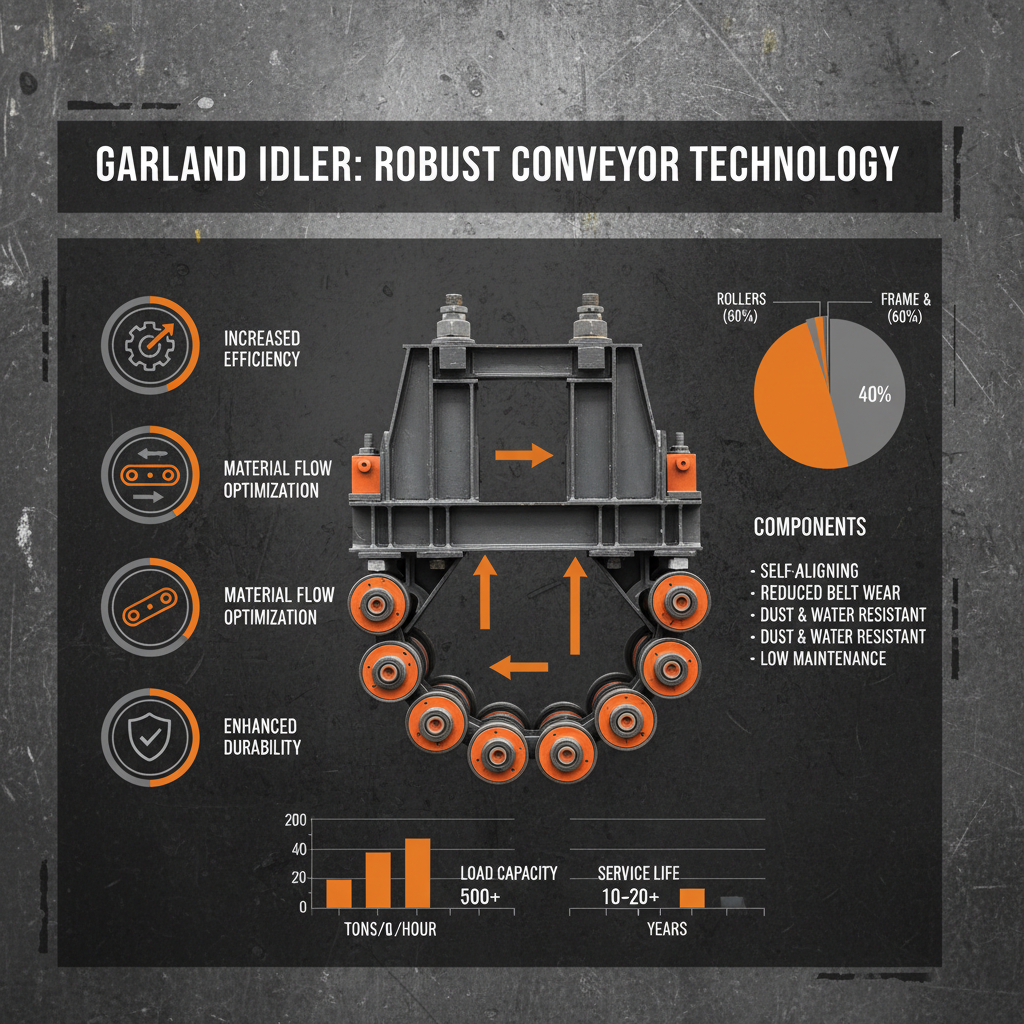
Garland idlers are specifically designed to support and guide conveyor belts, particularly in applications requiring a wide belt or complex belt path. Unlike conventional idlers, garland idlers feature a series of closely spaced rollers that conform to the belt's shape, providing uniform support and preventing edge wear. This configuration is crucial for maintaining belt tracking and stability, especially when handling uneven loads or navigating curves.
The proper selection and placement of garland idlers directly influences the overall efficiency and longevity of a conveyor system. Using idlers with appropriate load capacities, roller materials, and sealing mechanisms ensures smooth operation, reduces belt slippage, and minimizes the risk of material spillage. Regular inspection and maintenance are essential to identify and address wear or damage, preventing costly breakdowns and production delays.
Global Context and Industry Relevance
The demand for garland idlers is intrinsically linked to the health of key global industries. The mining sector, a major consumer of conveyor technology, relies heavily on robust idler systems to transport massive volumes of ore and minerals. Similarly, the agriculture industry utilizes conveyor belts and garland idlers for handling harvested crops, fertilizers, and processed goods. Logistics and distribution centers, experiencing exponential growth due to e-commerce, increasingly depend on efficient conveyor systems, making garland idlers essential for maintaining throughput.
According to a report by Market Research Future, the global conveyor systems market is projected to reach USD 7.8 billion by 2027, growing at a CAGR of 5.2% during the forecast period. This growth is driven by increasing automation in manufacturing, rising demand for material handling solutions in logistics, and investments in infrastructure development in emerging economies. Garland idlers, as a critical component of these systems, are poised to benefit directly from this expansion.
The Asia-Pacific region represents the largest market for conveyor systems, with China, India, and Southeast Asia leading the way. Increasing industrialization, coupled with rapid infrastructure development, is fueling demand for efficient material handling solutions in these countries. North America and Europe are also significant markets, driven by investments in automation and modernization of existing conveyor infrastructure.
Defining Garland Idlers: Function and Application
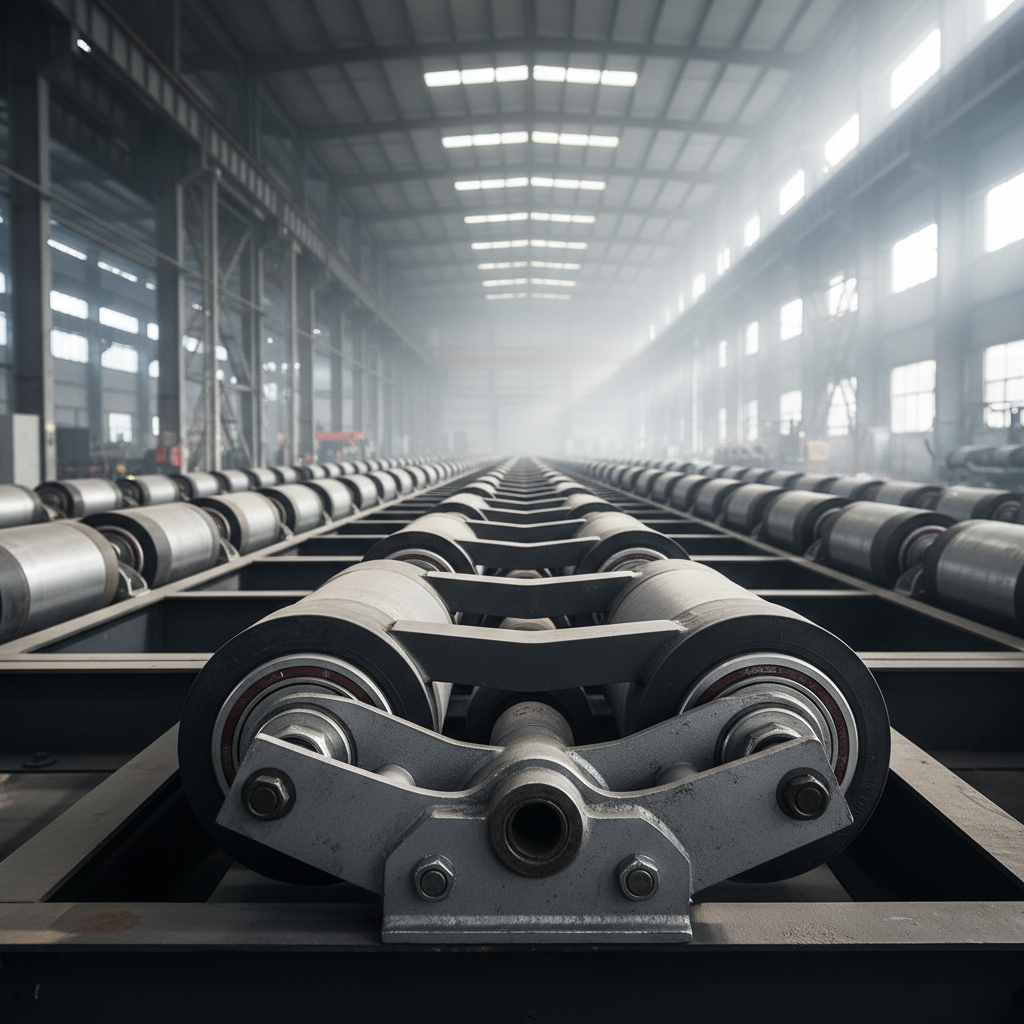
A garland idler is a type of conveyor idler characterized by multiple small, closely spaced rollers arranged in a curved or straight configuration. These rollers, or “cradles,” support the underside of the conveyor belt, distributing the load and preventing sagging. The primary function of a garland idler is to maintain proper belt alignment and tracking, especially when handling wide or unevenly loaded belts.
Garland idlers are particularly well-suited for applications where conventional idlers struggle to provide adequate support. This includes long-distance conveyors, high-angle conveyors, and conveyors transporting materials with varying densities or shapes. They are commonly found in mining operations for transporting coal, ore, and aggregates; in cement plants for handling clinker and raw materials; and in ports and terminals for loading and unloading bulk cargo.
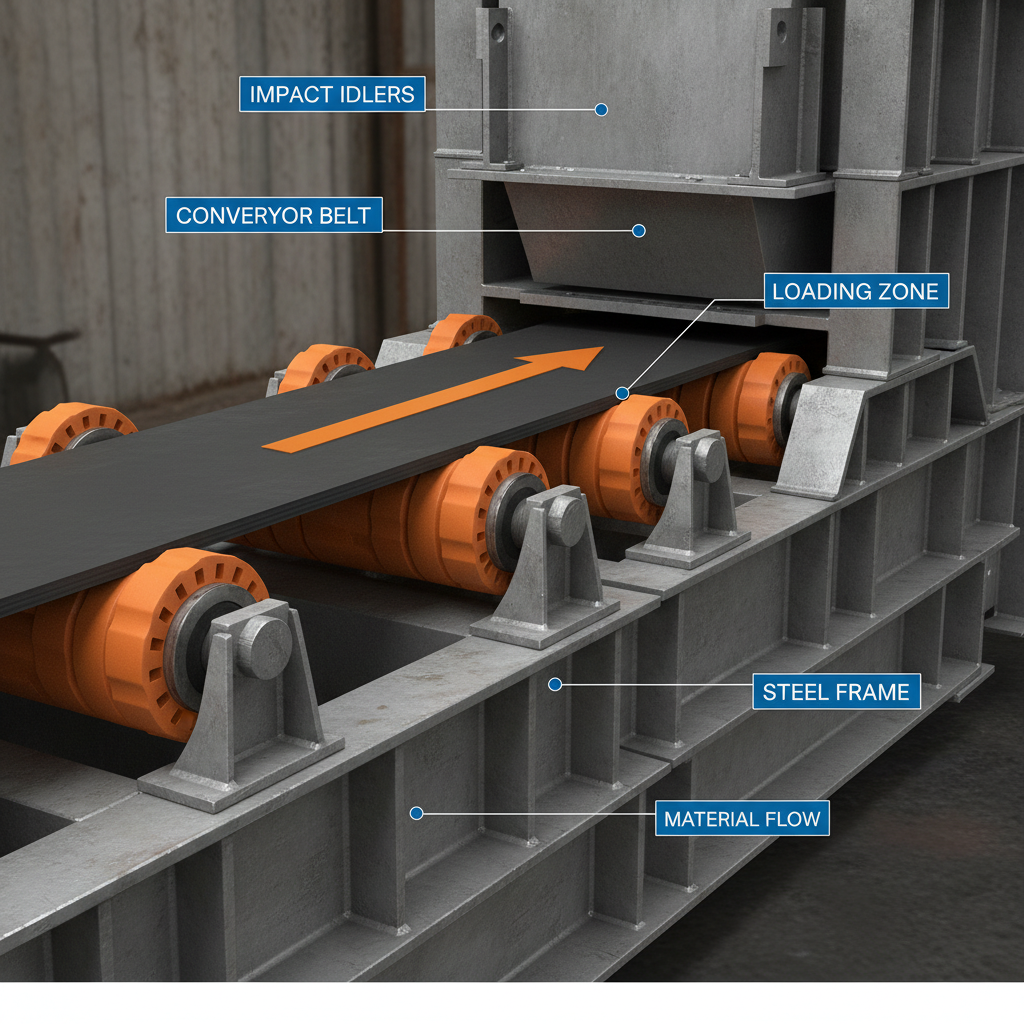
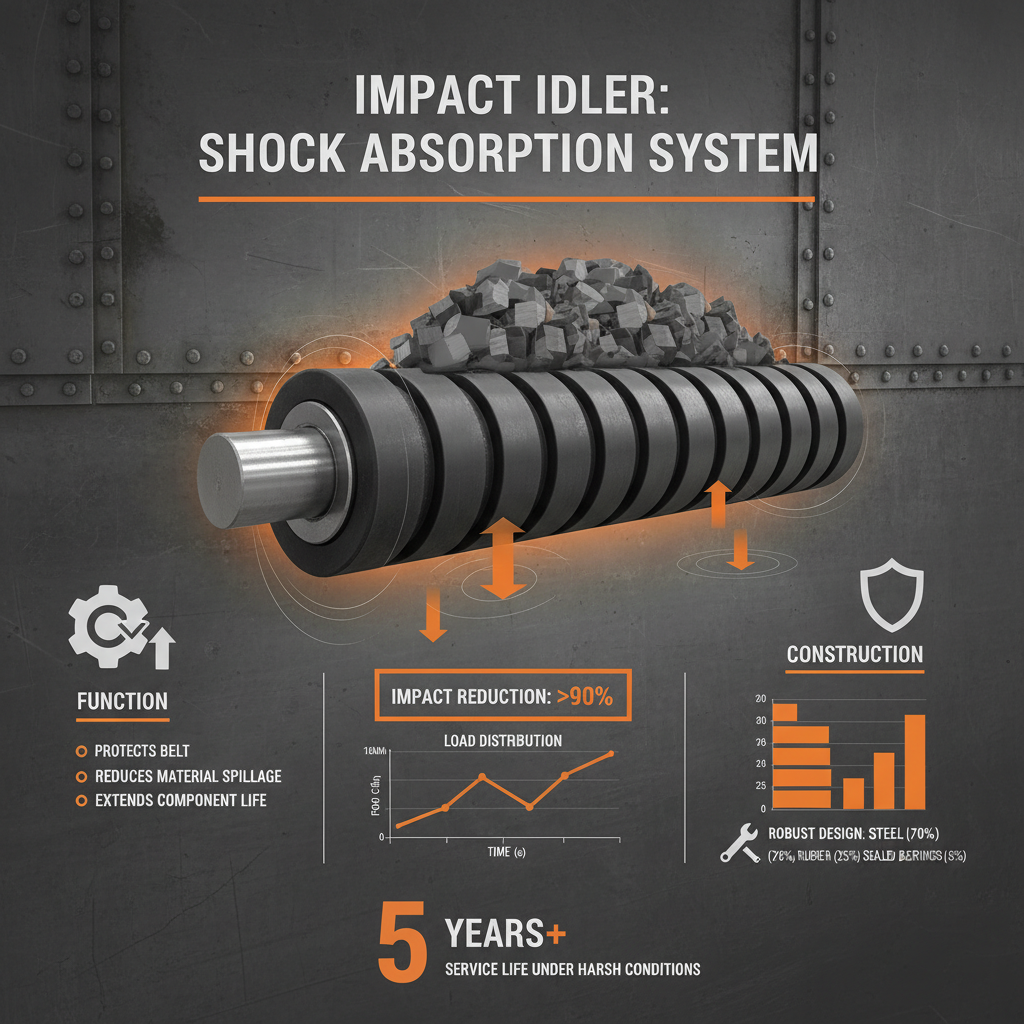
Unlike troughing idlers, which primarily focus on shaping the belt, garland idlers prioritize consistent support and tracking. They are often used in conjunction with other types of idlers to create a comprehensive conveyor system tailored to specific application requirements. The design and configuration of the garland idler – including the number of rollers, the roller diameter, and the overall width – are critical factors in optimizing performance.
Key Characteristics of Effective Garland Idlers
The effectiveness of a garland idler is determined by several key characteristics. Durability is paramount, as idlers are subjected to harsh operating conditions, including abrasive materials, extreme temperatures, and heavy loads. A robust construction using high-quality steel and corrosion-resistant coatings is essential for ensuring long service life.
Low friction is another critical factor. Bearings play a significant role in minimizing friction and reducing energy consumption. Sealed bearings are preferred to prevent contamination and maintain optimal performance over time. The design of the rollers themselves, including their surface finish and material composition, also impacts friction levels.
Garland Idler Performance Metrics
Applications Across Industries and Geographies
Garland idlers find extensive use in the mining industry, particularly in surface and underground operations for transporting coal, iron ore, copper, and other minerals. They are crucial for maintaining consistent material flow on long conveyor systems and navigating challenging terrain. In the cement industry, garland idlers are used to handle clinker, limestone, and other raw materials, ensuring efficient production and minimizing dust emissions.
The agriculture sector benefits from garland idlers in grain handling, fertilizer distribution, and processing of harvested crops. Ports and terminals utilize them for loading and unloading bulk cargo, such as coal, iron ore, and grain. Furthermore, applications are growing in the recycling industry for handling sorted materials, and in logistics for managing package and parcel flow. Regions with significant mining activity, such as Australia, Chile, and Indonesia, are major consumers of garland idlers.
Benefits and Long-Term Value Proposition
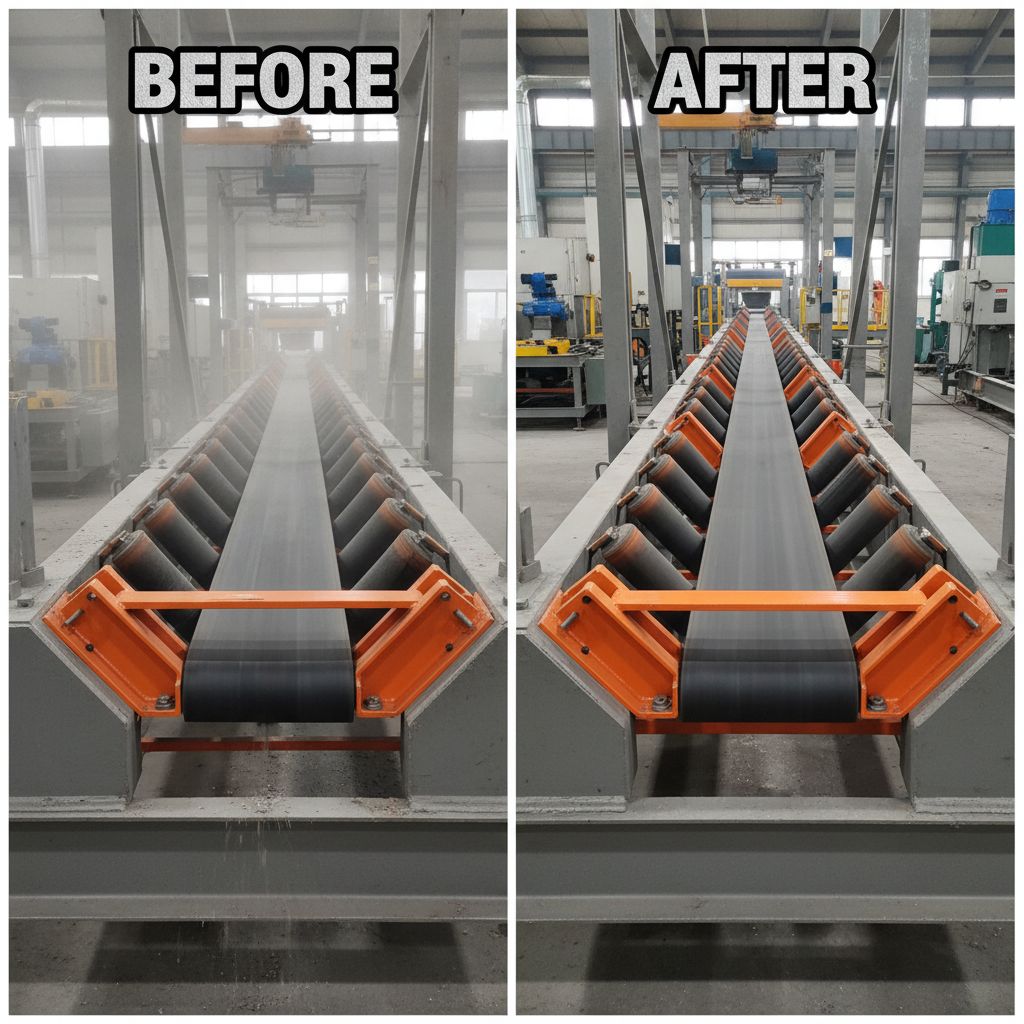
Investing in high-quality garland idlers delivers significant tangible benefits. Reduced belt wear and tear translates to lower maintenance costs and extended belt life. Minimized material spillage reduces cleanup requirements and prevents product loss, enhancing operational efficiency. Improved belt tracking minimizes downtime and ensures continuous production.
Beyond cost savings, garland idlers contribute to a safer working environment. Stable belt operation reduces the risk of accidents and injuries. Furthermore, selecting energy-efficient idler designs can lower energy consumption and reduce the environmental footprint of conveyor systems. The reliability and durability of garland idlers build trust and ensure long-term operational success.
Future Trends and Innovations in Garland Idler Technology
The future of garland idler technology is focused on enhancing performance, reducing maintenance, and improving sustainability. Smart idlers, equipped with sensors and data analytics capabilities, are emerging as a key trend. These idlers can monitor bearing temperature, vibration levels, and belt alignment, providing real-time insights into system health and enabling predictive maintenance.
Advancements in materials science are leading to the development of lighter and more durable idler components. Composite materials offer improved corrosion resistance and reduced weight, enhancing efficiency and longevity. Furthermore, research into self-lubricating bearings and advanced sealing systems aims to minimize friction and eliminate the need for manual lubrication.
The integration of digital technologies, such as IoT and machine learning, will enable more sophisticated monitoring and control of conveyor systems, optimizing garland idler performance and maximizing overall system efficiency. Sustainability will continue to be a driving force, with a focus on developing idlers that minimize energy consumption and utilize recycled materials.
Analysis of Garland Idler Performance Factors
| Idler Type |
Load Capacity (Tons) |
Maintenance Frequency (Months) |
Overall Reliability (1-10) |
| Standard Garland Idler |
50 |
6 |
7 |
| Heavy-Duty Garland Idler |
100 |
12 |
9 |
| Sealed Bearing Garland Idler |
75 |
9 |
8 |
| Smart Garland Idler (Sensor Equipped) |
60 |
18 |
10 |
| Composite Material Garland Idler |
80 |
10 |
8.5 |
| High-Temperature Garland Idler |
90 |
8 |
7.5 |
FAQS
The lifespan of a garland idler in coal mining varies significantly based on coal abrasiveness, load, and maintenance. However, a well-maintained, high-quality garland idler can typically last between 2 to 5 years. Regular inspections for bearing wear, roller damage, and seal integrity are crucial for maximizing lifespan. Investing in abrasion-resistant materials and sealed bearings can further extend service life.
Determining the correct garland idler size and capacity requires careful consideration of several factors, including belt width, material density, material flow rate, and conveyor speed. It’s essential to calculate the total load the idler will support and select an idler with a sufficient load capacity. Consulting with an experienced conveyor system engineer or a garland idler supplier is highly recommended to ensure proper selection.
Sealed bearings in garland idlers offer several advantages. They protect the bearings from contamination by dust, moisture, and abrasive materials, extending their service life and reducing the need for frequent lubrication. This leads to lower maintenance costs, reduced downtime, and improved overall system reliability. Sealed bearings also operate more efficiently, minimizing energy consumption.
Regular inspection and maintenance are crucial for ensuring optimal garland idler performance. A visual inspection should be conducted at least monthly, looking for signs of wear, damage, or misalignment. A more thorough inspection, including checking bearing lubrication and seal integrity, should be performed every 3-6 months. Proactive maintenance, such as replacing worn bearings and rollers, can prevent costly breakdowns.
Yes, garland idlers are particularly well-suited for use on conveyors with curved sections. Their multi-roller design allows them to conform to the belt's curvature, providing uniform support and preventing edge wear. Selecting garland idlers specifically designed for curved conveyors ensures optimal performance and minimizes the risk of belt tracking issues.
When selecting a garland idler supplier, consider their experience, product quality, and technical support capabilities. Look for a supplier that offers a wide range of idler options to meet your specific application needs. Ensure they use high-quality materials and manufacturing processes. A reliable supplier should also provide excellent after-sales service, including technical assistance and spare parts availability.
Conclusion
Garland idlers are indispensable components in modern conveyor systems, playing a crucial role in ensuring efficient, reliable, and safe material handling. Their ability to provide uniform belt support, prevent edge wear, and maintain proper tracking makes them essential for a wide range of industries, from mining and agriculture to logistics and manufacturing. Investing in high-quality garland idlers and implementing a proactive maintenance program is paramount for maximizing operational efficiency and minimizing downtime.
As technology continues to advance, we can expect to see even more innovative garland idler designs incorporating smart sensors, advanced materials, and predictive maintenance capabilities. The continued focus on sustainability and energy efficiency will also drive the development of idlers that minimize environmental impact. For reliable and tailored garland idler solutions, visit our website: www.idleraohua.com.