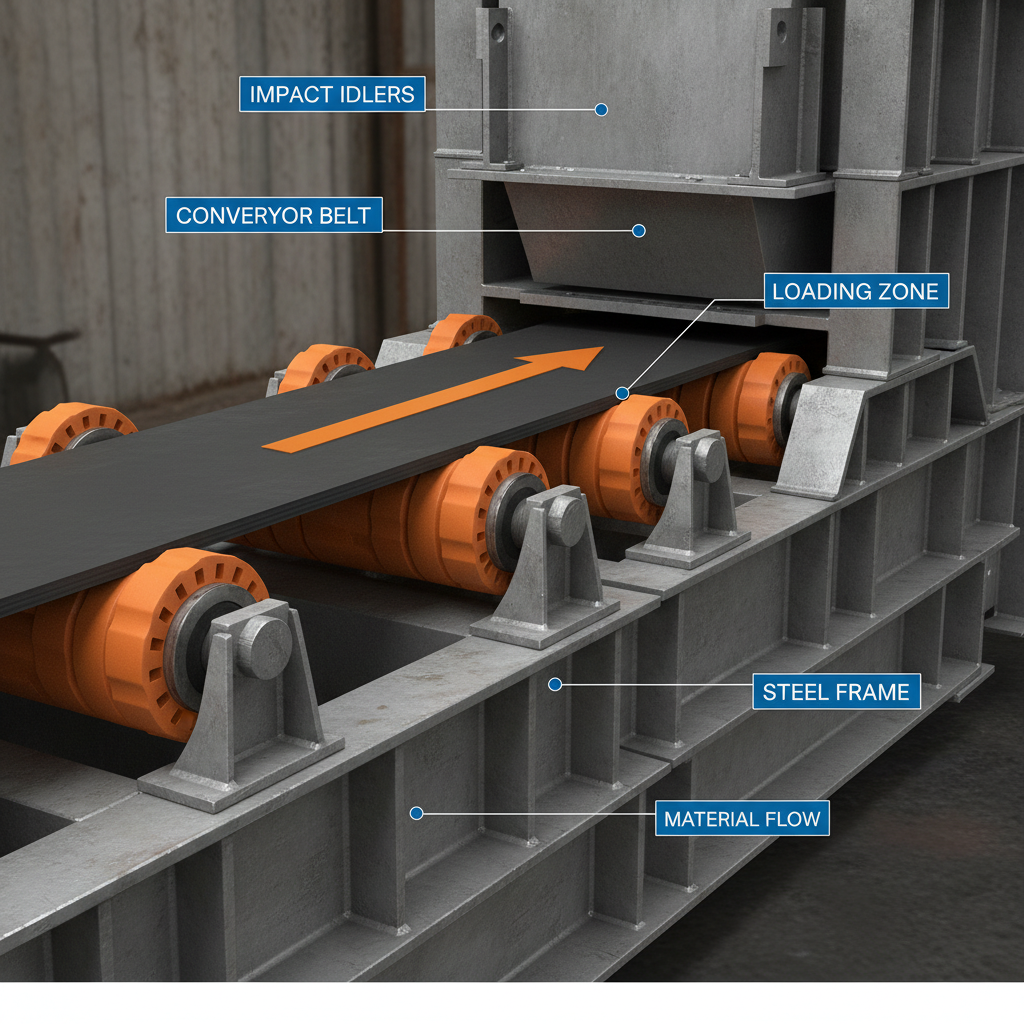
Essential Guide to Conveyor Idler Pulley Reliability and Industrial Applications
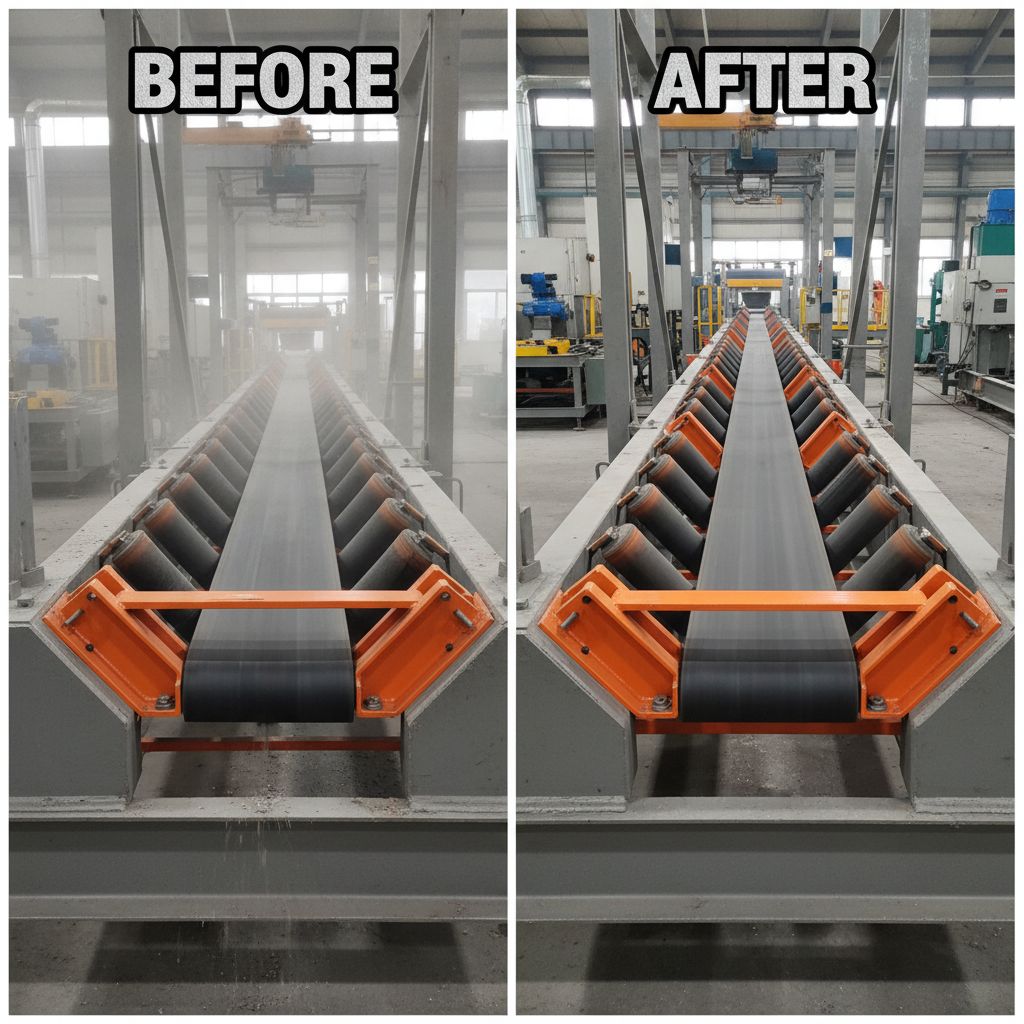
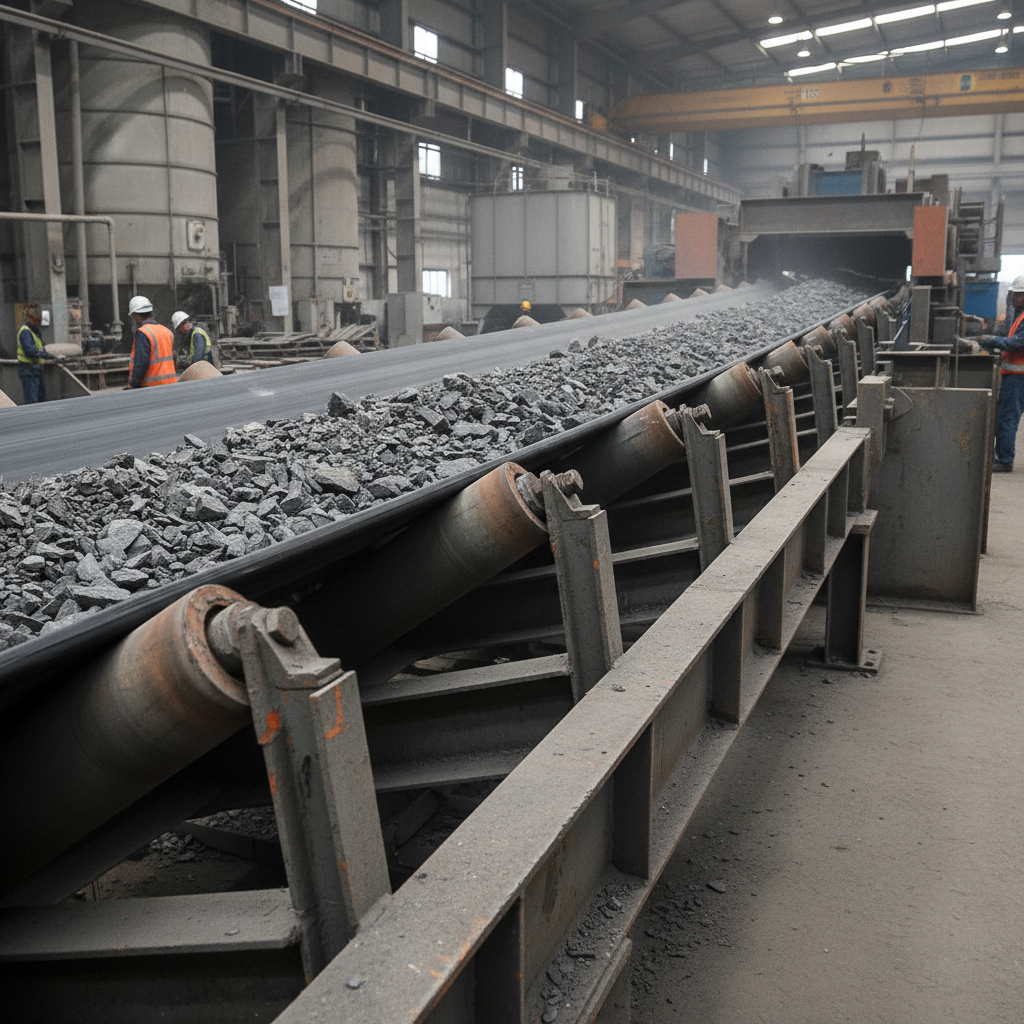
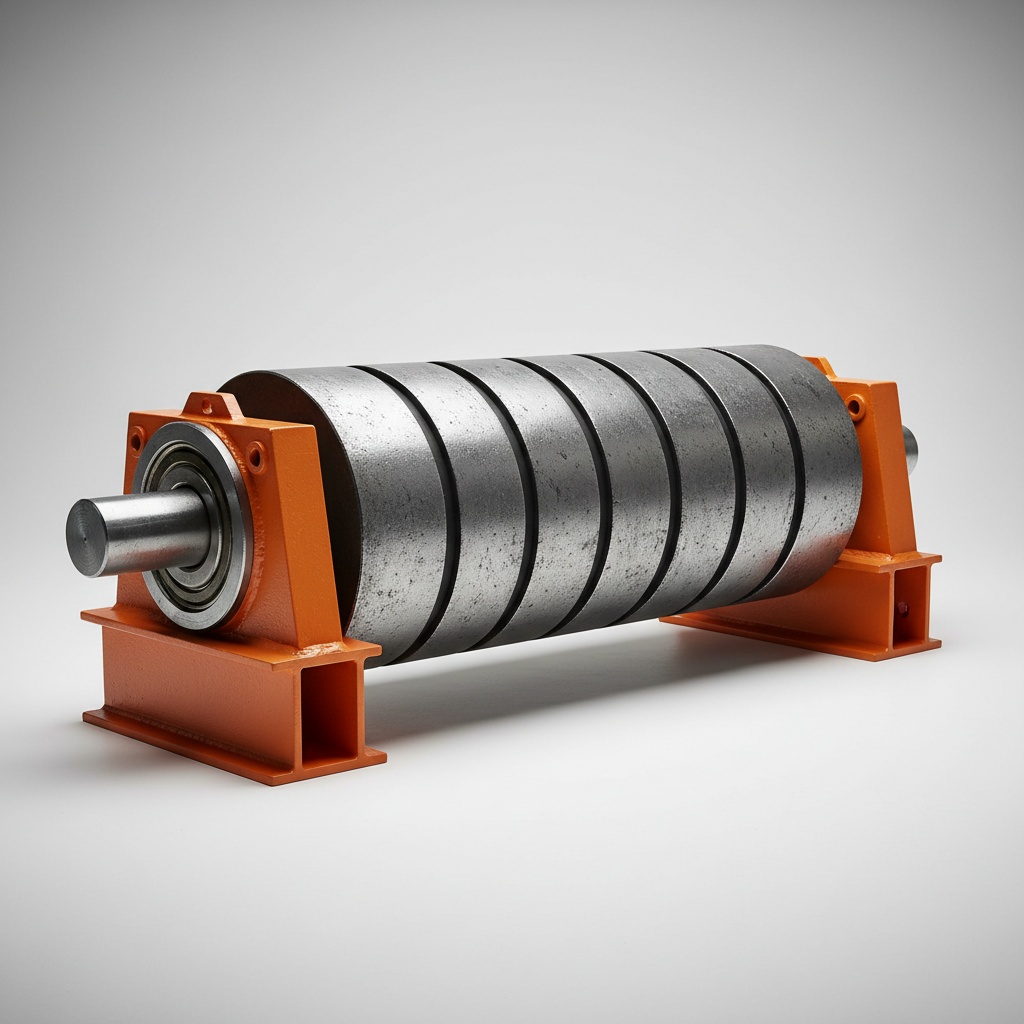
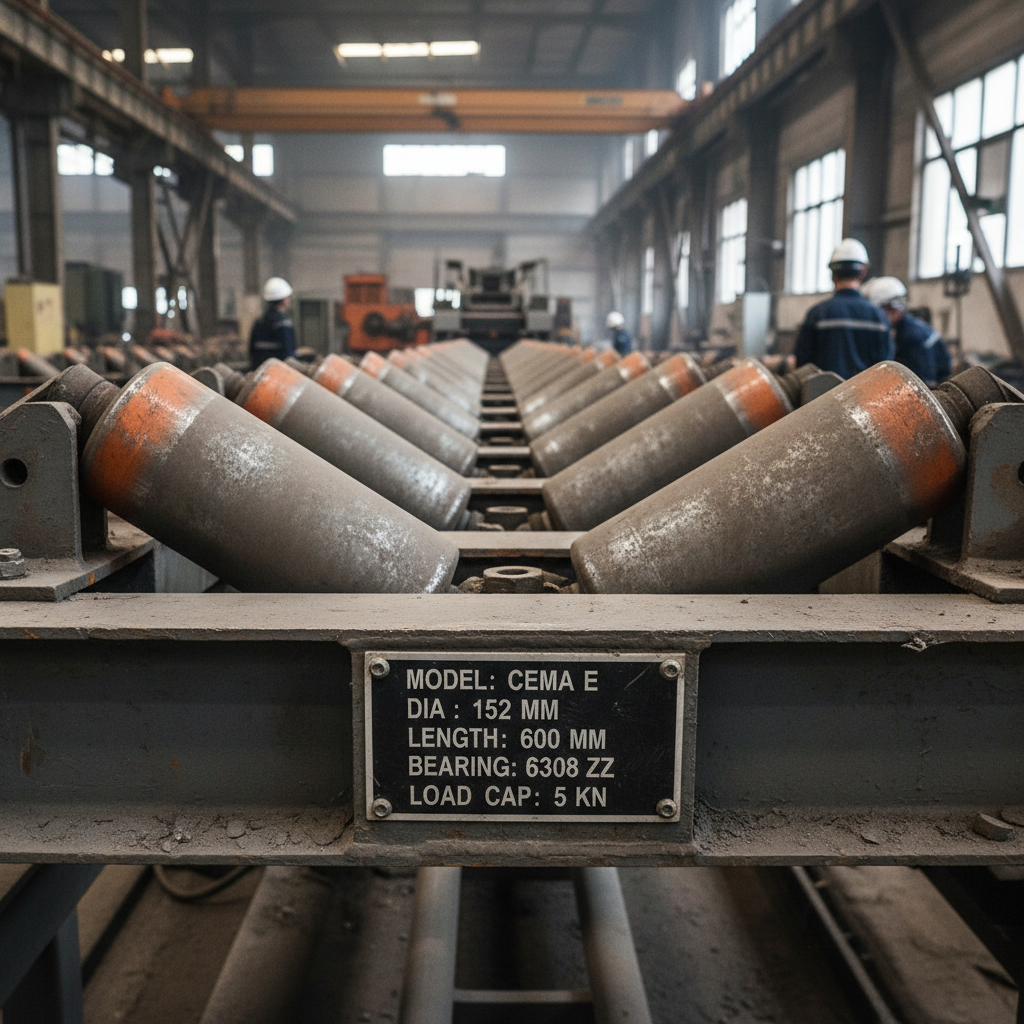
Let’s talk conveyor idler pulley. You see ‘em everywhere on a site – under belts carrying everything from aggregate to finished products. They’re the unsung heroes, honestly. Most folks don't give 'em a second thought until one fails, and then suddenly, the whole operation grinds to a halt. We’re talking downtime, lost productivity, and frankly, a bit of a headache for everyone involved. I’ve spent years walking these sites, watching things move (or not move), and the reliability of these pulleys is a constant factor. A good conveyor idler pulley isn't just about keeping things rolling; it’s about preventing major disruptions and keeping a project on schedule. It's a foundational piece of material handling. From massive mining operations moving tons of ore to smaller aggregate plants supplying local construction, the need for efficient material transport is universal. Globally, the conveyor belt system market is huge, and idler pulleys are integral. The UN estimates global infrastructure spending will be in the trillions over the next decade. That means a lot of material moving, and a lot of reliance on components like the conveyor idler pulley. We’re not just talking about economic impact; properly maintained systems minimize dust and spillage, impacting environmental concerns too. It all starts with a solid pulley. Simply put, a conveyor idler pulley is a cylindrical component that supports the conveyor belt. It reduces friction, guides the belt’s path, and prevents sagging. It’s a deceptively simple piece of engineering, but vital. I've seen operations completely reliant on them, especially in remote areas where getting parts is a logistical nightmare.
Read more »



 Afrikaans
  Albanian
  Amharic
  Arabic
  Armenian
  Azerbaijani
  Basque
  Belarusian
  Bengali
  Bosnian
  Bulgarian
  Catalan
  Cebuano
  Corsican
  Croatian
  Czech
Czech  Danish
  Dutch
Dutch  English
  Esperanto
  Estonian
  Finnish
  French
  Frisian
  Galician
  Georgian
  German
  Greek
Greek  Gujarati
  Haitian Creole
  hausa
hausa  hawaiian
  Hebrew
  Hindi
Hindi  Miao
Miao  Hungarian
  Icelandic
  igbo
igbo  Indonesian
  irish
irish  Italian
  Japanese
  Javanese
  Kannada
  kazakh
  Khmer
Khmer  Rwandese
  Korean
  Kurdish
  Kyrgyz
  Lao
Lao  Latin
Latin  Latvian
  Lithuanian
  Luxembourgish
  Macedonian
  Malgashi
  Malay
Malay  Malayalam
  Maltese
  Maori
Maori  Marathi
  Mongolian
  Myanmar
  Nepali
  Norwegian
  Norwegian
  Occitan
  Pashto
  Persian
  Polish
  Portuguese
  Punjabi
  Romanian
  Russian
  Samoan
  Scottish Gaelic
  Serbian
  Sesotho
  Shona
Shona  Sindhi
  Sinhala
  Slovak
  Slovenian
  Somali
  Spanish
  Sundanese
  Swahili
  Swedish
  Tagalog
  Tajik
Tajik  Tamil
Tamil  Tatar
Tatar  Telugu
  Thai
Thai  Turkish
  Turkmen
  Ukrainian
  Urdu
Urdu  Uighur
  Uzbek
Uzbek  Vietnamese
  Welsh
Welsh  Bantu
Bantu  Yiddish
  Yoruba
  Zulu
Zulu