

Comprehensive Guide to Conveyor Belt Scrapers for Optimal Material Handling
Understanding Conveyor Belt Scrapers: A Comprehensive Guide
Efficient material handling is crucial for any industry relying on conveyor systems. A key component in maintaining that efficiency is the conveyor belt scraper. These devices effectively remove buildup on the belt, preventing material carryback and ensuring smooth operation. This article will explore the different types of scrapers, their benefits, selection criteria, and maintenance tips. Ensuring optimal scraper performance contributes significantly to reduced downtime, cleaner working environments, and extended conveyor belt life. IdlerAohua offers a wide range of solutions tailored to your specific needs.
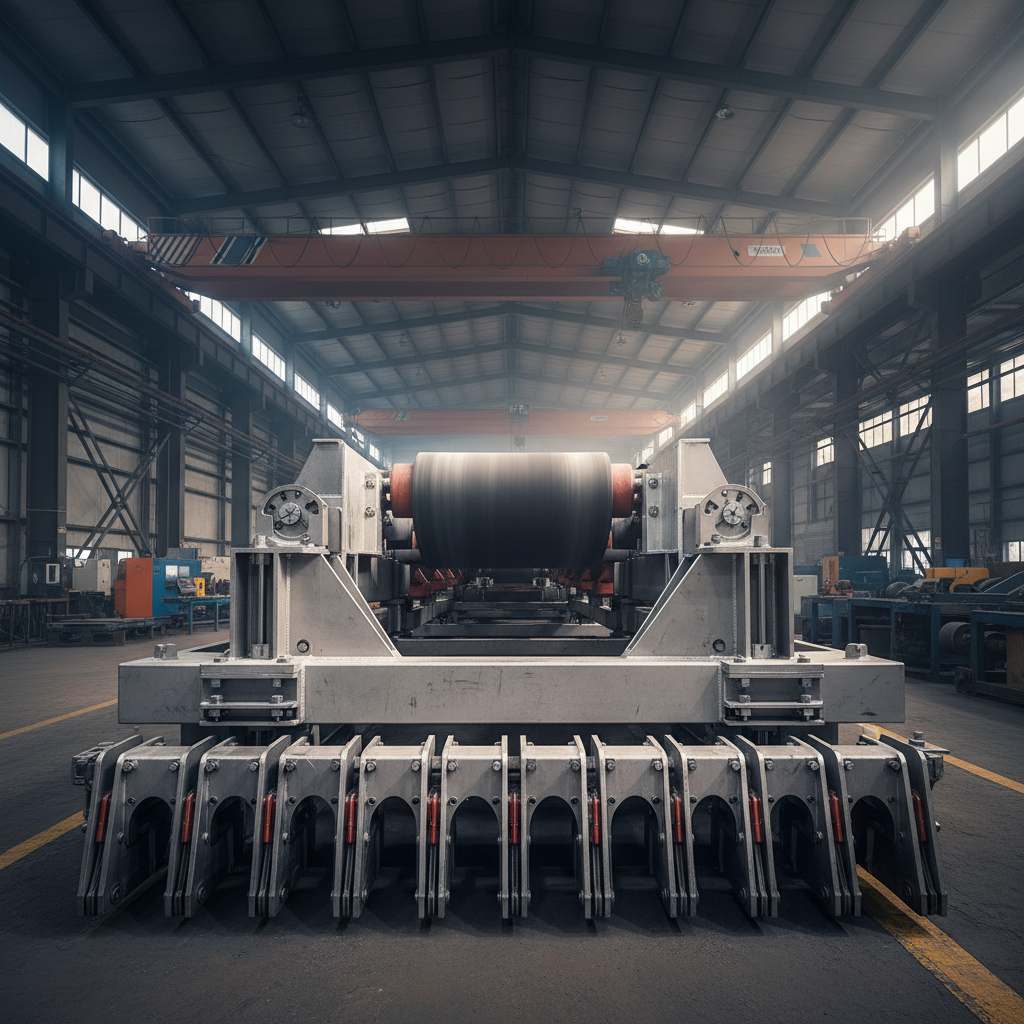
Why Use a Conveyor Belt Scraper?
The primary function of a conveyor belt scraper is to prevent material buildup, often referred to as “carryback”. Carryback leads to several problems, including reduced belt life, increased cleaning costs, and potential safety hazards. A scraper effectively removes this buildup, leading to a more efficient and safer operation. Furthermore, preventing material buildup reduces power consumption as the conveyor system doesn't have to work as hard to move the load. Regular scraper maintenance is a small investment that yields significant returns.
Key Benefits: Reduced cleaning costs, extended belt life, improved efficiency, enhanced safety, and reduced power consumption.
Types of Conveyor Belt Scrapers
Several types of conveyor belt scrapers are available, each designed for specific applications and materials. Common types include mechanical scrapers, spring-loaded scrapers, and air scrapers. Mechanical scrapers utilize a fixed blade to remove material, while spring-loaded scrapers offer more consistent pressure. Air scrapers employ a jet of air to dislodge buildup. The best choice depends on factors such as the material being conveyed, belt speed, and the amount of buildup. IdlerAohua specialists can help you determine the optimal scraper for your specific system.
Scraper Type Overview:
• Mechanical Scrapers: Fixed blade, robust, suitable for heavy-duty applications.
• Spring-Loaded Scrapers: Consistent pressure, adaptable to varying belt conditions.
• Air Scrapers: Non-contact cleaning, ideal for sensitive materials and high speeds.
Choosing the Right Conveyor Belt Scraper
Selecting the correct conveyor belt scraper requires careful consideration of several factors. The type of material being conveyed (e.g., aggregates, coal, food products) is paramount. The belt speed and load capacity also play a critical role. Furthermore, the operating environment, including temperature and exposure to moisture, should be taken into account. Finally, consider the ease of maintenance and replacement when making your selection.
Proper Installation and Maintenance of Conveyor Belt Scrapers
Correct installation is essential for optimal scraper performance. Ensure the scraper is properly aligned with the belt and has the appropriate tension. Regular inspection is crucial to identify wear and tear. Replace blades or components as needed to maintain cleaning efficiency. A well-maintained conveyor belt scraper not only extends the life of the belt but also reduces the risk of unexpected downtime.
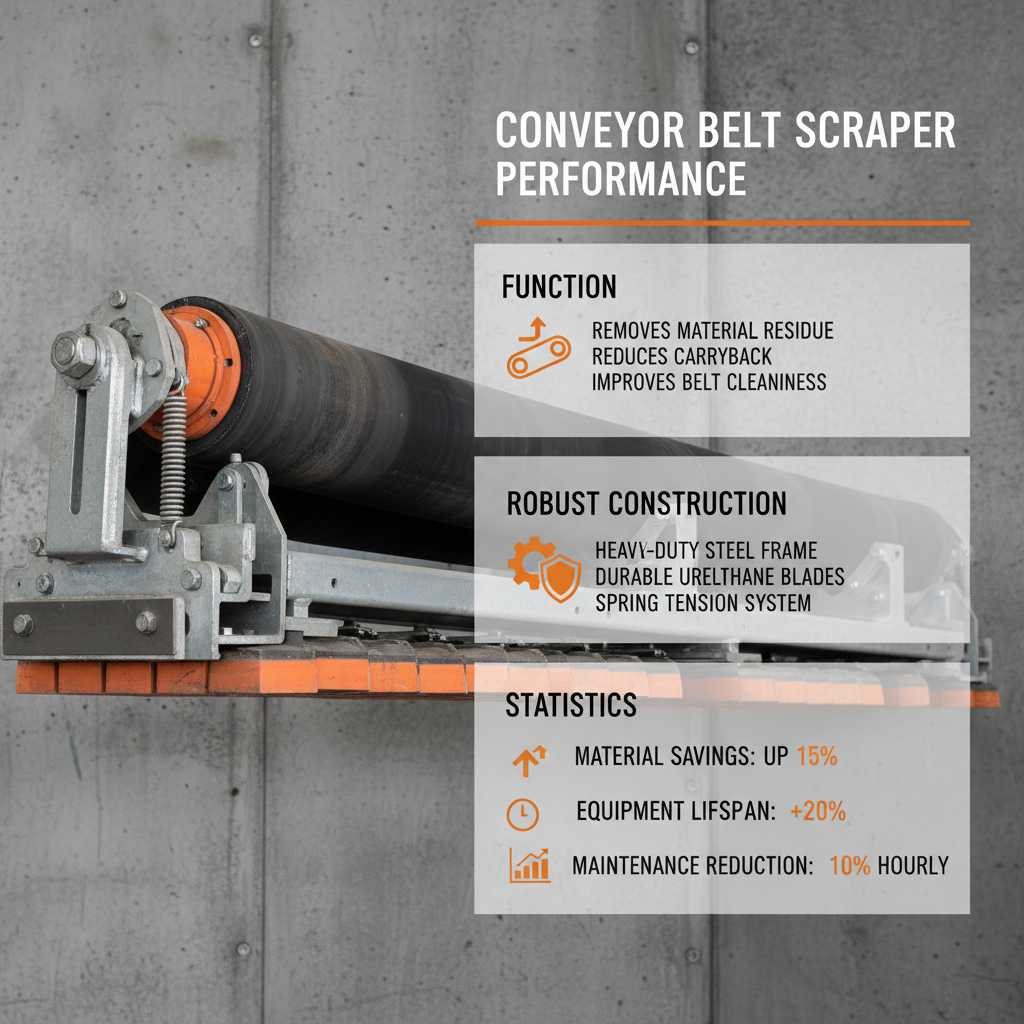
Selecting IdlerAohua for Your Scraper Needs
At IdlerAohua, we provide a comprehensive range of high-quality conveyor belt scrapers tailored to your specific requirements. Our experienced team can assist you in selecting the right scraper, ensuring optimal performance and longevity. We are committed to providing reliable products and exceptional customer support. Contact us today to discuss your needs and discover how we can help improve your material handling efficiency.
Conclusion: Maximizing Conveyor Efficiency with the Right Scraper
Investing in a quality conveyor belt scraper is a smart move for any operation relying on conveyor systems. It leads to cost savings, improved efficiency, and enhanced safety. IdlerAohua is your trusted partner in providing the right solutions for your material handling needs.
Frequently Asked Questions (FAQs)
How often should I replace my conveyor belt scraper blades?
The frequency of blade replacement depends on several factors, including the abrasive nature of the material being conveyed, belt speed, and operating conditions. Regularly inspect the blades for wear, cracks, or deformation. As a general guideline, replace blades when they have lost 25-50% of their original thickness. Waiting too long can lead to reduced scraping efficiency and potential damage to the conveyor belt. A proactive replacement schedule minimizes downtime and ensures optimal performance. IdlerAohua offers durable blades designed for extended life.
What is the best material for a conveyor belt scraper blade?
The best material depends on the application. For abrasive materials like aggregates, high-carbon steel or tungsten carbide blades are ideal due to their wear resistance. For sticky materials, polyurethane blades offer better release properties. Stainless steel blades are suitable for corrosive environments. IdlerAohua can help you choose the optimal blade material based on your specific needs and material properties.
Can a conveyor belt scraper be used on all types of conveyor belts?
Generally, yes, but it's crucial to ensure the scraper is compatible with the belt material and construction. Avoid using overly aggressive scrapers on delicate belts. Adjust the scraper pressure to prevent damage to the belt. Always consult the conveyor belt manufacturer's recommendations before installing a new scraper. IdlerAohua offers scrapers designed for a wide range of belt types.
What are the benefits of using an air scraper?
Air scrapers offer several advantages, including non-contact cleaning, which reduces wear on the belt. They are ideal for conveying sensitive materials that could be damaged by physical contact. They also excel at removing fine dust and sticky materials. However, air scrapers require a compressed air source and may be less effective with heavy, compacted buildup.
-
Maximize Conveyor Life with a High Performance impact bedNewsApr.16,2026
-
Maximize Conveyor Efficiency Using a v plow belt scraperNewsApr.09,2026
-
Comprehensive Guide to Understanding Different Types of Belt CleanersNewsApr.07,2026
-
Enhancing Conveyor Efficiency with an Effective Scraper Belt CleanerNewsApr.04,2026
-
Optimizing Conveyor Systems with Advanced Cleaning Equipment SolutionsNewsMar.31,2026
-
Effective Conveyor Belt Scraper Adjustment for Optimal System PerformanceNewsMar.28,2026