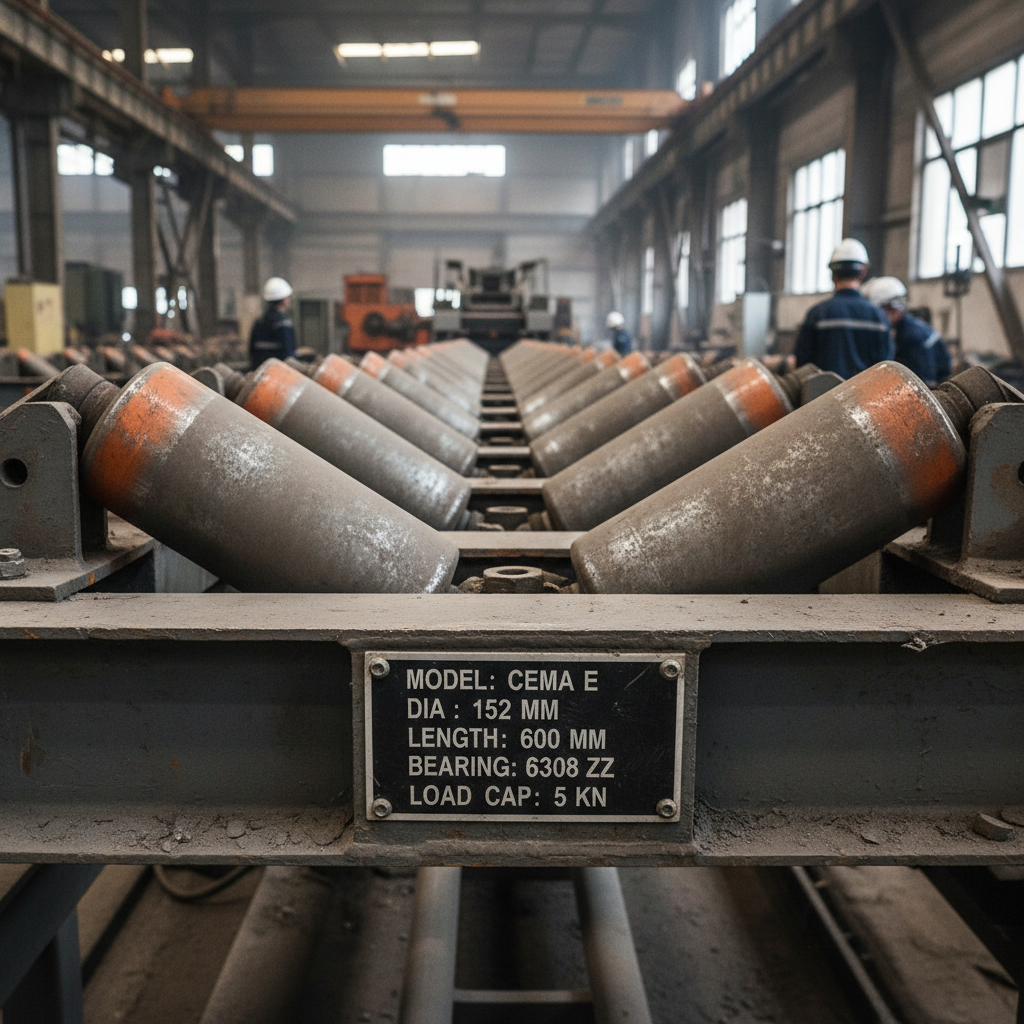
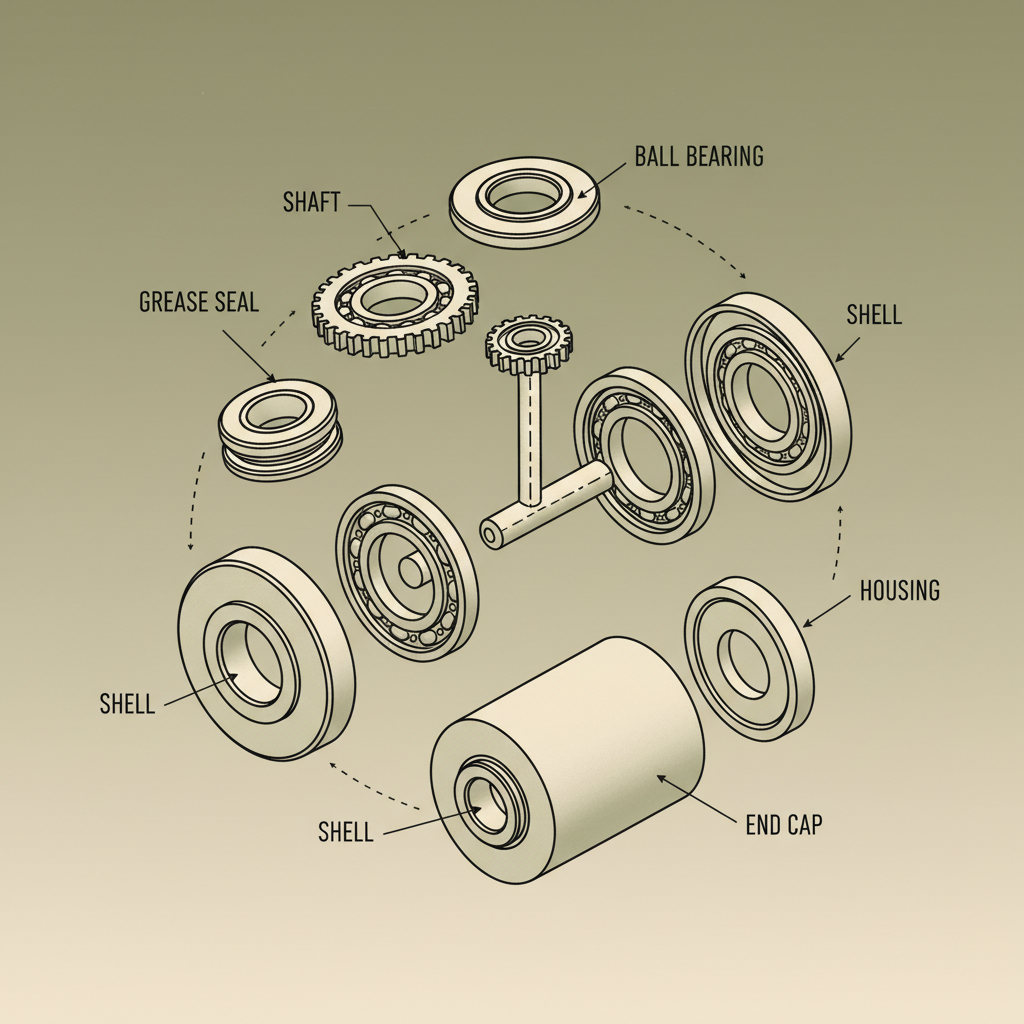
Impact idler rollers are critical components in conveyor systems across a vast array of industries, from mining and aggregate processing to package handling and logistics. These rollers are engineered to absorb the energy of falling materials, protecting the conveyor belt and structure from damage. Understanding their design, application, and maintenance is paramount to ensuring efficient and reliable material handling operations globally. The increasing demands for higher throughput and extended conveyor lifespans are driving innovation in impact idler roller technology.
The global conveyor system market is substantial, with impact idler rollers constituting a significant portion of the replacement and maintenance needs. Data from industry reports indicate consistent growth, spurred by expanding infrastructure projects and burgeoning e-commerce activities. The challenge lies in optimizing roller performance to minimize downtime and reduce the total cost of ownership, especially in harsh operating environments. Properly selected and maintained impact idler rollers directly contribute to operational efficiency and safety.
The relevance of impact idler roller technology extends beyond mere cost savings. Efficient material handling, facilitated by robust impact idler systems, is crucial for sustainable resource management and supply chain resilience. Modern advancements focus on reducing environmental impact through extended lifecycles, use of recyclable materials, and energy-efficient designs. This highlights the importance of understanding the full lifecycle of these components and adopting best practices for their responsible use.
Introduction to Impact Idler Rollers
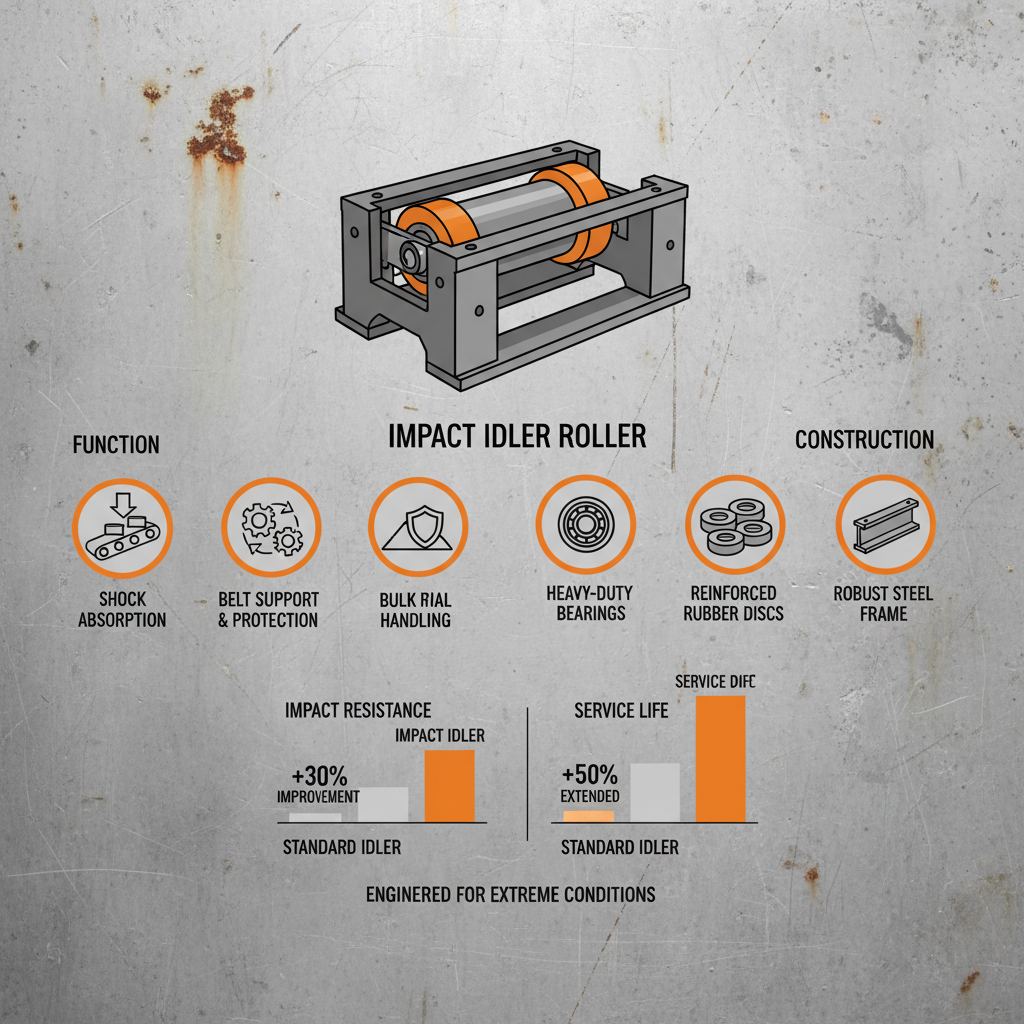
Impact idler rollers are specifically designed to withstand the dynamic loading of materials being conveyed. Unlike standard idler rollers, they're built with robust construction and often feature specialized cushioning materials to absorb impact energy, preventing damage to the belt and associated conveyor components. The selection of the right impact idler roller is crucial for maintaining conveyor system integrity and minimizing downtime.
These rollers are pivotal in industries handling abrasive or heavy materials. Their performance directly influences the lifespan of the conveyor belt, the overall system efficiency, and the safety of the operation. Choosing impact idler rollers with the appropriate load capacity, shell thickness, and sealing arrangements is essential for meeting specific application requirements.
Defining Impact Idler Rollers
An impact idler roller is a type of conveyor roller positioned strategically in areas where material loading occurs, such as transfer points or discharge zones. Their primary function is to absorb the force of falling materials, distributing the load more evenly and preventing localized stress on the conveyor belt. They differ from regular idler rollers in their construction, utilizing heavier-duty components and often incorporating impact-absorbing materials.
The connection to modern industry is undeniable. Efficient material handling is a cornerstone of manufacturing, mining, logistics, and countless other sectors. Impact idler rollers are fundamental to enabling high-throughput, continuous operation in these environments. Their reliable performance is critical for minimizing disruptions and maximizing productivity.
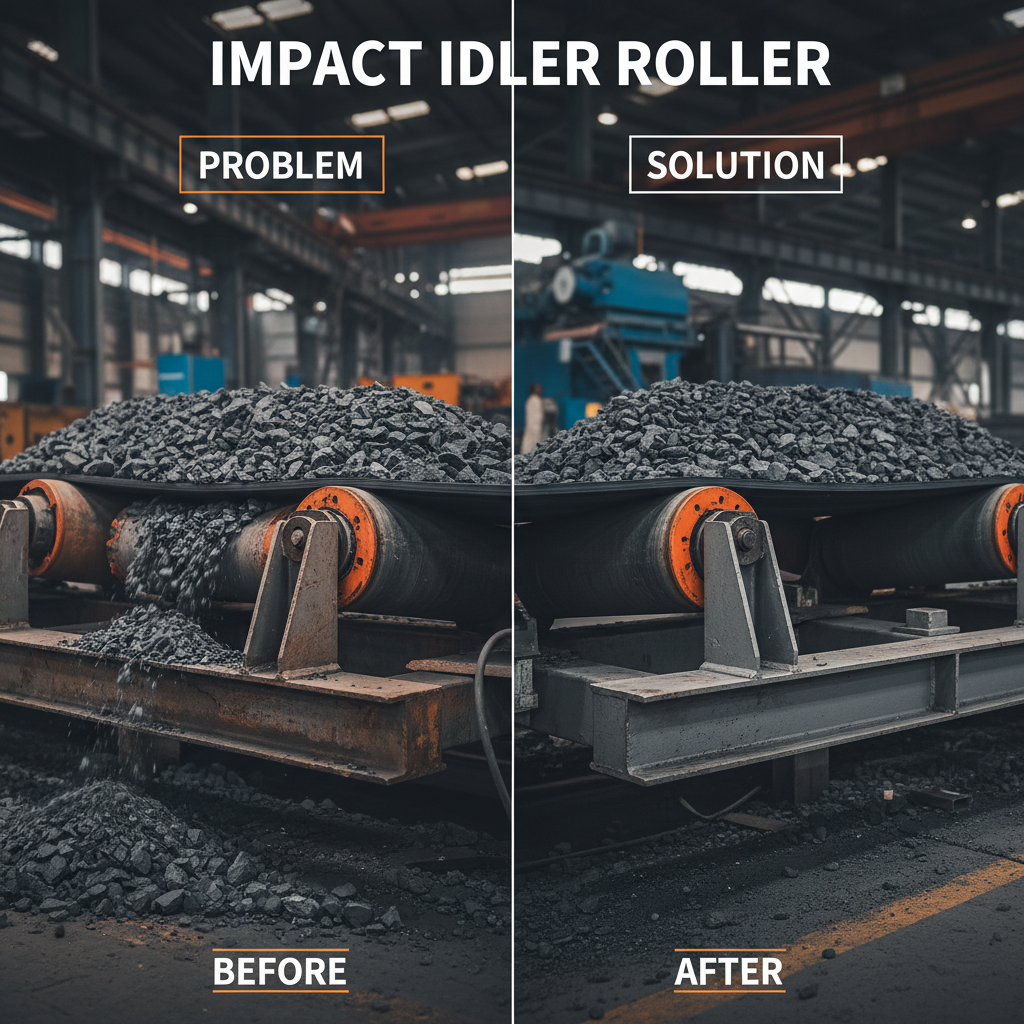
In essence, impact idler rollers represent a proactive solution to a common conveyor system problem: premature belt failure and system damage caused by material impact. They are an investment in the long-term health and efficiency of a material handling system.
Key Characteristics of Impact Idler Rollers
Durability is paramount. Impact idler rollers are subjected to significant stress and abrasion, requiring robust construction and high-quality materials. Shell materials often include hardened steel or alloys designed to resist wear and deformation. A well-built impact idler roller can significantly extend the life of the conveyor belt and reduce maintenance frequency.
Load Capacity is a critical factor. Impact idler rollers are designed to handle specific weight loads and impact forces. Selecting rollers with the appropriate load capacity for the application is essential to prevent premature failure and ensure safe operation. Understanding the material characteristics and conveyor system design is crucial for determining the necessary load capacity.
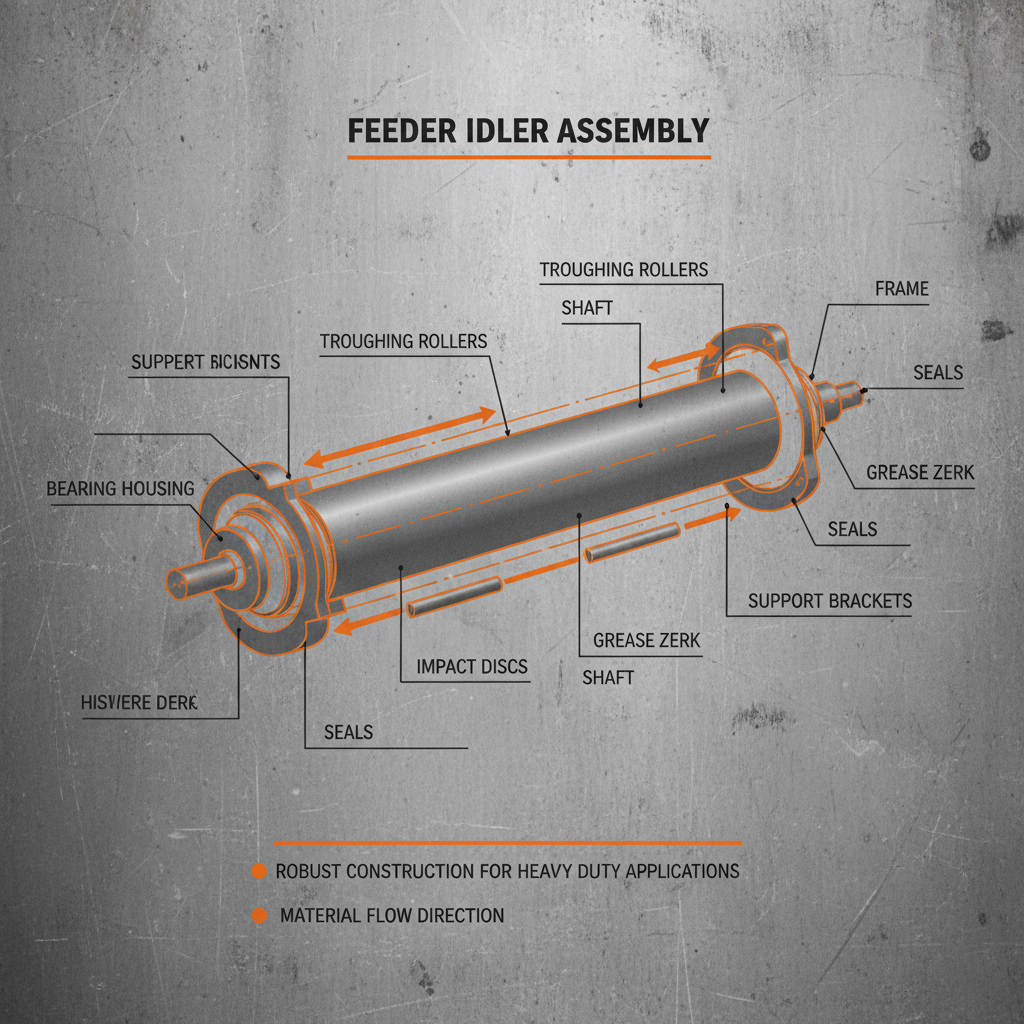
Sealing Effectiveness is vital. Effective seals prevent contaminants, such as dust and moisture, from entering the roller bearings, which can lead to corrosion and failure. High-quality seals are particularly important in harsh operating environments.
Shell Thickness plays a key role in the roller’s ability to resist deformation under load. Thicker shells provide greater protection but also increase the roller’s weight. A balance must be struck between durability and overall system efficiency. Impact idler roller design often incorporates varying shell thicknesses based on anticipated load conditions.
Performance Metrics and Impact Idler Roller Selection
Impact absorption capability is a key metric. The ability of an impact idler roller to effectively dissipate energy from falling materials directly influences the lifespan of the conveyor belt and the structural integrity of the conveyor system. Testing and simulation are often used to evaluate impact absorption performance.
Bearing life is another critical performance indicator. The quality of the bearings and the effectiveness of the seals significantly impact the roller's overall lifespan and maintenance requirements. Regularly monitoring bearing condition and performing preventative maintenance can extend roller life and minimize downtime.
Impact Idler Roller Performance Comparison
Global Applications of Impact Idler Rollers
Impact idler rollers are essential in the mining industry, where they handle abrasive materials like coal, iron ore, and aggregate. They are critical for ensuring the continuous operation of conveyor systems used in extraction, processing, and transportation. In remote mining locations, reliability and durability are paramount.
The aggregate and cement industries also heavily rely on these rollers. The harsh nature of these materials requires robust impact idler roller designs to withstand constant abrasion and impact. Proper selection and maintenance minimize downtime and maintain production efficiency.
Furthermore, logistics and distribution centers utilize impact idler rollers extensively in package handling systems. The high-speed, continuous operation demands reliable rollers capable of handling varying package weights and sizes.
The Advantages of High-Quality Impact Idler Rollers
Reduced maintenance costs are a significant benefit. Durable, high-quality impact idler rollers require less frequent replacement, minimizing downtime and labor expenses. This translates to a lower total cost of ownership over the lifespan of the conveyor system.
Enhanced conveyor belt life is another key advantage. By effectively absorbing impact energy, these rollers protect the conveyor belt from damage, extending its service life and reducing the need for costly repairs or replacements.
Future Trends in Impact Idler Roller Technology
Smart idler rollers equipped with sensors are emerging as a key trend. These sensors can monitor bearing temperature, vibration, and load conditions, providing valuable data for predictive maintenance and preventing unexpected failures. Data analytics will play an increasingly important role in optimizing impact idler roller performance.
The development of more sustainable materials is also gaining momentum. Manufacturers are exploring the use of recycled materials and bio-based polymers to reduce the environmental impact of impact idler roller production.
Further innovation focuses on advanced sealing technologies, enhancing protection against contaminants and extending bearing life in harsh environments. Self-cleaning roller designs can also reduce maintenance requirements and improve performance.
Future Trends in Impact Idler Roller Technology
Increased adoption of modular designs allows for easier customization and faster replacement of impact idler rollers. This reduces downtime and allows for tailored solutions to specific application requirements.
Materials science is driving the development of lighter, yet stronger, roller shells. This reduces the overall weight of the conveyor system, improving energy efficiency and reducing stress on structural components.
Integration with digital twin technology provides virtual modeling for predictive analysis and optimal impact idler roller placement to maximize system efficiency.
Key Performance Indicators for Impact Idler Roller Selection
| Application Type |
Material Characteristics |
Load Capacity (Tons) |
Expected Lifespan (Months) |
| Mining (Coal) |
Abrasive, High Impact |
20-50 |
6-12 |
| Aggregate Processing |
Very Abrasive, High Impact |
10-30 |
3-9 |
| Package Handling |
Variable Weight, Moderate Impact |
5-15 |
12-24 |
| Cement Production |
Abrasive, High Temperature |
15-40 |
4-8 |
| Food Processing |
Non-Abrasive, Low Impact |
2-10 |
18-36 |
| Recycling Facilities |
Highly Variable, High Impact |
10-25 |
3-6 |
FAQS
The lifespan of an impact idler roller varies considerably based on the application and operating conditions. Factors such as material abrasiveness, load weight, conveyor speed, and environmental conditions all play a role. Typically, a well-maintained impact idler roller in a moderate application can last between 6 to 24 months, while harsher environments may require replacement every 3 to 6 months. Regular inspections and preventative maintenance can extend the lifespan.
Selecting the right impact idler roller requires careful consideration of several factors. First, determine the material being conveyed and its abrasiveness. Second, assess the maximum load weight and impact force. Third, evaluate the conveyor speed and operating environment. Finally, consider the desired lifespan and budget. Consult with a roller specialist to ensure you select a roller with the appropriate shell thickness, bearing capacity, and sealing arrangement.
Common signs of a failing impact idler roller include excessive noise, vibration, and heat. Visible damage, such as cracks or deformation of the shell, is also an indicator. Decreased conveyor efficiency, belt tracking issues, and frequent belt repairs can also signal a problem. Regular inspections can help identify these issues early on.
Seals are critically important in impact idler rollers. They prevent contaminants like dust, moisture, and debris from entering the bearings, which can cause corrosion, wear, and premature failure. High-quality seals significantly extend the lifespan of the roller and reduce maintenance requirements. Look for rollers with multi-lip seals and robust sealing materials.
Regular maintenance is crucial for maximizing the lifespan of impact idler rollers. This includes periodic inspections for damage, proper lubrication of bearings (if applicable), and cleaning to remove debris buildup. Monitoring bearing temperature and vibration can also help identify potential problems early on. Following the manufacturer's recommendations for maintenance is essential.
Yes, smart idler rollers with integrated sensors can significantly reduce downtime. These sensors monitor key performance parameters like bearing temperature, vibration, and load, providing real-time data to predict potential failures before they occur. This allows for proactive maintenance scheduling, minimizing unexpected breakdowns and maximizing conveyor system uptime.
Conclusion
In conclusion, impact idler rollers are indispensable components of modern conveyor systems, playing a vital role in maintaining operational efficiency, minimizing downtime, and enhancing safety across a wide range of industries. Their durability, load capacity, and sealing effectiveness are critical factors determining overall system performance and longevity. Understanding the nuances of impact idler roller selection, maintenance, and emerging technologies is crucial for optimizing material handling operations.
Looking ahead, the integration of smart sensors, sustainable materials, and advanced designs will drive further innovation in impact idler roller technology. Investing in high-quality rollers, coupled with proactive maintenance practices, is a strategic decision that yields significant long-term benefits, contributing to increased productivity, reduced costs, and a more sustainable future. For premium impact idler rollers and expert solutions, visit our website: idleraohua.com