

Understanding the Main Parts of Belt Conveyor Systems for Optimal Performance
Main Parts of Belt Conveyor: A Comprehensive Guide
Belt conveyors are essential material handling systems used across numerous industries, from mining and agriculture to manufacturing and logistics. Understanding the main parts of belt conveyor systems is crucial for efficient operation, maintenance, and troubleshooting. This guide provides a detailed overview of the key components, their functions, and how they contribute to the overall performance of a belt conveyor. Choosing the right components from a reputable supplier like Idler Aohua ensures reliability and longevity.
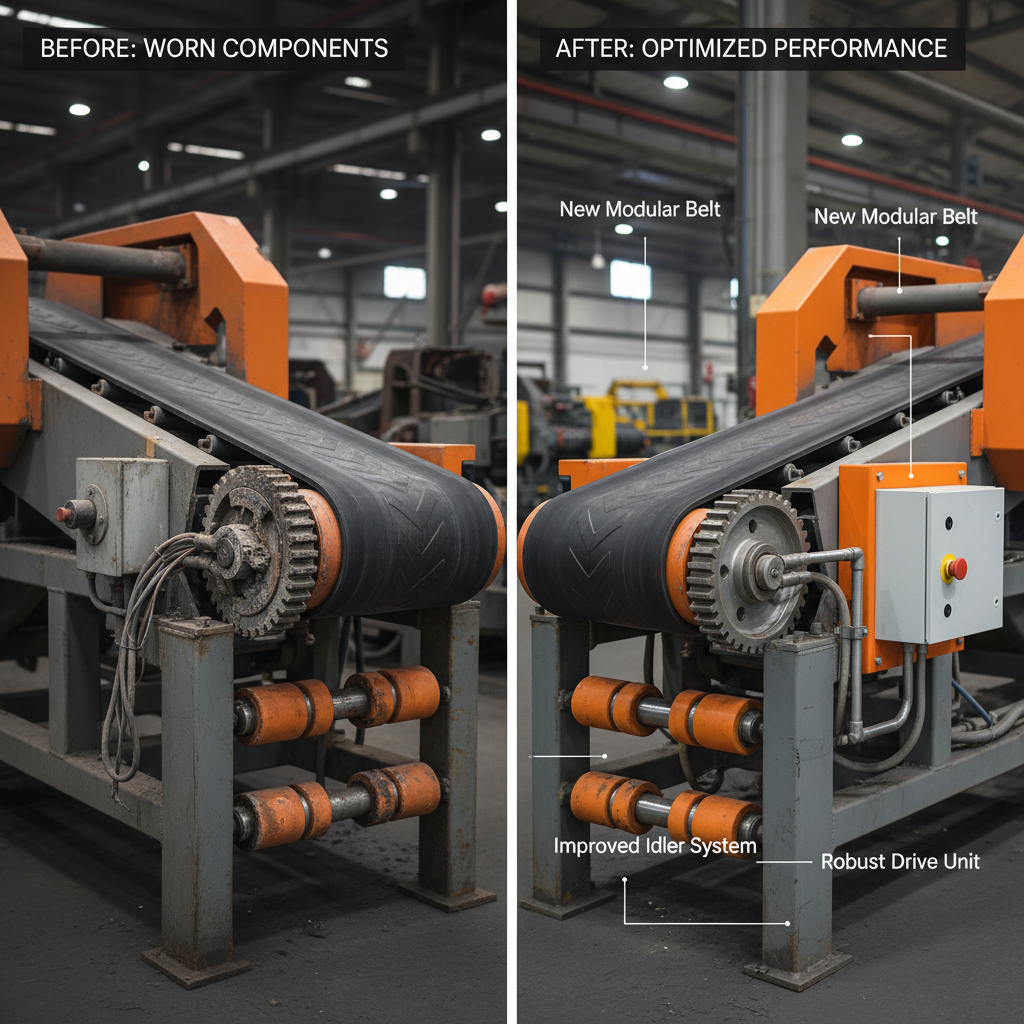
The Core Components of a Belt Conveyor System
A belt conveyor system isn’t just a moving rubber belt. It's a carefully engineered system with several interdependent parts. The primary components work together to smoothly and efficiently transport materials. These include the belt itself, rollers (idlers and pulleys), drive and tail pulleys, the frame, and supporting structures, as well as control and safety systems. Each element plays a vital role in the system's functionality, and understanding their functions is critical for effective maintenance and performance optimization. A robust system, sourced from experienced manufacturers, minimizes downtime and maximizes productivity.
Belt: The Workhorse of the System
The belt is the crucial component that carries the material. These belts are typically made from layers of synthetic polymers, fabric, and sometimes steel cords, depending on the application's requirements. Different belt types – such as smooth-top, cleated, and textured belts – are designed for specific materials and inclines. The choice of belt material and construction impacts the conveyor's capacity, durability, and resistance to wear and tear. Selecting the appropriate belt is essential to ensure efficient and reliable material handling. Consider factors like abrasion resistance, tensile strength, and temperature resistance when selecting a belt.
Rollers: Supporting and Guiding the Belt
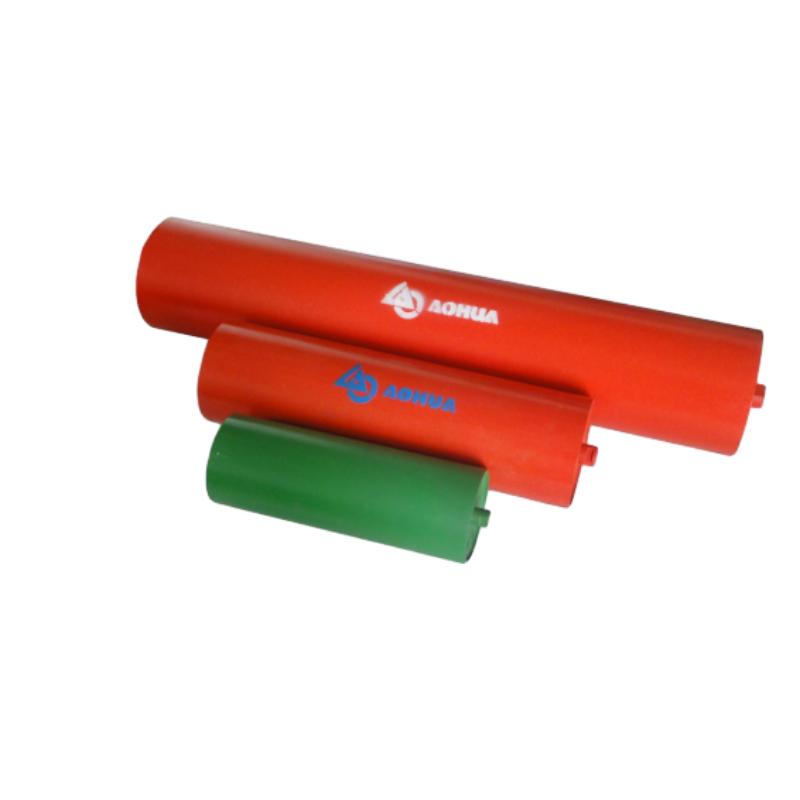
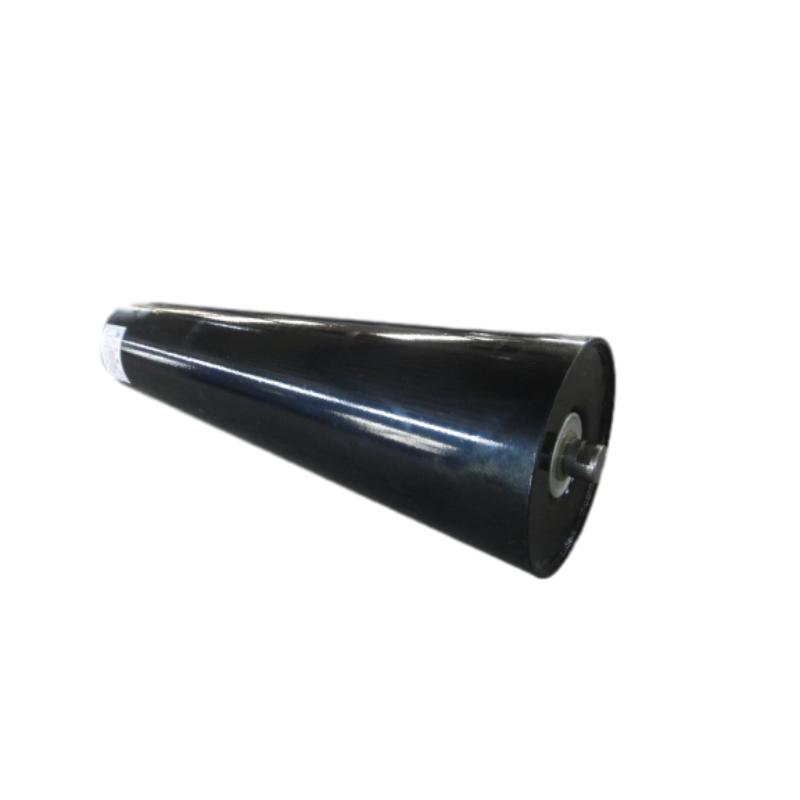
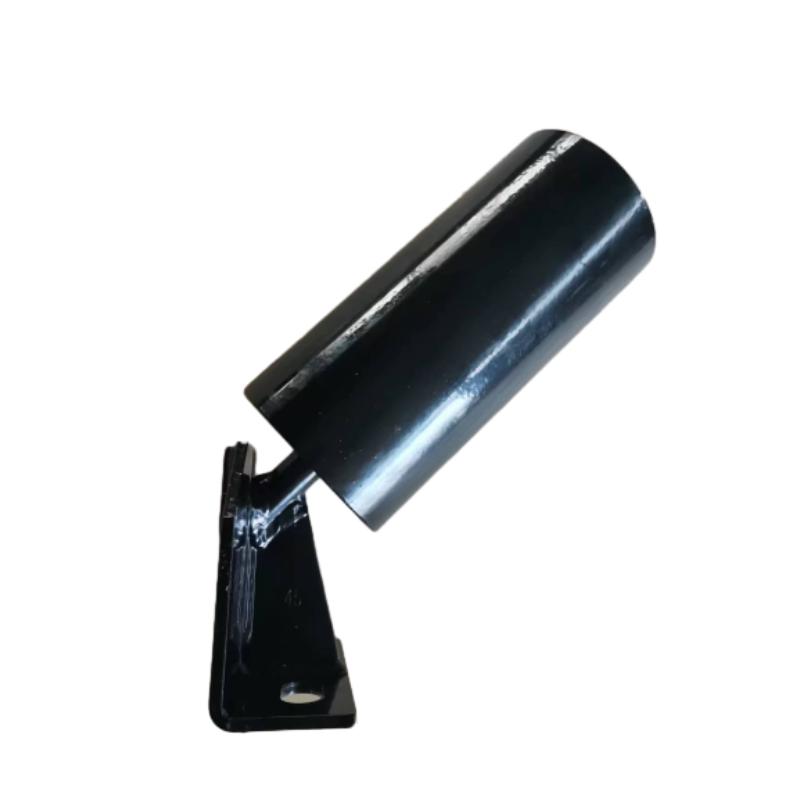
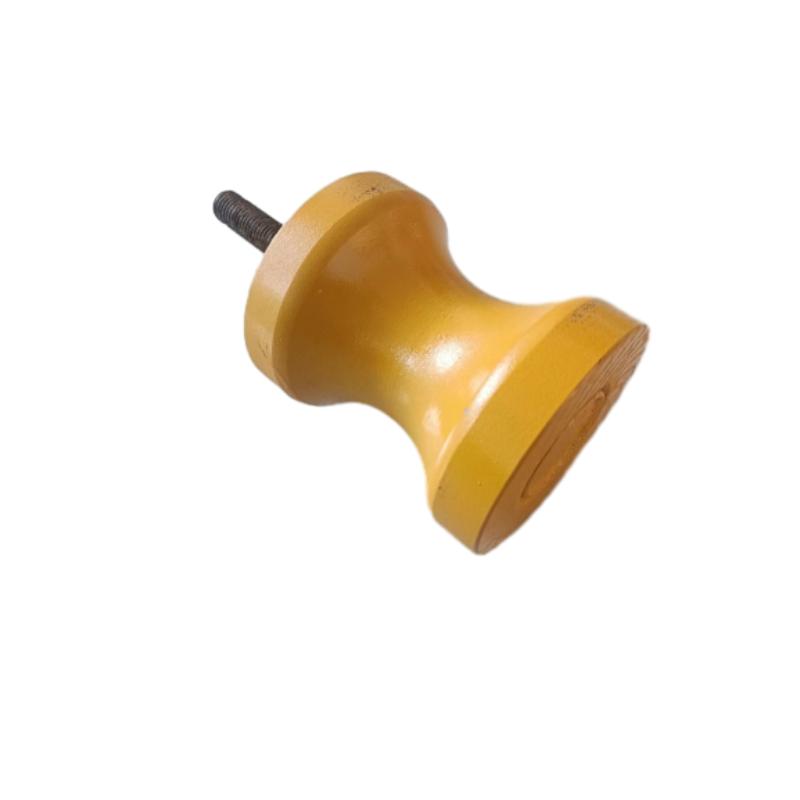
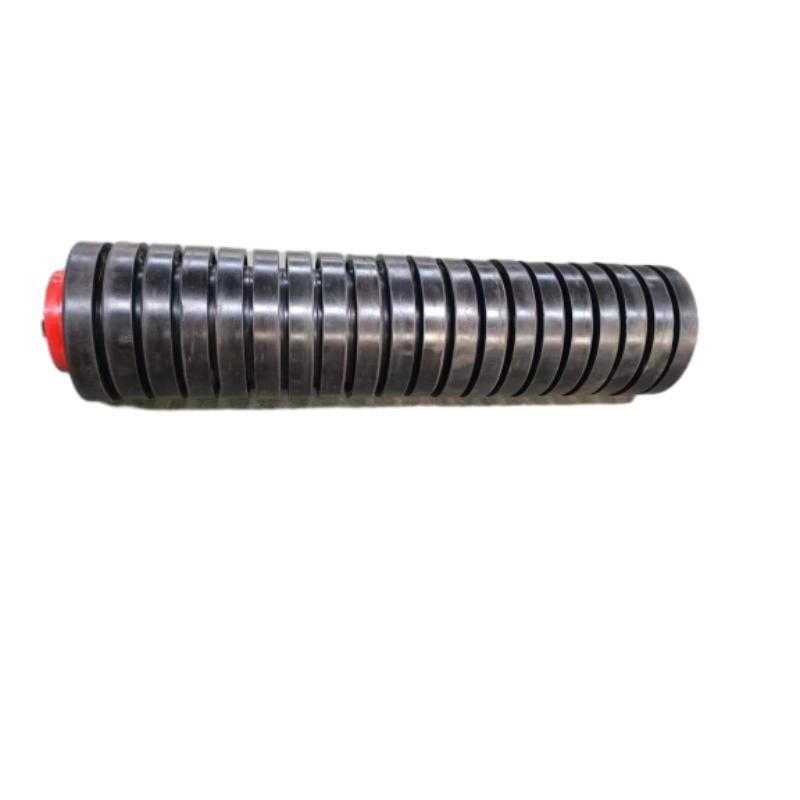
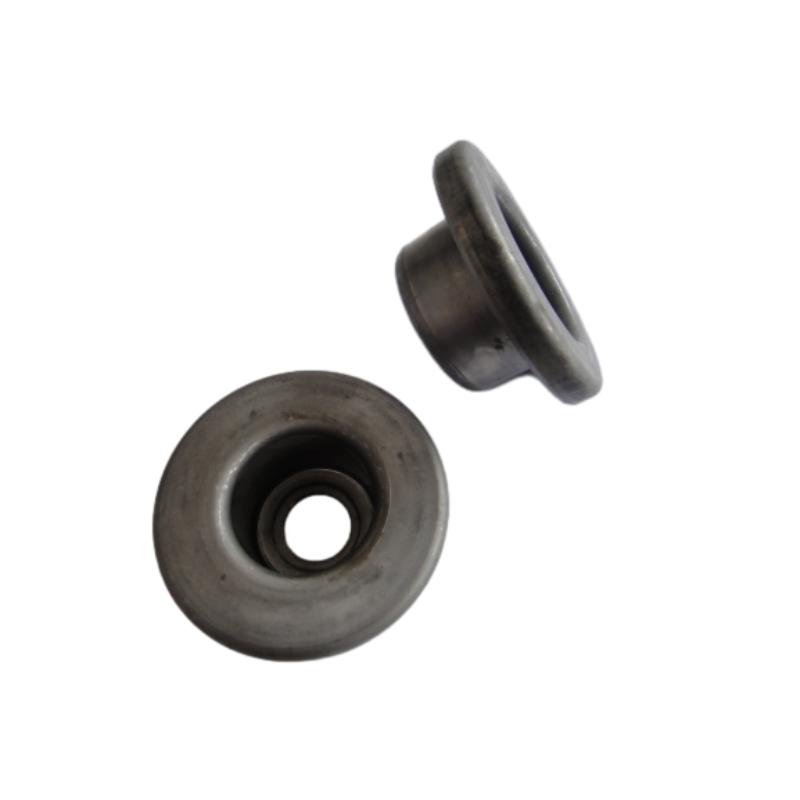
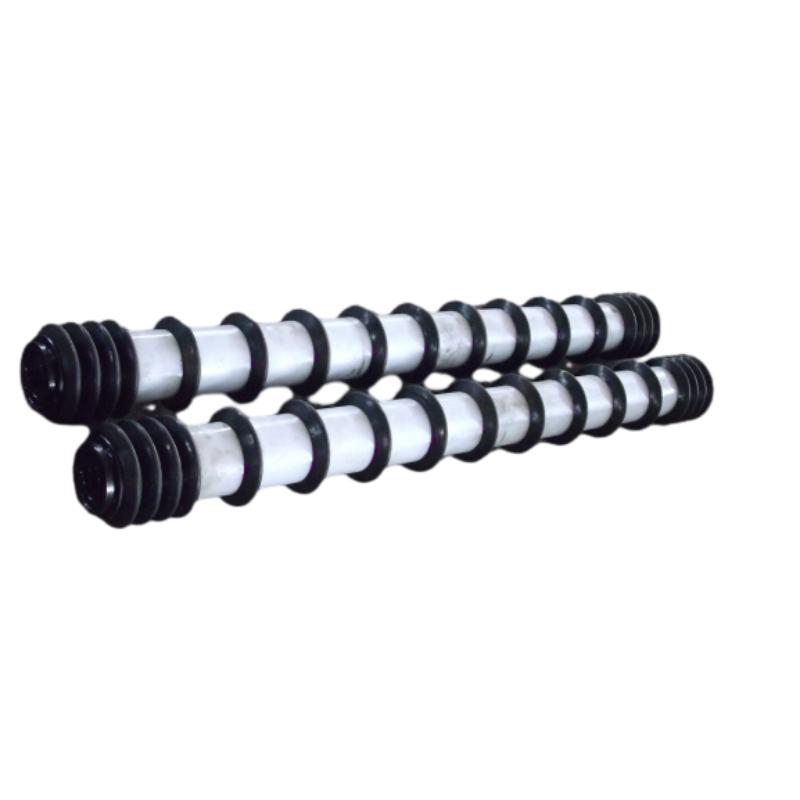
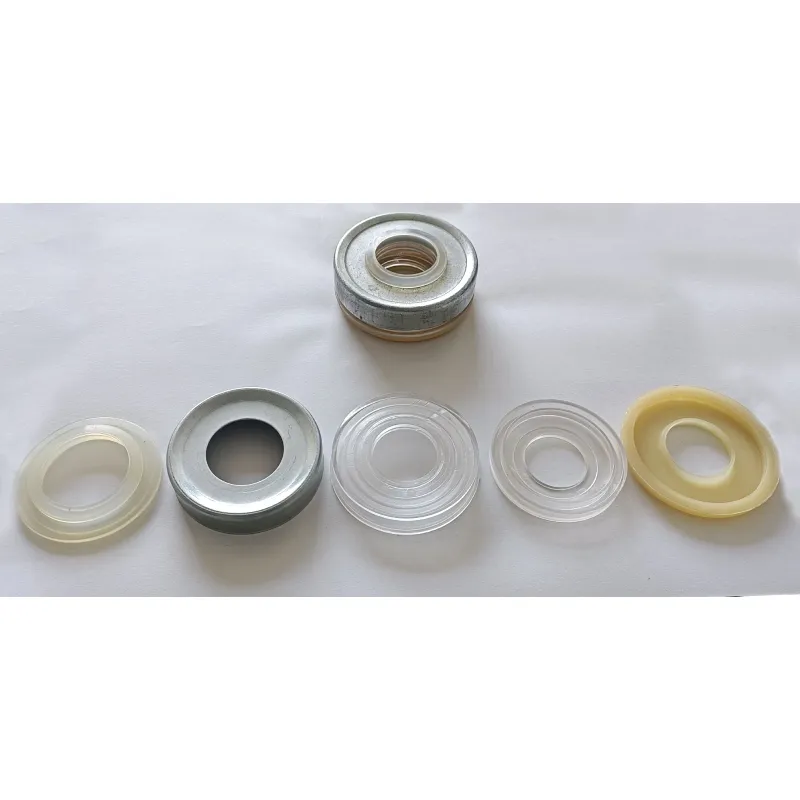
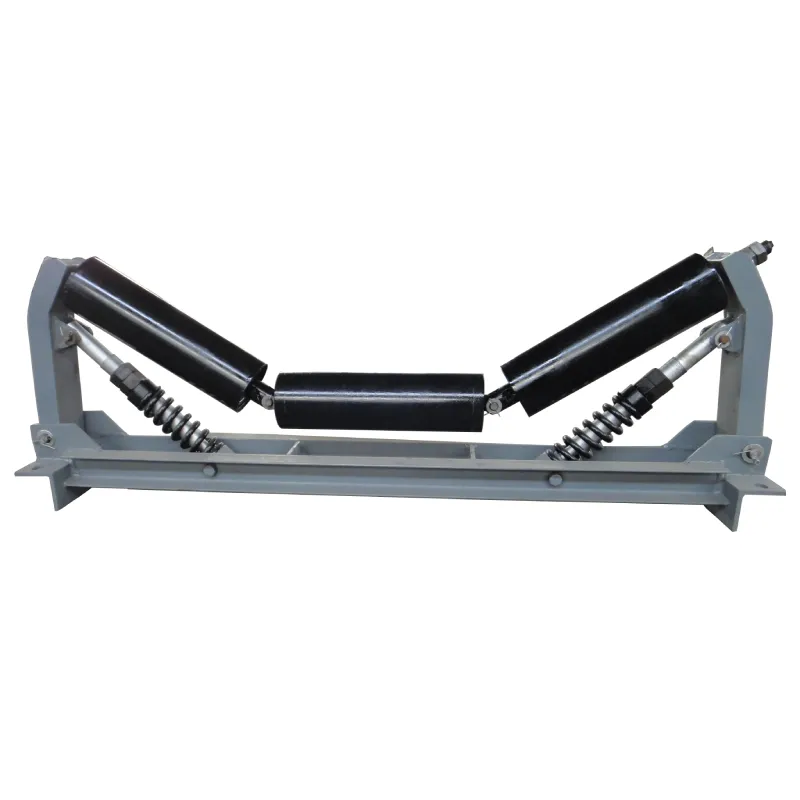
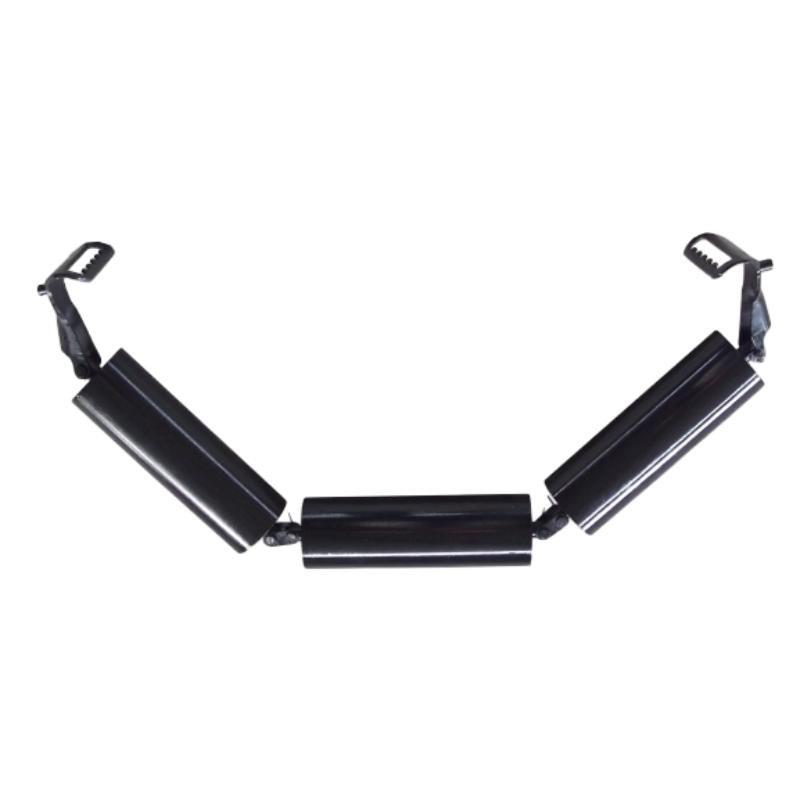
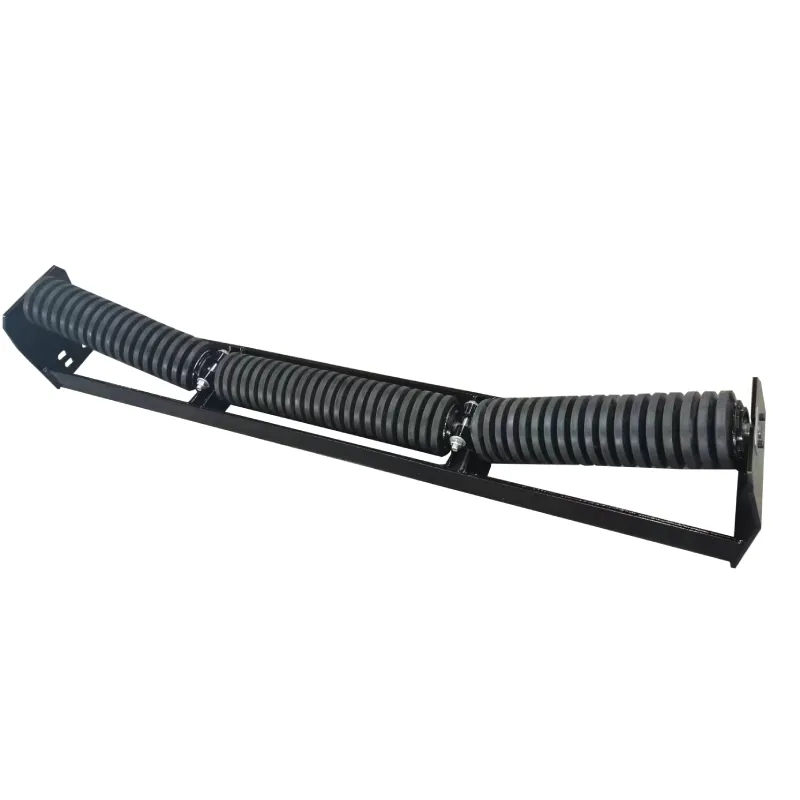
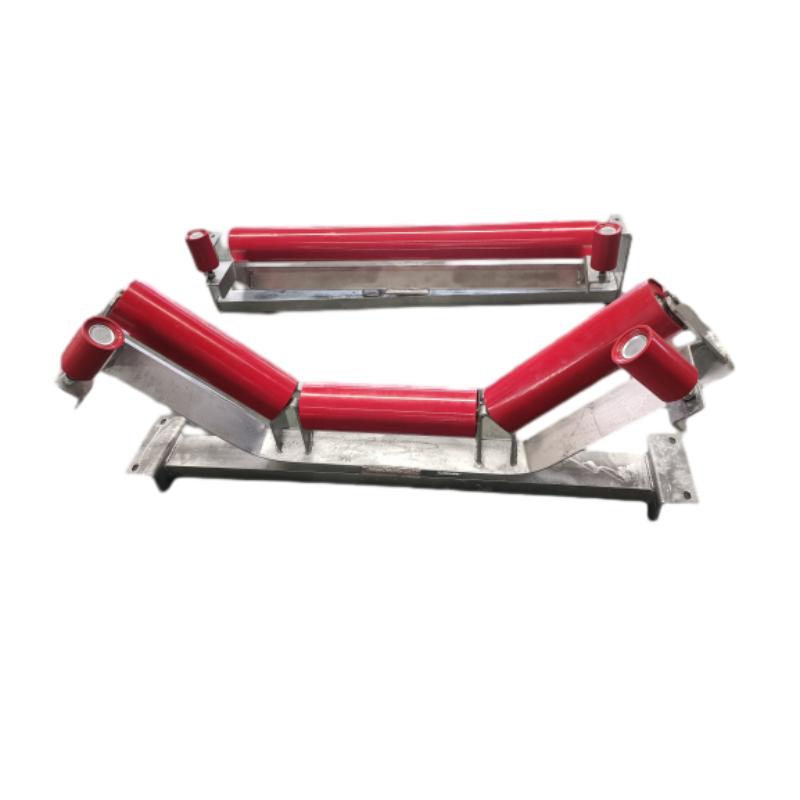
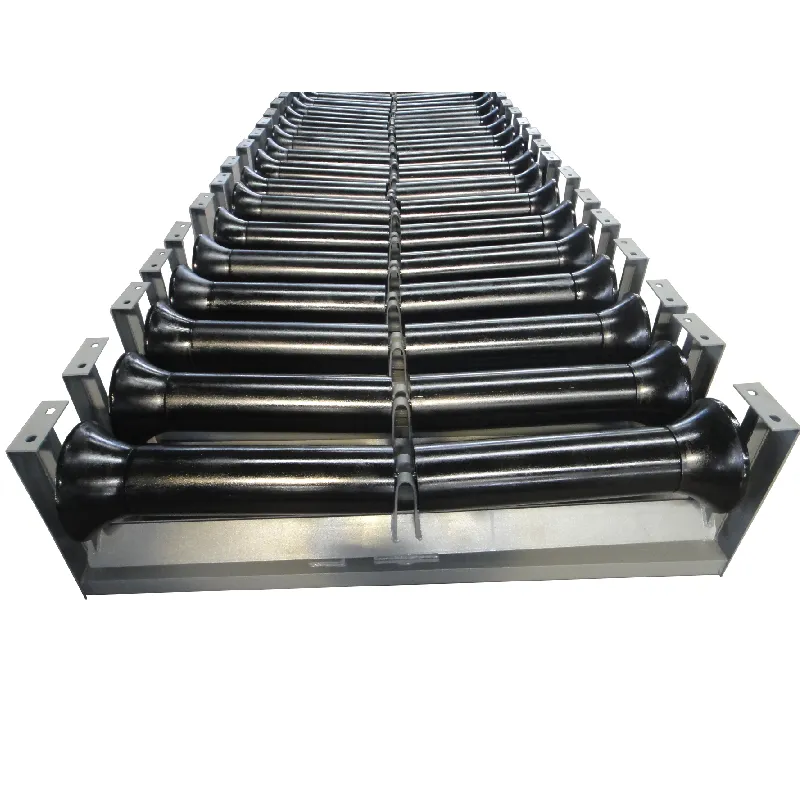
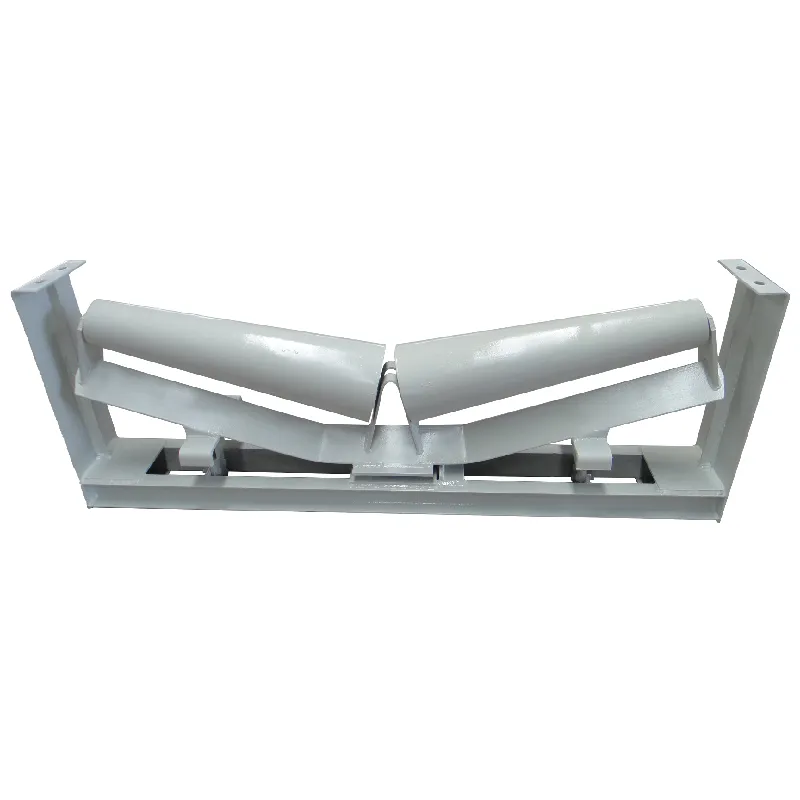
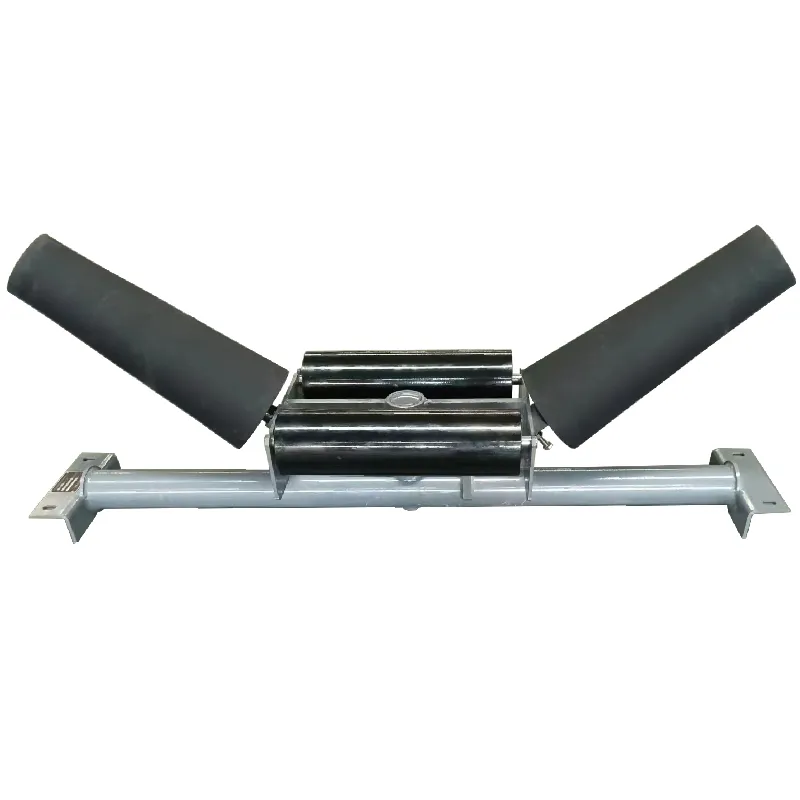
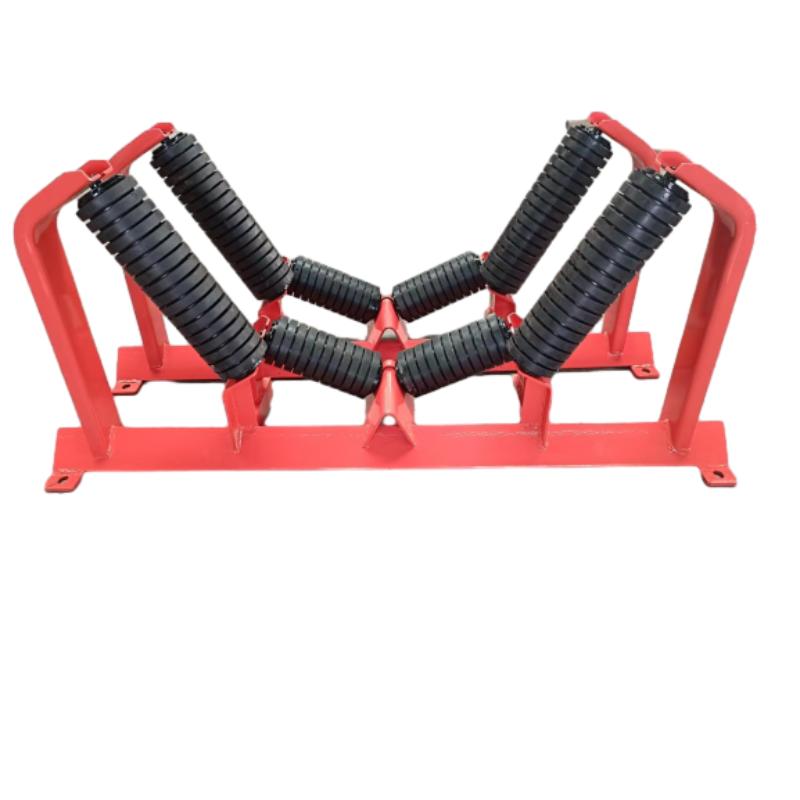
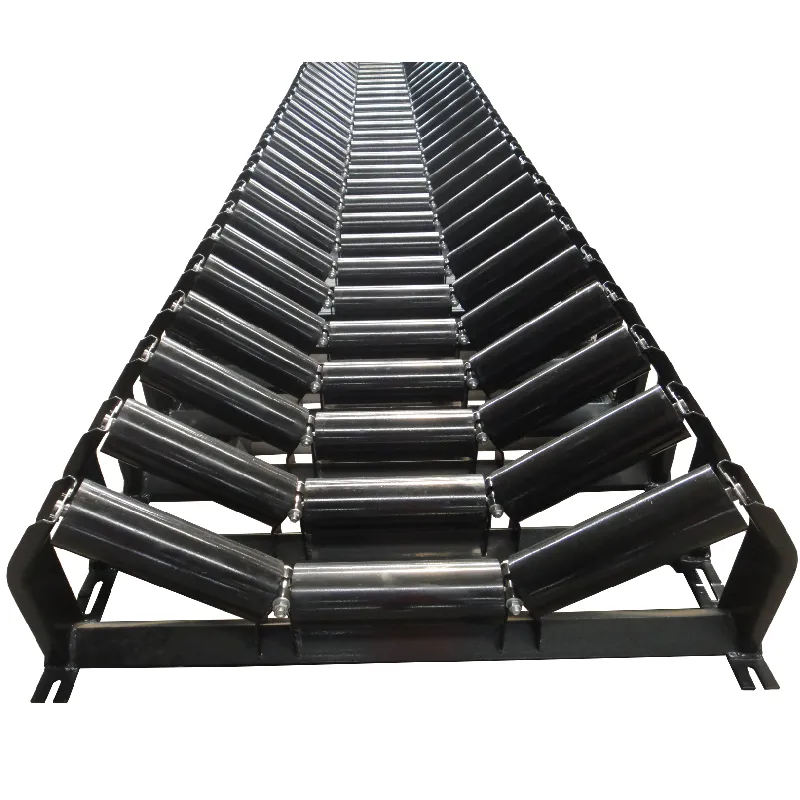
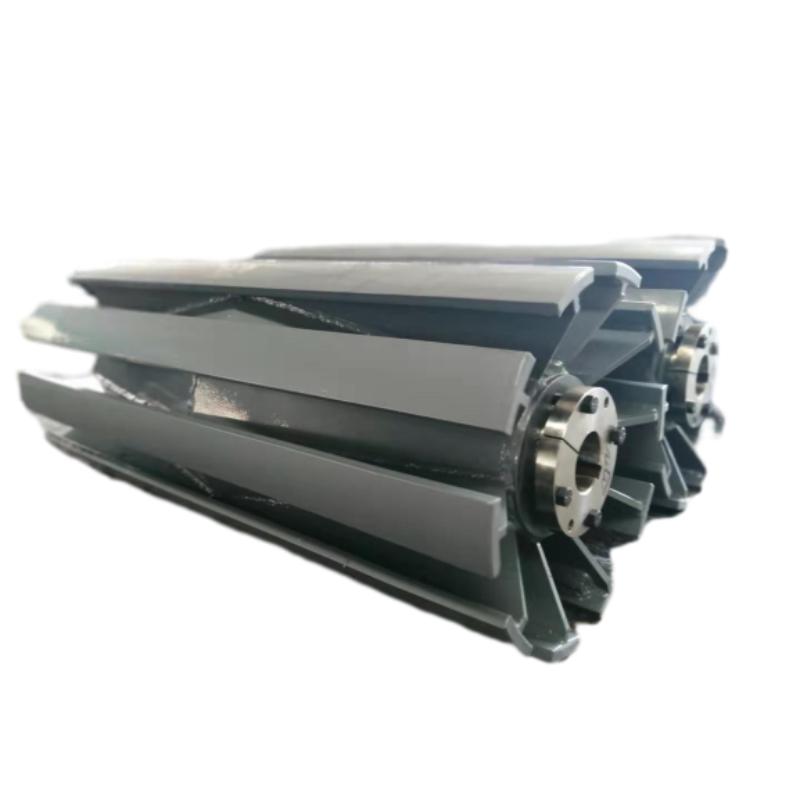
Rollers are essential for supporting the belt and reducing friction. There are two main types: idlers and pulleys. Idlers are the supporting rollers positioned along the conveyor's length, minimizing belt sag and friction. Pulleys, on the other hand, are used to drive the belt (drive pulley) and control its tension (tail pulley). Proper alignment and maintenance of rollers are crucial for preventing belt misalignment and extending belt life. Idler Aohua specializes in high-quality idlers and pulleys designed for demanding industrial applications.
Key Roller Types: Carry Idlers, Return Idlers, Snub Idlers, Wing Idlers, and Self-Cleaning Idlers.
Drive and Tail Pulleys: Power and Control
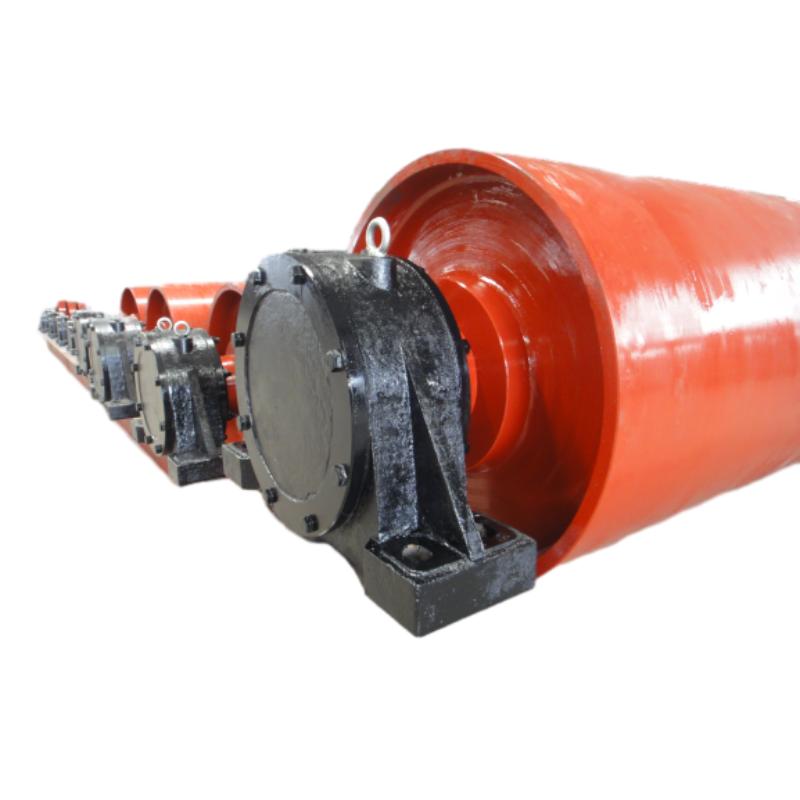
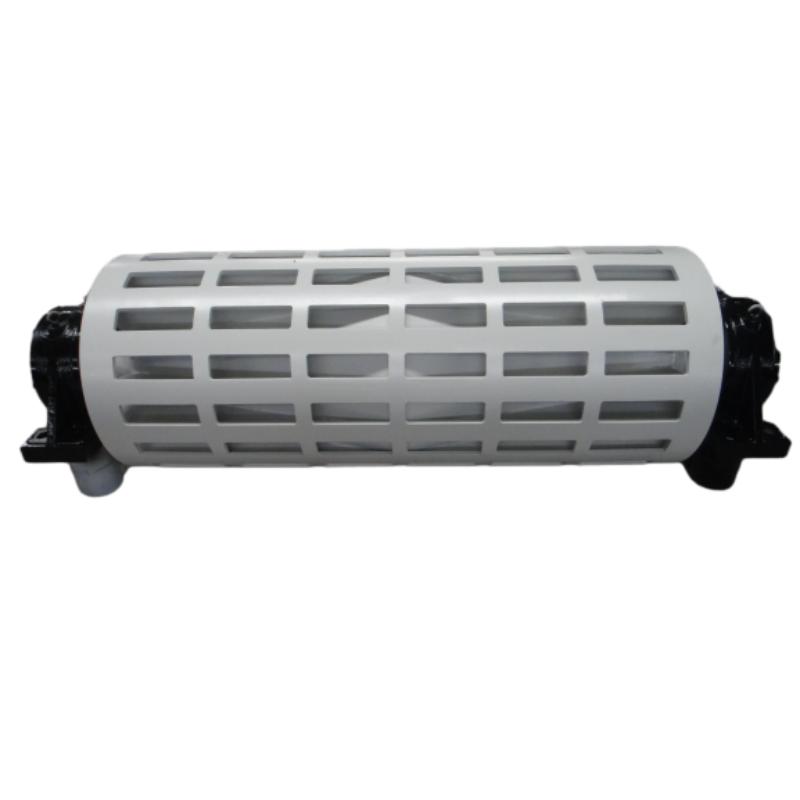
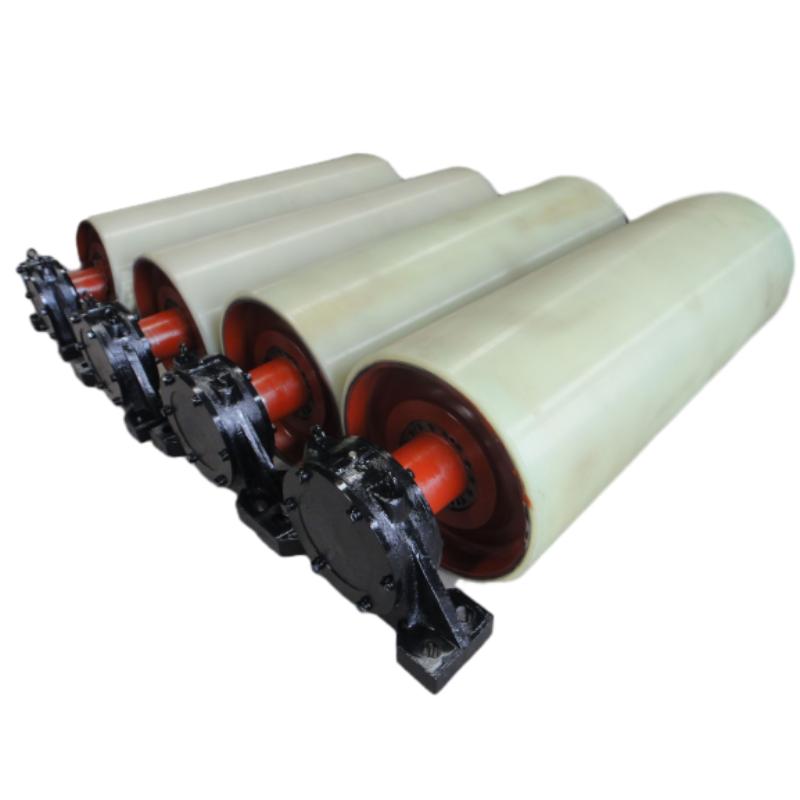
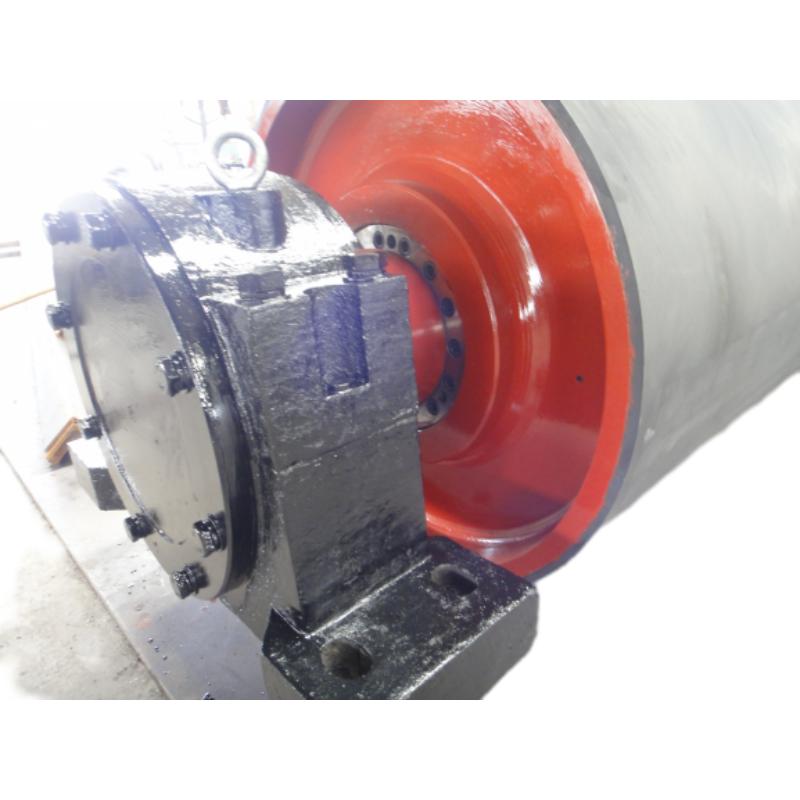
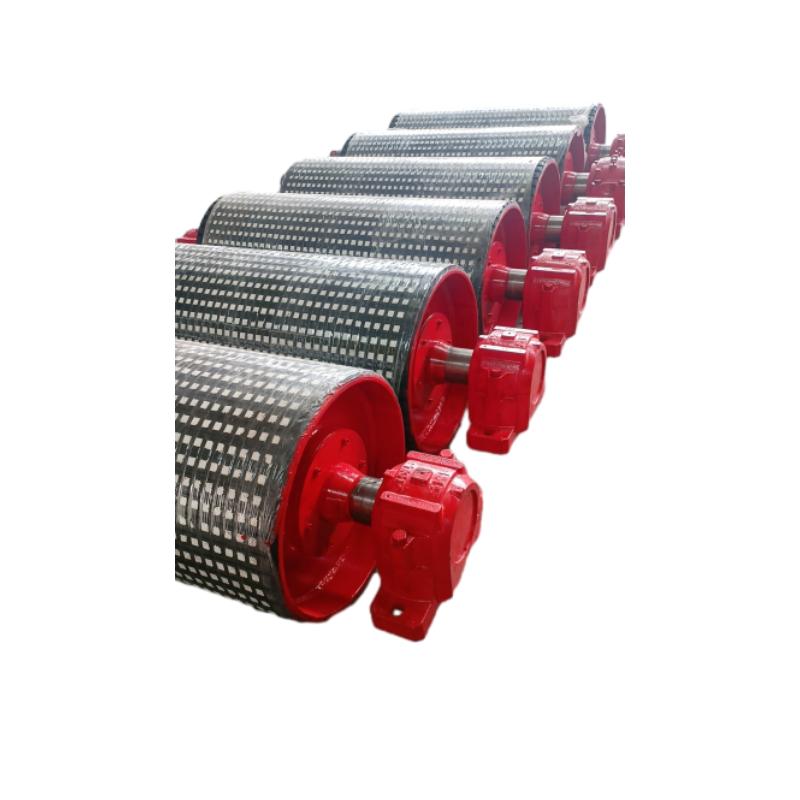
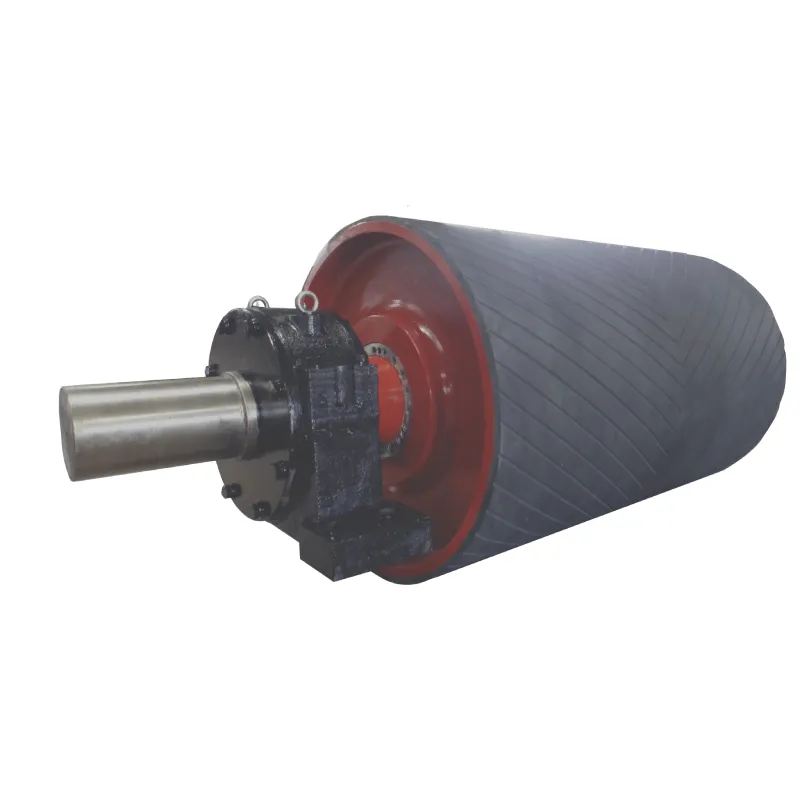
The drive pulley, connected to a motor, provides the power to move the belt. It's typically lagged with rubber to increase friction and prevent slippage. The tail pulley, located at the opposite end, is responsible for maintaining belt tension. The size and material of these pulleys influence the conveyor's capacity and efficiency. Correct pulley lagging and tensioning are vital for maximizing belt life and preventing system failures. Choosing the right drive system is critical for managing speed and load requirements.
Frame and Structure: Providing Support
The frame provides the structural support for the entire conveyor system. It’s typically constructed from steel and designed to withstand the loads imposed by the belt, materials, and external forces. The frame’s design must account for the conveyor’s length, incline, and the weight of the materials being transported. Proper foundation and structural integrity are vital for ensuring the conveyor’s long-term stability and preventing costly failures. Idler Aohua offers robust frame components tailored to various conveyor configurations.
Conclusion: Optimizing Performance with Quality Components
Understanding the main parts of belt conveyor systems is critical for ensuring optimal performance, minimizing downtime, and maximizing efficiency. Investing in high-quality components from a trusted supplier like Idler Aohua guarantees reliability and longevity. Regular inspection and maintenance are equally crucial for extending the lifespan of your conveyor system and preventing costly repairs.
Frequently Asked Questions (FAQs)
What is the typical lifespan of a belt conveyor?
The lifespan of a belt conveyor varies greatly depending on factors like the materials conveyed, operating conditions, maintenance schedule, and the quality of the components used. A well-maintained conveyor utilizing high-quality parts can last 10-20 years or even longer. However, neglecting maintenance or using inferior components can significantly shorten its lifespan. Regular inspections for wear and tear, proper lubrication, and timely replacement of worn parts are crucial for maximizing longevity. The environment where the conveyor operates, such as exposure to extreme temperatures or corrosive materials, also impacts its lifespan.
How often should idlers be inspected?
Idlers should be inspected regularly, ideally as part of a routine maintenance schedule. A visual inspection should be performed at least monthly, focusing on bearing condition, roller alignment, and material buildup. Listen for unusual noises, such as squealing or grinding, which could indicate bearing failure. More frequent inspections may be necessary in harsh environments or with abrasive materials. Promptly replace damaged or worn idlers to prevent belt damage and maintain efficient operation. Properly functioning idlers are essential for minimizing friction and extending belt life.
What are the common causes of belt misalignment?
Belt misalignment is a common issue that can lead to significant problems. Common causes include improper idler alignment, material buildup on idlers, uneven loading of materials onto the belt, damaged or worn idlers, and incorrect belt tracking. Regularly check idler alignment and ensure they are level and properly spaced. Clean idlers to remove any material buildup. Ensure materials are loaded evenly onto the belt to prevent uneven tension. Promptly address any damaged or worn idlers and consider using belt tracking devices to automatically correct misalignment.
-
Maximize Conveyor Life with a High Performance impact bedNewsApr.16,2026
-
Maximize Conveyor Efficiency Using a v plow belt scraperNewsApr.09,2026
-
Comprehensive Guide to Understanding Different Types of Belt CleanersNewsApr.07,2026
-
Enhancing Conveyor Efficiency with an Effective Scraper Belt CleanerNewsApr.04,2026
-
Optimizing Conveyor Systems with Advanced Cleaning Equipment SolutionsNewsMar.31,2026
-
Effective Conveyor Belt Scraper Adjustment for Optimal System PerformanceNewsMar.28,2026