Neoprene idler rollers are essential components in a vast array of material handling systems, playing a critical role in ensuring smooth, efficient, and reliable conveyance of goods. From intricate manufacturing lines to large-scale logistics hubs, these rollers minimize friction, reduce wear and tear on conveyor belts, and ultimately contribute to operational cost savings. Their unique properties, stemming from the neoprene material, provide superior grip, cushioning, and resistance to a broad spectrum of environmental factors.
The global demand for efficient logistics and robust industrial infrastructure continues to fuel the growth of the neoprene idler roller market. According to recent industry reports, the conveyor components market is projected to reach \$8.5 billion by 2028, with idler rollers representing a significant portion of this value. This growth is driven by expansions in e-commerce, automation in manufacturing, and the need for resilient supply chains.
Understanding the nuances of neoprene idler rollers – their construction, material science, application suitability, and maintenance requirements – is crucial for engineers, procurement professionals, and operations managers seeking to optimize their material handling processes. Investing in the right rollers can dramatically improve system uptime, reduce maintenance frequency, and enhance overall productivity.
Introduction to Neoprene Idler Rollers
Neoprene idler rollers represent a significant advancement in conveyor technology, providing superior performance and longevity compared to traditional materials. Their ability to withstand harsh operating conditions, coupled with their damping properties, makes them ideal for diverse applications. Understanding their design and material properties is crucial for selecting the appropriate roller for a given task.
These rollers are not merely passive components; they actively contribute to system efficiency by minimizing friction and reducing the risk of belt damage. The demand for high-quality neoprene idler rollers is consistently increasing, driven by the need for more reliable and cost-effective material handling solutions across numerous industries.
Defining Neoprene Idler Rollers
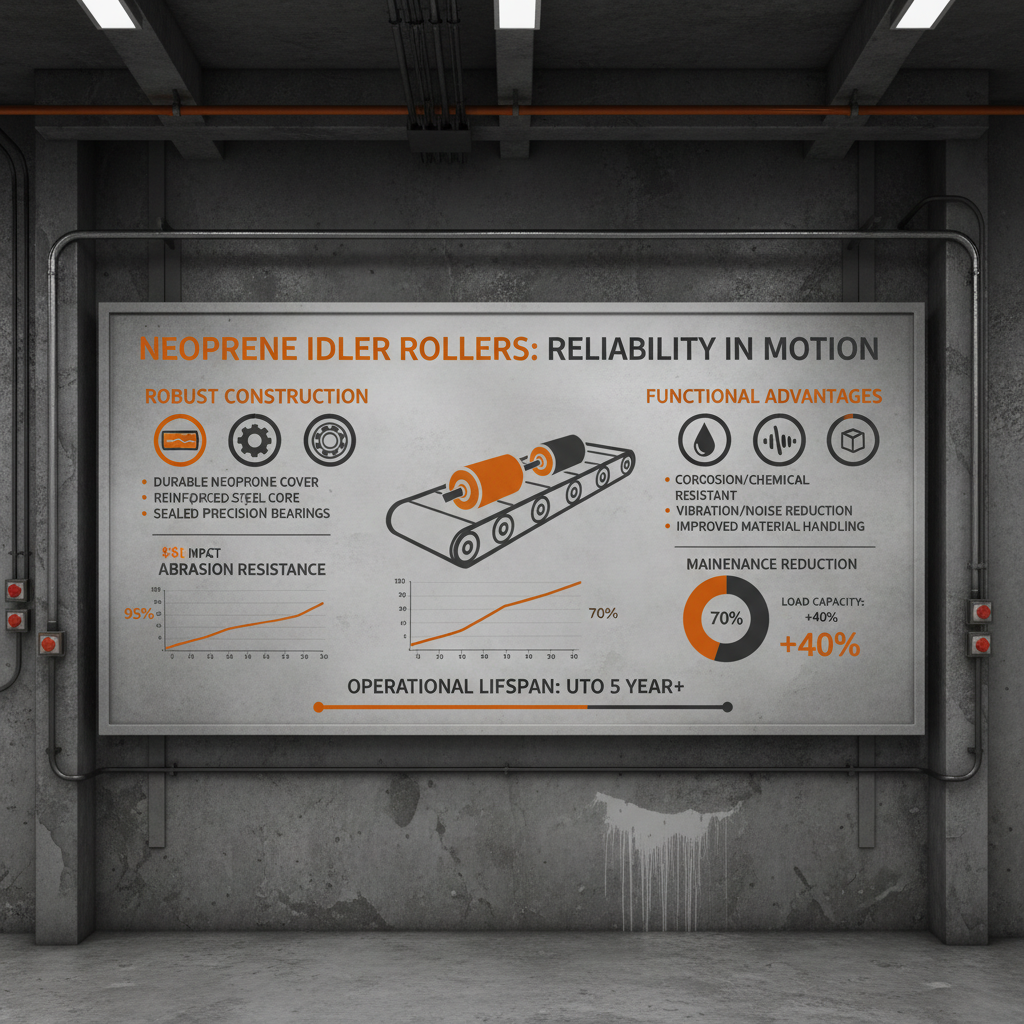
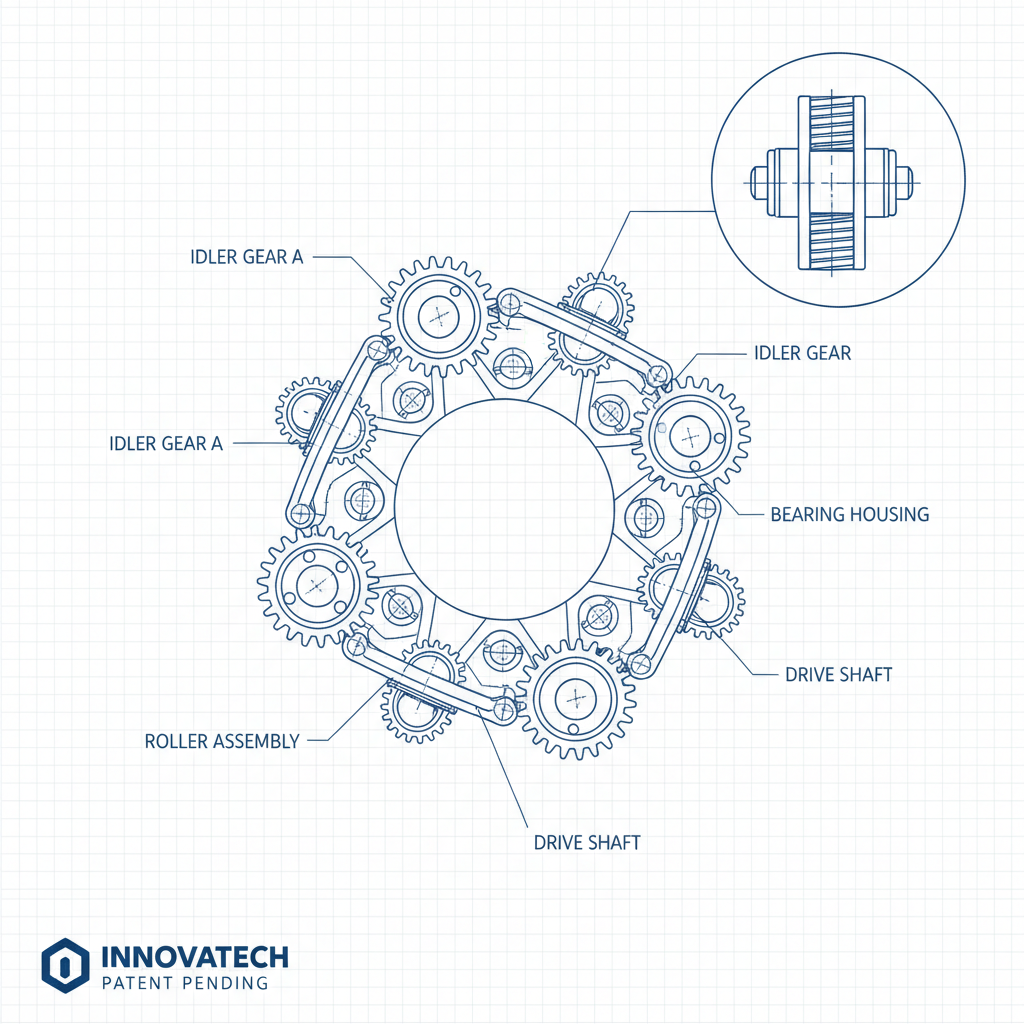
Neoprene idler rollers are cylindrical components typically constructed with a core – often steel or aluminum – and a surface coating of neoprene rubber. This coating is the key to their functionality, providing the necessary grip, cushioning, and resistance to abrasion, chemicals, and temperature fluctuations. They are strategically placed along conveyor systems to support the conveyor belt and facilitate the smooth movement of materials.
Unlike hard-surface rollers, neoprene’s inherent elasticity absorbs impact and reduces noise, creating a more comfortable and efficient working environment. The neoprene coating also minimizes slippage, ensuring consistent traction and preventing material buildup.
The application of neoprene idler rollers extends far beyond simple material transport. They are integral to modern logistics, manufacturing processes, and even specialized industries requiring precise and controlled conveyance, contributing directly to industrial productivity and operational efficiency.
Core Characteristics of Neoprene Idler Rollers
The performance of neoprene idler rollers hinges on several key characteristics. First is their exceptional resistance to wear and tear, extending their lifespan and reducing maintenance needs. Neoprene’s inherent properties allow it to withstand continuous abrasion from conveyed materials without significant degradation.
Secondly, neoprene boasts excellent chemical resistance, making these rollers suitable for use in environments where exposure to oils, solvents, and acids is common. This resilience minimizes the risk of material breakdown and ensures long-term operational integrity.
Finally, neoprene’s damping capabilities significantly reduce noise and vibration, contributing to a safer and more comfortable work environment. This is particularly important in applications where noise pollution is a concern or where sensitive equipment is present.
Key Performance Indicators
Evaluating the performance of neoprene idler rollers requires focusing on key metrics. These indicators allow for accurate assessment of roller efficiency, durability, and overall contribution to system reliability.
These metrics allow businesses to identify areas for improvement in conveyor system design and maintenance, ultimately maximizing productivity and minimizing downtime.
Neoprene Idler Roller Performance Metrics
Global Applications and Industries Served
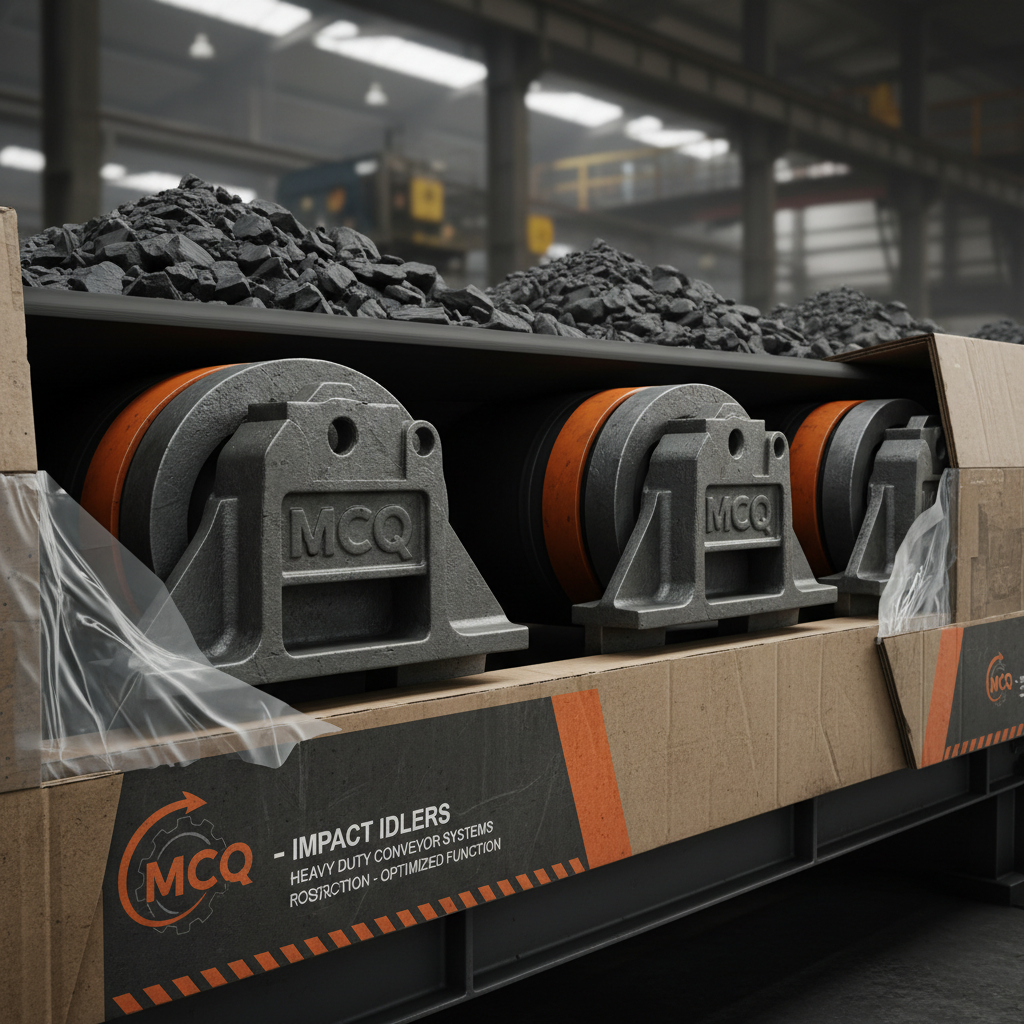
Neoprene idler rollers are utilized across a remarkably diverse range of industries globally. In the mining sector, they withstand the harsh conditions and abrasive materials inherent in ore extraction and processing. Similarly, in the aggregate and cement industries, they facilitate the reliable transport of heavy materials.
The logistics and warehousing industries heavily rely on these rollers within automated sorting systems and conveyor networks. Furthermore, they play a critical role in manufacturing plants for assembly line conveyance and material handling, and even in food processing facilities, where hygiene and sanitation requirements are paramount.
Advantages and Long-Term Value Proposition
Investing in neoprene idler rollers offers a compelling long-term value proposition. Beyond the immediate benefits of reduced friction and noise, these rollers contribute to significant cost savings through decreased maintenance requirements and extended operational lifespans.
Their durability translates to less frequent replacements, minimizing downtime and maximizing throughput. This increased reliability fosters greater operational efficiency and a stronger return on investment. The resilience of neoprene also contributes to a safer working environment, reducing the risk of accidents associated with belt slippage or roller failure.
Furthermore, selecting high-quality neoprene idler rollers demonstrates a commitment to sustainability. The long service life minimizes waste and reduces the environmental impact associated with frequent replacements.
Future Trends and Innovations in Neoprene Idler Roller Technology
The future of neoprene idler roller technology is focused on enhancing performance, durability, and sustainability. Research and development efforts are centered on incorporating smart sensors into the rollers to monitor key parameters such as temperature, vibration, and load, enabling predictive maintenance and optimizing system performance.
Material science is also playing a key role, with investigations into advanced neoprene compounds and coatings that offer even greater resistance to wear, chemicals, and extreme temperatures. Furthermore, the integration of automation and robotics in manufacturing processes will drive demand for rollers optimized for high-speed, high-volume applications.
These advancements will contribute to more efficient, reliable, and sustainable material handling systems, further solidifying the critical role of neoprene idler rollers in modern industry.
Summary of Factors Influencing Neoprene Idler Roller Selection
| Application Environment |
Material Compatibility |
Load Capacity |
Maintenance Schedule |
| Mining & Aggregate (High Abrasion) |
Resistance to rocks, dust, and moisture |
8-10 tons |
Weekly inspection, monthly lubrication |
| Food Processing (Hygiene Critical) |
FDA-compliant neoprene, easy to clean |
3-5 tons |
Daily cleaning, quarterly inspection |
| Logistics & Warehousing (Moderate Load) |
General purpose, resistance to common packaging materials |
5-7 tons |
Monthly inspection, annual lubrication |
| Chemical Processing (Corrosive Environment) |
High chemical resistance neoprene compounds |
4-6 tons |
Bi-weekly inspection, quarterly chemical resistance testing |
| Automated Manufacturing (High Speed) |
Low-friction neoprene for smooth movement |
2-4 tons |
Continuous monitoring, preventative maintenance schedule |
| Pharmaceuticals (Stringent Regulations) |
USP Class VI compliant neoprene, sterile surfaces |
1-3 tons |
Daily sanitization, regular validation of materials |
FAQS
The lifespan of neoprene idler rollers varies significantly depending on operating conditions, load, and maintenance. However, with proper lubrication and inspection, a well-maintained neoprene idler roller can reliably operate for 3-5 years, often exceeding the lifespan of traditional metal or plastic rollers. Regular inspection and early detection of wear are key to maximizing their service life. Factors like exposure to harsh chemicals or abrasive materials will naturally reduce the lifespan.
Neoprene exhibits excellent temperature resistance, performing effectively in a wide range of conditions. Typically, neoprene idler rollers can operate reliably between -40°C and +80°C (-40°F and +176°F). However, prolonged exposure to temperatures outside this range may lead to material degradation. Specialized neoprene compounds are available for applications requiring even greater thermal stability.
Regular cleaning is vital for maintaining neoprene idler roller performance. Use a mild detergent and water solution to remove debris and buildup. Avoid abrasive cleaners or solvents, as these can damage the neoprene surface. Lubricate bearings periodically as per the manufacturer's recommendations. Inspect rollers regularly for wear, cracks, or other damage, and replace them when necessary.
Yes, specialized neoprene compounds compliant with FDA regulations are available for use in food processing and packaging applications. These materials are non-toxic, odorless, and resistant to bacterial growth, ensuring food safety and hygiene. Always verify that the neoprene used meets the specific regulatory requirements for your application.
While neoprene idler rollers may have a higher upfront cost compared to some alternatives, their extended lifespan and reduced maintenance requirements often result in lower total cost of ownership. Consider factors like operating conditions, load capacity, and potential downtime costs when evaluating the overall value proposition. Investing in quality rollers from a reputable supplier is crucial.
Neoprene’s damping properties reduce noise and vibration, creating a more comfortable and safer working environment. The increased grip also minimizes slippage, reducing the risk of accidents. Furthermore, the durable construction of neoprene idler rollers reduces the likelihood of unexpected failures, preventing potential hazards in material handling systems.
Conclusion
Neoprene idler rollers represent a crucial component in modern material handling systems, offering a unique combination of durability, resilience, and performance. Their ability to withstand harsh conditions, reduce noise, and enhance operational efficiency makes them a valuable investment across a wide range of industries. By understanding their core characteristics and advantages, businesses can optimize their conveyor systems and achieve significant cost savings.
Looking ahead, continued innovation in materials science and sensor technology will further enhance the capabilities of neoprene idler rollers, paving the way for more efficient, reliable, and sustainable material handling solutions. For superior quality and performance in neoprene idler rollers, visit our website: idleraohua.com