

Optimize Conveyor Efficiency with High Performance Rubber Belt Cleaner Solutions
The Ultimate Guide to Rubber Belt Cleaners
Maintaining conveyor belt systems is crucial for operational efficiency and longevity in various industries. A key component of this maintenance is the use of a rubber belt cleaner. These cleaners effectively remove debris, buildup, and contaminants, preventing slippage, damage, and costly downtime. This comprehensive guide will explore the benefits, types, applications, and selection criteria for rubber belt cleaners, helping you optimize your conveyor system’s performance. Investing in a quality belt cleaner can significantly reduce maintenance costs and extend the life of your belts.
Why Use a Rubber Belt Cleaner?
The benefits of using a rubber belt cleaner are numerous. Firstly, they prevent material buildup, which can cause belt slippage, leading to inaccurate product placement and reduced efficiency. Secondly, a clean belt reduces wear and tear, extending its lifespan and lowering replacement costs. Thirdly, consistent cleaning minimizes the risk of contamination, especially important in food processing and pharmaceutical industries. Finally, by maintaining optimal grip, belt cleaners contribute to energy savings by reducing the force required to move materials. Regular use of a rubber belt cleaner is a proactive step toward ensuring smooth and reliable operations.
Key Benefits: Prevent material buildup, reduce belt wear, minimize contamination, improve energy efficiency, and extend belt lifespan.
Types of Rubber Belt Cleaners
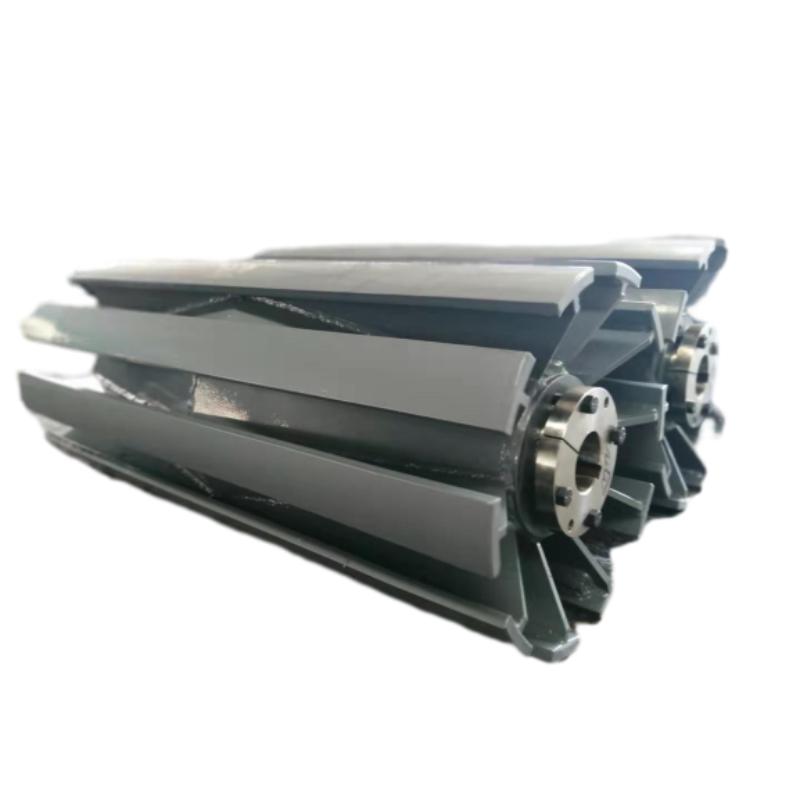
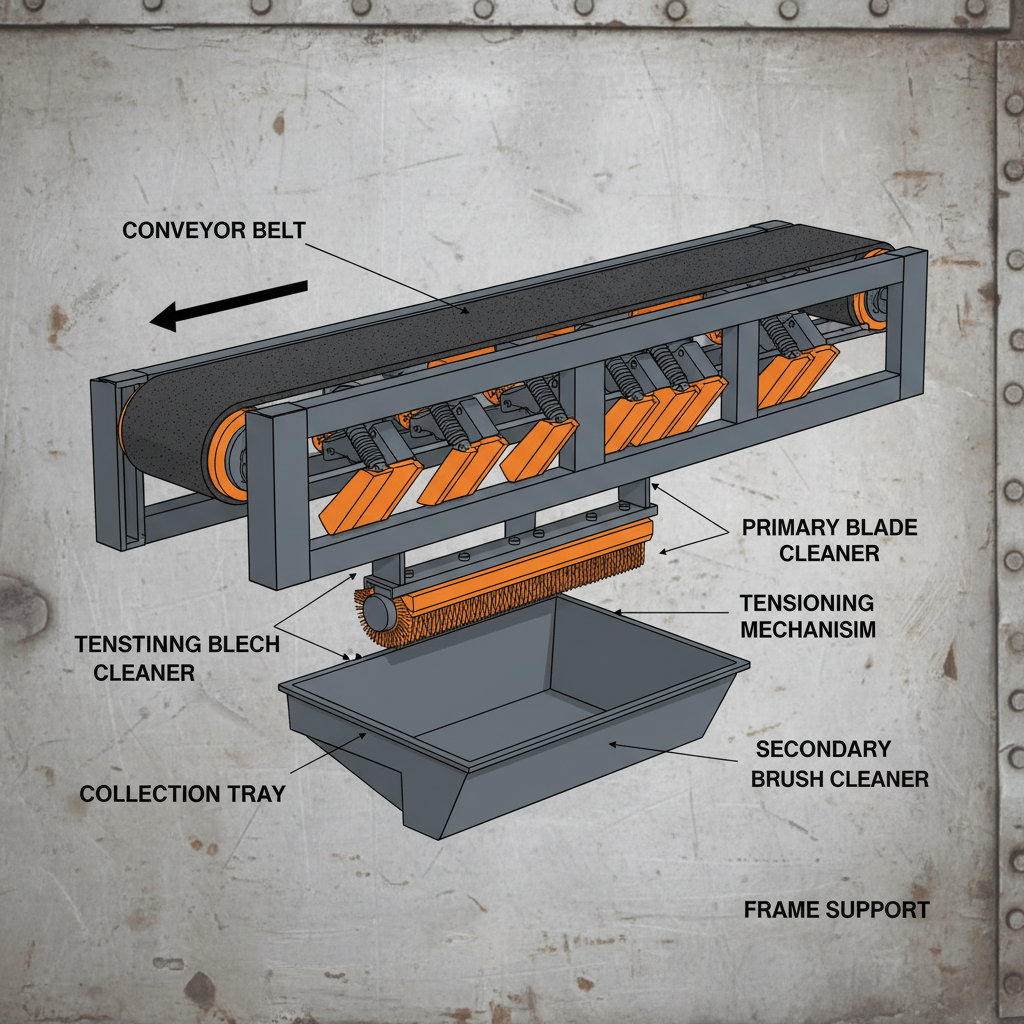
Rubber belt cleaners come in various designs to suit different conveyor systems and materials. Common types include primary cleaners, secondary cleaners, and plows. Primary cleaners are positioned at the head pulley and remove the bulk of the material. Secondary cleaners, located after the primary cleaner, remove remaining debris. Plows are typically used for sticky or tacky materials and scrape the belt clean. Selecting the appropriate type depends on the material being conveyed, belt speed, and the degree of buildup. Idler Aohua offers a wide range of belt cleaners tailored to specific industrial needs.
Belt Cleaner Types:
• Primary Cleaners: Remove the bulk of material at the head pulley.
• Secondary Cleaners: Remove remaining debris for a thorough clean.
• Plows: Effective for sticky or tacky materials.
Rubber Belt Cleaner Applications
Rubber belt cleaners are indispensable in a wide array of industries. In mining and aggregates, they prevent buildup of rocks, dust, and debris. In food processing, they maintain hygiene and prevent contamination. In package handling, they ensure smooth product transfer and accurate placement. In recycling facilities, they remove materials like plastic, paper, and metal. The versatility of rubber belt cleaners makes them essential for maintaining efficient operations across diverse sectors.
Selecting the Right Rubber Belt Cleaner
Choosing the right rubber belt cleaner involves considering several factors. First, identify the type of material being conveyed. Is it abrasive, sticky, or fine particulate? Second, determine the belt speed and load. Higher speeds and heavier loads require more robust cleaners. Third, assess the conveyor system’s configuration – is it inclined, declined, or horizontal? Finally, consider the environmental conditions, such as temperature and humidity. Idler Aohua provides expert guidance to help you select the optimal cleaner for your specific application.
Conclusion: Optimize Your Conveyor System with Rubber Belt Cleaners
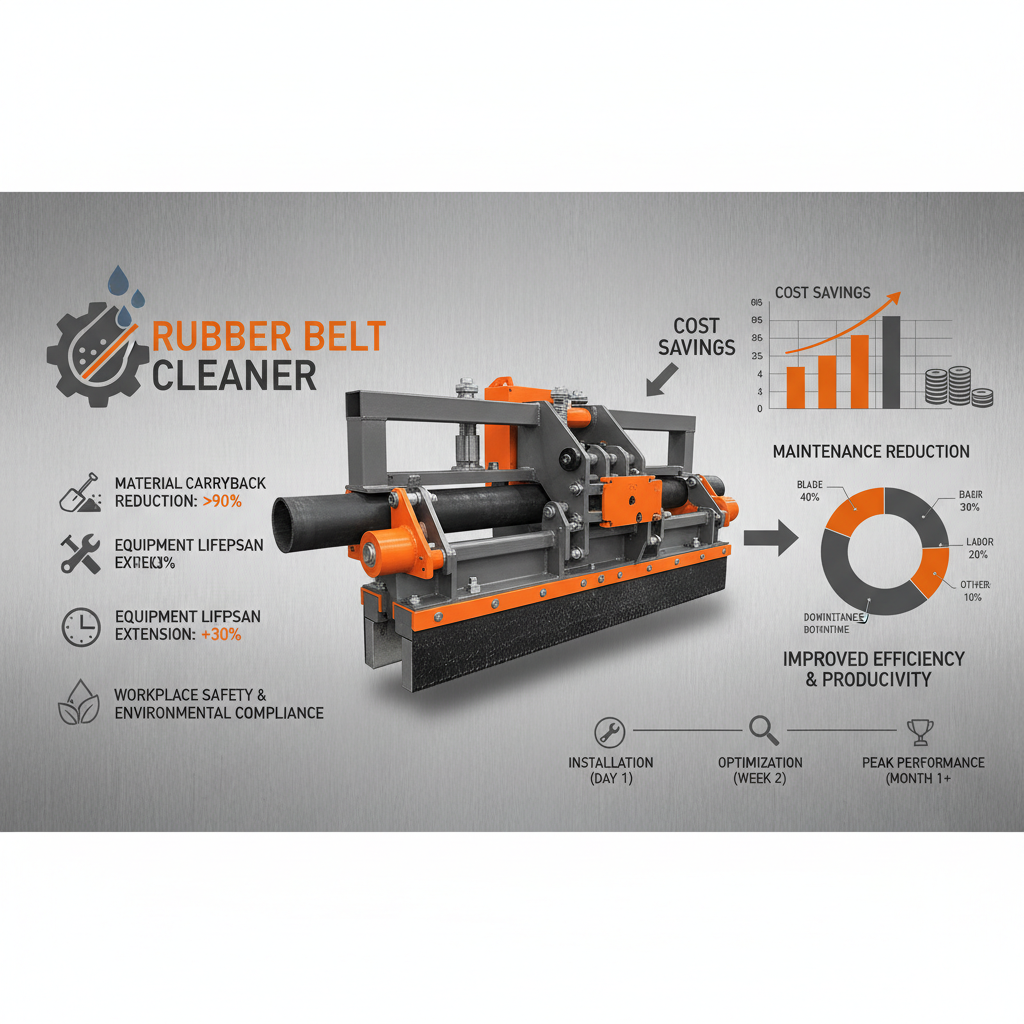
Investing in a high-quality rubber belt cleaner is a smart decision for any industry relying on conveyor systems. By preventing buildup, reducing wear, and maintaining hygiene, you can significantly improve efficiency, lower costs, and extend the lifespan of your belts. Contact Idler Aohua today to discuss your specific needs and find the perfect solution for your application.
Frequently Asked Questions (FAQs)
How often should I replace my rubber belt cleaner?
The replacement frequency depends on the severity of the materials conveyed and the operating conditions. However, a general guideline is to inspect the cleaner every 6-12 months. Look for signs of wear, such as cracking, tearing, or loss of elasticity. If significant wear is detected, it's time to replace the cleaner. Proactive replacement prevents belt slippage and potential damage. Ignoring wear can lead to more costly repairs down the line.
What type of rubber is used in these cleaners?
The rubber composition varies depending on the application. Commonly used rubbers include natural rubber, SBR (styrene-butadiene rubber), and EPDM (ethylene propylene diene monomer). Natural rubber offers excellent abrasion resistance, while SBR provides good resistance to oils and chemicals. EPDM is ideal for applications requiring resistance to weathering and ozone. Idler Aohua uses high-quality rubber compounds to ensure durability and performance.
Can rubber belt cleaners be used with all types of conveyor belts?
Generally, yes, but it's crucial to ensure compatibility. Most rubber cleaners are designed for common belt materials like PVC, rubber, and fabric. However, certain materials, such as those with specialized coatings, may require specific cleaner formulations. Always consult with a belt cleaner specialist, like those at Idler Aohua, to confirm compatibility before installation.
How do I install a rubber belt cleaner?
Installation procedures vary depending on the cleaner type and conveyor system. Typically, it involves mounting the cleaner frame to the conveyor structure and adjusting the blade pressure to ensure optimal cleaning. Proper installation is critical for performance and longevity. Idler Aohua provides detailed installation instructions and support to ensure a successful setup.
-
Maximize Conveyor Life with a High Performance impact bedNewsApr.16,2026
-
Maximize Conveyor Efficiency Using a v plow belt scraperNewsApr.09,2026
-
Comprehensive Guide to Understanding Different Types of Belt CleanersNewsApr.07,2026
-
Enhancing Conveyor Efficiency with an Effective Scraper Belt CleanerNewsApr.04,2026
-
Optimizing Conveyor Systems with Advanced Cleaning Equipment SolutionsNewsMar.31,2026
-
Effective Conveyor Belt Scraper Adjustment for Optimal System PerformanceNewsMar.28,2026