0%

Table of Contents

Belt conveyor impact idlers are crucial components in a vast range of material handling systems globally. These seemingly simple devices play a vital role in protecting conveyor belts from damage caused by the impact of materials being transported, significantly extending belt life and reducing operational downtime. The efficient movement of bulk materials – from coal and ore to aggregates and agricultural products – relies heavily on the consistent performance of these idlers.

The global demand for efficient and reliable material handling solutions is driven by growth in key industries such as mining, construction, and agriculture. According to the World Bank, global infrastructure spending is projected to reach $94 trillion by 2040, necessitating robust and durable conveyor systems. This demand underscores the importance of components like the belt conveyor impact idler, which directly impact the overall productivity and cost-effectiveness of these systems.

Understanding the principles behind belt conveyor impact idler design, selection, and maintenance is paramount for engineers, operators, and maintenance personnel involved in bulk material handling. Proper implementation not only minimizes costs but also enhances safety and environmental sustainability by reducing material spillage and associated cleanup efforts.
Optimizing Material Handling with Belt Conveyor Impact Idler Systems

The Importance of Belt Conveyor Impact Idlers

Optimizing Material Handling with Belt Conveyor Impact Idler Systems

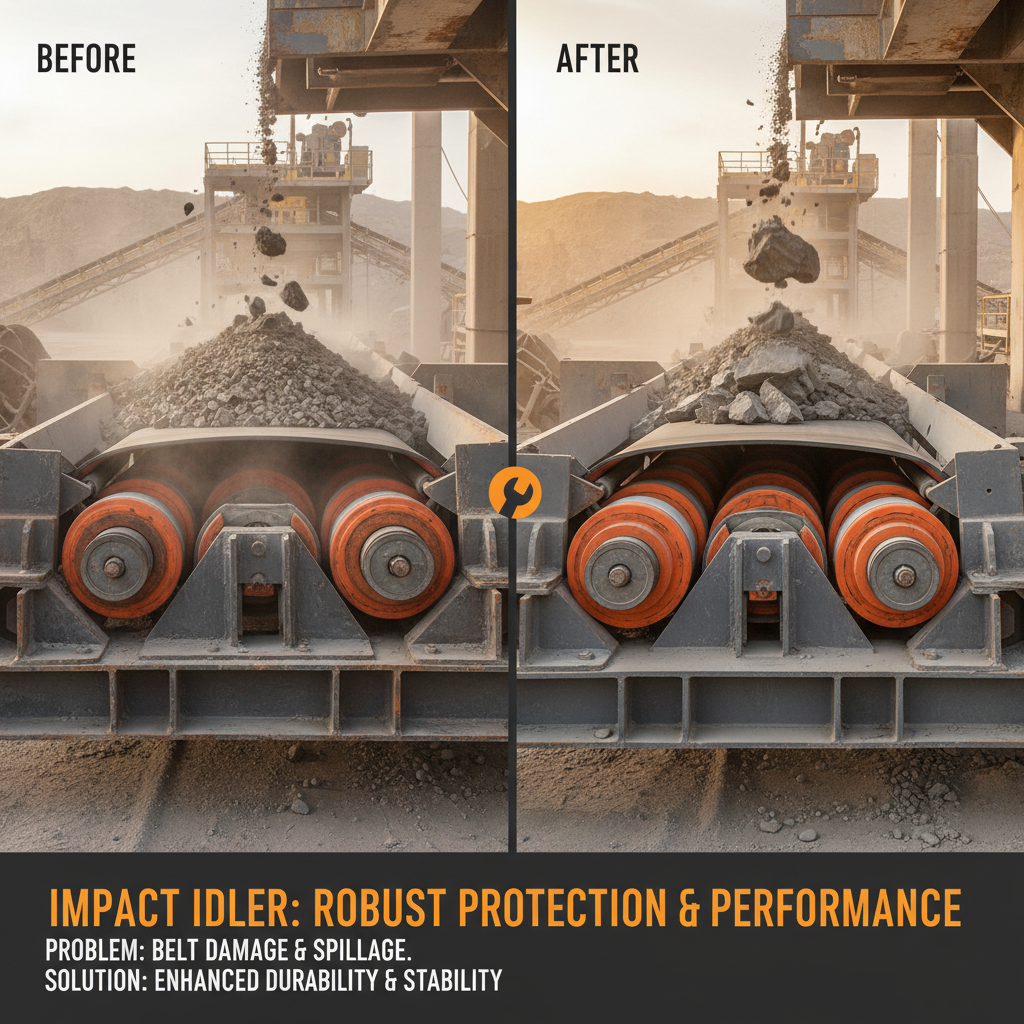
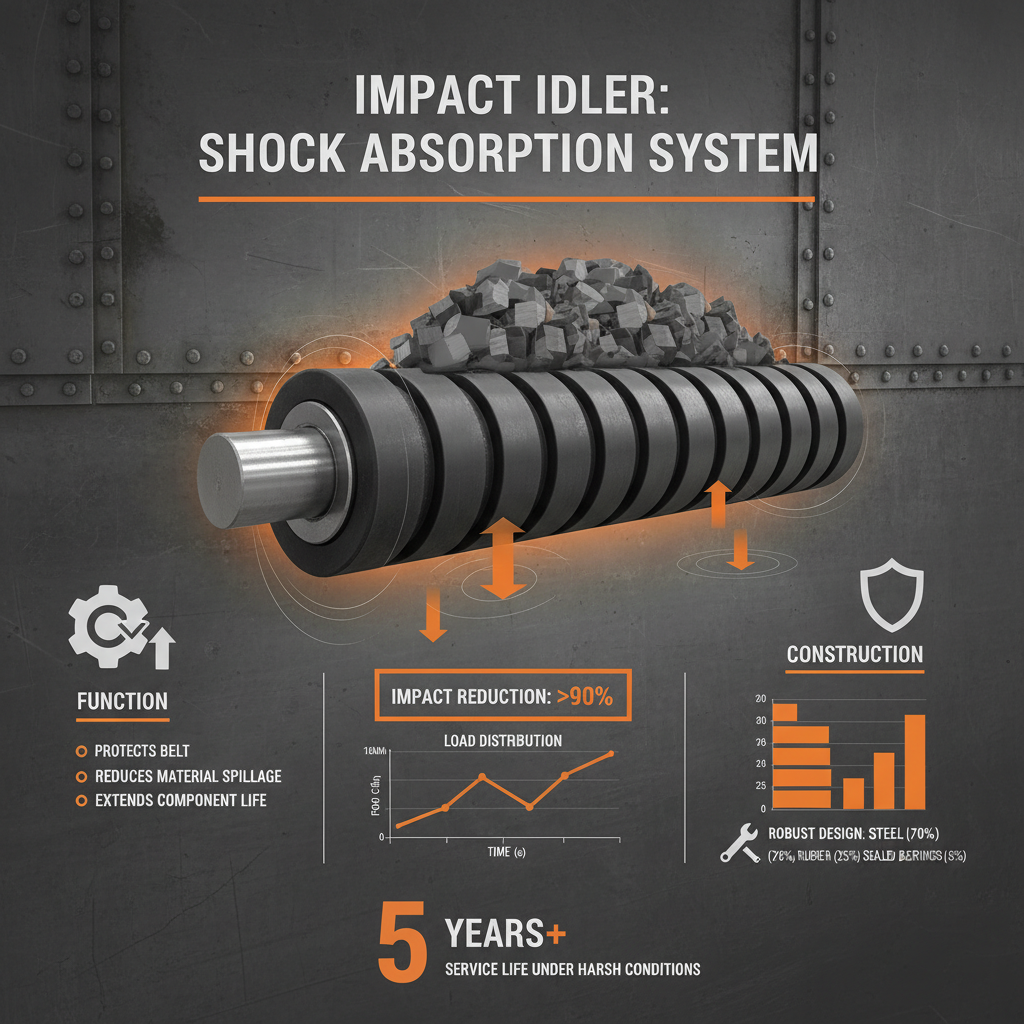
The primary function of a belt conveyor impact idler is to absorb the energy of materials falling onto the conveyor belt, preventing damage to both the belt and the supporting structure. Without these idlers, the concentrated force of the impact would lead to premature belt wear, tearing, and even structural failure, resulting in costly downtime and repairs.

Choosing the correct impact idler for a specific application is critical. Factors such as material density, drop height, belt speed, and belt width all play a role in determining the appropriate idler design and capacity. The right selection ensures optimal performance and longevity, maximizing the return on investment.

Defining Belt Conveyor Impact Idlers

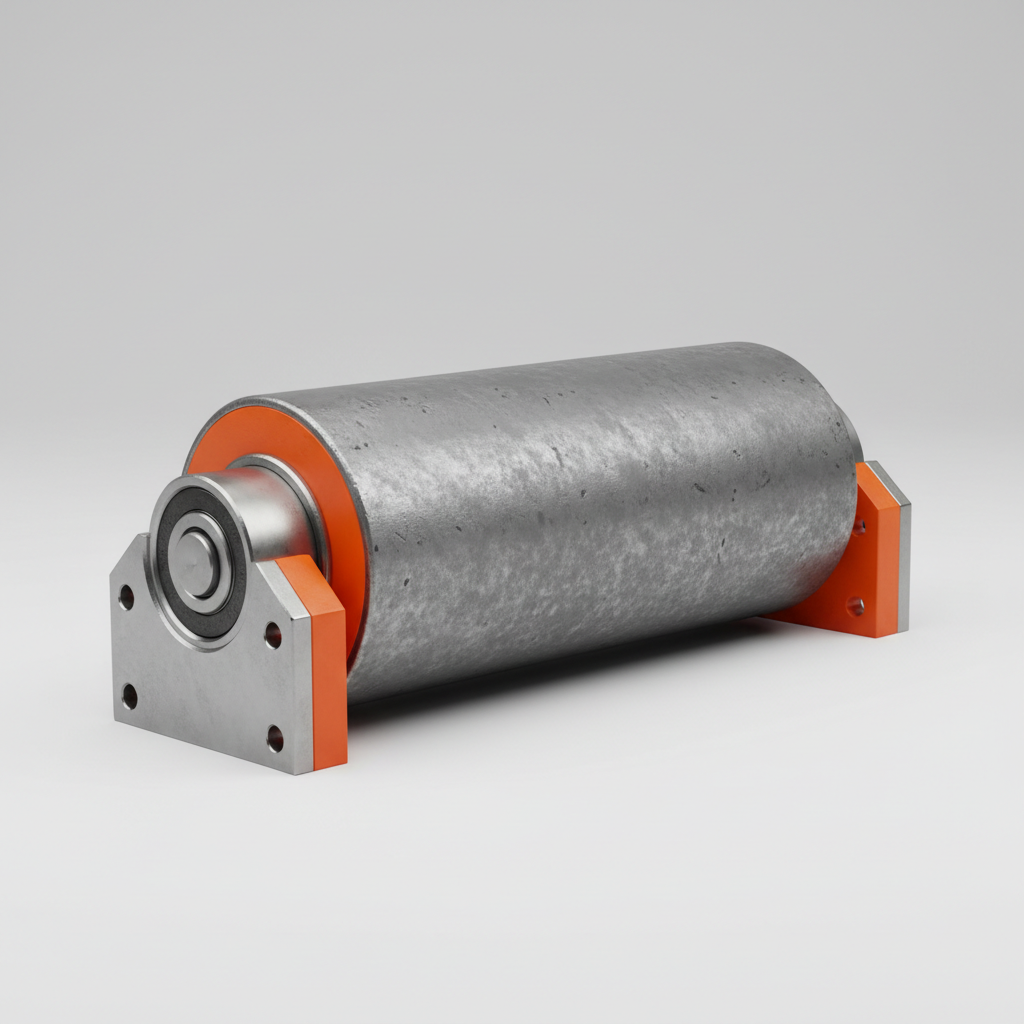
A belt conveyor impact idler is a specialized roller assembly strategically positioned beneath the loading point of a conveyor belt. It's designed to distribute the impact force over a larger area, protecting the belt carcass from localized stress. These idlers typically consist of a series of closely spaced rollers encased in a robust frame.

Unlike standard conveyor rollers, impact idlers are engineered to withstand significantly higher loads and absorb substantial energy. Their construction incorporates durable materials like steel and engineered polymers to ensure longevity and reliability even in harsh operating conditions.

In modern industry, efficient material handling is fundamental to productivity, and belt conveyor impact idler systems are an integral part of that efficiency. These devices are essential for industries ranging from mining and quarrying to food processing and logistics, facilitating the smooth and continuous flow of materials.

Key Factors Influencing Impact Idler Performance

Durability is a paramount concern when selecting impact idlers. They must withstand constant impacts and abrasive materials without failing prematurely. High-quality materials, robust construction, and proper sealing contribute to long-term reliability.

Load Capacity directly relates to the weight and volume of materials handled. Selecting an idler with insufficient capacity can lead to rapid wear and failure. Accurate calculation of the maximum load is crucial for proper selection.

Maintenance Access is a key consideration for ease of inspection and repair. Designs that allow for quick and easy access to rollers and bearings facilitate preventative maintenance, minimizing downtime and extending the idler’s lifespan.

Practical Applications of Impact Idlers

Impact idlers are essential in mining operations for handling abrasive materials like coal, iron ore, and limestone. They protect conveyor belts from damage caused by falling rocks and debris, ensuring continuous operation and maximizing production efficiency.

In the agricultural sector, impact idlers are used in grain handling systems to absorb the impact of falling grain, preventing belt damage and minimizing dust generation. This is particularly important in food-grade applications where cleanliness and hygiene are critical.

Impact Idler Performance Comparison


Advantages and Long-Term Value Proposition

Investing in high-quality belt conveyor impact idler systems translates to significant cost savings over the long term. By preventing belt damage, they reduce the frequency of belt replacements, minimizing downtime and associated production losses.

The enhanced reliability of these systems also contributes to improved safety. Reduced belt failures minimize the risk of accidents and injuries, creating a safer working environment for personnel.

Global Applications & Use Cases

In post-disaster relief operations, portable conveyor systems equipped with robust impact idlers are used to efficiently move debris and supplies. Their durability and ease of deployment make them invaluable assets in emergency situations.

In remote industrial zones, where access to maintenance facilities is limited, impact idlers with extended service intervals are crucial for ensuring uninterrupted operation. Selecting idlers designed for minimal maintenance reduces the logistical challenges of operating in these locations.

The use of impact idlers is becoming increasingly common in recycling facilities, where they protect conveyor belts from damage caused by sharp and abrasive materials like glass and metal. The longevity of these components directly contributes to the efficiency and profitability of recycling operations.

Future Trends and Innovations

The integration of sensor technology into impact idlers is a growing trend. These sensors can monitor roller condition, bearing temperature, and impact force, providing valuable data for predictive maintenance and optimizing performance.

The development of lightweight, high-strength materials, such as advanced composites, is enabling the creation of impact idlers that offer superior performance and durability while reducing weight. This is particularly beneficial in applications where weight is a critical factor.

Automation and digital twins are also impacting the field. Digital twins allow for virtual testing and optimization of conveyor systems, including impact idler placement and selection, leading to more efficient and reliable designs.

Analysis of Key Factors Affecting Belt Conveyor Impact Idler Performance

Material Composition Roller Arrangement Load Distribution Efficiency Maintenance Requirements
High-Strength Steel Staggered Configuration 85% Monthly Lubrication
Engineered Polymer Linear Arrangement 70% Semi-Annual Inspection
Stainless Steel Hybrid Configuration 90% Annual Overhaul
Carbon Steel Single Roller 50% Frequent Replacement
Composite Material Curved Arrangement 80% Minimal Lubrication
Alloy Steel Offset Configuration 95% Predictive Maintenance

FAQS

What is the lifespan of a typical belt conveyor impact idler?

The lifespan of a belt conveyor impact idler varies significantly based on operating conditions, material handled, and maintenance practices. However, a well-maintained, high-quality idler typically lasts between 3 to 7 years. Factors like impact force, material abrasiveness, and environmental exposure play a crucial role in determining its longevity. Regular inspections and proactive maintenance, such as lubrication and bearing checks, can significantly extend its service life.

How do I choose the right impact idler for my application?

Selecting the appropriate impact idler requires careful consideration of several factors. These include the material being conveyed (density, abrasiveness, size), the conveyor belt width and speed, the drop height of the material, and the expected load. It’s essential to calculate the maximum impact force and select an idler with a sufficient load capacity and appropriate roller arrangement. Consulting with a conveyor system specialist is recommended to ensure optimal selection.

What maintenance is required for belt conveyor impact idlers?

Regular maintenance is vital for maximizing the lifespan of impact idlers. This includes routine visual inspections for wear and damage, lubrication of bearings, and checking for proper alignment. Addressing any issues promptly, such as replacing worn rollers or tightening loose bolts, can prevent more significant problems and costly downtime. Implementing a preventative maintenance schedule is highly recommended.

What are the common causes of impact idler failure?

Common causes of impact idler failure include excessive impact force, material buildup, bearing failure, and corrosion. Overloading the conveyor system, using the wrong type of idler for the application, and neglecting routine maintenance can all contribute to premature failure. Proper material selection, regular cleaning, and proactive maintenance are essential for preventing these issues.

How can I reduce the risk of belt damage caused by impact loading?

Minimizing belt damage from impact loading requires a multi-faceted approach. Proper impact idler selection and placement are crucial. Controlling the material feed rate to avoid excessive drop heights and ensuring consistent material distribution across the belt width also help. Furthermore, regular belt inspections and maintenance can identify and address potential issues before they escalate into major damage.

What advancements are being made in impact idler technology?

Advancements in impact idler technology include the integration of sensor technology for predictive maintenance, the use of lightweight and high-strength materials like composite materials, and the development of self-cleaning idler designs. These innovations aim to improve idler durability, reduce maintenance requirements, and optimize conveyor system performance.

Conclusion

In conclusion, the belt conveyor impact idler is a critical component in modern material handling systems, offering significant benefits in terms of belt protection, operational efficiency, and cost savings. Proper selection, installation, and maintenance of these idlers are essential for maximizing their performance and ensuring the reliability of the entire conveyor system. Understanding the key factors influencing impact idler performance and staying abreast of emerging technologies will be paramount for industries seeking to optimize their material handling processes.

Looking ahead, the integration of smart technologies and the development of more durable and sustainable materials will further enhance the value of belt conveyor impact idlers. By embracing these advancements, businesses can create more efficient, safer, and environmentally responsible material handling operations. For reliable and innovative impact idler solutions, visit our website: www.idleraohua.com


Michael Brown

Michael Brown

Michael Brown is a Production Supervisor at Yanshan Aohua. He manages a team responsible for the manufacturing of conveyor components, ensuring efficiency and adherence to quality standards. He has over 10 years of experience in manufacturing and a strong understanding of the production process of pulleys, idlers and rollers. Michael
Previous Optimized Conveyor Solutions for Peak Performance
Next Optimizing Industrial Efficiency A Comprehensive Guide to Idler Systems