

What is a Guide Roller? Durable Solutions for Industrial Efficiency & Safety
Understanding Guide Rollers: The Quiet Heroes of Modern Industry
If you’ve ever watched a conveyor system or a heavy-duty mechanical assembly, you might have glanced at those cylindrical components quietly doing their job, guiding belts or chains through their proper paths. Those are guide rollers, and while their role seems simple enough, their impact reshapes industries worldwide. From manufacturing plants in Germany to remote mining operations in Australia, guide rollers ensure processes run smoothly, efficiently, and safely.
Globally, the manufacturing and material handling sectors continue to boom—according to a 2023 report by the International Organization for Standardization (ISO), conveyor systems alone are expected to grow at an annual rate of 5.6% through 2027. This puts guide rollers front and center as essential components. Understanding these parts isn’t just for engineers but also for anyone involved in logistics, warehouse management, or supply chain optimization. They affect uptime, cost savings, and even worker safety—a little detail with massive repercussions.
Global Context: Why Guide Rollers Matter More Than Ever
Think about the volume of materials moving daily—from raw minerals to packaged goods. The UN Conference on Trade and Development estimated that global freight volumes surpassed 12 billion tons annually as of 2022. Behind this incredible movement is a confluence of systems relying on guide rollers for efficiency.
However, challenges such as wear and tear, environmental conditions, or the demand for energy efficiency push manufacturers to innovate better rollers. For example, in harsh climates like Siberia or the Sahara, rollers must resist corrosion and extreme temperatures, or else entire systems risk breakdowns. Thus, the humble guide roller acts as a frontline warrior against operational inefficiency and expense overruns.
Definition and Meaning of Guide Roller
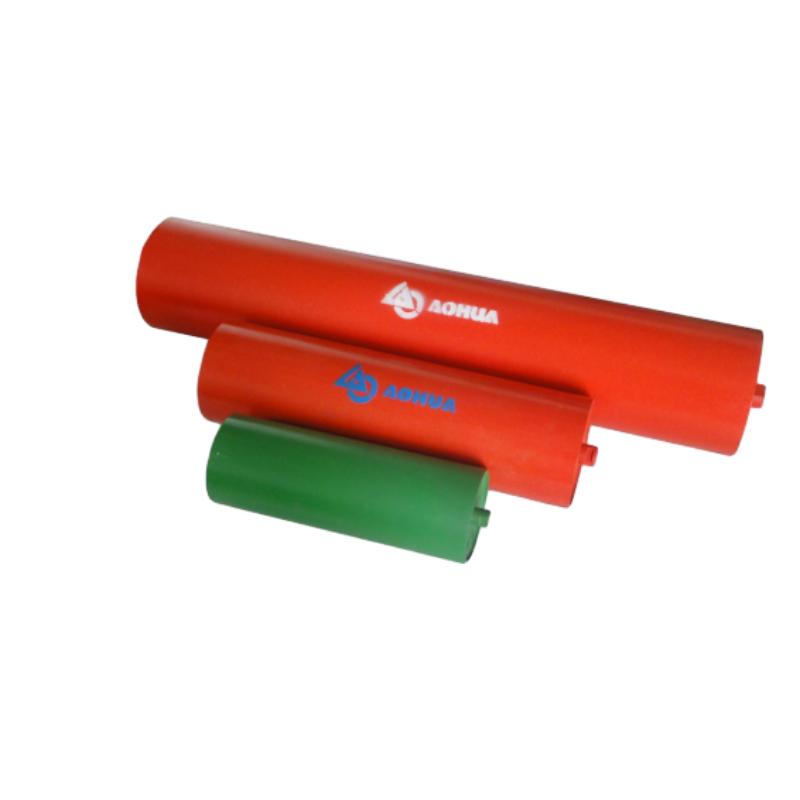
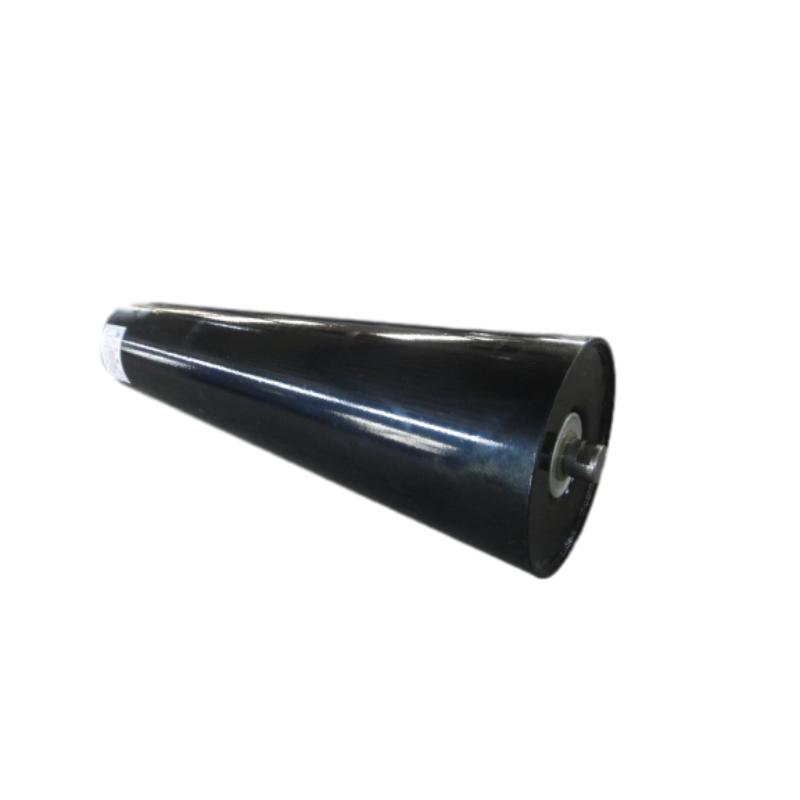
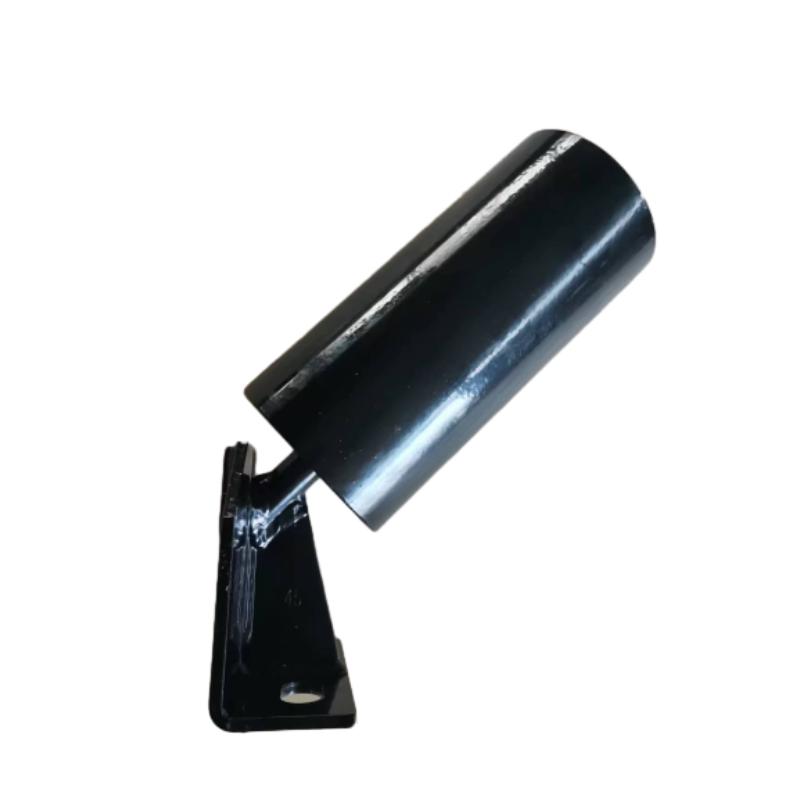
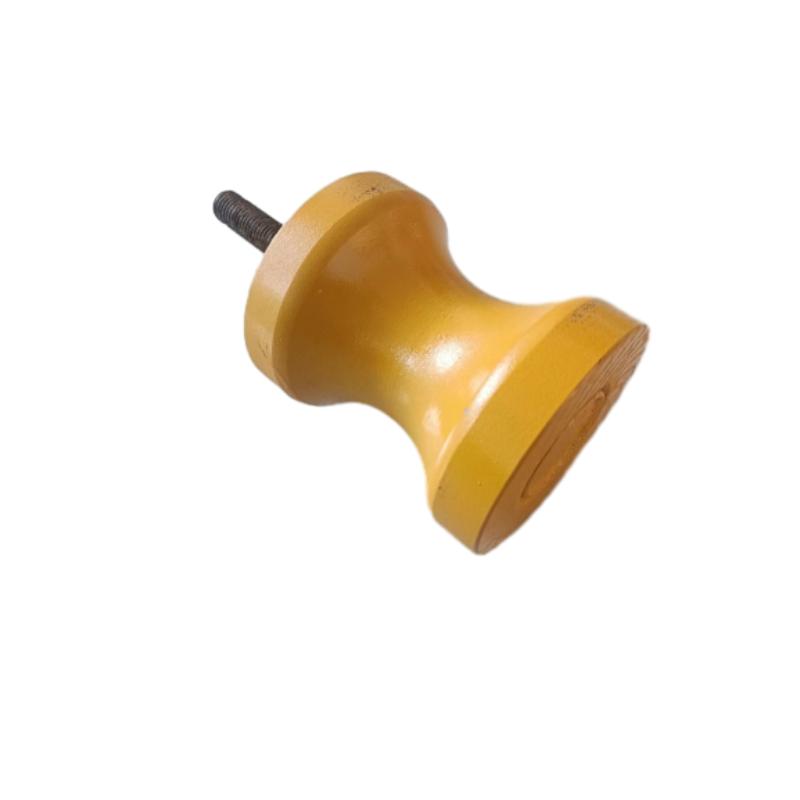
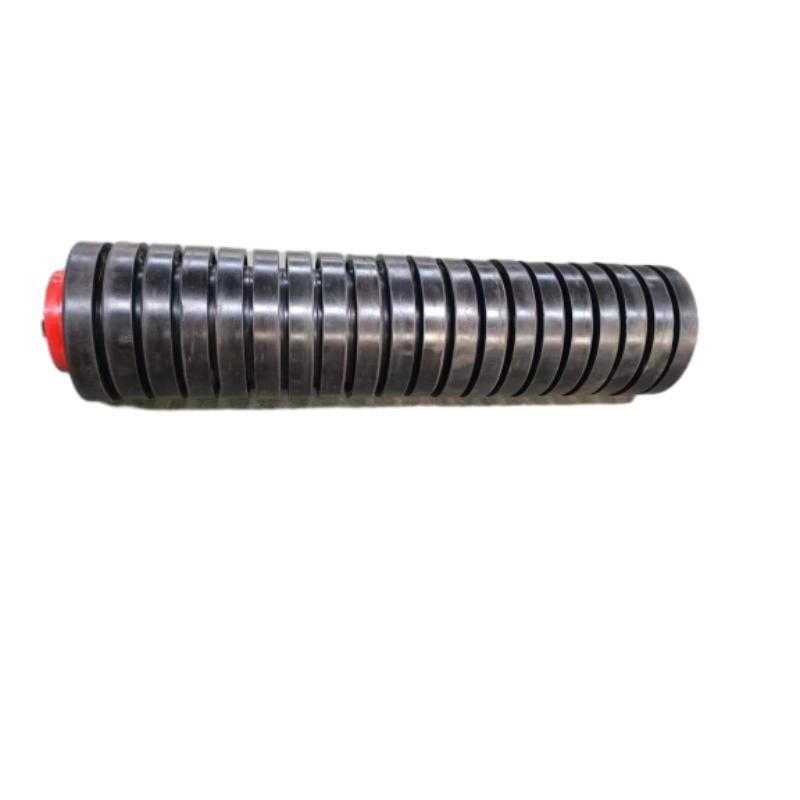
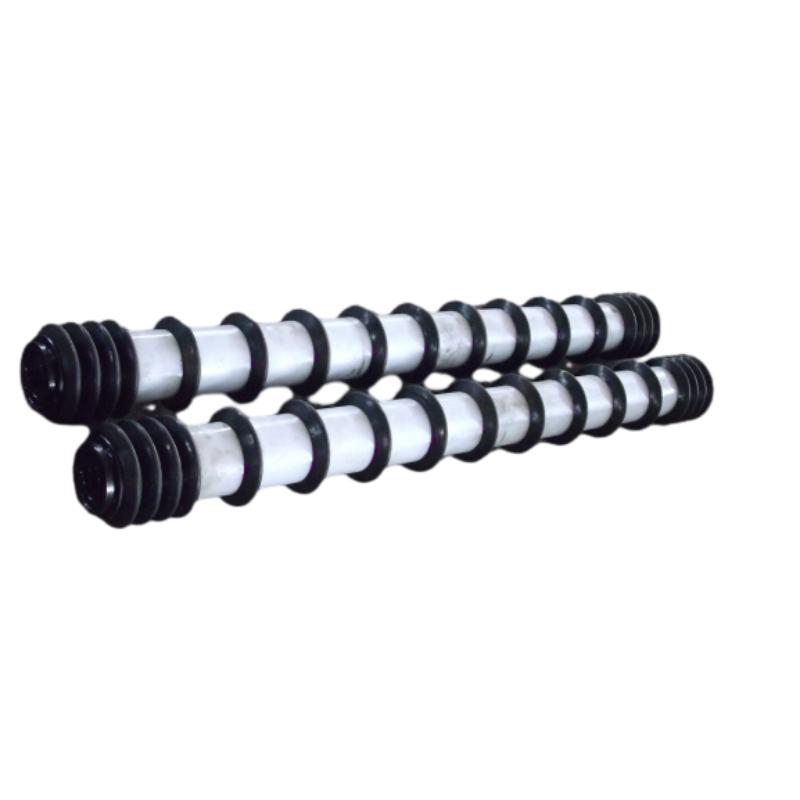
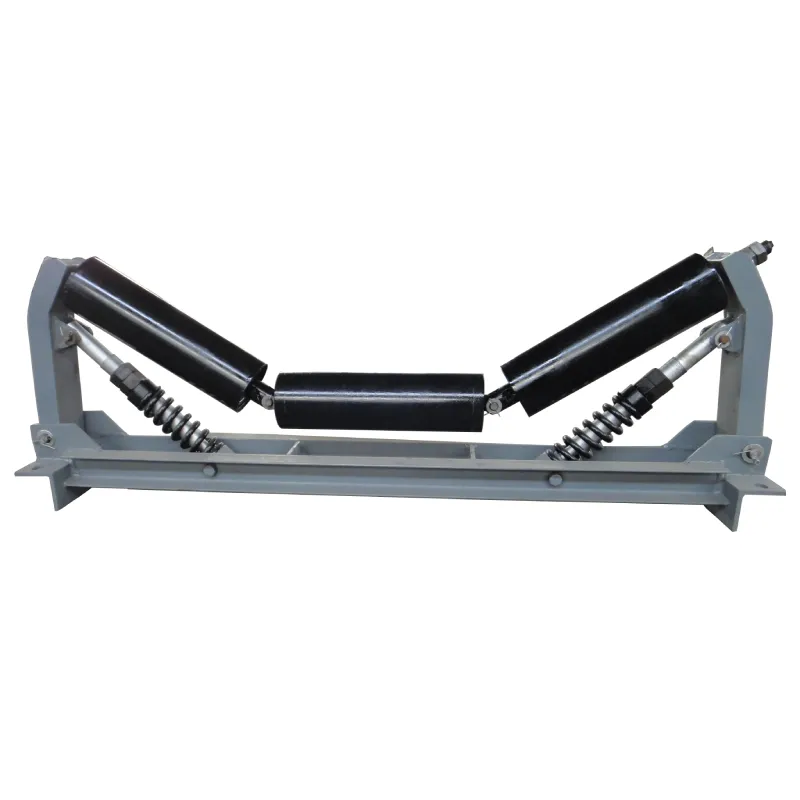
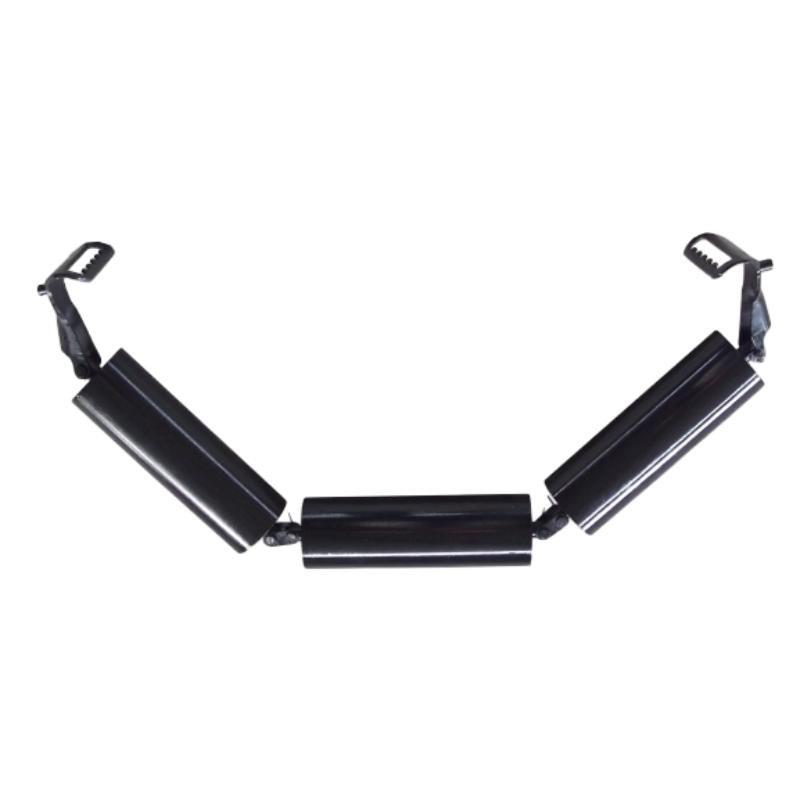
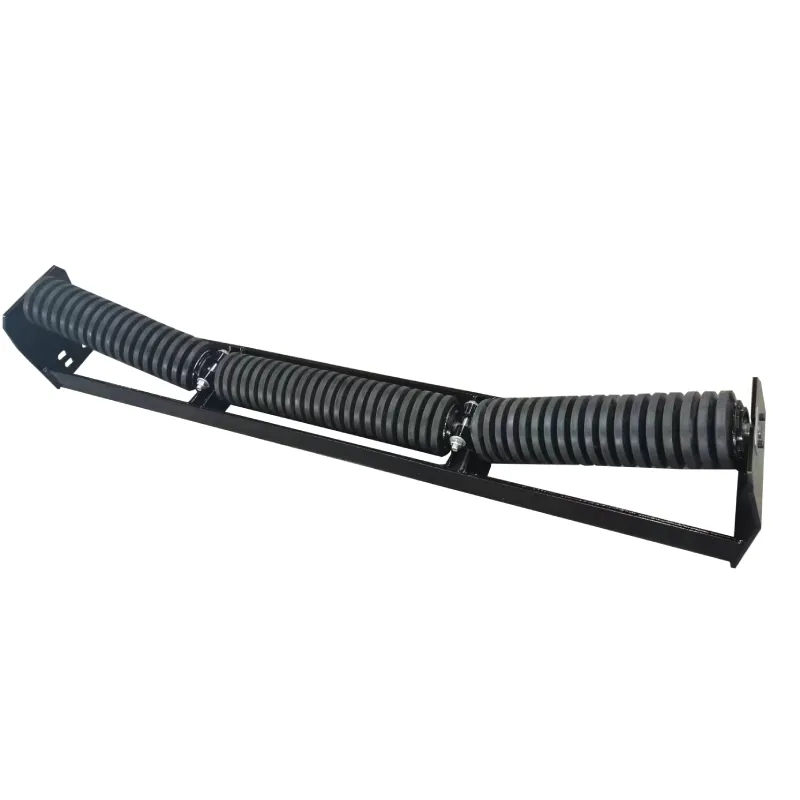
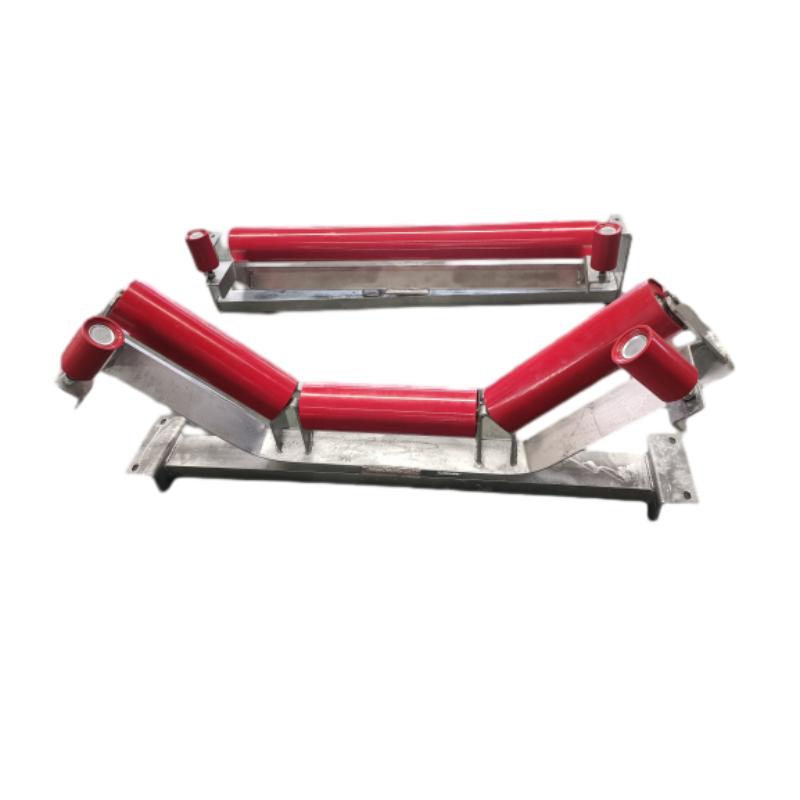
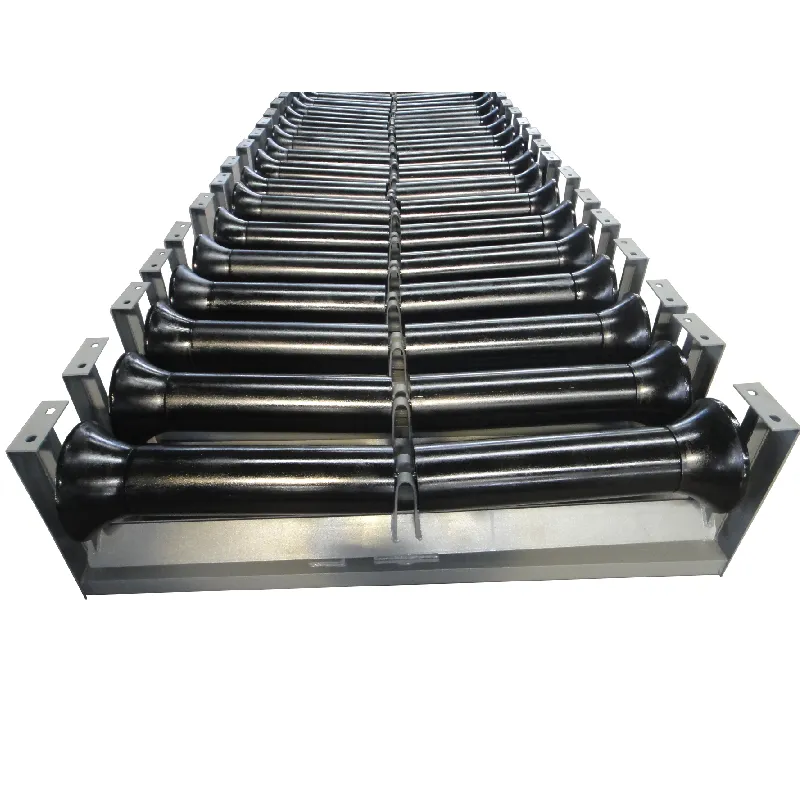
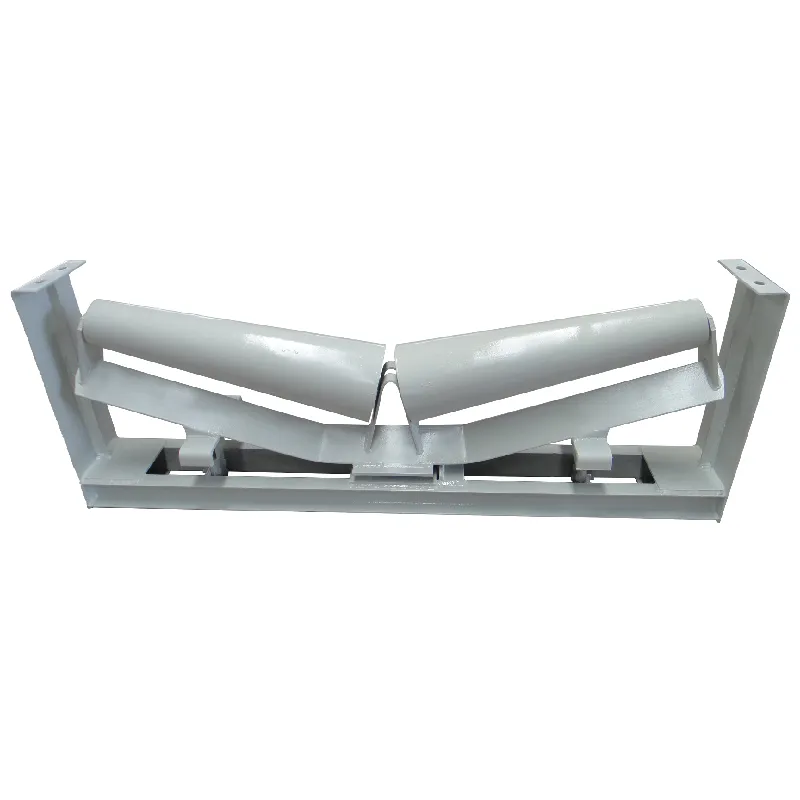
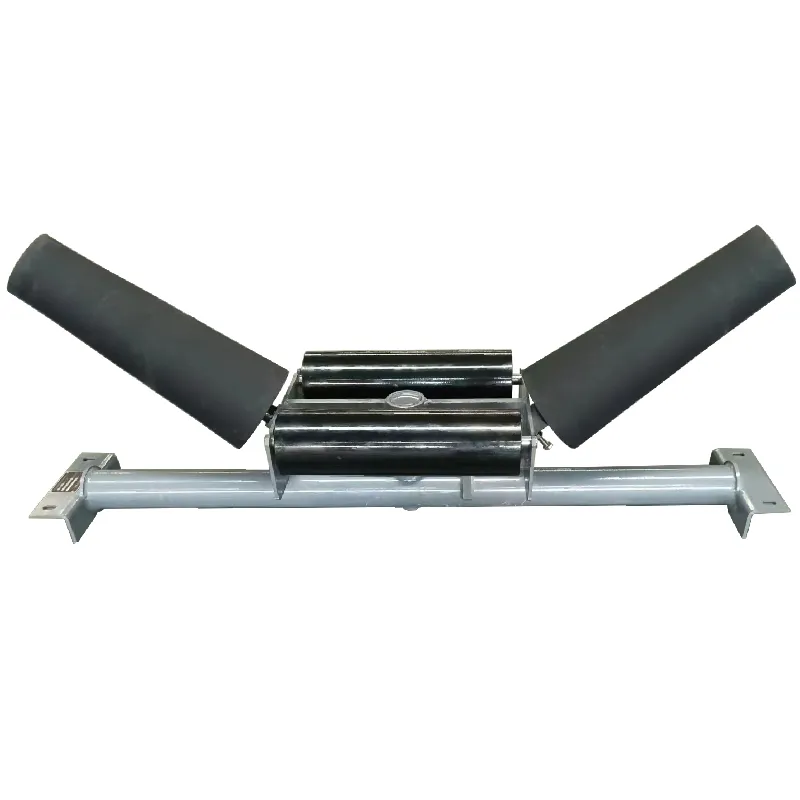
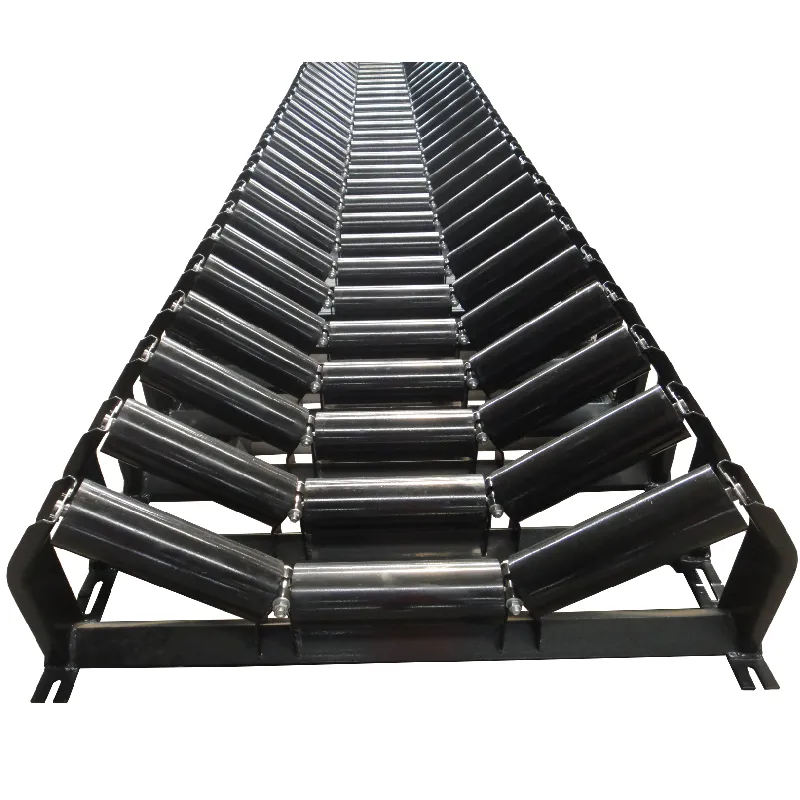
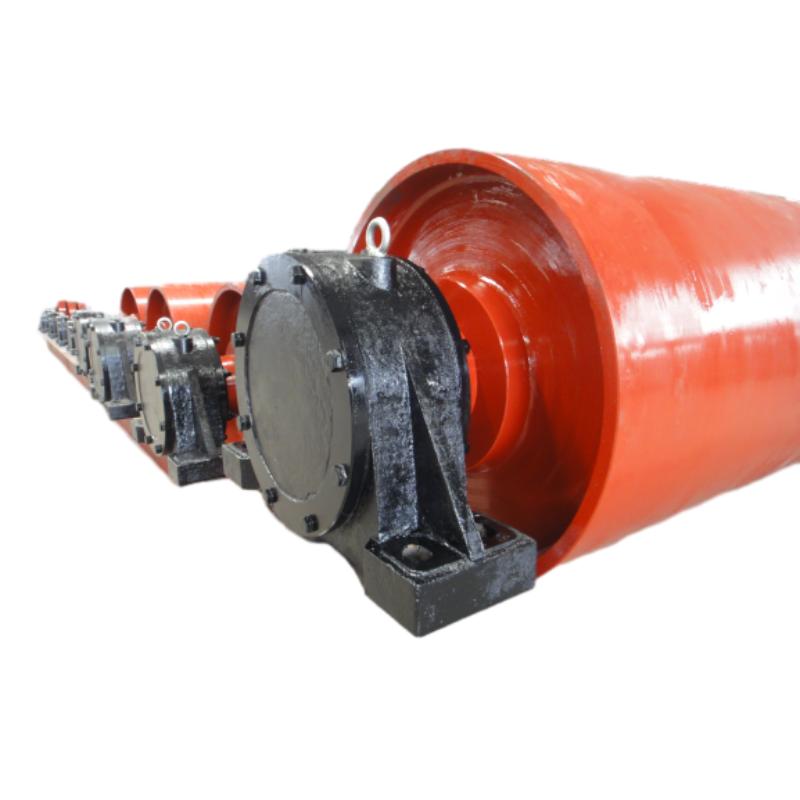
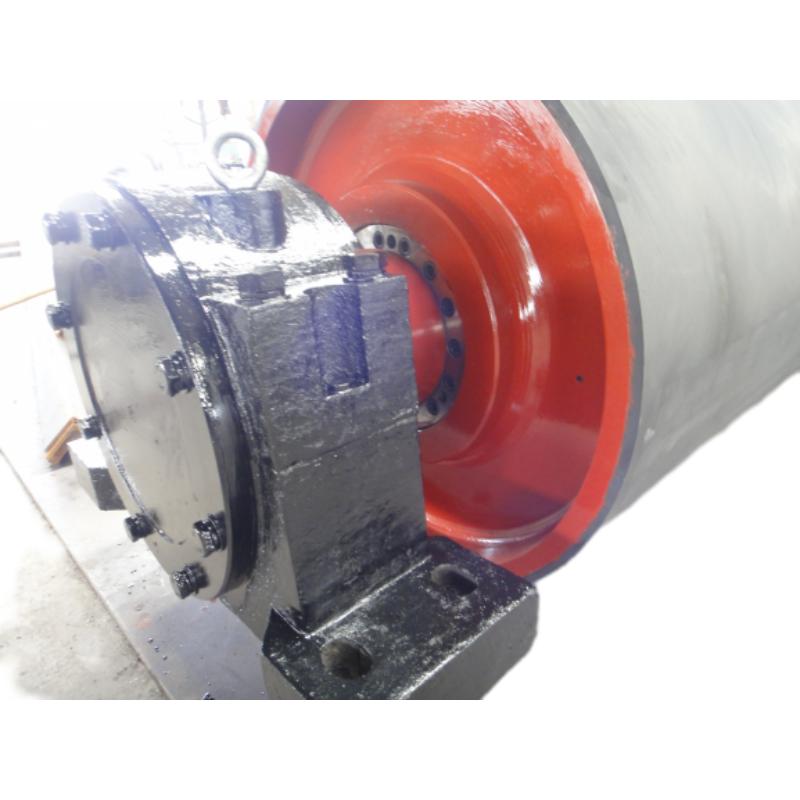
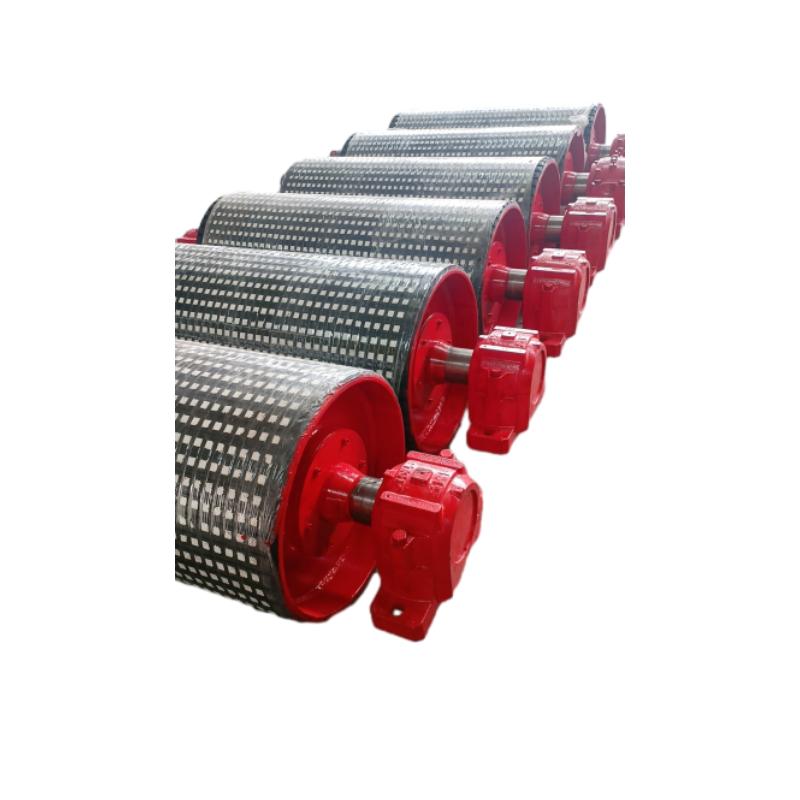
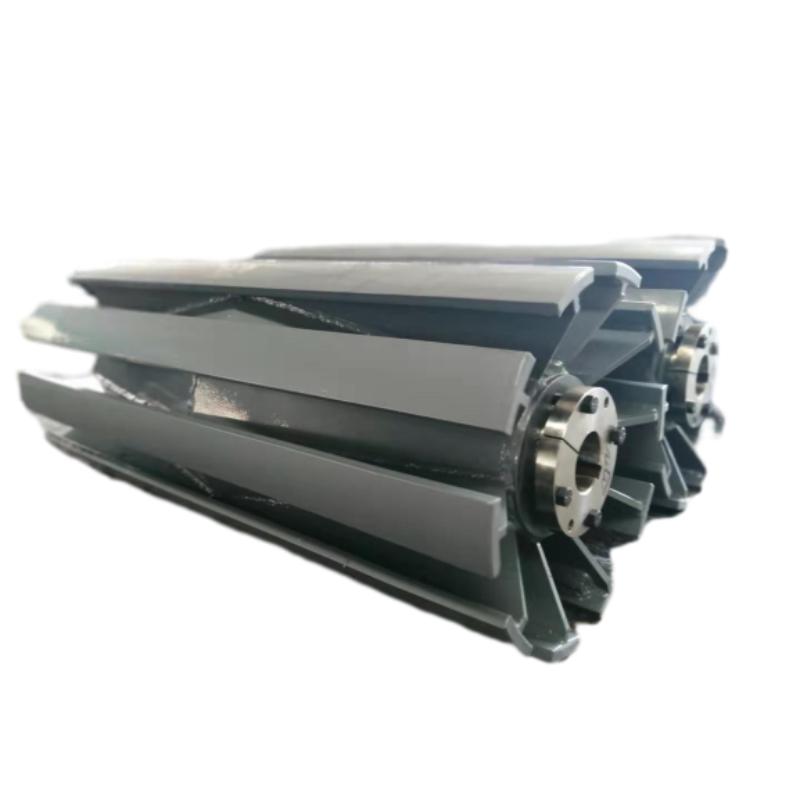
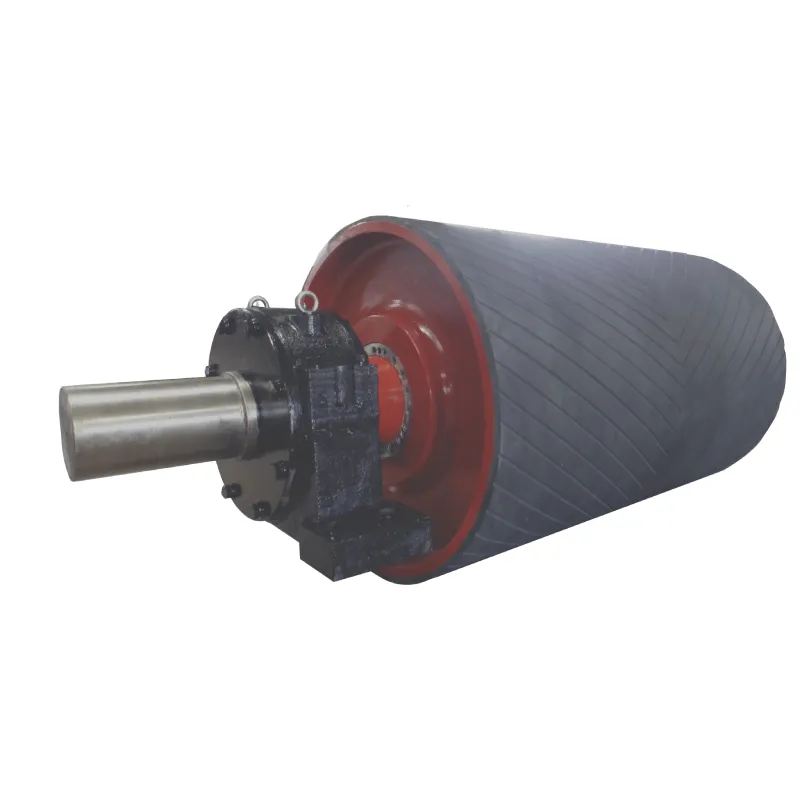
Simply put, a guide roller is a mechanical component designed to steer or support a moving belt, chain, cable, or conveyor within manufacturing or processing systems. Often cylindrical, it’s mounted on an axle and may feature bearings inside to allow smooth rotation. The “guide” part means it doesn’t just roll—it directs motion, prevents slippage, and reduces friction.
Interestingly, these small devices have direct connections to the needs of globalized industry and humanitarian logistics. For instance, in disaster zones, mobile conveyor setups rely on robust guide rollers to move supplies efficiently through rough terrains — bringing aid faster and safer.
Key Components and Factors in Guide Roller Design
1. Durability & Material Composition
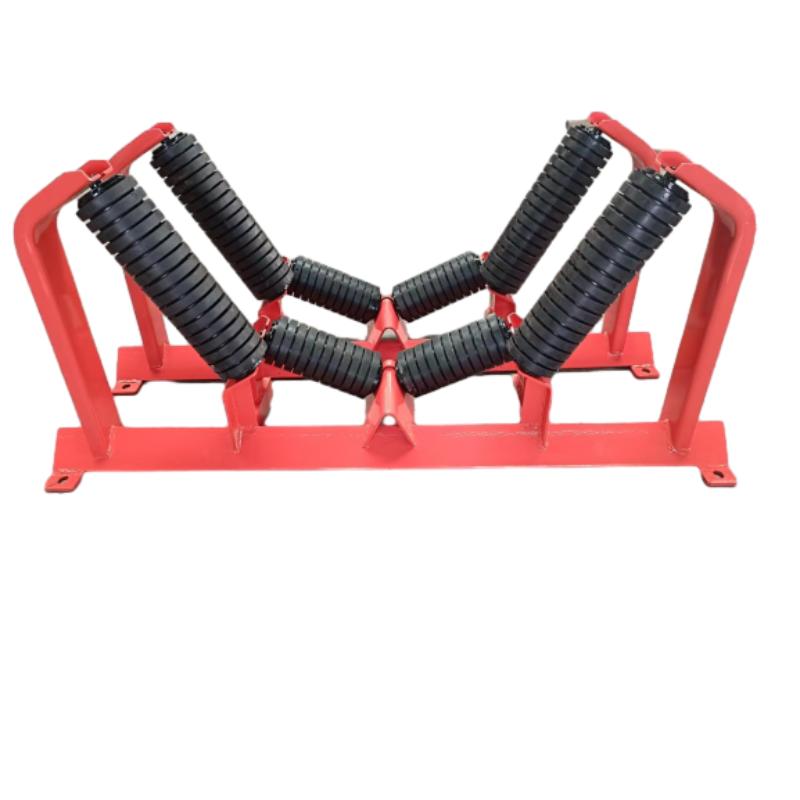
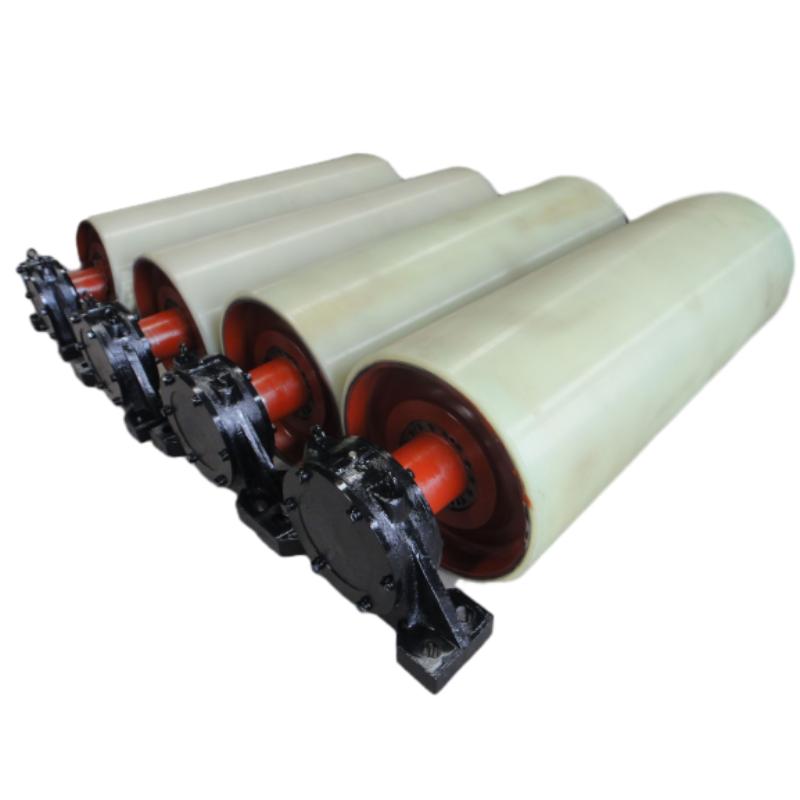
Modern guide rollers are crafted from materials ranging from carbon steel and stainless steel to polyurethane or nylon coatings. Durability affects not just lifespan but safety. Stainless steel rollers shine in chemical or wet environments, while polymer coatings reduce noise and wear, which operators deeply appreciate.
2. Load Capacity & Size
The ability to carry heavy loads without deformation is vital, especially for mining or heavy manufacturing. Sizes vary from small rollers (a few centimeters in diameter) used in light packaging lines to massive ones supporting multi-ton conveyor belts.
3. Bearing Type & Maintenance
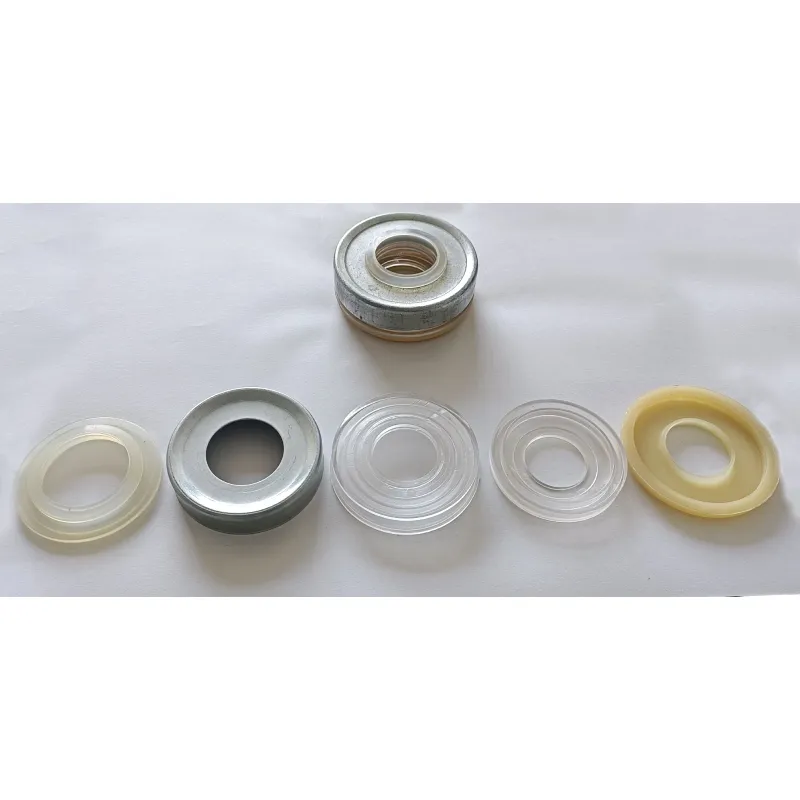
Bearings inside a guide roller define how smoothly and quietly it runs. Sealed bearings guard against dust and grime—critical in dusty warehouses. Some high-end versions feature self-aligning bearings that compensate for slight misalignments, a fantastic plus to reduce downtime.
4. Environmental Resistance
Temperature extremes, water exposure, chemical contact—all demand specific materials or protective treatments. For example, an offshore oil platform may require rollers with saltwater corrosion resistance to perform reliably year-round.
5. Cost Efficiency & Customization
Price points vary widely, but the best rollers blend durability with affordability. Customization options — like variable coating thickness or integrated sensors — can make a difference in specific applications, balancing upfront cost with long-term savings.
| Parameter | Value/Range | Notes |
|---|---|---|
| Diameter | 30 mm - 300 mm | Depends on load and application |
| Material | Steel, Stainless Steel, Polymer-coated | Customized per environment |
| Bearing Type | Sealed ball bearings / Roller bearings | Maintenance-reducing sealed preferred |
| Load Capacity | Up to 5000 kg | Varies with size and material |
| Temperature Range | -40°C to +150°C | Depends on coating/material |
Worldwide Applications: From Factories to Relief Operations
The diversity in guide roller applications is impressive. In Europe, automotive assembly lines depend heavily on high-precision rollers, often with sensors integrated for predictive maintenance. In contrast, large mining operations in Canada or Australia rely on giant rollers that support hundreds of tons of material daily, demonstrating sheer mechanical muscle.
Even more inspiring are humanitarian logistics uses. Post-disaster relief efforts utilize temporary conveyor systems fitted with guide rollers to efficiently unload and transport supplies, reducing human labor strain and speeding up distribution. Similarly, agricultural industries in Africa have embraced guide rollers to improve harvest processing, cutting waste and increasing yields.
A quick example: a textile factory in Bangladesh recently upgraded its conveyor system with advanced polyurethane-coated guide rollers. This reduced belt damage by approximately 35% and decreased noise pollution — improvements both management and workers noticed almost immediately.
Vendor Comparison: Top Players in Guide Rollers
| Vendor | Specialty | Material Options | Lead Time | Price Range |
|---|---|---|---|---|
| RollerTech Inc. | Custom polyurethane coatings | Steel, Polymer | 3-4 weeks | $$$ |
| GlobalRollers | Heavy load mining rollers | Stainless Steel | 6-8 weeks | $$$$ |
| EcoRoll Solutions | Eco-friendly recycled materials | Recycled Polymers, Steel | 4-5 weeks | $$ |
Advantages and Long-Term Value of High-Quality Guide Rollers
- Cost Savings: Reduced downtime and longer equipment life translate to fewer replacements and less labor cost.
- Sustainability: Durable rollers minimize waste, and emerging eco-friendly materials lessen environmental footprints.
- Reliability: Smooth operation means fewer jams or accidents, crucial for worker safety and trust.
- Innovation & Trust: Advanced rollers with sensors enable predictive maintenance, creating smarter workplaces.
On an emotional level, I suppose most operators feel a kind of relief knowing their systems won’t fail mid-shift due to a small but pivotal part like a guide roller malfunctioning. That quiet reliability fosters confidence and pride in daily work.
The Future Trends of Guide Rollers: What’s Around the Corner?
Looking ahead, the integration of smart materials—imagine rollers that adjust their friction based on belt load—and IoT-enabled rollers sending real-time data to maintenance teams seem inevitable. Sustainability is pushing the adoption of biodegradable polymers or recycled composites, easing the industrial carbon footprint.
There’s also a noticeable trend towards lightweight but ultra-strong materials like carbon-fiber composites, especially in aerospace and high-tech manufacturing sectors where precision and weight reduction matter.
Challenges and Solutions in Guide Roller Technology
Despite advances, problems remain: uneven wear due to misalignment, harsh environmental corrosion, or high maintenance costs can plague users. Here, some manufacturers are experimenting with self-lubricating bearings and smart alignment sensors to alert operators before issues become critical.
Bringing in expert perspectives, many engineers recommend regular system audits combined with high-quality roller selection upfront—the cost pays off in the long haul. And oddly enough, sometimes the simplest solutions, like choosing the right roller coating material, create the biggest impact.
Frequently Asked Questions About Guide Rollers
Q1: What factors should I consider when choosing a guide roller for a dusty environment?
A1: Look for rollers with sealed bearings and corrosion-resistant materials like stainless steel or polymer coatings. Sealed bearings prevent dust ingress, reducing maintenance, and polymer coatings can lessen abrasive wear. Customization to fit specific dust types improves longevity significantly.
Q2: How often should guide rollers be inspected or replaced in heavy-load operations?
A2: Inspection frequency depends on load and environment, but generally every 3-6 months is wise. Signs like unusual noise or wear indicate replacement needs. Preventive maintenance avoids costly breakdowns.
Q3: Are eco-friendly guide rollers reliable enough for industrial use?
A3: Yes, many manufacturers now offer rollers made from recycled or biodegradable polymers vetted under ISO standards. Though relatively new, field tests show comparable durability with cheaper environmental impact.
Q4: Can guide rollers be customized for unusual conveyor shapes or angles?
A4: Absolutely. Custom diameters, coatings, or special bearing types are common. Vendors often work closely with clients to tailor rollers that fit even complex setups.
Conclusion
To wrap it all up: guide rollers are small components with an outsized role in industrial efficiency, safety, and sustainability. Investing in the right roller means smoother operations today and more future-ready systems tomorrow.
Fancy upgrading your conveyor or mechanical setup? Visit our website: https://www.idleraohua.com to explore advanced guide rollers customized for your needs.
-
Maximize Conveyor Life with a High Performance impact bedNewsApr.16,2026
-
Maximize Conveyor Efficiency Using a v plow belt scraperNewsApr.09,2026
-
Comprehensive Guide to Understanding Different Types of Belt CleanersNewsApr.07,2026
-
Enhancing Conveyor Efficiency with an Effective Scraper Belt CleanerNewsApr.04,2026
-
Optimizing Conveyor Systems with Advanced Cleaning Equipment SolutionsNewsMar.31,2026
-
Effective Conveyor Belt Scraper Adjustment for Optimal System PerformanceNewsMar.28,2026