

Nov . 29, 2025 09:45
Back to list
Concave Guide Roller: Enhancing Conveyor Belt Efficiency Worldwide
Understanding the Concave Guide Roller: A Small Component with a Global Impact
The concave guide roller is one of those quietly essential mechanical components that make modern industry tick. While it might sound specialized, it plays a surprisingly pivotal role in conveyor systems, manufacturing lines, and even humanitarian relief logistics. Around the world, industries depend on these rollers to guide belts smoothly, ensuring production lines run efficiently, maintenance downtimes reduce, and material handling becomes safer. Understanding the value and design of concave guide rollers isn’t just for engineers—it’s important for NGOs, industrial operators, and anyone curious about how complex supply chains manage to keep products moving without hiccups. In essence: knowing about concave guide rollers helps us appreciate the small things that keep big systems humming. ---Why the Concave Guide Roller is Crucial on a Global Scale
Globally, conveyor systems are responsible for moving billions of tons of materials annually. According to the International Organization for Standardization (ISO), conveyor belts and their components—rollers included—imperatively support industries from mining in Africa to automotive manufacturing in Europe and agriculture in Asia. But the challenge is bigger than just moving stuff from A to B. Conveyor lines frequently face belt misalignment issues, causing costly downtime and sometimes safety risks. Enter the concave guide roller: designed with a slight inward curve, it helps keep the belt centered even under heavy loads or high speeds. This small geometry tweak dramatically reduces belt wear and tear. From factory floors to disaster relief zones where rapid deployment conveyors move supplies efficiently, concave guide rollers help solve a fundamental problem: how to keep conveyors running safely, cost-effectively, with minimal manual intervention. Mini takeaway: Globally, this simple innovation tangibly boosts productivity and curbs operational risks. ---What Exactly Is a Concave Guide Roller?
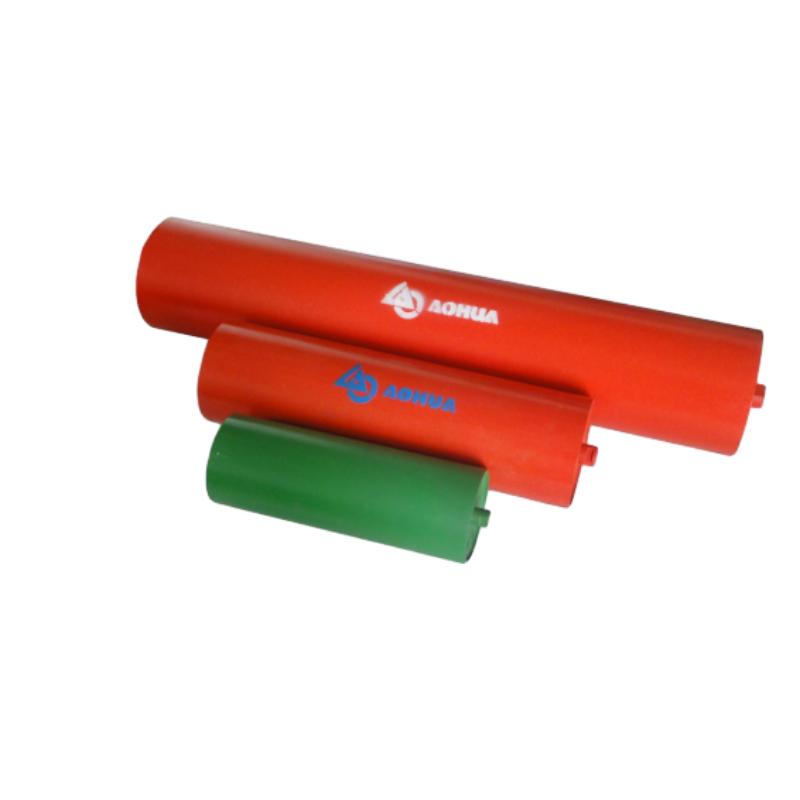
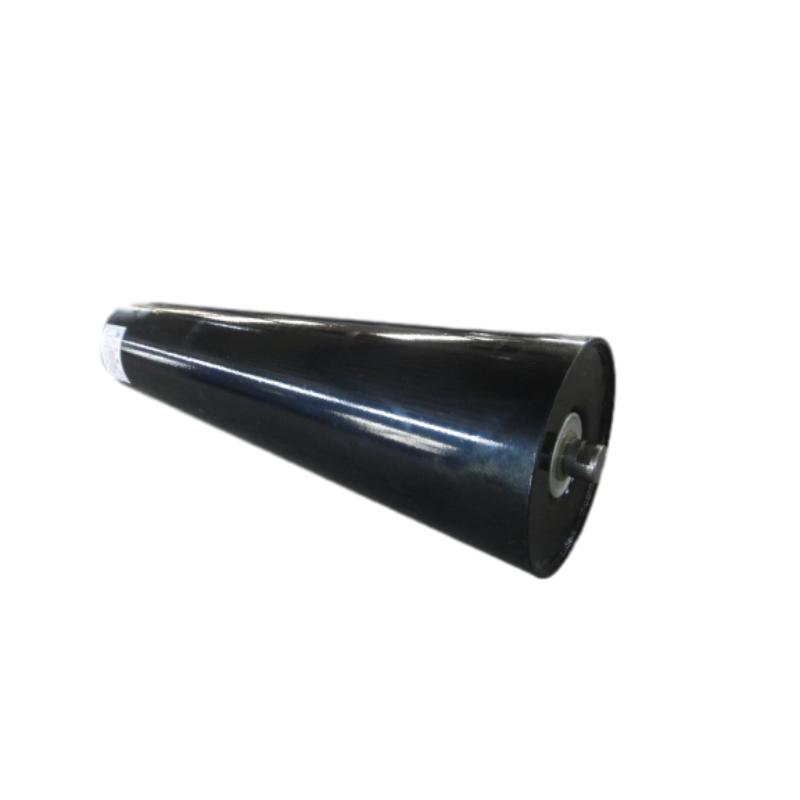
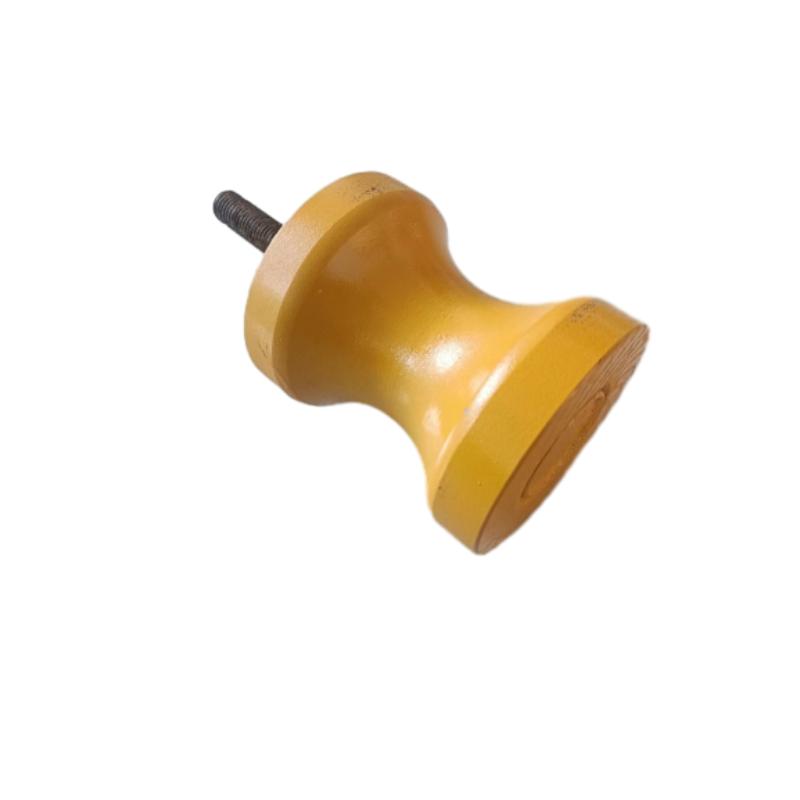
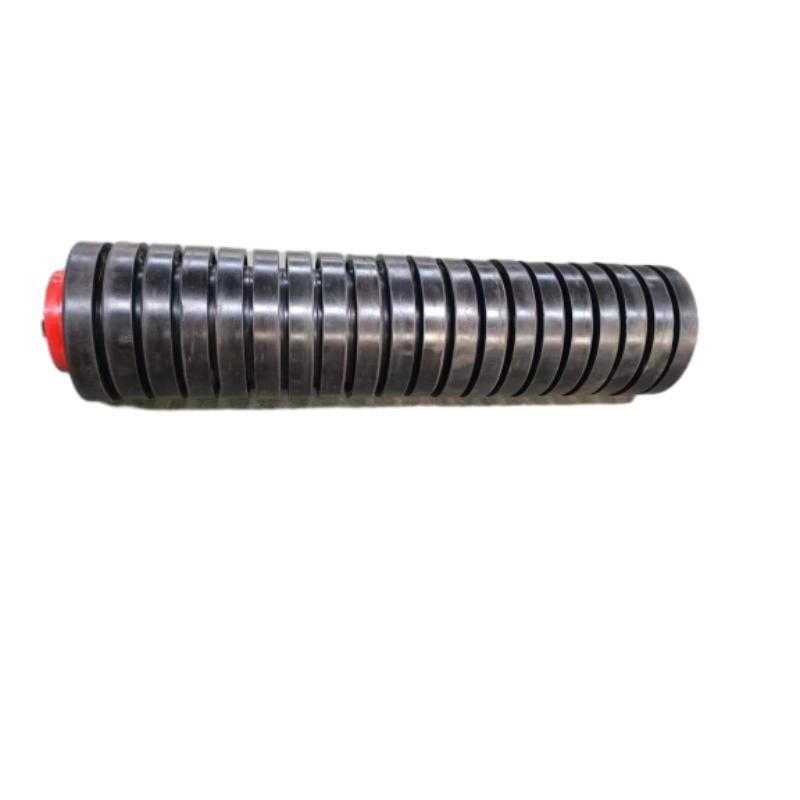
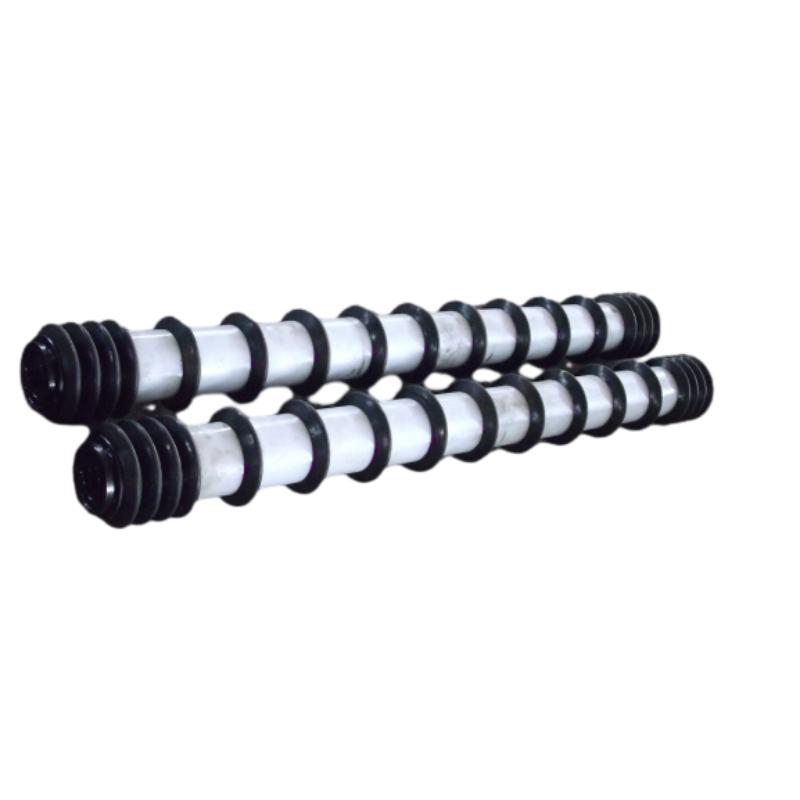
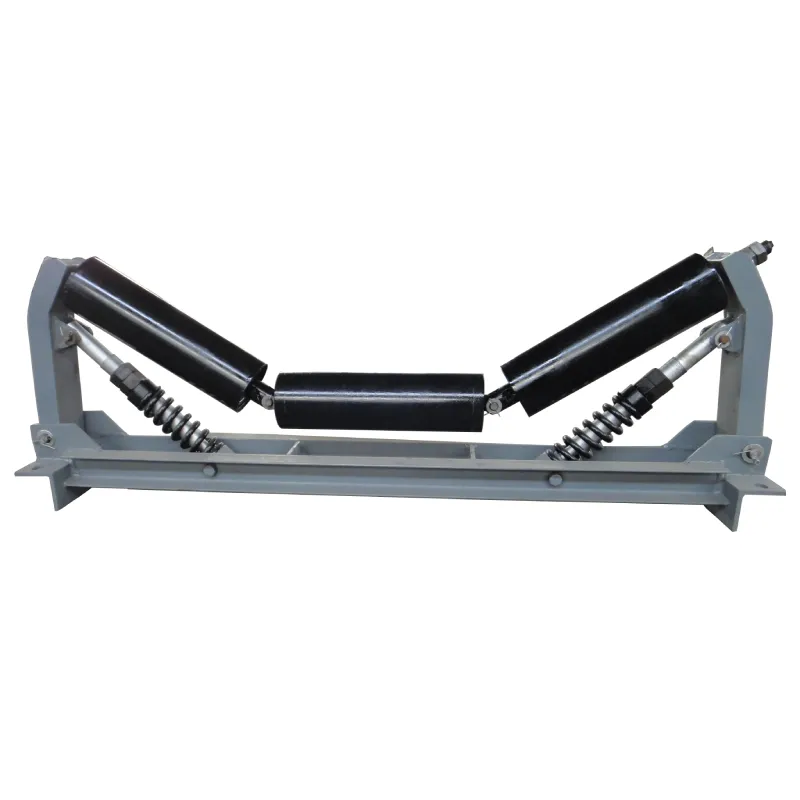
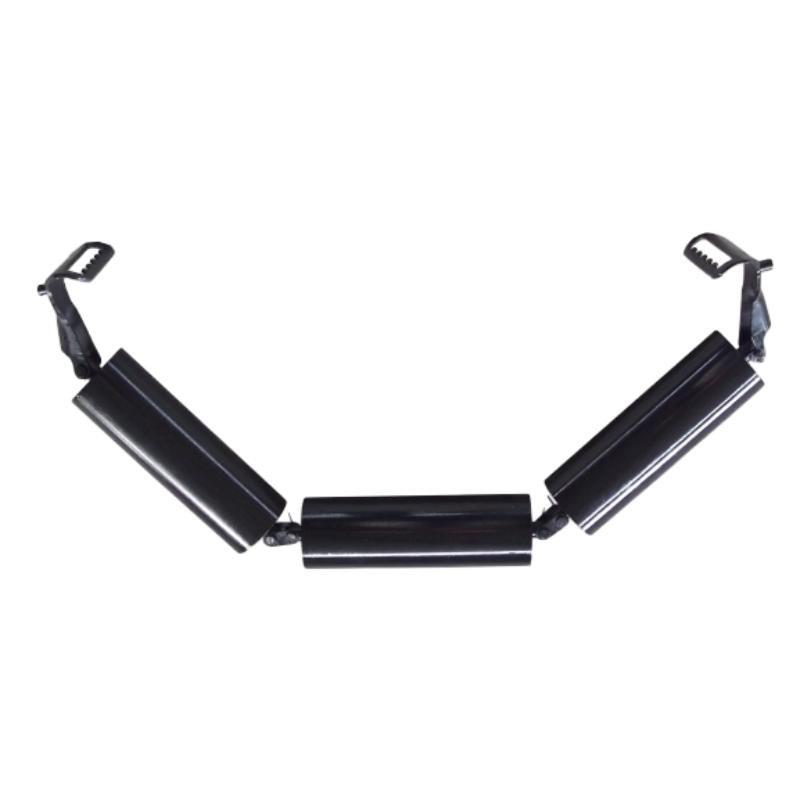
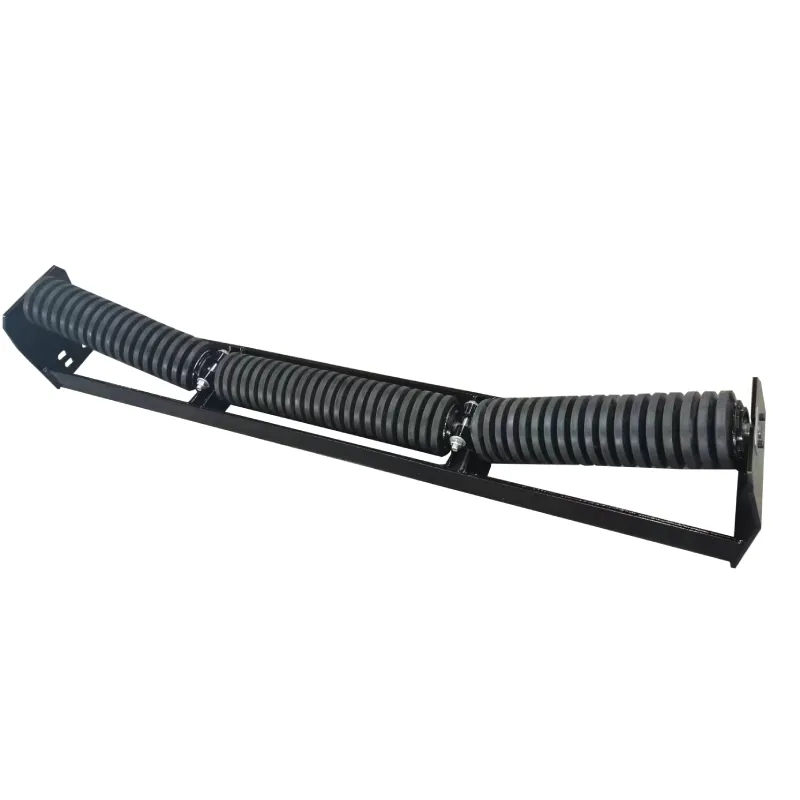
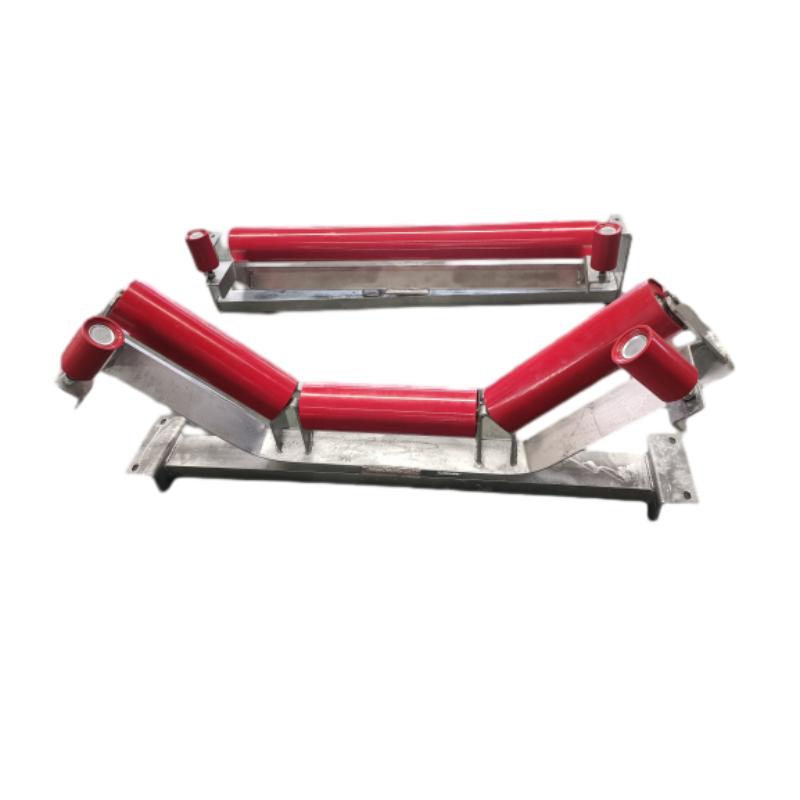
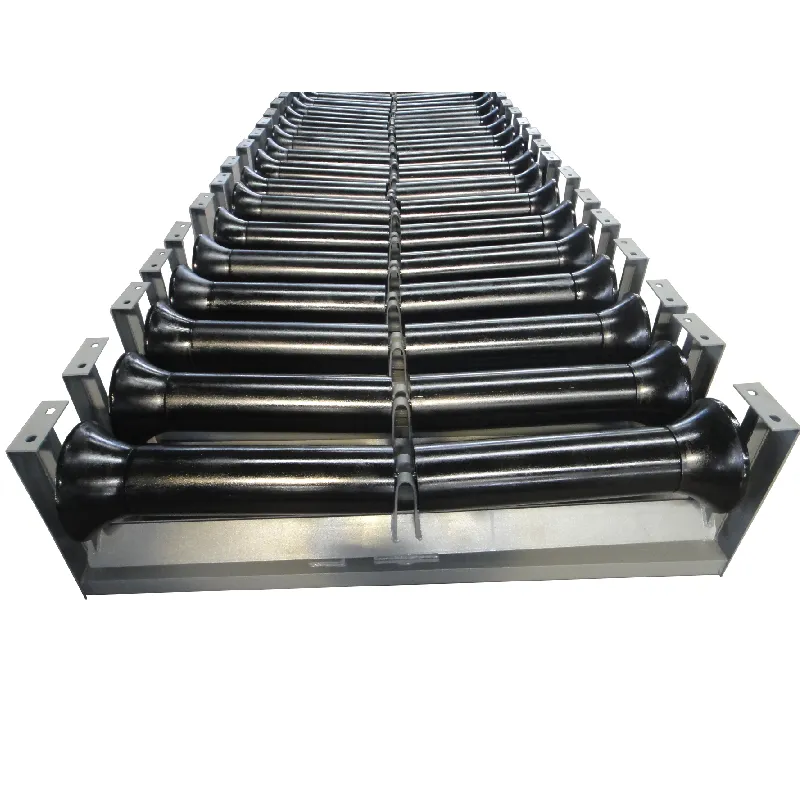
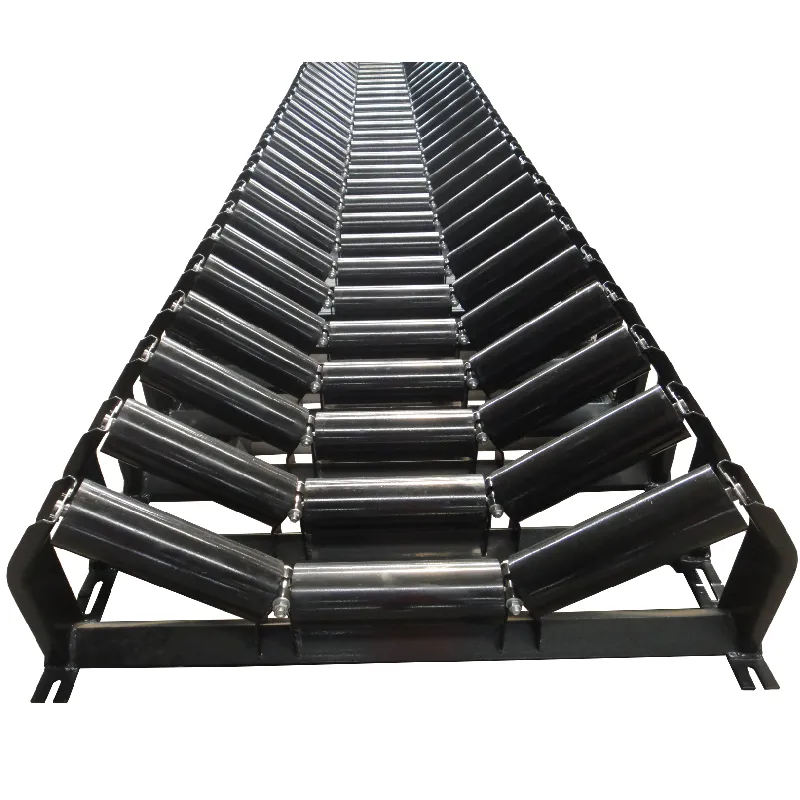
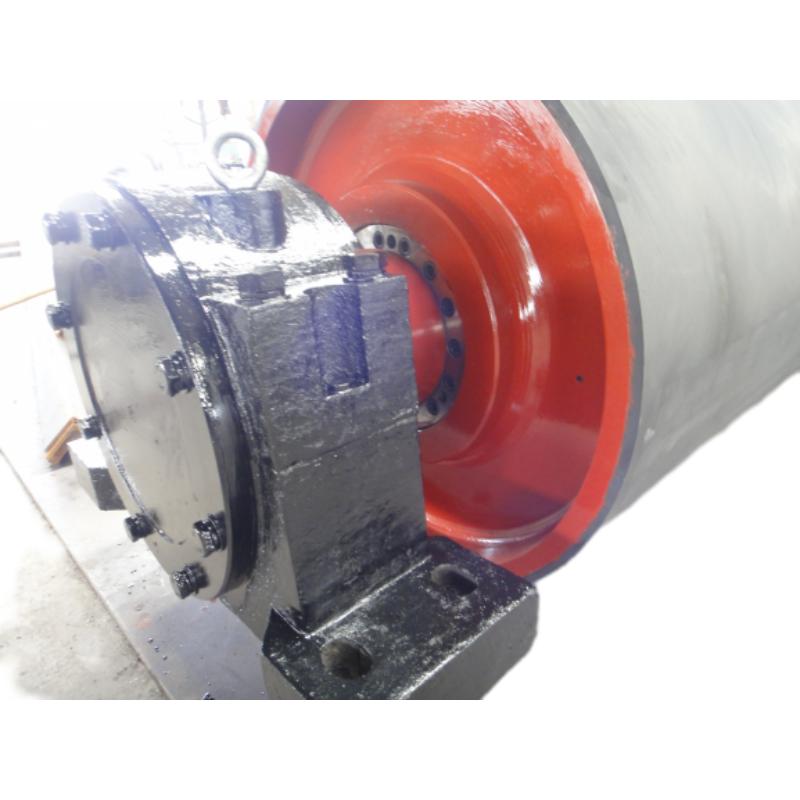
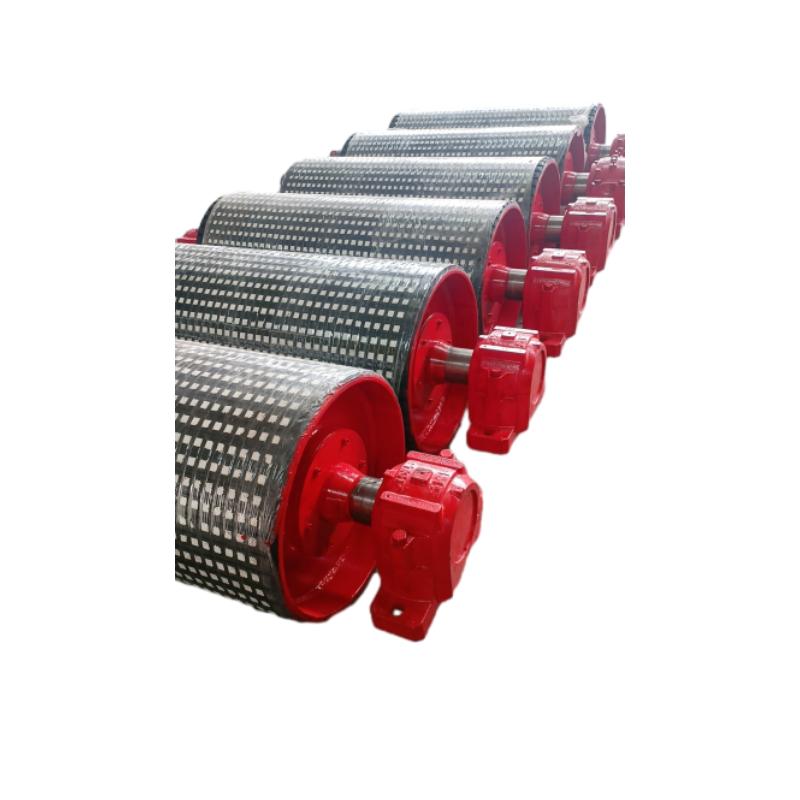
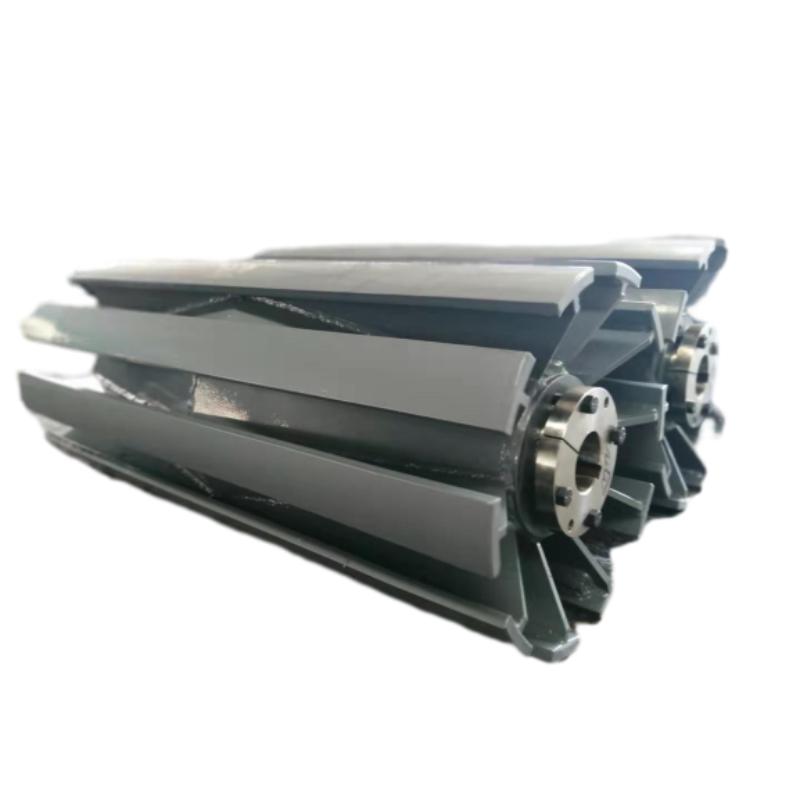
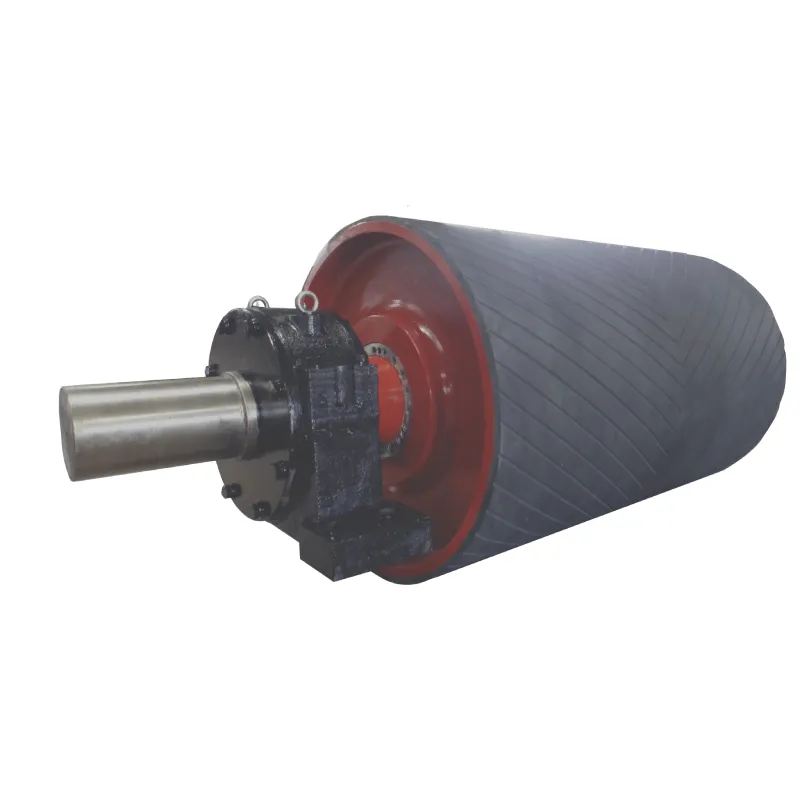
At its core, a concave guide roller is a cylindrical rotating component with a gently curved or "concave" surface. Unlike a flat roller, the inward arch acts much like a rail, consistently nudging conveyor belts back toward the center to prevent slippage or edge damage. It’s a classic example of form meeting function: the curvature counteracts lateral forces that try to push conveyor belts off track. In modern industry, these rollers connect to automated systems requiring precision and reliability—think automotive paint lines that can't afford even a moment’s interruption. Moreover, concave guide rollers aren’t reserved for factories alone. Humanitarian aims use lightweight conveyor setups in remote locations—rapidly deployed to bring food, medical kits, and water to disaster-stricken areas. The roller’s reliability makes such convoys less vulnerable to mechanical failure. ---Key Components & Features of Concave Guide Rollers
1. Durable Materials
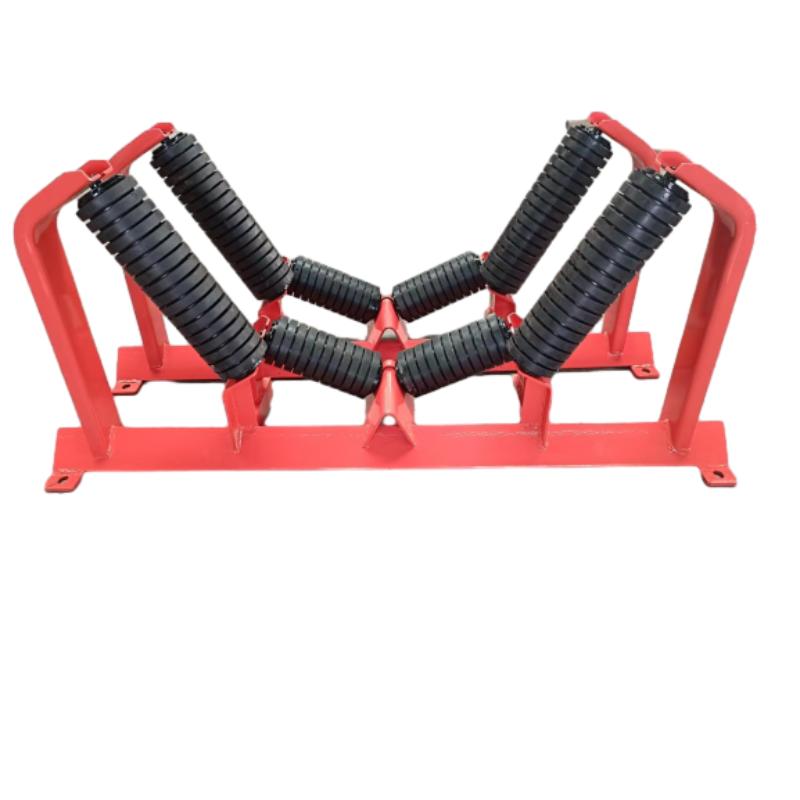
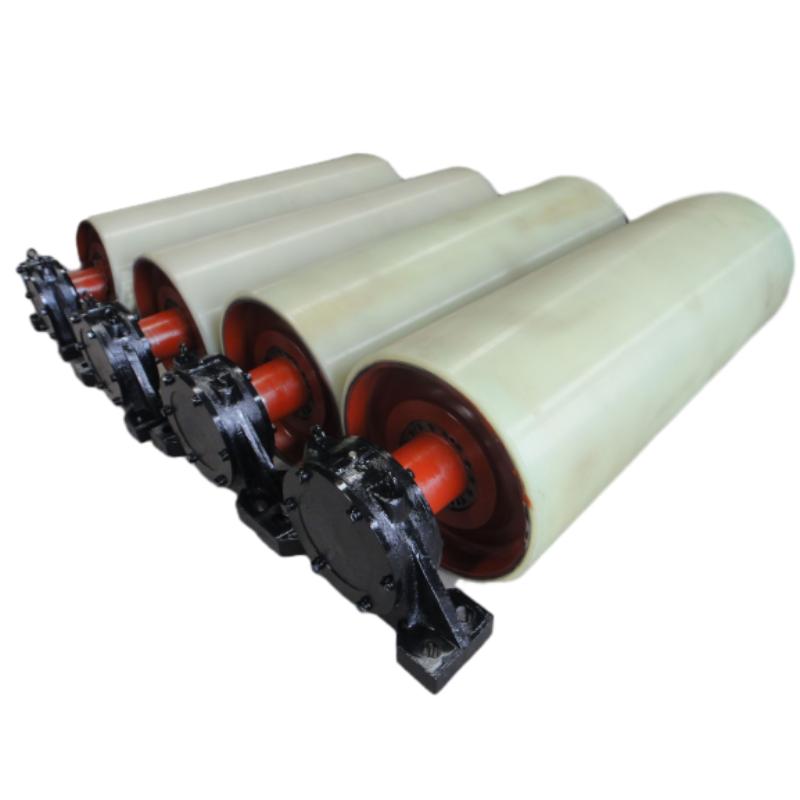
These rollers must handle constant friction, moisture, dust, and heavy loads. Engineers often select high-grade steel or impact-resistant polymers coated with corrosion-resistant finishes, ensuring long operational life.2. Precision Bearings
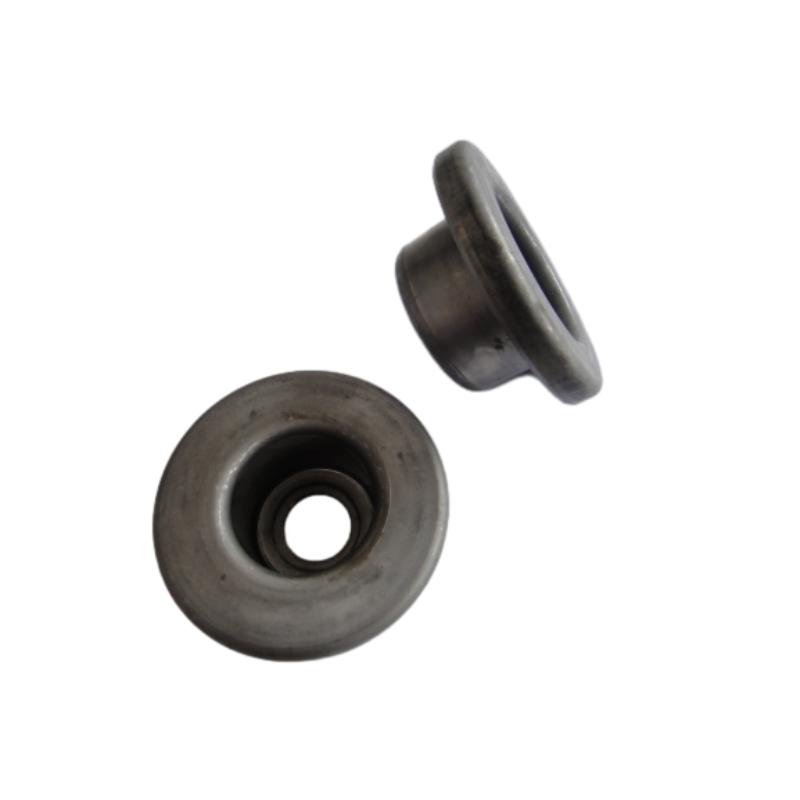
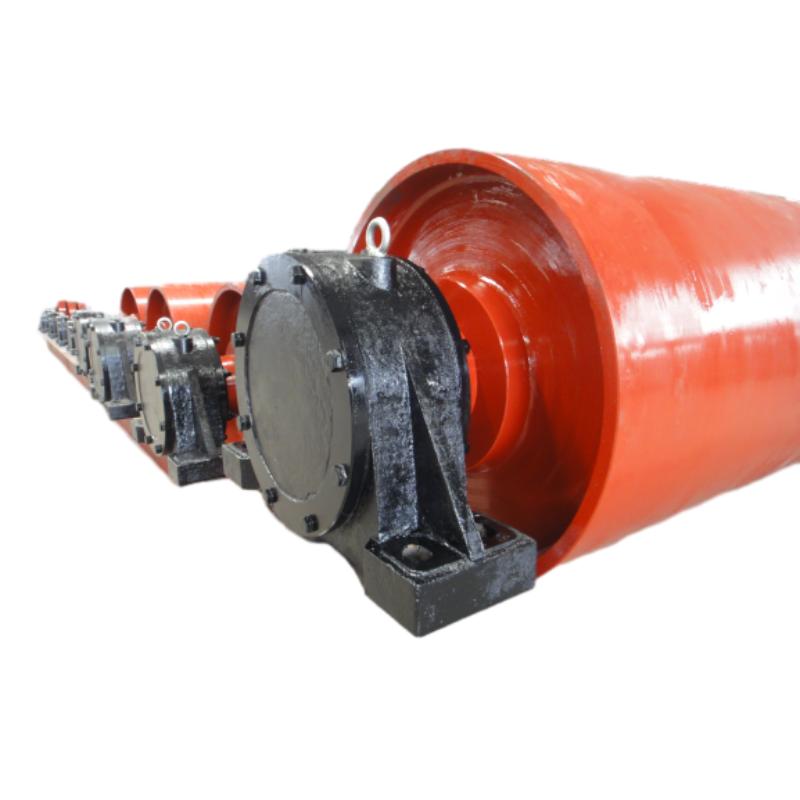
Smooth roller rotation requires quality bearings inside. The better the bearings, the less energy wasted overcoming friction, and the less heat produced—which translates to longer conveyor lifespan.3. Concave Geometry
The defining feature — a curved surface that cradles the belt edges gently but firmly. The degree of concavity varies depending on belt width and conveyor speed.4. Adjustable Mounting Systems
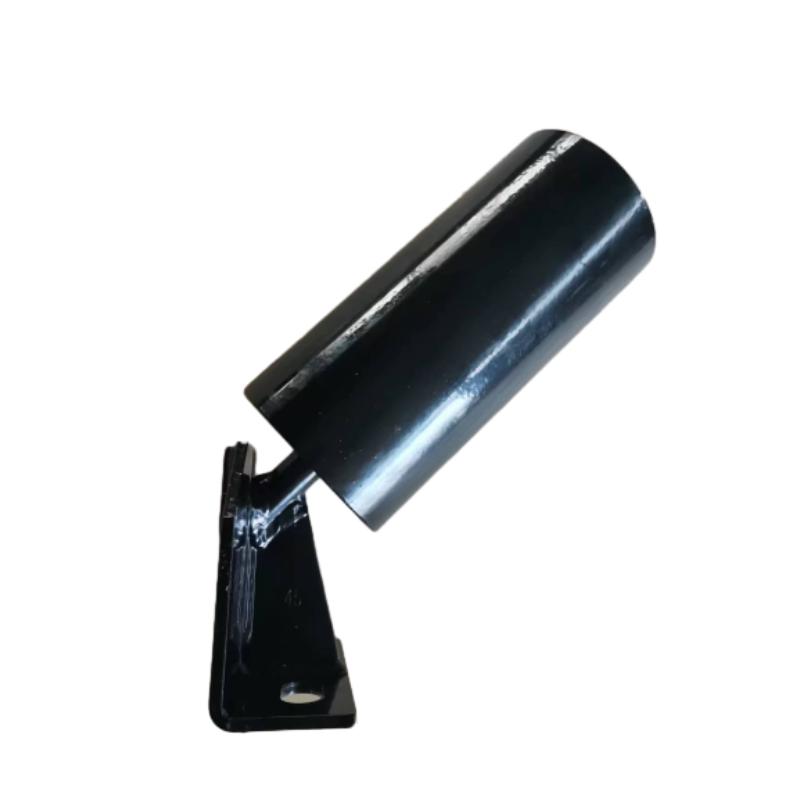
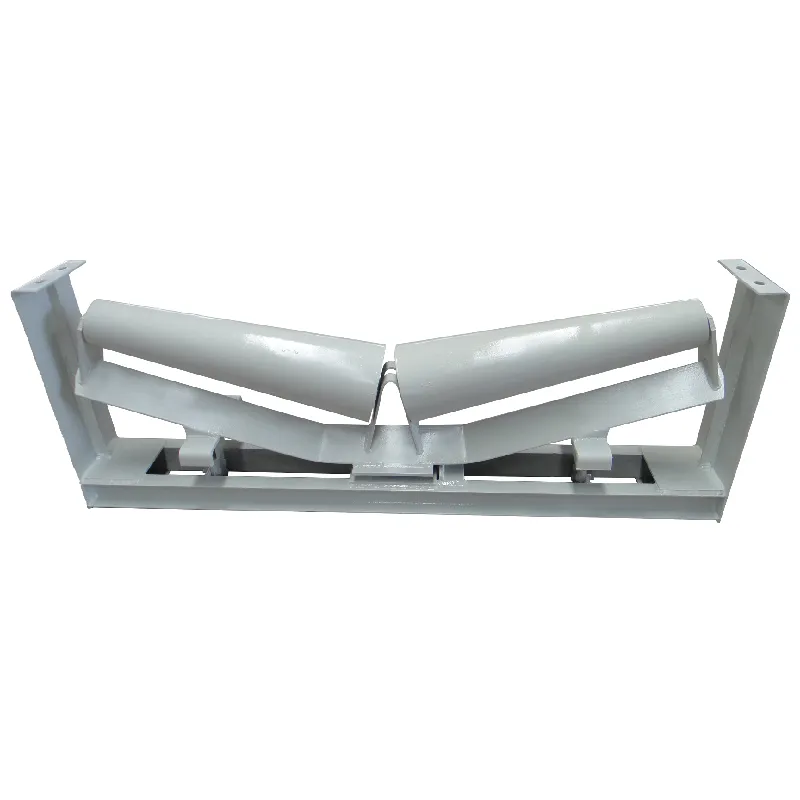
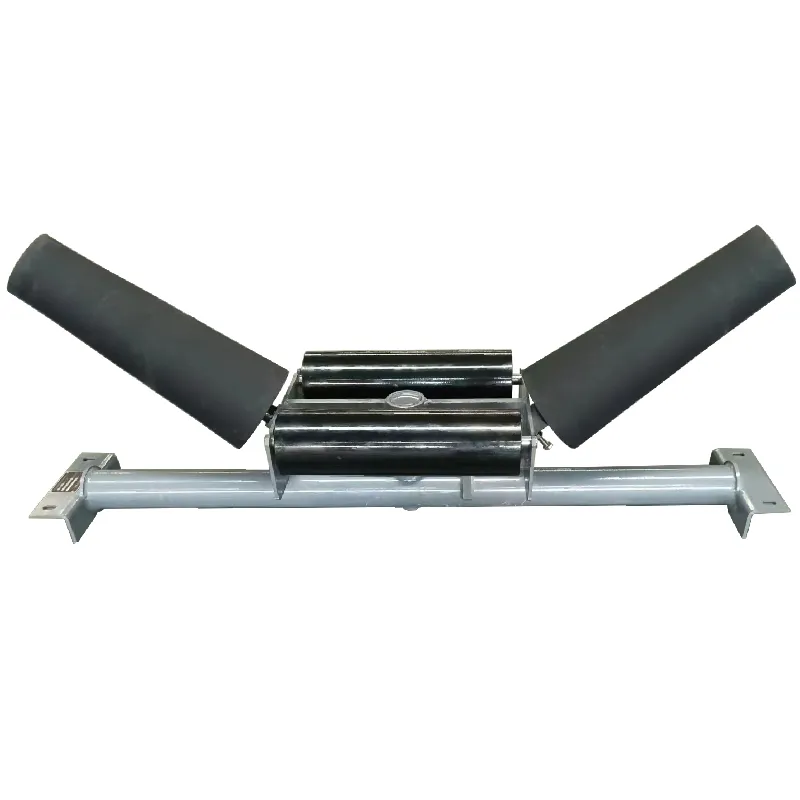
Many guide rollers come with brackets or mounts that allow slight angle tweaks, to fine-tune belt alignment in challenging installations.5. Low Maintenance Design
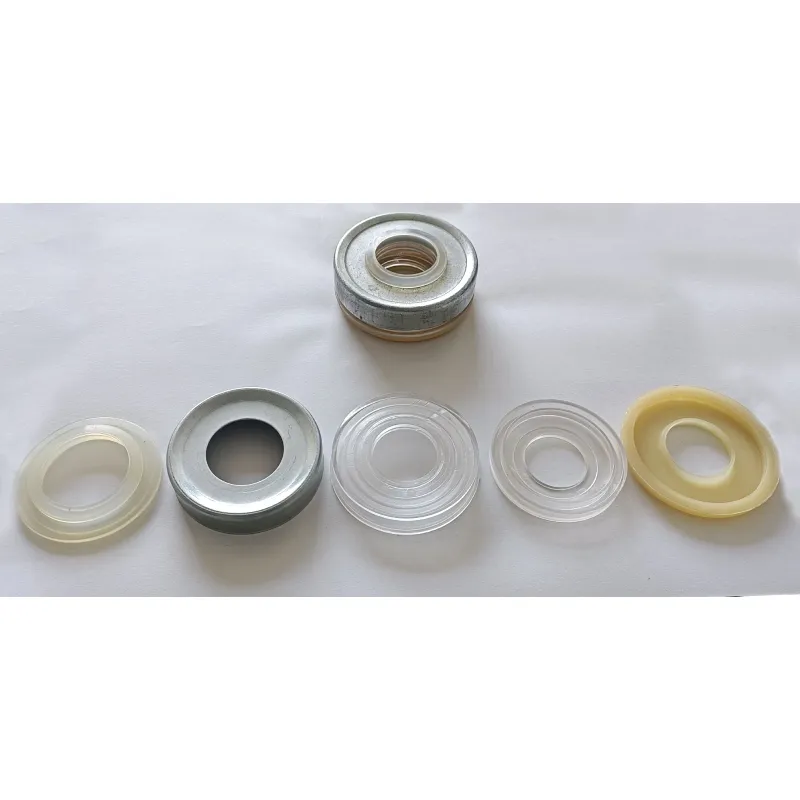
Some modern concave guide rollers include self-lubricating sleeves or sealed bearings to minimize regular upkeep. Mini takeaway: These elements combine to form a high-performance product tailored for longevity and efficiency. ---Real-World Applications of Concave Guide Rollers
The beauty of concave guide rollers lies in versatility. - In mining operations — rugged and dusty — they consistently guide thick rubber belts loaded with ore. - In offshore oil rigs, corrosion-resistant rollers keep conveyance belts stable despite salty air. - Food processing plants use stainless steel variants, complying with hygiene protocols. - In humanitarian operations, NGOs deploy modular conveyor lines with concave guide rollers to sort and distribute relief materials quickly. - Manufacturing hubs across Europe and Asia rely on them to maintain uninterrupted assembly line flows, preventing costly production halts. For instance, a recent post-disaster response in Southeast Asia leveraged conveyors fitted with these rollers to expedite supply delivery—reducing manual labor fatigue and enhancing worker safety. ---Product Specification Table: Typical Concave Guide Roller Features
| Feature | Specification | Description |
|---|---|---|
| Roller Diameter | 50mm - 150mm | Varies to suit belt width and speed |
| Material | Stainless steel, Nylon, or HDPE | Corrosion resistance and wear reliability |
| Bearing Type | Sealed ball or roller bearings | Ensures smooth rotation and durability |
| Concavity Radius | 15mm - 50mm | Determines guiding strength for belt position |
| Operating Temp. | -20°C to +80°C | Fits most industrial environments |
Comparing Leading Vendors of Concave Guide Rollers
| Vendor | Material Options | Customization | Lead Time | Price Range |
|---|---|---|---|---|
| GlobalRoll | Stainless Steel, HDPE | Standard sizes, minor tweaks available | 2-4 weeks | $$ |
| RollTech Solutions | Custom alloys, Nylon, UHMW | Fully custom profiles and mounts | 4-8 weeks | $$$ |
| Idlera Ohua (recommended) | Steel, Polymer blends | Modular options, quick ship | 1-3 weeks | $ - $$ |
Advantages of Using Concave Guide Rollers: Why They’re Worth It
The long-term value of concave guide rollers is substantial. Cost savings emerge from reduced belt replacements, less downtime, and decreased manual realignment. On the sustainability front, better belt tracking extends conveyor life—cutting waste. Many engineers cite safety benefits, too: properly guided belts are less likely to cause operational accidents, protecting workers. There’s also an innovation angle — the slowly increased automation of conveyor systems pairs perfectly with these rollers’ reliability, allowing smarter, sensor-based condition monitoring. Emotionally speaking, reliability builds trust in machinery. A production line manager who sees fewer belt issues gains peace of mind, which is something intangible but very powerful. ---Looking Forward: Trends Shaping Concave Guide Roller Technology
Materials science is trending toward polymer composites that are wear-resistant but lightweight, reducing energy consumption. At the same time, green manufacturing practices push vendors to consider eco-friendly coating processes for rollers. Digital integration is steadily growing. Some smart rollers embed sensors to detect wear or misalignment — a glimpse into predictive maintenance that could prevent failures before they happen. Automation and remote adjustment mechanisms are a bit further out but certainly on the horizon, especially in industries where conveyor lines are enormous and downtime costly. ---Challenges and How Industry Experts Are Tackling Them
The biggest challenge is often environmental: abrasive dust, extreme temperatures, and chemical exposure can degrade rollers prematurely. Another is customization — some conveyor setups require rollers with very specific geometry or mounting brackets. Experts recommend thorough site analysis before selecting rollers and encourage modular designs that can be swapped quickly if problems arise. Sealed bearings and enhanced corrosion-resistant materials are also standard solutions to environmental wear. ---FAQ: Common Questions About Concave Guide Rollers
Q1: How do I know if my conveyor needs concave guide rollers?If you’re noticing belt misalignment, edge wear, or frequent manual adjustments, concave guide rollers usually help. They’re especially useful for wider belts or high-speed conveyors.
Q2: Can concave guide rollers handle heavy loads?
Yes. When specified with the right material and bearings, these rollers are designed for heavy-duty industrial use, including mining and bulk material handling.
Q3: How often should I maintain or replace concave guide rollers?
Maintenance frequency varies, but sealed bearing rollers can go months without service. Regular inspections every few months are best practice to avoid surprises.
Q4: Are there eco-friendly options available?
Absolutely. New polymer composites and corrosion-resistant coatings reduce environmental impact and extend service life, reducing waste.
Q5: How do I source concave guide rollers internationally?
Look for vendors with global shipping capabilities, warranty support, and compliance with local standards. Idlera Ohua offers excellent modular solutions with fast delivery worldwide. ---
Wrapping Up: Why the Concave Guide Roller Deserves Your Attention
Though unassuming, the concave guide roller is a linchpin in conveyor efficiency worldwide. Its clever geometry and robust design solve persistent problems, save costs, and improve operational safety. Whether you’re running a factory in Germany or coordinating relief supplies in a disaster zone, the right guide roller keeps things moving smoothly. For customized, reliable solutions delivered quickly, I’d recommend visiting https://www.idleraohua.com and checking out their range of concave guide rollers and accessory products. Remember, sometimes the smallest parts make the biggest difference. ---References
Latest news
-
Maximize Conveyor Life with a High Performance impact bedNewsApr.16,2026
-
Maximize Conveyor Efficiency Using a v plow belt scraperNewsApr.09,2026
-
Comprehensive Guide to Understanding Different Types of Belt CleanersNewsApr.07,2026
-
Enhancing Conveyor Efficiency with an Effective Scraper Belt CleanerNewsApr.04,2026
-
Optimizing Conveyor Systems with Advanced Cleaning Equipment SolutionsNewsMar.31,2026
-
Effective Conveyor Belt Scraper Adjustment for Optimal System PerformanceNewsMar.28,2026
OUR PRODUCTS