

What Is a Beater Roller? Industry Insights, Applications & Benefits
Understanding the Beater Roller: A Key Component in Modern Industry
The beater roller, though sounding a bit old-fashioned at first, remains a backbone in many industrial processes worldwide. Whether you’re strolling through a paper mill or witnessing large-scale agricultural machinery, this component plays a vital role. It’s fascinating to see how something quite mechanical and straightforward can support entire industries and even humanitarian efforts.
Introduction: Why the Beater Roller Matters Globally
Around the globe, industries like pulp and paper manufacturing, agriculture, and waste processing rely heavily on efficient machinery parts. The beater roller is central among these parts for processes that require precise beating, crushing, or pulping of raw materials. According to data compiled by the International Paper Federation, for example, over 400 million tons of paper products are produced annually, many of which depend on beater rollers to process pulp properly.
In a world increasingly focused on sustainability, optimizing these mechanical components reduces both energy consumption and waste. It sounds technical, but frankly, these rollers help make everyday products greener and more affordable—whether that’s recycled paper or sustainable biomass fuels.
What Exactly Is a Beater Roller?
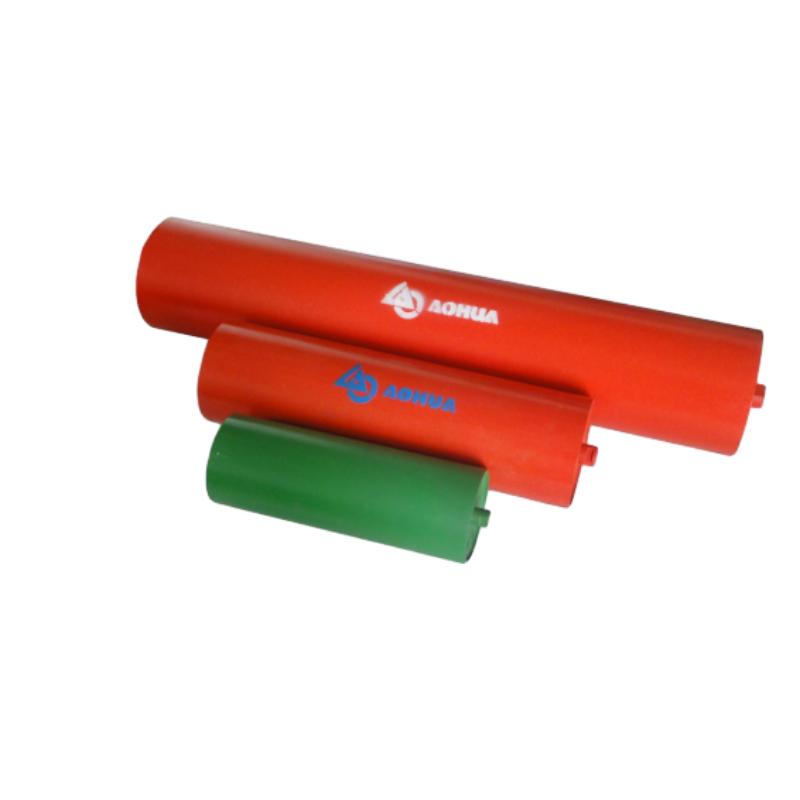
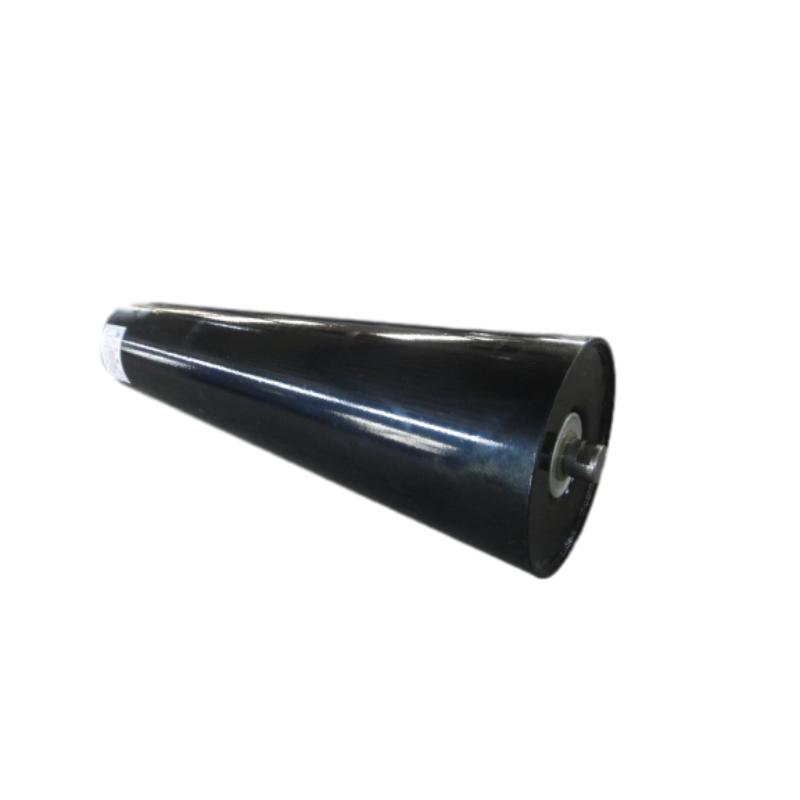
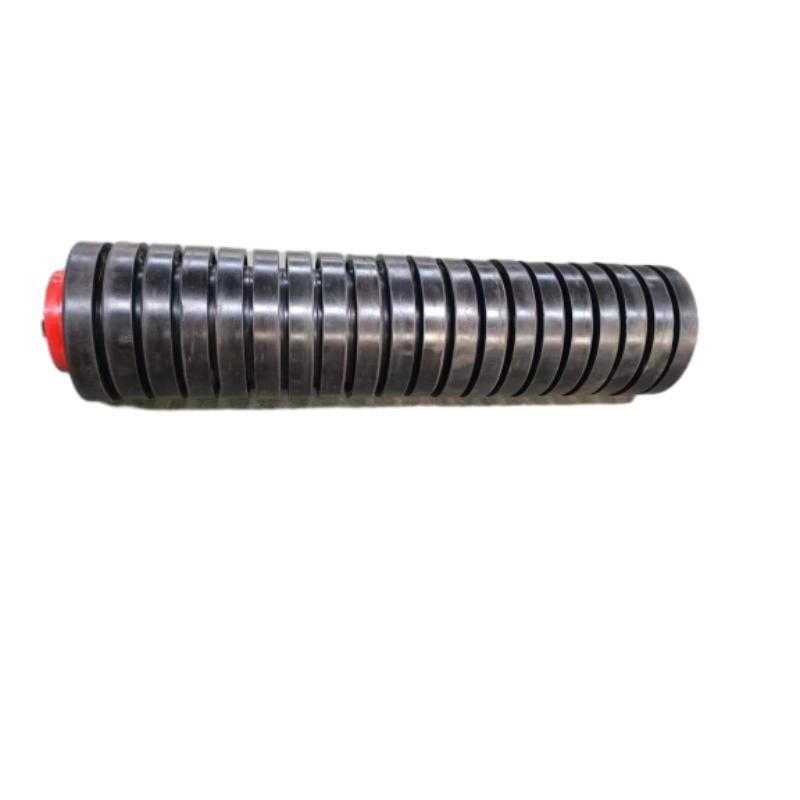
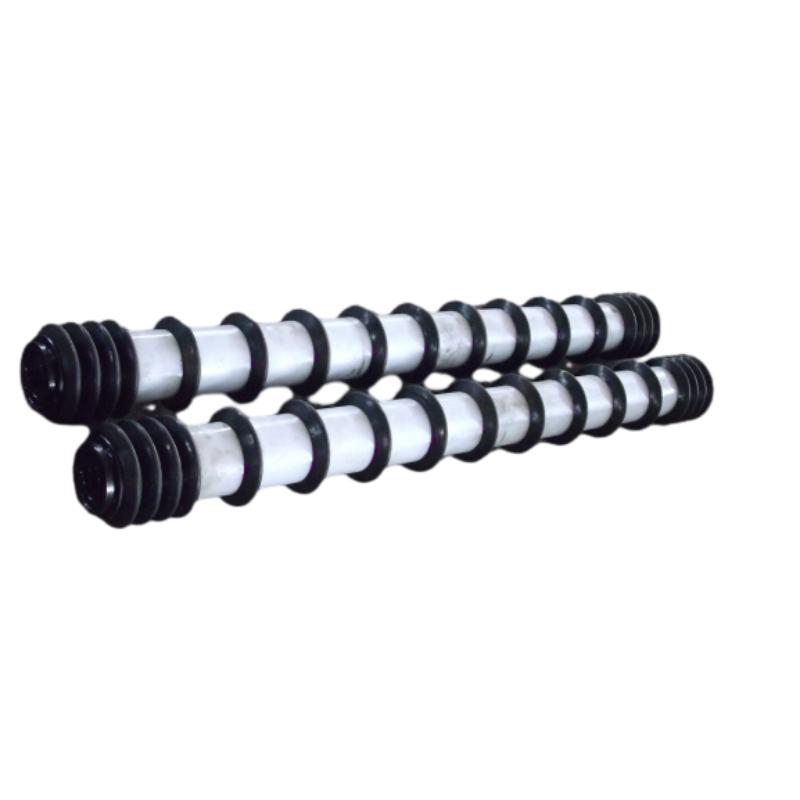
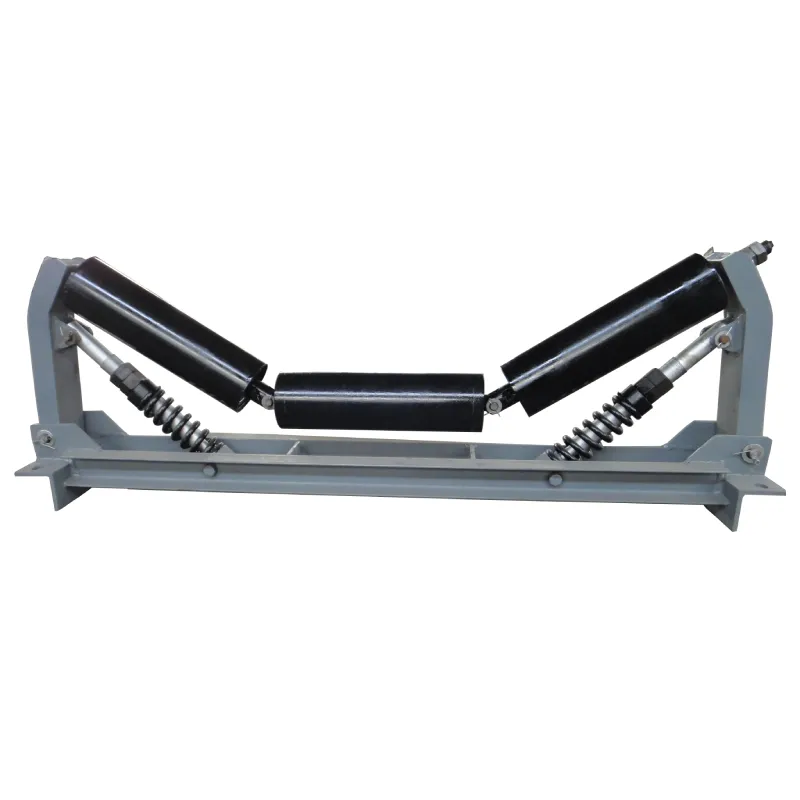
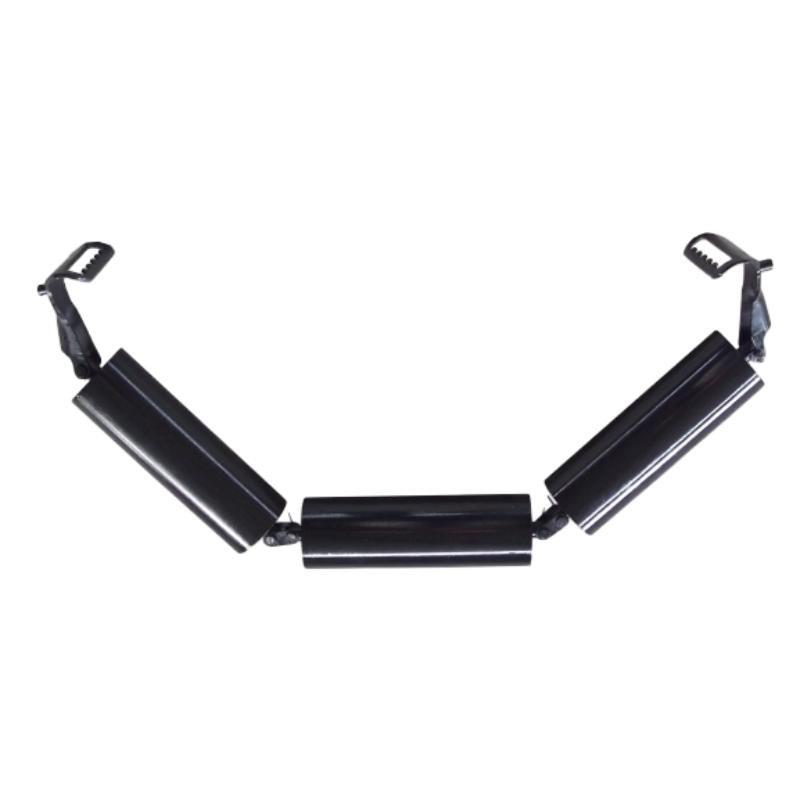
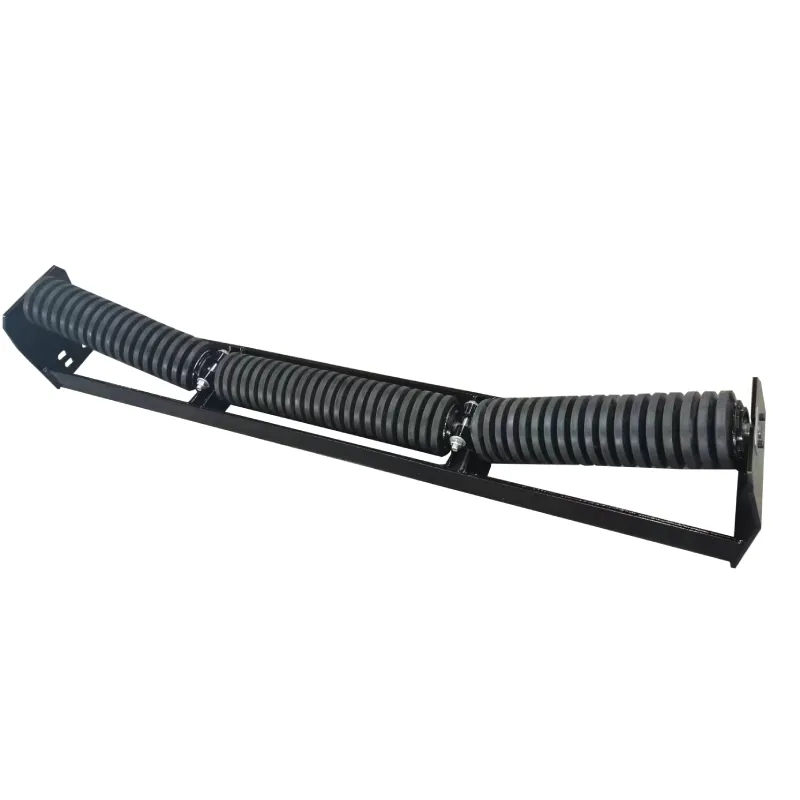
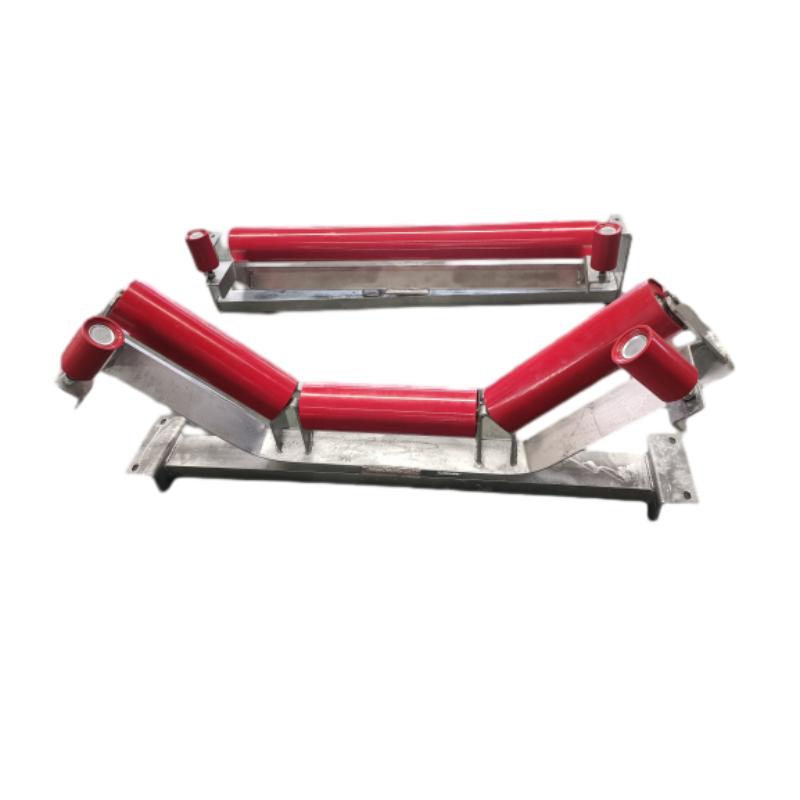
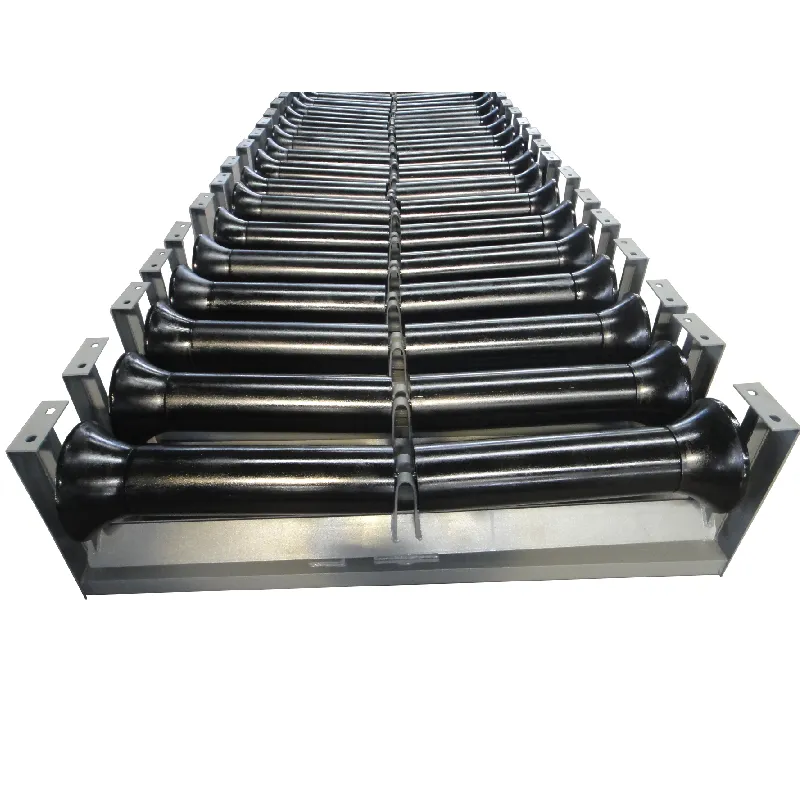
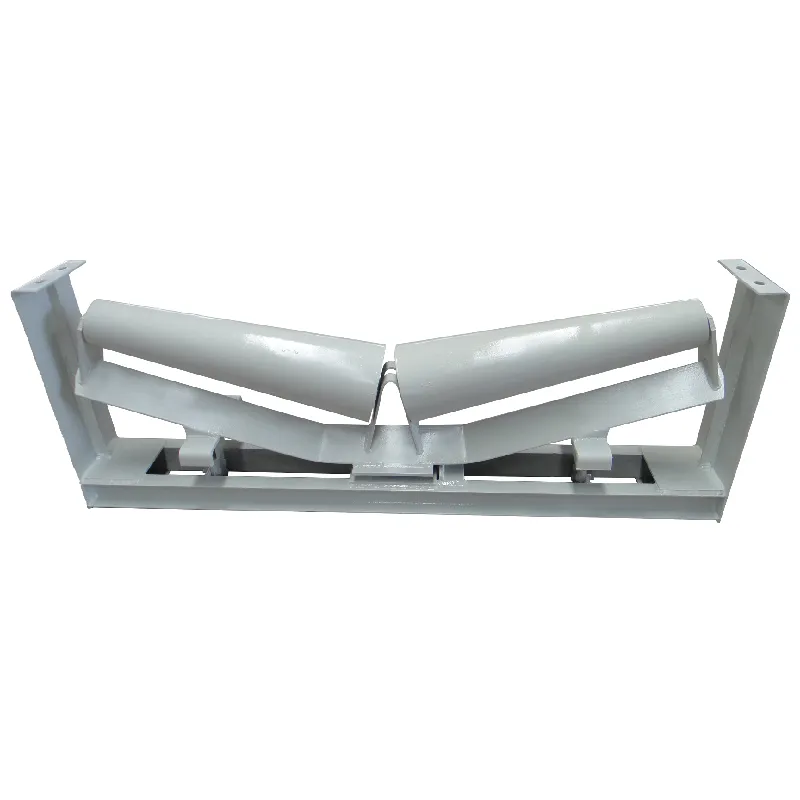
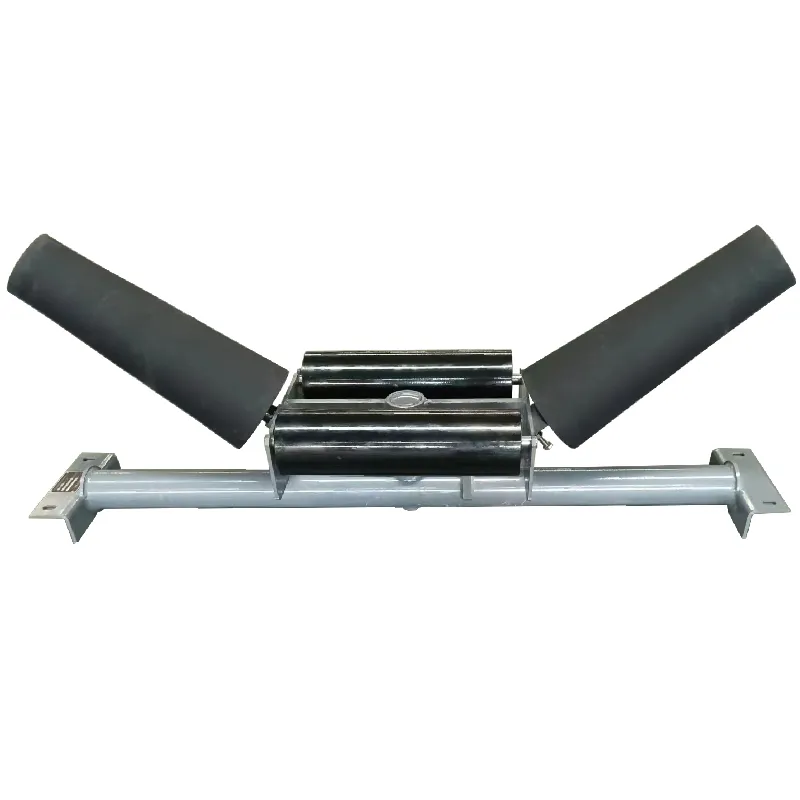
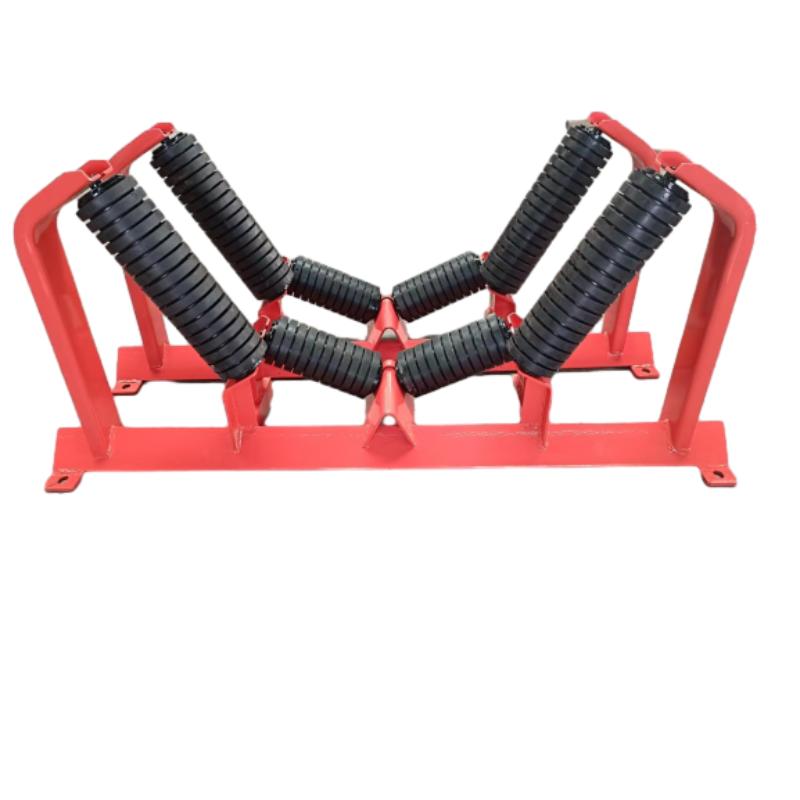
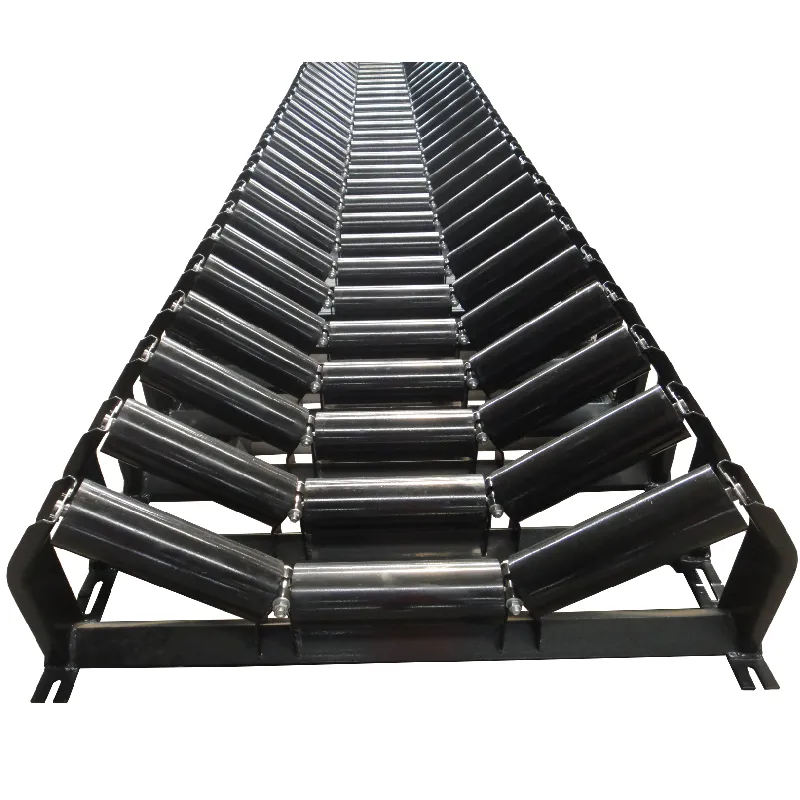
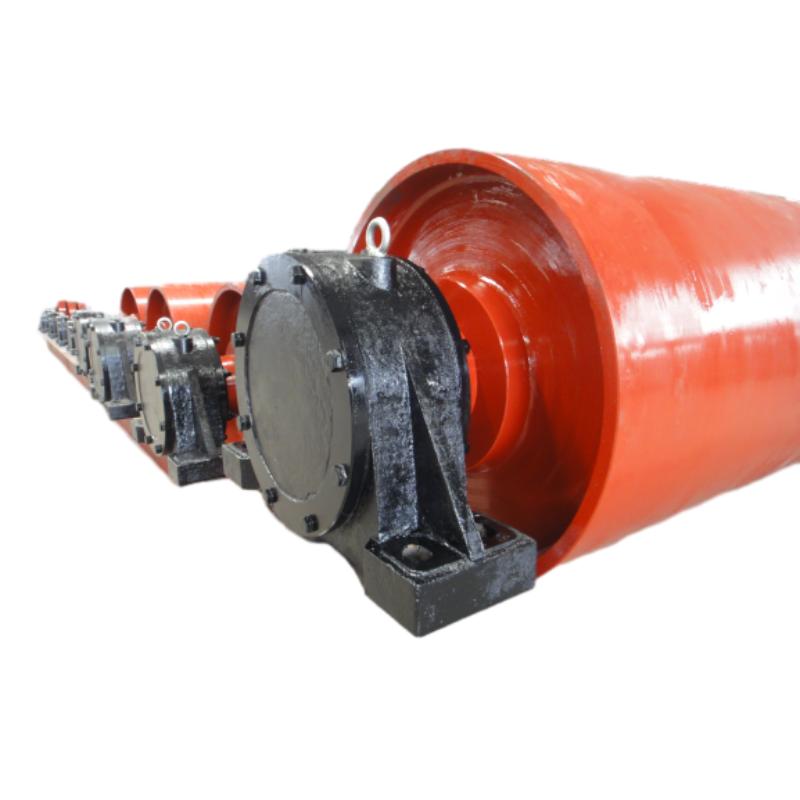
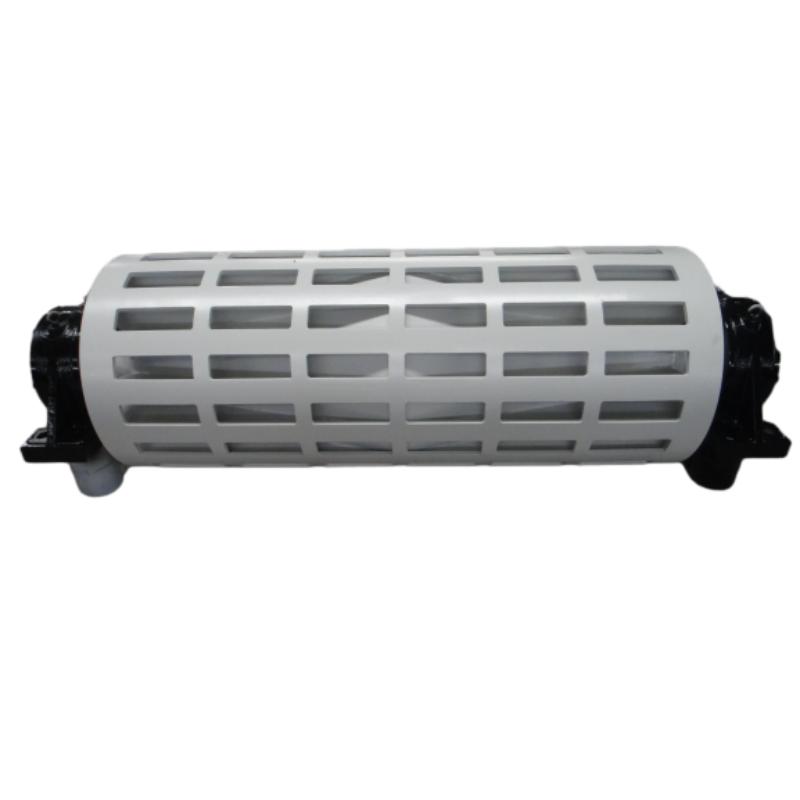
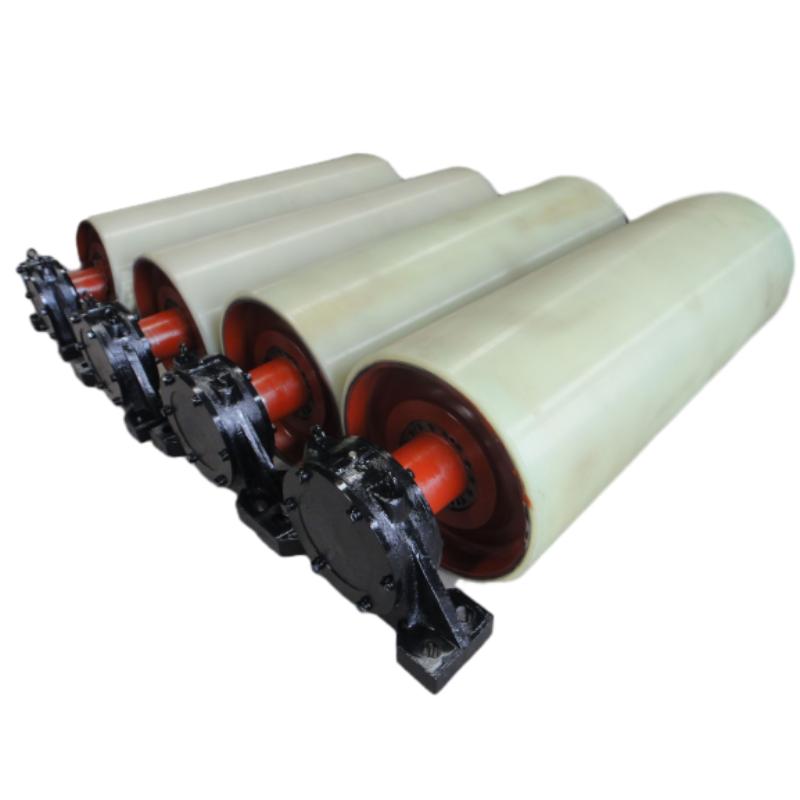
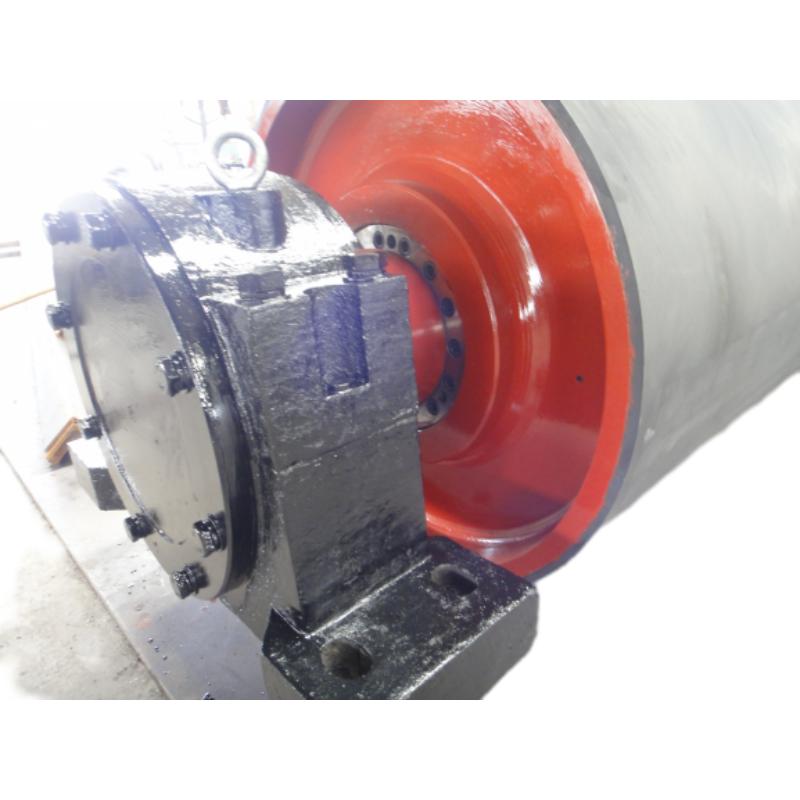
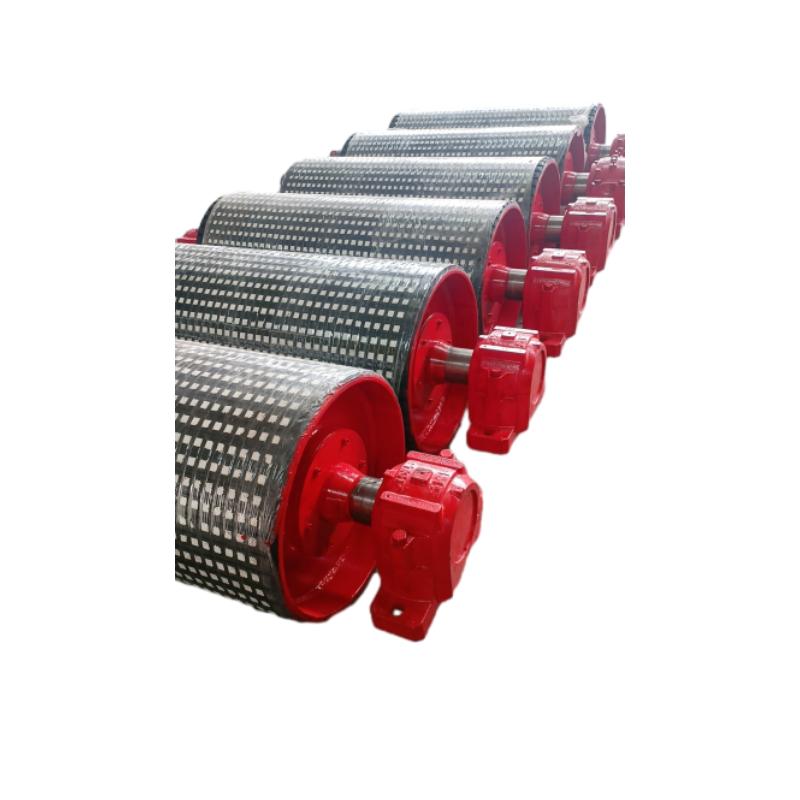
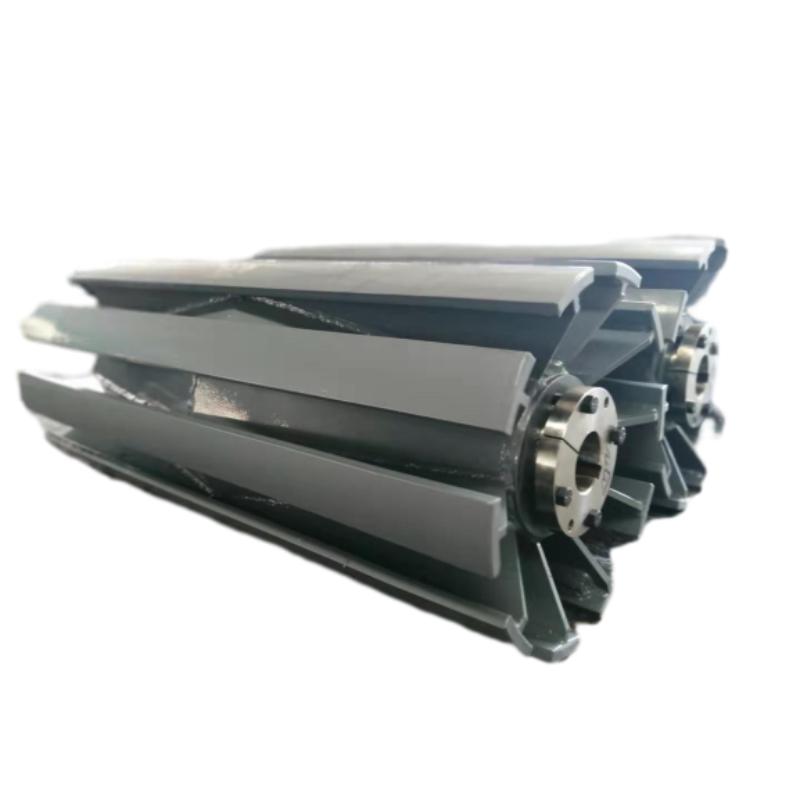
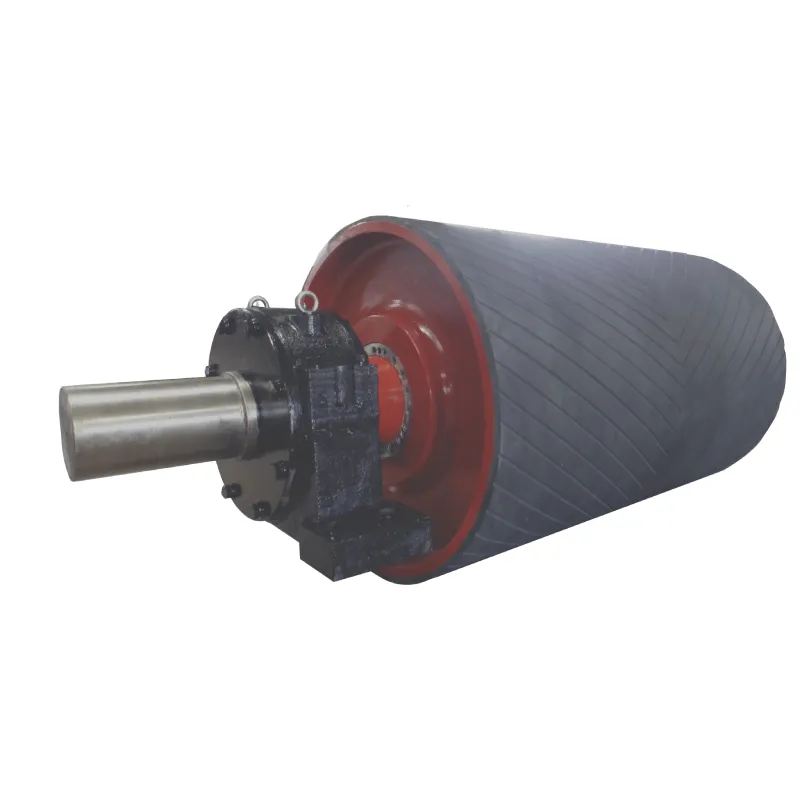
At its core, a beater roller is a cylindrical component—usually mounted on an industrial shaft—with blades or bars attached along its surface. It “beats” or crushes raw materials such as wood chips, recycled fibers, or agricultural waste to break them down into finer particles. In papermaking, for instance, the beater roller refines pulp to improve fiber bonding and paper quality.
Beyond industry, beater rollers have found niche applications in humanitarian settings where processing biomass into usable materials can support local communities. These devices connect mechanical engineering know-how with pressing global needs for resource optimization.
Key Factors that Define an Effective Beater Roller
1. Durability
Beater rollers undergo tremendous mechanical stress and wear. Thus, they’re typically made from hardened steel or alloys designed to resist abrasion. For plants running 24/7, replacing rollers can get expensive and halt production, so durability isn’t just about materials—it’s economic sense.
2. Scalability & Size
These rollers come in various sizes, tailored for different throughput capacities. Small-scale operations might use compact rollers under 1 meter in length, while massive industrial mills run rollers several meters long. Scalability ensures proper integration into various machines and workflows.
3. Energy Efficiency
Efficient design reduces energy drain. Innovations in blade alignment and surface geometry on beater rollers reduce friction during operation. This isn’t just about saving electricity; less energy means reduced carbon footprints—always a plus.
4. Cost Efficiency
While initial investment matters, many engineers emphasize lifecycle cost. Long-lasting rollers minimize downtime and maintenance bills. Also, better processing means higher quality products, which commands better prices.
5. Adaptability
Modern beater rollers are sometimes customizable. For example, blade spacing, size, and pattern can be adjusted to specific raw materials or desired outcomes. This versatility matters especially in industries coping with variable input materials.
Global Applications & Use Cases
Beater rollers have found homes in a surprising array of industries worldwide.
- Pulp & Paper Mills: In Nordic countries and North America, these rollers enhance the production of recycled and virgin pulp.
- Agricultural Biomass Processing: Regions in Southeast Asia use beater rollers to turn crop residues into biofuel pellets, helping reduce dependence on fossil fuels.
- Post-Disaster Relief & Construction: Some relief organizations have adapted beater rollers to process debris and generate building materials rapidly—increasing infrastructure resilience.
Oddly enough, smaller-scale factories in developing regions often rely on simpler designs for beater rollers but still achieve surprisingly good efficiency.
Product Specification: Typical Beater Roller Specs
| Specification | Details |
|---|---|
| Material | High-carbon steel or alloy with hardened surface |
| Length | 0.5 m to over 3 m, customizable |
| Diameter | 150 - 600 mm |
| Blade Type | Fixed or adjustable bars/blades |
| Operating Speed | 100 - 300 rpm |
Vendor Comparison: Leading Beater Roller Suppliers
| Vendor | Pricing | Customization | Lead Time | Support |
|---|---|---|---|---|
| RollTech Inc. | $$$ | High | 4–6 weeks | 24/7 technical support |
| GreenRollers Co. | $$ | Medium | 3–5 weeks | Business hours support |
| AgriBeat Solutions | $ | Basic | 2–3 weeks | Email support only |
Advantages & Long-Term Value of Beater Rollers
One can’t overstate how much efficiency and reliability in beater rollers translate to improved final products and reduced waste. Cost effectiveness over time comes from lower downtime and less frequent replacements. It’s not just about money, either — these rollers ensure safer operation by maintaining consistent throughput and avoiding mechanical jams, which engineers often highlight as a top concern.
On the social side, reliable machinery supports worker dignity and health, preventing stress caused by unexpected breakdowns. Fred, an operations manager at a mid-sized paper mill, once told me that switching to a higher-grade beater roller was “the best upgrade in years” — fewer headaches, better product quality, and a smoother working day overall.
Future Trends and Innovations
The future looks promising. Innovations in materials science are bringing lightweight composites that could soon replace heavy steel, cutting energy consumption. Digital transformation plays a role too: sensors embedded into beater rollers are starting to monitor wear and predict maintenance needs before problems arise — a big step toward Industry 4.0 in this space.
Green energy initiatives push manufacturers to craft more sustainable and recyclable rollers to reduce environmental impact. Plus, automation promises to customize roller rotation speeds and blade pressure in real time, optimizing performance on the fly.
Challenges & Solutions
Yet, there are challenges. Wear and tear remains a constant battle, especially for operations handling abrasive materials or working nonstop. Repair costs and downtime still weigh heavily on budgets, particularly in developing regions.
Solutions? Besides choosing materials wisely, some companies are experimenting with modular roller designs that allow swapping only damaged blade sections instead of the whole roller. Another approach is investing in predictive maintenance using IoT technology — which sounds fancy but is becoming more affordable.
FAQs About Beater Roller
- How do beater rollers improve pulp quality?
- They refine and break down fibers more uniformly, enhancing bonding properties and creating smoother, stronger paper products.
- Can beater rollers be customized for different raw materials?
- Yes, blade configurations, spacing, and roller size can be tailored to process specific inputs, whether wood chips, recycled fibers, or agricultural waste.
- What maintenance is required to extend beater roller life?
- Regular inspection, cleaning, and timely replacement of worn blades or surfaces helps maintain performance and prevent costly downtime.
- Are there eco-friendly beater rollers available?
- Manufacturers increasingly offer rollers made with recyclable materials and with designs minimizing energy consumption during operation.
Conclusion: Why Investing in Quality Beater Rollers Pays Off
In real terms, good beater rollers equal smoother production, cost savings, and stronger output. They also support sustainability goals and worker wellbeing, which matters more each year. So, if you’re in a related industry, it’s worth exploring advanced roller options.
Curious to learn more or source the perfect beater roller for your needs? Visit us at idleraohua.com — we specialize in premium solutions tailored for every scale.
Mini takeaway: Beater rollers might sound technical, but they’re critical cogs in global industry, quietly powering quality, cost-efficiency, and sustainability.
-
Maximize Conveyor Life with a High Performance impact bedNewsApr.16,2026
-
Maximize Conveyor Efficiency Using a v plow belt scraperNewsApr.09,2026
-
Comprehensive Guide to Understanding Different Types of Belt CleanersNewsApr.07,2026
-
Enhancing Conveyor Efficiency with an Effective Scraper Belt CleanerNewsApr.04,2026
-
Optimizing Conveyor Systems with Advanced Cleaning Equipment SolutionsNewsMar.31,2026
-
Effective Conveyor Belt Scraper Adjustment for Optimal System PerformanceNewsMar.28,2026