

Custom Roller Solutions for Industrial Efficiency | Idler Aohua
Custom Roller is a key solution in the industry, specifically within manufacturing and automation sectors. This article explores how https://www.idleraohua.com supports professionals with durable, high-performance products, and explains why this product is an ideal choice for businesses in these sectors.
Table of Contents
- Custom Roller Overview
- Benefits & Use Cases of Custom Roller
- Cost, Maintenance & User Experience
- Sustainability & Market Trends
Custom Roller Overview
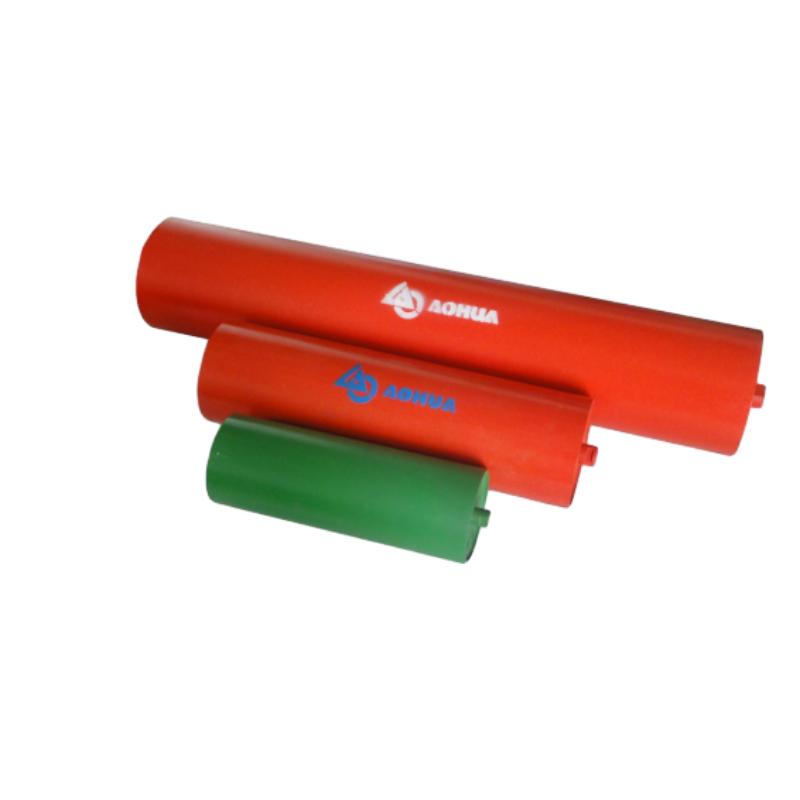
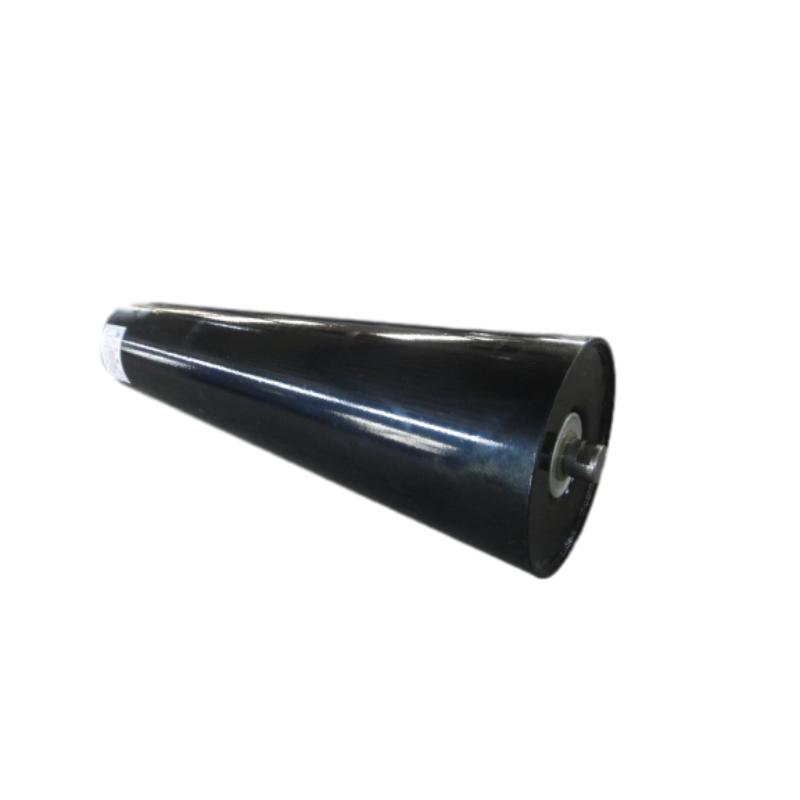
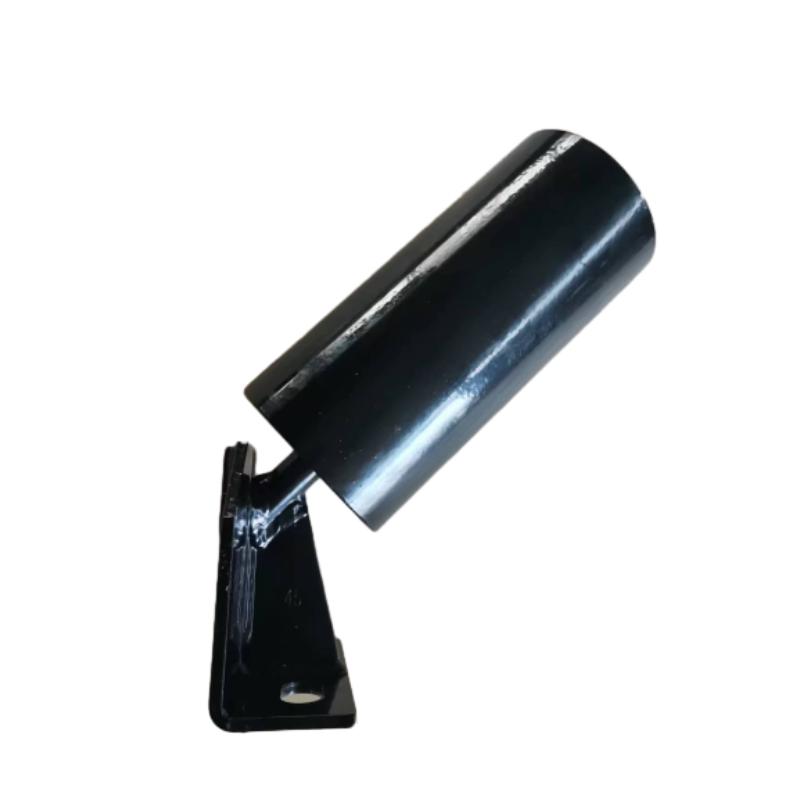
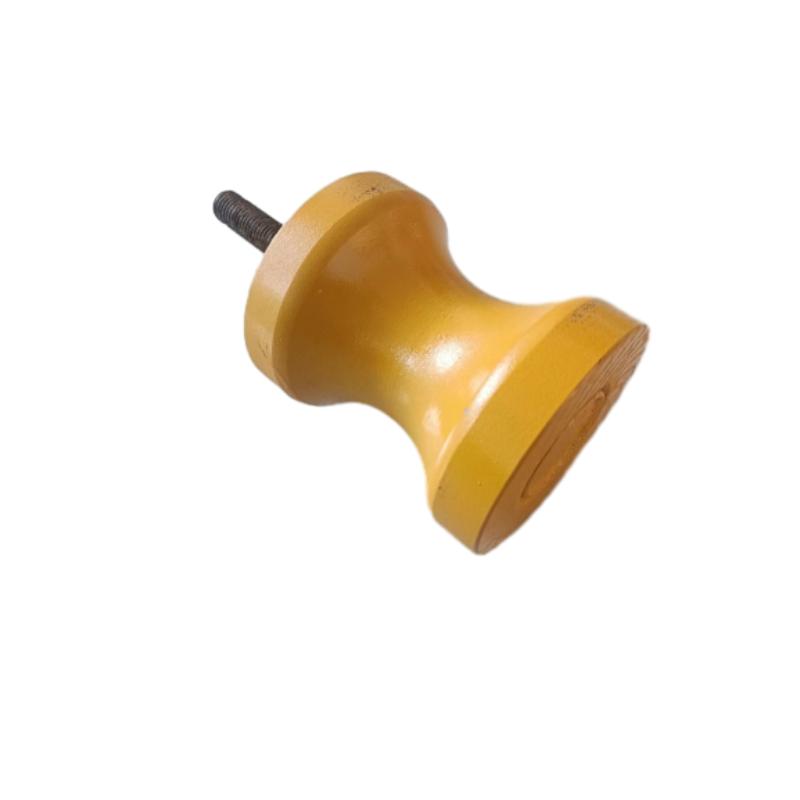
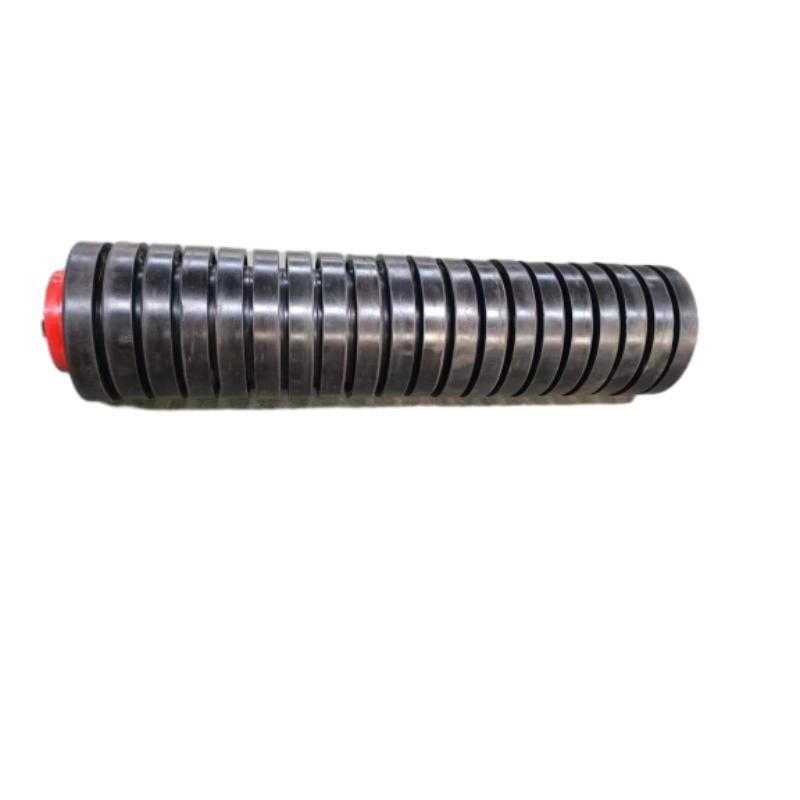
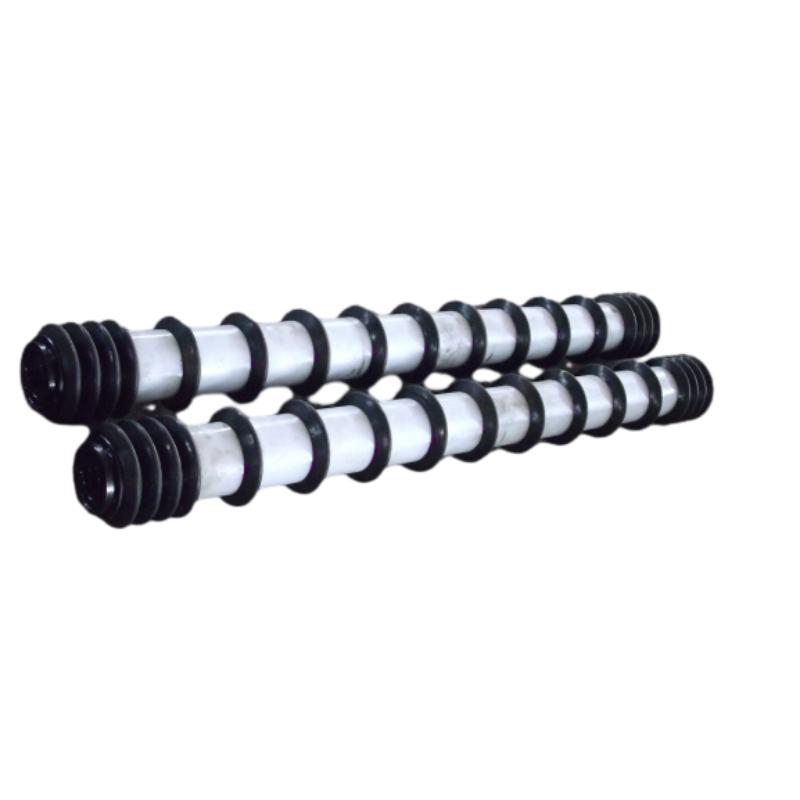
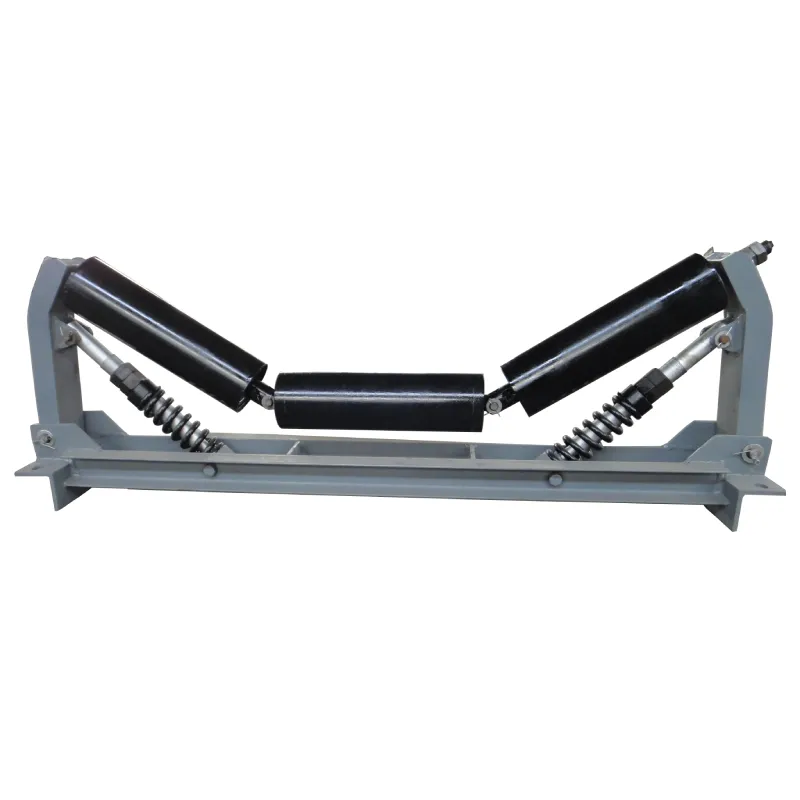
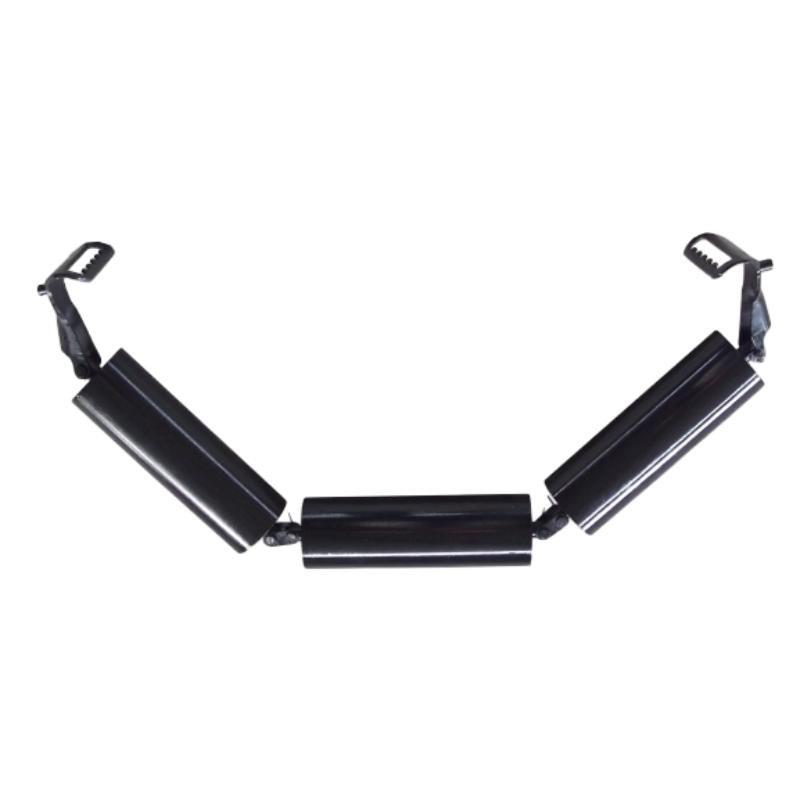
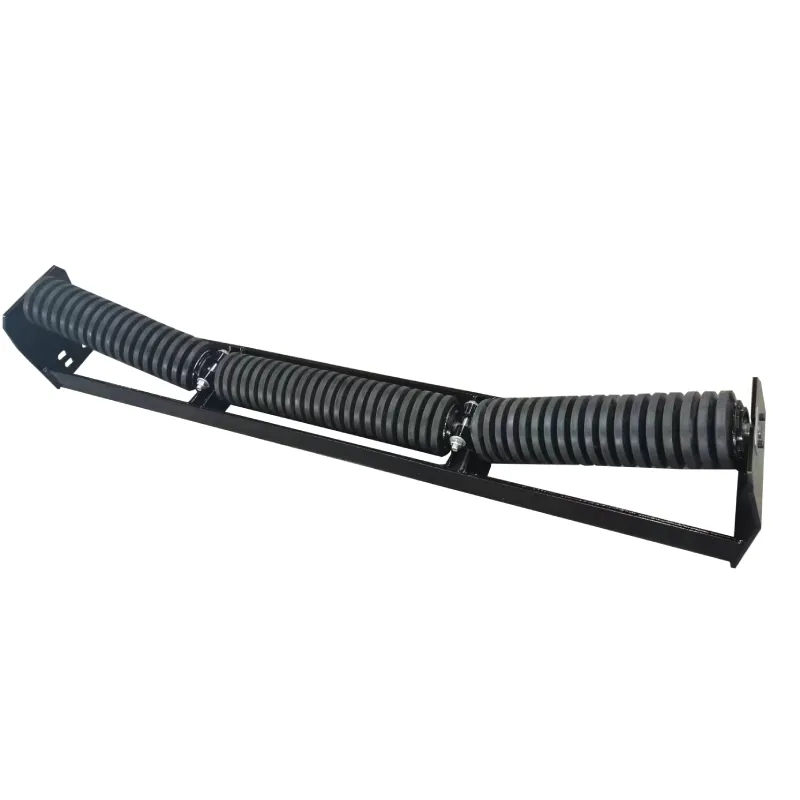
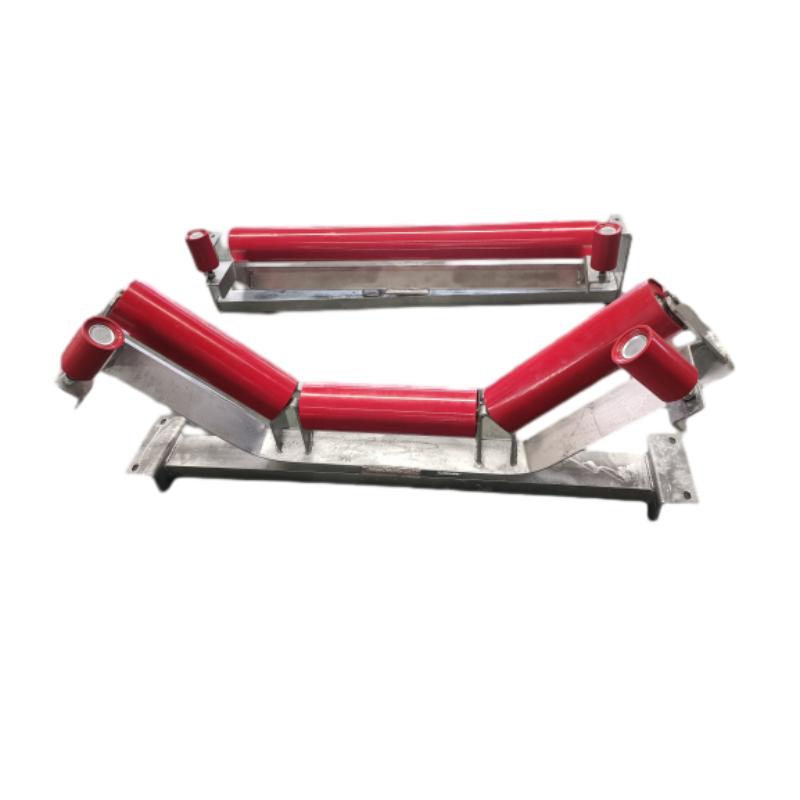
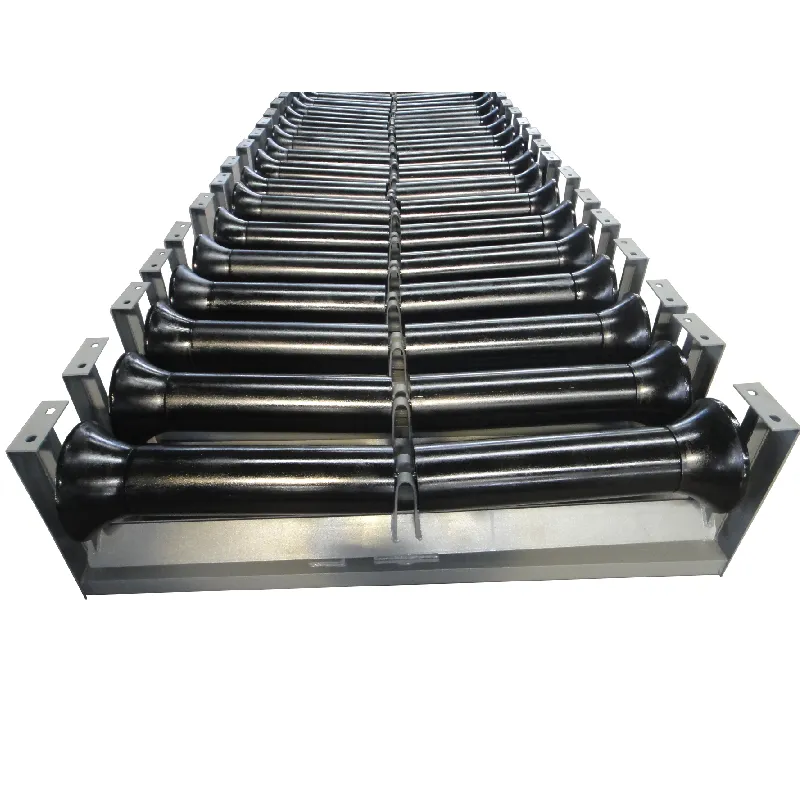
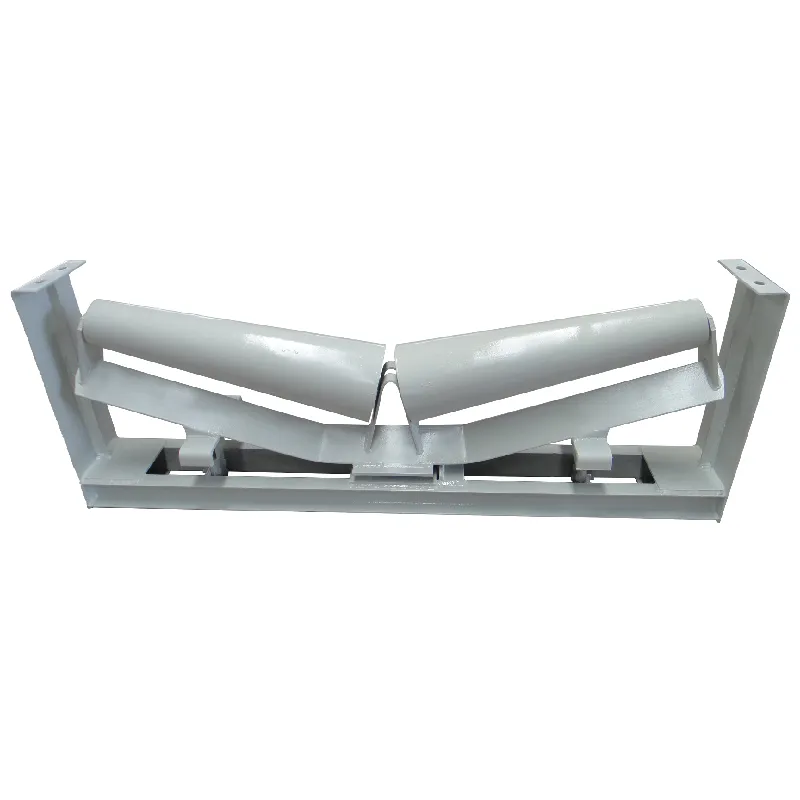
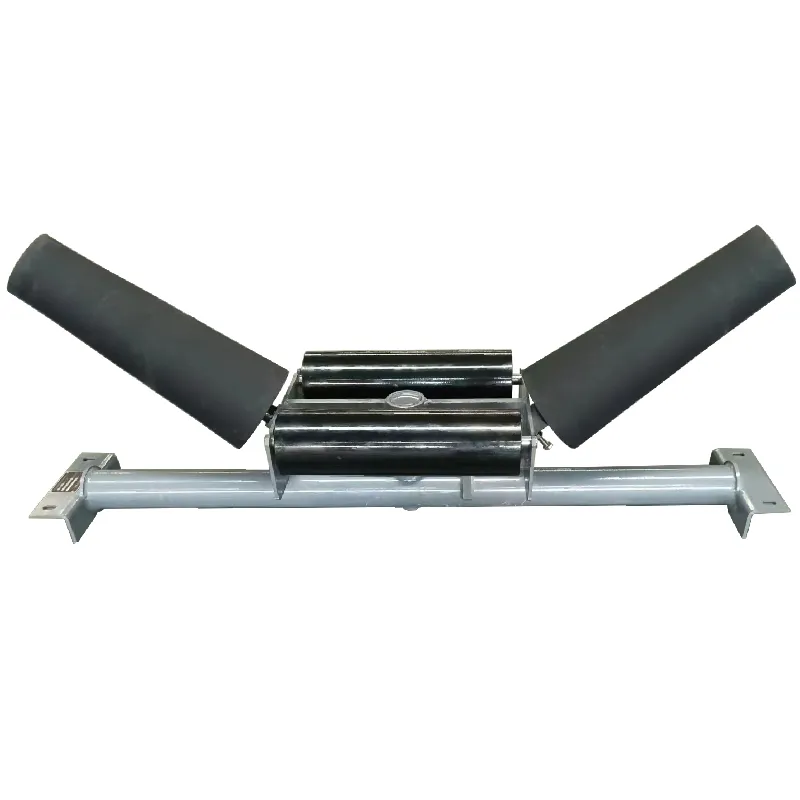
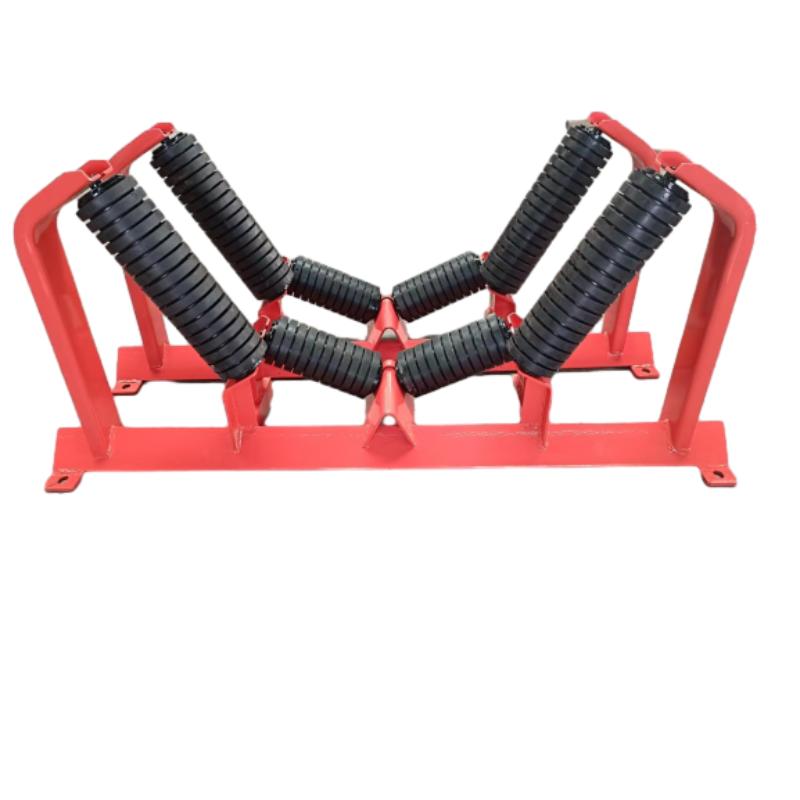
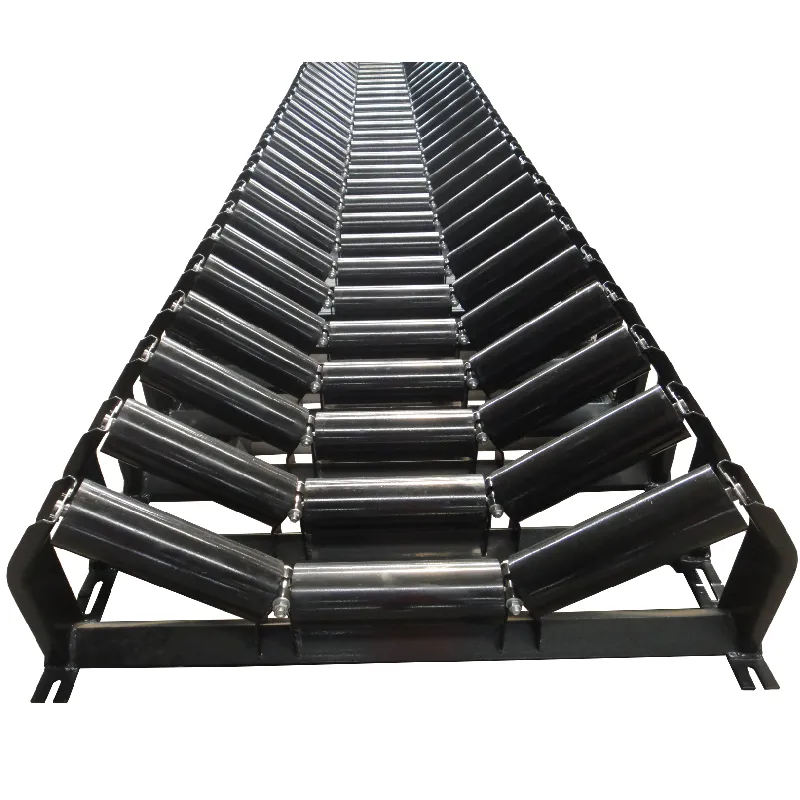
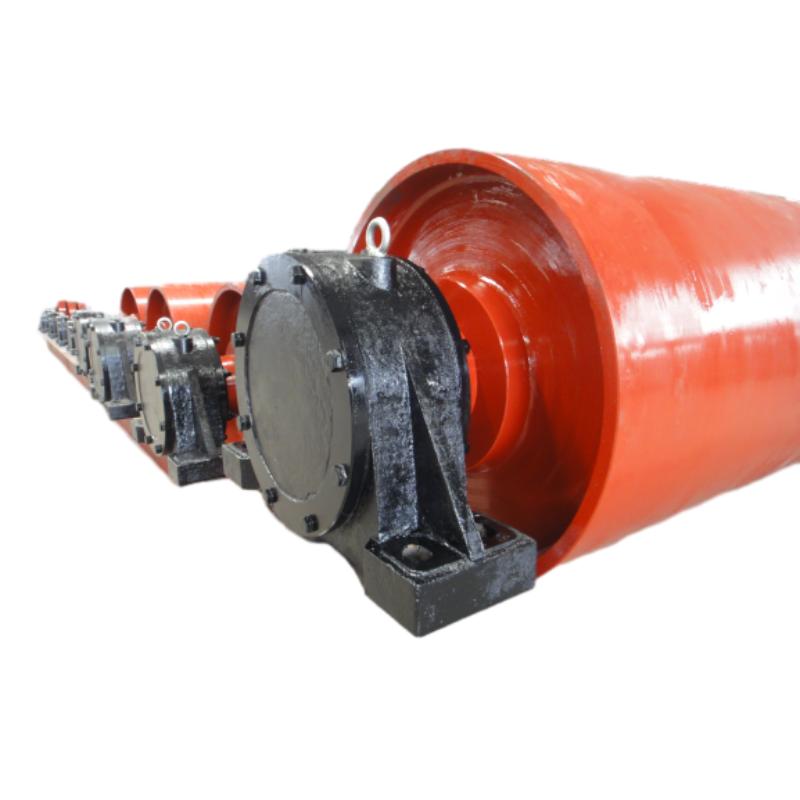
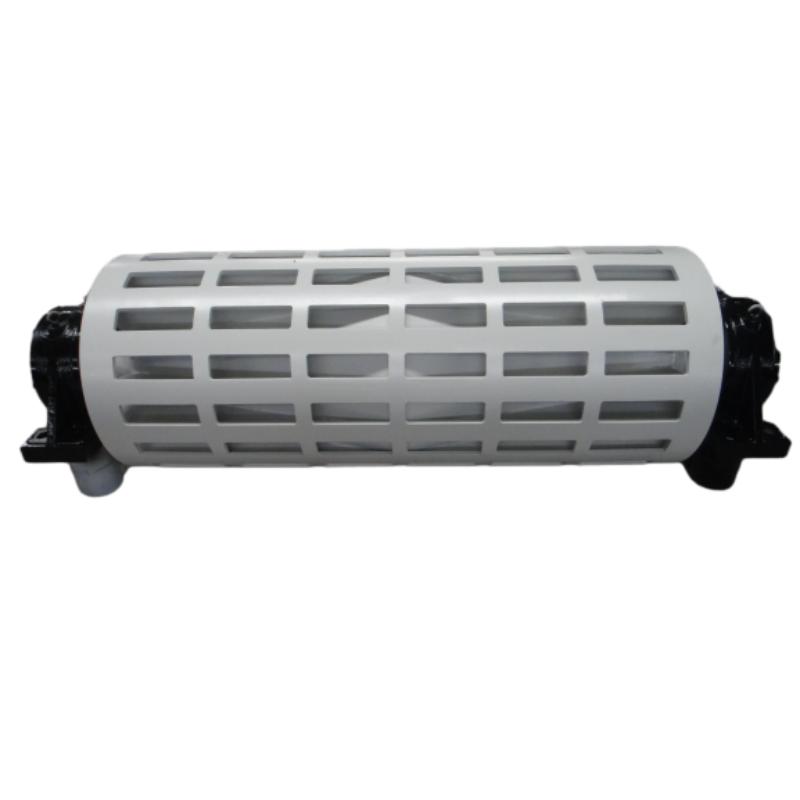
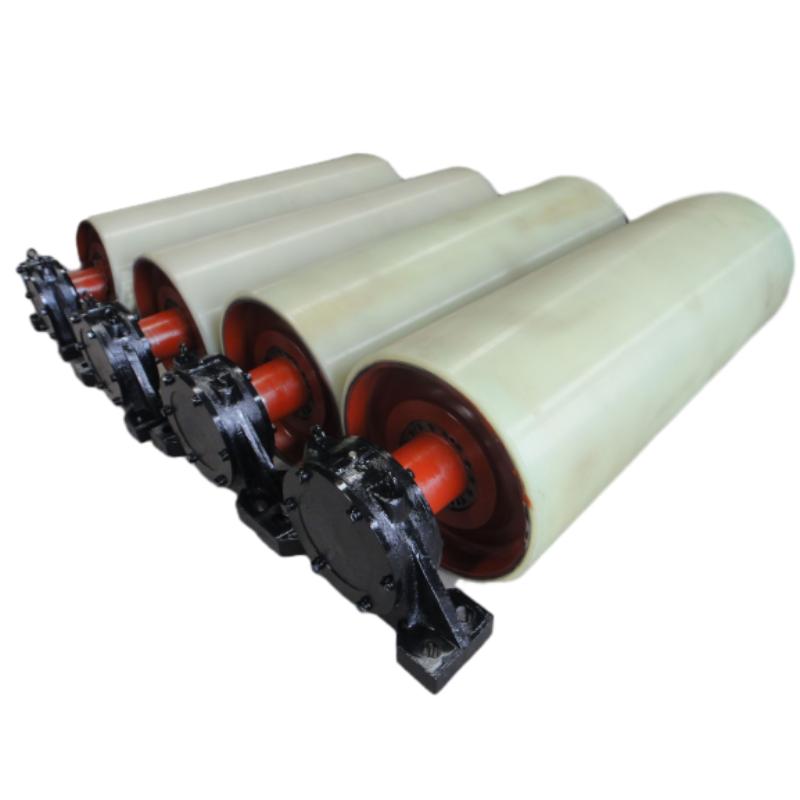
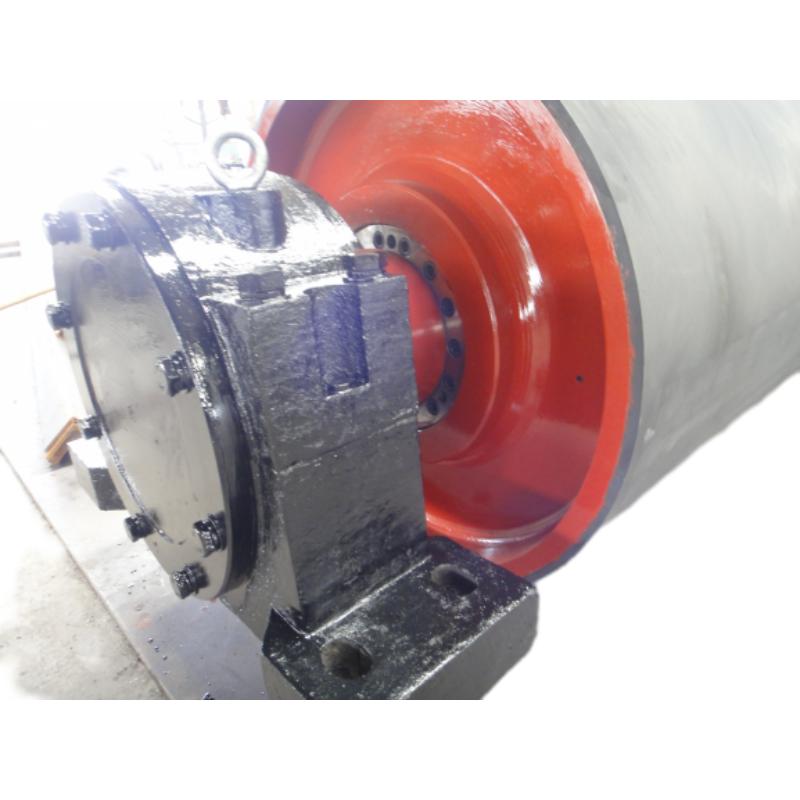
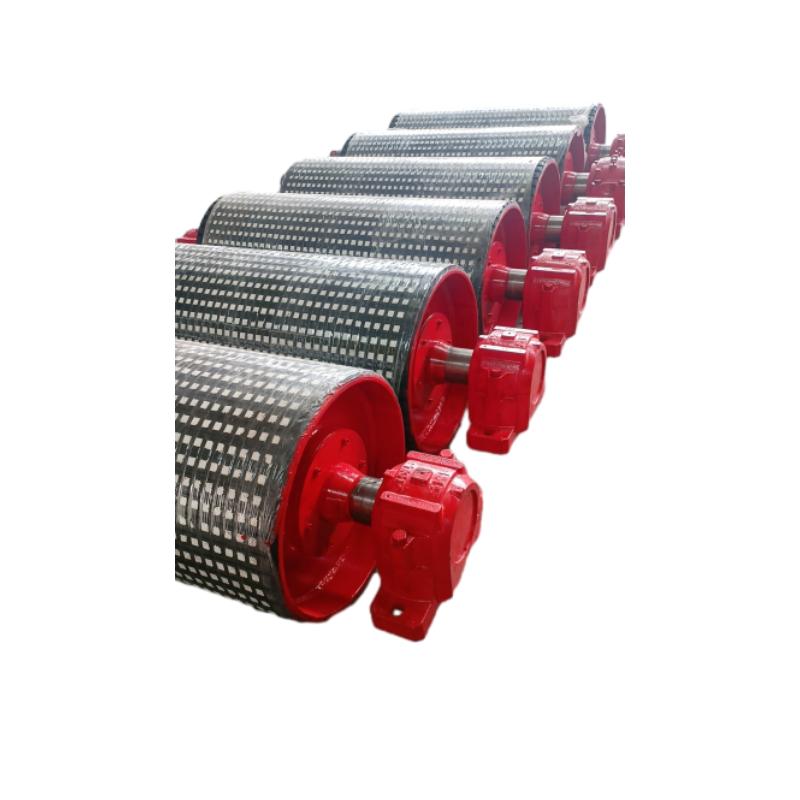
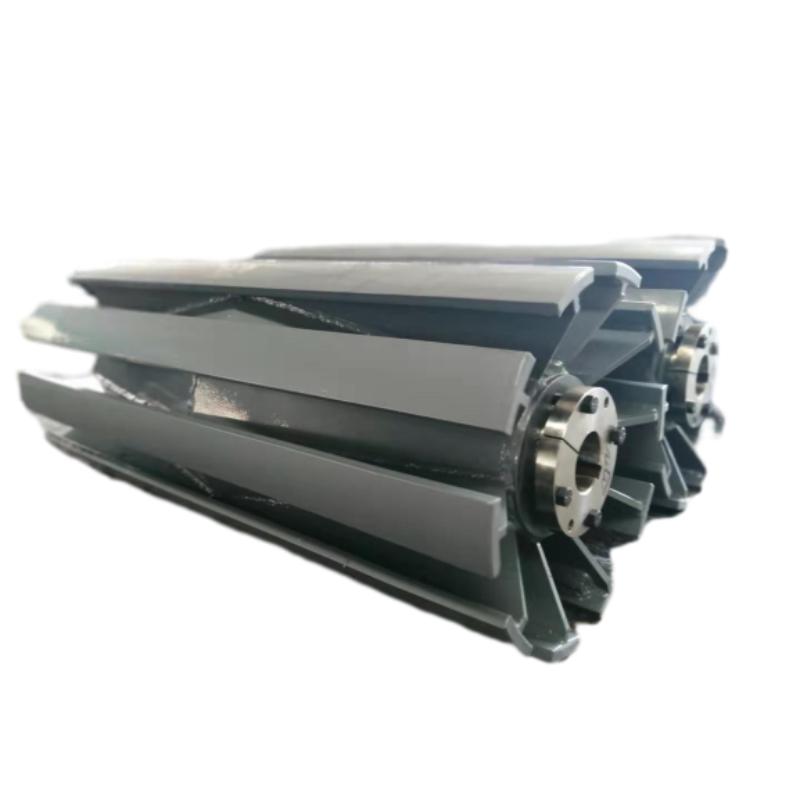
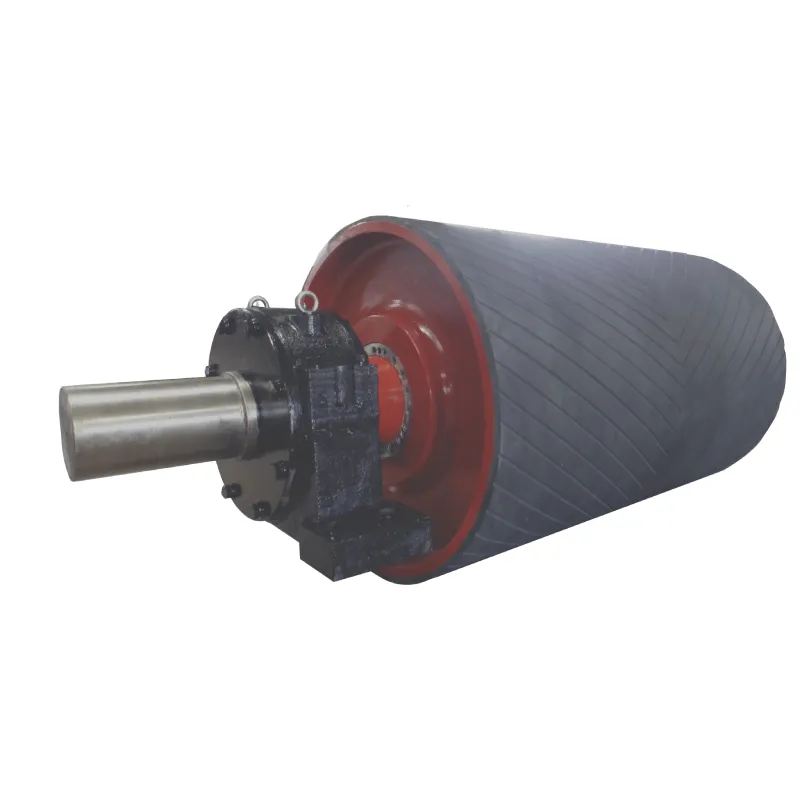
When you first hear “Custom Roller,” the term might sound simple enough – just a roller, right? But this small component plays a surprisingly crucial role in many industrial processes, especially in material handling and precision manufacturing. Custom rollers are tailored cylindrical components, often coated or built with specific materials to tackle unique operational challenges.
Technically speaking, these rollers can vary widely — from rubber-coated rollers designed for grip and cushioning, to steel rollers made for heavy loads and wear resistance. For instance, Idler Aohua’s range offers customization by diameter (50mm to 300mm), length, and material, meeting diverse needs. One small case study from a packaging company showed that switching to a custom roller with higher abrasion resistance reduced replacement frequency by almost 30%, which matters when machines run around the clock.
| Specification | Details |
|---|---|
| Diameter Range | 50mm – 300mm |
| Materials | Steel, Rubber, PU, Composite |
| Surface Coating | Anti-corrosion, high abrasion, anti-static |
| Max Load Capacity | Up to 2000 kg per roller |
Benefits & Use Cases of Custom Roller
Frankly, industries like packaging, printing, and automated assembly lines find custom rollers indispensable. They’re used to guide, support, and drive materials — think paper sheets, fabrics, or even fragile electronics. The real edge comes from tailoring the roller to the material and process, which boosts both efficiency and product quality.
One of the standout benefits is durability. For example, rubber-coated rollers can reduce surface damage on delicate materials, while high-abrasion steel rollers withstand tough conditions with minimal wear. Idler Aohua’s rollers come with special coatings that prevent static buildup, a quiet but often overlooked advantage — static sparks can wreak havoc in sensitive environments.
Many engineers I’ve talked to appreciate the vendor’s responsiveness — they actually design rollers per application rather than a “one size fits all” approach. When your production demands precise movement and less downtime, custom rollers often make all the difference.
Cost, Maintenance & User Experience
Let’s be honest: cost is always a factor. While custom rollers may carry a higher upfront price tag than generic alternatives, what really matters is the total cost of ownership. Increased durability means fewer replacements, fewer stoppages, and less on-site maintenance.
Several clients report that investing in high-quality custom rollers from Idler Aohua improved their ROI by reducing downtime 20-40% over a year. A few even mentioned the ease of ordering replacement rollers through direct vendor support, reducing lead times significantly.
Maintenance typically involves routine lubrication and inspection for wear, but thanks to advanced materials and coatings, these rollers tend to require less frequent attention. In real-world operations, this adds up to smoother workflows — which frankly, everyone appreciates.
| Vendor | Customization Options | Lead Time | Customer Support |
|---|---|---|---|
| Idler Aohua | High (diameter, coatings, materials) | 2–4 weeks | Responsive, technical assistance available |
| Competitor X | Medium (limited coatings) | 3–6 weeks | Standard support, less technical depth |
| Competitor Y | Low (standard sizes only) | 1–3 weeks | Minimal support available |
Sustainability & Market Trends
With industries increasingly focused on sustainable manufacturing, the role of custom rollers takes on new significance. Durable rollers mean less waste from replacements and less energy consumed from production downtime — a subtle but important environmental benefit. And strangely enough, many companies don’t immediately connect rollers to their green initiatives, but in reality, it’s all part of the bigger picture.
There’s also growing regulatory pressure in different markets for materials that are recyclable or made with environmentally friendlier processes. Vendors like Idler Aohua have started adapting coatings and materials accordingly, aiming to balance performance with sustainability. The industrial rollers market itself is projected to grow steadily over the next decade, accelerated by automation trends and new manufacturing demands — meaning custom rollers will be front and center for years to come.
Frequently Asked Questions about Custom Roller
- What is Custom Roller and how does it work?
- Custom rollers are tailored cylindrical components designed to fit specific industrial applications. They support or move materials across machinery by rotating smoothly, often with coatings or materials suited to particular needs—like abrasion resistance or static prevention.
- What are the main benefits of using Custom Roller in industrial applications?
- Key benefits include increased durability, reduced downtime, improved material handling, and tailored performance features like anti-static or abrasion-resistant coatings, all leading to better ROI.
- How does Custom Roller compare to traditional alternatives?
- Unlike generic rollers, custom rollers offer precise sizing, material choice, and surface treatments that optimize performance and longevity. This lowers maintenance costs and improves process reliability.
- What industries can benefit most from Custom Roller implementation?
- Primary sectors include packaging, printing, textiles, automation, and any industry requiring precise and reliable material handling.
Conclusion on Custom Roller from China
To sum it up, investing in quality Custom Roller products isn’t just about getting a roller; it’s about upping your entire production’s reliability and efficiency. Durable materials, expert customization, and thoughtful coatings come together to reduce costly downtime and support sustainability efforts — a win-win, really.
- Explore the durable and customizable roller options that fit your specific industrial needs.
- Visit our website: https://www.idleraohua.com
Reflecting on some conversations with industry insiders, it’s clear that a component as modest as the roller quietly underpins a great deal of industrial progress. Often overlooked, it’s precisely the reliability in such parts that keeps factories humming smoothly.
-
Maximize Conveyor Life with a High Performance impact bedNewsApr.16,2026
-
Maximize Conveyor Efficiency Using a v plow belt scraperNewsApr.09,2026
-
Comprehensive Guide to Understanding Different Types of Belt CleanersNewsApr.07,2026
-
Enhancing Conveyor Efficiency with an Effective Scraper Belt CleanerNewsApr.04,2026
-
Optimizing Conveyor Systems with Advanced Cleaning Equipment SolutionsNewsMar.31,2026
-
Effective Conveyor Belt Scraper Adjustment for Optimal System PerformanceNewsMar.28,2026