

Understanding Roller Impact: Key Industrial Insights and Future Trends
What Is Roller Impact and Why It Matters Today
At first glance, “roller impact” might sound like some obscure engineering jargon — a technical quirk only relevant inside factories or testing labs. But when you dig a little, it’s clear this concept quietly powers a bunch of industries that shape our daily lives and global infrastructure. In very simple terms, roller impact refers to the effect or force generated when a roller device collides, presses, or impacts on a surface or material, particularly in conveyor or material handling systems.
Understanding roller impact isn’t just about avoiding wear and tear on equipment. It abstracts many practical benefits ranging from efficiency boosts to safety improvements in mining, packaging, and shipping industries. Globally, as supply chains grow more complex and industries demand smarter automation, the science behind roller impacts helps engineers and operators solve persistent challenges related to durability, cost-efficiency, and sustainability.
So whether you run a factory in Germany or oversee logistics for humanitarian aid in Kenya, roller impact phenomena quietly underpin smoother operations.
The Global Context: Why Roller Impact Has Worldwide Relevance
According to the International Organization for Standardization (ISO), efficient material handling is crucial for reducing industrial waste and carbon footprints. Conveyor systems, often featuring roller components absorbing impact and load, are among the most widely adopted solutions globally, with market growth exceeding 6% annually in many sectors.
Industry estimates report that over 70% of bulk material handling systems leverage roller impact designs in some capacity. Yet, challenges persist: roller failure or improper impact absorption leads to costly downtime and safety hazards. With rising automation trends and tighter regulatory pressures worldwide (think ISO 9001 quality and ISO 14001 environmental fittings), understanding and optimizing roller impact mechanics has become a priority—not just a technical curiosity.
For instance, in remote mining operations in Australia, [roller impact] optimization translates to fewer breakdowns and less unplanned repair shipping delays, directly influencing project profitability. Similarly, shipping ports in Europe increasingly rely on advanced roller impact solutions to accommodate heavier, faster conveyor belts, simultaneously reducing noise pollution and equipment wear.
Defining Roller Impact: A Closer Look
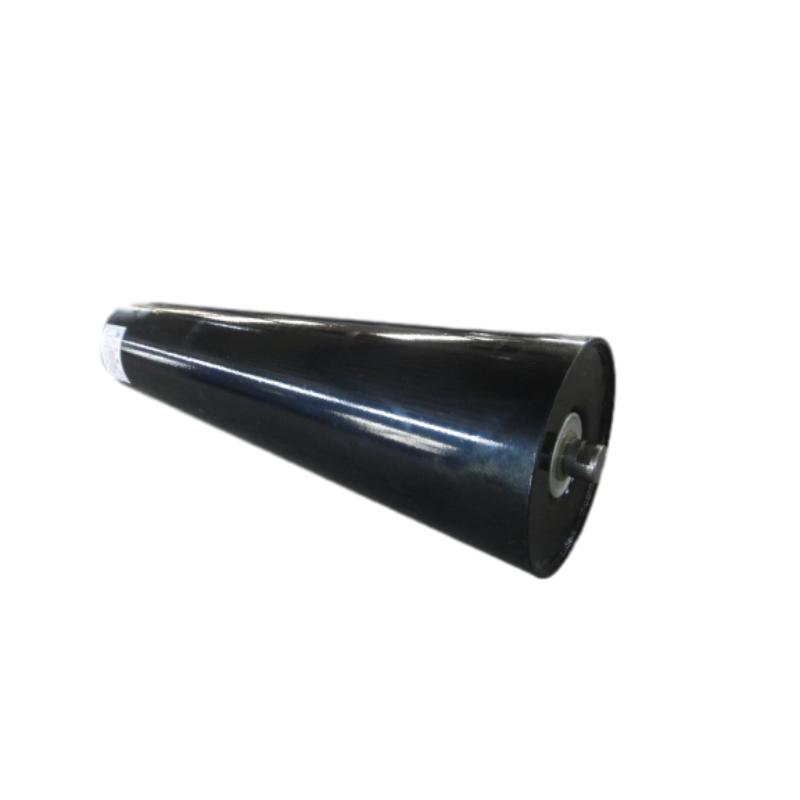
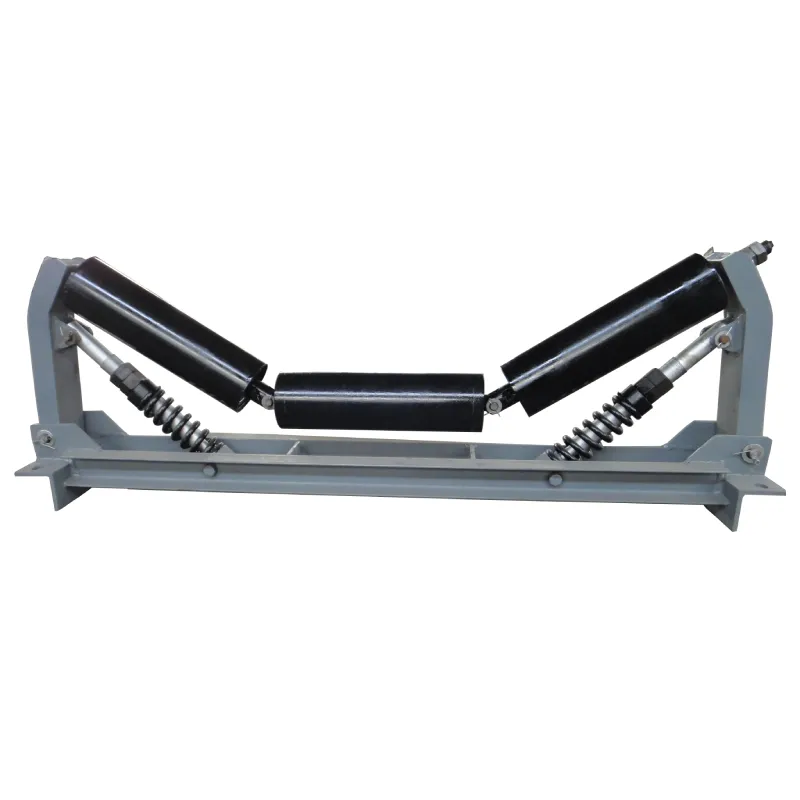
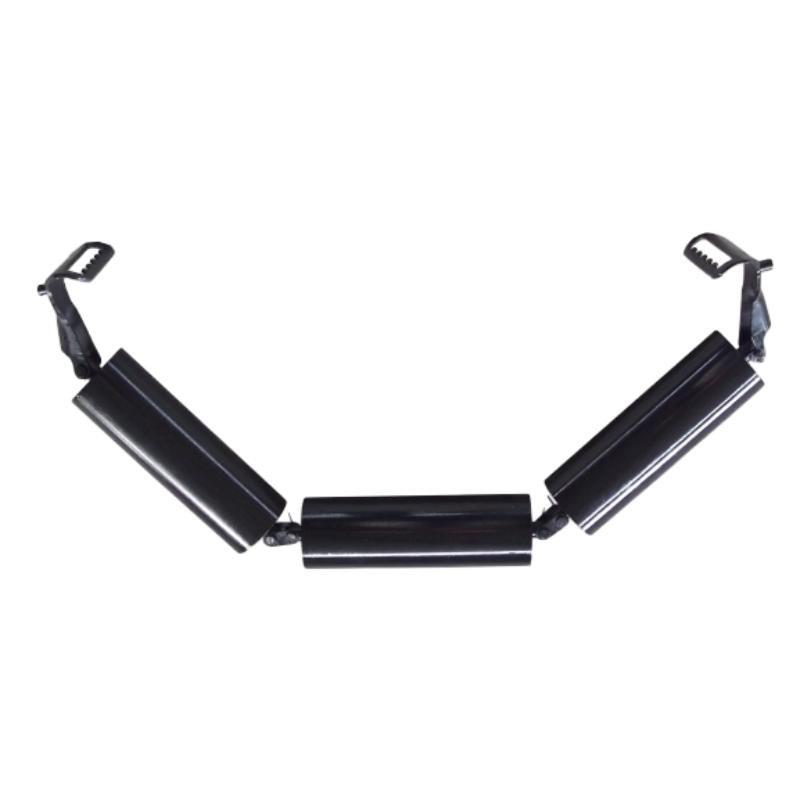
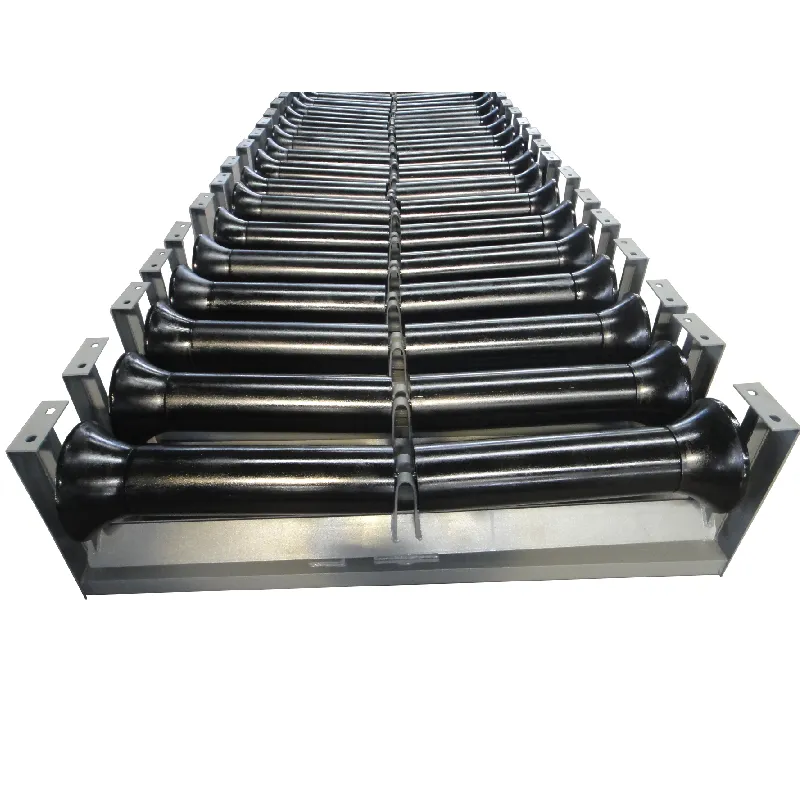
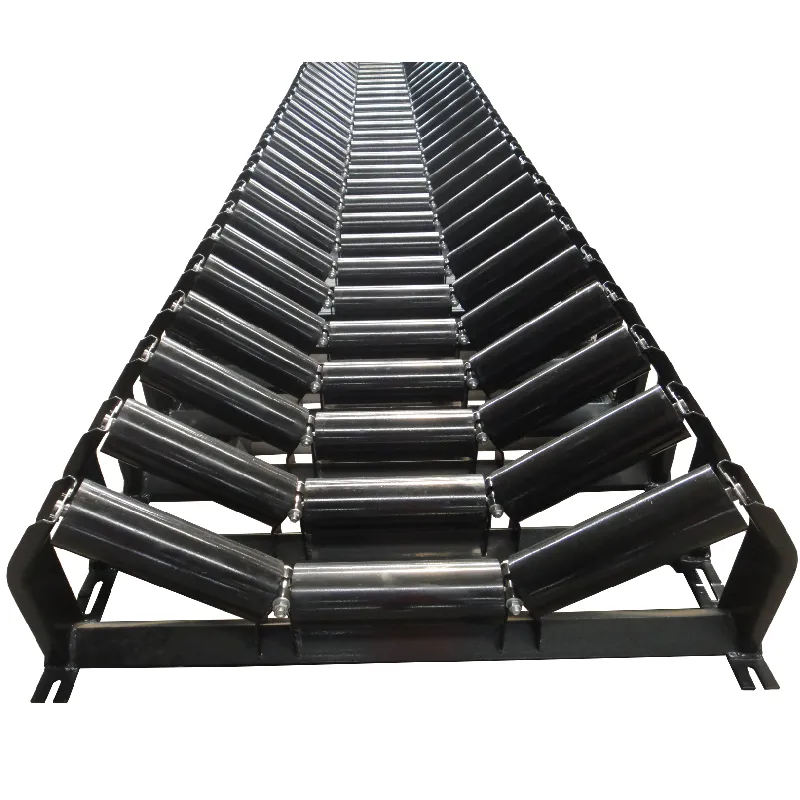
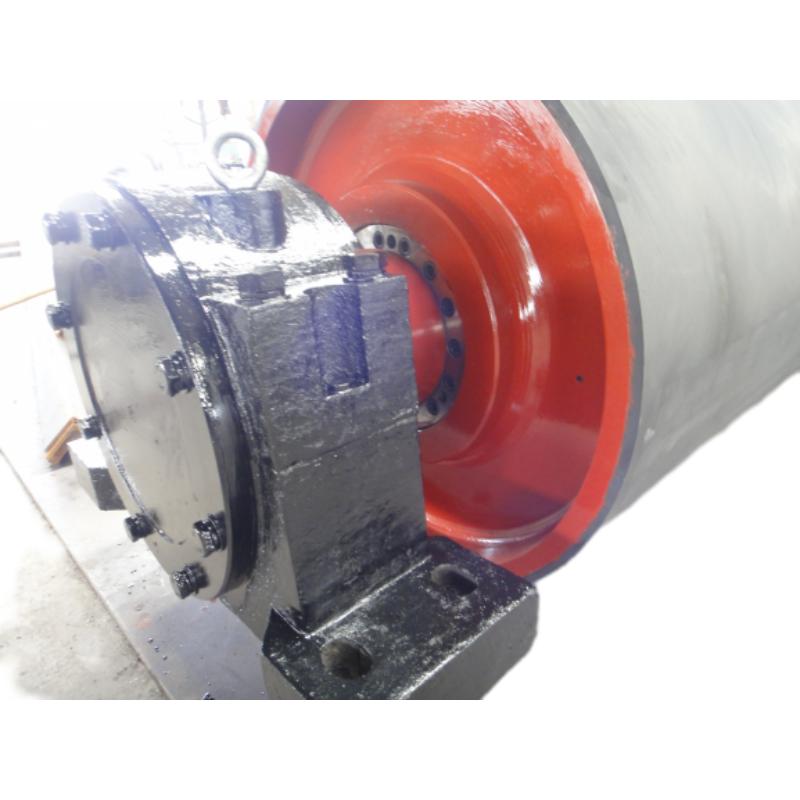
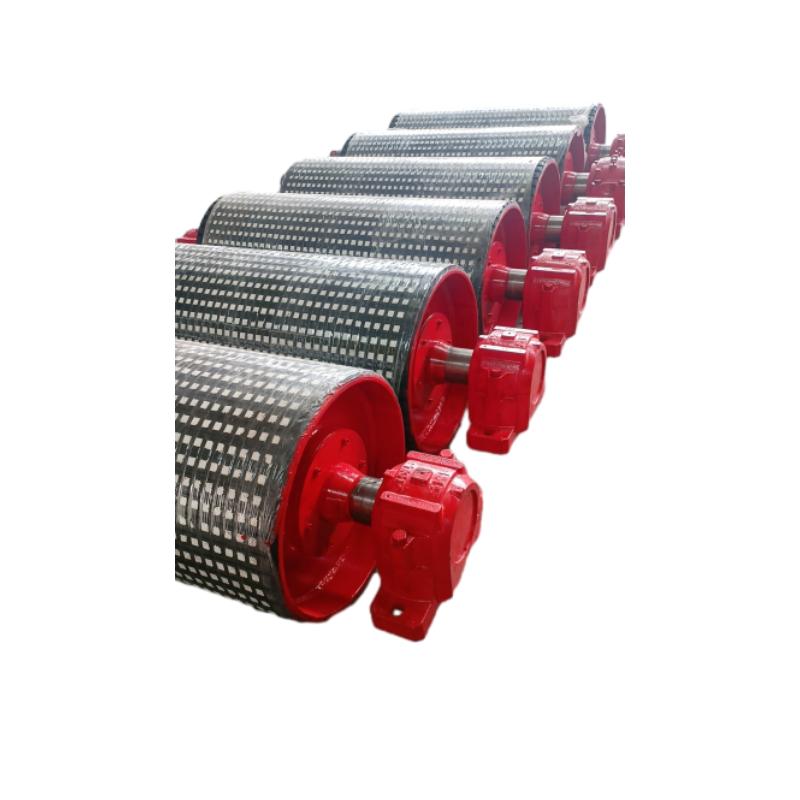
Simply put, roller impact describes how a roller component encounters force or pressure typically from moving loads, collisions, or inertia during operations. Whether corrugated cardboard pushes against rollers in packaging plants or tons of ore slam onto rollers within crushers, impact forces dictate how these rollers perform, wear, and absorb energy.
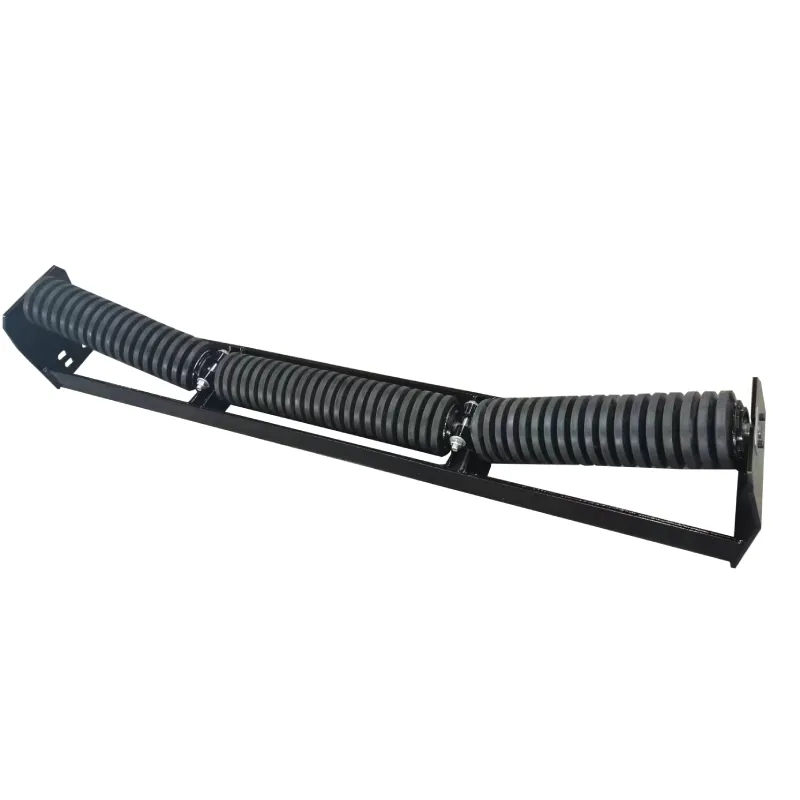
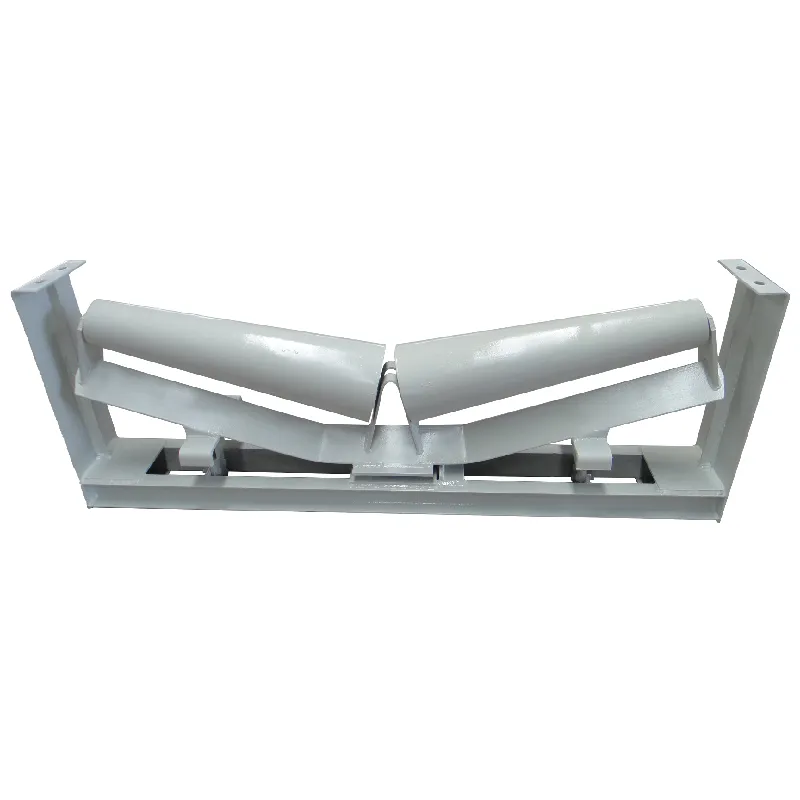
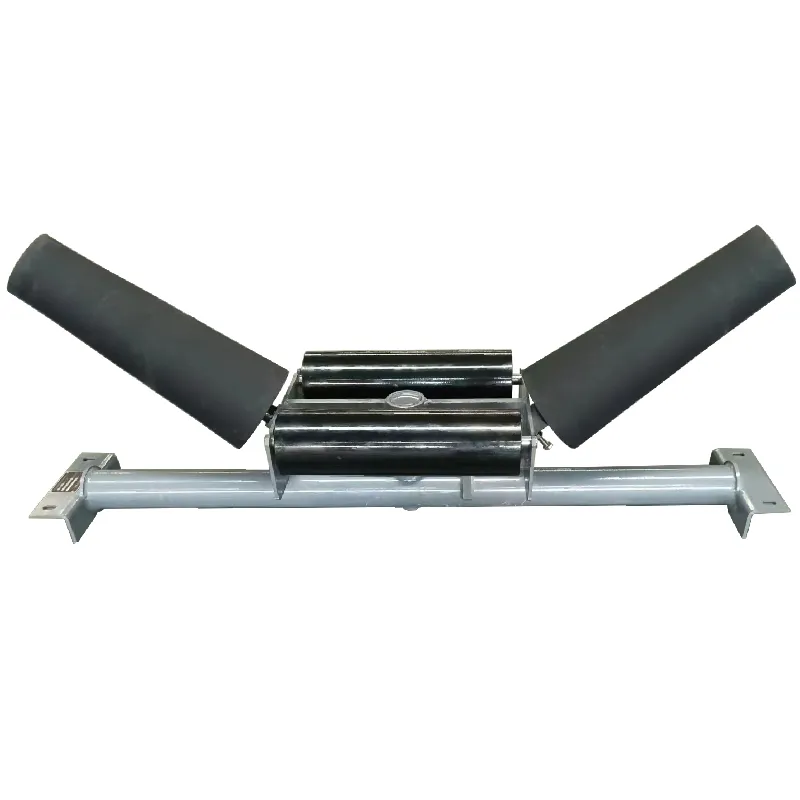
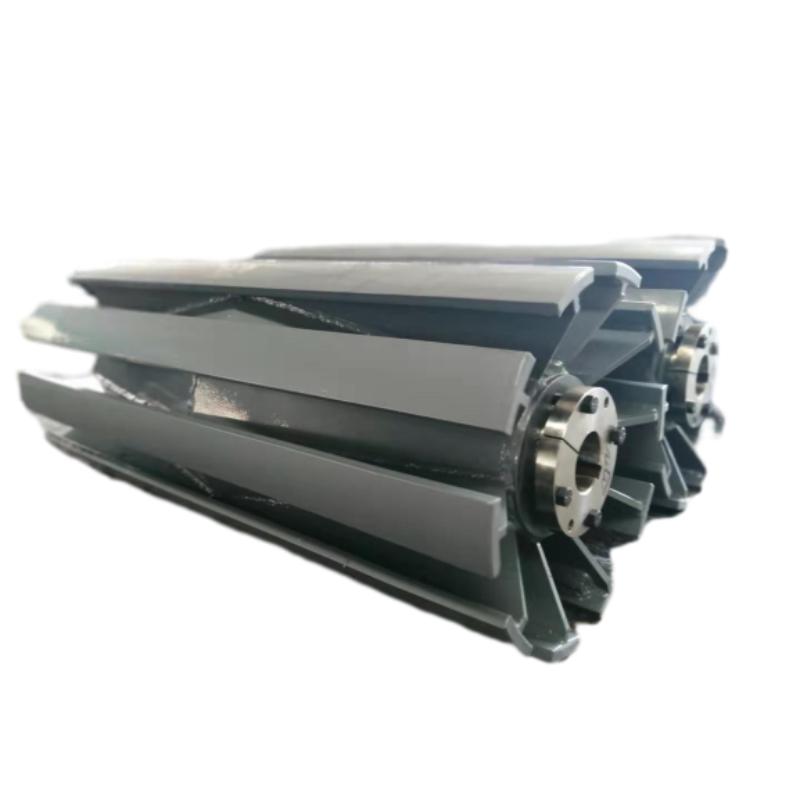
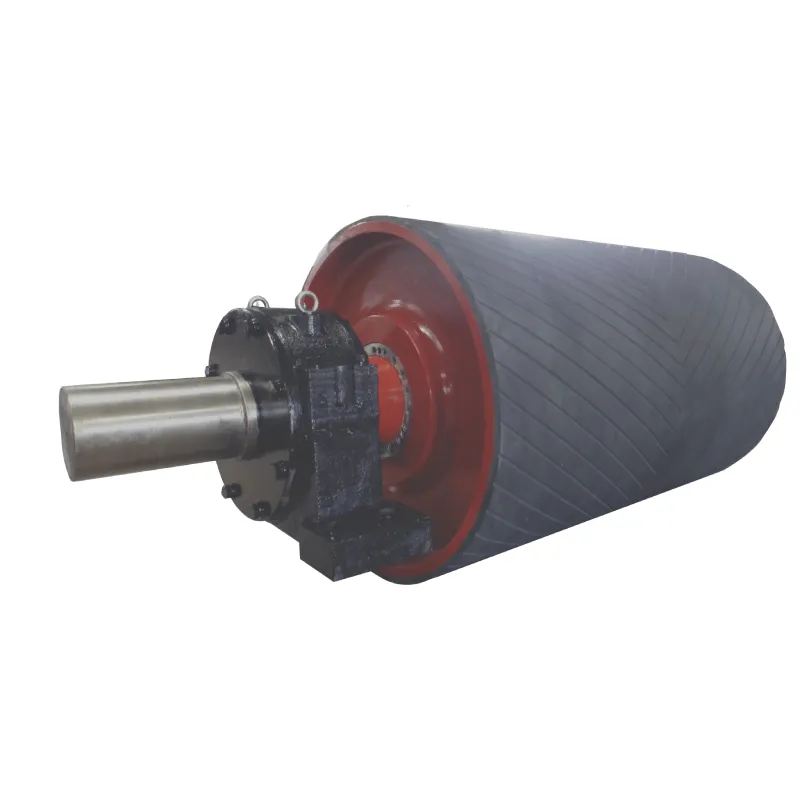
The term generally applies to cylindrical rollers found in conveyor systems or impact beds designed to cushion loads. On a humanitarian level, roller impact principles affect design choices in rapid-deployment logistics platforms, enabling faster, safer cargo movement critical for disaster relief.
Core Components of Effective Roller Impact Systems
1. Durability and Material Composition
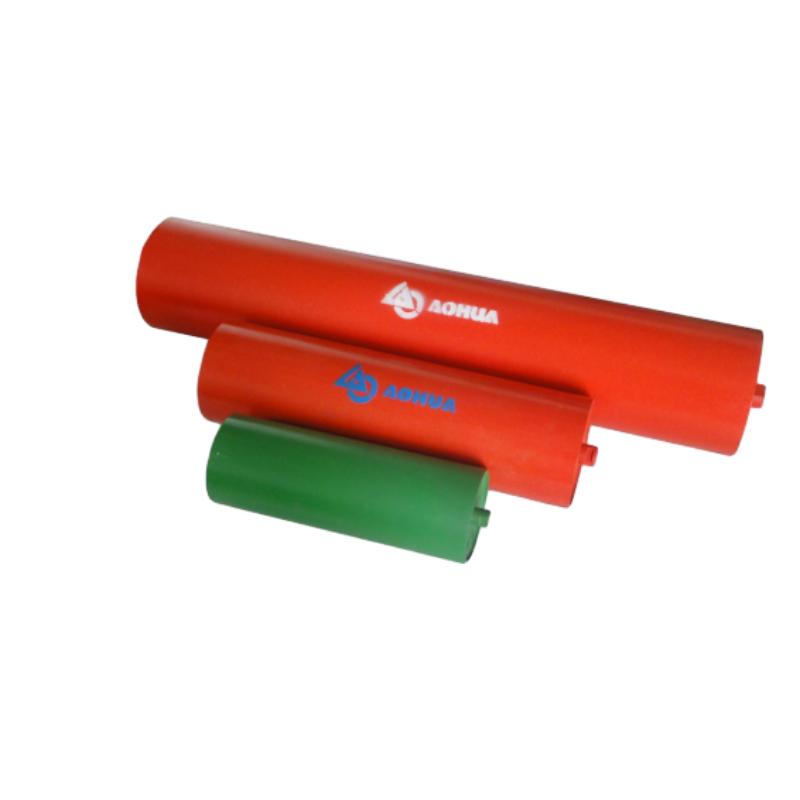
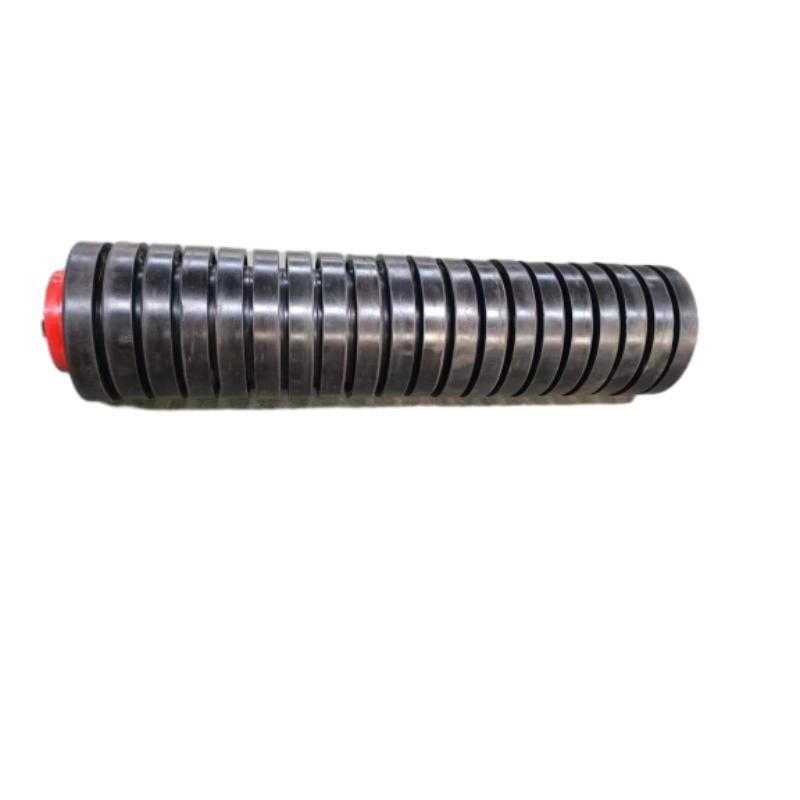
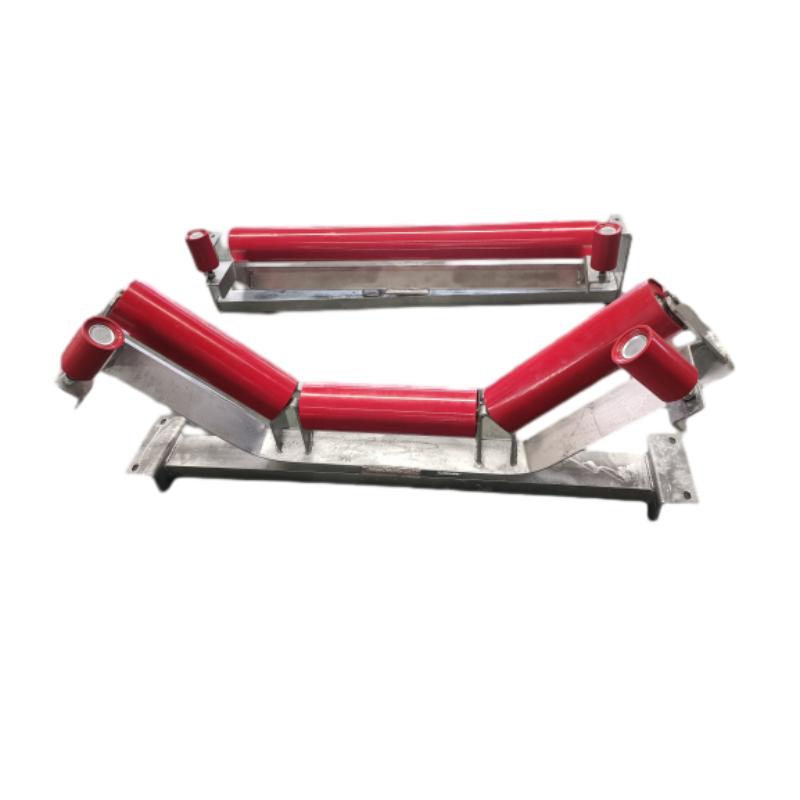
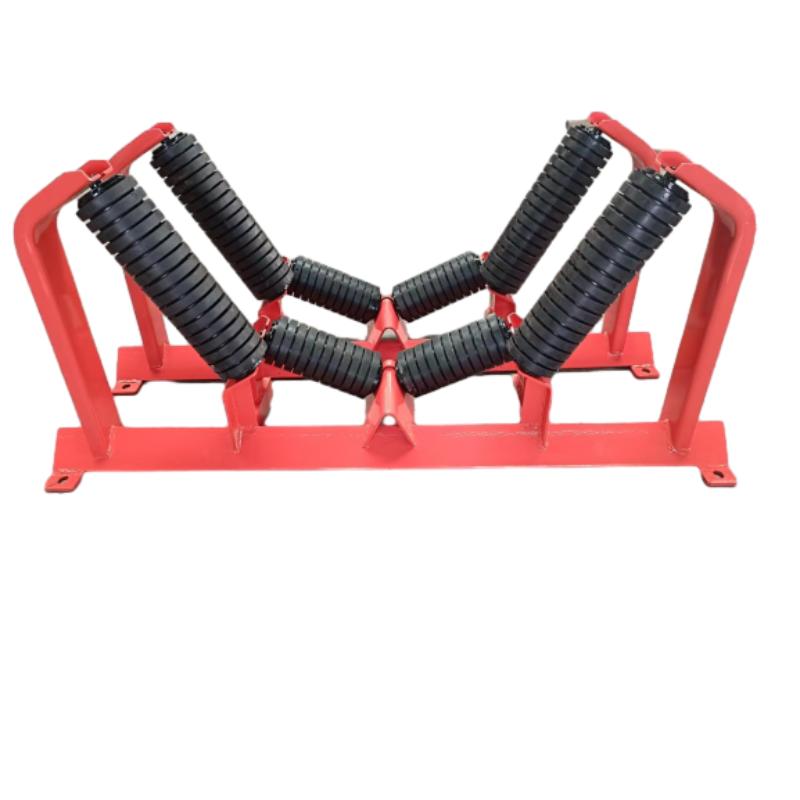
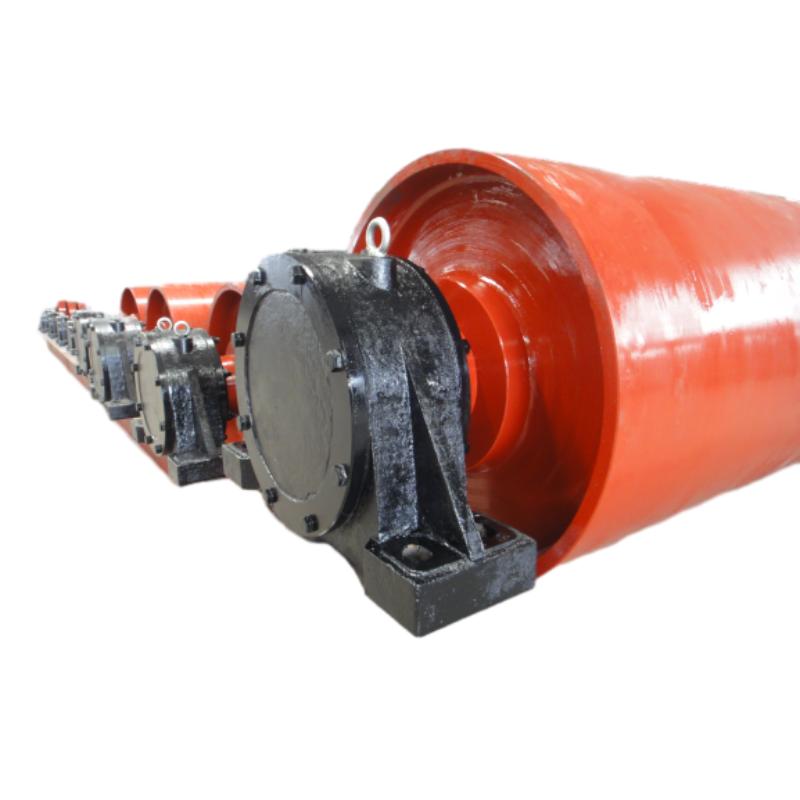
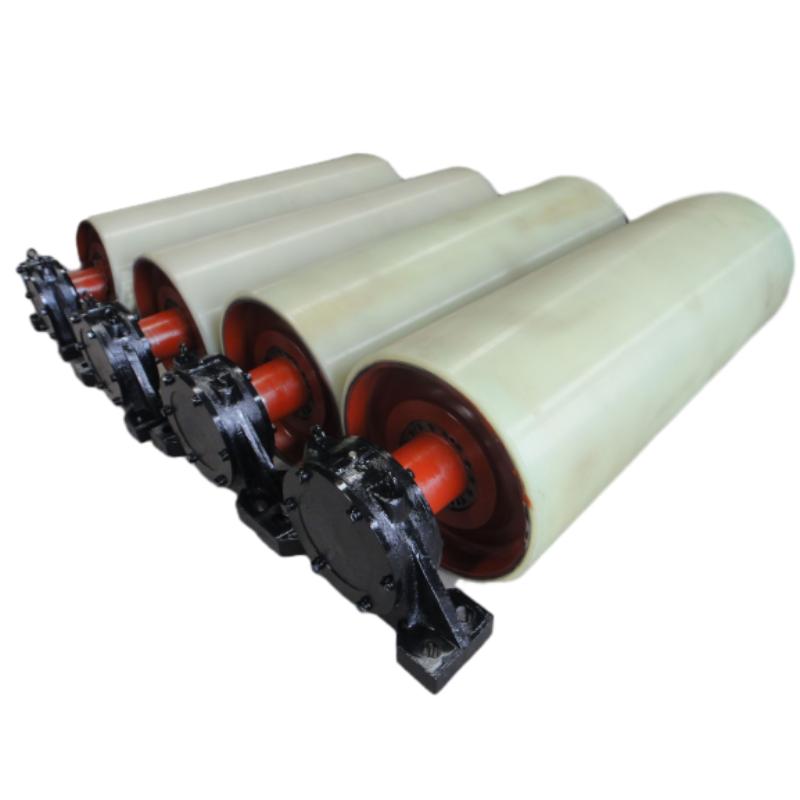
Selecting the right materials—usually hardened steel, rubber, or polyurethane—is essential. They absorb shock, resist abrasion, and extend system lifespan. For example, polyurethane-coated rollers are popular because they soften impact quietly but stay tough under heavy loads.
2. Load Capacity and Speed
How much weight the rollers handle and the speed of the conveyor belt directly influence impact stresses. High-speed systems require rollers that can dissipate energy quickly without deforming or failing, otherwise, you risk costly downtime.
3. Impact Absorption and Energy Dissipation
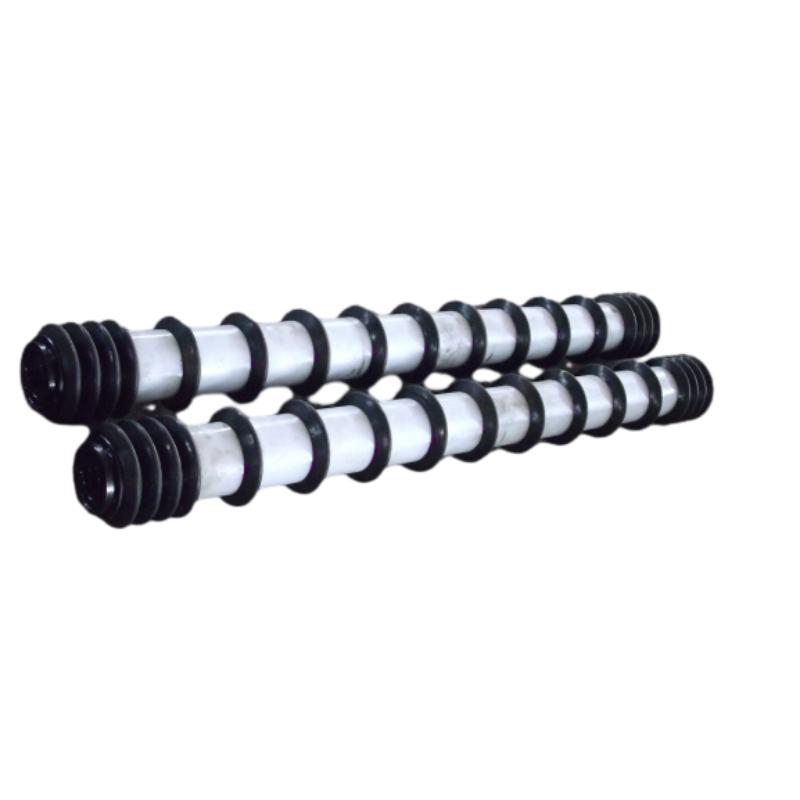
Roller impact mechanics focus on absorbing and breaking force waves generated during contact. Modern designs often embed cushioning elements or utilize variable hardness materials to reduce shock.
4. Maintenance and Accessibility
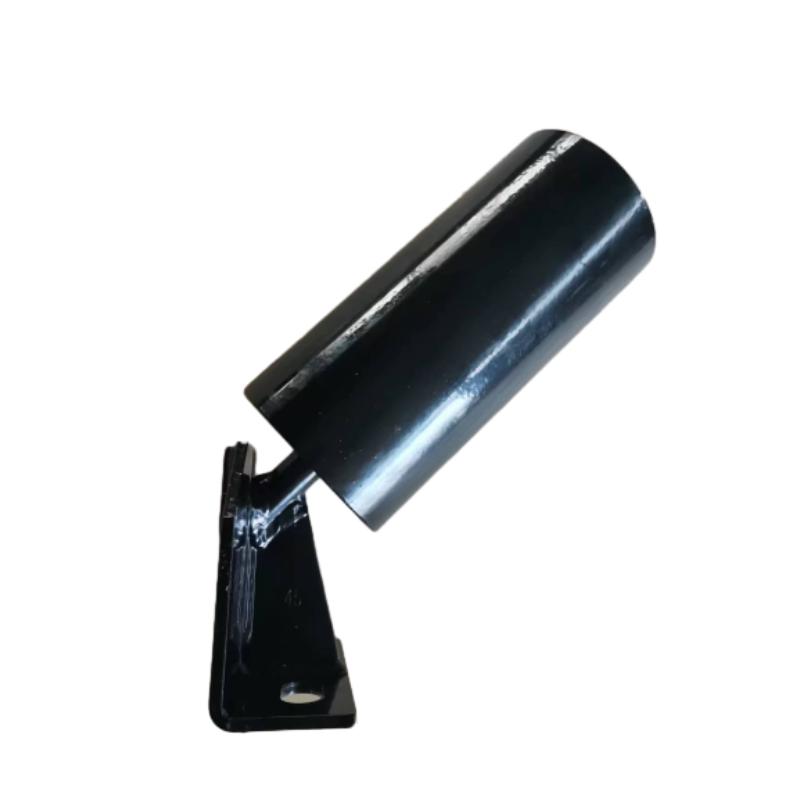
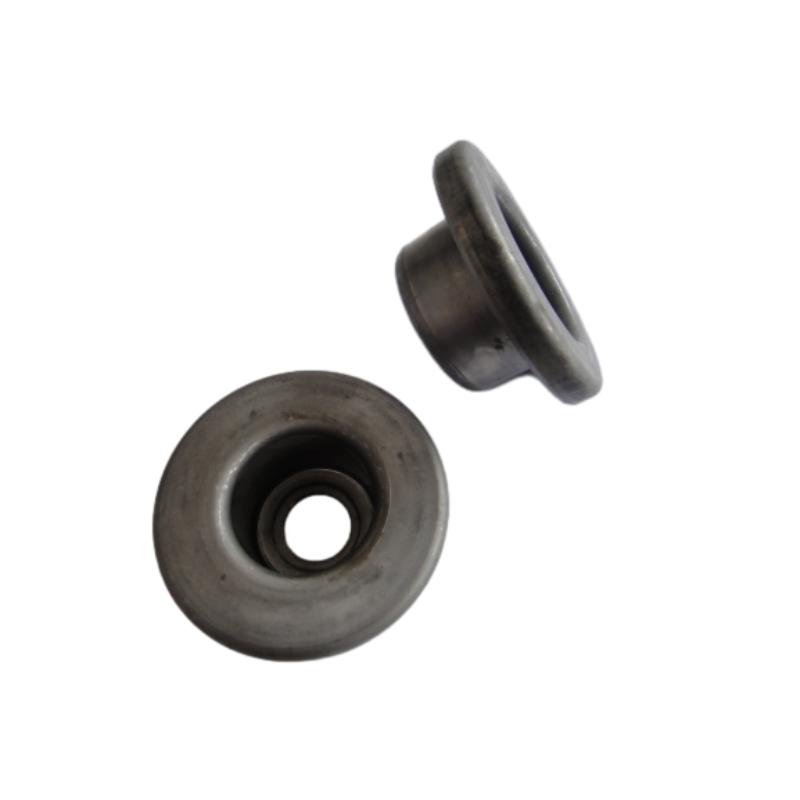
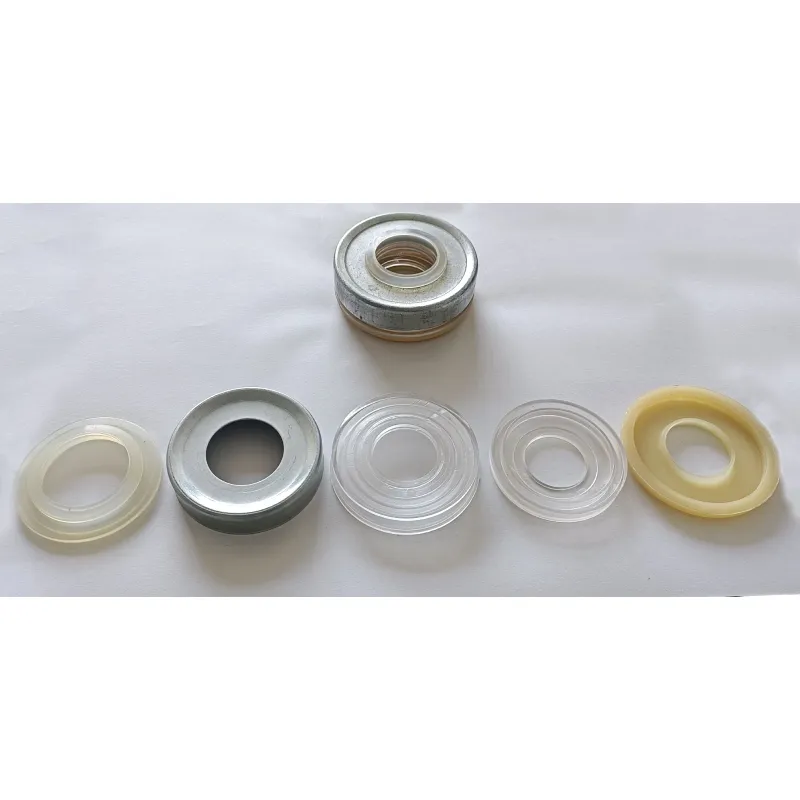
Easy-to-maintain rollers reduce operational disruption. Modular designs that allow quick replacement after wear or damage become vital—especially in harsh environments like mining or quay-side loading docks.
Mini-Takeaway
Whether considering the metal hardness or how quickly a roller spins under load, these core factors combine to define reliability and lifespan. Roller impact isn’t magic; it’s material science and smart design in action.
Real-World Applications of Roller Impact
Roller impact shows up everywhere—from the obvious industrial conveyor belts you see in warehouses to more unexpected places like automated distribution centers or cross-border shipping terminals.
- Mining and Quarrying: Impact rollers protect conveyor lines transporting rough, heavy ores across difficult terrains.
- Packaging Industry: Delicate roller impact control ensures fragile goods aren’t damaged during high-speed packing runs.
- Disaster Relief Logistics: Quick-construction modular systems using roller impact tech enable efficient unloading in chaotic zones.
- Agricultural Processing: Handling fruits and grains while minimizing bruising or spoilage demands precise impact management.
Moreover, companies in Asia and North America have patented novel roller impact systems that adapt to smart factory needs, incorporating sensors to monitor load and wear in real-time.
Product Specification Table
| Specification | Standard Roller Impact Model XR-200 | Polyurethane Impact Roller PR-75 |
|---|---|---|
| Material | Hardened Steel | Polyurethane Coating on Steel Core |
| Diameter | 200 mm | 75 mm |
| Max Load Capacity | 1500 kg | 600 kg |
| Impact Absorption Rating | Medium | High |
| Recommended Use | Heavy Industry, Mining | Packaging, Food Handling |
Advantages and Long-Term Value of Roller Impact Technologies
In real terms, mastering roller impact leads to systems that last longer, run smoother, and keep both products and workers safer. Cutting down on mechanical failures prevents costly repairs and production stoppages — no small thing when minutes can equal thousands of dollars.
From a sustainability viewpoint, optimized roller designs reduce energy consumption and material waste dramatically by extending operational lifespans. Many engineers say it feels like buying a high-quality tool that pays for itself tenfold.
On the social side, safer conveyor lines with well-managed roller impact lessen accident risks, improving workplace dignity and security. And with growing demand for "green manufacturing," innovations often involve recyclable components or less toxic materials.
Vendor Comparison Table
| Vendor | Product Range | Customization Options | Price Range (USD) | Lead Time |
|---|---|---|---|---|
| RollTech International | Heavy-Duty, Standard, Soft Impact Rollers | Size & Material | $500 - $1200 | 4-6 weeks |
| PolyRoll Co. | Polyurethane Coated, Custom Durometer Rollers | Hardness & Color | $300 - $950 | 3-5 weeks |
| ImpactSafe Solutions | Smart Rollers with Sensors | IoT Integration | $1500 - $2500 | 6-8 weeks |
Future Trends in Roller Impact Technologies
Looking ahead, roller impact tech is evolving in curious and exciting ways. Smart rollers equipped with sensors can now monitor wear and impact forces in real-time, feeding data to predictive maintenance AI systems — which frankly, feels like science fiction compared to ten years ago.
Eco-conscious materials like recycled rubber composites, and lightweight alloys reduce environmental impact without compromising strength. Plus, automation and digital twin simulations allow engineers to model roller impact scenarios virtually, saving costly trial runs.
In the sustainable materials handling space, these innovations help companies meet stricter UN industrial guidelines on waste and energy while making operations safer and more reliable.
Challenges and Solutions in Managing Roller Impact
Still, it’s not all smooth sailing. One big challenge is balancing impact absorption with durability—materials soft enough to protect goods may wear faster, while harder rollers resist wear but risk damaging fragile products. Also, retrofitting older systems with modern impact rollers can be technically and financially daunting.
Industry experts recommend hybrid solutions or modular roller systems, which combine different hardness layers or allow quick part swaps. Meanwhile, vendors increasingly offer tailored impact analyses during initial design stages, helping customers avoid guesswork.
FAQ: Common Questions About Roller Impact
Q1: How do roller impact systems improve conveyor longevity?
Properly engineered roller impact systems cushion the force from loaded materials and sudden jolts, reducing wear on both rollers and belts. This means fewer breakdowns and longer service life for the entire conveyor setup.
Q2: Can roller impact solutions adapt to different industries?
Absolutely. From heavy mining rollers to soft-food packaging rollers, designs are highly customizable, balancing load capacity, impact absorption, and environmental constraints.
Q3: Are polyurethane rollers environmentally friendly?
Many polyurethane rollers today incorporate recyclable or bio-based materials. Plus, their durability reduces waste by extending equipment life, making them a greener choice compared to cheaper alternatives.
Q4: How quickly can custom roller impact solutions be delivered?
Delivery times vary but typically range between 3 to 8 weeks depending on complexity, customization level, and vendor location.
Wrapping It All Up: Why Roller Impact Still Rolls On
In a world that increasingly prizes efficiency, reliability, and sustainability, roller impact technology quietly but profoundly influences countless supply chains and industrial processes. From reducing downtime to supporting global humanitarian logistics, mastering roller impact opens doors to safer, smarter operations.
If you’d like to explore practical roller impact solutions that could help your project or operation, visit our website: https://www.idleraohua.com.
References
-
Maximize Conveyor Life with a High Performance impact bedNewsApr.16,2026
-
Maximize Conveyor Efficiency Using a v plow belt scraperNewsApr.09,2026
-
Comprehensive Guide to Understanding Different Types of Belt CleanersNewsApr.07,2026
-
Enhancing Conveyor Efficiency with an Effective Scraper Belt CleanerNewsApr.04,2026
-
Optimizing Conveyor Systems with Advanced Cleaning Equipment SolutionsNewsMar.31,2026
-
Effective Conveyor Belt Scraper Adjustment for Optimal System PerformanceNewsMar.28,2026