

Durable Impact Roller for Sale – Boost Conveyor Efficiency & Reliability
The Growing Importance of Impact Rollers in Modern Industries
If you've ever watched heavy machinery at a construction site or been curious about the equipment that keeps conveyor belts moving smoothly, you've likely encountered an impact roller. These components, while often overlooked, form the backbone of many industrial processes worldwide. Understanding impact roller for sale options is critical for companies aiming to maximize operational efficiency and reduce maintenance costs.
Industrially speaking, the demand for impact rollers has surged alongside the global growth of sectors like mining, ports, and logistics. According to the International Organization for Standardization (ISO), robust conveyor components reduce downtime by 30% on average, an essential factor in meeting today's tight production deadlines and environmental regulations.
Put simply, knowing the right impact roller to buy – whether for a minor maintenance job or a massive overhaul – can save you a fortune in the long run. So, what exactly does an impact roller do, and why does it matter so much?
What Exactly Is an Impact Roller?
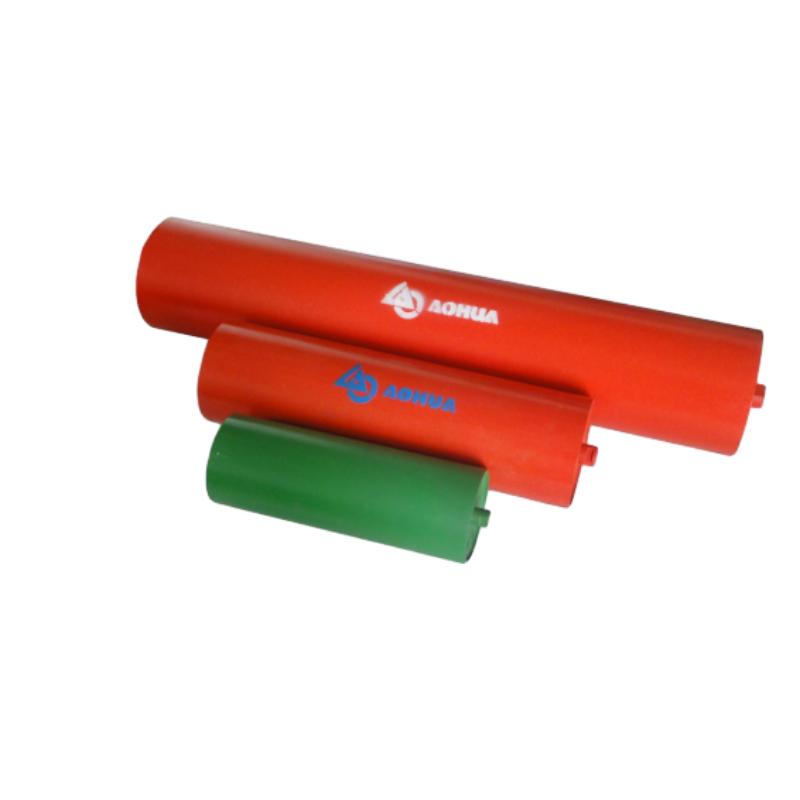
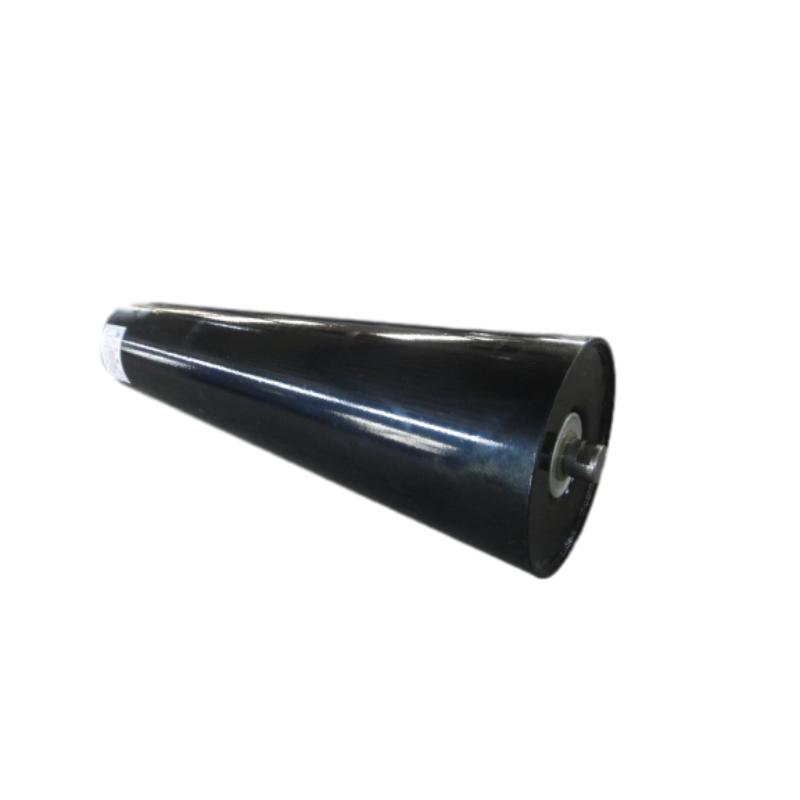
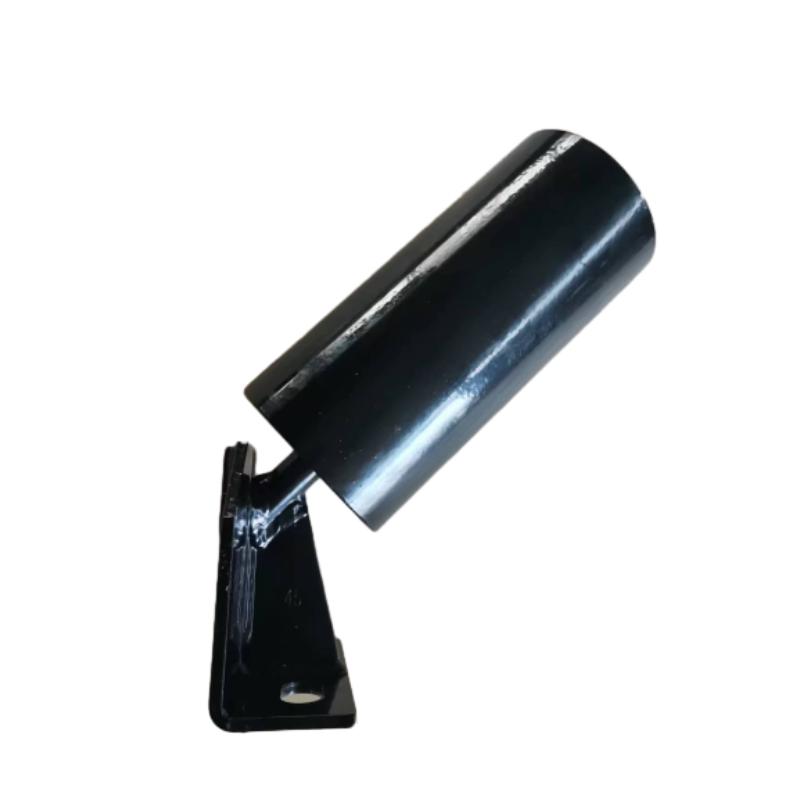
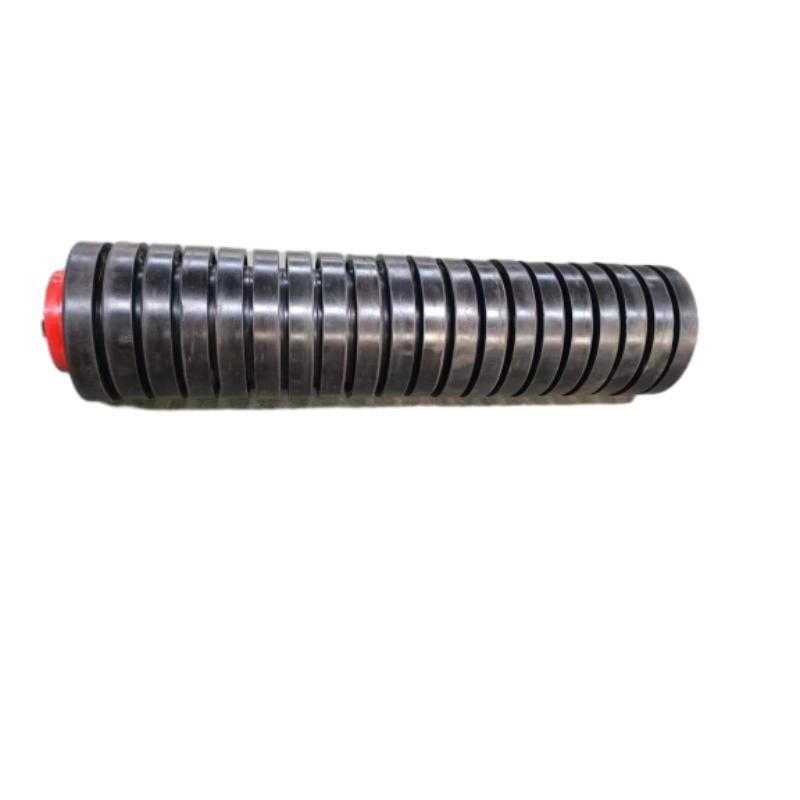
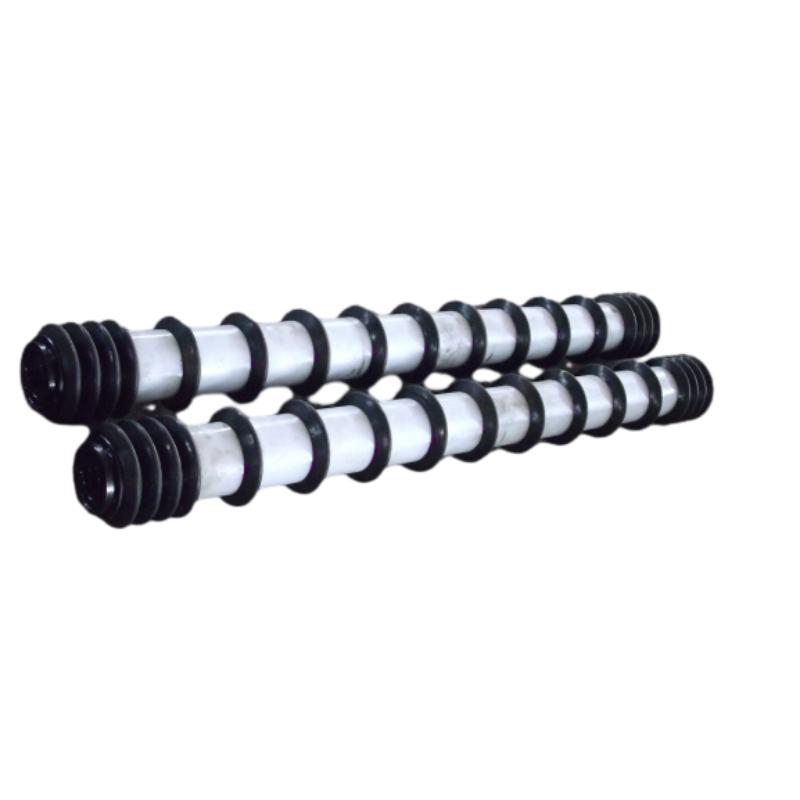
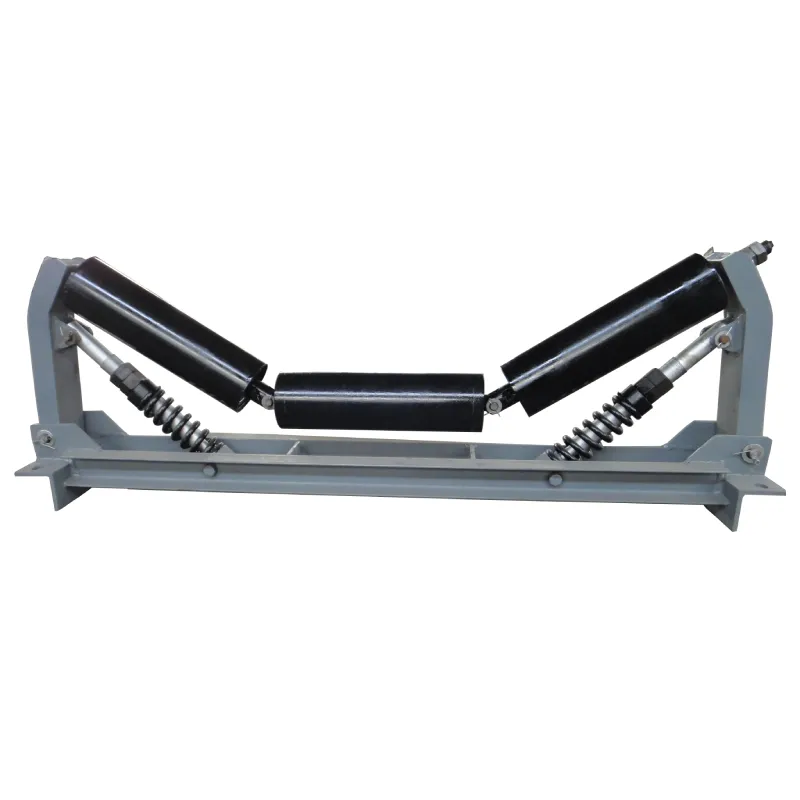
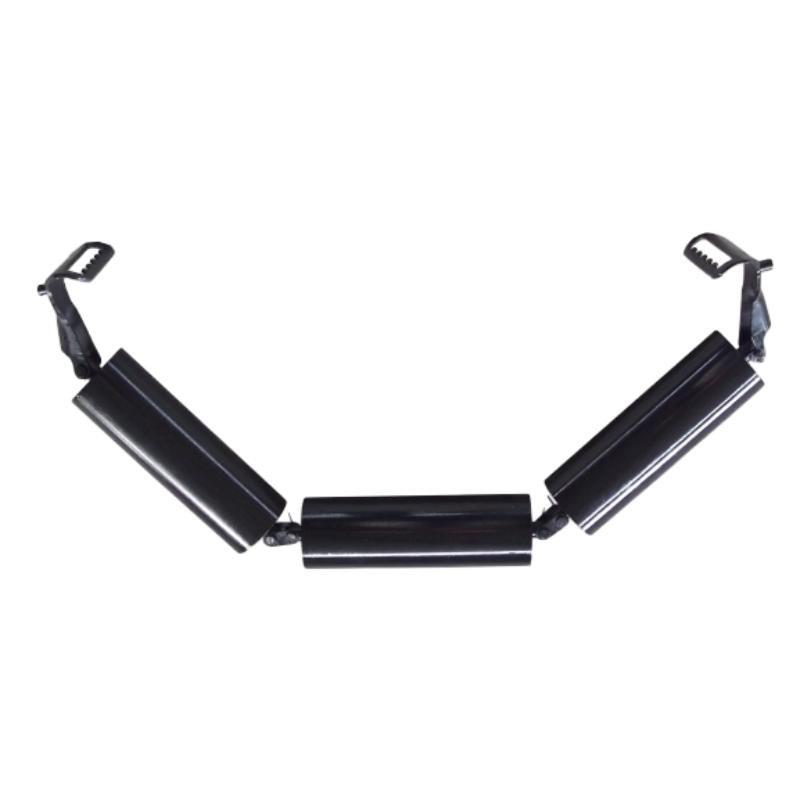
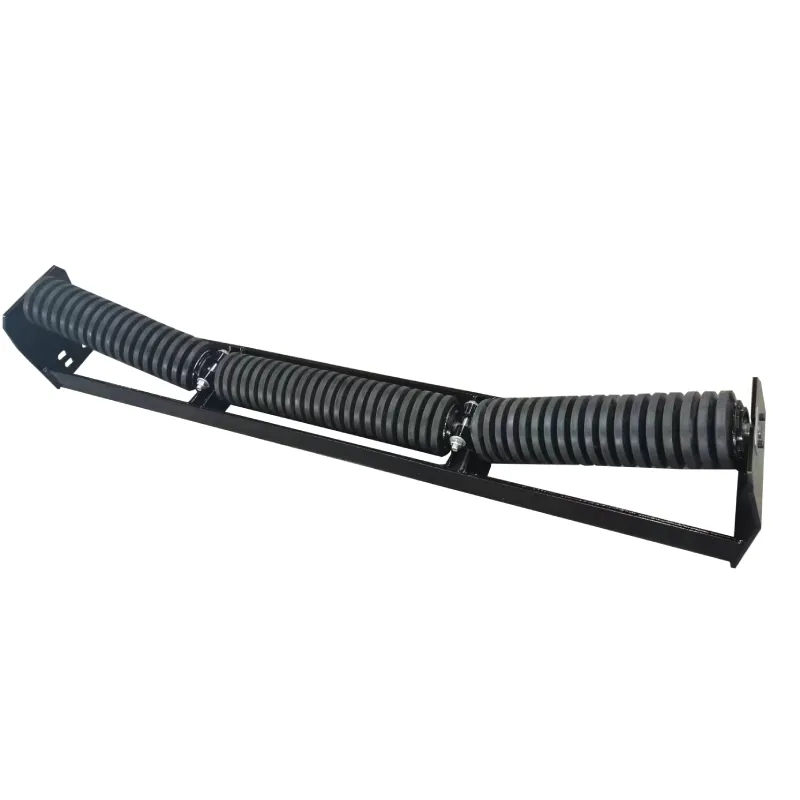
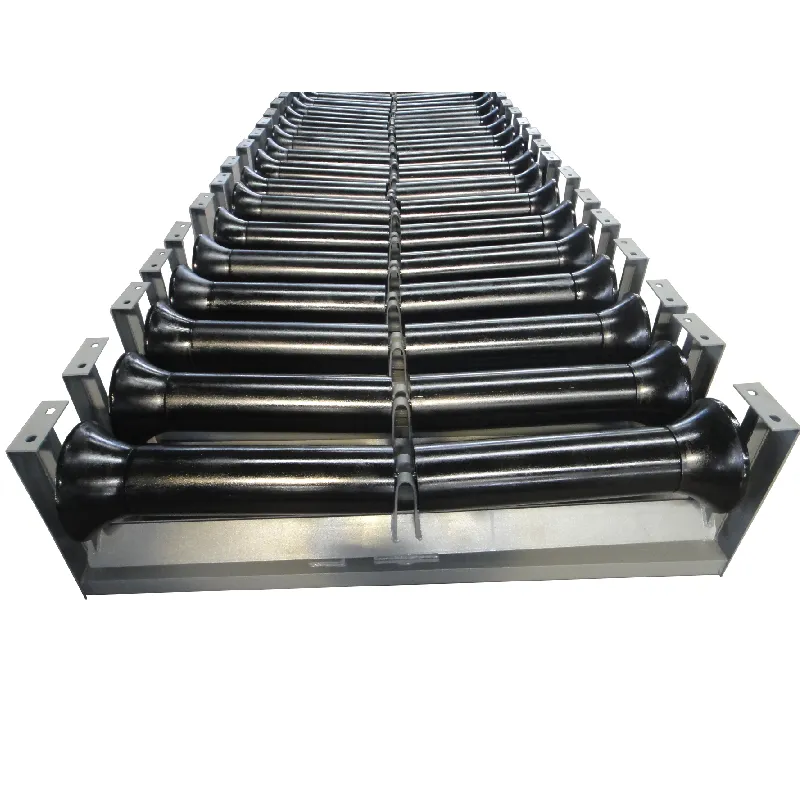
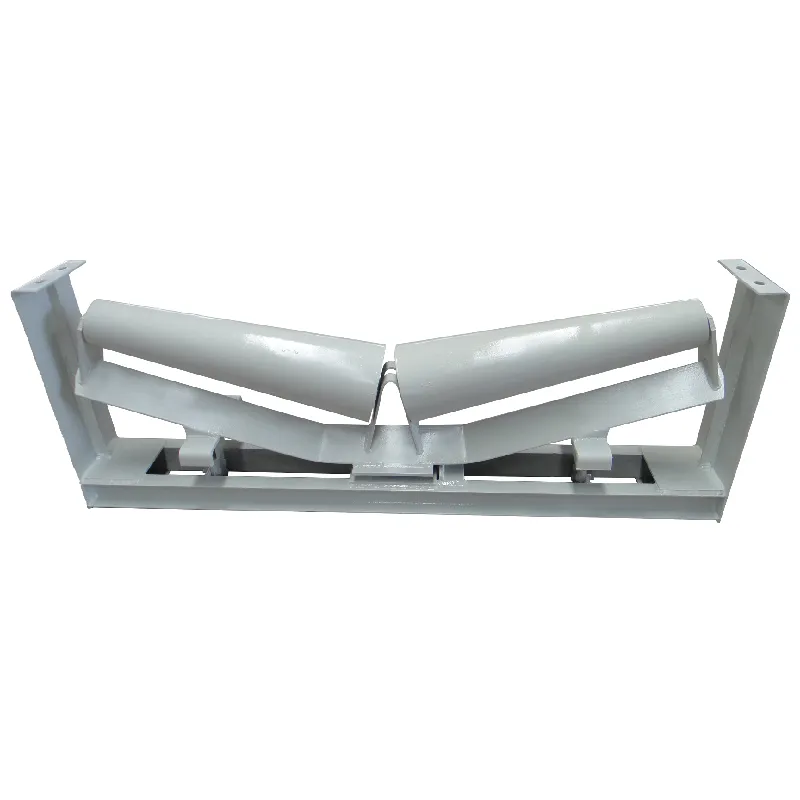
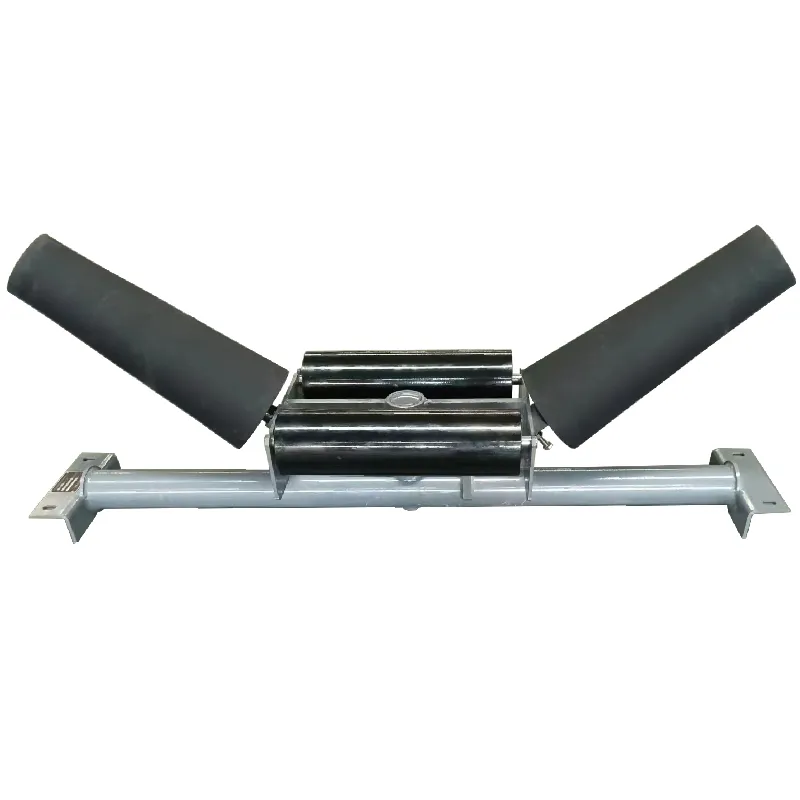
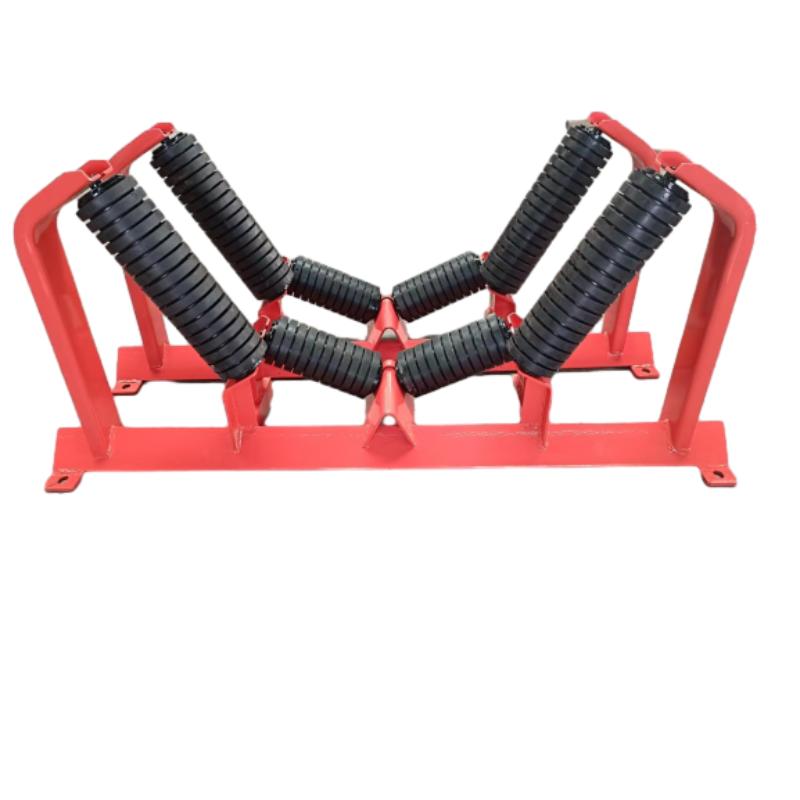
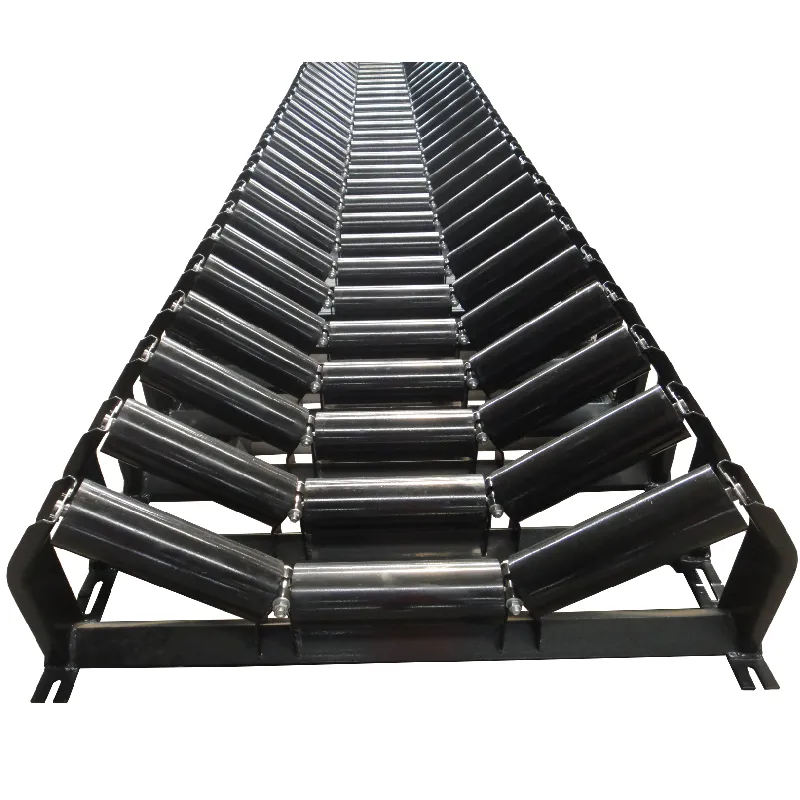
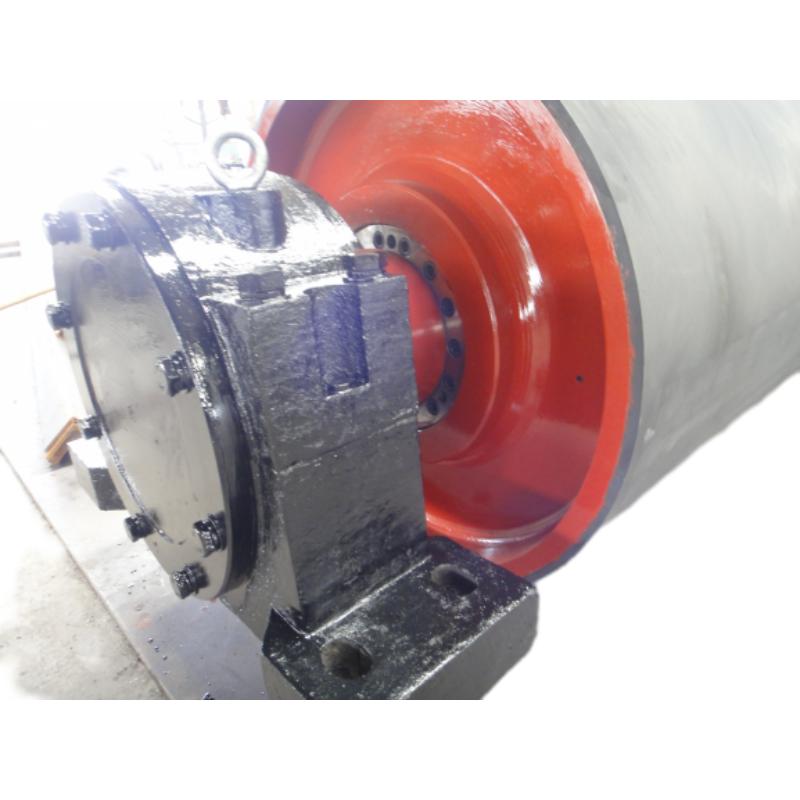
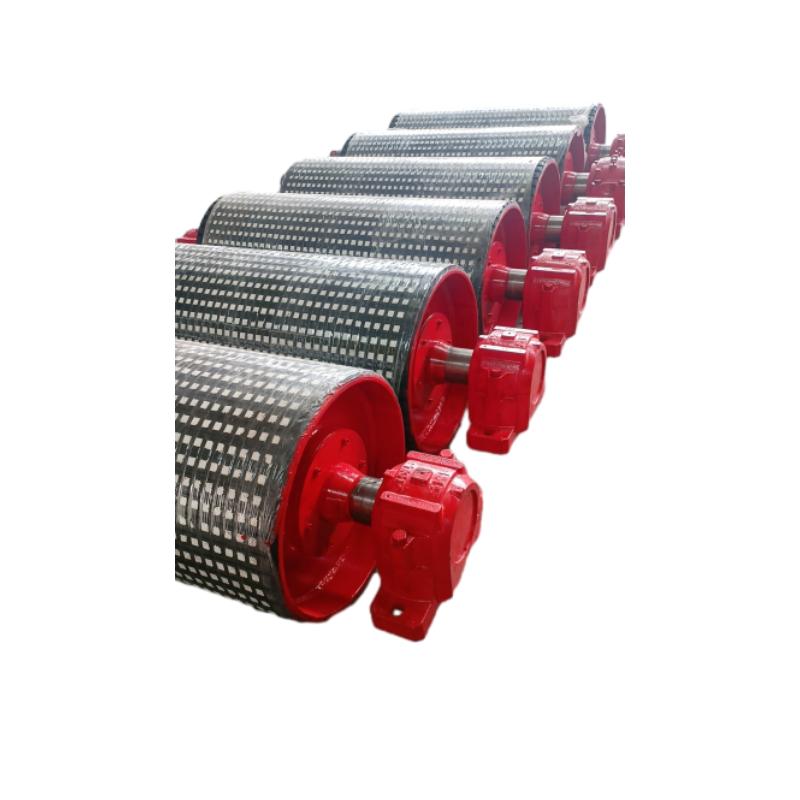
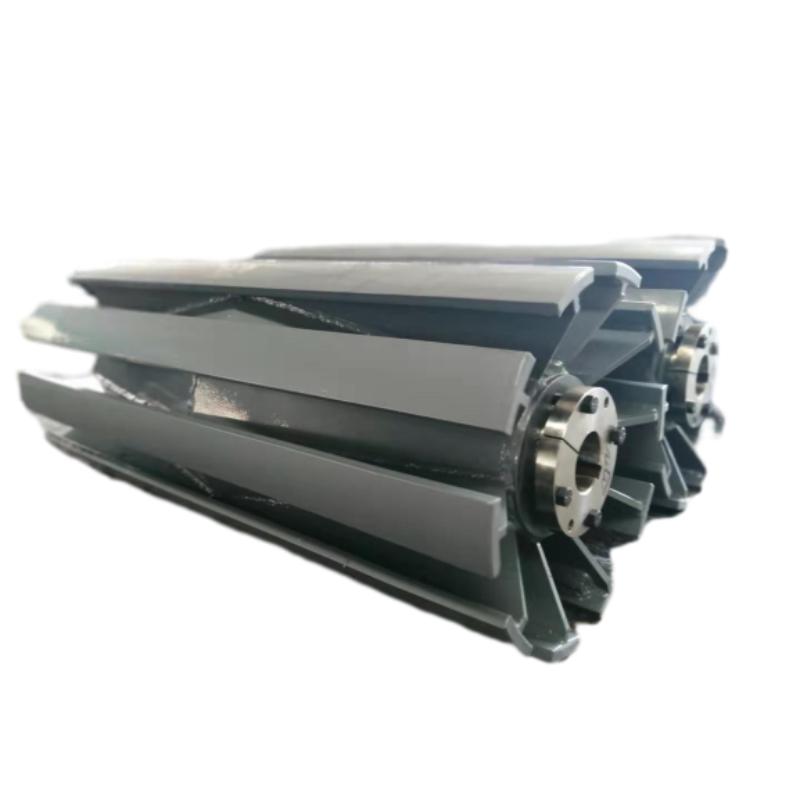
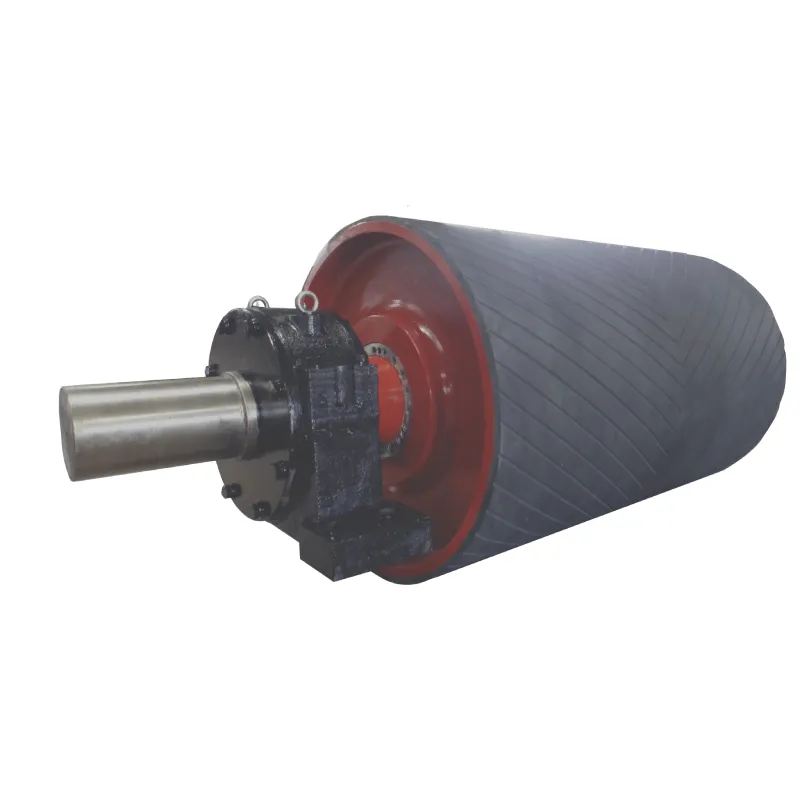
An impact roller is a specialized conveyor roller designed to absorb and cushion the impact of heavy or falling loads — think of it as a shock absorber for conveyor belts. Unlike standard rollers, impact rollers feature thicker shields, heavier-duty bearings, and shock-resistant frames. This design helps prevent belt damage caused by the repeated impact of materials like coal, gravel, or crushed ore.
In terms of industrial or even humanitarian use, these rollers are indispensable. For example, in disaster relief operations involving rubble clearing or temporary material handling, impact rollers can withstand harsh conditions while keeping processes moving. Similarly, for mining hubs in remote areas, choosing reliable impact rollers for sale can mean the difference between costly shutdowns or consistent productivity.
Core Components that Define Quality Impact Rollers
1. Durability & Material Composition
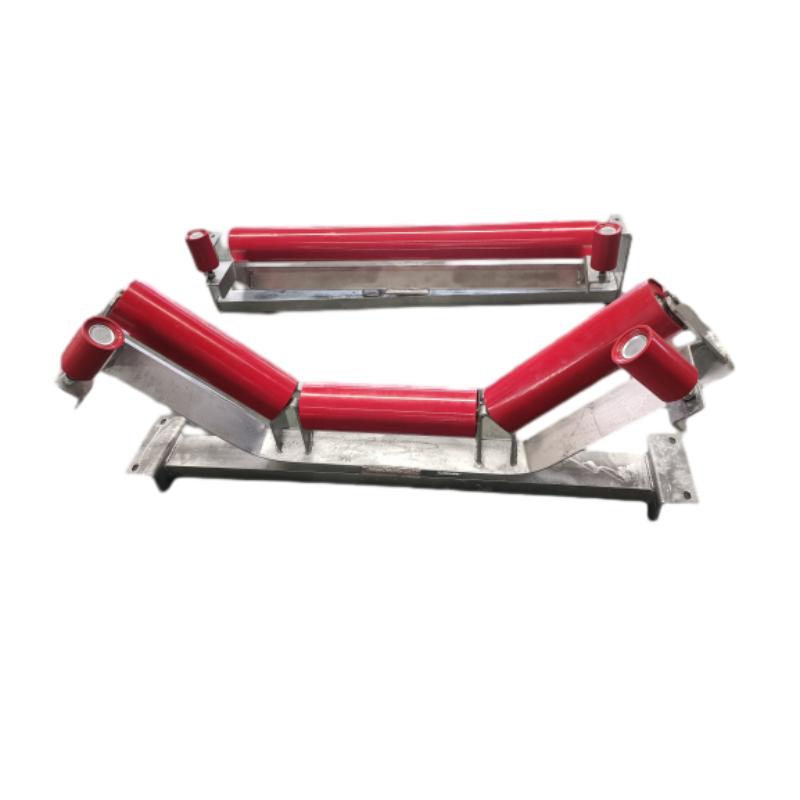
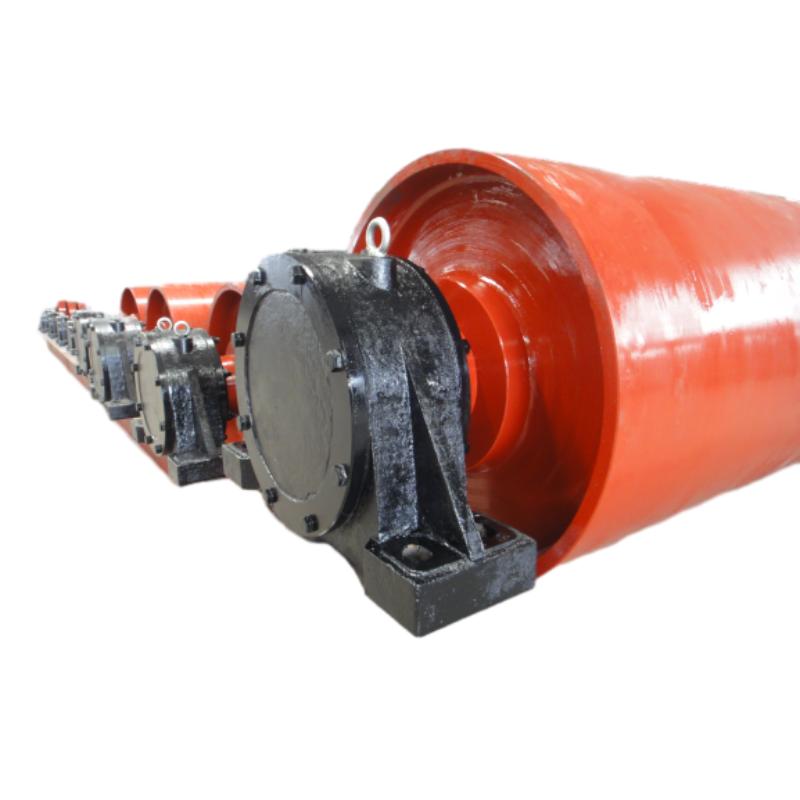
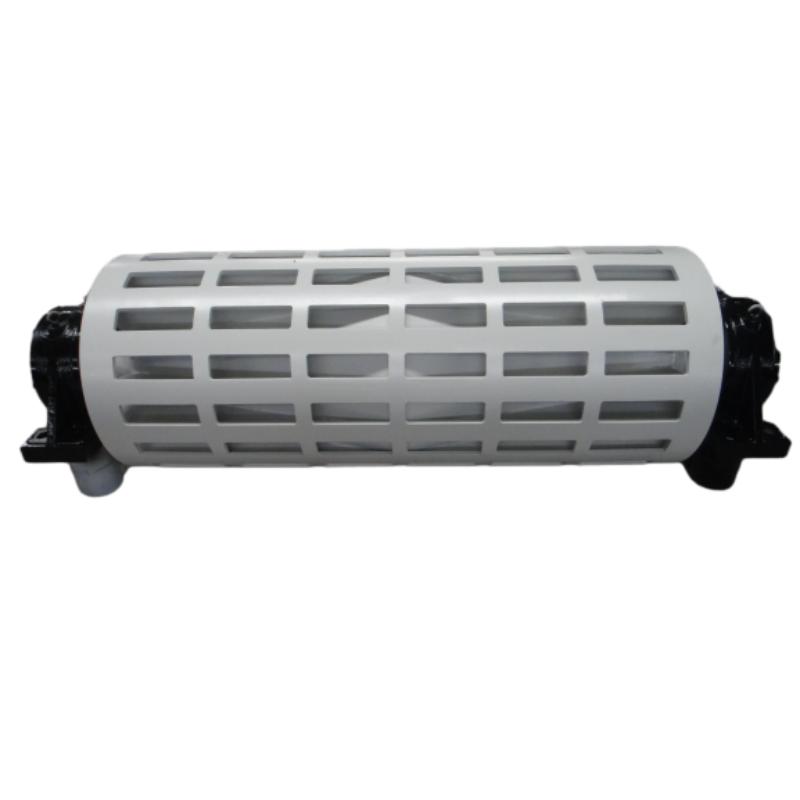
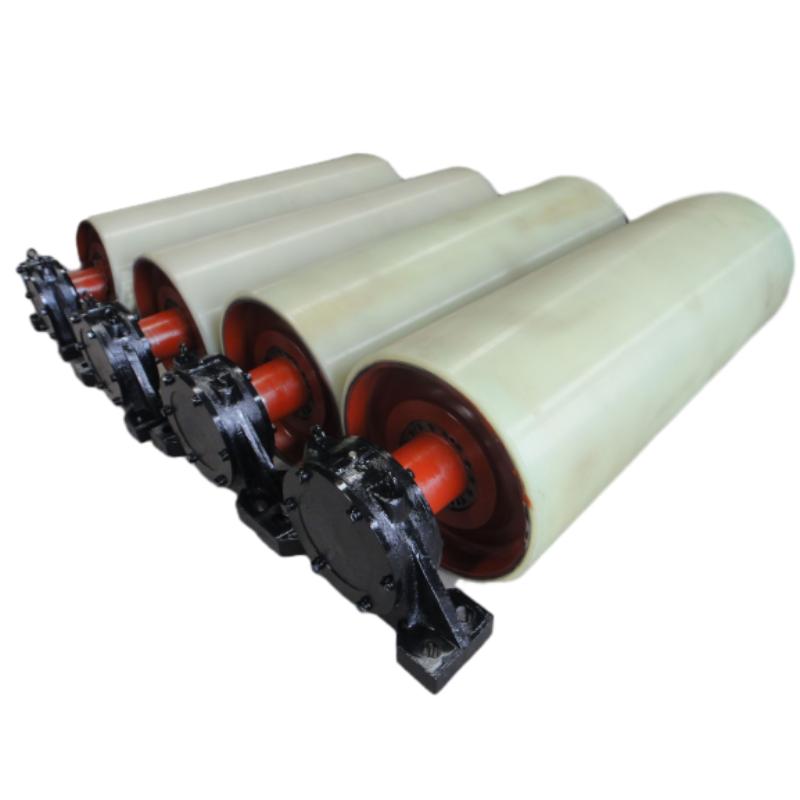
Most impact rollers are made from heavy-duty steel with protective powder coatings or galvanization. This combats abrasion and corrosion, particularly important in outdoor or humid environments. I noticed some models even come with reinforced polymer sleeves — a nifty, lightweight alternative that’s catching on fast.
2. Shock Absorption Capacity
It's not just about being tough, but smartly designed to absorb and dissipate energy. Some recent impact rollers incorporate rubberized cushions or dual-layer seals around the bearings to ensure smooth operation even under heavy loads.
3. Seal & Bearing Quality
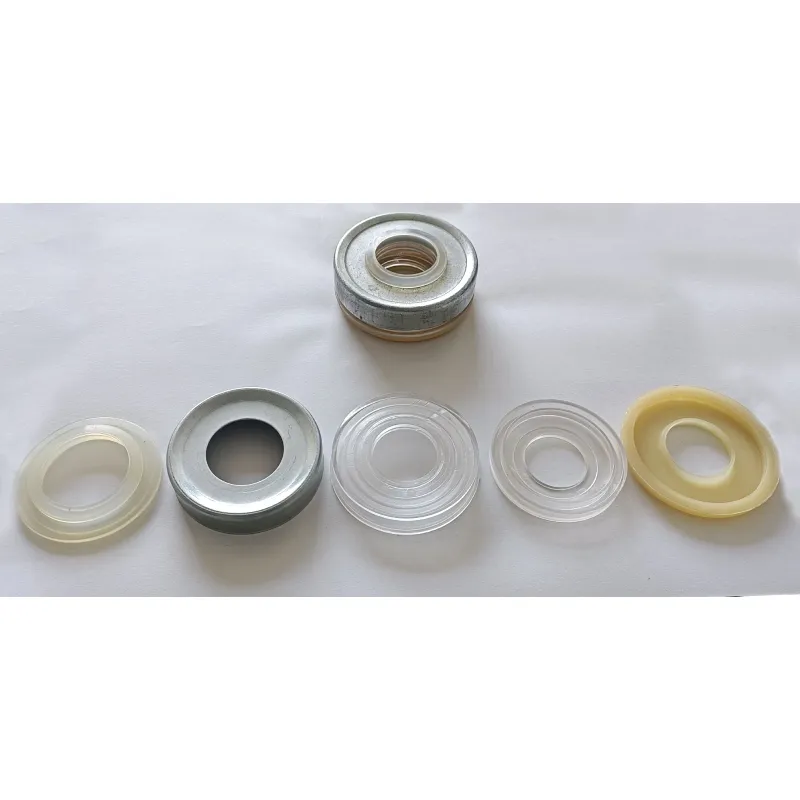
Seals keep dust and moisture at bay, which are huge enemies of precision bearings inside. Choosing rollers with high-quality, triple-lip seals can really extend service life, especially in dusty mining or port environments.
4. Size & Compatibility
Impact rollers come in various diameters and lengths — the key is matching the roller size to your conveyor belt width and load profile. Custom sizes are common, but standard sizes help keep costs in check.
5. Maintenance Ease
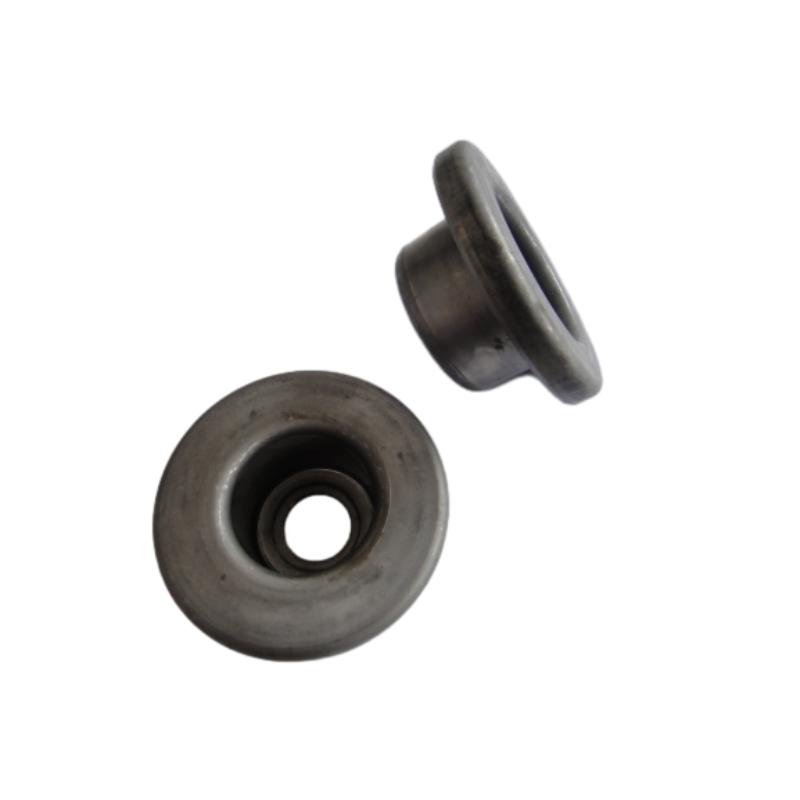
Quick-release end caps or modular designs can reduce labor time significantly when performing routine checks or part replacements.
Real-World Impact Roller Applications Around the Globe
Industries from the Australian Outback mines to Scandinavian ports rely on impact rollers to maintain operational flow. In post-disaster relief scenarios, impact rollers equip temporary material conveyors for rubble clearing and rebuilding projects.
- Mining Industry: Handling unpredictable, heavy loads of ore and rocks demands rollers that won’t seize up or deform.
- Ports & Shipping: Impact rollers ensure smooth loading of containers and bulk goods while resisting salty air corrosion.
- Recycling Plants: Impact rollers handle uneven, jagged materials that can easily damage other conveyor parts.
- Construction Sites: Portable conveyors use impact rollers to quickly move sand, gravel, and concrete mixes.
Even smaller logistics companies increase productivity by choosing the right impact roller for sale suited to their load types. It’s this versatility that keeps impact rollers on the shortlist for equipment buyers around the world.
Advantages of Choosing Quality Impact Rollers
The benefits aren’t just technical — they’re practical and sometimes emotional. First off, there’s a clear cost efficiency. High-quality impact rollers reduce downtime, hence saving labor and replacement parts costs.
Longevity is another big plus. You’re investing in a part that can last years under harsh environments, reducing replacement frequency. And yes, that stability matters to workers on the ground — knowing the conveyor will run smoothly eases stress and boosts morale.
From a sustainability perspective, impact rollers that last longer mean fewer discarded parts and less frequent manufacturing, aligning nicely with circular economy principles favored by many industries worldwide.
Standard Product Specification of a Typical Impact Roller
| Specification | Typical Value / Range |
|---|---|
| Roller Diameter | 89 mm – 219 mm |
| Length (Effective) | 300 mm – 1200 mm (customizable) |
| Material | Galvanized steel or powder-coated steel, some polymer sleeves |
| Bearings | Sealed deep groove ball bearings, greased |
| Load Capacity | Up to 2000 kg per roller |
Comparing Popular Vendors for Impact Roller For Sale
| Vendor | Product Range | Lead Time | Custom Options | Price Level |
|---|---|---|---|---|
| RollerTech Industries | Standard & heavy-duty rollers | 2-4 weeks | Yes, including custom coatings | $$$ (Mid-to-high) |
| ConveyorCo | Broad selection, polymer sleeves | 1-3 weeks | Limited | $$ (Budget-friendly) |
| HeavyRoll Solutions | Customized heavy-duty impact rollers | 4-6 weeks | Yes, full custom engineering available | $$$$ (Premium) |
What’s Next? Trends and Innovations in Impact Rollers
Technology isn’t sleeping in this corner of industrial hardware either. There’s a palpable shift towards more eco-friendly materials — polymer recycled sleeves replacing steel, for example. The digital transformation also creeps in: some impact rollers now come equipped with sensors monitoring wear in real-time, so maintenance can be predictive instead of reactive.
Automation integration means rollers designed with smarter bearing seals that self-lubricate or even self-clean in dusty environments. This all adds up to less downtime and safer workplaces.
Tackling Common Challenges
Despite all the advances, impact rollers face persistent challenges — abrasion, corrosion, and edge-wear among them. Many engineers I spoke to agree that no off-the-shelf roller is perfect. Solutions are arriving in the form of better coatings, robust seal technologies, and modular designs that let you replace only worn components instead of the whole roller.
Material scientists keep pushing boundaries — specially formulated steel alloys and polymers show great promise. The challenge doesn’t just lie in making the roller survive but in keeping it affordable, because the market is price sensitive, especially among logistics startups and smaller mining outfits.
FAQ: Common Questions About Impact Roller for Sale
- Q: How do I know which impact roller size fits my conveyor?
- A: Start by measuring your conveyor belt width and estimated load weight. Most manufacturers provide compatibility charts. If you’re unsure, consulting with a supplier or engineer saves costly mistakes.
- Q: Are impact rollers suitable for outdoor environments?
- A: Yes, especially ones with galvanized or powder-coated finishes designed to resist corrosion from moisture, dirt, and even salt spray.
- Q: Can I get customized impact rollers if I have unique load requirements?
- A: Absolutely. Many vendors offer customization options for length, diameter, material, and bearing types to fit your specific needs.
- Q: How often should impact rollers be inspected or replaced?
- A: Routine inspections every 3-6 months are typical, depending on usage intensity. Replace rollers showing bearing noise, damage to seals, or structural wear.
In Closing: Why Investing in the Right Impact Roller Matters
Ultimately, the advantages of choosing the right impact roller for sale stretch far beyond a simple parts list. They translate into safer workplaces, fewer interruptions, longer conveyor lifespans, and often, a smaller environmental footprint.
If your operation depends on conveyors — and who doesn’t these days — it’s worth investing time in exploring your options carefully. Combining quality materials, smart design, and vendor reputation means you get more than a roller — you get peace of mind.
So take a look around, ask questions, and when you’re ready, explore what vendors like those above have in store. Your equipment — and your bottom line — will thank you.
Visit our website: https://www.idleraohua.com for a curated selection of industrial impact rollers today.
-
Maximize Conveyor Life with a High Performance impact bedNewsApr.16,2026
-
Maximize Conveyor Efficiency Using a v plow belt scraperNewsApr.09,2026
-
Comprehensive Guide to Understanding Different Types of Belt CleanersNewsApr.07,2026
-
Enhancing Conveyor Efficiency with an Effective Scraper Belt CleanerNewsApr.04,2026
-
Optimizing Conveyor Systems with Advanced Cleaning Equipment SolutionsNewsMar.31,2026
-
Effective Conveyor Belt Scraper Adjustment for Optimal System PerformanceNewsMar.28,2026