

Steel Guide Roller: Durable Solutions for Efficient Material Handling Worldwide
Steel Guide Roller: The Unsung Hero of Modern Conveyance
At first glance, a steel guide roller might seem like a humble component tucked away in the background of massive industrial operations. But don't underestimate its critical role in facilitating smooth, reliable material movement worldwide. From mining shafts in Australia to warehouses in Germany, and even disaster relief supplies in Asia, these rollers quietly keep the wheels turning—quite literally.
Understanding the nuts and bolts of steel guide rollers isn't just for engineers; it matters globally because efficient transport of goods and materials underpins everything from economic stability to humanitarian aid. Plus, smarter usage of these rollers can lead to cost savings, reduced waste, and safer workplaces. So, let's dive into what makes steel guide rollers worth our attention.
Introduction: Why Steel Guide Rollers Matter Globally
The global market for conveyor systems, which heavily relies on steel guide rollers, was valued at several billion dollars as of the late 2020s, demonstrating steady growth with industrial expansion and automation trends. According to ISO standards and World Bank reports, efficient logistics and material handling reduce operational bottlenecks by 20–30% in many sectors.
But here’s the challenge: conveyors often face harsh environments—dust, heavy loads, humidity—that can make maintenance a task of constant vigilance. Poor roller design or material choice leads to downtime, increased energy consumption, and even accidents. That’s where quality steel guide rollers step in, engineered to meet these challenges head-on and propelling industries into more productive futures.
What Exactly is a Steel Guide Roller?
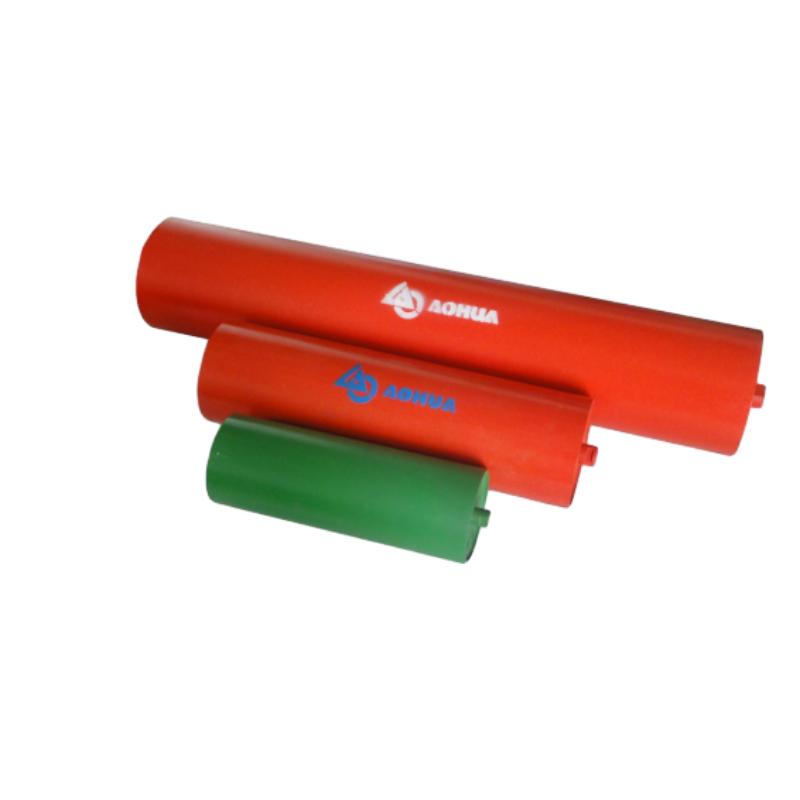
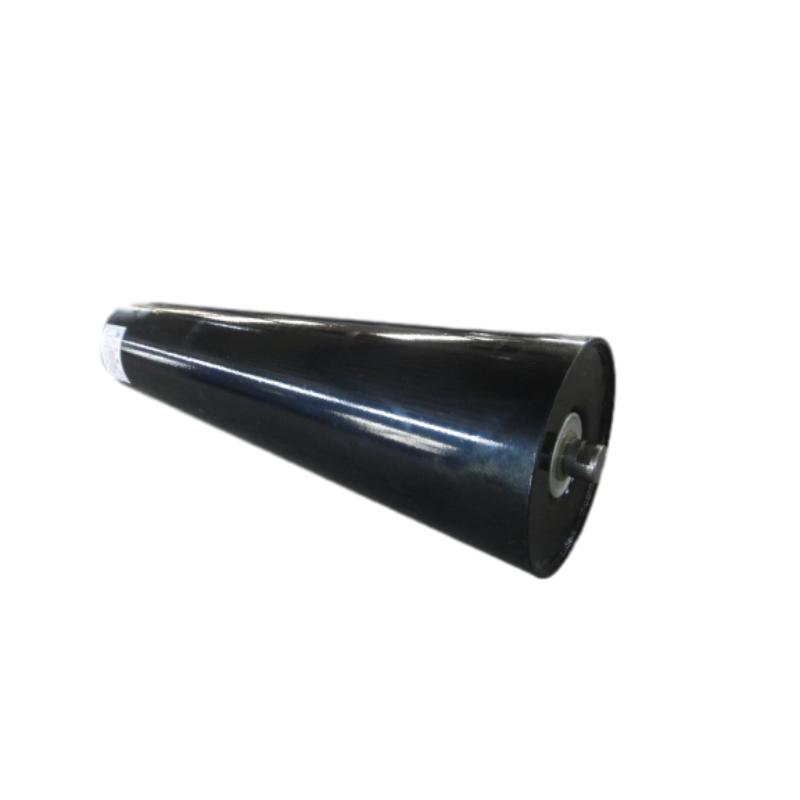
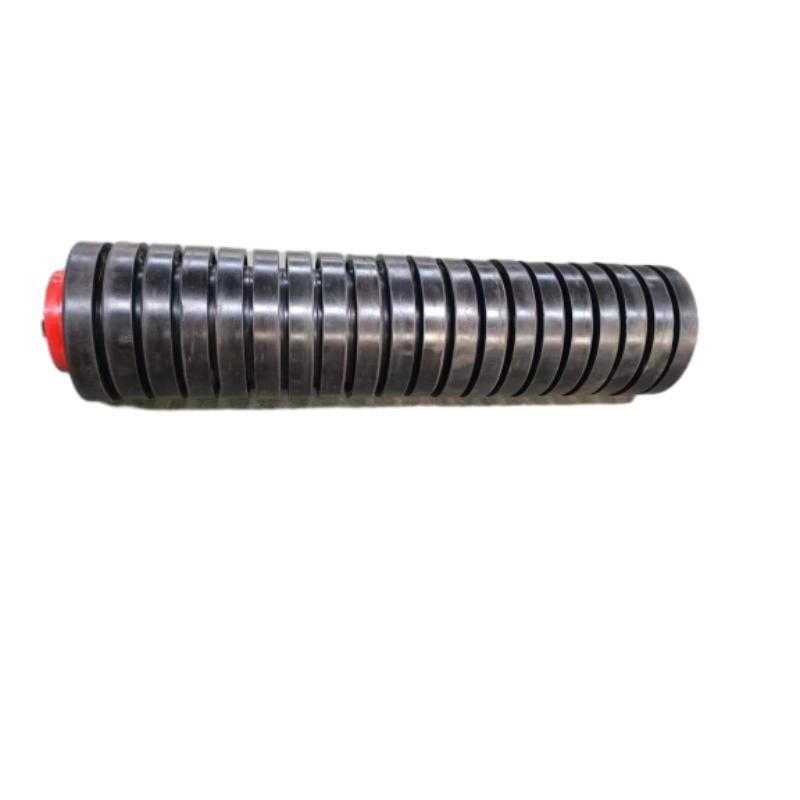
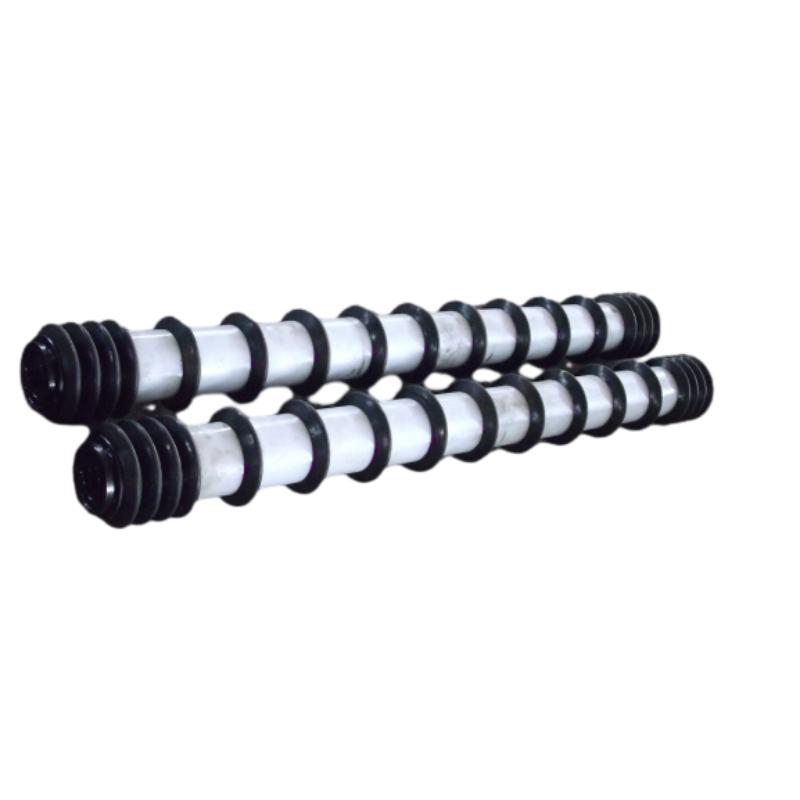
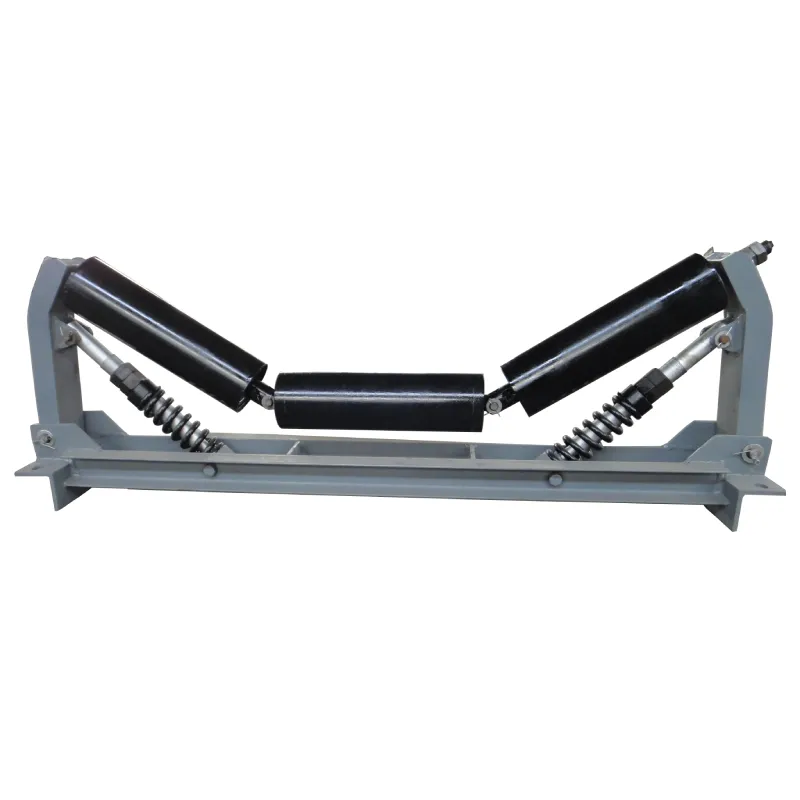
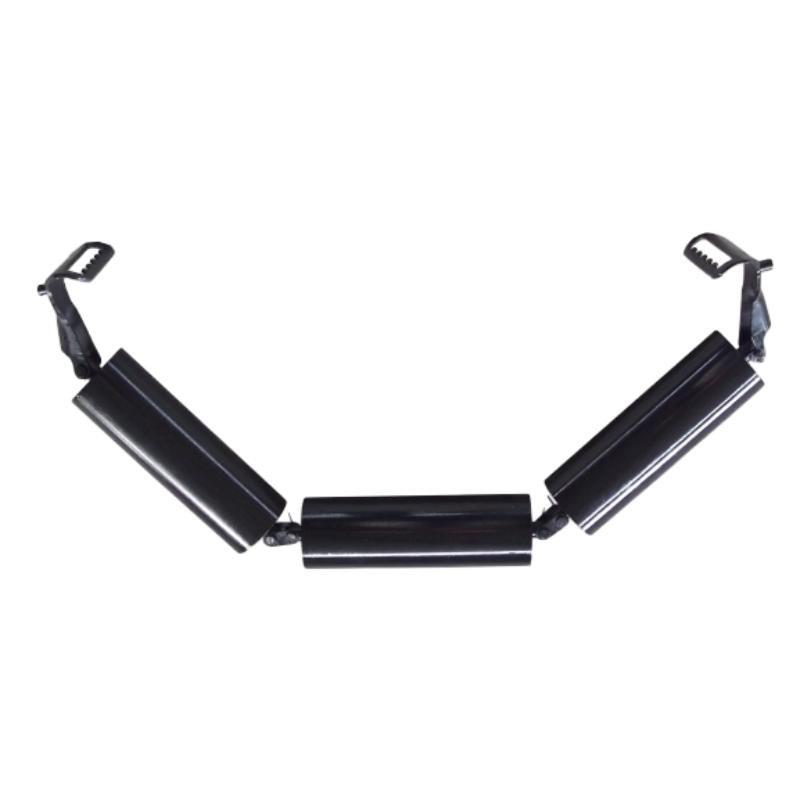
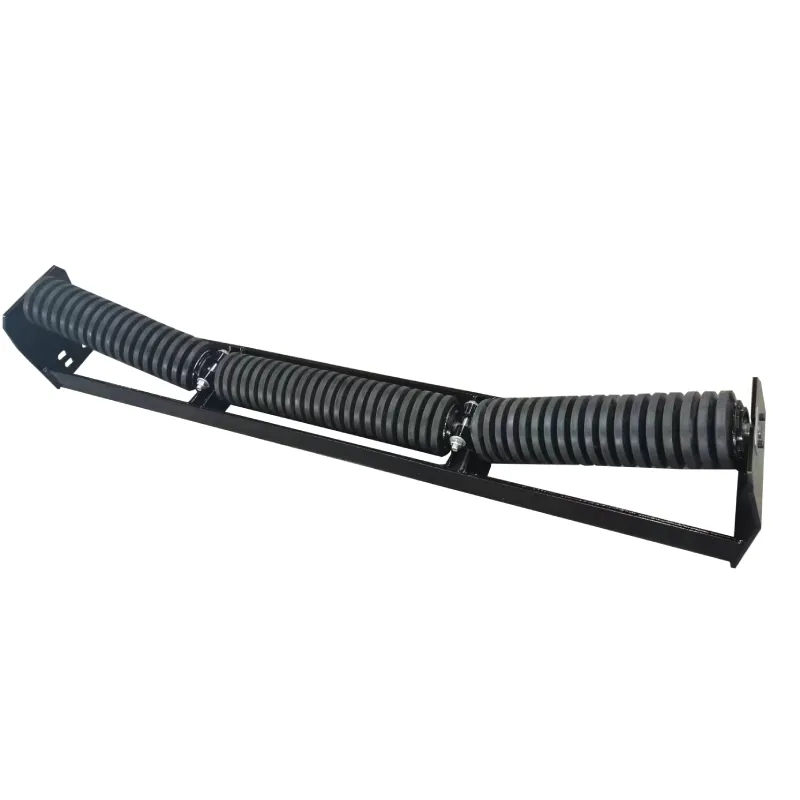
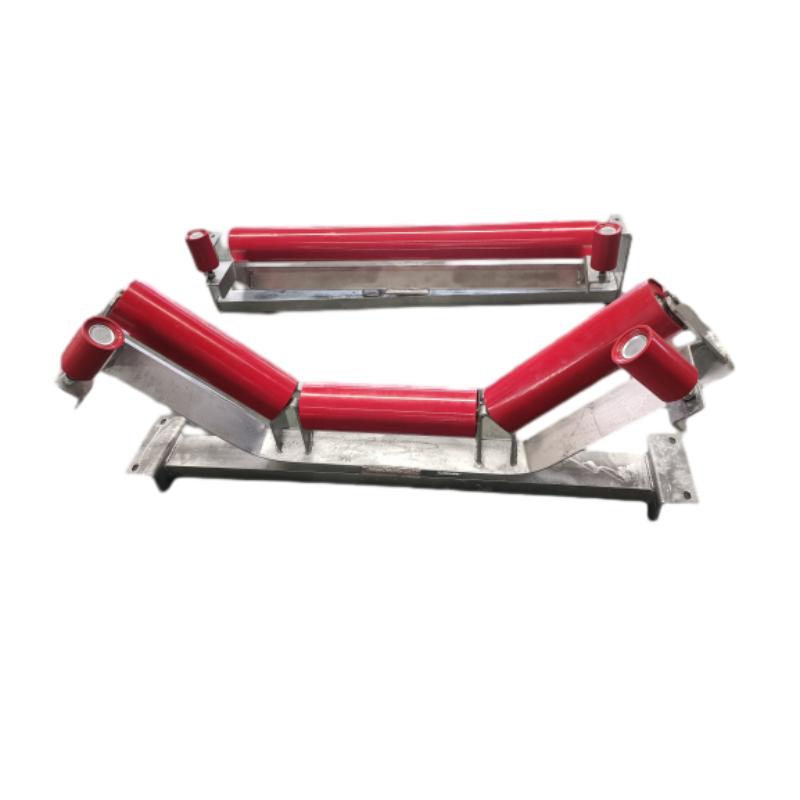
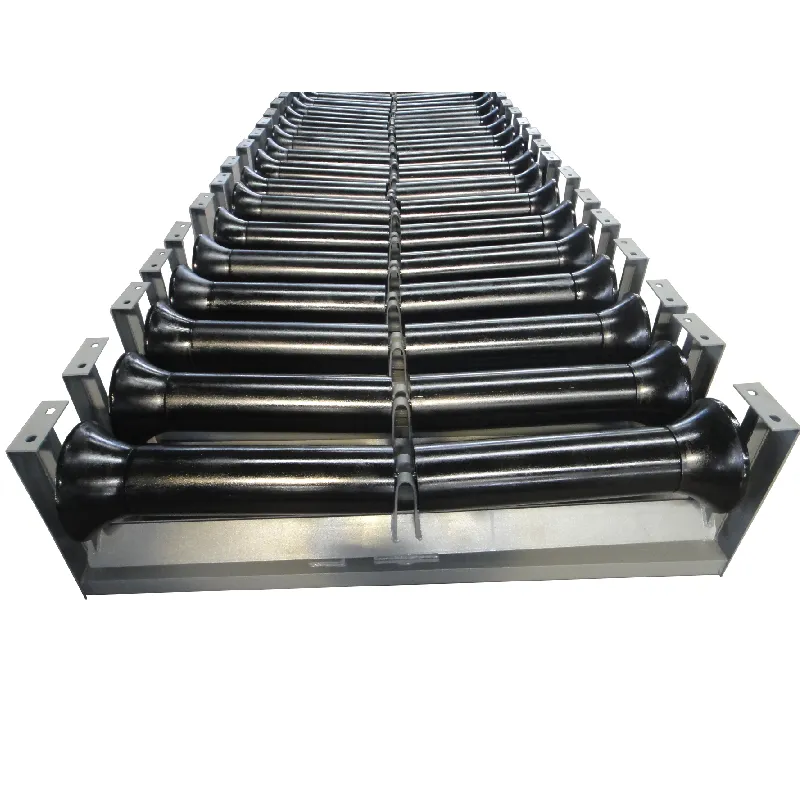
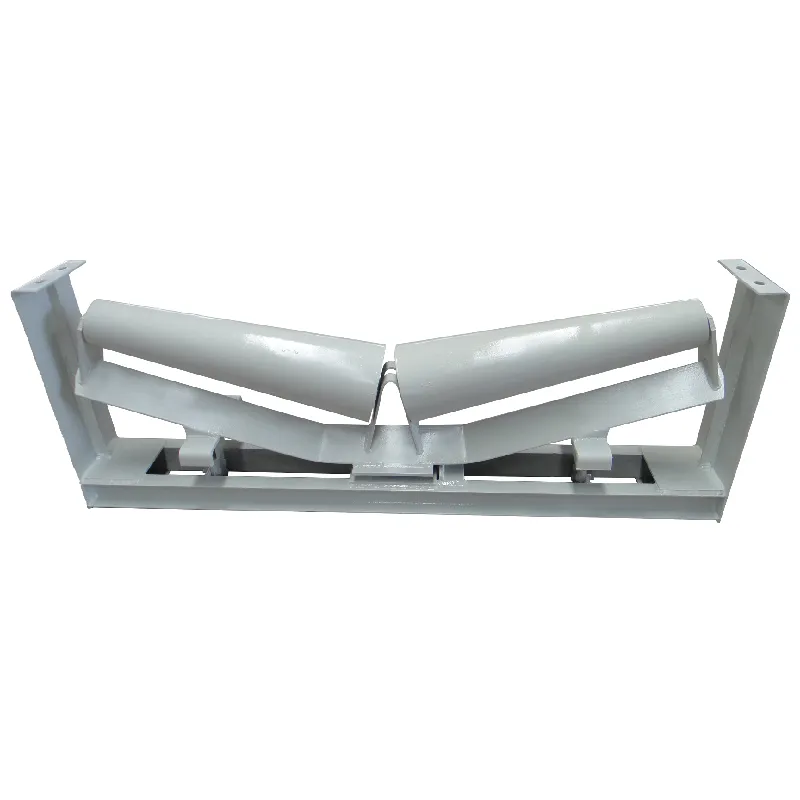
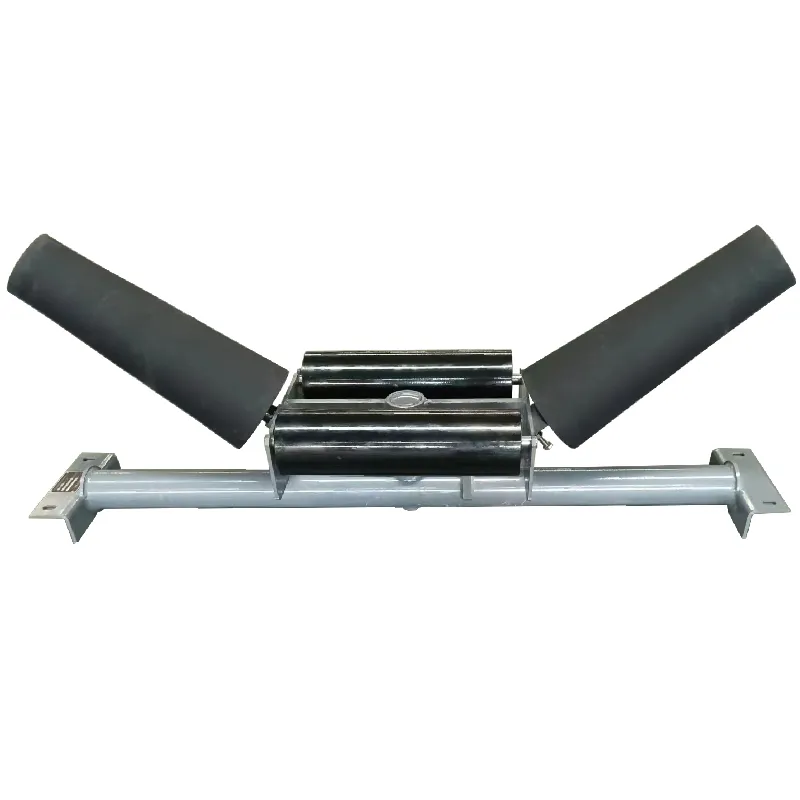
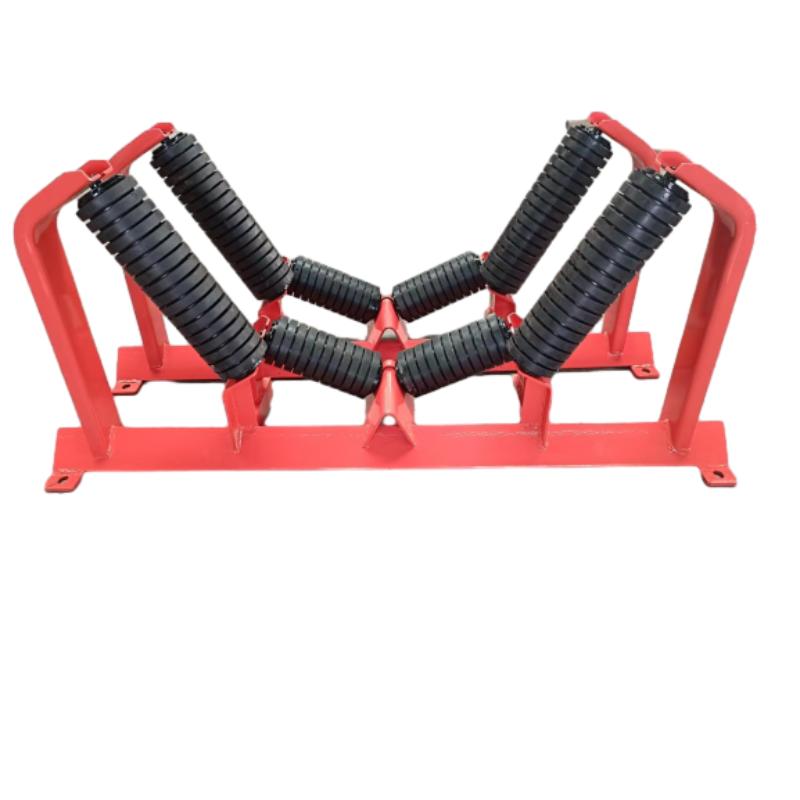
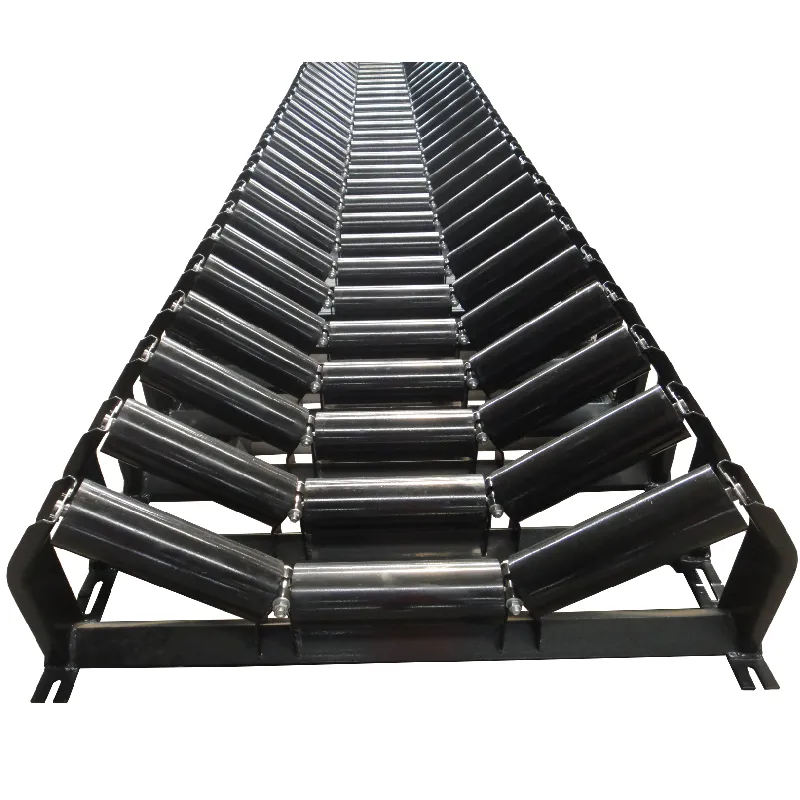
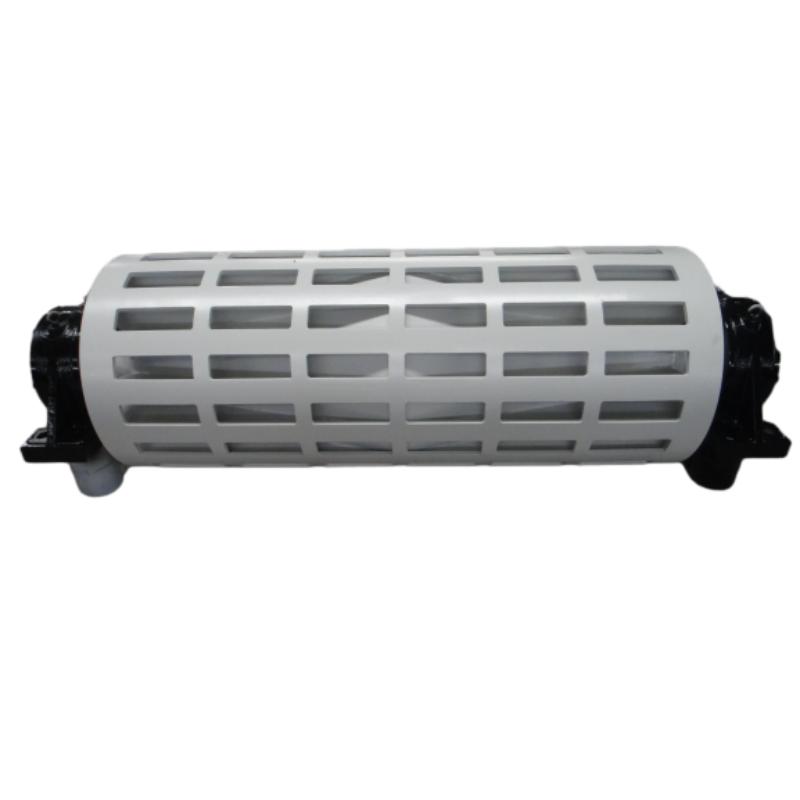
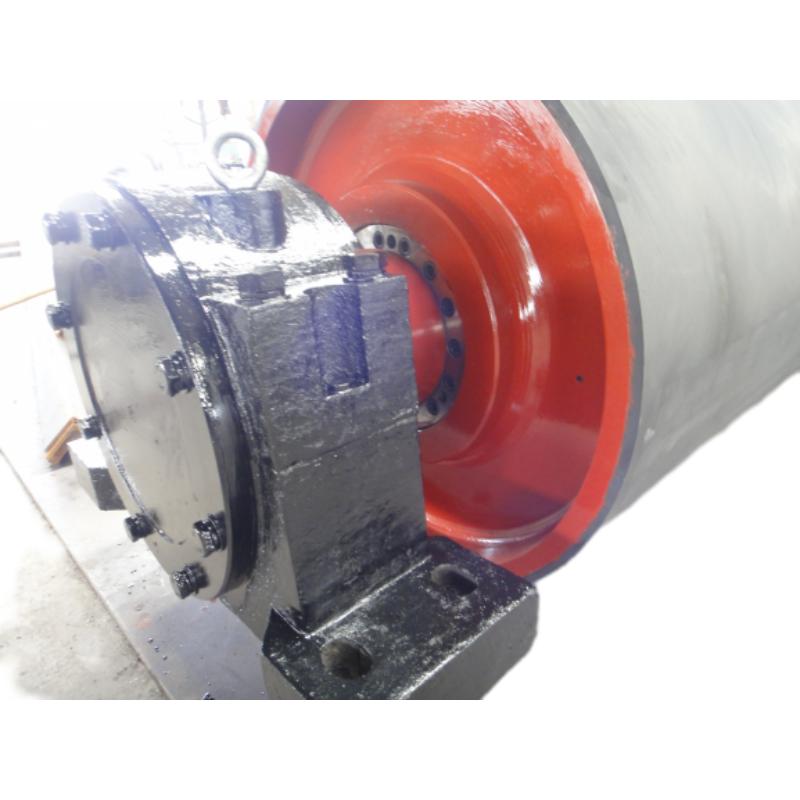
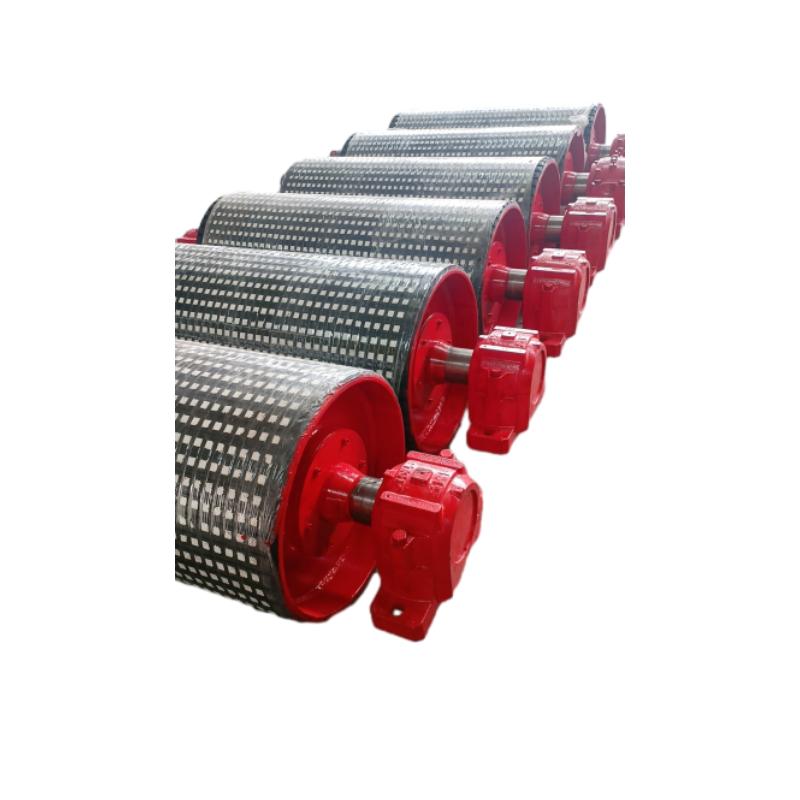
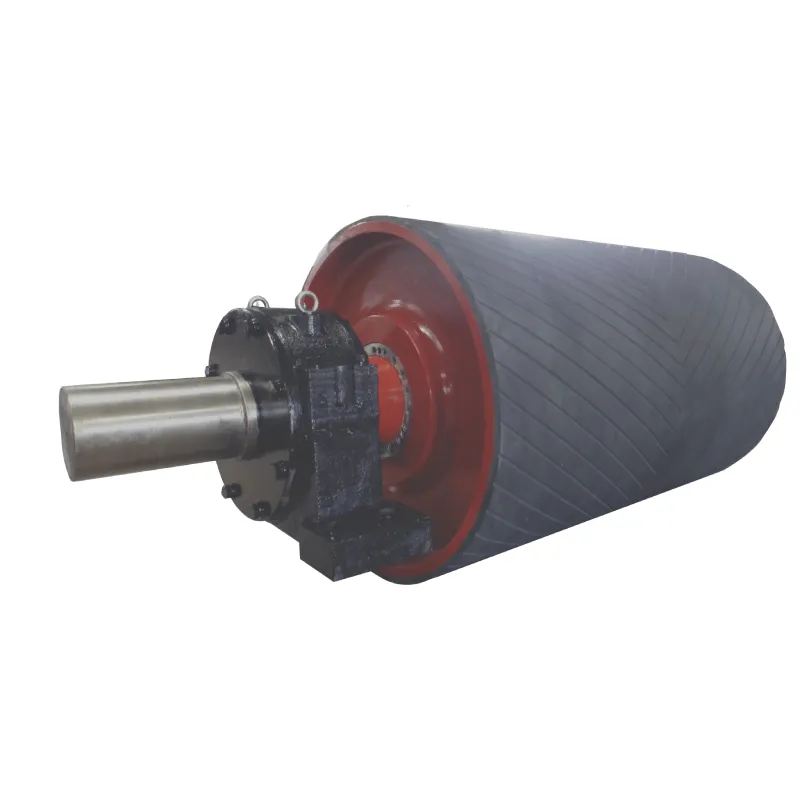
Simply put, a steel guide roller is a cylindrical component designed to guide and support conveyor belts or chains, ensuring they stay on track during operation. Made primarily from tough steel alloys, these rollers withstand huge mechanical stress and environmental factors. They’re essentially the conveyor belt’s “trained guides,” smoothing the flow of materials.
In modern industry, steel guide rollers are foundational in sectors like mining, food processing, construction, and even humanitarian aid logistics—where reliable movement of materials is often literally a matter of life and death. Without them, entire supply chains could stall.
Key Characteristics of Steel Guide Rollers Every User Should Know
Durability and Material Quality
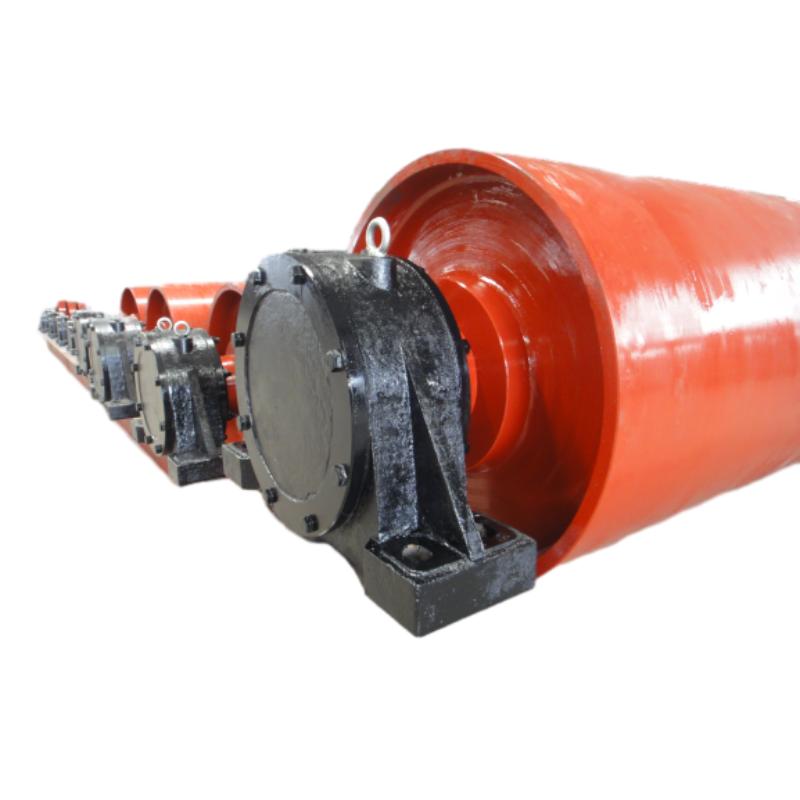
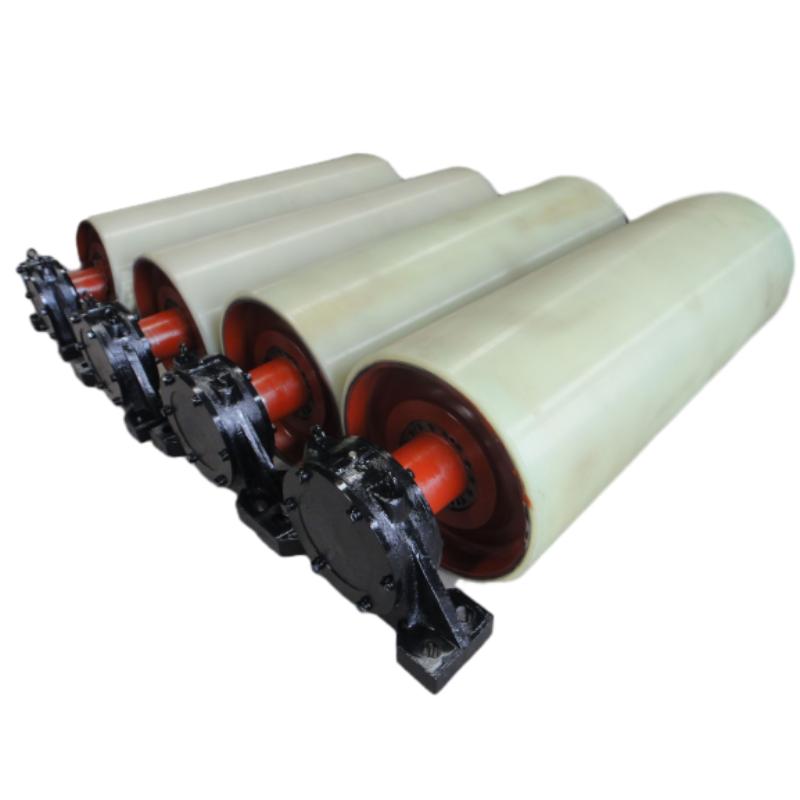
The core strength of steel guide rollers comes from high-grade steel alloys—often carbon steel or stainless steel—treated to resist wear and corrosion. Many manufacturers apply special coatings or heat treatments for specific environments. Imagine a roller in a saltwater dockyard versus one in a dry warehouse; the requirements diverge sharply.
Precision Engineering & Load Capacity
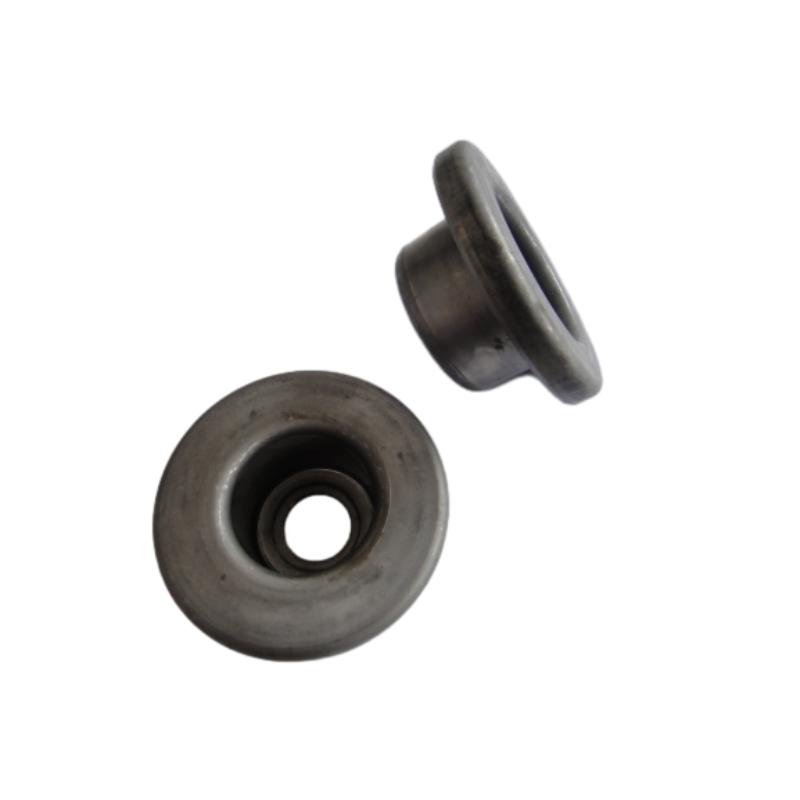
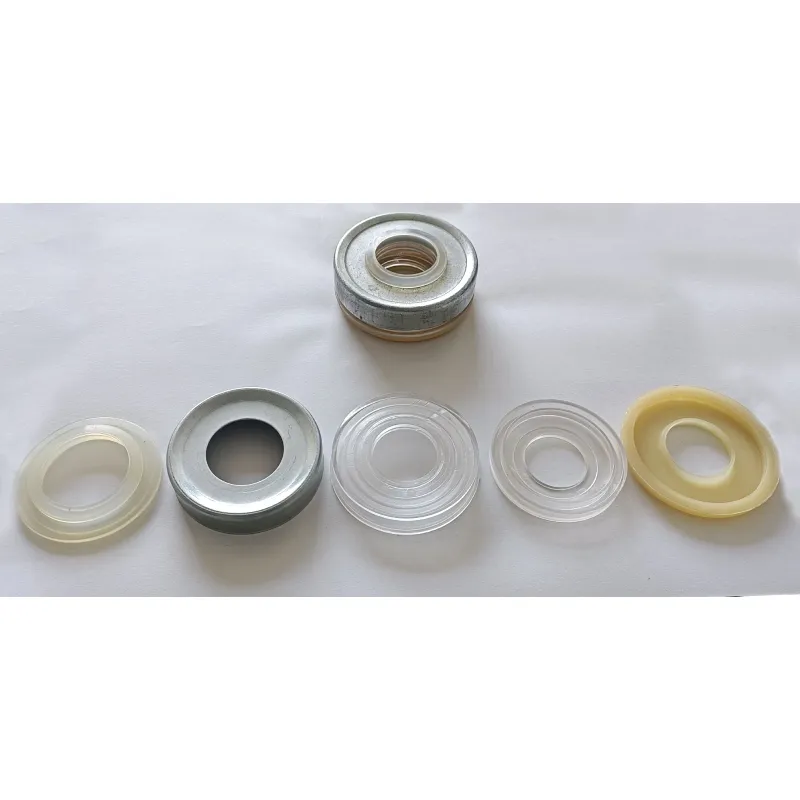
Rollers must maintain the conveyor’s alignment within fractions of a millimeter while carrying anything from a few kilograms to several tons. Bearings inside the roller have to be carefully specified to minimize friction and noise. Some rollers are sealed for life, reducing maintenance needs.
Scalability and Customization
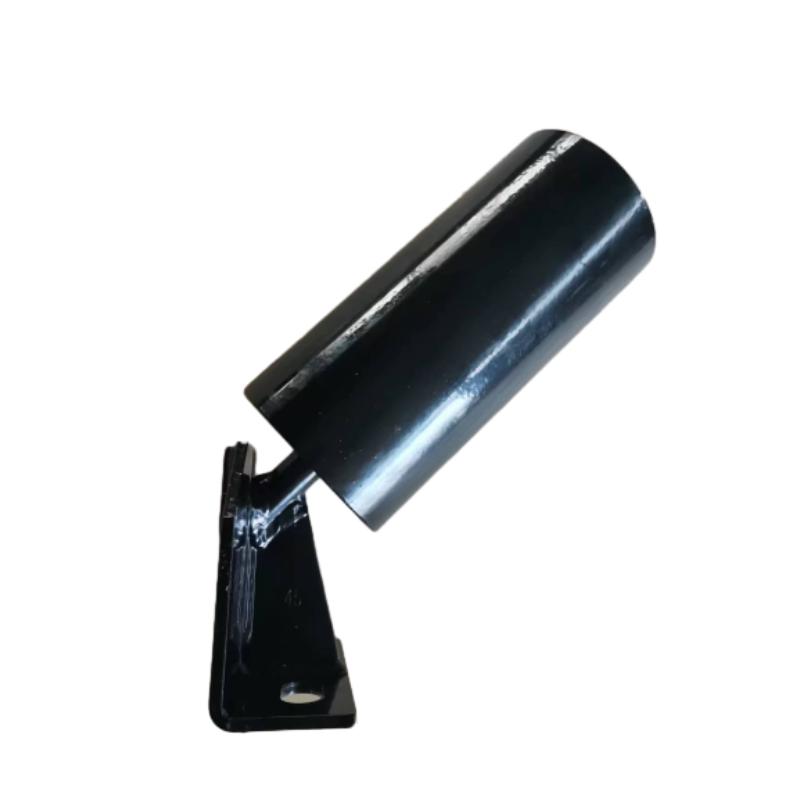
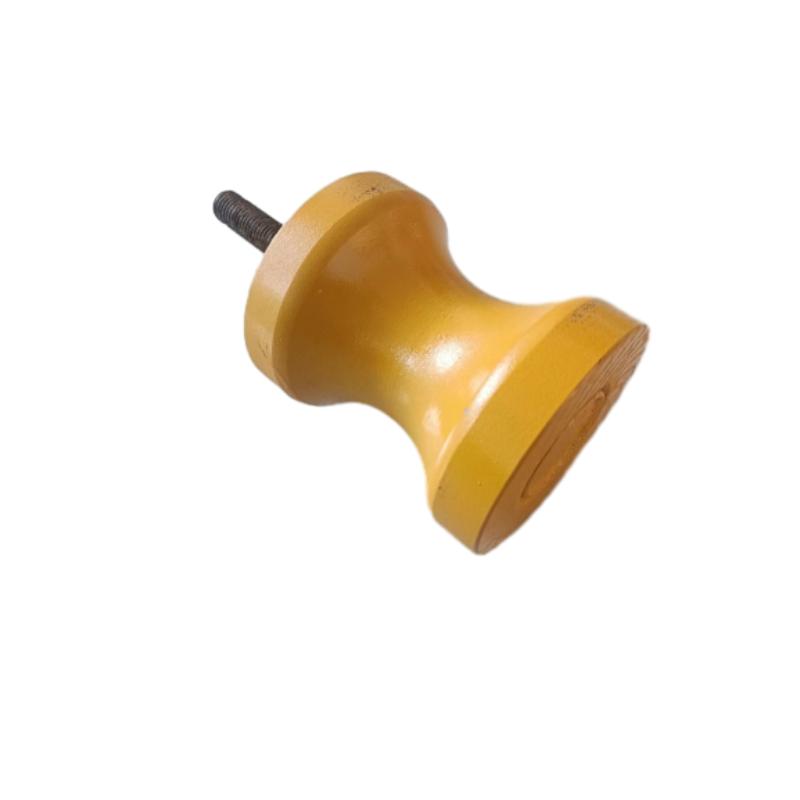
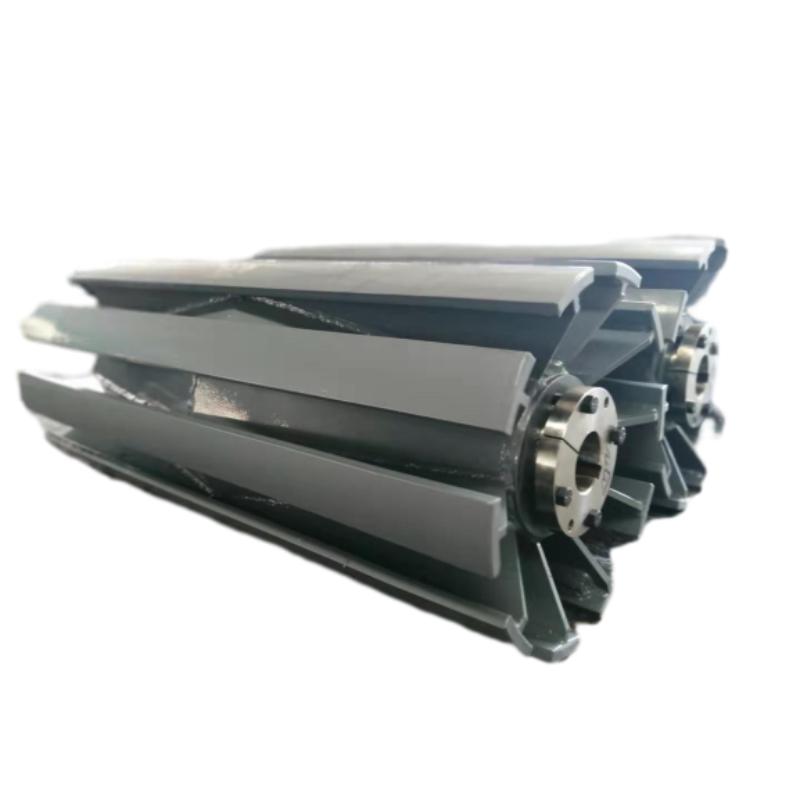
From small food-grade rollers measuring a few centimeters in diameter to massive industrial versions several feet across, the range is impressive. Many makers offer tailored sizes, edge profiles, and mounting options to suit unique conveyor layouts.
Energy Efficiency
Better materials and bearings reduce the energy needed to drive conveyors. Over long runs, this savings adds up—some plants report 5–10% reductions in power usage simply by upgrading guide rollers.
Environmental Resistance
Steel guide rollers need to survive everything from freezing cold and humidity to abrasive dust and chemicals. Corrosion-resistant and heat-treated varieties keep conveyor systems running smoothly even in the harshest conditions.
Mini takeaway: The best steel guide rollers combine toughness, precision, and adaptability to ensure conveyors don’t just move, but move efficiently and safely.
Worldwide Applications of Steel Guide Rollers
- Mining & Minerals: Heavy-duty steel guide rollers move ore along conveyors under rough conditions in South Africa and Canada.
- Logistics & Warehousing: In Europe and North America, automated warehouses rely on precision rollers to reduce downtime and optimize throughput.
- Construction Sites: Temporary conveyor systems with robust guide rollers speed up material transport, accelerating project timelines in the Middle East.
- Disaster Relief & Humanitarian Aid: Organizations operating in Southeast Asia use mobile conveyors with steel rollers to move supplies fast in challenging environments.
In all these scenarios, the performance of steel guide rollers directly affects operational efficiency and cost savings. Oddly enough, despite all the tech moving into automation and digital controls, the reliable mechanical components still hold the fort.
Advantages and Long-Term Benefits of Steel Guide Rollers
Let’s explore what steel guide rollers bring to the table:
- Cost Efficiency: Fewer failures mean lower maintenance costs and less downtime.
- Sustainability: Longer-lasting rollers reduce material waste and resource consumption.
- Safety & Trust: Secure conveyor operation protects workers, builds trust, and fosters innovation.
- Social Impact: Reliable materials movement supports essential industries and emergency operations.
From a higher vantage point, it feels like steel guide rollers blend logic and empathy—a small piece but a big enabler of broader industrial and human value.
Technical Snapshot: Steel Guide Roller Specifications
| Specification | Typical Value | Notes |
|---|---|---|
| Material | Carbon Steel / Stainless Steel | Depends on environment |
| Diameter | 50 – 400 mm | Custom sizes available |
| Load Capacity | Up to 15,000 kg | Varies by bearing type |
| Operating Temperature | -40°C to +200°C | Heat-treated variants extend range |
| Bearings | Sealed ball / roller bearings | Maintenance-free options popular |
Comparing Top Steel Guide Roller Vendors
| Vendor | Materials Used | Customization Range | Lead Time | Global Reach |
|---|---|---|---|---|
| RollTech Inc. | Carbon & Stainless Steel, Coated Options | High (custom diameters & mounts) | 4-6 Weeks | North America, Europe, Asia |
| GlobalRollers Ltd. | Stainless Steel Advanced Alloys | Medium (limited sizes) | 3-5 Weeks | Europe, Middle East |
| ConveyX Solutions | Carbon Steel with Heat Treatment | High (OEM & project customization) | 6-8 Weeks | Asia, Australia, Americas |
Future Trends: Where Are Steel Guide Rollers Headed?
With the conveyor industry pushing toward sustainability and digitalization, steel guide rollers are not staying static. Many experts project growth in these directions:
- Smart Rollers: Embedded sensors to monitor wear and alignment in real-time, enabling predictive maintenance.
- Eco-Friendly Materials: Development of recycled steel alloys and lower-carbon manufacturing processes.
- Advanced Coatings: Using nanotechnology to create surfaces that resist dust, corrosion, and even bacterial growth.
- Integration with Automation: Rollers optimized for robotic material handling and Industry 4.0 systems.
It feels like these innovations will redefine reliability and sustainability in conveyor systems on a global scale.
Challenges & Practical Solutions
Common hurdles with steel guide rollers include premature bearing failure, corrosion in harsh environments, and difficulty customizing for niche applications. Solutions often combine traditional craftsmanship with modern tech:
- Using sealed-for-life bearings to prevent contamination.
- Applying specialized corrosion-resistant coatings tailored to specific climates.
- Modular designs to enable quick replacements and adaptability.
Forward-thinking suppliers and engineers increasingly collaborate to fine-tune roller specifications to real-world conditions, rather than “one size fits all.”
FAQ: Questions You Might Have About Steel Guide Rollers
- Q: How do steel guide rollers affect conveyor belt lifespan?
- A: Good quality rollers reduce belt misalignment and friction, preventing premature wear and extending the belt’s usable life by up to 30% in many cases.
- Q: Can steel guide rollers handle extreme temperatures?
- A: Yes, with proper alloy choices and heat treatments, steel guide rollers can operate reliably in environments as cold as -40°C and as hot as 200°C.
- Q: Are there maintenance-free steel guide rollers?
- A: Many models come with sealed-for-life bearings that require little to no maintenance, ideal for hard-to-reach or hazardous locations.
- Q: How customizable are steel guide rollers for unique conveyor designs?
- A: Custom dimensions, coatings, bearing types, and mounting options are widely available, especially from vendors specializing in OEM solutions.
- Q: What industries benefit most from steel guide rollers?
- A: Mining, manufacturing, construction, warehousing, and emergency logistics operations rely heavily on these rollers for safe and efficient material handling.
Wrapping It Up: The Long-Term Value of Steel Guide Rollers
Steel guide rollers might not be the flashiest part of a conveyor system, but their importance is undeniable. They embody the blend of durability, precision, and innovation that keeps industries moving smoothly around the world. Whether you're upgrading an existing conveyor or designing a new industrial system, paying close attention to roller quality will pay dividends in reliability, cost savings, and sustainability.
If you're curious to explore top-grade steel guide rollers and tailored solutions, visit our website: steel guide roller. Start optimizing your operations today.
References and Further Reading
- International Organization for Standardization (ISO) – Conveyor system standards
- World Bank Logistics Data – Impact of material handling efficiency
- Wikipedia: Conveyor – Historical and technical overview
-
Maximize Conveyor Life with a High Performance impact bedNewsApr.16,2026
-
Maximize Conveyor Efficiency Using a v plow belt scraperNewsApr.09,2026
-
Comprehensive Guide to Understanding Different Types of Belt CleanersNewsApr.07,2026
-
Enhancing Conveyor Efficiency with an Effective Scraper Belt CleanerNewsApr.04,2026
-
Optimizing Conveyor Systems with Advanced Cleaning Equipment SolutionsNewsMar.31,2026
-
Effective Conveyor Belt Scraper Adjustment for Optimal System PerformanceNewsMar.28,2026