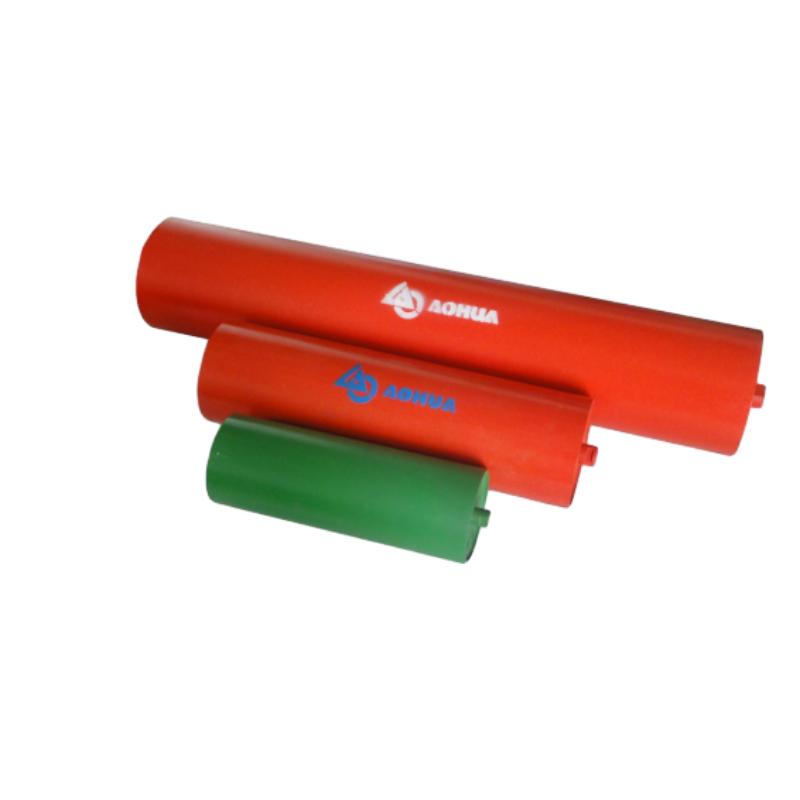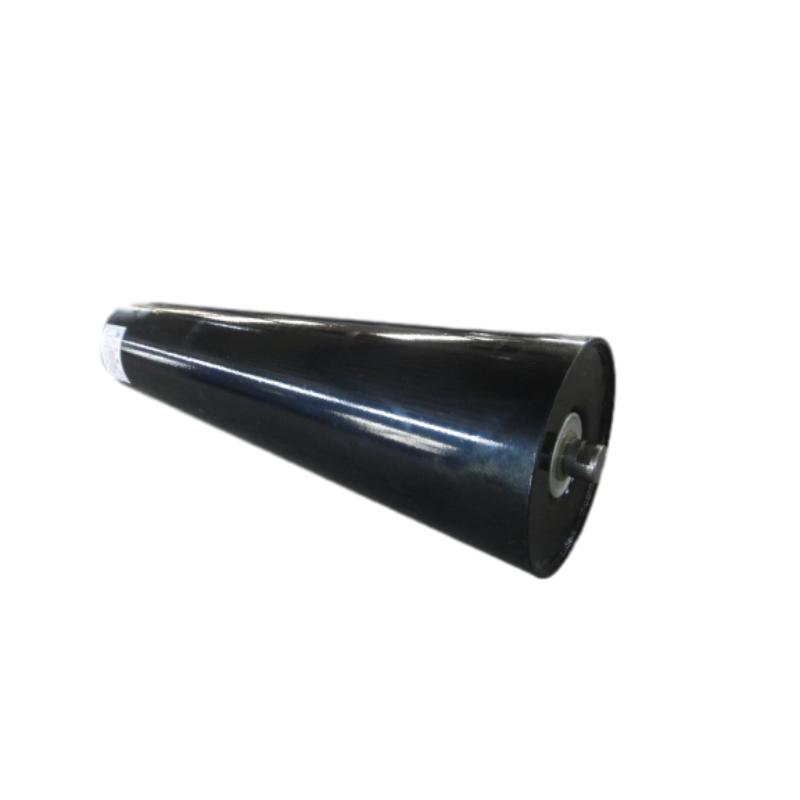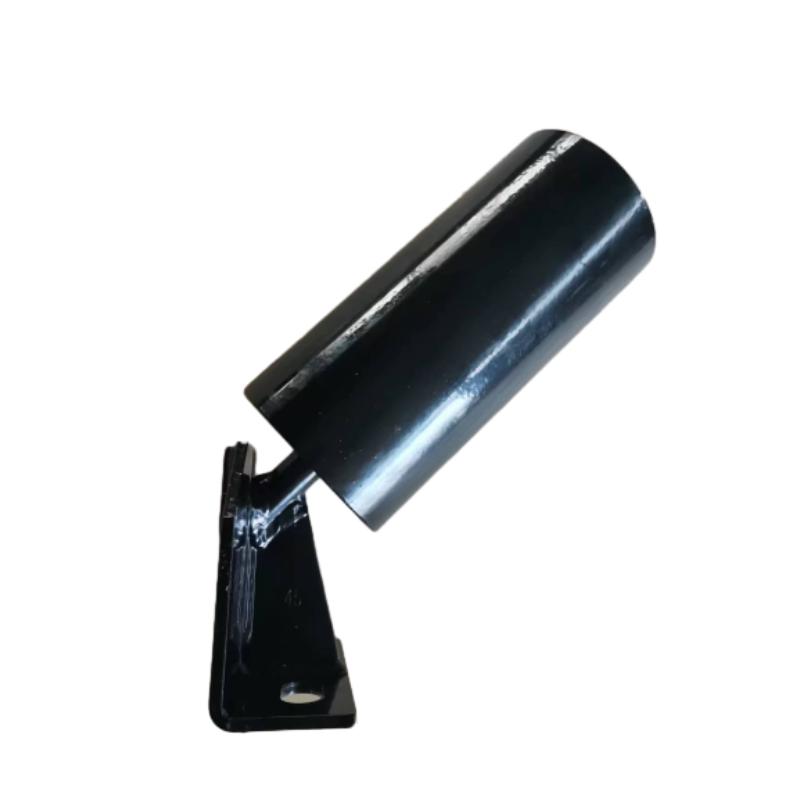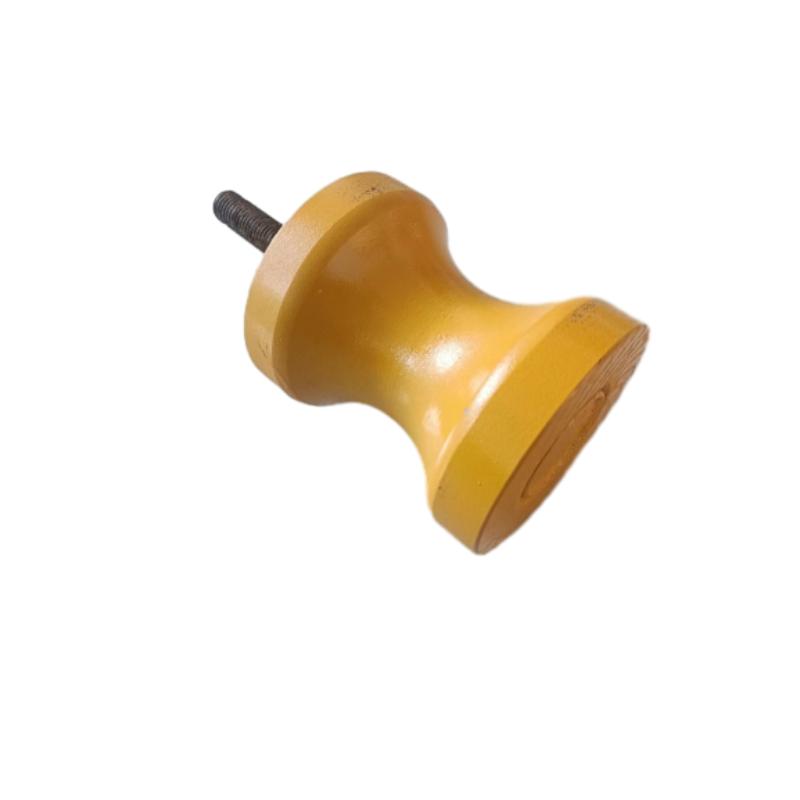


Understanding Spring Loaded Guide Rollers: Benefits, Specs, and Top Vendors
Why Spring Loaded Guide Rollers Matter in Today’s Industry Landscape
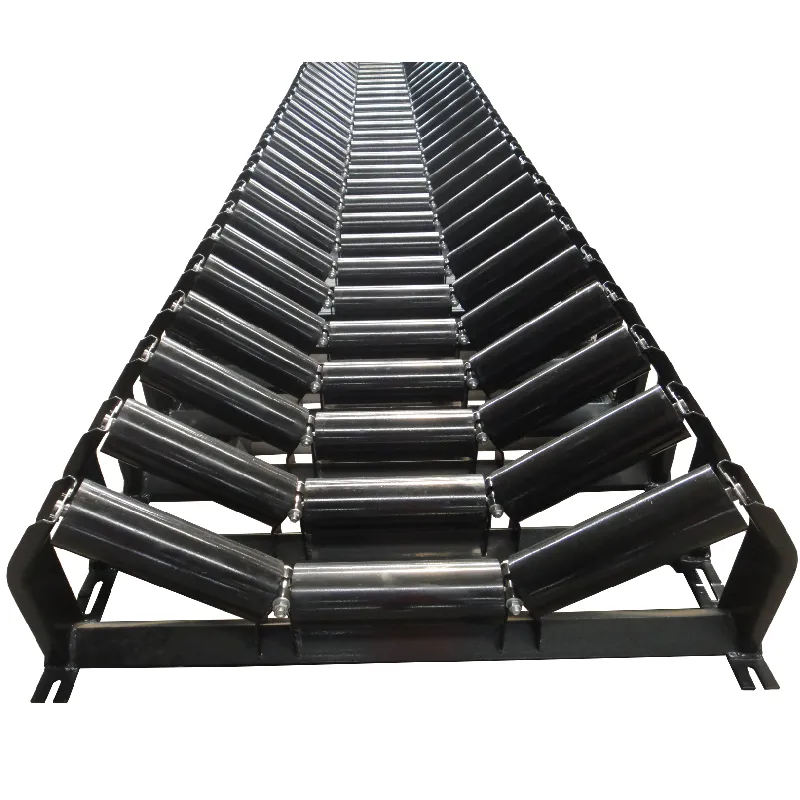
Spring loaded guide rollers might not sound glamorous, but they quietly support numerous industries worldwide. These mechanical components play a pivotal role in conveyor systems, ensuring smooth, reliable guidance of materials across countless operations — from mining to manufacturing, from packaging lines to post-disaster logistics.
Globally, conveyor systems are essential for efficient material handling. According to ISO and industry reports, these systems help reduce labor costs, boost productivity, and promote safety. Spring loaded guide rollers enhance these benefits by providing adaptable tension and alignment, which ultimately results in fewer downtimes, minimized maintenance, and longer equipment life.
The Global Context: Why This Technology is Not Just Industrial Jargon
As global supply chains grow ever more complex, the demand for efficient, reliable conveyor systems has skyrocketed. The World Bank estimates that the global manufacturing and logistics sectors could increase throughput by over 30% with optimized material handling. Spring loaded guide rollers address a common problem: uneven belt tracking and vibration that otherwise cause costly breakdowns.
Just consider the challenge of moving bulk commodities in tough environments such as remote mining regions or post-disaster relief zones where infrastructure is limited. Conveyor belts equipped with spring loaded guide rollers help adapt to shifting loads and terrain, maintaining smooth operation that may literally deliver lifesaving supplies or raw materials with fewer hiccups.
Understanding Spring Loaded Guide Rollers: What Are They Exactly?
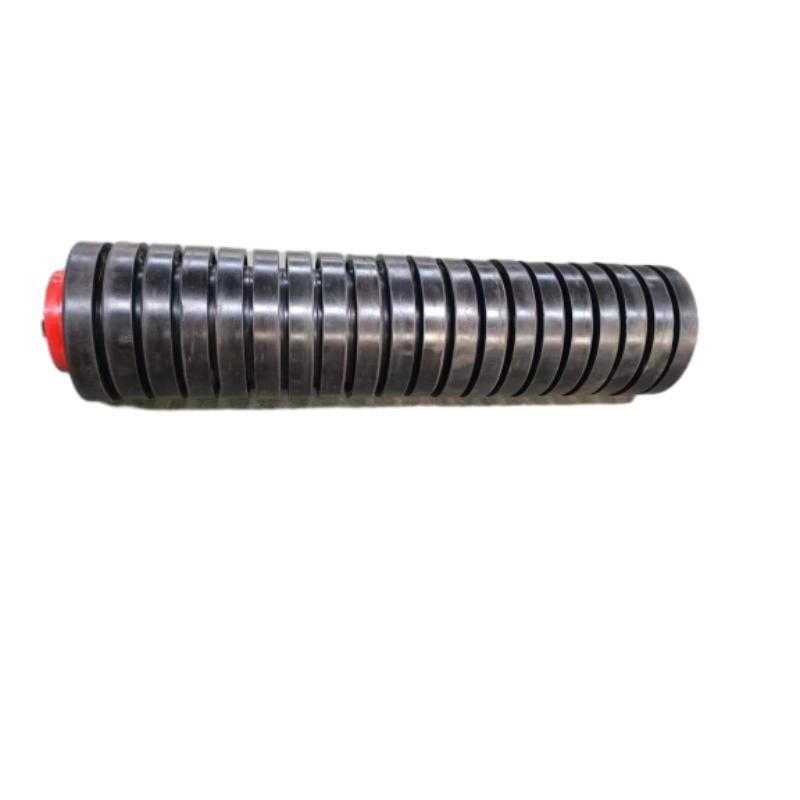
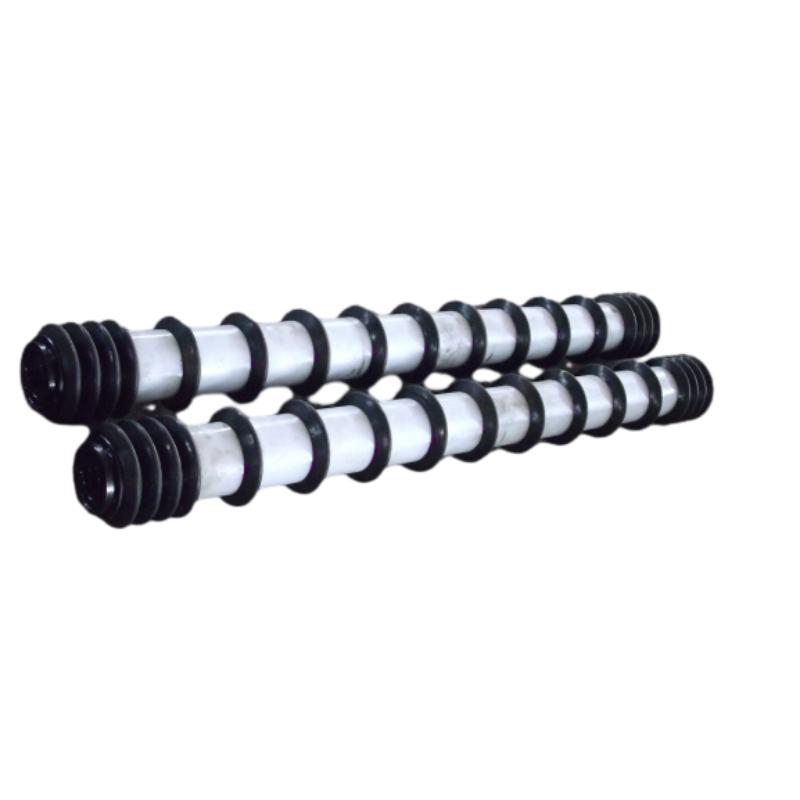
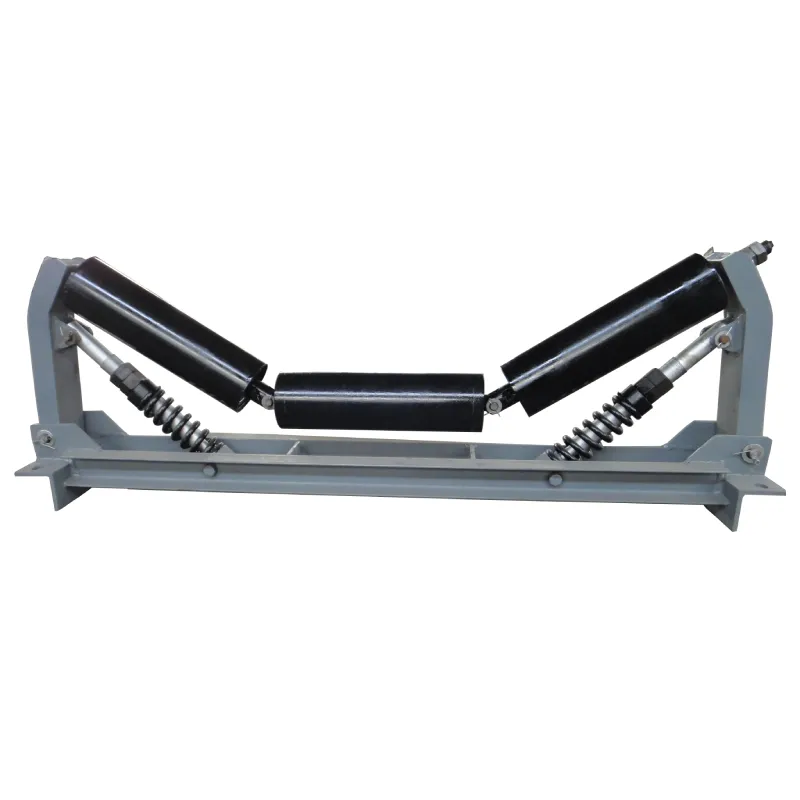
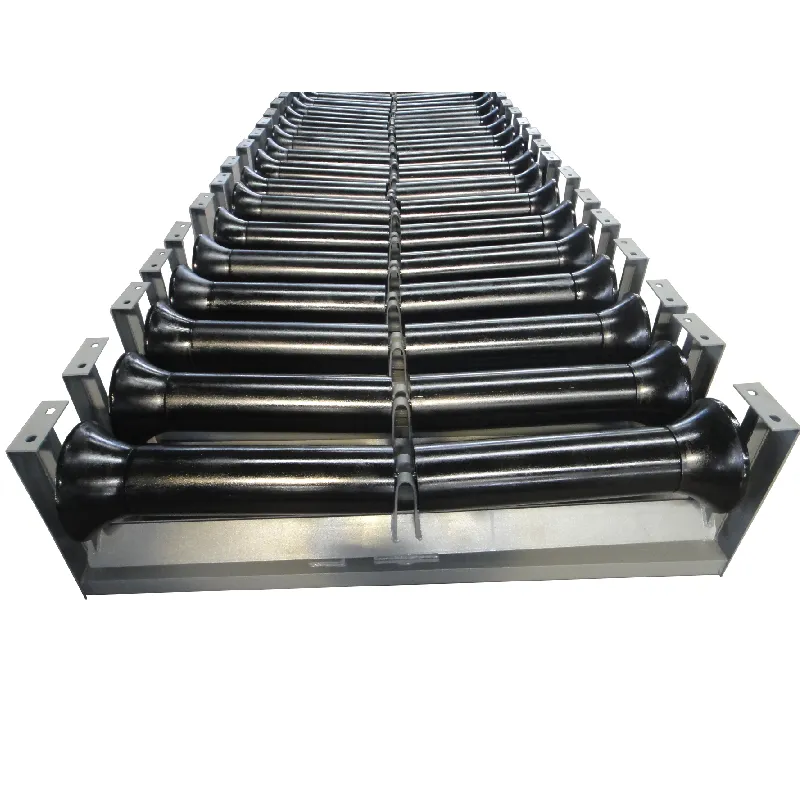
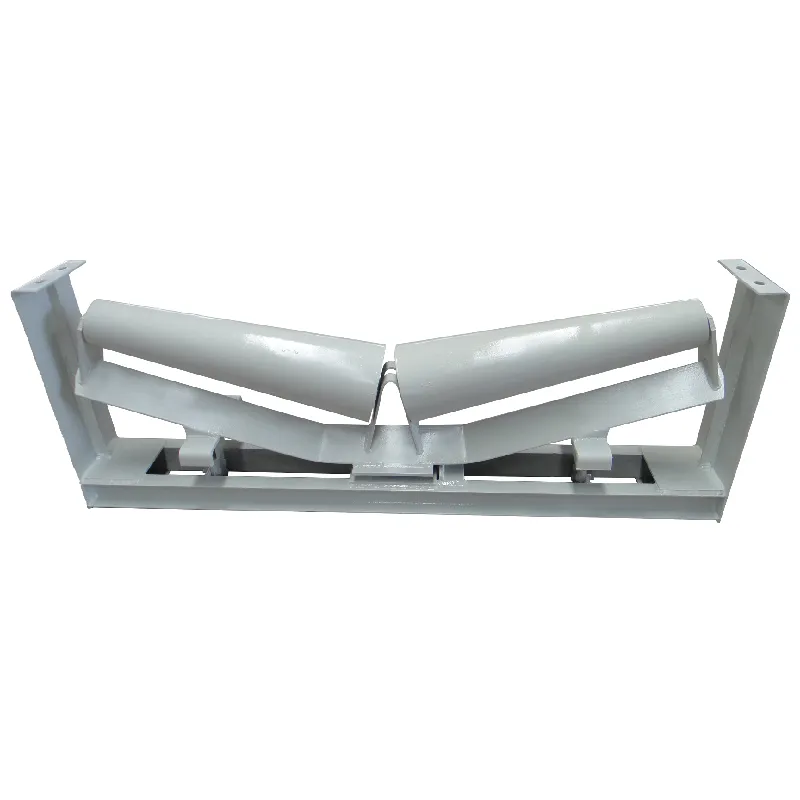
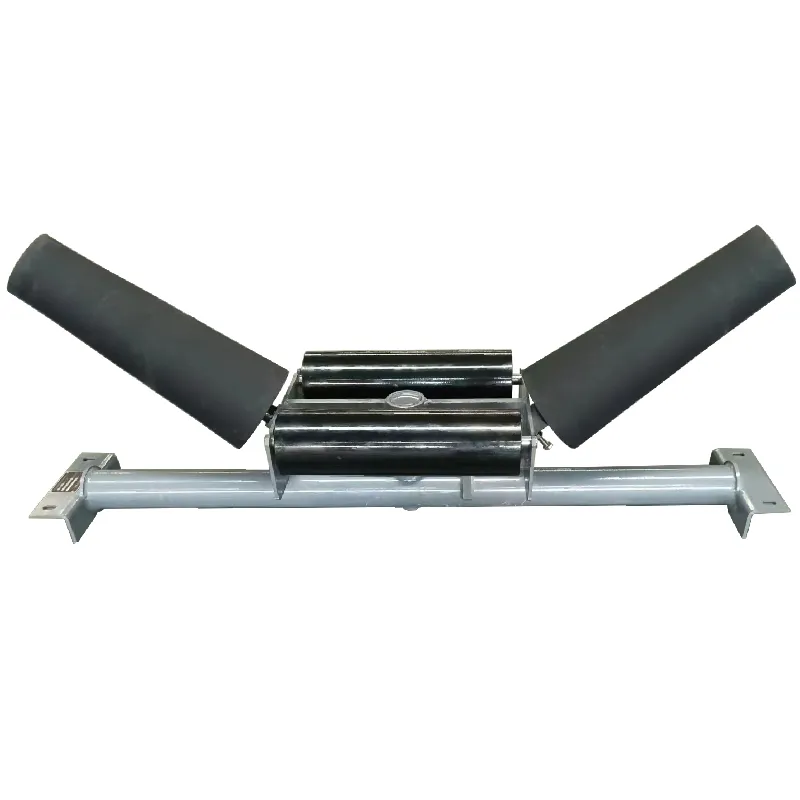
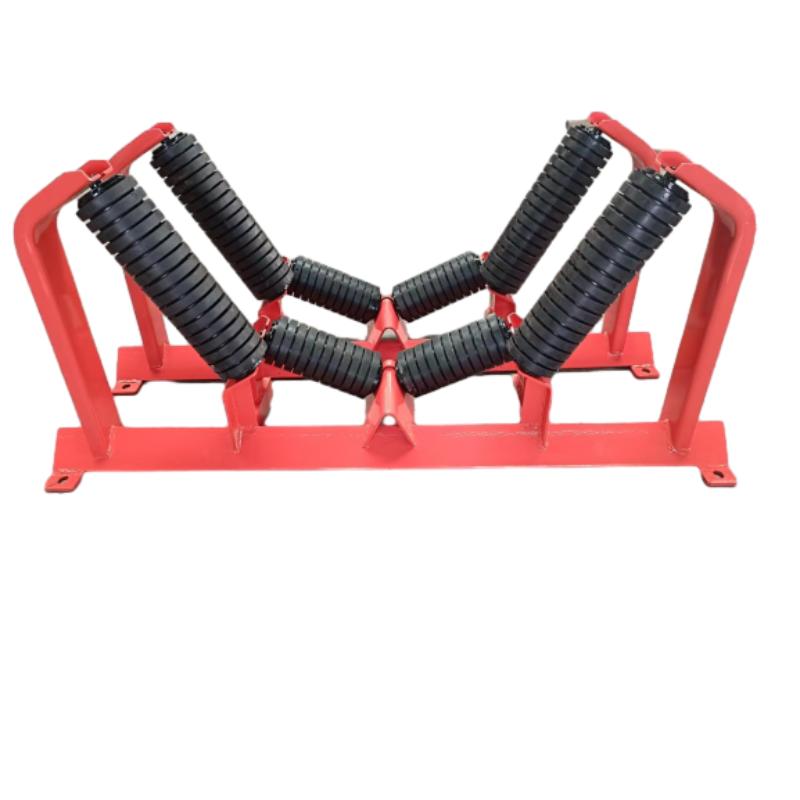
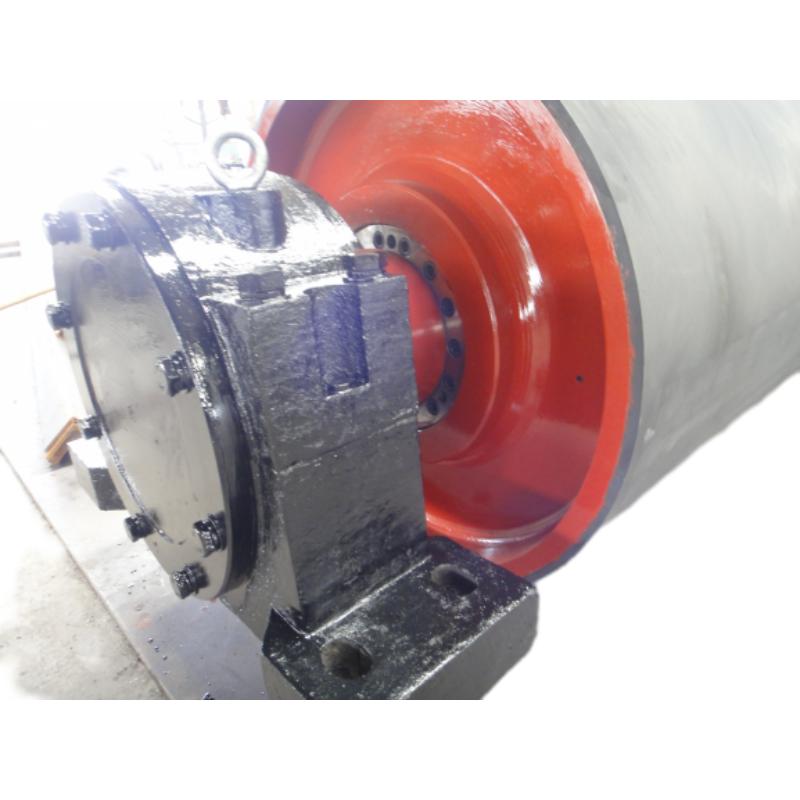
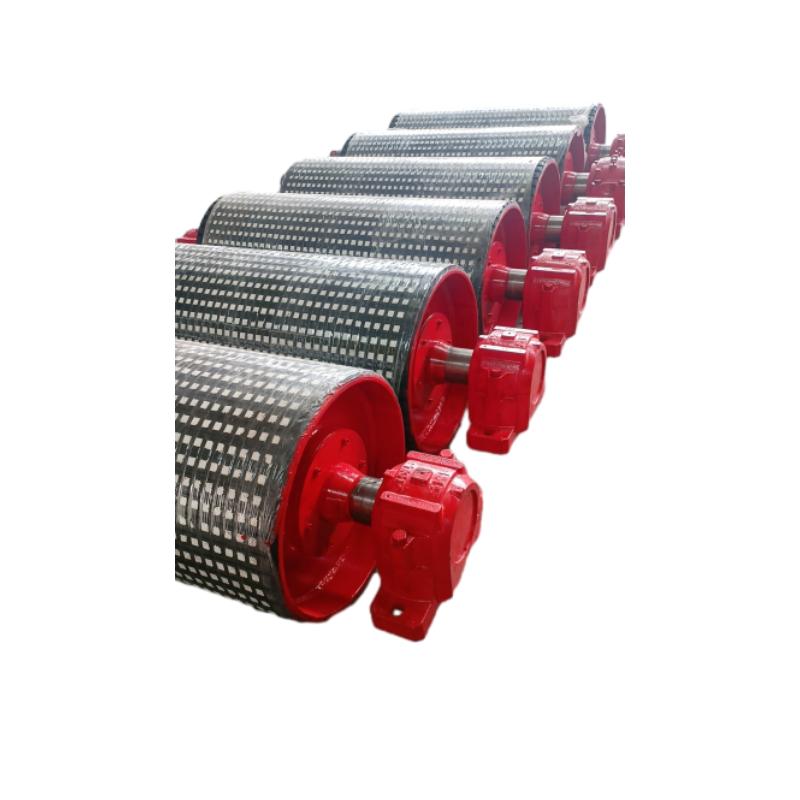
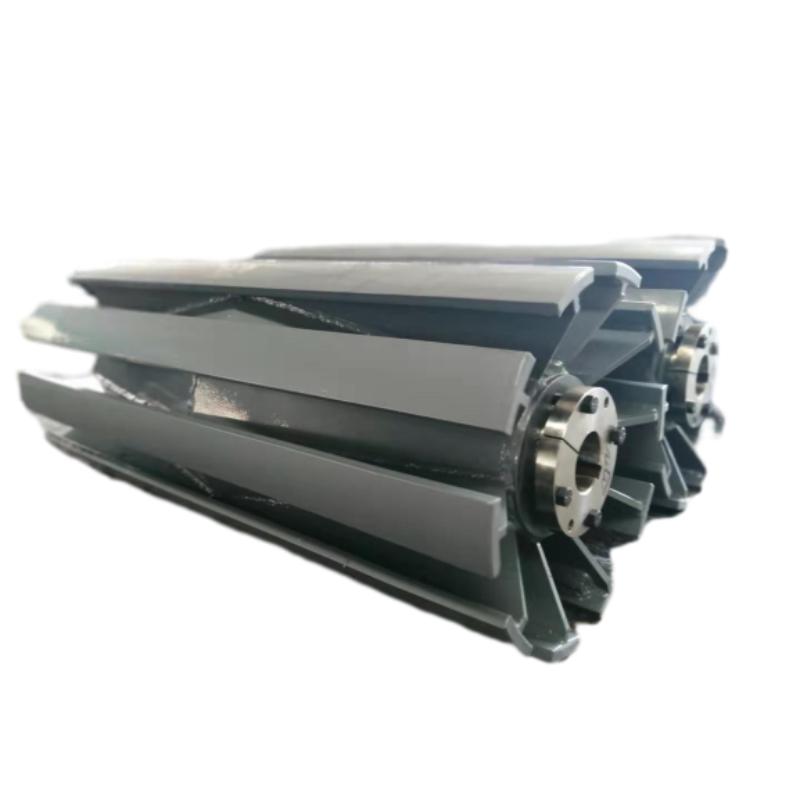
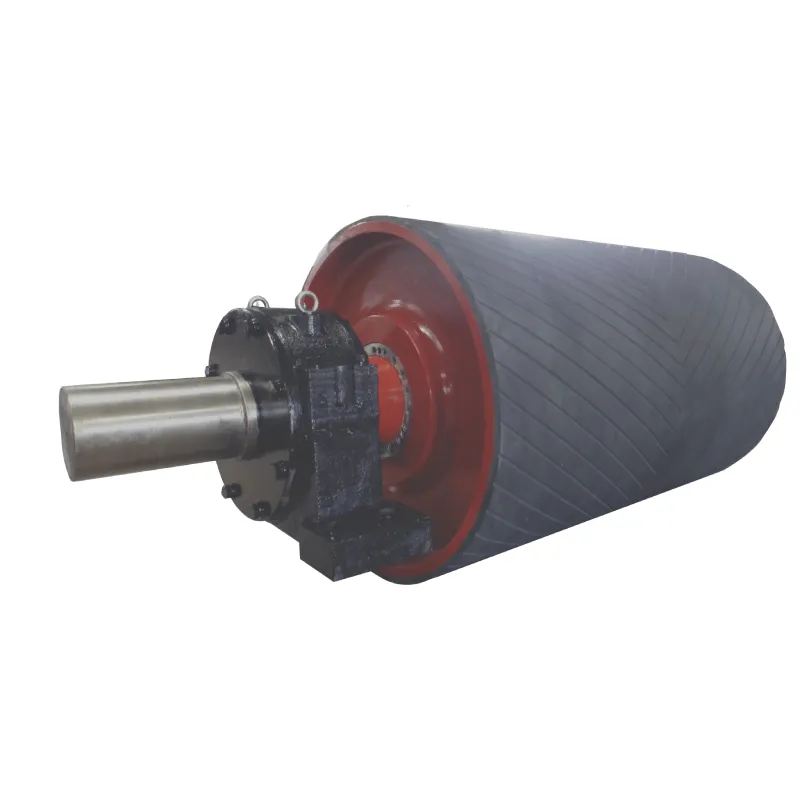
In plain terms, spring loaded guide rollers are rollers equipped with integrated springs that maintain consistent pressure against conveyor belts. This spring pressure automatically compensates for fluctuations or misalignments during operation, ensuring the belt stays on its intended path.
They’re simple yet ingenious components, bridging mechanical reliability with dynamic adaptability — a perfect pairing for modern industrial needs where downtime can be costly, and precision is demanded.
Mini takeaway:
Think of spring loaded guide rollers as the unsung heroes of conveyor belts, quietly keeping things in line while operations hum along.
Core Components and Key Factors Behind Their Effectiveness
1. Durability in Harsh Conditions
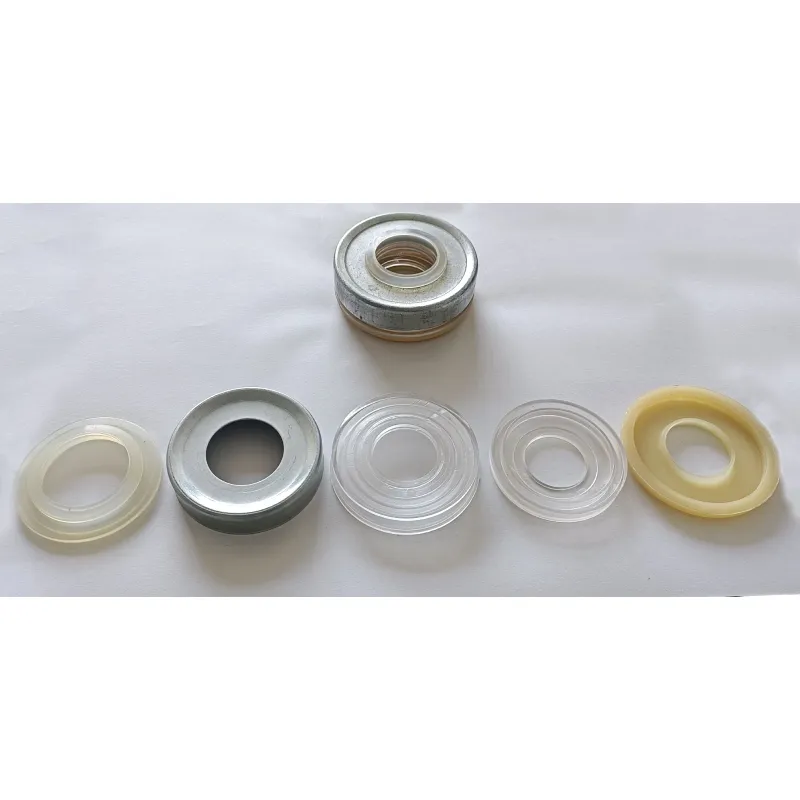
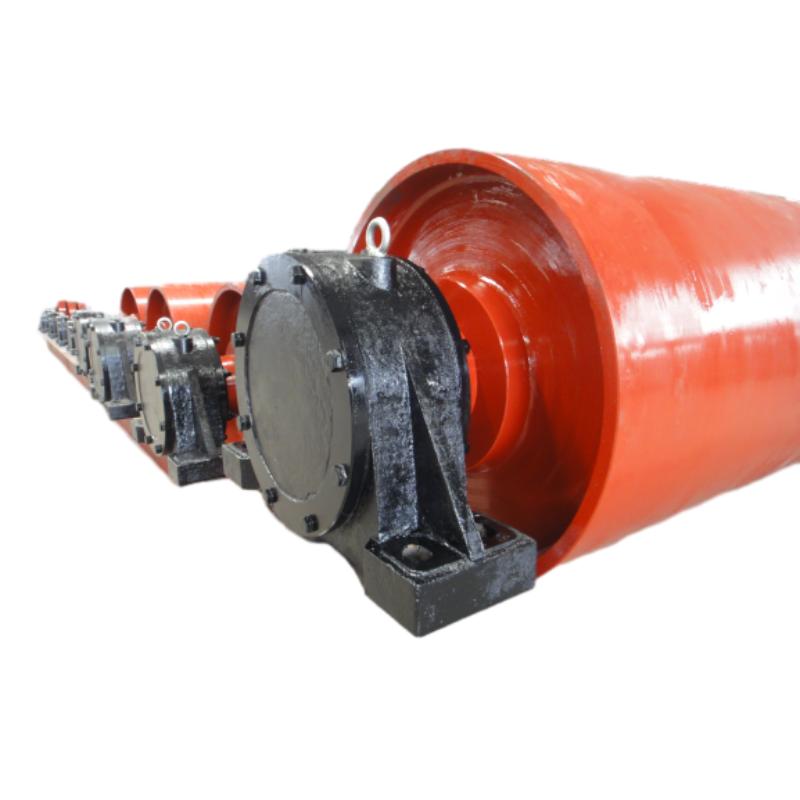
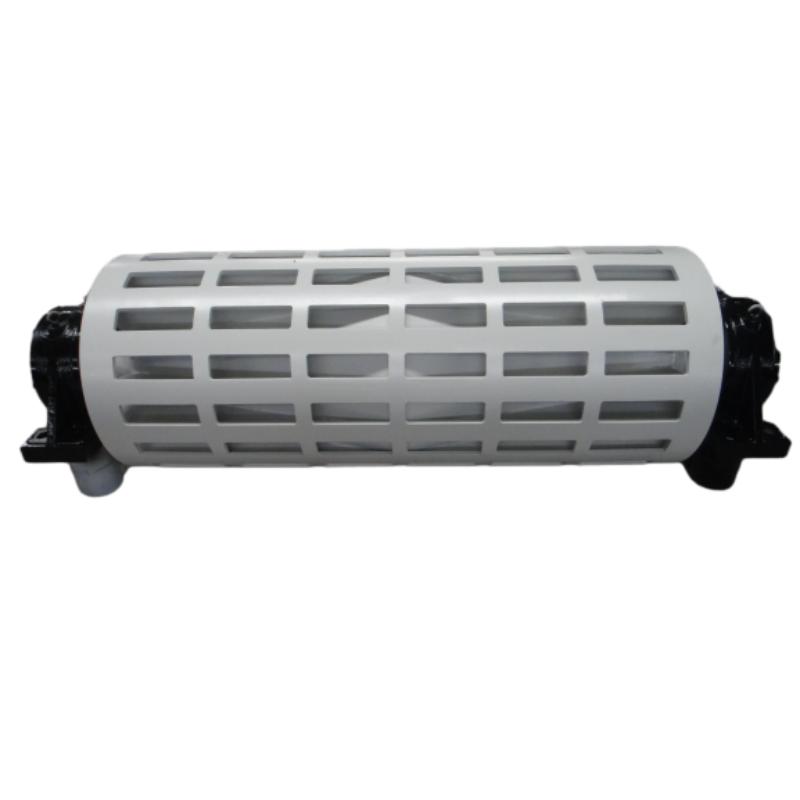
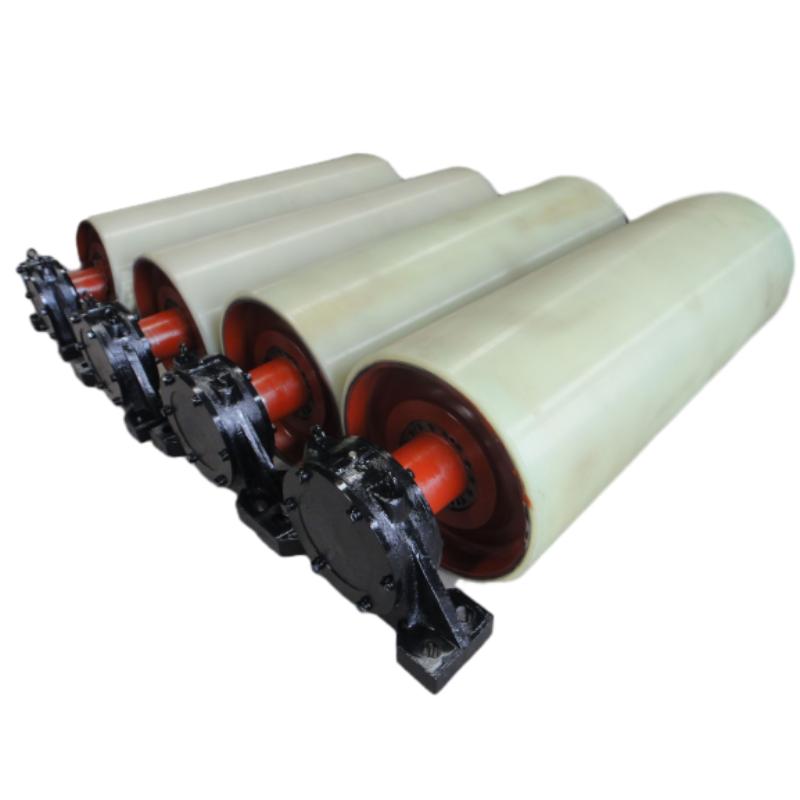
Manufactured from hardened steel or heavy-duty polymers, spring loaded guide rollers must withstand abrasion, moisture, dust, and temperature swings. High-quality seals and corrosion-resistant coatings ensure they last for thousands of operating hours.
2. Adaptability to Fluctuating Loads
The spring mechanism adjusts to load changes automatically — something fixed rollers can’t do. This adaptability prevents belt misalignment even when materials shift unexpectedly on the line.
3. Cost Efficiency Through Maintenance Reduction
Operators often report significant savings by reducing belt wear and downtime. Fewer adjustments and less frequent replacements mean better ROI over the conveyor’s lifespan.
4. Easy Installation and Scalability
Most spring loaded rollers come in modular designs, making it easy to scale or retrofit existing systems without full conveyor overhaul. This is particularly valuable in industries prone to rapid product or demand changes.
Product Specification Snapshot
| Specification | Typical Value | Units |
|---|---|---|
| Roller Diameter | 89–159 | mm |
| Spring Force Range | 150–350 | N |
| Max Load Capacity | 1500 | kg |
| Operating Temperature | -20 to 80 | °C |
| Bearing Type | Sealed deep groove ball | - |
Mini takeaway:
These properties combined make spring loaded guide rollers a practical choice for environments that demand reliability without constant babysitting.
Around the World: How Spring Loaded Guide Rollers Keep Things Moving
Across continents, industries use spring loaded guide rollers differently:
- Mining in Australia and Africa: Keeping heavy ore belts aligned amid dust and vibration.
- Food & beverage lines in Europe: Guiding delicate packaging without contamination risks.
- Logistics hubs in the US and China: Handling fluctuating parcel loads for e-commerce spikes.
- Post-disaster humanitarian efforts: Portable conveyors with spring loaded rollers accelerate debris removal and supply distribution.
In emergency relief zones, for instance, quick-deploy conveyor setups that include spring loaded guide rollers can help clear rubble or move supplies when manual labor is too slow. In many ways, these rollers contribute invisibly to resilience and recovery.
Comparing Leading Vendors
| Feature | Vendor A | Vendor B | Vendor C |
|---|---|---|---|
| Material Options | Steel, Polymer | Steel Only | Polymer, Aluminum |
| Customization | High | Medium | Low |
| Warranty | 3 Years | 5 Years | 2 Years |
| Global Availability | Yes | No | Yes |
Advantages and Long-Term Value of Using Spring Loaded Guide Rollers
There’s something reassuring about a conveyor belt that “just works,” and spring loaded guide rollers help deliver that peace of mind. They increase safety by reducing belt slip and spillage, which can otherwise cause hazardous work conditions.
From a financial standpoint, fewer replacements and less downtime translate into measurable savings. Moreover, their ability to accommodate changing loads and conditions is a nod to sustainability: less waste, extended equipment life, and sometimes even energy savings as conveyor motors work more efficiently.
On a more intangible level, these rollers foster trust and innovation in industries where every minute counts — like automated warehouses or critical supply chains — by providing a quieter, smoother operation that aligns with modern quality expectations.
Looking Ahead: Emerging Trends and Innovations
The conveyor component space isn’t static, oddly enough. Recent innovations include:
- Smart rollers: Embedded sensors monitor roller pressure and wear in real-time.
- Eco-friendly materials: Biobased polymers and recyclable alloys reduce environmental impact.
- Modular automation: Quick-swap rollers help interface with automated maintenance systems.
- High temperature designs: For green energy projects, like biomass transport or solar panel manufacturing lines.
These trends underscore that while steel and springs feel classic, the industry is embracing digital transformation and sustainability too.
Common Challenges and Practical Solutions
Of course, nothing’s perfect. Many users report:
- Spring fatigue: Springs lose tension over time, requiring scheduled replacement.
- Dust ingress: Seals can fail in extremely dusty environments, causing roller jams.
- Installation errors: Misaligned rollers create more problems than they solve.
To tackle these, experts advise regular maintenance schedules, use of sealed bearings with high IP ratings, and proper staff training during installation. Some vendors now offer remote monitoring to preempt failures before they cascade.
FAQ: Your Top Questions About Spring Loaded Guide Rollers
Q1: How do spring loaded guide rollers improve conveyor belt alignment?
A: The integrated spring applies consistent pressure, adjusting automatically to belt movement variations, keeping the belt aligned and reducing drift or slippage. This leads to smoother operations and less wear.
Q2: Can spring loaded guide rollers be retrofitted onto existing conveyor systems?
A: Yes, their modular design typically allows them to replace fixed rollers without major conveyor modifications, making upgrades relatively affordable and quick.
Q3: What maintenance is required to keep these rollers operational?
A: Regular inspection for spring tension, bearing condition, and cleanliness is advised. Replacing springs before fatigue and ensuring seals remain intact keeps them running smoothly.
Q4: Are these rollers suitable for food processing industries?
A: Absolutely. Many models use food-grade polymers and sealed bearings to meet hygiene standards — plus, their smooth operation helps prevent contamination risks by minimizing belt skews and spills.
Q5: What environmental conditions can they handle?
A: Standard units operate between -20°C and 80°C, and specialized versions exist for harsh or hazardous environments, including high temperature or corrosive atmospheres.
Wrapping It Up: The Subtle Power of Spring Loaded Guide Rollers
Ultimately, spring loaded guide rollers embody a blend of simplicity and sophistication. They quietly ensure conveyor belts track true, saving businesses money, boosting safety, and supporting the complex global dance of goods and materials.
If you’re curious for more in-depth insights or want to explore options tailored for your industry, visit spring loaded guide rollers. Trust me, once you understand their role, you start noticing them everywhere — the unsung linchpins keeping the wheels (and belts) turning.
Final thought:
In a world rushing toward automation and sustainability, sometimes it’s the humble spring on a roller that holds the whole system together. Funny how that works.
References
-
Maximize Conveyor Life with a High Performance impact bedNewsApr.16,2026
-
Maximize Conveyor Efficiency Using a v plow belt scraperNewsApr.09,2026
-
Comprehensive Guide to Understanding Different Types of Belt CleanersNewsApr.07,2026
-
Enhancing Conveyor Efficiency with an Effective Scraper Belt CleanerNewsApr.04,2026
-
Optimizing Conveyor Systems with Advanced Cleaning Equipment SolutionsNewsMar.31,2026
-
Effective Conveyor Belt Scraper Adjustment for Optimal System PerformanceNewsMar.28,2026