

Standup Roller: Essential Conveyor Component for Efficiency and Safety
Why the Standup Roller is Changing Industrial Workflows Worldwide
If you've ever worked around conveyor systems, you might have noticed a piece of equipment that forms the backbone of many manufacturing and logistics operations: the standup roller. At first glance, it sounds like a simple thing — a sturdy, vertical roller designed to support and guide items along a conveyor. But take a deeper look and you’ll find its influence is quite extensive, addressing real challenges in industries from packaging to disaster relief.
Why does this matter on a global scale? Roughly speaking, the conveyor and roller industry supports tens of billions of dollars annually in supply chain operations worldwide. According to industry reports, efficient roller technology directly impacts throughput, safety, and operational costs. So learning about the standup roller isn’t just for engineers; it’s relevant for anyone involved in modern logistics, warehousing, and even humanitarian efforts.
The Global Context: How Standup Rollers Fit Into Big Picture Logistics
Globally, supply chains are under pressure. The United Nations notes rapid urbanization and increased consumer demand forcing industries to upgrade material handling capabilities. Conveyors, especially those equipped with standup rollers, offer a practical solution to streamline item transit without compromising safety. In fact, ISO standards around roller durability and safety mechanisms have been evolving while industrial centers in Asia, Europe, and North America push for automation that relies heavily on these components.
One challenge? Materials and product sizes vary wildly — from tiny electronics to heavy pallets. This is why modular and customizable standup rollers are becoming critical. They’re not just rollers; they’re adaptable components designed to reduce bottlenecks and accidents in increasingly complex processes.
Understanding Standup Rollers: What Are They Exactly?
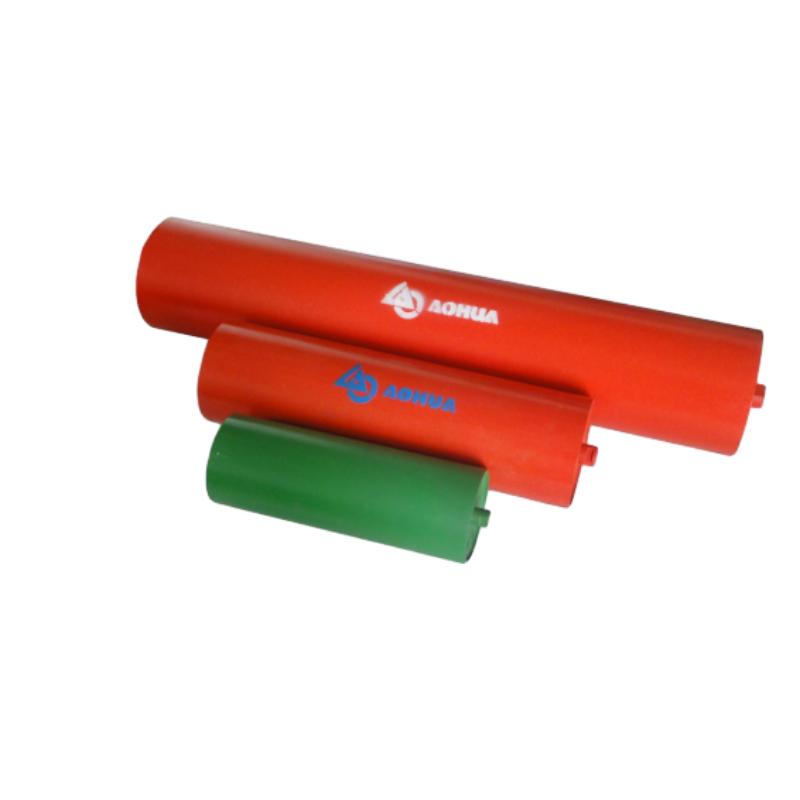
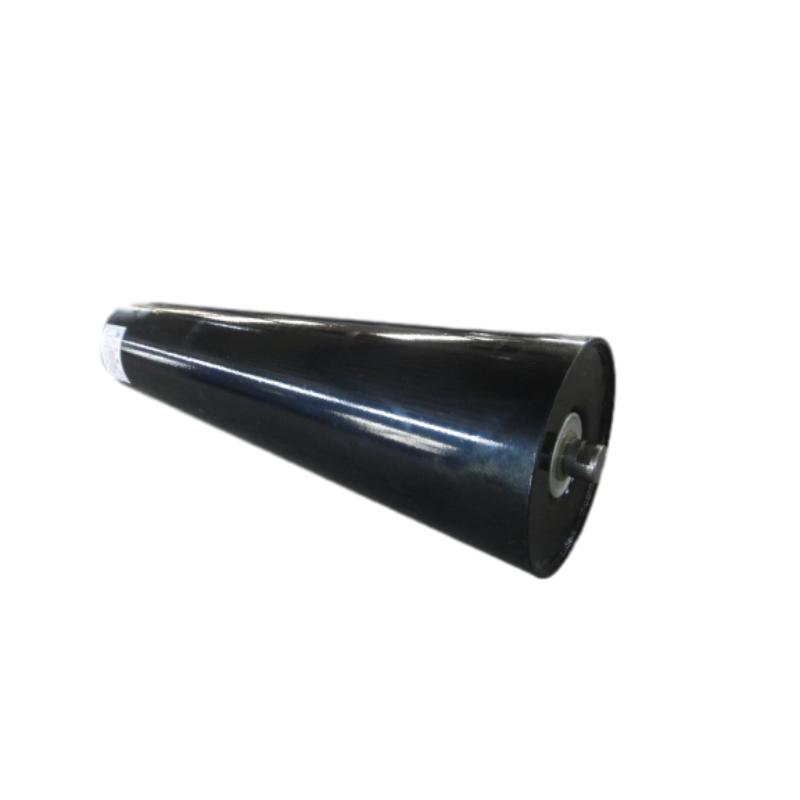
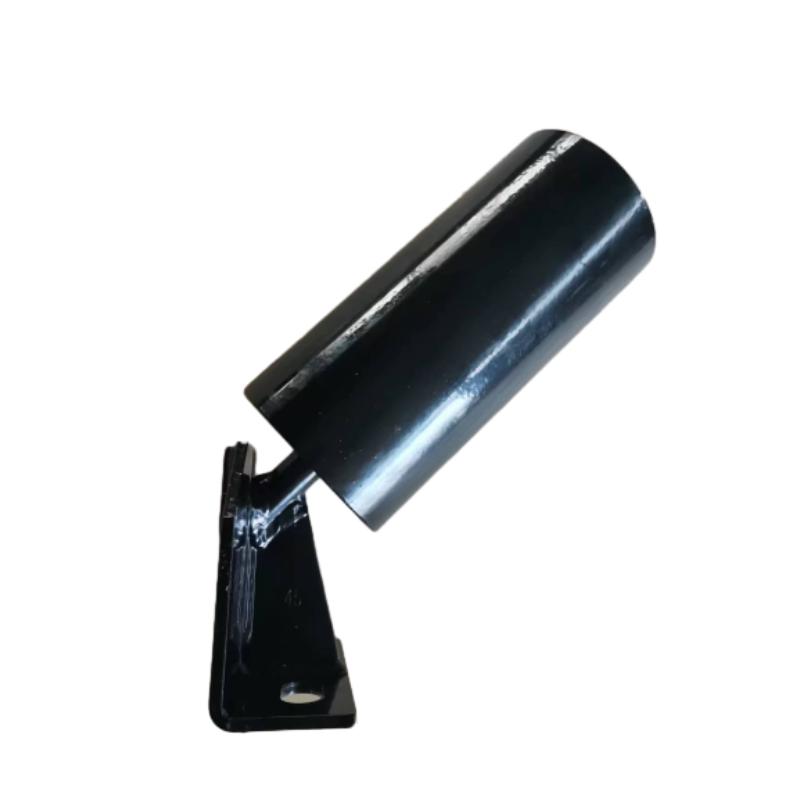
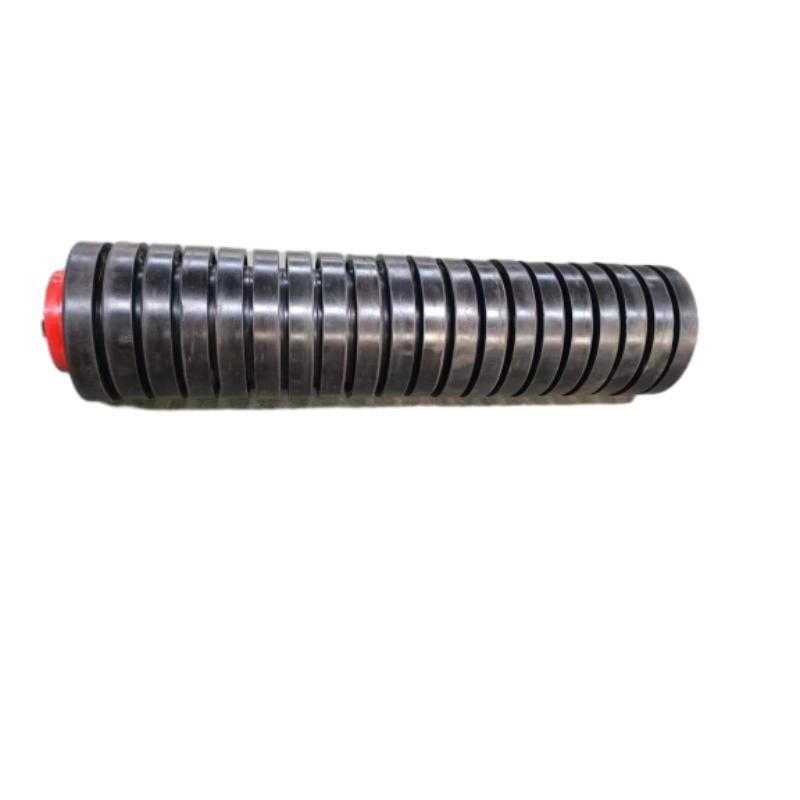
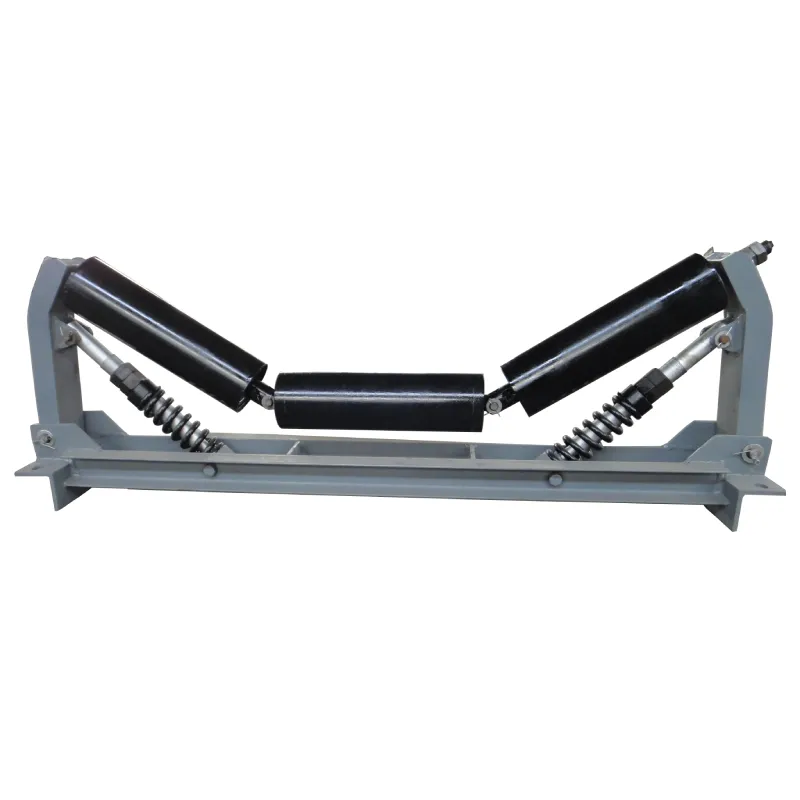
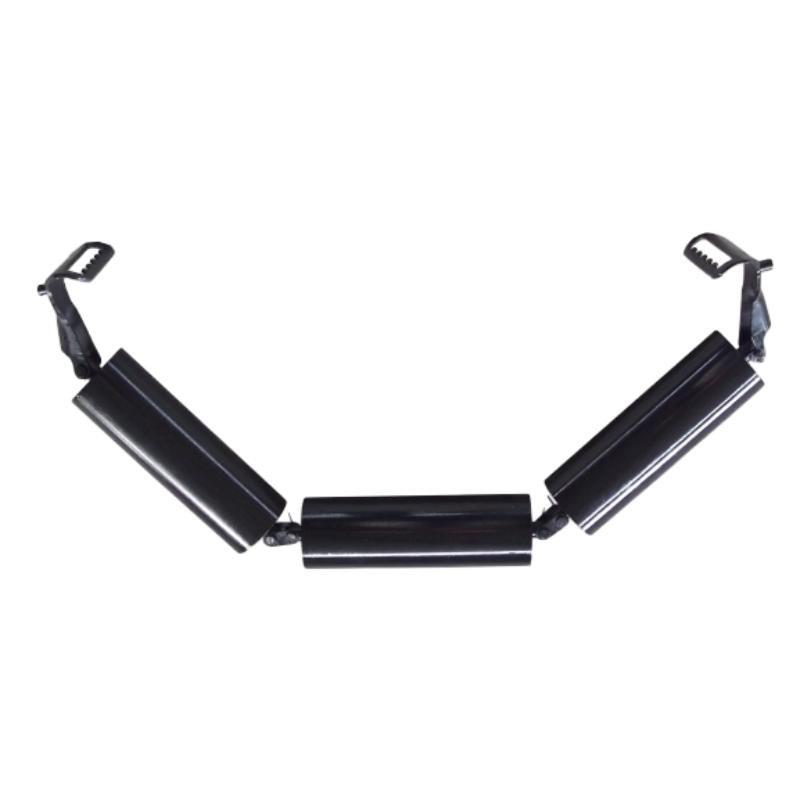
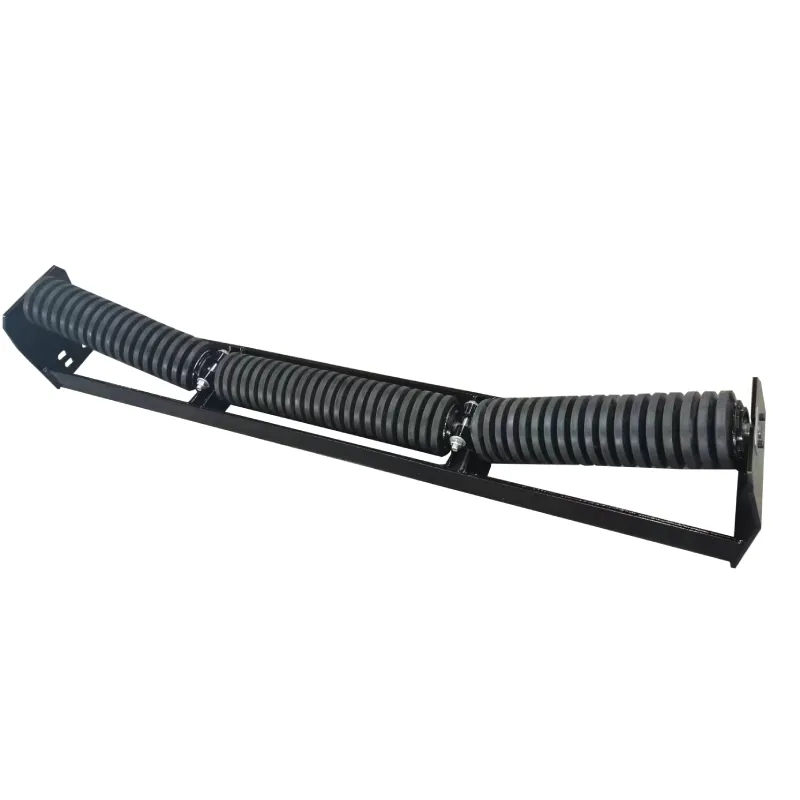
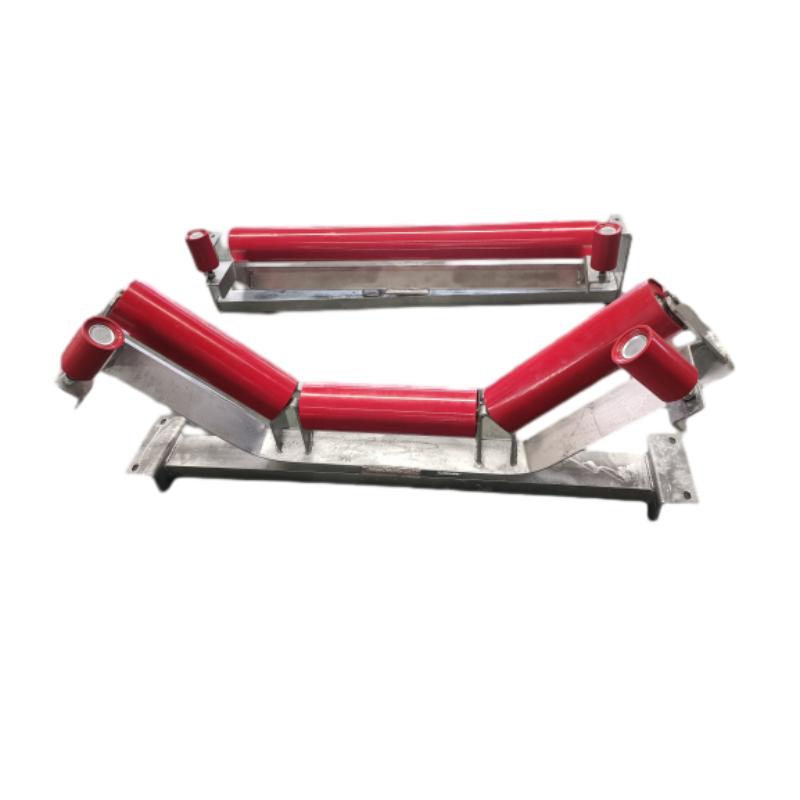
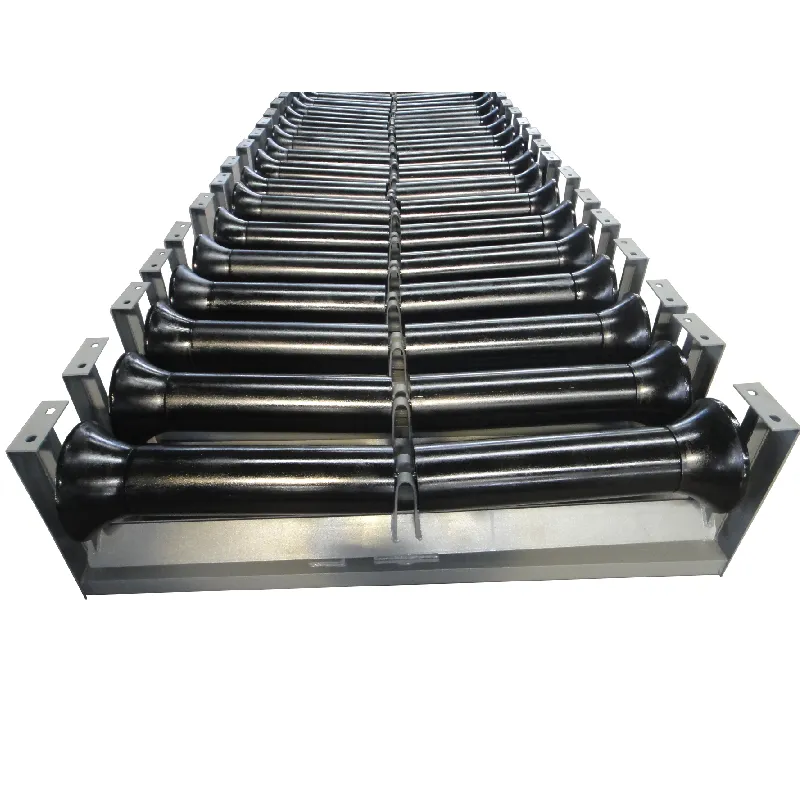
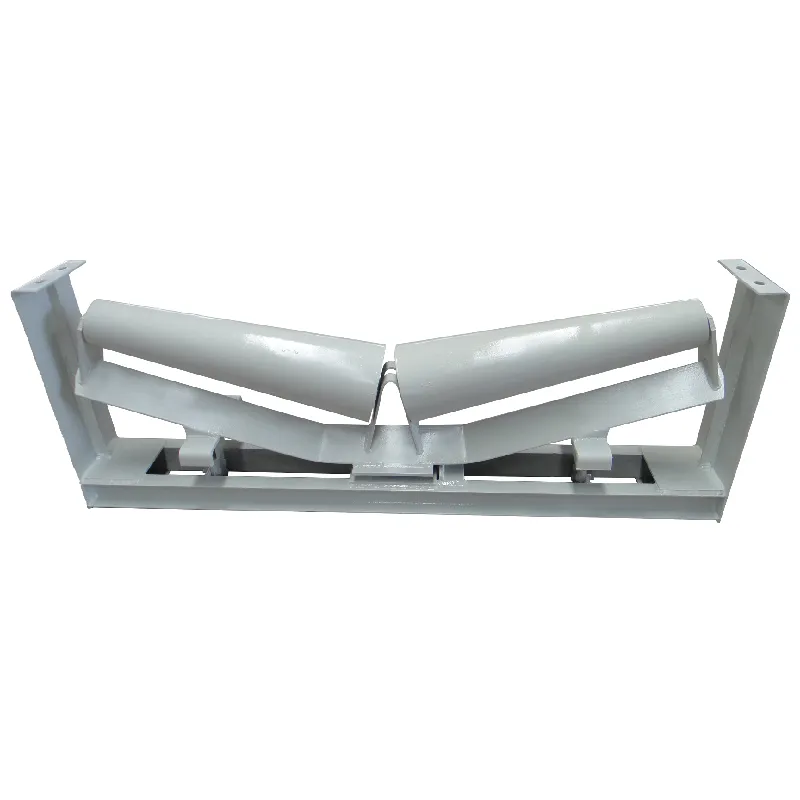
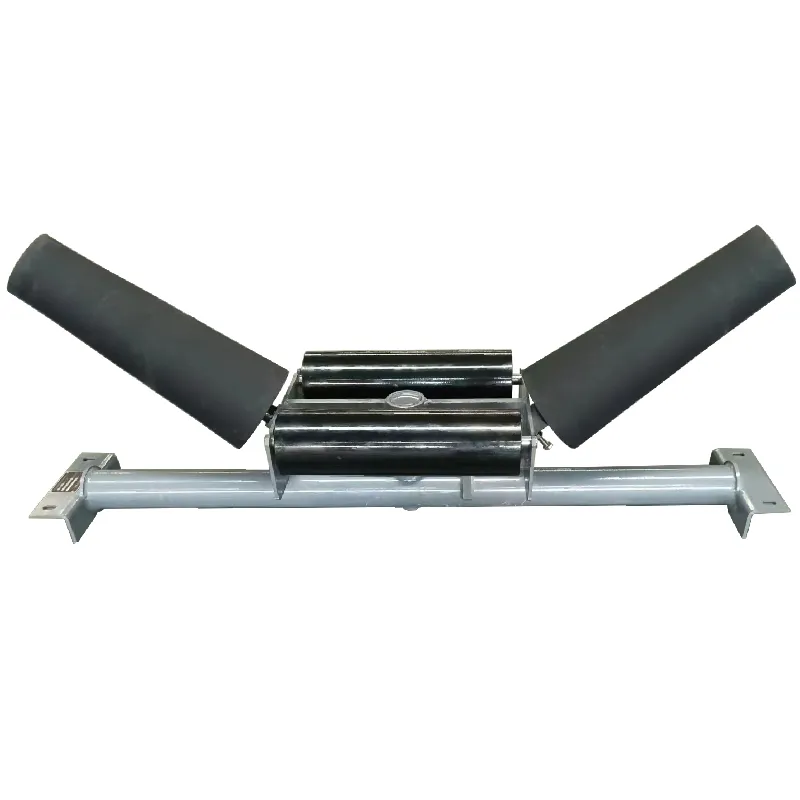
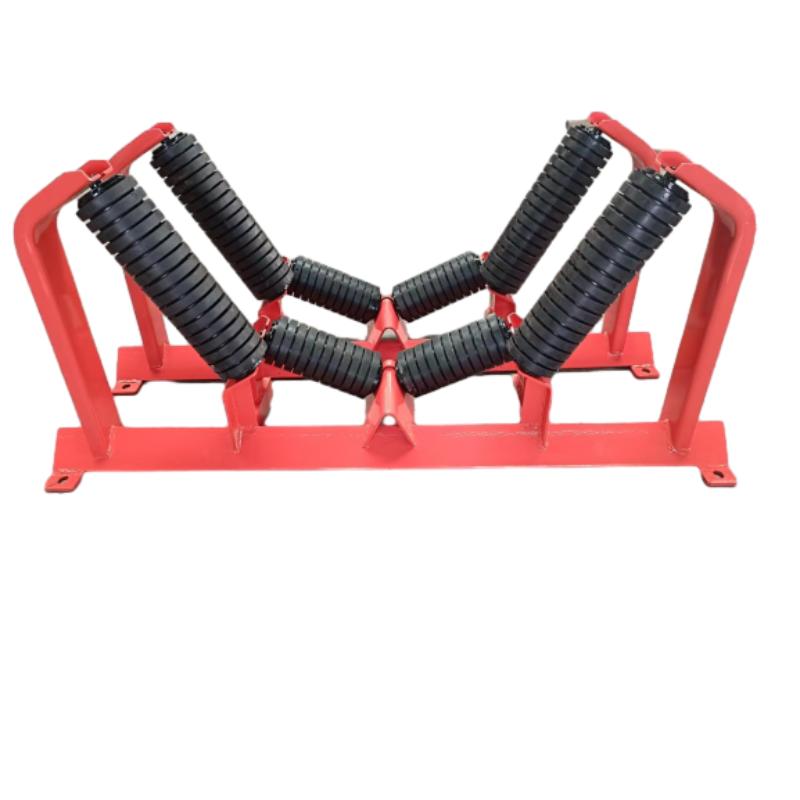
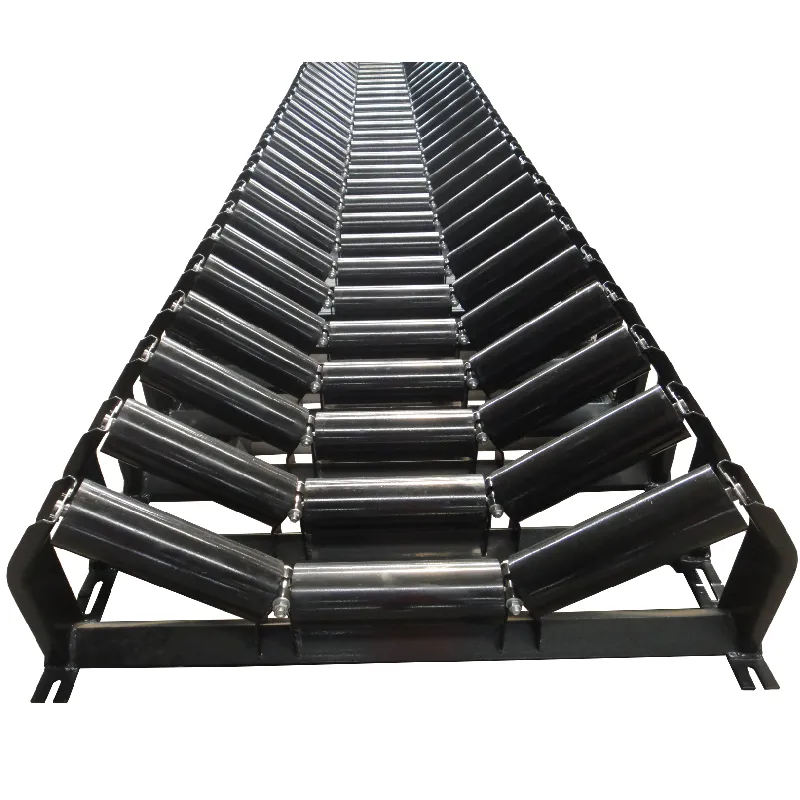
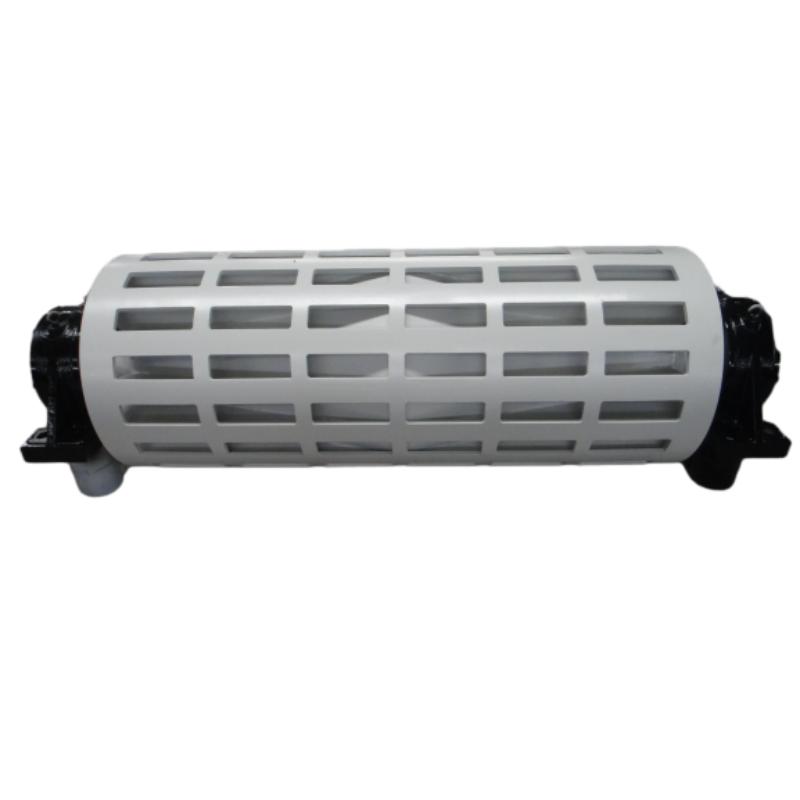
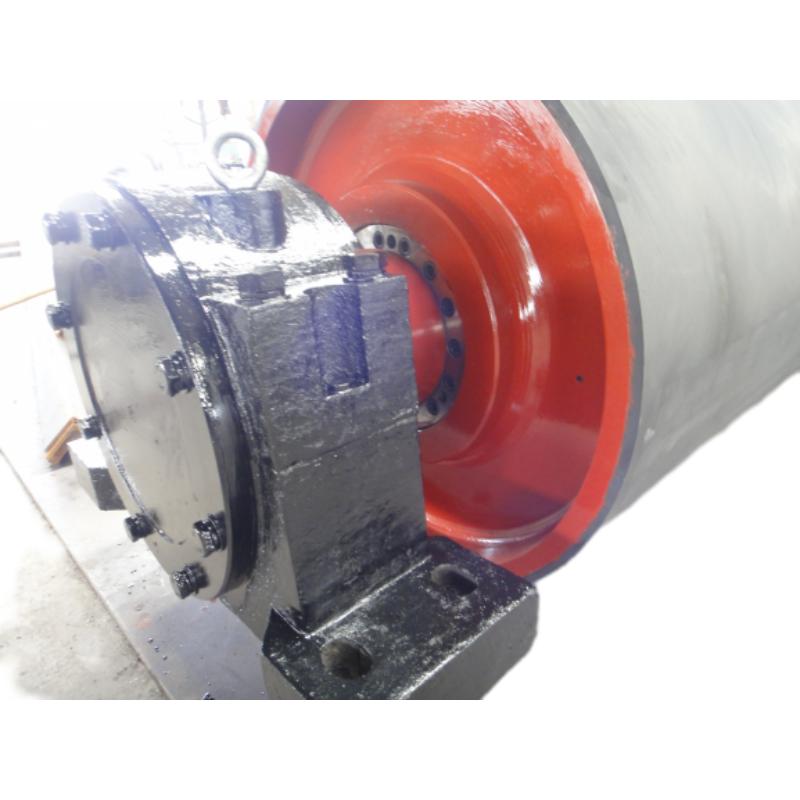
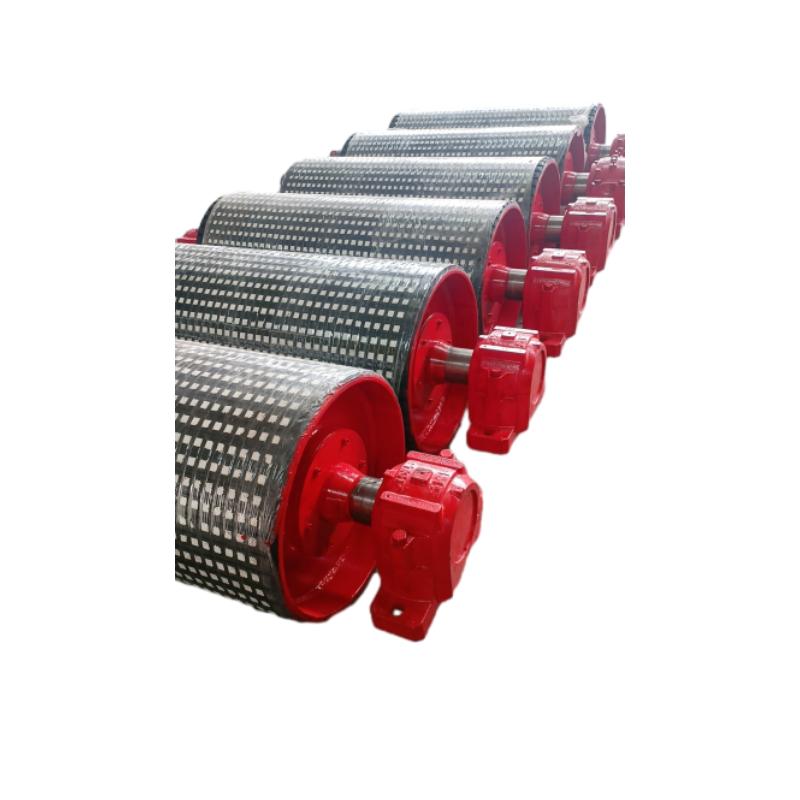
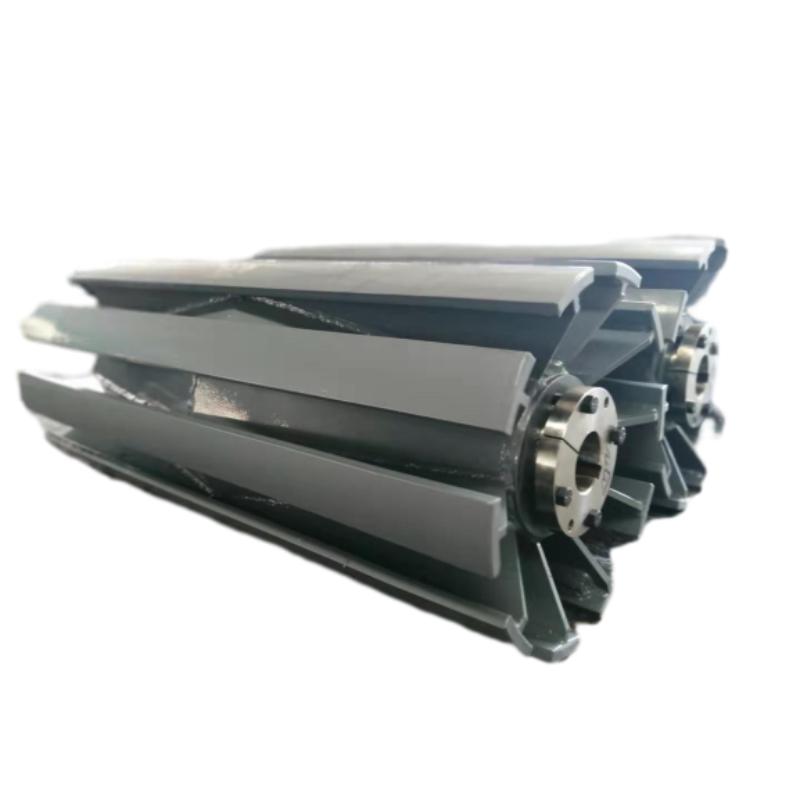
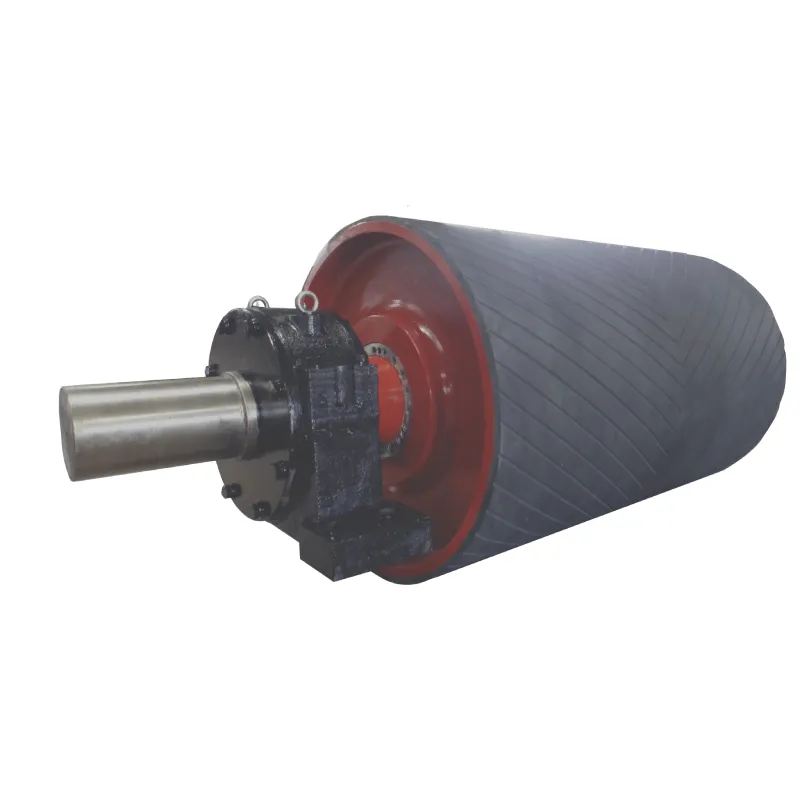
To put it simply: a standup roller is a vertically oriented cylindrical component used in conveyor systems to support, guide, or stabilize materials moving along the conveyor. Unlike flat or horizontally mounted rollers, standup rollers often help maintain alignment of irregularly shaped goods or packages that might otherwise tip or jostle during transit.
They especially come into play in industries where precise orientation matters, such as in parcel sorting centers or even in humanitarian logistics where fragile relief packages need safe handling.
Mini Takeaway:
The standup roller may look like just a part of a machine, but it’s a keystone in smooth, safe material transportation.
Core Features Defining Effective Standup Rollers
1. Durability
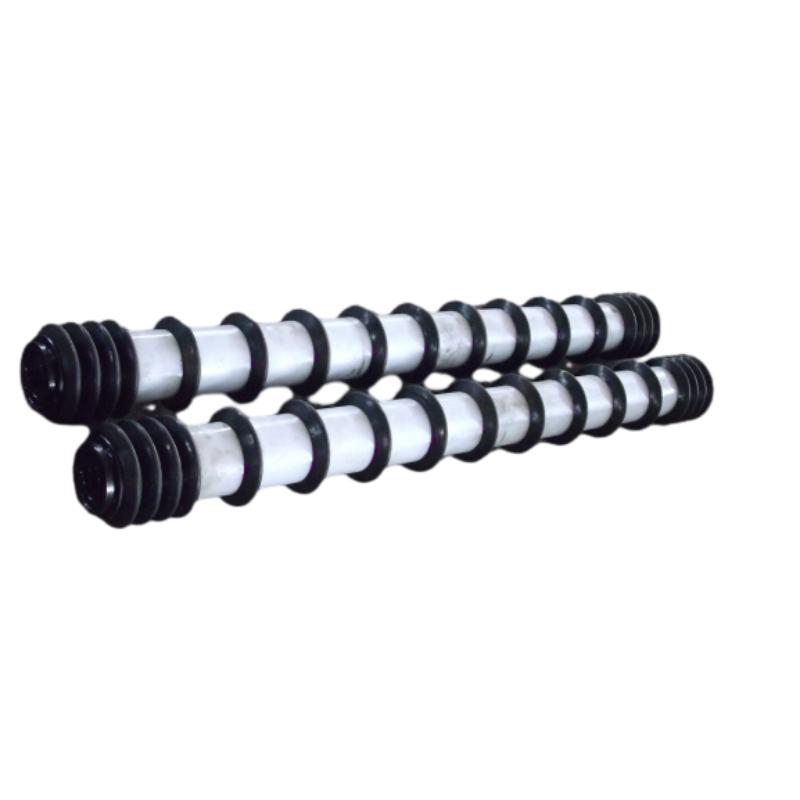
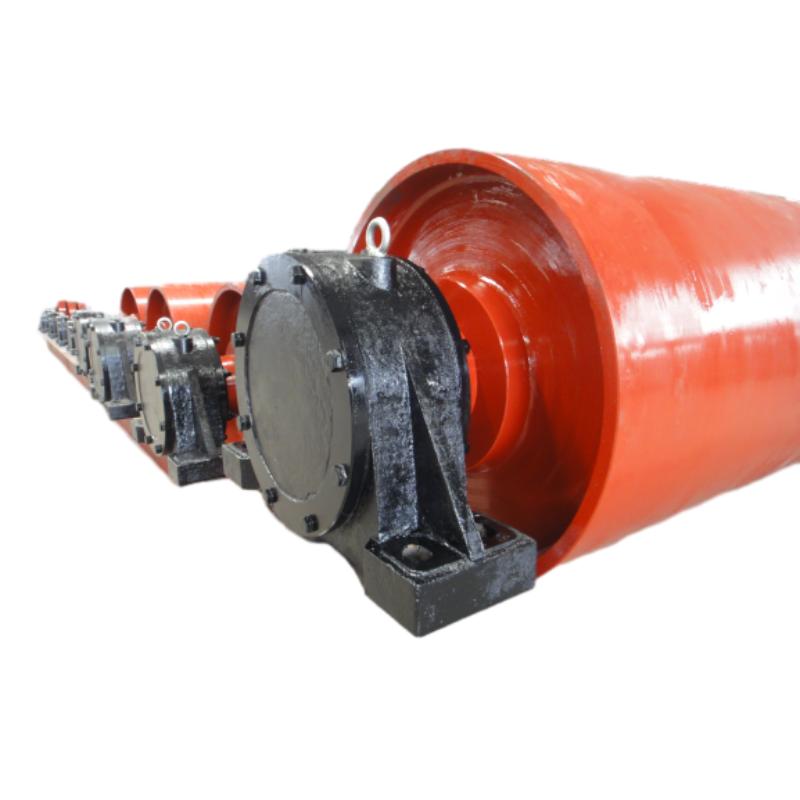
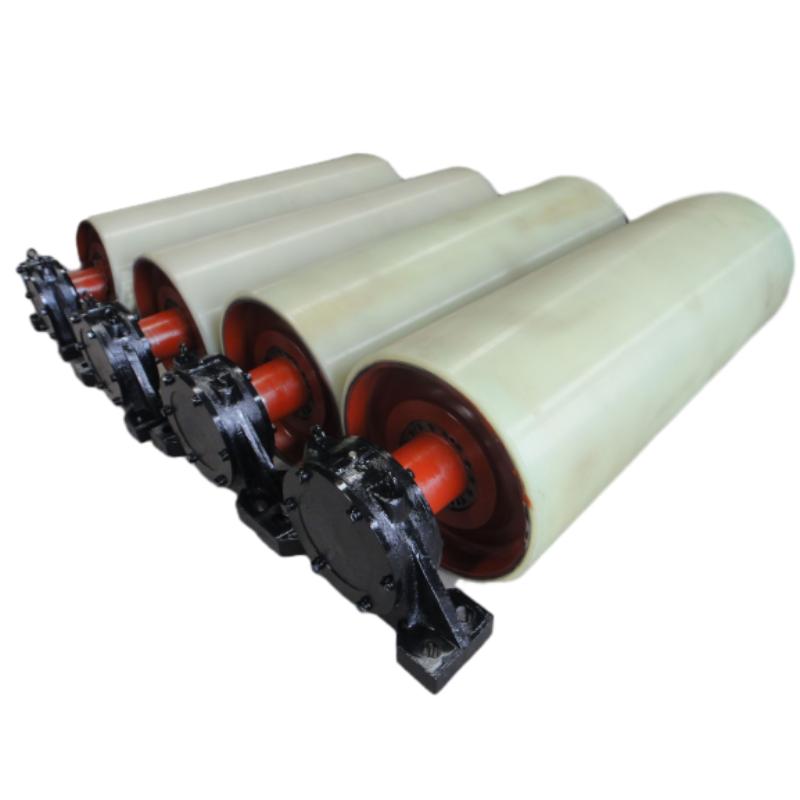
Many engineers I’ve talked to swear by rollers made from high-grade steel combined with polyethylene sleeves. This combo balances strength and quiet operation. Durable rollers prevent costly downtime and reduce frequent maintenance.
2. Scalability & Modular Design
Modern production lines aren’t static. Standup rollers that snap on and off or adjust in height let businesses adapt quickly to new product dimensions or throughput demands.
3. Cost Efficiency
While it might be tempting to go for off-the-shelf rollers, investing in tailored standup rollers can lower the total cost of ownership (TCO) over time by reducing wear and tear on conveyor belts and decreasing product damage.
4. Safety Compliance
Integrated safety features like tamper-proof fastenings and pinch-point protections cater to evolving workplace safety standards, something every logistics operator has to consider seriously these days.
5. Versatility
Some standup rollers are made to handle wet or corrosive materials, making them indispensable in sectors like food processing or chemical handling.
| Feature | Specification | Impact |
|---|---|---|
| Diameter | 75 mm to 150 mm | Supports varied package sizes |
| Housing Material | Zinc-plated steel or stainless steel | Corrosion resistance in various environments |
| Noise Level | Quiet operation for better workplace environment | |
| Load Capacity | Up to 100 kg per roller | Heavy-duty handling capability |
| Mounting Type | Threaded or flange mount | Flexible installation options |
Mini takeaway: Choosing the right combination of specs can save headaches later — especially if your line runs 24/7.
Who’s Using Standup Rollers, and How?
Industries as diverse as e-commerce warehouses, food production, and even humanitarian aid organizations find standup rollers invaluable.
- Post-Disaster Relief: NGOs rely on quick sorting and packing lines equipped with standup rollers to safely handle fragile relief containers under pressure.
- Mining & Heavy Industry: In remote zones, robust rollers handle irregular, often bulky materials that would otherwise damage conveyor belts.
- Airport Baggage Systems: To manage thousands of bags, rollers keep everything flowing smoothly, minimizing lost or damaged items.
- Retail Packaging: From Amazon-like fulfillment centers to local distribution hubs, rollers make fast packaging possible without breaking a sweat.
For example, a warehouse operation in Germany upgraded to modular standup rollers with polyethylene sleeves and saw package damage decrease by 35% within six months. That kind of ROI can turn heads.
The Enduring Value of This Humble Component
At the end of the day, standup rollers provide tangible benefits:
- Lower Operational Costs: By reducing downtime and minimizing damage.
- Sustainability: Longer-lasting rollers mean fewer replacements, less waste.
- Safety & Trust: Reducing workplace injuries increases morale—no small matter.
- Innovation Catalyst: Standup rollers enable custom conveyor designs, which can be a competitive edge.
It’s easy to overlook such a modest tool, but in real terms, it’s one of those quiet workhorses that holds the entire process together.
Future Trends Shaping Standup Roller Technology
Looking ahead, the standup roller is not static technology. The industry buzz is about:
- Use of lightweight composites to reduce conveyor load without sacrificing strength.
- Smart rollers embedded with sensors to report wear and identify maintenance needs proactively, reducing downtime.
- Eco-friendly materials aligning with global sustainability goals, reducing plastic use with bio-based sleeves.
- Integration with automated conveyor control systems, allowing dynamic routing depending on package size or destination.
Some vendors are experimenting with solar-powered conveyor rollers for outdoor or remote installations — a sign the modest roller truly isn’t so modest anymore.
Common Challenges and How Industry Leaders Overcome Them
From my conversations, the main hurdles include:
- Wear Under Heavy Loads: Solutions: reinforced sleeves, improved lubrication.
- Corrosion in Harsh Environments: Use of stainless steel and UV-resistant materials.
- Noise Pollution: Quieter bearings and polymer covers mitigate this.
Continuous R&D and client feedback loops seem to be the secret sauce. The best makers actively test their rollers under extreme conditions instead of just running lab specs.
Standup Roller Vendor Comparison At a Glance
| Vendor | Material Options | Pricing | Special Features | Ideal For |
|---|---|---|---|---|
| RollMax Industries | Galvanized steel, Nylon sleeves | Mid-range | Modular height adjustment | General manufacturing |
| StandRoll Solutions | Stainless steel, Polyurethane sleeves | Premium | Sensor integration (IoT-ready) | Smart conveyor systems |
| EcoRoll Technologies | Recycled polymers, Aluminum core | Budget-friendly | Eco certifications, UV resistant | Food & pharma sector |
FAQ: Common Questions About Standup Rollers
Q1: How do standup rollers differ from traditional horizontal rollers?
A: Standup rollers are vertically oriented, primarily stabilizing or aligning items that may roll or tip on the conveyor belt. Horizontal rollers support the primary movement of items. This vertical positioning addresses package stability, reducing jams and damage.
Q2: Can I customize standup rollers for specialized environments?
A: Absolutely. Most manufacturers offer customization for material composition, diameter, and mounting types to fit corrosive, high-humidity, or extreme temperature environments.
Q3: Are standup rollers suitable for outdoor conveyor systems?
A: Yes. With corrosion-resistant materials and appropriate sealing, these rollers can operate outdoors, including in mining or agricultural conveyor lines.
Q4: What maintenance do standup rollers require?
A: Regular lubrication of bearings and inspection for sleeve wear are typical. Many modern rollers use sealed bearings requiring minimal upkeep, improving reliability.
Q5: How long can a typical standup roller last?
A: With proper maintenance and depending on the environment, a good standup roller can last anywhere from 3 to 10 years or more — sometimes longer in less intense settings.
Mini takeaway: Knowing these FAQs saves downtime and makes procurement easier.
The Bottom Line and Next Step
The humble standup roller is a surprisingly critical part of conveyor system success. It plays a formative role in reducing damage, improving safety, and enabling flexibility in ever-changing logistics environments. From industries shifting toward automation to relief agencies moving urgent supplies, the roller quietly holds things together — one revolution at a time.
If you want to explore how standup rollers can upgrade your operation or project, I encourage you to check out standup roller offerings and see what combinations will work best for your specific needs.
References
-
Maximize Conveyor Life with a High Performance impact bedNewsApr.16,2026
-
Maximize Conveyor Efficiency Using a v plow belt scraperNewsApr.09,2026
-
Comprehensive Guide to Understanding Different Types of Belt CleanersNewsApr.07,2026
-
Enhancing Conveyor Efficiency with an Effective Scraper Belt CleanerNewsApr.04,2026
-
Optimizing Conveyor Systems with Advanced Cleaning Equipment SolutionsNewsMar.31,2026
-
Effective Conveyor Belt Scraper Adjustment for Optimal System PerformanceNewsMar.28,2026