

Reliable Track Idler Roller Solutions for Heavy Machinery | IdlerAohua
What Is a Track Idler Roller and Why Does It Matter Worldwide?
If you’re not deep into heavy machinery or conveyor tech, the term track idler roller might sound like jargon thrown around at a construction site. But its importance stretches far beyond that: because these humble components enable efficient movement and durability in massive equipment, they play a quiet but crucial role in industries from mining to humanitarian relief.
Understanding track idler rollers isn’t just for engineers; it matters globally. Take developing nations upgrading infrastructure, or disaster zones deploying mobile equipment to aid recovery — in all these, track idlers keep machinery rolling smoothly, affordable, and safe. So, here’s a straightforward dive into why they matter, what they are, and the future they’re shaping.
Global Context: The Unsung Backbone of Movement
Globally, the demand for efficient and durable heavy machinery parts is growing. According to the International Organization for Standardization (ISO), the global mining equipment market alone is expected to surpass $225 billion by 2027, driven largely by emerging economies.
Yet a recurring problem complicates operations worldwide: wear and tear on critical moving parts like track systems cause downtime, inflate costs, and sometimes endanger operator safety. Track idler rollers serve a vital function here, reducing friction and distributing loads evenly to extend equipment life. Oddly enough, many companies still underestimate their impact.
Mini takeaway: The global industrial boom demands robust movement solutions, making track idler rollers quiet heroes in heavy machinery longevity and cost management.
Defining Track Idler Roller: The Rolling Pillar of Track Systems
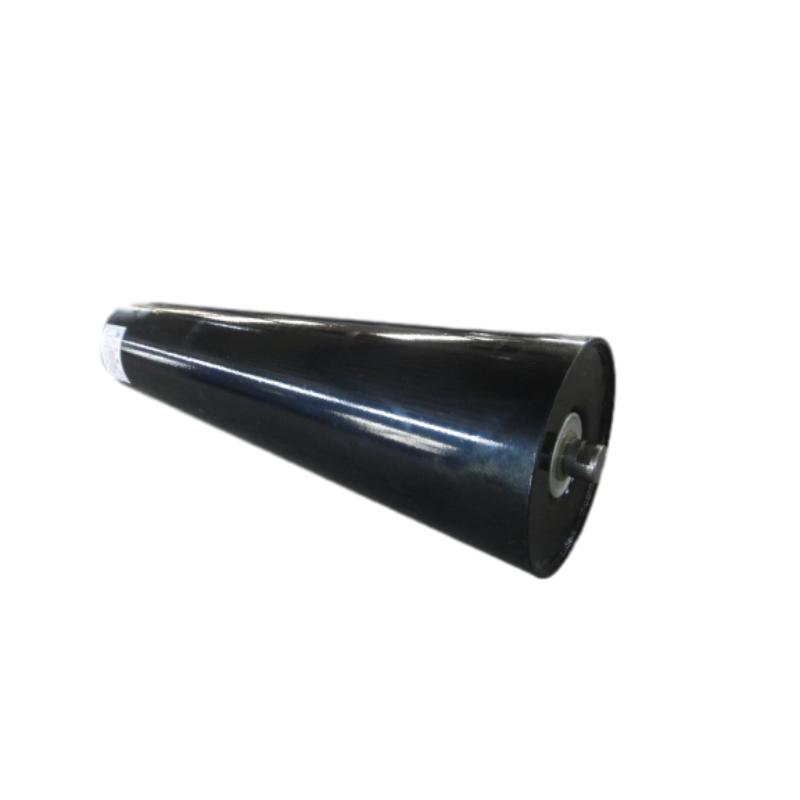
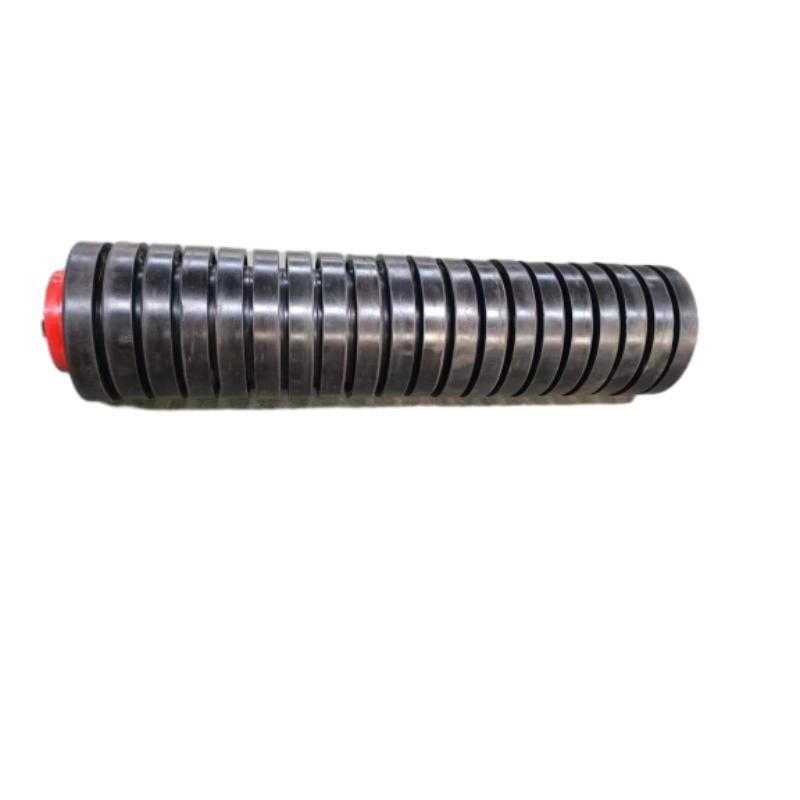
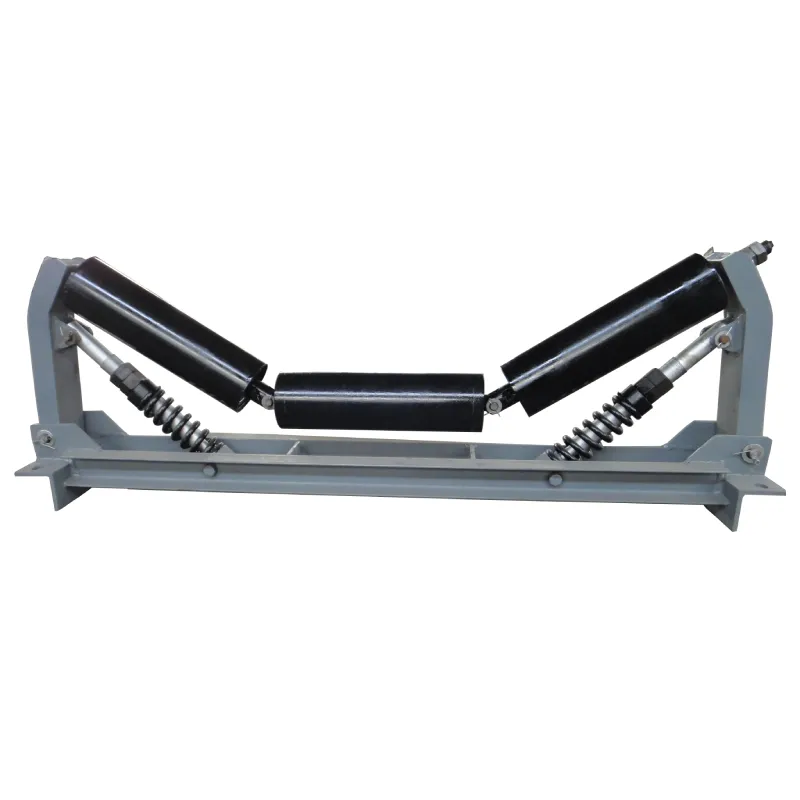
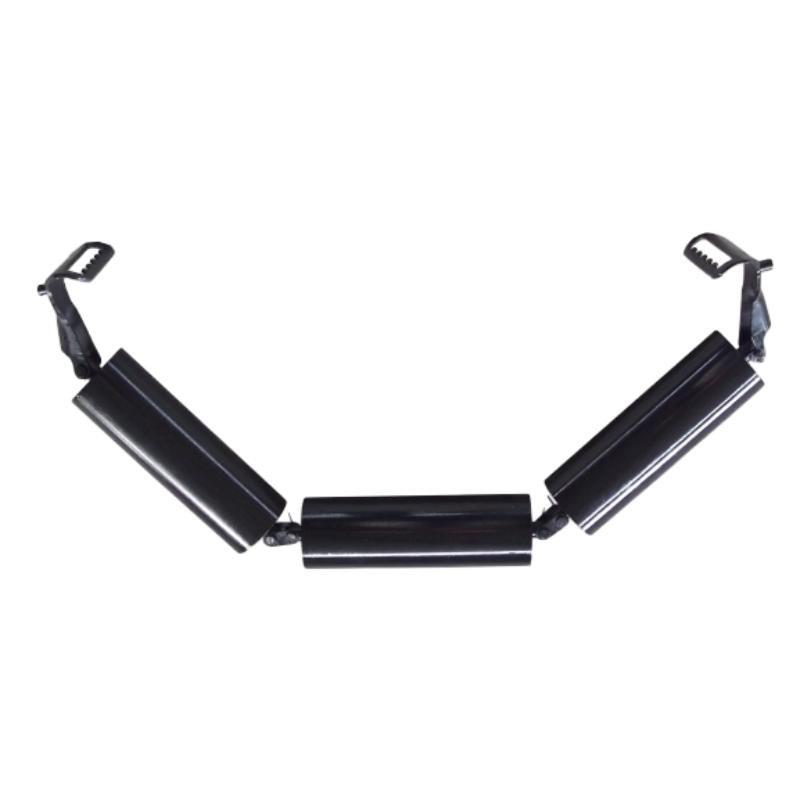
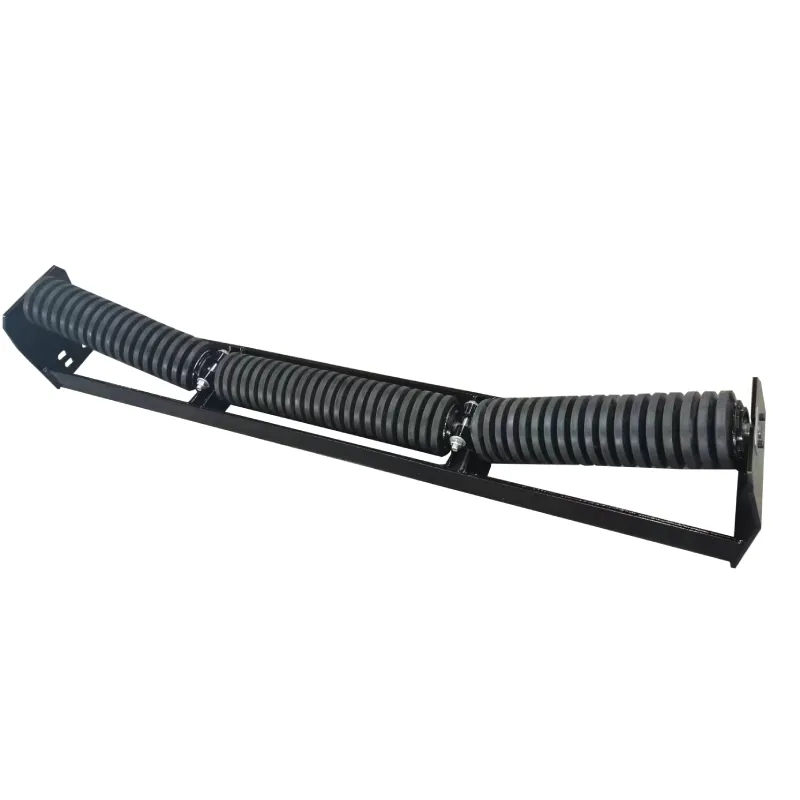
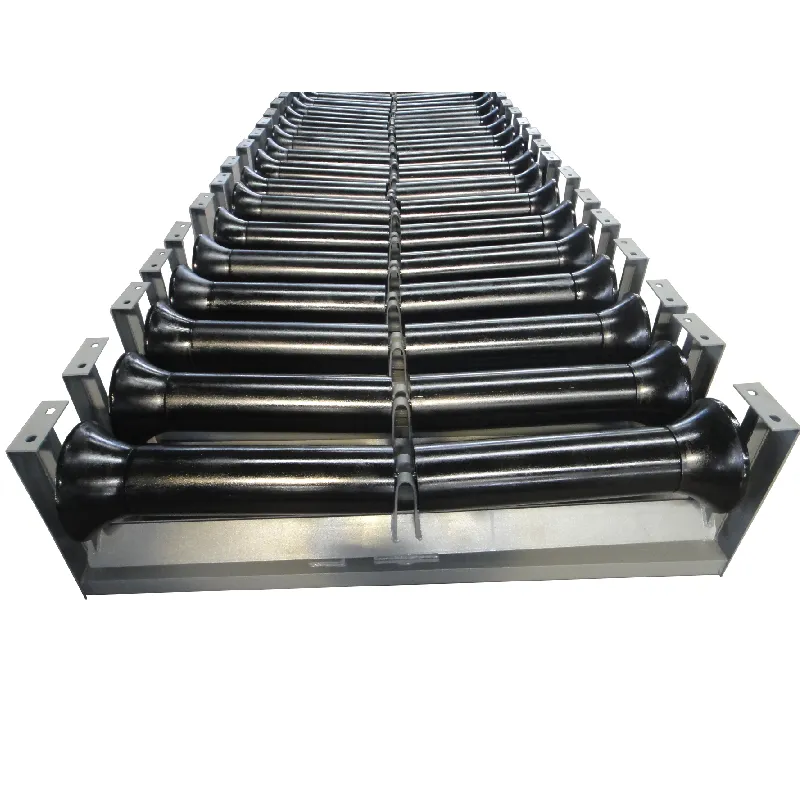
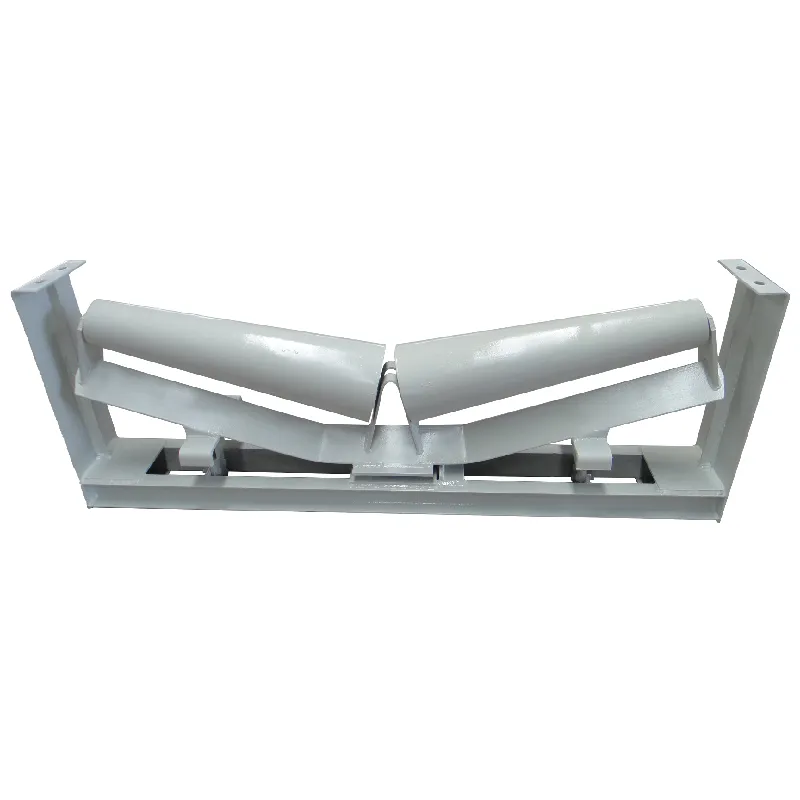
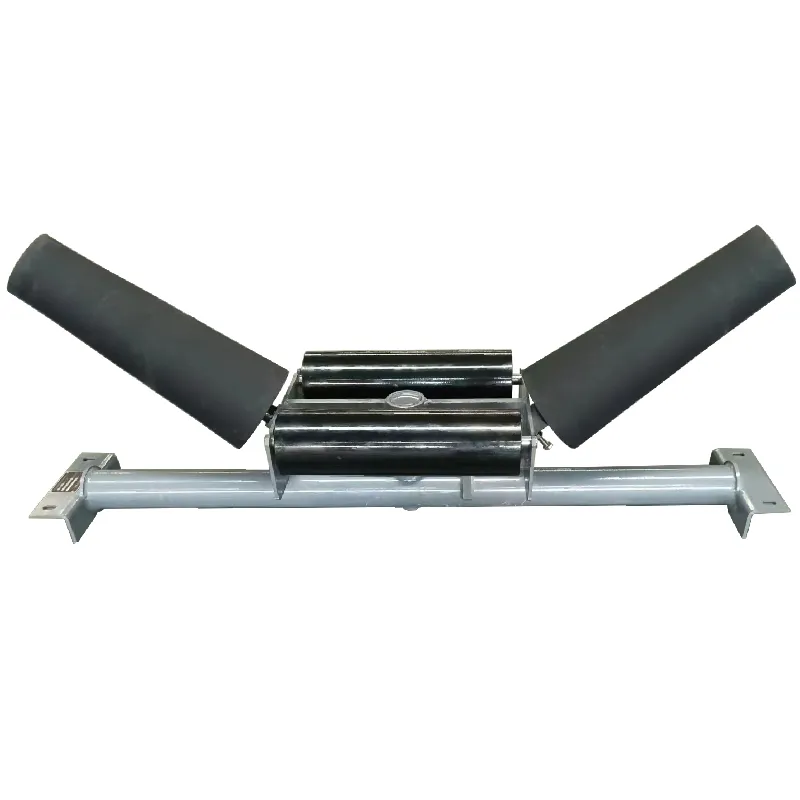
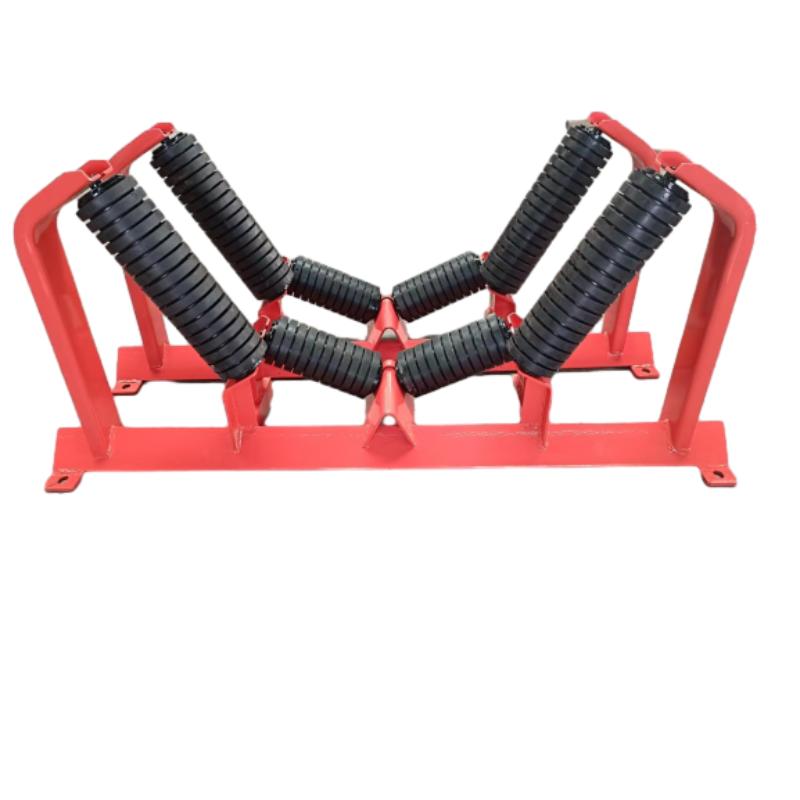
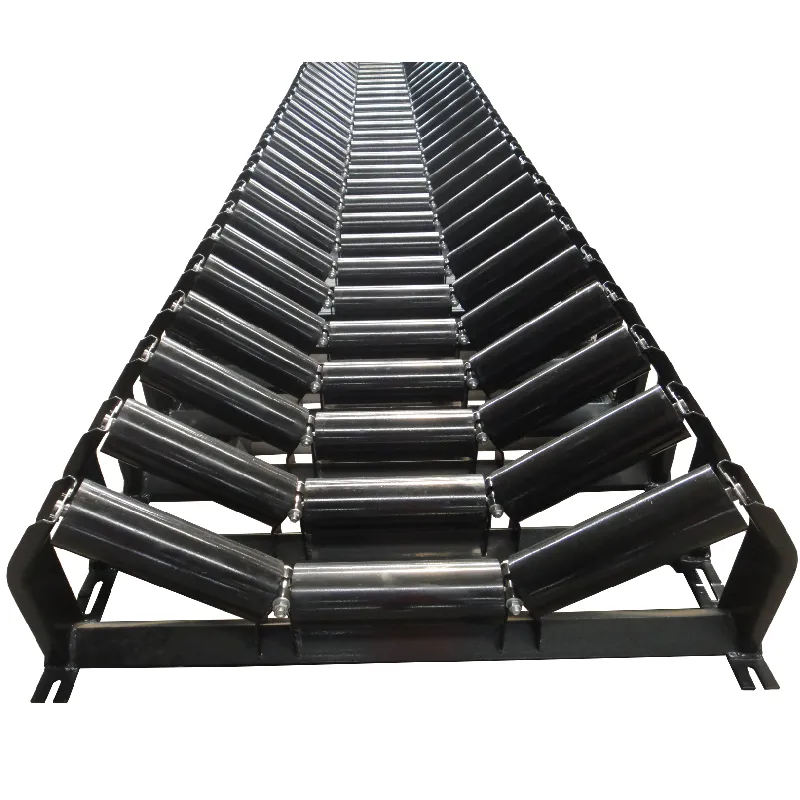
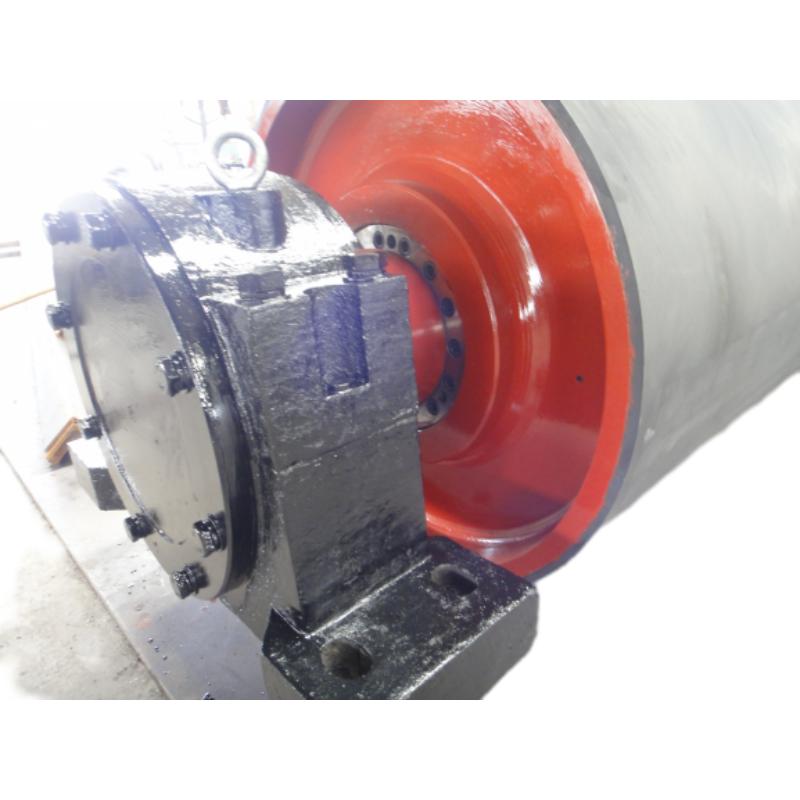
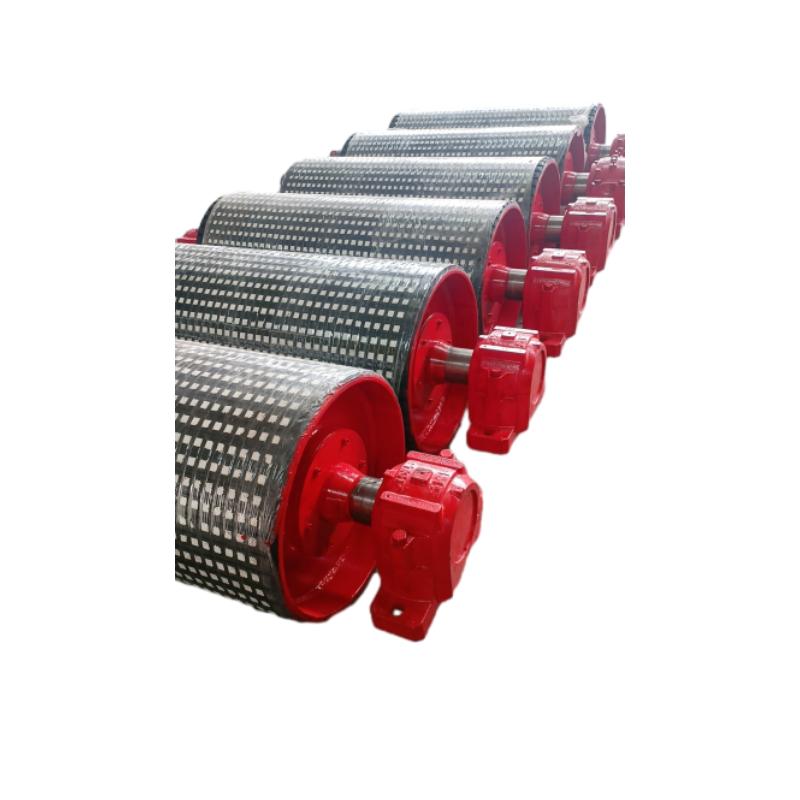
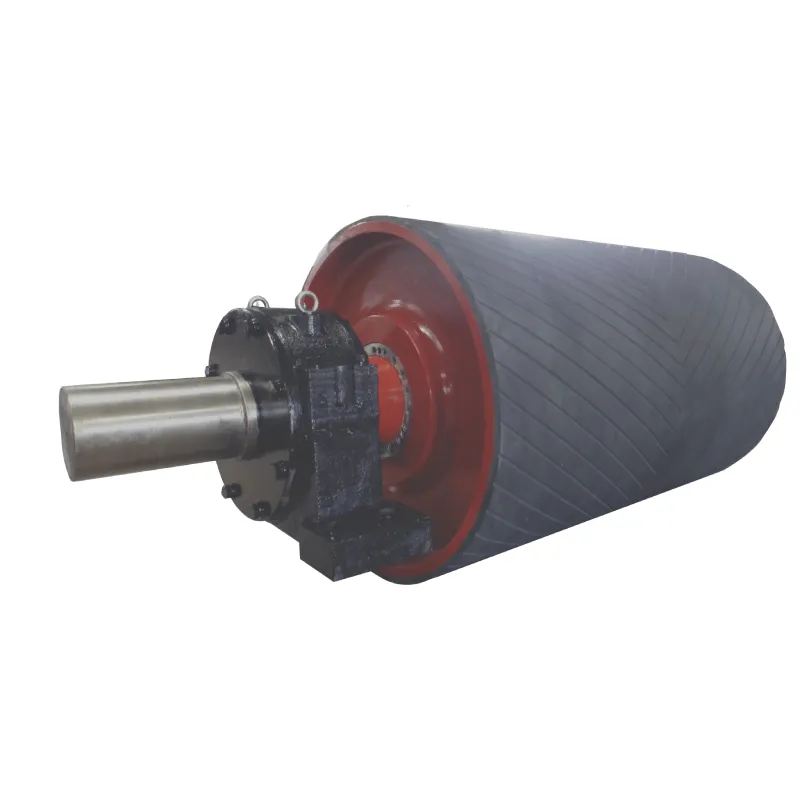
In simplest terms, a track idler roller is a wheel-like component integrated into a track system of tracked vehicles or conveyor machinery. Its job? To guide and support the track chain (or belt), maintaining tension and alignment while reducing wear on other moving parts.
Imagine a bulldozer crawling through dense earth — the idler roll lets the metal tracks flex and roll without binding, smoothing over rough terrain. These parts help machines work reliably in extreme environments, from dusty mines to humid forests, helping people move heavy loads, build communities, and sometimes just keep the lights on.
Key Factors Driving Track Idler Roller Performance
1. Durability and Material Composition
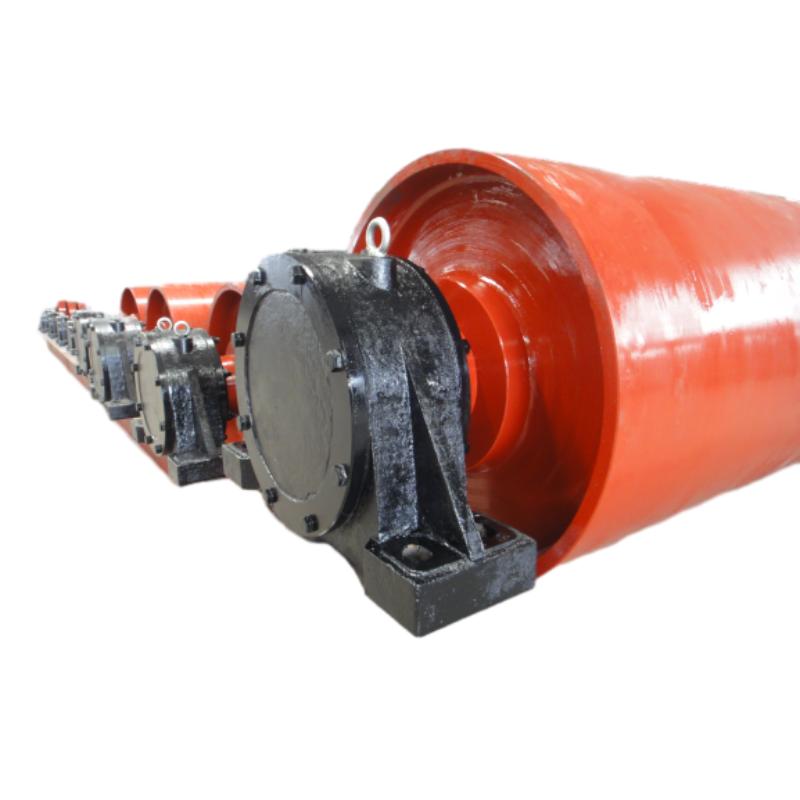
Most idler rollers are forged from high-grade steel alloys, often with surface treatments to resist corrosion and abrasion. This ensures they don’t crack or deform under constant pressure, sometimes equivalent to several tons pressing down.
2. Precision Engineering and Tolerances
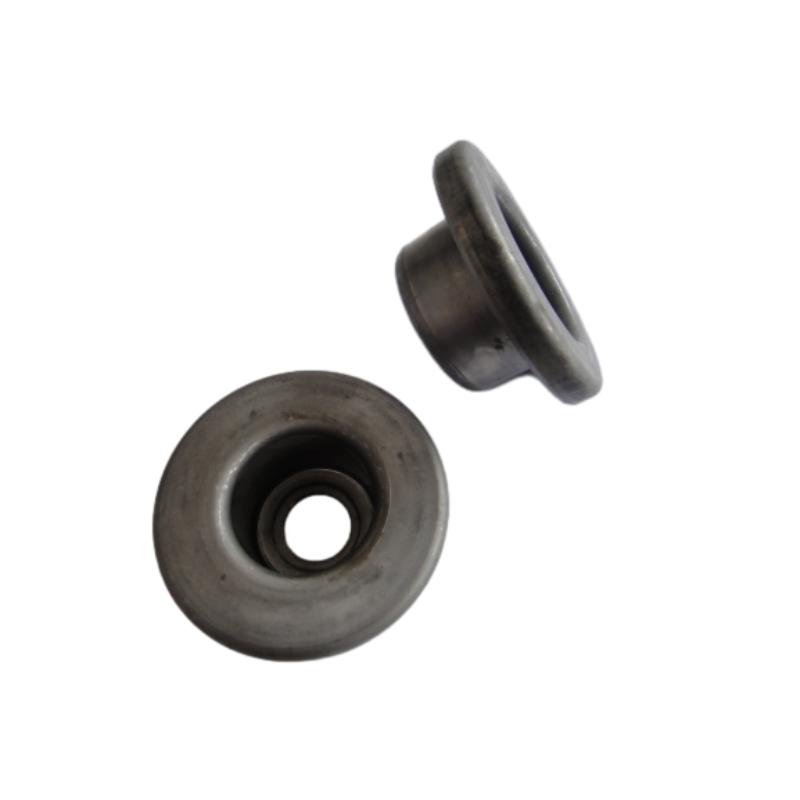
Precision bearings and machining make sure the rollers spin smoothly. Even tiny misalignments can cause premature wear or track derailment, so manufacturers maintain strict manufacturing tolerances.
3. Cost Efficiency
Replacing idler rollers can quickly add up, so many operators seek models balancing upfront cost with lifespan. Oddly enough, a cheaper roller that fails faster often ends up costing more in repairs and downtime.
4. Scalability and Customization
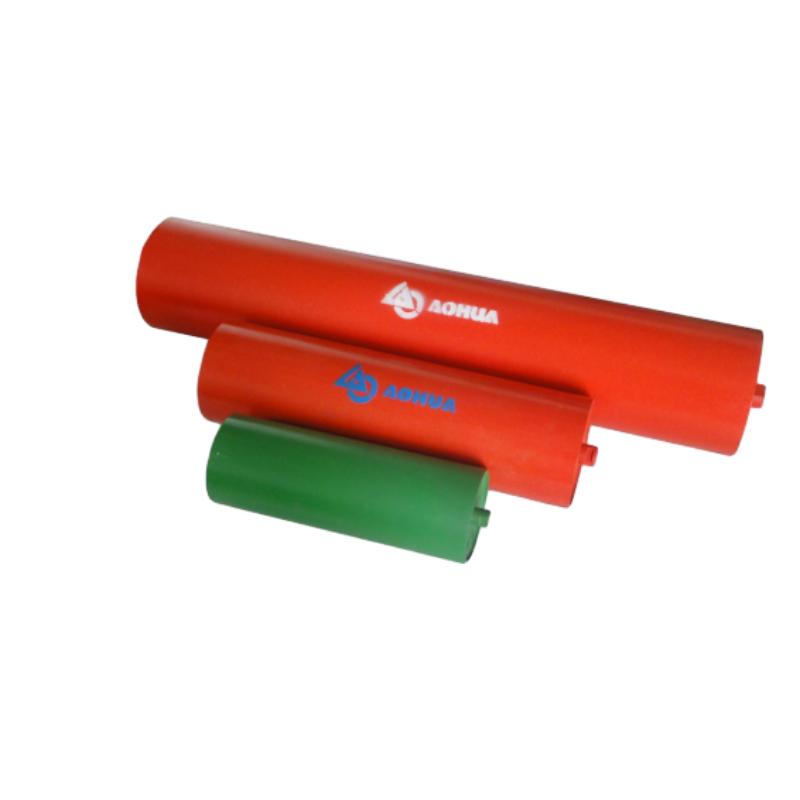
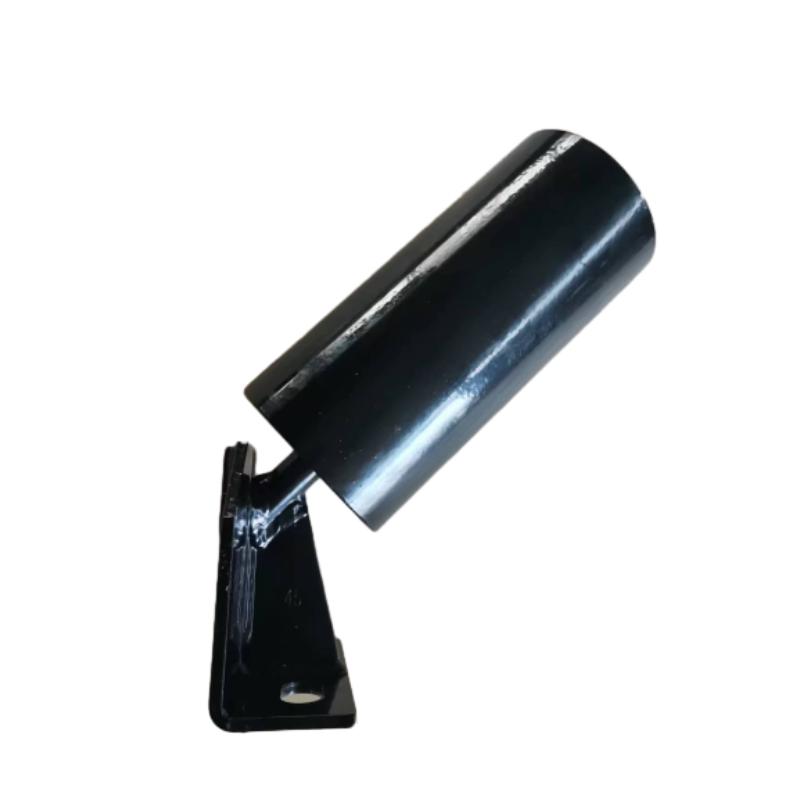
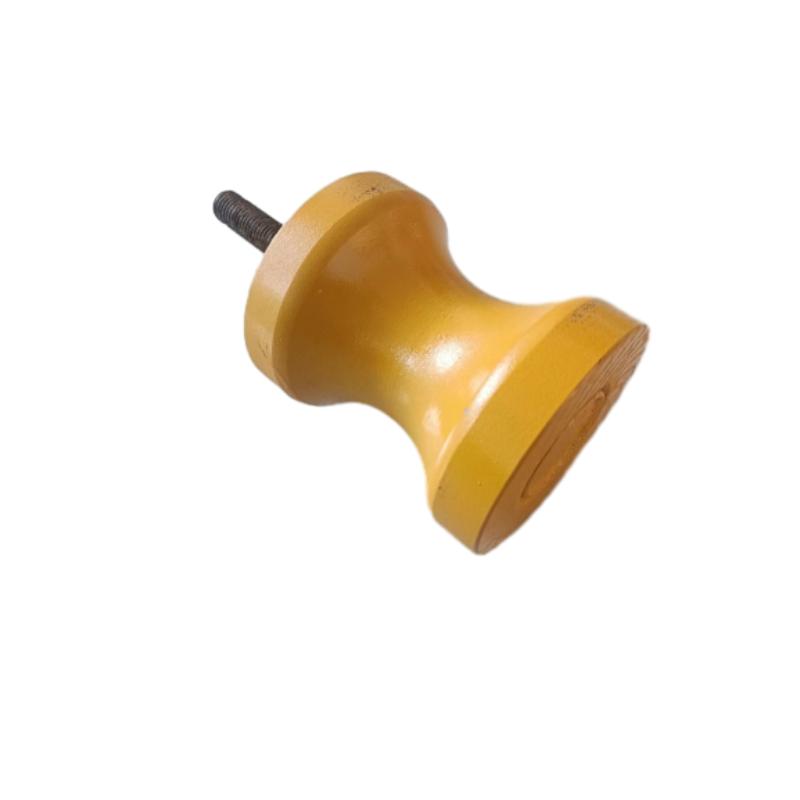
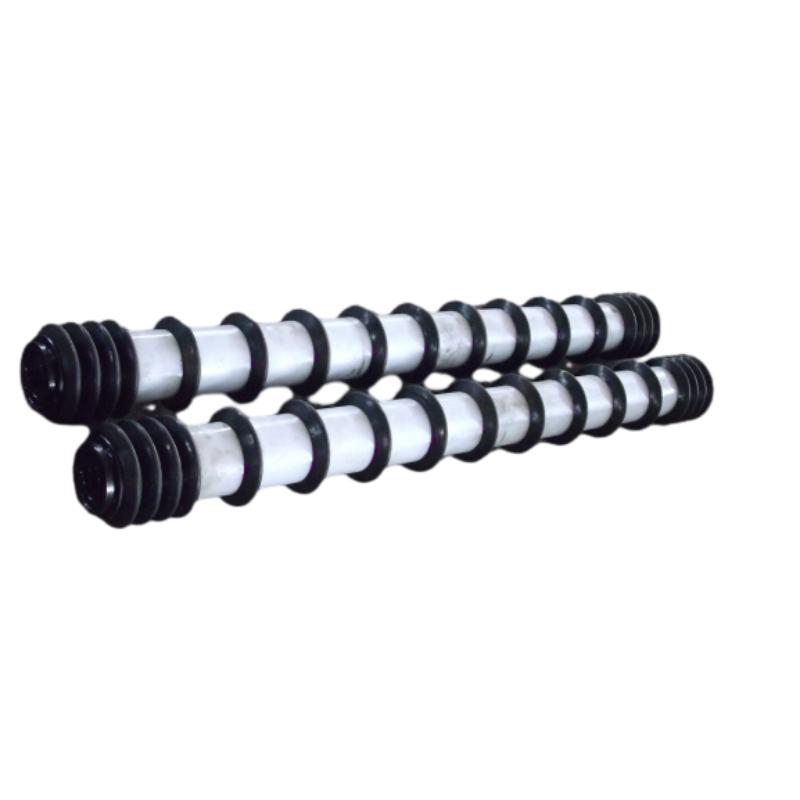
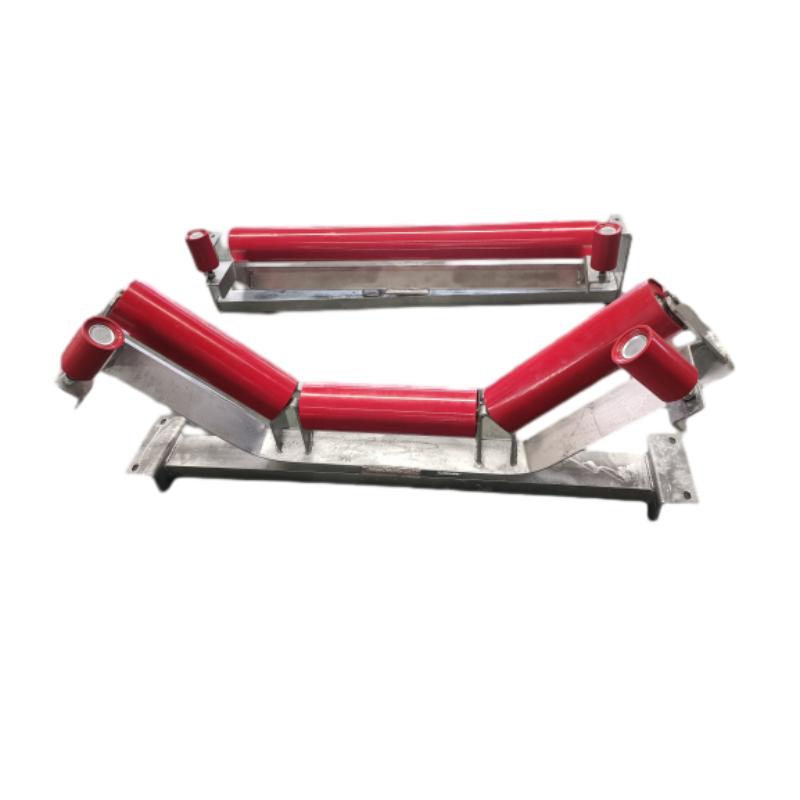
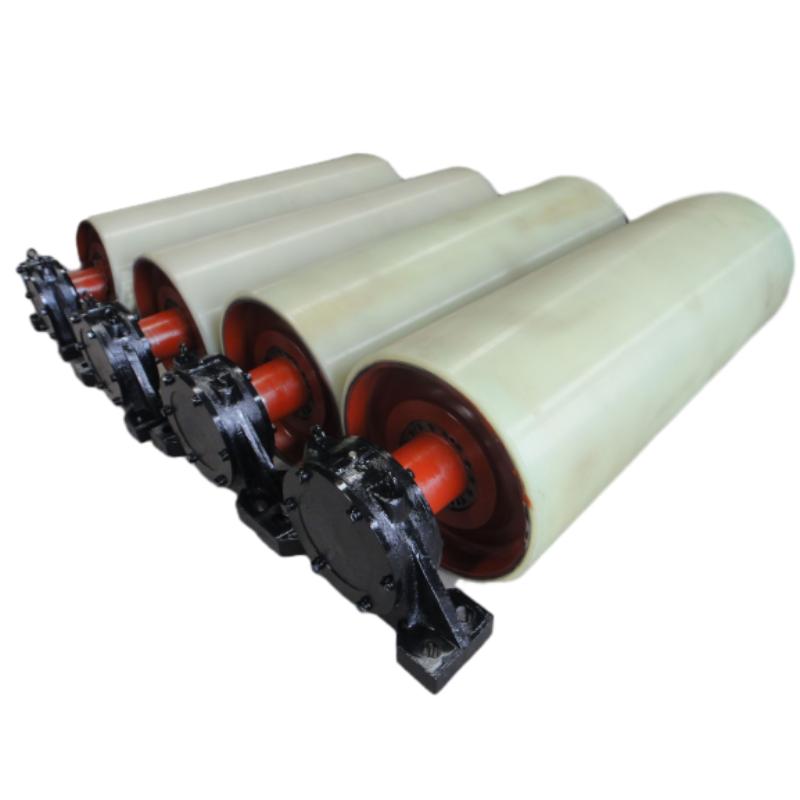
Because tracked vehicles come in all sizes — from mini excavators to large bulldozers — idler rollers come in many diameters, widths, and mounting designs. Vendors increasingly offer custom specs to better fit niche applications.
5. Environmental Adaptability
Whether operating in freezing Arctic temperatures or the scorching deserts of Africa, idler rollers must withstand thermal expansion, dust ingress, and moisture without losing performance.
Mini takeaway: The ideal track idler roller blends toughness, precision, and fit-for-purpose design to keep everything moving—even in tough conditions.
Real-World Applications and Who Benefits
Track idler rollers are everywhere. Here are some industry hotspots:
- Mining and Quarrying: Heavy tracked excavators and haul trucks rely heavily on durable track rollers for continuous operation underground and above ground.
- Construction: Bulldozers, trenchers, and track loaders use idler rollers to tackle uneven terrain and heavy material shifting.
- Military Vehicles: Tanks and armored personnel carriers count on track idlers for mobility in extreme environments.
- Humanitarian Relief: In disaster-hit remote regions where roads are damaged, tracked equipment clears debris and aids rebuilding.
For example, after the 2010 Haiti earthquake, tracked excavators equipped with reliable idler rollers helped NGOs clear tons of rubble, accelerating aid distribution. In countries like Australia with booming mining operations, advanced idler rollers reduce maintenance costs significantly.
Advantages and Long-Term Value of Quality Track Idler Rollers
Choosing the right roller yields multiple benefits:
- Cost Savings: Longer-lasting rollers reduce maintenance downtime and replacement expenses.
- Sustainability: Fewer part replacements mean less metal waste and lower environmental footprint.
- Enhanced Safety: Well-functioning track systems prevent accidents caused by track derailment.
- Reliable Operations: Smooth movement keeps projects on schedule and machinery safe for operators.
On a human level, it brings peace of mind. Trustworthy machines mean jobs get done, families stay fed, and communities rebuild faster. Sometimes, it feels like the difference between progress and standing still.
Upcoming Technologies and Future Innovations
The future looks pretty exciting, actually. Manufacturers are experimenting with:
- Composite Materials: Combining metals with carbon fiber composites for lighter, equally durable rollers that improve fuel efficiency.
- Self-Lubricating Bearings: Reducing maintenance needs by embedding lubrication directly into the roller components.
- Smart Track Systems: Sensors integrated into rollers track wear in real-time, alerting operators before failure.
- Eco-Friendly Production: Using greener manufacturing processes aligned with ISO 14001 environmental management standards.
Common Challenges and How to Overcome Them
Despite their benefits, track idler rollers face issues like:
- Premature Wear due to Contamination: Dust and debris getting inside bearings.
- Improper Installation: Leading to misalignments and more stress.
- Lack of Standardization Across Manufacturers: Causing fit and performance inconsistencies.
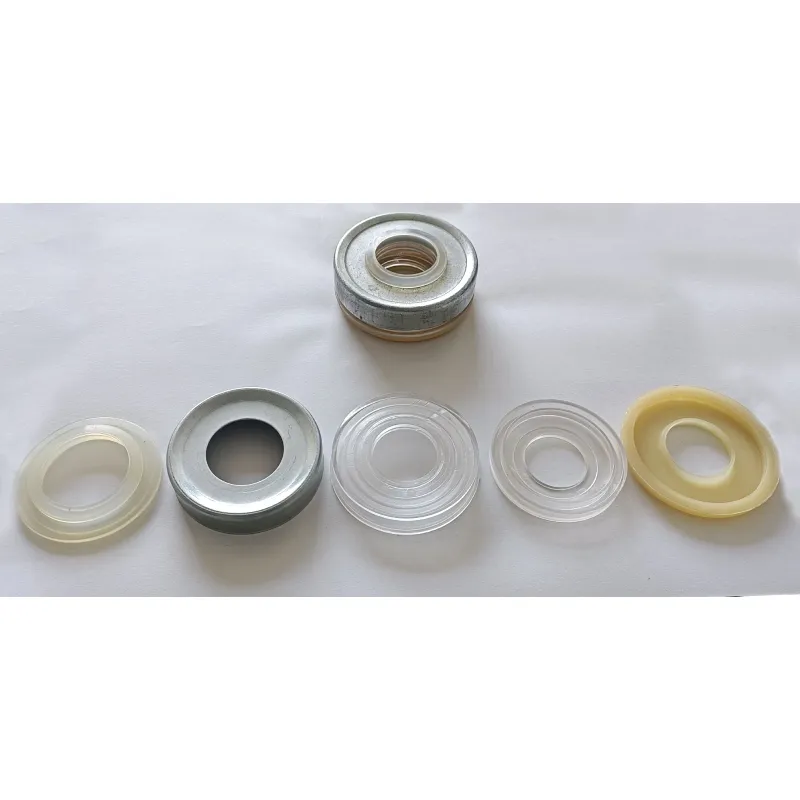
Solutions? Well, many engineers swear by thorough inspections and choosing rollers with enhanced sealing systems. Also, fostering relationships with trusted suppliers who understand your machinery's exact needs is crucial.
Track Idler Roller Product Specification Table
| Specification | Typical Value | Notes |
|---|---|---|
| Diameter | 150–300 mm | Depends on machine size |
| Material | Forged Steel Alloy | Corrosion-resistant treated surface |
| Bearing Type | Sealed Roller Bearings | Maintenance free for 2,000 hours |
| Load Capacity | Up to 20,000 N | Varies by design |
| Operating Temp | -40°C to +85°C | Suitable for diverse climates |
Vendor Comparison: Leading Track Idler Roller Suppliers
| Vendor | Product Range | Customization | Lead Time | Price Range |
|---|---|---|---|---|
| IdlerAohua Co. | Standard & custom rollers | Fully customizable to specs | 2–4 weeks | Mid to high |
| RollerWorks Ltd. | Wide industrial variety | Limited custom options | 1–3 weeks | Mid |
| GlobalTrack Parts | Heavy equipment focus | Custom only for volume clients | 4–6 weeks | High |
Frequently Asked Questions About Track Idler Rollers
Q1: How often should track idler rollers be replaced?
Generally, idler rollers last between 3,000 to 5,000 operating hours, depending on use conditions and maintenance. Regular inspections help catch wear before failure.
Q2: Can track idler rollers be repaired or refurbished?
Minor surface damage may be repaired, but worn bearings or core structural cracks typically require full replacement to ensure safety and performance.
Q3: Are all track idler rollers compatible with every tracked vehicle?
No, compatibility depends on track width, diameter, mounting type, and load requirements. Always consult your equipment specs or a specialist supplier.
Q4: How do environmental conditions affect idler roller lifespan?
Harsh environments like sand, mud, or saltwater accelerate wear unless rollers have specialized seals and corrosion-resistant coatings.
Q5: What innovations help reduce maintenance downtime?
Self-lubricating and sensor-enabled rollers are emerging solutions, providing longer intervals between service and early alerts for potential failure.
Wrapping Up: Why Track Idler Rollers Keep the Wheels of Progress Turning
Track idler rollers may not make headlines, but they’re essential cogs in machinery that powers infrastructure, industry, and humanitarian efforts worldwide. The right roller means fewer service headaches, cost savings, and safer, more reliable equipment. In the end, these steel wheels carry the heavy burden of progress — and they do it quietly and well.
If you want your operations to keep rolling smoothly, you might want to check track idler roller options from trusted vendors. Don’t overlook this key element that often decides whether a project stalls or sails through.
References
- International Organization for Standardization (ISO)
- Tracked Vehicle – Wikipedia
- World Bank: Industry Overview
-
Maximize Conveyor Life with a High Performance impact bedNewsApr.16,2026
-
Maximize Conveyor Efficiency Using a v plow belt scraperNewsApr.09,2026
-
Comprehensive Guide to Understanding Different Types of Belt CleanersNewsApr.07,2026
-
Enhancing Conveyor Efficiency with an Effective Scraper Belt CleanerNewsApr.04,2026
-
Optimizing Conveyor Systems with Advanced Cleaning Equipment SolutionsNewsMar.31,2026
-
Effective Conveyor Belt Scraper Adjustment for Optimal System PerformanceNewsMar.28,2026