

Custom Roller Solutions: Tailored Components for Industrial Efficiency and Innovation
Understanding Custom Rollers: The Unsung Heroes of Industrial Efficiency
If you’ve ever wondered about those essential components quietly supporting conveyor lines, printing presses, or packaging systems—then custom rollers might just be what you need to know about. They’re small, precise mechanical parts designed to fit unique industrial needs, but their impact? Big. Globally, industries rely on them for smoother operations, better product handling, and enhanced machinery longevity. And that’s why getting a grip on what custom rollers are, and why they matter, can literally translate to cost savings, operational efficiency, and innovation.
Why Custom Rollers Matter on a Global Scale
The conveyor and industrial handling equipment market is projected to surpass $50 billion by 2030, according to data from the International Organization for Standardization (ISO) and industry analyses. Custom rollers play a central role here—no cookie-cutter parts can replace the subtle variations required for different environments and materials. Think factories in Germany, mining sites in Australia, or logistics hubs in the U.S.; all need their own tailored roller solutions to perform optimally.
But beyond economics, there’s an underrated humanitarian side. In disaster zones, customized conveyor rollers in temporary sorting facilities help speed aid distribution. Oddly enough, something as mechanical as a roller can have a social impact, helping dignity and efficiency in very tough places. The challenge remains: how do manufacturers keep pace with growing industrial diversity without sacrificing quality?
Mini Takeaway: Custom rollers aren’t just mechanical components; they’re keystones for smooth global supply chains, efficiency, and even humanitarian efforts.
What is a Custom Roller?
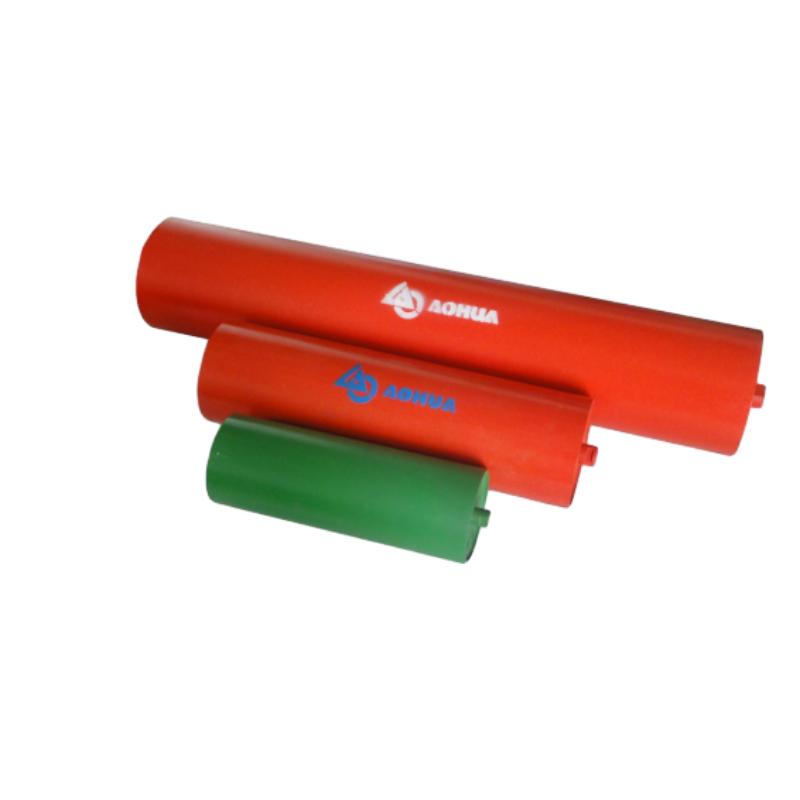
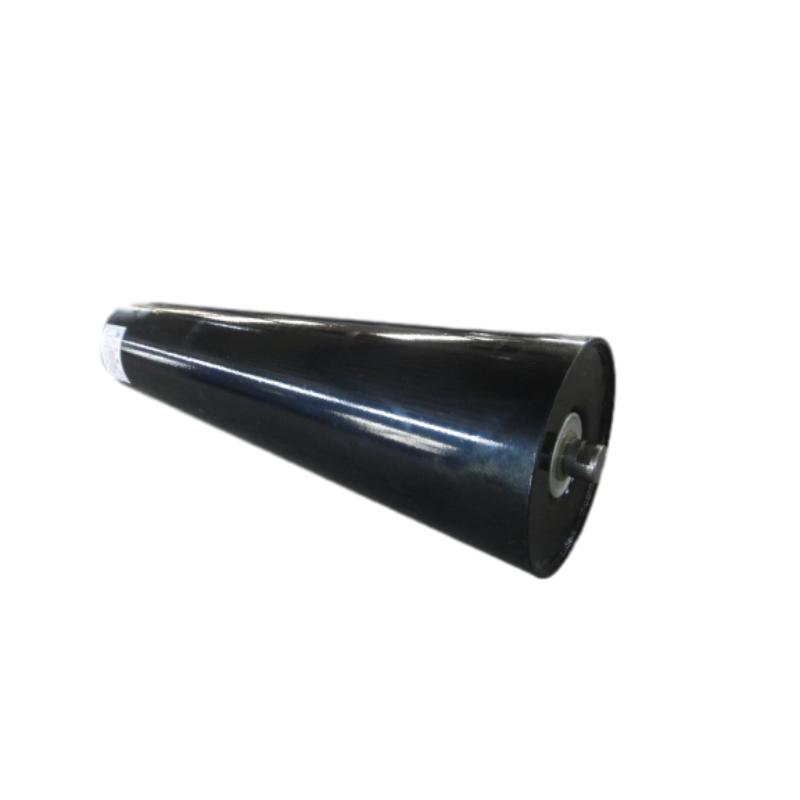
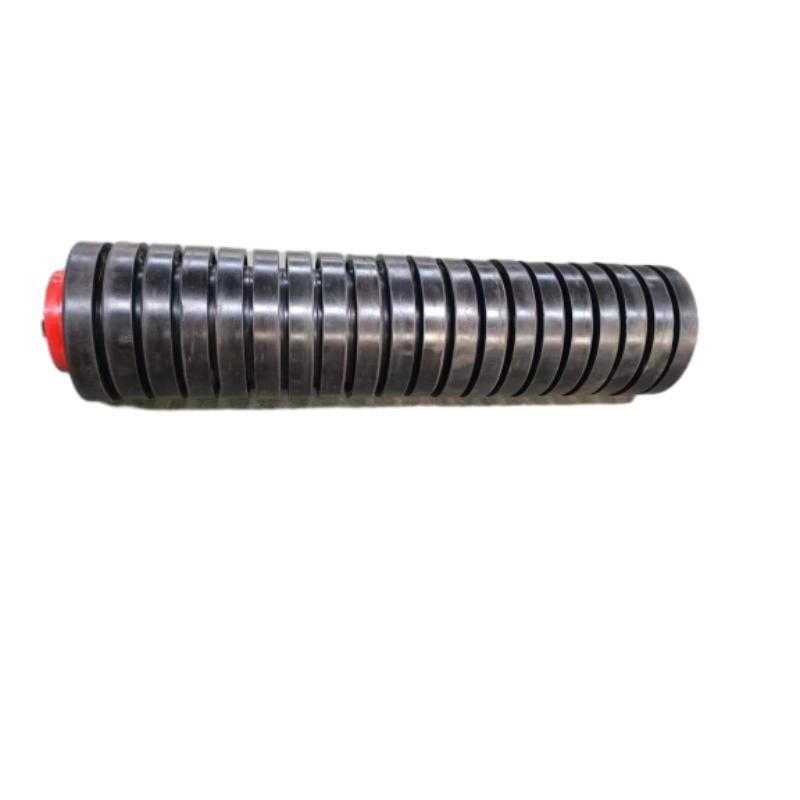
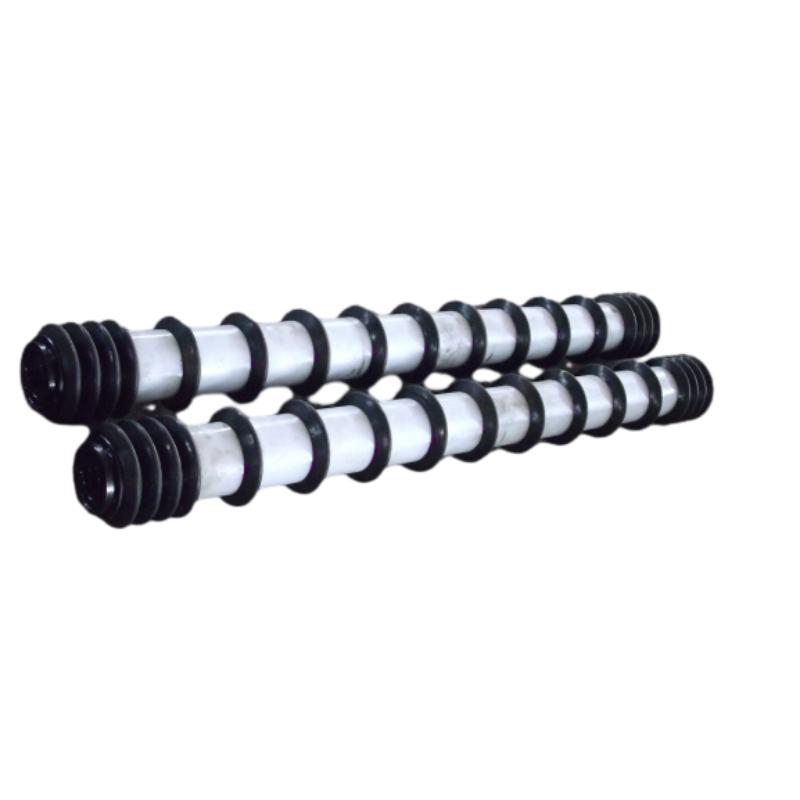
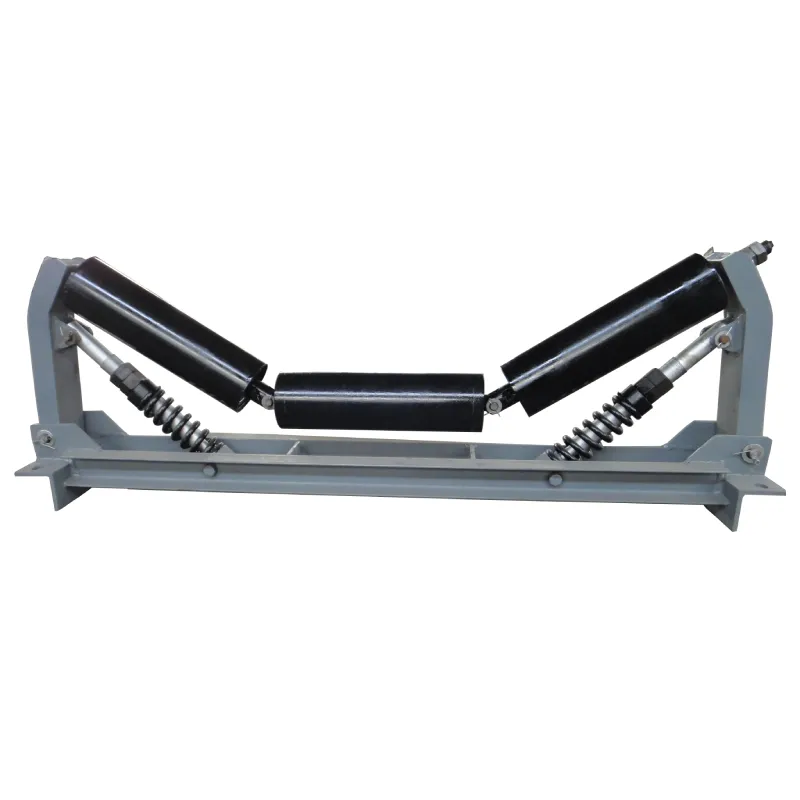
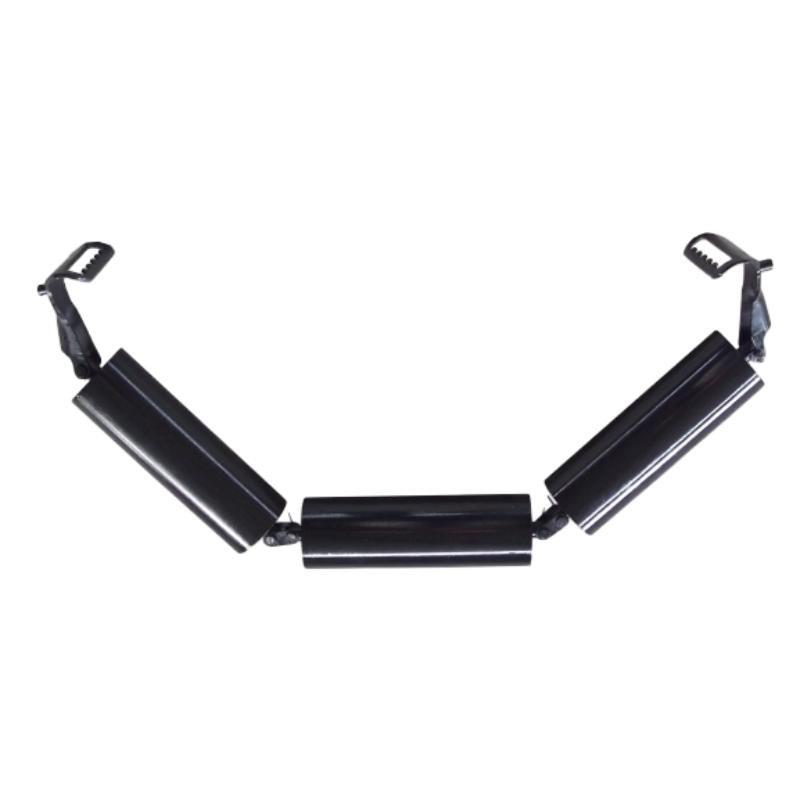
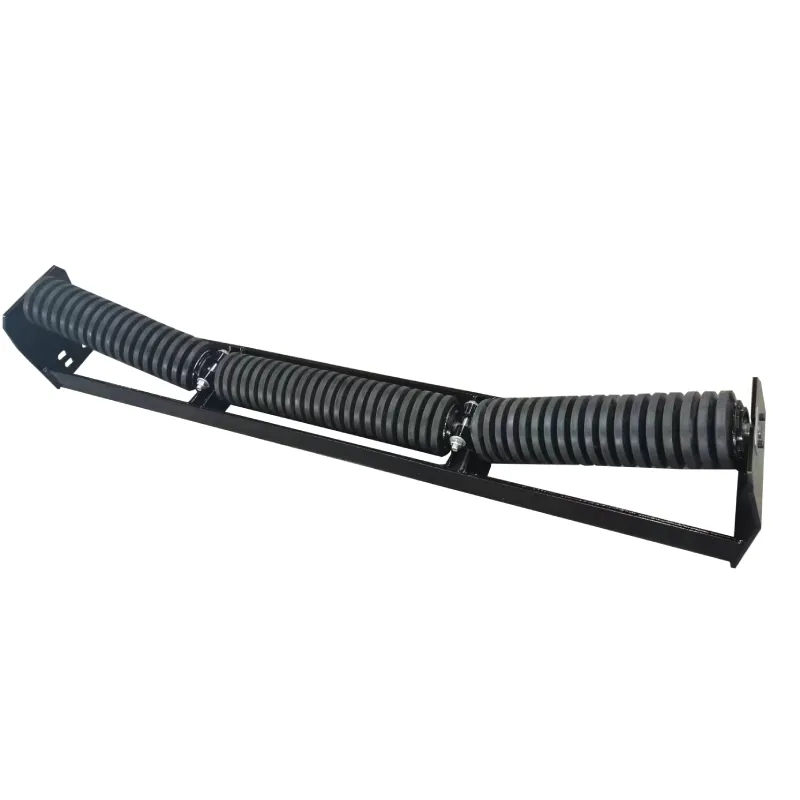
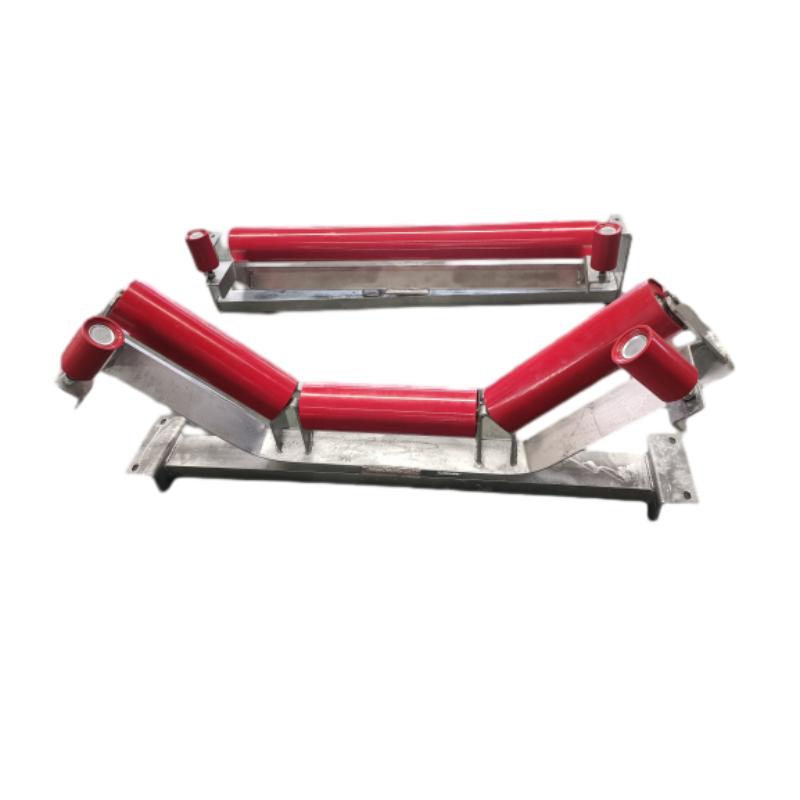
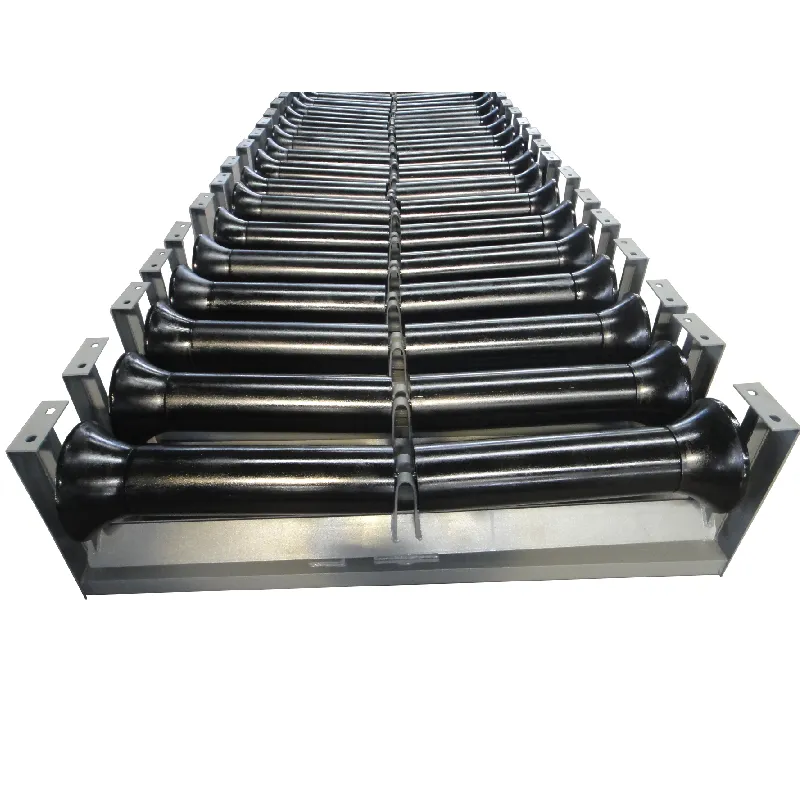
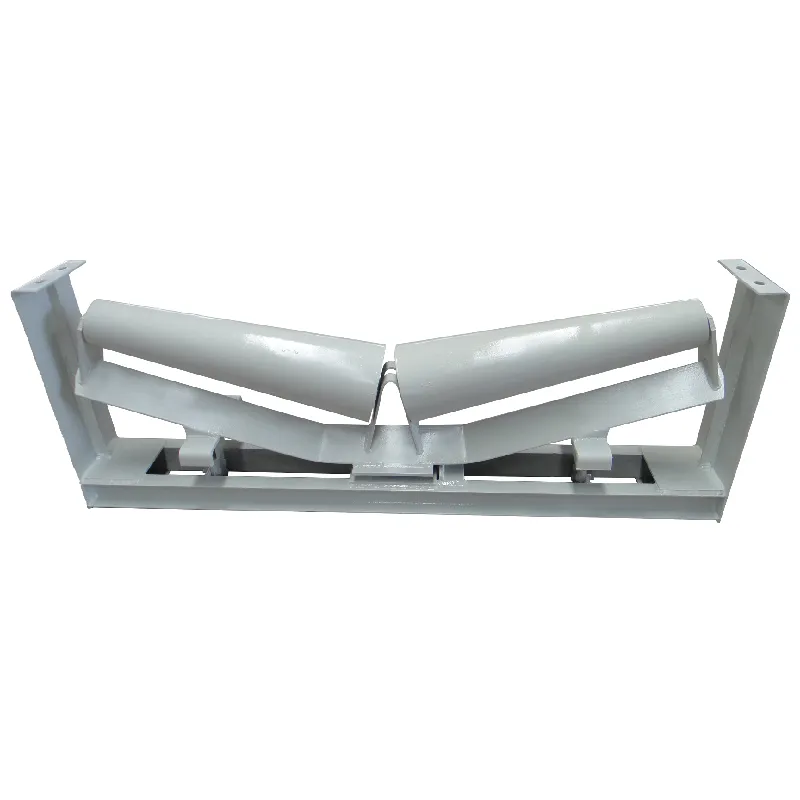
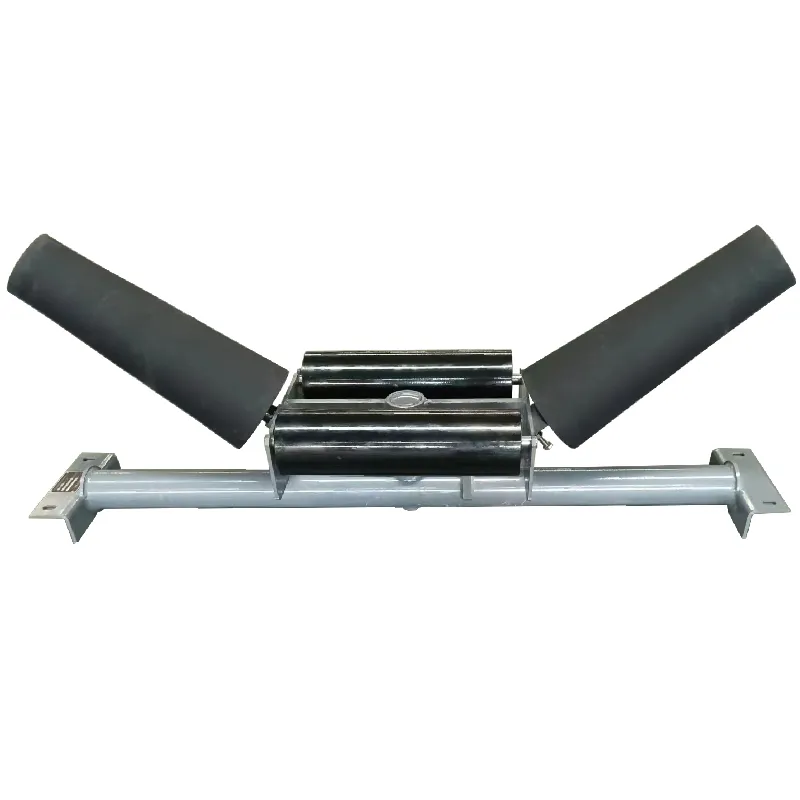
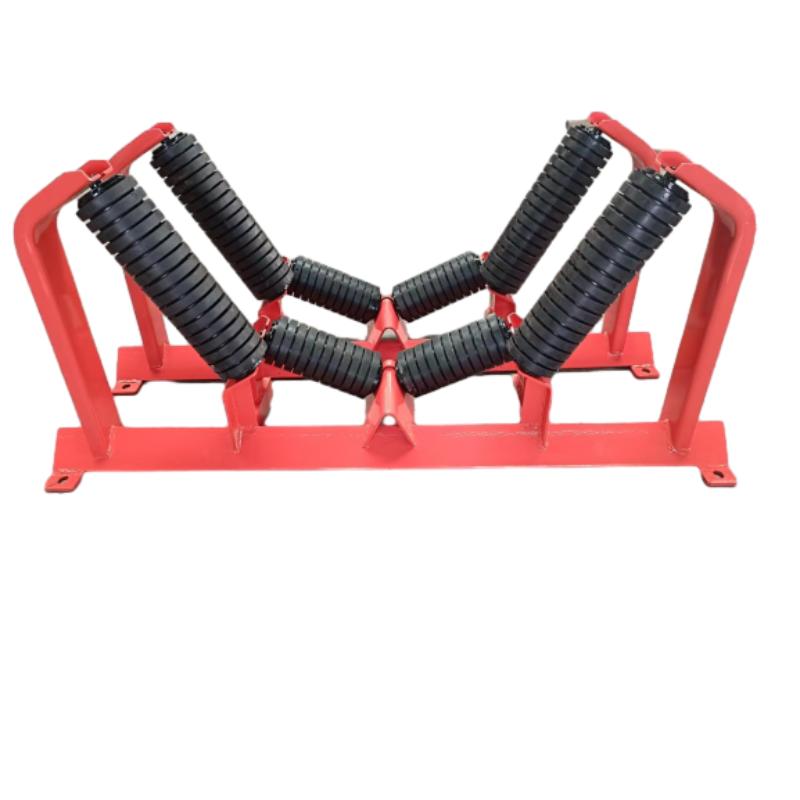
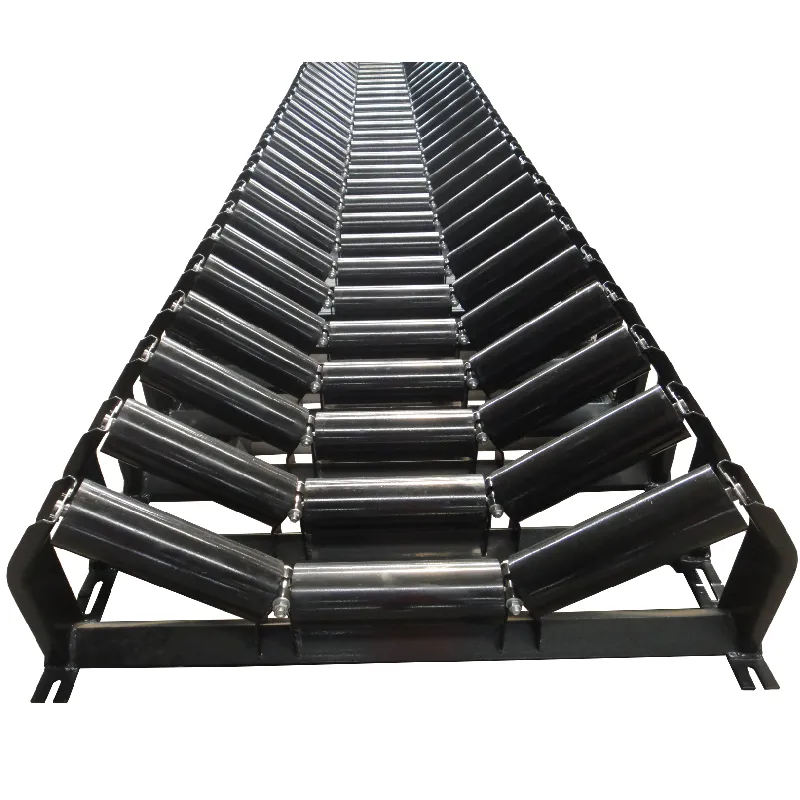
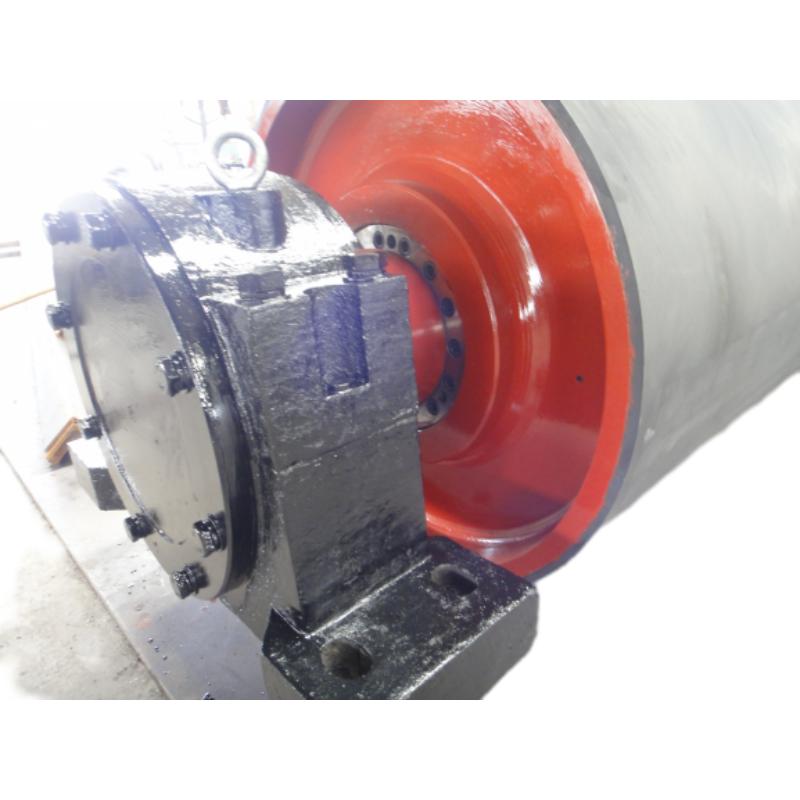
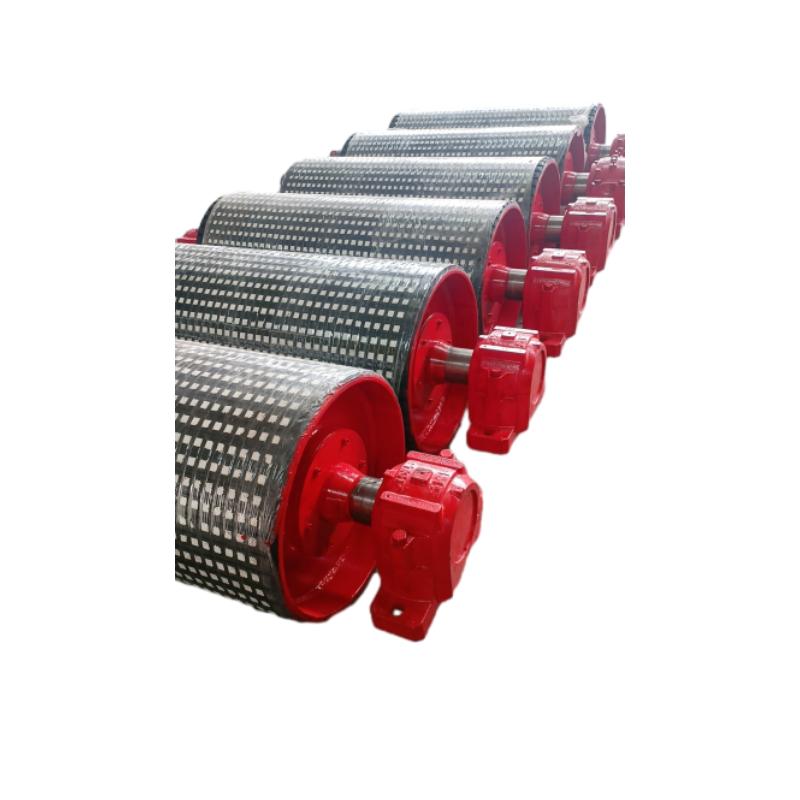
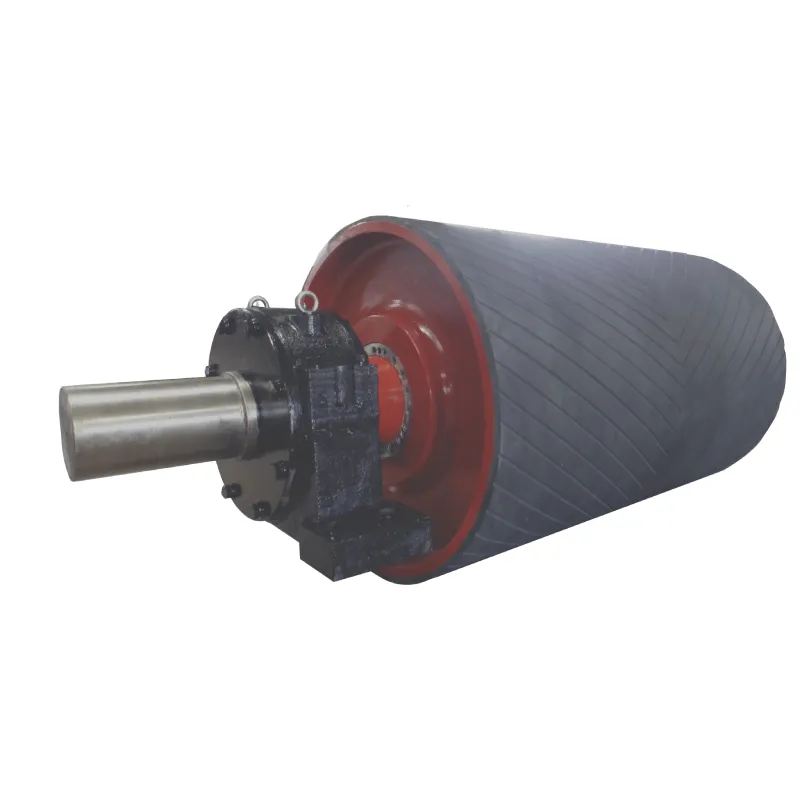
Put simply, a custom roller is a cylindrical component tailored specifically for particular machine requirements, distinguished by dimensions, materials, surface treatments, and internal construction. Unlike standard rollers that come “off-the-shelf,” these adapt to unique environments such as high-temperature ovens, food-grade conveyors, or heavy-load industrial carts.
In modern industry, they motor the flow of goods—whether it’s in food processing lines in Europe or packaging plants in Asia. Humanitarian efforts often turn to specialized rollers to handle fragile or irregular loads during relief operations, making sure supplies get where they need to go without delays or damage.
Core Components and Key Factors of Custom Rollers
1. Material Selection
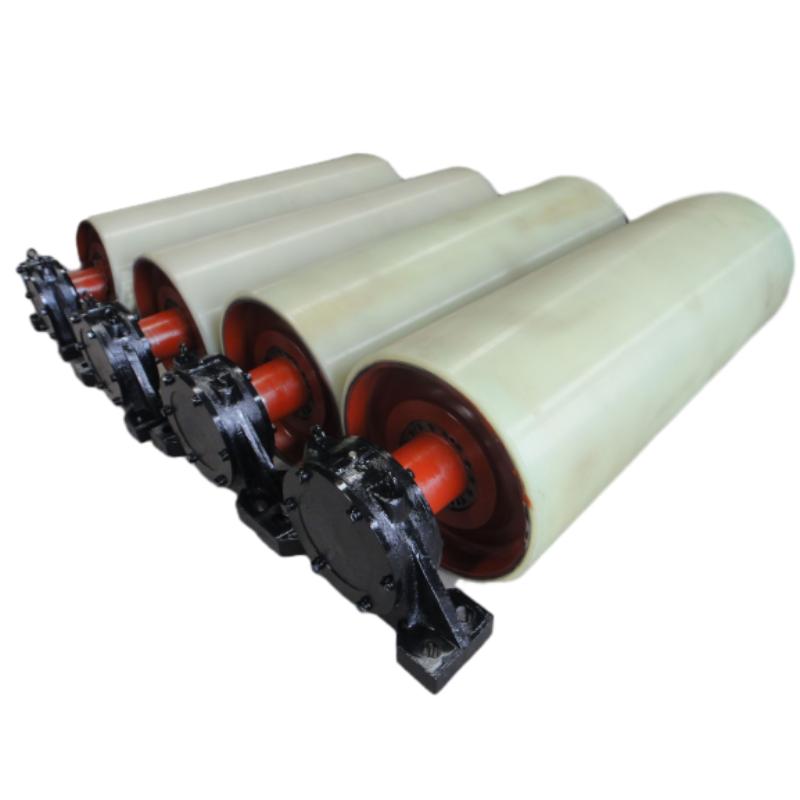
Steel, aluminum, rubber, or polyurethane? The choice affects durability, friction, and compatibility with conveyed goods. For instance, food industry rollers might use FDA-approved polyurethane to stay hygienic.
2. Surface Finish and Coating
Depending on use, rollers may require polished surfaces or specialized coatings (like anti-corrosion or anti-static). This influences wear resistance and product safety.
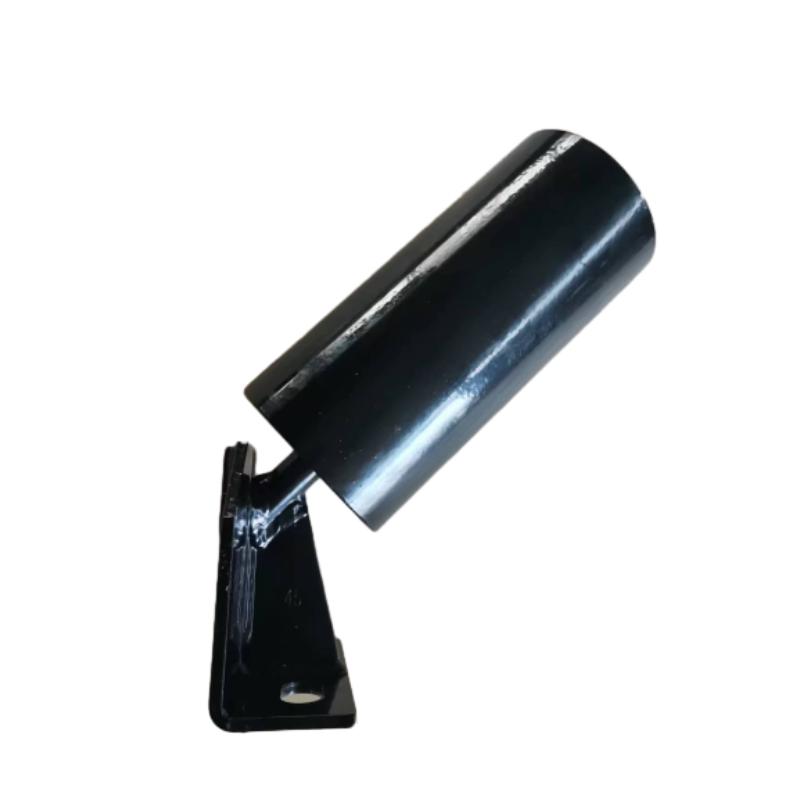
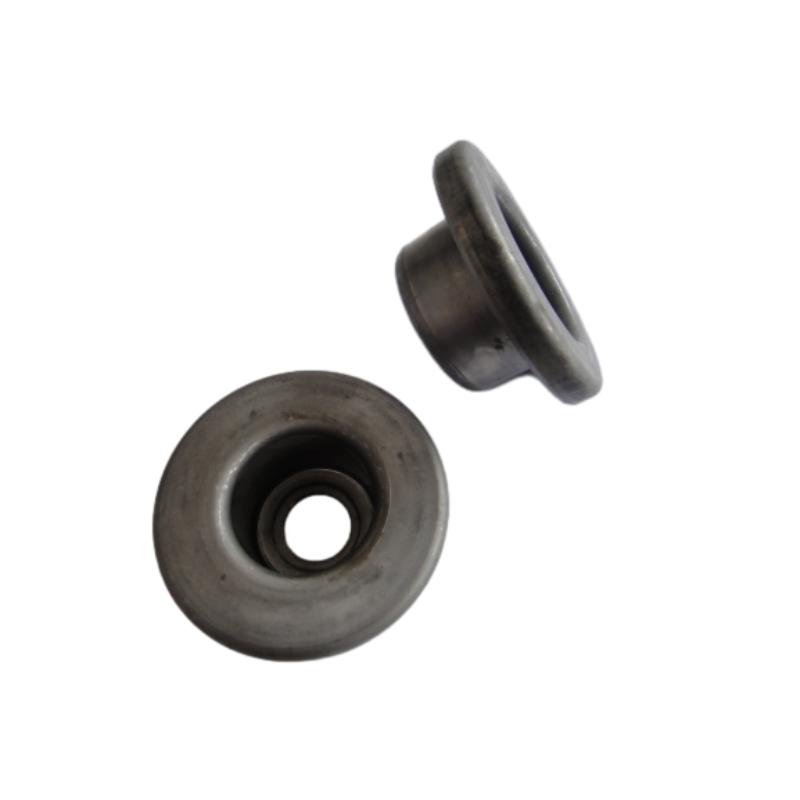
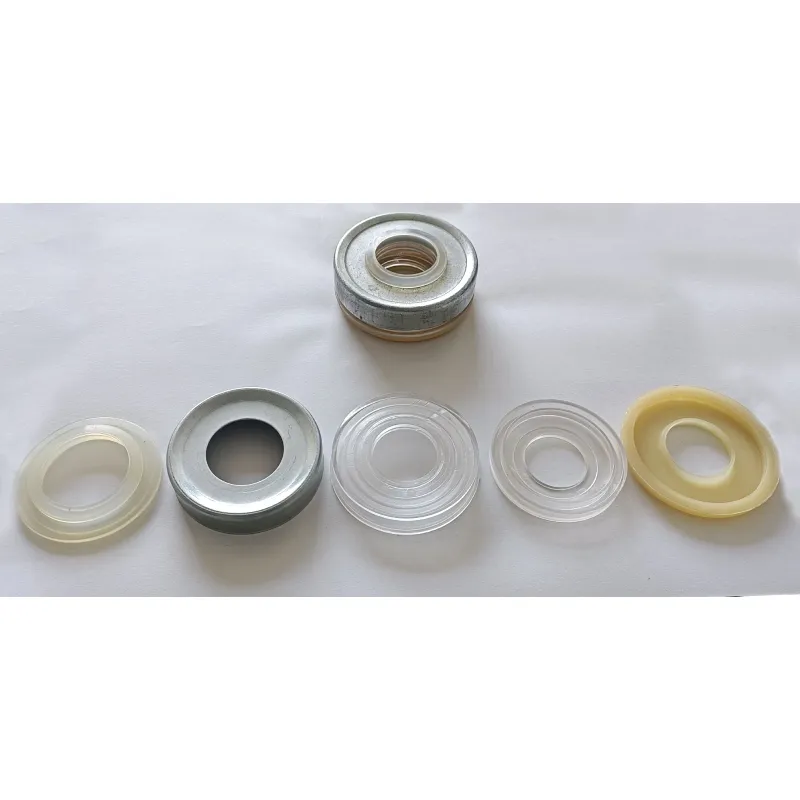
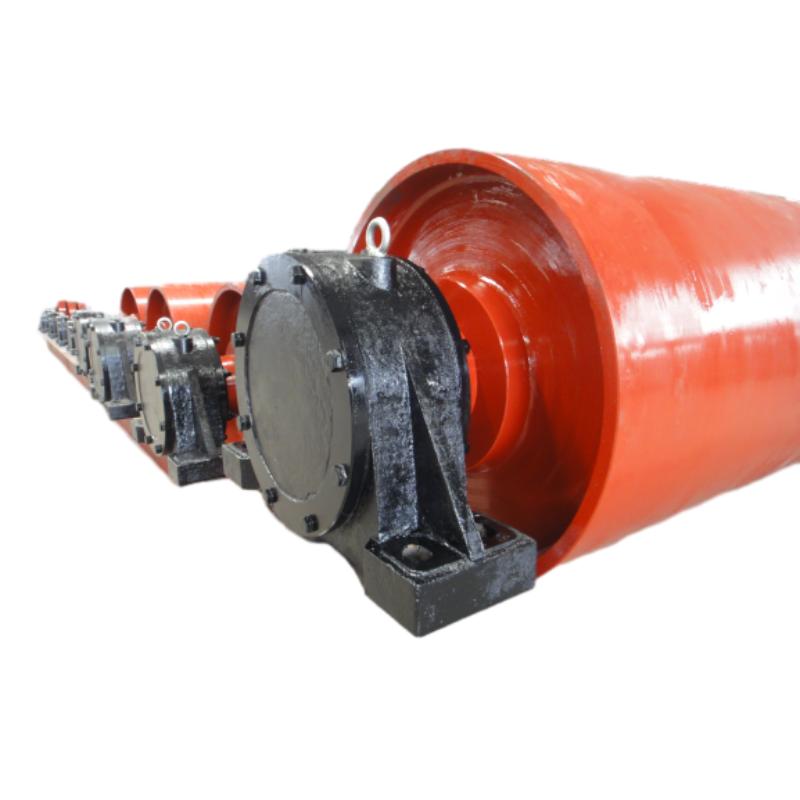
3. Bearing and Shaft Assemblies
Bearings determine smooth rotation and load support. Precision-engineered sealed bearings extend life and reduce maintenance — a clever feature especially in dusty or moist conditions.
4. Load Capacity and Size
Every conveyor setup calls for rollers sized to hold specific weight and length specifications. Getting this wrong can cause disruptions or damage.
5. Customization Options
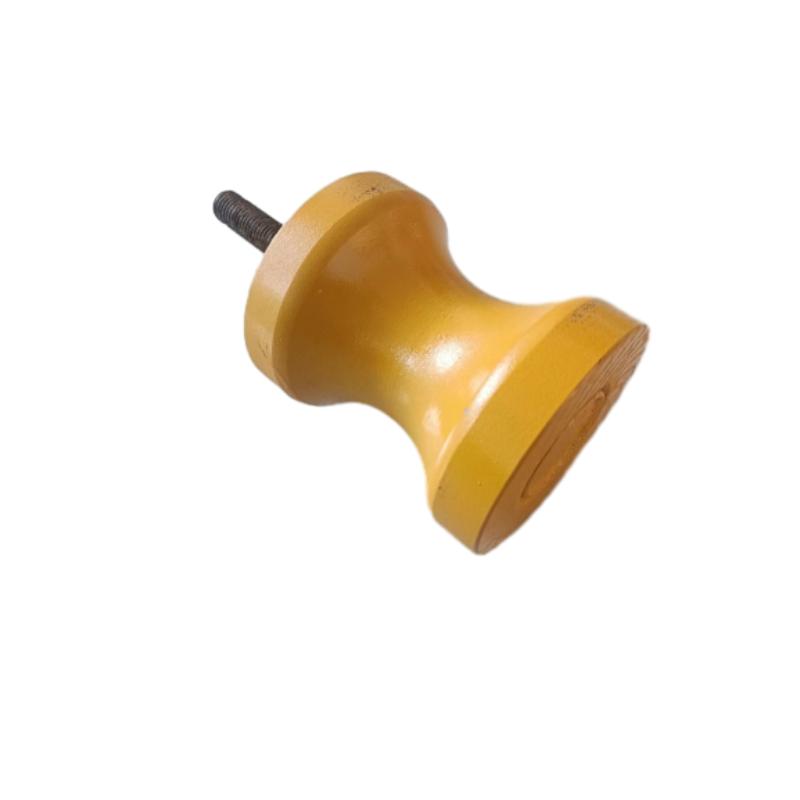
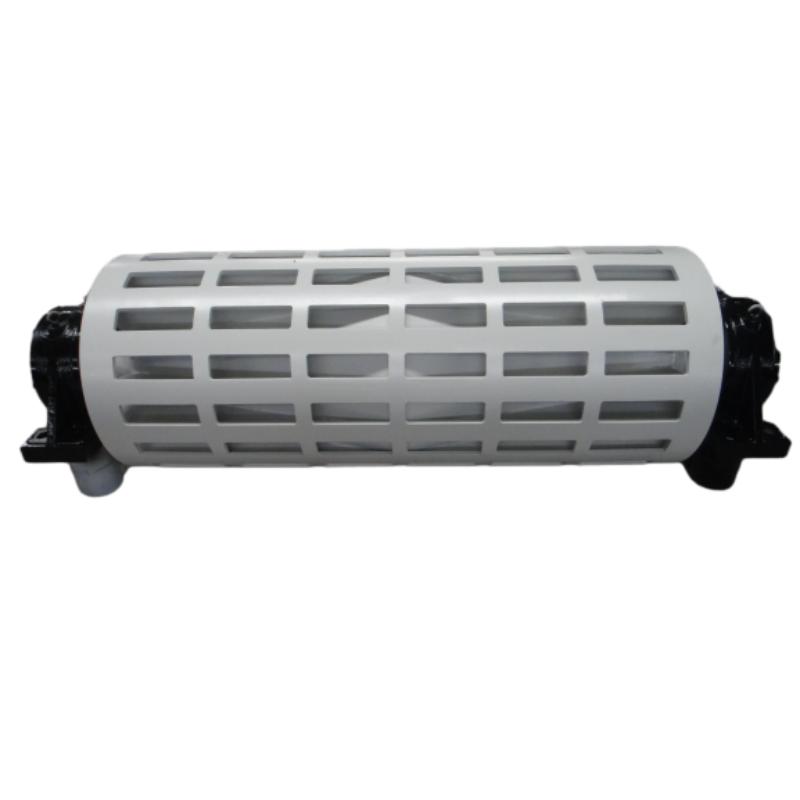
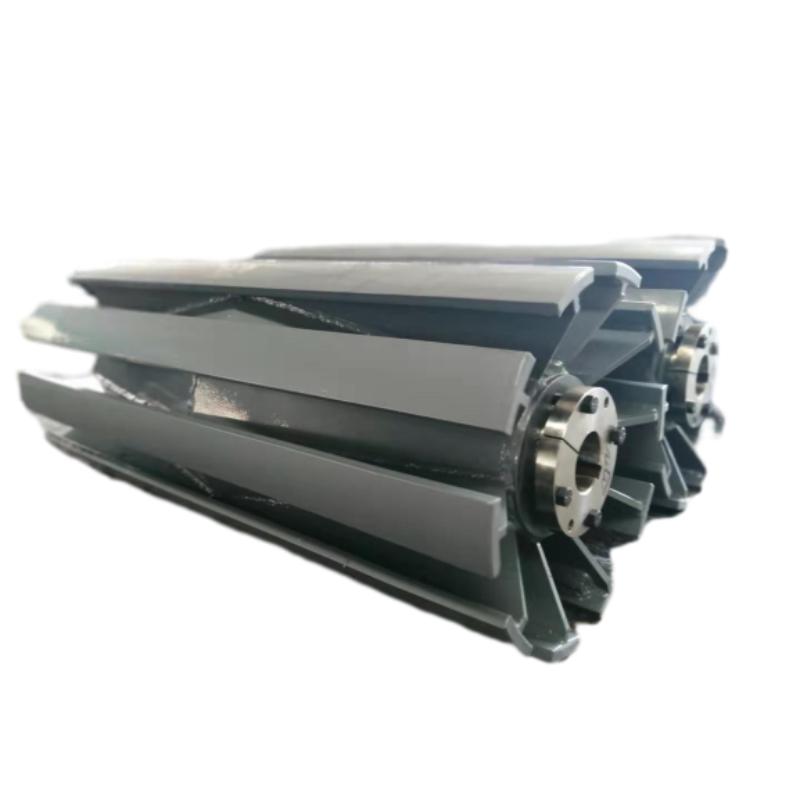
Rollers might be bored (hollow), solid, crowned, or grooved based on application needs. These subtle design choices ensure product stability and movement efficiency.
Mini Takeaway: Understanding the components behind custom rollers lets you appreciate why customization is vital for long-term reliability and expanding industrial demands.
Where Custom Rollers Really Shine: Real-world Applications
Here’s where the theory meets the dirt. Custom rollers find homes in many industries:
- Automotive Manufacturing: Rollers designed to handle heavy automotive parts move assemblies efficiently.
- Food & Beverage: FDA-compliant rollers with hygienic coatings navigate delicate packaging lines.
- Mining and Raw Material Handling: Durable rollers withstand abrasive, outdoor conditions with minimal downtime.
- Logistics & Warehousing: Customized low-friction rollers help handle a wide variety of parcels and materials.
- Humanitarian Relief: In disaster-hit regions, tailored rollers accelerate aid handling, sorting, and distribution points.
For example, a relief agency in Southeast Asia recently upgraded conveyor rollers to a version resistant to tropical humidity and salt air, increasing throughput by 20% during critical aid deployment phases.
Product Specifications at a Glance
| Specification | Typical Range/Details |
|---|---|
| Material | Steel, Aluminum, Polyurethane, Rubber |
| Diameter | 20 mm to 400 mm (customizable) |
| Length | 50 mm to 2000 mm |
| Load Capacity | Up to 10,000+ N per roller |
| Bearing Type | Sealed ball bearings, roller bearings |
| Surface Coatings | Anti-corrosion, FDA-compliant, anti-static, polyurethane covers |
Vendor Comparison: Choosing the Right Custom Roller Partner
| Feature | Vendor A | Vendor B | Vendor C |
|---|---|---|---|
| Customization Range | Extensive (bulk and small runs) | Moderate (standard sizes) | High (special coatings) |
| Lead Time | 3-6 weeks | 2-4 weeks | 4-8 weeks |
| Special Materials | Food-grade polyurethane | Standard steel & rubber | Anti-static & corrosion-resistant |
| Pricing | $$$ (Premium-quality) | $$ (Competitive) | $$$ (Niche products) |
| Customer Support | Excellent technical consulting | Standard support | Limited hours |
Advantages and Long-Term Benefits of Custom Rollers
Why invest in custom rollers? Here’s the rundown:
- Cost Efficiency: Tailored dimensions reduce wear-and-tear and downtime.
- Sustainability: Durable materials and coatings mean fewer replacements and less waste.
- Safety & Reliability: Correct roller specs minimize product damage and workplace accidents.
- Social Impact: Enhances speed and precision in humanitarian supply chains—people’s lives depend on it.
- Innovation: New materials and coatings open doors for advanced industries requiring precision (think semiconductors or pharmaceuticals).
It’s not just about nuts and bolts here. Many plants report higher employee morale because their equipment just “works” better—less frustration, fewer interruptions. That kind of intangible benefit often escapes quarterly reports but is key in long-term success.
The Future: What’s Next for Custom Roller Technology?
We’re already seeing trends toward eco-friendly materials, digital integration, and automation. For example, some suppliers incorporate sensors into rollers to monitor wear remotely, signaling when a replacement is needed, cutting unexpected downtime.
Meanwhile, research into sustainable polymers as roller coverings is underway—this ties neatly into global efforts like the United Nations’ sustainable development goals (SDG 9: Industry, Innovation, and Infrastructure).
And frankly, with Industry 4.0 transforming factories worldwide, custom rollers are evolving from simple mechanical components to smart system partners.
Challenges & Innovations: Navigating the Roadblocks
Customization, however, does come with hurdles. Lead times can stretch, costs sometimes rise sharply, and exacting specs may cause trial-and-error delays. Plus, global supply chain interruptions (remember 2020?) have made sourcing specific materials tricky at times.
Customers and engineers have found success through modular roller designs that allow partial customization or by partnering with firms emphasizing agile manufacturing. Also, the rise of advanced CAD and simulation software helps stakeholders avoid costly mistakes before production.
FAQs About Custom Rollers
Q1: How do custom rollers improve conveyor efficiency?
Custom rollers are precisely matched to conveyor loads, speed, and product type, reducing friction and mechanical failure. This means less downtime, smoother operation, and longer equipment life.
Q2: Can custom rollers be used in extreme environments?
Absolutely. They can be built from specialized materials (like stainless steel and coated polymers) to withstand heat, moisture, chemicals, and abrasive conditions common in industries like mining, food processing, and chemical manufacturing.
Q3: What is the typical lead time for a custom roller order?
Lead times often range from 2 to 8 weeks depending on complexity, materials, and order size. Early planning and good communication with your vendor can shorten this timeline.
Q4: Are there eco-friendly custom roller options?
Yes, manufacturers increasingly use recyclable materials and eco-coatings. Some also design rollers for easier disassembly to improve recycling rates at product end-of-life.
Q5: How can I ensure the right custom roller specs for my application?
Working closely with experienced suppliers, providing detailed load, speed, and environmental data helps deliver the perfect roller. Using simulation tools beforehand can also validate your choice.
Wrapping It Up: Why Custom Rollers Should Be on Your Radar
Custom rollers may appear humble, but they’re critical puzzle pieces in complex industrial ecosystems. Their tailored design helps businesses increase uptime, improve safety, and embrace sustainability. From bustling warehouses to emergency relief efforts, their role transcends mere function to touch on social good and innovation.
If you’re curious to explore how a custom roller solution could upgrade your operations or projects, it’s absolutely worth a deeper dive. See what’s possible and tailor your approach for tomorrow’s challenges.
References:
-
Maximize Conveyor Life with a High Performance impact bedNewsApr.16,2026
-
Maximize Conveyor Efficiency Using a v plow belt scraperNewsApr.09,2026
-
Comprehensive Guide to Understanding Different Types of Belt CleanersNewsApr.07,2026
-
Enhancing Conveyor Efficiency with an Effective Scraper Belt CleanerNewsApr.04,2026
-
Optimizing Conveyor Systems with Advanced Cleaning Equipment SolutionsNewsMar.31,2026
-
Effective Conveyor Belt Scraper Adjustment for Optimal System PerformanceNewsMar.28,2026