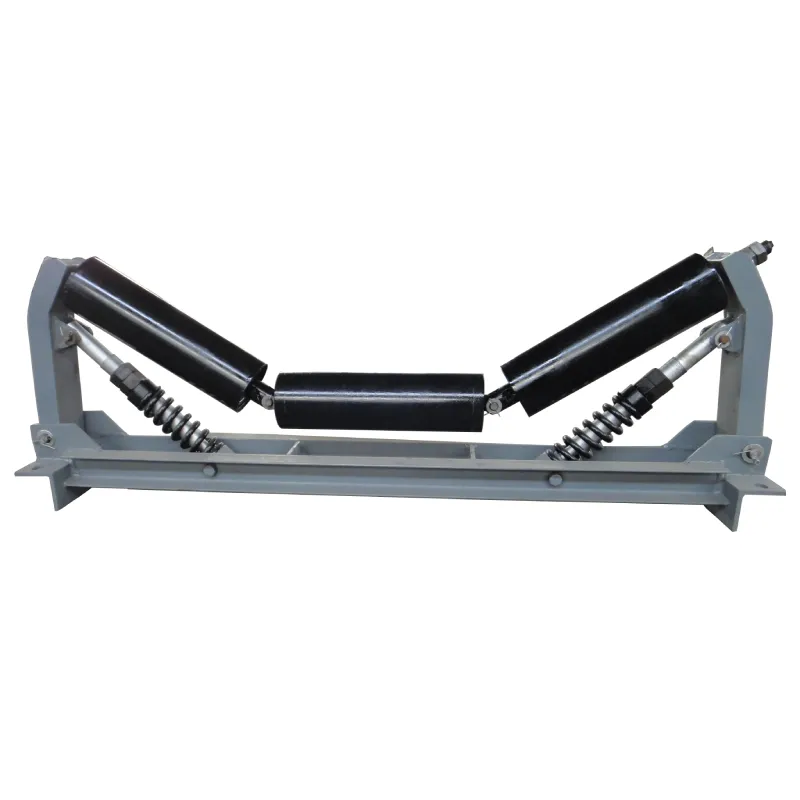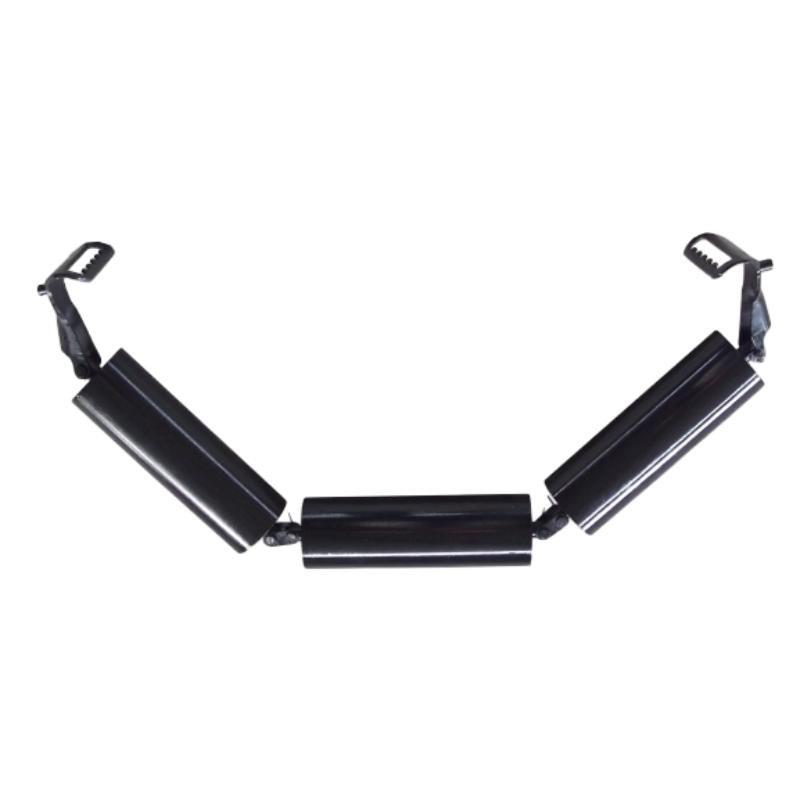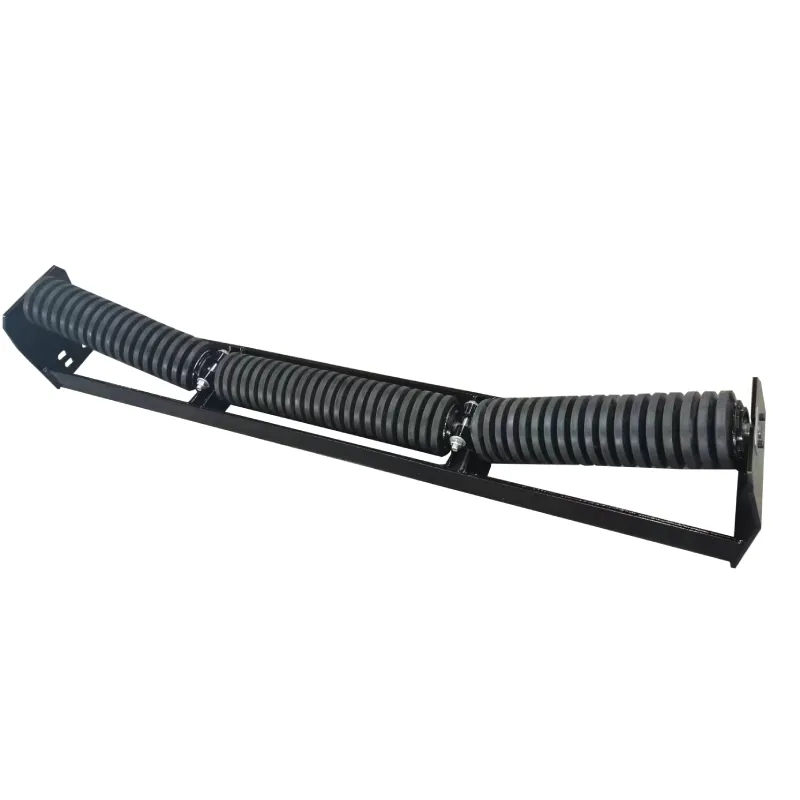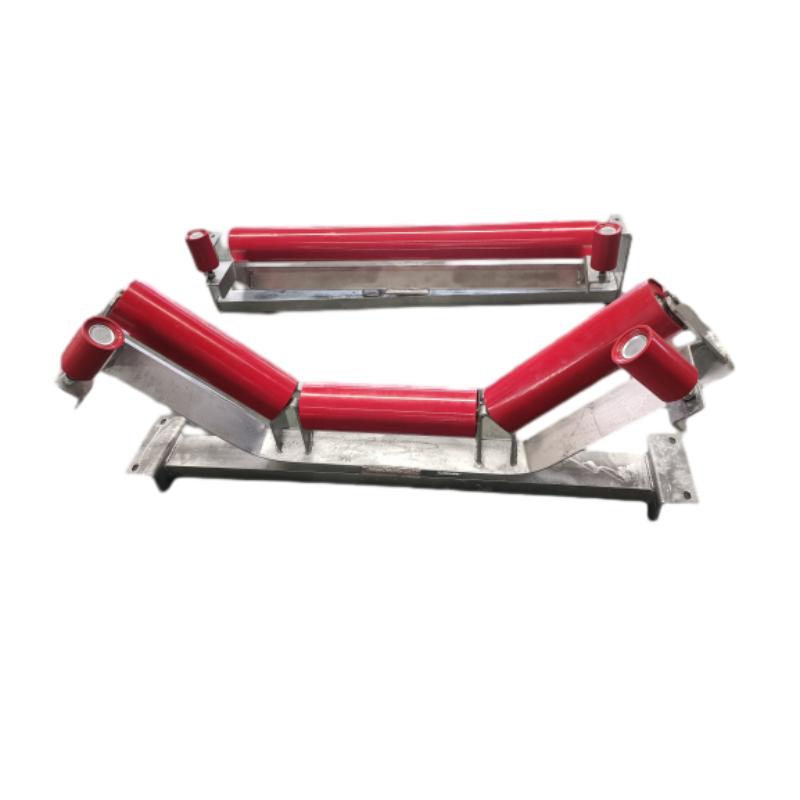


Industrial Urethane Rollers: Durable, Customizable Conveyor Components for Global Industries
Understanding Industrial Urethane Rollers: What They Are and Why They Matter
If you’ve ever been behind the scenes of a manufacturing line or watched materials smoothly glide through a conveyor system, there’s a good chance that industrial urethane rollers were quietly doing their job. These components, often underestimated, play a surprisingly big role in keeping modern industry humming efficiently. But why does it matter globally? Because as production scales and industries demand more from their equipment, components like urethane rollers offer durability, cost savings, and adaptability that businesses around the world urgently need.
Whether you’re in automotive manufacturing, packaging, or even humanitarian logistics, understanding industrial urethane rollers can save you downtime and boost product quality. Let’s unpack what they really do — and why your next project might just depend on them.
The Global Urgency Behind Industrial Urethane Rollers
Industrial production and material handling worldwide are expected to grow steadily, with some reports forecasting a near 5% annual increase through the 2020s (World Bank, Industry Outlook 2023). At the heart of many conveyor systems and machinery, rollers serve as pivot points that move and support goods. Yet traditional rollers made from steel or rubber sometimes fall short: prone to wear, noise, or insufficient traction.
Enter industrial urethane rollers — designed to address these challenges by marrying toughness with flexibility. As industries push for efficiency, sustainability, and lower maintenance costs, urethane rollers are capturing attention globally. Factories in Asia, Europe, and North America are betting on their resilience to reduce downtime and environmental impact.
But it’s not just about factories — disaster relief agencies and remote mining operations alike rely on such durable components for handling heavy loads in imperfect conditions. These rollers aren’t just machinery parts; they’re enablers of progress and sustainability.
What Exactly Are Industrial Urethane Rollers?
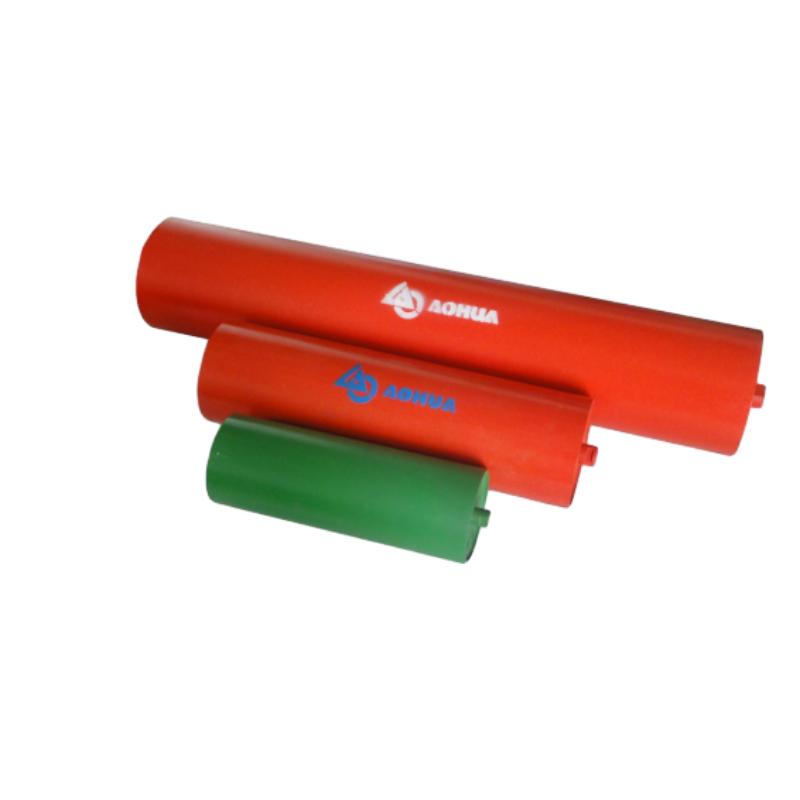
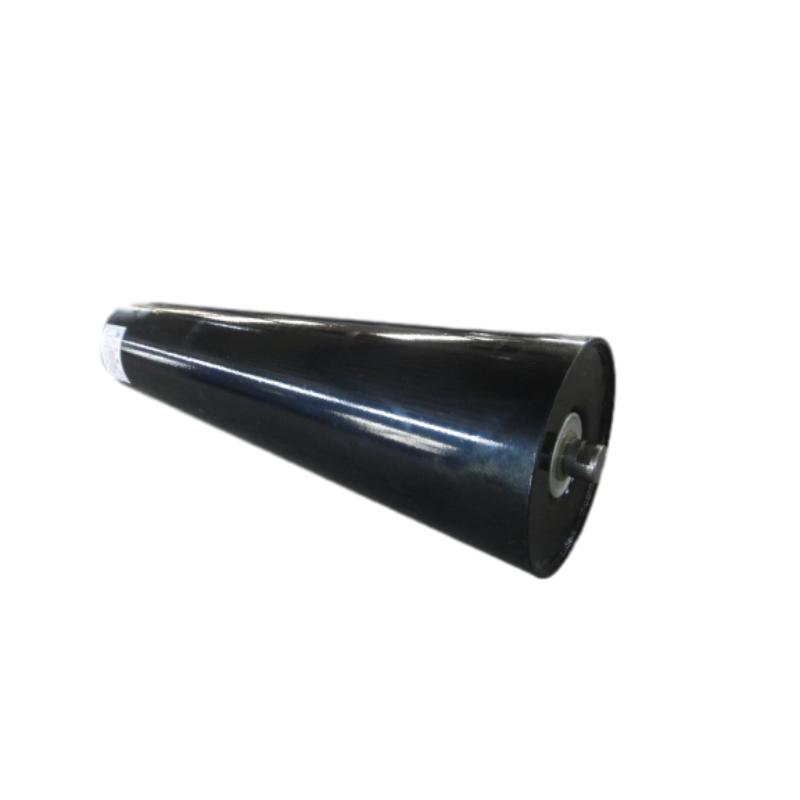
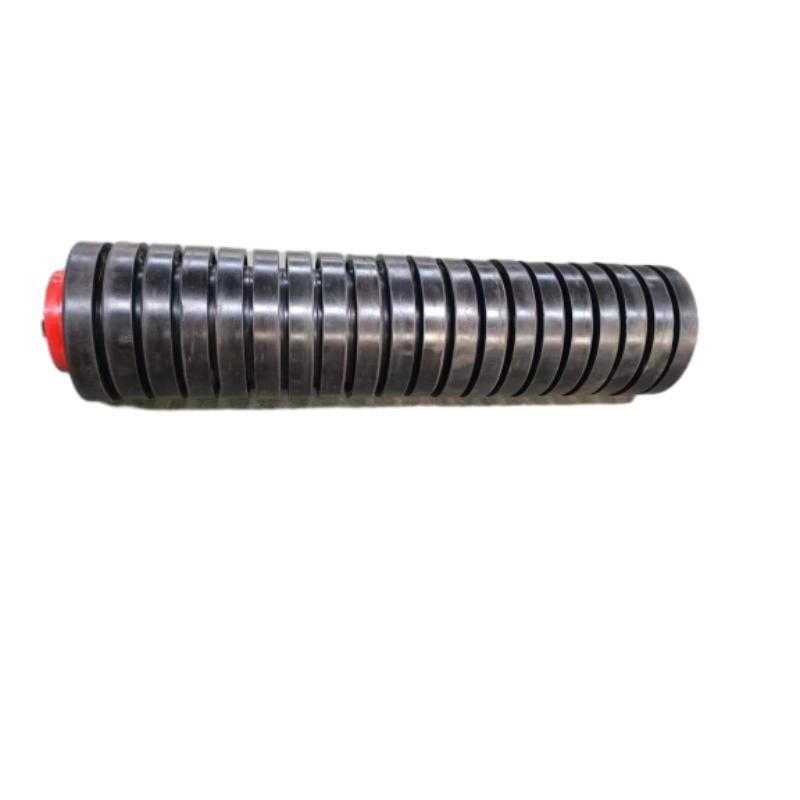
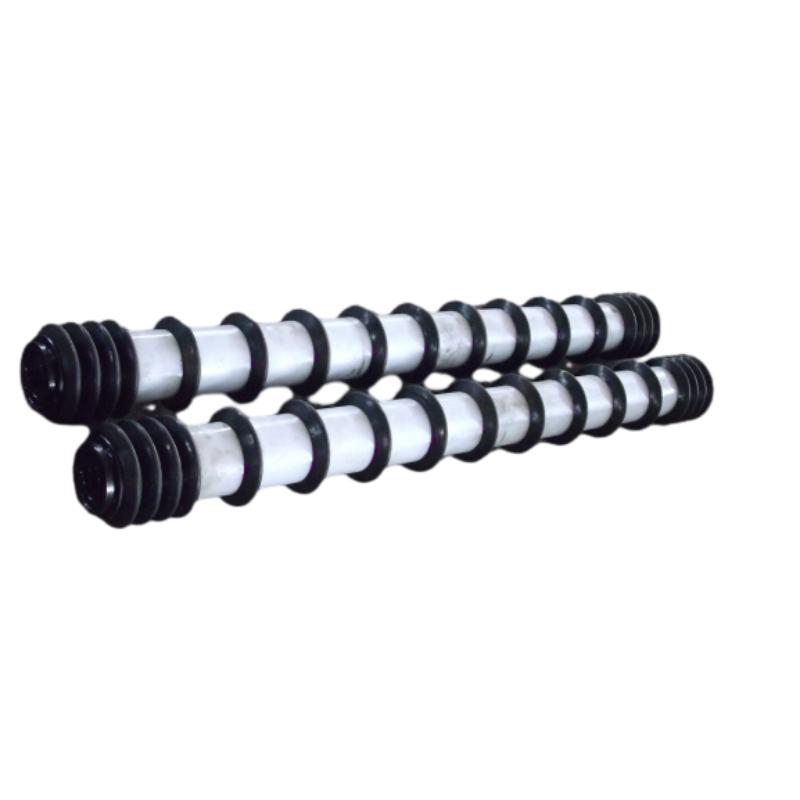
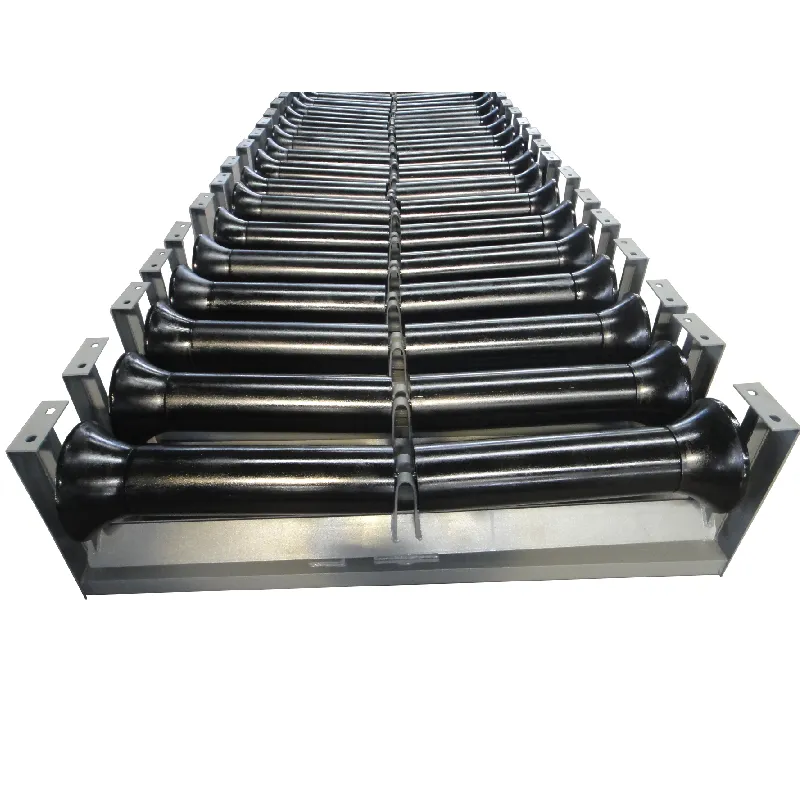
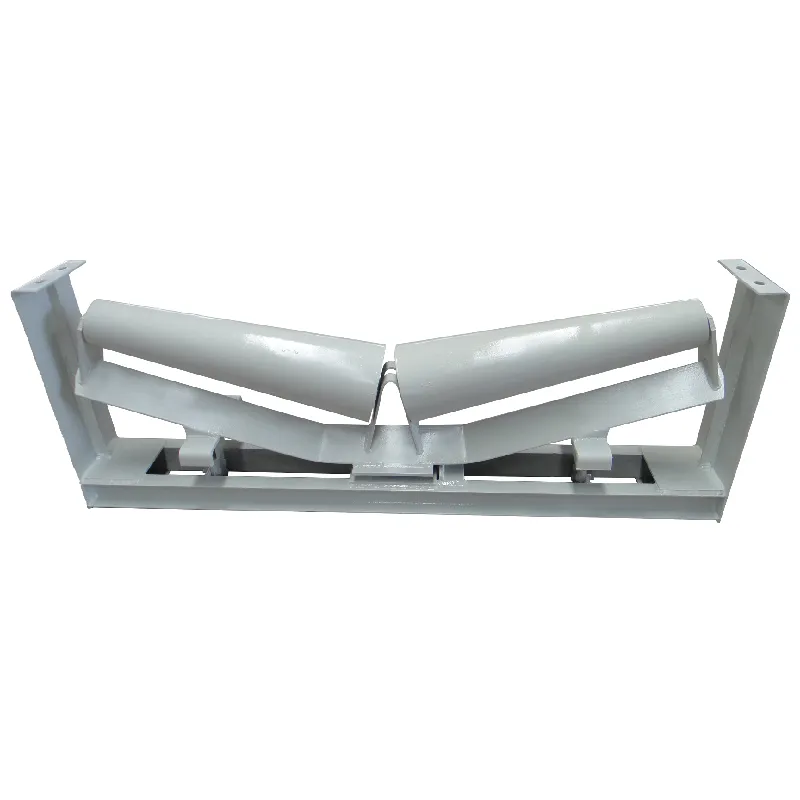
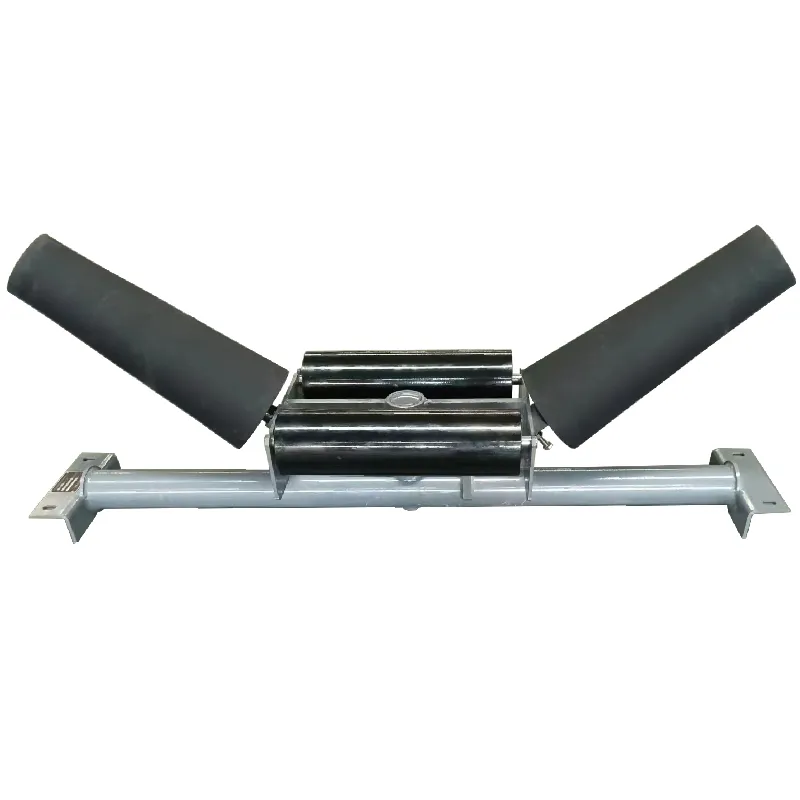
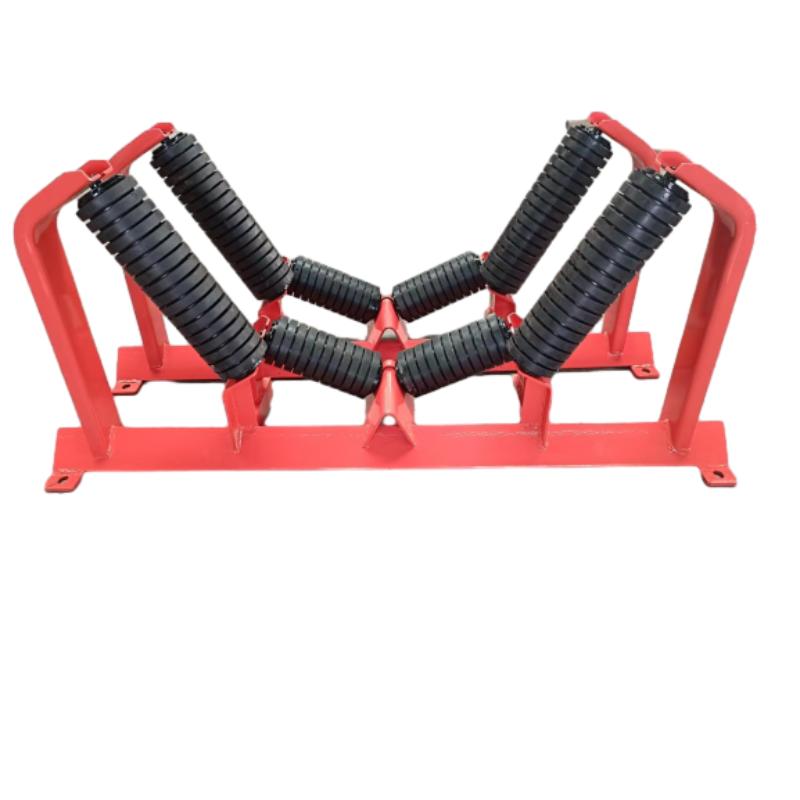
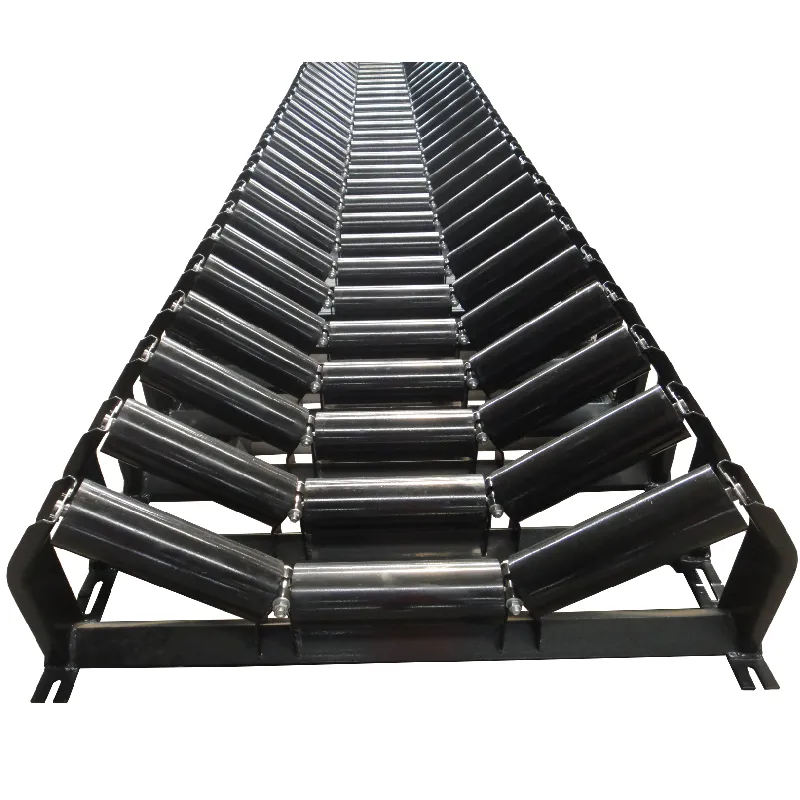
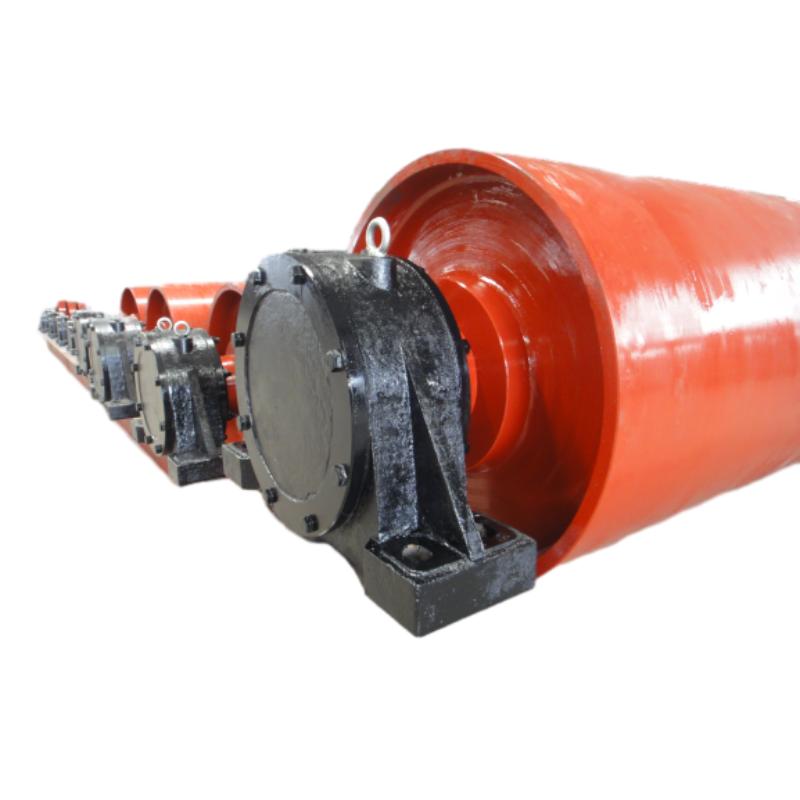
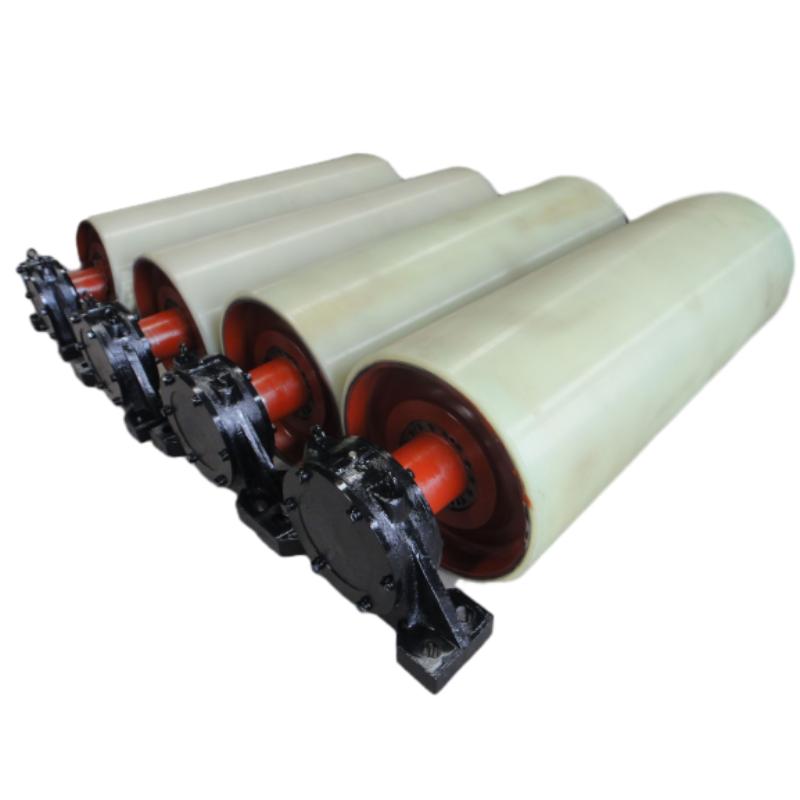
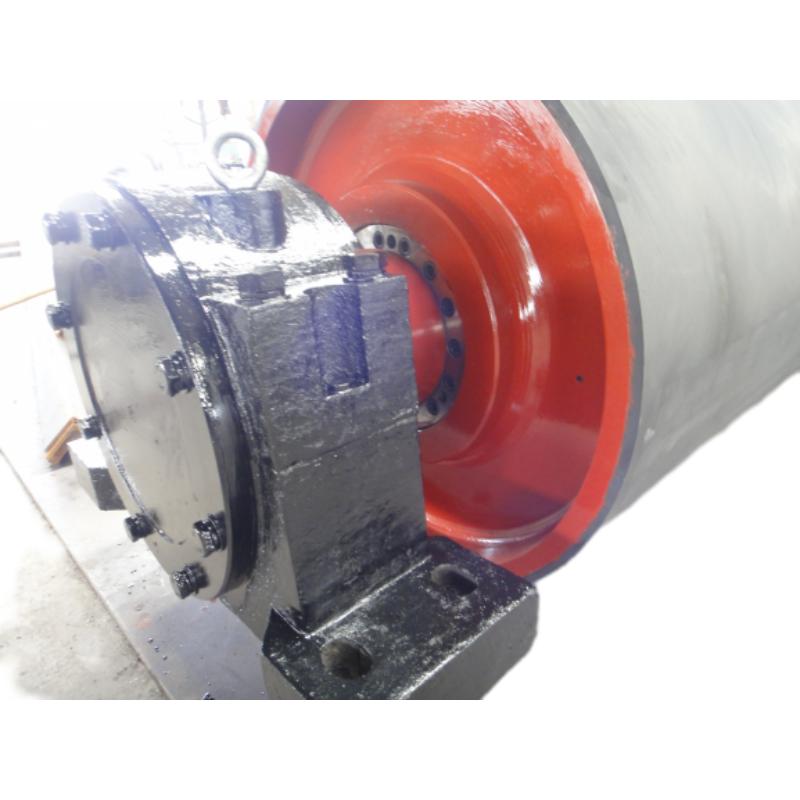
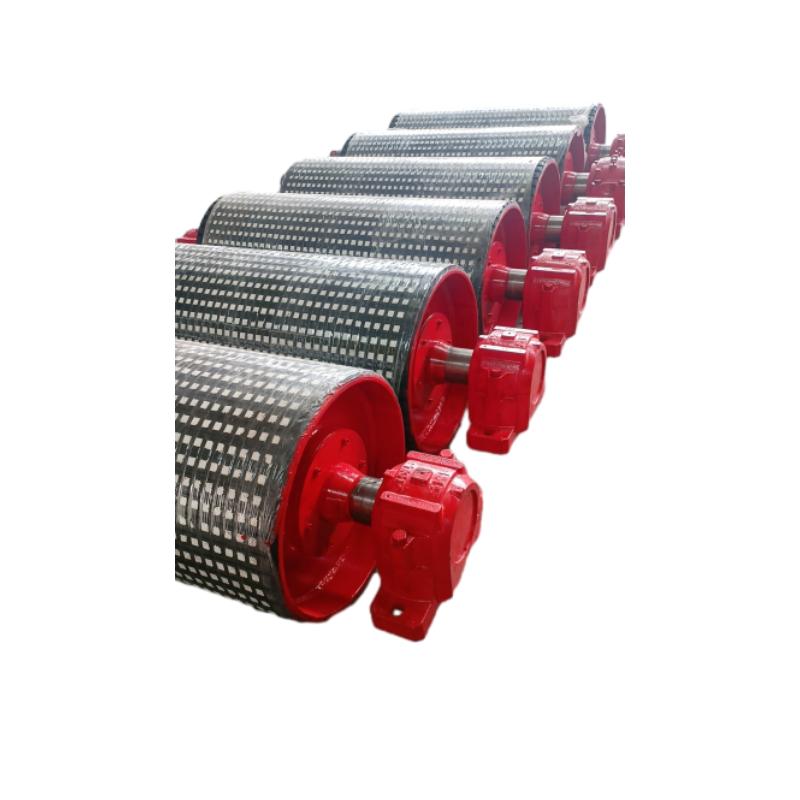
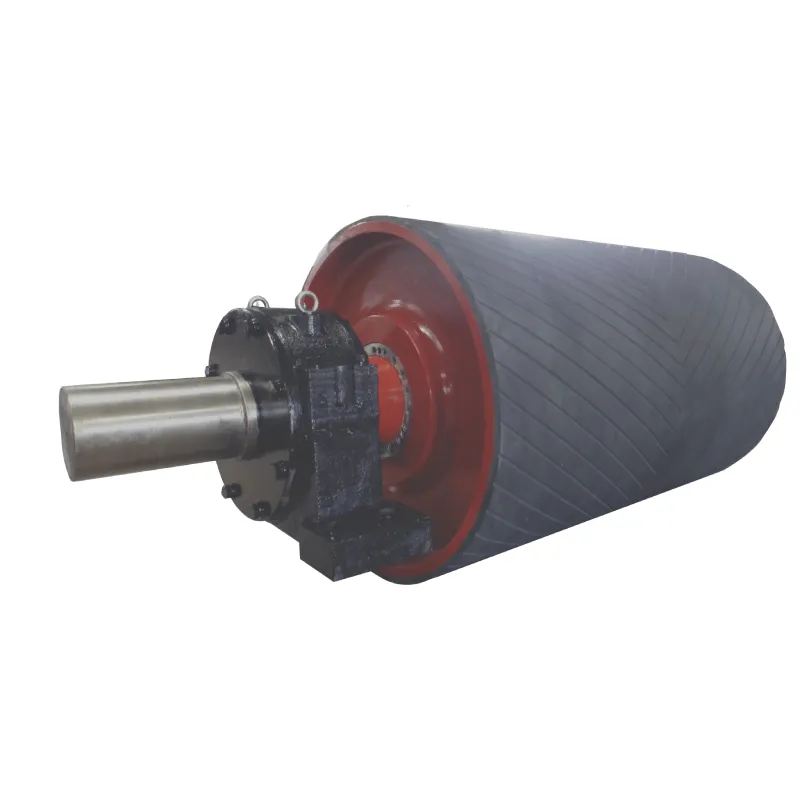
In simple terms, industrial urethane rollers are cylindrical mechanical parts covered or made entirely from polyurethane (or urethane) elastomer materials. They’re key components in conveyor systems, printing machines, textile manufacturing, and various automated processes.
Unlike metal rollers, urethane rollers provide a softer, high-friction surface that grips materials better, resists abrasion, and can handle chemicals or extreme temperatures depending on the formulation. This adaptability makes them indispensable where precision and reliability are non-negotiable.
In modern industry, where processes must be lean and maintenance schedules tight, these rollers quietly enhance operational flow — often without you ever noticing.
Mini Takeaway:
Simply put, industrial urethane rollers improve material handling by delivering better grip, longevity, and versatility compared to older roller types.
Key Factors That Make Urethane Rollers Stand Out
1. Durability
Urethane is known for its exceptional resistance to abrasion, cracking, and tearing. These rollers often outlast rubber or metal rollers in tough environments. Many engineers say the lifespan can be two to three times longer, especially in high-friction scenarios.
2. Chemical and Temperature Resistance
Depending on the exact urethane formulation, rollers can resist oils, solvents, and extreme temperatures ranging from -40°C to over 80°C. This broad tolerance is critical in industries like food processing, pharmaceuticals, and automotive manufacturing.
3. Load Capacity & Shock Absorption
They balance toughness with a certain flexibility to absorb shocks and vibrations, protecting delicate products during transit and minimizing wear on conveyor frameworks.
4. Noise Reduction
Urethane rollers operate more quietly than metal ones, which is a small but valuable advantage in noisy factory environments where worker comfort and safety are priorities.
5. Customization & Scalability
Manufacturers can tailor roller hardness (durometer), size, and coating thickness based on specific needs, making urethane rollers a highly versatile solution across industry scales.
Mini Takeaway:
The key to their success lies in a combination of resilience, adaptability, and user-centered design — all converging to deliver smooth, efficient operations.
Industrial Urethane Rollers in Real-World Applications
Worldwide, urethane rollers are no longer niche but standard in sectors ranging from high-speed packaging lines in Europe to heavy-duty mining conveyors in Australia. Even humanitarian organizations rely on them to maintain tough logistical equipment in disaster zones, where replacing parts is tricky and delays are costly.
- Asia-Pacific: Rapid manufacturing growth is fueling adoption in electronics and automotive assembly lines.
- North America: Food and beverage industries increasingly use urethane rollers owing to their sanitary and chemical-resistant properties.
- Europe: Precision printing sectors favor urethane rollers for their accuracy and low noise.
- Remote Operations: Mining, forestry, and relief operations appreciate their durability in harsh environments.
For example, a Southeast Asian packaging company recently reported reduced conveyor downtime by 30% after swapping to urethane rollers, which cut cleaning and replacement frequency.
Mini Takeaway:
From bustling factories to remote industrial zones, industrial urethane rollers have proven their practical value time and again.
Advantages and Long-Term Value of Using Industrial Urethane Rollers
Cost-saving is often top of mind: fewer replacements and less downtime mean big operational improvements. Plus, there’s a sustainability angle — longer-lasting parts mean less waste burdening landfills.
Emotionally, workers appreciate quieter environments, and companies gain trust through reliably smooth deliveries. Innovation does not always shout—it often slips in quietly through efficiency, and urethane rollers exemplify that. Safety goes up; maintenance hassles go down. The dignity of work improves when tools behave as expected.
| Specification | Value | Notes |
|---|---|---|
| Material | Polyurethane Elastomer | Varies by formula |
| Durometer Hardness | 50A - 95A | Customizable |
| Temperature Range | -40°C to +80°C | Application dependent |
| Load Capacity | Up to 1000kg per roller | Varies by size |
| Chemical Resistance | Oil, Solvents, Acids | Formulation specific |
| Expected Lifespan | 3-5 years (typical) | Depends on use |
Comparing Top Industrial Urethane Roller Vendors
Choosing the right supplier can be tricky. Here’s a quick vendor comparison just to illustrate the general landscape:
| Vendor | Customization Options | Price Range | Lead Time | Typical Industries Served |
|---|---|---|---|---|
| RollerTec Inc. | Extensive (hardness, size, coatings) | $$$ | 3-4 weeks | Automotive, Printing, Packaging |
| PolyRoll Solutions | Moderate (standard sizes/hardness) | $$ | 1-2 weeks | Food, Pharma, Logistics |
| EconoRoller | Limited (standard products only) | $ | In stock | General industrial |
Future Trends and Innovations in Industrial Urethane Rollers
We’re seeing an exciting pivot toward sustainability with bio-based urethane materials gaining traction. At the same time, integration with smart sensors is slowly creeping in—imagine a roller that can report its condition or predict wear before it fails.
Digital manufacturing also allows for rapid prototyping of custom rollers, meaning smaller companies can access tailored solutions without the huge upfront cost. Automation trends force rollers to keep pace with faster conveyors and smarter handling systems, sparking innovation in hardness gradients and surface textures.
All of this points toward a future where industrial urethane rollers won't just be passive parts but active enablers of efficiency, data-driven maintenance, and green manufacturing.
Challenges & Practical Solutions
Despite their many benefits, urethane rollers aren’t magic. Some challenges include susceptibility to certain chemicals (strong acids or bases), occasional surface degradation under extreme UV exposure, and higher upfront cost compared with rubber rollers.
To overcome this, manufacturers use specialized coatings to extend life and perform rigorous material testing per ISO standards to fine-tune formulations. Regular inspection programs catch wear early, and modular design helps replace rollers with minimal downtime.
Frequently Asked Questions About Industrial Urethane Rollers
- Q: How do industrial urethane rollers compare to rubber rollers in terms of lifespan?
- A: Urethane rollers typically last 2-3 times longer due to higher abrasion resistance and load capacity, reducing replacement frequency and downtime.
- Q: Can urethane rollers be used in food processing environments?
- A: Yes. When formulated with FDA-compliant materials, they are resistant to oils and chemicals common in food production and can operate safely under hygiene standards.
- Q: Are urethane rollers customizable for unique applications?
- A: Absolutely. They can be tailored for hardness, size, color, and special coatings to handle specific loads, materials, or environmental conditions.
- Q: What is the typical lead time to get custom urethane rollers?
- A: Depending on complexity, anywhere from 1 to 4 weeks is common, although some vendors offer faster turnaround with standard sizes.
- Q: How can companies ensure they choose the right vendor for urethane rollers?
- A: Look for vendors with proven industry experience, customizable options, quality certifications, and good after-sales support to ensure product reliability.
Wrapping It Up: Why Industrial Urethane Rollers Deserve Your Attention
In the end, industrial urethane rollers are more than just parts on a conveyor — they’re pivotal pieces of the manufacturing puzzle. Their balance of durability, customization, and long-term sustainability form the backbone of many efficient, safe, and innovative production lines worldwide.
If you’re looking to upgrade or optimize your material handling equipment, it’s worth a look. Want to explore a trusted supplier or dive deeper? Visit industrial urethane rollers and see how these often-overlooked components can transform your operation.
References:
- World Bank: Industry Outlook — Manufacturing Sector
- Wikipedia: Polyurethane
- ISO Standards on Mechanical Testing of Elastomers
-
Maximize Conveyor Life with a High Performance impact bedNewsApr.16,2026
-
Maximize Conveyor Efficiency Using a v plow belt scraperNewsApr.09,2026
-
Comprehensive Guide to Understanding Different Types of Belt CleanersNewsApr.07,2026
-
Enhancing Conveyor Efficiency with an Effective Scraper Belt CleanerNewsApr.04,2026
-
Optimizing Conveyor Systems with Advanced Cleaning Equipment SolutionsNewsMar.31,2026
-
Effective Conveyor Belt Scraper Adjustment for Optimal System PerformanceNewsMar.28,2026