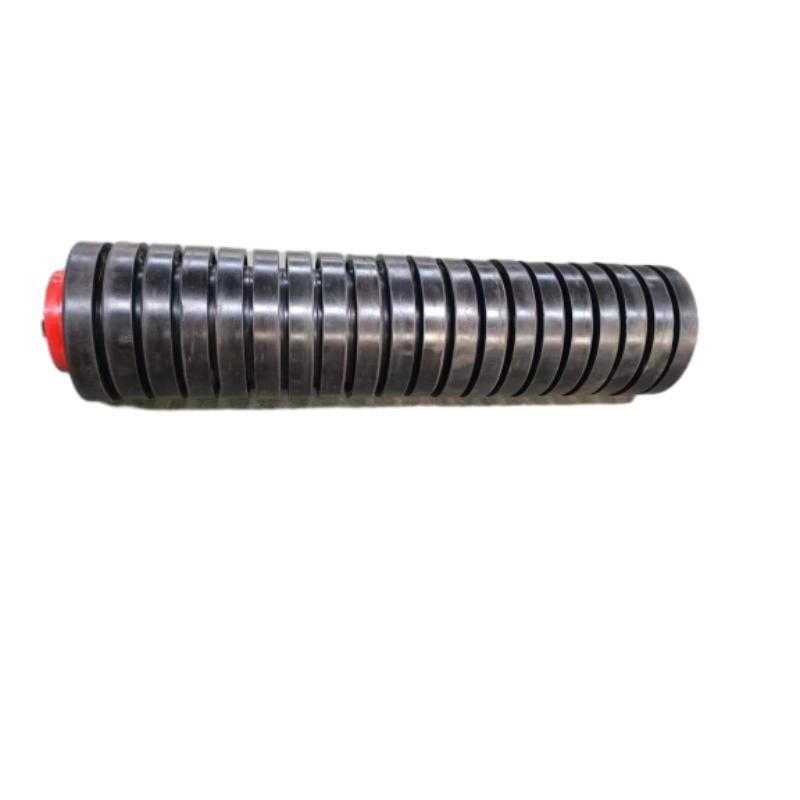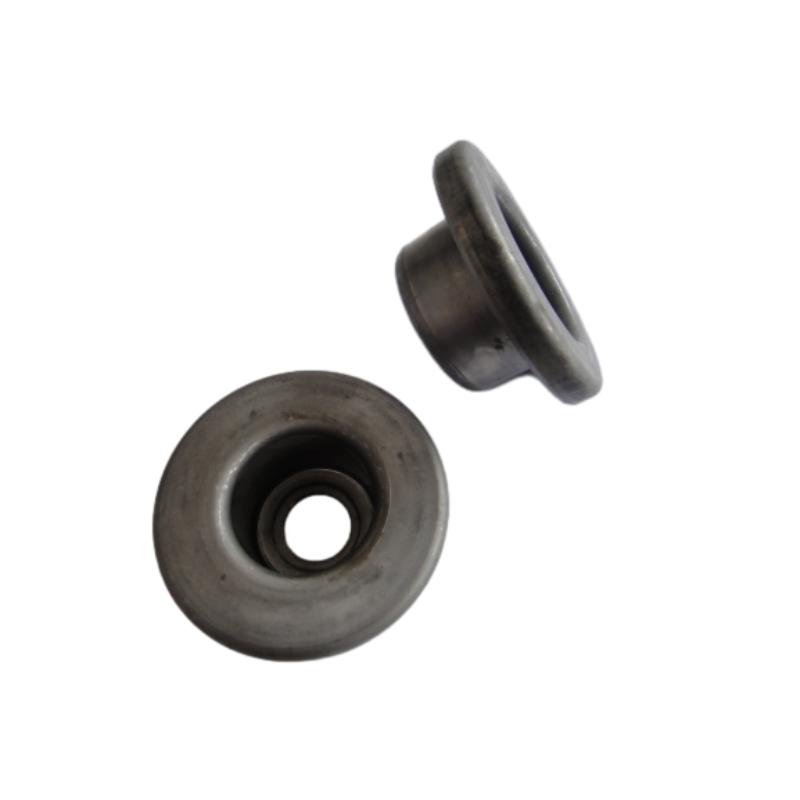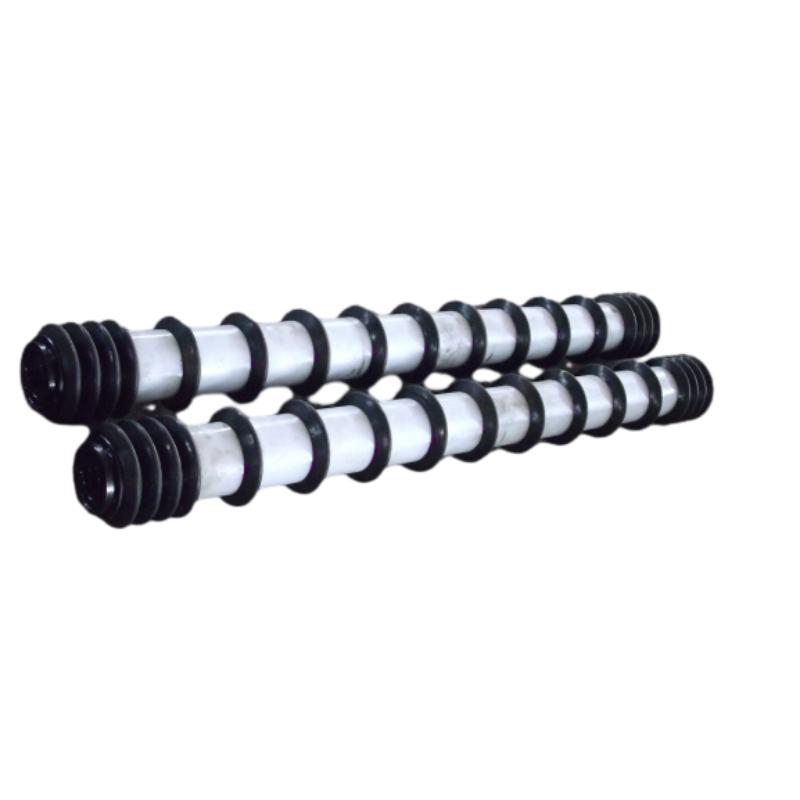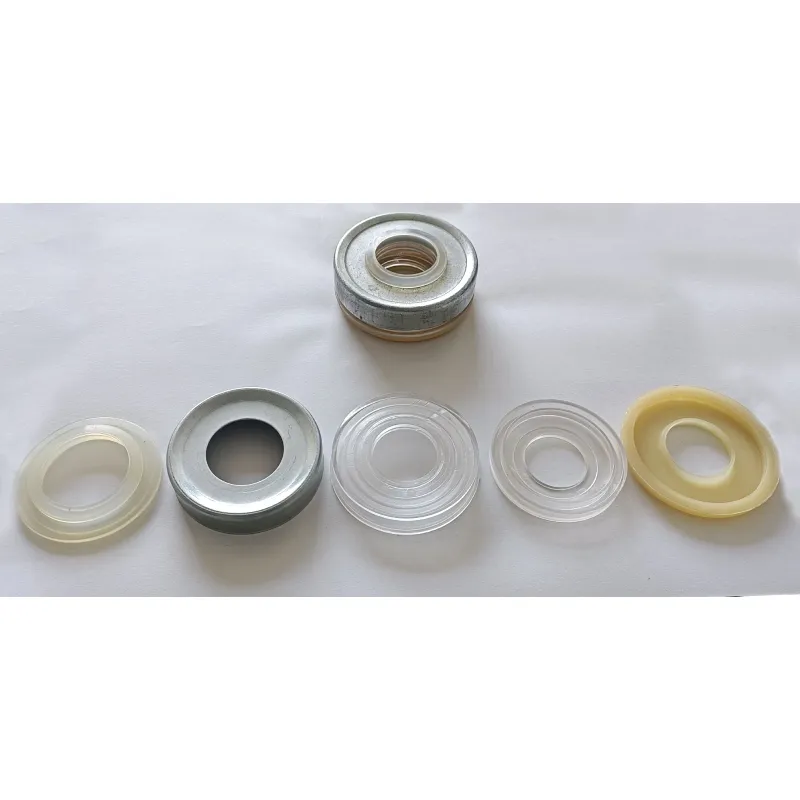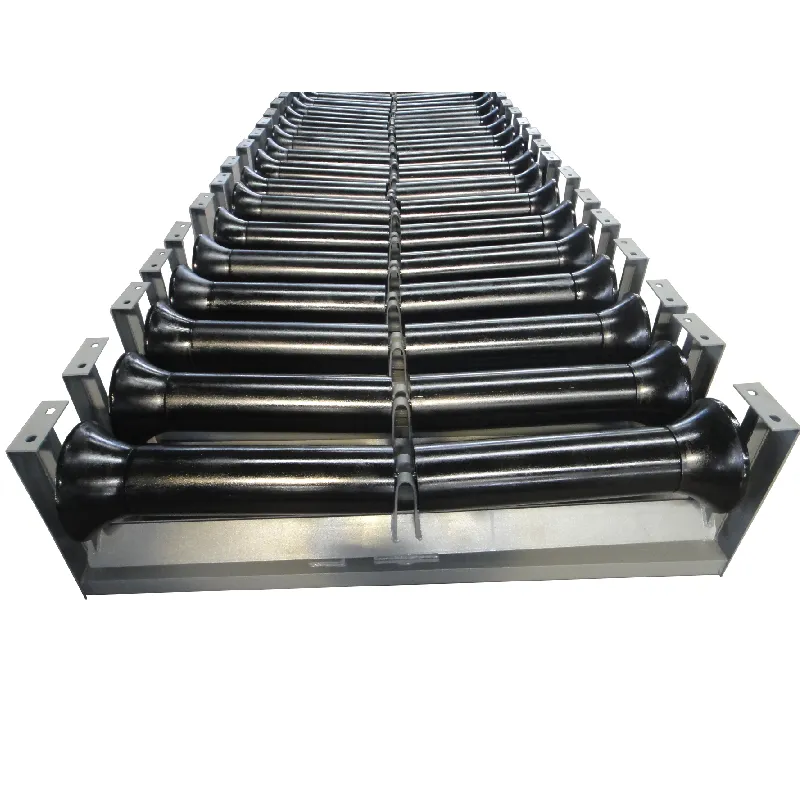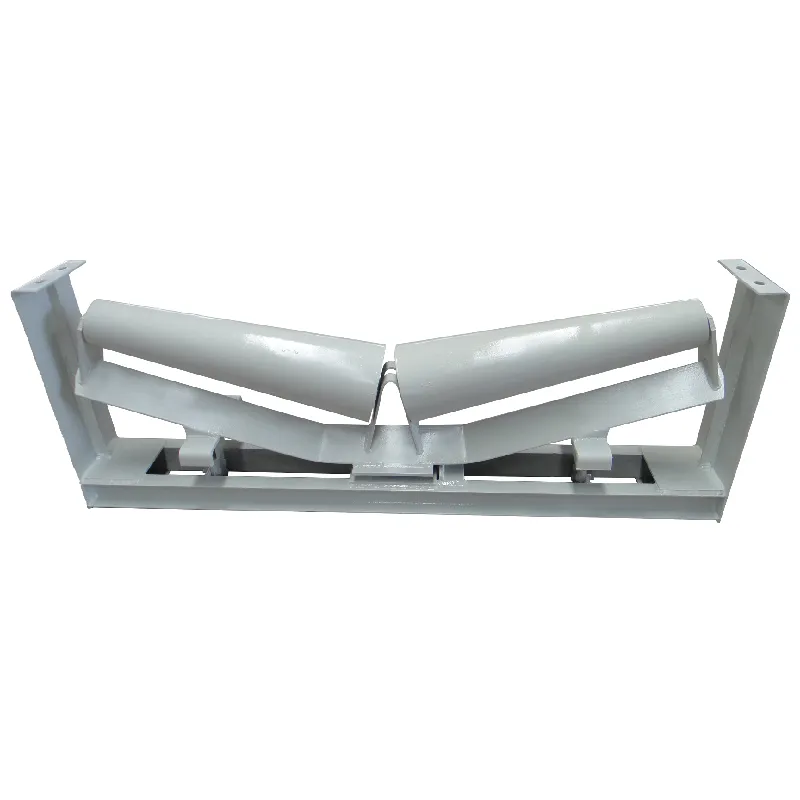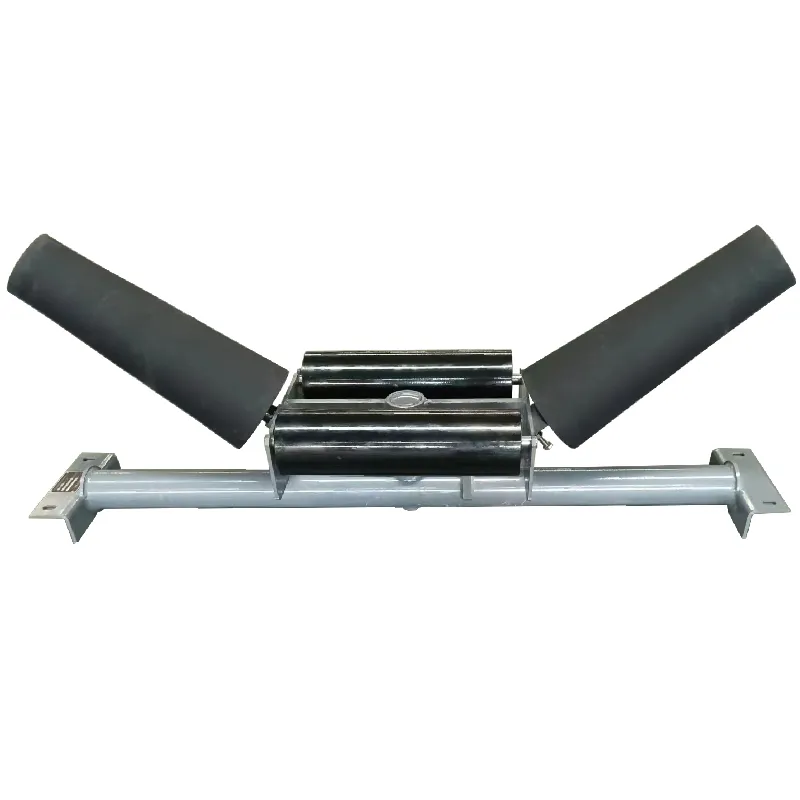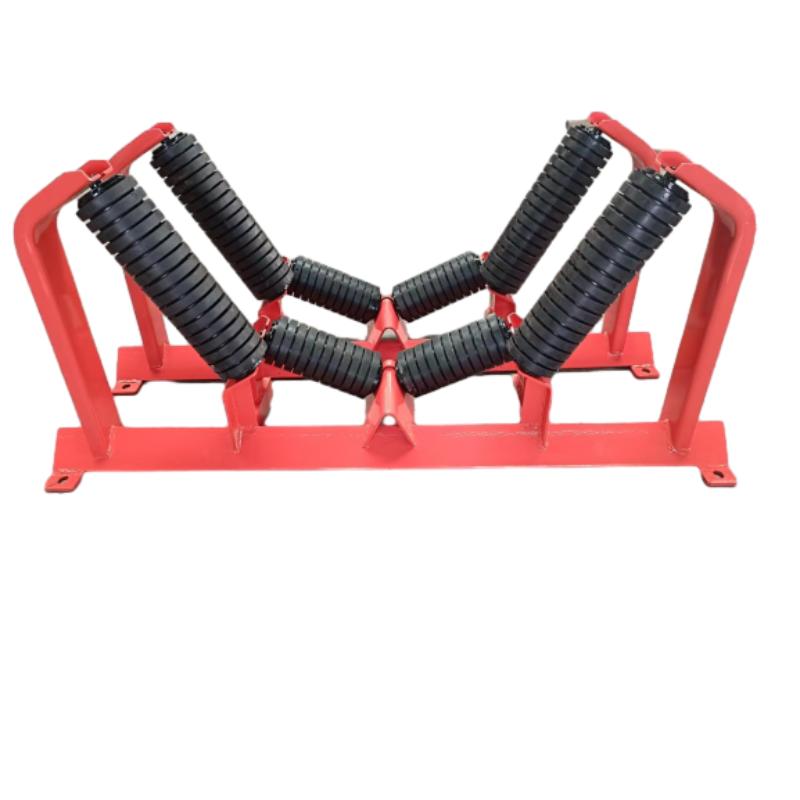


Custom Polyurethane Rollers – Durable, Efficient, and Sustainable Industrial Components
What Are Custom Polyurethane Rollers and Why They Matter
Custom polyurethane rollers might sound like a very niche industrial component, but their significance stretches far beyond a simple conveyor belt or printing press. These specialized rollers serve as critical elements in countless industries worldwide, offering a unique blend of durability, flexibility, and chemical resistance that machines simply need to run smoothly.
With globalization and increased automation, production lines rely heavily on precision-engineered parts that can withstand diverse conditions — that’s where custom polyurethane rollers come in. Knowing how and why they fit into the global manufacturing jigsaw isn’t just academic; it’s a practical insight for anyone involved in industrial logistics, materials handling, or even eco-conscious product design.
Global Industry Context: Why Custom Polyurethane Rollers Are in Demand
Polyurethane rollers are more than just mechanical components — they represent a global shift toward more sustainable and efficient manufacturing. According to ISO’s recent reports, industries aiming to reduce downtime and waste increasingly turn to parts that last longer and perform better under stress.
Manufacturing hubs in Asia, Europe, and North America account for roughly 65% of polyurethane roller demand. But it’s not just about quantity. These rollers address challenges ranging from abrasion in mining operations to delicate handling in food processing.
Consider the global push for circular economies and reduced carbon footprints by the United Nations. Custom rollers designed for longevity and recyclability tick several boxes, reducing both costs and environmental impact, especially in fast-paced, high-volume sectors.
To frame it simply: these rollers are the unsung heroes that keep equipment humming — less downtime means better productivity, less energy waste, and, ultimately, fewer resources consumed worldwide.
Defining Custom Polyurethane Rollers
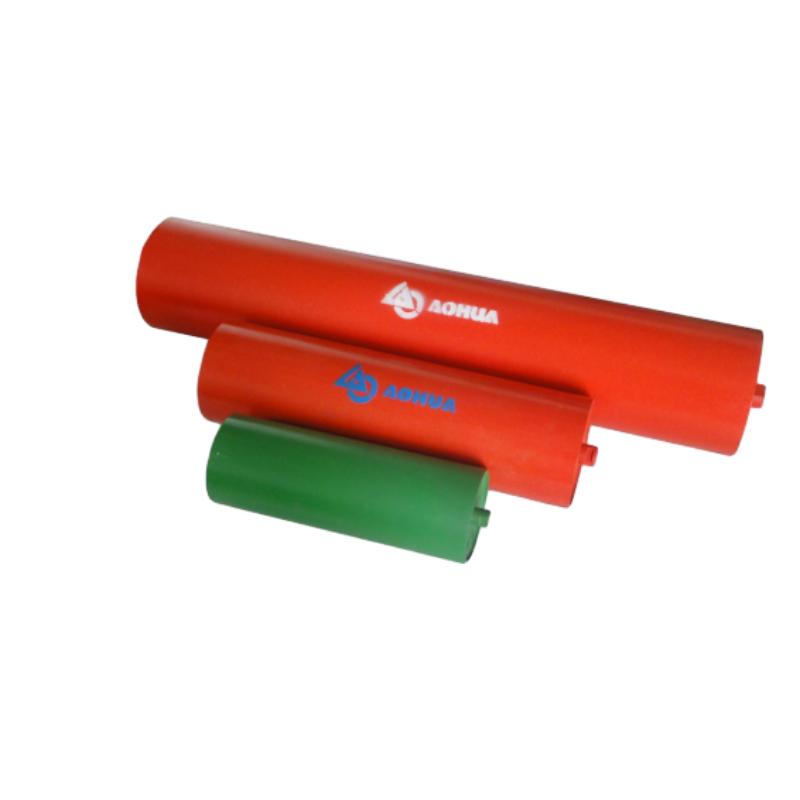
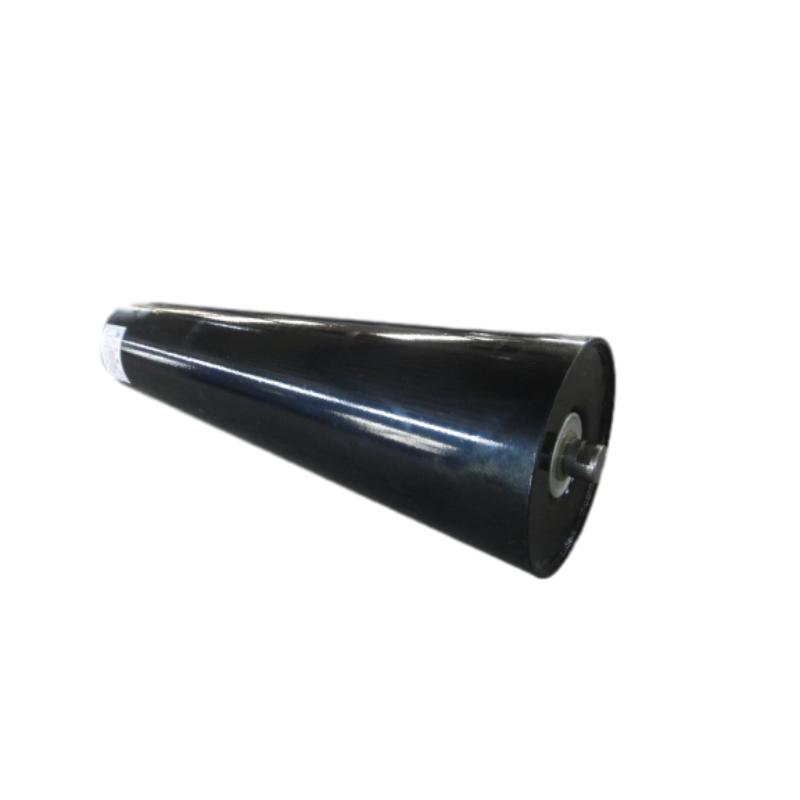
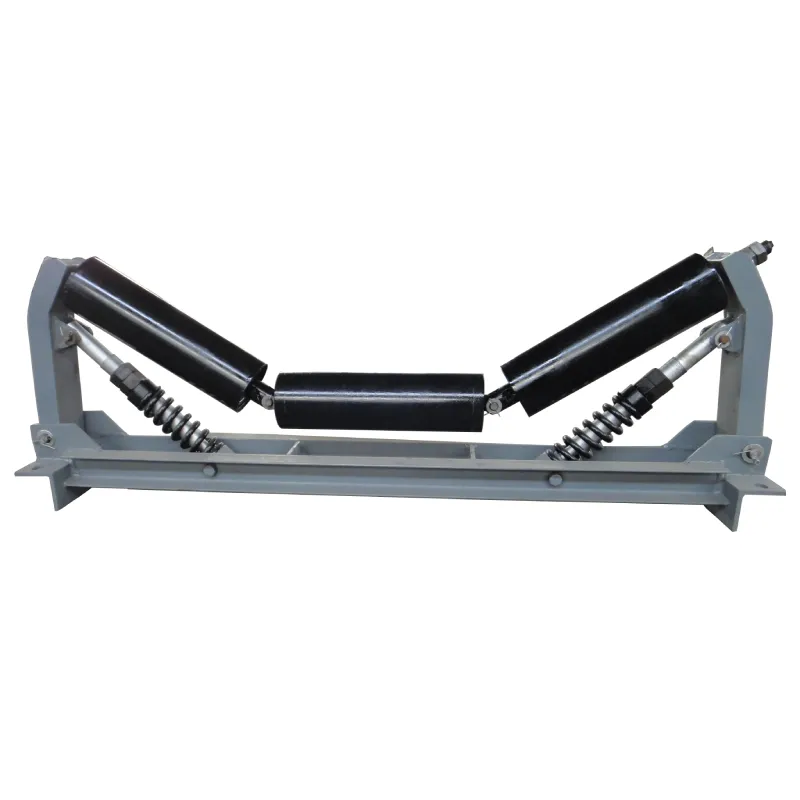
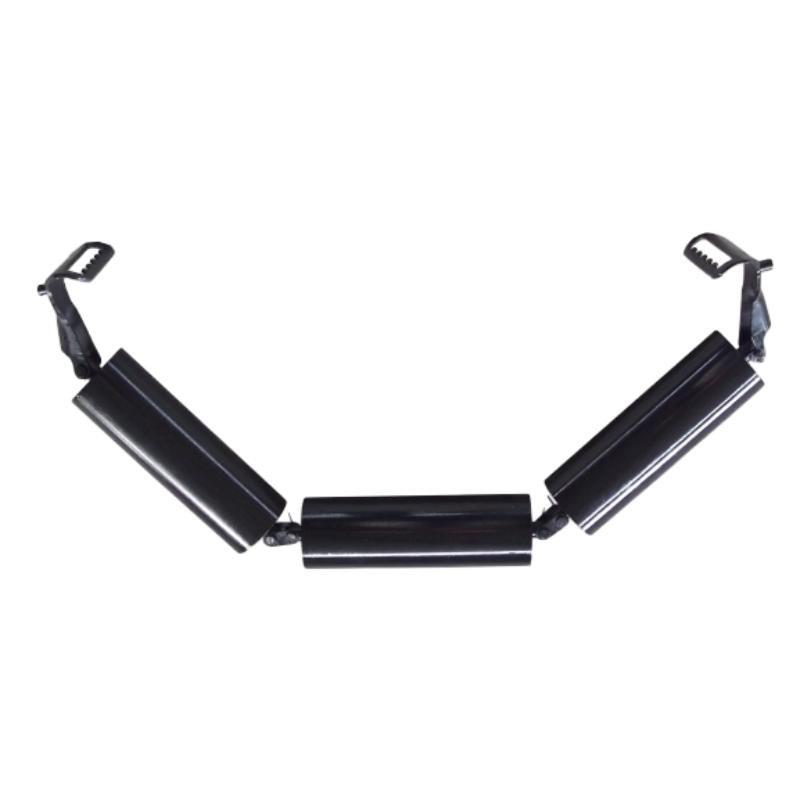
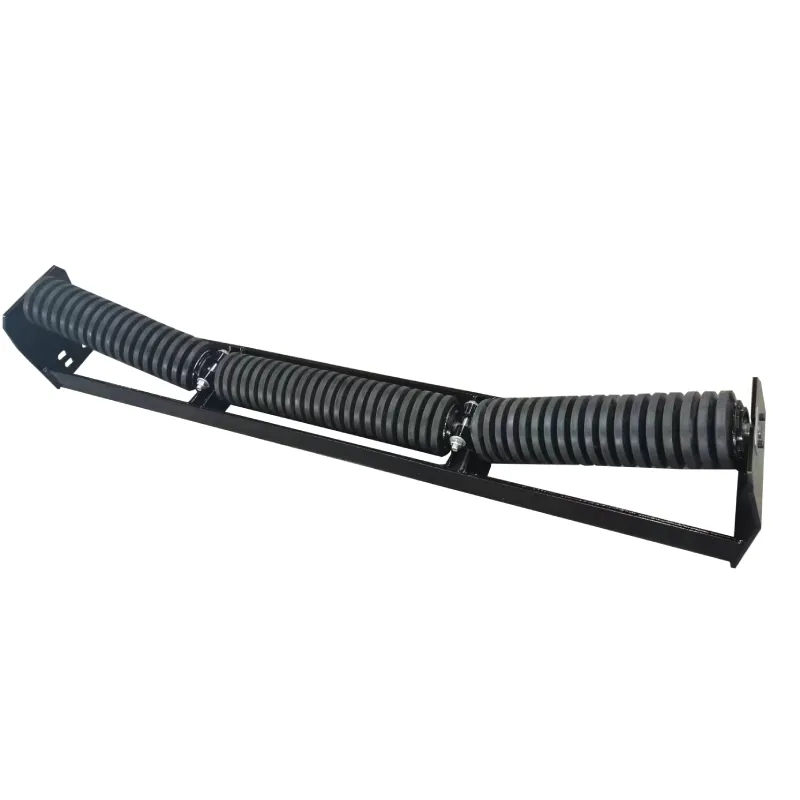
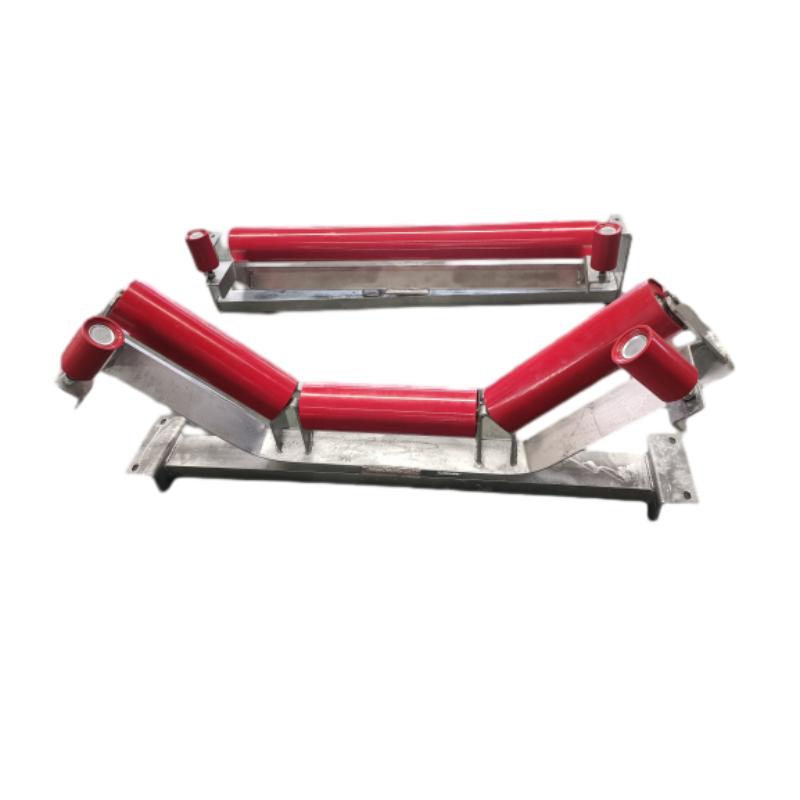
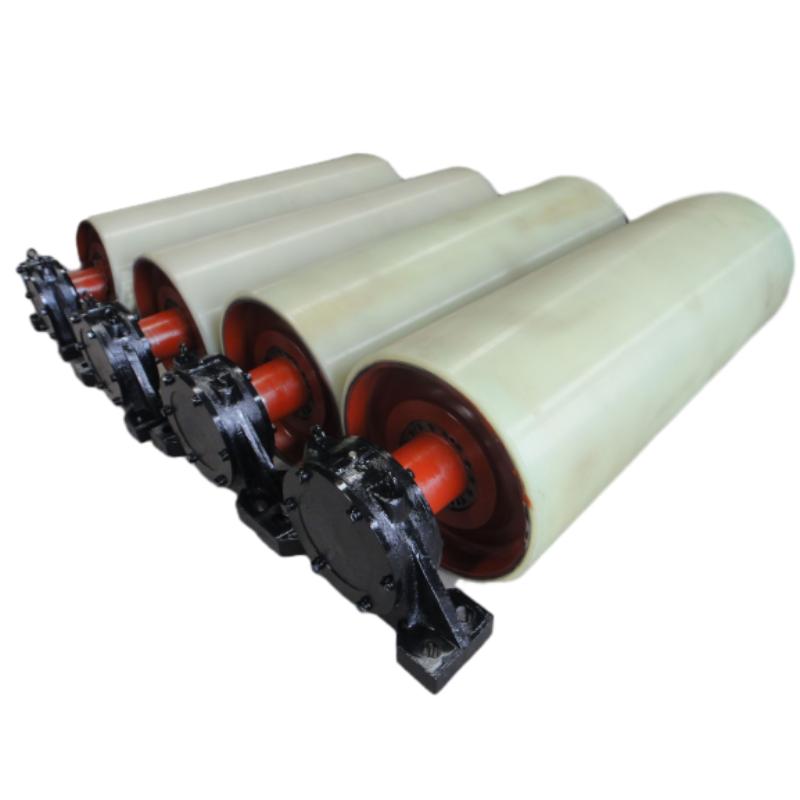
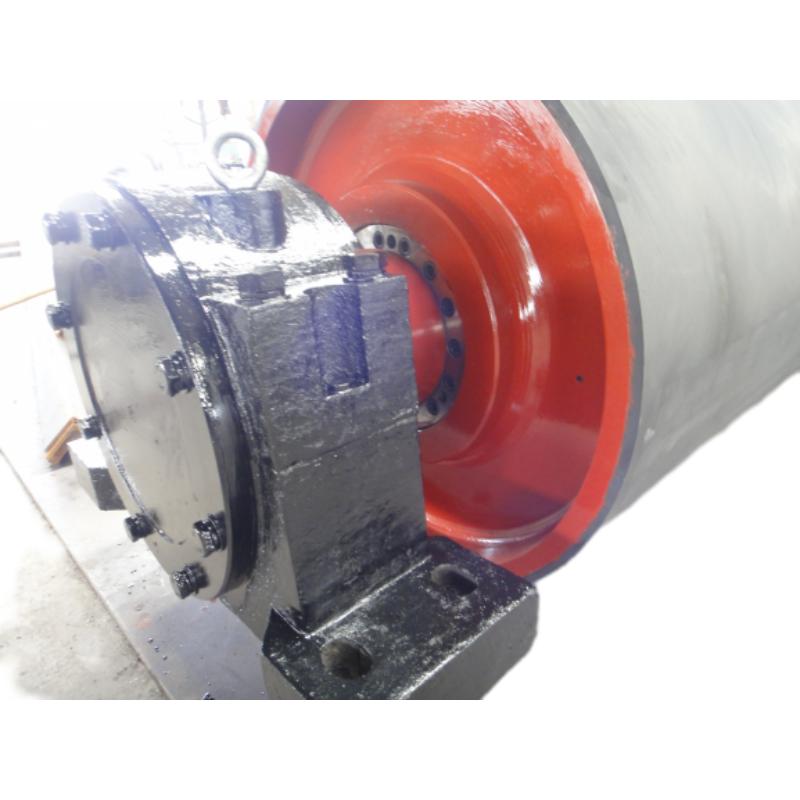
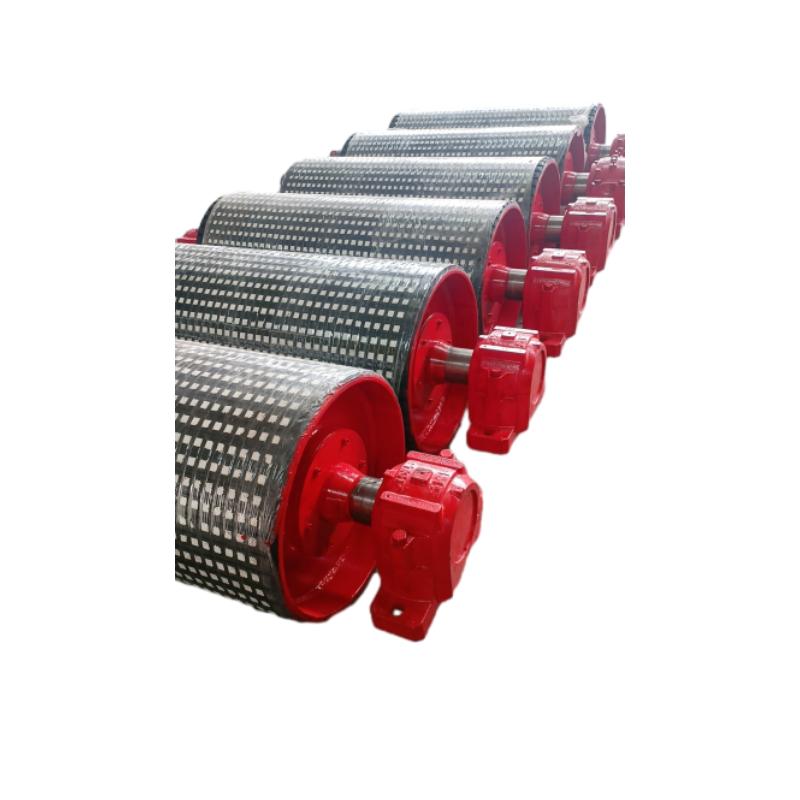
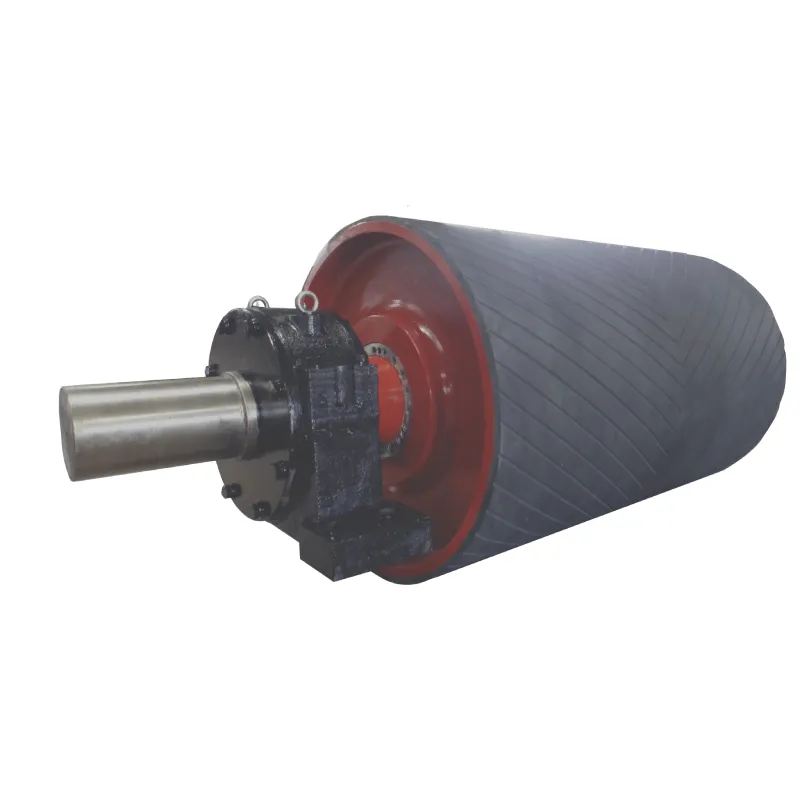
At their core, custom polyurethane rollers are cylindrical mechanical parts made from polyurethane elastomers tailored to fit specific machines or operational conditions.
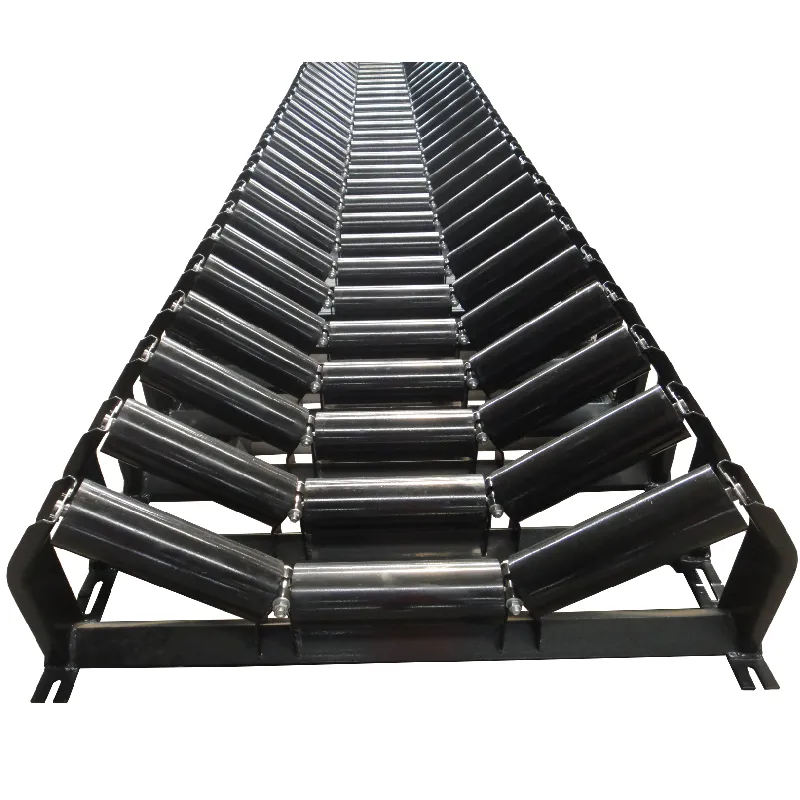
If you think of a conveyor belt in a packaging plant, the rollers there help carry the product forward smoothly without causing damage or delays. The “custom” part means these rollers can be precisely engineered in terms of hardness, size, texture, and core material to meet unique industrial challenges.
Why polyurethane? This polymer combines the best of rubber and plastic qualities, offering an adaptive surface that's tough yet yielding — ideal for everything from printing presses to heavy materials handling.
Mini Takeaway:
Custom polyurethane rollers are precisely engineered components crafted to optimize industrial processes across a range of sectors — proving that sometimes the smallest parts make the biggest differences.
Key Factors Shaping Custom Polyurethane Rollers
Durability and Abrasion Resistance
A lot of engineers I chatted with highlight that abrasion resistance is the secret sauce here. Because polyurethane is tougher than traditional rubber, rollers last longer even under heavy wear. It’s especially important in mining or paper manufacturing, where friction can grind parts down fast.
Flexibility and Hardness Tuning
One surprising thing about polyurethane elastomers is how customizable their hardness can be — from soft and cushy to rigid and tough. This means these rollers can be tailored for delicate food items or rugged industrial parts. It kind of feels like having the perfect shoe for each occasion.
Chemical and Temperature Resistance
Polyurethane doesn't just endure mechanical stress well; it resists oils, solvents, and cleaning agents that could wreck other materials. Plus, these rollers can often operate reliably across a temperature range roughly between -40°C to 80°C (depending on formulation).
Cost Efficiency Over Lifecycle
While the upfront cost might be a bit higher than generic rollers, custom polyurethane rollers often save money long term. Less downtime, fewer replacements, and reduced product damage add up — which companies certainly appreciate when margins tighten.
Environmental Impact and Recyclability
This one’s getting more attention as industries pursue greener manufacturing. Polyurethane rollers can be recycled or repurposed, and advances in bio-based polyurethanes hint at greener options ahead.
Mini Takeaway:
The perfect polyurethane roller balances durability, flexibility, chemical resistance, and cost-efficiency — all tailored to the task at hand.
Applications: Where Do Custom Polyurethane Rollers Really Shine?
These rollers appear in industries you might not guess immediately:
- Printing and packaging: for precise ink distribution and product handling
- Logistics and warehousing: conveyor belts that transport fragile and heavy goods safely
- Mining and construction: withstanding harsh abrasive environments
- Food and beverage processing: handling items gently yet efficiently, often meeting strict hygiene standards
- Automotive assembly: contributing to smooth production lines where precision is key
Regions from the industrial hubs of Germany and Japan to the sprawling factories of China leverage these rollers. Oddly enough, in disaster relief packaging operations, reliable rollers allow rapid assembly of perishables and first-aid supplies, proving their versatility isn't just about factories.
Custom Polyurethane Rollers Product Specification Table
| Specification | Typical Range | Notes |
|---|---|---|
| Diameter | 20mm - 300mm | Customized per machinery requirements |
| Length / Width | 50mm - 1500mm | Varies by conveyor width |
| Hardness (Shore A) | 60–95 | Tuned to application; softer for fragile goods |
| Core Material | Steel, Aluminum, Plastic | Depends on weight and cost considerations |
| Temperature Range | -40°C to 80°C | May vary with chemical composition |
| Chemical Resistance | High | Resists oils, solvents, alkalis |
Comparing Top Vendors for Custom Polyurethane Rollers
| Vendor | Customization Options | Lead Time | Price Range | Sustainability Certifications |
|---|---|---|---|---|
| IdlerA Rohua | Extensive – hardness, texture, size, core | 2-4 weeks | Mid to high | ISO 14001, REACH Compliant |
| RollTech Solutions | Standard sizes, limited hardness options | 1-3 weeks | Low to mid | None |
| PolyRoll Inc. | Moderate, some specialty coatings available | 3-5 weeks | Mid | ISO 9001 Certified |
Long-Term Benefits of Using Custom Polyurethane Rollers
Beyond the immediate practical advantages — fewer replacements, better product handling, less downtime — there’s a deeper strategic value. Companies using custom polyurethane rollers report improved operational trust from both clients and partners, largely thanks to the increased reliability.
From a sustainability standpoint, fewer waste parts generate less landfill and resource strain — which resonates with green manufacturing goals worldwide. And on a more human note, production workers often find lines with these rollers “run smoother,” reducing workplace frustration and injury from jams or spillage.
Ultimately, custom polyurethane rollers are a small piece in the massive industrial puzzle, but their impact on cost savings, safety, and sustainability often outpaces expectations.
Future Trends in Polyurethane Rollers
Innovation keeps knocking. Emerging bio-based polyurethanes promise lower environmental footprints without sacrificing durability. Digital manufacturing tools, including 3D printing and AI-driven quality control, help produce more precise custom polyurethane rollers, faster than ever.
Automation and smart factories increasingly call for rollers with embedded sensors to monitor wear and tear in real-time, allowing predictive maintenance — a sort of “fitbit” for your conveyor system. Plus, tougher coatings and hybrid materials may soon valorize even more demanding industrial conditions.
Challenges and Expert Solutions
Custom polyurethane rollers face challenges like the upfront cost premium and occasional lead times that clash with urgent production schedules. Additionally, compatibility with very harsh chemicals or extreme temperatures can limit options.
Experts suggest working closely with manufacturers to specify exact operating environments and using modular roller designs that simplify replacement without full system downtime. Moreover, new polymer blends and post-processing methods continue to widen the application envelope.
FAQ: Your Questions on Custom Polyurethane Rollers Answered
- Q: How long do custom polyurethane rollers typically last?
- A: Lifespan depends on the application, but generally, these rollers last 3–5 times longer than rubber alternatives due to higher abrasion resistance and chemical durability.
- Q: Can polyurethane rollers be customized for food-grade applications?
- A: Absolutely. Polyurethane formulations can meet FDA and EU standards for food contact, ensuring hygienic and safe handling on processing lines.
- Q: Are these rollers easy to replace or retrofit?
- A: Custom rollers are often designed for quick installation with standard core sizes, making replacements or retrofits relatively straightforward.
- Q: How do environmental factors affect performance?
- A: Extreme temperatures or exposure to harsh chemicals can affect roller life, but choosing appropriate polyurethane grades mitigates most risks.
- Q: Is it cost-effective to order custom rollers in small batches?
- A: While larger orders reduce per-piece cost, many vendors, including custom polyurethane rollers specialists, offer small batch or prototype runs with reasonable pricing to suit project demands.
In Conclusion
Custom polyurethane rollers might be small parts, but they pack a punch in optimizing industrial reliability, sustainability, and cost-effectiveness. From packaging floors in Europe to heavy-duty processing plants in Asia, their role is quietly indispensable.
Curious how custom polyurethane rollers could bolster your operations? Visit our website https://www.idleraohua.com to explore tailored solutions designed for the challenges your industry faces today — and tomorrow.
References
-
Maximize Conveyor Life with a High Performance impact bedNewsApr.16,2026
-
Maximize Conveyor Efficiency Using a v plow belt scraperNewsApr.09,2026
-
Comprehensive Guide to Understanding Different Types of Belt CleanersNewsApr.07,2026
-
Enhancing Conveyor Efficiency with an Effective Scraper Belt CleanerNewsApr.04,2026
-
Optimizing Conveyor Systems with Advanced Cleaning Equipment SolutionsNewsMar.31,2026
-
Effective Conveyor Belt Scraper Adjustment for Optimal System PerformanceNewsMar.28,2026