

Essential Guide to Rollers and Idlers: Definitions, Applications & Future Trends
Rollers and Idlers: What They Are and Why They Matter Globally
Rollers and idlers might sound like components you’d overlook in a factory, but honestly, they're pretty vital cogs in the machinery of global industry. These parts keep conveyor belts rolling—which, for many sectors, means the difference between smooth operations and costly downtime. From mining sites in Australia to logistics hubs in Europe, the proper selection and maintenance of rollers and idlers directly influence supply chain efficiency and even impact humanitarian efforts, such as disaster relief material transport. So, understanding their role is, frankly, quite important.
Mini takeaway: Rollers and idlers are fundamental yet often unsung heroes of industrial logistics worldwide.
Global Context: The Big Picture Behind Rollers and Idlers
Did you know conveyor belts account for roughly 35% of global bulk material handling? According to the International Organization for Standardization (ISO) and industry reports, the conveyor market has grown steadily by 4-5% annually, driven by sectors such as mining, agriculture, and manufacturing. At the heart of this growth are rollers and idlers, which transport millions of tons of goods every day.
Yet, challenges remain. Roller failure or idler misalignment can cause costly downtime—sometimes halting entire mining operations or delaying critical humanitarian supplies. The United Nations’ reports on global supply chain bottlenecks underscore how even minor mechanical hiccups cascade into bigger crises. This makes knowledge about these components not just industry trivia but a vital consideration across economies and aid organizations alike.
Mini takeaway: Rollers and idlers underpin global material movement, with effects spanning industries and humanitarian missions.
What Are Rollers and Idlers?
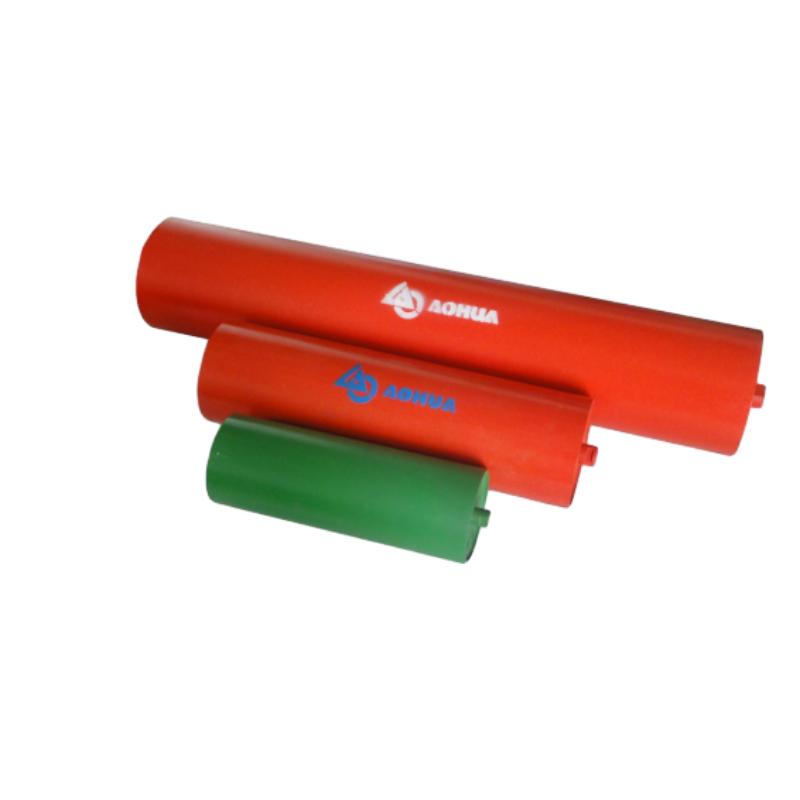
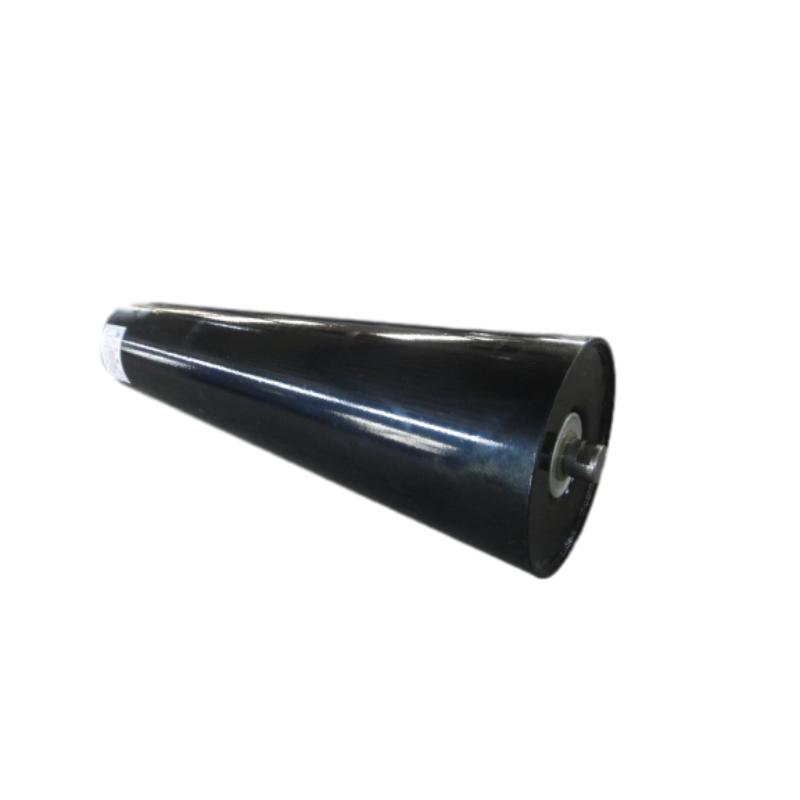
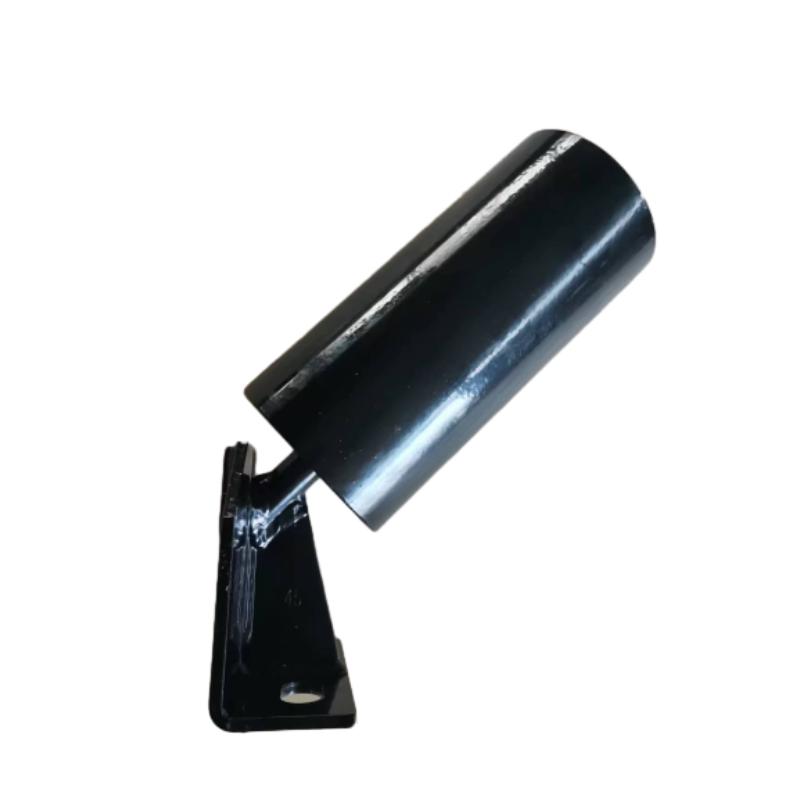
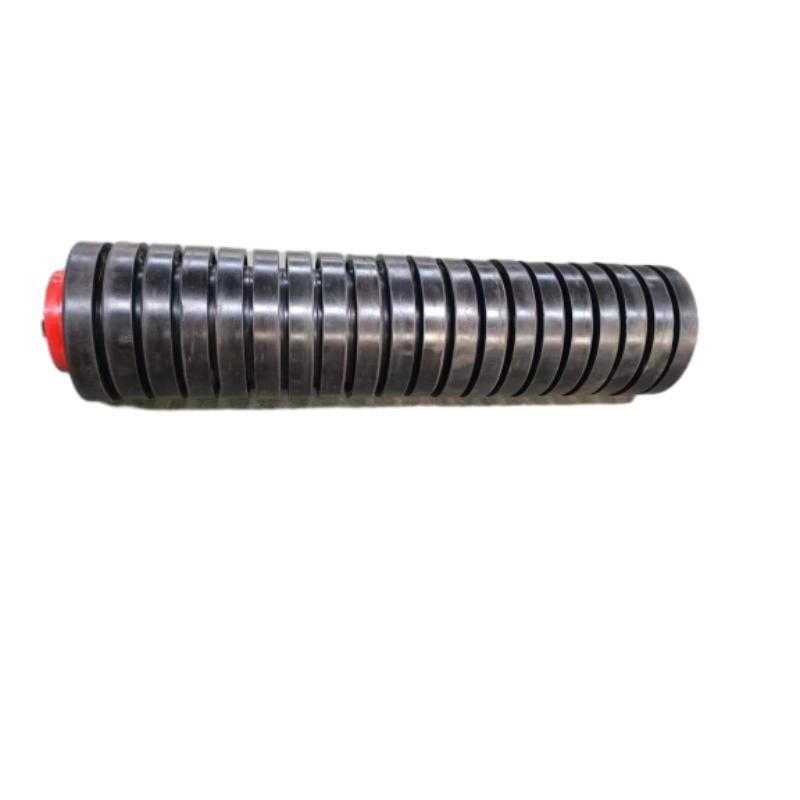
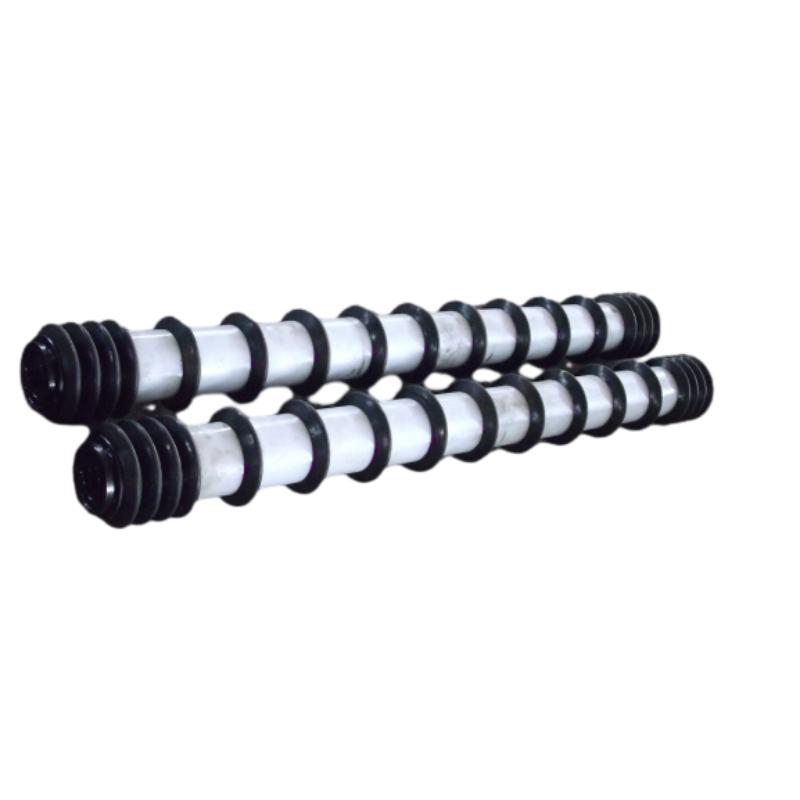
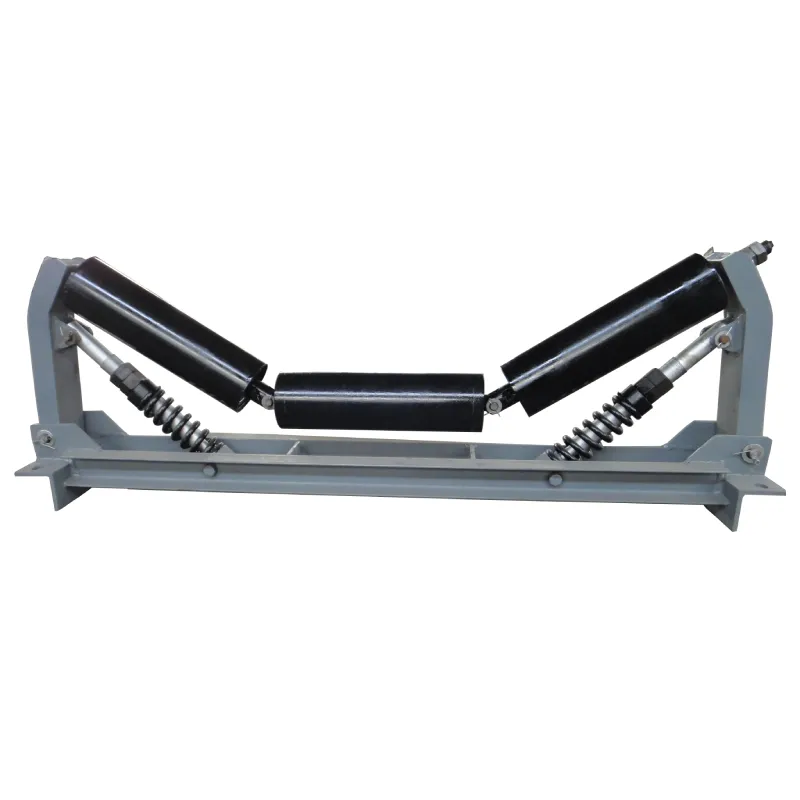
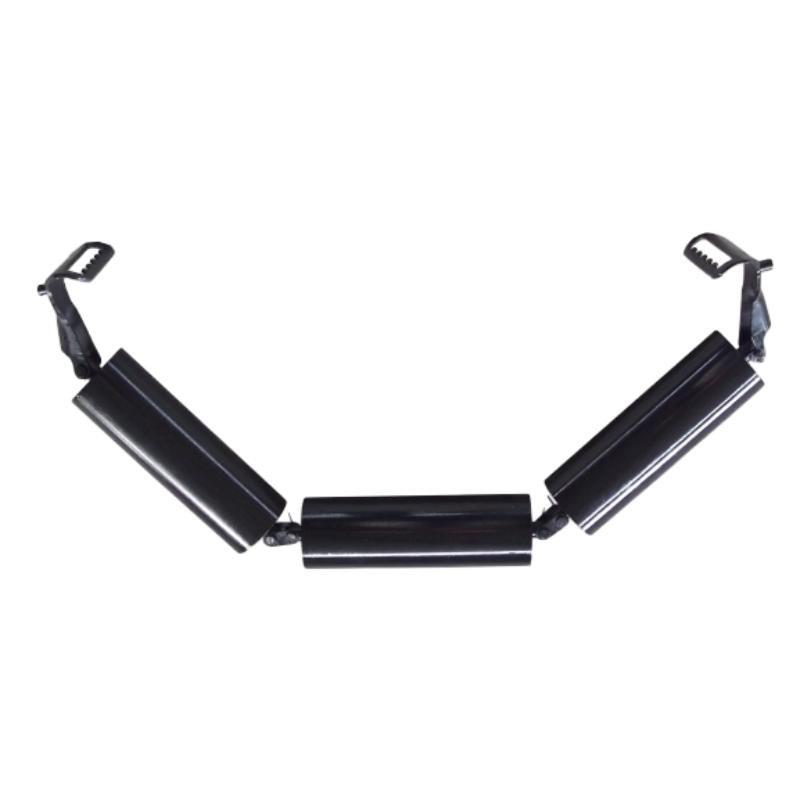
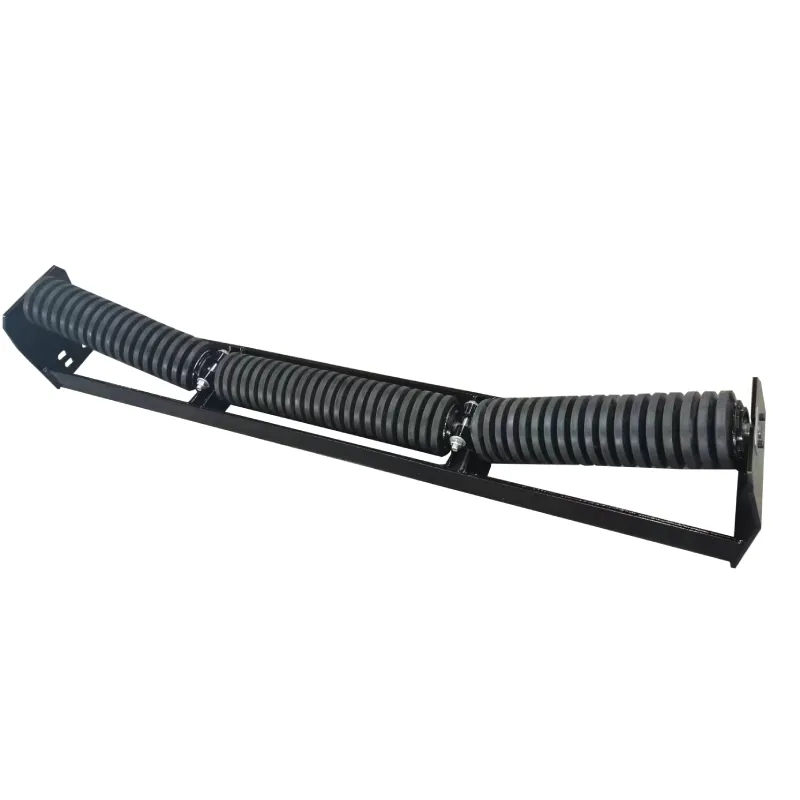
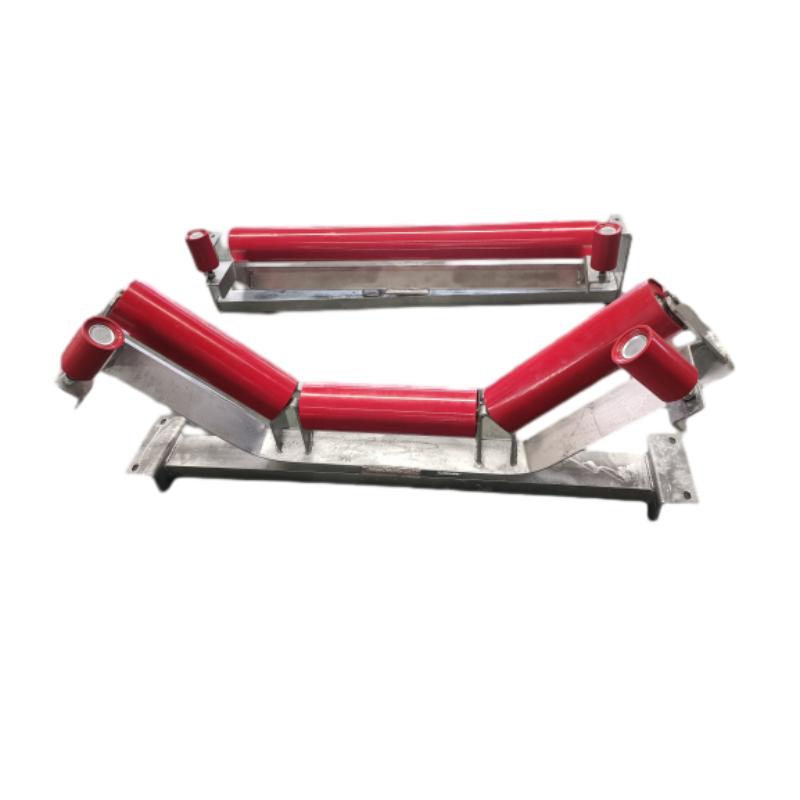
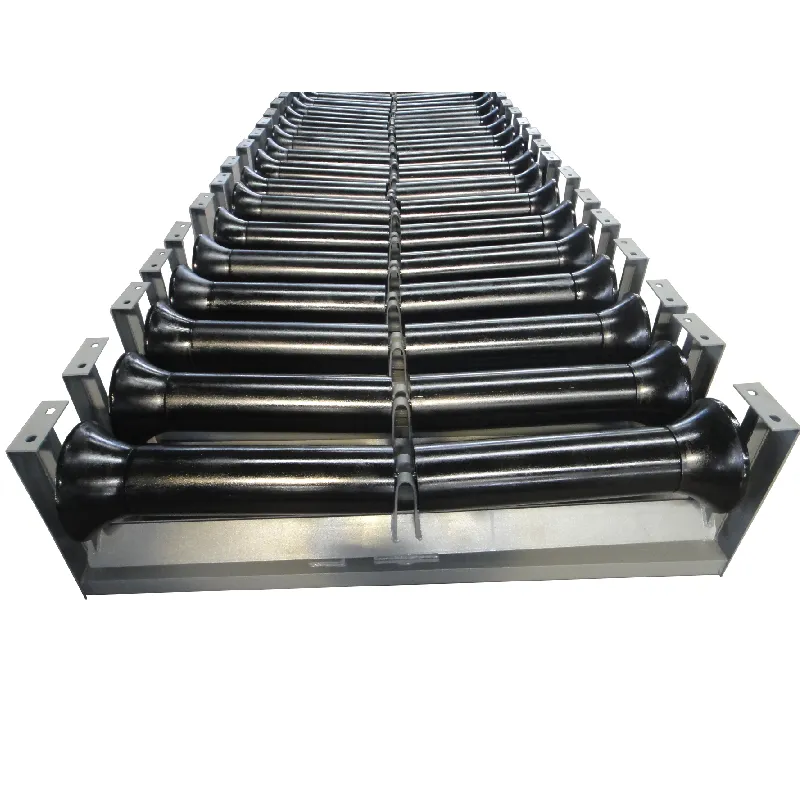
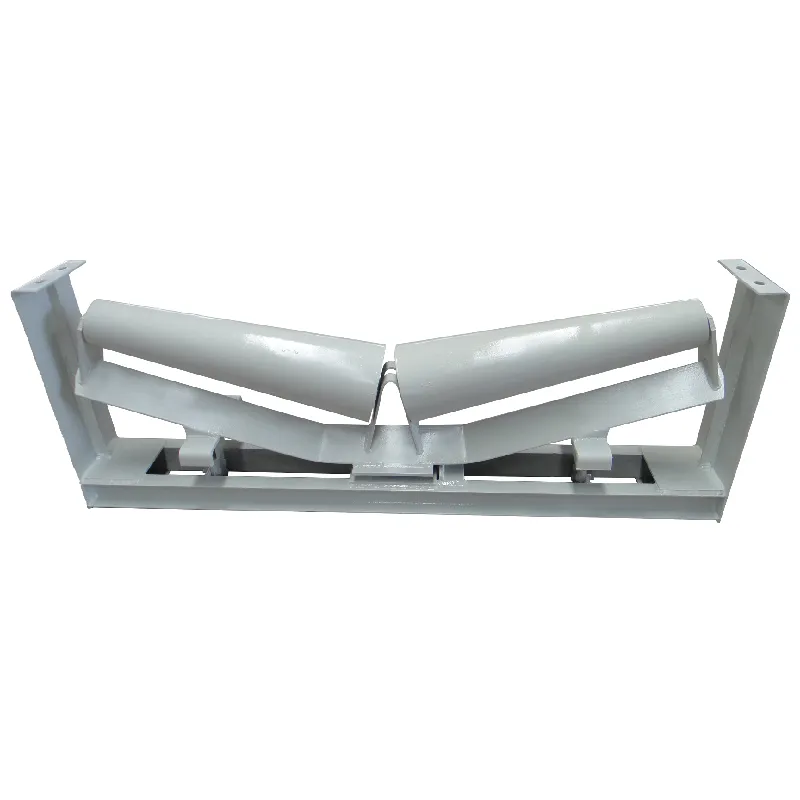
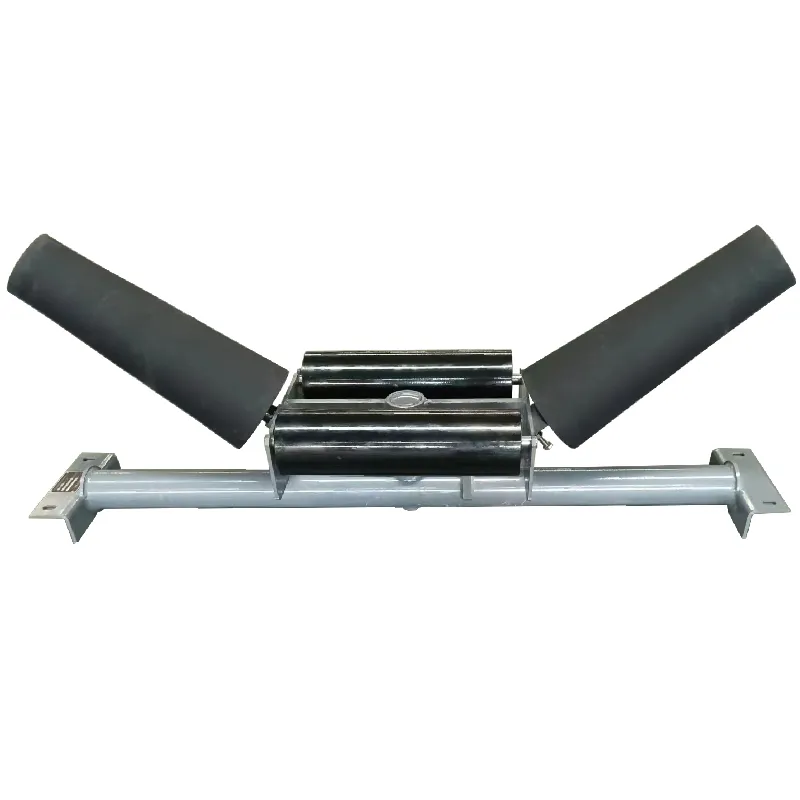
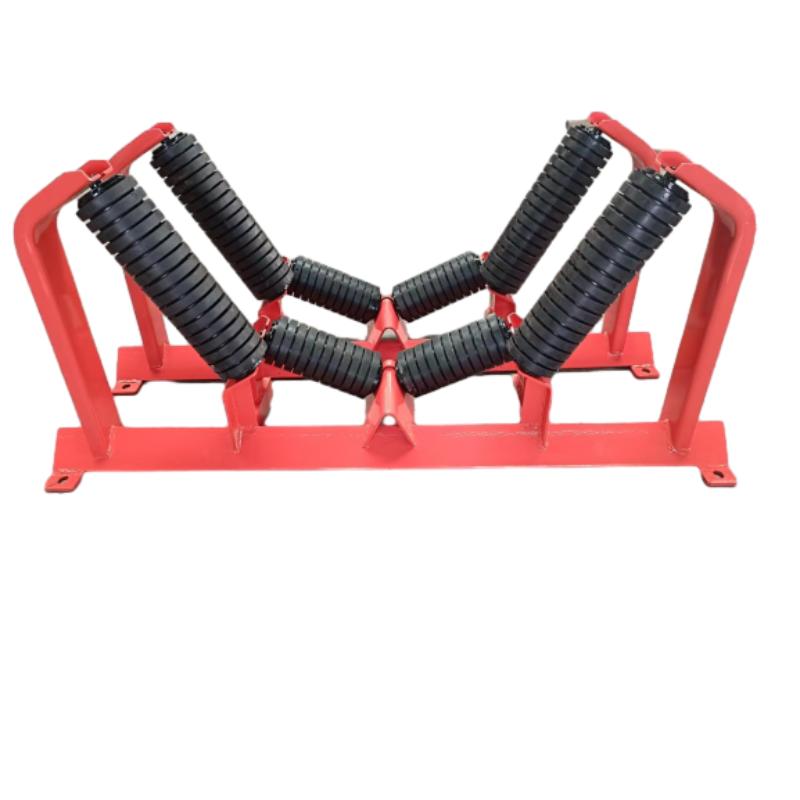
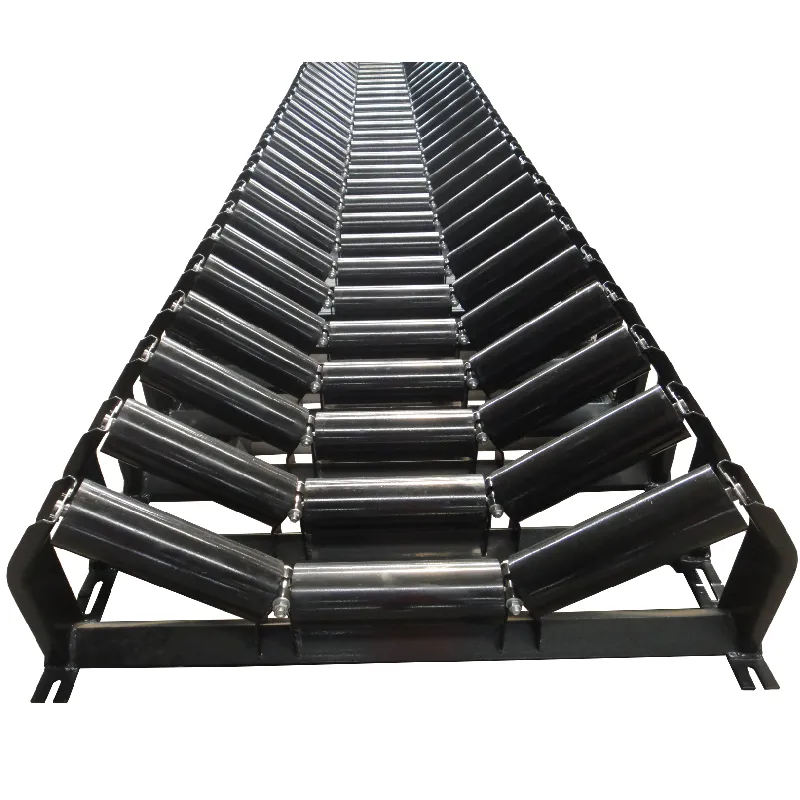
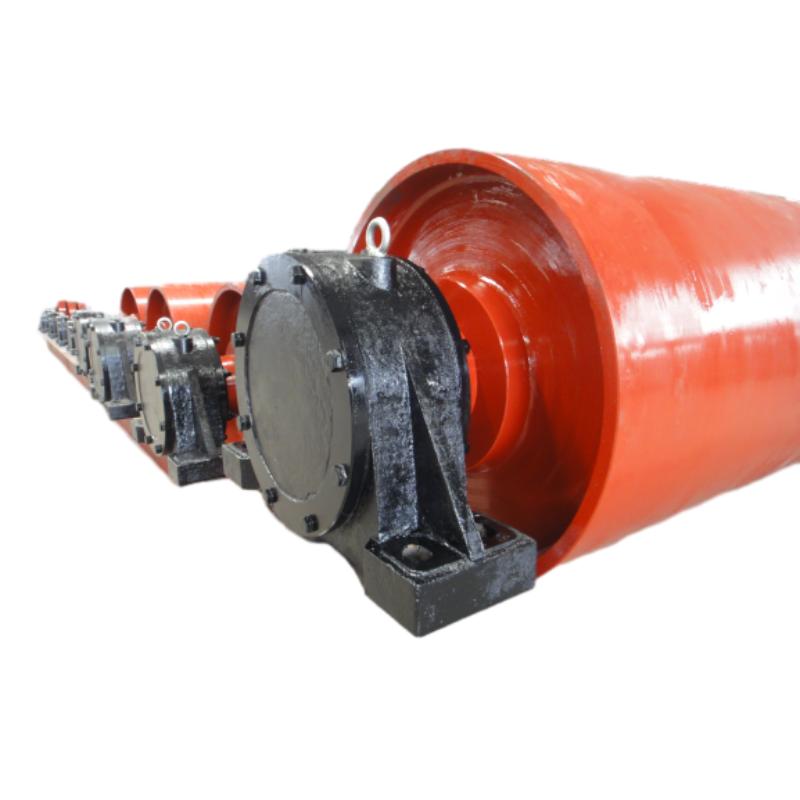
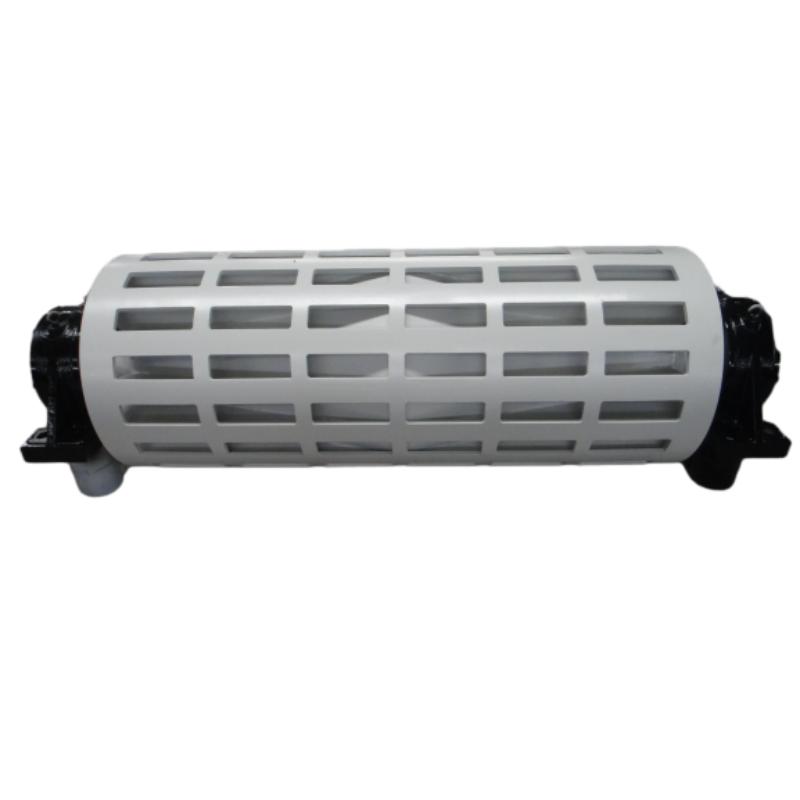
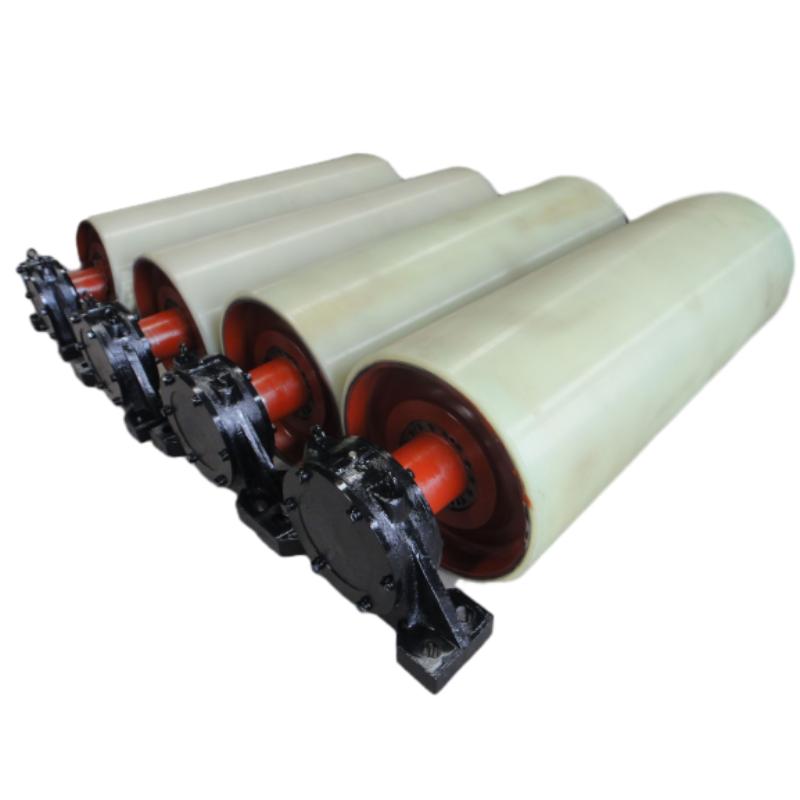
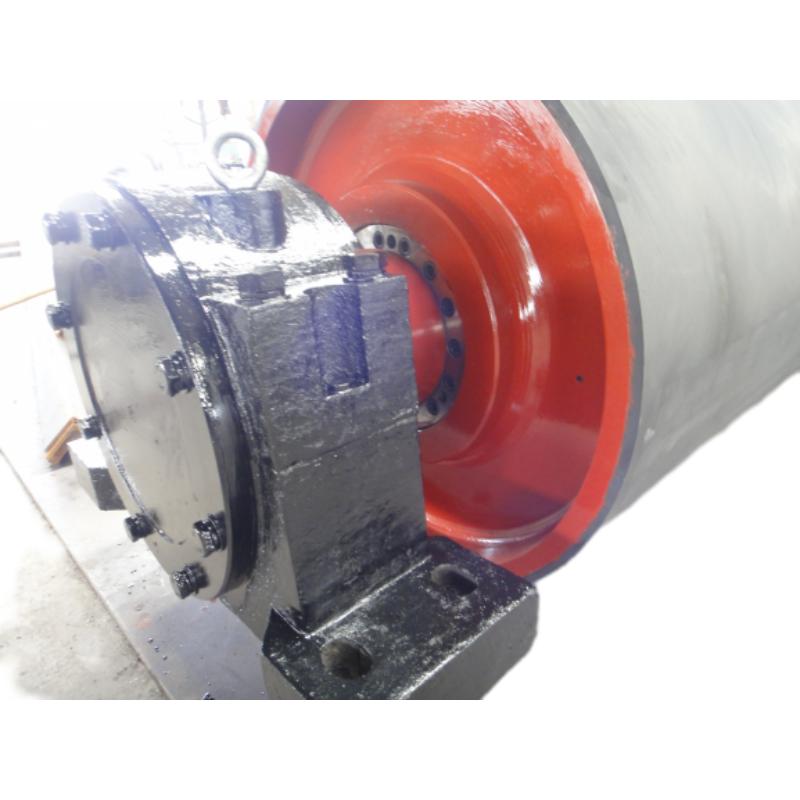
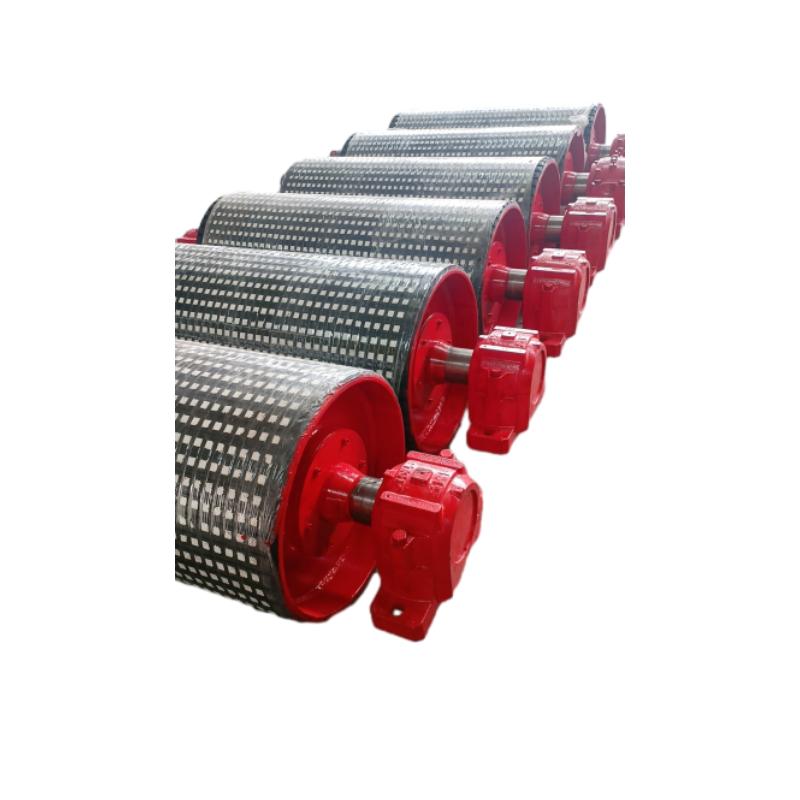
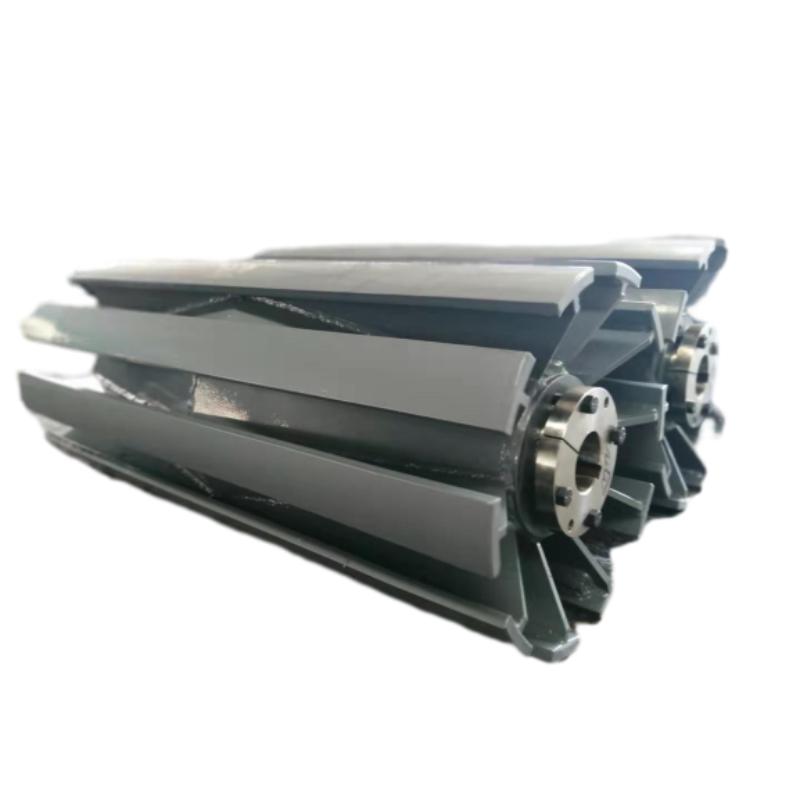
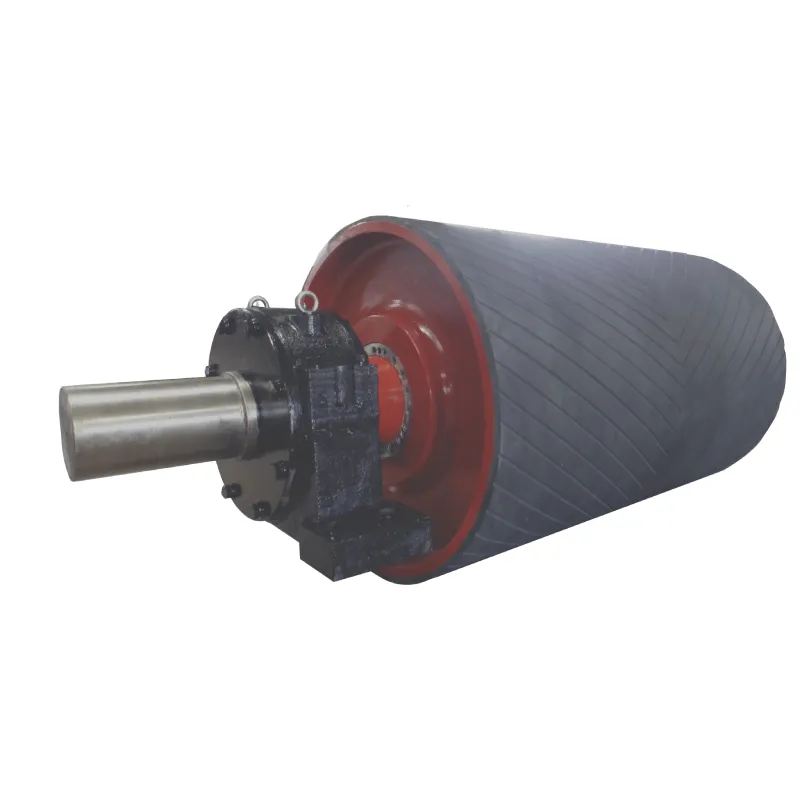
In simple terms, rollers are cylindrical components that support and guide conveyor belts, enabling smooth and continuous transportation of materials. Idlers, a type of roller, specifically carry the belt and its load along the conveyor path. Together, they act like the conveyor system’s backbone, offering support, reducing friction, and preventing belt sagging or damage.
Modern industries rely heavily on these components for efficient logistics—whether it’s bulk coal in power plants or food grains in agricultural zones. Humanitarian efforts also lean on them; in refugee camps, for instance, rollers and idlers help power quick-install conveyor units that move supplies swiftly to where they’re desperately needed.
Mini takeaway: Simply put, rollers and idlers keep conveyor belts supported and on track, critical for moving materials efficiently.
Key Factors in Rollers and Idlers Performance
Durability and Material Quality
Choosing the right materials—commonly high-grade steel or corrosion-resistant alloys—determines how well rollers withstand harsh environments. In industries like mining, these components face abrasive dust, mud, and extreme weather, so durability isn’t just a bonus, it’s a necessity.
Load Capacity and Size
Rollers have to match the conveyor system’s load specifications. Oversized or undersized idlers can lead to uneven belt wear and mechanical stress. Many engineers I speak with emphasize the importance of customizing roller dimensions based on cargo weight and belt speed.
Cost Efficiency and Maintenance
Though cheaper rollers might seem appealing, they often translate to higher maintenance costs. Investing in premium rollers reduces downtime and repair frequency, which ultimately saves money.
Environmental Compatibility
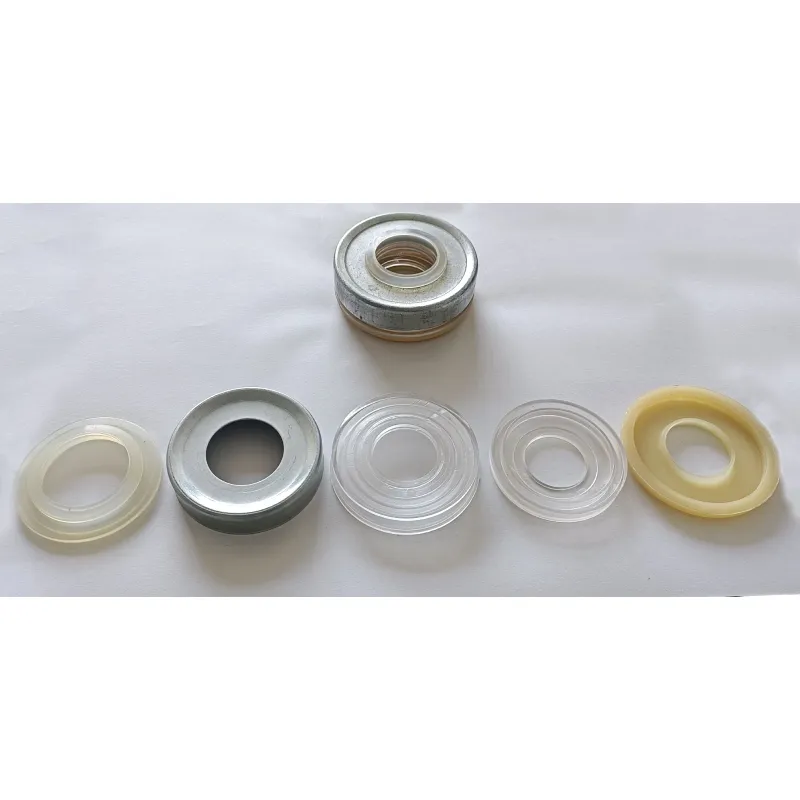
For conveyors operating in chemically active or moist spaces, rollers must be sealed against corrosion. Sometimes, even eco-friendly materials or coatings come into play when sustainability is a priority.
Scalability and Modularity
Modern conveyor systems often demand modular rollers and idlers for easy replacement and system upgrades. Scalability helps companies adapt to fluctuating production volumes without large overhauls.
Mini takeaway: When selecting rollers and idlers, material, load specs, maintenance, environmental factors, and scalability all weigh heavily on performance.
Real-World Applications Across Industries and Regions
Rollers and idlers find their place worldwide: in Australia’s coal mines, Europe’s automated warehouses, and even the farthest reaches of Africa where fast deployment conveyor lines support aid distribution.
- Mining: Heavy-duty idlers handle enormous loads of raw ores.
- Manufacturing: Precision rollers maintain steady packaging speeds.
- Agriculture: Rollers help transport grains gently to avoid damage.
- Humanitarian Aid: Portable conveyor systems with durable rollers speed up relief material delivery.
Interestingly, I once came across a mining company in Chile that credited a switch to eco-friendly rollers with cutting maintenance downtime by 30%. Such examples show the tangible impact these parts have.
Mini takeaway: Whether in industry or humanitarian settings, rollers and idlers enhance efficiency across geographies and applications.
The Long-Term Advantages of Quality Rollers and Idlers
Beyond the clear improvements in operational costs and uptime, good rollers and idlers bring peace of mind. Knowing your conveyor won’t stall mid-shift reduces stress for operators. Socially, reliable material handling supports worker safety and dignity by avoiding dangerous manual handling.
Sustainability also gets a boost. Durable rollers reduce waste and replacement frequency, while innovations like green coatings or recyclable materials advance environmental goals. Trust builds too — companies that invest in better parts often see stronger relationships with partners who depend on timely deliveries.
Mini takeaway: The best rollers and idlers don’t just save money—they lift safety, sustainability, and trust over time.
Future Trends Shaping Rollers and Idlers
The conveyor world isn’t standing still. Smart rollers with embedded sensors for real-time condition monitoring are gaining traction. This digital transformation helps predict failures before they happen, keeping operations smooth.
Material science advances are introducing composites lighter than steel but just as tough. Add to that automated self-lubricating idlers, and you get a glimpse of the near future.
Environmentally, rollers made from recycled materials and designed for energy-efficient conveyors support global decarbonization efforts—a small yet meaningful piece of the puzzle.
Mini takeaway: Expect smarter, greener, and more durable rollers and idlers soon, driven by tech and sustainability.
Challenges and Solutions in Managing Rollers and Idlers
Common headaches include premature roller wear, contamination ingress, and misalignment—all of which threaten conveyor reliability. Tackling these requires a mix of good design, proactive maintenance, and often, supplier collaboration.
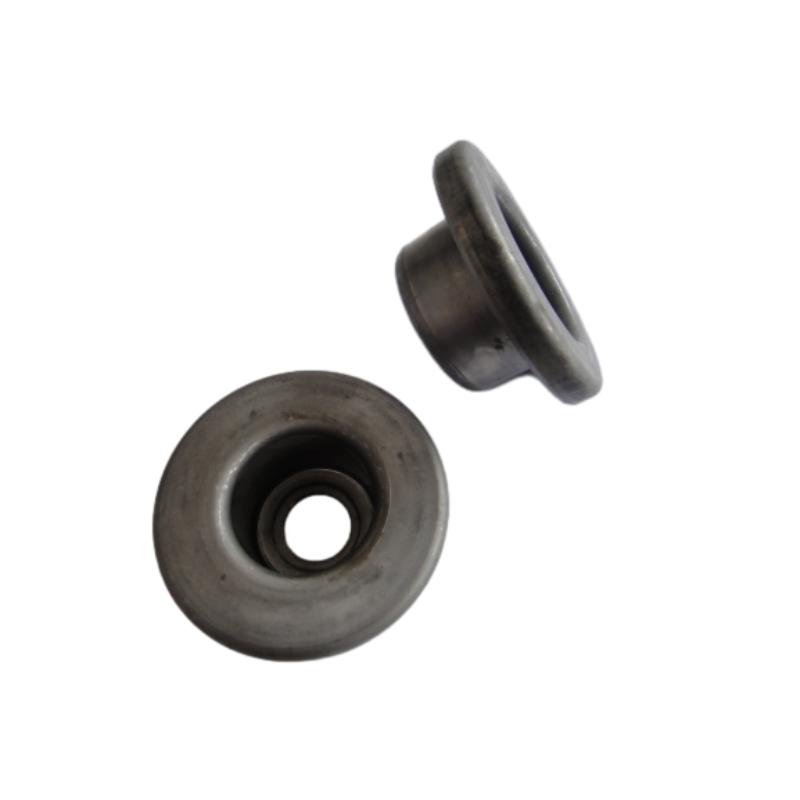
For instance, sealed-for-life bearings inside idlers prevent dirt intrusion, while modular designs ease replacements. Some companies now use AI-powered cameras to detect wear visually before it’s too late. The solution often lies in blending traditional engineering with new tech and best practices.
Mini takeaway: Challenges exist but experts say smart design and maintenance can significantly reduce roller and idler failures.
FAQ: Your Top Questions About Rollers and Idlers
- What’s the main difference between rollers and idlers?
- Rollers generally refer to any cylindrical component in a conveyor, while idlers specifically support the belt and material load. Think of idlers as a specialized subset of rollers.
- How often should rollers and idlers be inspected?
- Industry guidelines suggest routine checks every 3-6 months, depending on operational conditions. Harsh environments may require more frequent inspections to catch wear early.
- Are eco-friendly rollers more expensive?
- Initially, yes, but they often reduce lifecycle costs due to less frequent replacements and maintenance, plus improved energy efficiency.
- Can rollers and idlers be customized for unique conveyor designs?
- Absolutely. Many manufacturers offer tailored sizes, materials, and bearing types to fit specific conveyor needs or industry environments.
- How does digital monitoring improve roller maintenance?
- Embedded sensors track temperature, vibration, and rotation speed to predict failures before they disrupt operations, minimizing downtime and repair costs.
Wrapping It Up: Why Rollers and Idlers Deserve More Attention
In the long run, investing in quality rollers and idlers is about more than just keeping belts moving—it’s about boosting efficiency, sustainability, and trust in your operations. Whether you’re moving tons of raw material or delivering humanitarian aid, these components quietly keep things flowing.
Curious to learn more or explore premium options? Visit our website: rollers and idlers.
Product Specification Table
| Specification | Standard Roller | Heavy-Duty Idler | Eco-Friendly Model |
|---|---|---|---|
| Material | Carbon Steel | Alloy Steel | Recycled composites |
| Load Capacity | Up to 500 kg | Up to 1500 kg | Up to 800 kg |
| Bearing Type | Ball bearing, sealed | Roller bearing, sealed | Self-lubricating polymer |
| Maintenance Interval | 6 months | 12 months | 18 months |
| Special Features | Standard duty | Shock resistant | Eco certified & lightweight |
Vendor Comparison at a Glance
| Vendor | Product Range | Lead Time | Customization Level | Price Range |
|---|---|---|---|---|
| RollTech Inc. | Standard & heavy-duty rollers | 2-3 weeks | Medium | $$ |
| Idler Solutions | Custom eco-friendly rollers | 4-6 weeks | High | $$$ |
| ConveyPro | Broad conveyor components | 1-2 weeks | Low | $ |
-
Maximize Conveyor Life with a High Performance impact bedNewsApr.16,2026
-
Maximize Conveyor Efficiency Using a v plow belt scraperNewsApr.09,2026
-
Comprehensive Guide to Understanding Different Types of Belt CleanersNewsApr.07,2026
-
Enhancing Conveyor Efficiency with an Effective Scraper Belt CleanerNewsApr.04,2026
-
Optimizing Conveyor Systems with Advanced Cleaning Equipment SolutionsNewsMar.31,2026
-
Effective Conveyor Belt Scraper Adjustment for Optimal System PerformanceNewsMar.28,2026