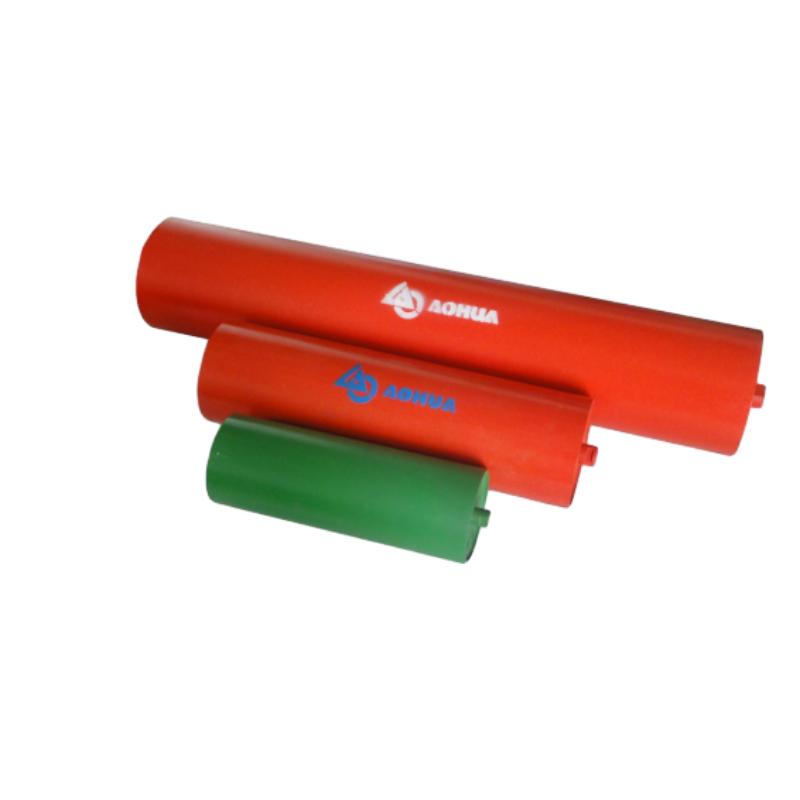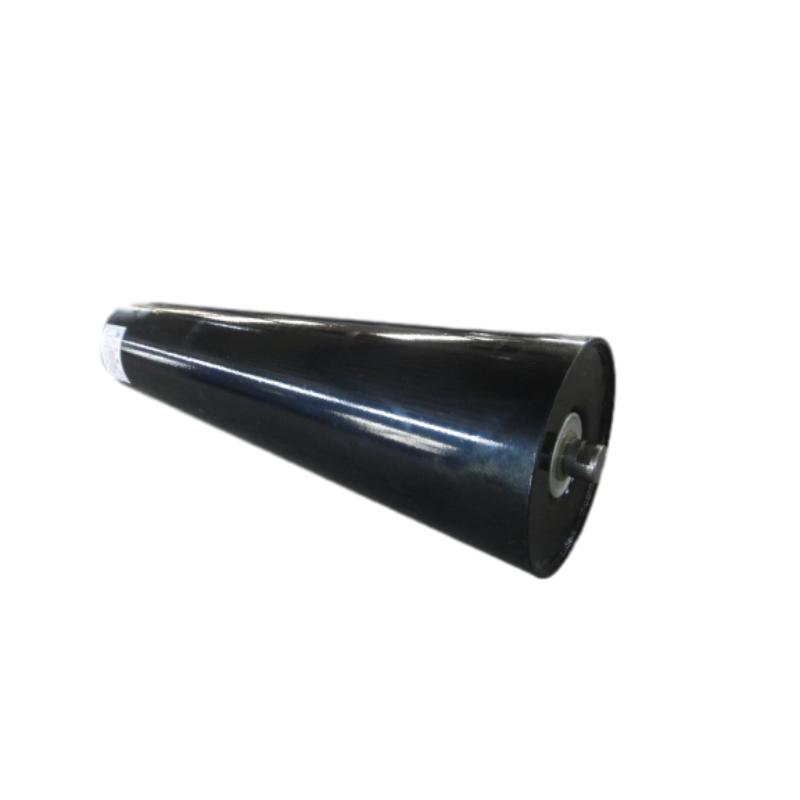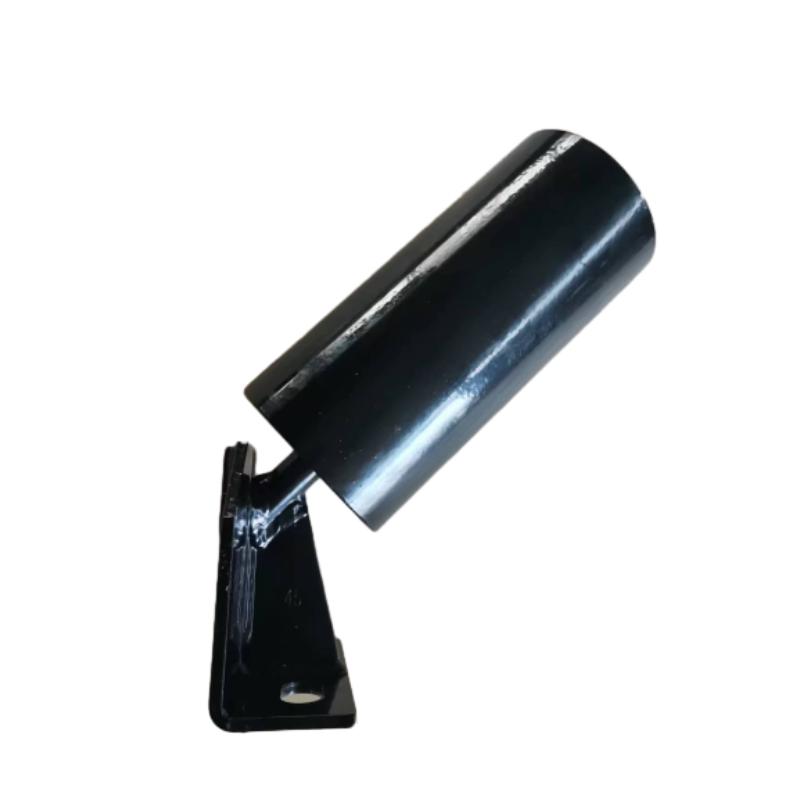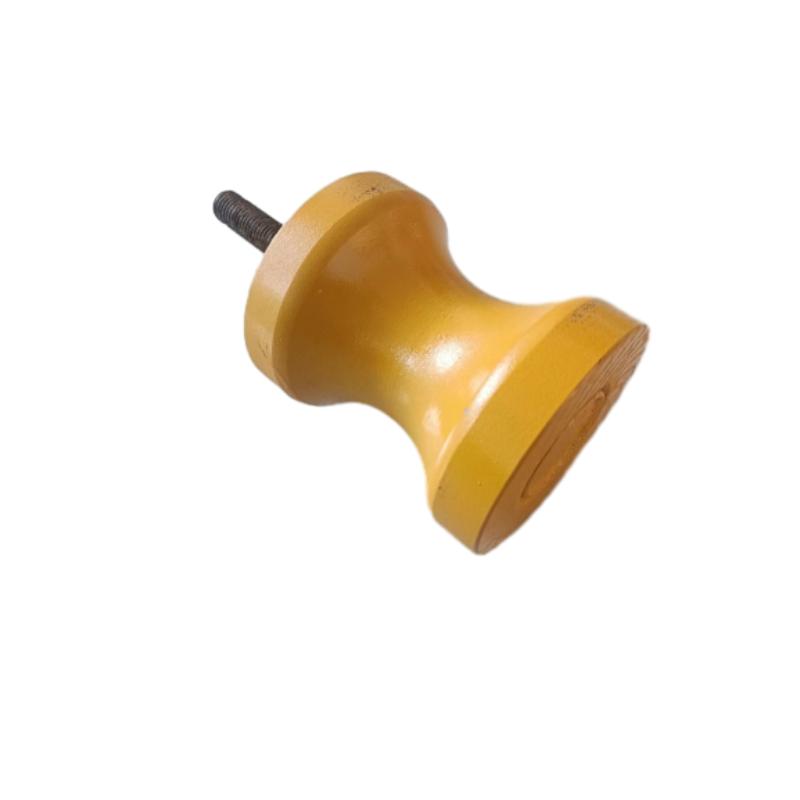


Durable Rubber Impact Roller Solutions for Industrial Conveyors
Understanding the Rubber Impact Roller: A Veteran’s Perspective
Having spent more than a decade in the industrial equipment sector, I’ve come to appreciate that sometimes the simplest components can have the largest impact on machine performance. Take the rubber impact roller, for example. Oddly enough, it might not grab headlines like some sophisticated machinery, but it plays a key role in protecting conveyor systems and preventing costly downtime.
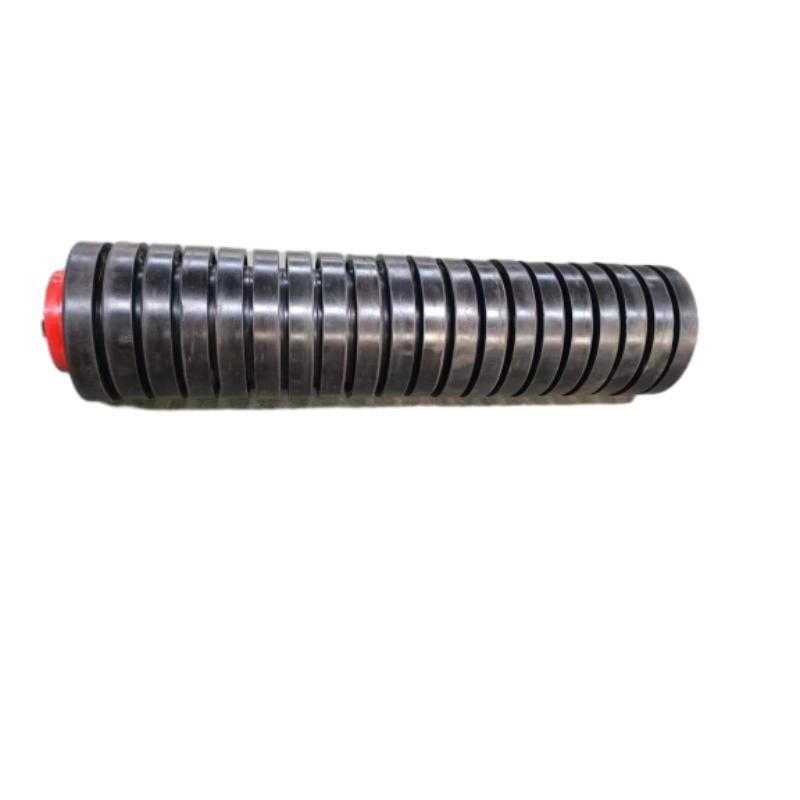
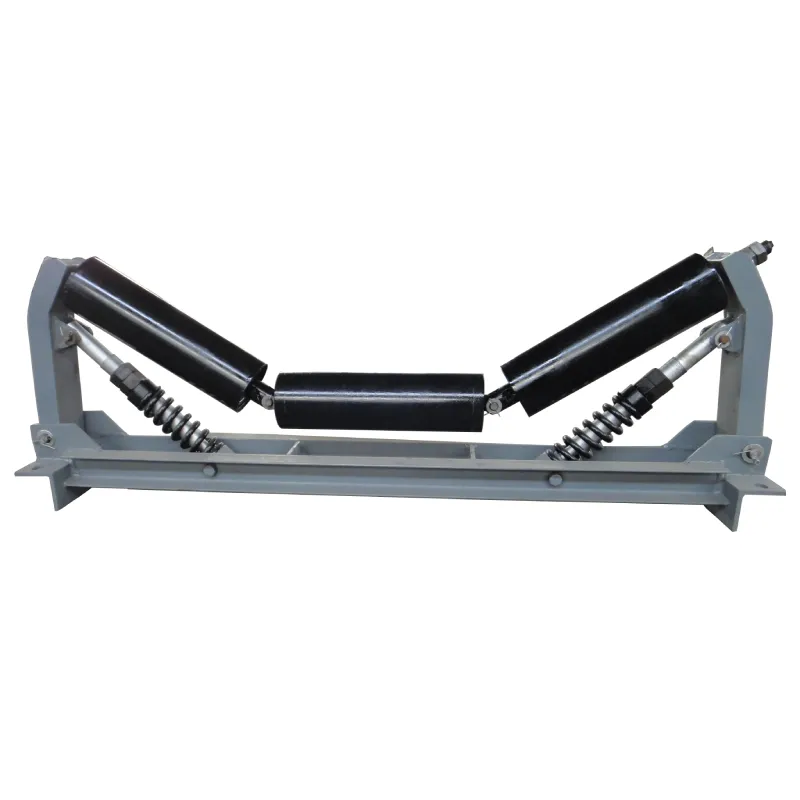
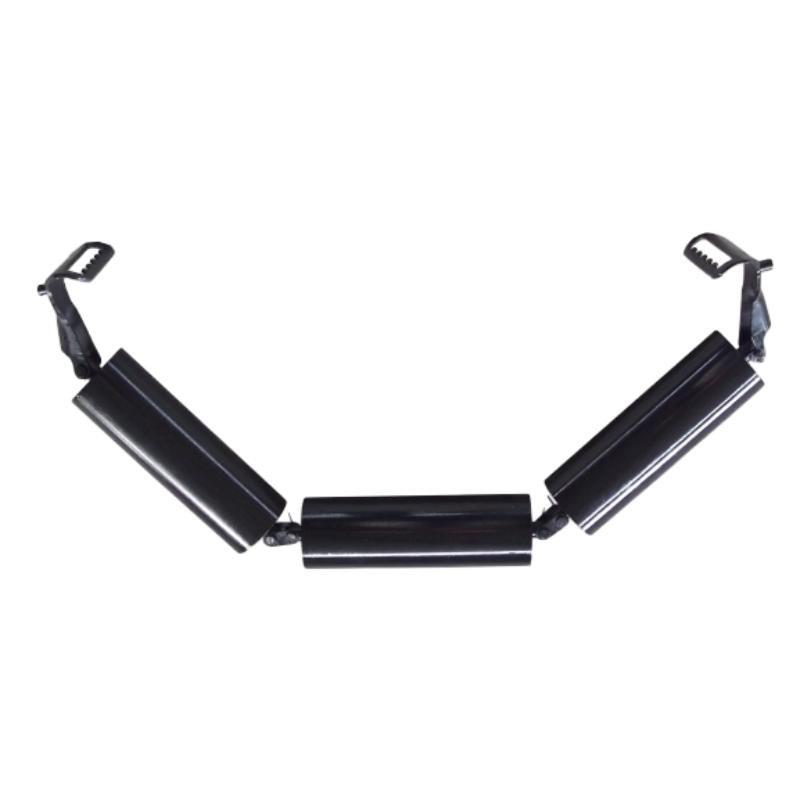
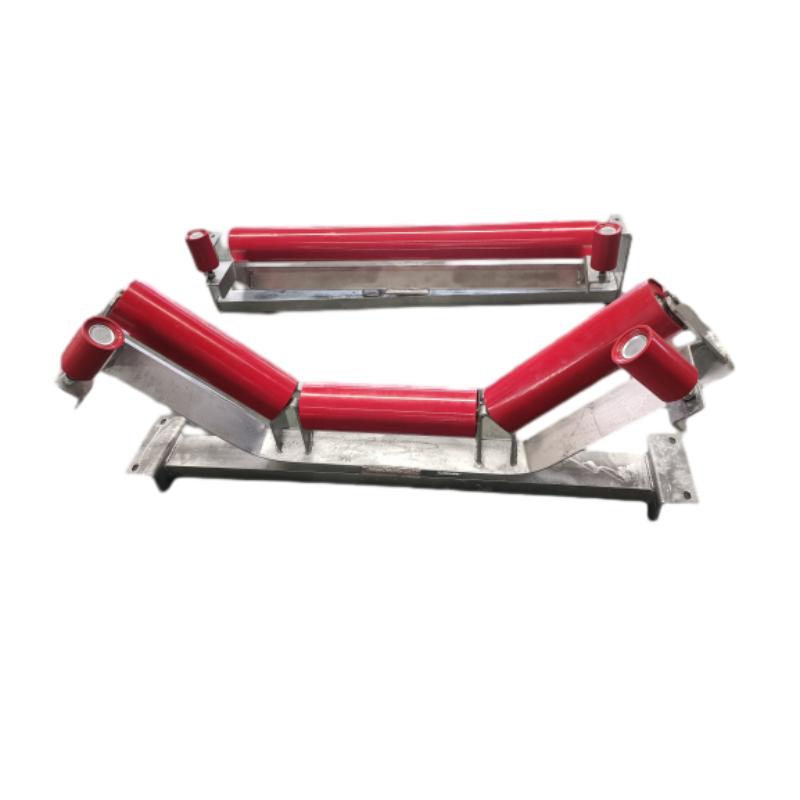
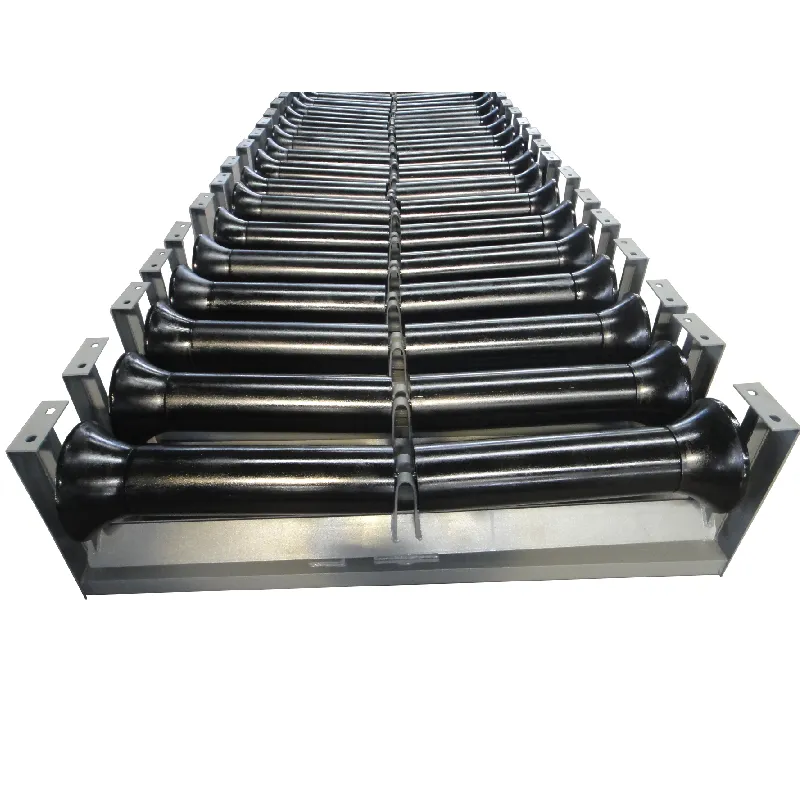
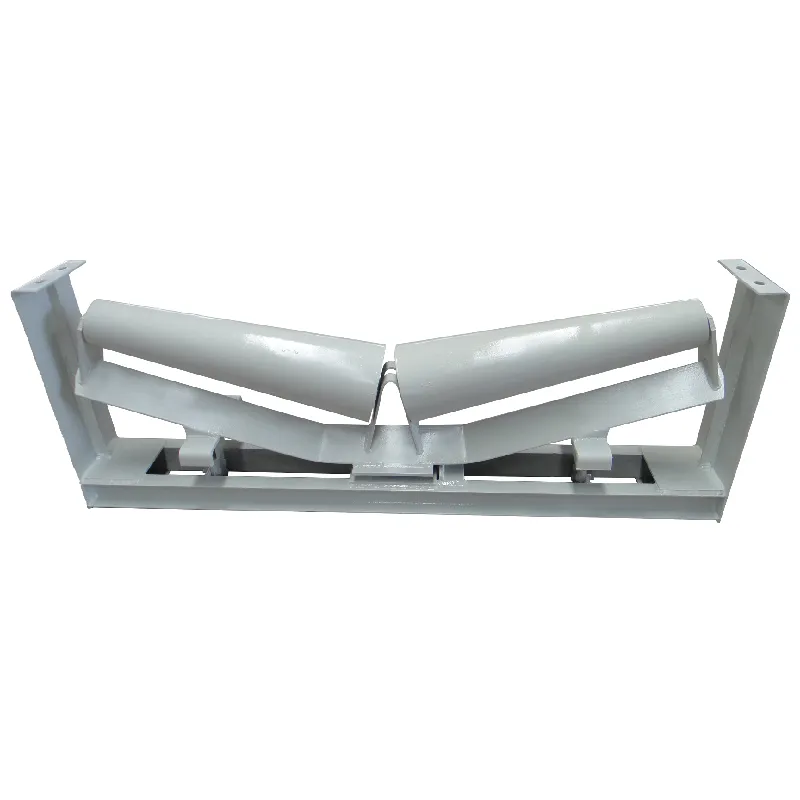
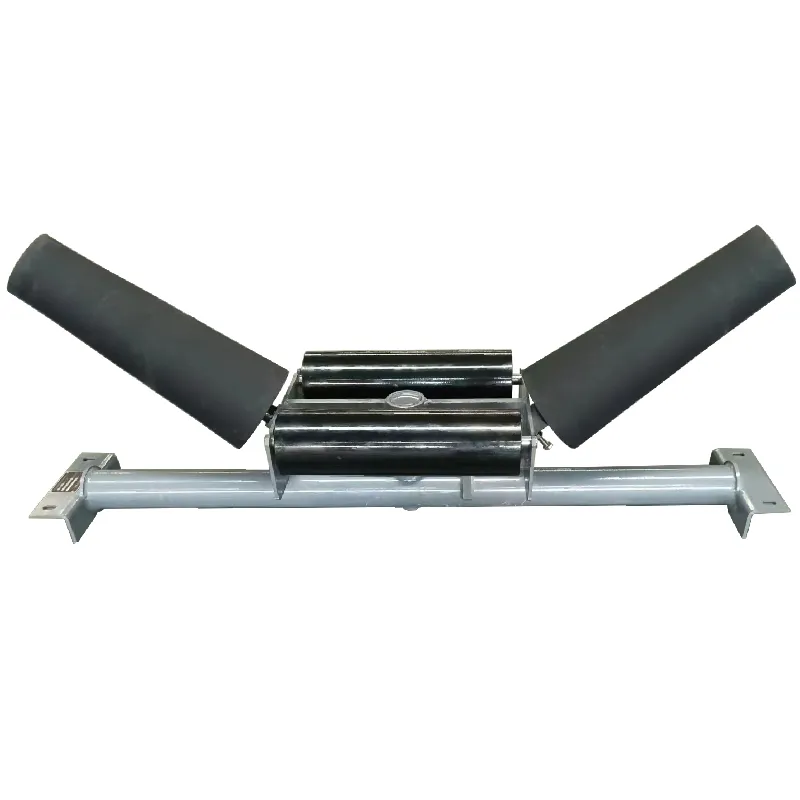
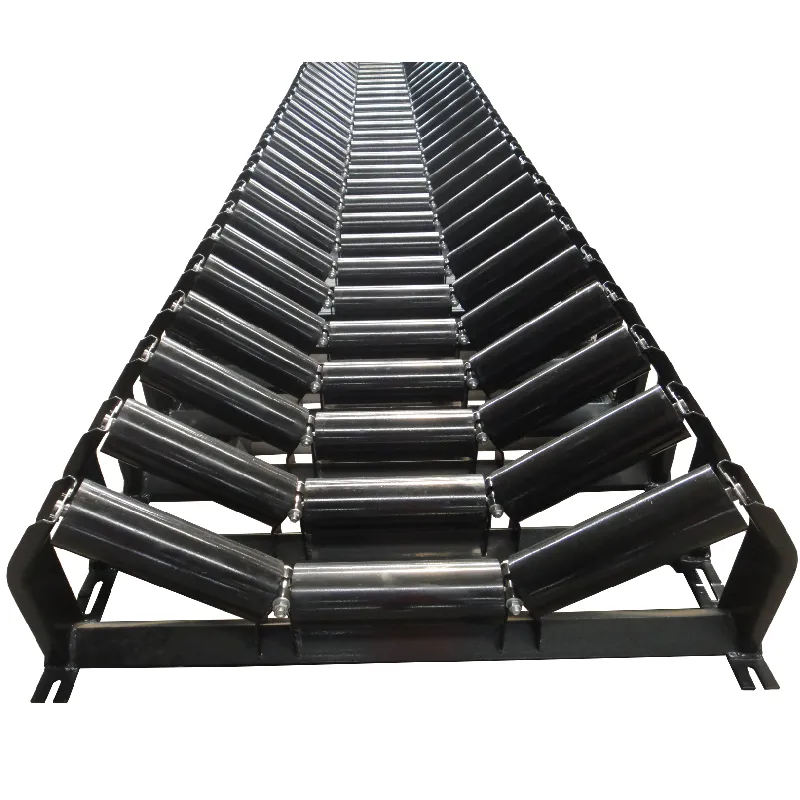
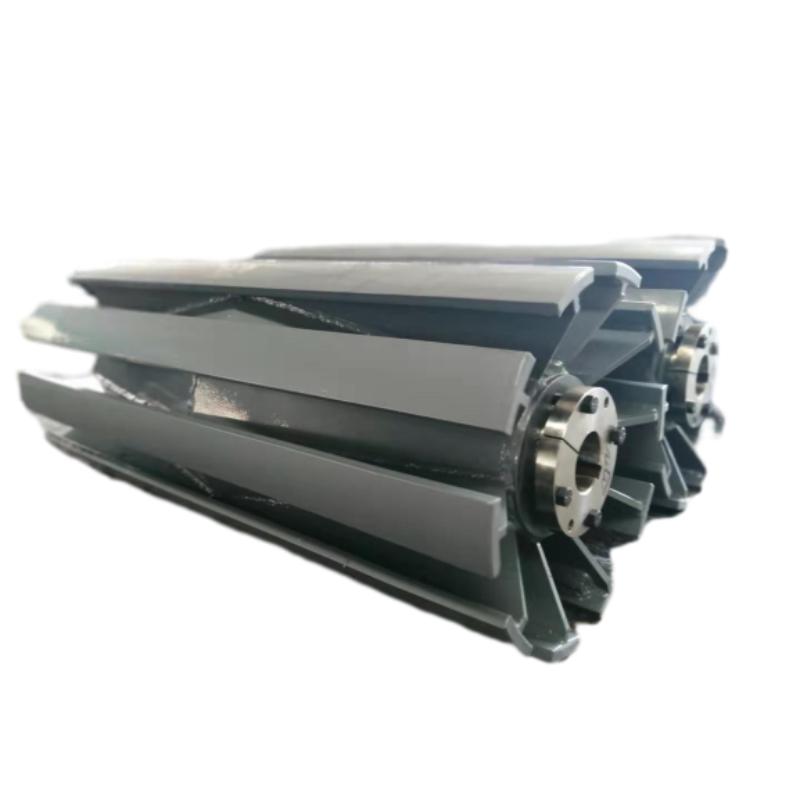
Now, before we dive into the nuts and bolts, let me just say: the rubber impact roller's appeal lies in its elegant balance of tough durability and shock absorption. Compared to steel rollers, rubber ones can absorb impact more effectively, cushioning materials as they move along conveyor belts. That’s particularly crucial in mining, recycling, and bulk handling industries where heavy lumps of ore or debris drop onto conveyor surfaces.
What Makes a Quality Rubber Impact Roller?
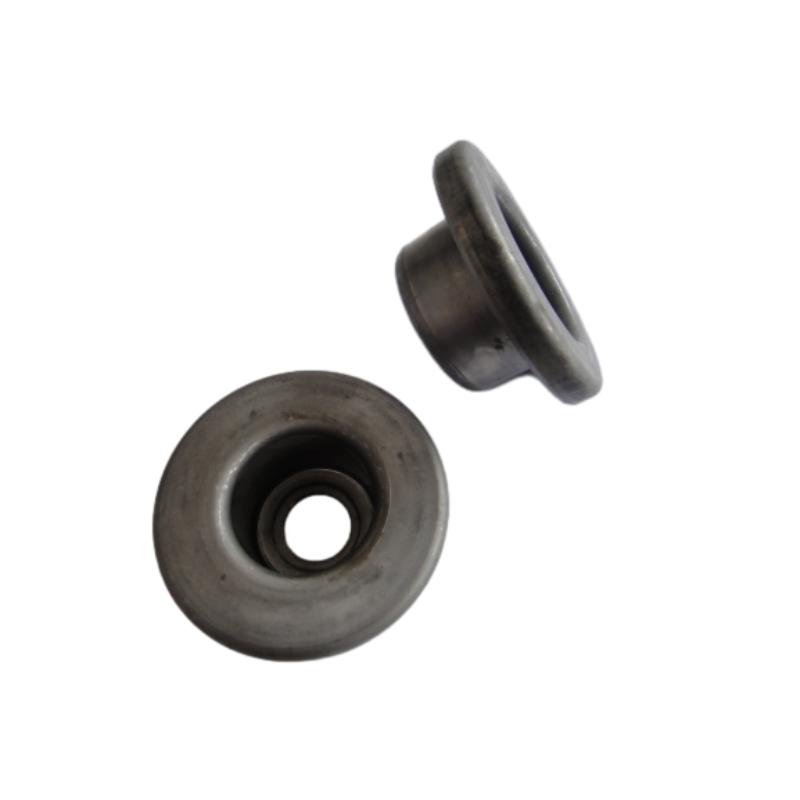
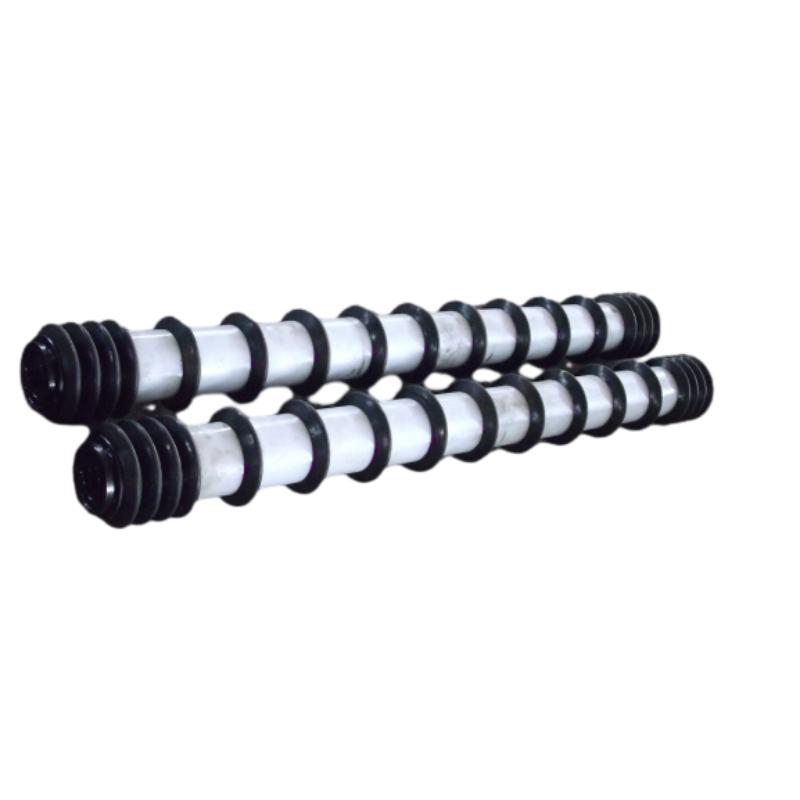
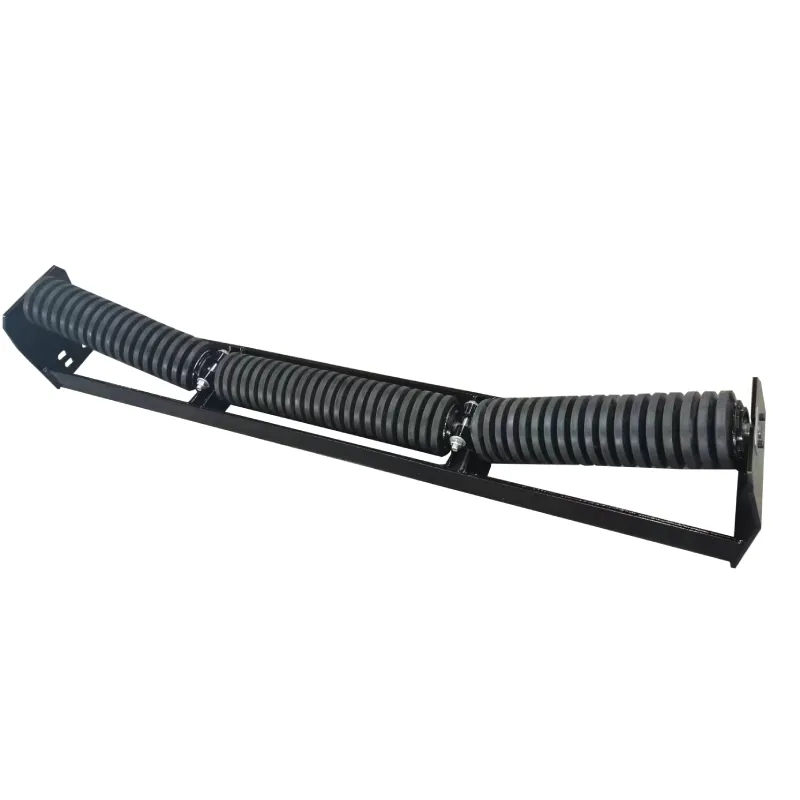
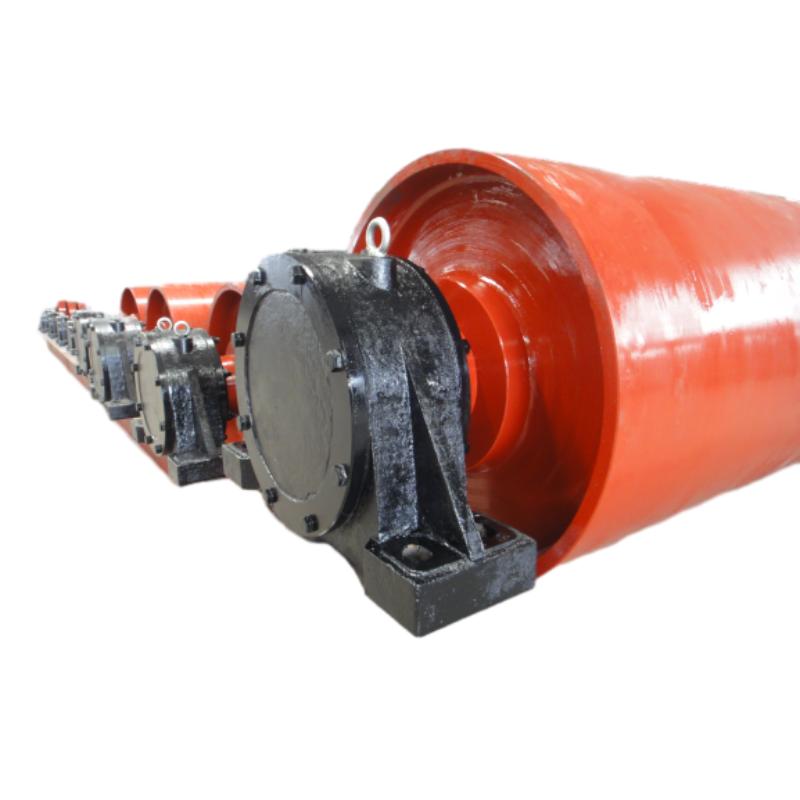
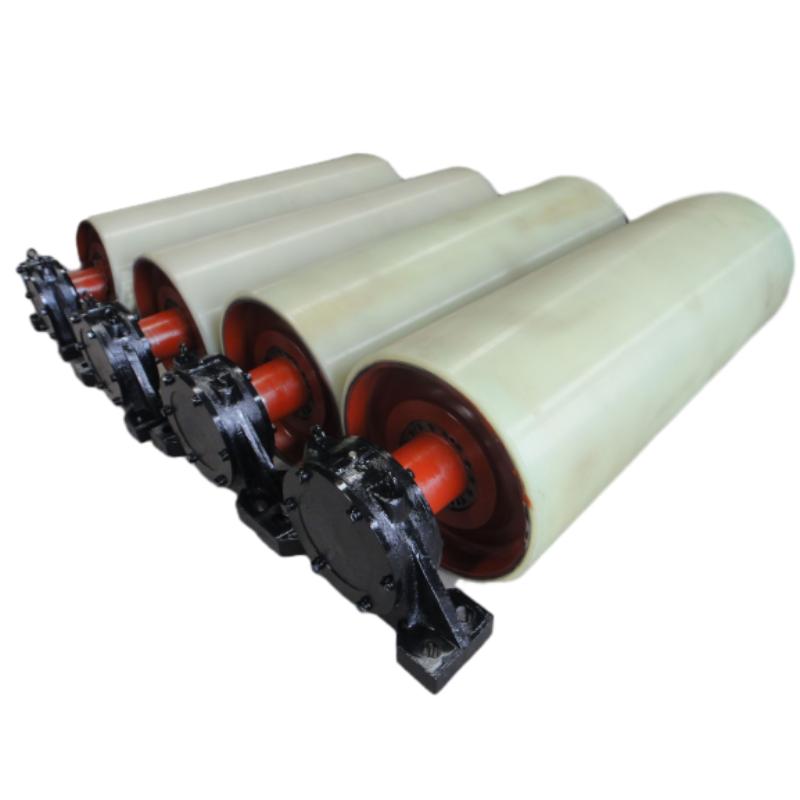
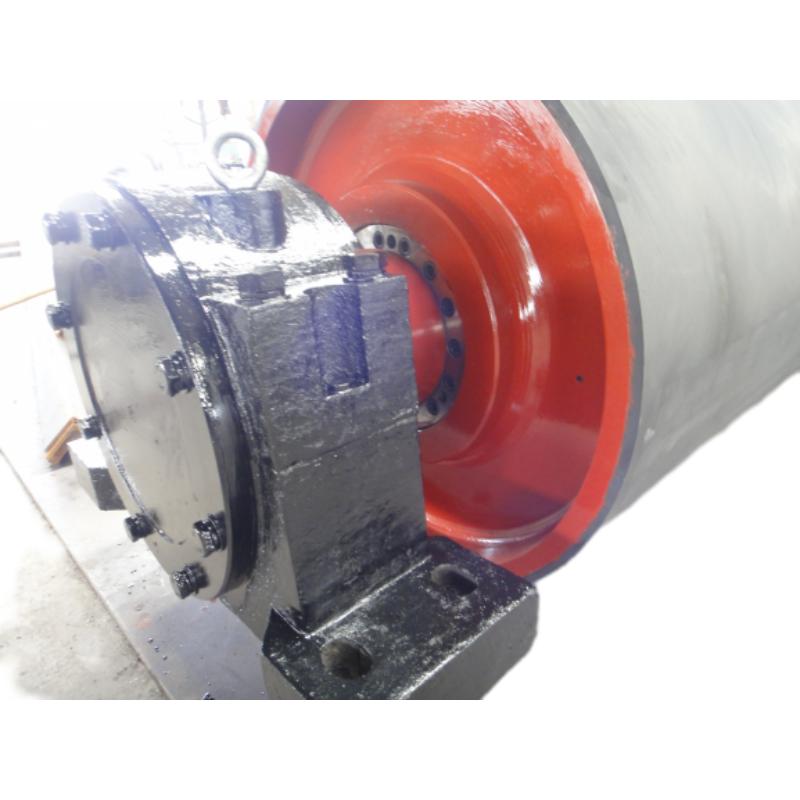
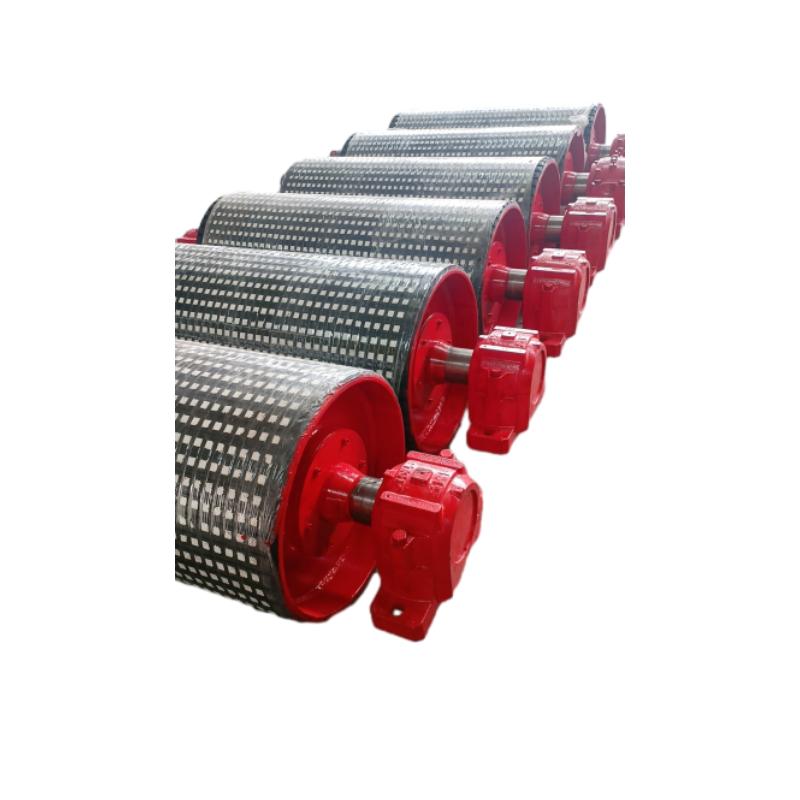
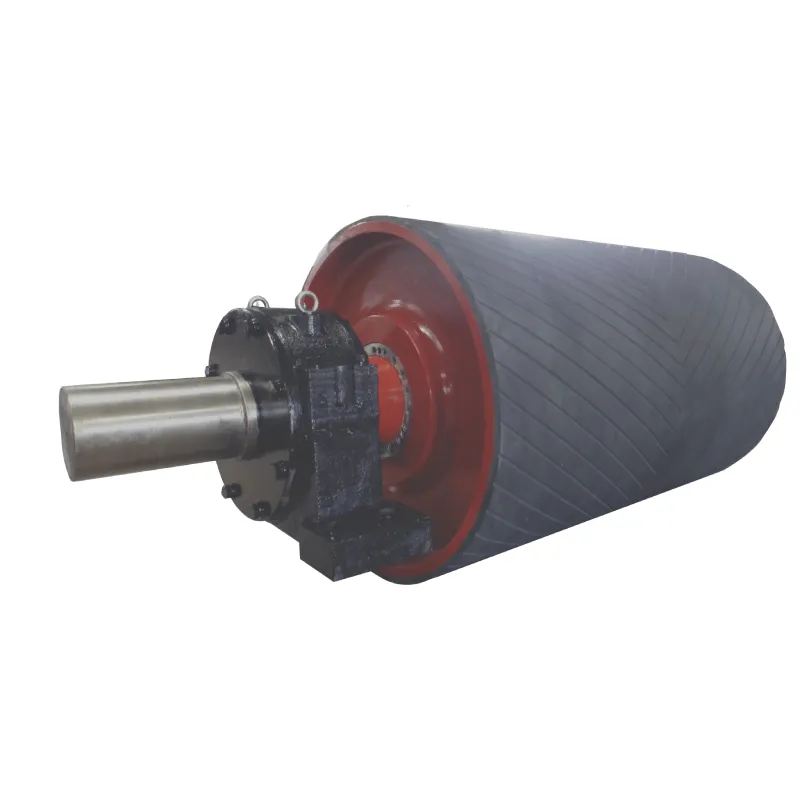
You know, I’ve seen my fair share of rollers that just didn’t last. The quality often boils down to material selection and design. Usually, the core is a solid steel pipe providing strength and rigidity, wrapped in a layer of natural or synthetic rubber – frequently something like neoprene or SBR, which resist abrasion and weather well.
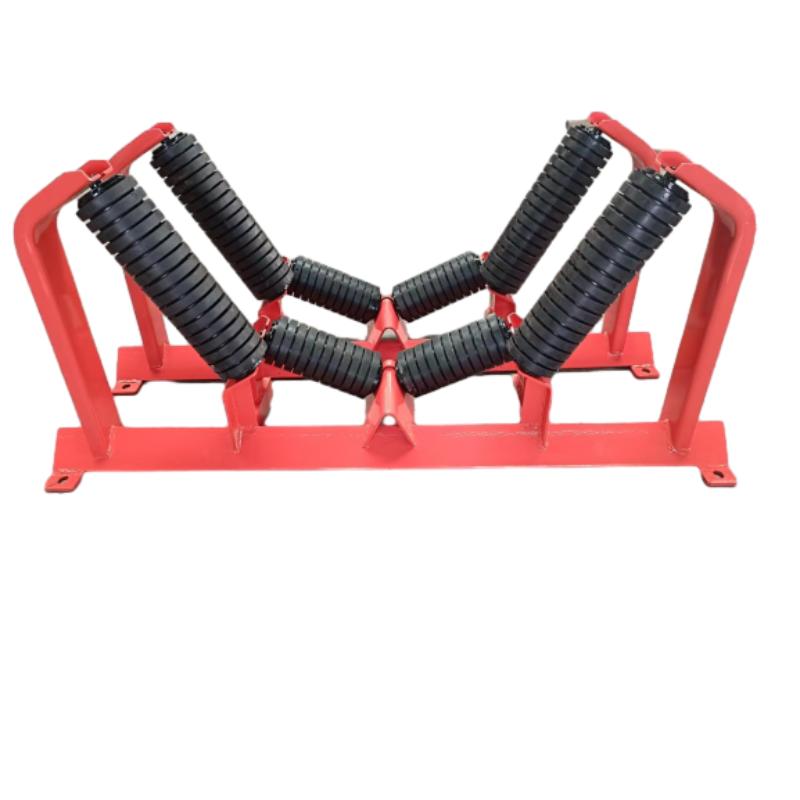
Frankly, the thickness and hardness of the rubber significantly influence performance. Too soft, and it wears out faster; too hard, and you lose that critical shock absorption. Many engineers aim for a Shore A hardness of around 60-70 for the best balance. The rollers typically come with groove designs to channel away stray material or moisture — a small feature, but it really helps extend service life.
It’s worth mentioning that the impact rollers undergo rigorous testing for load capacity and resilience. From what I recall at a plant I once worked at, rollers had to withstand continuous impacts from 100mm lumps dropping from heights of over a meter. If they cracked or delaminated, they were out. It’s a tough standard, but necessary to match the harsh environments.
Rubber Impact Roller Specifications
| Parameter | Typical Values | Remarks |
|---|---|---|
| Core Diameter | 60-140 mm | Steel pipe backbone |
| Rubber Thickness | 25-65 mm | Varies by application |
| Hardness (Shore A) | 60-70 | Balance of durability & shock absorption |
| Load Capacity | Up to 1000 kg | Subject to design |
| Length | 200-3000 mm | Customizable |
Choosing the Right Vendor: A Quick Comparison
Over the years, I’ve worked with several suppliers of rubber impact rollers. It’s interesting how their approaches and product quality can differ. Here’s a quick breakdown of three prominent manufacturers I’ve had experience with (let’s call them A, B, and C for simplicity):
| Feature | Vendor A | Vendor B | Vendor C |
|---|---|---|---|
| Material Quality | Premium natural rubber | Synthetic rubber blend | Neoprene with additives |
| Customization Options | Full range of sizes & hardness | Limited to standard sizes | Good but with MOQ restrictions |
| Lead Time | 3-4 weeks | 2 weeks | 4-5 weeks |
| Price Range | Higher-end | Competitive | Mid-range |
| After-Sales Support | Excellent, proactive | Average | Good but slow to respond |
Honestly, if you’re working in a high-impact, heavy-load environment, I recommend prioritizing material quality and support. In one project I was involved with several years ago, Vendor A’s rollers outperformed others by a noticeable margin, and service was immediate when a concern arose.
Of course, price is always a factor, and sometimes the budget demands compromise. However, I’ve learned the hard way that skimping on roller quality often leads to replacement and downtime costs that wipe out any initial savings.
A Brief User Story
I still recall a large recycling facility where the conveyor system was failing regularly due to repeated impact damage. The engineers switched to rubber impact rollers, custom-built with a thicker neoprene layer and grooved design for better debris clearance. After installation, the system ran smoothly for almost two years without roller-related shutdowns. It was a clear reminder that sometimes the right roller can save more than just mechanical parts — it saves whole production days.
In real terms, choosing and maintaining good rubber impact rollers is about understanding how materials behave under impact, how design features matter, and selecting trusted vendors committed to quality. As someone who’s seen it all, I can say: don’t underestimate this humble component.
At the end of the day, it’s often the rubber impact roller quietly preventing issues that keeps production on track. Kind of nice to give it a little credit, don’t you think?
References:
- Industrial Conveyor Equipment Handbook, 3rd Ed.
- Materials Science for Engineers, Rubber Division Publication
- Case Studies: Bulk Material Handling Solutions
-
Maximize Conveyor Life with a High Performance impact bedNewsApr.16,2026
-
Maximize Conveyor Efficiency Using a v plow belt scraperNewsApr.09,2026
-
Comprehensive Guide to Understanding Different Types of Belt CleanersNewsApr.07,2026
-
Enhancing Conveyor Efficiency with an Effective Scraper Belt CleanerNewsApr.04,2026
-
Optimizing Conveyor Systems with Advanced Cleaning Equipment SolutionsNewsMar.31,2026
-
Effective Conveyor Belt Scraper Adjustment for Optimal System PerformanceNewsMar.28,2026