

Choosing an Idler Frame: Application Fit and Specification Checks
THE BUYER'S GUIDE / SELECTION
Choosing an Idler Frame: Application Fit and Specification Checks
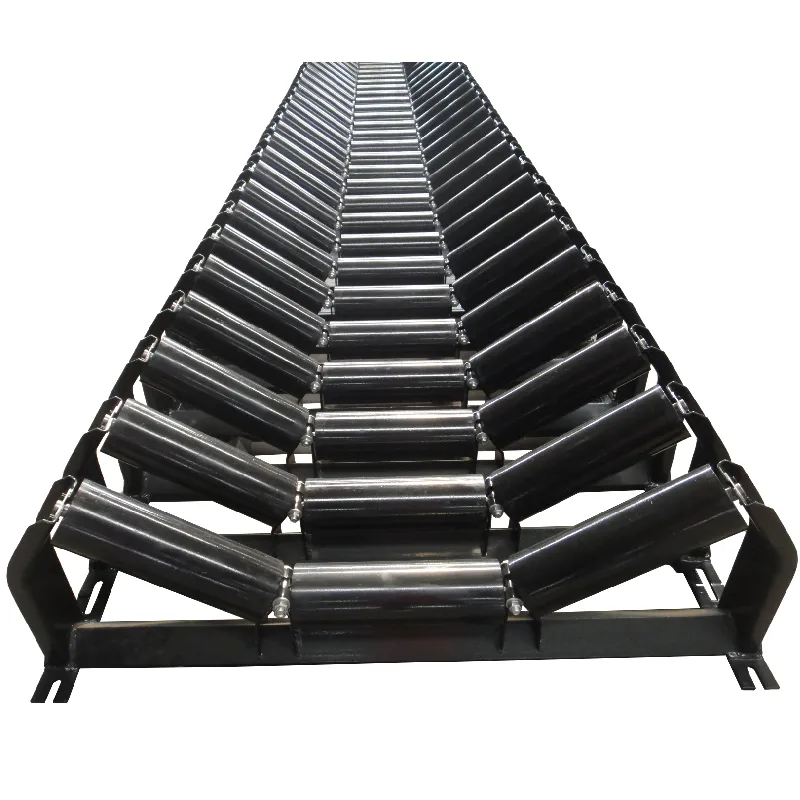
An idler frame supports the rollers, belt, and load on a belt conveyor — making it one of the highest-quantity components in any conveyor system. Selecting the right idler frame requires matching structural design, frame geometry, and welding quality to your specific application conditions. This guide walks procurement teams and engineers through the key criteria for evaluating and specifying conveyor idler frames, drawing on confirmed product details from Yanshan Aohua Machinery Equipment Manufacture Limited Company.

Frame geometry and belt width compatibility — the idler frame must match the nominal belt width, troughing angle, and mounting footprint specified in the conveyor design drawings.
Manufacturing process and welding quality — precision robotic welding and tooling-fixture-controlled assembly reduce dimensional variation across high-volume batches, which is critical for alignment along long conveyor runs.
Application environment and conveyor position — carrying, return, impact, and transition zones each require different frame configurations; environmental conditions such as dust, moisture, and corrosive agents must also be factored into material and surface-treatment selection.
Why the Idler Frame Matters
An idler frame is an essential structural component of every belt conveyor. Its primary role is to support the rollers, the conveyor belt, and the material being transported — meaning its design and build quality directly influence belt alignment, load stability, and the overall smooth running of the conveyor. Because idler frames are used in enormous quantities across a single installation, even small differences in quality or fit can have outsized effects on maintenance costs and operational uptime.
For buyers in mining, ports, bulk material handling, and heavy industry, getting the specification right before purchase is more cost-effective than correcting mismatches in the field.
Key Selection Criteria
1. Structural Role and Load Support
The idler frame must be sized and rated to support the combined weight of the rollers, the belt, and the transported material at the intended belt speed and load profile. Undersized frames flex or deform, disrupting belt tracking and accelerating roller wear. Confirm that the frame geometry matches the troughing angle and roller arrangement specified in your conveyor design drawings.
2. Frame Geometry and Conveyor Compatibility
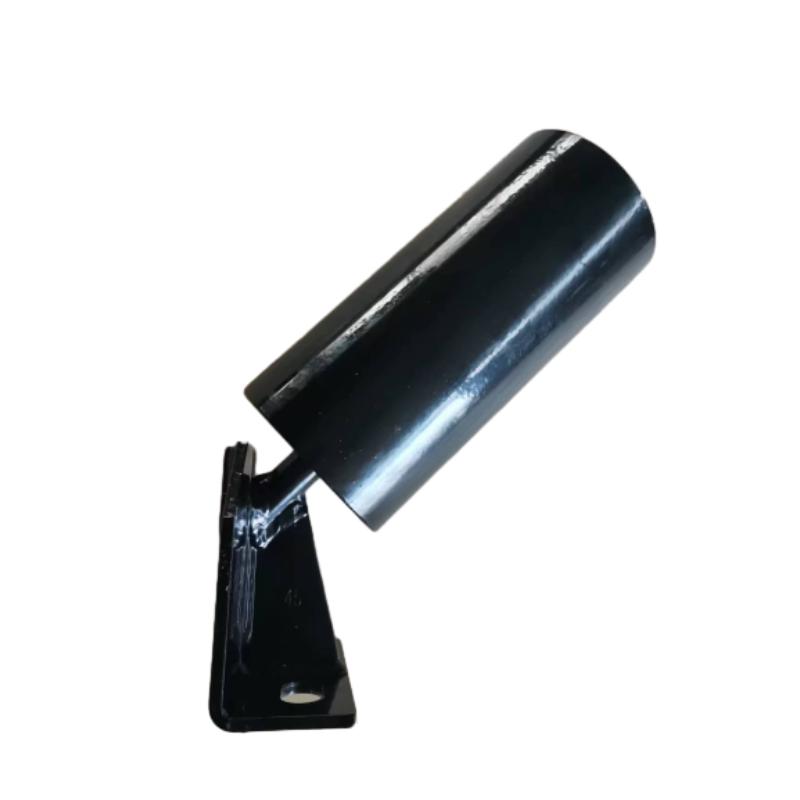
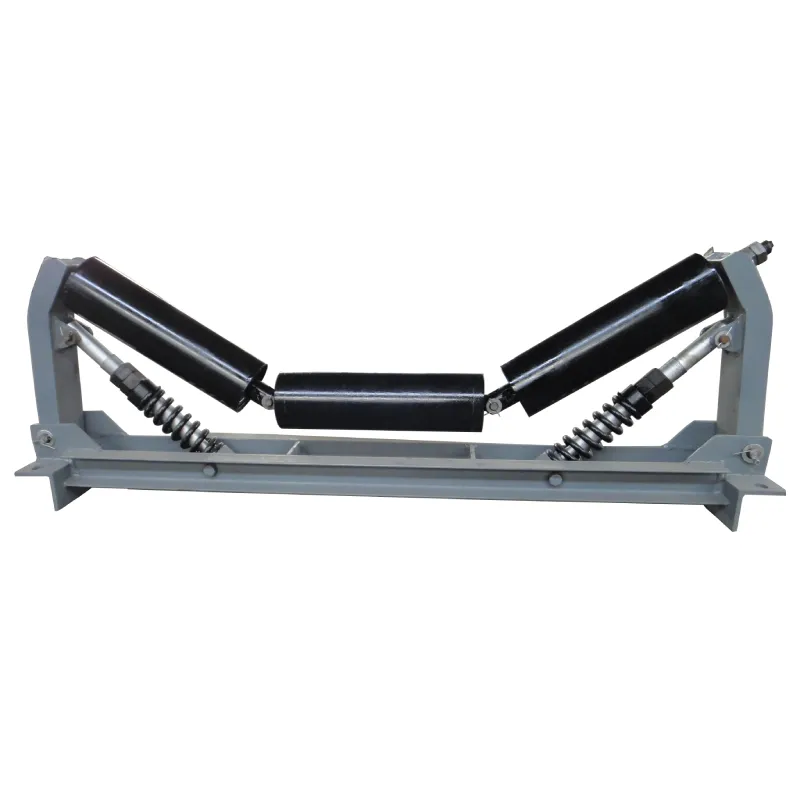
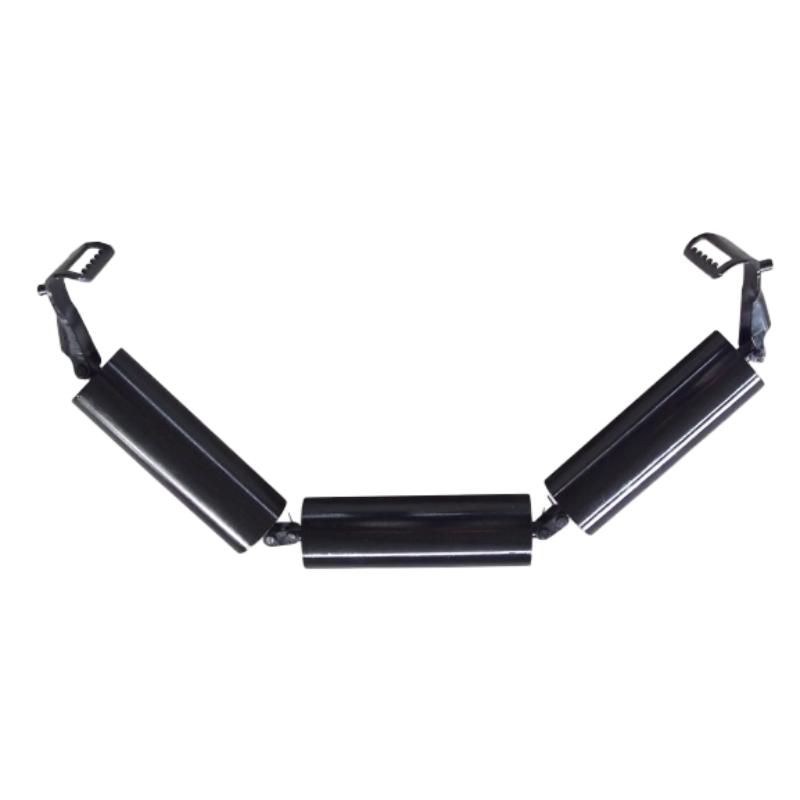
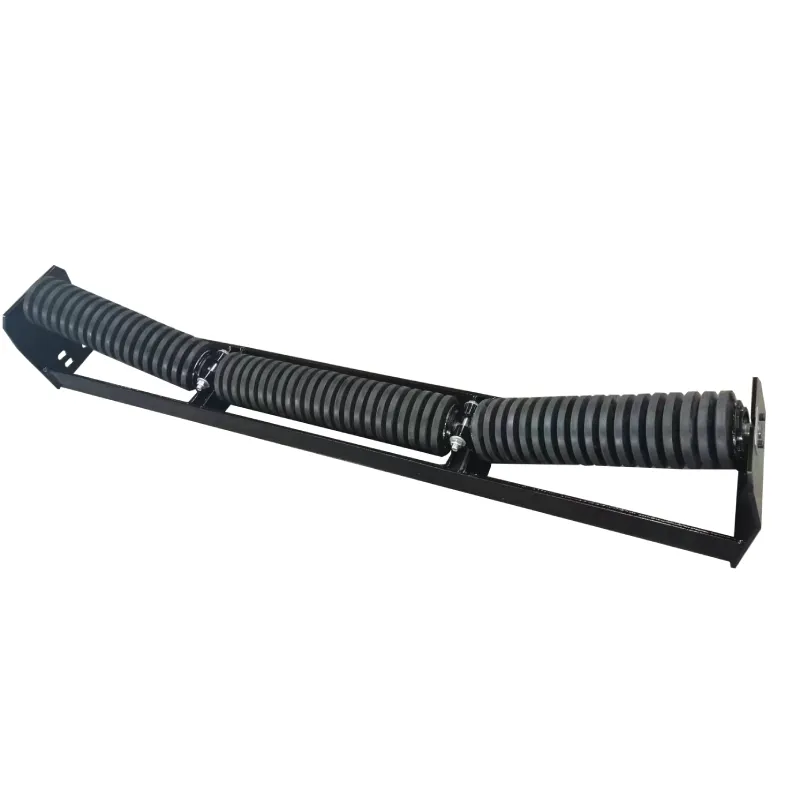
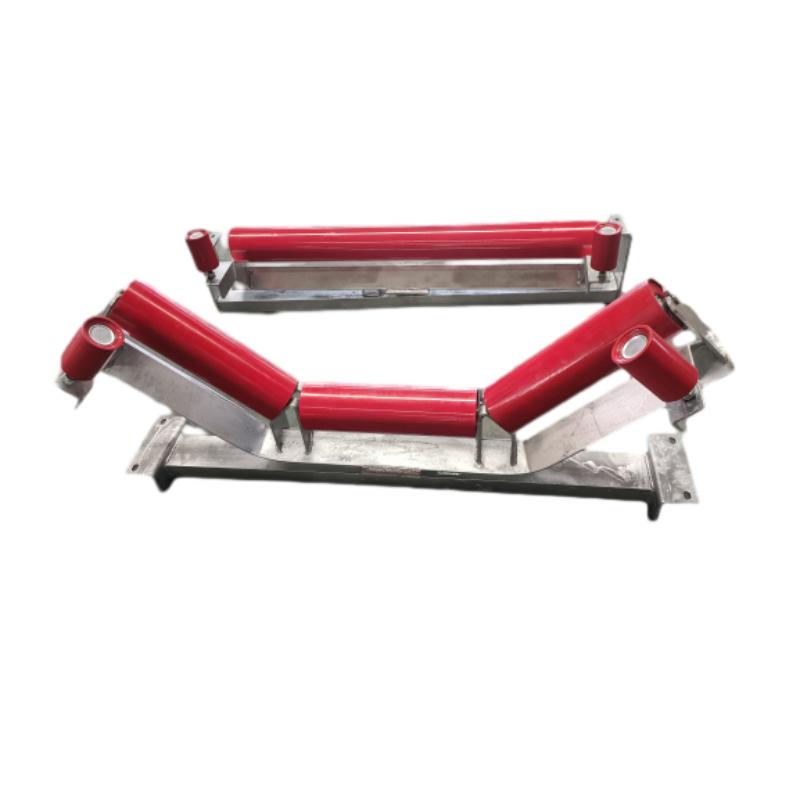
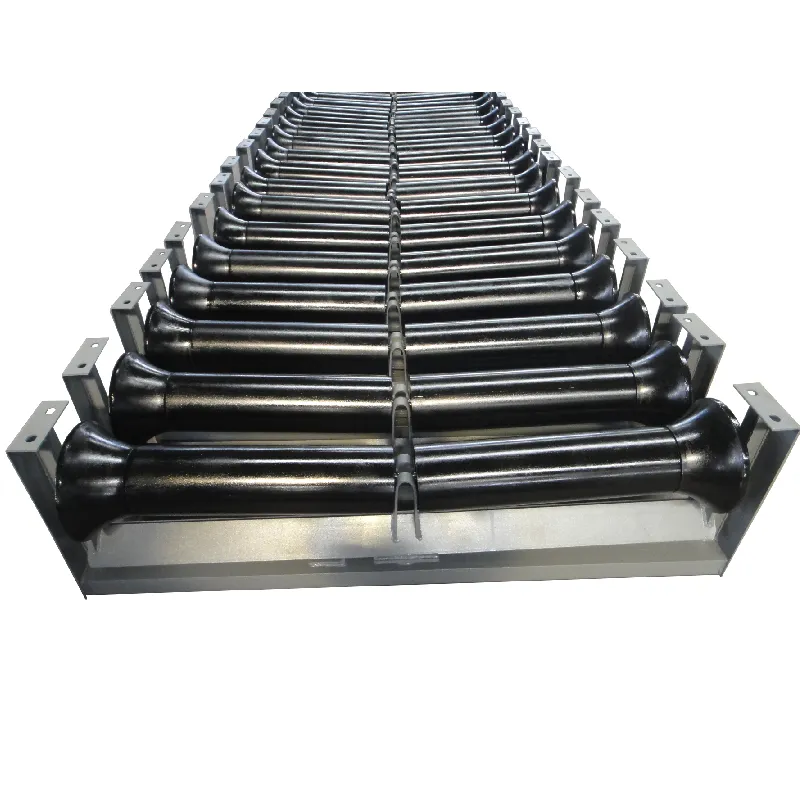
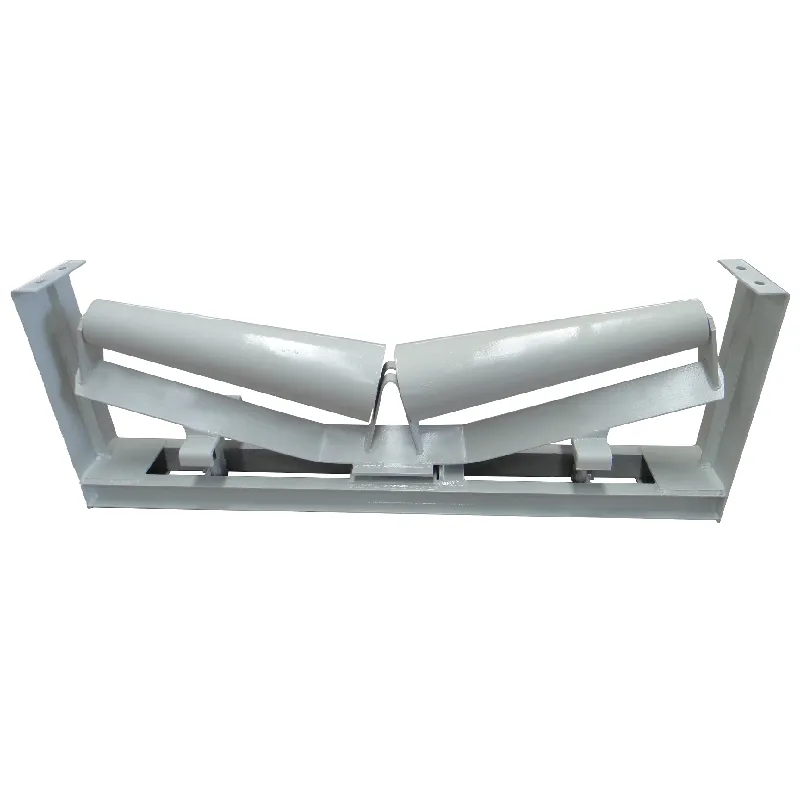
Conveyor idler frames come in configurations suited to carrying (troughing) duties, return duties, impact zones, and transition zones. A carrying idler frame (also called a troughing frame) positions rollers at the correct angle to form a trough profile that centres the belt and stabilises the load. Before ordering, verify:
- Belt width compatibility — the frame must accommodate the nominal belt width without overhang or gap.
- Troughing angle — standard angles vary (typically 20°, 35°, or 45°); match to your system design.
- Mounting footprint — the frame base must align with your stringer or support structure bolt pattern.
3. Manufacturing Process and Dimensional Consistency
A critical but often overlooked criterion is how reliably the frame is manufactured to drawing dimensions across a production batch. Yanshan Aohua Machinery Equipment Manufacture Limited Company uses tooling fixtures that hold prepared parts to a platform, with operators programming weld seam width and height according to drawing requirements. Size and appearance inspection are completed before mass production begins. This process-controlled approach reduces the dimensional variation that causes misalignment when frames are installed along a long conveyor run.
4. Welding Quality
The weld seams on an idler frame bear continuous dynamic loads from belt tension and material impact. Precision robotic welding — as used in the manufacturing process described in the confirmed product materials — produces consistent penetration and seam geometry compared to fully manual methods, reducing the risk of fatigue failures under sustained operation.
5. Application Environment
Different industries impose different environmental demands:
- Mining and quarrying: high dust, abrasive spillage, and heavy dynamic loads require robust frame construction and corrosion protection.
- Port and bulk terminals: salt-laden air and high throughput call for reliable surface treatment and tight dimensional tolerances to maintain alignment over long conveyor runs.
- General industry: standard fabrication may be sufficient where environmental exposure is limited.
Confirm material grade, surface treatment, and any applicable design standards with the manufacturer before committing to a specification.
6. Quantity and Standardisation
Because belt conveyors use idler frames in large quantities — often hundreds or thousands per installation — dimensional standardisation across the entire batch is commercially significant. Inconsistent frame dimensions require field adjustment at every mounting point, adding labour cost and creating alignment risk. When sourcing at volume, ask suppliers to confirm how dimensional tolerances are held across production runs.
When a Standard Carrying Idler Frame May Not Apply
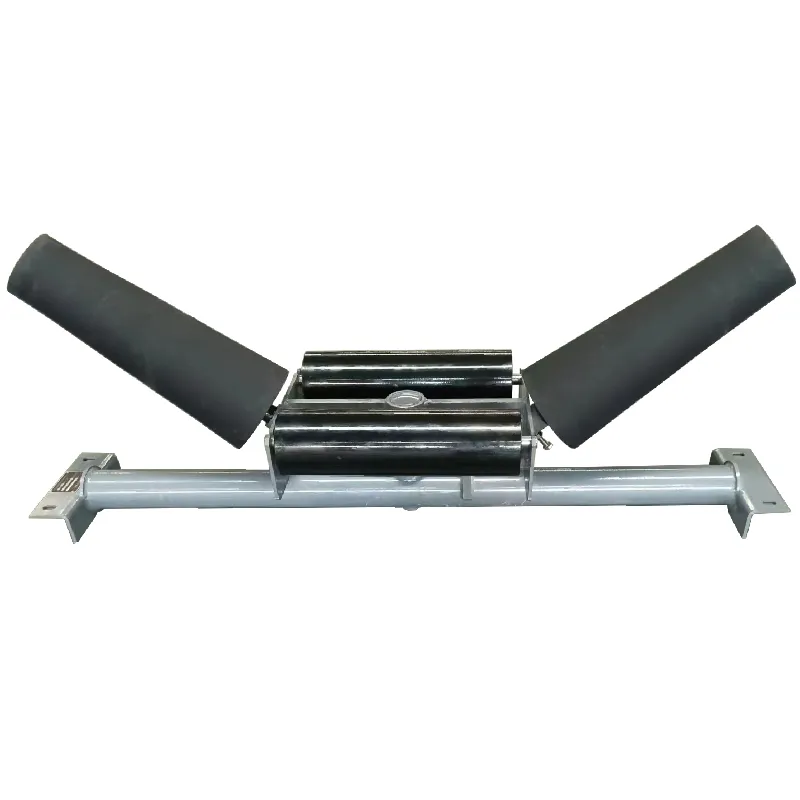
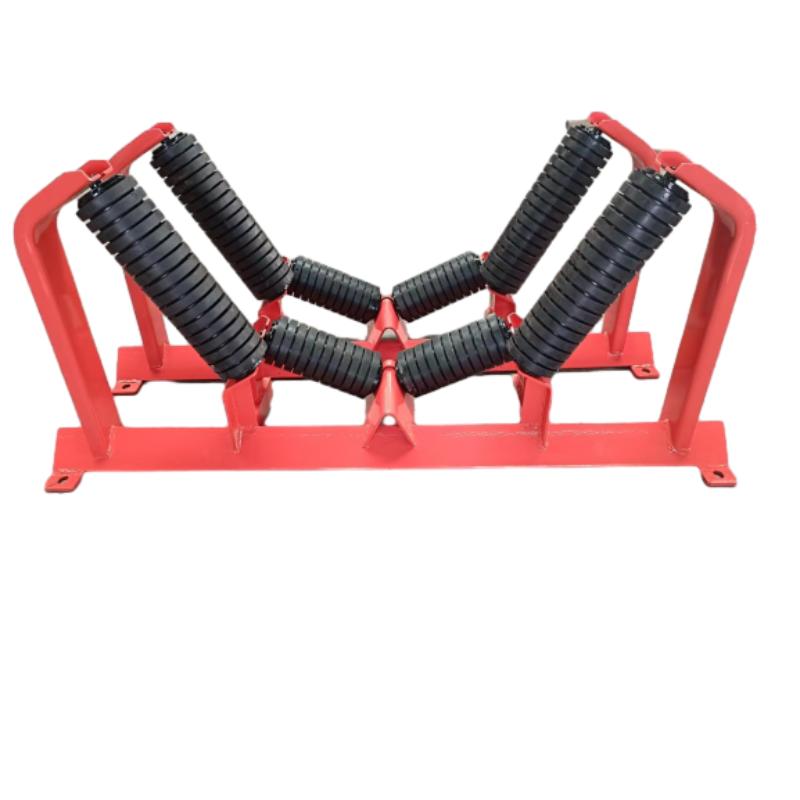
Not every position on a conveyor uses the same frame type. Impact zones near loading points require impact frames with closer roller spacing or impact bars to absorb the energy of falling material. Return-side positions use a different frame profile. Transition zones at the head and tail pulleys need frames that gradually change the trough angle. Confirm the exact position on the conveyor before specifying a carrying idler frame, and source position-specific configurations where required.
Specification Checklist for Buyers
Before placing an order for conveyor idler frames, gather the following from your conveyor design documentation:
| Parameter | What to Confirm |
|---|---|
| Belt width | Nominal width (e.g., 500 mm, 650 mm, 800 mm, 1200 mm) |
| Troughing angle | 20°, 35°, or 45° (match design drawing) |
| Conveyor position | Carrying, return, impact, or transition |
| Mounting interface | Stringer type, bolt pattern, and frame spacing |
| Load and speed | Material bulk density, belt speed, and capacity |
| Environment | Dust level, moisture, corrosive agents |
| Batch size | Total quantity required per conveyor section |
Providing these parameters to the manufacturer allows accurate verification that the proposed idler frame will fit and perform within your system.
About the Product
Yanshan Aohua Machinery Equipment Manufacture Limited Company manufactures idler frames as part of its conveyor components range. The confirmed product description states that parts are fixed to a platform through tooling fixtures, weld seam dimensions are programmed to drawing requirements, and size and appearance are inspected before mass production commences — a process intended to support dimensional consistency across high-volume orders.
For detailed technical dimensions, applicable standards, and order enquiries, contact Yanshan Aohua Machinery Equipment Manufacture Limited Company directly.
THE PEOPLE

About the author
THE COMPANY
Yanshan Aohua Machinery Equipment Manufacture Limited Company
Yanshan Aohua Machinery Equipment Manufacture Limited Company. is located in the east outer ring of Yanshan County, CangZhou city,Hebei Province, China.Which is 150 kilometers away from Tianjin XingGang Port,China.and 60 kilometers away from Huanghua Port, China with super convenient transportation. our company was established in March 2007, which is a specialized enterprise in belt conveyor and parts&components research ,development, manufacturing and sales . Mr.…
About Us ↗Visit company website ↗YOUR NEXT STEP
Bring your brief. Start a useful conversation.
Use case, specification, quantity and delivery window: make the next conversation specific.
-
How to Choose a Self Aligning Idler for Belt TrackingNewsNov.10,2026
-
Rubber Lagging Pulley Questions on Materials, Fit and Test DataNewsNov.02,2026
-
Self Aligning Idler FAQ: Specifications, How It Works, Ordering & SupportNewsOct.28,2026
-
Choosing an Idler Frame: Application Fit and Specification ChecksNewsOct.27,2026
-
Choosing AH Labyrinth Seal: Medium, Dimensions and Operating ConditionsNewsOct.27,2026
-
Friction Head of Roller FAQ: Specifications, Ordering and Support QuestionsNewsOct.27,2026