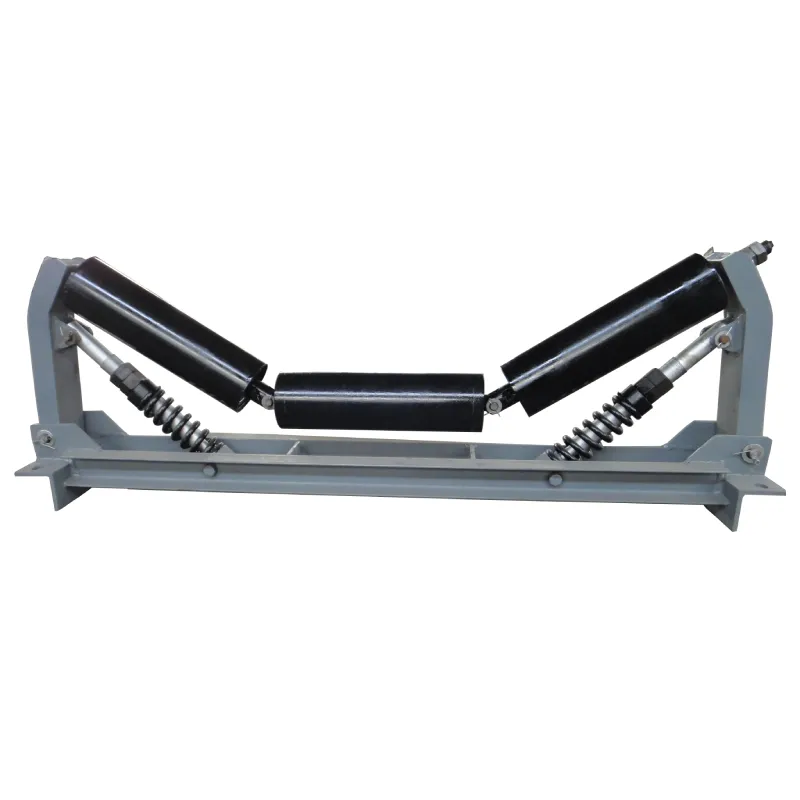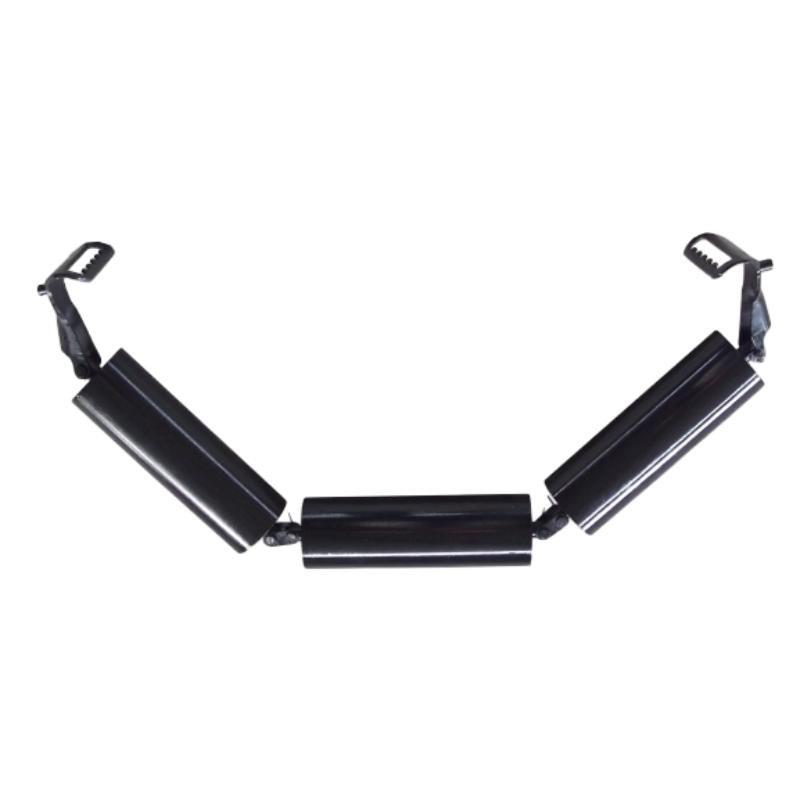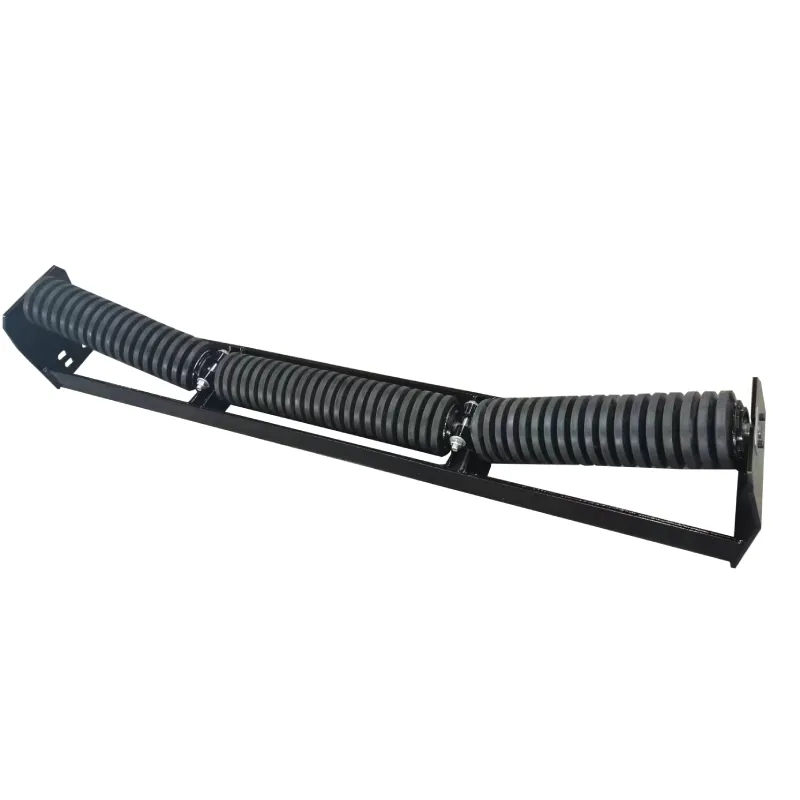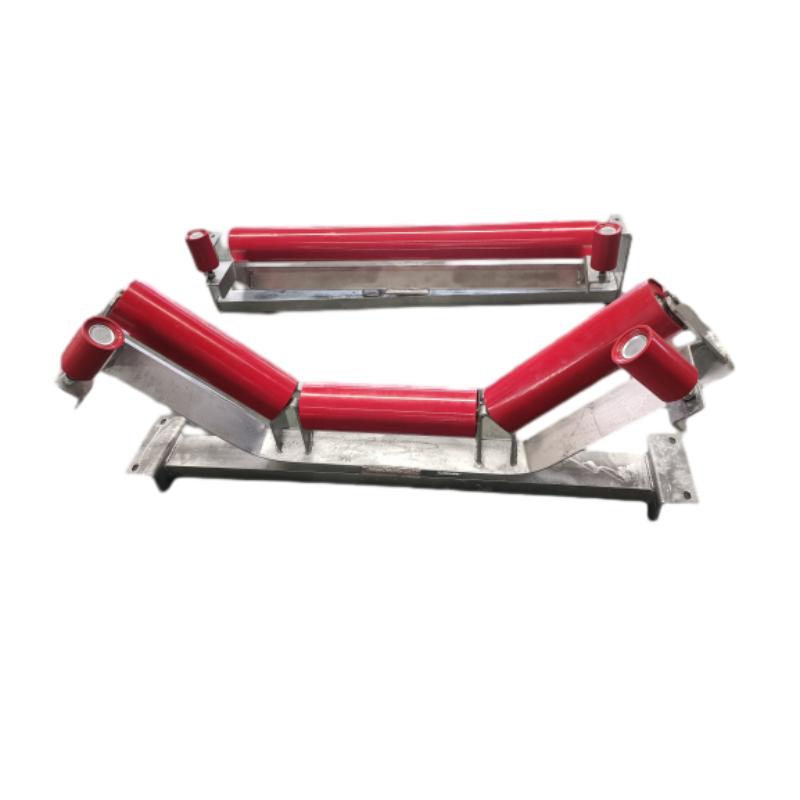


Durable Plastic Roller Solutions for Industrial Equipment | IdleRaohua
Understanding the Plastic Roller: A Reliable Workhorse in Industrial Equipment
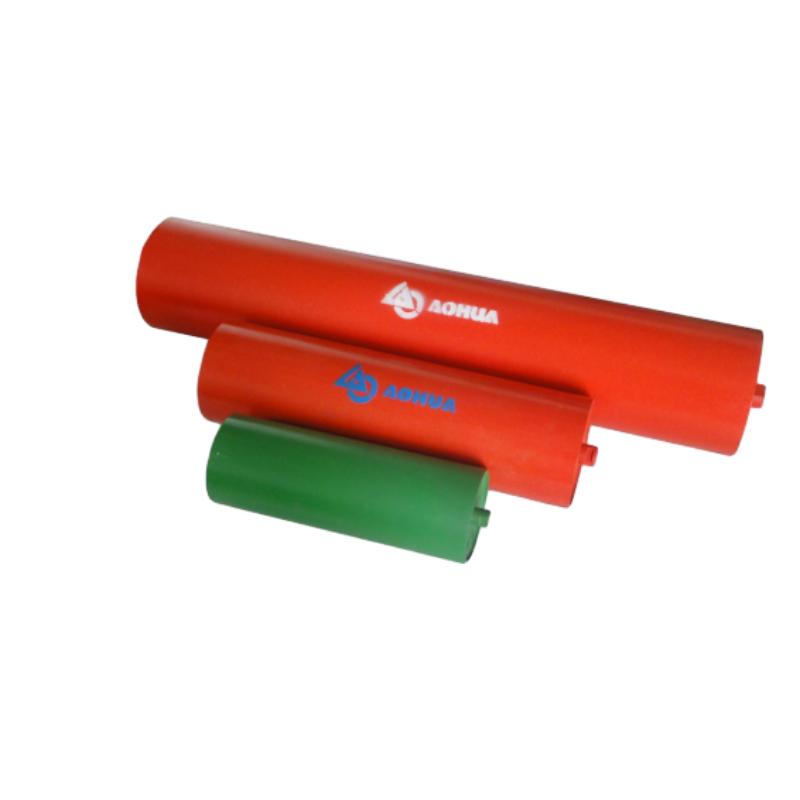
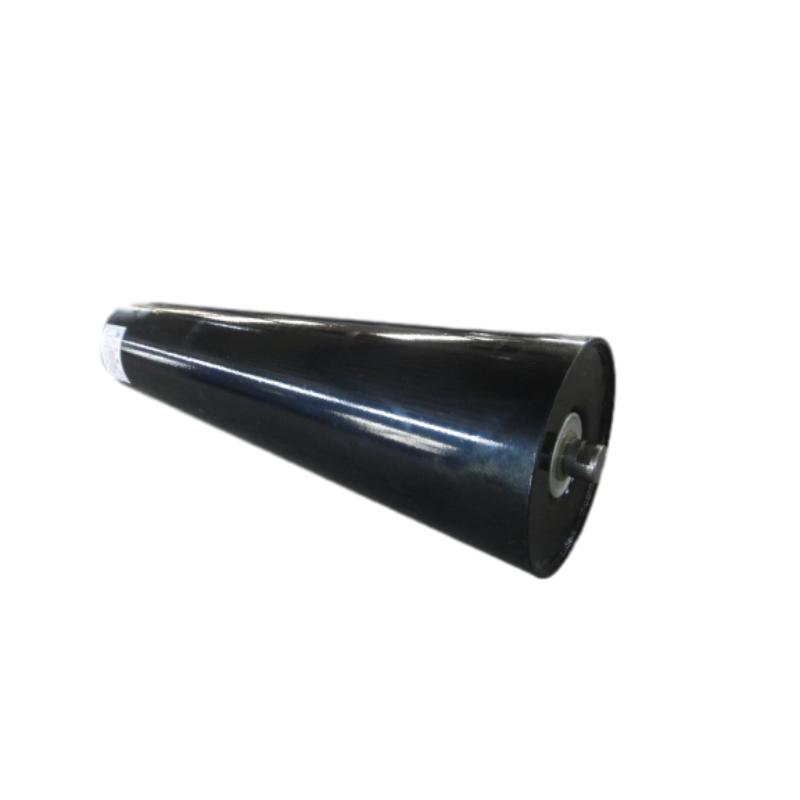
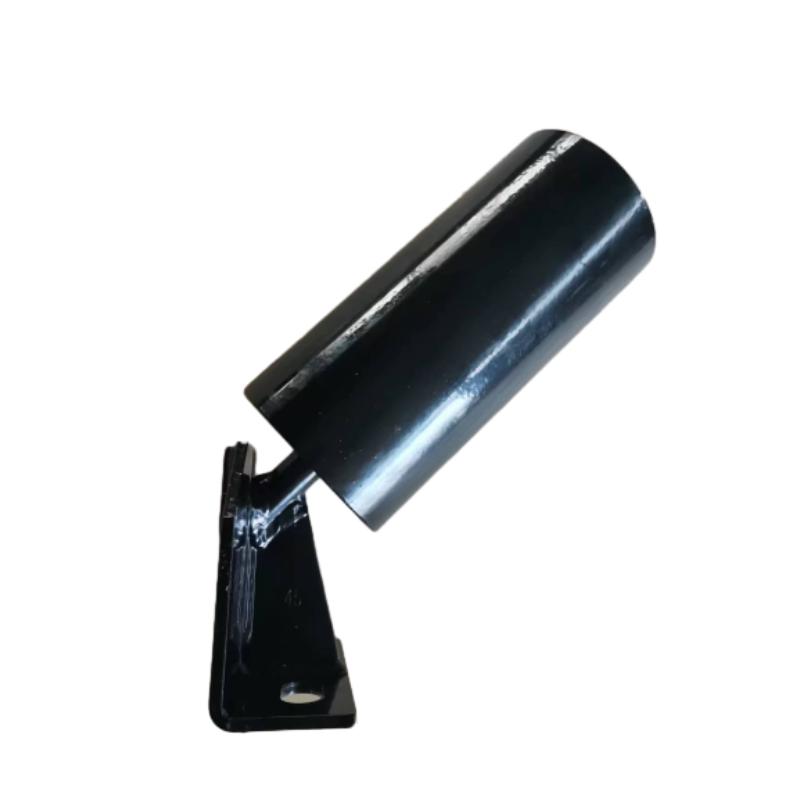
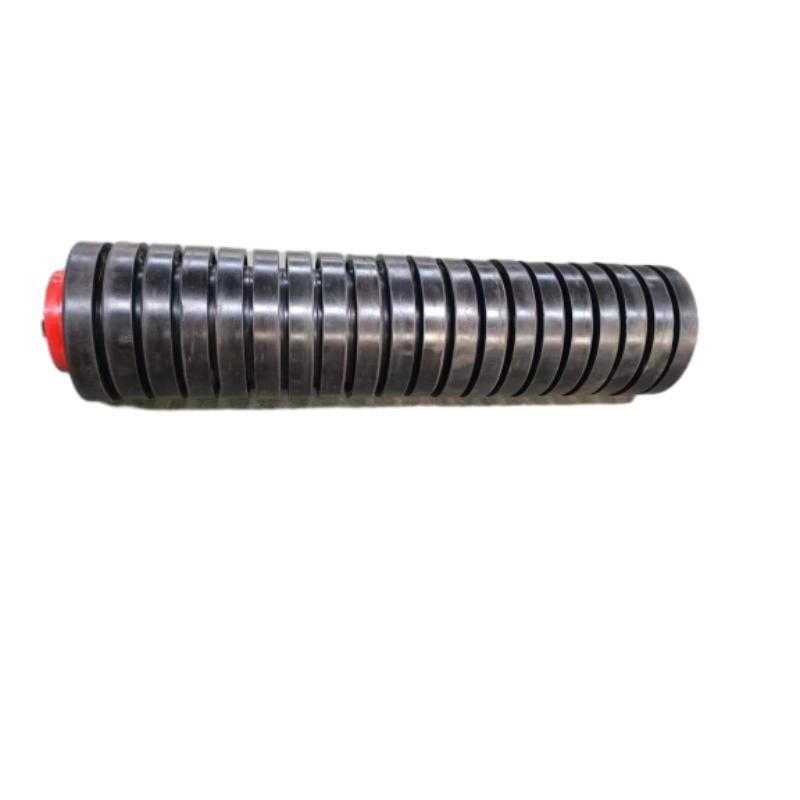
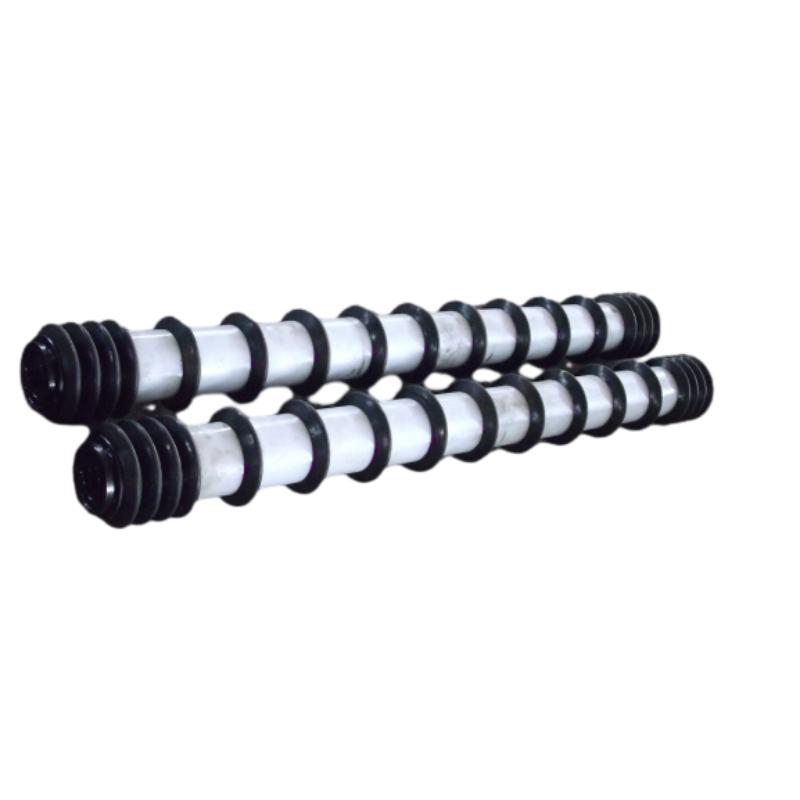
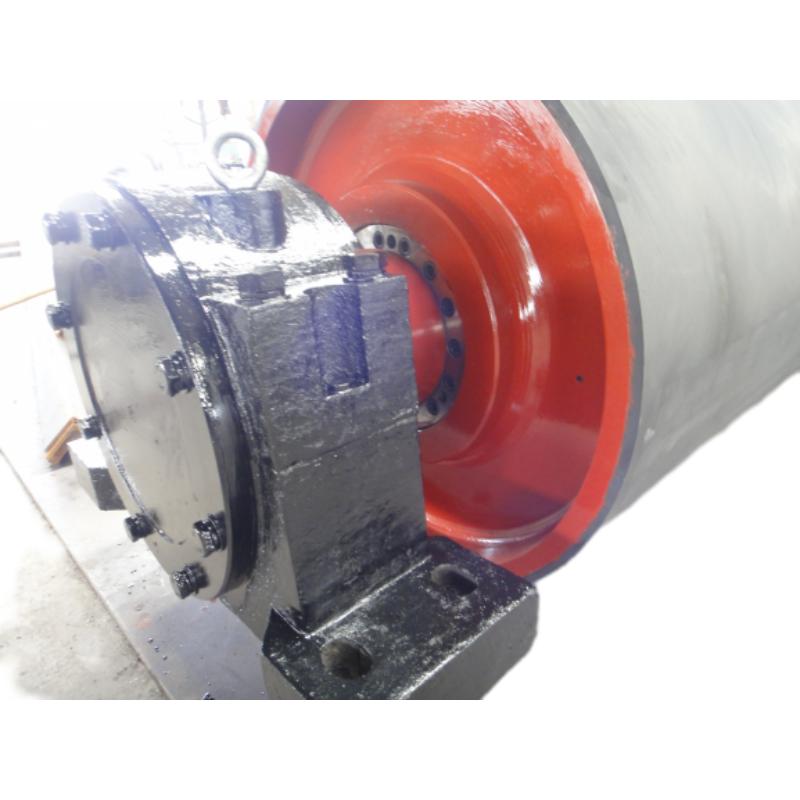
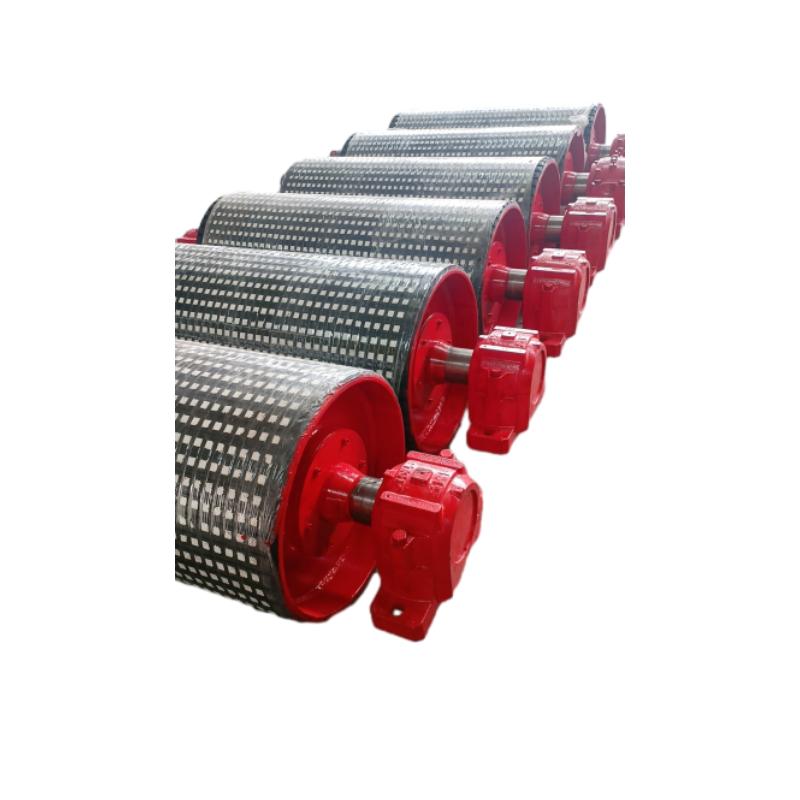
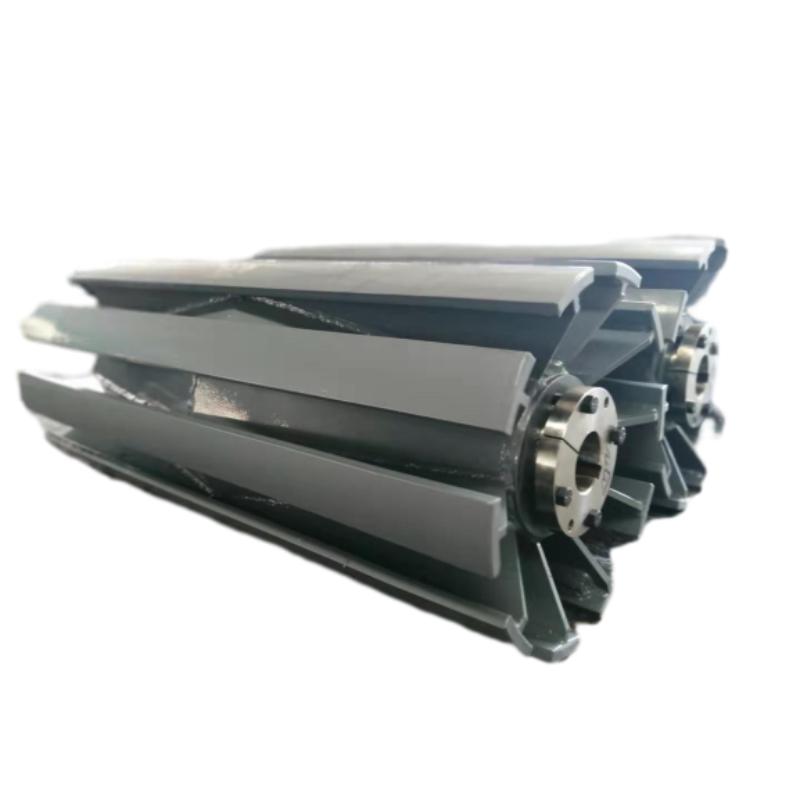
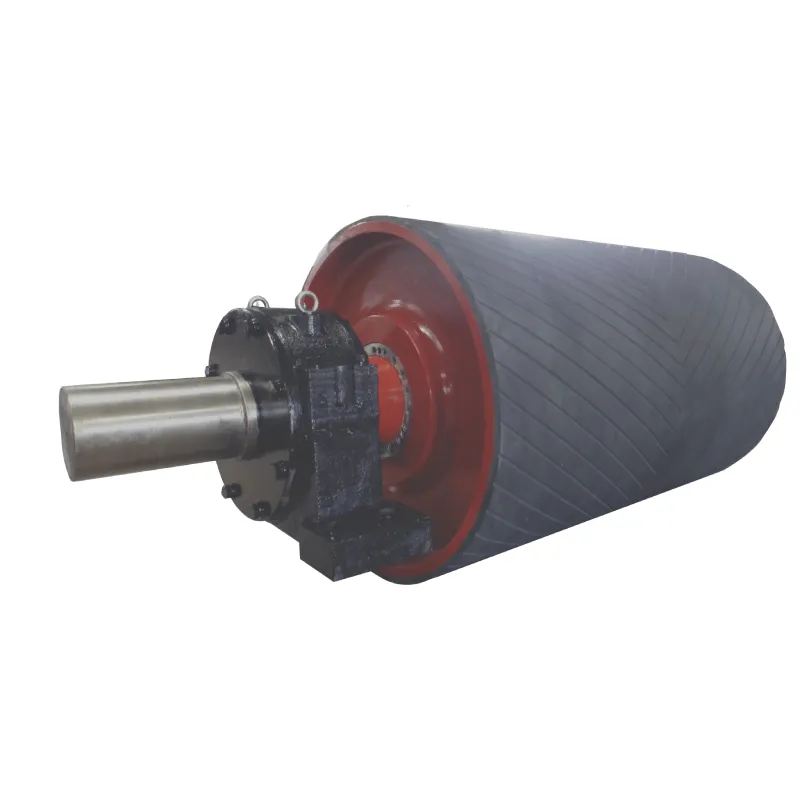
Having spent over a decade in the industrial equipment sector, I've seen countless components come and go. Yet, plastic rollers have quietly cemented their place as essential, dependable parts in many machines. Plastic roller technology might not be flashy, but it’s definitely a lynchpin for smooth, efficient operation across industries.
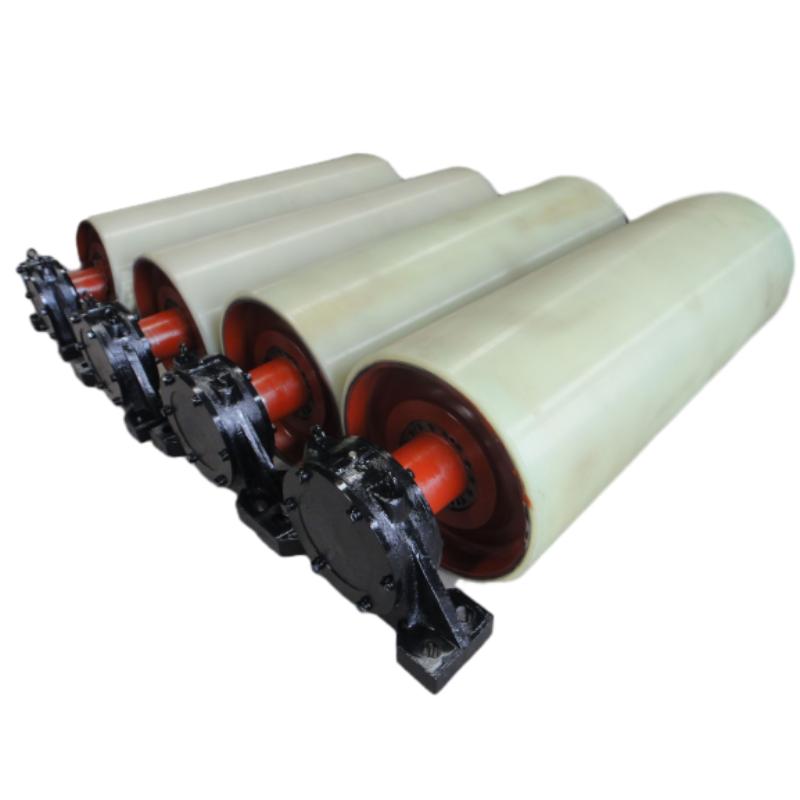
Oddly enough, despite their simple appearance, selecting the right plastic roller involves several layers of consideration — from the material makeup to surface finish and load capacity. In real terms, manufacturers have pushed to improve durability without sacrificing flexibility, which isn’t always straightforward. You’ll find rollers made from polypropylene, nylon, UHMW (ultra-high-molecular-weight polyethylene), and even acetal copolymers, each suited for slightly different environments.
I recall a client in the packaging industry who switched to polyamide rollers; they were tired of frequent replacements due to abrasion and friction. The change was subtle but impactful — downtime decreased, and the overall maintenance costs dropped. You know those moments where a small tweak just makes everything run smoother? That was one of them.
Material and Design: Why It Matters
Materials like UHMW are prized for their outstanding wear resistance and low friction. You want something that doesn’t degrade quickly when exposed to dust, moisture, or chemicals, which is common in industrial settings. Frankly, it’s a balancing act because rollers also need to be rigid enough to hold shape but flexible enough to absorb shocks.
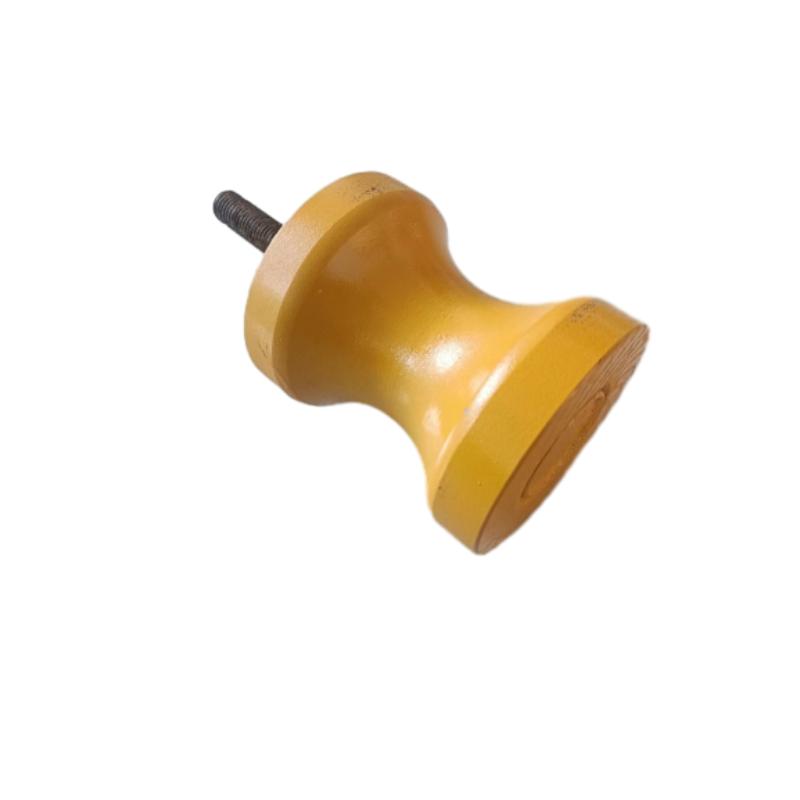
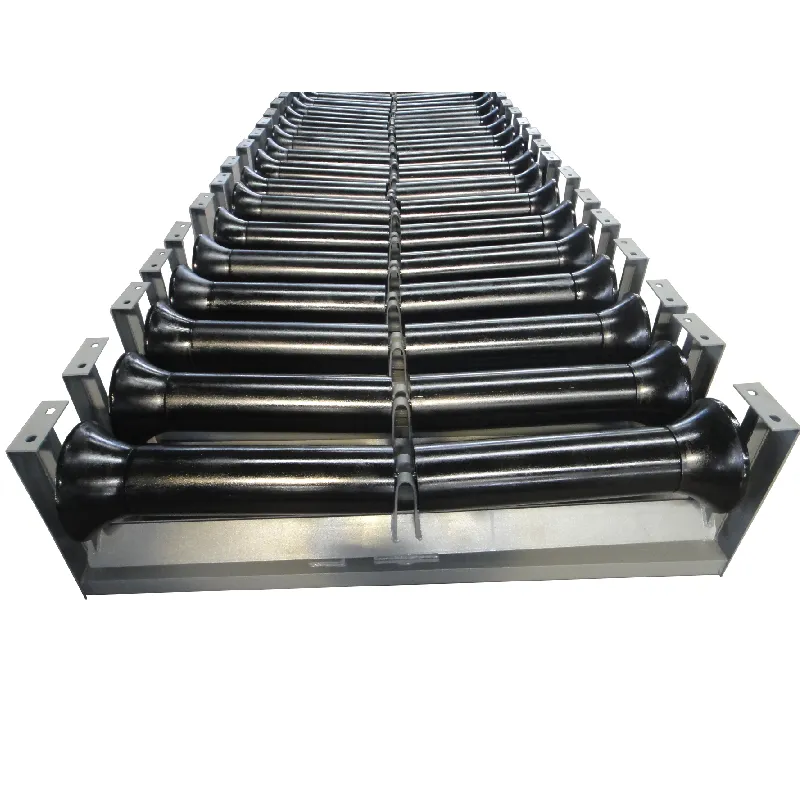
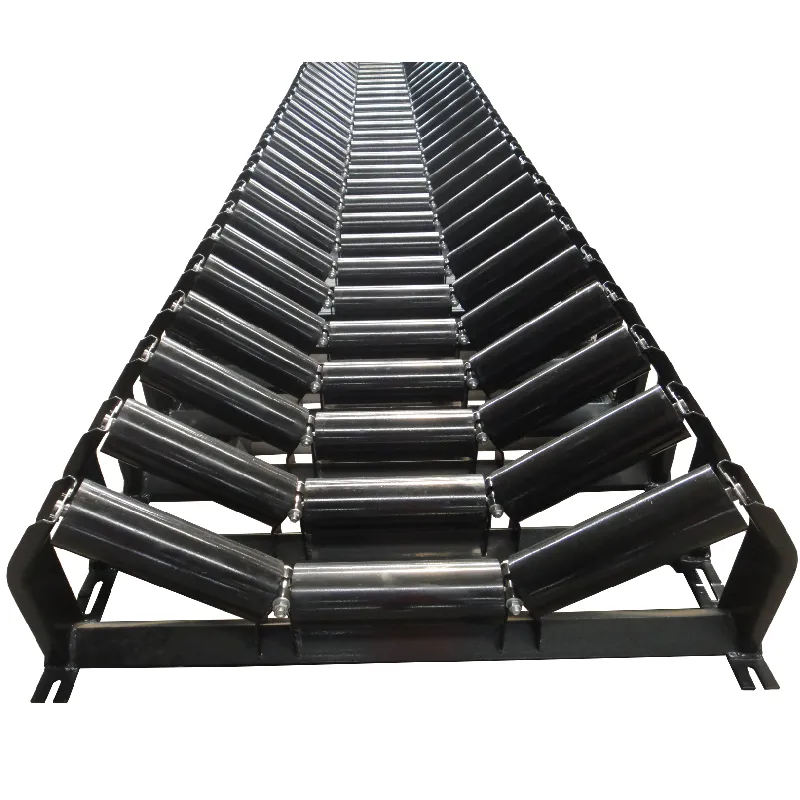
The design usually includes features like precision machining for even rotation, optional coatings for extra grip, or grooved surfaces to guide materials. Some manufacturers offer customization, which is great if you’re dealing with niche conveyor setups. It feels like talking to an experienced supplier helps here — those little nuances aren’t always obvious in datasheets.
| Specification | Details |
|---|---|
| Material | Polypropylene, Nylon, UHMW, POM (Acetal) |
| Diameter Range | 20mm to 150mm (custom sizes available) |
| Load Capacity | Up to 500kg (depending on size & material) |
| Surface Finish | Smooth, grooved, or knurled |
| Operating Temperature | -40°C to +80°C |
Vendors Comparison: Who’s Leading the Pack?
Over the years, I’ve worked with a few suppliers, and while many try to sell “the best” roller, the truth is it depends on your application. Here’s a quick rundown comparing some common vendors in terms of quality, customization, and delivery times.
| Vendor | Material Options | Customization Level | Lead Time | Price Range |
|---|---|---|---|---|
| IdleRaohua | Wide (Polypropylene, UHMW, Nylon) | High – custom diameters & finishes | 2-3 weeks | Mid-range |
| Generic Industrial Co. | Limited (mostly Nylon) | Low – mainly standard sizes | 1 week | Low |
| PrecisionRoll | Moderate (UHMW, POM) | Medium – some custom profiles | 3-4 weeks | Higher |
From what I’ve noticed, IdleRaohua tends to strike a good balance between quality and price with impressive customization options. Custom rollers can sometimes feel like black boxes, but having a supplier ready to guide you through material selection and finishes is a game-changer.
Using the right plastic roller not only boosts machine reliability but can also reduce noise and energy consumption — aspects some overlook but engineers know are vital, especially during long production runs.
In closing, plastic rollers may not grab headlines, but for anyone in industrial equipment, they’re one of those quietly crucial parts. Getting familiar with the options and talking directly to trusted suppliers (like the folks at IdleRaohua) is honestly worth the effort. It feels like a small detail, until it’s the difference between smooth uptime and frustrating downtime.
References:
- Industrial Polymer Materials Handbook, 3rd Edition
- Packaging Machinery Today, Apr 2022 - Roller Technologies Review
- IdleRaohua Official Website and Product Specs
-
Maximize Conveyor Life with a High Performance impact bedNewsApr.16,2026
-
Maximize Conveyor Efficiency Using a v plow belt scraperNewsApr.09,2026
-
Comprehensive Guide to Understanding Different Types of Belt CleanersNewsApr.07,2026
-
Enhancing Conveyor Efficiency with an Effective Scraper Belt CleanerNewsApr.04,2026
-
Optimizing Conveyor Systems with Advanced Cleaning Equipment SolutionsNewsMar.31,2026
-
Effective Conveyor Belt Scraper Adjustment for Optimal System PerformanceNewsMar.28,2026