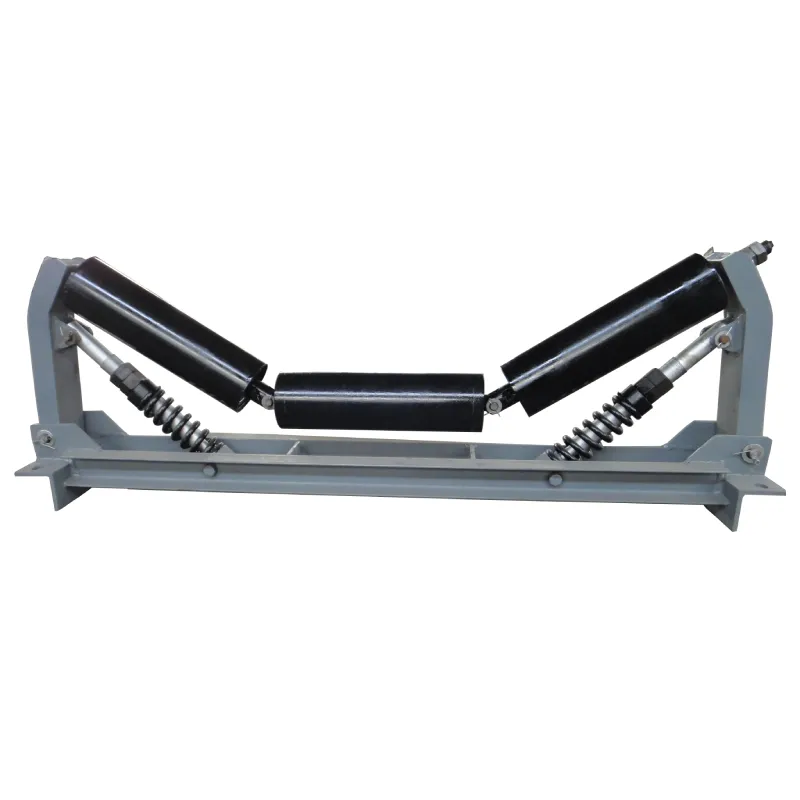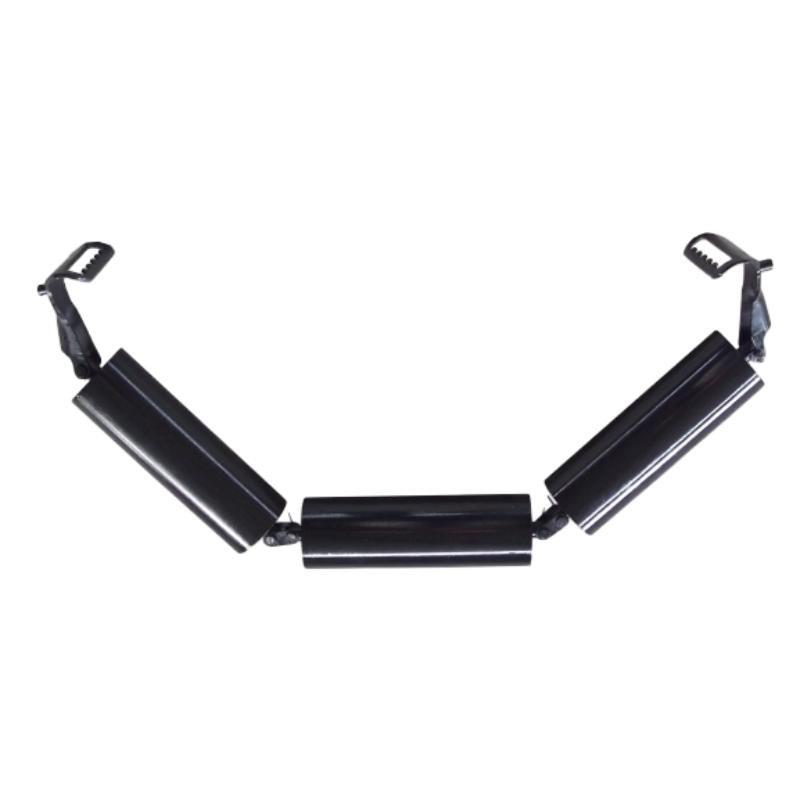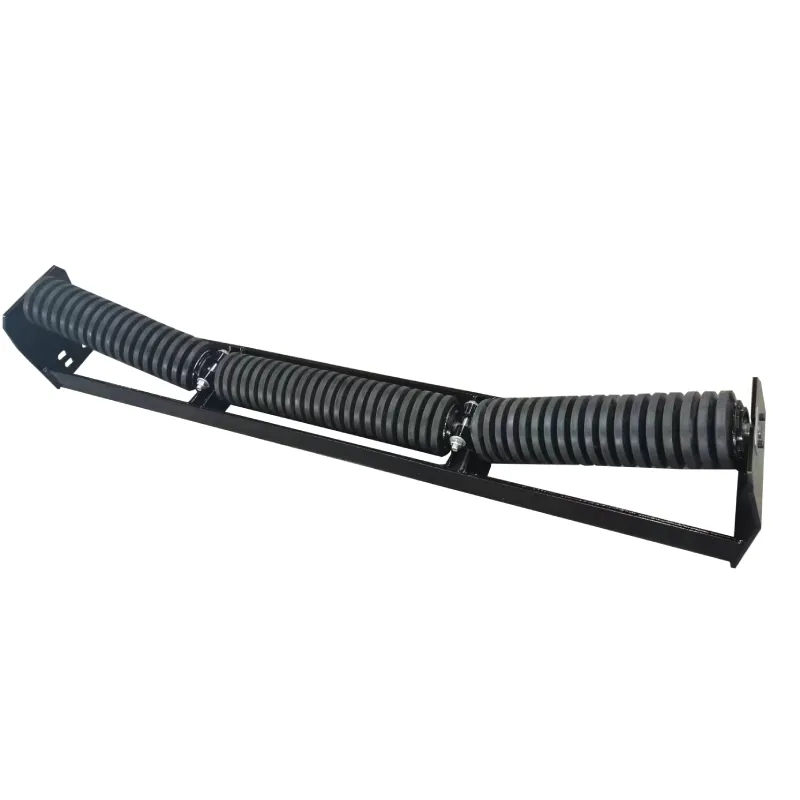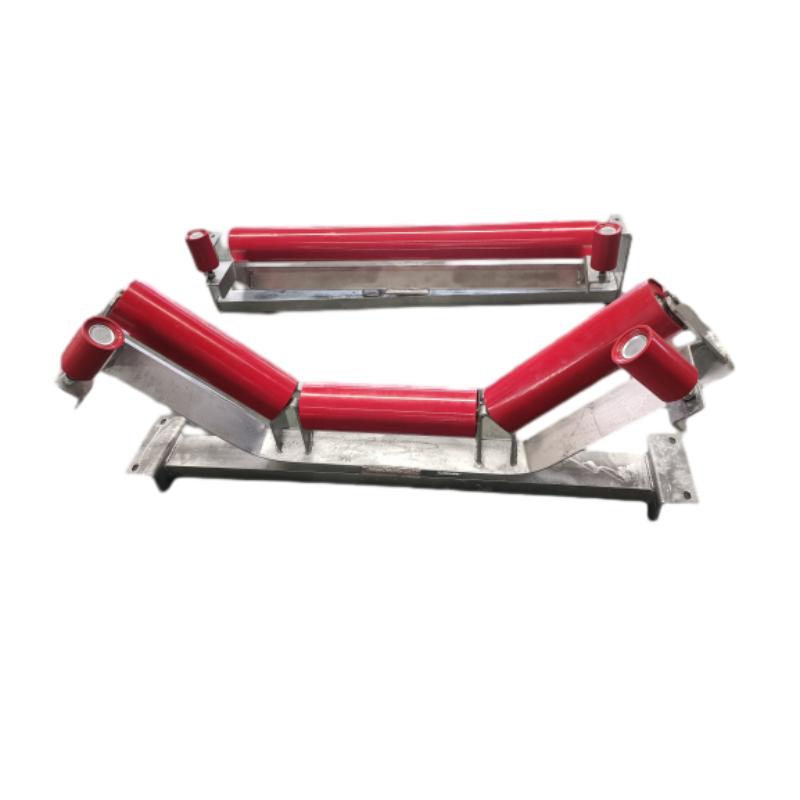


Durable Urethane Rubber Rollers for Industrial Equipment | IDLER AOHUA
Urethane Rubber Rollers: Durable Workhorses in Industrial Equipment
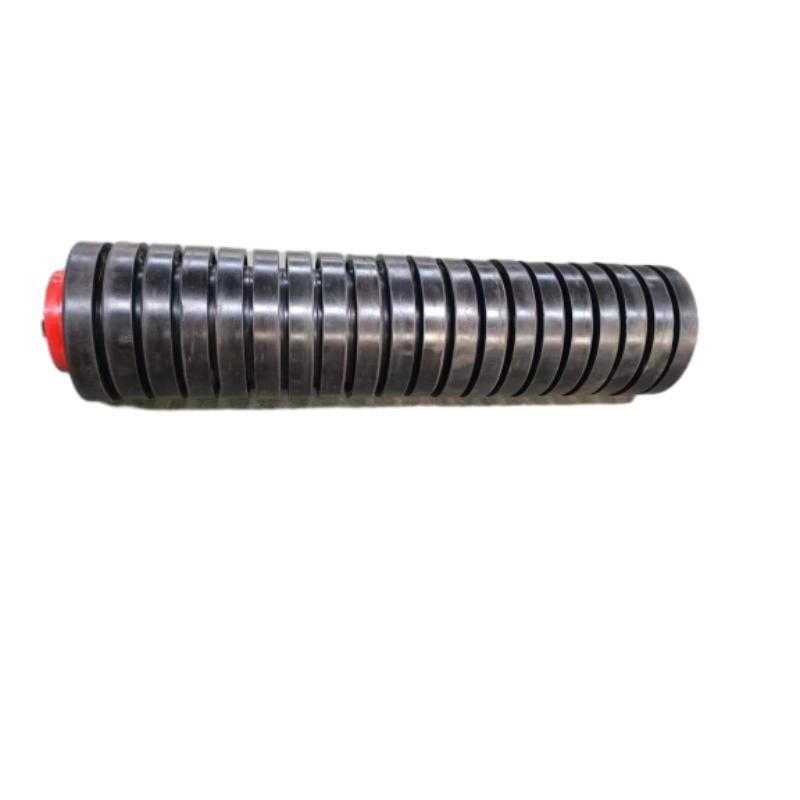
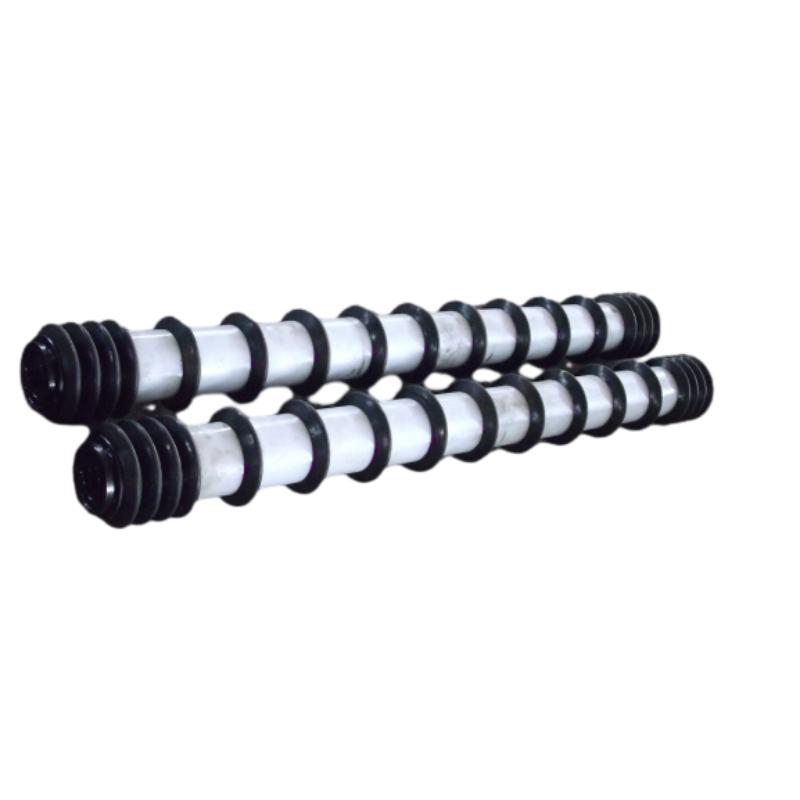
Having spent over a decade knee-deep in industrial equipment, I can tell you straight off that urethane rubber rollers are one of those unsung heroes in manufacturing and processing lines. They seem simple, right? Just rollers. But their exact material composition and design can make or break your operation’s efficiency — and sometimes even your maintenance budget.
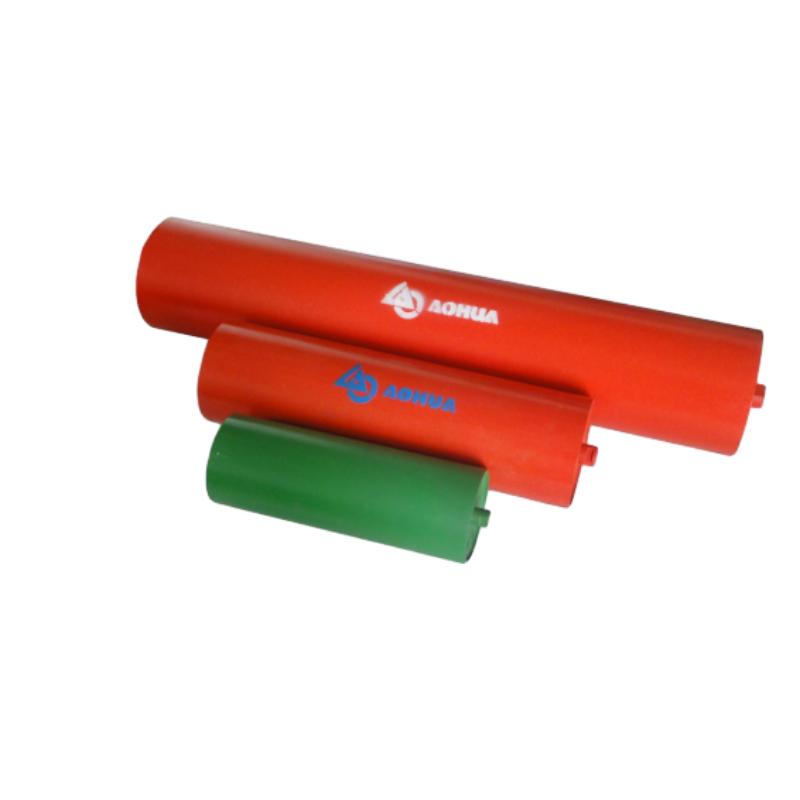
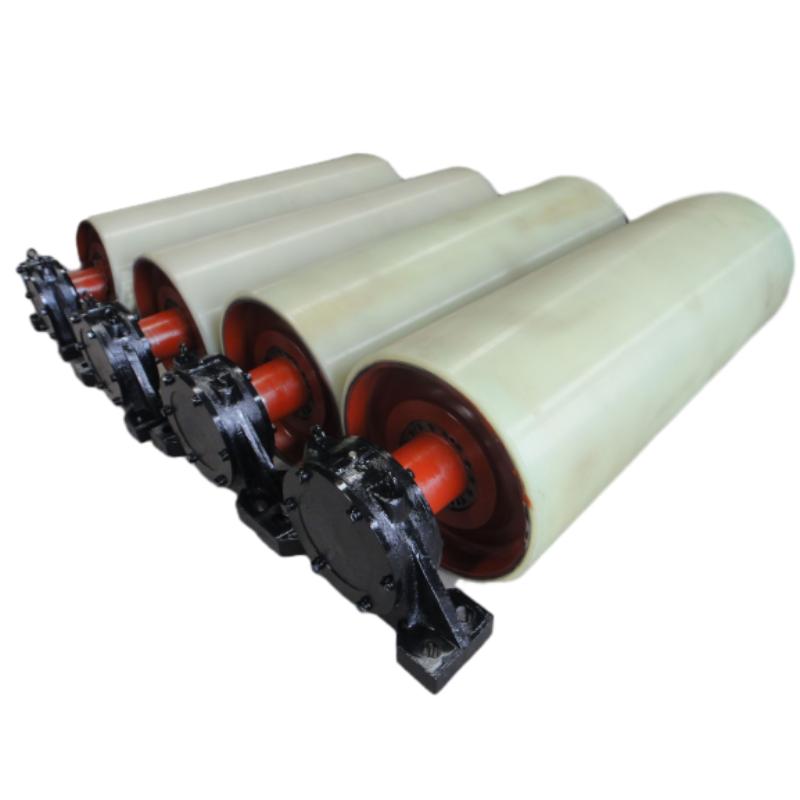
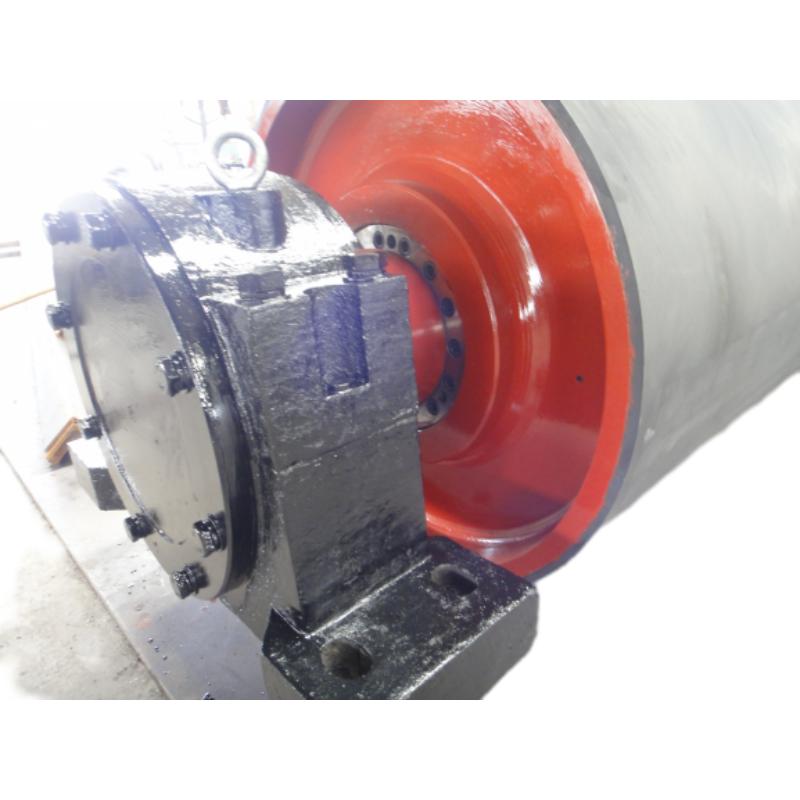
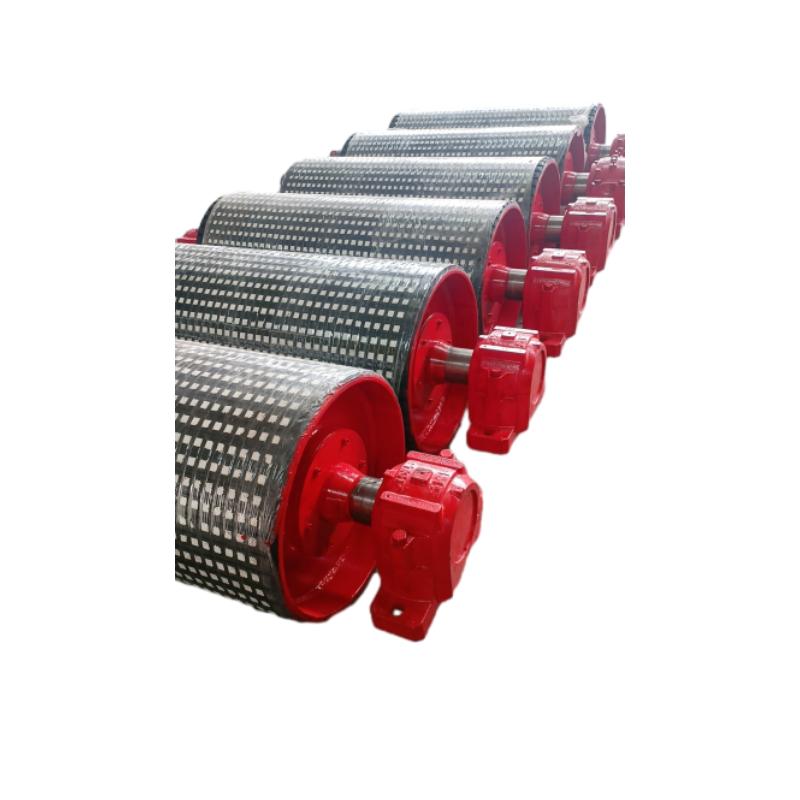
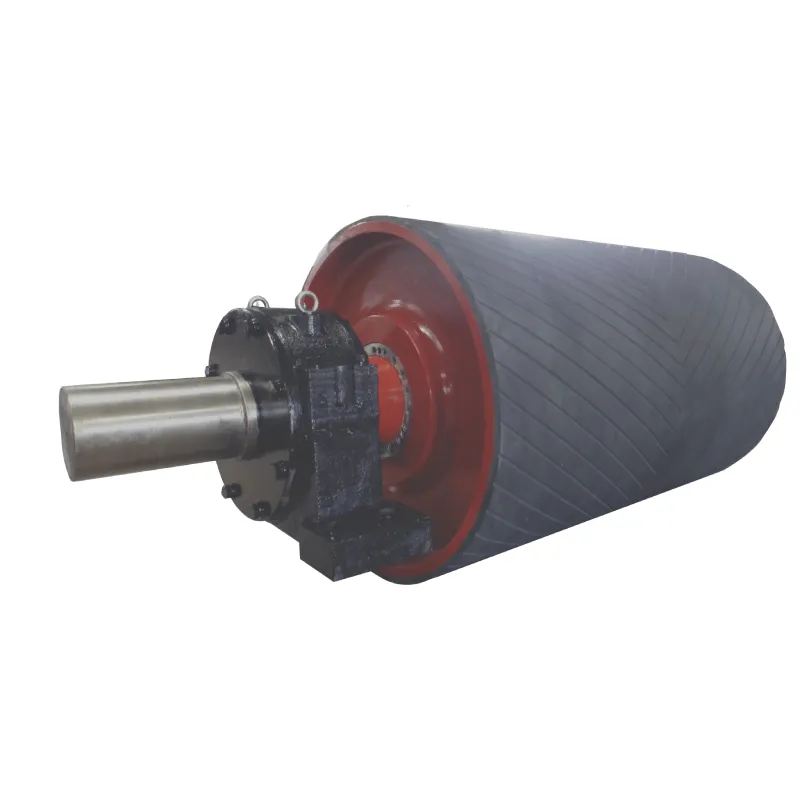
Urethane rubber rollers combine rubber-like elasticity with remarkable toughness. Frankly, I’ve always admired how they manage to resist cuts, abrasion, and chemicals, all while maintaining a firm grip on conveying materials. It’s almost like these rollers have their own hidden personality — resilient, adaptable, and surprisingly low maintenance.
Oddly enough, the majority of engineers I’ve worked alongside swear by them for their versatility. They show up everywhere — printing presses, packaging lines, textile machinery, to name a few. The industry trend leans toward customization, too. There’s no “one size fits all” when it comes to these rollers, which is part of what makes selecting the right supplier so crucial.
Material Composition & Testing
From a materials science perspective, urethane rubber rollers are typically made by casting or molding polyurethane elastomers with specific hardness (measured by Shore A scale) tailored to the job. For example, softer rollers around 70 Shore A provide excellent friction properties for delicate materials, while firmer ones at 90 Shore A handle abrasive or heavy-duty tasks without wearing down quickly.
I remember once troubleshooting a print line roller failure — turns out the roller’s durometer wasn’t matched to the substrate tension, causing premature cracking. It’s a good reminder you want your rollers tested for tensile strength, elongation, and tear resistance under actual operating conditions.
| Specification | Typical Range | Notes |
|---|---|---|
| Hardness (Shore A) | 70–95 | Varies by application |
| Tensile Strength | 15–30 MPa | High durability |
| Elongation at Break | 300–600% | Flexible yet strong |
| Chemical Resistance | Good against oils & solvents | Depends on urethane formulation |
| Operating Temperature | -40°C to 80°C | Stable under typical industrial conditions |
Choosing the Right Vendor
You know, one tricky part is picking a trusted supplier who understands your industry nuances. I once worked with three different vendors in parallel to supply urethane rollers for a food packaging line. Here’s a quick comparison table I jotted down during that process; it might help you gauge what’s important beyond just price:
| Vendor | Customization Options | Turnaround Time | Technical Support | Price |
|---|---|---|---|---|
| Alpha Roller Inc. | High (custom durometer, size) | 2 weeks | 24/7 dedicated engineer | $$$ |
| Beta Polytech | Moderate (standard sizes only) | 1 week | Business hours support | $$ |
| Delta Urethane Co. | Low (bulk orders only) | 3 weeks | Email only | $ |
Ultimately, it’s about striking a balance between quality, responsiveness, and cost. I guess that’s true with most things industrial.
An Anecdote From the Field
I once helped a client upgrade their carton sealing line rollers. We swapped out their old rubber rollers for urethane ones with a custom Shore hardness. Result? They cut downtime in half because the new rollers resisted adhesive buildup much better. Customer was thrilled, said the line “just runs smoother now.” Moments like that make it clear why understanding these materials inside out really pays off.
So if you’re sourcing urethane rubber rollers, keep in mind: material specs matter, but so does that vendor relationship. The devil’s in the details — or in this case, in the durometer.
Hope these insights help you avoid rookie mistakes I’ve seen plenty of. It really feels like urethane rubber rollers are simple, yet have a lot going on under the hood.
Cheers to smoother runs and fewer emergency shutdowns!
References
- “Polyurethane Elastomers in Industrial Applications,” Journal of Materials Engineering, 2021.
- Case study: Urethane Rollers in Packaging Lines, Industrial Equipment Today, 2019.
- Supplier technical specs and customer testimonials, IDLER AOHUA Manufacturing, 2023.
-
Maximize Conveyor Life with a High Performance impact bedNewsApr.16,2026
-
Maximize Conveyor Efficiency Using a v plow belt scraperNewsApr.09,2026
-
Comprehensive Guide to Understanding Different Types of Belt CleanersNewsApr.07,2026
-
Enhancing Conveyor Efficiency with an Effective Scraper Belt CleanerNewsApr.04,2026
-
Optimizing Conveyor Systems with Advanced Cleaning Equipment SolutionsNewsMar.31,2026
-
Effective Conveyor Belt Scraper Adjustment for Optimal System PerformanceNewsMar.28,2026