

Durable Idler Conveyor Roller Solutions for Industry Needs
Why the idler conveyor roller remains an industrial staple
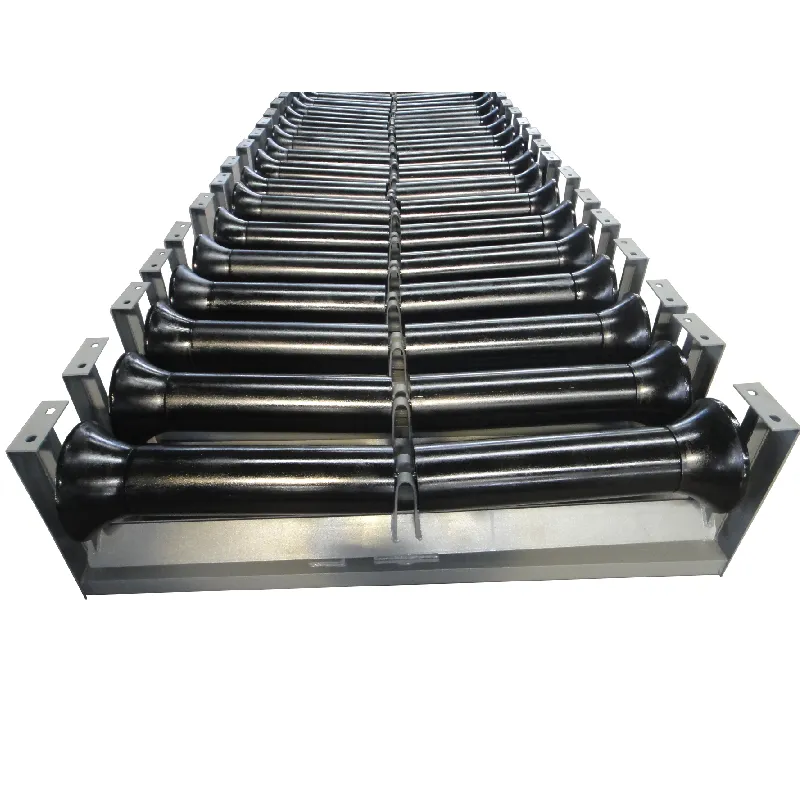
Having spent years wandering conveyor lines and maintenance bays, I’ve seen first-hand how something as seemingly simple as an idler conveyor roller quietly keeps the whole system humming along. These rollers may not grab the spotlight, but oddly enough, they’re the unsung heroes of bulk material handling and manufacturing industries worldwide.
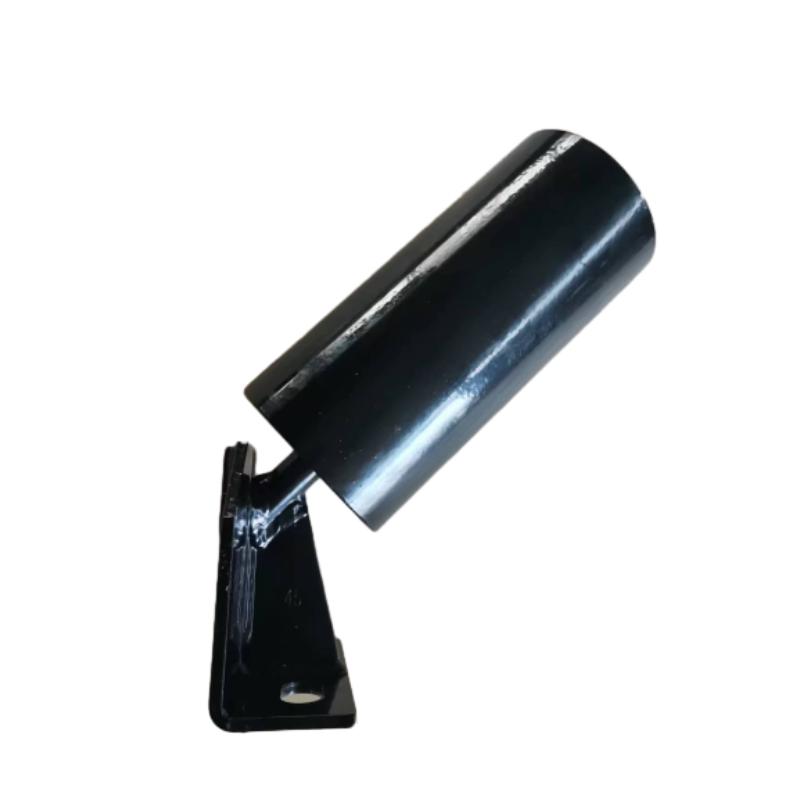
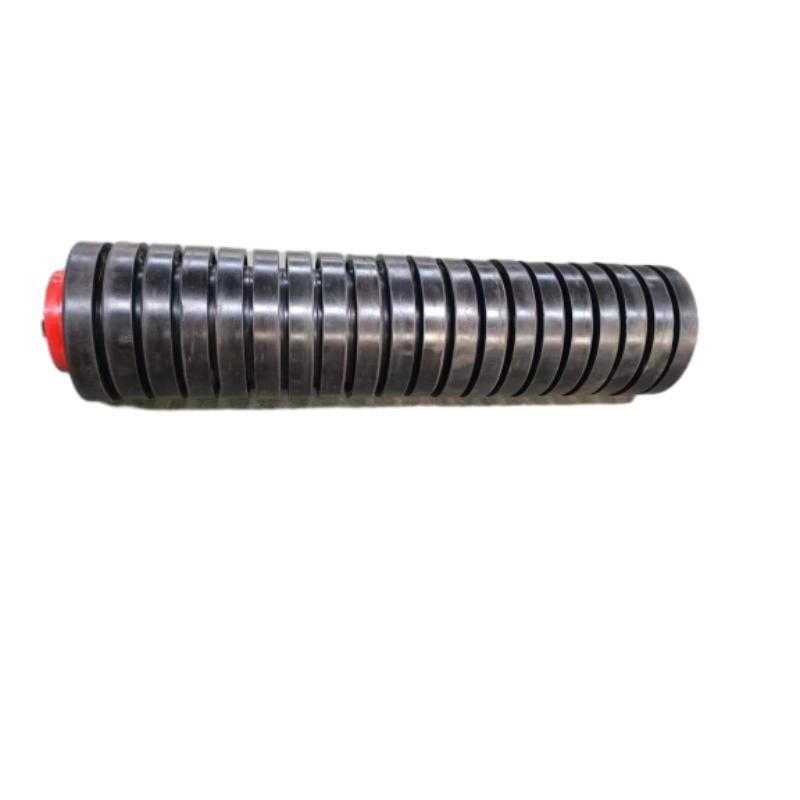
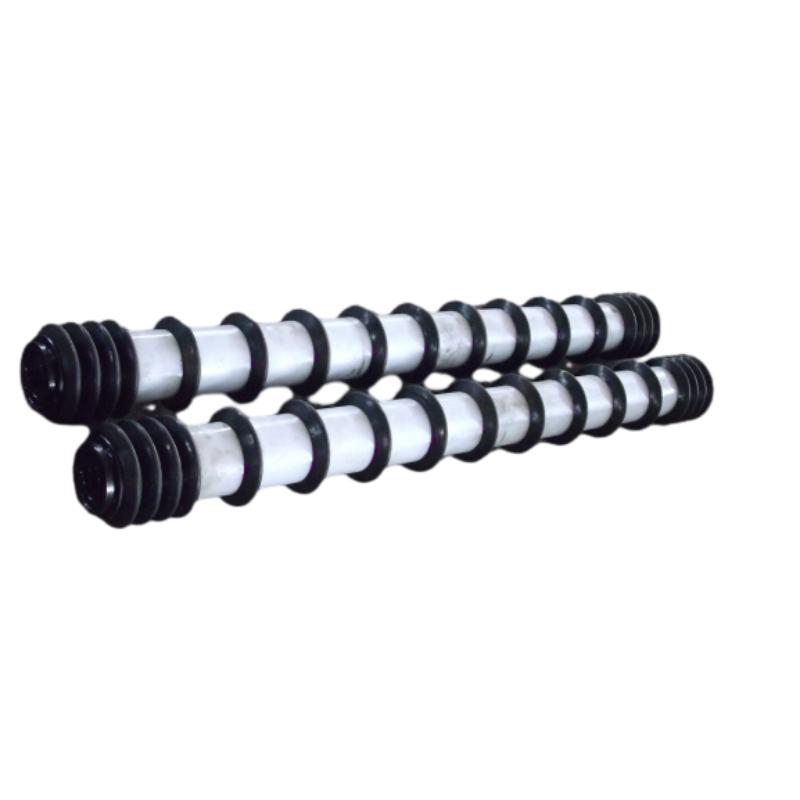
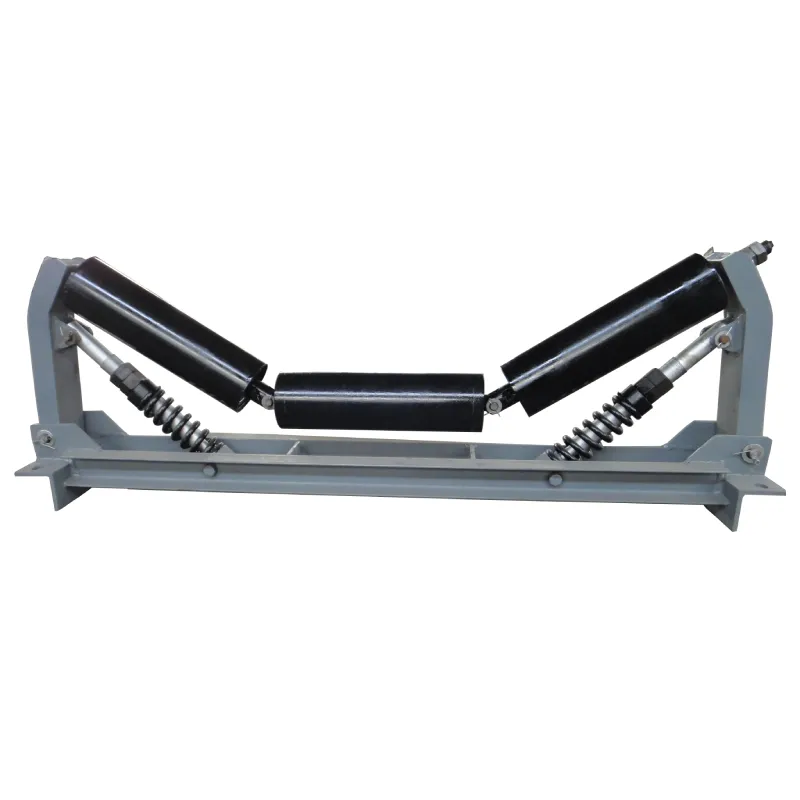
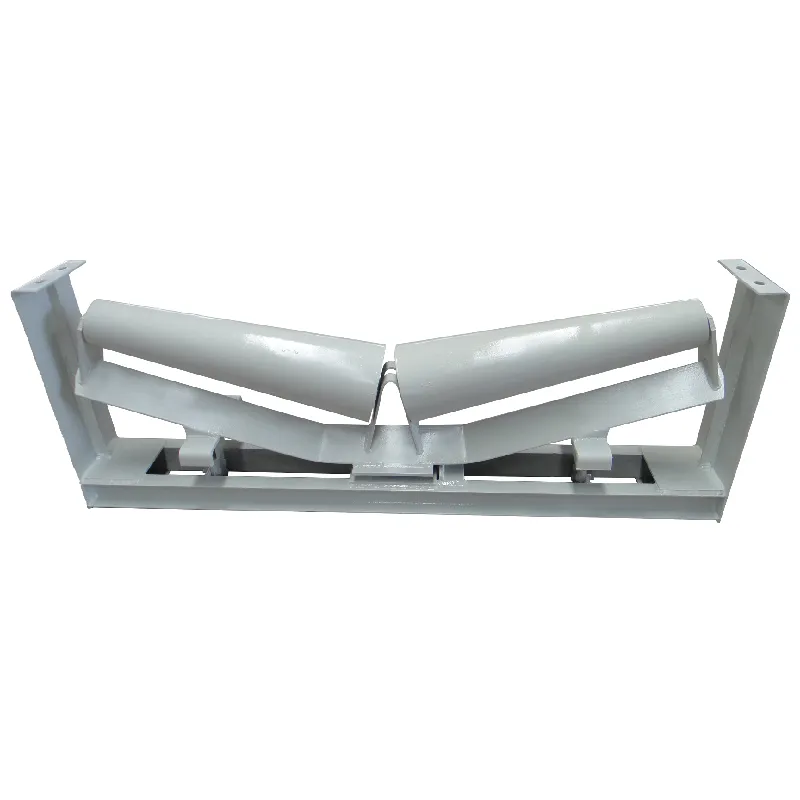
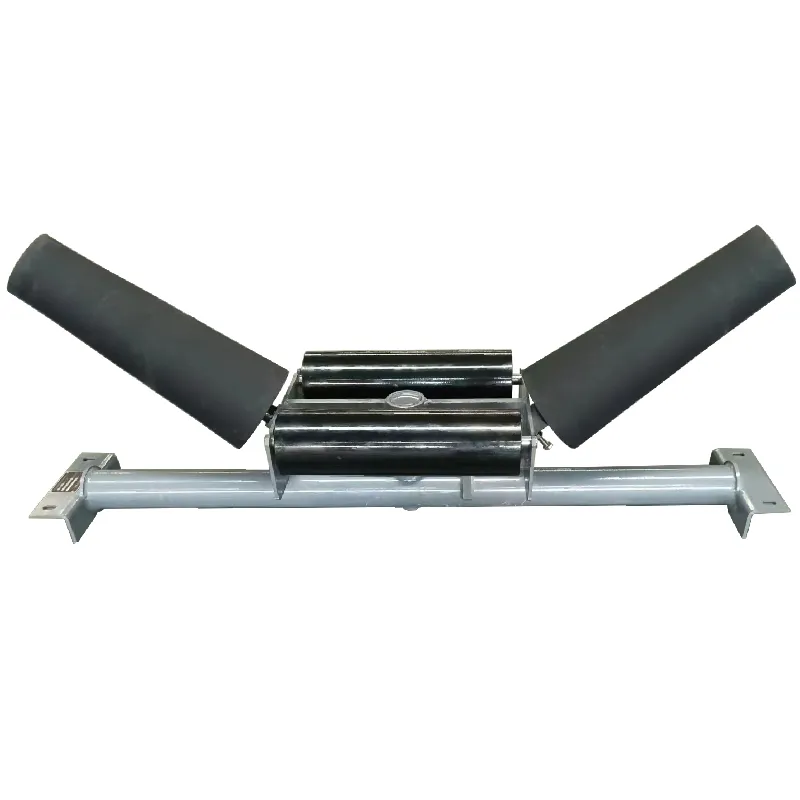
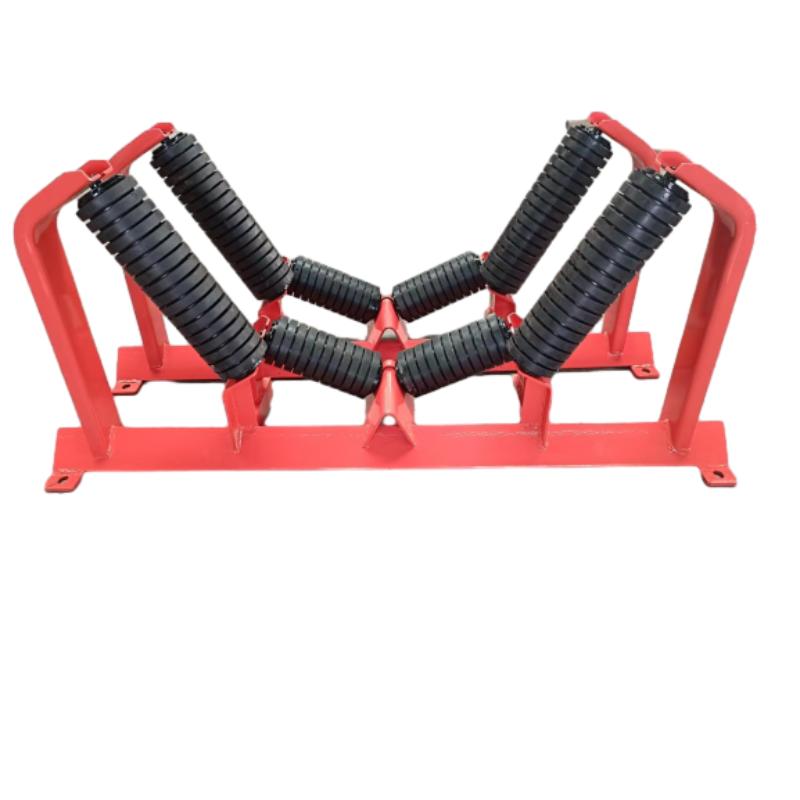
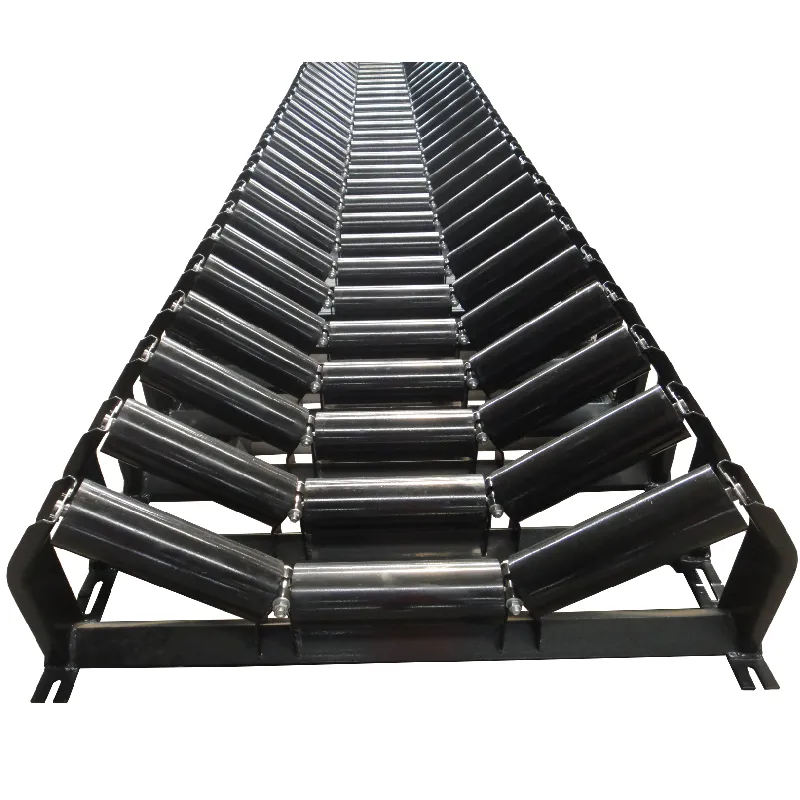
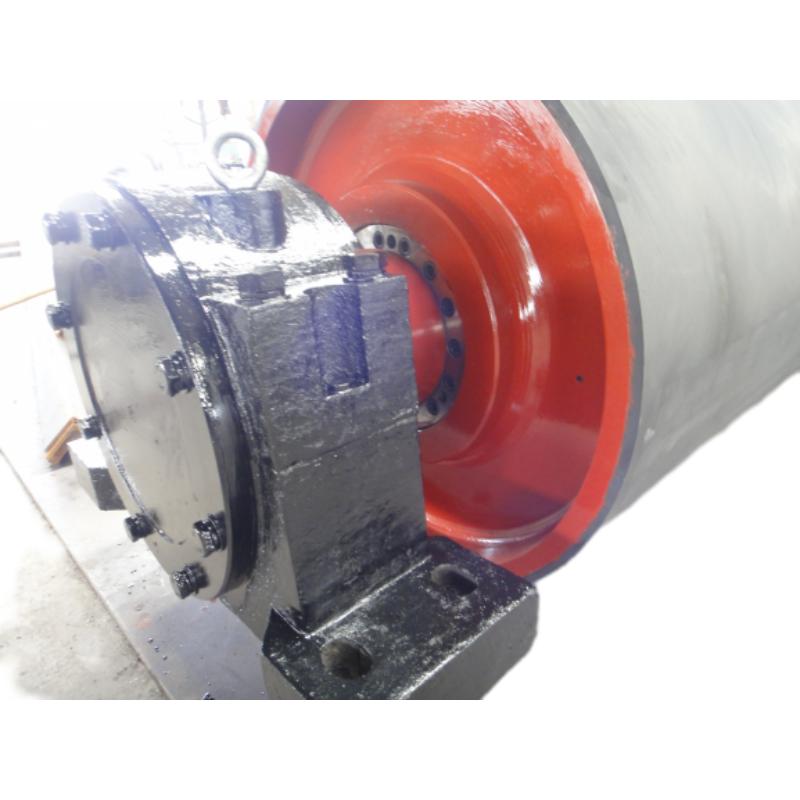
Now, if you've ever been up close to a conveyor system, you know how critical the idler rollers are — they support the conveyor belt and the load it carries, reducing friction and wear. Frankly, without them, the belt would wear out faster, energy costs would climb, and maintenance headaches would pile up.
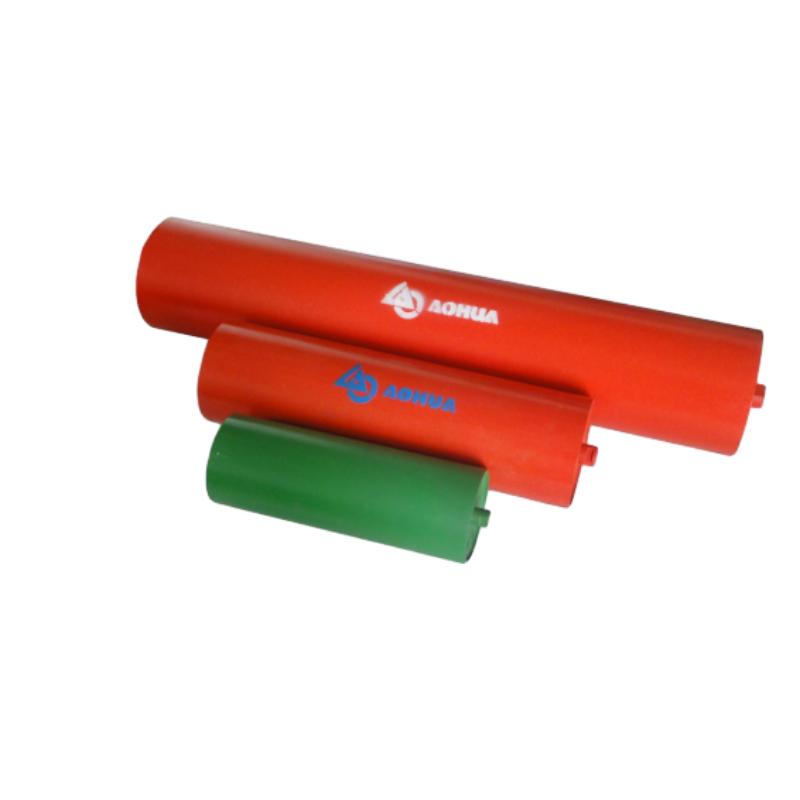
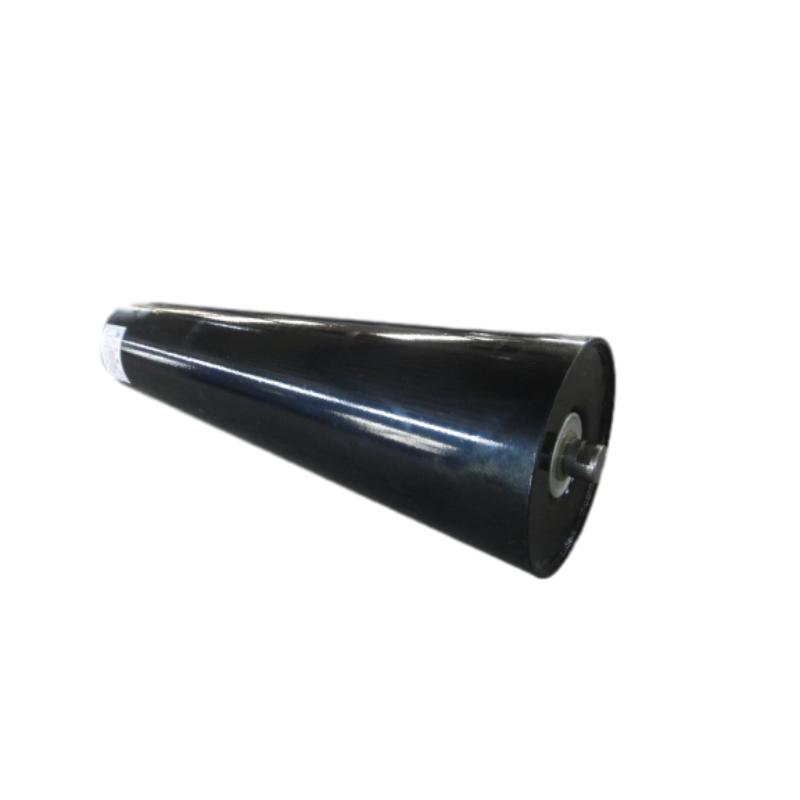
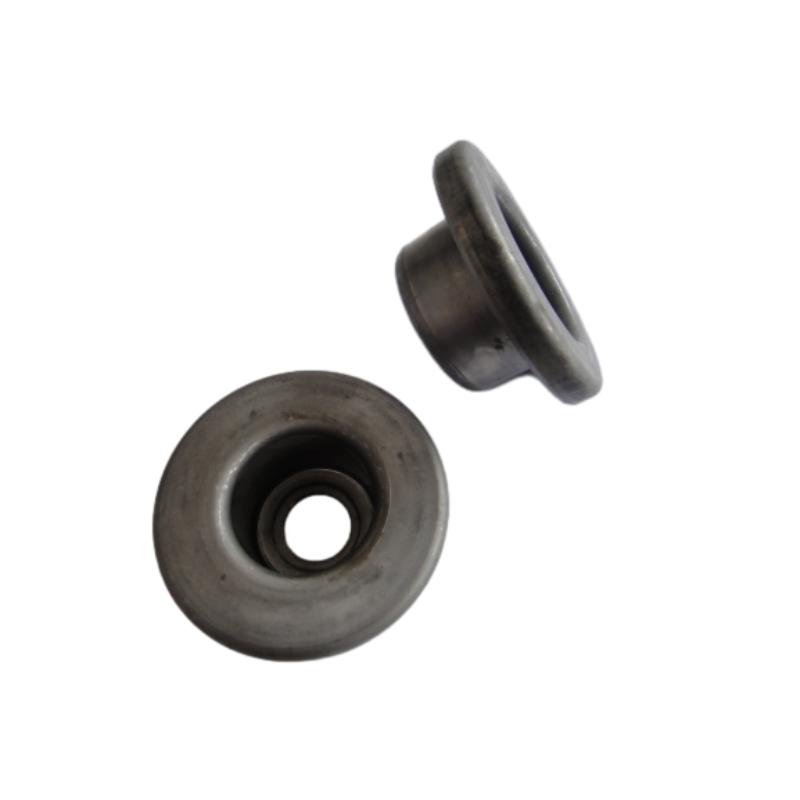
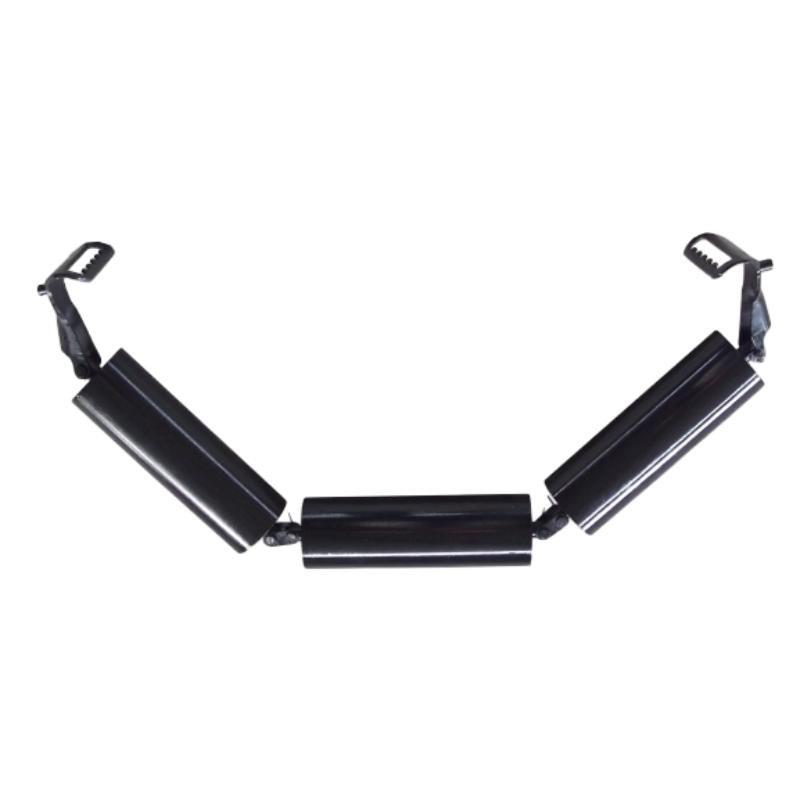
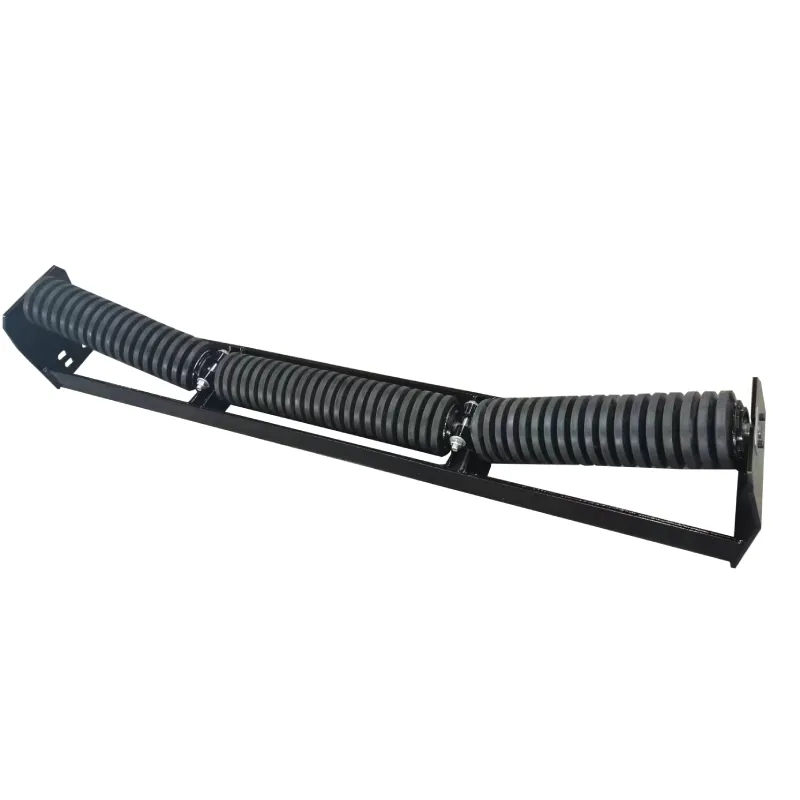
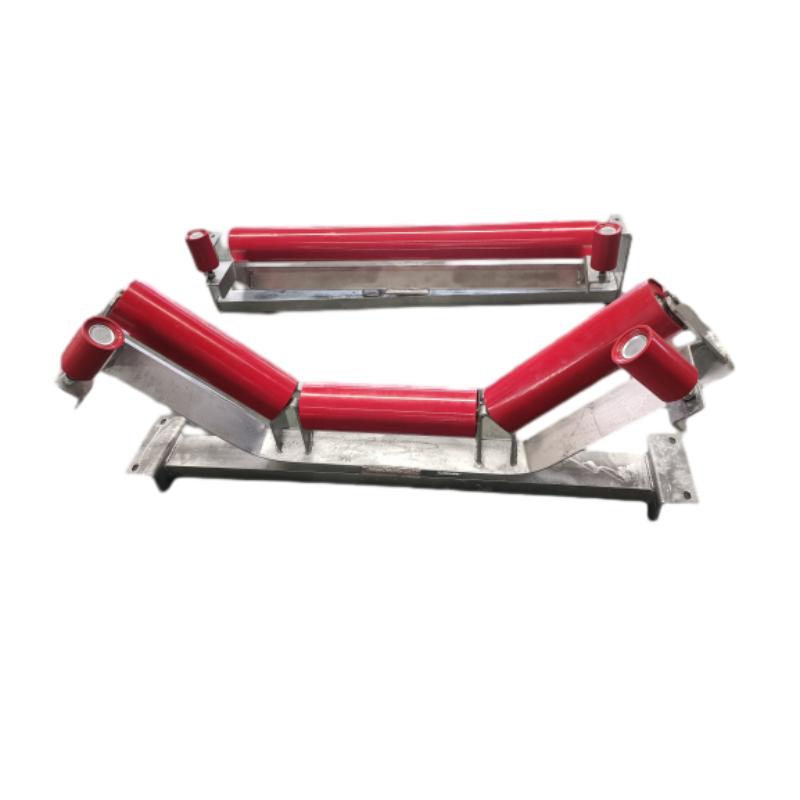
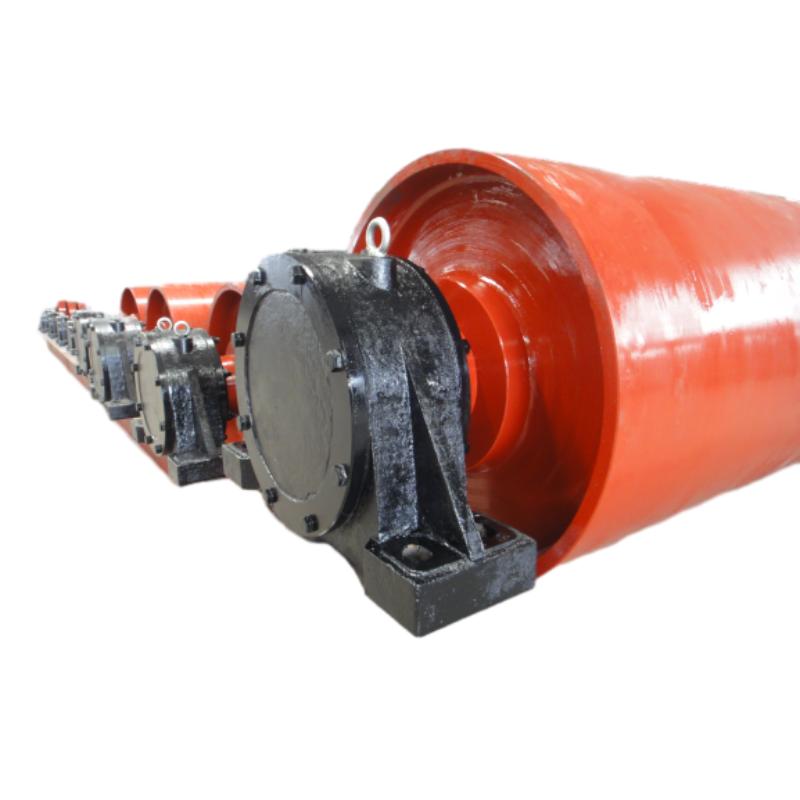
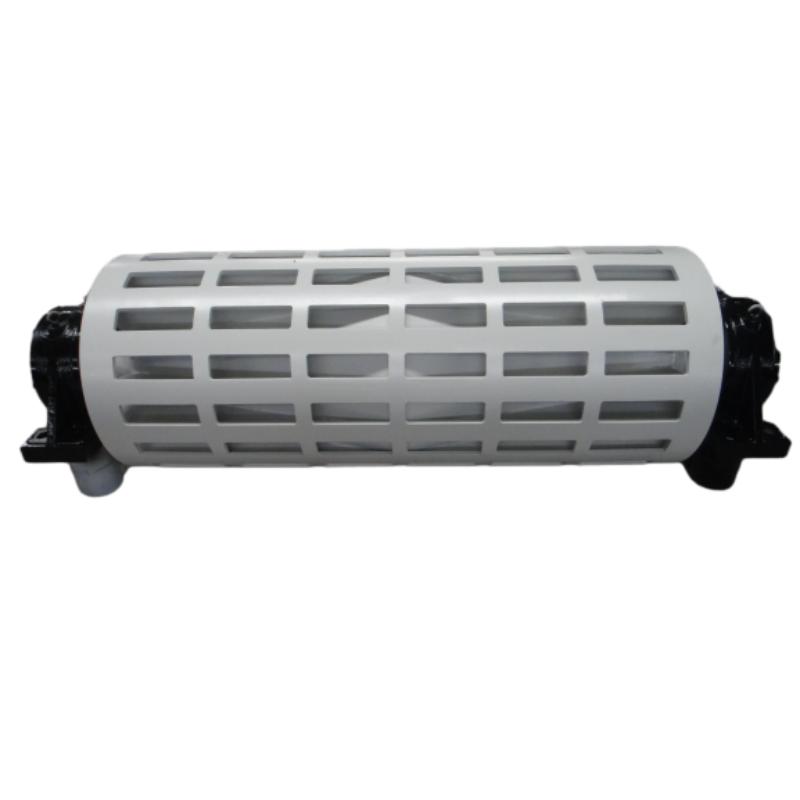
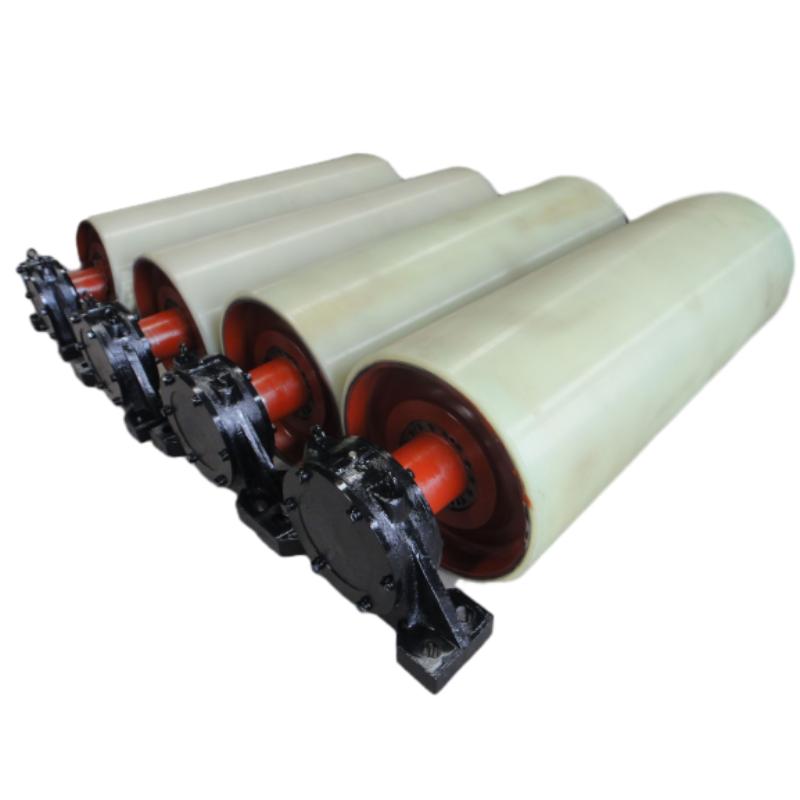
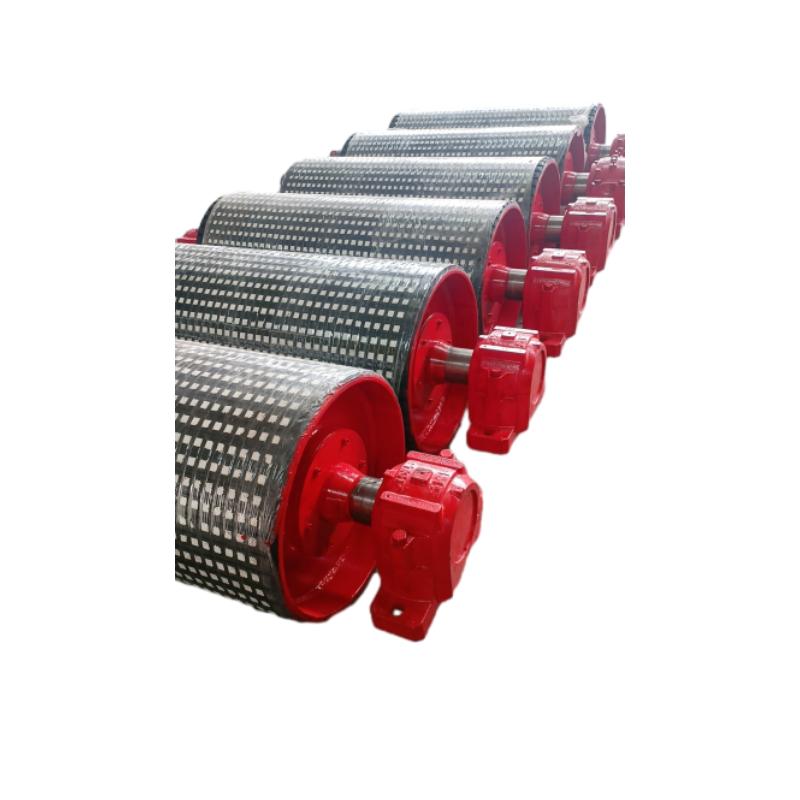
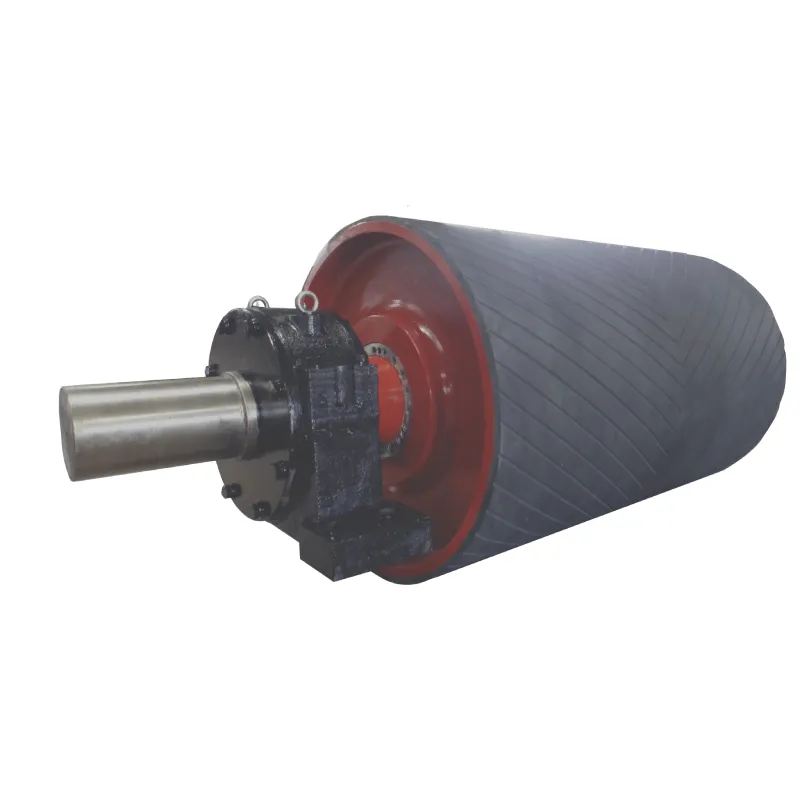
The beauty of these rollers lies both in their straightforward design and the variety of options available — steel, plastic, different bearing types, and lengths tailored to fit a vast array of conveyor widths and operational requirements. I suppose what surprises many newcomers is just how much thought goes into material choice and testing to ensure durability, especially in harsh environments.
A quick glance at typical idler conveyor roller specs
| Specification | Typical Range | Notes |
|---|---|---|
| Tube Diameter | 40 mm – 100 mm | Steel or plastic options |
| Length | 200 mm – 2000 mm | Custom sizes available |
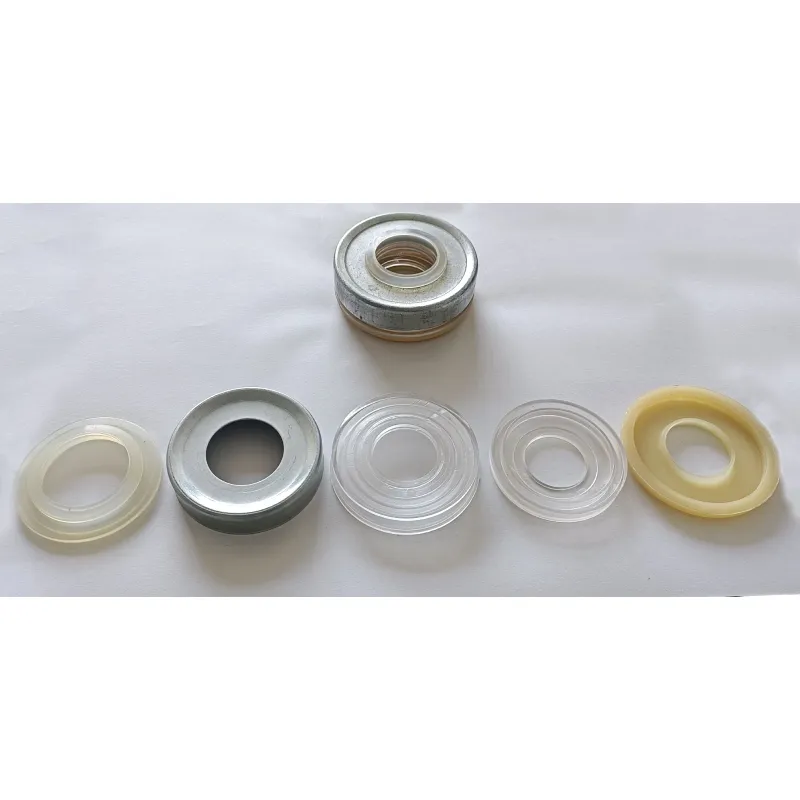
| Bearing Type | Ball, Roller, Sealed | Sealed bearings for dusty conditions |
| Load Capacity | Up to 1500 kg per roller | Depends on roller diameter and bearings |
| Operating Temperature | -20°C to 120°C | Higher temps require special materials |
One thing I’ve noticed with customers is how important customization can be. For example, a cement plant I worked with recently needed sealed bearings and corrosion-resistant coatings due to the abrasive atmosphere. We supplied tailored rollers that lasted thrice as long as the previous batch — maintenance calls went way down, and frankly, the operators were relieved they weren’t chasing breakdowns every other week.
How to choose the right vendor: a quick side-by-side
| Feature | IdlerRaohua | Generic Vendor A | Generic Vendor B |
|---|---|---|---|
| Product Range | Extensive | Moderate | Limited |
| Customization Options | Broad | Some | None |
| Lead Time | 1–3 weeks | 3–6 weeks | 4–8 weeks |
| Quality Certification | ISO 9001 | None | ISO 14001 |
| Price | Competitive | Low | Low |
One vendor that consistently stands out to me is the one behind idler conveyor roller solutions. Their ability to combine reliability, quality, and customization is quite impressive. You know, talking with plant managers, they often appreciate not having to compromise on lead times or quality — that kind of consistency in supply can make a big difference, especially when downtime costs are so steep.
In real terms, investing in quality rollers isn’t just about immediate cost savings — it’s about peace of mind, fewer unexpected repairs, and improved conveyor lifespan. Many engineers I've met swear by specifying durable rollers as part of their preventive maintenance plans. It just reduces the ‘firefighting’ in the maintenance schedule. To me, that’s worth its weight in gold.
Anyway, if you’re in the market or just curious, do take a close look at product details, check certifications, and don’t hesitate to ask vendors about testing methods or material data sheets. Those little details often reveal manufacturers who truly stand behind their products — it really does come down to trust.
So, the next time you hear the hum of a conveyor line, spare a thought for the little rollers supporting those loads. They might not be flashy, but they make the whole industrial world turn — quite literally.
References:
1. Conveyor Equipment Manufacturers Association (CEMA) Standards
2. ISO 9001 Quality Management Systems Overview
3. "Bulk Material Handling Equipment" by the Material Handling Institute
-
Maximize Conveyor Life with a High Performance impact bedNewsApr.16,2026
-
Maximize Conveyor Efficiency Using a v plow belt scraperNewsApr.09,2026
-
Comprehensive Guide to Understanding Different Types of Belt CleanersNewsApr.07,2026
-
Enhancing Conveyor Efficiency with an Effective Scraper Belt CleanerNewsApr.04,2026
-
Optimizing Conveyor Systems with Advanced Cleaning Equipment SolutionsNewsMar.31,2026
-
Effective Conveyor Belt Scraper Adjustment for Optimal System PerformanceNewsMar.28,2026