

What is a Return Idler? Benefits, Applications & Industry Insights
Return Idler: A Pillar in Modern Conveyor Systems
Let’s dive right in: if you’re involved in industrial manufacturing or logistics, you’ve probably come across the term return idler. It might sound like something minor, but this component is actually crucial in ensuring conveyor belts run smoothly, safely, and efficiently—all across the globe. Understanding what a return idler is, why it matters, and how it’s evolving helps businesses cut costs, reduce downtime, and improve safety. More importantly, it’s a linchpin in industries ranging from mining and material handling to humanitarian relief operations where logistics are critical.
Introduction: The Global Significance of Return Idlers
Conveyor belts power a huge chunk of global industry—coal, cement, agriculture, logistics, and even disaster relief supplies often rely on conveyors. According to the International Organization for Standardization (ISO), conveyor systems contribute directly to improving operational efficiency and reducing workplace injury risks. Conveyor downtime is a nightmare, costly both financially and environmentally. And oddly enough, a small piece like the return idler can make or break the system’s reliability.
Worldwide, billions of tons of material move over conveyor systems daily. The return idler helps keep that continuous flow by supporting the underside (return side) of the conveyor belt, which otherwise might sag or misalign, causing wear or damage. In real terms, this small component helps avoid spills, dangerous belt slips, and expensive repairs that can ripple through supply chains.
What Is a Return Idler?
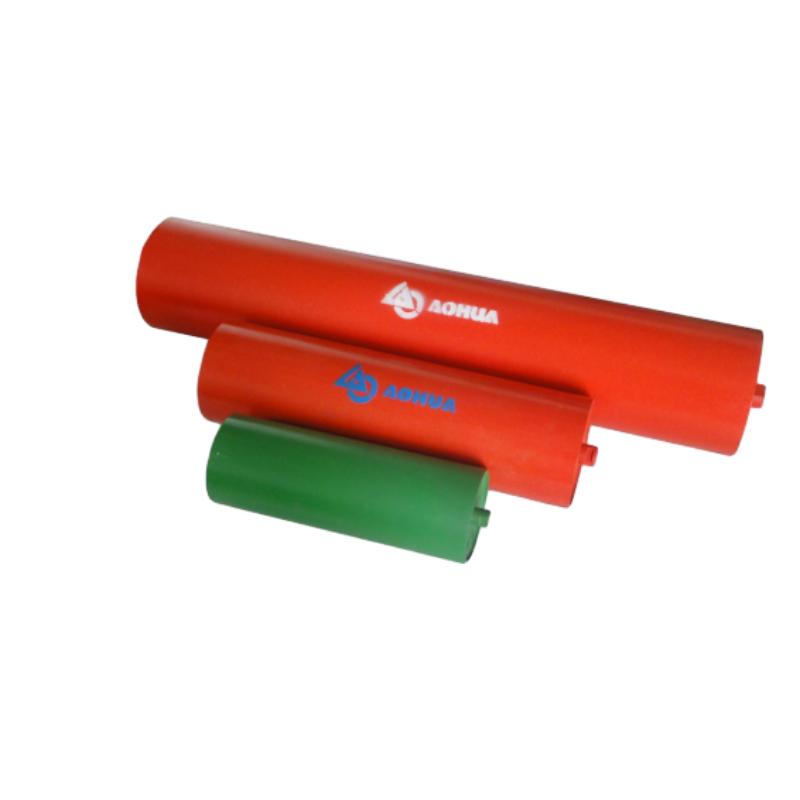
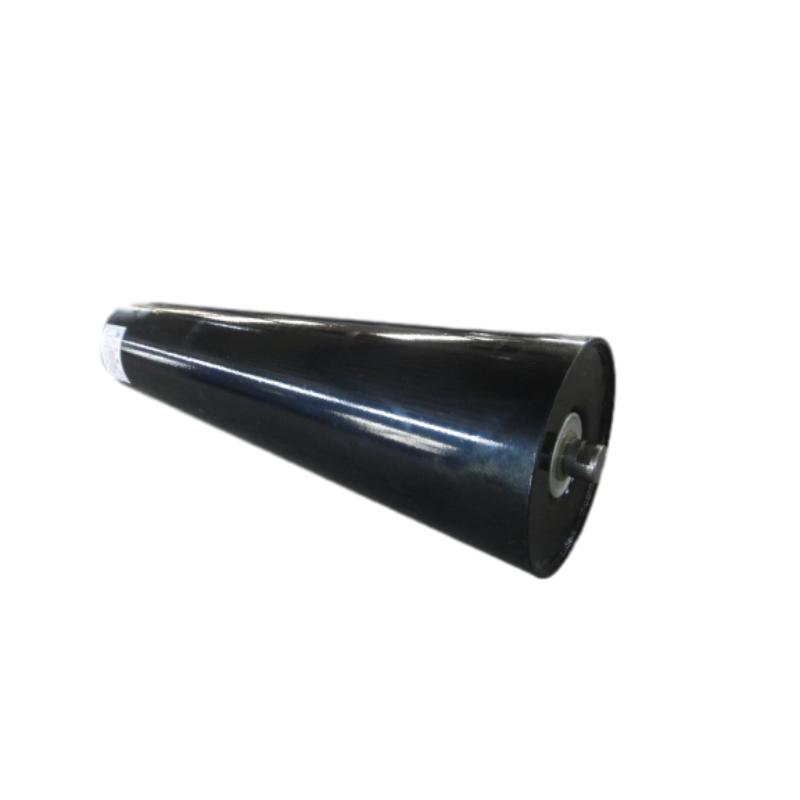
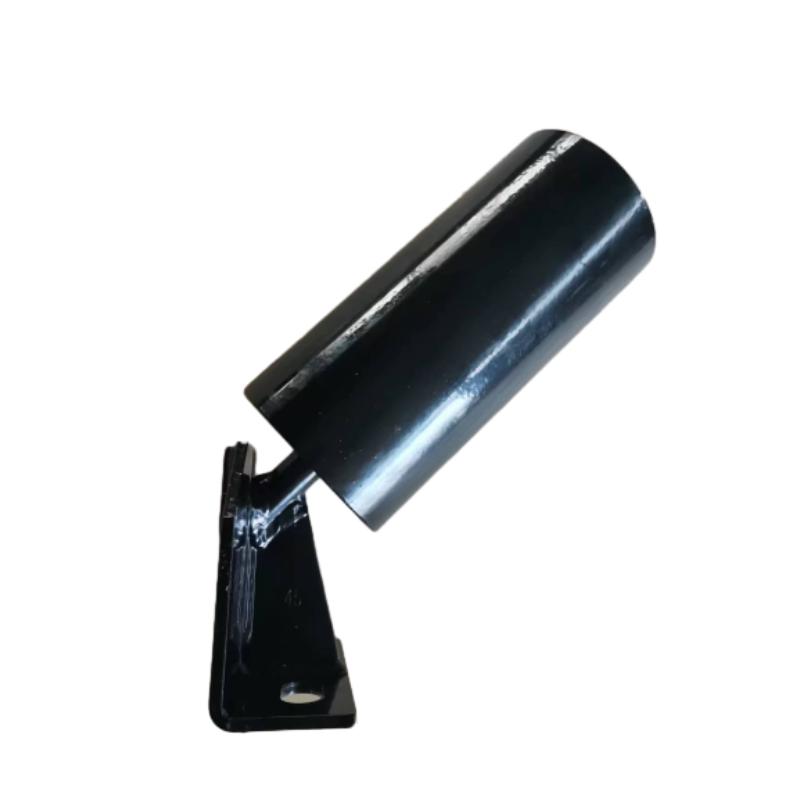
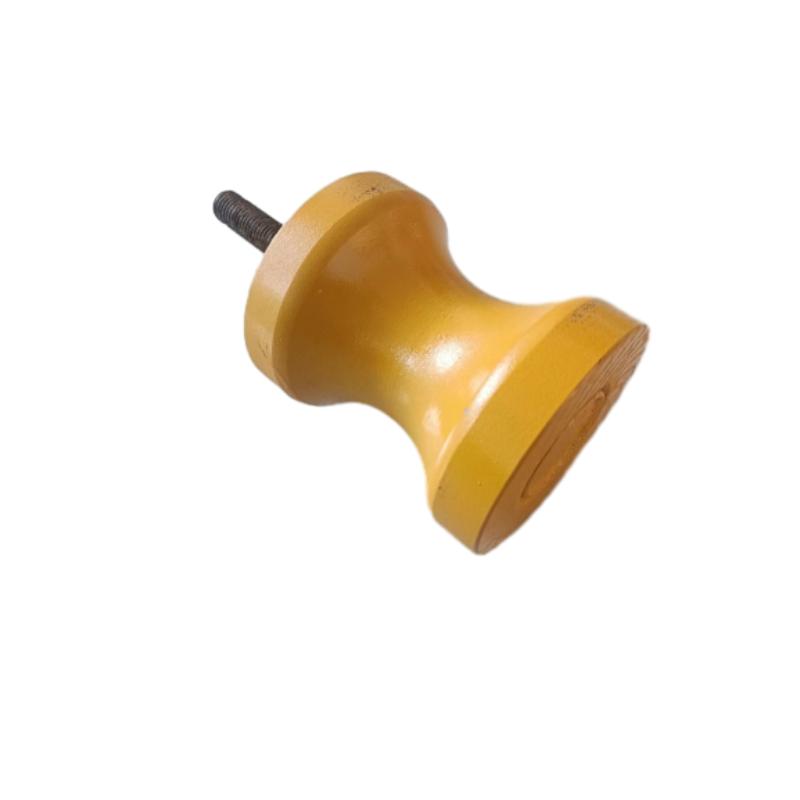
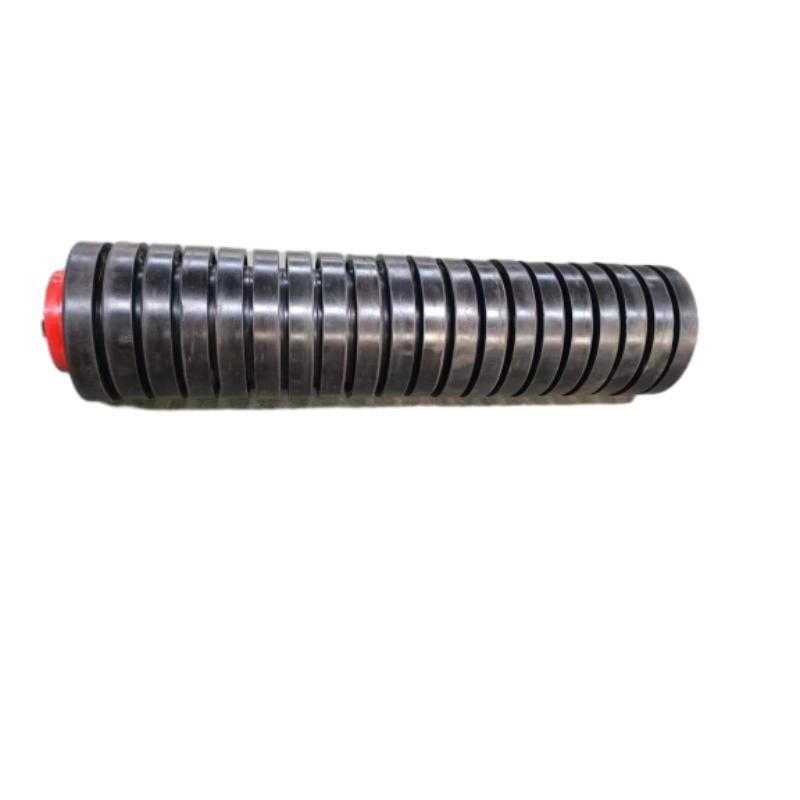
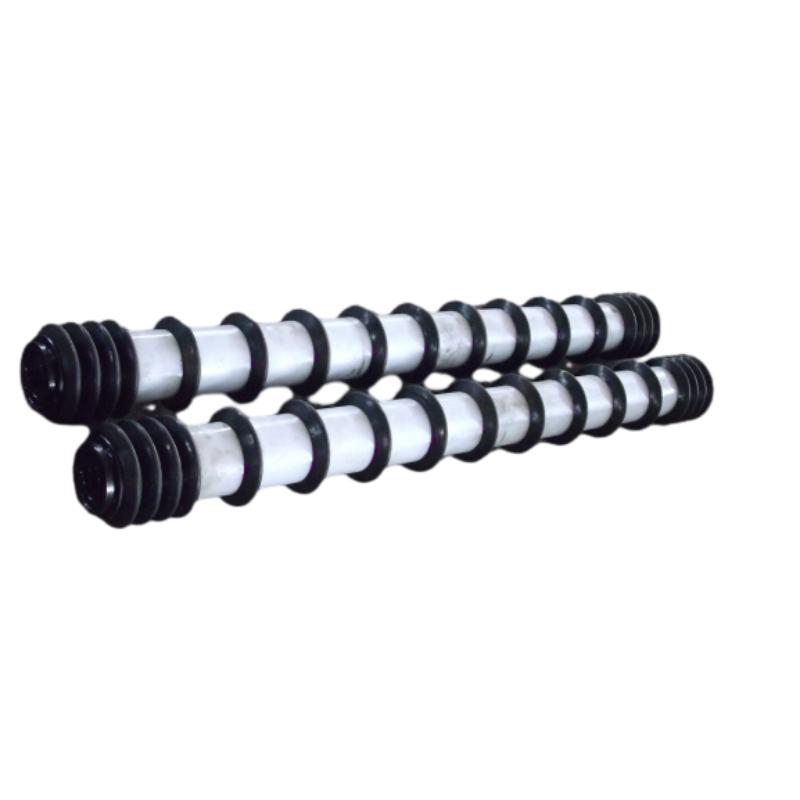
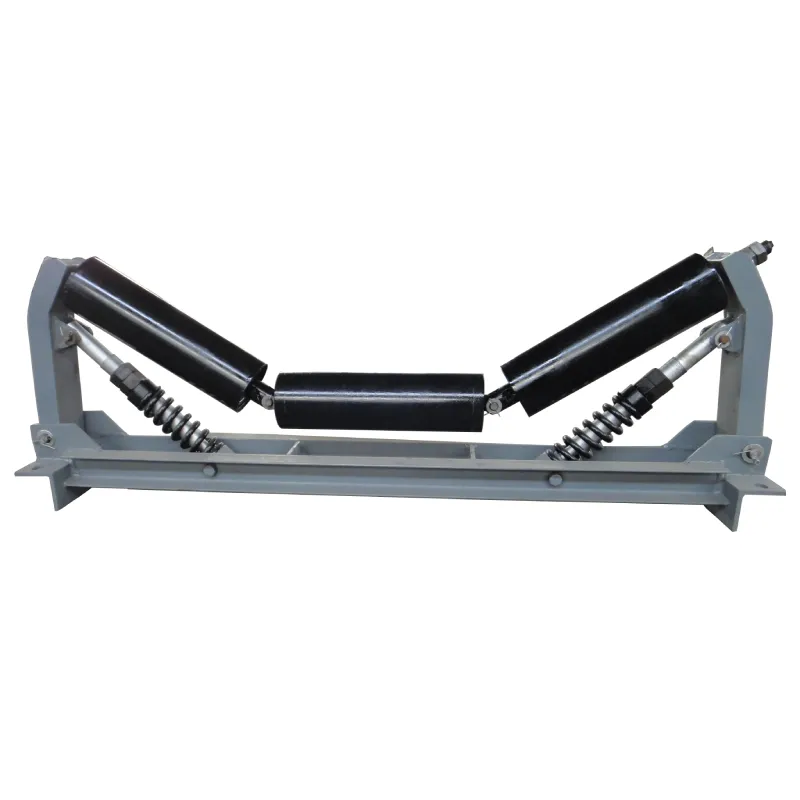
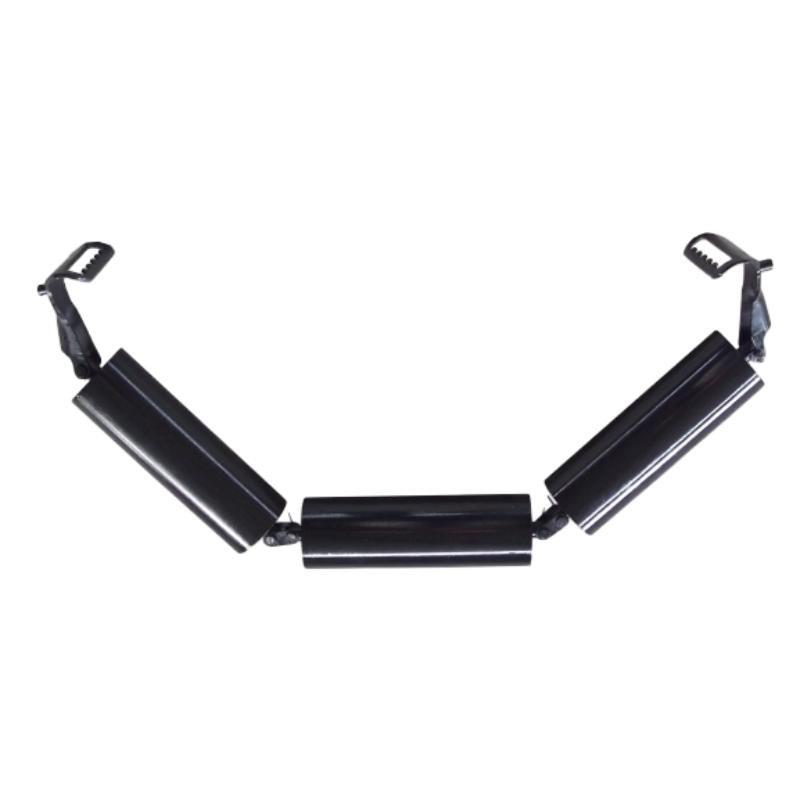
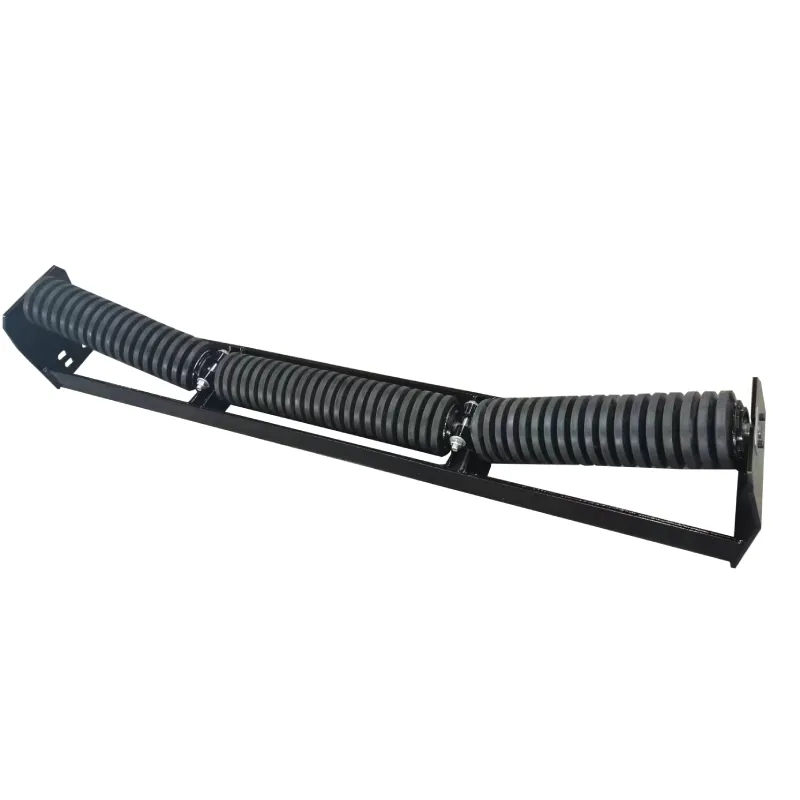
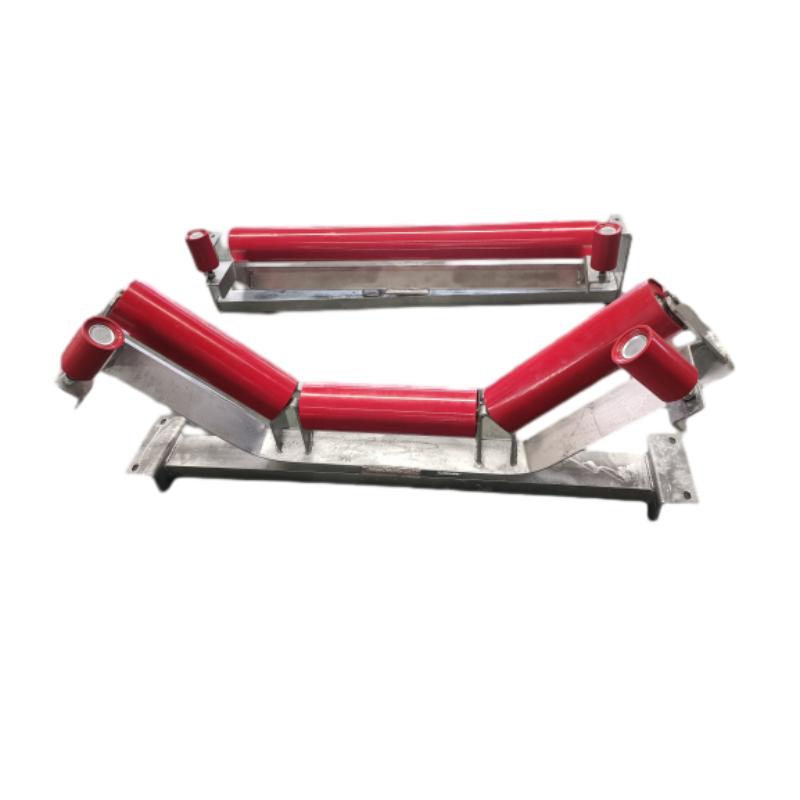
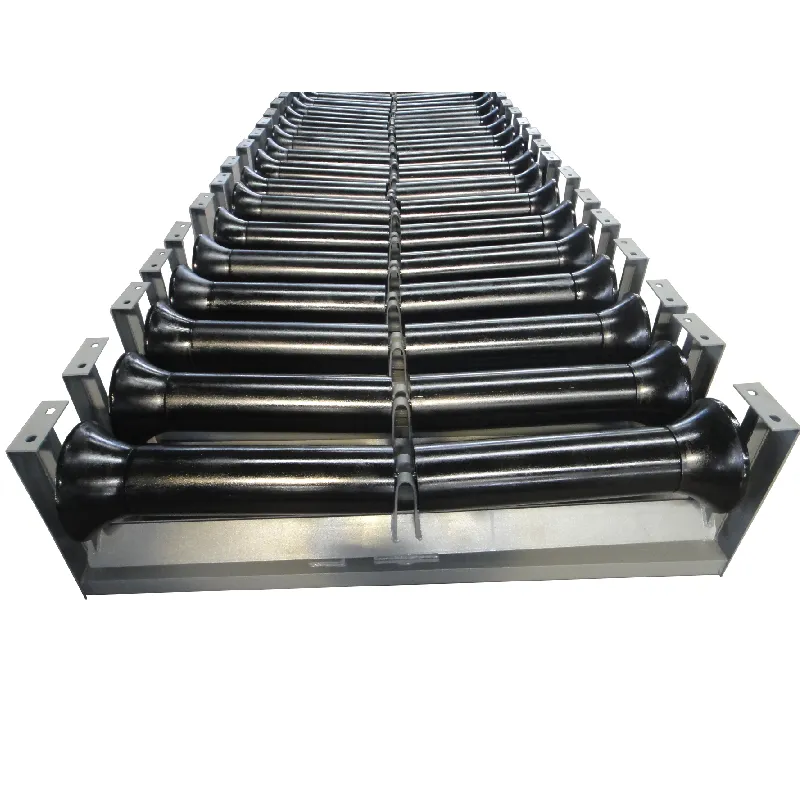
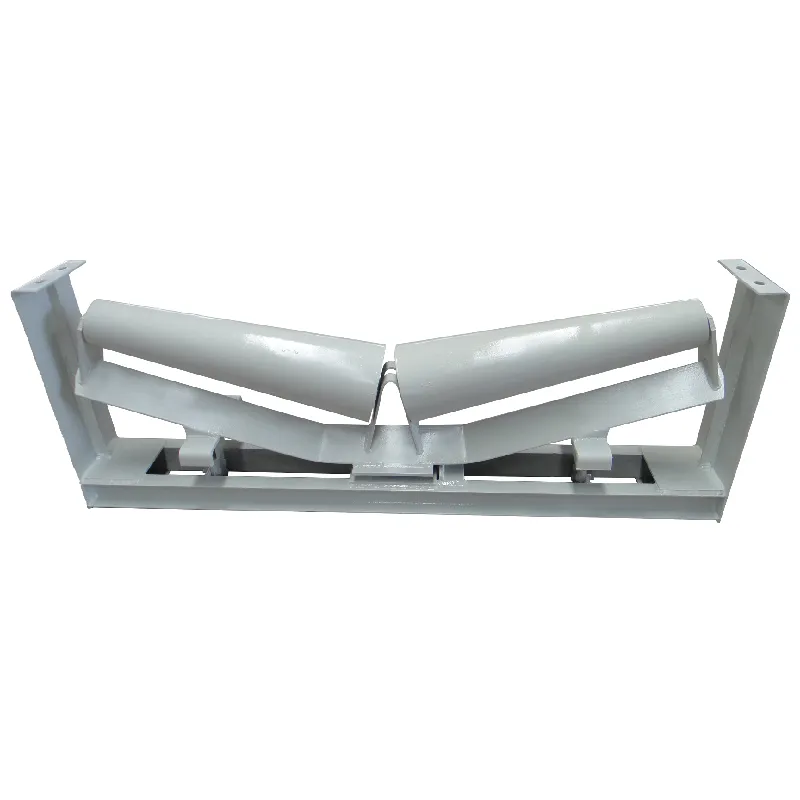
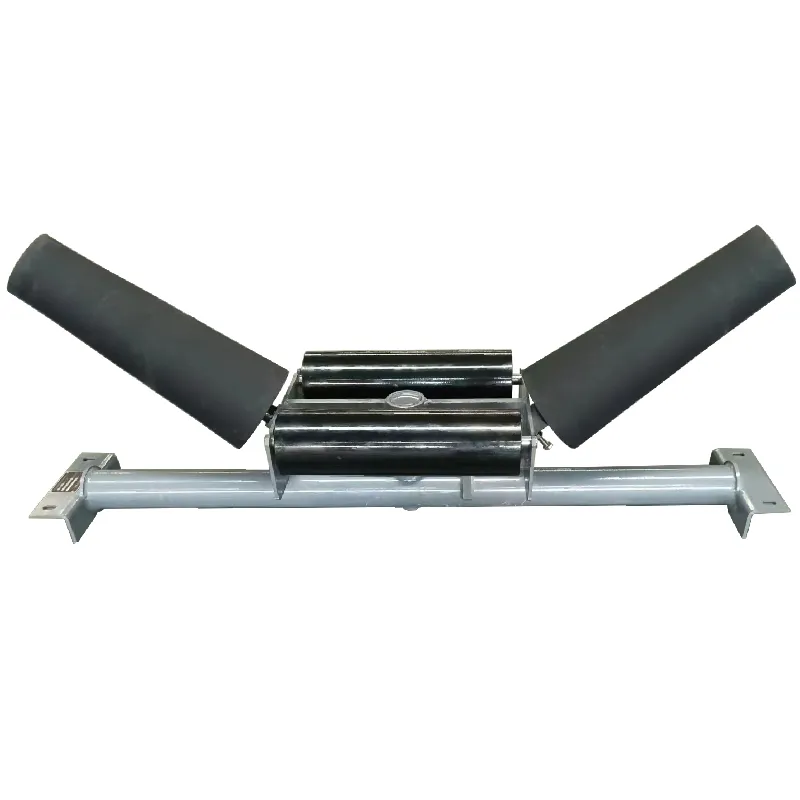
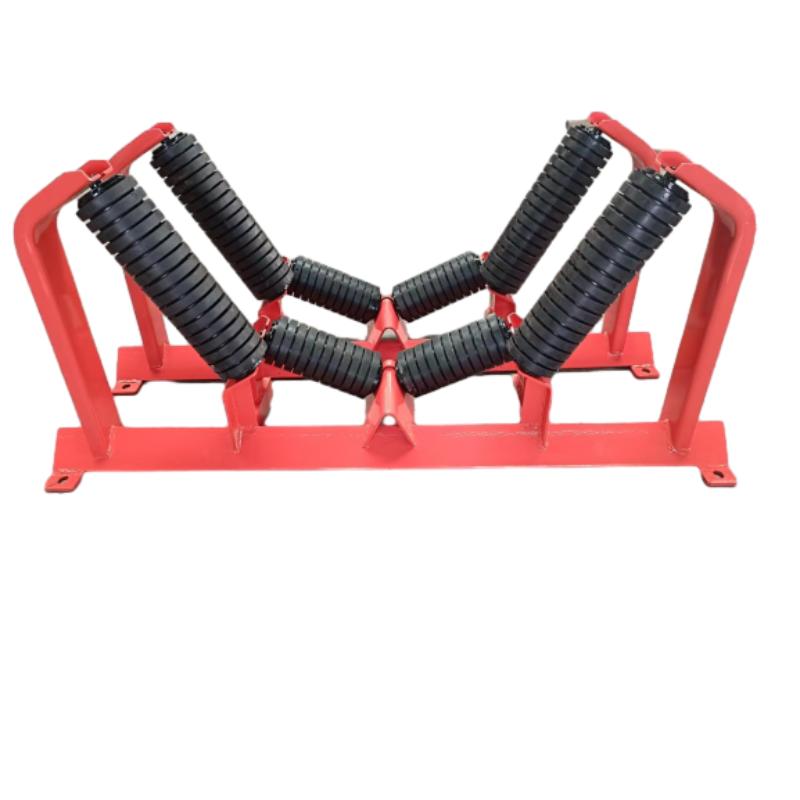
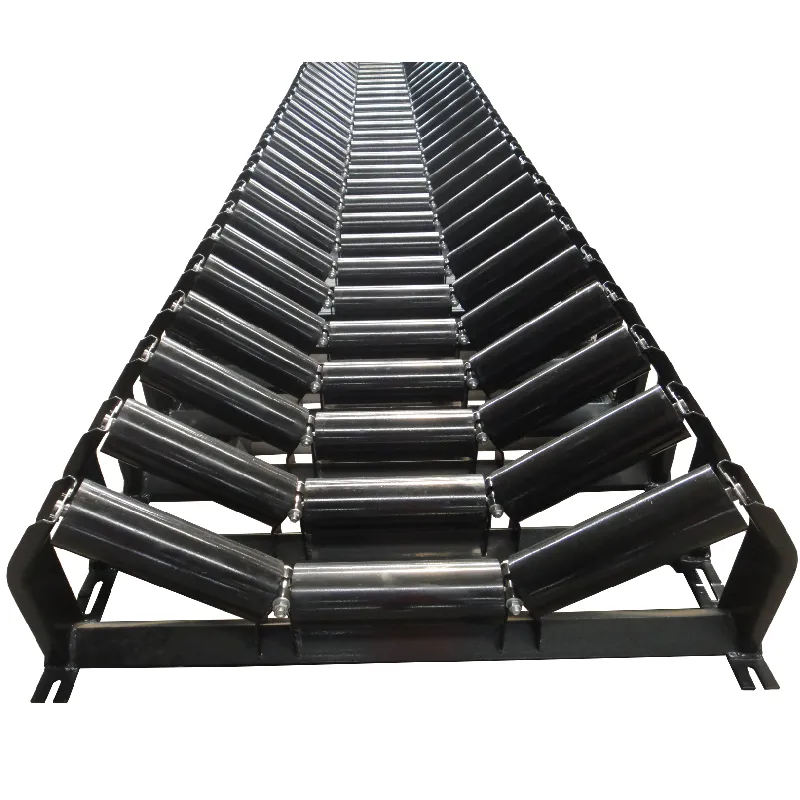
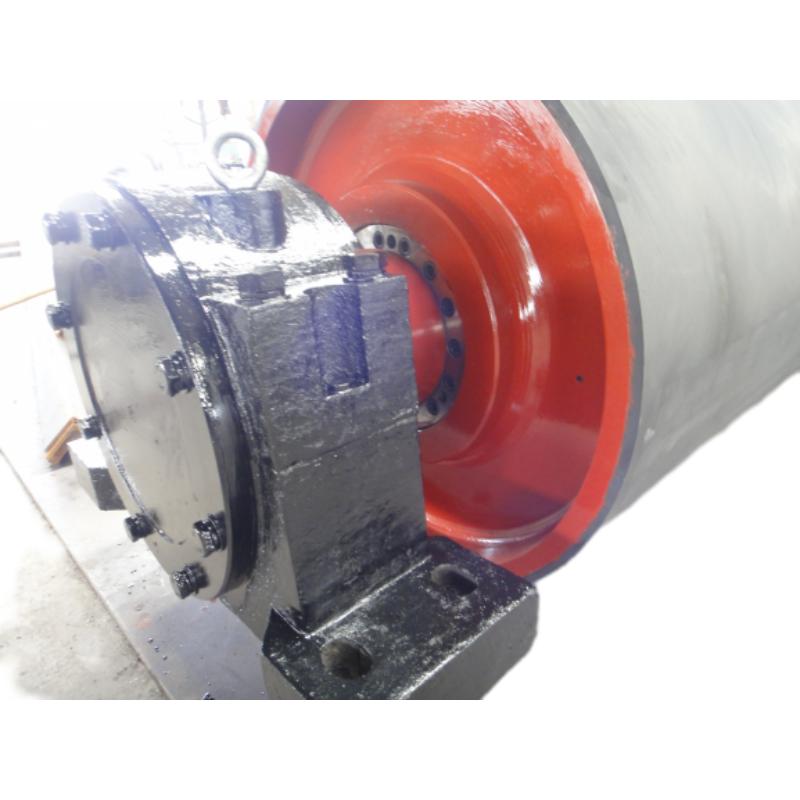
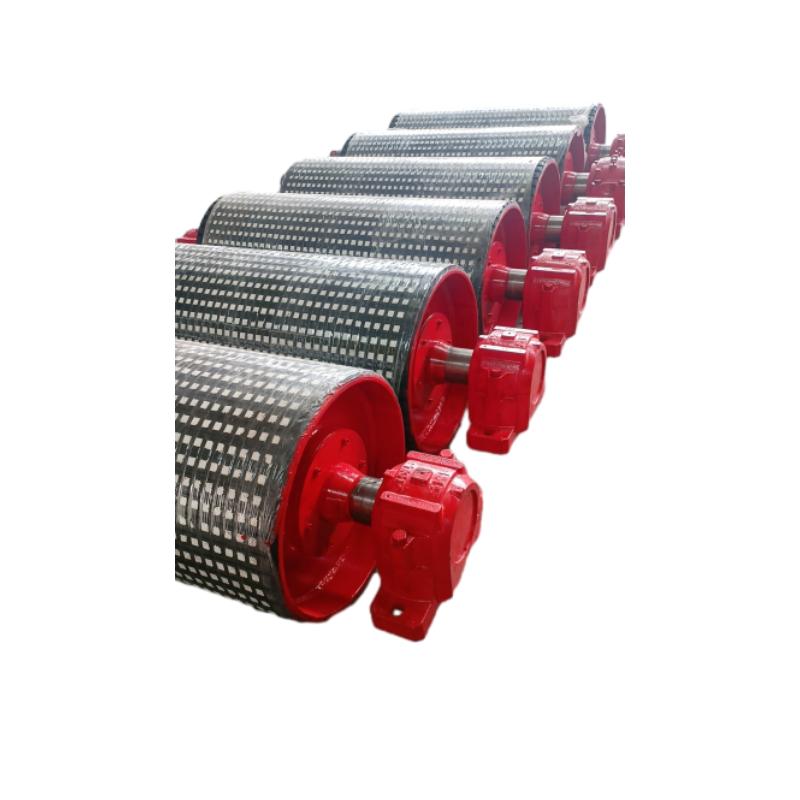
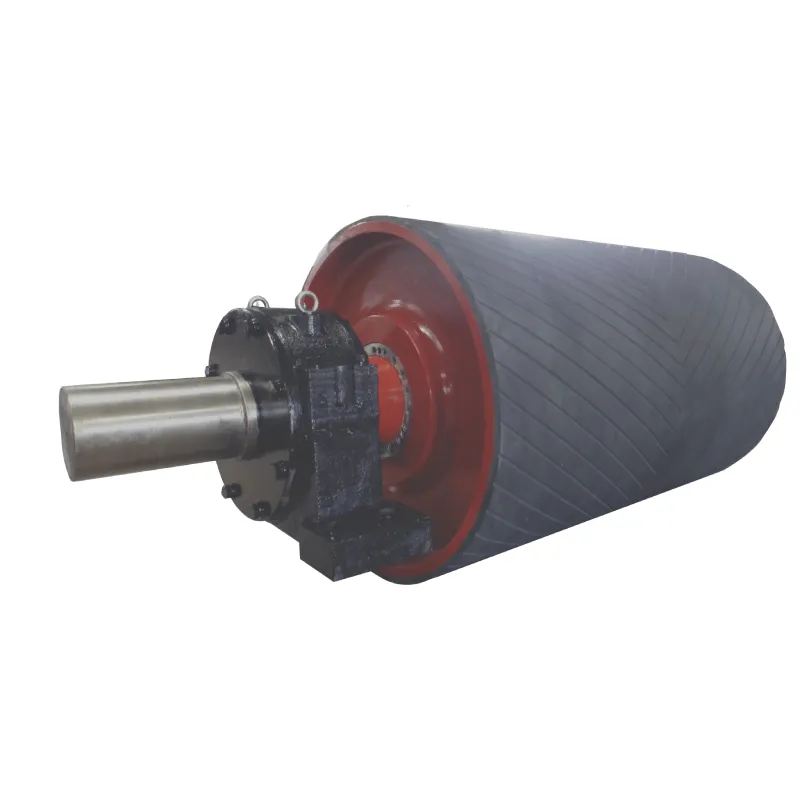
Simply put, a return idler is a roller—part of the conveyor system—that supports the belt on its return run, the section where the belt cycles back from the discharge to the loading point. This is critical because the belt is under tension and drag even on the return side. Without a properly functioning return idler, the belt could sag, become uneven, or even trip hazards off the rollers.
Beyond purely mechanical functions, return idlers also play a role in extending belt lifespan and ensuring safer working conditions by guiding the belt steadily. In humanitarian or industrial zones, reliable material transport often hinges upon components like this.
Core Components of Return Idlers
1. Durability & Material
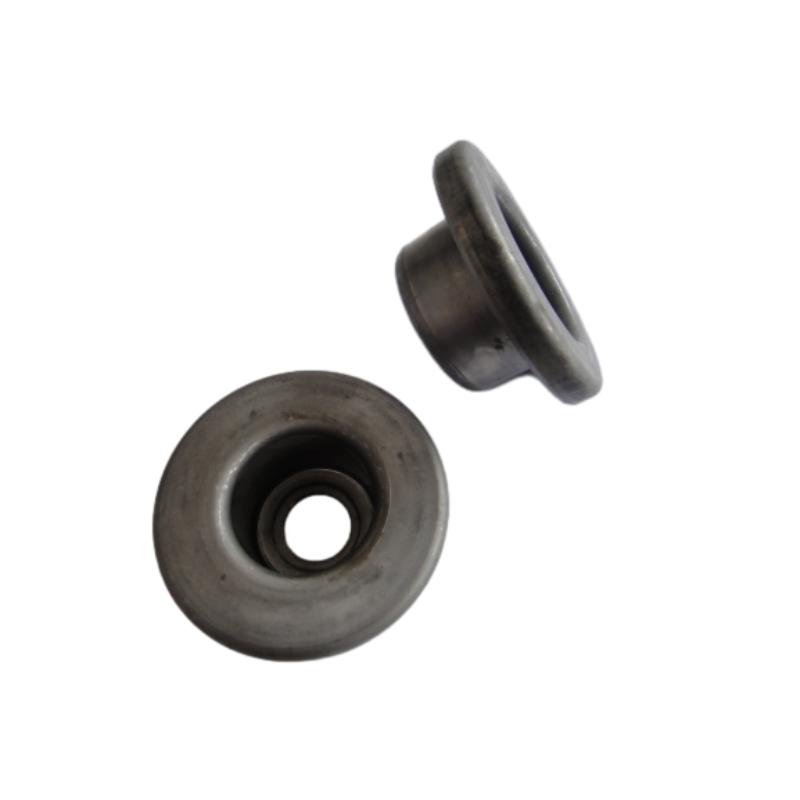
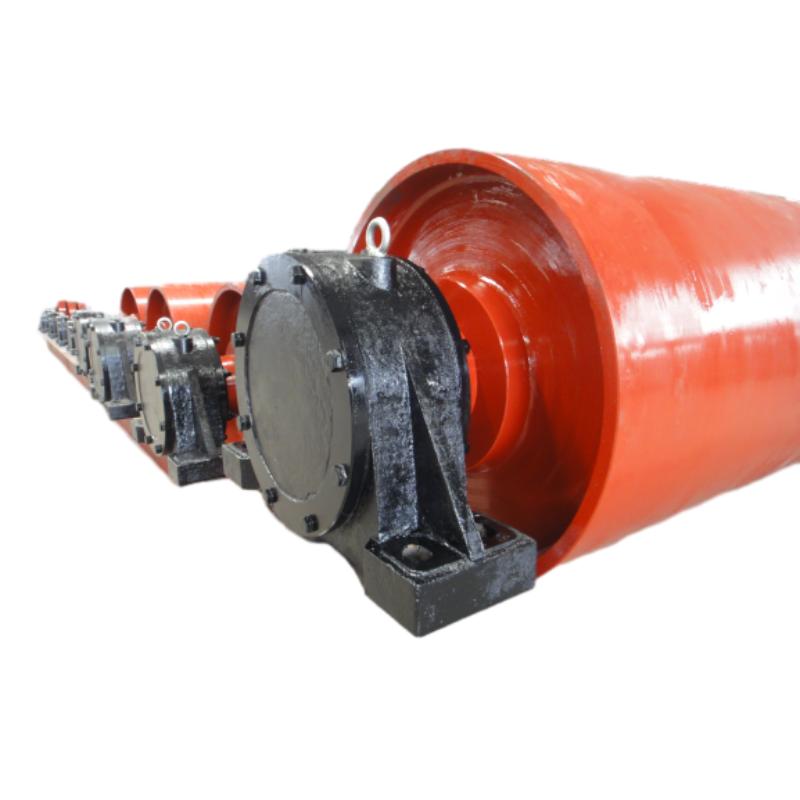
Return idlers must resist abrasion, corrosion, and extreme weather. Most use heavy-gauge steel frames and sealed ball bearings designed for years of operation in harsh conditions—from tropical climates to dusty deserts.
2. Load Capacity
The idler has to tolerate the belt’s weight plus the returning material (even if minimal), factoring in the speed and tension involved.
3. Design & Dimensions
Width, diameter, and troughing angle matter. Even slight design differences impact belt wear and energy consumption.
4. Ease of Maintenance
This is often overlooked but is vital. Sealed bearings, modular frames, and grease fittings are features that minimize downtime.
5. Alignment & Stability
Properly aligned return idlers prevent belt mis-tracking, spills, and mechanical stress.
Typical Return Idler Specifications
| Specification | Typical Range | Explanation |
|---|---|---|
| Roller Diameter | 76mm - 219mm | Roller thickness affects belt support and wear. |
| Bearing Type | Sealed Deep Groove Ball Bearings | Ensures smooth rotation and dust protection. |
| Frame Material | Carbon Steel / Galvanized Steel | For strength and corrosion resistance. |
| Load Capacity | Up to 5,000 N | Varies with belt speed and material weight. |
| Operational Temp. Range | -20°C to +80°C | Suitable for most industrial environments. |
Global Applications & Use Cases
You’ll find return idlers silently doing their job in material handling hubs around the world. In mining zones of South Africa and Australia, durable return idlers keep tons of ore moving safely every hour. Meanwhile, in agricultural hubs like the US Midwest or Brazil, they help transport grains with minimal spillage and maintenance.
Oddly enough, these rollers also appear in humanitarian logistics—post-disaster relief operations rely on effective conveyor systems to facilitate fast, safe distribution of aid supplies. Remote industrial zones, with limited access to skilled maintenance, benefit from return idlers designed with longevity and simplicity in mind.
Vendor Comparison: Popular Return Idler Manufacturers
| Vendor | Material Quality | Customization | Price Range | Lead Time |
|---|---|---|---|---|
| Idleraohua Industrial | High-grade galvanized steel, sealed bearings | Flexible sizes and load ratings | $$ | 2–4 weeks |
| Global Conveyors Co. | Standard carbon steel, basic sealing | Limited customization | $ | 4–6 weeks |
| HeavyRoll Tech | Premium alloys, advanced sealing | Highly customizable | $$$ | 3–5 weeks |
Advantages & Long-Term Value of Return Idlers
- Cost Efficiency: By reducing belt wear and preventing misalignment issues, return idlers help lower maintenance costs over time.
- Sustainability: Durable, high-quality idlers reduce waste and material consumption by extending belt life.
- Safety: Preventing belt sag and spillage means fewer accidents, a major plus on busy factory floors or mining sites.
- Reliability: Continuous operation with minimal interruption builds trust with clients and partners alike.
Frankly, when you consider how often conveyors run nonstop and how essential they are to supply chains, a reliable return idler isn’t just a component—it’s insurance against costly breakdowns.
Future Trends & Innovations
In the age of Industry 4.0, return idlers aren’t immune to innovation. Advanced sensors embedded inside rollers can now track wear and alignment in real time, triggering maintenance alerts before failures occur.
On the material front, lightweight composite rollers incorporating carbon fiber are emerging, promising even longer lifespan and better corrosion resistance—plus incremental energy savings due to reduced rolling resistance. There’s also a push toward greener manufacturing processes, with vendors adopting recycled steel and environmentally friendly coatings.
Challenges & Expert Solutions
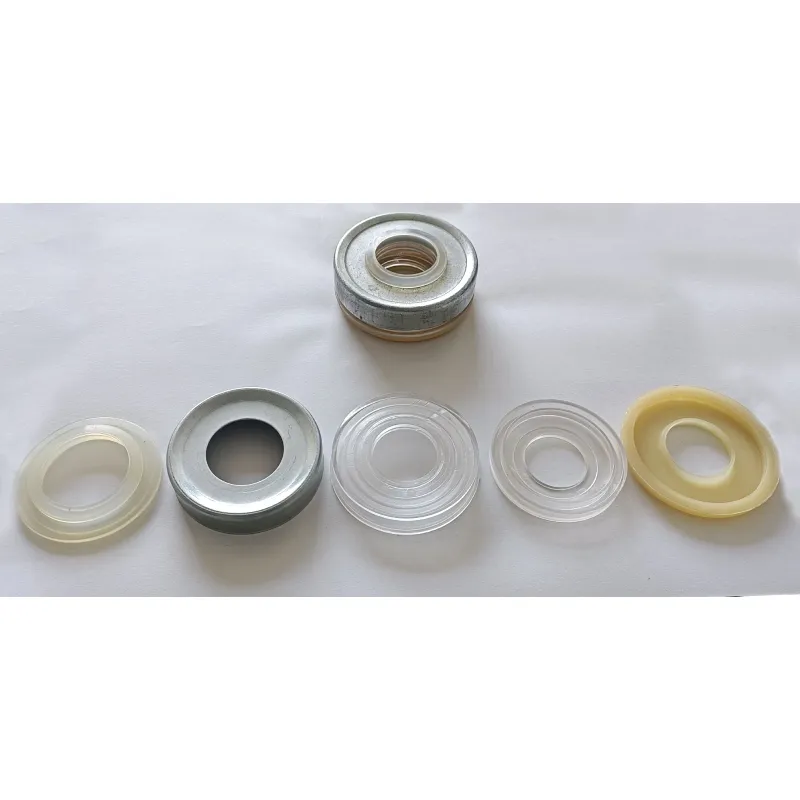
Conveyor systems face challenges like dust infiltration, extreme temperatures, and mechanical stresses that can degrade return idlers. These conditions require engineers to specify features like double-sealed bearings and corrosion-resistant coatings. Maintenance access can be tricky in certain installations, but modular designs and predictive maintenance technologies are great solutions.
FAQ: Frequently Asked Questions About Return Idlers
- What are the signs that a return idler needs replacement?
- Listen for unusual noises like squeaking or grinding, check for uneven belt movement or sagging, and inspect for visible wear or misalignment. Prompt replacement prevents bigger system failures.
- How do return idlers differ from carrying idlers?
- Carrying idlers support the top (load) side of the belt moving material, while return idlers support the empty or partially loaded belt on the return run, ensuring it stays in position.
- Can return idlers be customized for extreme environments?
- Yes, options include corrosion-resistant materials, specialized seals, and reinforced frames designed to handle temperature extremes, humidity, or abrasive dust common in harsh industrial zones.
- Is there a preferred maintenance schedule for return idlers?
- Regular visual inspections every 3-6 months are recommended, with more frequent checks in tough environments. Greasing sealed bearings as per manufacturer specs prolongs their life.
Conclusion
In sum, the humble return idler quietly ensures conveyor belts function effectively and safely all over the world. The benefits it offers—efficiency, longevity, and safety—translate into real financial and social value. For anyone managing conveyor systems, investing in high-quality return idlers is simply good, practical sense.
Curious to learn more or explore customized solutions? Feel free to visit return idler supplier Idleraohua Industrial—where experience meets innovation.
Quick Takeaway: Return idlers, though modest, are essential to conveyor reliability and industry efficiency worldwide—invest wisely and they’ll keep your operations running smooth for years.
References:
1. International Organization for Standardization (ISO)
2. Wikipedia: Conveyor system
3. World Bank - Industrial Development Statistics (https://data.worldbank.org)
-
Maximize Conveyor Life with a High Performance impact bedNewsApr.16,2026
-
Maximize Conveyor Efficiency Using a v plow belt scraperNewsApr.09,2026
-
Comprehensive Guide to Understanding Different Types of Belt CleanersNewsApr.07,2026
-
Enhancing Conveyor Efficiency with an Effective Scraper Belt CleanerNewsApr.04,2026
-
Optimizing Conveyor Systems with Advanced Cleaning Equipment SolutionsNewsMar.31,2026
-
Effective Conveyor Belt Scraper Adjustment for Optimal System PerformanceNewsMar.28,2026