

Durable and Versatile Urethane Rubber Rollers for Industrial Efficiency
What Are Urethane Rubber Rollers and Why Do They Matter?
If you’ve ever marveled at the smooth operation of a conveyor belt or the precision of a printing press, you’ve probably encountered urethane rubber rollers without even knowing it. These components quietly power countless machines worldwide, optimizing performance and extending equipment life. But what makes these rollers so crucial on a global scale? Simply put, urethane rubber rollers provide durability, versatility, and cost-efficiency in industries that range from packaging to heavy manufacturing. Understanding their role helps engineers, maintenance teams, and decision-makers pick the right tech—and avoid costly downtime.
Mini takeaway: Urethane rubber rollers are the unsung heroes behind many industrial processes, balancing toughness with flexibility for broad applications worldwide.
Global Context: Why Urethane Rubber Rollers Are Essential Today
The industrial conveyor and machinery market is expected to grow steadily, fueled by increased automation and global manufacturing needs. According to ISO standards and World Bank data, industries across Asia-Pacific, Europe, and North America are pushing for components that last longer and perform better under diverse conditions.
However, many industries face challenges like material wear, chemical exposure, or vibration. Urethane rubber rollers address these pain points by offering enhanced abrasion resistance and shock absorption compared to traditional rubber or metal alternatives. Engineers worldwide see urethane rollers as a reliable fix to reduced maintenance frequency—a literal game-changer for minimizing operational hiccups.
Mini takeaway: As industries globalize and digitize, urethane rubber rollers become critical in managing reliability and cutting costs across different environments.
Breaking Down Urethane Rubber Rollers: A Simple Explanation
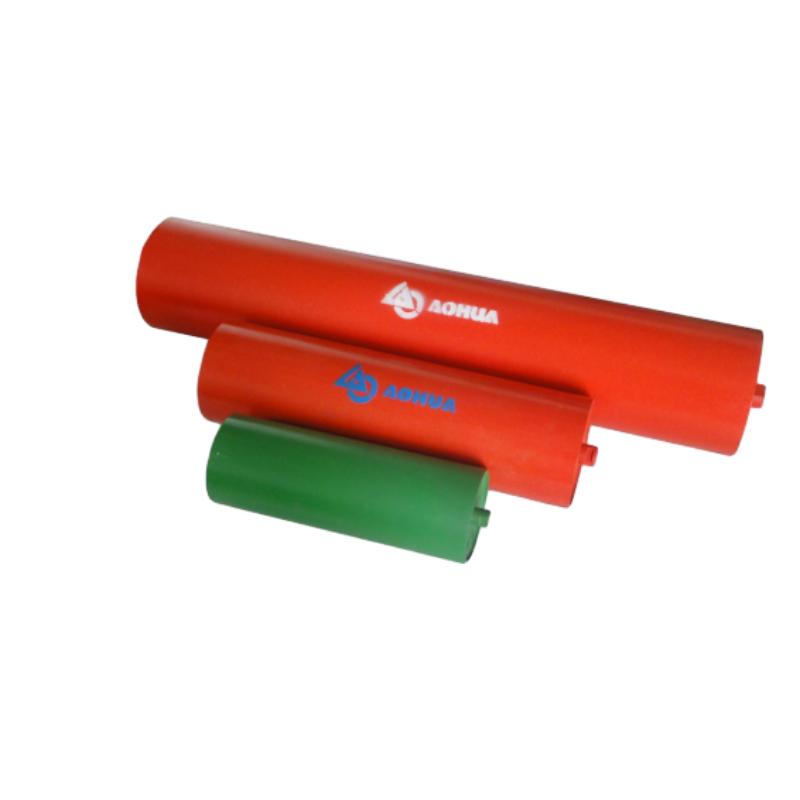
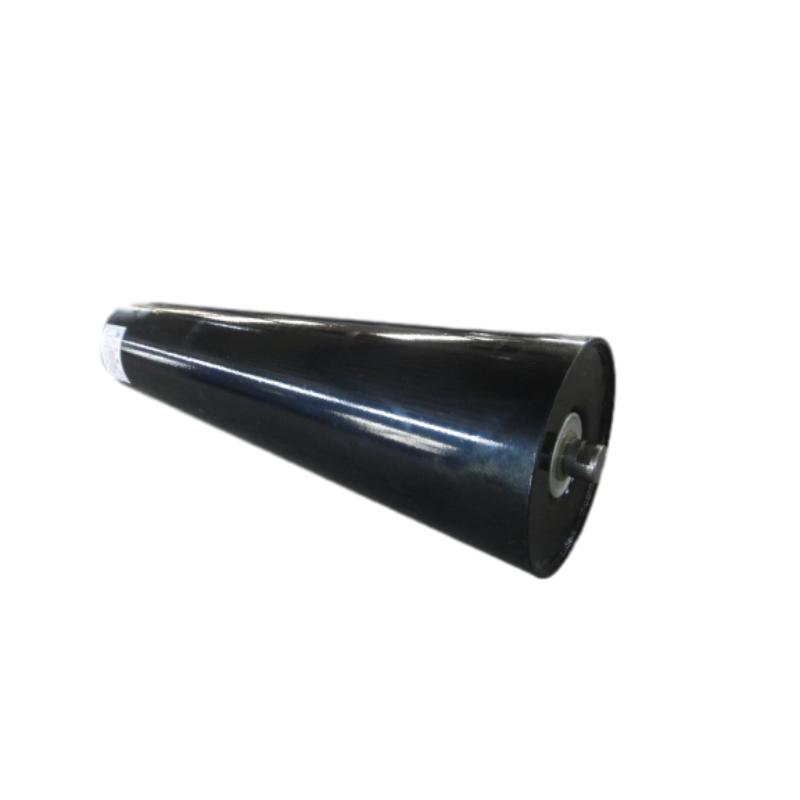
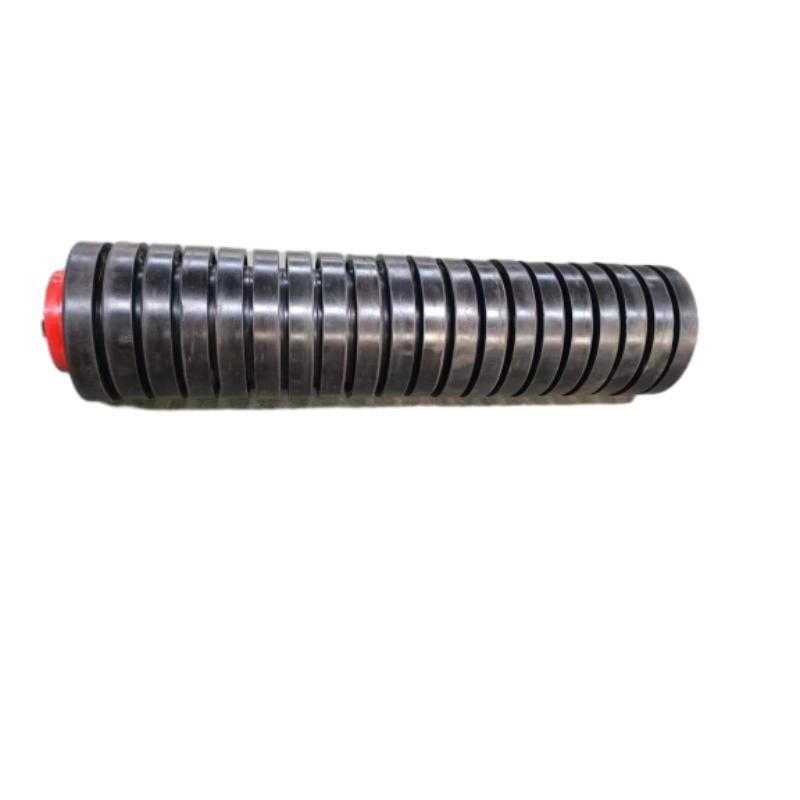
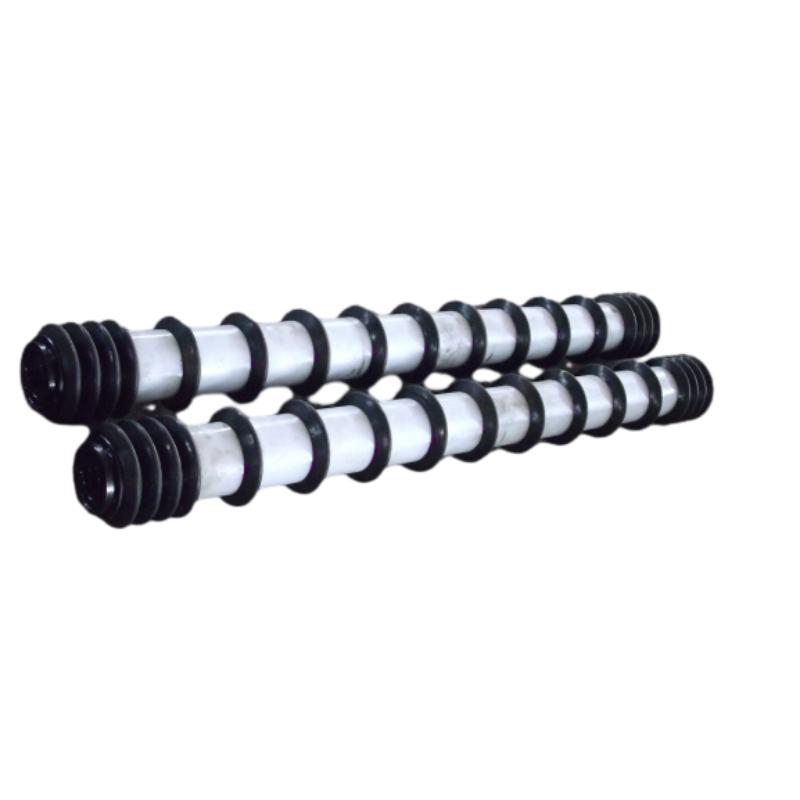
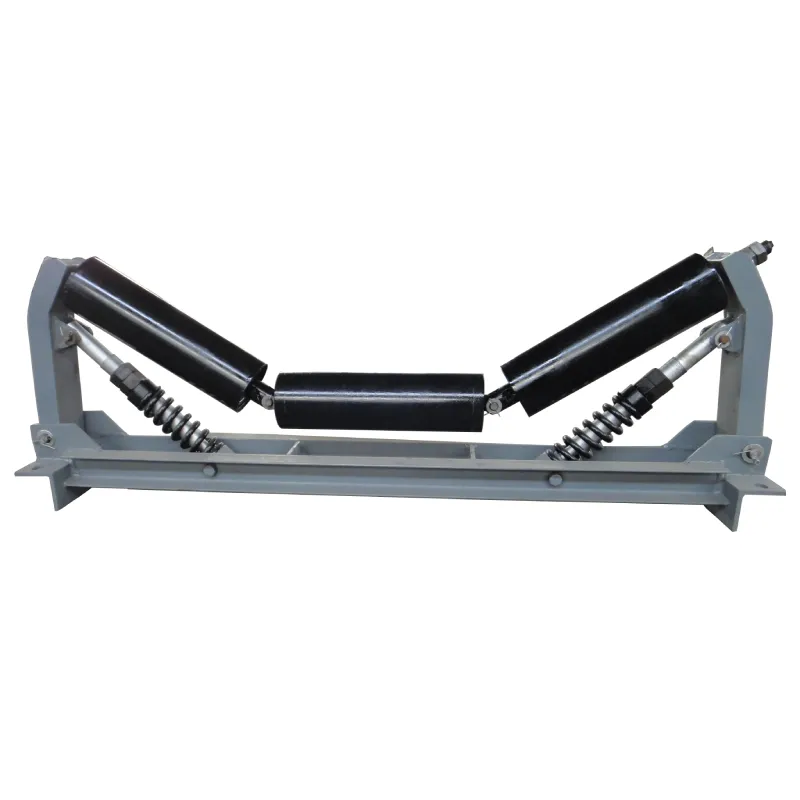
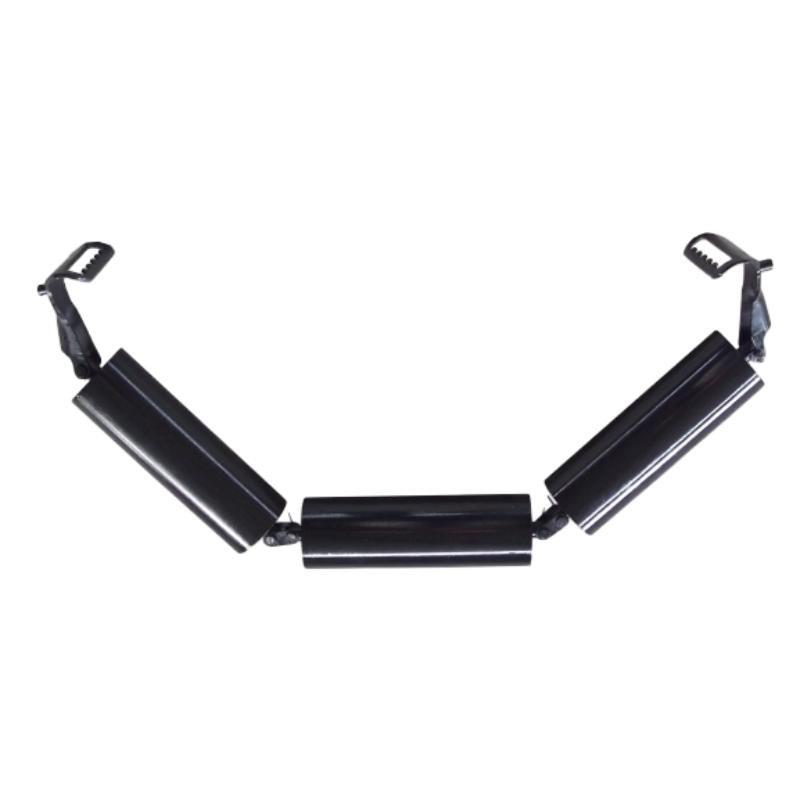
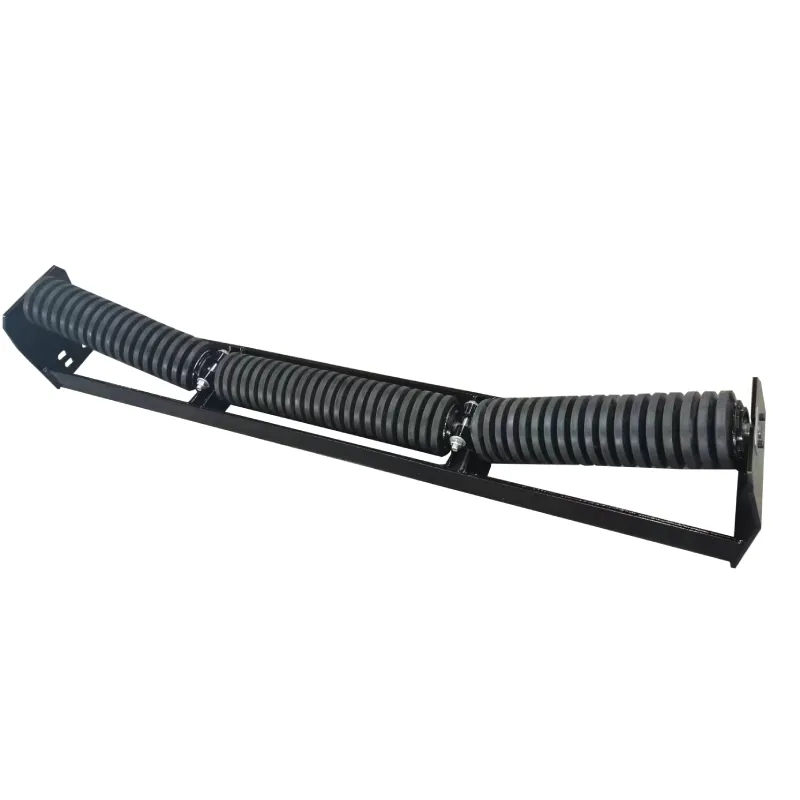
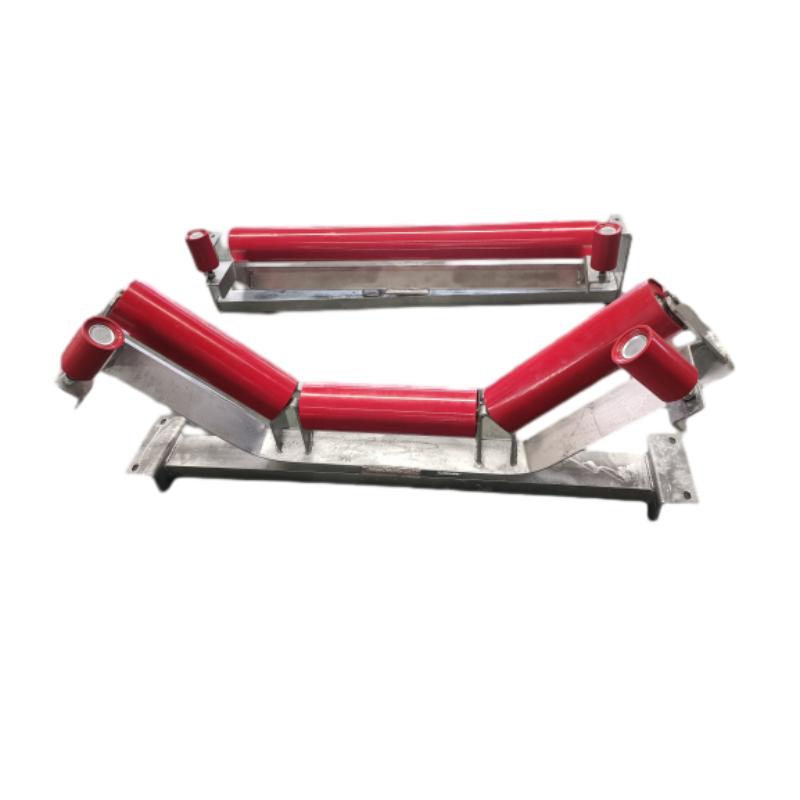
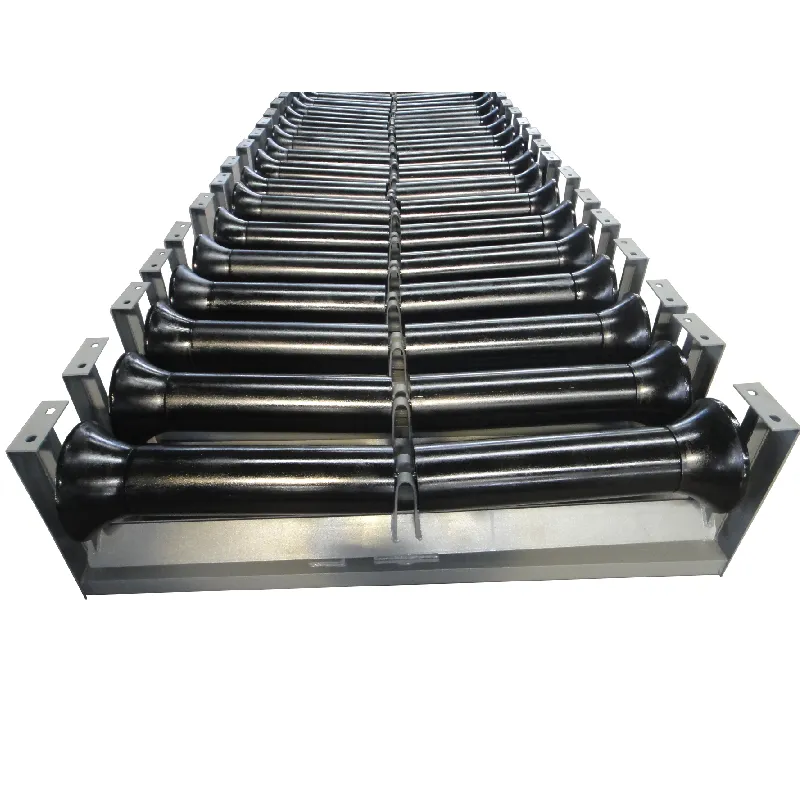
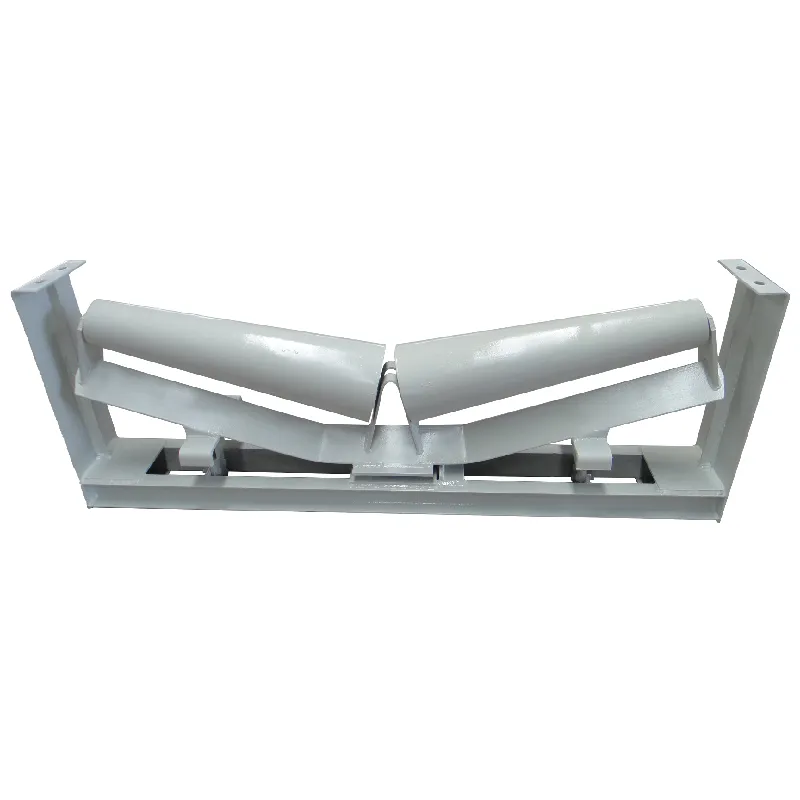
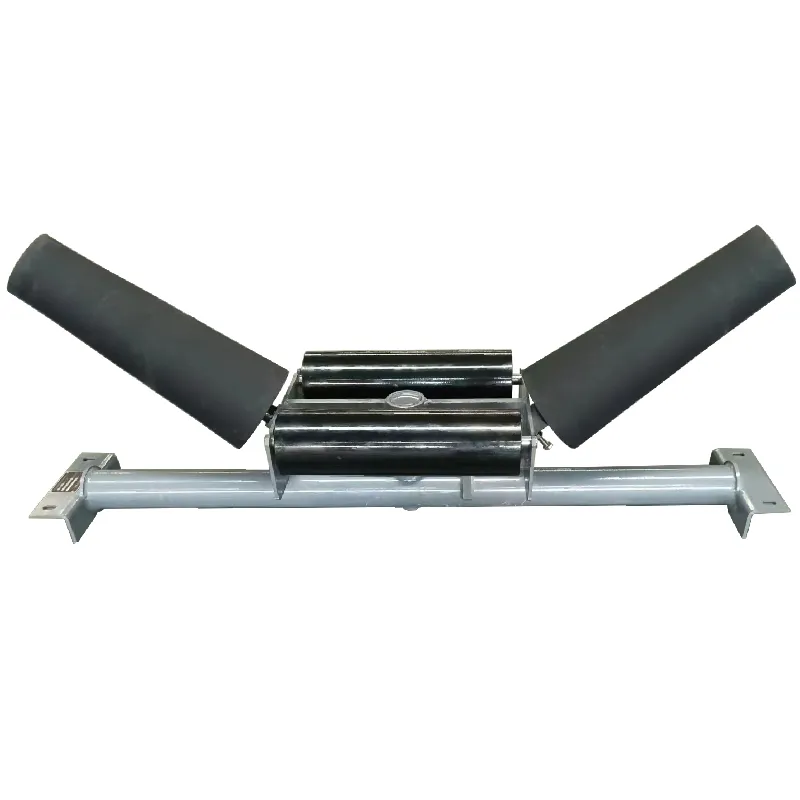
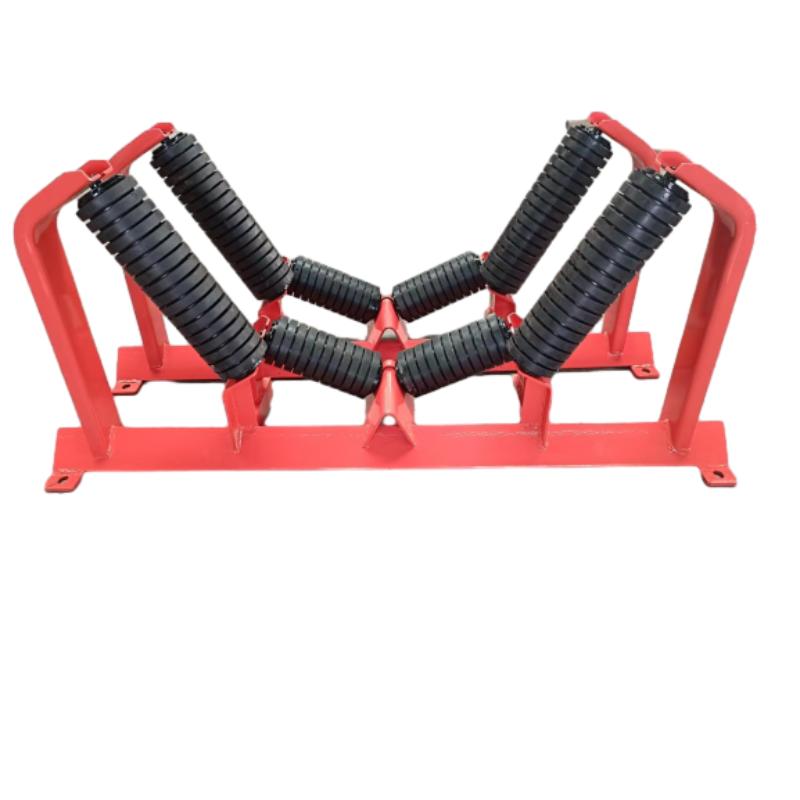
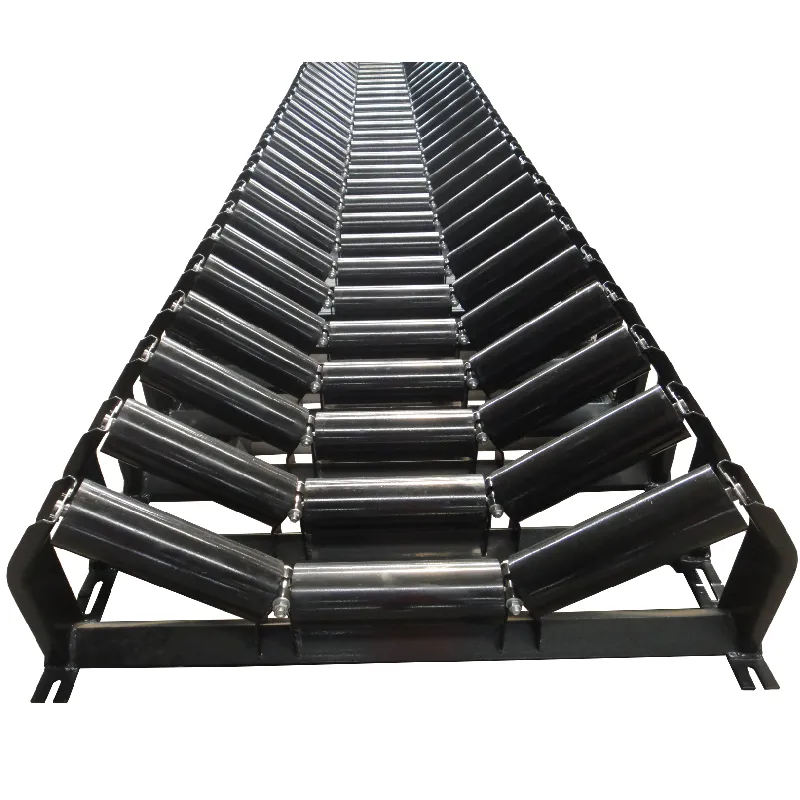
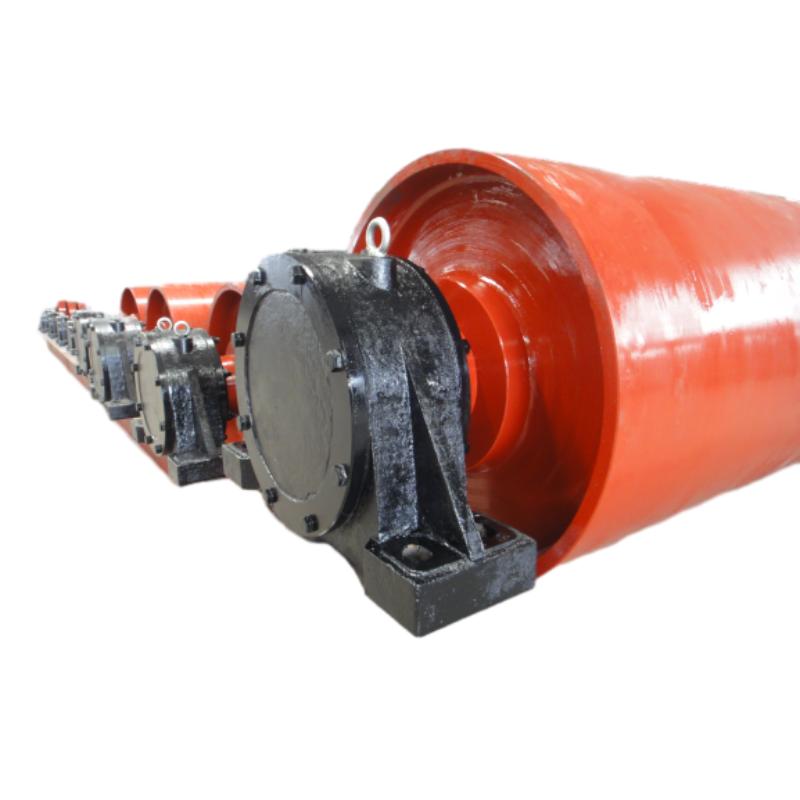
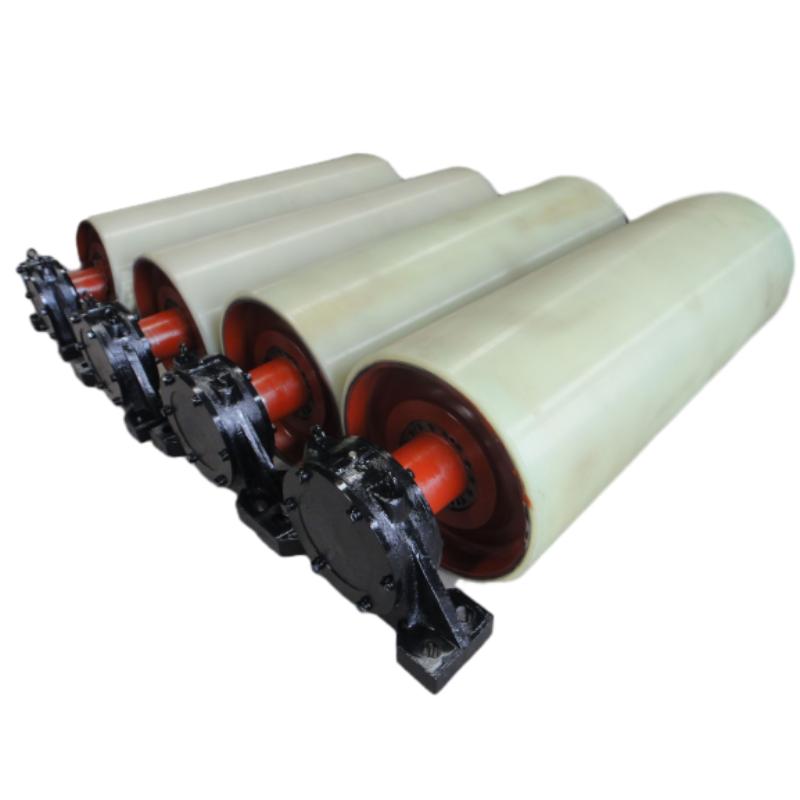
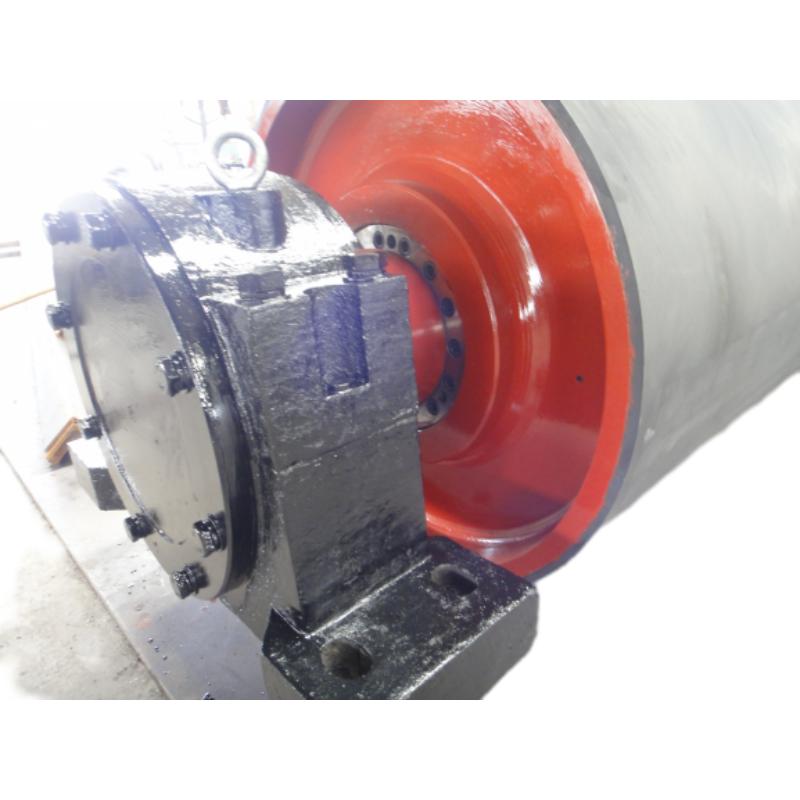
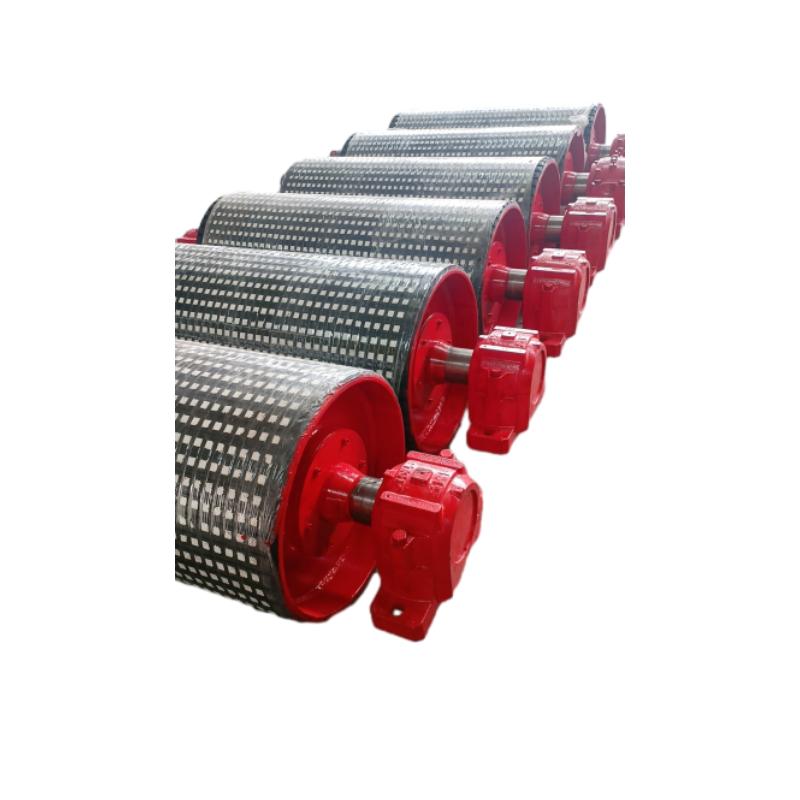
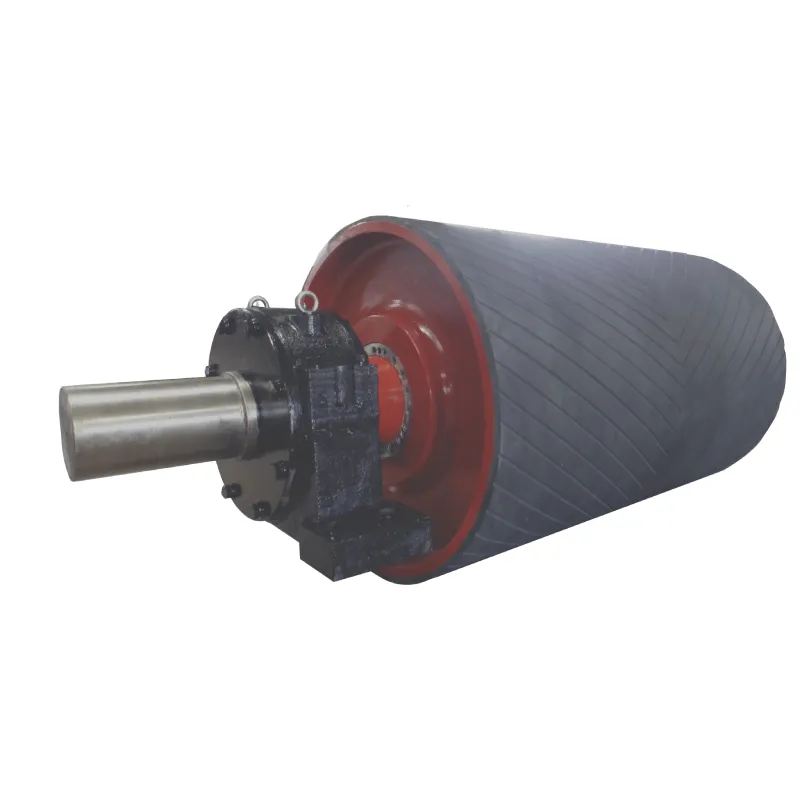
Put simply, urethane rubber rollers are cylindrical components coated or made from urethane—a synthetic elastomer prized for its toughness and elasticity. They roll along conveyor belts, presses, laminators, and printing machines, helping materials move smoothly or applying uniform pressure.
What sets urethane apart from natural rubber? Its resistance to oil, solvents, and extreme temperatures plus exceptional tear strength. This makes it an ideal material in industries requiring both flexibility and durability, from automotive assembly lines to food packaging.
Urethane rubber rollers are part of modern production’s backbone, helping factories reduce stoppages while maintaining output quality. It’s a small but critical part of how goods get from raw to refined with minimal fuss.
Key Features of Urethane Rubber Rollers That Matter
Durability and Abrasion Resistance
Urethane offers superior abrasion resistance compared to natural rubber or PVC, meaning these rollers maintain their shape and grip even after prolonged use. For example, in paper handling or printing, wear can cause costly misalignments over time, but urethane rollers hold steady.
Load-Bearing Capacity
Thanks to their dense molecular structure, urethane rollers carry heavy loads without deforming easily. It’s why many conveyor systems rely on these rollers to handle large volumes without compromising speed or accuracy.
Chemical and Temperature Resistance
In industries like pharmaceuticals or food processing, exposure to solvents or heat is routine. Urethane rollers withstand these harsh conditions better than many traditional materials, reducing replacements.
Customizability
Many engineers appreciate how these rollers can be tailored in hardness (measured by the Shore durometer scale), size, and surface texture. Whether it’s a super-soft roller that grants grip or a rigid one for precision feed, urethane adapts.
Cost Efficiency Over Time
While initial costs may be higher than rubber, the longer service life and reduced downtime generally mean more affordable total cost of ownership — a big win for industrial budgets.
| Specification | Description |
|---|---|
| Material | Polyurethane Elastomer |
| Hardness Range | 60 – 95 Shore A |
| Diameter | Customizable, typically 20mm – 200mm |
| Operating Temperature | -30°C to +90°C (dynamic) |
| Chemical Resistance | Resistant to oils, solvents, greases |
| Typical Applications | Conveyors, printing, packaging, automotive |
From Factory Floors to Food Lines: Real-World Uses of Urethane Rubber Rollers
Ask any mechanical engineer, and they’ll tell you that using urethane rollers is like choosing a tool built for the job. In Southeast Asia’s booming packaging sector, especially, these rollers keep high-speed lines moving without fail. In Europe’s printing presses, they deliver precise pressure control for quality reproduction. Then there’s the automotive industry in North America, where robust rollers help mass-produce parts with minimal interruptions.
Oddly enough, some NGOs even depend on these rollers indirectly. Durable conveyor systems in disaster zones aid in rapid assembly of relief packages. Urethane rubber rollers help ensure these logistics hubs work 24/7 in tough environments.
Mini takeaway: The versatility of urethane rollers lets them power industries ranging from heavy manufacturing to humanitarian aid.
Why Invest in Urethane Rubber Rollers? Long-Term Benefits
- Cost Savings: Thanks to higher durability, fewer replacements mean reduced operational downtime and maintenance costs.
- Sustainability: Longer-life parts reduce waste and resource consumption, aligning with increasing environmental standards.
- Safety and Reliability: Consistent performance means machines operate smoothly, protecting both operators and products.
- Trust and Innovation: Manufacturers investing in urethane-based components signal commitment to quality—building customer trust over time.
Looking Ahead: The Future of Urethane Rubber Rollers
New polyurethane formulations incorporating bio-based ingredients are on the horizon, reflecting a push towards greener manufacturing. Digitally controlled roller production—using 3D printing and CNC machining—enables rapid prototyping and tailored solutions. Additionally, integrating sensors into rollers for predictive maintenance fits neatly with Industry 4.0 trends, reducing unexpected failures and enabling smarter supply chains.
Challenges and How Industry Players Overcome Them
Despite their advantages, urethane rubber rollers face challenges such as sensitivity to certain chemicals not yet fully compatible with urethane, or issues with recycling at product end-of-life. Experts recommend composite designs—pairing urethane coatings with other materials—to maximize performance and recyclability. Additionally, advances in closed-loop recycling systems promise better sustainability.
Comparing Major Vendors of Urethane Rubber Rollers
| Vendor | Product Range | Customization | Lead Time | Global Reach |
|---|---|---|---|---|
| IDLER AOHUA | Standard & custom urethane rollers | High – Shore hardness, diameter, coatings | 2-4 weeks typical | Extensive in Asia, Europe, Americas |
| RollerTech Industries | Wide range with metal cores | Medium – Standard sizes mainly | 3-6 weeks | Primarily North America, Europe |
| RubberCo USA | Urethane and natural rubber combos | Low – Mostly off-the-shelf | 1-3 weeks | Mostly US and Canada |
FAQ: Everything You Want to Know About Urethane Rubber Rollers
1. What makes urethane rubber rollers better than traditional rubber rollers?
Urethane rollers outperform traditional rubber ones mainly in durability, chemical resistance, and load-bearing capacity. While rubber can degrade quickly under harsh conditions, urethane maintains its shape and grip for longer, reducing downtime and replacement frequency.
2. How long do urethane rubber rollers typically last in industrial settings?
Depending on usage and environmental stresses, urethane rollers can last anywhere from 2 to 5 years or more—often twice as long as natural rubber rollers. Proper maintenance and selecting the correct hardness are key factors.
3. Can urethane rollers be customized for specific industrial requirements?
Absolutely. Vendors usually offer custom diameters, surface textures, and shore hardness levels to match exact application needs. Such customization ensures optimal performance whether in printing presses or heavy conveyors.
4. Are urethane rubber rollers environmentally friendly?
While urethane is synthetic and made from petrochemicals, advances in bio-based polyurethanes and improved recycling methods are making this material more sustainable. Longer-lasting rollers also reduce waste overall.
5. How do I ensure compatibility of urethane rollers with my machinery?
Consulting with suppliers and sharing detailed specs of your equipment ensures the selected rollers meet your operational demands. Many vendors offer technical support and testing recommendations for seamless integration.
Conclusion: Why Urethane Rubber Rollers Are Worth the Investment
In the relentless pace of modern industry, every component counts. Urethane rubber rollers combine longevity, resilience, and flexibility—qualities that translate to smoother operations and fewer headaches on factory floors worldwide. Whether you’re streamlining packaging lines or optimizing printing presses, these rollers pay dividends in reliability and total cost of ownership.
Curious to dive deeper or ready to upgrade your system? Visit our website: urethane rubber rollers and see how the right roller can transform your operations.
References:
1. ISO - International Organization for Standardization
2. World Bank Data
3. Wikipedia - Polyurethane
-
Maximize Conveyor Life with a High Performance impact bedNewsApr.16,2026
-
Maximize Conveyor Efficiency Using a v plow belt scraperNewsApr.09,2026
-
Comprehensive Guide to Understanding Different Types of Belt CleanersNewsApr.07,2026
-
Enhancing Conveyor Efficiency with an Effective Scraper Belt CleanerNewsApr.04,2026
-
Optimizing Conveyor Systems with Advanced Cleaning Equipment SolutionsNewsMar.31,2026
-
Effective Conveyor Belt Scraper Adjustment for Optimal System PerformanceNewsMar.28,2026