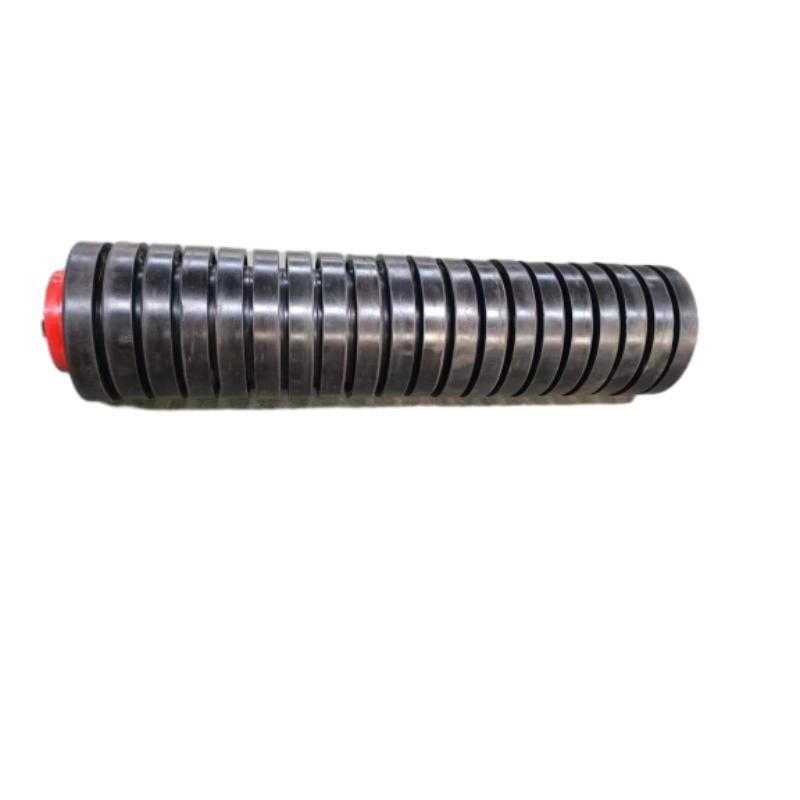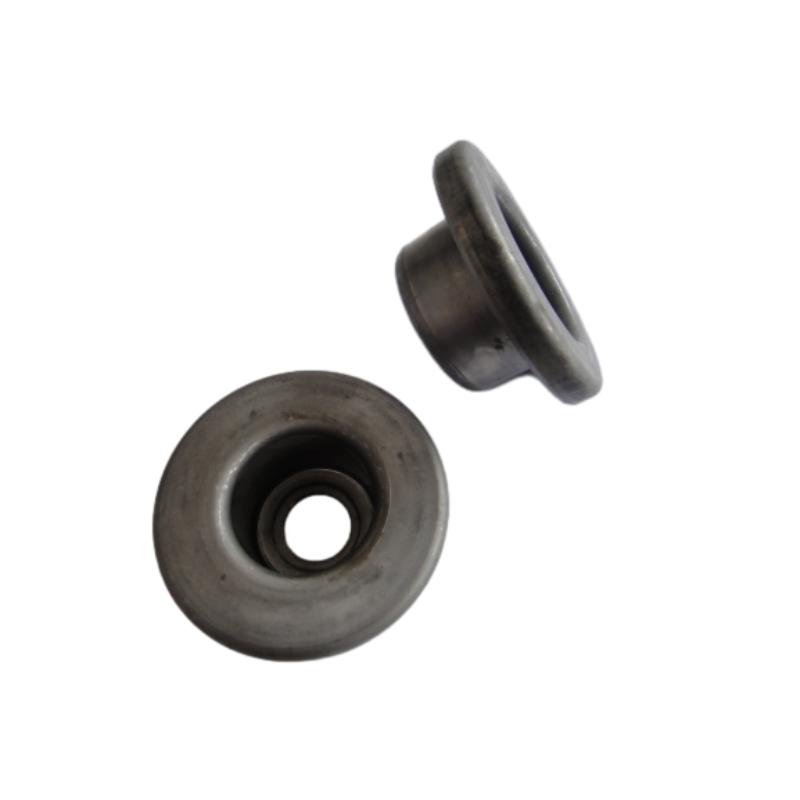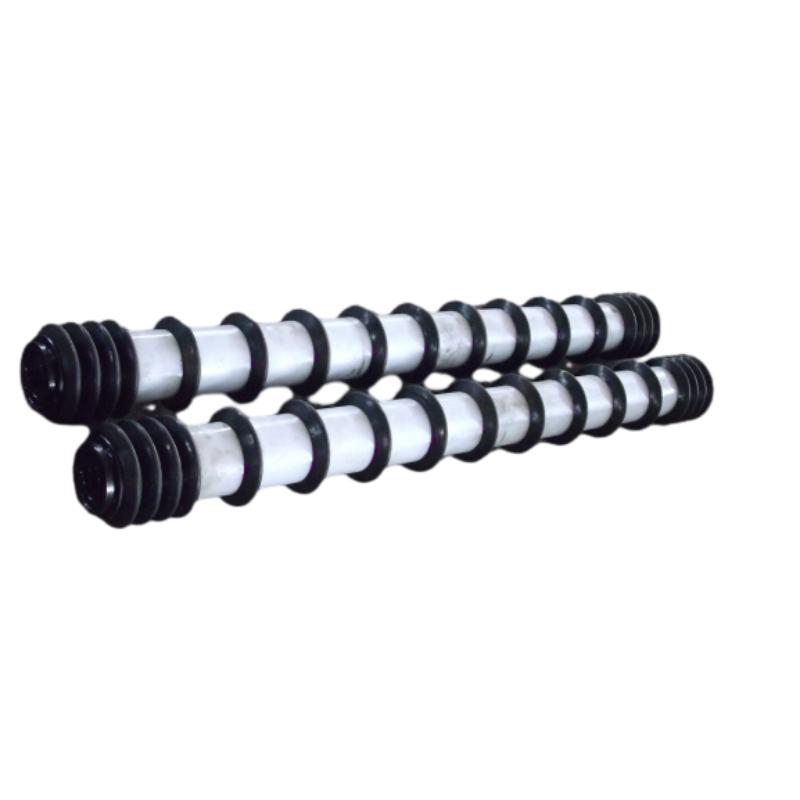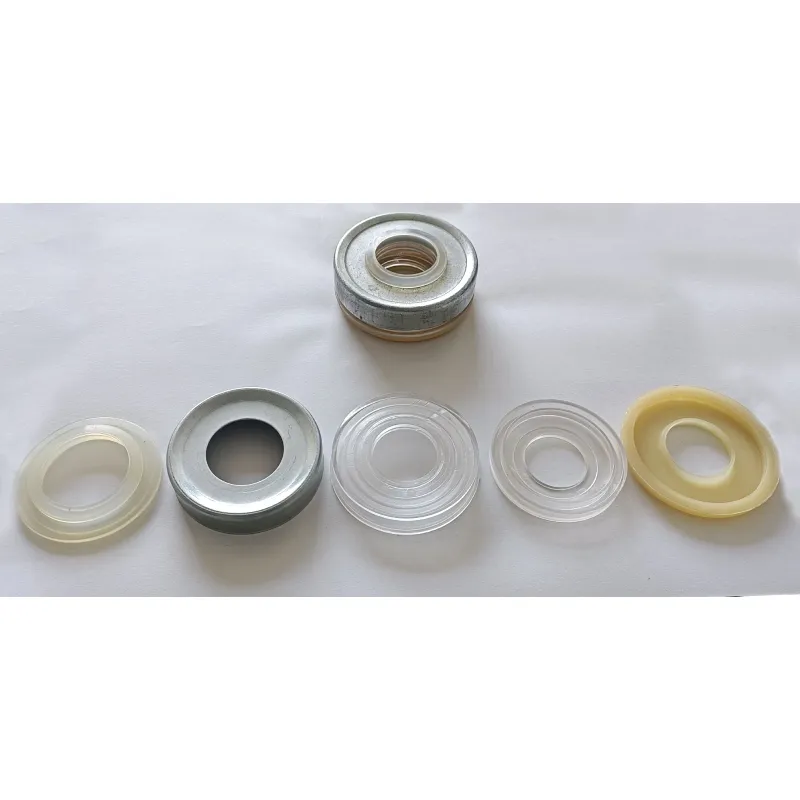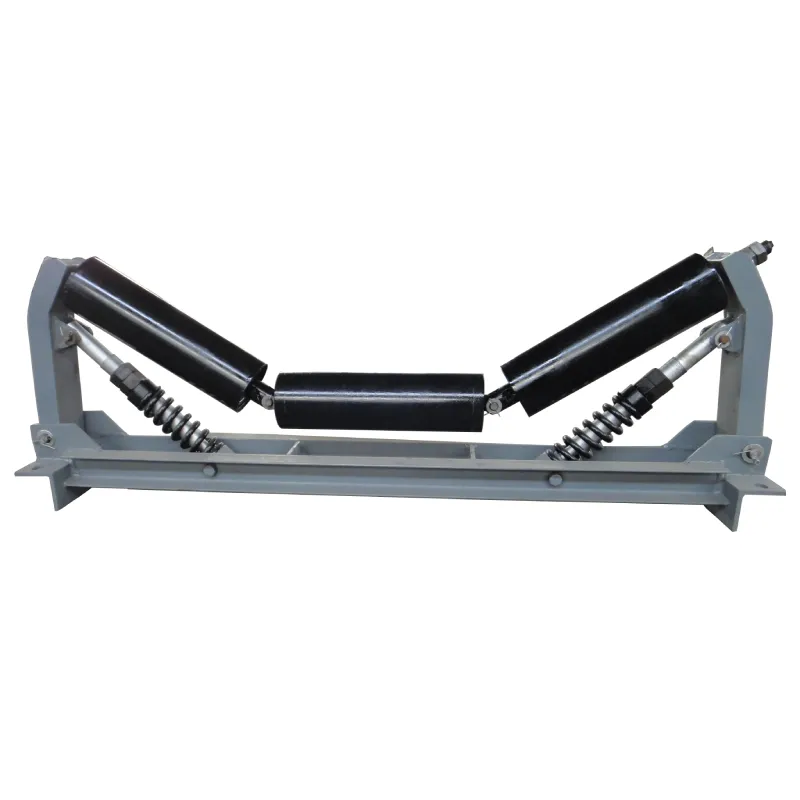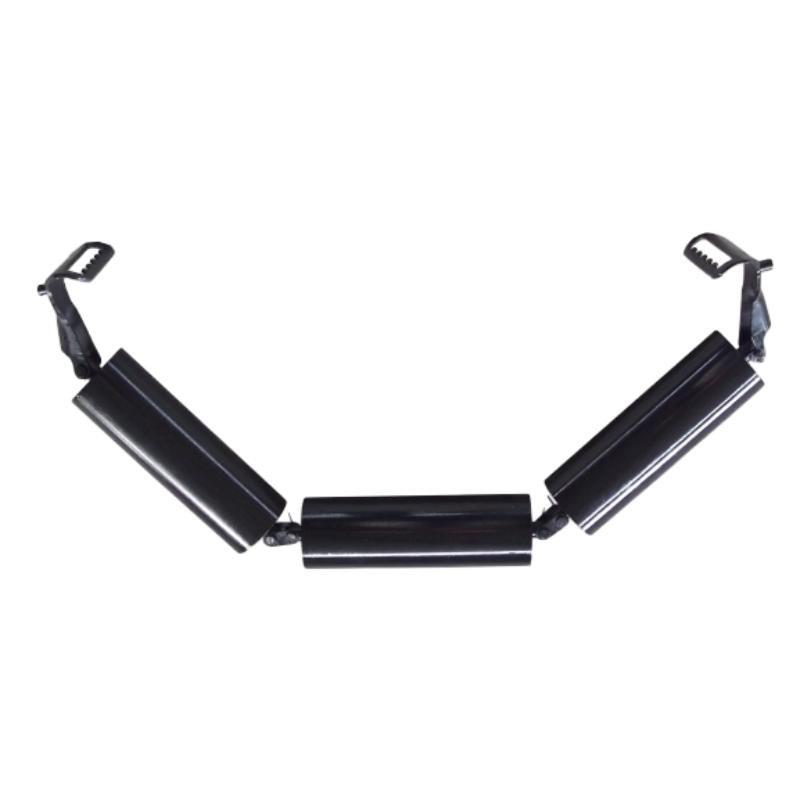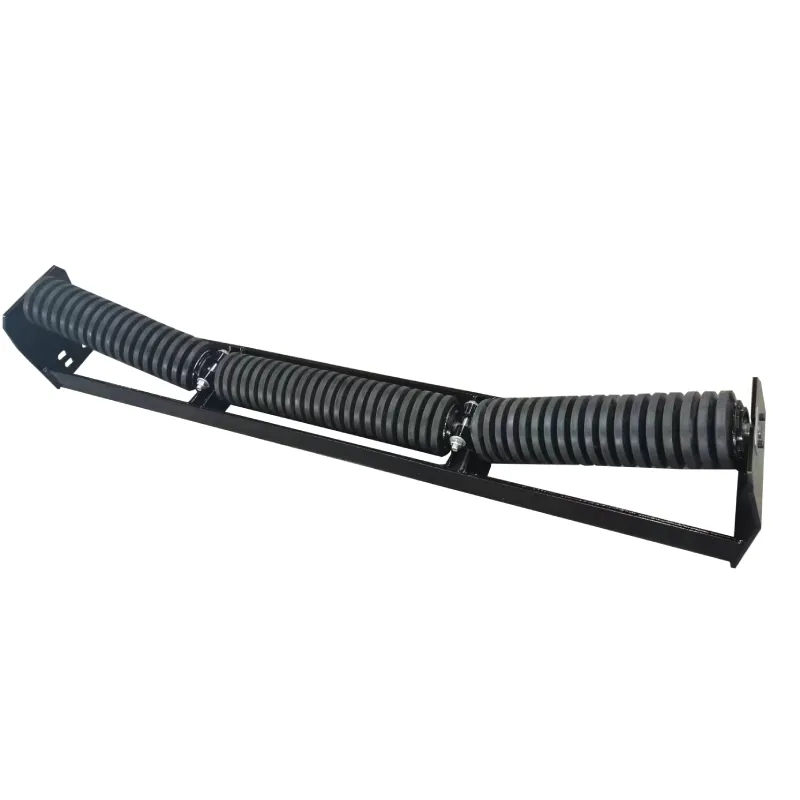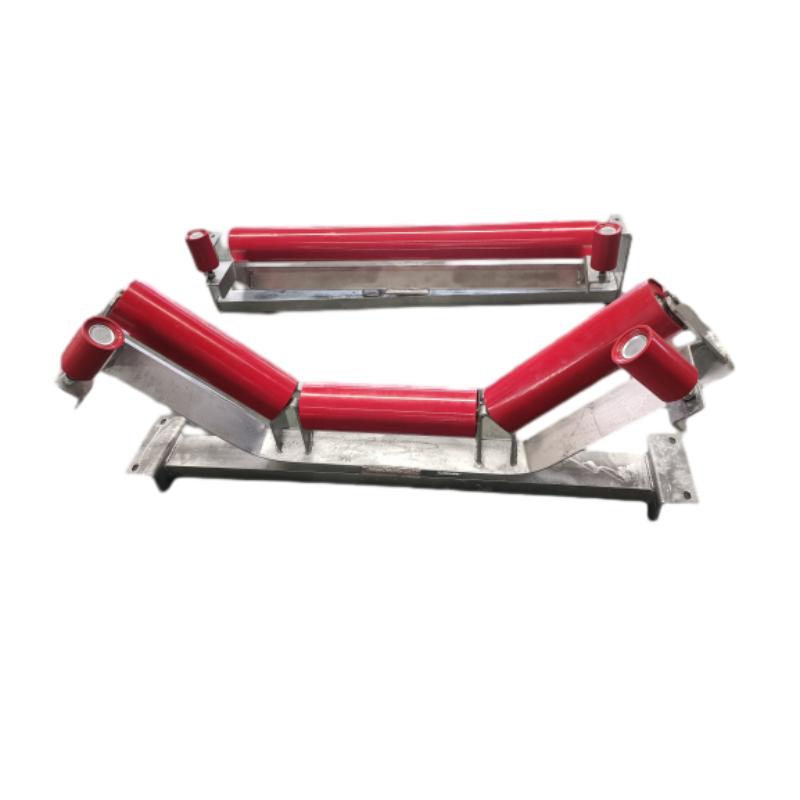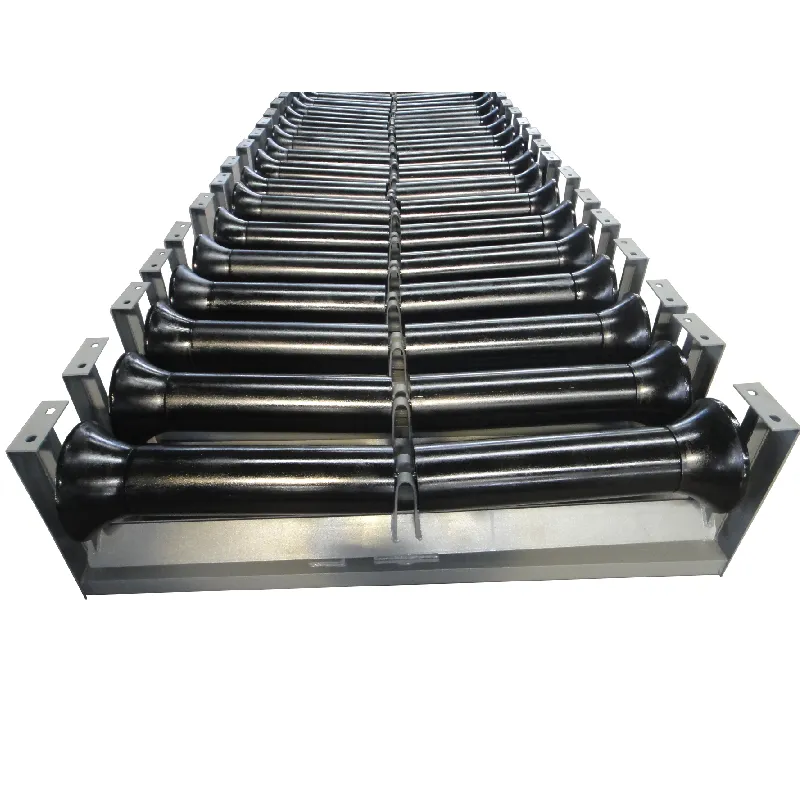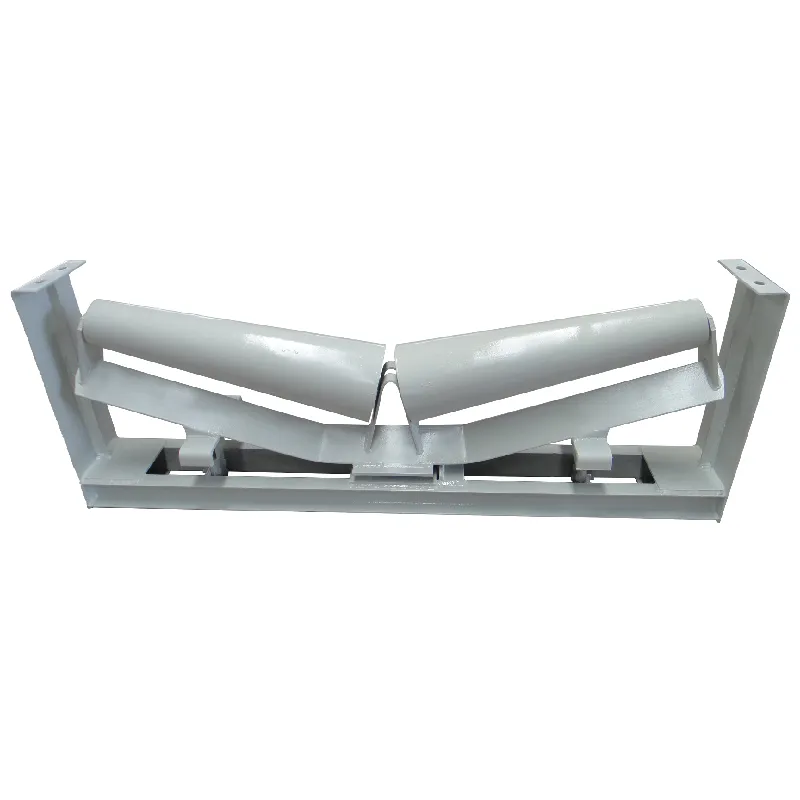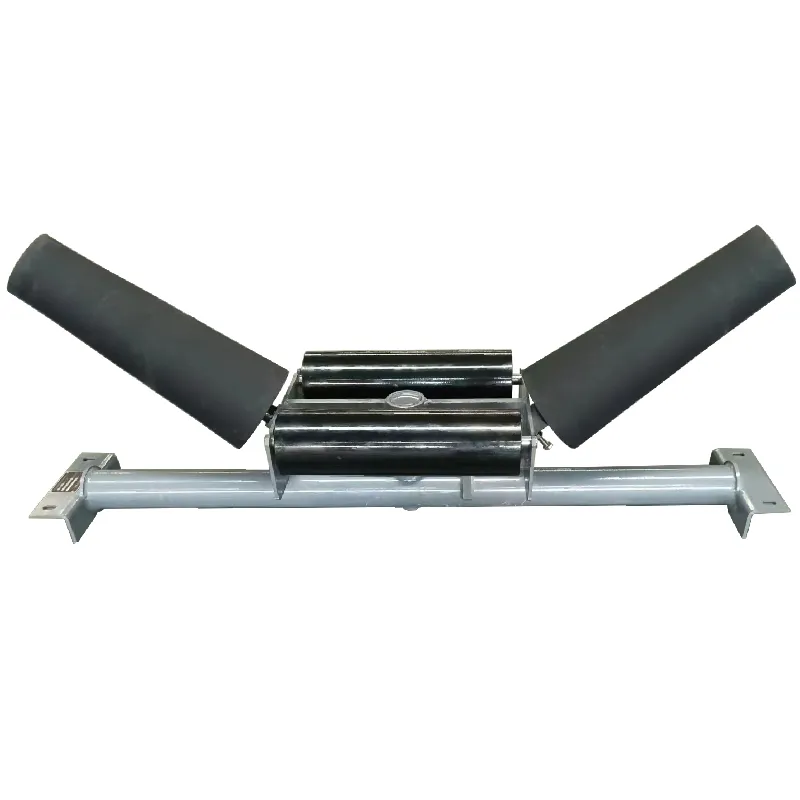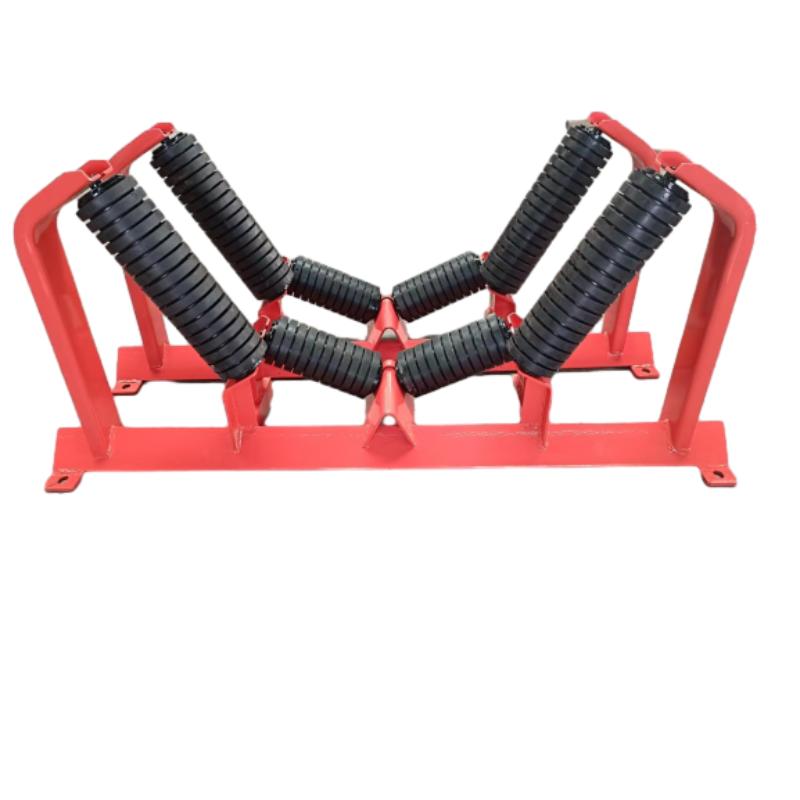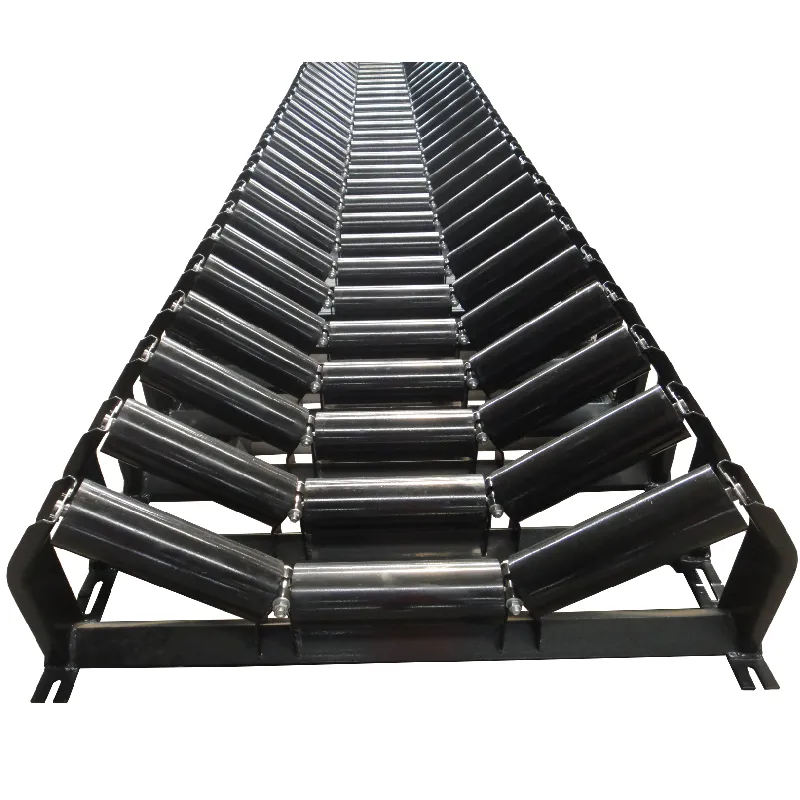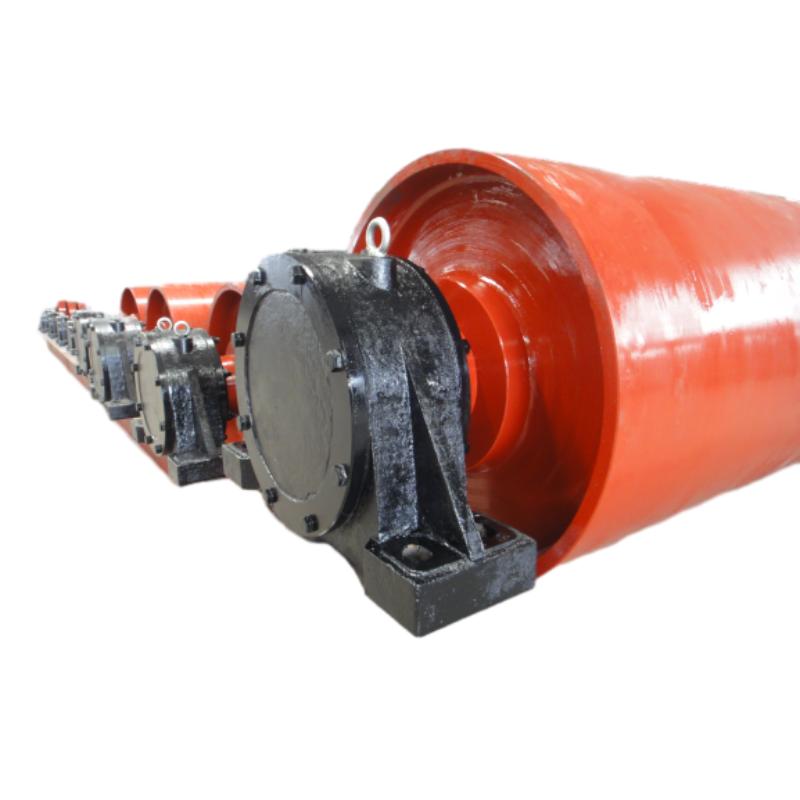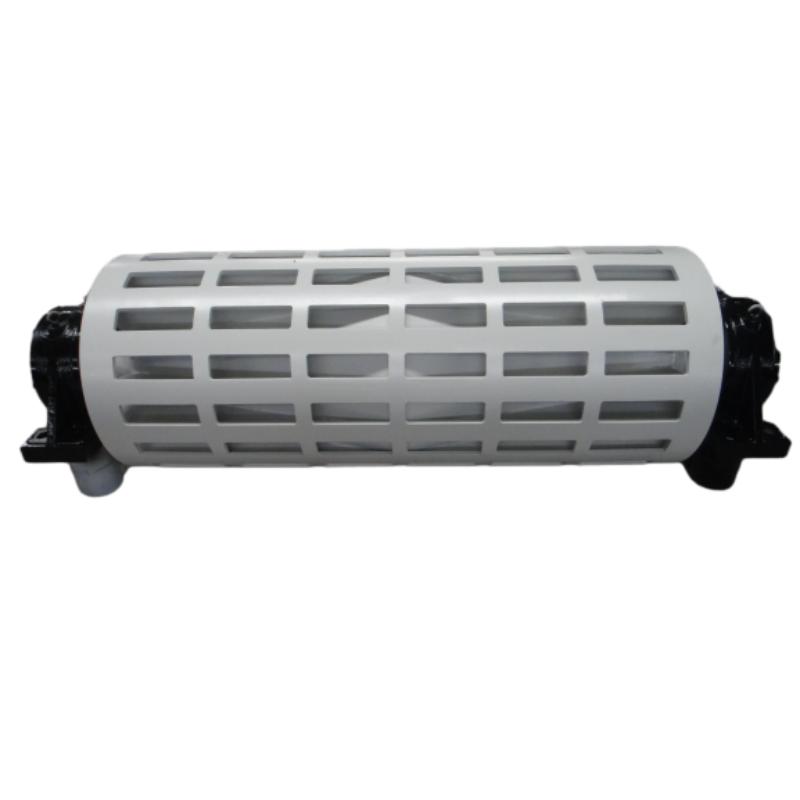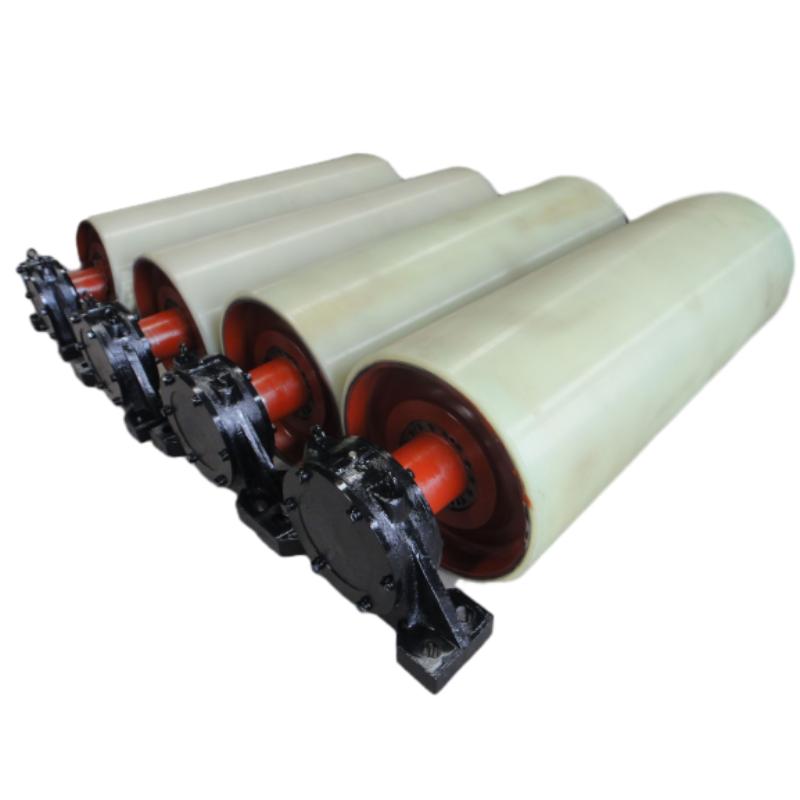


Durable and Efficient PU Rubber Rollers for Industrial Excellence
Understanding PU Rubber Rollers: Why They Matter Globally
PU rubber rollers might sound niche, but their impact spreads across industries worldwide — from printing presses in Europe to packaging lines in Asia. Basically, these rollers are components covered in polyurethane (PU) rubber, designed to transport, press, or guide materials in automated machines. The global manufacturing sector depends heavily on them to keep processes smooth, efficient, and, let’s be honest, a bit quieter.
Why care? For starters, their combination of flexibility and durability means less downtime and longer life for heavy-duty equipment. And with the world racing toward sustainability and smarter manufacturing, understanding the nuts and bolts of pu rubber roller tech becomes more than just an engineering exercise — it’s a competitive advantage.
Mini takeaway: PU rubber rollers are a behind-the-scenes powerhouse, enabling industrial efficiency in countless global operations, and knowing their strengths can save serious time and money.
A Closer Look: What Is a PU Rubber Roller?
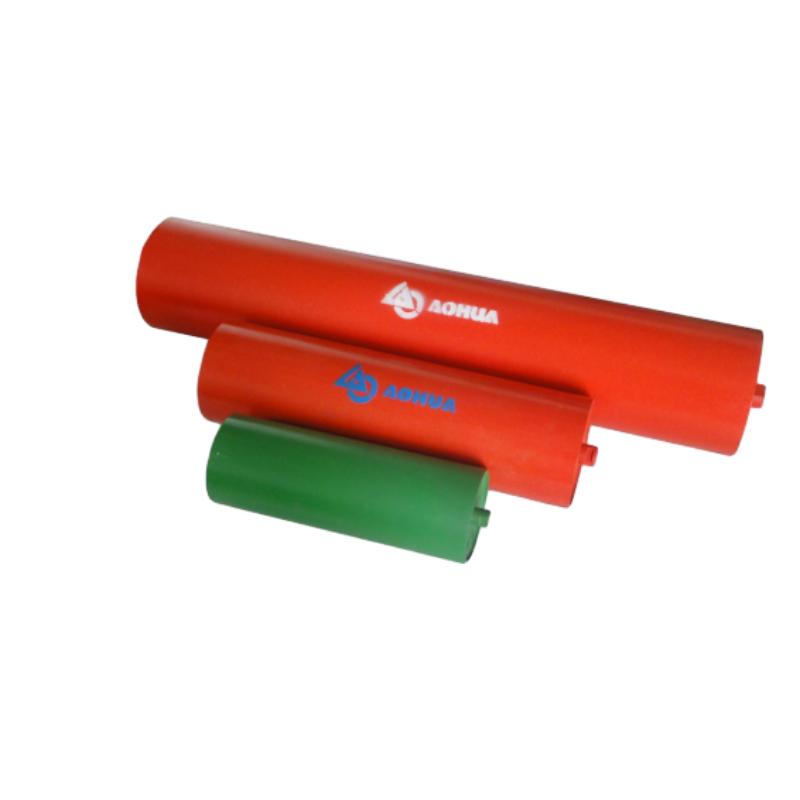
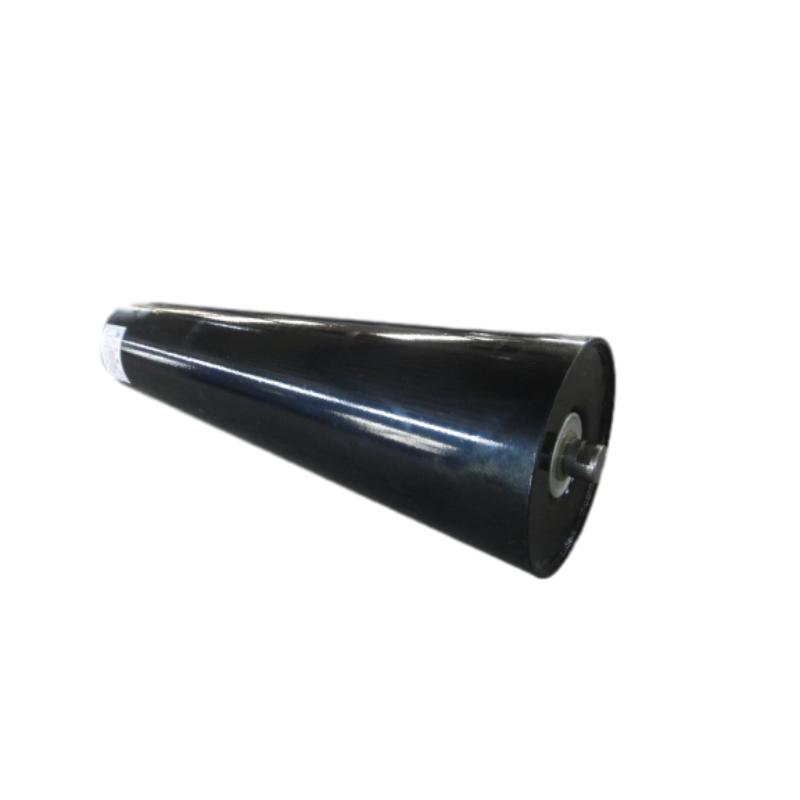
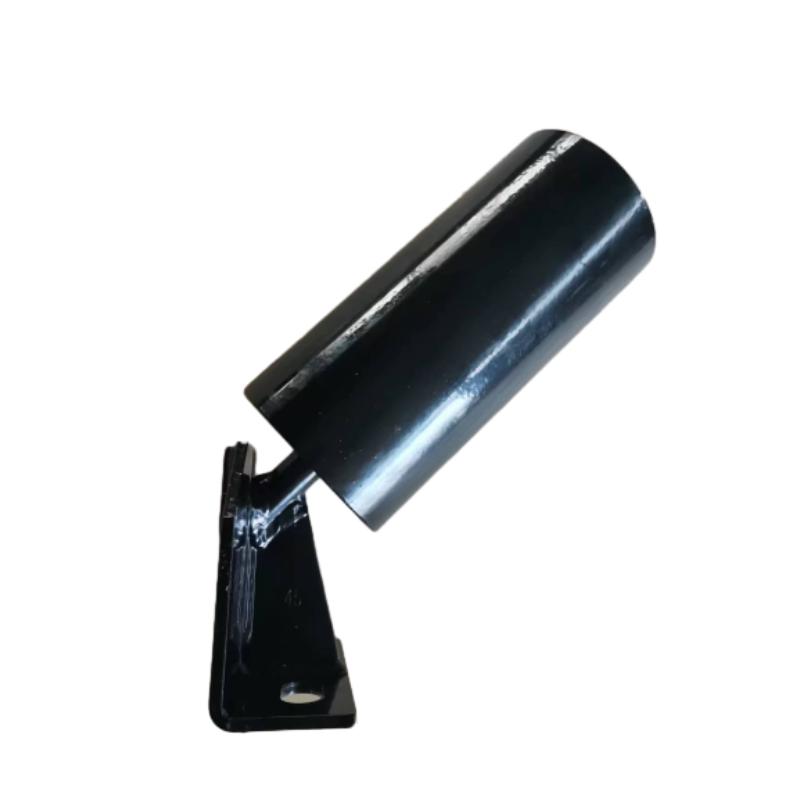
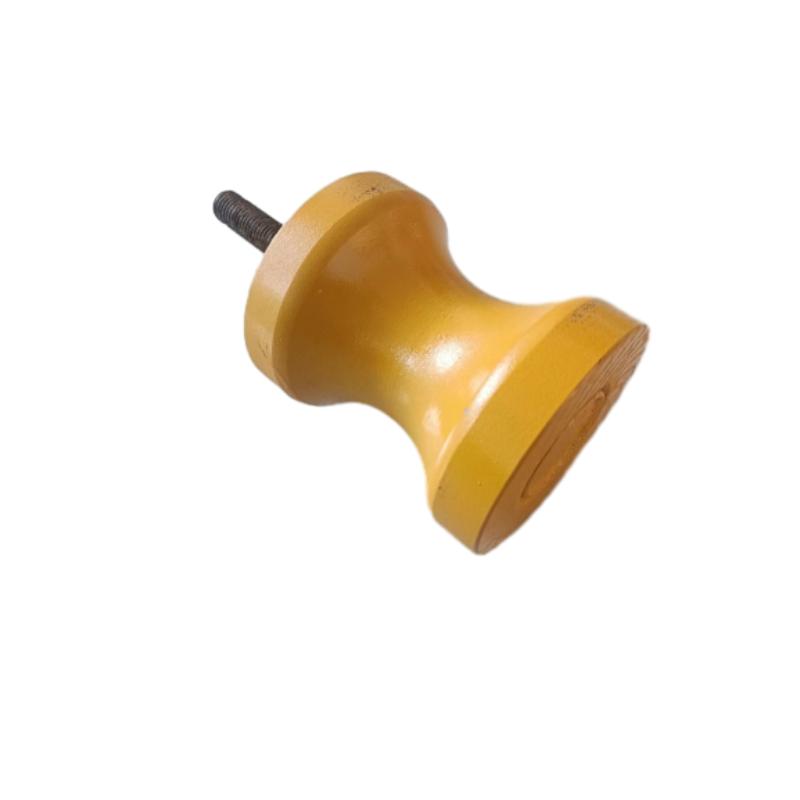
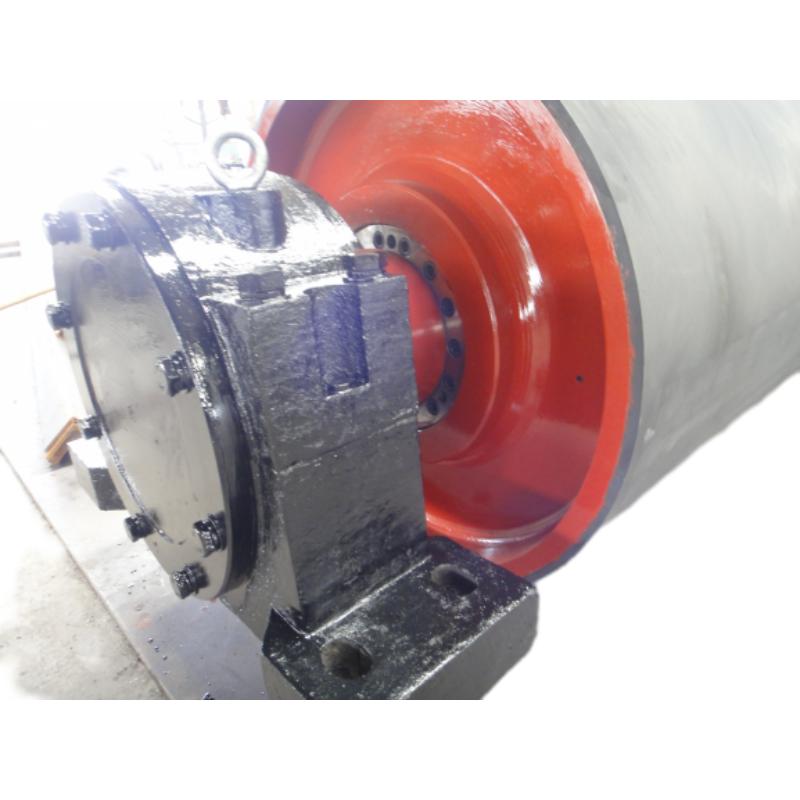
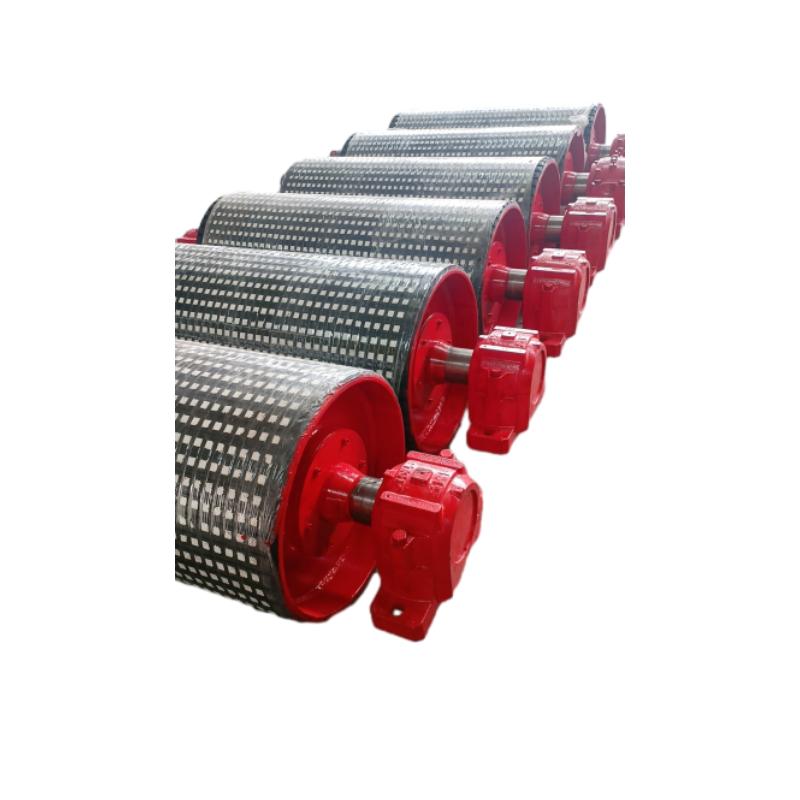
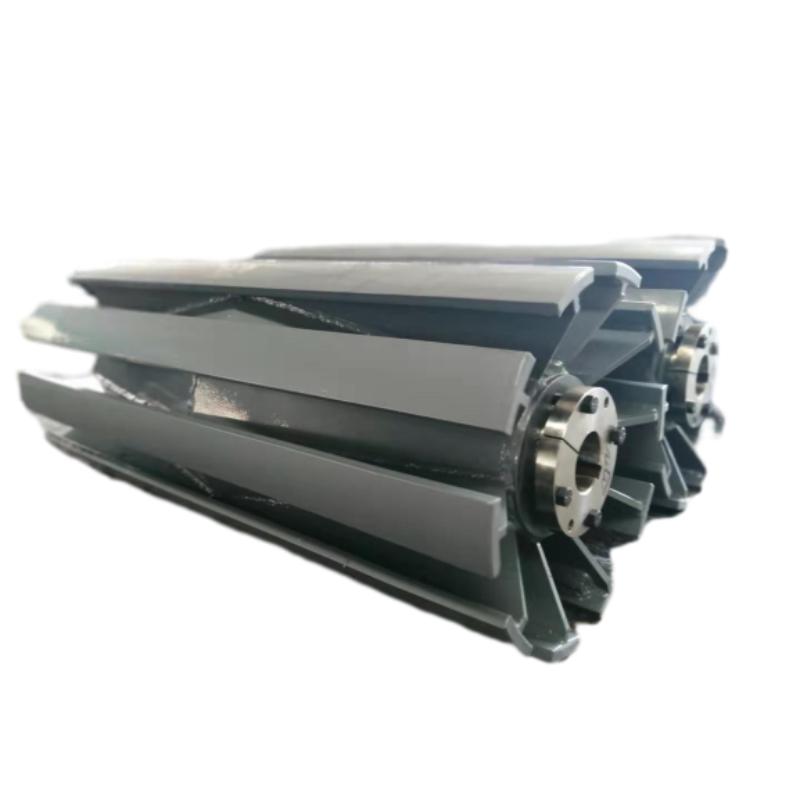
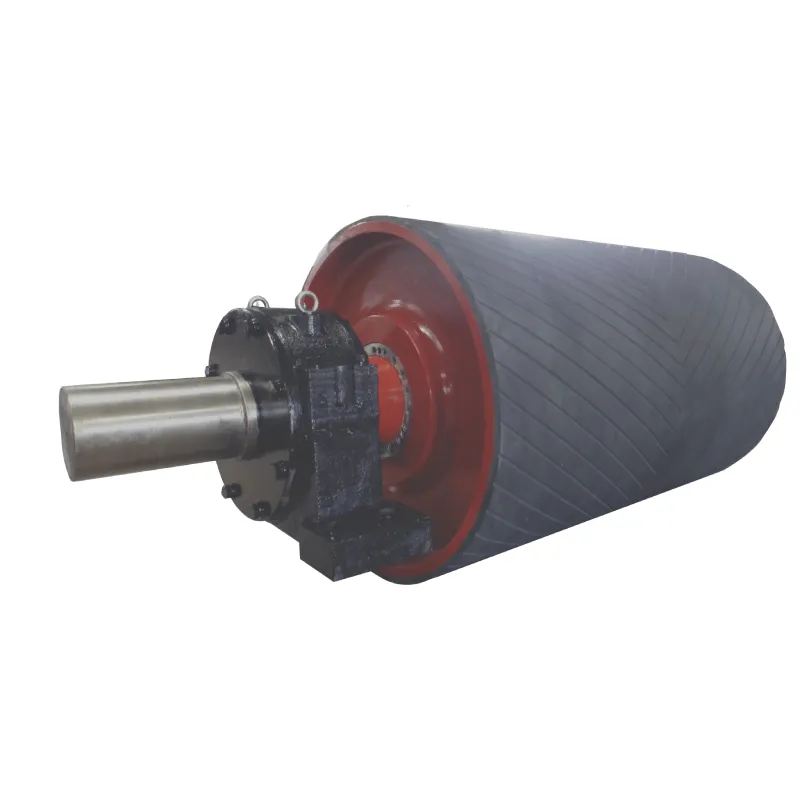
Simply put, a pu rubber roller is a cylindrical device coated with polyurethane elastomer. Unlike traditional rubber rollers, PU features superior abrasion resistance, chemical resilience, and load-bearing capacity. They reliably grip materials like paper, textiles, or metal sheets without damaging them, which is why they’re favored in high-speed, precision-driven processes.
Fun fact: The “PU” stands for polyurethane, a flexible plastic polymer known for bouncing back even after being compressed. It’s exactly this bounce-back quality that makes the rollers somewhat of unsung heroes in industries from printing to packaging — where consistent pressure and smooth rolling matter.
Industry Tie-In
Manufacturers worldwide depend on these rollers to reduce waste, minimize equipment wear, and optimize production output. In humanitarian aid packaging — for food or medical supplies — having reliable rollers can mean faster, safer packing at scale. Kind of like the silent cogs in a vast machine that, if removed, bring everything to a halt.
Core Components of PU Rubber Rollers
1. Durability & Abrasion Resistance
No one wants to swap rollers every week. That’s why PU rubber’s hardness and resistance to wear are crucial. It withstands repeated contact with rough materials or chemicals — all without cracking or deforming easily.
2. Chemical & Oil Resistance
From inks to lubricants, many industrial environments expose rollers to harsh substances. Polyurethane generally resists swelling or degradation, unlike natural rubber, increasing roller longevity.
3. Load Capacity
Whether it’s a tiny label printer or a massive corrugated box line, rollers need proper load-bearing design. PU rollers can handle heavy pressure without losing elasticity, which keeps processes consistent.
4. Customization
Rollers aren't one-size-fits-all. From hardness (measured in Shore A) to diameter and shaft type, manufacturers tailor PU rollers to suit application demands—speed, temperature, or material friction.
5. Surface Mobility & Noise Reduction
PU coatings tend to reduce vibration and noise versus metal or harder rubber rollers — a nice side effect in busy factories.
Mini takeaway: These factors collectively make PU rubber rollers dependable, versatile tools, able to withstand the wear and tear of many industries without missing a beat.
Global Applications & Real-World Use Cases
Industries worldwide leverage PU rubber rollers, and it’s fascinating where you find them:
- Printing Industry: High-speed presses in Germany and Japan use PU rollers to transfer ink precisely.
- Packaging Sector: In Southeast Asia, manufacturers rely on these rollers for flexible packaging films that move swiftly without tearing.
- Textiles: India’s cotton mills employ PU rollers to manage fabric tension and avoid damage.
- Food Industry: Food-grade PU rollers are used in conveyor belts transporting bread loaves or candy wrappers safely.
- Energy: Some wind turbine manufacturers use rollers in blade coating lines, benefiting from the chemical resistance.
Oddly enough, in disaster relief operations where fast and reliable packaging of essentials is critical, these rollers quietly ensure the packing lines don't stall. It might not make headlines, but it’s an underappreciated part of global logistics.
Specification Table: Typical PU Rubber Roller Characteristics
| Specification | Details/Range |
|---|---|
| Material | Polyurethane elastomer (various grades) |
| Diameter | 20mm – 300mm (customizable) |
| Length | 100mm – 2000mm (varies per application) |
| Hardness (Shore A) | 60 – 95 (higher = harder) |
| Operating Temperature | -30°C to +80°C (depends on grade) |
| Load Capacity | Up to 3000 N/cm (application specific) |
How PU Rubber Rollers Stack Up: Vendor Comparison
| Feature | Vendor A | Vendor B | Vendor C |
|---|---|---|---|
| Customization Options | Extensive (Shore A, length, core) | Limited (mostly fixed sizes) | Moderate (several standard grades) |
| Lead Time | 2-3 weeks | 1 week | 4 weeks |
| Pricing | Mid-Range | Budget-Friendly | Premium |
| Quality Certifications | ISO 9001, RoHS | None listed | ISO 9001, REACH |
| Customer Support | 24/7 Technical | Business hours only | Limited |
Advantages & Long-Term Value of PU Rubber Rollers
Frankly, the beauty of PU rubber rollers lies not just in their specs but their real-world performance. They drive cost efficiency by lasting longer than traditional rubber, which means fewer replacements and less unexpected downtime. That's a big deal if you’re managing a production line — every minute counts.
On a sustainability angle, PU elastomers can be engineered for recyclability and lower environmental impact during production. This fits nicely with global standards pushing greener manufacturing. Making machines run smoother, quieter, and cleaner isn’t just good for profit — it’s good for employee safety and morale too.
Emotionally, it feels reassuring knowing a trusted PU roller is silently helping keep product quality consistent, day after day. It might seem small, yet it’s those small wins that build trust across supply chains and customer bases.
Looking Ahead: Innovations and Emerging Trends
Materials scientists are tweaking PU formulas to enhance heat resistance and self-cleaning surfaces. Imagine rollers that repel dirt or reduce static cling — less maintenance, more uptime. Add digital sensors embedded for real-time wear monitoring, and you get automated alerts before a roller fails. A bit sci-fi? Not at all; several manufacturers have begun pilot programs.
Also, the rise of Industry 4.0 means customization is getting smarter and faster, with 3D-printing prototypes of PU rollers to fit unique machine specs. Sustainability will continue pushing PU producers to explore biobased polymers or greener curing processes.
Challenges in Using PU Rubber Rollers and How to Overcome Them
There are some wrinkles. PU may not withstand extreme high temperatures as well as some silicones or metals. Occasionally, poor manufacturing quality or improper installation leads to premature wear or surface cracks. Plus, finding the right hardness or chemical formula can be a bit of an art — too hard and you risk material slippage, too soft and the roller wears out too fast.
To solve this, key tips include:
- Work with vendors offering detailed customization and testing services.
- Regularly inspect rollers for wear patterns.
- Match roller specs precisely to your operating environment (temperature, chemicals, pressure).
- Consider modular rollers for quicker replacements and flexibility.
FAQ: Common Questions About PU Rubber Rollers
Q1: How long does a PU rubber roller typically last?
A typical PU roller lifespan depends on usage but generally ranges from 1 to 5 years. Factors like operating speed, pressure, and chemical exposure play big roles. Proper selection and maintenance can stretch this much longer.
Q2: Are PU rubber rollers suitable for food industry applications?
Yes. Food-grade PU rollers are manufactured with FDA-compliant materials and are designed to avoid contamination risks, making them ideal for conveyor belts or packaging machines in food processing.
Q3: Can PU rubber rollers be customized to fit unusual machinery?
Absolutely. Most vendors offer customization in diameter, length, hardness, and core materials. This helps fit unique equipment and performance criteria.
Q4: How do PU rubber rollers compare to silicone rollers?
PU rollers generally have better abrasion resistance and load capacity, while silicone excels in high temperature and chemical resistance. Each has its place, depending on your machine’s demands.
Q5: What maintenance do PU rubber rollers require?
Routine cleaning, periodic inspections for cracks or wear, and prompt replacement when performance dips are key. Avoiding harsh chemicals helps preserve the polyurethane surface.
Wrapping Up: Why PU Rubber Rollers Are a Smart Choice
PU rubber rollers quietly do a lot of heavy lifting in global manufacturing — from printing mailouts to packaging lifesaving supplies. Their durability, adaptability, and long-term cost benefits make them a cornerstone of industrial efficiency.
Thinking about upgrading or customizing your rollers? Visit our website at https://www.idleraohua.com to explore options that might just keep your production line humming a little smoother.
It’s funny: such a simple component, but so often the difference between running late and running like clockwork.
References
-
Maximize Conveyor Life with a High Performance impact bedNewsApr.16,2026
-
Maximize Conveyor Efficiency Using a v plow belt scraperNewsApr.09,2026
-
Comprehensive Guide to Understanding Different Types of Belt CleanersNewsApr.07,2026
-
Enhancing Conveyor Efficiency with an Effective Scraper Belt CleanerNewsApr.04,2026
-
Optimizing Conveyor Systems with Advanced Cleaning Equipment SolutionsNewsMar.31,2026
-
Effective Conveyor Belt Scraper Adjustment for Optimal System PerformanceNewsMar.28,2026