

Comprehensive Guide to PU Conveyor Rollers – Benefits, Applications, and Vendors
An Introduction to PU Conveyor Rollers and Their Global Importance
You may have walked past a conveyor system in a factory or a warehouse and barely glanced twice at the rollers carrying various goods along. Yet, those rollers — especially PU conveyor rollers — play a surprisingly pivotal role in industries worldwide. But why does understanding PU conveyor rollers matter beyond the factory floor? Well, they’re a small yet essential piece in the puzzle of global supply chains, manufacturing efficiency, and material handling safety, impacting everything from food production to disaster relief logistics. As the global economy increasingly depends on fast, reliable, and cost-effective material transport solutions, PU conveyor rollers have emerged as a durable and versatile alternative to traditional models. They help reduce downtime, lower maintenance costs, and improve worker safety — all vital in an interconnected world where delays mean more than just a minor inconvenience. ---The Worldwide Context: Why PU Conveyor Rollers Matter More Than Ever
In 2023, global manufacturing output reached a staggering $15 trillion, with supply chain efficiency increasingly under the microscope (source: World Bank). Conveyor systems form a backbone to this flow, moving everything from heavy metals to packaged goods. Traditional steel rollers are durable but noisy, prone to corrosion, and can damage delicate products. This is where PU conveyor rollers come in, offering quiet operation, superior abrasion resistance, and significant durability — which, according to ISO standards 5048 and 12052, means fewer operational stoppages and less product damage. Yet many facilities, especially in emerging economies, still face challenges with premature roller failures due to poorly chosen materials or lack of customization. The global trend to automate and digitize logistics only puts more pressure on using reliable and adaptable rollers. ---What Exactly is a PU Conveyor Roller?
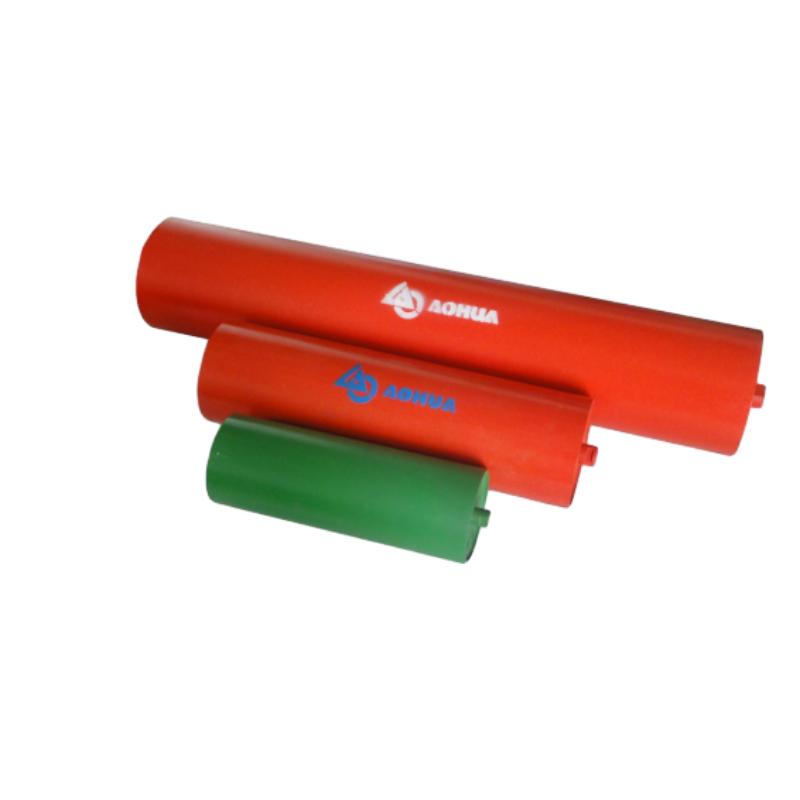
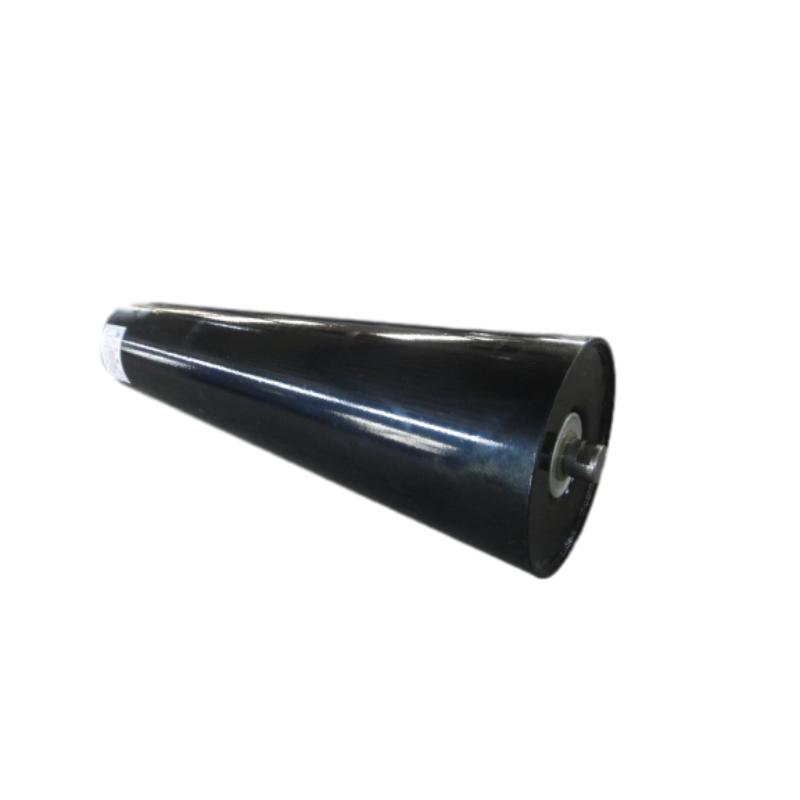
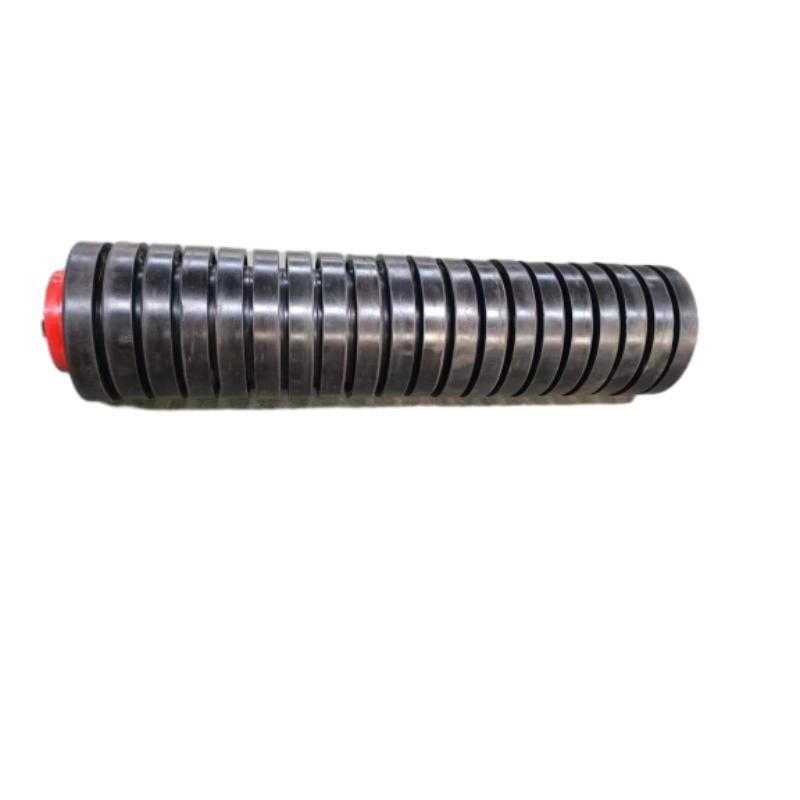
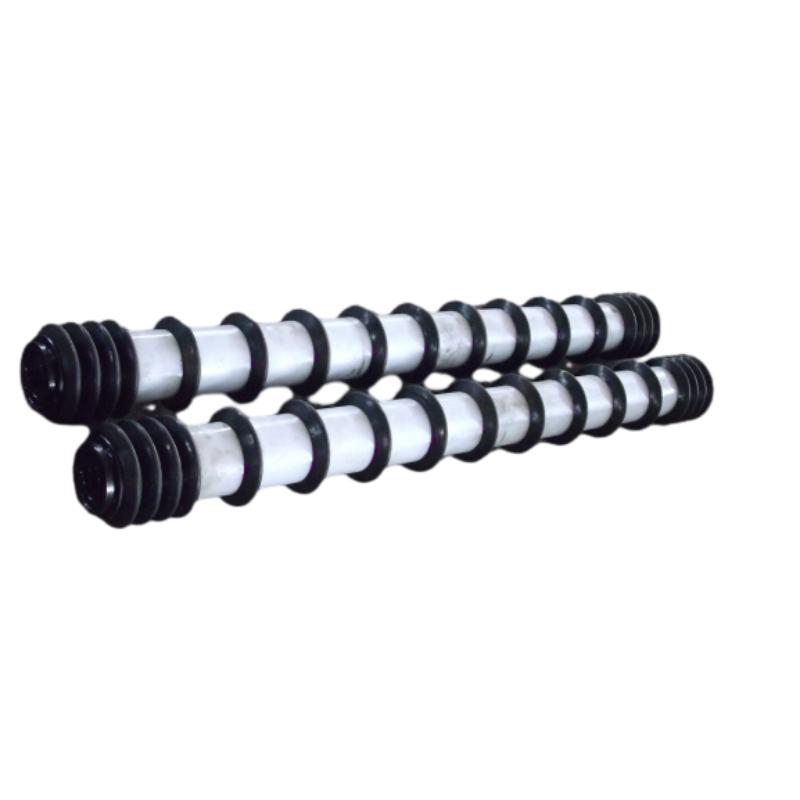
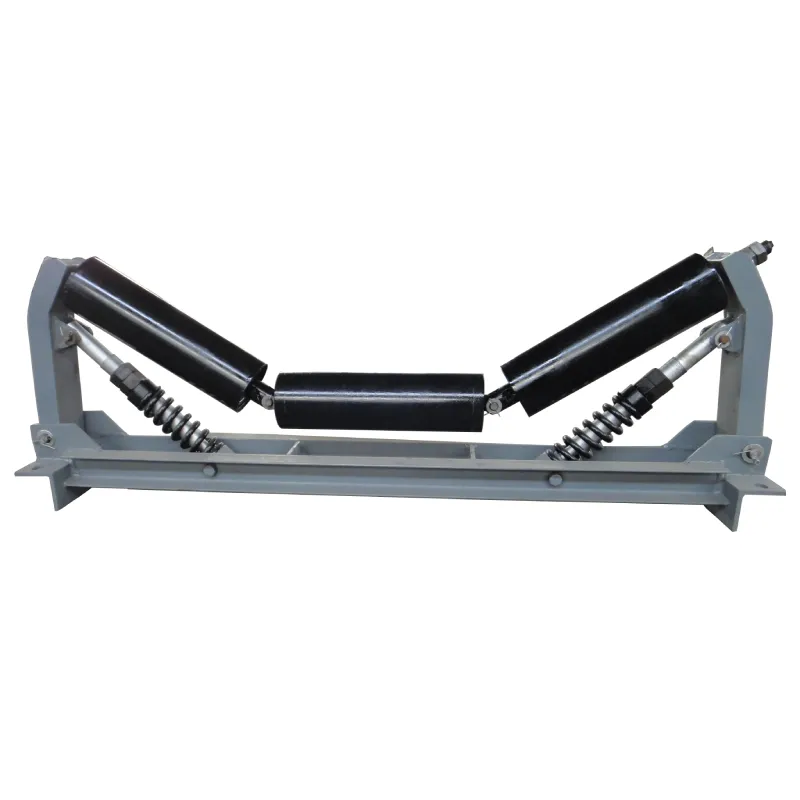
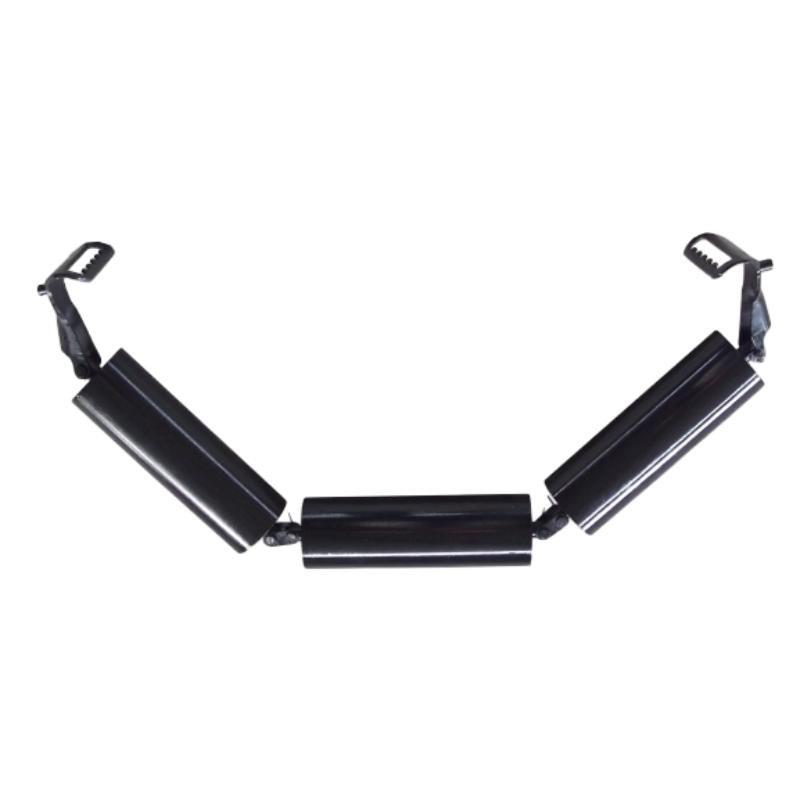
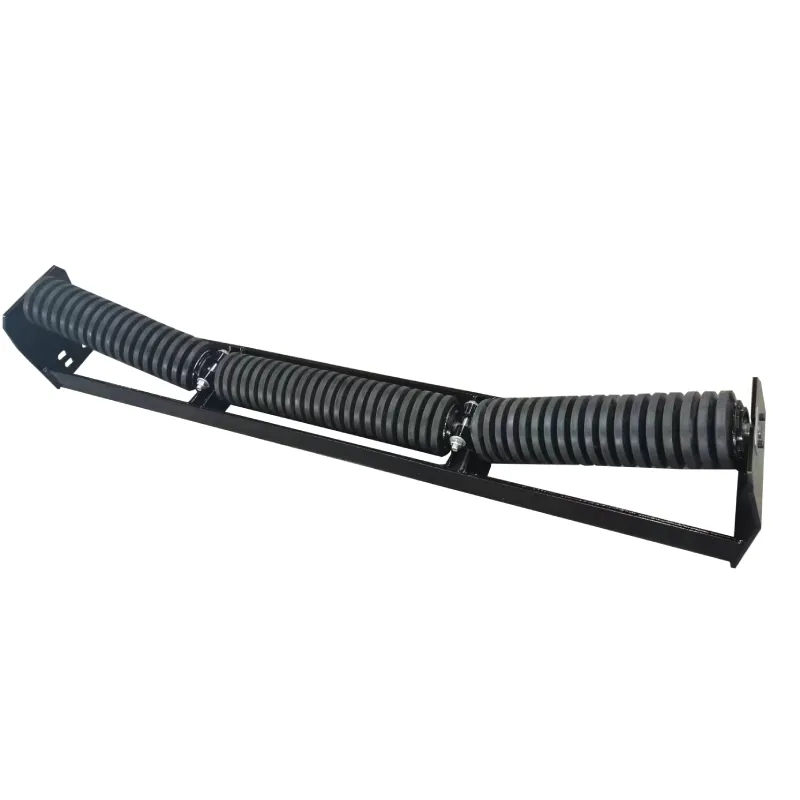
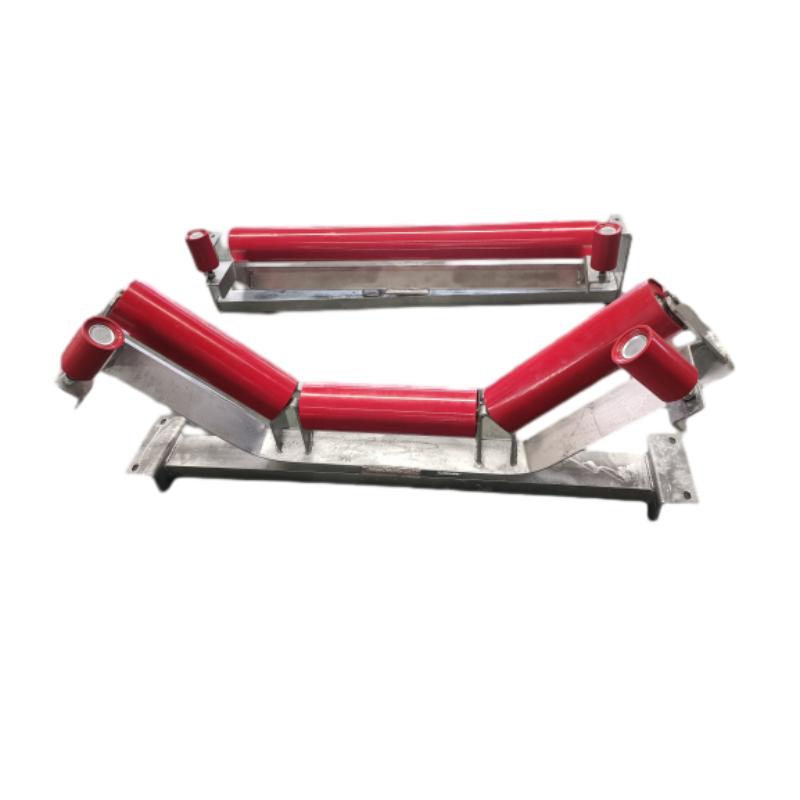
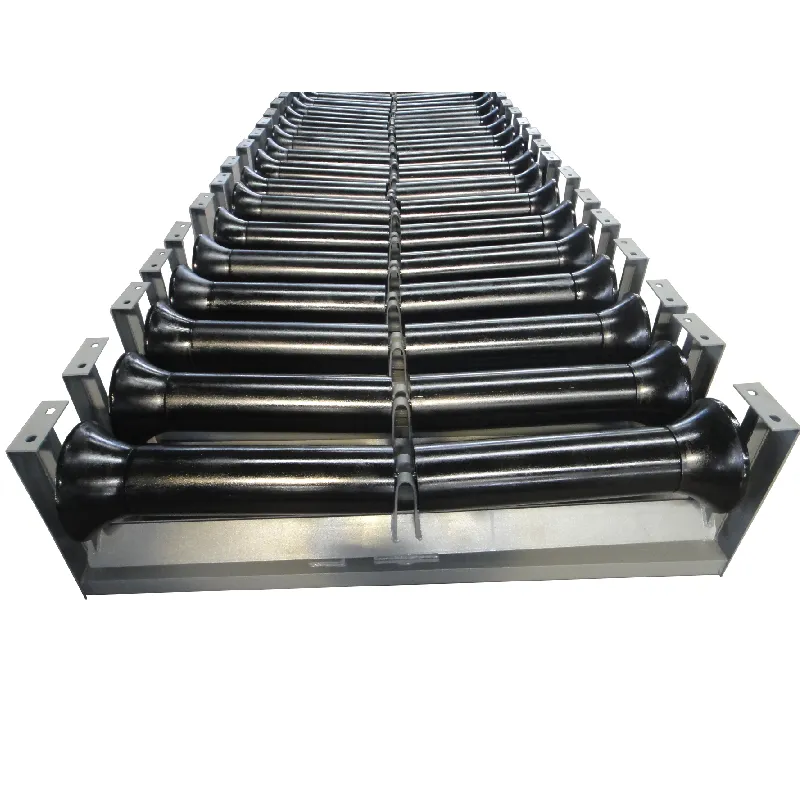
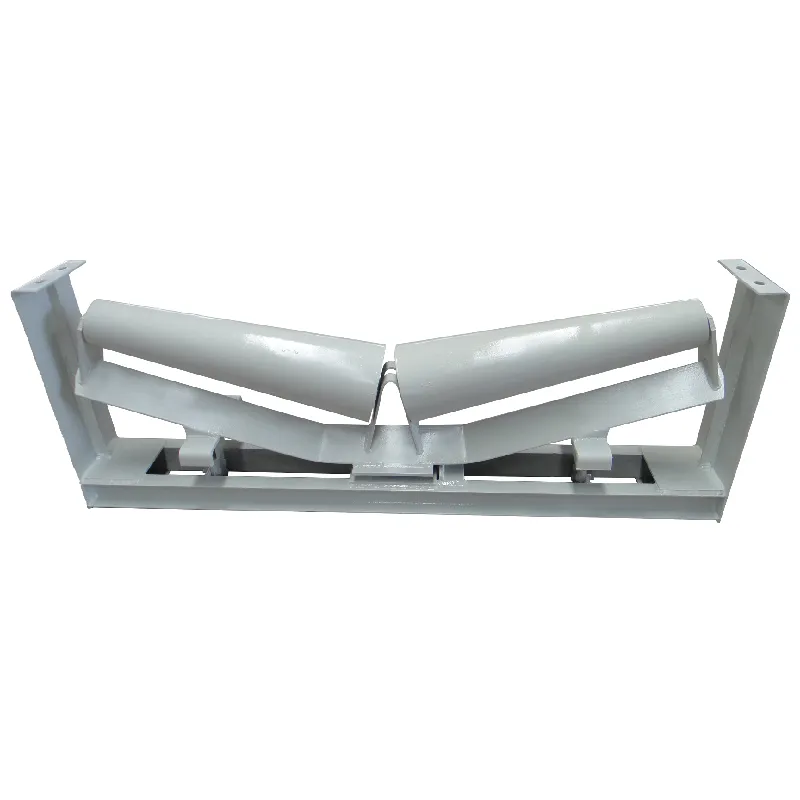
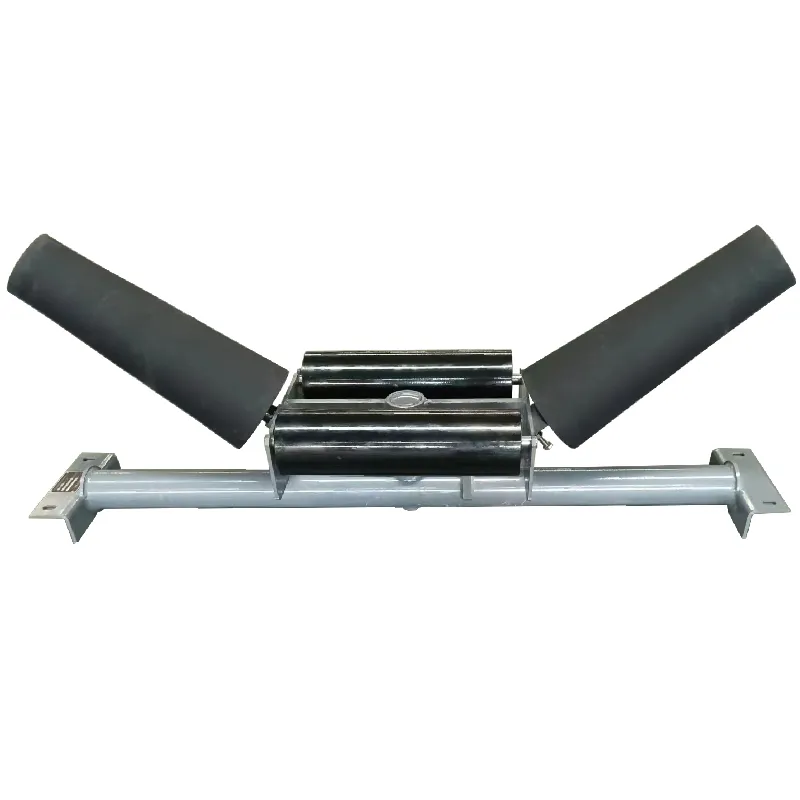
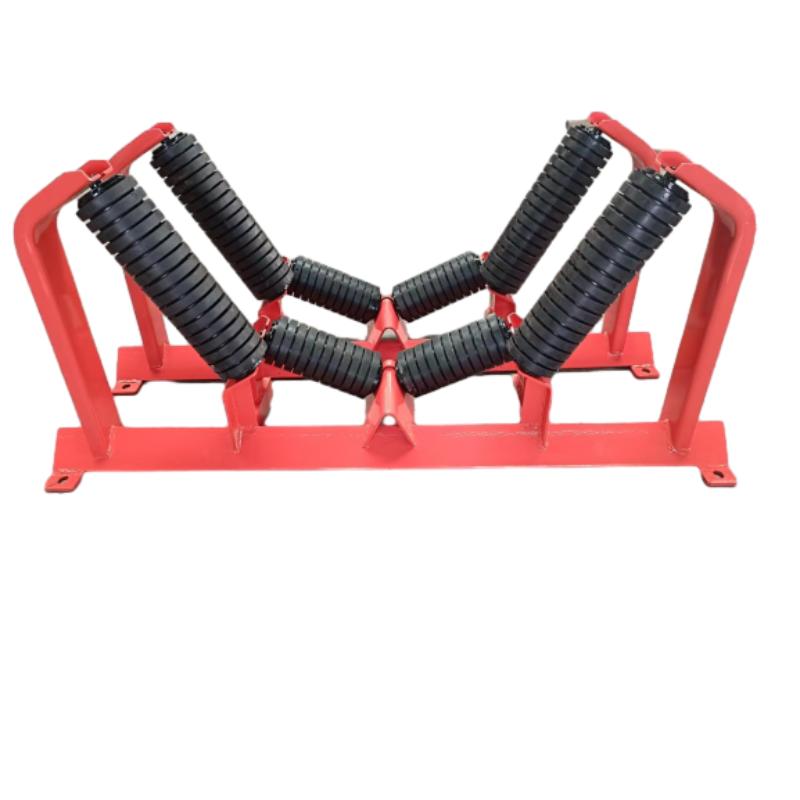
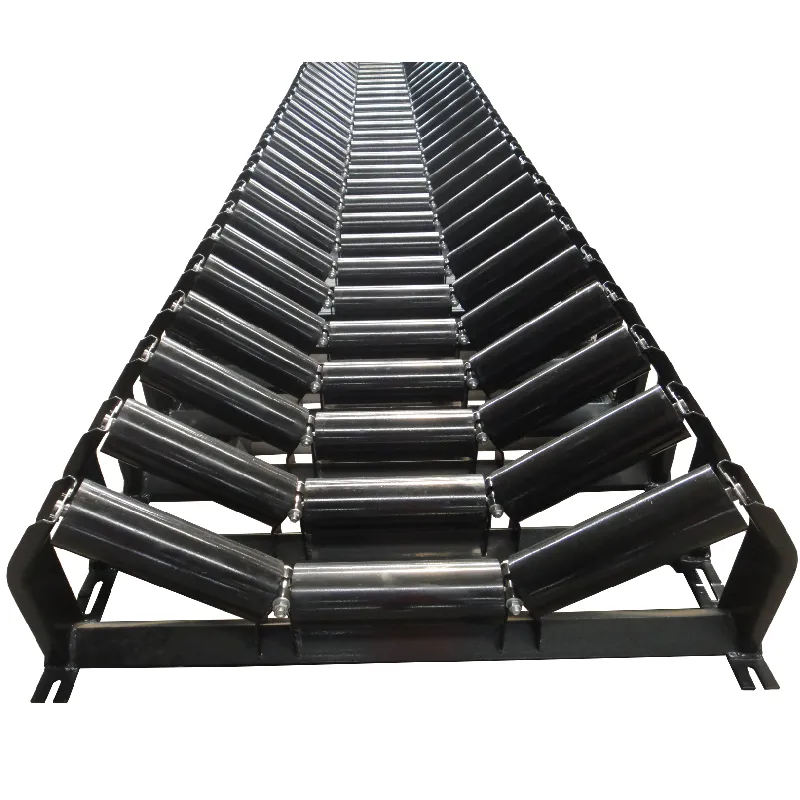
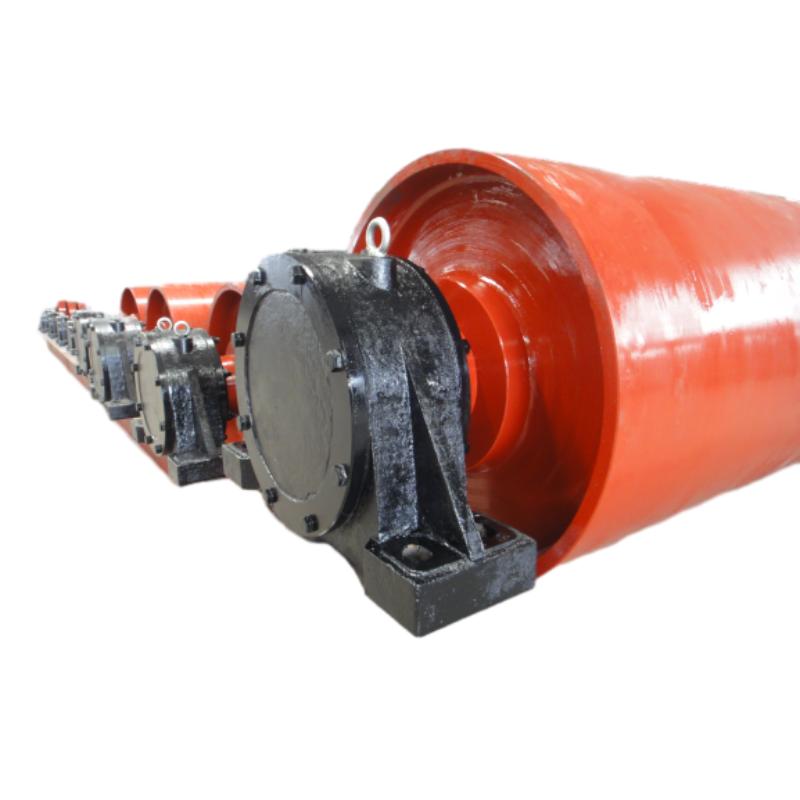
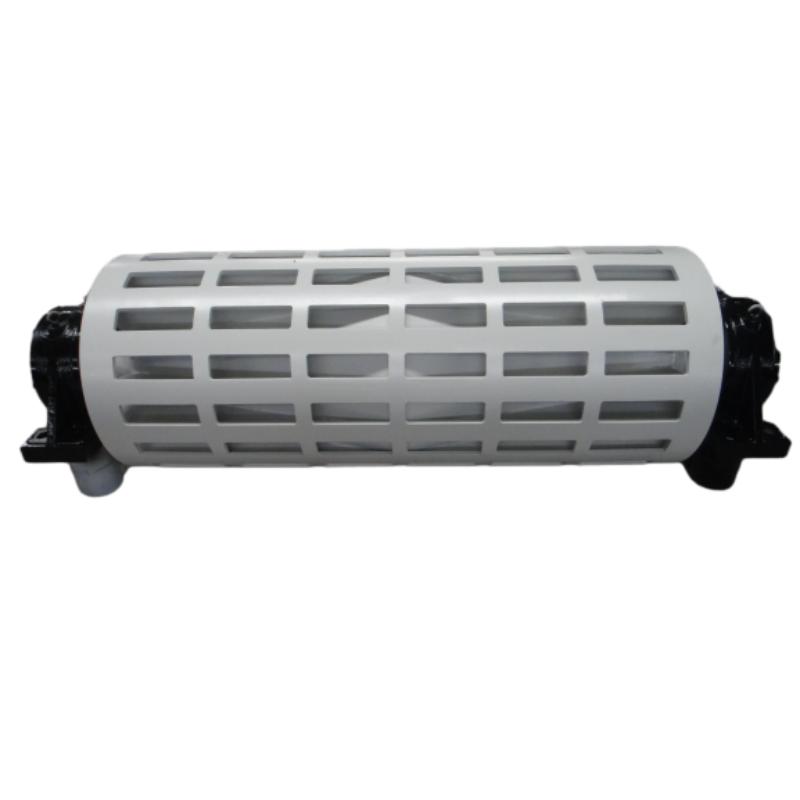
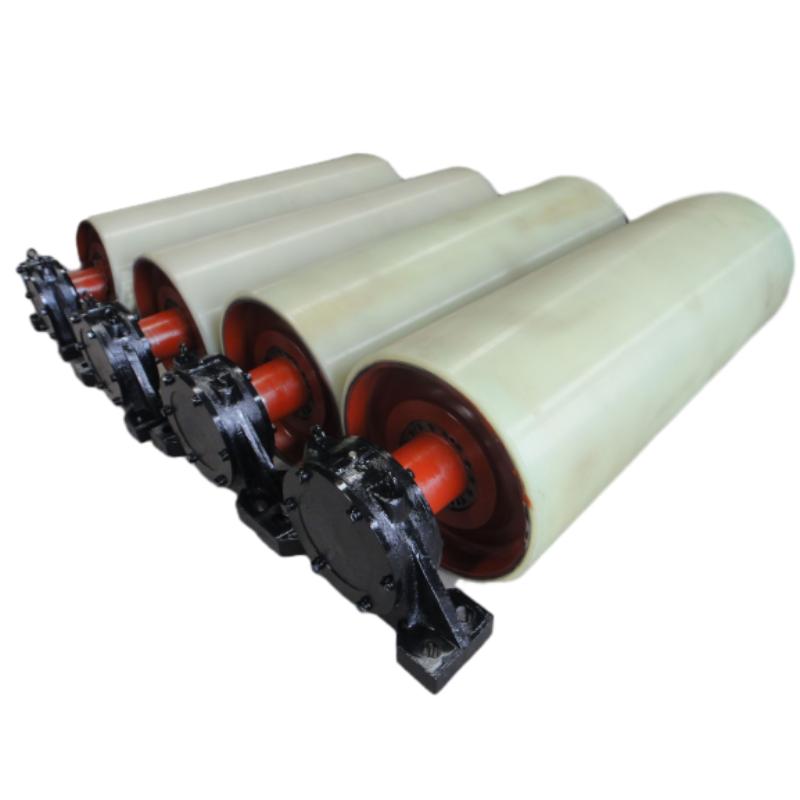
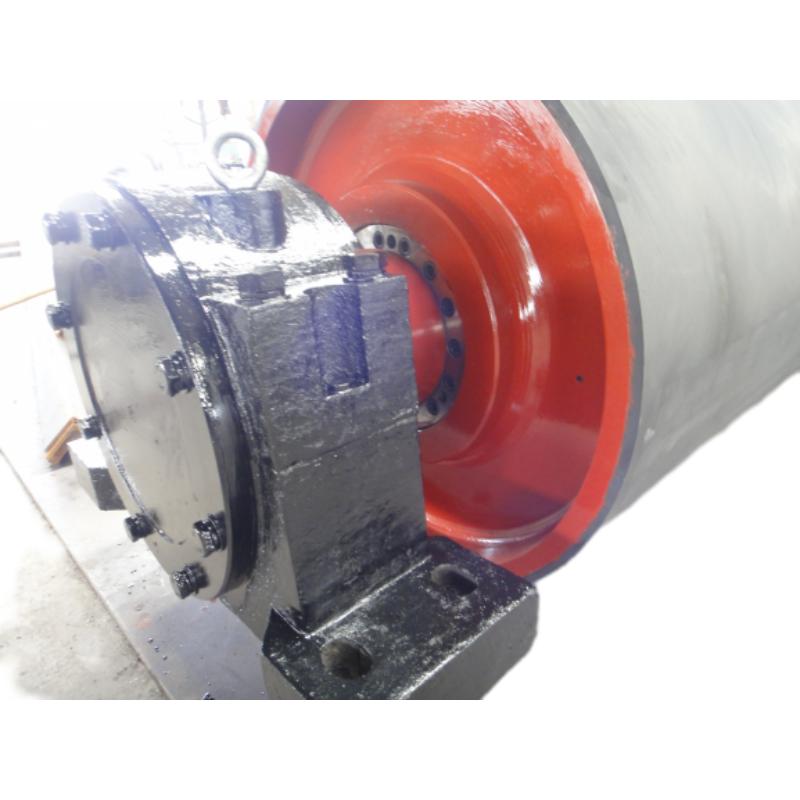
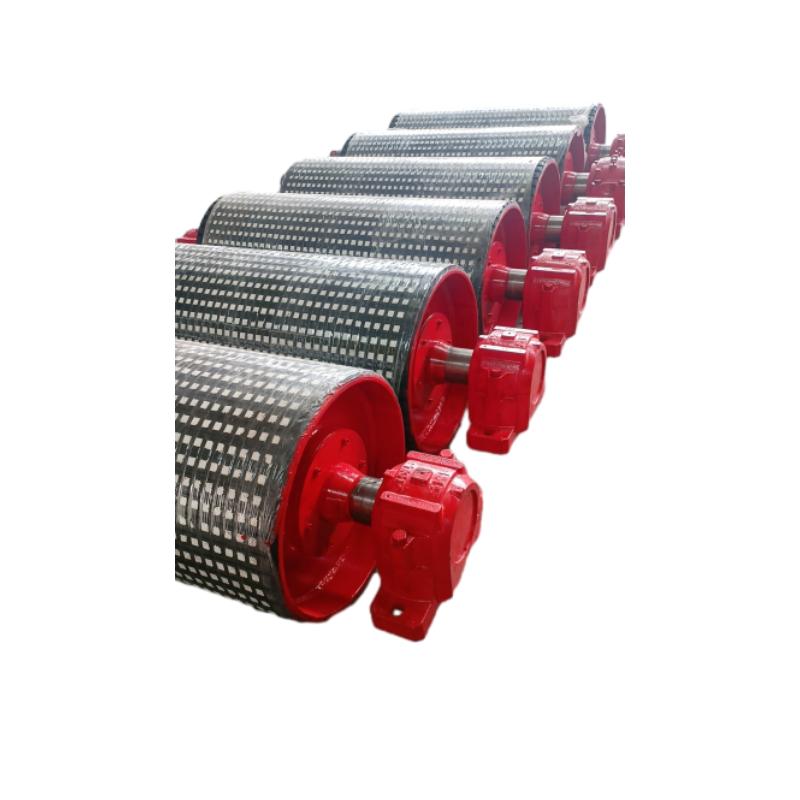
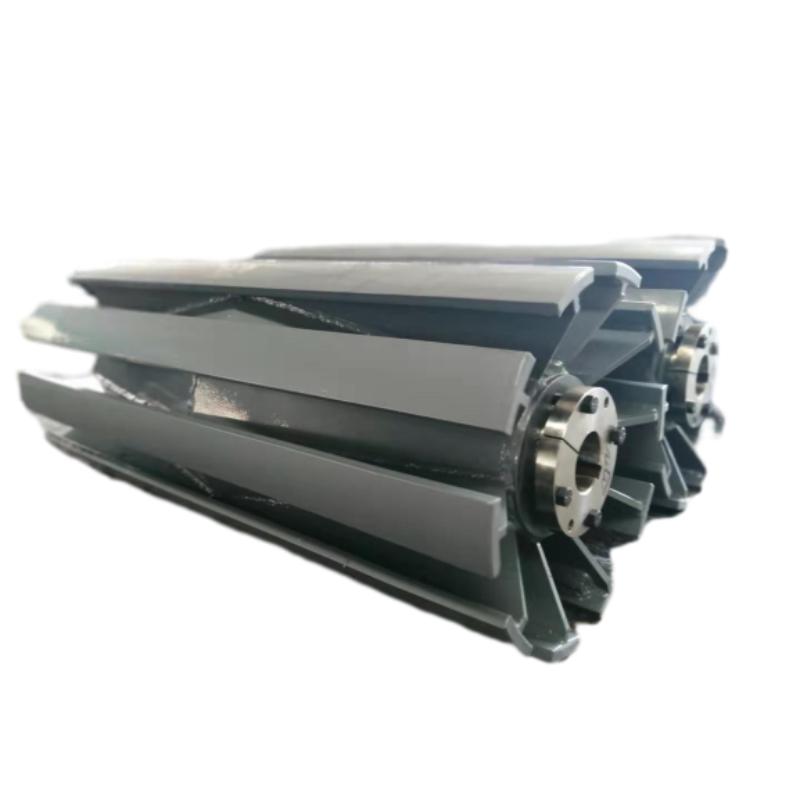
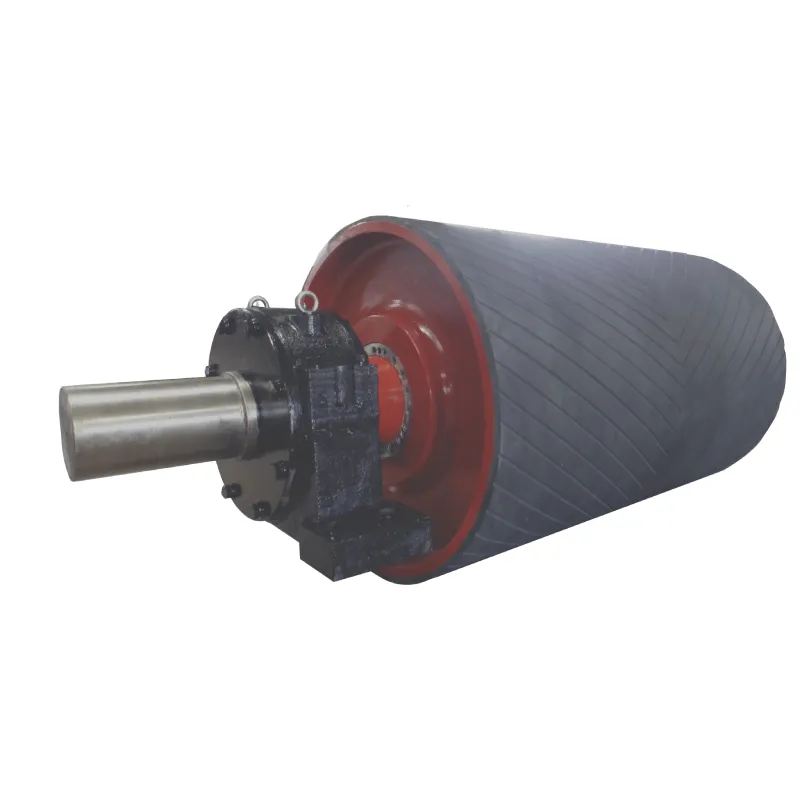
Let’s break it down simply: A PU conveyor roller is a cylindrical drum designed to guide or support conveyor belts or loads, coated or made with polyurethane (PU). Polyurethane is a flexible yet tough polymer that outperforms simple rubber in terms of durability and chemical resistance. Think of it as a friendlier, smarter roller — less abrasive to items on the belt, quieter when running next to your ear, and able to withstand harsh industrial conditions like chemicals, oils, or extreme temperatures better than many alternatives. ---Key Components of PU Conveyor Rollers
- Core Drum : Usually steel or aluminum, which provides strength and rigidity.
- Polyurethane Coating : Cast or molded over the drum, often ranging in hardness to suit different applications.
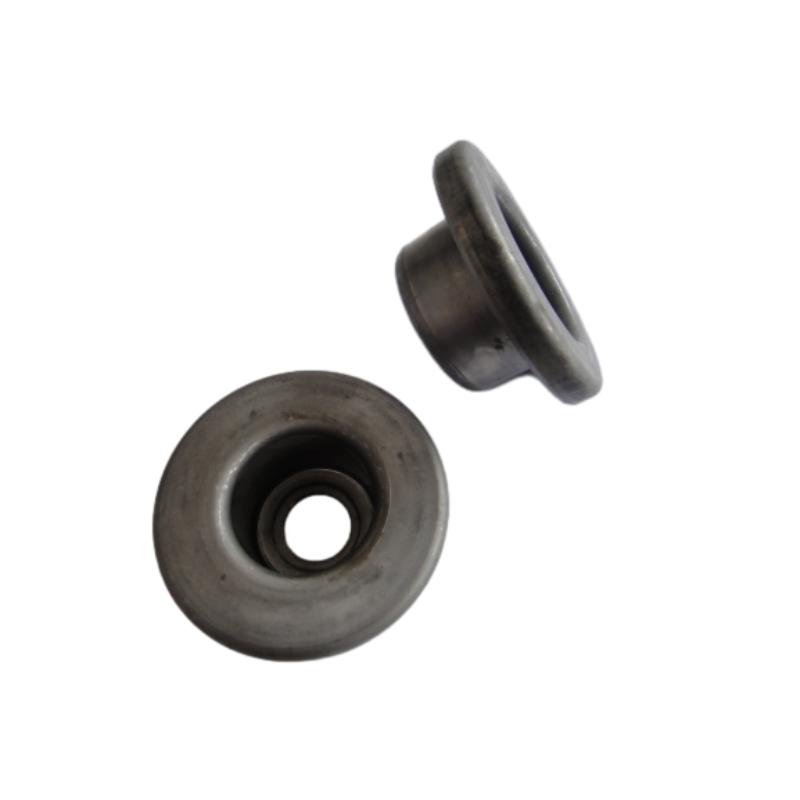
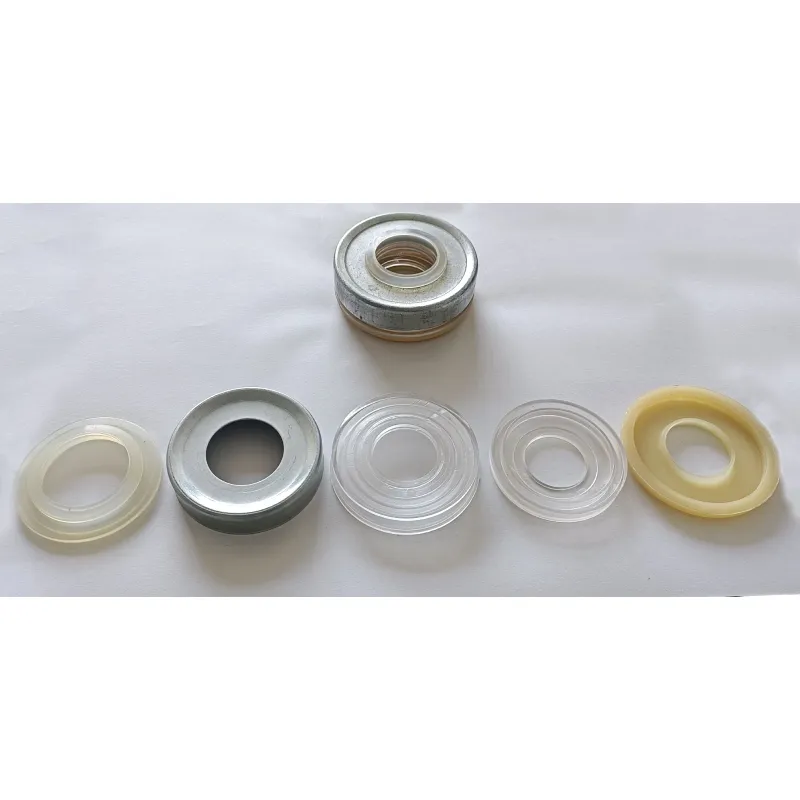
- Bearing Assembly : Sealed bearings enable smooth rotation and protect against dust and moisture.
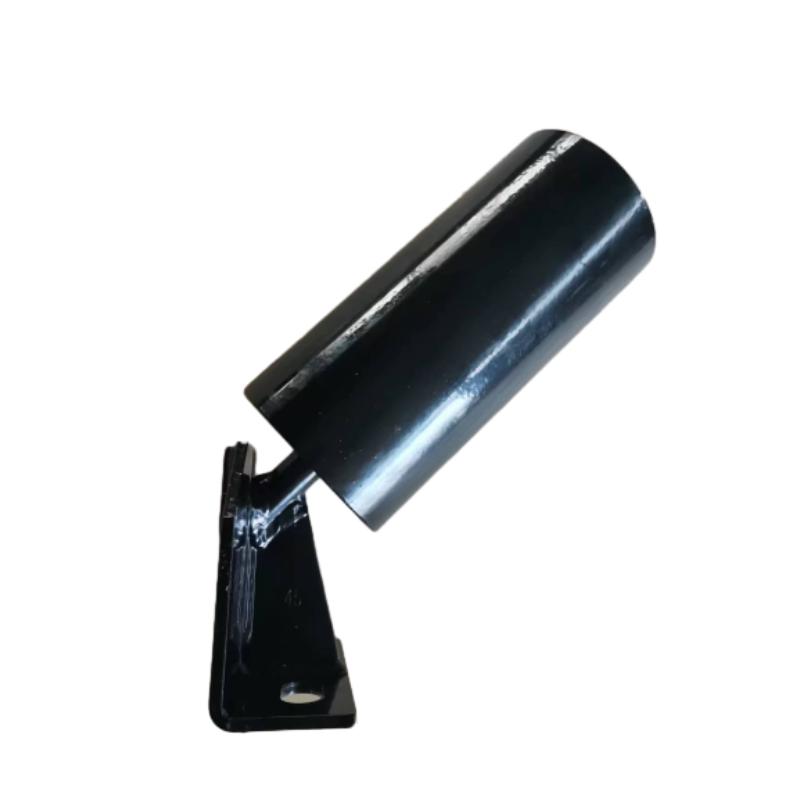
- Shaft and Mounts : Connectors that ensure secure positioning within conveyor frames.
Core Features That Make PU Conveyor Rollers Stand Out
Durability and Abrasion Resistance
PU conveyor rollers can last up to three times longer than rubber alternatives in tough environments. Their resilience means less downtime and replacement.Quiet Operation
In noisy warehouses and assembly lines, cutting down on racket feels like a subtle upgrade, but it significantly improves worker comfort and communication.Corrosion and Chemical Resistance
Unlike steel rollers, PU coatings resist many chemicals, oils, and moisture — making them ideal for food packaging lines or chemical plants where contamination is a no-go.Load Capacity and Versatility
Thanks to customization, PU rollers can support a broad range of weights and sizes — from small parcels to heavy industrial loads.Cost Efficiency Over Time
Although the upfront cost may be higher, the lower maintenance and replacement frequency generally mean better cost performance over the product’s life. ---Where Are PU Conveyor Rollers Used Around the World?
Industries and regions benefiting from PU conveyor rollers span the globe:- Food and Beverage: Europe's stringent hygiene standards love PU rollers for reduced contamination risk and easy cleaning.
- Mining and Minerals (Africa, Australia): Tough terrains and abrasive materials demand rollers that resist wear.
- Post-disaster and Humanitarian Logistics (Asia-Pacific): In rapid relief deployment zones, durability and reliability in conveyor systems are crucial to swift aid distribution.
- E-commerce & Warehousing (North America, Europe): High-speed sorting centers count on PU rollers for smooth, quiet delivery lines.
The Advantages of Using PU Conveyor Rollers: A Deeper Look
Let me be frank: the real appeal of PU conveyor rollers goes beyond just technical specs. They embody a promise of reliability and innovation.- Sustainability: Many manufacturers now source bio-based polyurethane alternatives, reducing reliance on fossil fuels.
- Worker Safety and Comfort: Quieter rollers reduce noise pollution and stress, fostering better working conditions.
- Financial Impact: Longer service life and reduced downtime translate to measurable cost savings, freeing budget for innovation.
- Impact on Product Integrity: Softer yet durable surfaces protect fragile items, reducing waste.
Looking Ahead: Future Trends in PU Conveyor Roller Technology
What’s next? The conveyor roller industry is quietly moving towards smart materials and greener production:- Digital Sensors Integration: Embedded rollers that monitor wear and load in real-time, alerting maintenance teams before failures.
- Eco-conscious Polyurethane: Development of bio-polyols from renewable resources to reduce environmental footprint.
- Enhanced Customization: AI-driven design tools that tailor roller hardness, dimensions, and coatings to specific, nuanced needs.
- Automation Compatibility: Rollers designed to work seamlessly with autonomous conveyor systems in Industry 4.0 settings.
Common Challenges with PU Conveyor Rollers and How to Overcome Them
Truth be told, no product is perfect. PU conveyor rollers can sometimes face issues like:- Initial Cost: Higher upfront investment can deter buyers — but a solid ROI often justifies it.
- Material Limitations: Extreme heat can degrade some PU formulations, so matching material hardness to environment is key.
- Customization Delays: Lead time for tailor-made rollers can be longer; planning ahead helps.
PU Conveyor Roller Product Specification Table
| Specification | Typical Values | Notes |
|---|---|---|
| Roller Diameter | 50 mm – 200 mm | Custom sizes available |
| Coating Hardness (Shore A) | 75 – 95 | Depends on application needs |
| Bearing Type | Sealed Deep Groove Ball Bearings | High speed capable |
| Max Load Capacity | Up to 500 kg per roller | Varies by size and design |
| Temperature Range | -20°C to 80°C | Special coatings for higher temps |
Vendor Comparison Table of PU Conveyor Roller Suppliers
| Vendor | Product Range | Customization Options | Lead Times | Price Range |
|---|---|---|---|---|
| Idleraohua | Standard and custom PU rollers, accessories | Highly customizable hardness, size, and coatings | 3-5 weeks | Mid-range |
| RollTech Ltd. | Focus on heavy-duty rollers | Limited; mostly stock sizes | 2 weeks | Higher-end |
| PolyRolls Inc. | Wide range including food-grade PU rollers | Good flexibility in hardness and coatings | 4-6 weeks | Competitive |
Frequently Asked Questions About PU Conveyor Rollers
1. How do I choose the right hardness for PU conveyor rollers?
Choosing the right hardness depends on the type of material being transported and environmental conditions. Softer PU (75 Shore A) is suitable for delicate products requiring cushioning, while higher hardness (up to 95 Shore A) offers better wear resistance for heavy or abrasive loads.
2. Can PU conveyor rollers handle exposure to chemicals?
Yes, polyurethane is resistant to many common chemicals and oils, making these rollers ideal for chemical, food processing, and pharmaceutical industries. However, it’s best to check specific chemical compatibility with the manufacturer.
3. How often should I replace PU conveyor rollers?
Replacement intervals depend on usage intensity, environment, and roller quality but typically range from 3 to 5 years. Regular inspection can detect wear early to avoid unexpected downtime.
4. Are PU conveyor rollers suitable for outdoor use?
Many PU rollers are designed for outdoor use with resistance to UV and moisture. For extreme weather exposure, specialized coatings or treatments might be applied to maximize lifespan.
5. What maintenance do PU conveyor rollers require?
Maintenance is usually minimal, focusing on cleaning and occasional bearing lubrication (if not sealed). Keeping the rollers free from debris and inspecting for surface damage is essential.
---In Conclusion: Why PU Conveyor Rollers Deserve a Spot in Your Operations
PU conveyor rollers aren’t just another industrial component you don’t think about — they’re quietly laying the groundwork for safer, cleaner, more reliable material handling across the globe. Their blend of durability, quietness, and chemical resistance, combined with emerging tech trends, makes them an investment worth examining closely for modern industries. If you want to explore further or find tailored products that meet your exact needs, take a look at pu conveyor roller specialists. Sometimes, the smallest upgrade on your line can lead to the biggest difference in efficiency — who knew rollers could be that heroes? ---Mini takeaway:
PU conveyor rollers help industries worldwide cut costs, improve safety, and boost efficiency. Their adaptability and quiet, durable design make them a key player in the future of manufacturing and logistics. ---References:
-
Maximize Conveyor Life with a High Performance impact bedNewsApr.16,2026
-
Maximize Conveyor Efficiency Using a v plow belt scraperNewsApr.09,2026
-
Comprehensive Guide to Understanding Different Types of Belt CleanersNewsApr.07,2026
-
Enhancing Conveyor Efficiency with an Effective Scraper Belt CleanerNewsApr.04,2026
-
Optimizing Conveyor Systems with Advanced Cleaning Equipment SolutionsNewsMar.31,2026
-
Effective Conveyor Belt Scraper Adjustment for Optimal System PerformanceNewsMar.28,2026