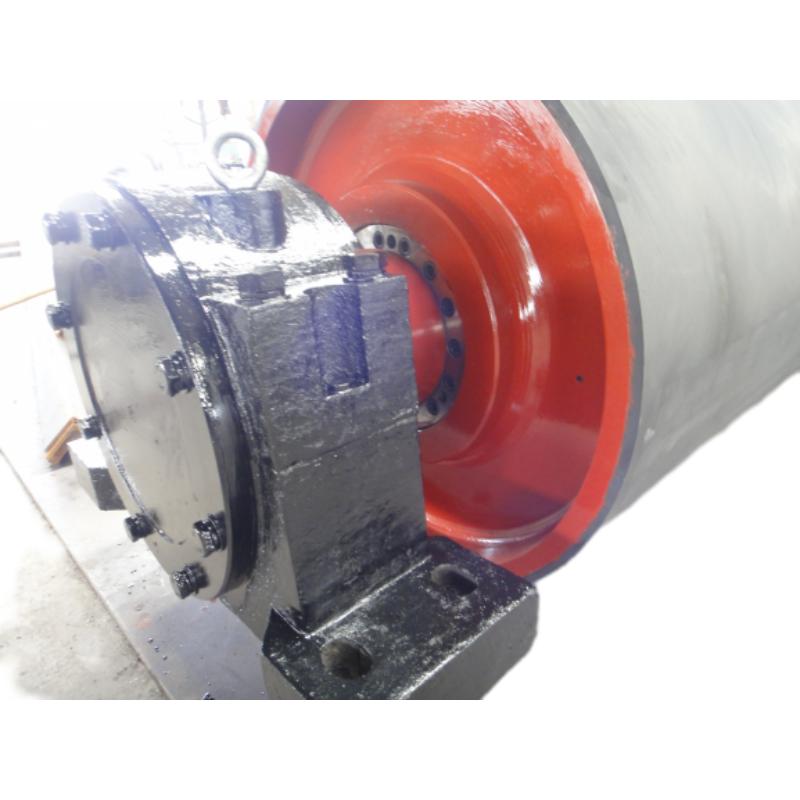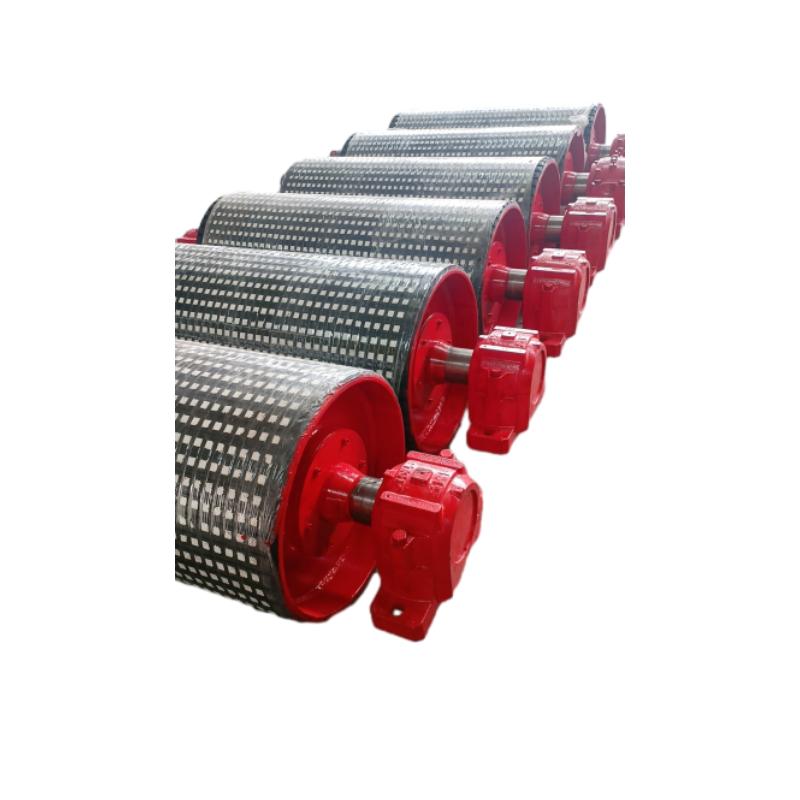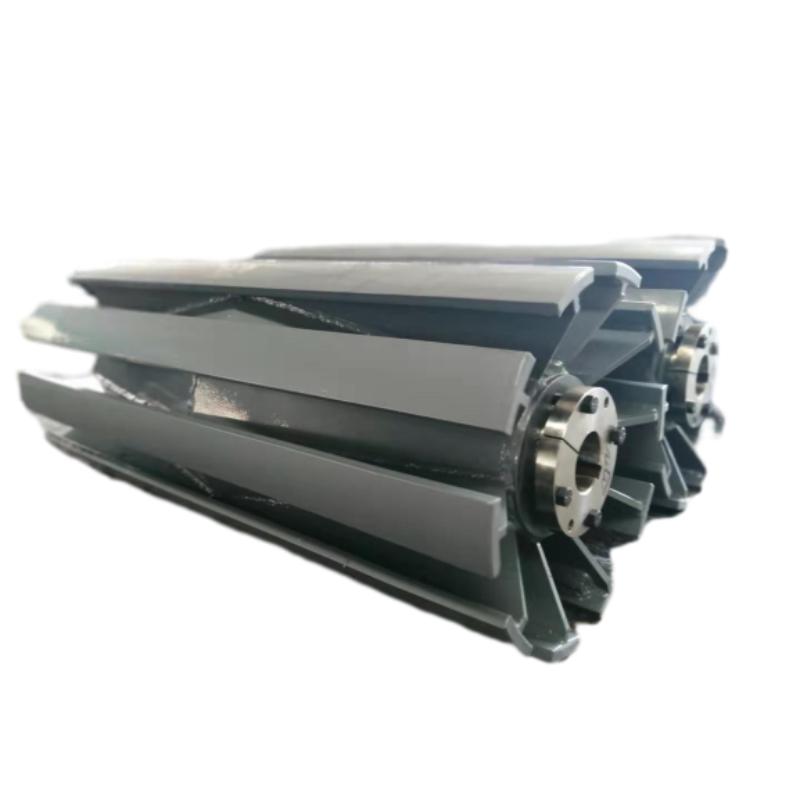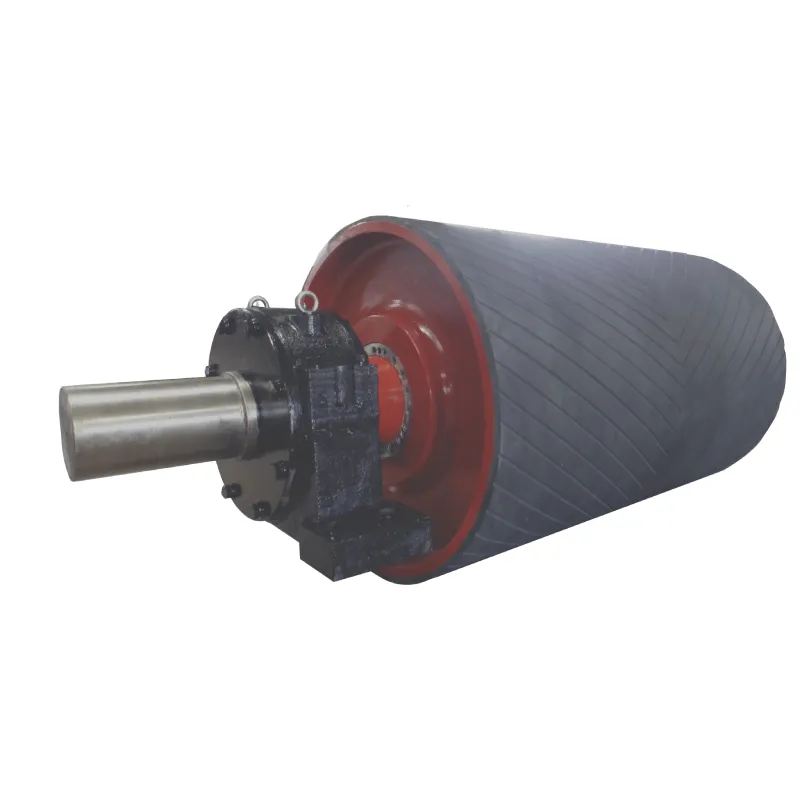


Conveyor Roller Stands: Essential Support for Global Material Handling Efficiency
Understanding Conveyor Roller Stands: The Unsung Heroes of Modern Industry
Imagine the relentless hum of factories, warehouses, and shipping ports across the world. Behind the scenes of smooth operations lies a relatively simple but crucial component: conveyor roller stands. These mechanical supports enable the movement of goods, making global commerce, manufacturing, and logistics possible. But why bother diving into this seemingly niche topic? Because conveyor roller stands represent more than just metal rods and frames; they’re an essential part of supply chains that feed billions, often overlooked but vital to efficiency and sustainability worldwide.
The Global Relevance of Conveyor Roller Stands
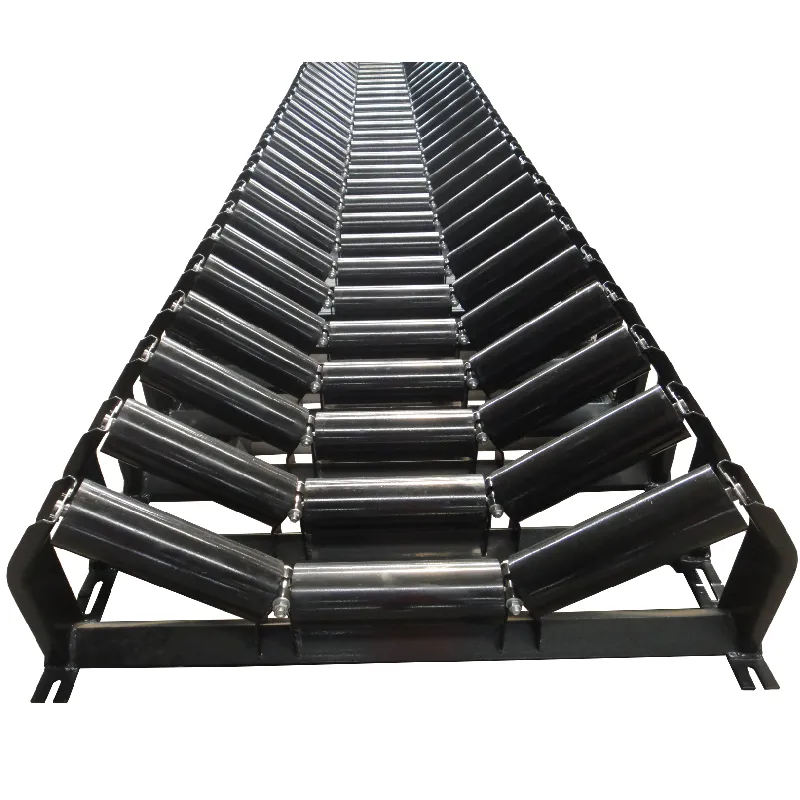
Globally, conveyor systems are an enormous part of industrial infrastructure. According to the International Organization for Standardization (ISO), over 70% of material handling in sectors like manufacturing, mining, and logistics relies on conveyor technology. Conveyor roller stands are the backbone of these systems, supporting rollers that carry items on conveyor belts or chutes. In places from sprawling factories in Europe to remote mining operations in Australia, these stands anchor continuous material flow.
Frankly, a key challenge conveyor roller stands address is durability in harsh environments. Imagine the wear and tear they endure—from abrasive grains to heavy pallets, dust, humidity, even corrosion. Without reliable stands, the whole conveyor system risks breakdown, slowing the supply chain crucial for everything from food exports to humanitarian aid. Thus, grasping what makes a great conveyor roller stand matters globally.
What Are Conveyor Roller Stands?
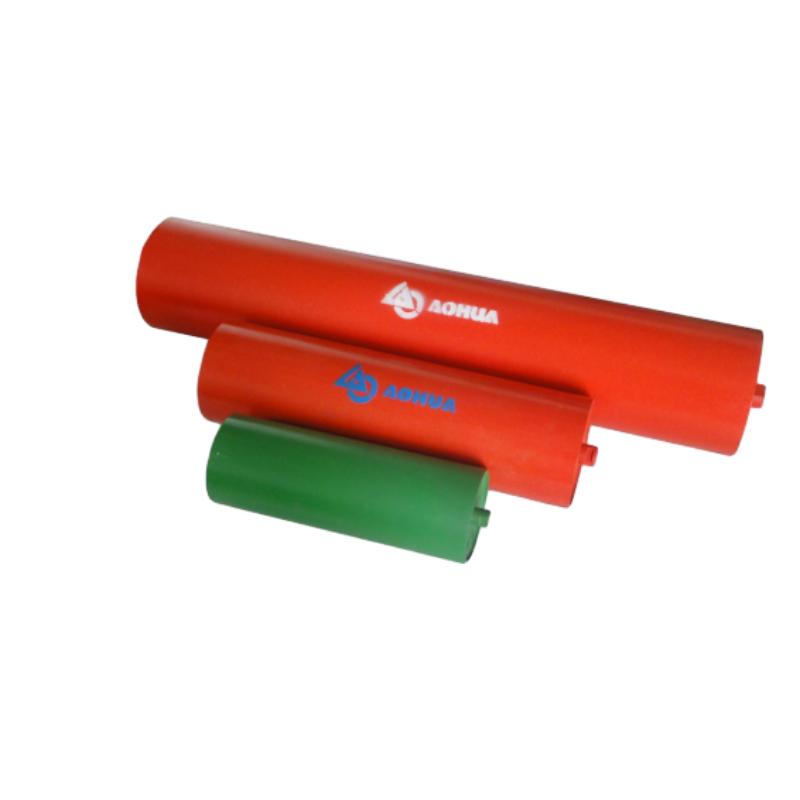
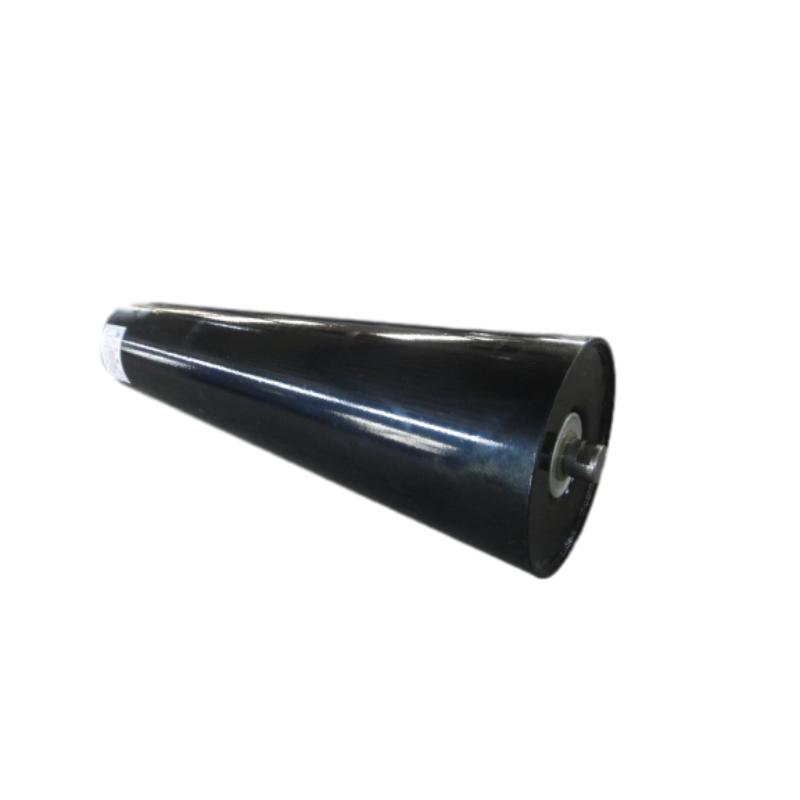
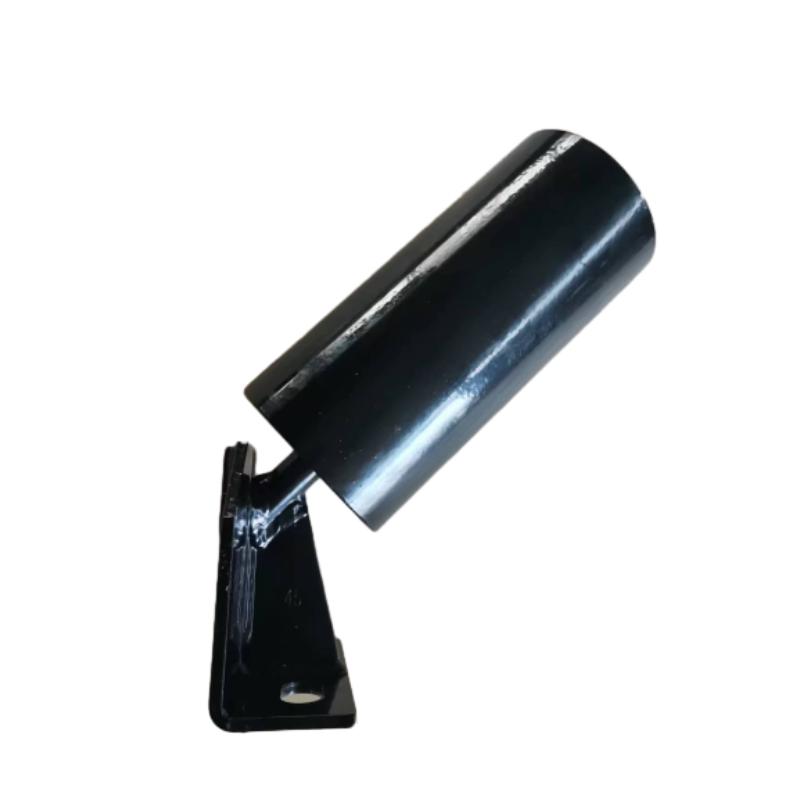
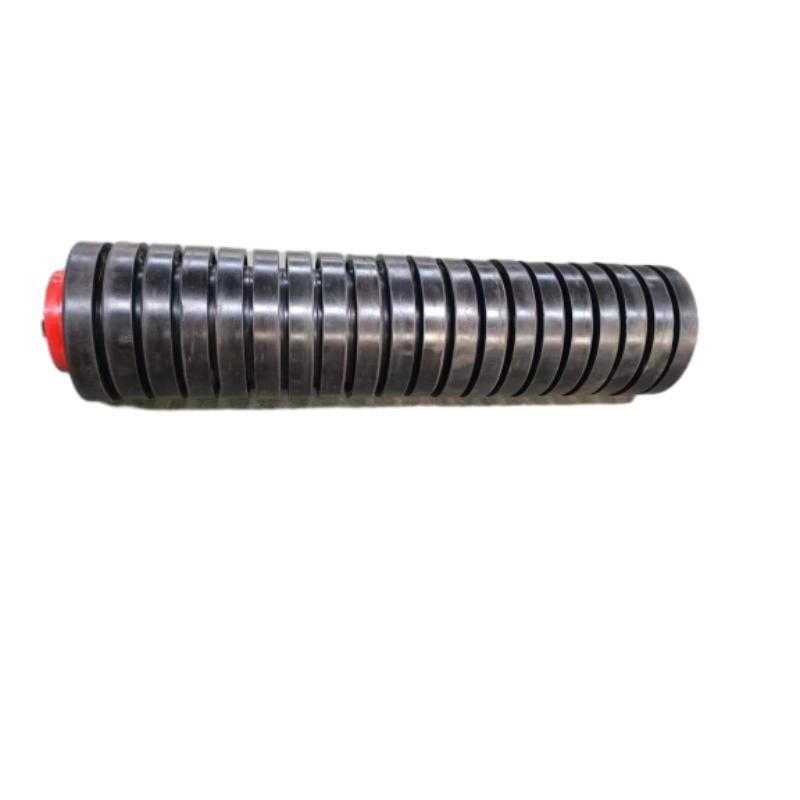
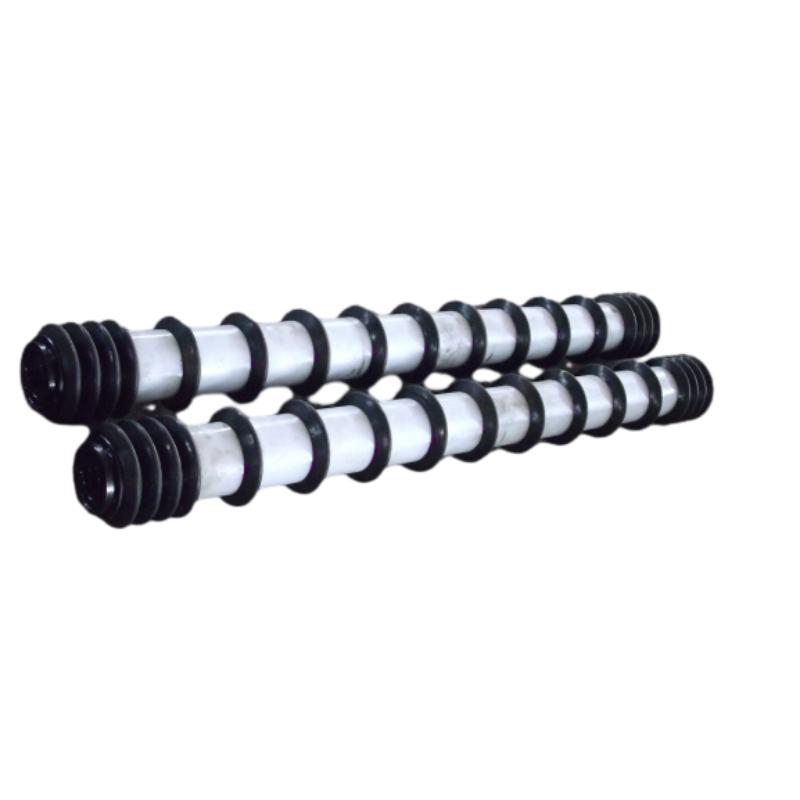
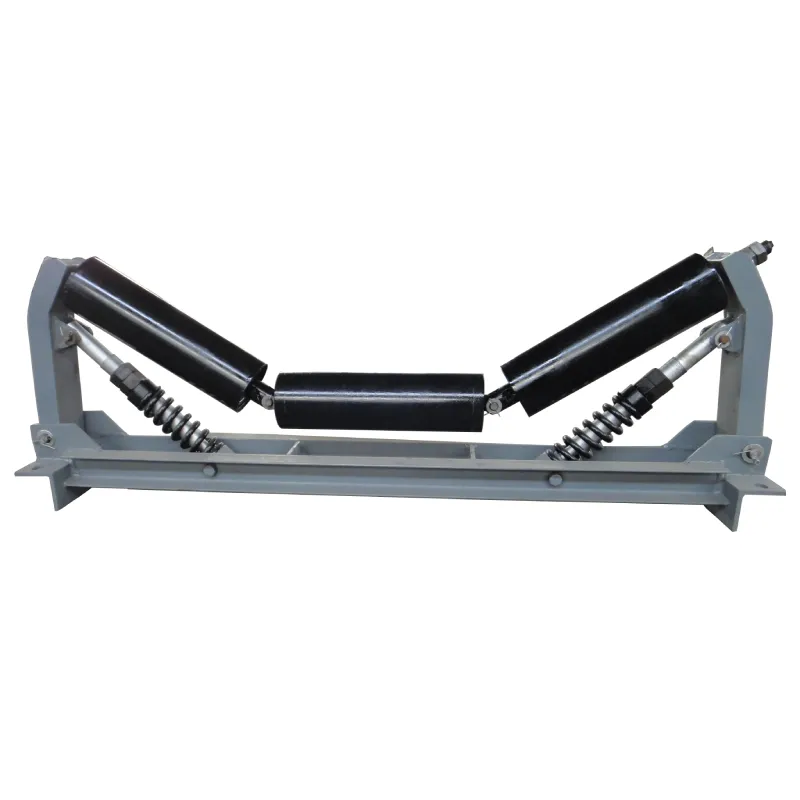
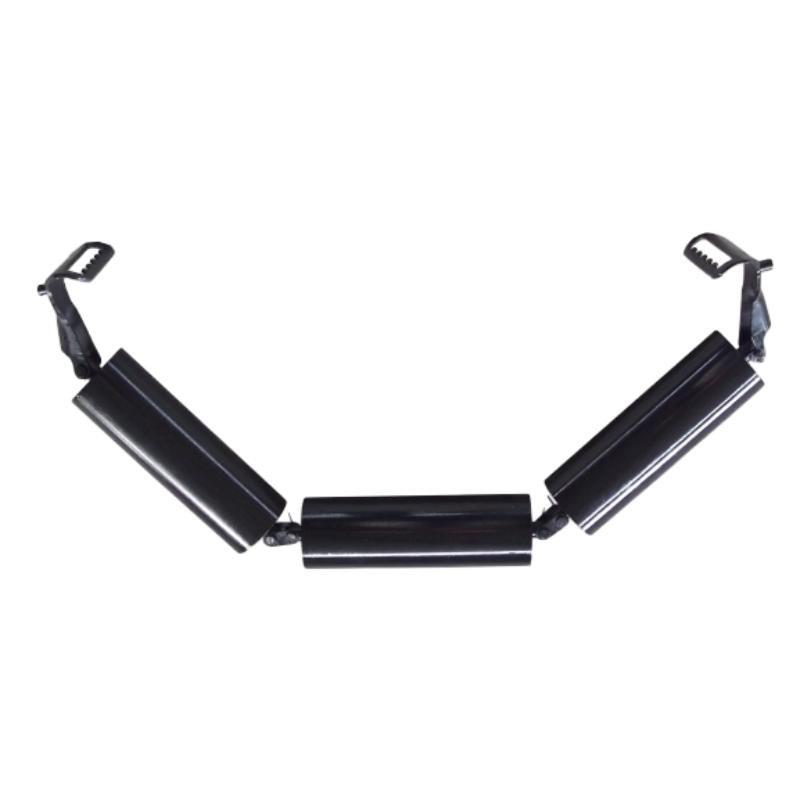
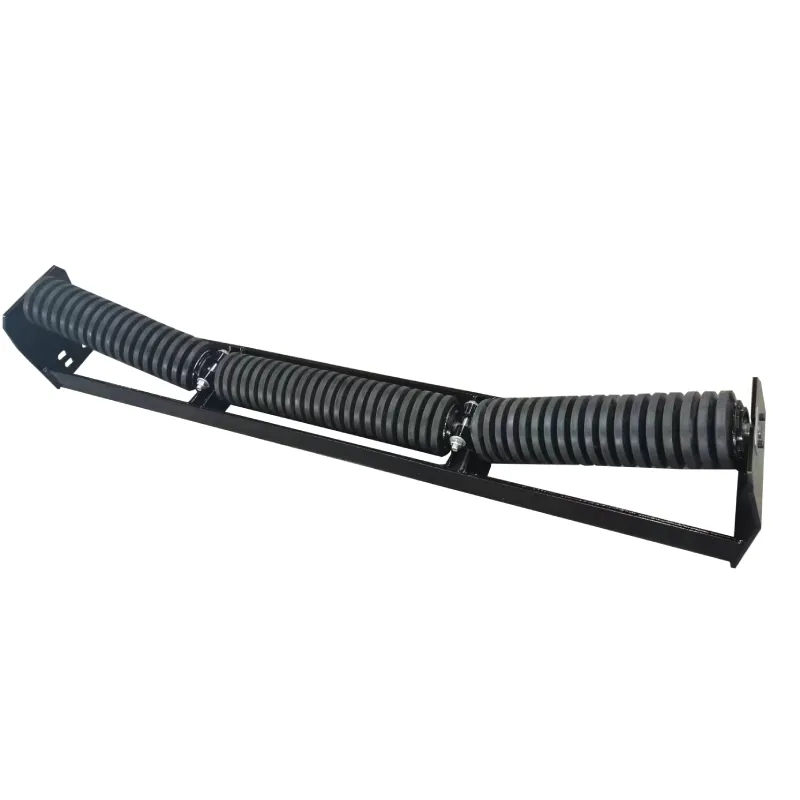
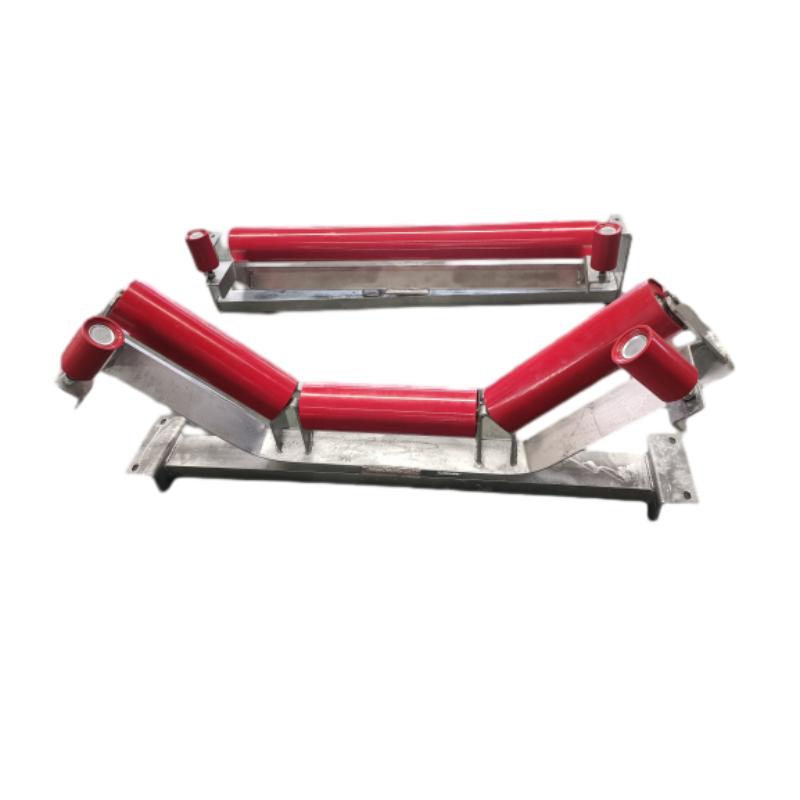
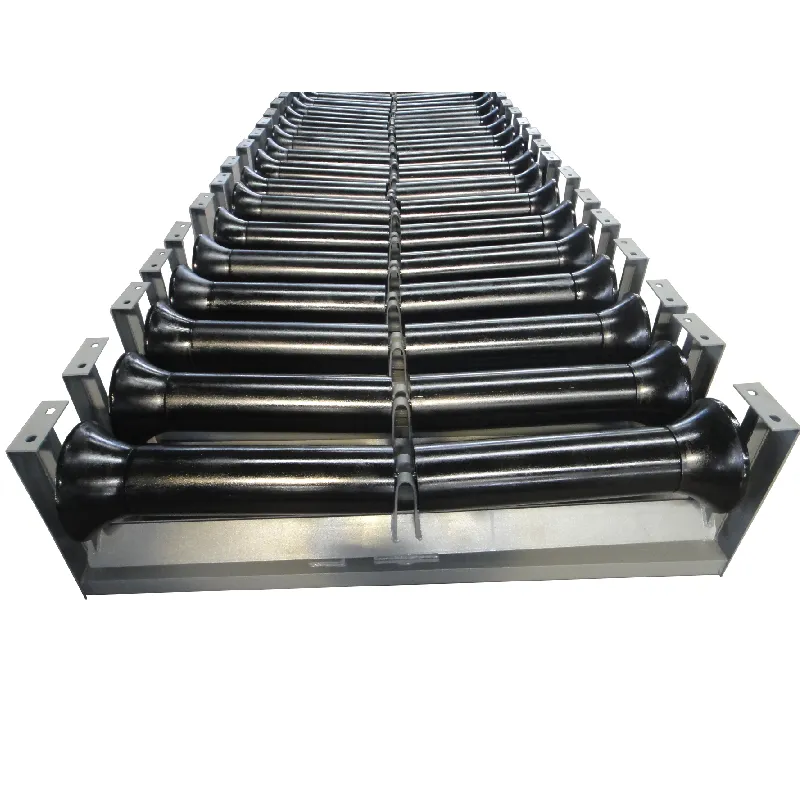
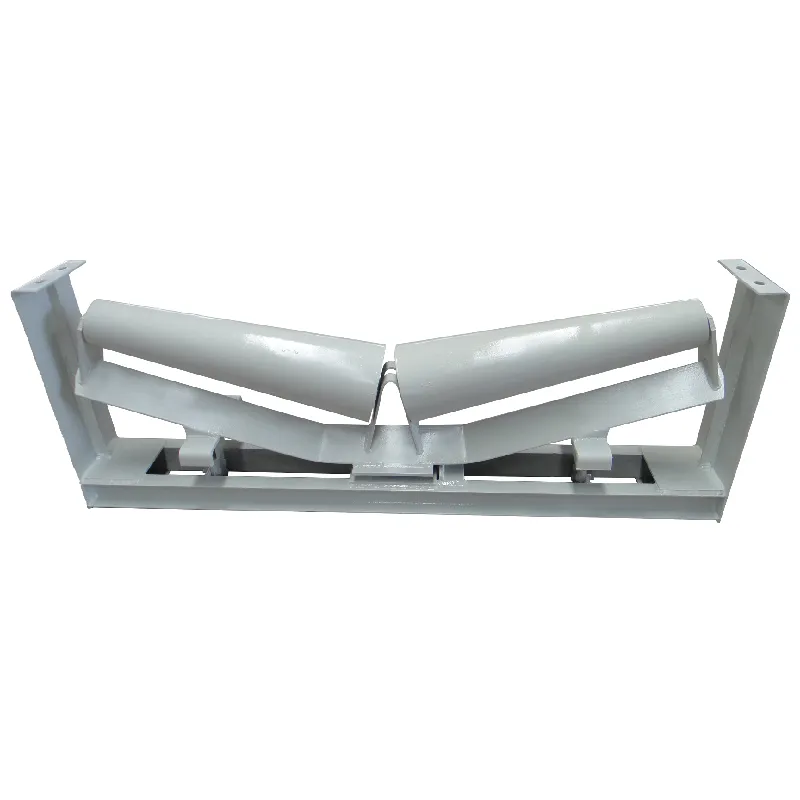
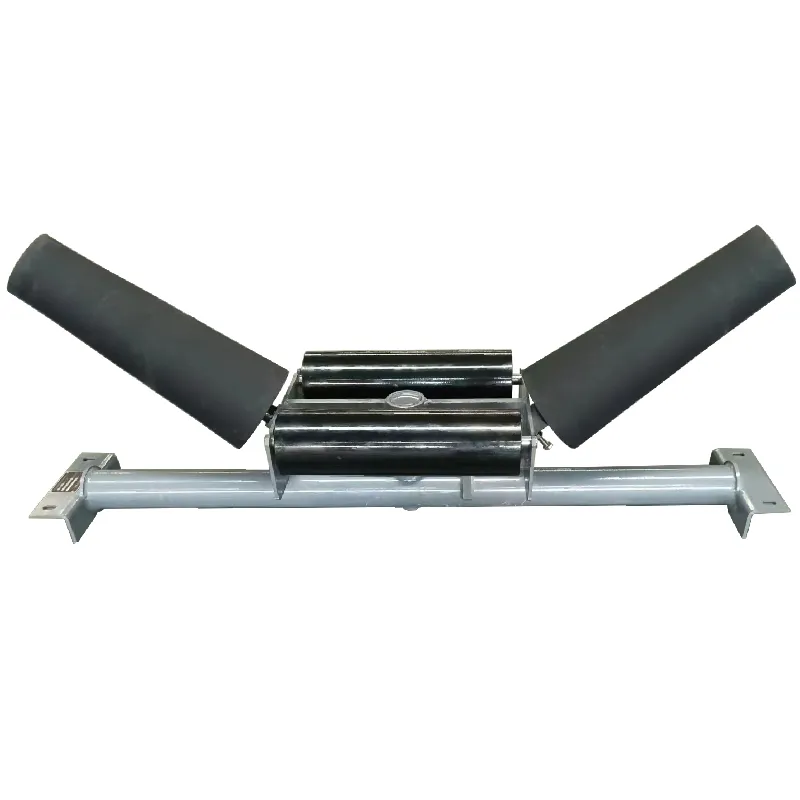
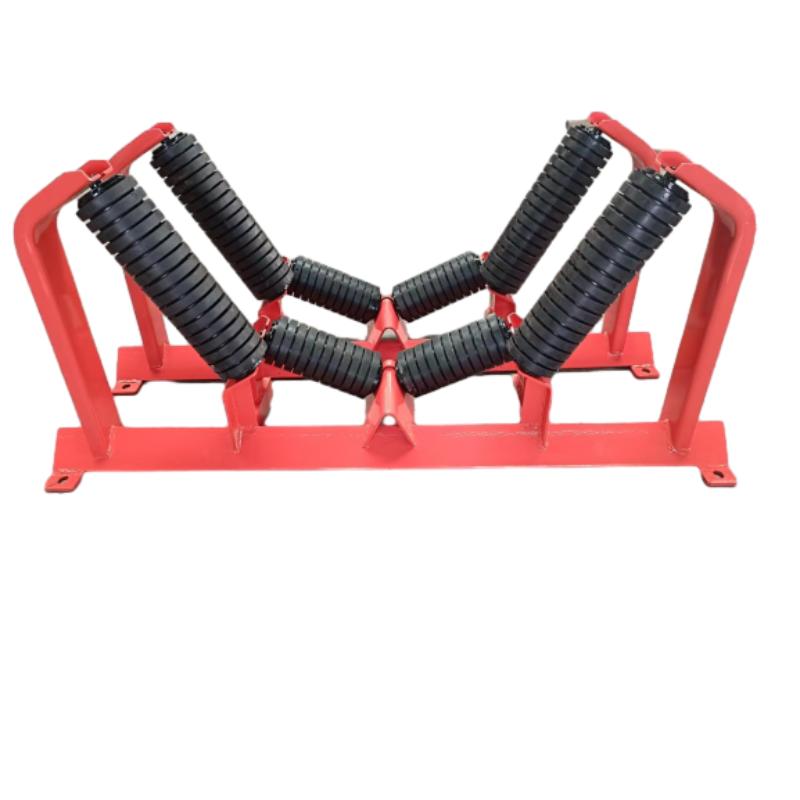
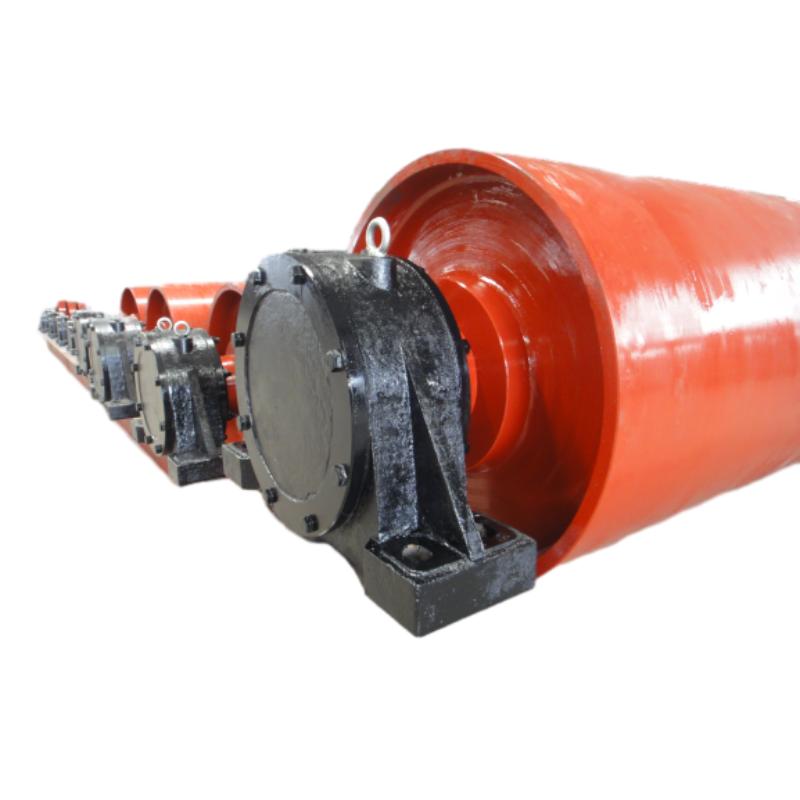
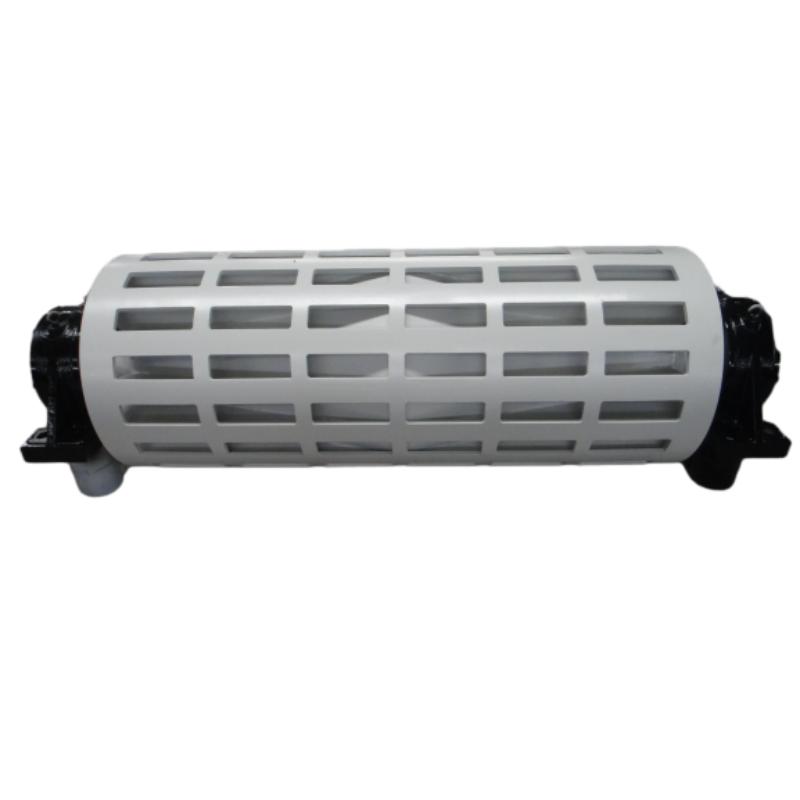
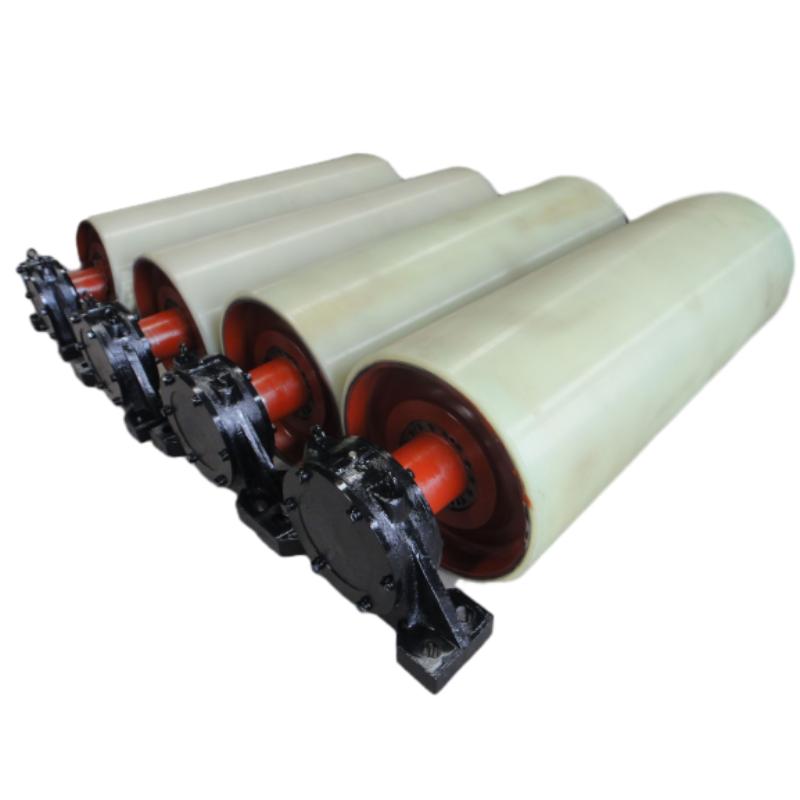
Simply put, conveyor roller stands are structural supports that hold rollers in place within conveyor systems. Think of them as the “legs” beneath a table, providing stability and alignment. They consist of metal frames, often adjustable, made to suit diverse needs—portable or fixed, heavy-duty or light-load. Their connection to modern industry is direct: efficient material handling depends on these stands to keep products moving smoothly along conveyors, increasing throughput and reducing labor costs.
Moreover, humanitarian organizations occasionally rely on conveyor roller stands in distribution hubs for disaster relief, where efficient automated sorting and conveyance of aid supplies make emergency responses swifter and safer.
Key Components and Considerations for Conveyor Roller Stands
1. Durability
Stands need to resist mechanical stress, corrosion, and environmental damage. Materials like galvanized steel or stainless steel are common, especially in outdoor or food-grade applications.
2. Scalability & Modularity
Adjustable stands allow conveyors to be lengthened or reconfigured as operational needs change. Modular designs cut installation times and simplify maintenance.
3. Cost Efficiency
Balancing robust construction with affordable materials keeps operational budgets in check. Sometimes, light-duty stands made from lighter metals can be cost-effective alternatives.
4. Load Capacity
This defines what weight the stands can safely support, essential for heavier industrial items or bulk materials.
5. Mobility and Portability
Some stands are engineered with wheels or easy disassembly for flexible deployment in warehouses or temporary setups.
Mini Takeaway:
- Conveyor roller stands must balance strength, flexibility, and cost to ensure smooth industrial operations.
Conveyor Roller Stands in Action: Global Use Cases
In Europe’s automotive manufacturing plants, conveyor roller stands hold heavy-duty rollers supporting large vehicle parts moving through assembly lines. Meanwhile, food processing plants in North America require stands made of stainless steel to meet hygiene standards, ensuring safe and reliable transport of packaged foods.
Oddly enough, in post-disaster relief centers across Southeast Asia, conveyor roller stands help power temporary sorting facilities, swiftly moving aid materials from trucks to storage or distribution points with minimal manual labor. Remote mining operations in Canada rely on rugged stands designed for sub-zero temperatures, maintaining operational flow despite tough climates.
These stands aren’t just steel supports; they enable global supply chains, connecting raw materials, manufacturers, and consumers seamlessly.
Advantages and Long-Term Benefits
- Cost-saving: Automated conveyor systems supported by robust stands reduce labor costs and decrease downtime.
- Sustainability: Durable stands minimize replacements and waste, aligning with environmental targets.
- Safety: Stable supports prevent conveyor failures, protecting workers from accidents.
- Operational Efficiency: Smooth conveyance speeds up production and logistics timelines.
- Reliability: Trusted industrial components build confidence among operators and stakeholders alike.
Emotionally, it feels reassuring knowing that unseen but reliable equipment upholds the rhythm of global commerce—like an old friend you rarely see but always count on.
Future Trends and Innovations in Conveyor Roller Stands
The industry is witnessing a shift toward lightweight composite materials that keep strength but reduce weight, improving portability and cutting shipping emissions. Additionally, smart conveyor roller stands equipped with sensors are emerging, enabling real-time monitoring of load stress or wear—part of the wider Industry 4.0 digital transformation.
Green energy initiatives encourage the use of low-carbon steel production methods, and policies incentivizing sustainable manufacturing indirectly boost demand for eco-friendly conveyor components. Robotics and automation also drive designs, with stands tailored for precise robotic pick-and-place operations.
Challenges and Expert Solutions
One persistent challenge: balancing cost with quality, especially for small businesses or projects with tight budgets. Lower-cost stands risk premature failure, causing costly downtime. Expert advice is clear—invest upfront in quality materials like galvanized steel and proven designs, and opt for modular units that simplify repairs and replacements.
Supply chain disruptions have made sourcing components tricky; diversifying vendors and maintaining inventory buffers help mitigate risks. Plus, ergonomic designs reducing worker strain gain traction to improve workplace safety.
Product Specifications of Typical Conveyor Roller Stands
| Specification | Details |
|---|---|
| Material | Galvanized Steel / Stainless Steel |
| Adjustability | Height adjustable, 600-1200 mm |
| Maximum Load Capacity | Up to 1,000 kg per stand |
| Portability | Optional caster wheels available |
| Finish | Powder-coated or Zinc plated |
Vendor Comparison: Leading Conveyor Roller Stand Suppliers
| Feature | Supplier A | Supplier B | Supplier C |
|---|---|---|---|
| Material Options | Galvanized Steel, Stainless | Carbon Steel Only | Composite & Steel |
| Adjustability | Height & Length | Fixed height | Height adjustable only |
| Portability | Optional casters | No | Yes, lightweight |
| Pricing | Mid-range | Low | High (premium) |
| Warranty | 5 years | 2 years | 10 years |
FAQs About Conveyor Roller Stands
- Q1: How do conveyor roller stands impact material handling efficiency?
- A1: They provide stable support for rollers, enabling smooth, continuous movement of goods, which reduces blockages and speeds transfer times in warehouses and factories.
- Q2: Are conveyor roller stands customizable to specific industry needs?
- A2: Absolutely. Many manufacturers offer adjustable heights, portability features, and materials suited for food-grade, heavy-duty, or corrosive environments.
- Q3: What safety measures are important with conveyor roller stands?
- A3: Ensuring stands have proper load ratings, secure fastening, and ergonomic designs helps protect workers and prevents conveyor system failures.
- Q4: Can conveyor roller stands be used in temporary setups?
- A4: Yes, mobile or modular roller stands are designed exactly for such uses, offering flexibility for short-term projects or shifting warehouse layouts.
- Q5: What is the typical lifespan of a conveyor roller stand?
- A5: Lifespan varies with material, load, and environment, but quality stands last 10 years or more with proper maintenance.
Conclusion
Thinking long-term, investing in well-built conveyor roller stands pays dividends not only in cost savings but in reliability, safety, and sustainability. These mechanical supports quietly keep the wheels of industry turning, enabling supply chains that feed, build, and innovate globally. If you want to explore quality conveyor roller stands or upgrade your current material handling setup, visit conveyor roller stands for more details and expert advice.
Thanks for joining me in this deep dive. I suppose next time you see a conveyor system in action, you’ll appreciate the humble roller stands holding it all up.
-
Maximize Conveyor Life with a High Performance impact bedNewsApr.16,2026
-
Maximize Conveyor Efficiency Using a v plow belt scraperNewsApr.09,2026
-
Comprehensive Guide to Understanding Different Types of Belt CleanersNewsApr.07,2026
-
Enhancing Conveyor Efficiency with an Effective Scraper Belt CleanerNewsApr.04,2026
-
Optimizing Conveyor Systems with Advanced Cleaning Equipment SolutionsNewsMar.31,2026
-
Effective Conveyor Belt Scraper Adjustment for Optimal System PerformanceNewsMar.28,2026