

Conveyor Roller Bracket: Essential Guide to Material Handling Components
Understanding the Conveyor Roller Bracket: The Backbone of Material Handling
Let’s be honest—when you think of industrial logistics or automated manufacturing, it’s easy to focus on the flashy parts: robots, software, or conveyor belts themselves. But hidden in the background, playing a quietly crucial role, is something called the conveyor roller bracket. This small component is a serious workhorse in countless industries worldwide.
Why does it matter? Because without durable, efficient conveyor roller brackets, conveyor rollers wouldn’t stay in place properly, leading to downtime, costly repairs, or safety hazards. Worldwide, industries rely on smooth material movement to keep supply chains flowing, and the quality of conveyor roller brackets impacts that flow more than most people realize.
Introduction: A Global Perspective on Conveyor Roller Brackets
Across the globe, the materials handling sector is enormous and growing—according to the International Organization for Standardization (ISO), the global automated conveyor market is expected to expand by over 6% annually through 2030. This growth links directly to rising demand in manufacturing, warehousing, and logistics hubs in Asia, Europe, and the Americas.
But here’s the catch: as facilities become larger and faster, the mechanical components that support conveyor lines must withstand more strain, longer operating hours, and harsher environments. Conveyor roller brackets are essential to securing rollers firmly, ensuring consistent alignment and reducing wear and tear. When brackets fail, entire lines can halt, costing time and money. So, not only are they practical, they’re vital to meeting the reliability expectations of modern industry.
What Is a Conveyor Roller Bracket?
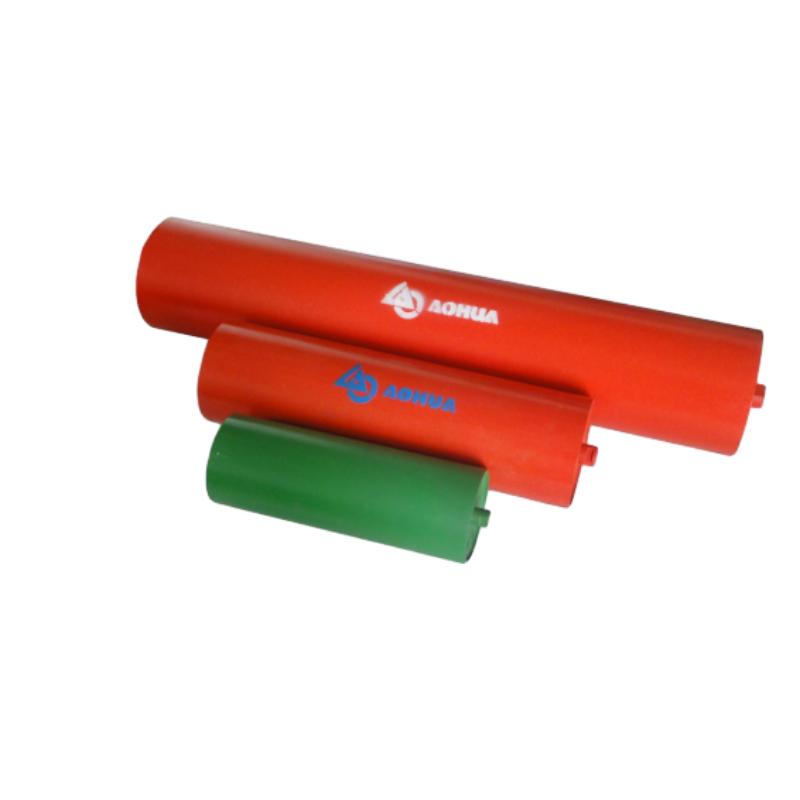
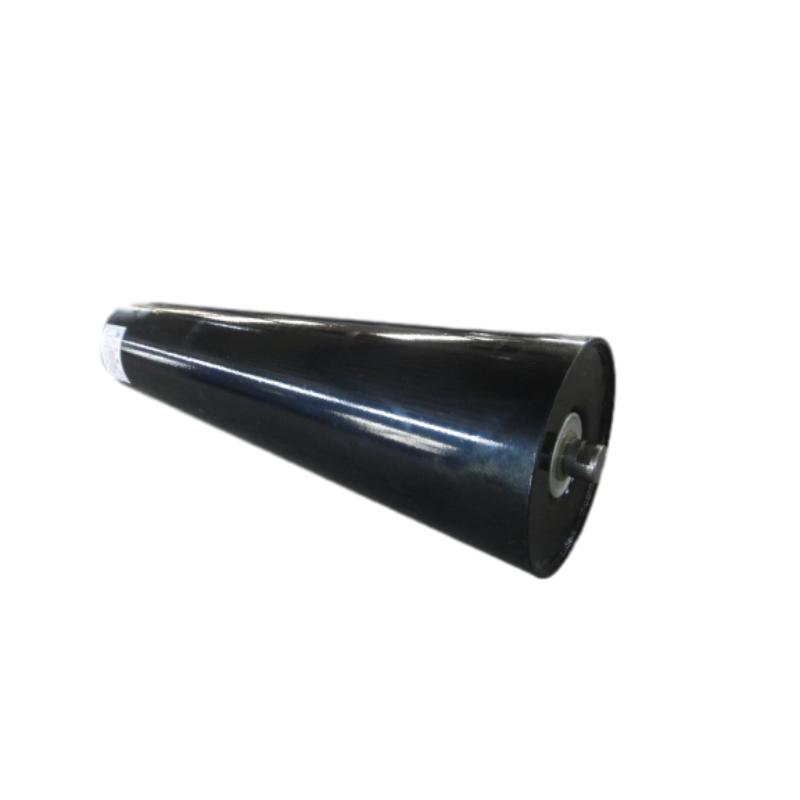
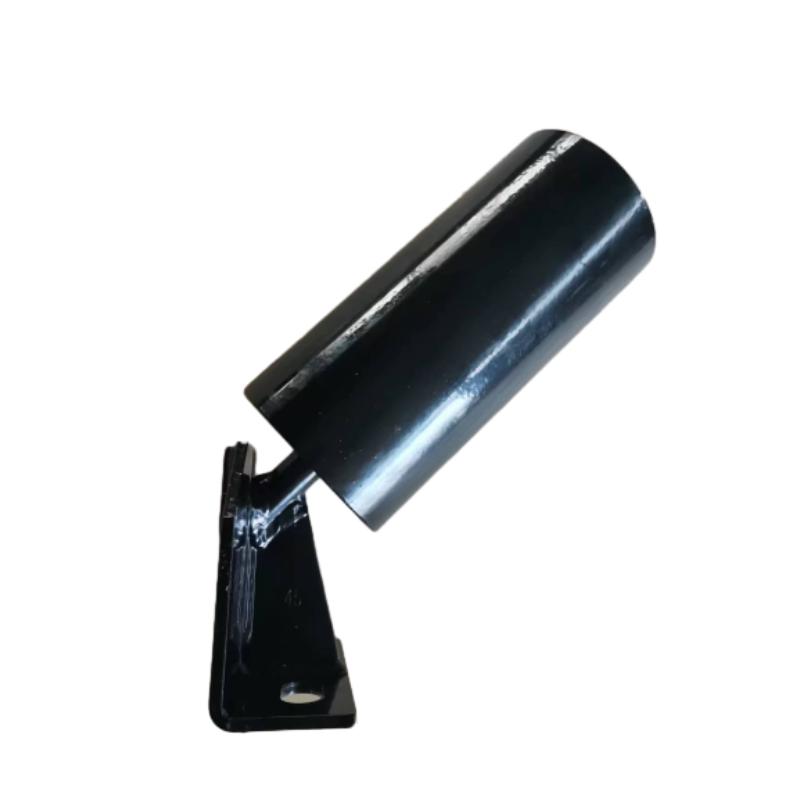
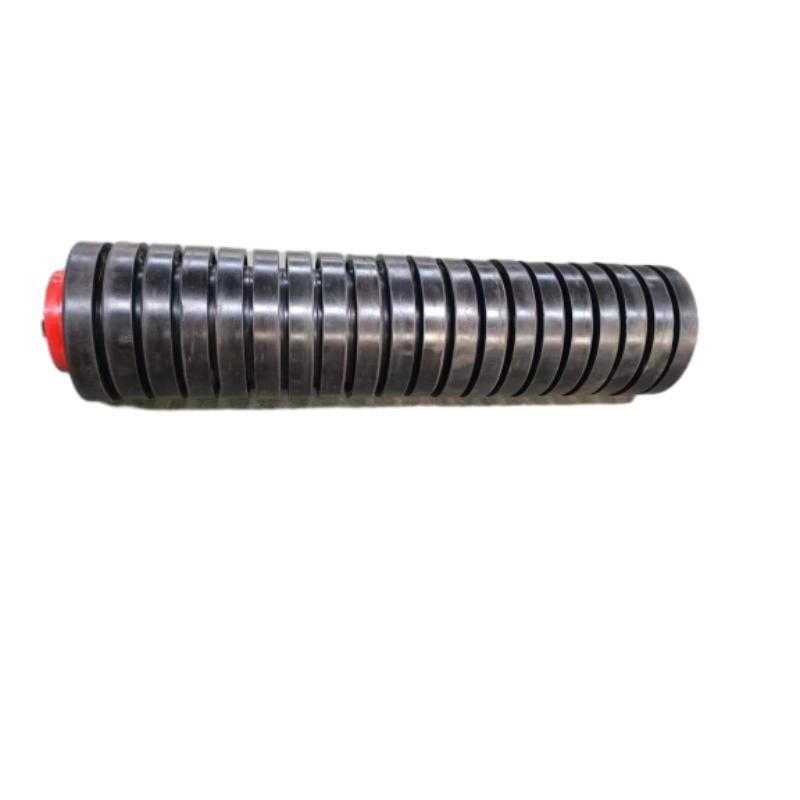
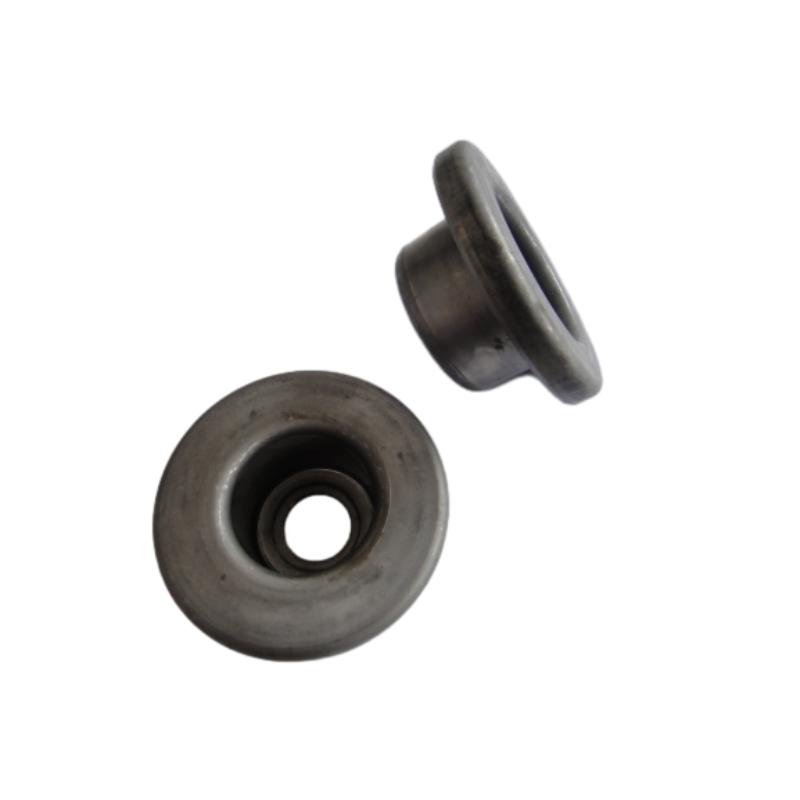
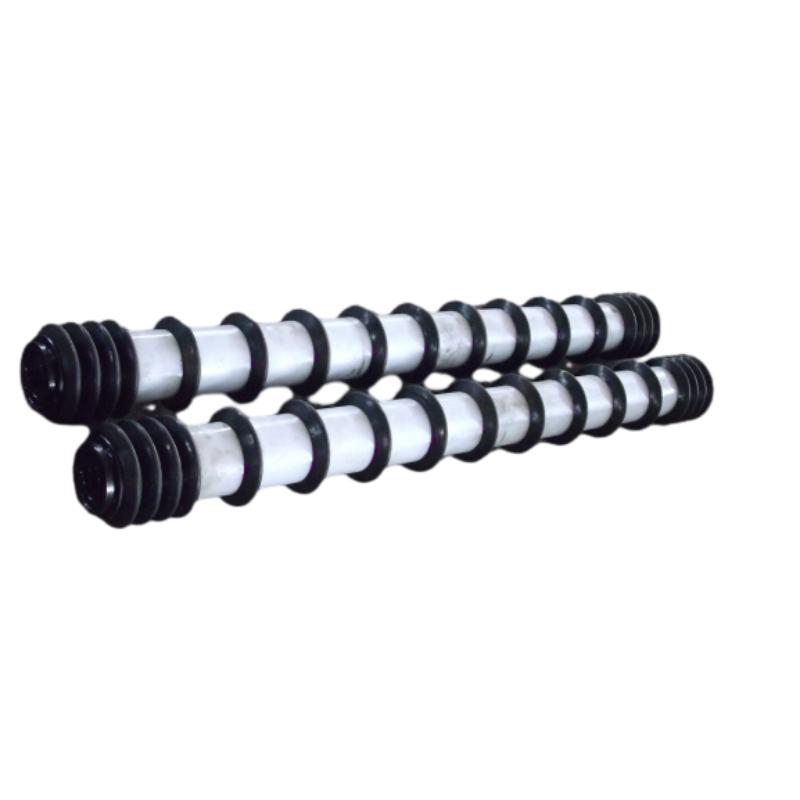
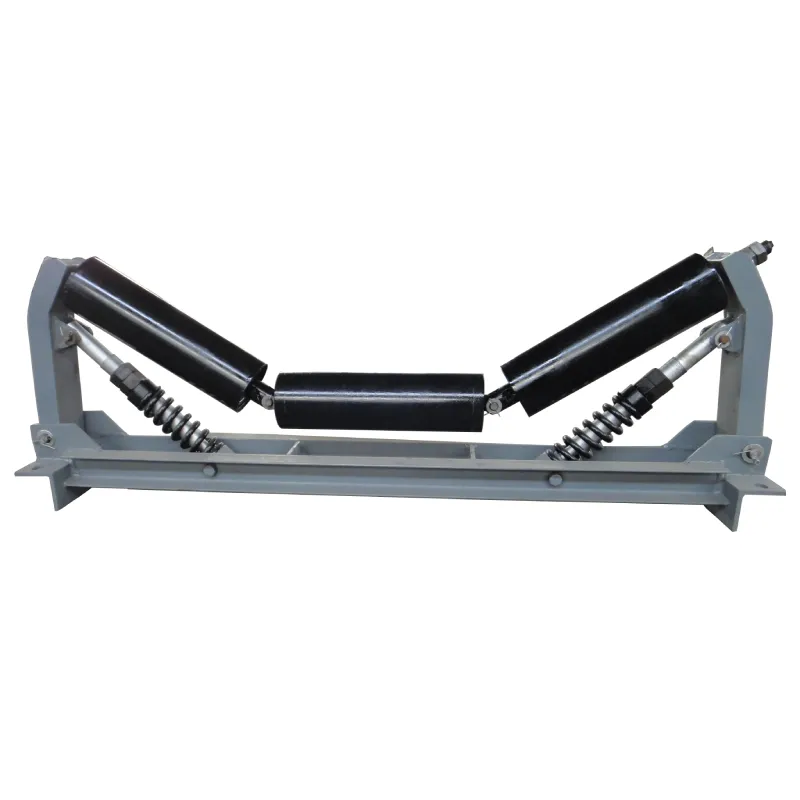
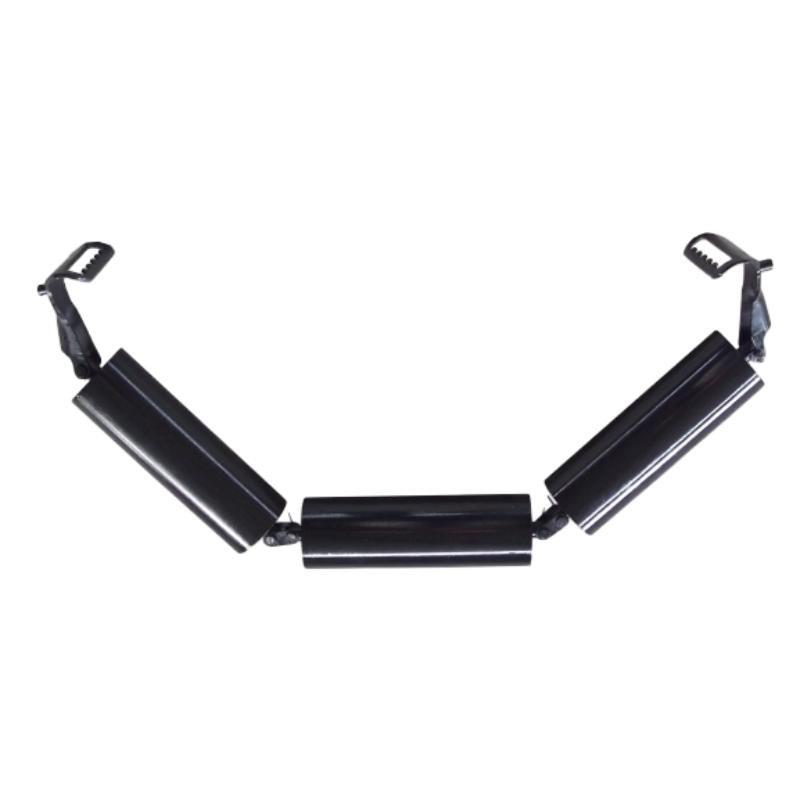
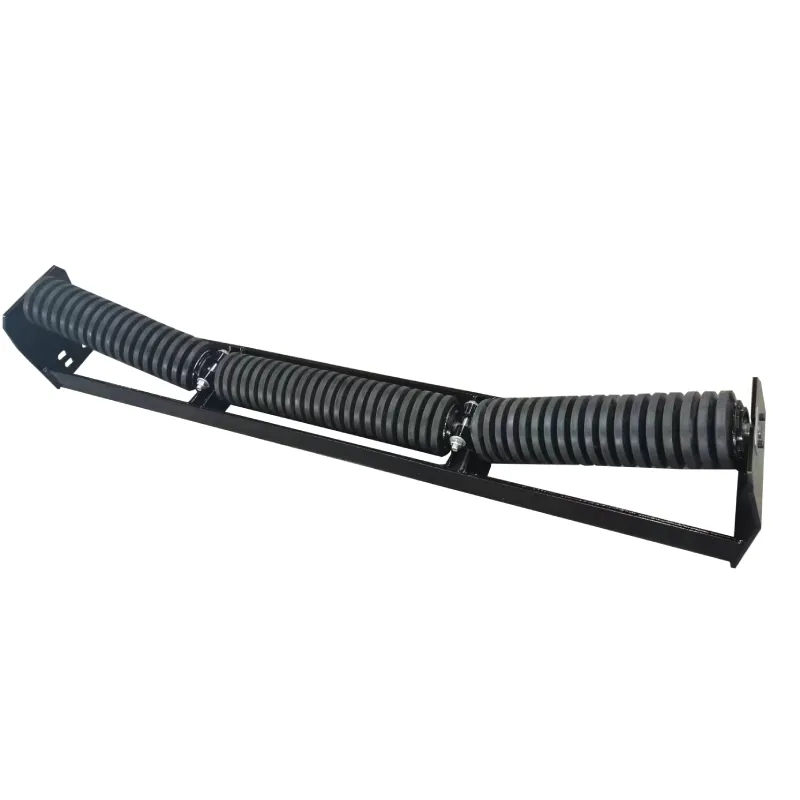
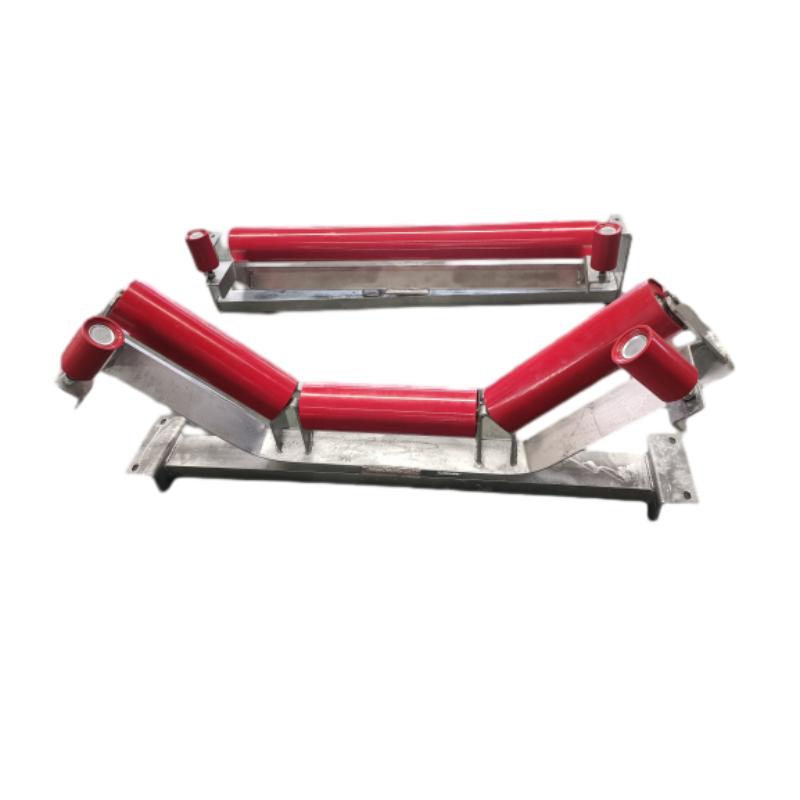
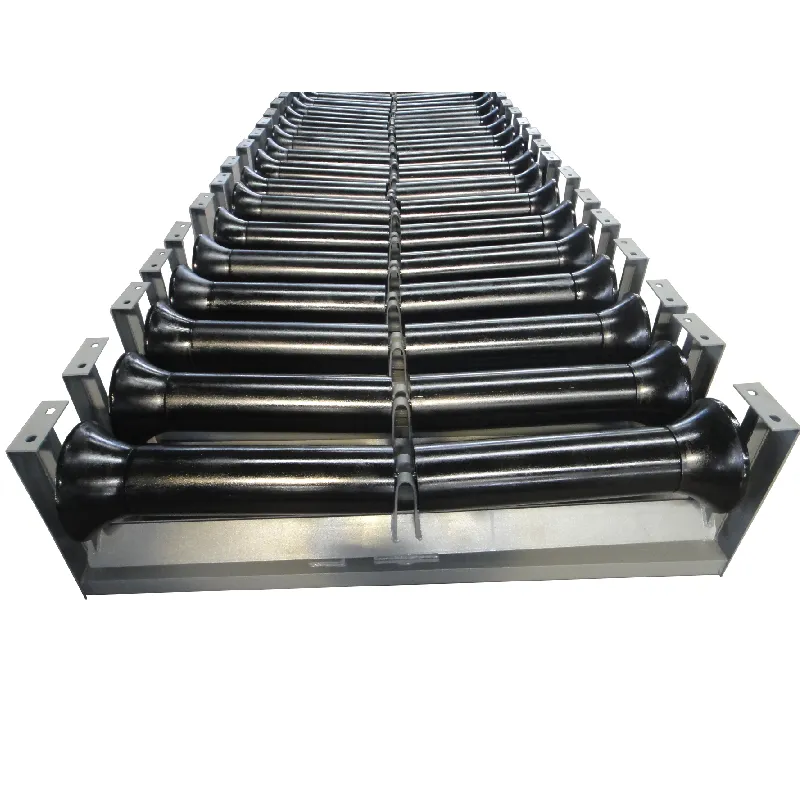
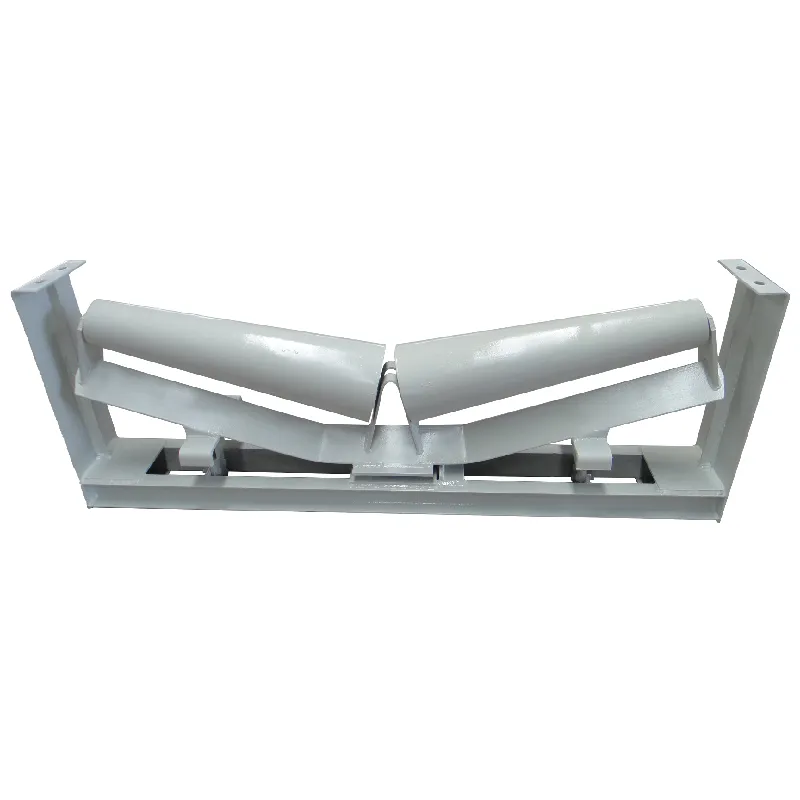
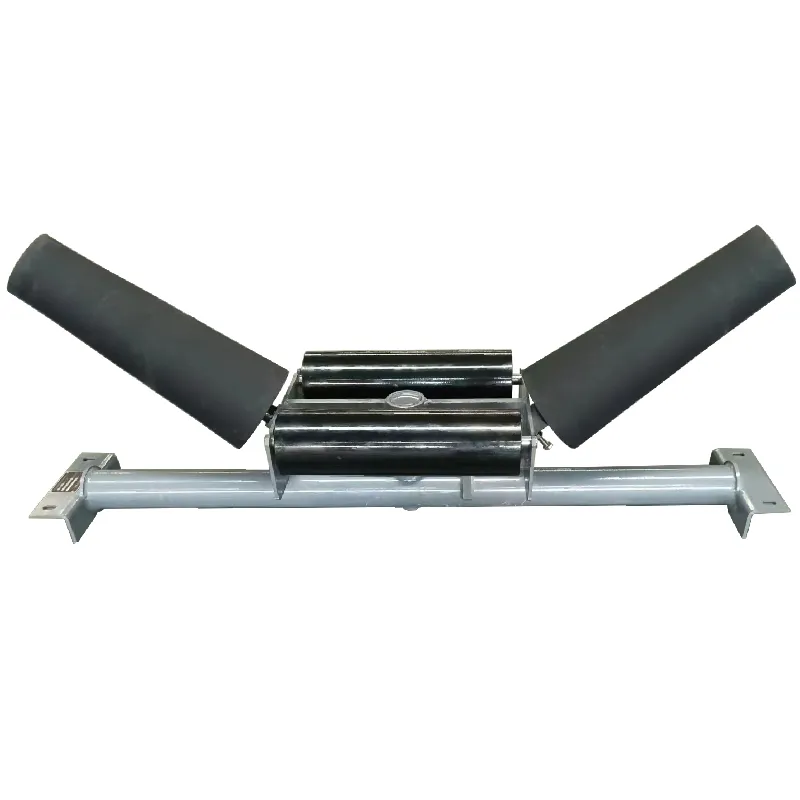
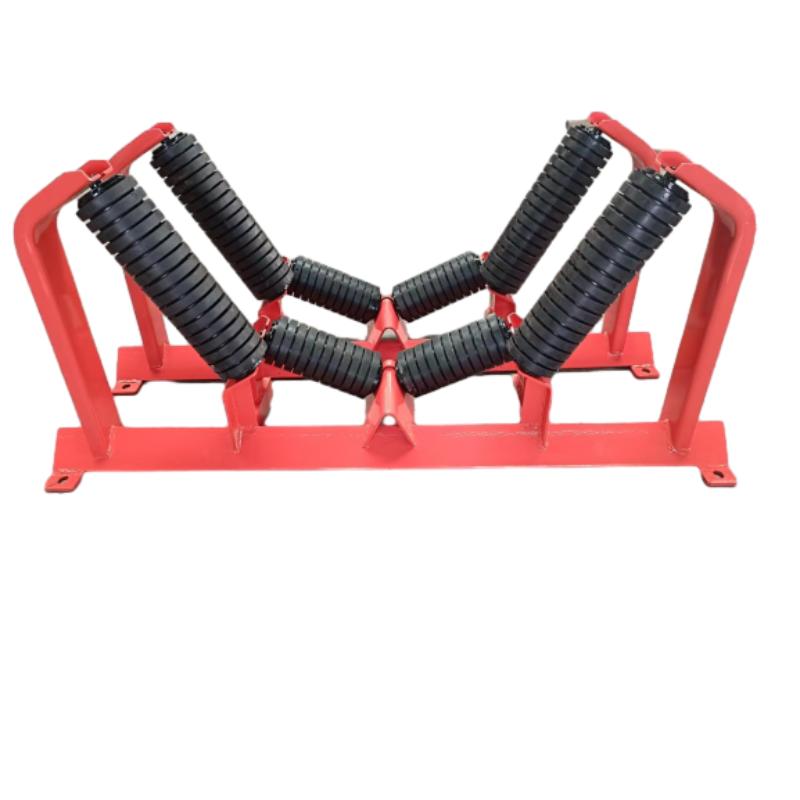
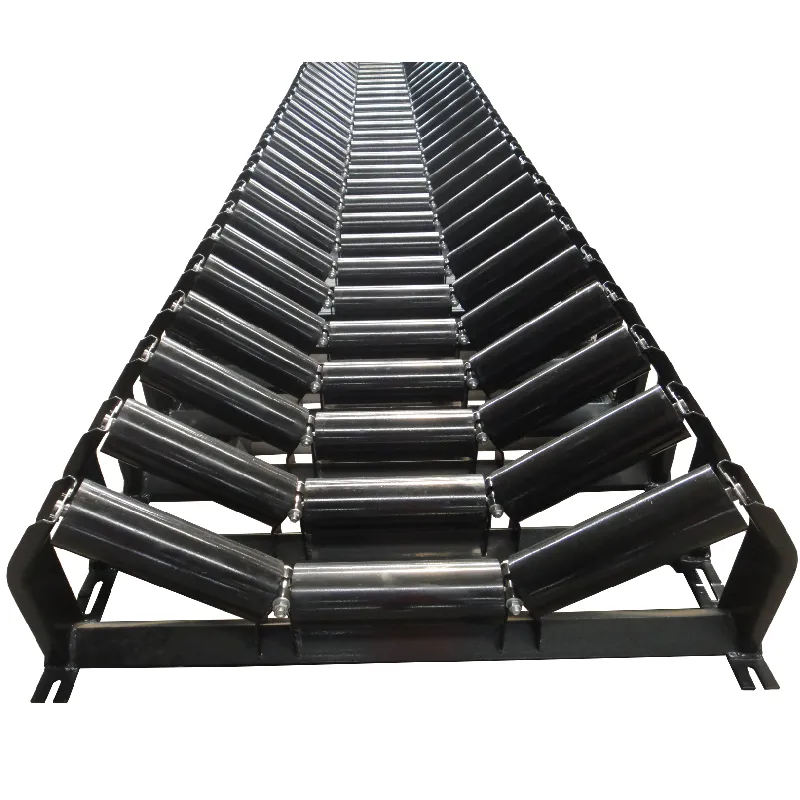
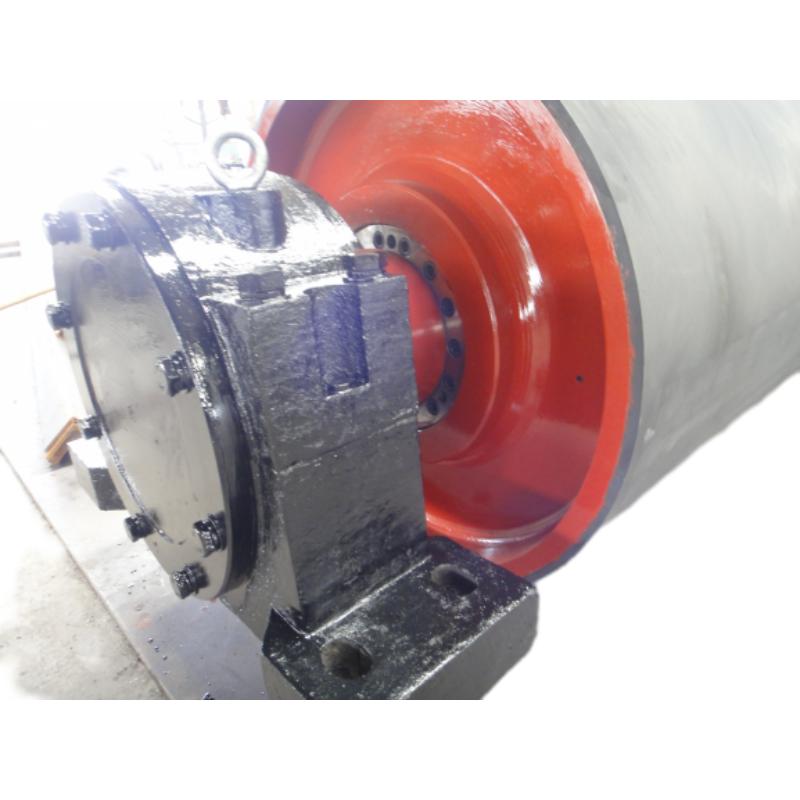
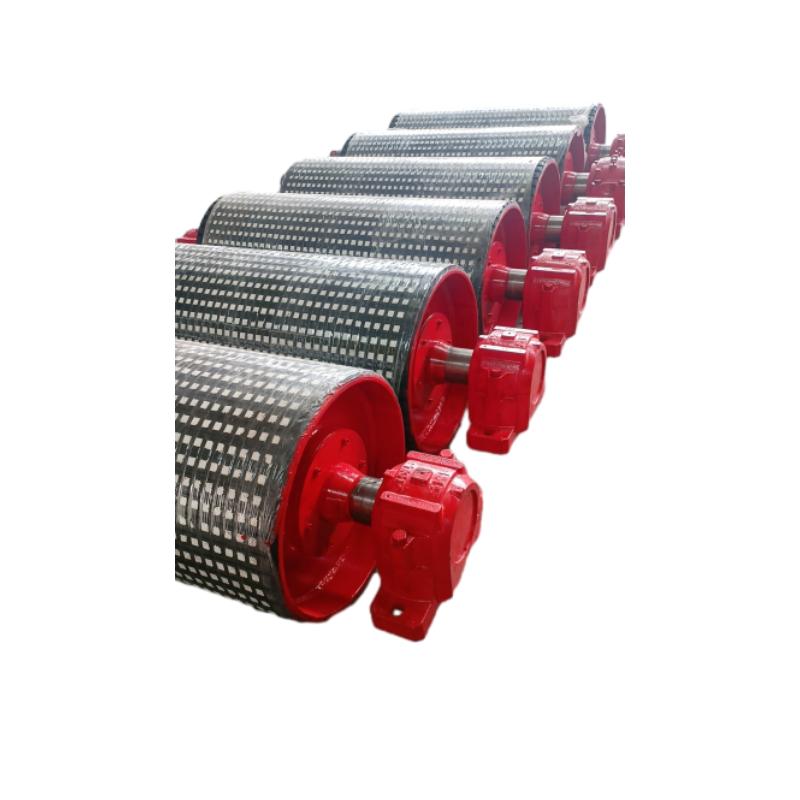
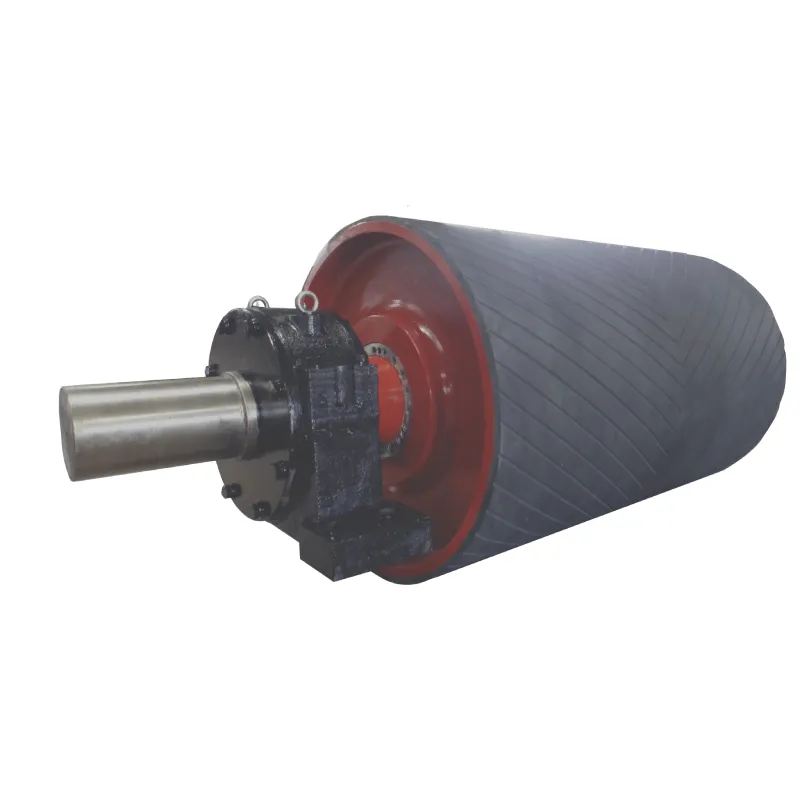
Put simply, a conveyor roller bracket is a sturdy support fixture that attaches a conveyor roller to the conveyor frame. It holds the roller securely while allowing it to rotate freely, helping materials glide gently over the belt or rollers. Conveyor roller brackets come in various shapes and sizes, often made from steel or other tough metals, and are engineered to fit different conveyor designs.
While it may sound mundane, the bracket’s strength, design, and material can make or break an entire conveyor system. For industries ranging from packaging to mining to humanitarian logistics, where rapid, safe movement of supplies is non-negotiable, these brackets have a direct link to operational success.
Key Factors to Consider in Conveyor Roller Brackets
1. Durability and Material Quality
The harsh environments in factories and ports demand exceptional durability. Usually constructed from galvanized or stainless steel, conveyor roller brackets resist corrosion and mechanical wear, prolonging system lifespans. Oddly enough, even slight corrosion can cause misalignment, increasing maintenance costs drastically.
2. Compatibility and Customization
Conveyor roller brackets aren’t one-size-fits-all. They must fit various roller diameters, shaft sizes, and conveyor frames. The ability to customize brackets according to load weight, roller type, or environmental conditions is often a game-changer.
3. Ease of Installation and Maintenance
Systems often run 24/7, so quick replacements without dismantling whole conveyors minimize downtime. Brackets designed for tool-less installation or simple bolt-on mounting make life easier for maintenance teams.
4. Load Capacity and Stability
Every bracket must support the dynamic loads imposed by the moving roller and the materials being carried. Precision engineering ensures the bracket maintains roller alignment under various stresses.
5. Cost Efficiency
While it might be tempting to go for cheaper brackets, the long-term cost-benefit ratio favors those built for resilience and minimal upkeep. In real terms, buying premium brackets often saves time, money, and headaches.
Conveyor Roller Bracket Specifications
| Specification | Description | Typical Values |
|---|---|---|
| Material | Corrosion-resistant steel (galvanized, stainless) | SS304 / Galvanized |
| Load Capacity | Maximum static and dynamic load supported | Up to 1500 kg per bracket |
| Mounting Type | Bolt-on or clip-in designs | M8 bolts / Clip mount |
| Roller Diameter Compatibility | Range of roller shaft diameters bracket suits | 30-80 mm shaft diameter |
| Operating Temperature Range | Suitable temperature environment for bracket stability | -20°C to 90°C |
Global Applications and Use Cases
The conveyor roller bracket is a linchpin in countless industries worldwide. For example:
- Manufacturing Plants in Germany and Japan utilize custom brackets to support heavy rollers moving automotive parts with exact precision.
- Logistics Warehouses in North America heavily depend on sturdy brackets to handle thousands of packages daily.
- Mining Operations in Australia need brackets resistant to abrasion and dust for robust conveyor systems transporting minerals.
- Humanitarian Aid hubs installed in remote areas rely on easy-to-install conveyor roller brackets to assemble rapid supply chains quickly.
- Even cold-climate facilities in Scandinavia choose brackets rated for low temperatures to prevent brittle failures.
If you’re curious, many of these industries highlight conveyor roller brackets as part of their operational reliability standards.
Vendor Comparison on Conveyor Roller Brackets
| Feature | Brand A | Brand B | Brand C |
|---|---|---|---|
| Material Grade | SS304 Stainless Steel | Galvanized Steel | Carbon Steel with Coating |
| Load Capacity | 1500 kg | 1200 kg | 1300 kg |
| Customization | High (various sizes & thickness) | Medium (limited sizes) | Low (fixed designs) |
| Price | $$$ | $$ | $ |
| Lead Time | 2 weeks | 1 week | 3 weeks |
Advantages and Long-Term Value of Conveyor Roller Brackets
On the surface, these brackets seem like minor parts, but their benefits ripple widely:
- Cost Savings: Longer-lasting brackets reduce replacement expenses and unplanned downtime.
- Sustainability: Corrosion-resistant materials lower waste and environmental footprints.
- Operational Safety: Secure roller mounting prevents accidents, protecting workers.
- Trust and Reliability: Consistent conveyor performance boosts customer confidence and competitive edge.
It’s kind of poetic: something so small can underpin enormous industrial operations worldwide.
Future Trends and Innovations
The conveyor roller bracket world isn’t static. Engineers and manufacturers are working on:
- Advanced Materials: Composite alloys and reinforced polymers that improve strength-to-weight ratios.
- Smart Monitoring: Embedding sensors in brackets to detect wear or alignment issues before they escalate.
- Eco-Friendly Production: Using recycled steel and low-impact coatings to reduce carbon footprints.
- Automation Compatibility: Designing brackets that facilitate rapid automated assembly and component swapping.
So the future points toward smarter, greener, and more adaptable conveyor systems.
Challenges and Solutions in Conveyor Roller Bracket Use
Yet, no system is perfect. Some common hurdles include:
- Corrosion in Harsh Environments: Salt, chemicals, and moisture can degrade brackets prematurely. Solution? Use marine-grade steels or specialized coatings.
- Design Incompatibility: Off-the-shelf brackets sometimes don’t fit custom conveyors well. Solution? Partnering with vendors offering tailored manufacturing.
- Installation Delays: Complex brackets can slow assembly lines. Solution? New fastening tech allowing quick installations.
Manufacturers who innovate here often win clients through reliability improvements.
FAQ: Common Questions About Conveyor Roller Bracket
- What are the main materials used for conveyor roller brackets?
- Typically, brackets are made from galvanized or stainless steel due to their strength and corrosion resistance. Some advanced options include carbon steel with protective coatings or even composite materials, depending on application needs.
- How do I choose the right size bracket for my roller?
- It depends on your roller shaft diameter, load requirements, and conveyor frame type. Always consult technical datasheets and consider custom brackets if your application is unique.
- Can conveyor roller brackets be reused after disassembly?
- Yes, if the brackets show no signs of damage or corrosion. Regular inspections are crucial to ensure safe reuse. Often, high-quality brackets retain their structural integrity through several maintenance cycles.
- Are there eco-friendly options available?
- Definitely. Many manufacturers produce brackets using recycled steel and environmentally friendly coatings, aligning with modern sustainability goals.
- How can I get conveyor roller brackets customized?
- Most reputable suppliers, like conveyor roller bracket manufacturers, offer design consultations to tailor bracket size, shape, and material to your specifications.
Conclusion: The Small Component with Big Impact
Ultimately, the conveyor roller bracket illustrates how even the smallest components matter greatly. Their role in maintaining conveyor reliability, safety, and efficiency is foundational to many industries’ success worldwide. Investing in high-quality, customized brackets is an investment in smoother operations and fewer headaches down the line.
Interested? Visit our website for premium solutions and full product lines designed to meet rigorous industry standards: https://www.idleraohua.com.
Mini Takeaway: Conveyor roller brackets may seem tiny, but their thoughtful design and material choice have outsized impacts on operational success, safety, and sustainability.
References:
1. ISO 22768:2023 - Industrial Automation and Conveyor Systems standards
2. International Labour Organization - Materials Handling Safety Reports
3. Wikipedia: Conveyor System
-
Maximize Conveyor Life with a High Performance impact bedNewsApr.16,2026
-
Maximize Conveyor Efficiency Using a v plow belt scraperNewsApr.09,2026
-
Comprehensive Guide to Understanding Different Types of Belt CleanersNewsApr.07,2026
-
Enhancing Conveyor Efficiency with an Effective Scraper Belt CleanerNewsApr.04,2026
-
Optimizing Conveyor Systems with Advanced Cleaning Equipment SolutionsNewsMar.31,2026
-
Effective Conveyor Belt Scraper Adjustment for Optimal System PerformanceNewsMar.28,2026