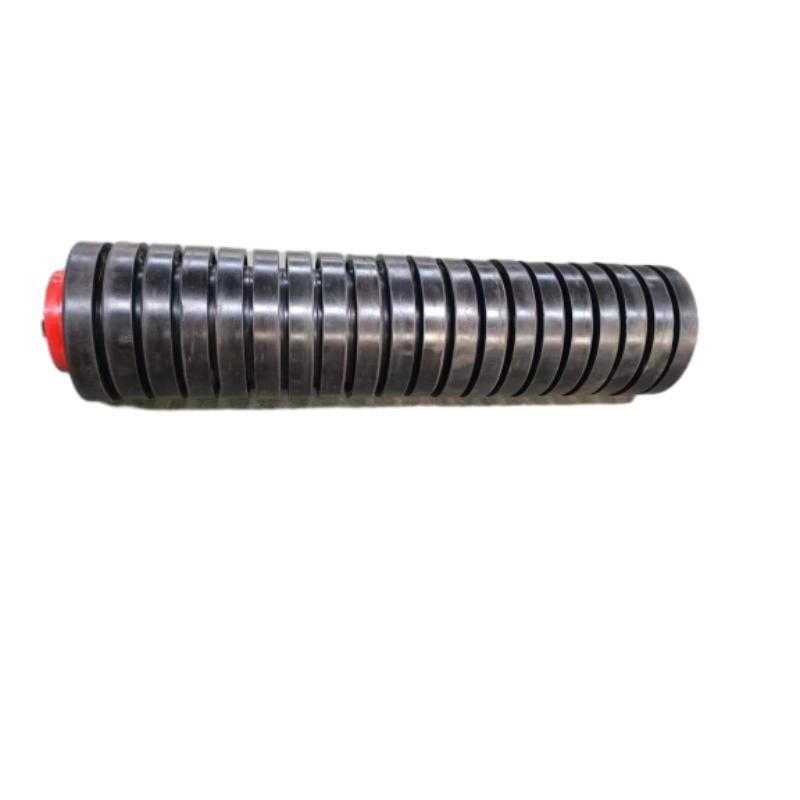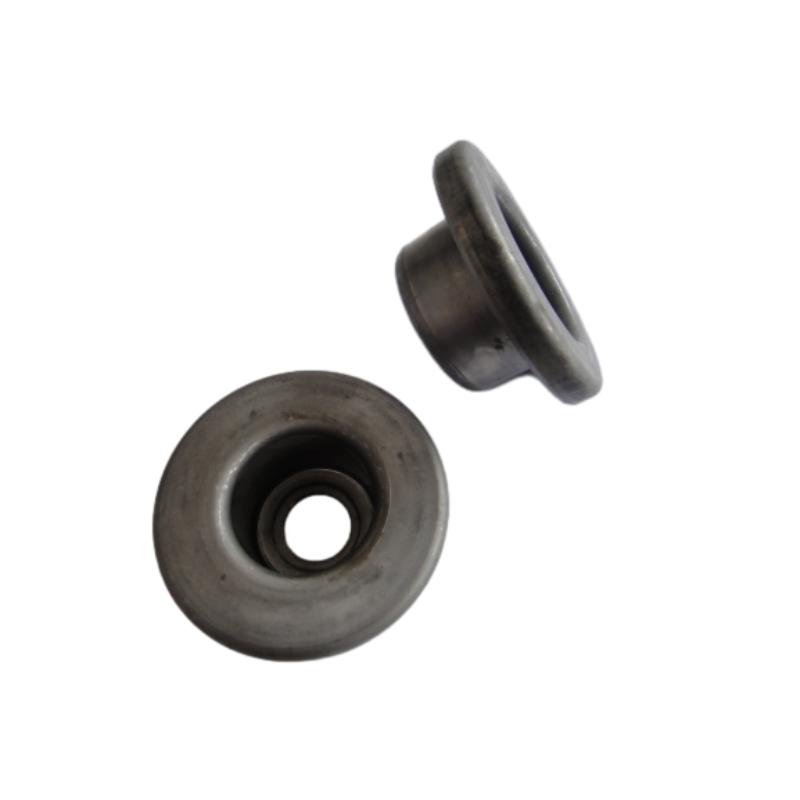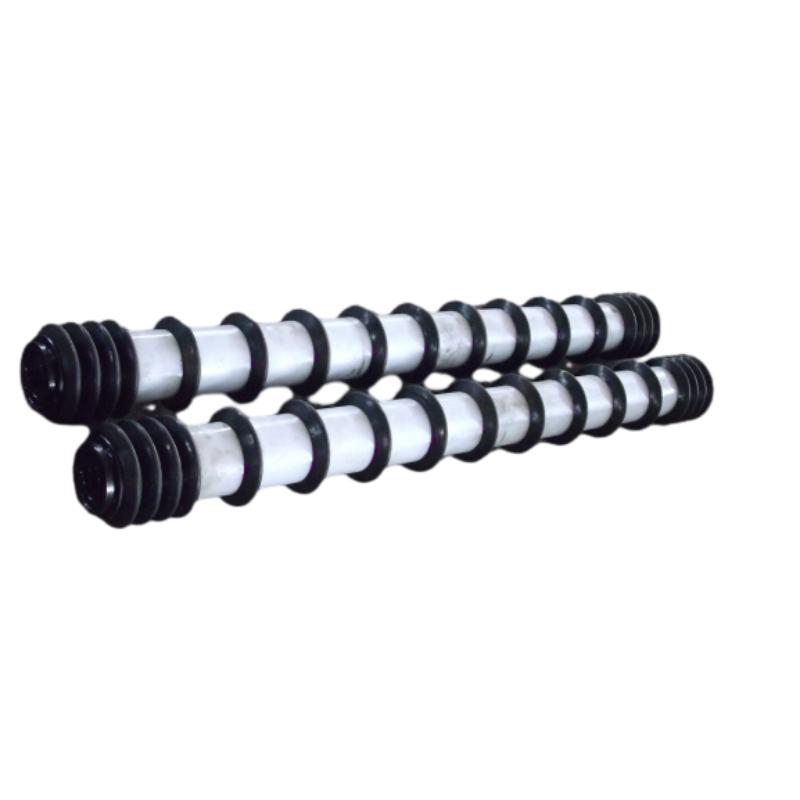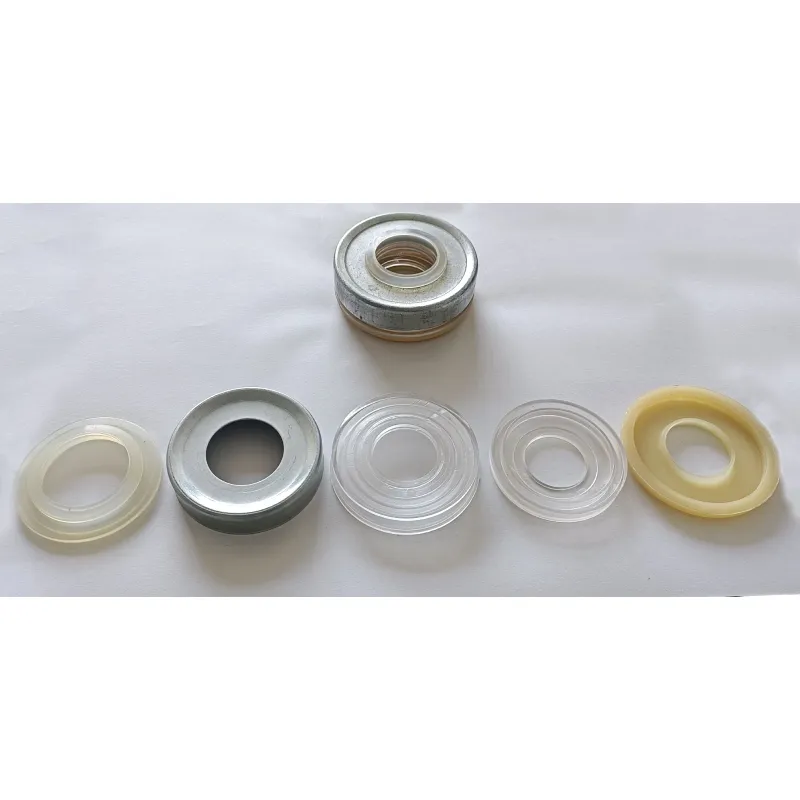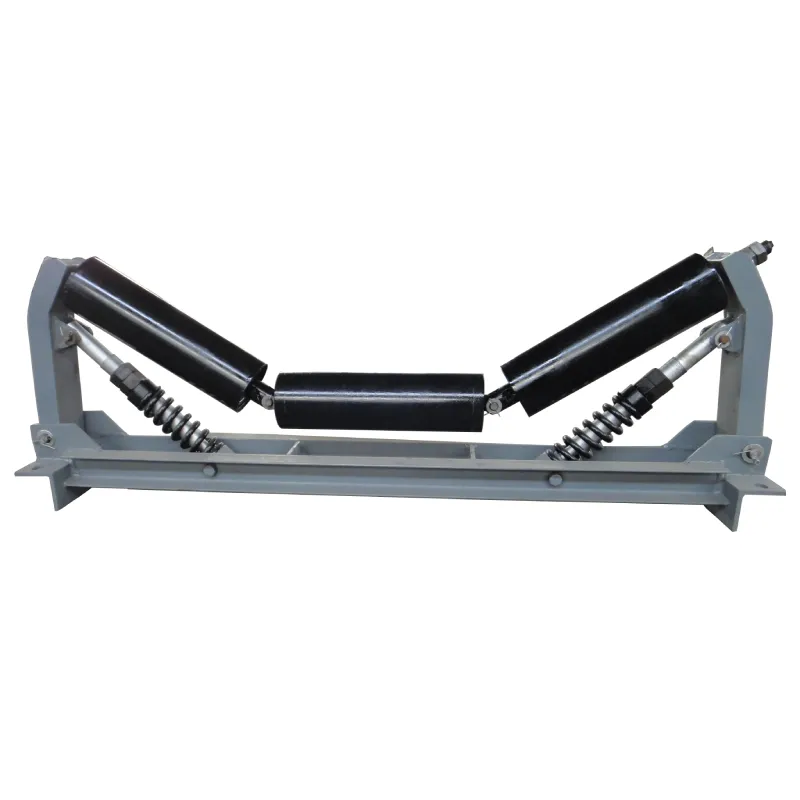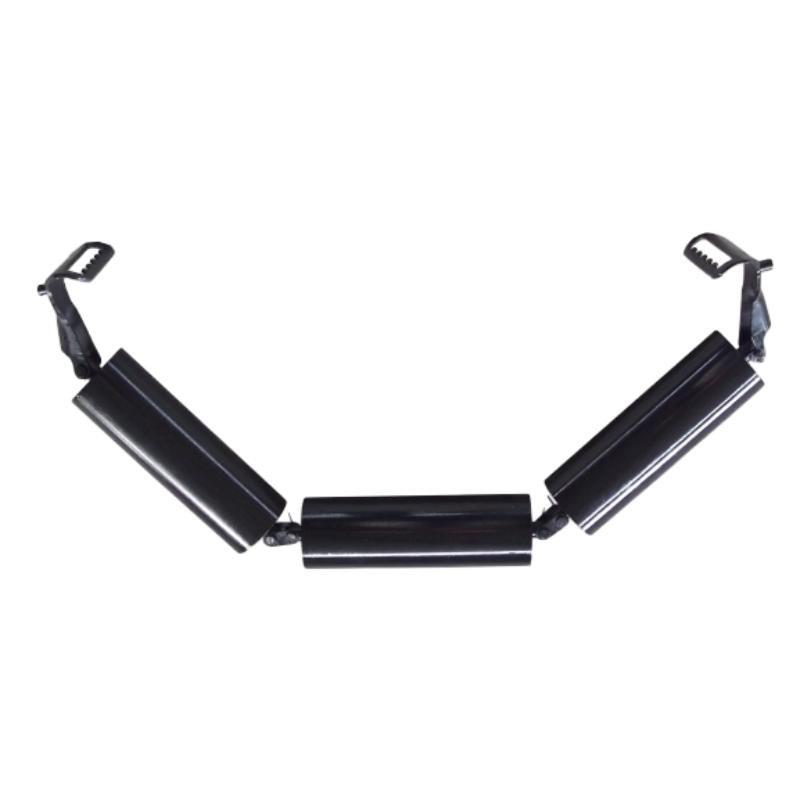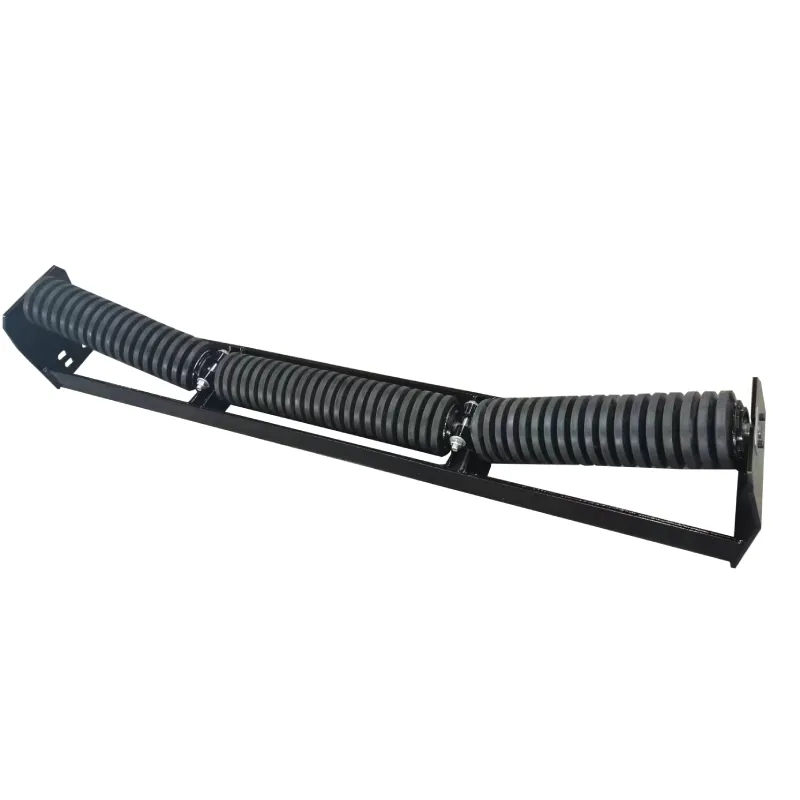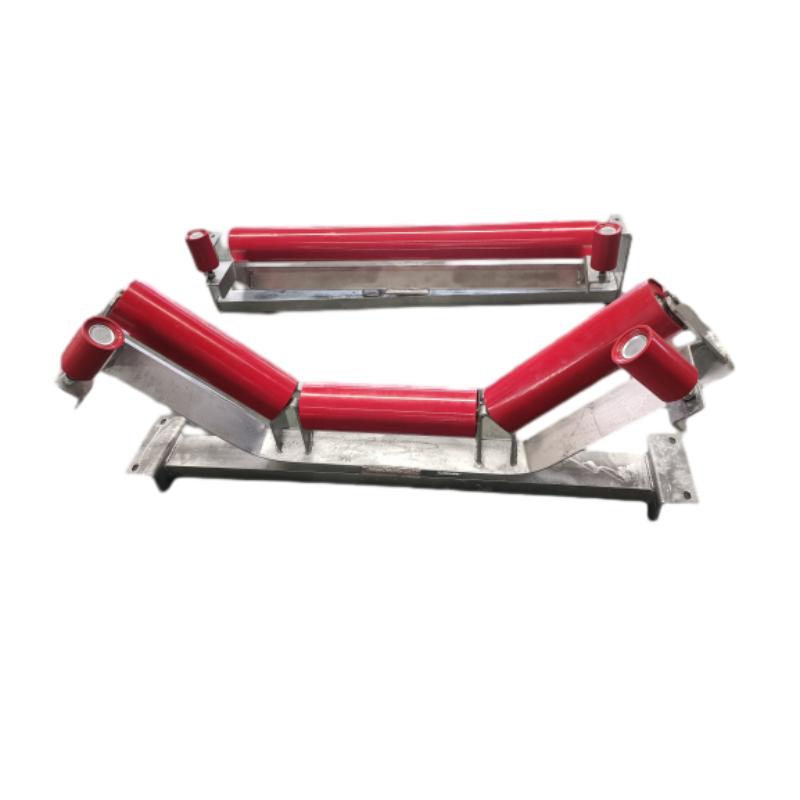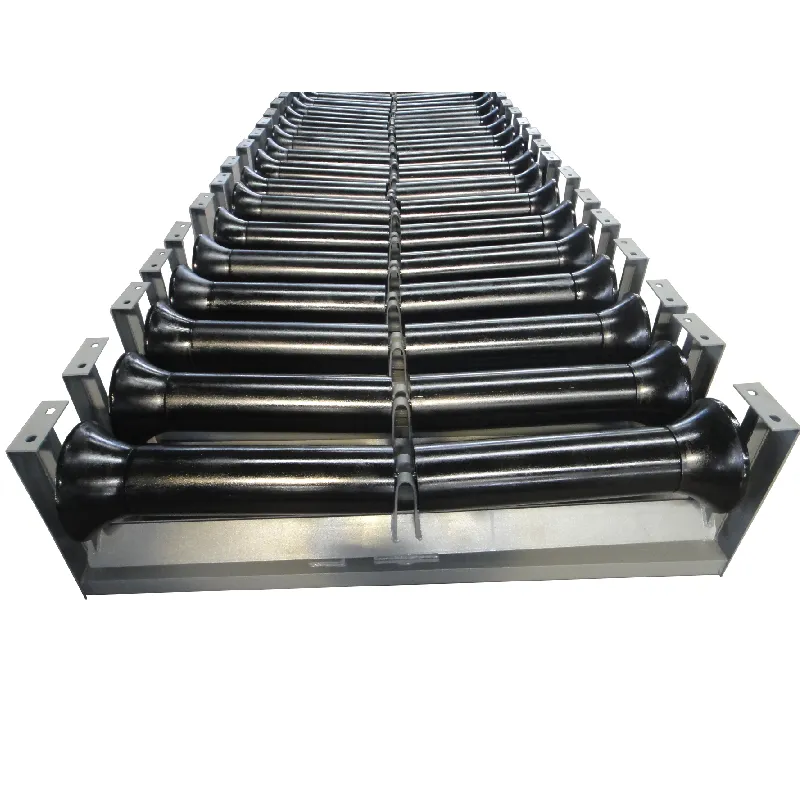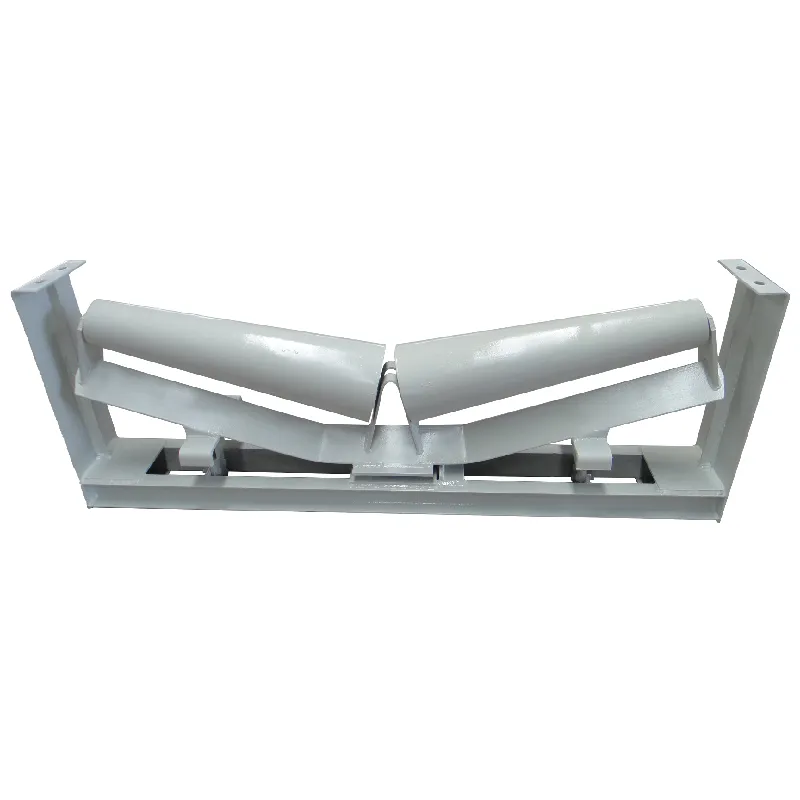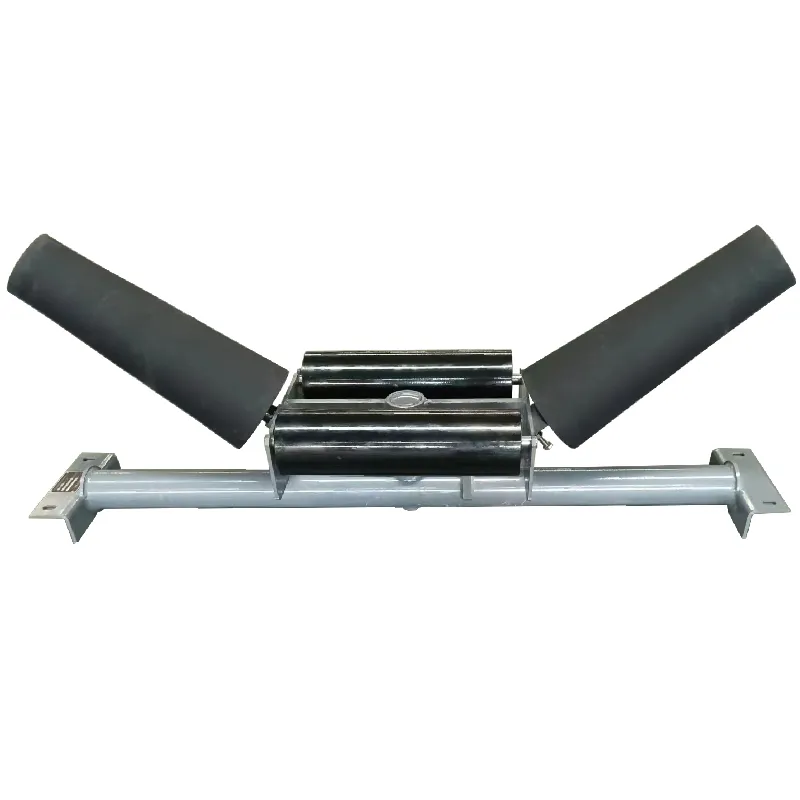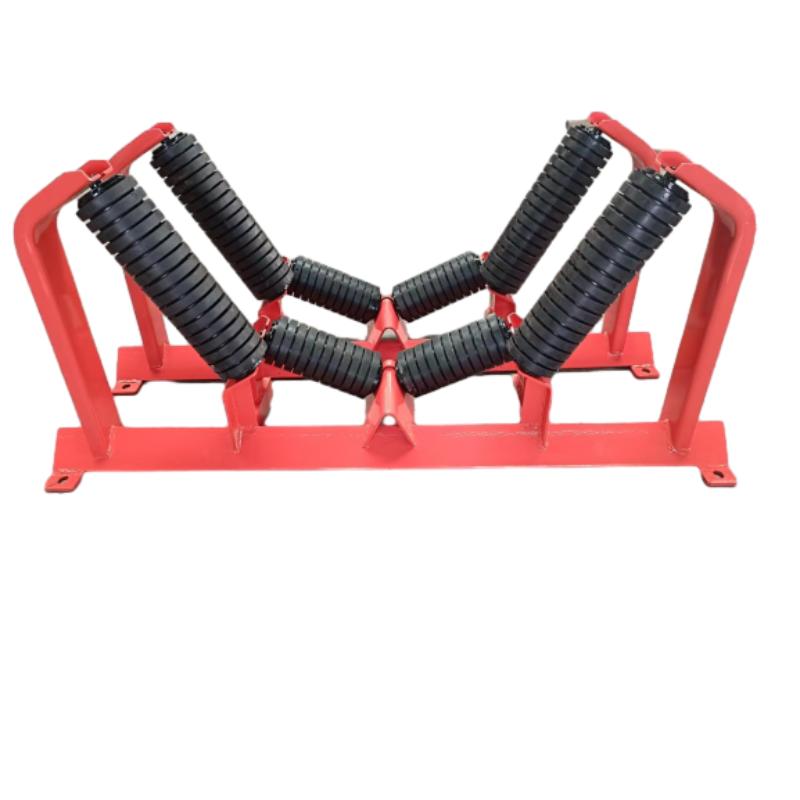


Premium Conveyor Roller & Belt Cleaner Scraper Systems Durable Solutions
- Overview of Conveyor Cleaning Challenges
- Technical Advantages of Modern Cleaning Systems
- Performance Comparison: Leading Manufacturers
- Custom Solutions for Industry-Specific Needs
- Case Studies: Real-World Efficiency Gains
- Maintenance Best Practices
- Future Trends in Conveyor Hygiene Management

(conveyor roller cleaner)
Addressing Persistent Conveyor Roller Cleaner Challenges
Industrial operations lose an estimated $1.2 million annually due to conveyor belt contamination (Global Mining Review, 2023). Conveyor roller cleaner systems have become essential for preventing material buildup that causes:
- 15-20% increased energy consumption from friction
- 35% higher component replacement frequency
- 12% production slowdowns across bulk handling sectors
Technical Superiority in Cleaning Systems
Advanced conveyor belt cleaner scraper designs now incorporate:
| Feature | Standard Models | Premium Models |
|---|---|---|
| Blade Pressure | 20-30 PSI | 45-60 PSI |
| Wear Life | 6-8 months | 18-24 months |
| Installation Time | 4-6 hours | 90 minutes |
Manufacturer Performance Benchmarking
| Vendor | Material | Cleaning Efficiency | Service Life | Cost/Unit |
|---|---|---|---|---|
| BeltClean Co. | Polyurethane | 92% | 22 months | $1,450 |
| RollerTech | Carbide-tipped | 89% | 18 months | $1,780 |
Tailored Cleaning Configurations
Specialized operations require custom conveyor belt cleaner solutions:
- Food Grade: FDA-compliant polyurethane blades
- High-Temperature: Silicon carbide scrapers (600°F rating)
- Corrosive Environments: Tungsten-reinforced edges
Documented Operational Improvements
Implementation results from recent installations:
| Industry | Runtime Increase | Maintenance Cost Reduction |
|---|---|---|
| Coal Processing | 40% | $28,500/yr |
| Cement Production | 33% | $41,200/yr |
Sustaining Conveyor Roller Cleaner Efficiency
Proactive maintenance protocols enhance system longevity:
- Bi-weekly blade tension checks (±5% tolerance)
- Monthly wear pattern analysis
- Quarterly system calibration
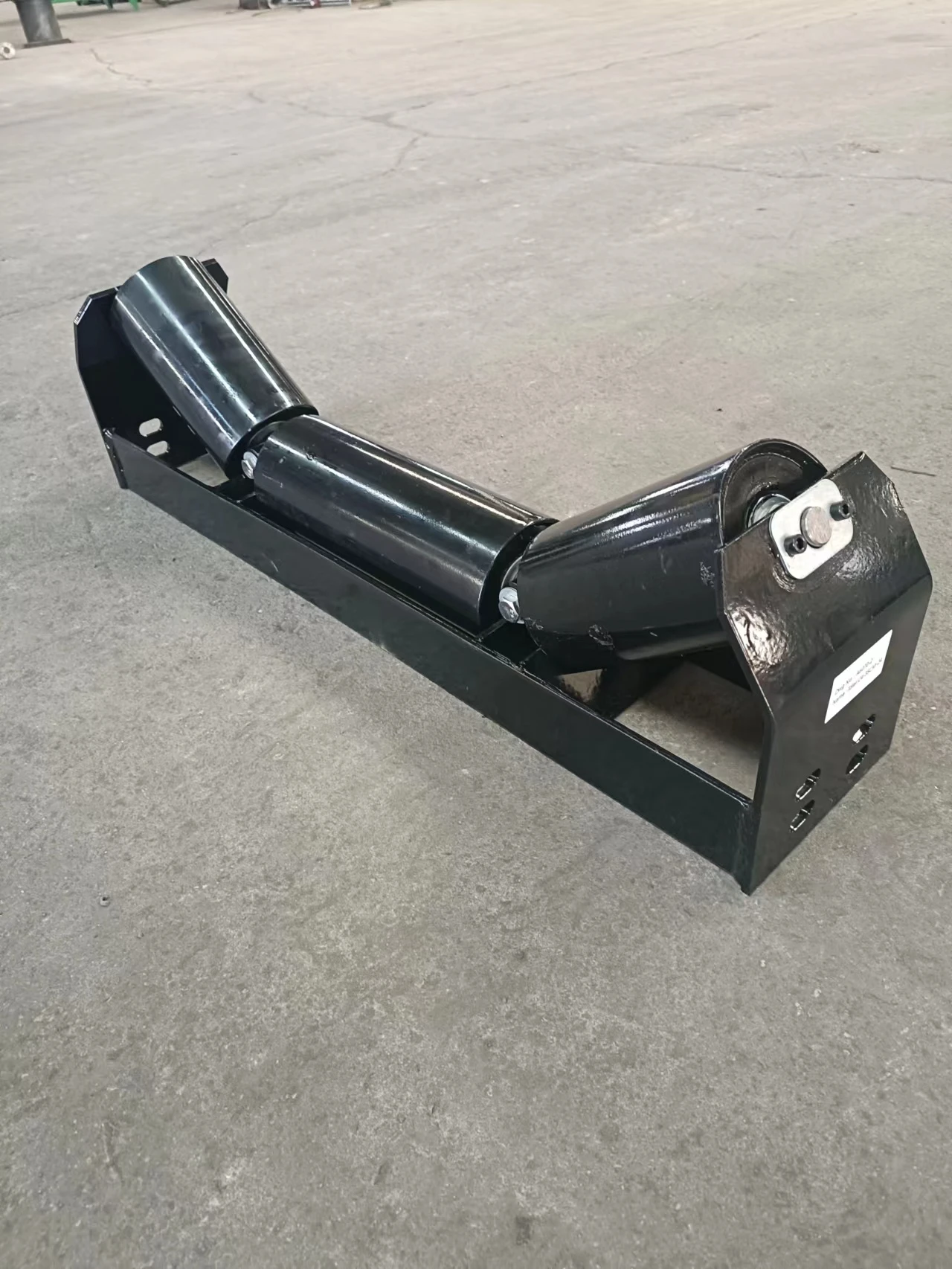
(conveyor roller cleaner)
FAQS on conveyor roller cleaner
Q: What is the primary function of a conveyor roller cleaner?
A: A conveyor roller cleaner removes debris and residue from rollers to prevent material buildup, ensuring smooth operation and prolonging the lifespan of conveyor systems.
Q: Where is a BELT CONVEYOR CLEANER typically installed?
A: Belt conveyor cleaners are usually installed at the discharge end near the head pulley to scrape off clinging materials from the belt surface, minimizing carryback and contamination.
Q: How does a conveyor belt cleaner scraper differ from a roller cleaner?
A: A conveyor belt cleaner scraper directly cleans the belt surface, while a roller cleaner focuses on maintaining rollers. Both prevent material accumulation but target different components.
Q: Why is regular maintenance important for conveyor roller cleaners?
A: Regular maintenance ensures optimal cleaning efficiency, reduces wear on rollers and belts, and prevents unexpected downtime due to blockages or component failure.
Q: What materials are conveyor belt cleaner scrapers made from?
A: Scrapers are often made from durable materials like polyurethane or tungsten carbide to withstand abrasion and maintain effective cleaning without damaging the belt.
-
Maximize Conveyor Life with a High Performance impact bedNewsApr.16,2026
-
Maximize Conveyor Efficiency Using a v plow belt scraperNewsApr.09,2026
-
Comprehensive Guide to Understanding Different Types of Belt CleanersNewsApr.07,2026
-
Enhancing Conveyor Efficiency with an Effective Scraper Belt CleanerNewsApr.04,2026
-
Optimizing Conveyor Systems with Advanced Cleaning Equipment SolutionsNewsMar.31,2026
-
Effective Conveyor Belt Scraper Adjustment for Optimal System PerformanceNewsMar.28,2026