

Comprehensive Guide to Conveyor Roller Mounting Brackets: Applications, Benefits, and Innovations
Understanding Conveyor Roller Mounting Brackets: The Backbone of Efficient Material Handling
Conveyor roller mounting brackets might sound like a small, obscure piece of hardware, but in real terms, they are absolutely vital to the conveyor systems that power industries worldwide. Whether you’re moving raw materials, sorting packages, or ensuring smooth logistics in a warehouse, these brackets play a quiet, sturdy role that often goes unnoticed—until something goes wrong.
Globally, the conveyor industry supports trillions of dollars in goods movement every year, underpinning sectors from manufacturing to humanitarian aid logistics. So understanding conveyor roller mounting brackets offers not just technical insight but a window into how goods and aid reach far corners of the earth efficiently and safely.
Why It Matters Globally
Conveyors reduce manual labor, boost throughput, and help industries meet increasing demand with speed and precision. According to the International Organization for Standardization (ISO), conveyor systems improve workplace safety and productivity worldwide (ISO Standards). However, the durability and precision of conveyor roller mounting brackets directly influence the system’s reliability, bearing the constant load and motion without failure. The COVID-19 pandemic, for instance, revealed chaotically that any disruption in material flow—right down to one broken bracket—can ripple into supply chain chaos.
Definition & Meaning
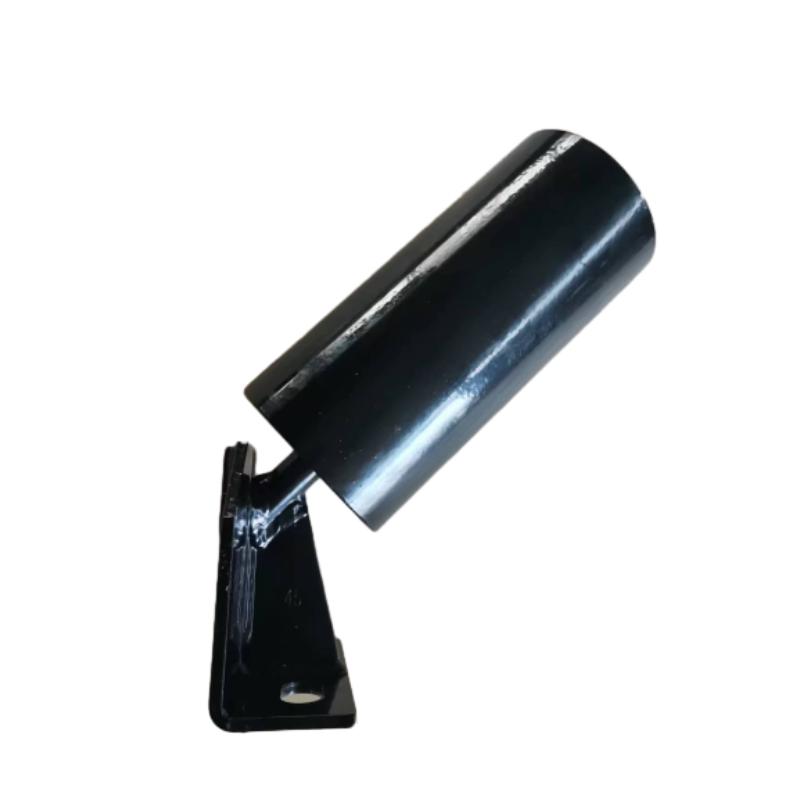
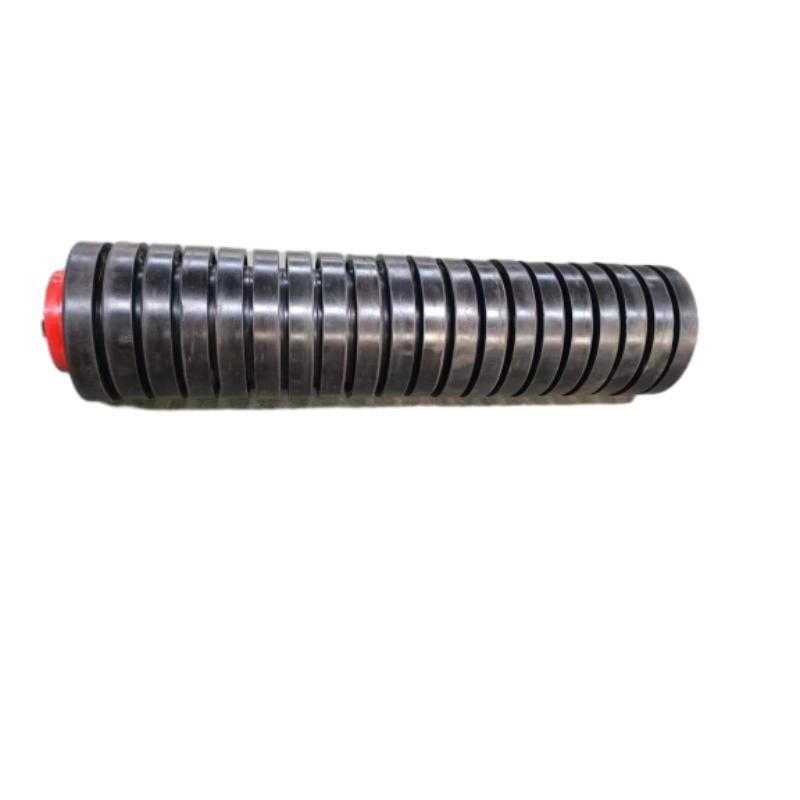
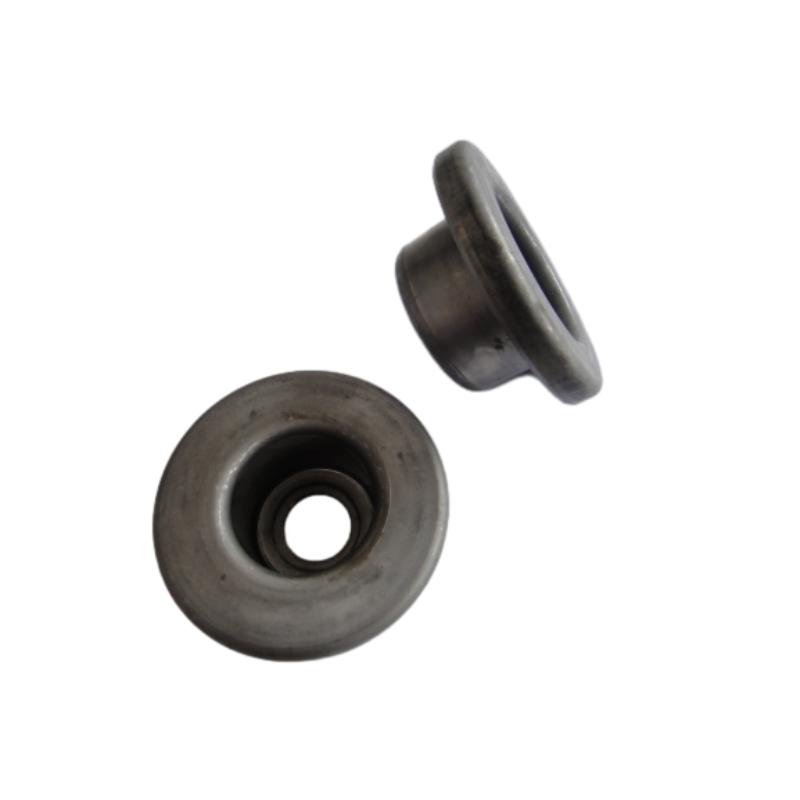
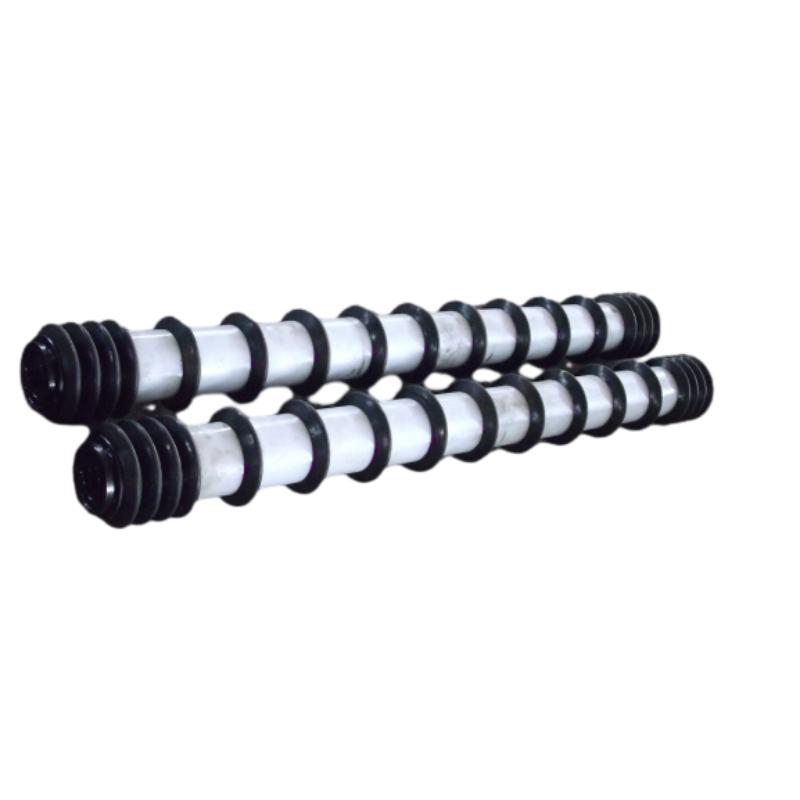
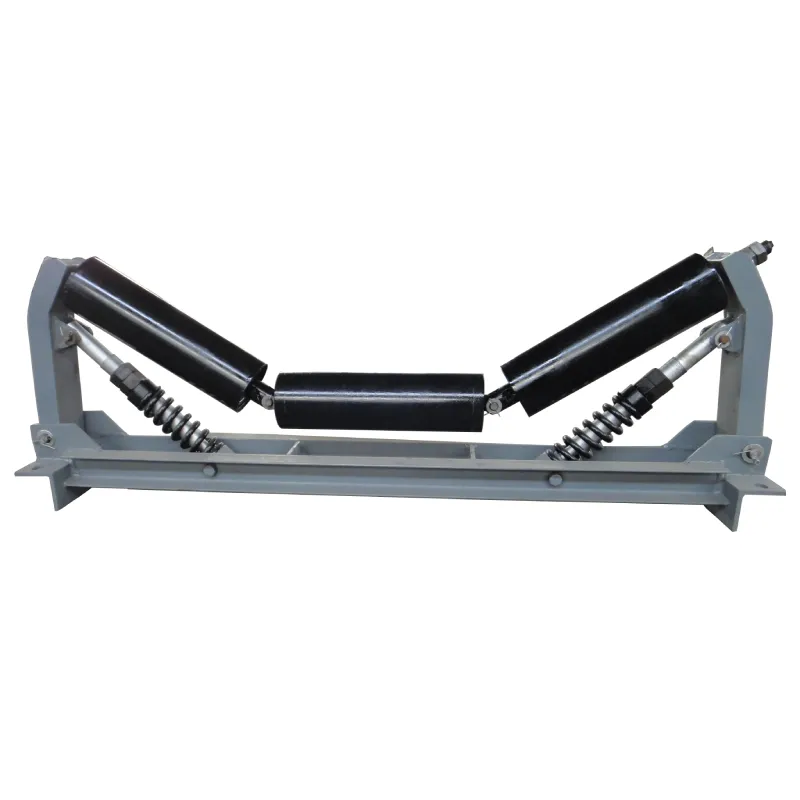
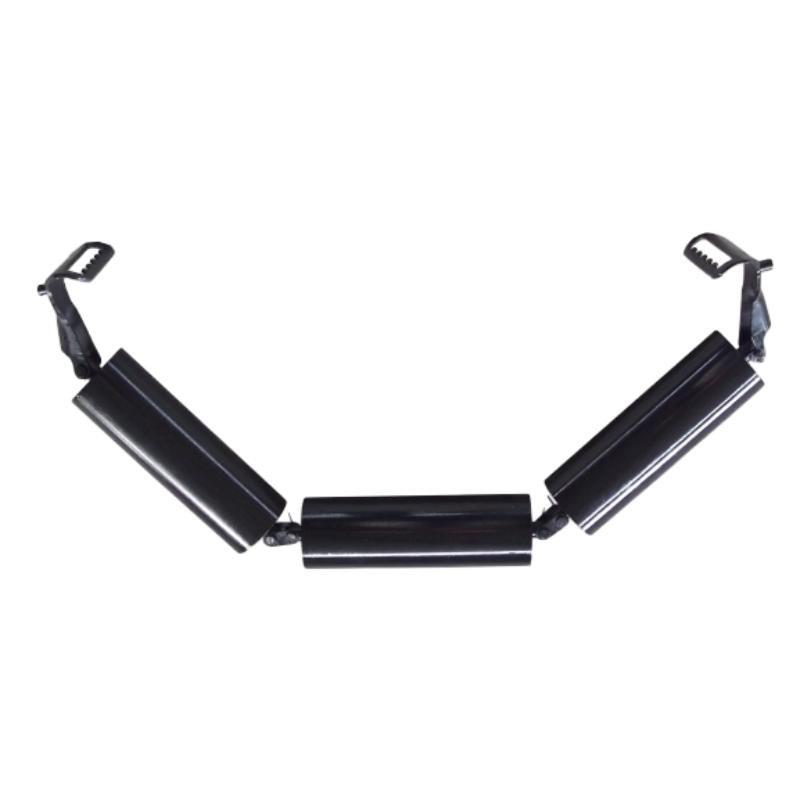
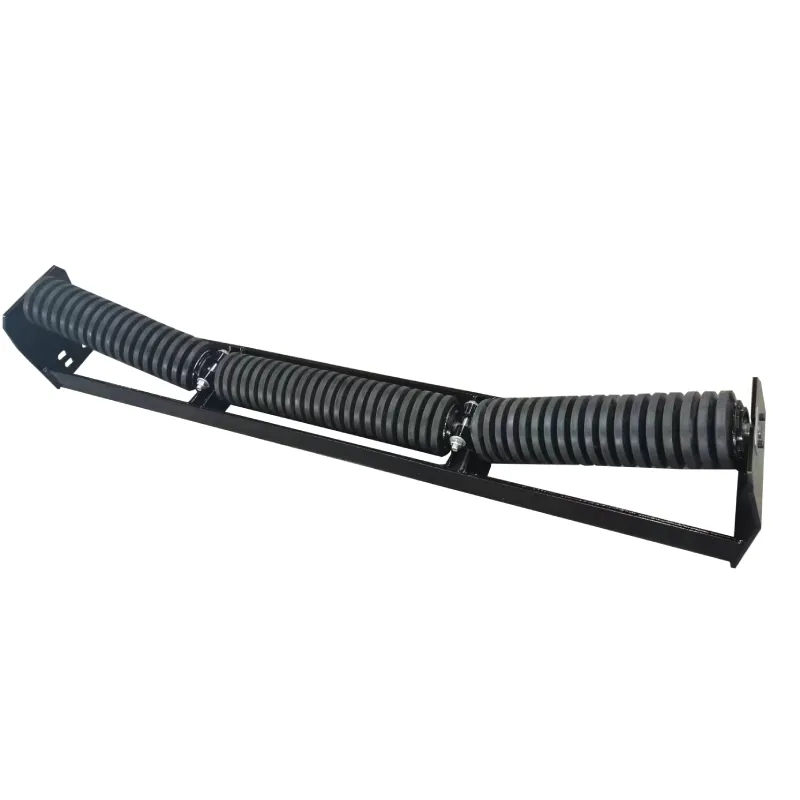
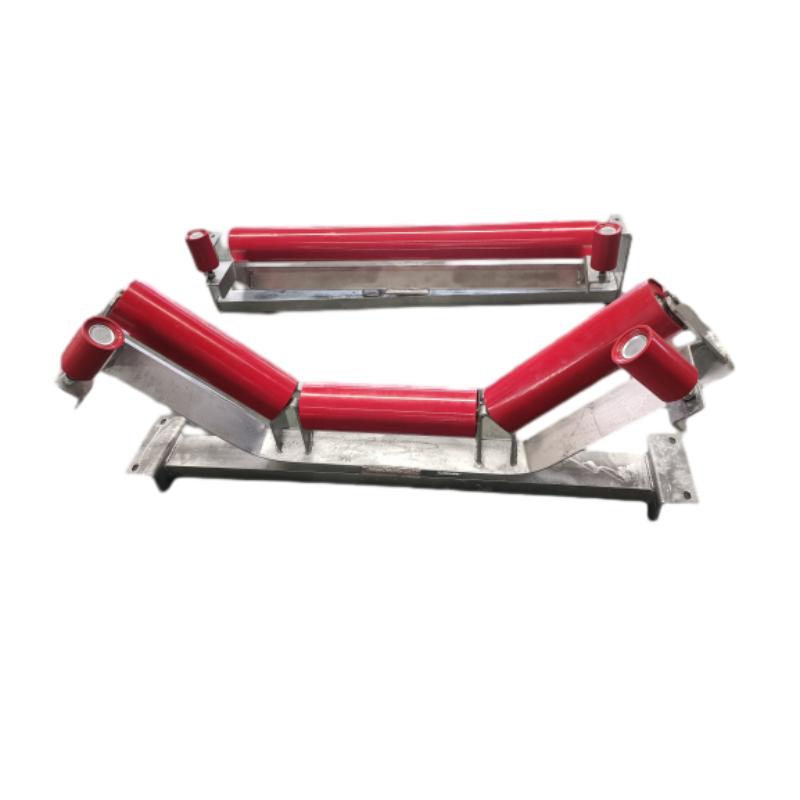
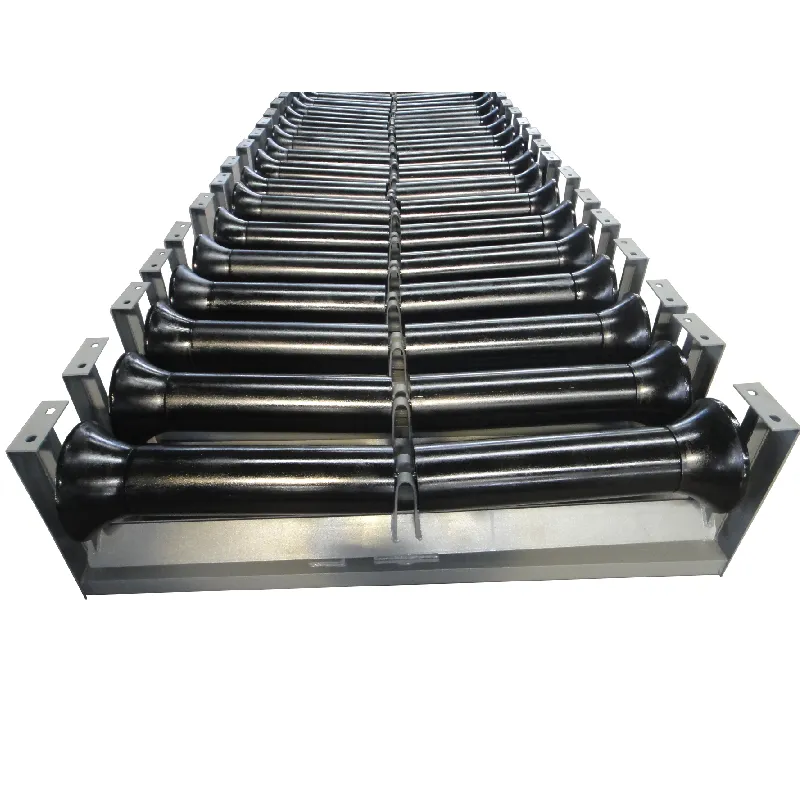
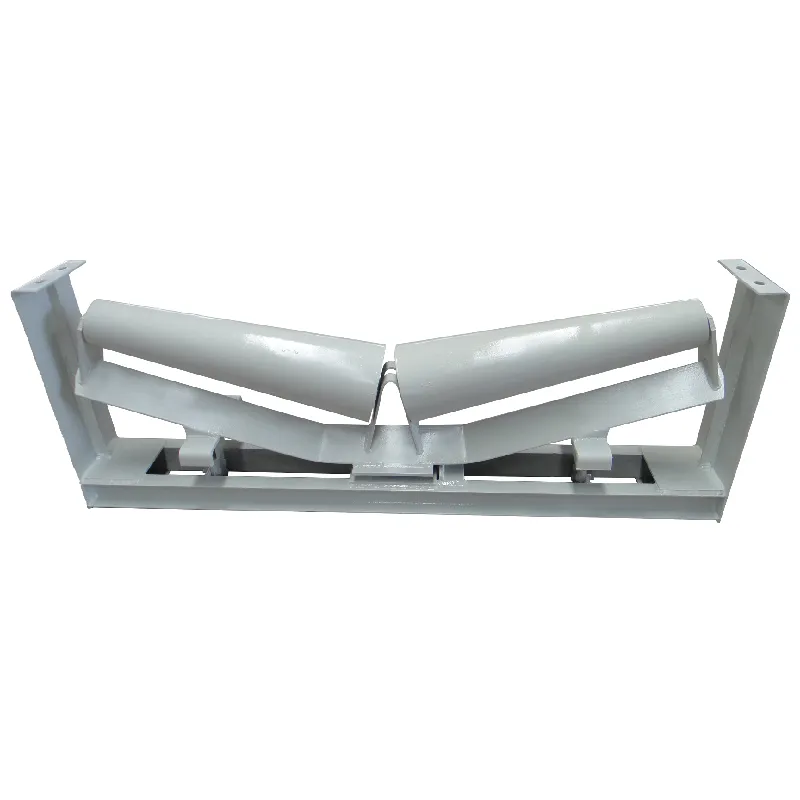
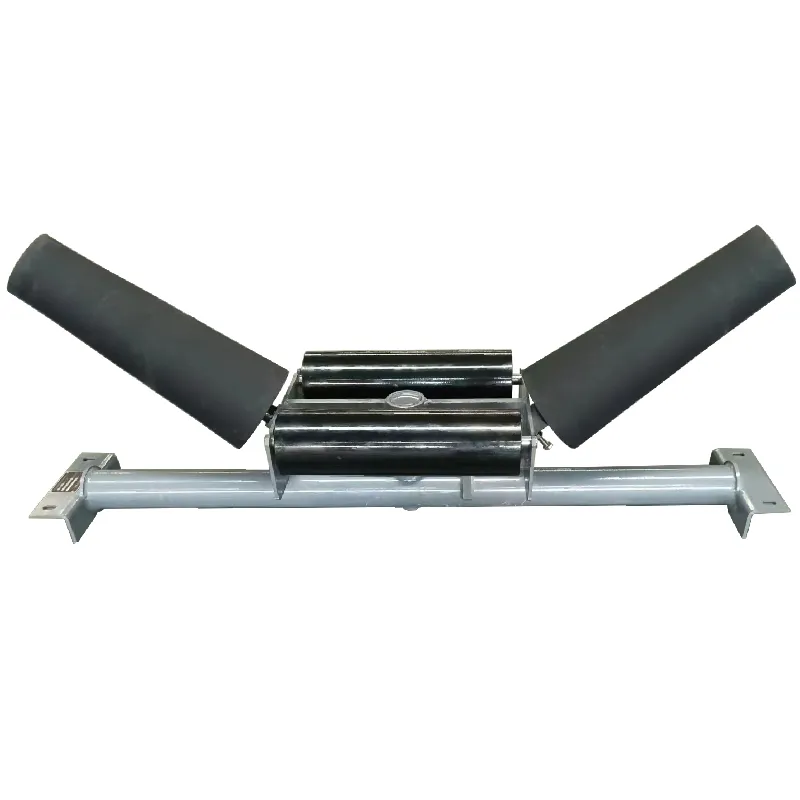
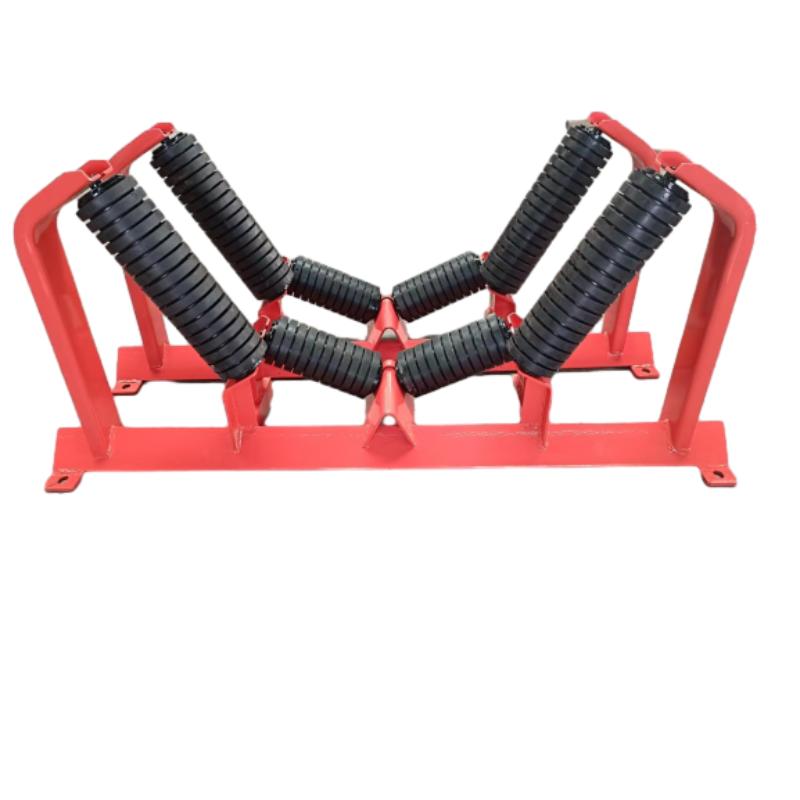
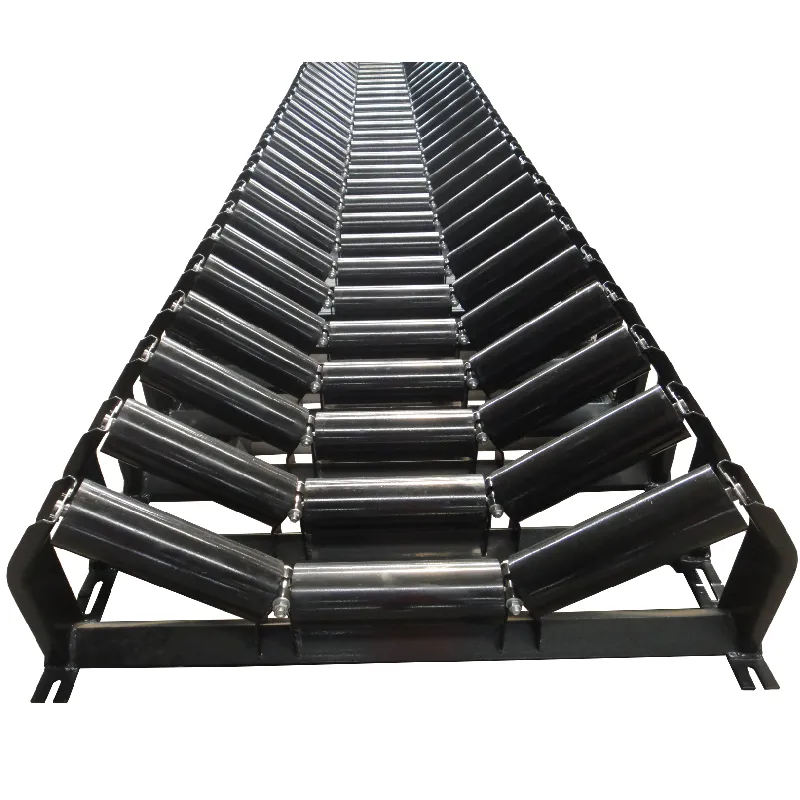
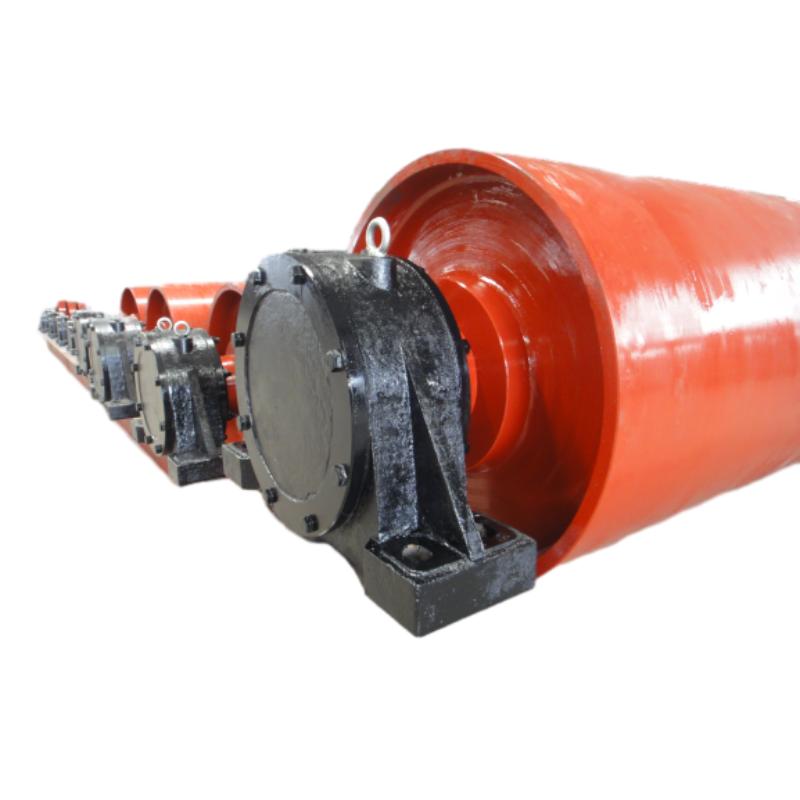
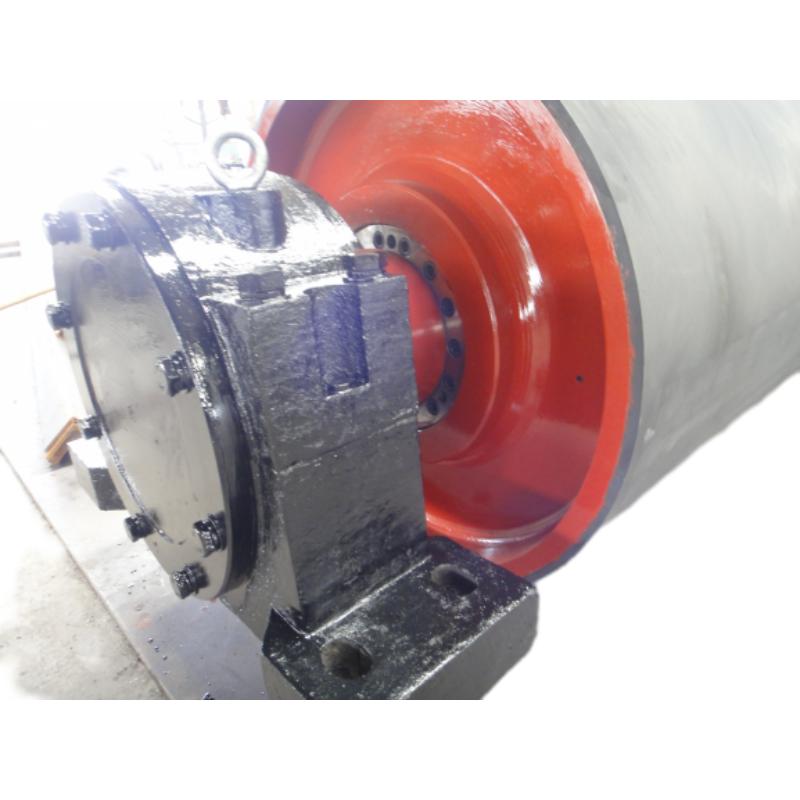
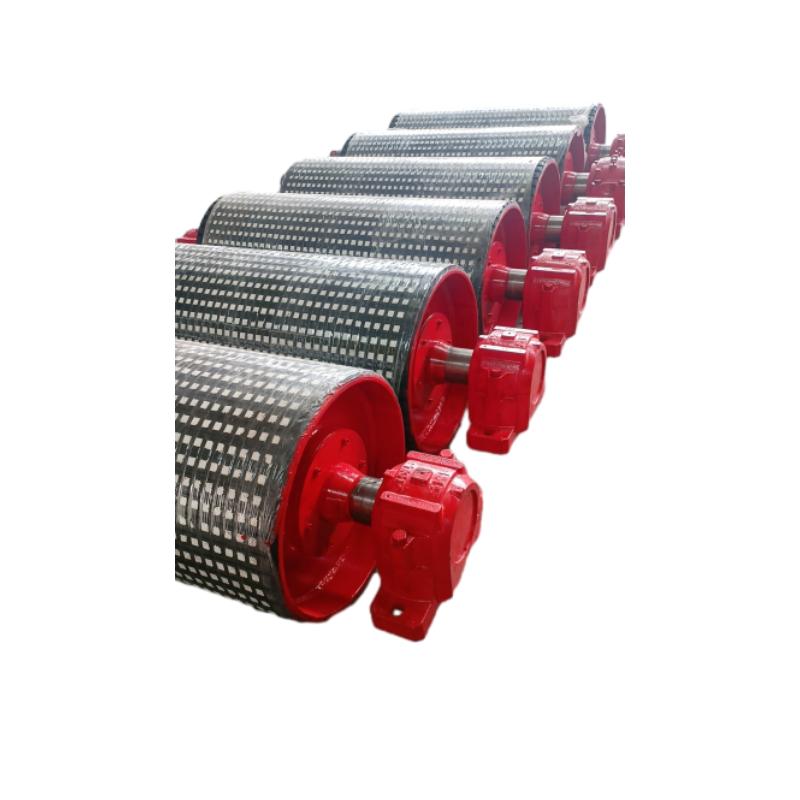
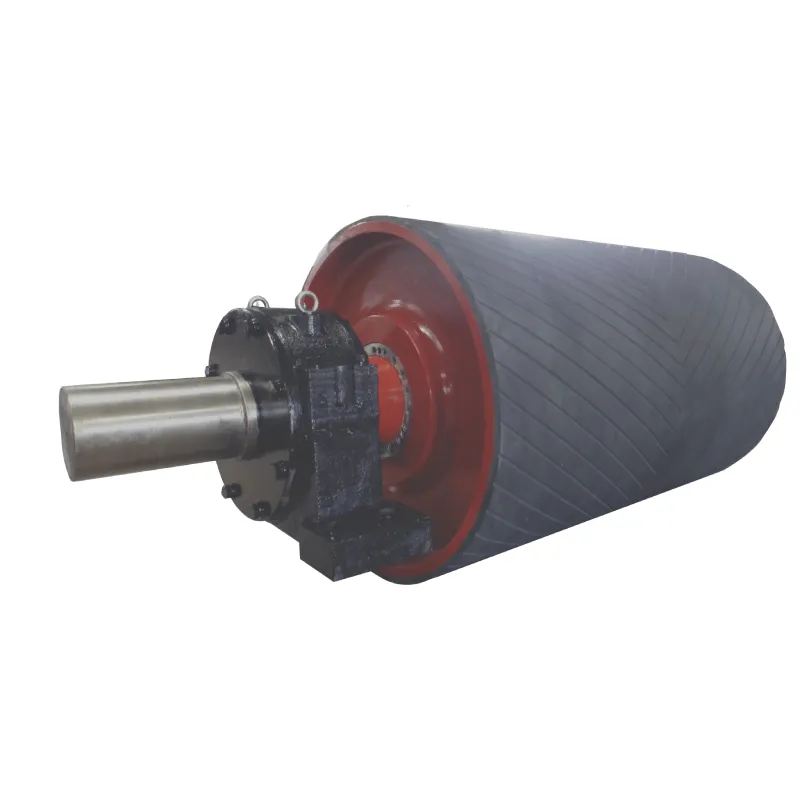
So, what exactly are conveyor roller mounting brackets? Simply put, these are the components that secure conveyor rollers—the rotating cylinders that support and propel materials—to the conveyor frame. They come in various designs but share the essential job of aligning rollers correctly, while tolerating weight and motion stresses. Without them, the conveyor’s ability to move goods smoothly crashes, causing downtime and costly repairs.
In modern industry, conveyor roller mounting brackets connect mechanical engineering with industrial efficiency. Oddly enough, they also play a subtle but key role in humanitarian settings, like the rapid deployment of aid materials through temporary conveyors at disaster zones.
Key Factors of Conveyor Roller Mounting Brackets
1. Durability
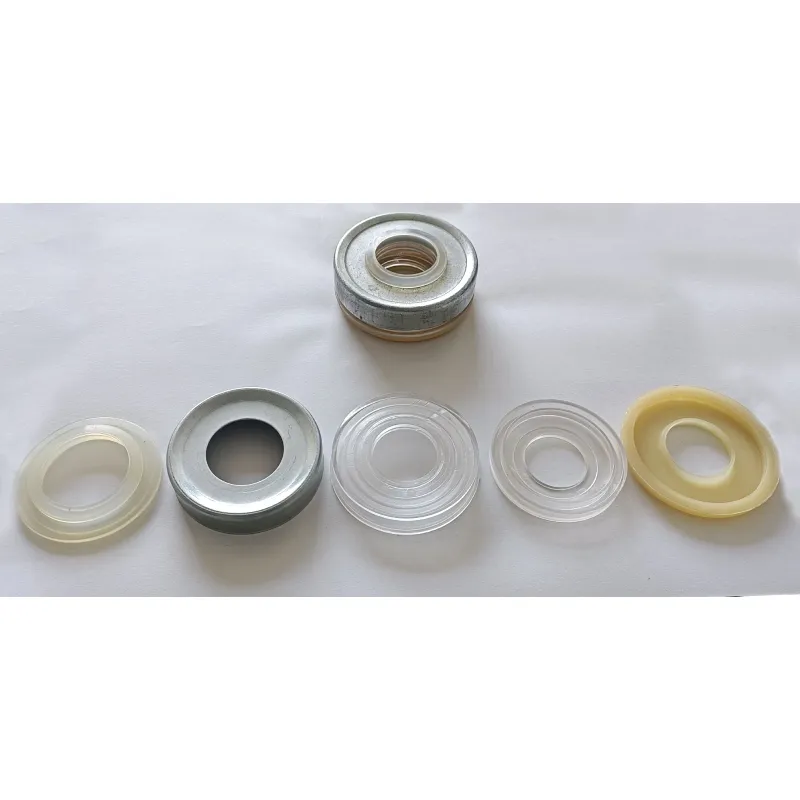
Conveyor roller mounting brackets face constant mechanical stress, vibrations, and sometimes corrosive environments. They’re often made from steel alloys or reinforced plastics to withstand harsh conditions. Durability here isn’t just about lasting long; it’s about consistent, reliable performance that prevents unplanned outages.
2. Precision & Alignment
The bracket ensures rollers line up perfectly, avoiding belt slippage or material jams. Even slight misalignment can cause rapid wear to rollers and belts, so the bracket’s design must allow fine adjustments—some even come with self-aligning features.
3. Scalability
Whether it’s a small package conveyor or a massive mining operation belt, mounting brackets must scale. Manufacturers offer modular designs supporting different roller sizes, weights, and speeds, making them adaptable across industries.
4. Cost Efficiency
While they’re tiny compared to the conveyor itself, these brackets accumulate in large quantity and frequency of replacement. So sourcing cost-effective yet quality brackets reduces system costs without sacrificing reliability.
5. Easy Installation & Maintenance
Time is money. Brackets designed for rapid installation with common tools or quick-release mechanisms save downtime. Maintenance-friendly designs ease roller replacement or adjustments.
Conveyor Roller Mounting Brackets: Product Specification Table
| Specification | Typical Range | Comments |
|---|---|---|
| Material | Carbon steel, stainless steel, reinforced polymers | Depends on environment and load |
| Load Capacity | Up to 2000 kg per bracket | Varies by roller size and usage |
| Adjustment Type | Fixed, adjustable, self-aligning | For easier alignment maintenance |
| Surface Finish | Powder-coated, galvanized, raw | Corrosion resistance critical |
| Installation | Bolt-on, weld-in, clip-on | Ease depends on conveyor design |
Global Applications & Use Cases
Industries from automotive factories in Germany to mining sites in Australia rely heavily on conveyor roller mounting brackets. In remote industrial zones across Africa, rugged brackets allow conveyors to handle heavy ores with minimum maintenance. Oddly enough, in disaster relief operations, conveyors are rapidly deployed to transport food and supplies; the right mounting brackets can mean quicker setup and fewer breakdowns.
Thanks to modern modular conveyor components, industries in China, the U.S., and Europe are scaling capacity and customizing layouts quickly. Logistics hubs, like those near ports in Singapore or Rotterdam, use these brackets to keep their sorting conveyors humming 24/7.
Vendor Comparison Table
| Vendor | Material Options | Custom Sizes | Lead Time | Price Range |
|---|---|---|---|---|
| IdlerAohua | Steel, stainless, custom alloys | Yes, OEM available | 2-4 weeks | Mid-range |
| BracketCo | Galvanized steel, plastic blends | Limited | 4-6 weeks | Budget |
| RollerMount Inc. | High-grade steel, aluminium | Yes | 3 weeks | Premium |
Advantages & Long-Term Value
Choosing the right conveyor roller mounting brackets feels like a simple decision until you experience the cost of downtime or premature wear. Quality brackets reduce maintenance frequency, improve conveyor reliability, and extend the lifespan of rollers and belts. From a sustainability viewpoint, longer-lasting components cut waste and reduce raw material needs. There's also a safety factor: well-mounted rollers prevent unexpected breakdowns and accidents.
Beyond logic, there's reassurance in trust—knowing your system’s small details won’t cause a major interruption. This builds confidence for operators and engineers managing complex workflows.
Future Trends & Innovations
Looking ahead, conveyor roller mounting brackets are evolving with greener materials—like recycled composites—and smart coatings for corrosion resistance. Automation and Industry 4.0 push toward brackets embedded with sensors to predict wear or misalignment before failure occurs. This predictive maintenance angle could revolutionize how industries manage conveyors, especially in remote or hard-to-reach locations.
Materials science is also advancing: lightweight alloys that still provide high strength could reduce conveyor system energy consumption, complementing global sustainability goals.
Challenges & Solutions
One persistent challenge is balancing cost with quality. Cheaper brackets may reduce upfront costs but increase downtime. Also, in extreme environments—like chemical plants or coastal sites—corrosion and wear require special materials or coatings that can inflate costs.
Innovative solutions include modular bracket systems that allow quick part swaps, coatings tailored to specific environments, and vendor partnerships ensuring customization and fast delivery. Working with a reputable supplier like conveyor roller mounting brackets providers helps navigate these challenges efficiently.
FAQ: Frequently Asked Questions About Conveyor Roller Mounting Brackets
- Q: What factors should I consider when choosing conveyor roller mounting brackets?
A: Consider materials suited to your environment, load capacity to match roller weights, ease of installation, and alignment features. It’s also wise to assess vendor reliability and lead times. - Q: How often should conveyor roller mounting brackets be inspected or replaced?
A: Regular inspection—usually quarterly—can catch misalignments or corrosion early. Replacement depends on wear factors but typically occurs during scheduled conveyor maintenance. Predictive sensor technology may soon assist with this. - Q: Can conveyor roller mounting brackets be customized for non-standard sizes?
A: Yes, many manufacturers offer OEM or custom sizes to fit unique conveyor systems, improving compatibility and performance. - Q: Are stainless steel brackets always better?
A: Stainless steel offers corrosion resistance but costs more. In dry, indoor environments, carbon steel brackets with coatings may suffice. Selection depends on your specific operating conditions.
Conclusion + Call to Action
In sum, conveyor roller mounting brackets are the unsung heroes of material handling systems. Their design, quality, and maintenance impact everything from production efficiency to workplace safety. Investing time to understand them—and sourcing reliable products—pays off handsomely in the long run.
If you’re interested in top-quality, customizable conveyor roller mounting brackets, check out our range at IdlerAohua. High performance and expert support go hand in hand.
Reflecting on these tiny but mighty components reminds me how often the smallest parts keep the biggest industries running smoothly. That’s the kind of detail engineering I admire.
References:
-
Maximize Conveyor Life with a High Performance impact bedNewsApr.16,2026
-
Maximize Conveyor Efficiency Using a v plow belt scraperNewsApr.09,2026
-
Comprehensive Guide to Understanding Different Types of Belt CleanersNewsApr.07,2026
-
Enhancing Conveyor Efficiency with an Effective Scraper Belt CleanerNewsApr.04,2026
-
Optimizing Conveyor Systems with Advanced Cleaning Equipment SolutionsNewsMar.31,2026
-
Effective Conveyor Belt Scraper Adjustment for Optimal System PerformanceNewsMar.28,2026