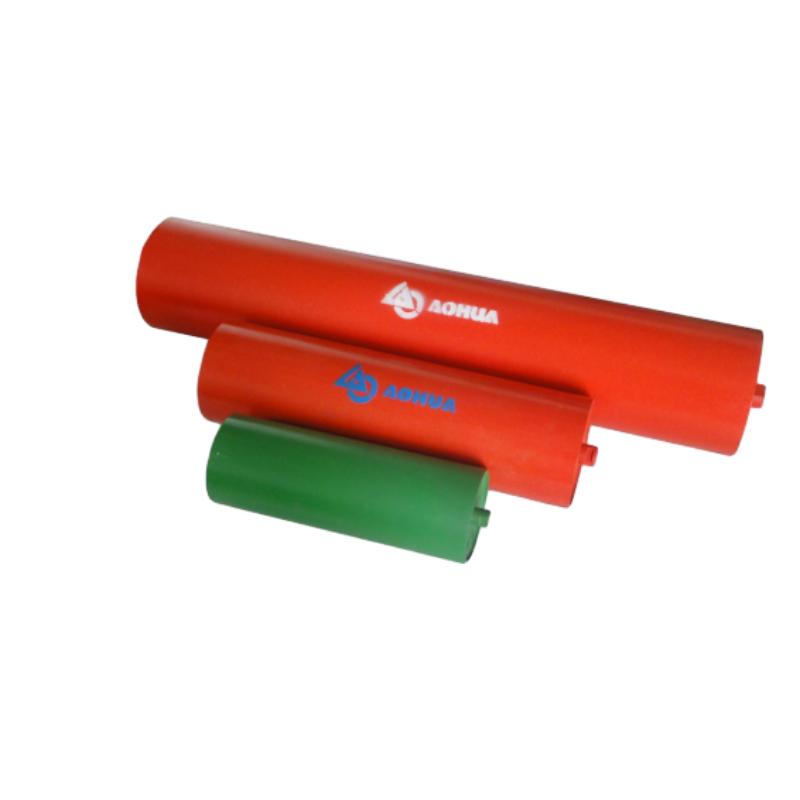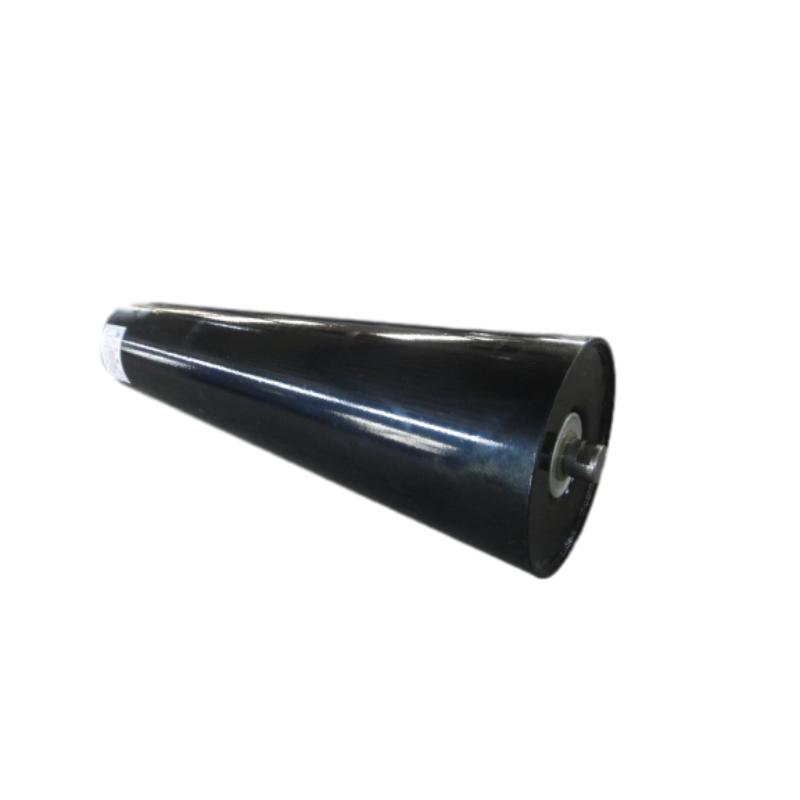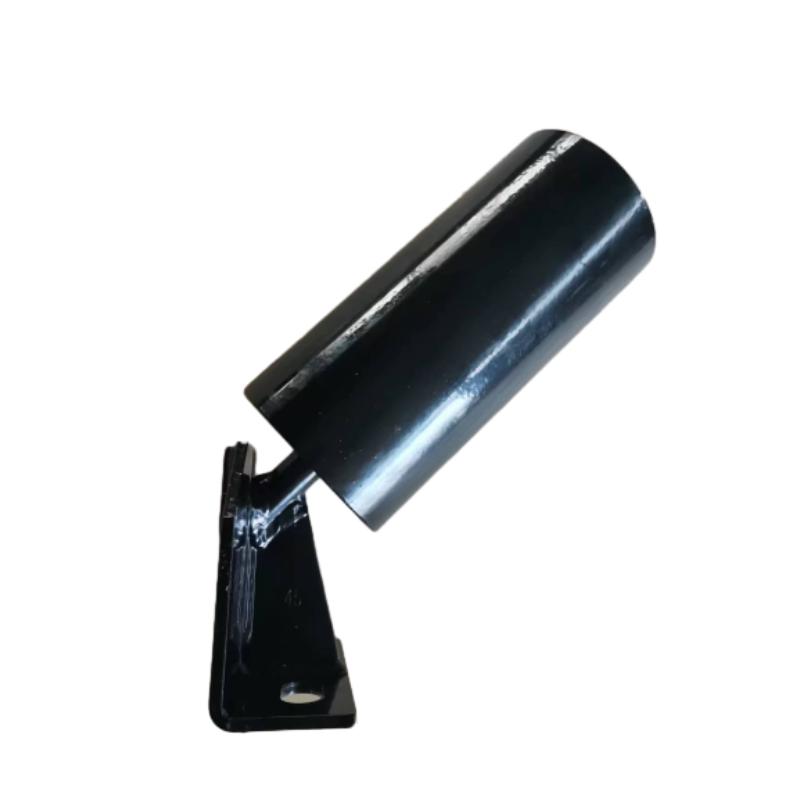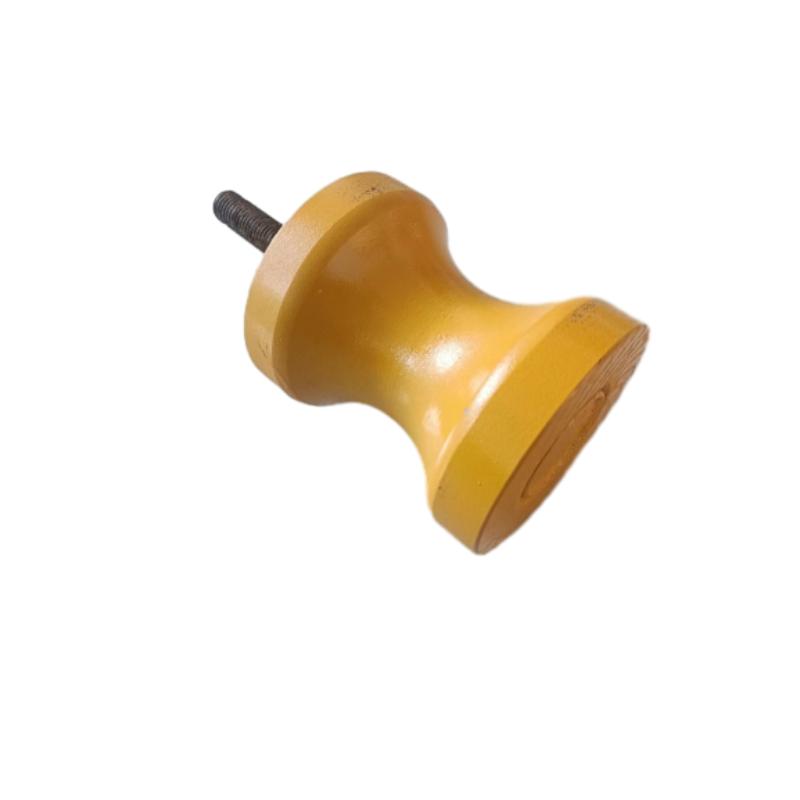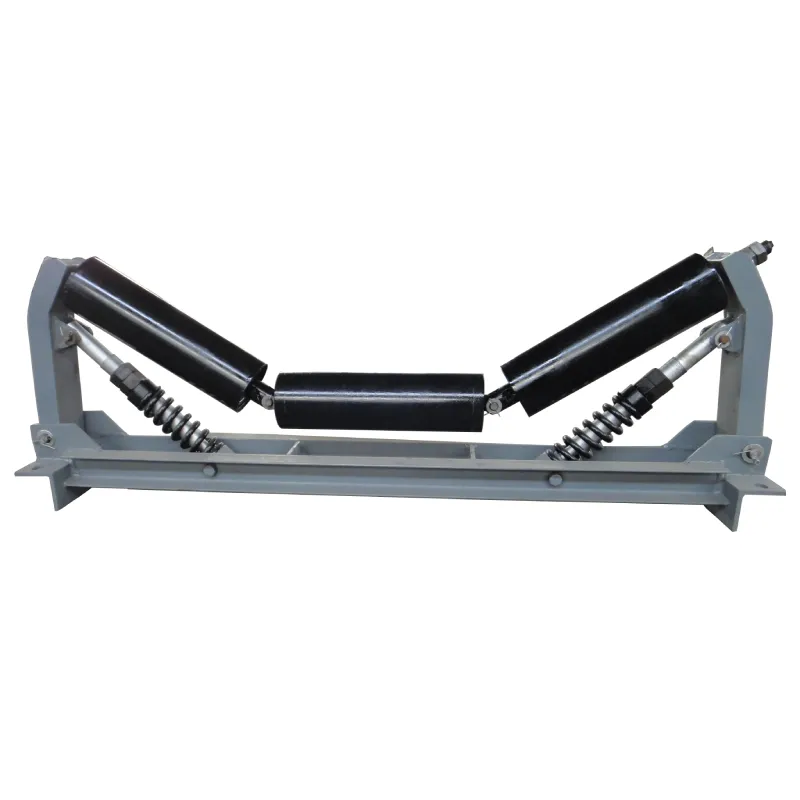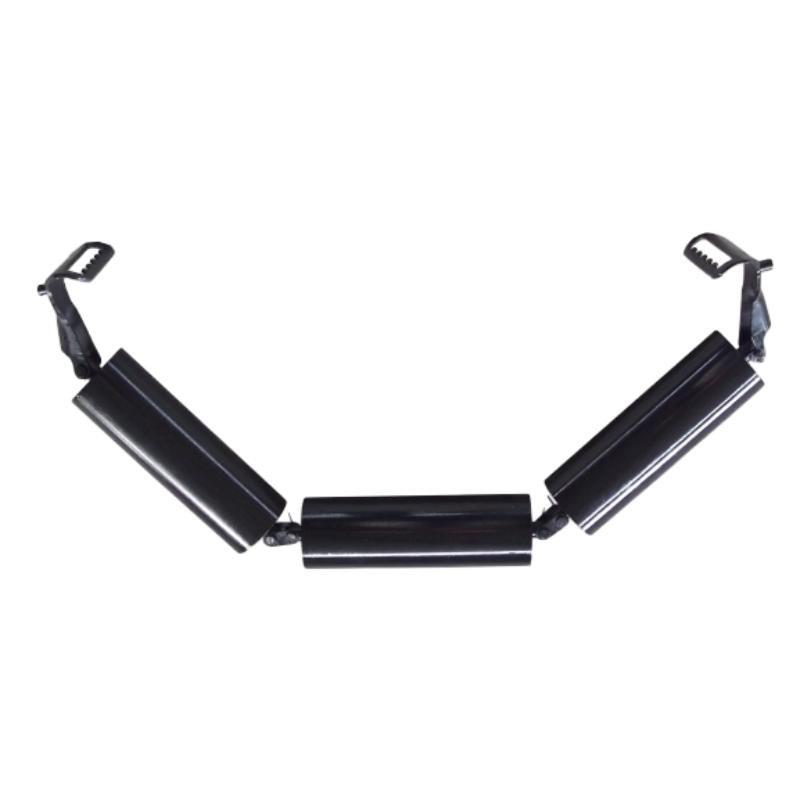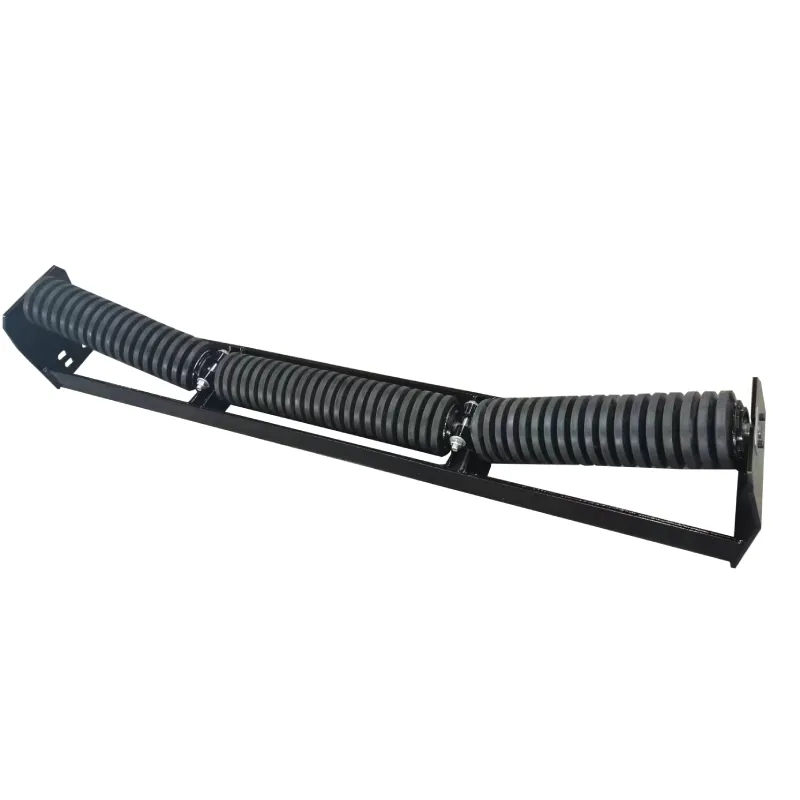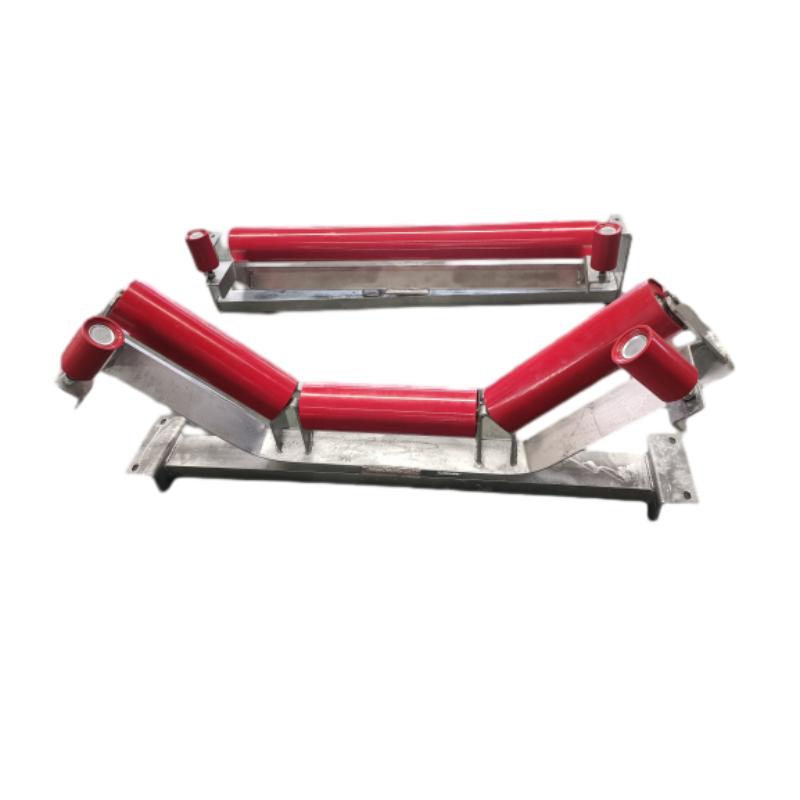


Conveyor Roller Bearing Housing | Durable, Efficient, and Cost-effective Solutions
Understanding Conveyor Roller Bearing Housing: Why It Matters Worldwide
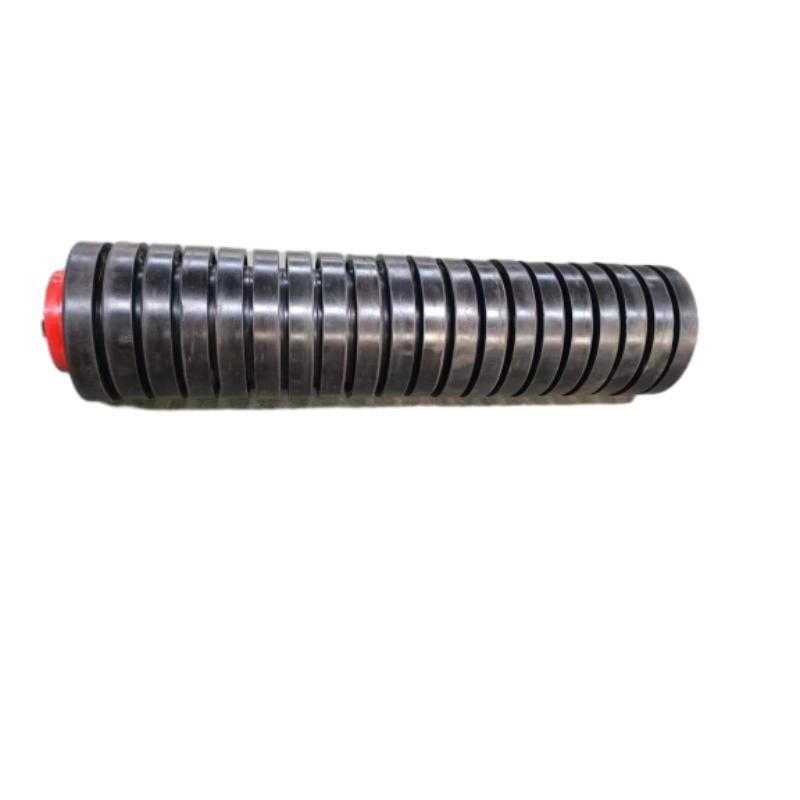
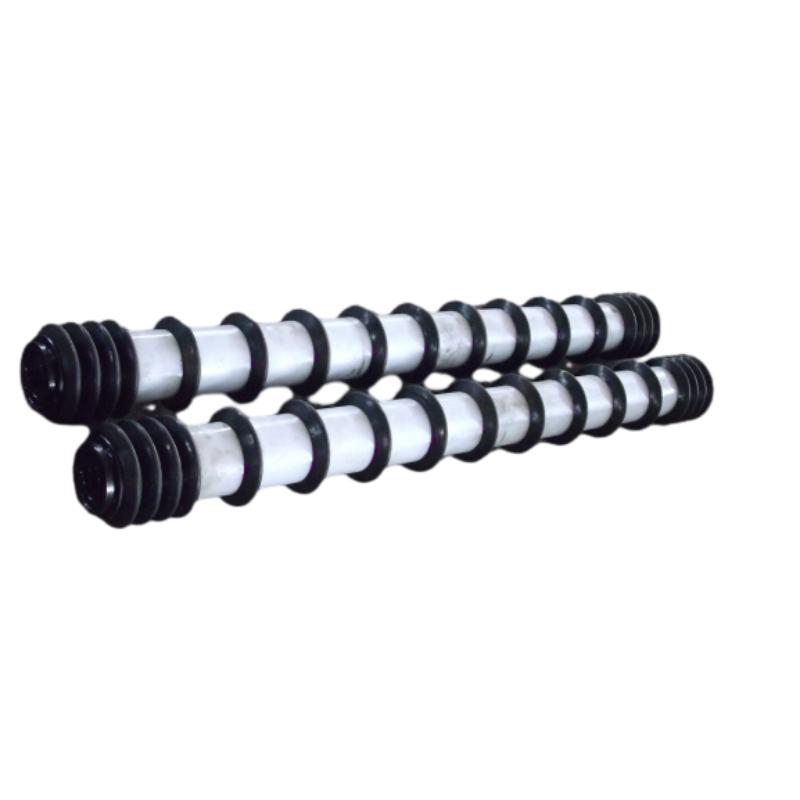
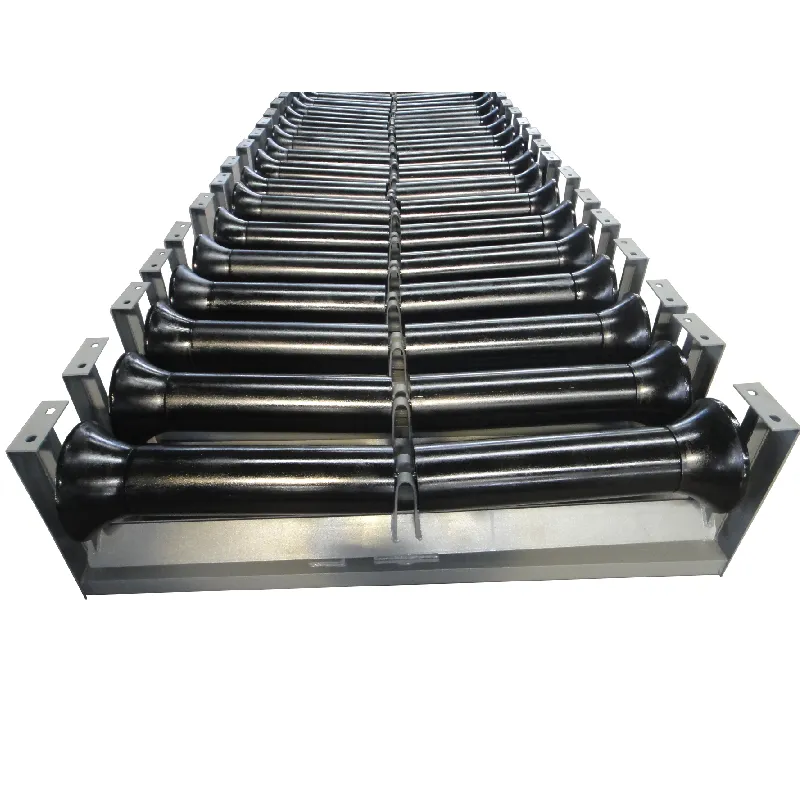
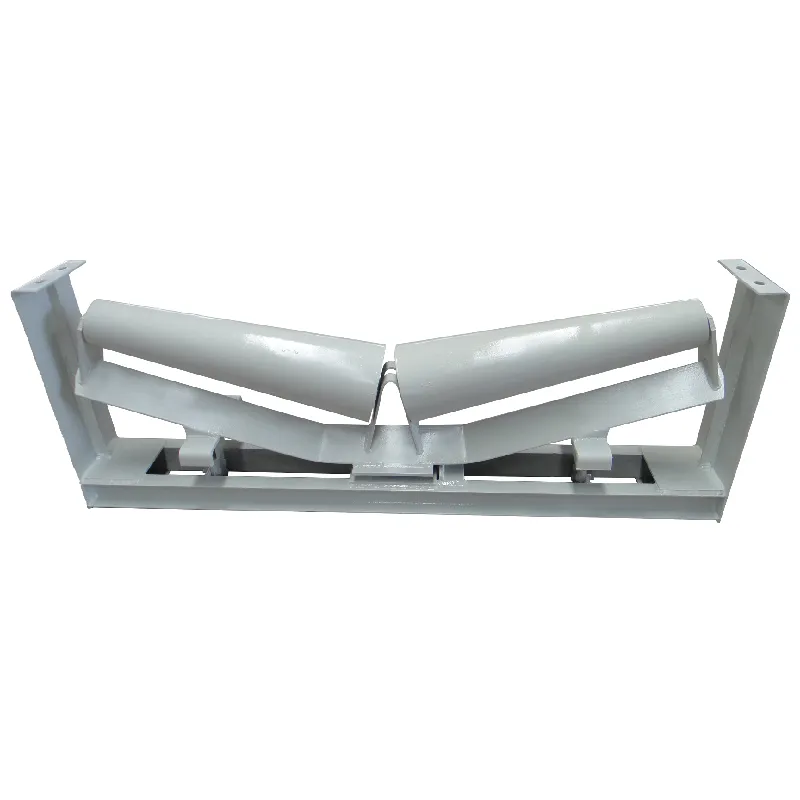
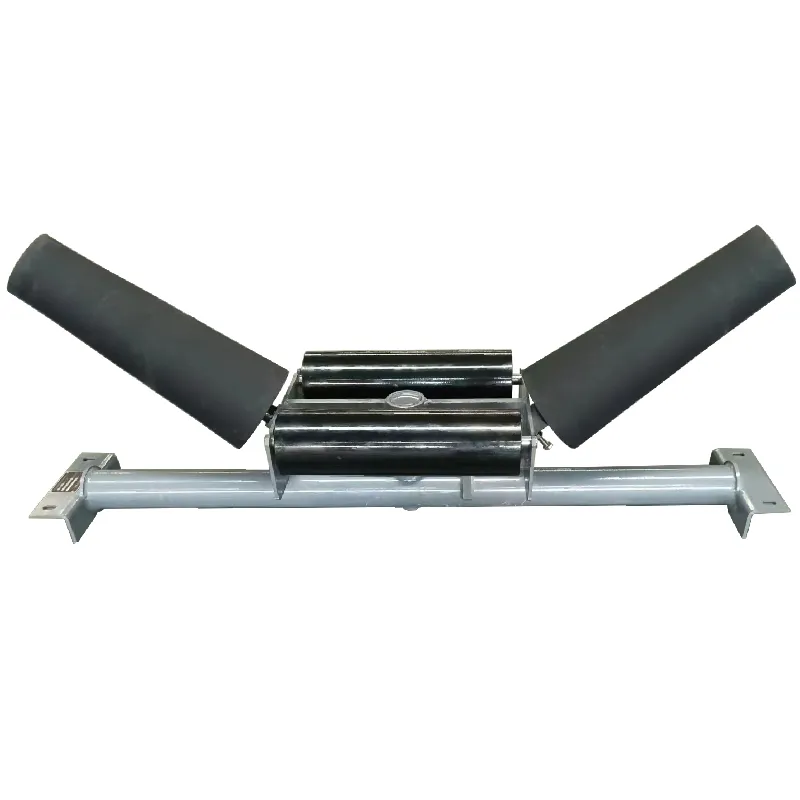
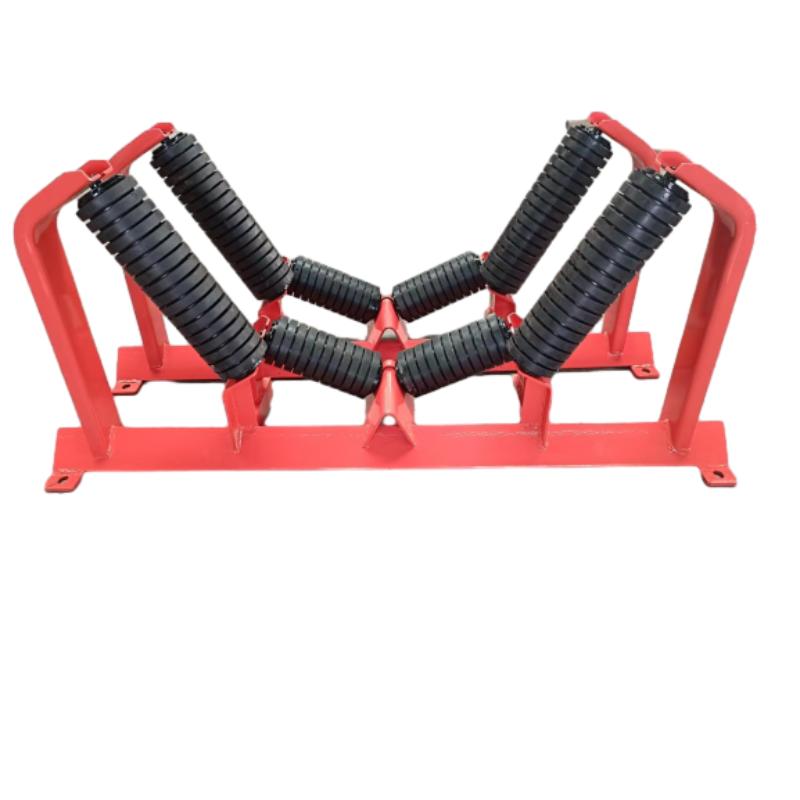
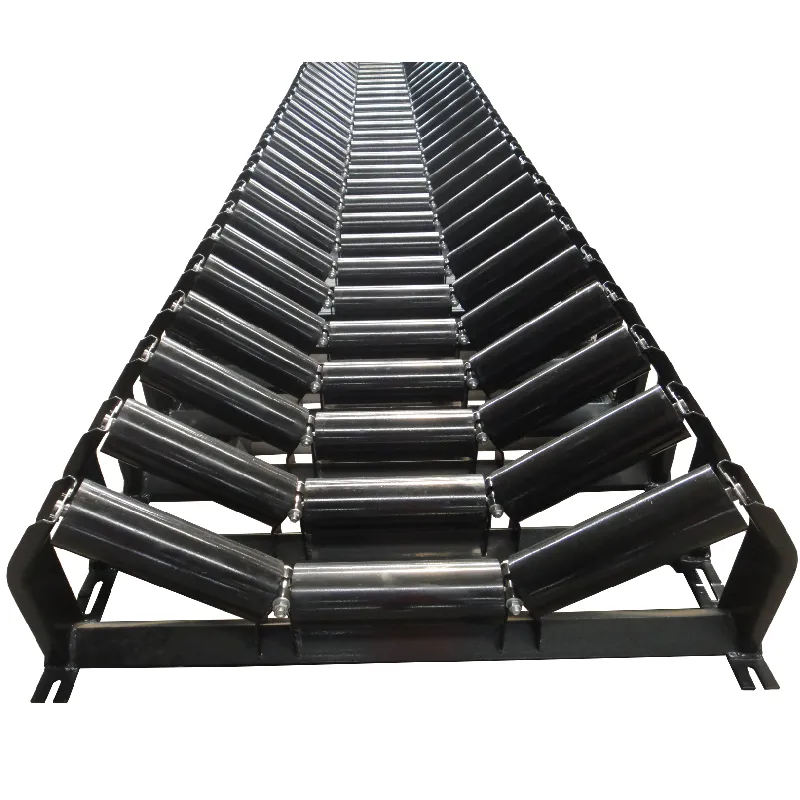
Conveyor roller bearing housing might sound like niche industrial jargon, but in reality, it's pivotal to countless industries worldwide—think mining, manufacturing, logistics, even humanitarian aid setups. Put simply, it's the sturdy shell that protects and supports the bearings inside conveyor rollers, crucial for smooth, efficient, and reliable material movement. With supply chains growing more complex and automation accelerating globally, understanding this component isn't just for engineers. Its design quality shapes productivity, safety, and maintenance costs on a global scale.
Global Context: Why Conveyor Roller Bearing Housing Is More Relevant Than Ever
According to data from the International Organization for Standardization (ISO), the conveyor systems market grows by roughly 6% annually, reflecting surging demand for streamlined logistics and automation across continents.[1] The need for resilient, durable conveyor roller bearing housings is keen in emerging economies scaling their manufacturing capacity, and in disaster relief operations relying on rapid deployment of mobile conveyors for aid distribution. Yet challenges abound: premature roller failure, contamination, and costly downtime plague operators globally, spurring demand for better housing designs protecting the tiny, yet vital bearings from wear and damage.
Mini Takeaway: Conveyor roller bearing housings are small but mighty — their performance impacts industries from Asia’s packed ports to African mining hubs, and beyond.
What Exactly Is a Conveyor Roller Bearing Housing?
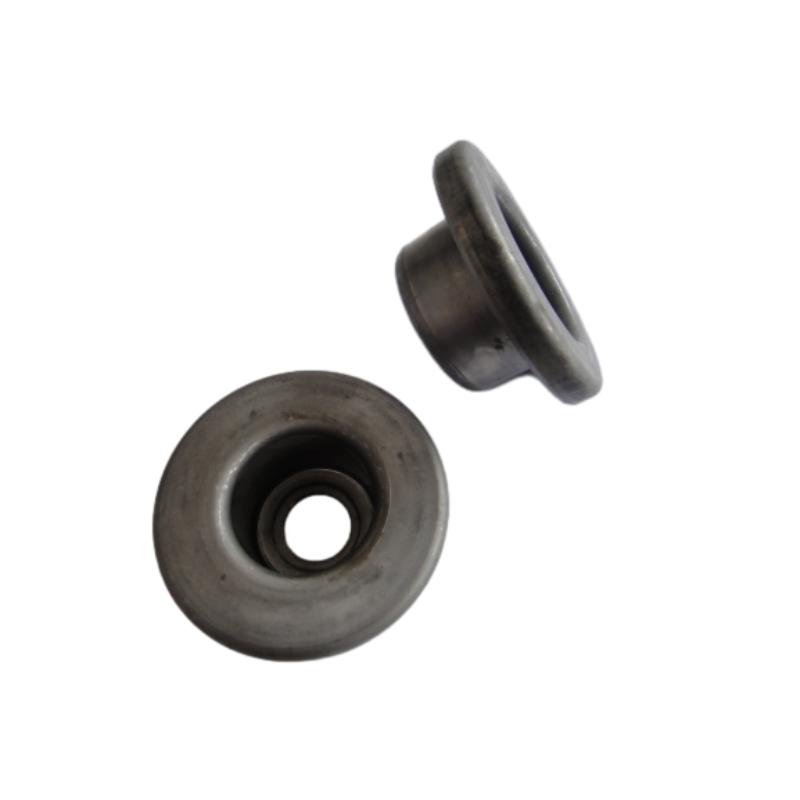
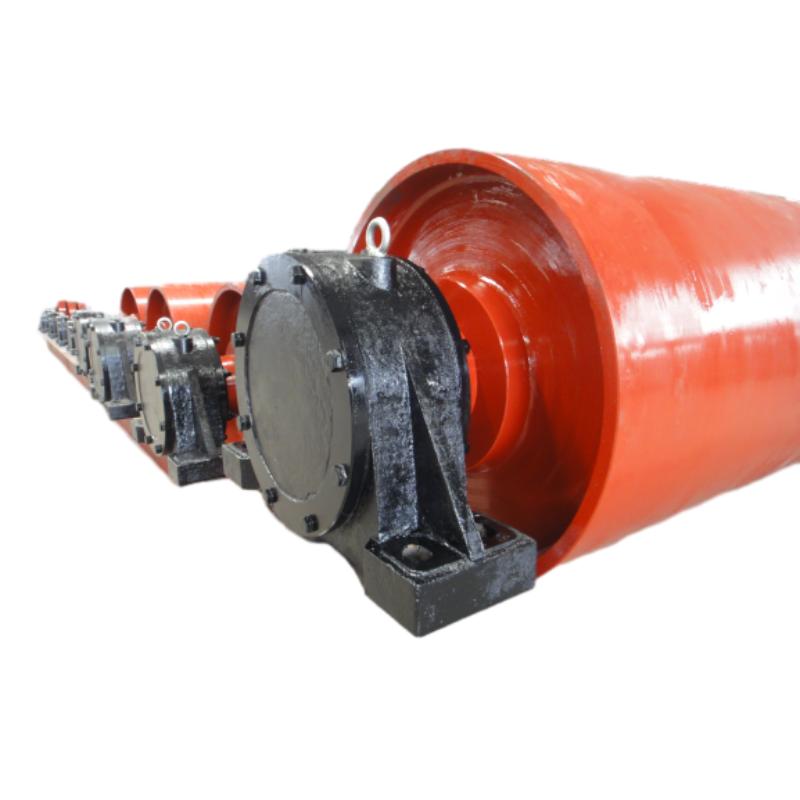
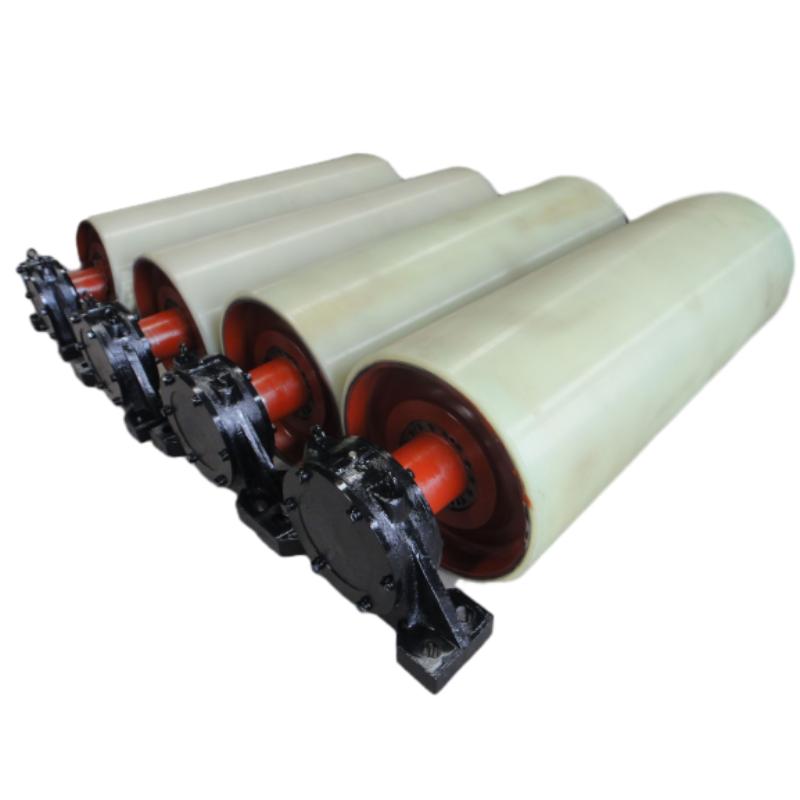
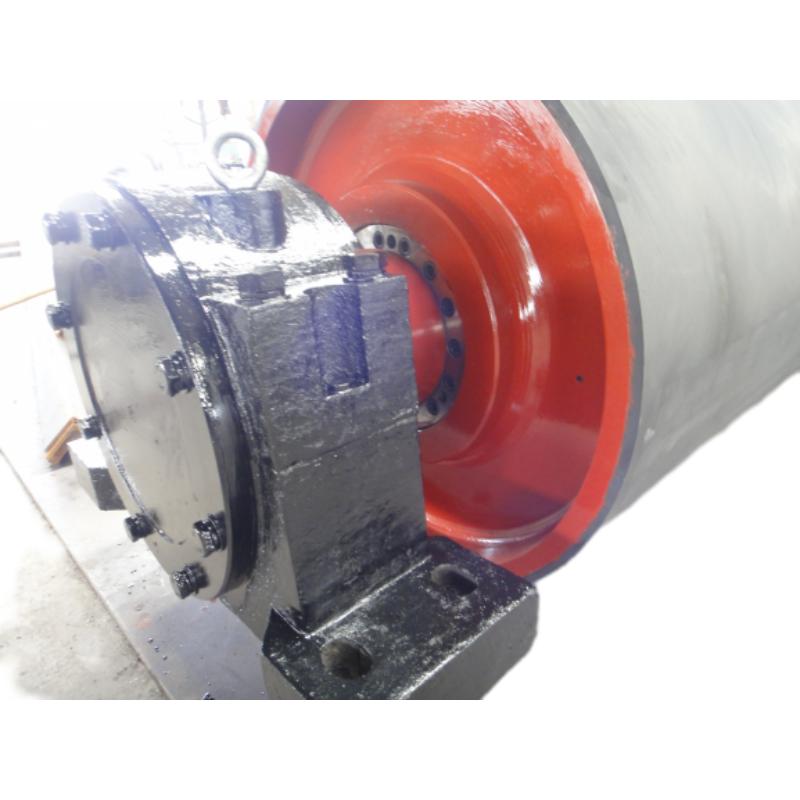
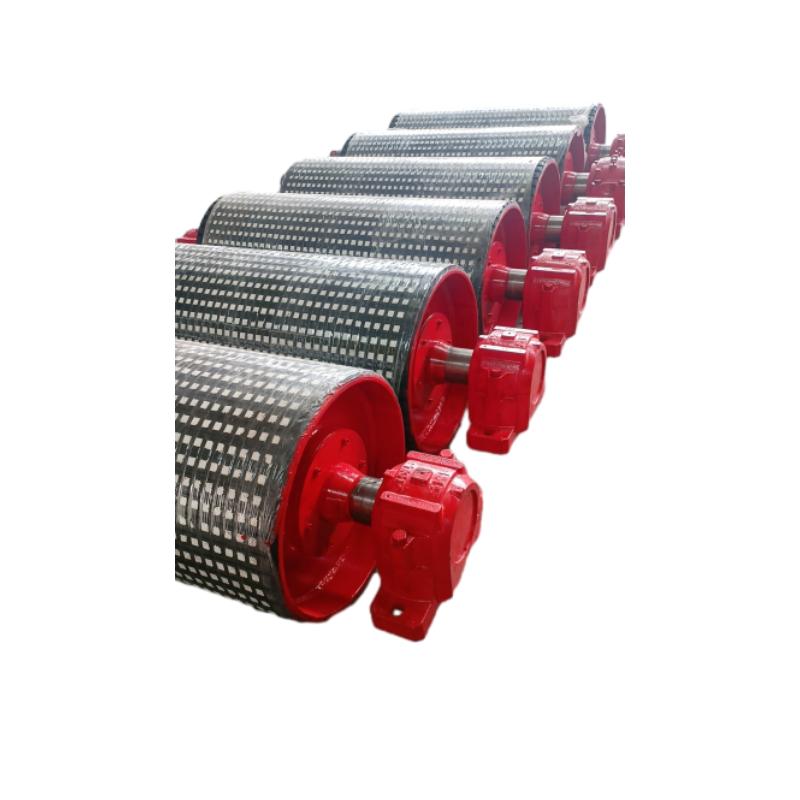
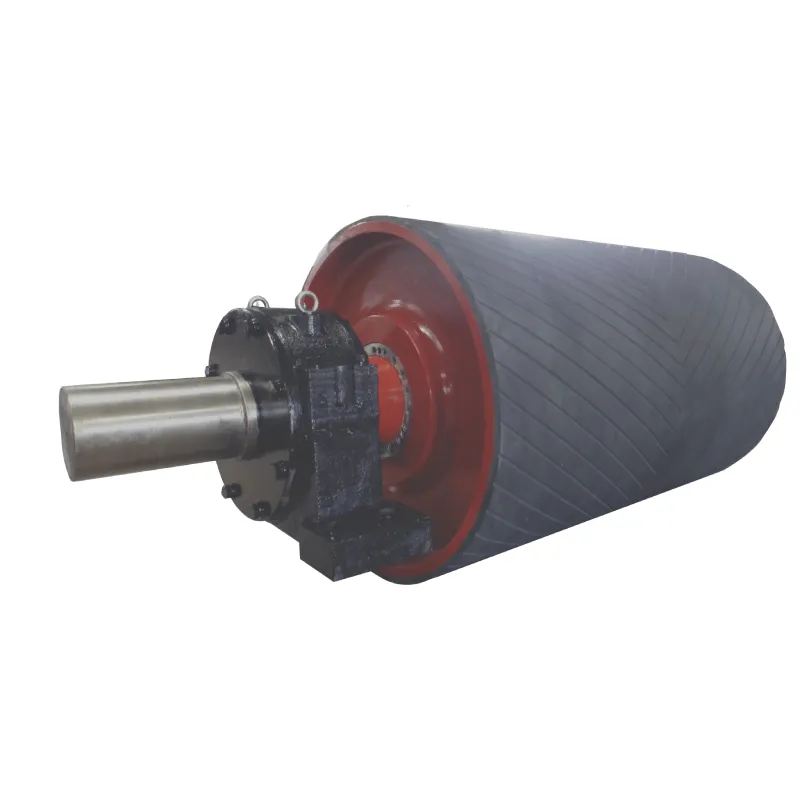
In practical terms, conveyor roller bearing housing is the metal enclosure that supports the bearing inside a conveyor roller. Bearings minimize friction for the roller to spin freely, while the housing shields these bearings from dirt, moisture, dust, and mechanical stress. Think of it as a protective ‘armor’ around the bearing, extending its life and ensuring a conveyor keeps humming without costly interruptions.
These housings are vital to the efficiency of modern industries moving bulk goods—like grains, coal, or manufactured parts—and in scenarios like humanitarian supply chains where robust equipment reliability can literally mean faster aid delivery.
Core Components & Factors Shaping Conveyor Roller Bearing Housing Design
Durability and Material Strength
Most conveyor roller bearing housings are crafted from sheet metal or cast iron, often treated to resist corrosion and wear. Durability means fewer replacements and less downtime—both huge pluses in continuous operations like assembly lines or mining conveyors.
Sealing & Protection
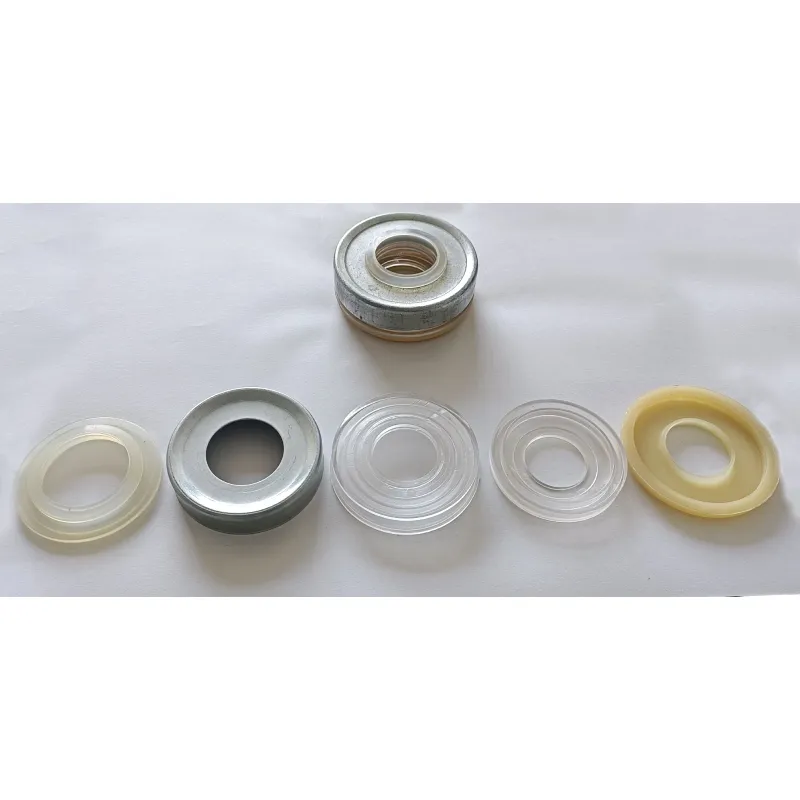
Effective sealing is critical. A poorly sealed housing quickly admits dust, water, and contaminants, drastically shortening bearing life. Advanced housings feature multi-lip seals, rubber boots, or labyrinth designs balancing protection with ease of maintenance.
Maintenance & Accessibility
Easy access for lubrication or bearing replacement can save hours or days of costly service. Modular designs or quick-release housings help maintenance crews perform efficient upkeep without dismantling entire conveyors.
Scalability & Compatibility
Because conveyor roller sizes vary, housings need to fit a range of bearing dimensions, shaft sizes, and loading conditions. Universal fit housings or customizable options allow operators to adapt to changing conveyor specs without buying new rollers altogether.
Cost Efficiency
Striking a balance between premium materials and affordable pricing is an art. It feels like you either invest upfront for long-lasting housings or risk saving now but pay in unexpected failures. Many manufacturers now offer mid-tier solutions aiming for optimum value.
Mini Takeaway: A great conveyor roller bearing housing combines strength, protection, and maintenance ease without breaking the bank—a tricky trifecta.
Real-World Applications: Where Conveyor Roller Bearing Housings Shine
- Mining Industry: In tough mining environments—say, iron ore extraction in Australia or copper mines in Chile—robust housings withstand abrasives and high loads.
- Food Processing: Hygiene-focused housings with stainless finishes serve in food factories, minimizing contamination risks.
- Port and Logistics: Major shipping hubs like Rotterdam or Singapore rely on durable housings that resist salt spray and heavy cycles.
- Humanitarian Aid: Organizations deploying mobile conveyor systems in remote disaster-affected zones appreciate quick-to-install housings resistant to dust and weather.
- Manufacturing Plants: Automotive and electronics factories achieve smooth operations with easy-maintenance housings tailored for high-speed conveyors.
Mini Takeaway: Conveyor roller bearing housings quietly underpin industries from rough-and-tumble mines to sterile food lines and crisis zones.
Tangible Benefits and Long-Term Value of Quality Conveyor Roller Bearing Housings
Investing in top-tier conveyor roller bearing housings means more than just physical robustness. Cost savings roll in from fewer service stops and bearing replacements. The reduced downtime translates to more predictable deliveries and ultimately, happier customers. From a sustainability perspective, longer-lasting housings reduce waste, conserving scarce resources. And, emotionally, workers and supervisors trust reliable machinery mindful that safety improves with well-maintained, robust components.
Typical Conveyor Roller Bearing Housing Specifications
| Specification | Typical Range / Standard |
|---|---|
| Material | Steel (carbon or stainless), Cast Iron |
| Corrosion Protection | Galvanized or powder-coated finish |
| Sealing Type | Rubber lip seal, labyrinth seal |
| Operating Temperature | -20 °C to +80 °C |
| Bearing Compatibility | Standard metric sizes 6000 series, 6200 series |
| Maintenance | Grease lubrication; some models sealed for life |
Vendor Snapshot: Comparing Popular Conveyor Roller Bearing Housing Providers
| Vendor | Material | Sealing Quality | Price | Lead Time |
|---|---|---|---|---|
| RollerGuard Inc. | Galvanized Steel | High (multi-lip seal) | $$$ | 4 weeks |
| BeltTec Solutions | Powder-coated Steel | Medium (labyrinth) | $$ | 3 weeks |
| ClearRoll Systems | Stainless Steel | Very High (hermetic) | $$$$ | 6 weeks |
Future Trends & Innovations in Conveyor Roller Bearing Housing
We're heading into an era where smart sensors embedded in conveyor roller bearing housings will anticipate failures before they happen — predictive maintenance powered by IoT (Internet of Things). Material-wise, lightweight composites and polymers with enhanced abrasion and corrosion resistance offer exciting alternatives to traditional steel. Sustainability is also a growing priority; recyclable materials and energy-efficient manufacturing processes reduce environmental footprint. I wouldn't be surprised if, in the near future, conveyor bearings’ housings will self-lubricate or even self-clean in dusty environments, saving technicians time and sweat.
Challenges to Watch and How the Industry Is Responding
Despite advances, common hurdles include contamination infiltration, thermal expansion mismatches causing premature bearing wear, and balancing sealing with the need for heat dissipation. Manufacturers are tackling these issues through more precise engineering tolerances, novel seal materials, and modular housings designed for quick field swapping. For operators, training crews in preventive maintenance remains essential – no high-tech housing can substitute a skilled technician.
Frequently Asked Questions About Conveyor Roller Bearing Housing
- Q: How do conveyor roller bearing housings improve equipment longevity?
- A: By protecting bearings from contaminants like dust and moisture, housings reduce wear and prevent premature failures, ultimately extending conveyor life.
- Q: Can conveyor roller bearing housings be customized for specific environments?
- A: Absolutely. Manufacturers offer housings in corrosion-resistant materials or with specialized seals to suit harsh or sanitary environments.
- Q: What maintenance does a conveyor roller bearing housing typically require?
- A: Most require periodic lubrication and inspection for seal integrity. Some models come sealed-for-life, minimizing upkeep.
- Q: Are there eco-friendly conveyor roller bearing housing options available?
- A: Yes. Increasingly, housings are made from recyclable materials or produced with greener processes to meet sustainability goals.
- Q: How can companies source conveyor roller bearing housings internationally?
- A: Many vendors ship globally, often providing technical support to ensure compatibility; partnering with reputable suppliers guarantees smoother import and installation.
Wrapping Up
Conveyor roller bearing housing might be the unsung hero in material handling, but its role in safeguarding bearings means smoother operations, cost savings, and safer workplaces worldwide. Whether you’re a logistics manager in Rotterdam or an NGO worker setting up conveyors in remote zones, the quality of these housings affects your outcomes down the line. Curious to explore specific products or need advice? Visit our website: conveyor roller bearing housing to find expert solutions tailored for your needs.
Sometimes, it’s the smallest components that keep the biggest systems moving — kind of poetic, isn’t it?
References
-
Maximize Conveyor Life with a High Performance impact bedNewsApr.16,2026
-
Maximize Conveyor Efficiency Using a v plow belt scraperNewsApr.09,2026
-
Comprehensive Guide to Understanding Different Types of Belt CleanersNewsApr.07,2026
-
Enhancing Conveyor Efficiency with an Effective Scraper Belt CleanerNewsApr.04,2026
-
Optimizing Conveyor Systems with Advanced Cleaning Equipment SolutionsNewsMar.31,2026
-
Effective Conveyor Belt Scraper Adjustment for Optimal System PerformanceNewsMar.28,2026