

Conveyor Bearing Housing: The Unsung Hero of Industrial Conveyor Systems
Understanding Conveyor Bearing Housing: Why It Matters in Today’s Industry
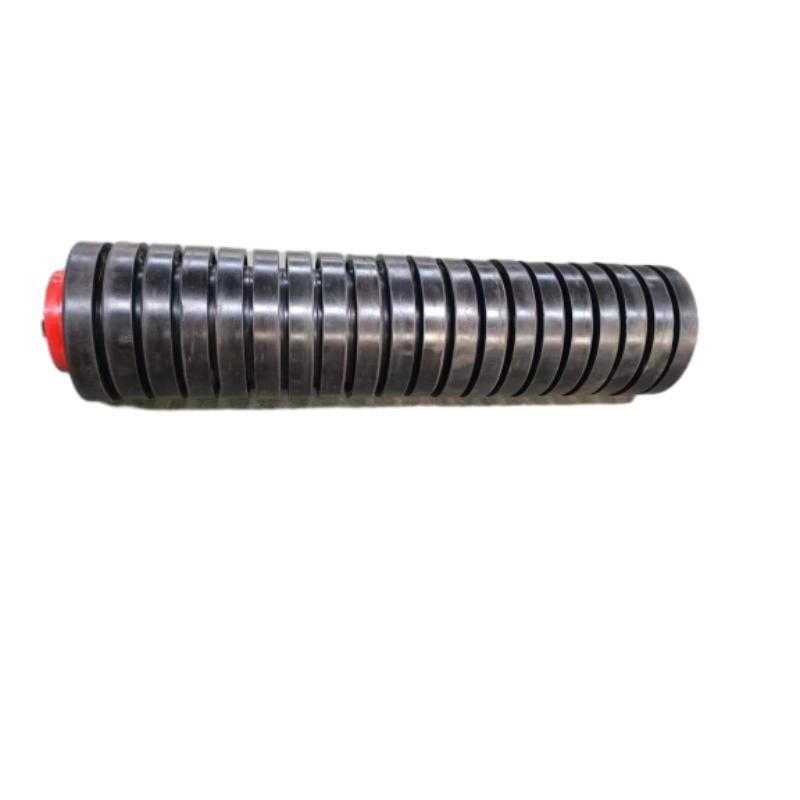
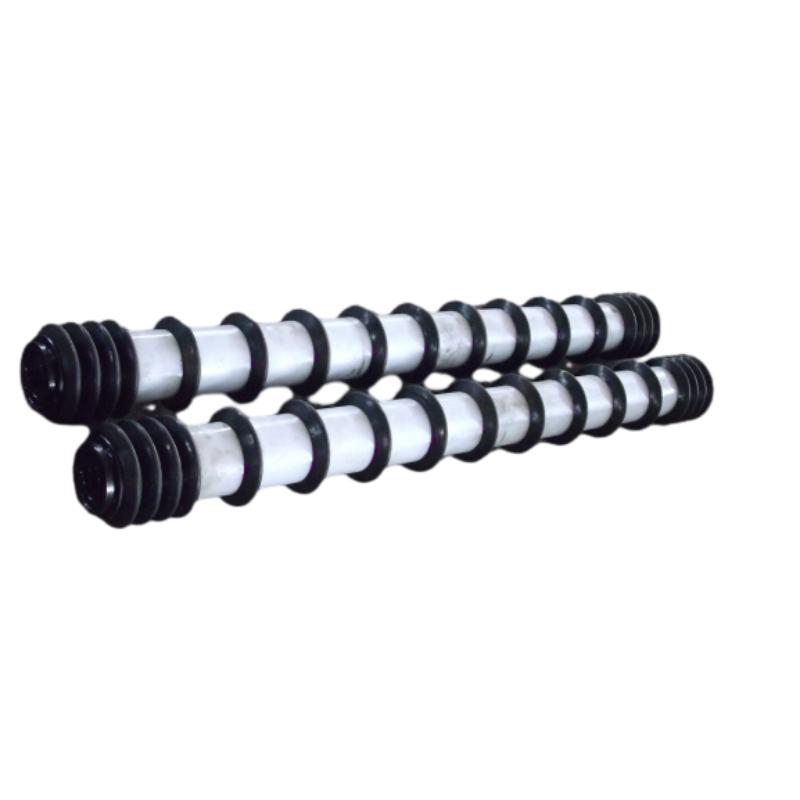
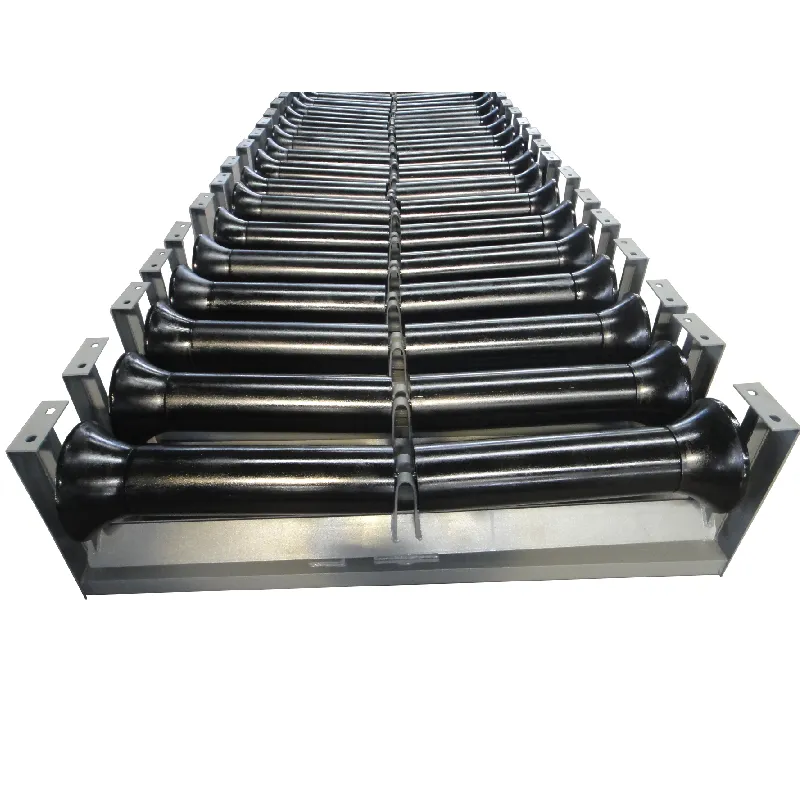
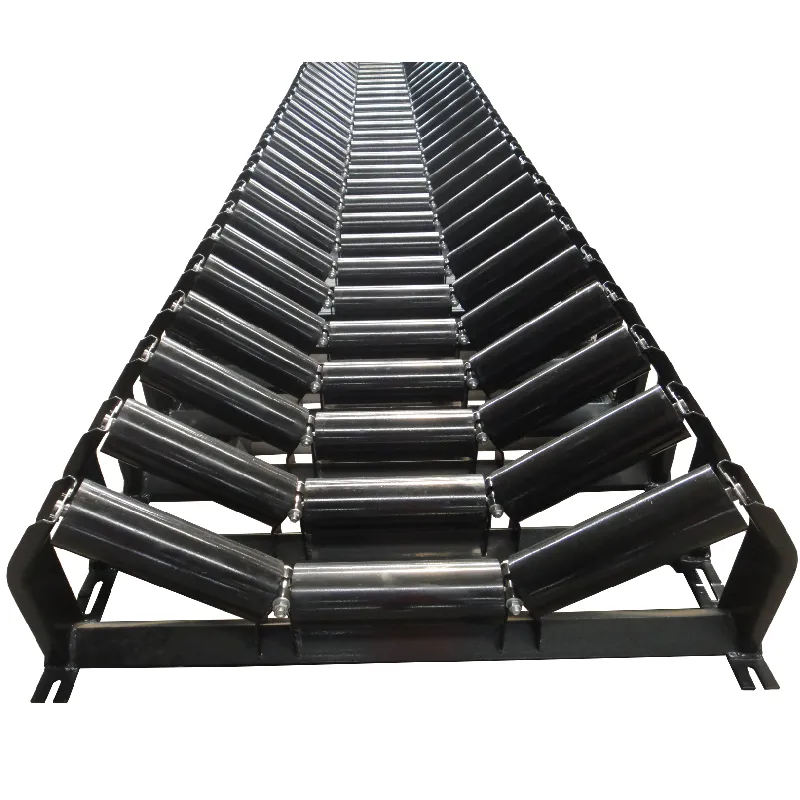
Conveyor bearing housing might not be the flashiest phrase you’ve heard today, but it’s one of those unsung heroes in modern manufacturing, logistics, and even humanitarian operations. Think about it: conveyors move everything from raw materials to your online purchases, all thanks to parts that keep those systems running smooth and safe. The bearing housing, in particular, is critical for protecting those bearings that allow conveyor belts to spin and carry loads without grinding to a halt.
Globally, industries rely heavily on conveyors—from mining in Australia to food processing in Europe—and knowing the ins and outs of conveyor bearing housing is vital for design engineers, maintenance teams, and supply chain managers. It’s a small component with a big responsibility, ensuring efficiency and lowering operational costs.
The Big Picture: Global Importance of Conveyor Bearing Housing
According to ISO data, conveyor systems are present in nearly every industry worldwide and are expected to continue growing alongside industrial automation. The World Bank highlights that efficient logistics, often based on conveyor reliability, can boost national productivity by up to 20%. But here’s the kicker: most conveyor failures trace back to bearing issues—mainly caused by poor housing design or degradation.
In remote or disaster-hit zones, conveyor bearing housing can mean the difference between an operation that keeps running or one that grinds to a costly halt. Those dusty mines or food packing plants can’t afford downtime, so better housing means better uptime, and better uptime means more reliable supply chains worldwide.
Mini Takeaway:
Conveyor bearing housing is a global linchpin—quietly enabling industries big and small to function reliably and robustly.
So, What Exactly Is a Conveyor Bearing Housing?
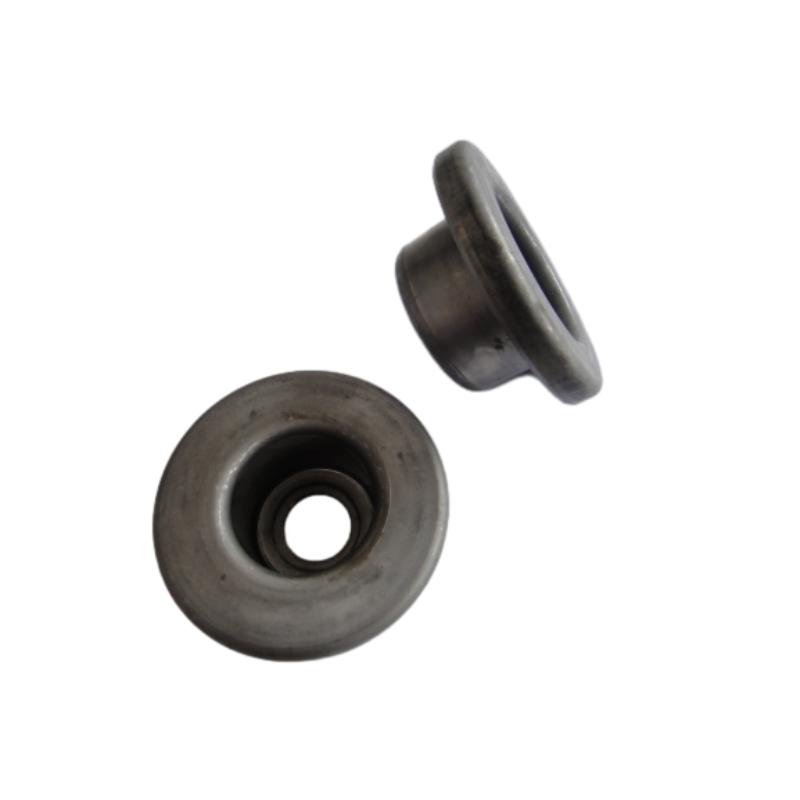
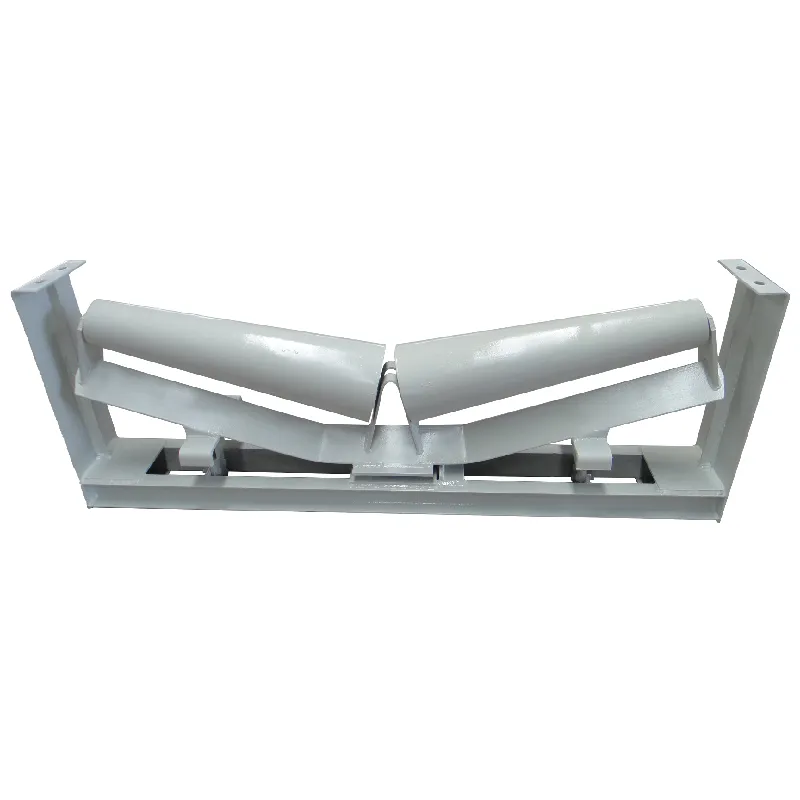
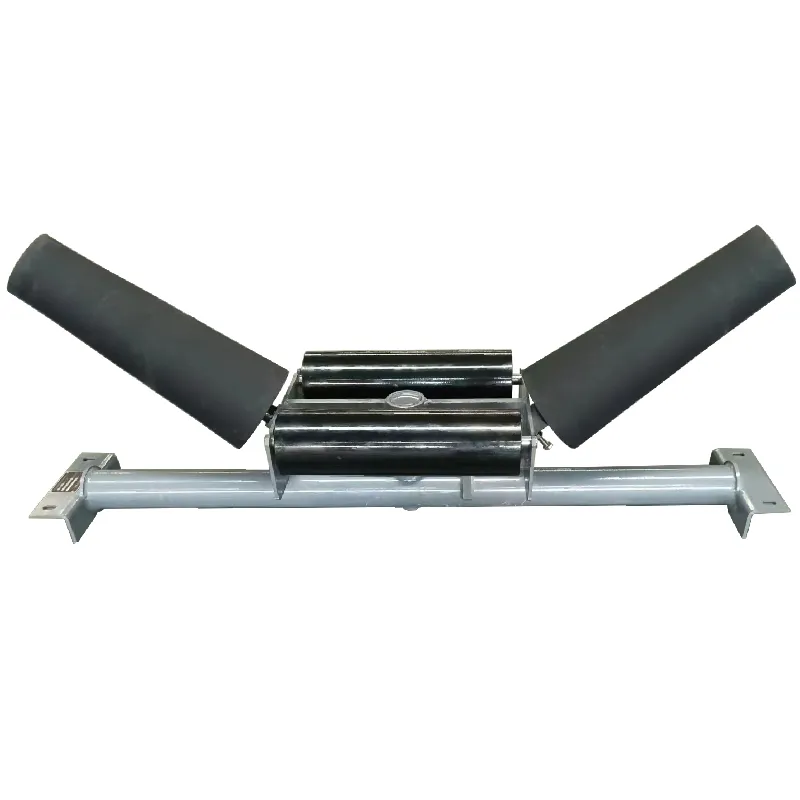
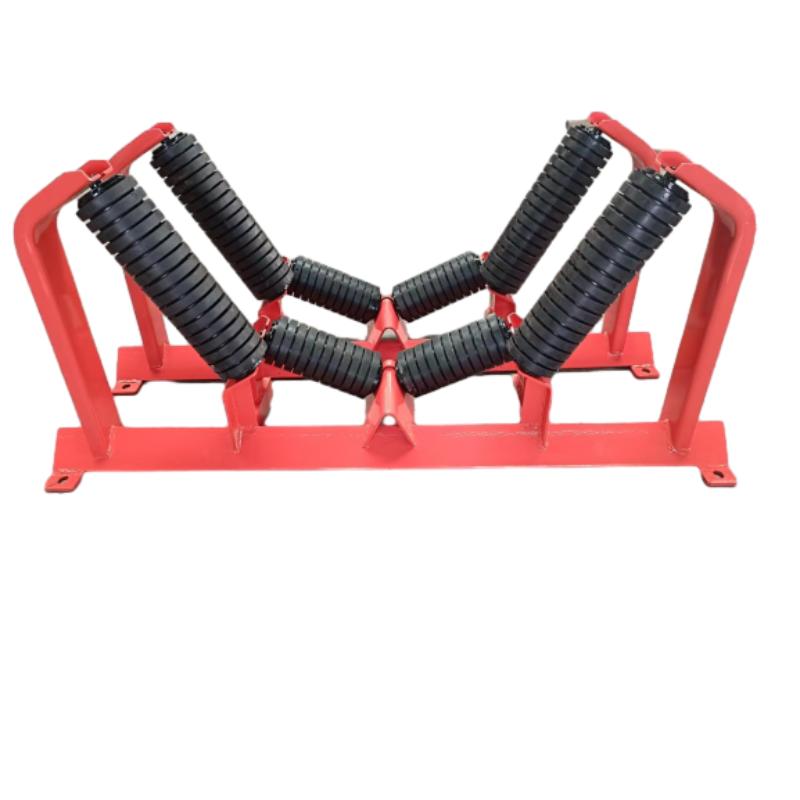
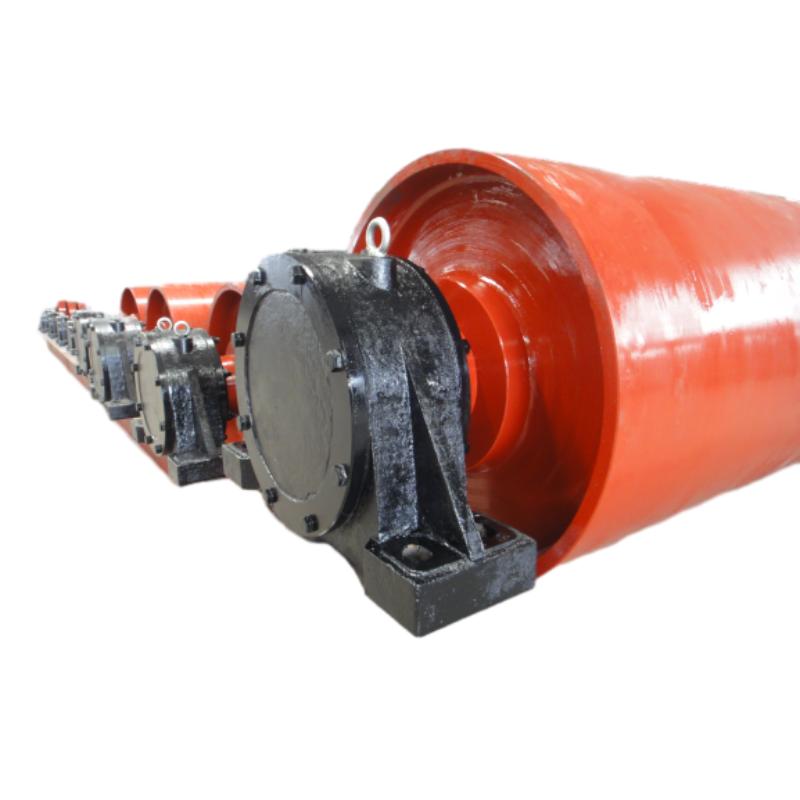
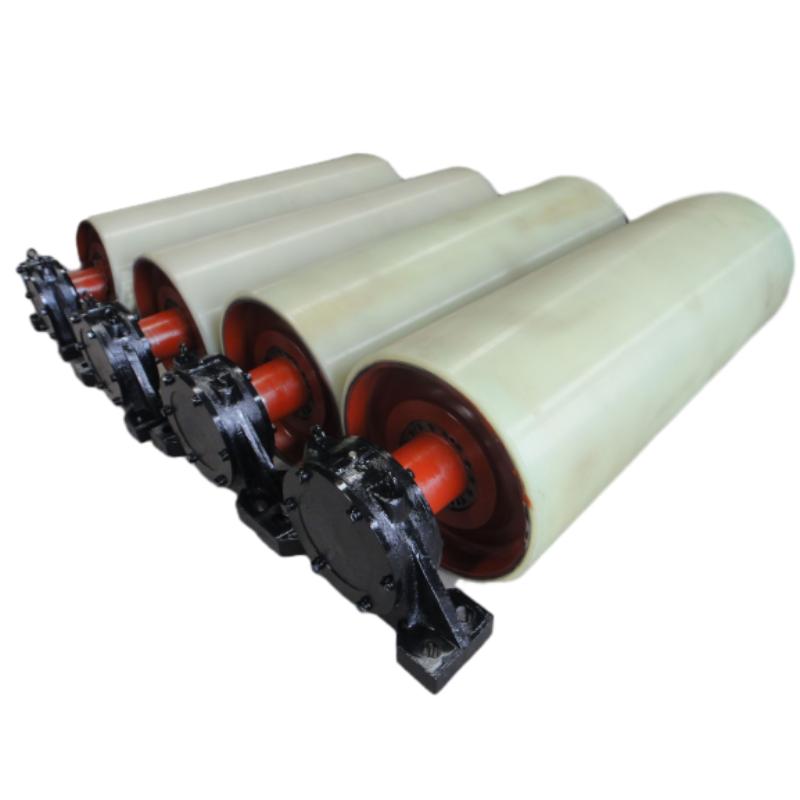
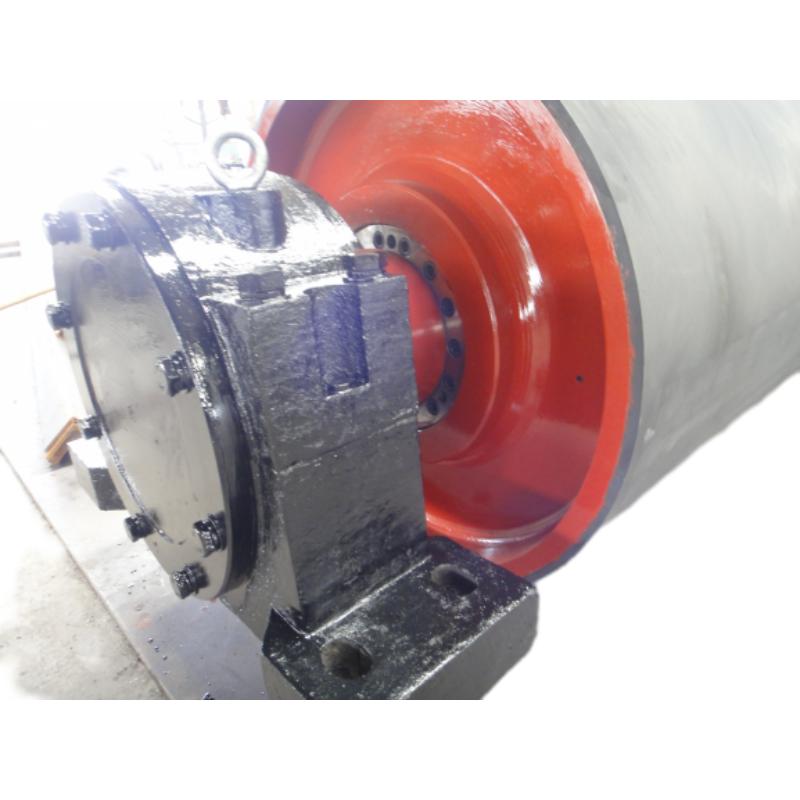
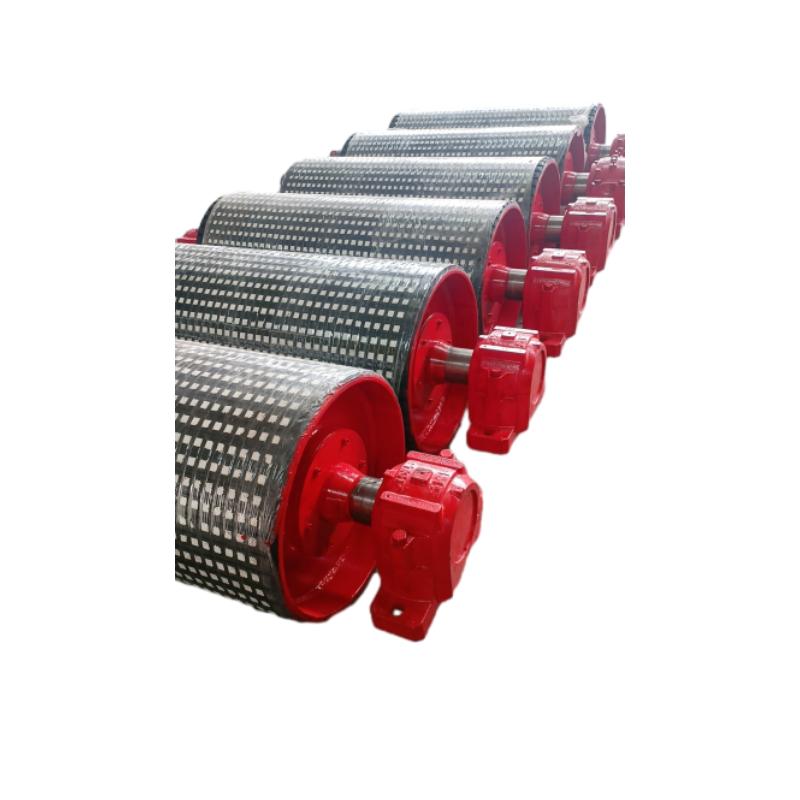
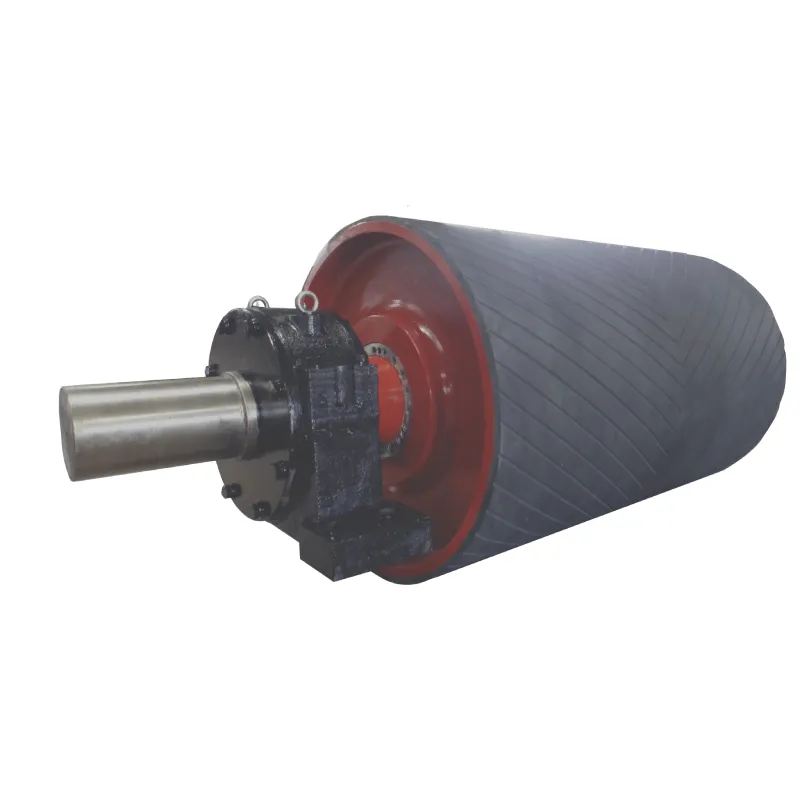
Simply put, the conveyor bearing housing is the protective casing that holds and secures the conveyor’s bearing in place. Bearings reduce friction between rotating parts—think of them as the conveyor’s “knees and elbows” that make movement smooth. Without proper housing, bearings would be exposed to dust, moisture, and mechanical stress, quickly failing and halting conveyor operations.
In humanitarian or rapid deployment settings, modular bearing housings serve as essential building blocks for fast assembly conveyor lines, moving relief supplies efficiently. It’s fascinating how technology originally designed for manufacturing feeds critical needs worldwide.
Mini Takeaway:
Conveyor bearing housing protects the most vulnerable but vital part of conveyor equipment, keeping industries moving everywhere.
Core Components & Key Factors of Conveyor Bearing Housing
1. Durability
Housing has to withstand harsh environments—think corrosive chemicals in food processing or abrasive dust in mining. Common materials like cast iron, steel, and sometimes polymer composites offer a balance of toughness and weight.
2. Sealing & Protection
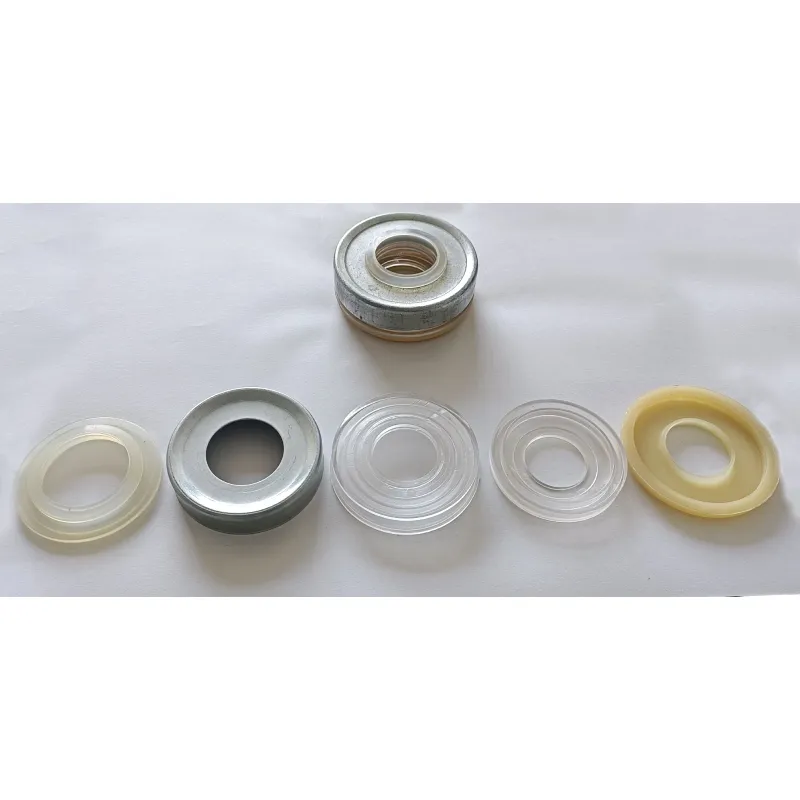
Good bearing housings include seals to keep lubricant in and contaminants out. Several different seal designs exist depending on moisture exposure or particulate contamination.
3. Mounting Flexibility
Many conveyors need adjustable or self-aligning housings to accommodate shifts in belt tension or alignment changes over time. This flexibility saves time and maintenance costs down the line.
4. Cost Efficiency
Of course, materials and designs vary based on budget versus lifespan. Sometimes a more expensive but durable housing results in less downtime and lower total cost of ownership.
5. Thermal Management
In heavy-duty operations, bearing housings equipped with cooling fins or special coatings prevent overheating, safeguarding bearings from thermal failure.
| Specification | Typical Value | Notes |
|---|---|---|
| Material | Cast Iron / Steel / Polymer | Depends on environment and load |
| Operating Temperature | -20°C to 120°C | Higher temps require specialized materials |
| Sealing Type | Contact / Labyrinth / Double Lip | Varies with contamination risk |
| Mounting Options | Flange, Pillow Block, Take-up | Ensures flexible installation |
| Load Capacity | Up to 15 kN (varies) | Depends on bearing size |
Mini Takeaway:
Material choice, sealing, mounting, and thermal features—all play crucial roles in creating a reliable conveyor bearing housing.
Where Conveyor Bearing Housing Makes a Difference Worldwide
Manufacturing hubs across Asia rely on robust housing units to keep assembly lines humming. In Europe, automation-heavy warehouses trust self-aligning bearing housings for smooth package flow. Oddly enough, even tiny packaging plants in Africa use modular conveyor bearing housing solutions imported from global vendors—highlighting their widespread necessity.
Post-disaster relief efforts also utilize mobile conveyor systems to distribute aid efficiently. Here, conveyor bearing housing designed for quick assembly and durability becomes indispensable.
Mini Takeaway:
From industrialized cities to far-flung disaster zones, conveyor bearing housings keep goods and aid moving — globally, steadily, and reliably.
Long-Term Advantages of Investing in Quality Bearing Housing
- Cost Savings: Lower maintenance and longer equipment lifespan reduce shutdowns and repair bills.
- Sustainability: Durable housings reduce waste and drive energy efficiency by preventing bearing failures.
- Reliability: Trusted components foster safety and operational confidence among workers.
- Innovation: Advances in material science allow smarter, lighter, and more adaptable housings.
People often underestimate how feeling confident that your conveyor won’t quit when the clock’s ticking has a genuine emotional weight. Engineers even say it “gives peace of mind” that can’t be overstated when managing complex facilities.
What's on the Horizon for Conveyor Bearing Housing?
Green energy and sustainability trends prompt vendors to reduce toxic coatings and embrace recycled polymers without compromising strength. Also, digital transformation brings smart sensors integrated into housings to monitor bearing health in real time. Automation lines increasingly rely on such feedback to preempt failures.
One interesting development is using 3D printing to create customized bearing housings tailored exactly to specific conveyor systems—cutting lead times and waste.
Common Hurdles and How Experts Are Tackling Them
Despite advancements, challenges like contamination ingress or misalignment remain persistent headaches. The solution often lies in combining advanced seal designs with self-aligning housings and routine condition monitoring.
Some firms integrate AI-powered maintenance scheduling based on smart sensor data, reducing guesswork and unplanned downtime dramatically.
| Vendor | Material Options | Sealing Types | Special Features | Typical Industries |
|---|---|---|---|---|
| Global Bearings Co. | Steel, Cast Iron | Double Lip, Contact | Self-aligning, heat dissipation fins | Mining, Automotive |
| EcoBearing Solutions | Recycled Polymer, Steel | Labyrinth, Contact | Smart sensors integrated | Food, Packaging, Logistics |
| Rapid Conveyance Parts | Cast Iron, Aluminum Alloy | Double Lip, Labyrinth | Modular design, 3D printed options | Disaster relief, Construction |
FAQ: Your Questions About Conveyor Bearing Housing Answered
Q1: How important is sealing type for conveyor bearing housing durability?
A1: Sealing is crucial. Proper seals keep lubricant inside and contaminants such as dust or moisture out, extending bearing life significantly. Choosing the right seal depends on your operating conditions — harsh environments usually need labyrinth or double lip seals for robust protection.
Q2: Can conveyor bearing housings be customized for specific conveyor setups?
A2: Definitely. Many manufacturers offer customizable options including mounting style, size, and material. Customization improves fit, performance, and longevity — especially for unique industrial applications or rapid deployment needs.
Q3: Are modular conveyor bearing housings suitable for disaster-prone areas?
A3: Yes. Modular housings designed for quick assembly and robust protection are ideal for disaster zones where speed and durability are key. Plus, lightweight designs aid rapid transport and setup.
Q4: How do smart sensors improve conveyor bearing housing maintenance?
A4: Integrated sensors monitor temperature, vibration, and alignment, alerting teams to early warning signs of failure. This enables preventative maintenance, reducing costly downtime and extending bearing housing life.
Wrapping It Up: Why Conveyor Bearing Housing Should Be on Your Radar
When you stop and really think about it, conveyor bearing housings are quietly pivotal in keeping industries, aid operations, and supply chains afloat. The right housing means smoother runs, less stress on workers, and long-term cost savings. If you’re involved in conveyor maintenance or design, not paying attention to bearing housings is like neglecting the engine oil for your car.
Curious to explore top-quality conveyor bearing housing and customized solutions? Visit us at https://www.idleraohua.com — your next conveyor upgrade might just be a click away.
References
-
Maximize Conveyor Life with a High Performance impact bedNewsApr.16,2026
-
Maximize Conveyor Efficiency Using a v plow belt scraperNewsApr.09,2026
-
Comprehensive Guide to Understanding Different Types of Belt CleanersNewsApr.07,2026
-
Enhancing Conveyor Efficiency with an Effective Scraper Belt CleanerNewsApr.04,2026
-
Optimizing Conveyor Systems with Advanced Cleaning Equipment SolutionsNewsMar.31,2026
-
Effective Conveyor Belt Scraper Adjustment for Optimal System PerformanceNewsMar.28,2026