

Reliable Impact Roller Suppliers for Durable Conveyor Systems | Idleraohua
Understanding Impact Roller Suppliers: Why They’re Vital Globally
Impact rollers might not be a household term, but they silently keep tons of industry cogs turning smoothly worldwide. Whether it’s bulk material handling in mining, cement plants, or heavy manufacturing, impact roller suppliers provide crucial products that reduce damage and downtime. At its core, the role these suppliers play is about durability, efficiency, and cost-cutting — factors any serious industrial operation can’t live without.
Globally, industries moving millions of tons of raw materials daily rely on these rollers to protect conveyor belts from the brutal impacts of heavy loading. Without them? The wear and tear would skyrocket, and so would costs. So, understanding impact roller suppliers means grasping one of the backbone elements that hold modern supply chains together efficiently.
The Global Context: Why Impact Roller Suppliers Matter More Than Ever
Industrial growth, especially in Asia-Pacific and emerging economies, keeps pushing conveyor systems to handle heavier and more abrasive materials. According to the International Organization for Standardization (ISO), sustained industrial efficiency directly ties to equipment quality and supplier consistency. This is where impact roller suppliers enter the equation—meeting the demand for robust, dependable components to protect sensitive belt surfaces.
Recently, global supply chains faced unprecedented disruptions, highlighting the importance of dependable parts — including conveyor rollers. Conveyor downtime equates to big losses, so sourcing from reputable impact roller suppliers globally isn’t just smart; it’s almost mandatory.
Oddly enough, while automation streams advanced much in packaging, many industrial sectors still rely heavily on mechanical systems like conveyors, underscoring why upstream suppliers remain in focus.
What Exactly Are Impact Roller Suppliers?
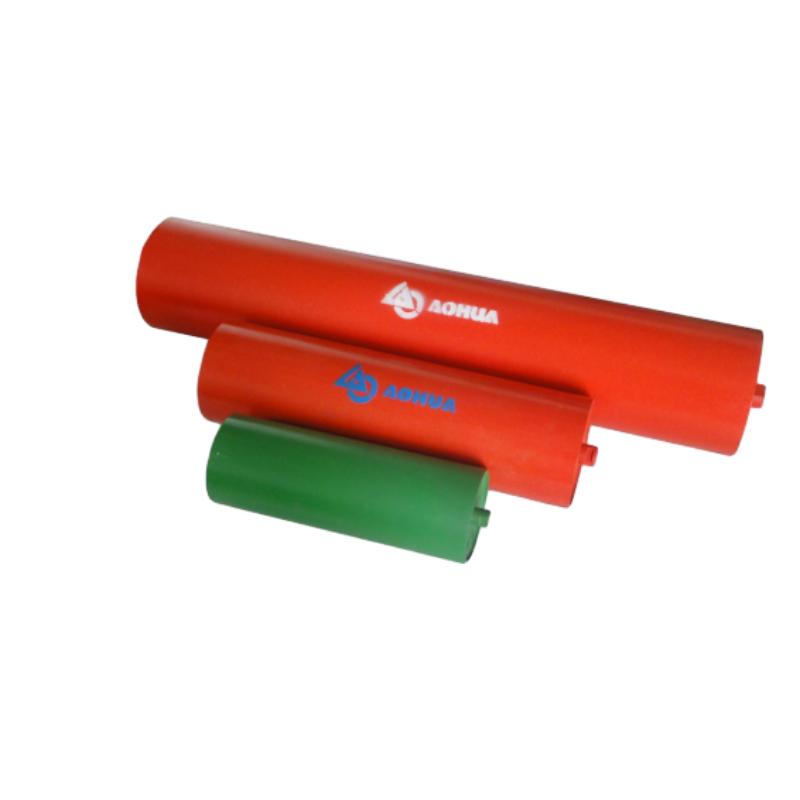
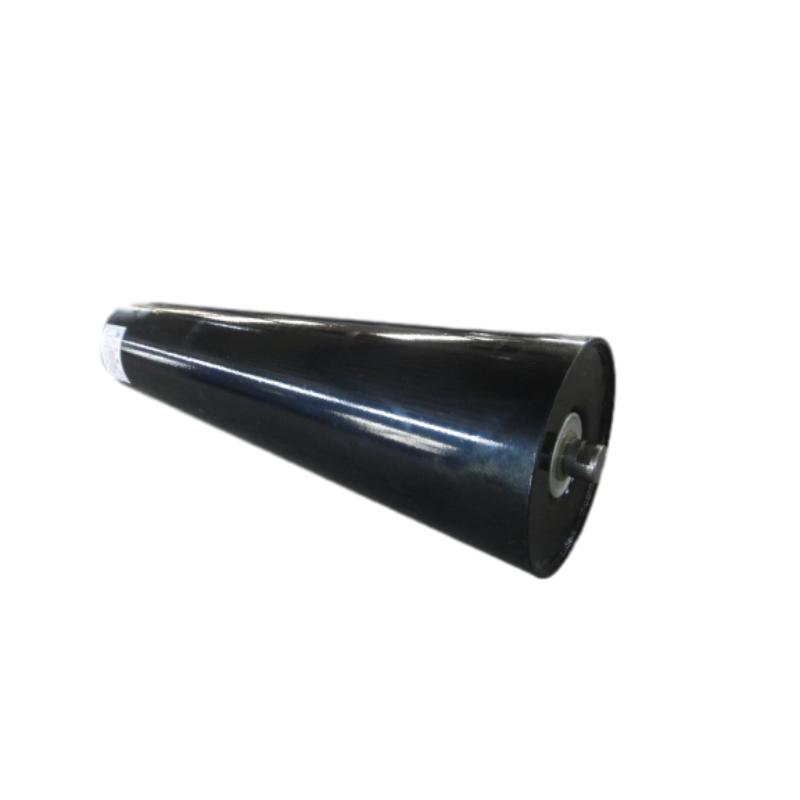
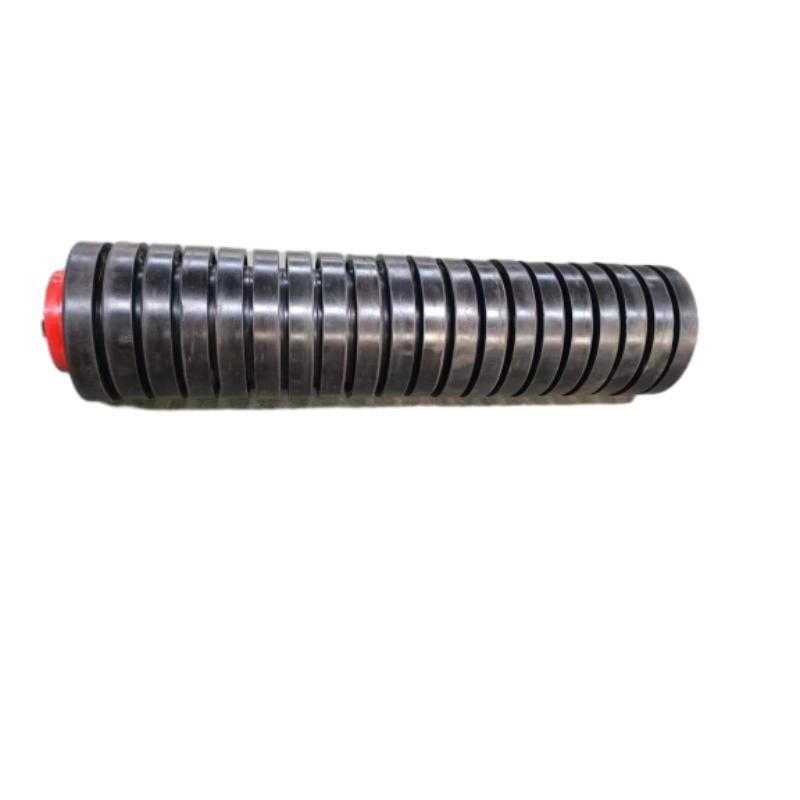
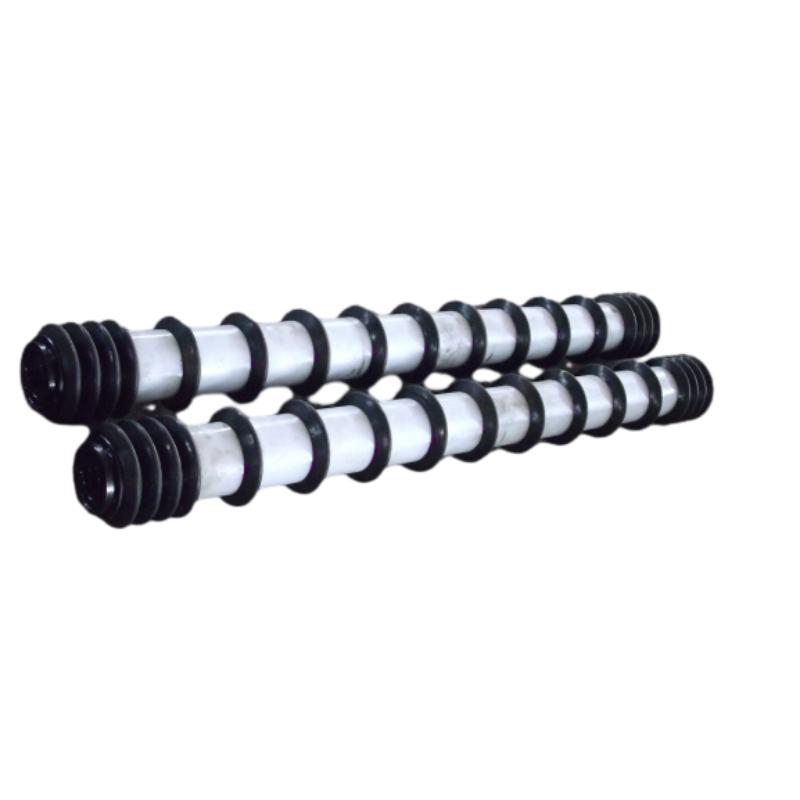
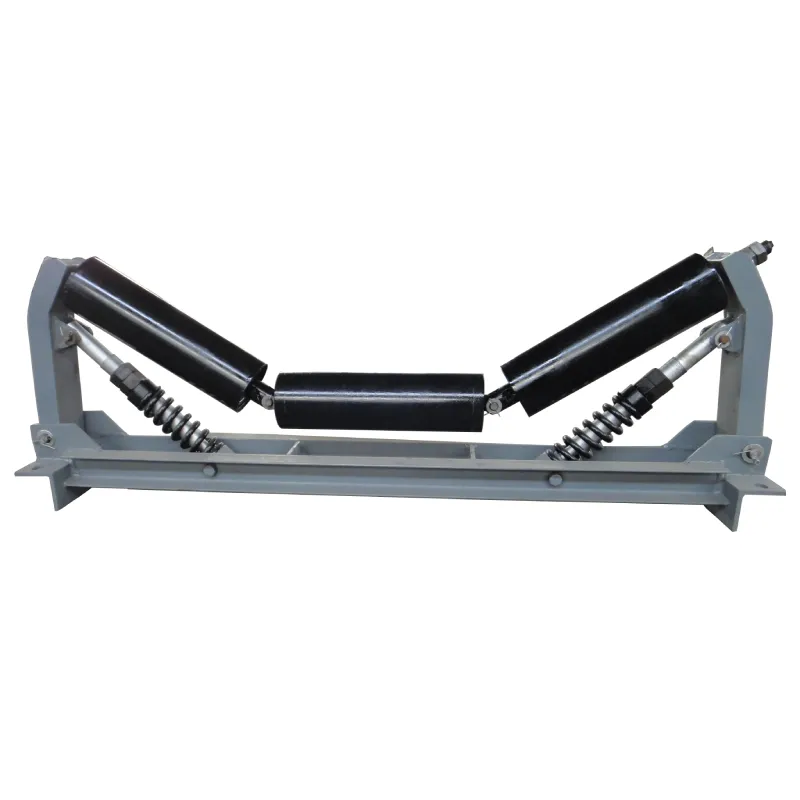
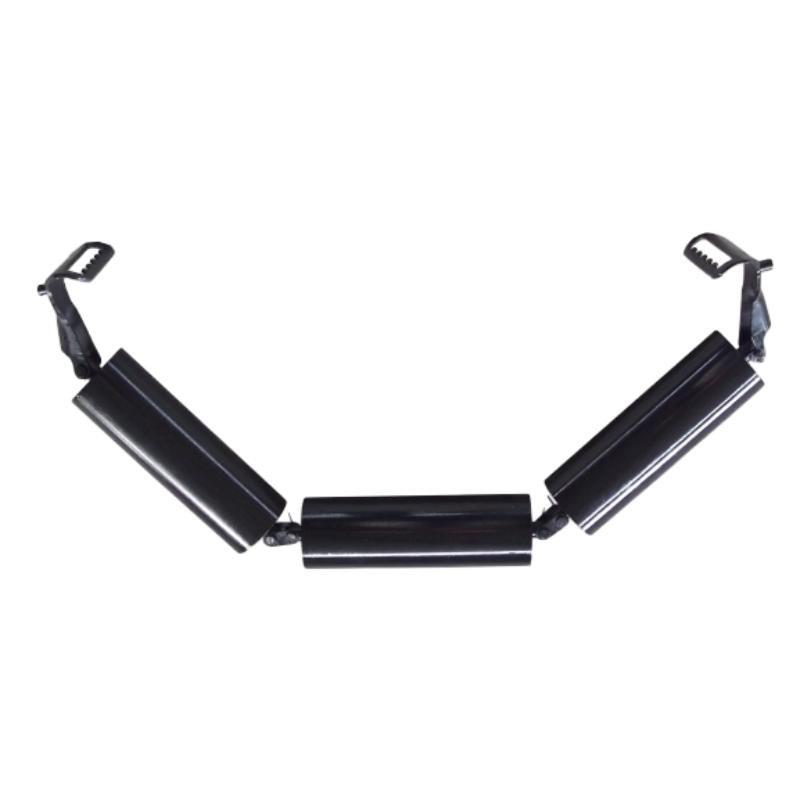
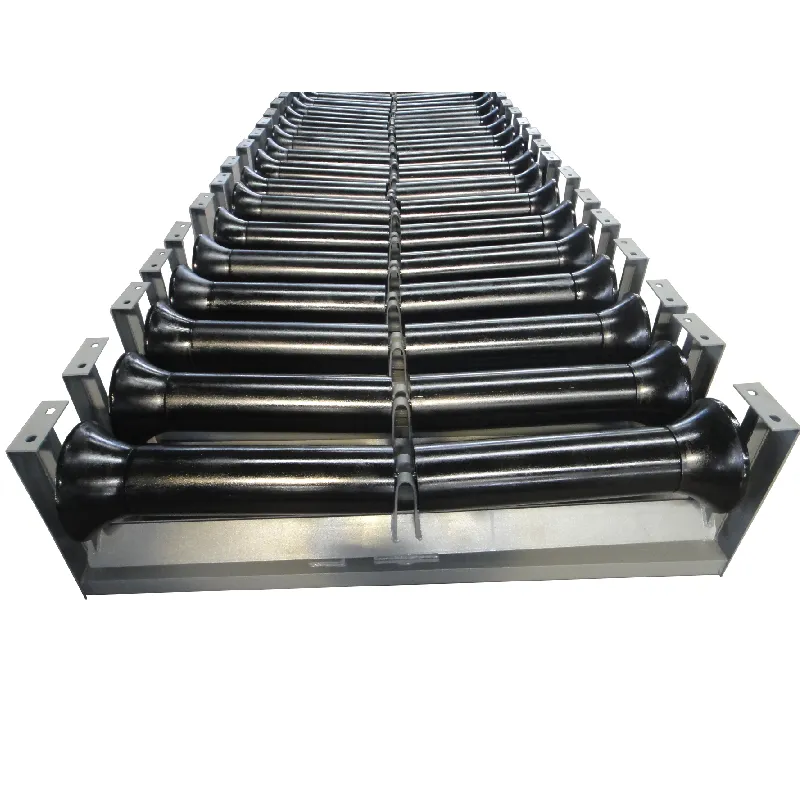
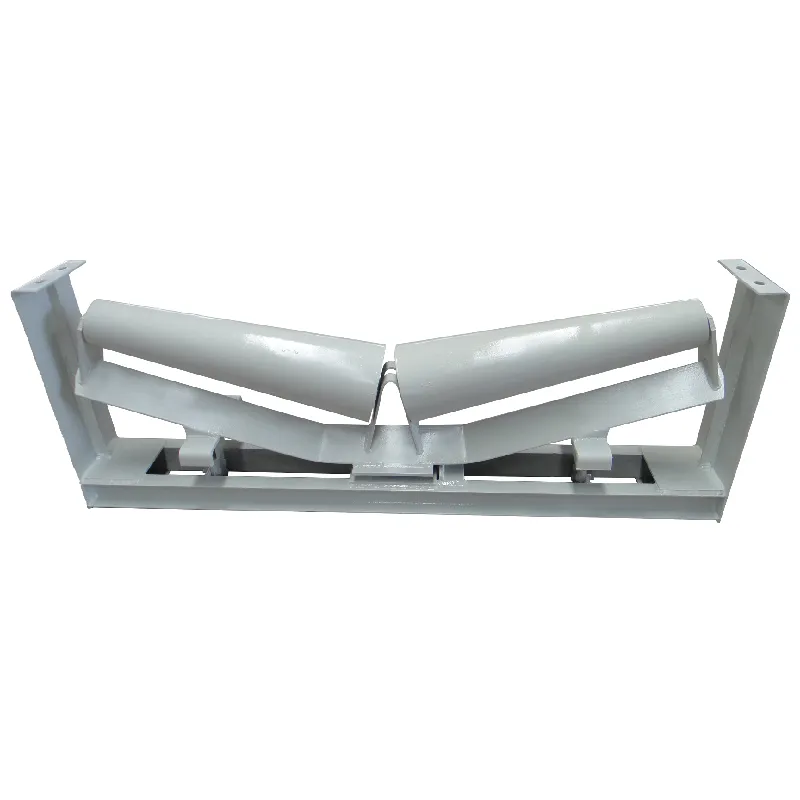
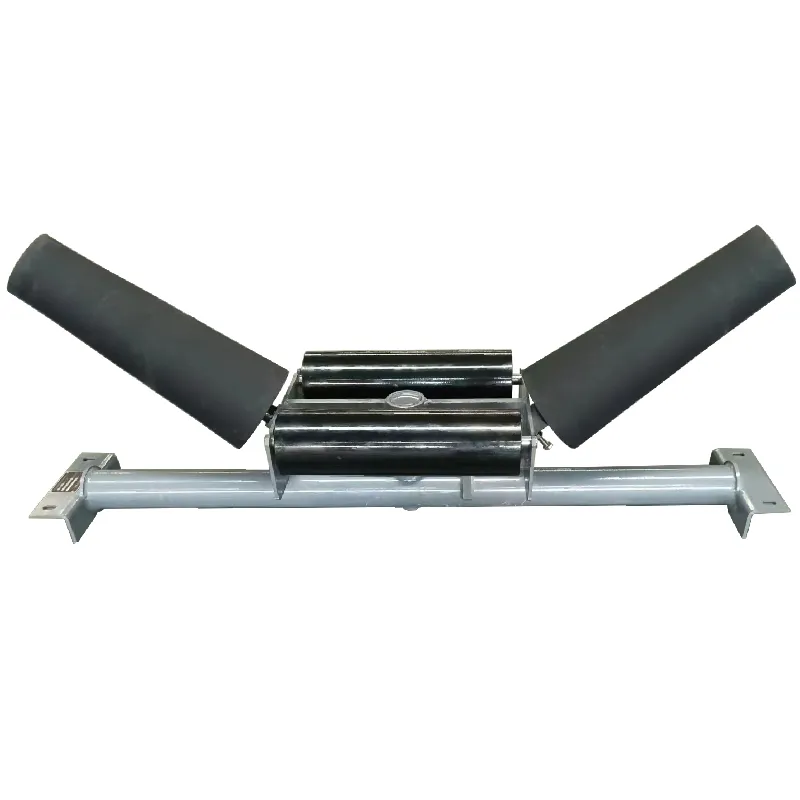
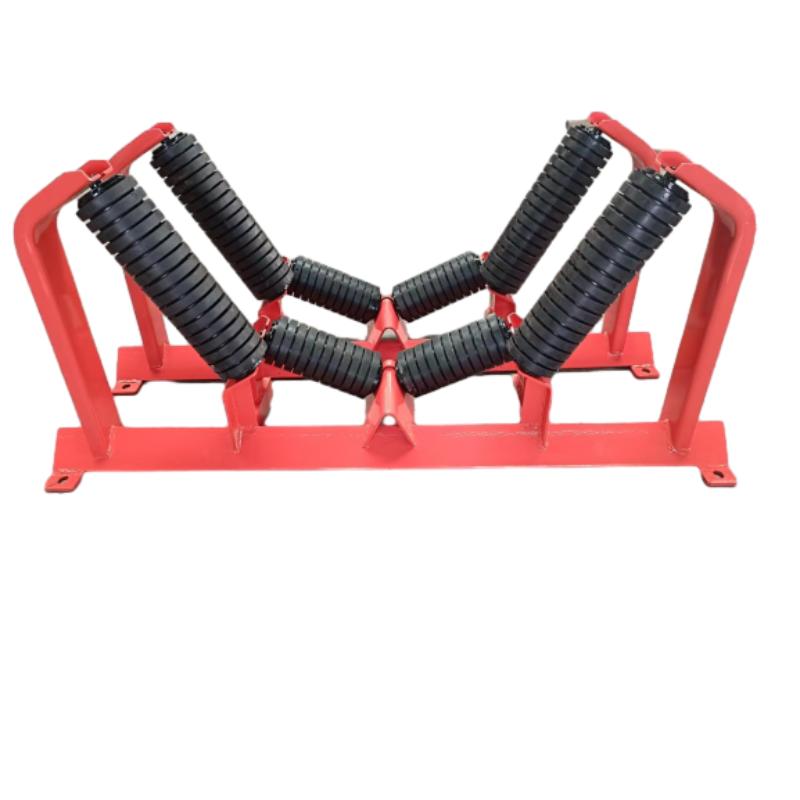
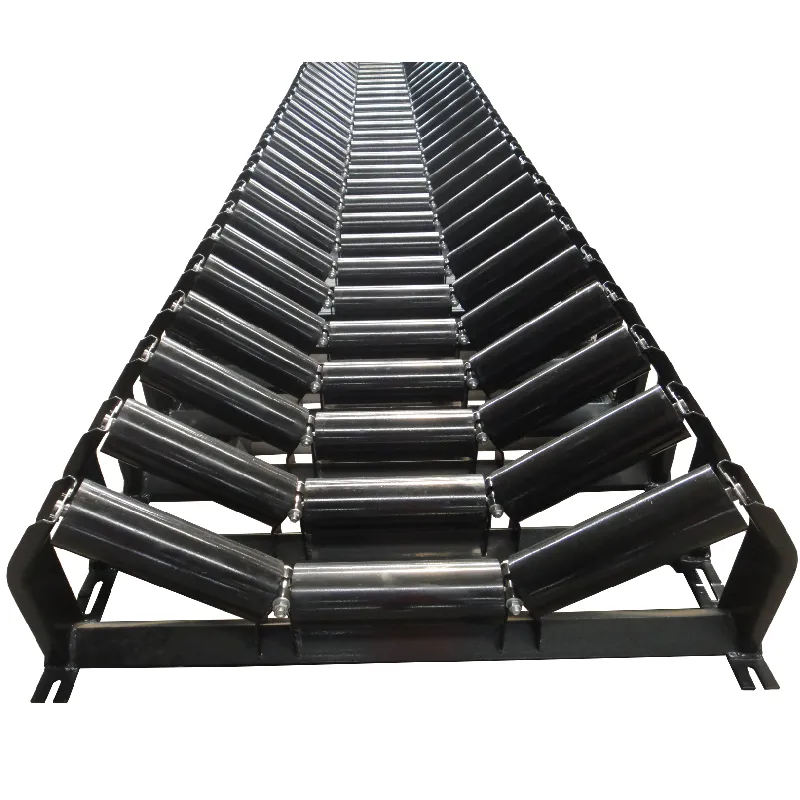
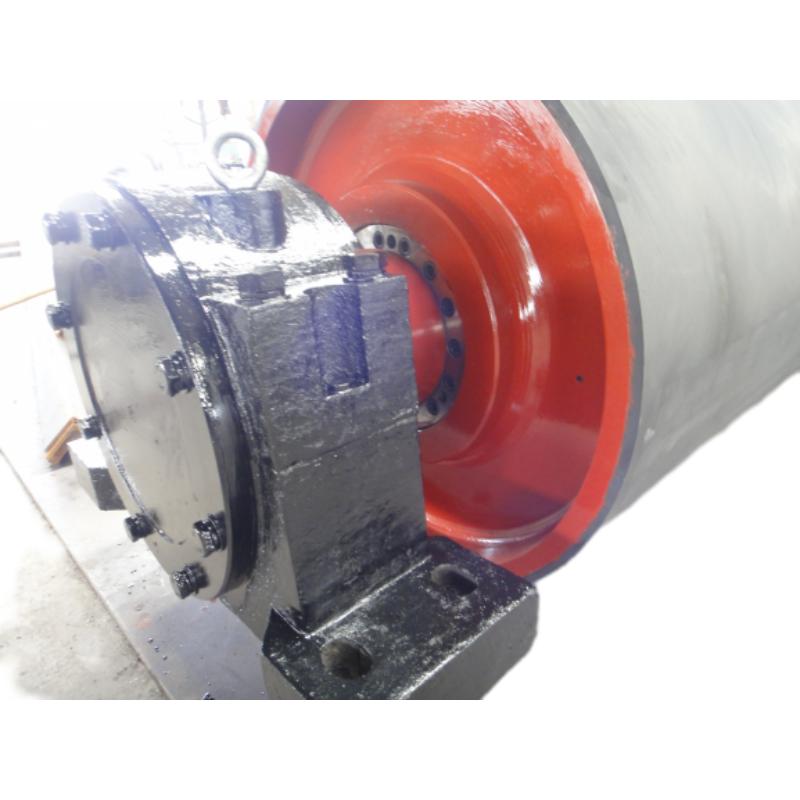
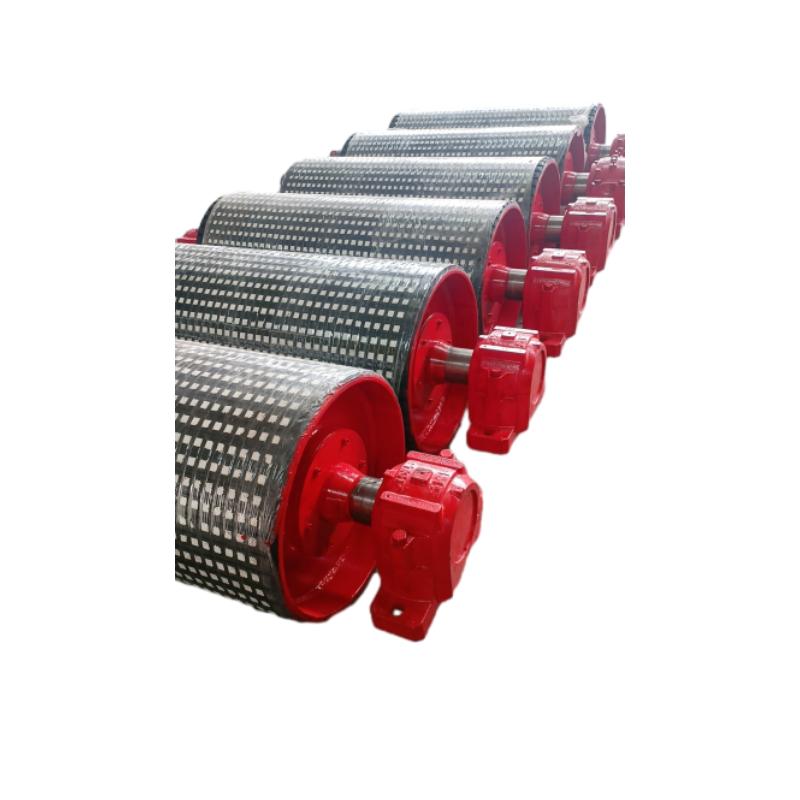
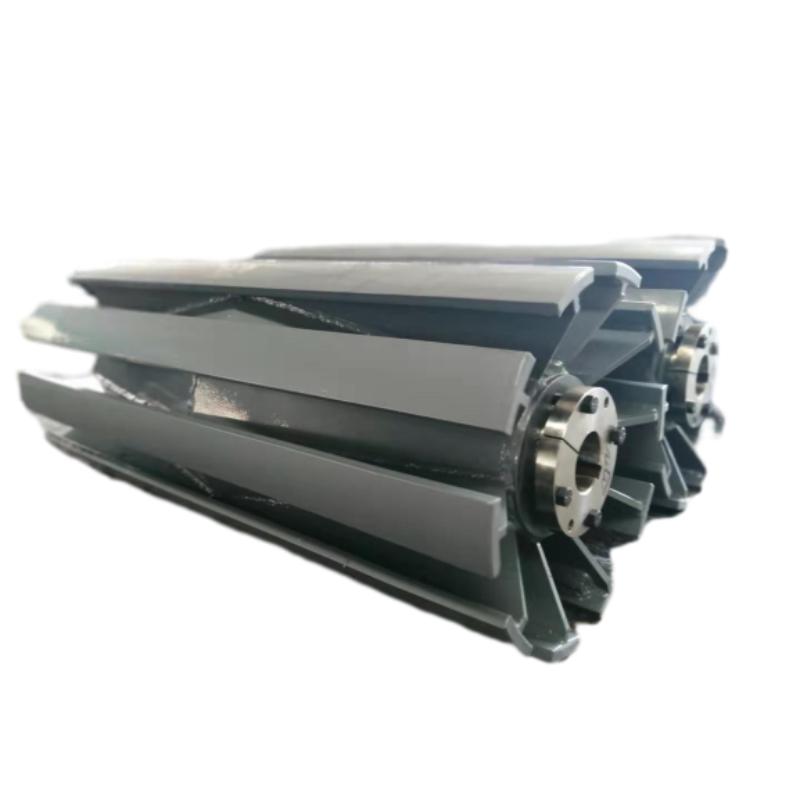
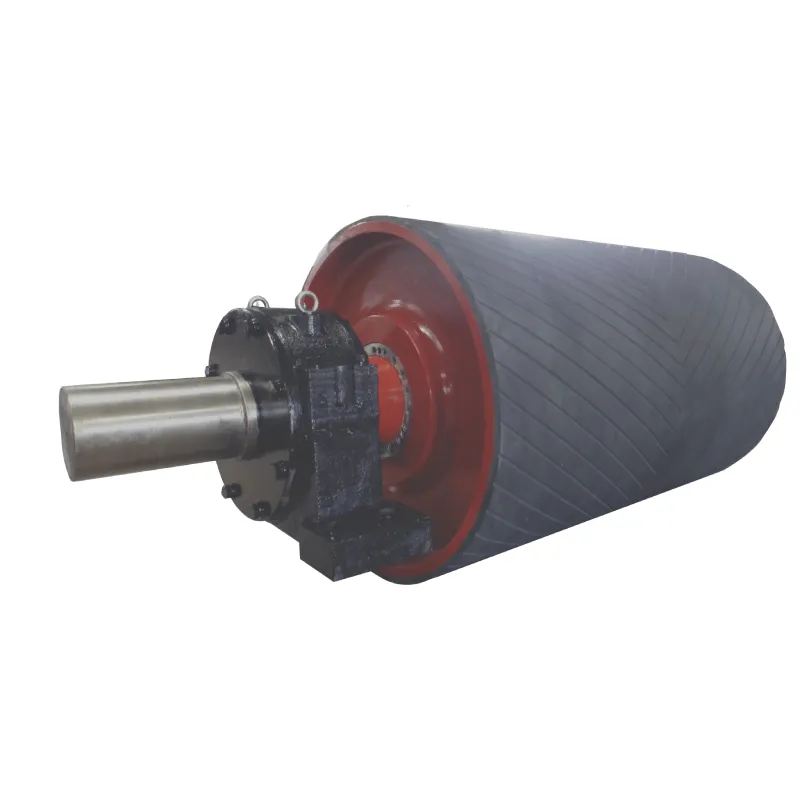
In simple terms, impact roller suppliers are companies or manufacturers that design, produce, and distribute heavy-duty rollers meant to cushion the blows that conveyor belts take during loading. Think of these rollers as shock-absorbing cushions for the stops and drops of bulk materials in industrial environments. The right roller reduces belt tears, prevents premature wear, and extends the lifespan of conveyor belts.
This connection to modern industrial needs can’t be overstated, considering conveyor systems are instrumental in sectors ranging from mining to agriculture and even humanitarian logistics — like delivering aid where stability and durability are vital.
Core Components of Quality Impact Rollers
Durability
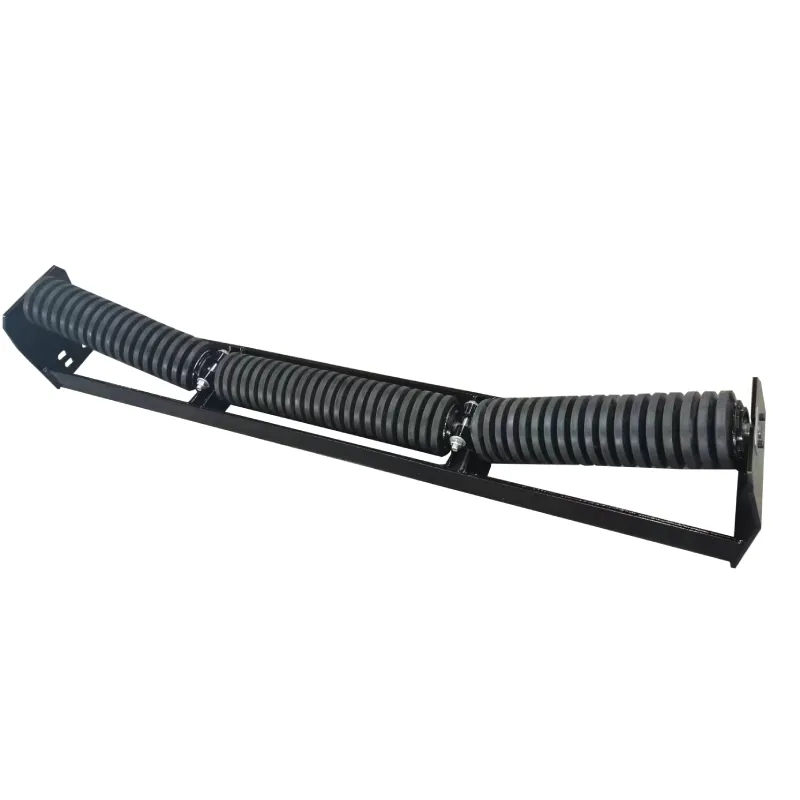
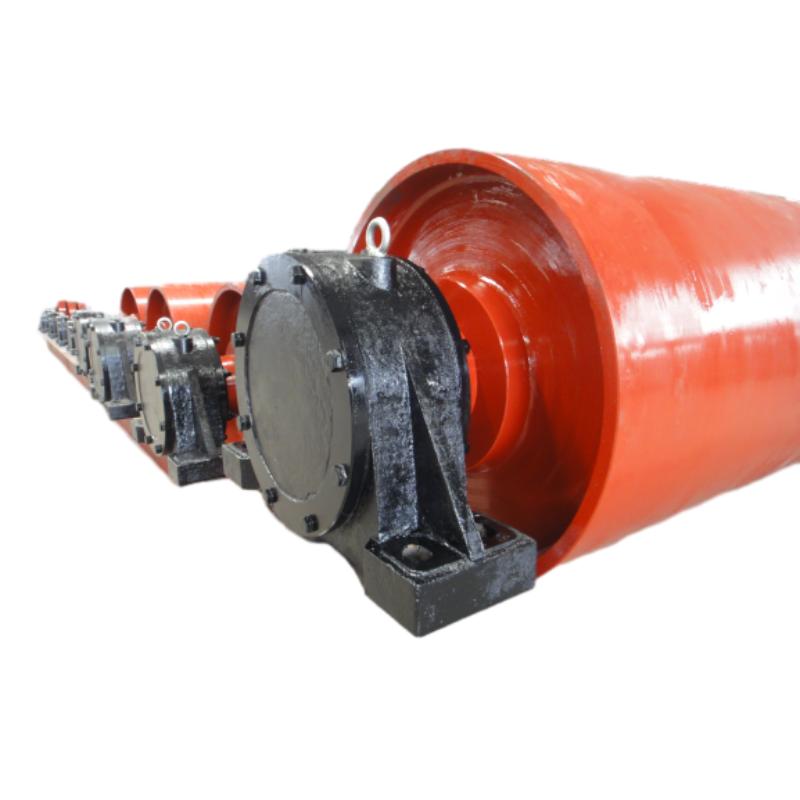
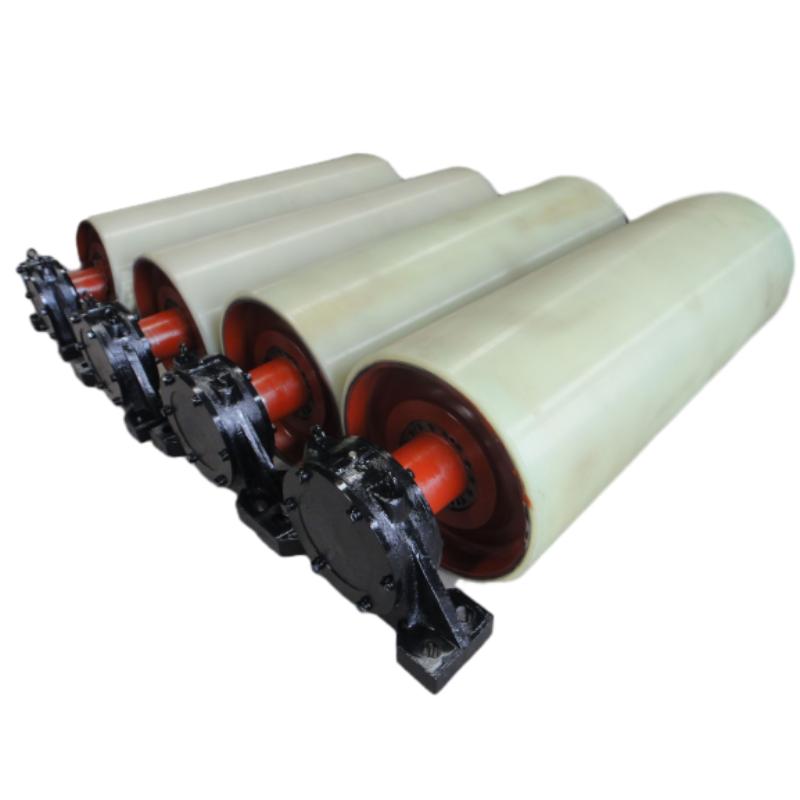
The rollers must endure the relentless pounding of heavy loads combined with abrasive materials such as coal, gravel, or grain. Good impact rollers use high-grade steel for frames and durable elastomer or polyurethane for the outer cushioning. This extends operational lifespans substantially compared to conventional rollers.
Shock Absorption
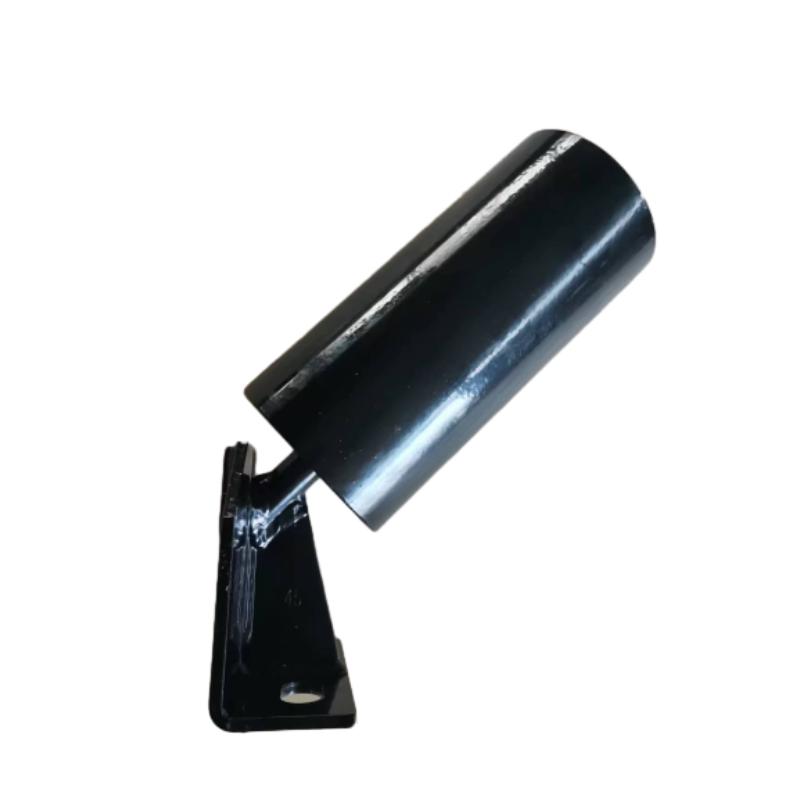
One of the key roles: absorbing and distributing the energy from impacts. This is why manufacturers focus on innovative materials and proper suspension designs to reduce belt damage efficiently. Without this, conveyor belts would quickly degrade.
Customization & Scalability
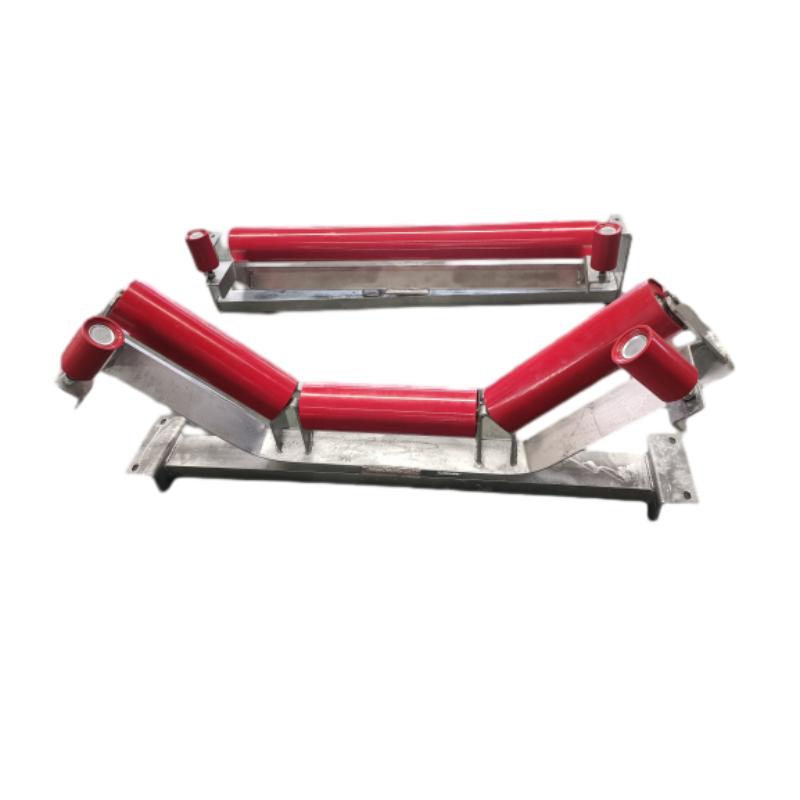
Not every conveyor requires the same roller. Whether it’s a small agricultural setup or a massive industrial plant, suppliers need to tailor rollers in diameter, length, and cushioning firmness. Suppliers who offer design flexibility often stand out.
Cost Efficiency
It’s not just about up-front costs but total cost of ownership. Quality impact rollers reduce belt replacements and maintenance downtime, which translates into hard-to-quantify operational savings.
Mini takeaway:
Think of impact roller suppliers as behind-the-scenes heroes helping protect your conveyor’s belt—and your bottom line—with a mix of durability, cushioning, adaptability, and long-term value.
How Impact Roller Suppliers Shape Real-World Projects
From dusty mining towns in Australia to sprawling grain terminals in the Midwest U.S., impact roller suppliers play a quiet but powerful role.
- Mining: In South Africa, impact rollers protect conveyor belts moving tons of ore daily, a lifeline for local economies.
- Cement Industry: Plants in the Middle East depend on roller systems to prevent fines from breaking belts; a fractured belt can grind production to a halt.
- Humanitarian Relief: Less obvious, but perfectly true: during disaster relief operations, materials must be moved safely and fast. In such urgent moments, durable impact rollers prevent supply chain bottlenecks.
- Agriculture: Grain handling facilities throughout Europe rely heavily on impact rollers for smooth, damage-free transport.
Oddly, some of the world’s most remote industrial operations rank impact roller suppliers as critical vendors to reduce costly delays.
Advantages and Long-Term Value You Can Count On
Why invest in reliable impact roller suppliers? Here’s what many engineers swear by:
- Cost savings: By extending conveyor belt life, rollers decrease frequent replacements.
- Sustainability: Durable rollers cut waste and support greener operations.
- Safety: Reliable rollers reduce breakdown risks that could cause injuries.
- Innovation: Many suppliers invest in research to improve abrasion resistance, crucial in harsh conditions.
Product Specification: Typical Impact Roller Model
| Specification | Detail |
|---|---|
| Roller Diameter | 89 mm / 133 mm / 159 mm (various sizes) |
| Roller Length | 300 mm – 1200 mm customizable |
| Outer Shell Material | Polyurethane / Rubber Elastomer |
| Bearing Type | Sealed precision ball bearings |
| Load Impact Resistance | Up to 500 kg bearing per roller |
| Operating Temperature | -40 °C to +80 °C |
Vendor Comparison: Top Impact Roller Suppliers at a Glance
| Supplier | Material Quality | Customization | Global Reach | Price Range |
|---|---|---|---|---|
| Idleraohua Industrial | Premium-grade PU, steel | High; bespoke sizes & hardness | Asia, Europe, Americas | Mid to High |
| GlobalConveyor Inc. | Durable rubber composite | Moderate; standard range | North America, Europe | Mid |
| RollPro Solutions | Standard rubber, steel core | Low; fixed sizes | Local markets | Low to Mid |
Looking Ahead: Innovations in Impact Roller Technology
Many engineers I spoke to seem excited about the potential future where impact rollers integrate smart sensors to monitor wear in real time. Imagine a roller alerting your maintenance team before failures occur — reducing downtime dramatically. Plus, sustainability takes center stage with the rise of bio-based elastomers and longer-lasting corrosion-resistant alloys. Considering the UN’s push for better industrial environmental standards, these advancements couldn’t be more timely.
Challenges Impact Roller Suppliers Face and How They're Tackled
Despite advances, suppliers wrestle with balancing cost and durability. There’s always pressure to reduce prices without cutting corners on materials. Moreover, variability in raw material quality globally creates supply chain headaches. Expert firms tackle this with increased in-house quality controls and flexible manufacturing methods to adapt faster to regional demands.
FAQs about Impact Roller Suppliers
- What factors should I consider when choosing an impact roller supplier?
- Look at material quality, customization options, delivery lead times, and supplier reputation. A trusted supplier balances durability and cost-effectiveness tailored to your industry’s unique needs.
- How often should impact rollers be replaced?
- Replacement frequency depends on your conveyor’s workload and material abrasiveness, but many industrial systems check rollers every 6–12 months. Real-time monitoring is becoming popular to optimize timing.
- Can impact rollers be customized for different conveyor types?
- Absolutely. Most reputable suppliers offer varied diameters, lengths, and cushioning hardness levels to match everything from light agricultural conveyors to heavy mining equipment.
- How do impact rollers contribute to workplace safety?
- By reducing belt damage and failures, impact rollers minimize unexpected breakdowns which could lead to accidents, helping maintain a safer working environment over time.
Conclusion: Why Impact Roller Suppliers Should Be Top of Mind
To wrap this up: if your operations lean on conveyor belts—and most do—you’ll want the best possible cushioning impact protection. Reliable impact roller suppliers do more than sell parts; they safeguard your workflow, cut costs, and support sustainability efforts that many industries strive to meet.
Ready to enhance your conveyor systems with trusted partners? Check out impact roller suppliers offering bespoke solutions tailored for modern industry challenges.
References:
- International Organization for Standardization (ISO)
- Wikipedia: Conveyor Belt
- United Nations Industrial Development Organization (UNIDO)
-
Maximize Conveyor Life with a High Performance impact bedNewsApr.16,2026
-
Maximize Conveyor Efficiency Using a v plow belt scraperNewsApr.09,2026
-
Comprehensive Guide to Understanding Different Types of Belt CleanersNewsApr.07,2026
-
Enhancing Conveyor Efficiency with an Effective Scraper Belt CleanerNewsApr.04,2026
-
Optimizing Conveyor Systems with Advanced Cleaning Equipment SolutionsNewsMar.31,2026
-
Effective Conveyor Belt Scraper Adjustment for Optimal System PerformanceNewsMar.28,2026