

Nov . 29, 2025 08:10
Back to list
Vertical Roller Technology: Enhancing Industrial Efficiency Worldwide
Vertical Roller: What It Is and Why It Matters Globally
Ever noticed how so many industries rely on efficient movement, alignment, and support systems? Enter the vertical roller — a deceptively simple but critical component in everything from conveyors to heavy machinery. Globally, vertical rollers keep countless processes running smoothly, whether in manufacturing plants in Asia or infrastructure projects in Europe. Understanding vertical rollers isn't just for engineers; it shines a light on the backbone of modern logistics, construction, and even humanitarian projects. The benefits? Reduced downtime, improved precision, and better durability — things we often take for granted but which massively impact cost and safety worldwide.Introduction: The Global Context of Vertical Rollers
On a broad scale, vertical rollers are key players in the growing automation and infrastructure sectors. According to the International Organization for Standardization (ISO), nearly 70% of manufacturing plants worldwide now integrate conveyor systems that rely heavily on such rollers for transport efficiency.[1] In fast-developing regions, the demand for versatile and robust components like vertical rollers keeps soaring alongside urbanization and industrialization. Yet, industries often wrestle with challenges like equipment wear, maintenance costs, and environmental strain. Vertical rollers, when designed and deployed thoughtfully, address these problems by enabling smoother operation and longer life cycles. Take the recent surge in e-commerce fulfillment centers: they push conveyor systems to the limit, making quality rollers more important than ever. So, vertical rollers are not just mechanical parts; they hold the key to overcoming operational hurdles globally.Defining the Vertical Roller and Its Industrial Role
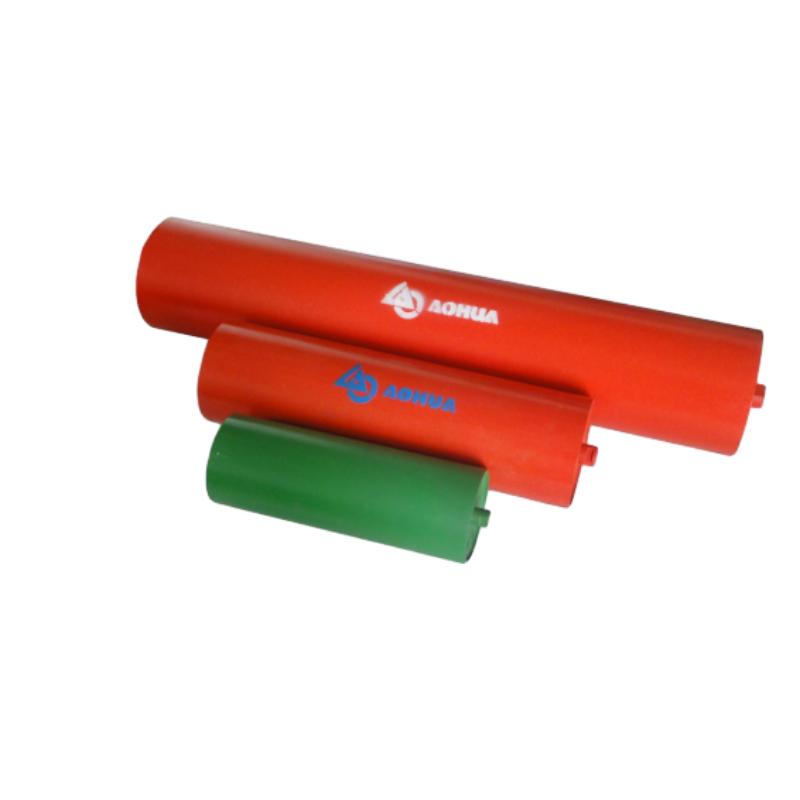
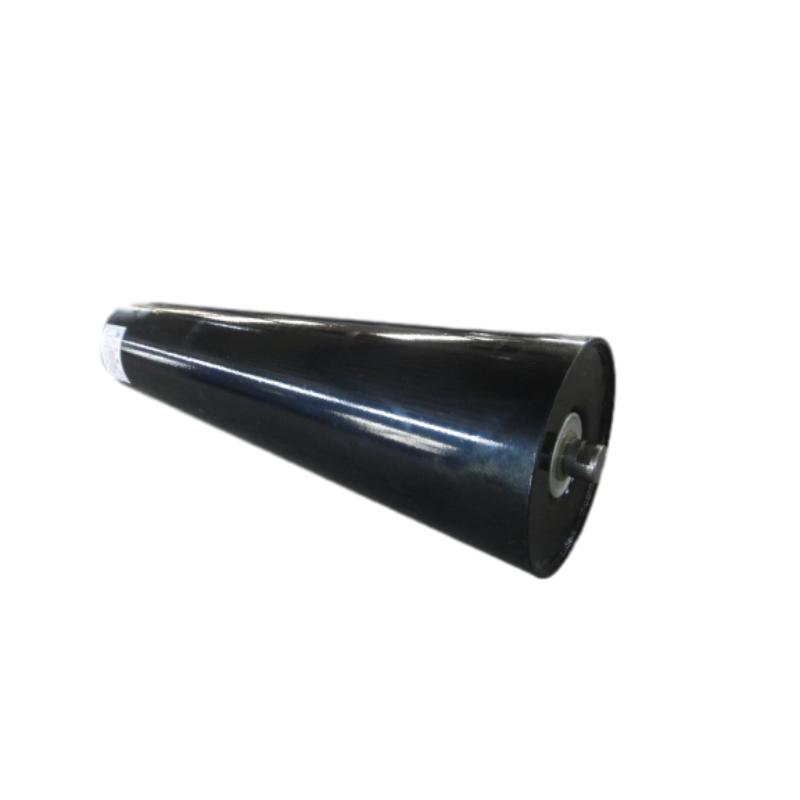
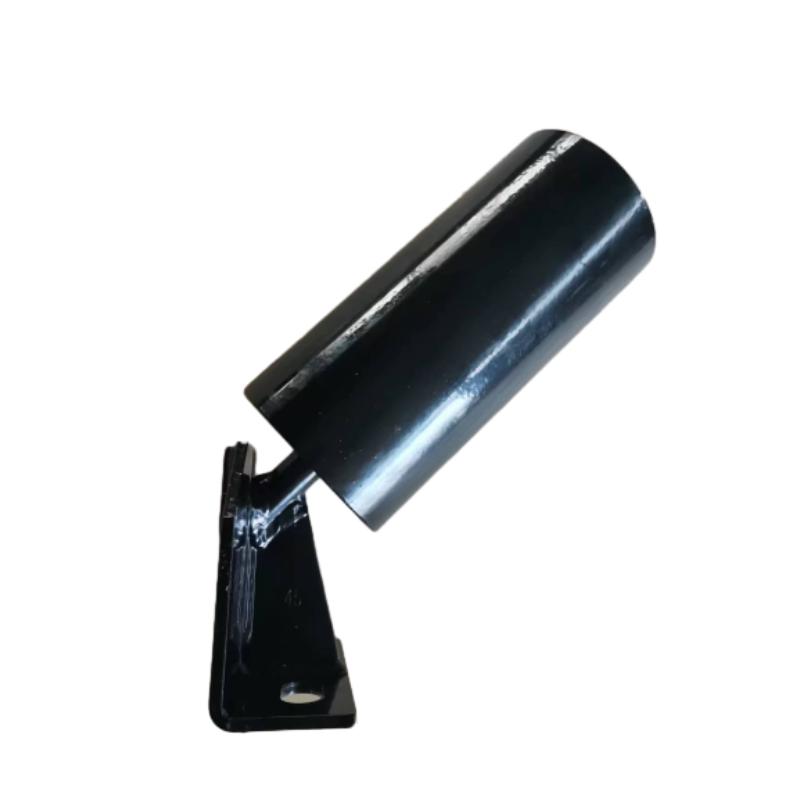
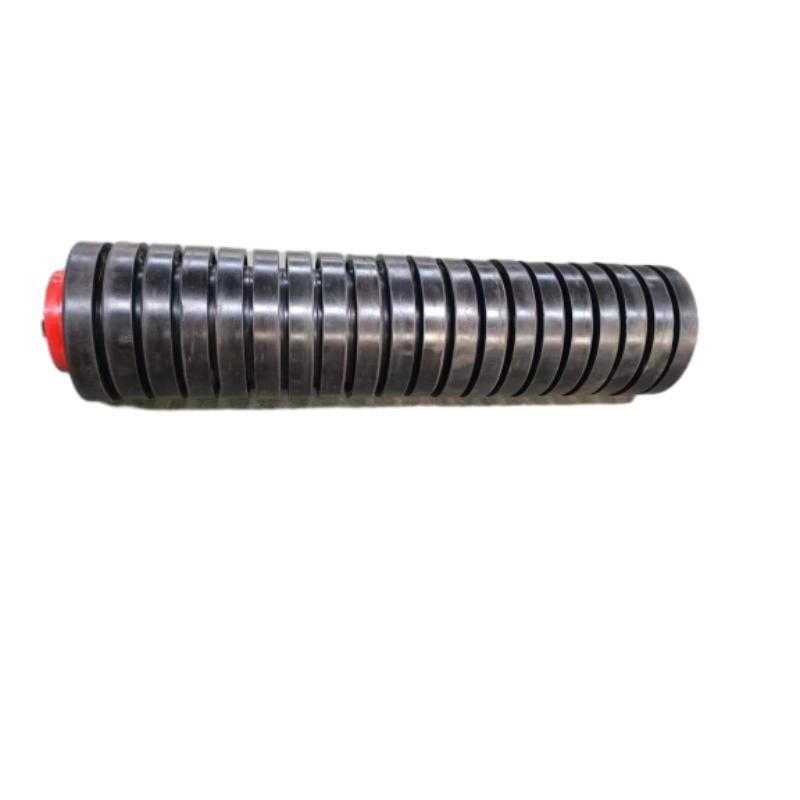
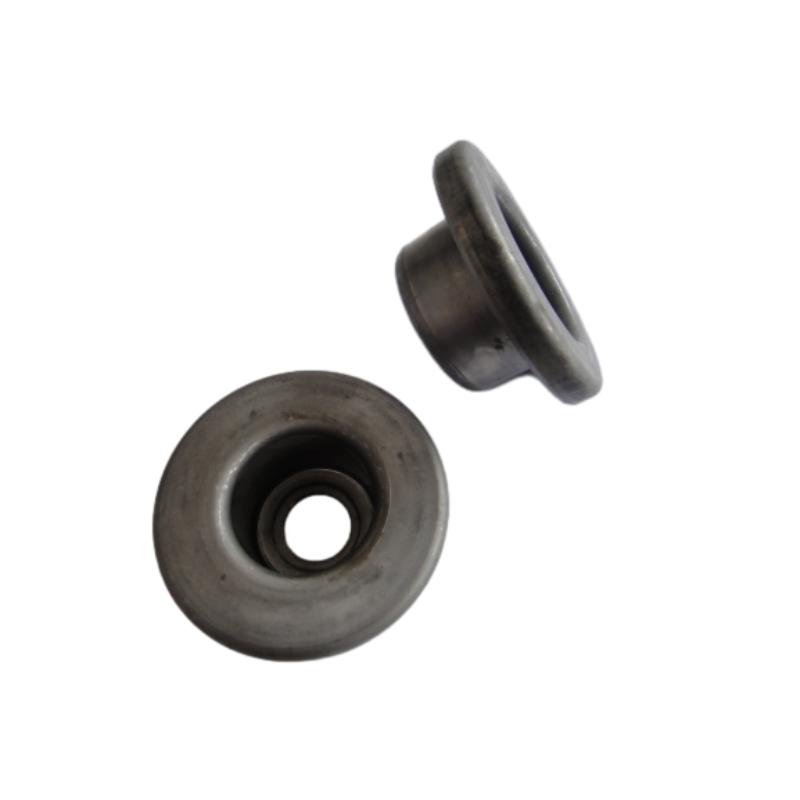
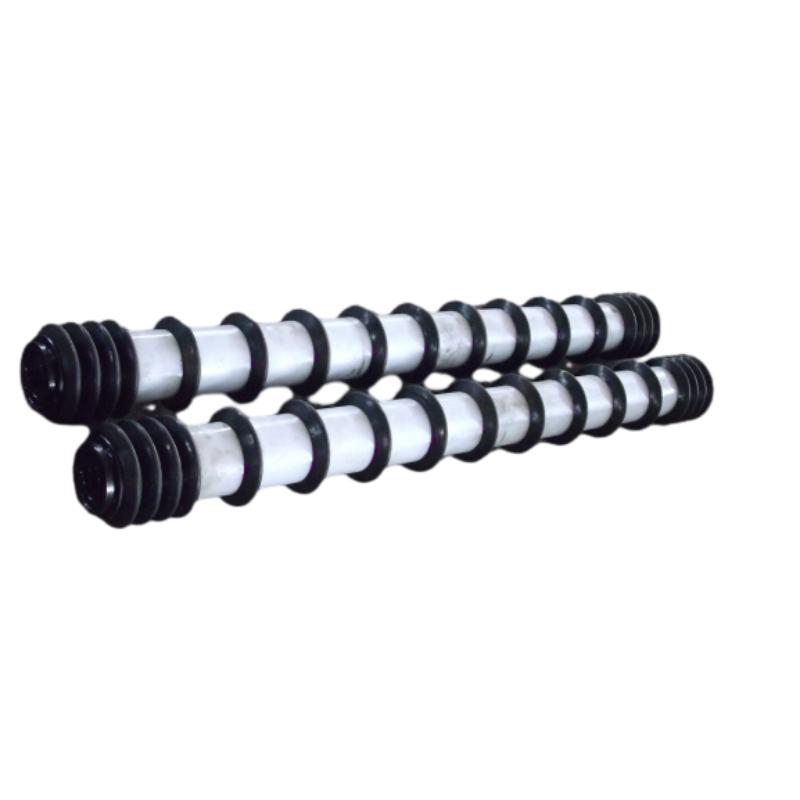
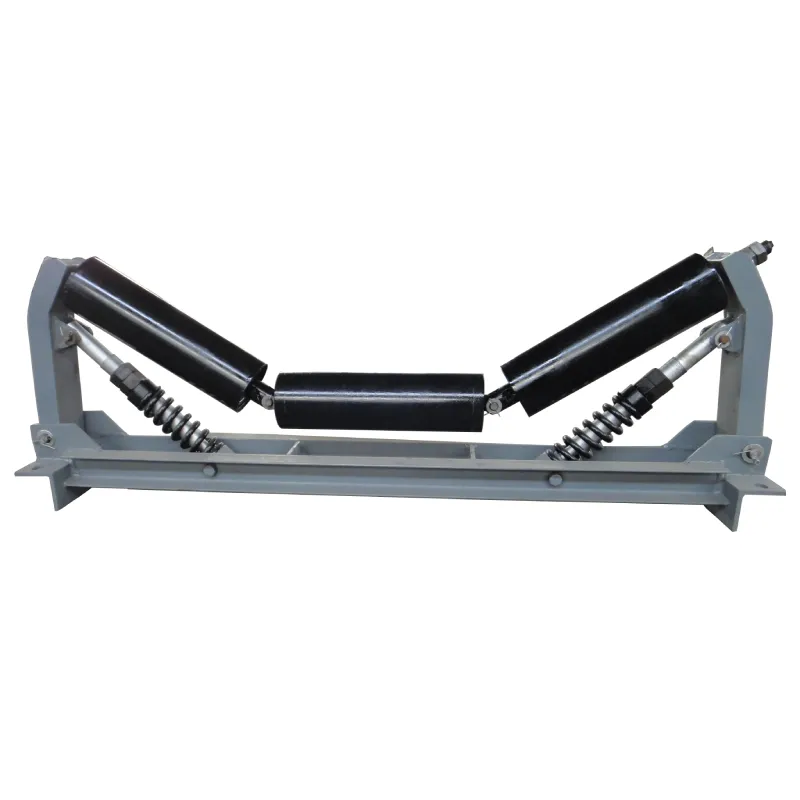
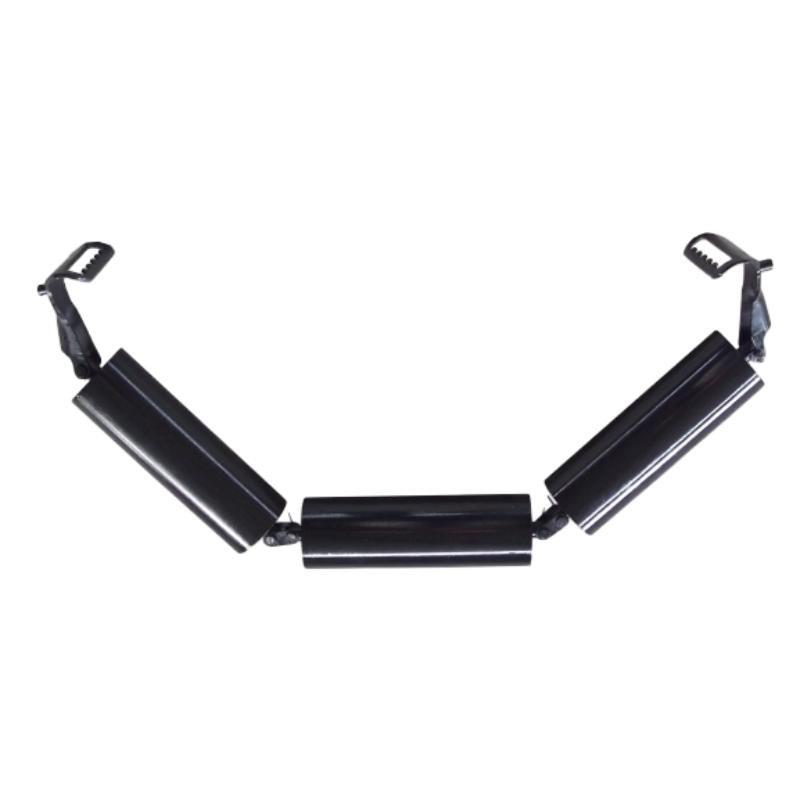
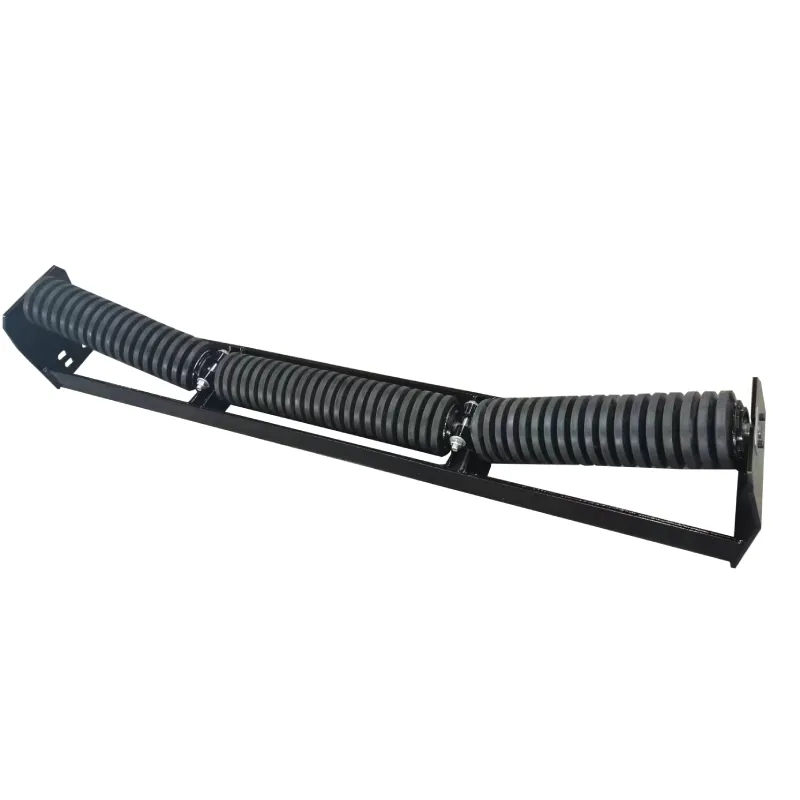
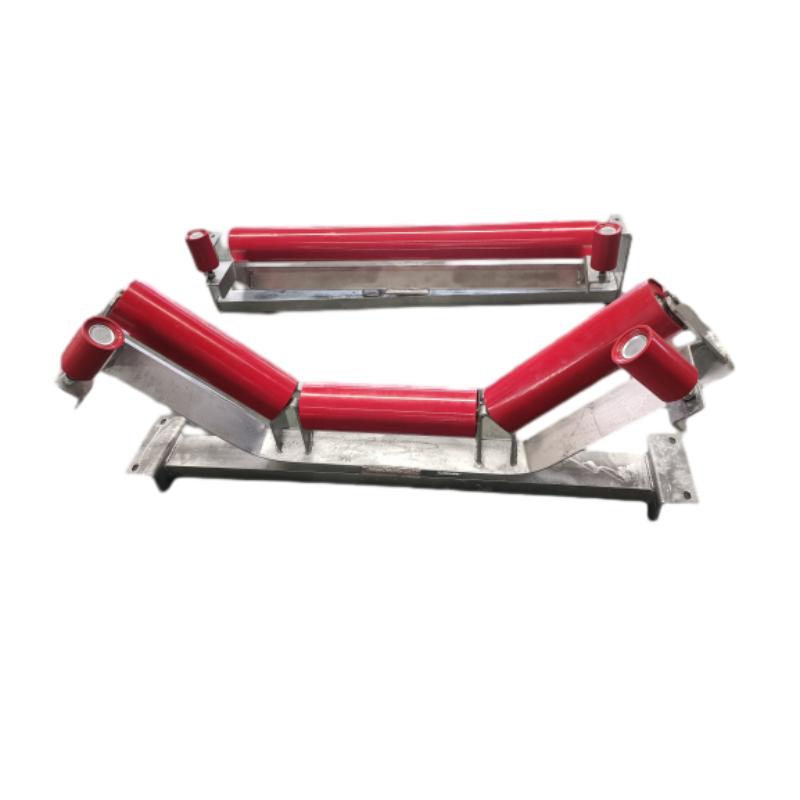
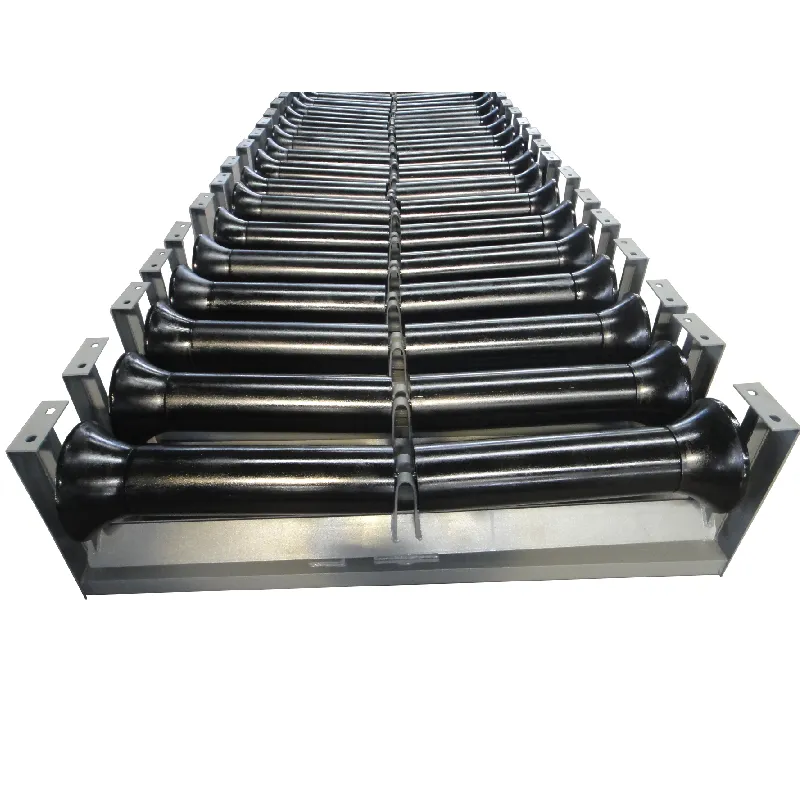
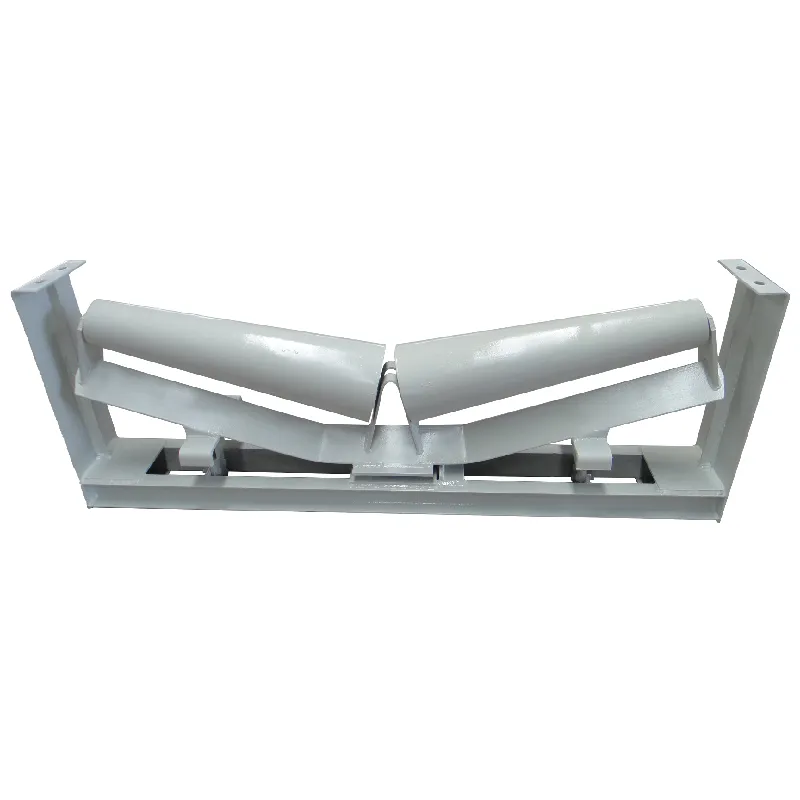
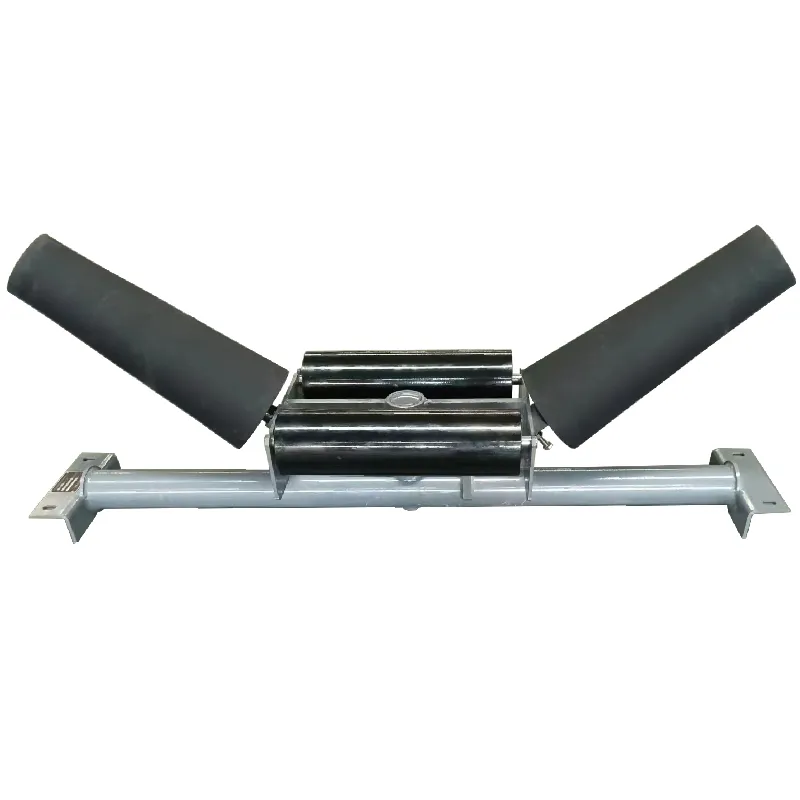
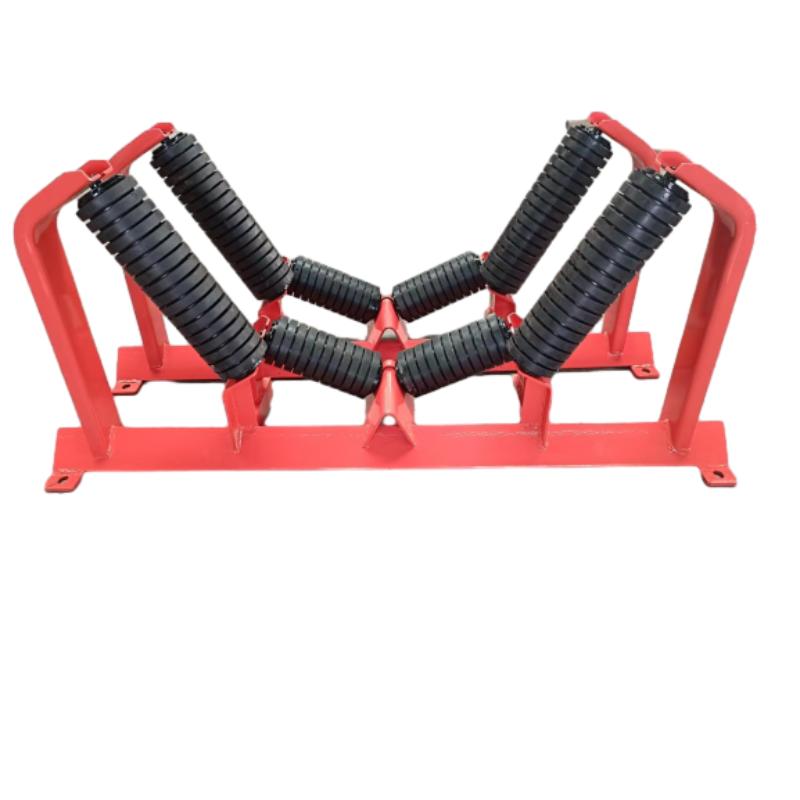
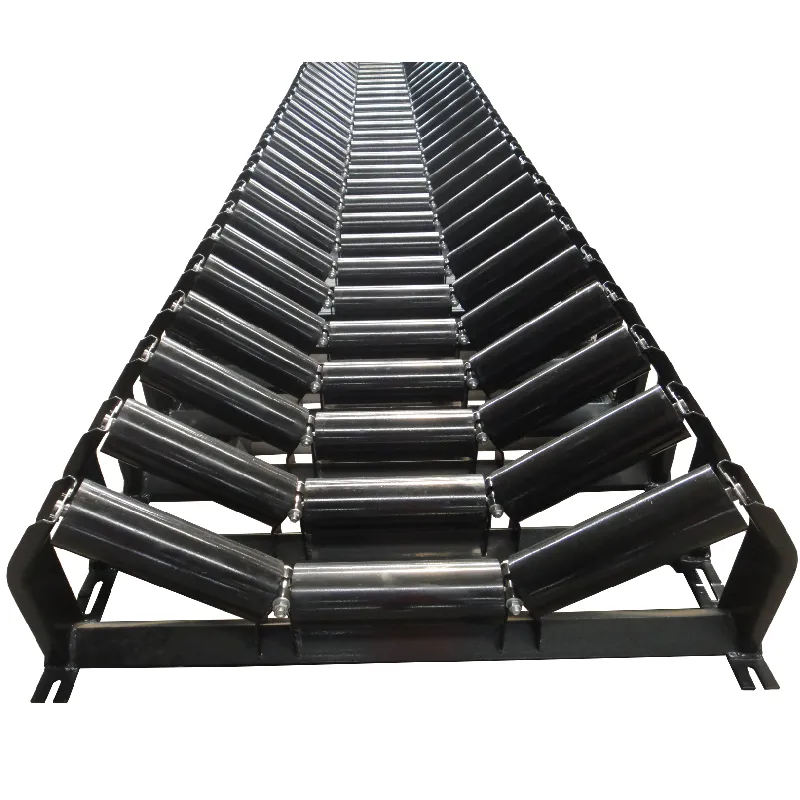
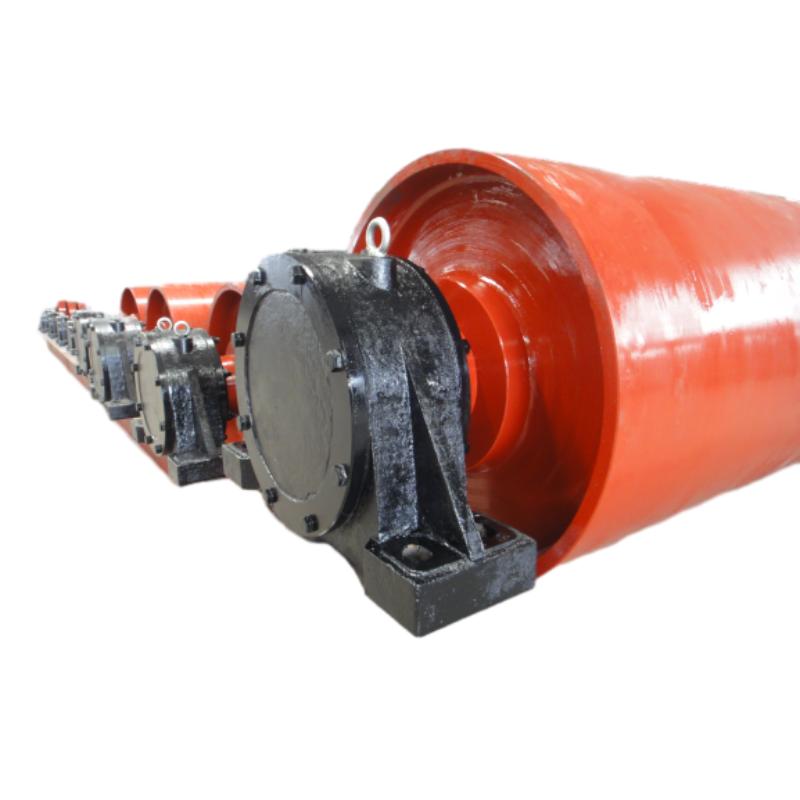
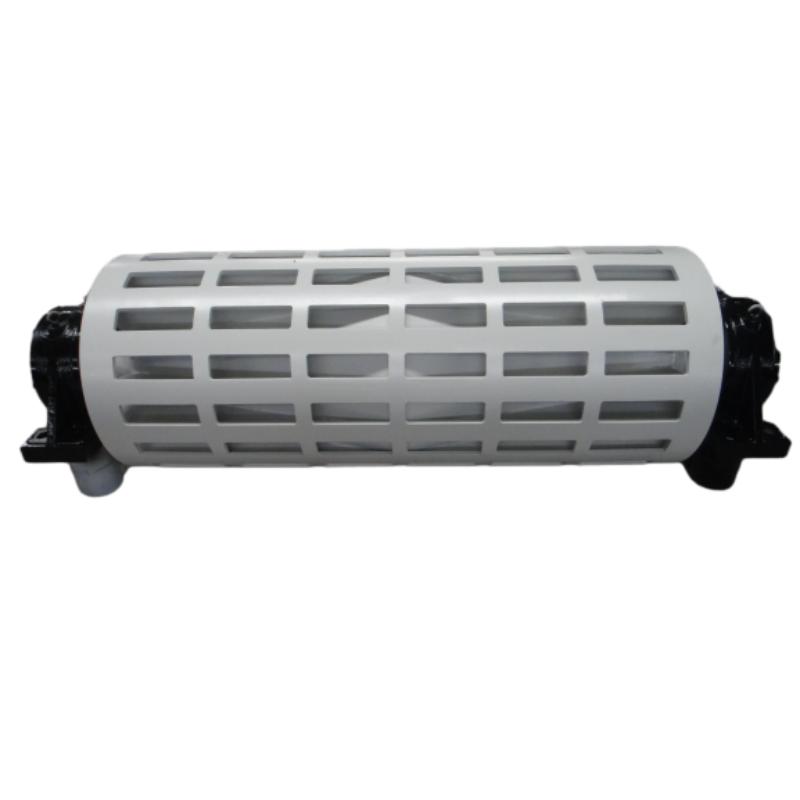
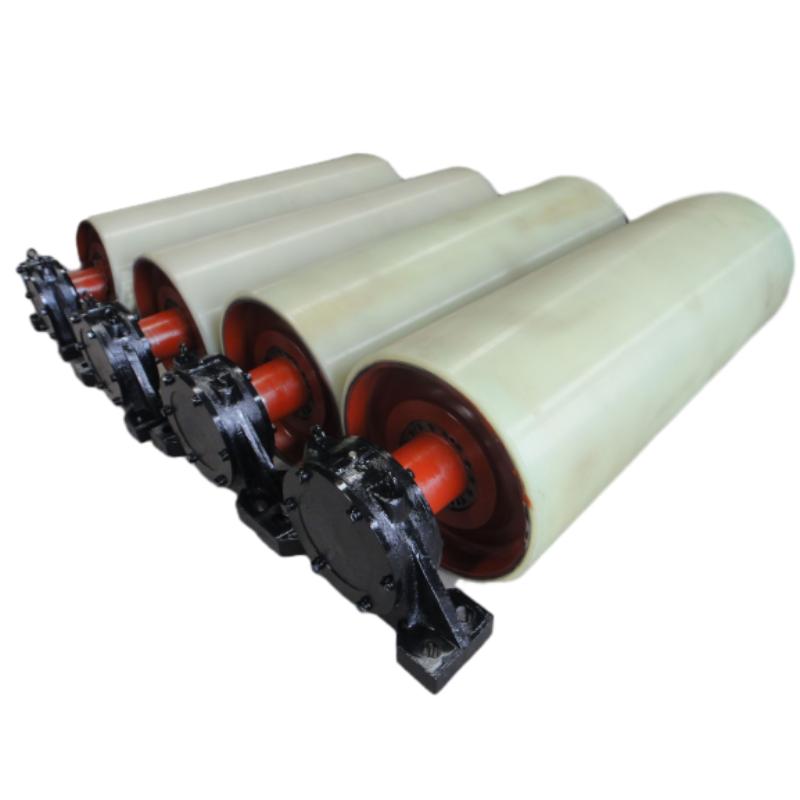
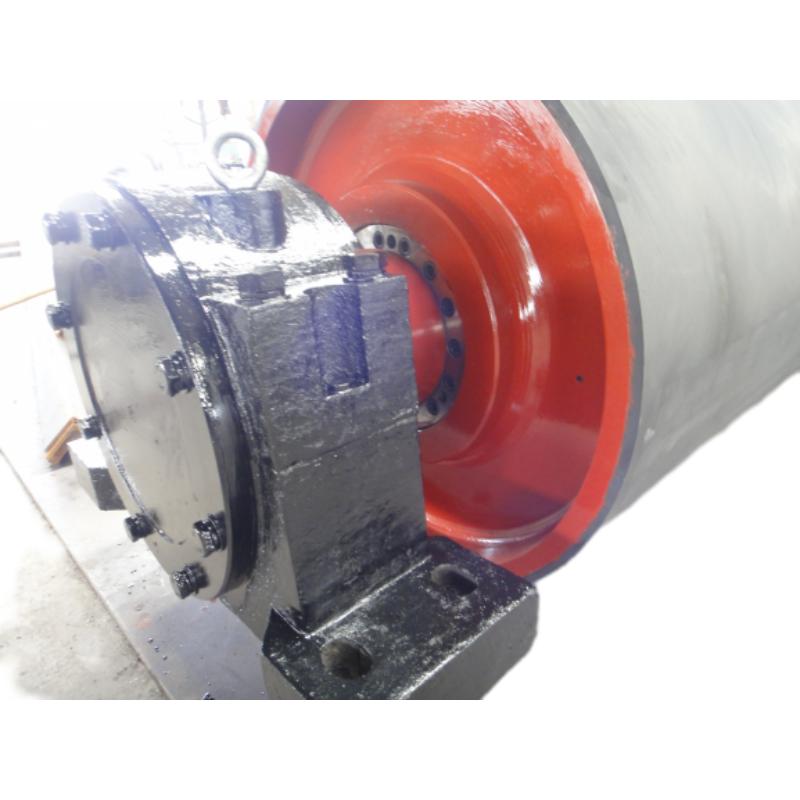
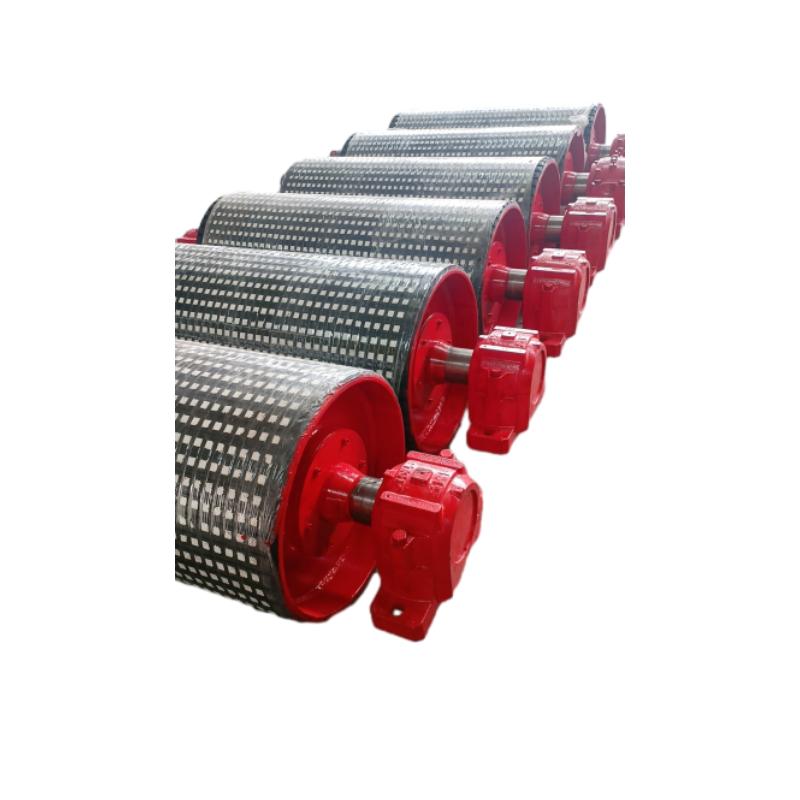
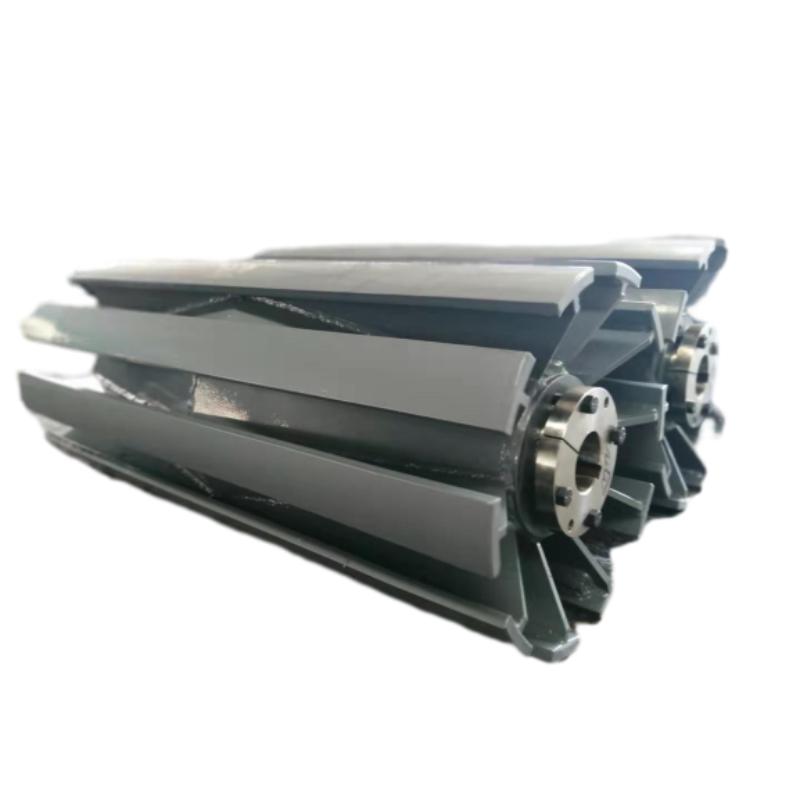
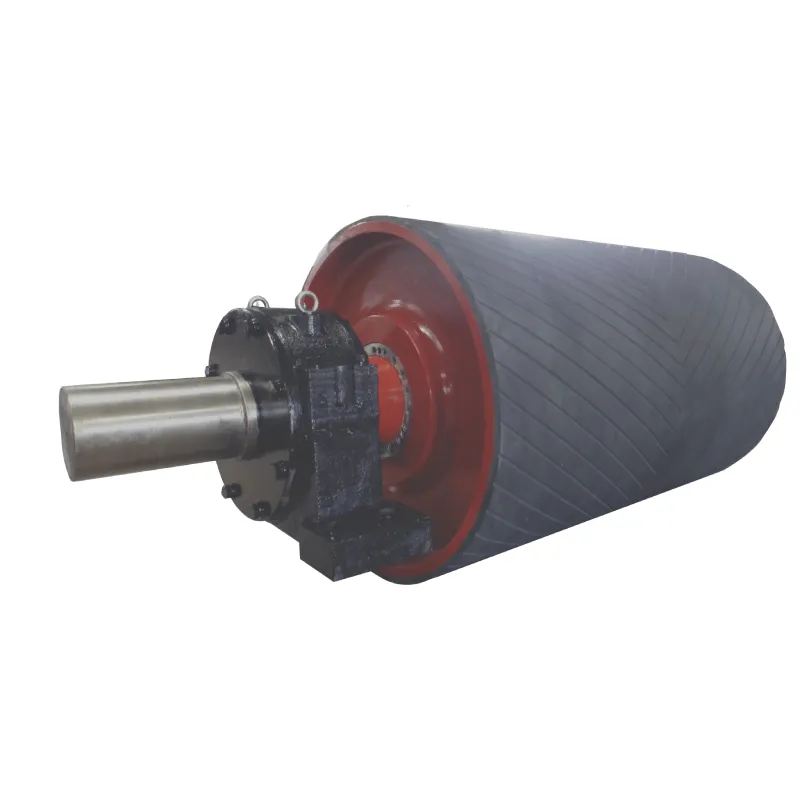
In simple terms, a vertical roller is a cylindrical component that supports or guides materials, parts, or assemblies while rolling vertically along an axis. Unlike horizontal rollers, these can bear loads and control movement in the vertical plane. Think of them as the unsung guides ensuring orderly flow or alignment in tight spaces or demanding applications. In modern industries, vertical rollers aren't just replacement parts; they're integrated into complex systems like vertical roller conveyors—which are vital for automated warehouses, assembly lines, or even disaster relief supply chains where space and speed matter.Core Components and Key Factors Influencing Vertical Roller Performance
1. Durability and Material Composition
Vertical rollers must endure heavy loads, constant friction, and sometimes harsh environments. Manufacturers often select hardened steel or specialized polymers to strike a balance between toughness and noise reduction.2. Load Capacity and Scalability
Not all vertical rollers are made equal. Some can support several tons, while smaller variants suit delicate items. Scalability makes them adaptable from tiny electronics lines to massive industrial conveyors.3. Precision and Alignment
Especially in high-speed manufacturing, even a small misalignment can cause costly delays. Vertical rollers renowned for tight tolerances help avoid these hiccups.4. Maintenance and Cost Efficiency
Because they’re constantly in motion, vertical rollers that are easy to service or replace save businesses valuable downtime and operational money.5. Environmental Resistance
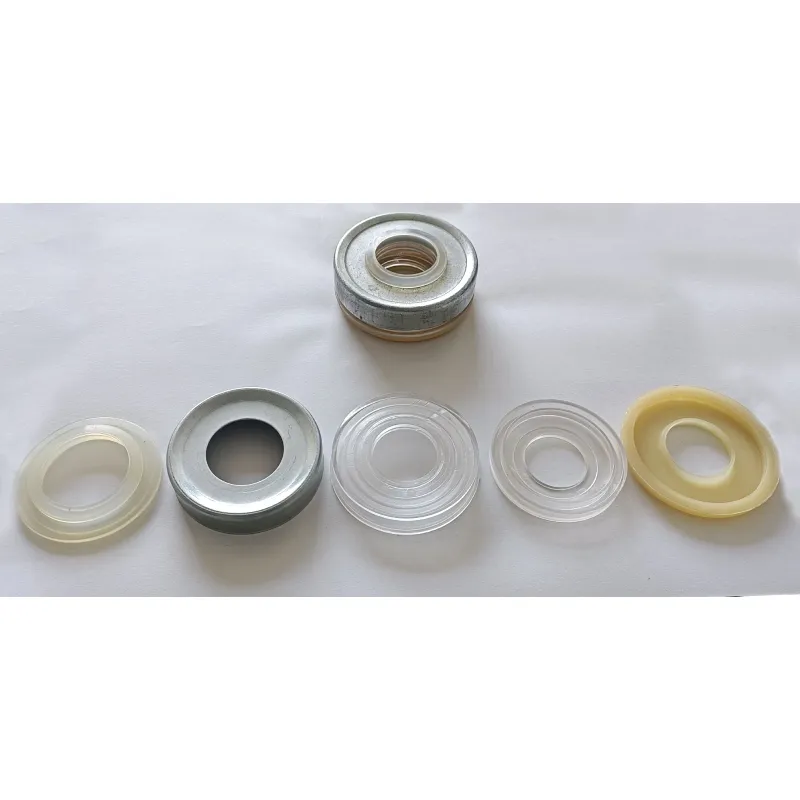
In industries like food processing or mining, rollers must resist corrosion, heat, or grime. Surface treatments and seals often help extend their lifespan.Mini takeaway:
Vertical roller performance boils down to materials, load handling, precision, maintenance ease, and environmental resilience. Each factor interweaves to create solutions tailored for specific industrial challenges.Global Applications and Real-World Use Cases
Around the world, vertical rollers quietly propel industries forward: - Automotive Manufacturing: In Germany and Japan, vertical rollers guide heavy car chassis through assembly plants with pinpoint accuracy. - Logistics and Warehousing: In the U.S. and China, sprawling fulfillment centers employ massive vertical roller conveyor systems to shuffle thousands of parcels every hour. - Post-Disaster Relief: NGOs rely on modular vertical roller conveyors for rapid deployment of supplies in remote or disaster-stricken areas — making sure essential goods reach those in need fast. - Mining and Heavy Industry: Australia’s mines use vertical rollers to transport ore efficiently without frequent breakdowns in tough conditions. It kind of amazes me how something as “simple” as a roller can have wildly different roles depending on where and how it’s used. There’s some beautiful versatility there.Product Specifications of a Typical Vertical Roller
| Specification | Typical Value | Notes |
|---|---|---|
| Diameter | 50 - 150 mm | Varies per application |
| Load Capacity | Up to 5000 kg | Depends on material & design |
| Material | Hardened Steel / Nylon | Steel for heavy load; Nylon for noise reduction |
| Surface Treatment | Galvanized / Powder coated | Corrosion resistance & durability |
| Operating Temperature | -20°C to 120°C | Suitable for various climates |
Vendor Comparison: Choosing the Right Vertical Roller Supplier
| Vendor | Product Range | Customization | Lead Times | Global Reach |
|---|---|---|---|---|
| RollerTech Inc. | Standard and heavy-duty rollers | High | 2–4 weeks | North America, Europe |
| GlobalRoll Solutions | Custom rollers for niche sectors | Very High | 3–6 weeks | Worldwide |
| Asian Roller Works | Budget-friendly options | Medium | 1–3 weeks | Asia-Pacific |
Advantages and Long-Term Value of Vertical Rollers
Why invest in quality vertical rollers? Well, for one, the cost savings from less frequent repairs add up fast. Plus, they contribute to sustainability by extending equipment life and reducing waste — a win for any eco-conscious operation. There's also the social angle: reliable vertical rollers mean safer environments for workers and smoother supply chains, supporting dignity and trust within industries and communities. Long story short, vertical roller technology represents an investment in consistent quality and peace of mind.Emerging Trends and Innovations
The future of vertical rollers is surprisingly bright. For starters, manufacturers are experimenting with composite materials that lighten weight without sacrificing durability. Automated monitoring systems now embed sensors into rollers, enabling predictive maintenance via digital platforms. Sustainability remains front-and-center, too: greener coatings, energy-efficient bearings, and the integration of rollers into circular economy initiatives take the stage. With the rise of Industry 4.0, vertical rollers are no longer just passive components; they're becoming smart, interconnected parts of the entire supply chain.Challenges and How the Industry Is Tackling Them
Of course, vertical rollers face hurdles. Wear and tear under extreme conditions still limits lifespan. Supply chain disruptions can delay custom parts. Plus, balancing cost and quality is a delicate dance manufacturers must master. Innovative coatings, modular designs allowing easy part swaps, and global manufacturing networks help tackle these problems. Many engineers say the key lies in integrating better diagnostic tools and choosing materials that anticipate future demands — rather than just reacting.FAQ: Practical Questions About Vertical Rollers
- Q: How can I tell if a vertical roller fits my conveyor system?
A: Check load capacity, dimensions, and compatibility with the existing framework. Manufacturers usually provide detailed specs (like those above) to guide you. - Q: What maintenance routines do vertical rollers require?
A: Regular lubrication, inspection for wear, and cleaning to remove debris. Some rollers include sealed bearings reducing upkeep. - Q: Are vertical rollers environmentally friendly?
A: Modern rollers often use recyclable materials and eco-friendly coatings, plus they help reduce waste by extending machinery life. - Q: Can vertical rollers be customized for unusual applications?
A: Absolutely. Many suppliers offer custom diameters, materials, and coatings to suit niche needs. - Q: How do I source vertical rollers for international projects?
A: Partner with vendors who specialize in global logistics and provide certifications to meet local standards.
Conclusion & Next Steps
Vertical rollers might not grab headlines, but they are undeniably vital cogs in the machinery of modern industry. Investing time in understanding their types, specs, and applications helps you unlock savings, efficiency, and resilience in your operations. For those looking to upgrade or implement vertical roller solutions, visiting our website is a good first step — it's packed with resources and expert insights to guide you forward. Because, frankly, behind every smooth-running conveyor is a sturdy vertical roller doing its job.References & Final Thoughts
- International Organization for Standardization (ISO), "Automation Systems Equipment," 2023.
- World Bank Data, Industrial Manufacturing Growth Trends, 2024.
- Wikipedia contributors, "Conveyor System," Wikipedia, The Free Encyclopedia.
Latest news
-
Maximize Conveyor Life with a High Performance impact bedNewsApr.16,2026
-
Maximize Conveyor Efficiency Using a v plow belt scraperNewsApr.09,2026
-
Comprehensive Guide to Understanding Different Types of Belt CleanersNewsApr.07,2026
-
Enhancing Conveyor Efficiency with an Effective Scraper Belt CleanerNewsApr.04,2026
-
Optimizing Conveyor Systems with Advanced Cleaning Equipment SolutionsNewsMar.31,2026
-
Effective Conveyor Belt Scraper Adjustment for Optimal System PerformanceNewsMar.28,2026
OUR PRODUCTS