

Comprehensive Guide to Rollers and Idlers: Industry Applications and Innovations
Understanding Rollers and Idlers: Why They Matter Globally
Rolling along quietly behind the scenes, rollers and idlers may not be the flashiest components in industrial machinery, but they play a crucial role in keeping conveyor belts and various mechanical systems moving. Their importance is felt worldwide—from mining operations in Australia, ports in Rotterdam, to logistics hubs in Asia. In fact, without reliable rollers and idlers, the efficiency and safety of many industries could grind to a halt.
Why does grasping their significance matter beyond just knowing what these parts do? Because at a global scale, industries are challenged by the need for reliable, cost-effective, and sustainable transport of materials. Understanding the ins and outs of rollers and idlers can lead to optimized supply chains, improved safety records, and innovations in sustainability—all critical points in today’s resource-conscious era.
Brief Takeaway:
- Rollers and idlers are foundations in many industries' material handling.
- They impact global supply chains and industrial efficiency significantly.
- Knowing their function can boost safety and sustainability efforts.
Global Context: Movers of the Modern Industrial World
From a bird’s eye perspective, industries worldwide depend on the smooth movement of goods. The World Bank estimates global freight volume will nearly double by 2050 (1), putting ever more pressure on logistics and industrial operations that rely on robust conveyor systems.
Rollers and idlers are pivotal here; they minimize friction, support loads, and keep conveyor belts aligned. Oddly enough, in remote mining or construction sites, especially in developing countries, faulty idlers can cause major delays costing millions and sometimes compromising safety. ISO standards and international organizations stress the need for quality-tested rollers to avoid these costly disruptions (2).
Brief Takeaway:
- Expected freight growth increases reliance on conveyors.
- Rollers and idlers help reduce transport downtime and failures.
- Global standards guide their production and use for safety and quality.
What Are Rollers and Idlers?
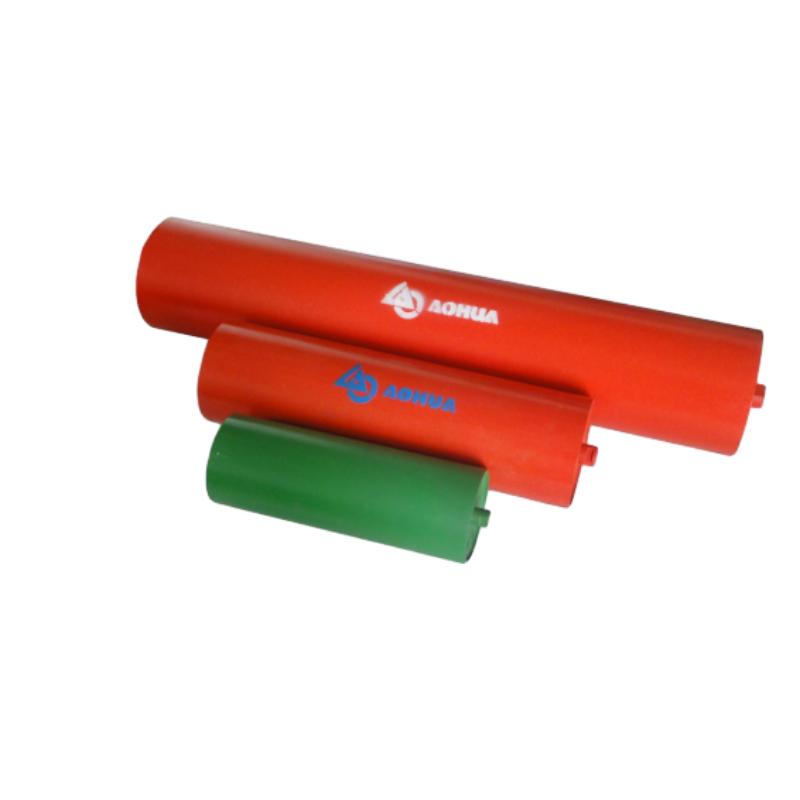
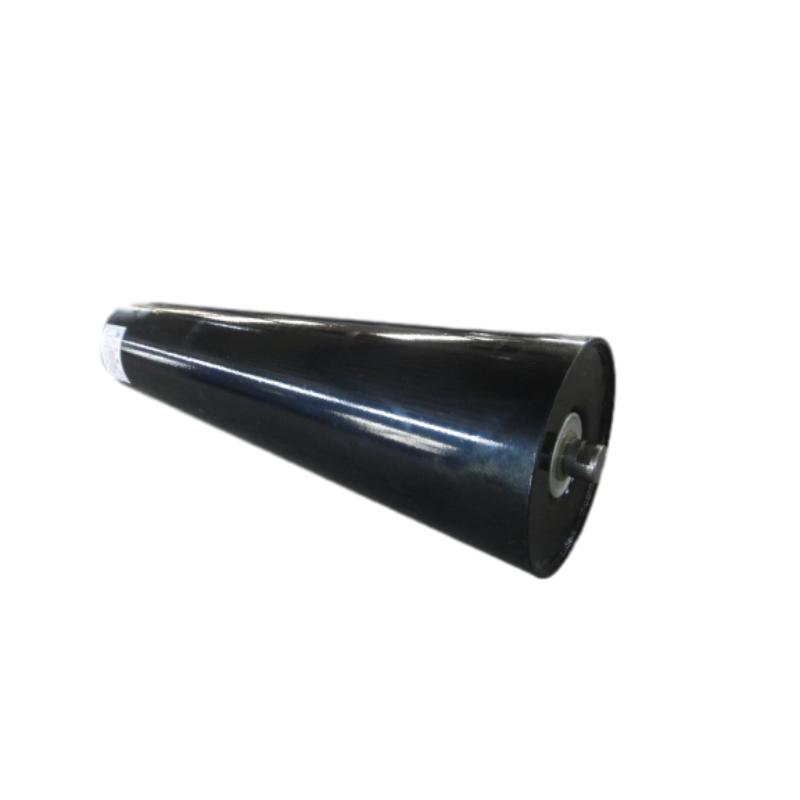
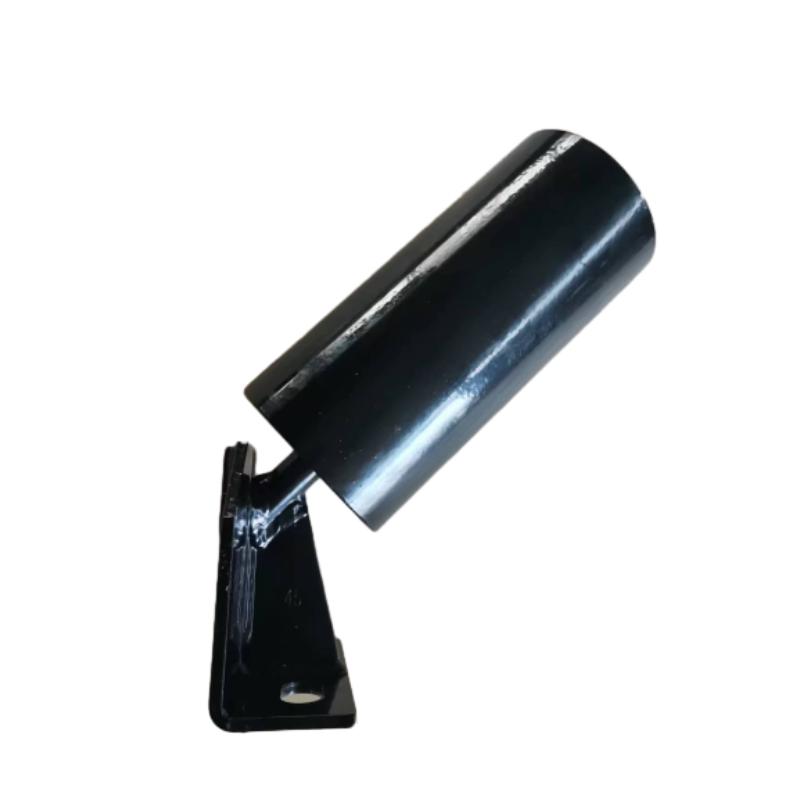
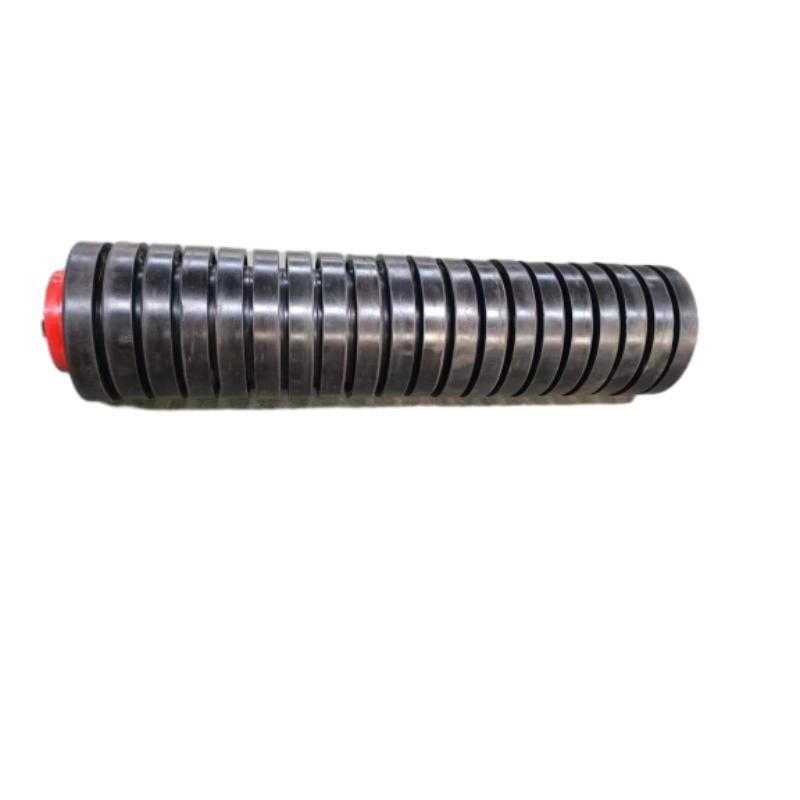
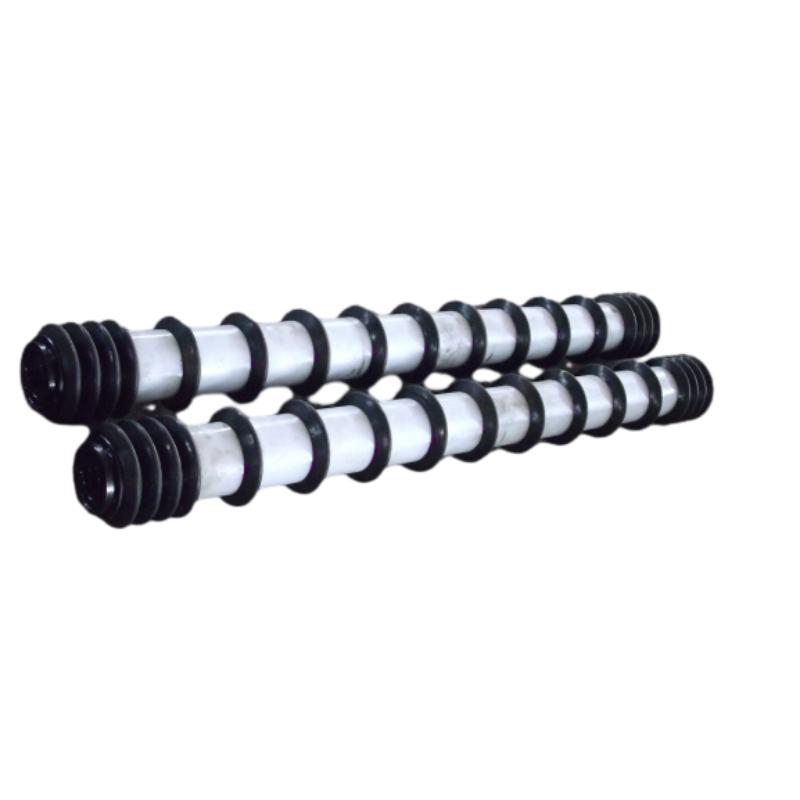
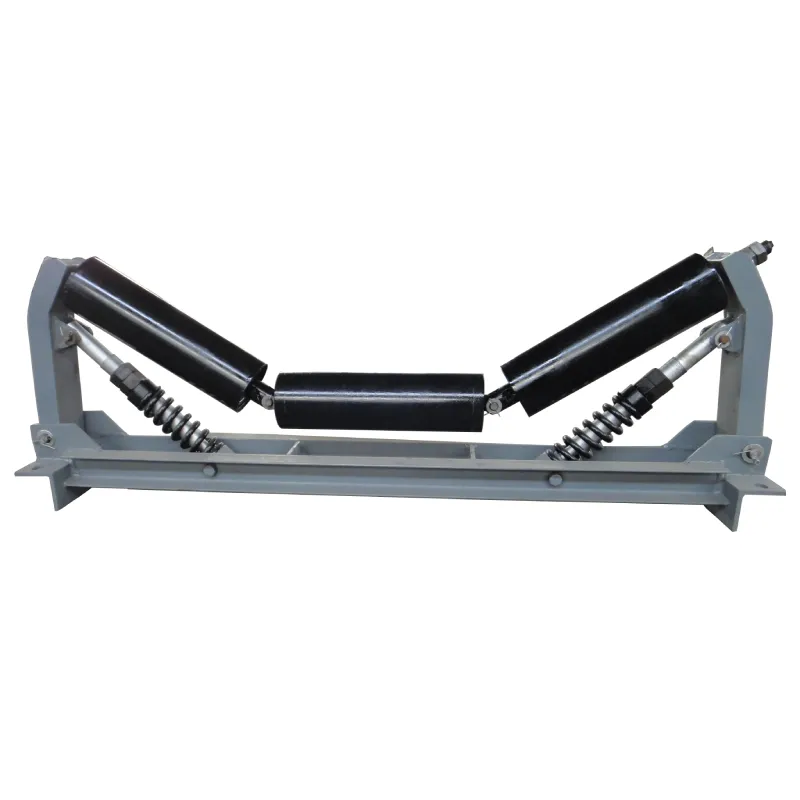
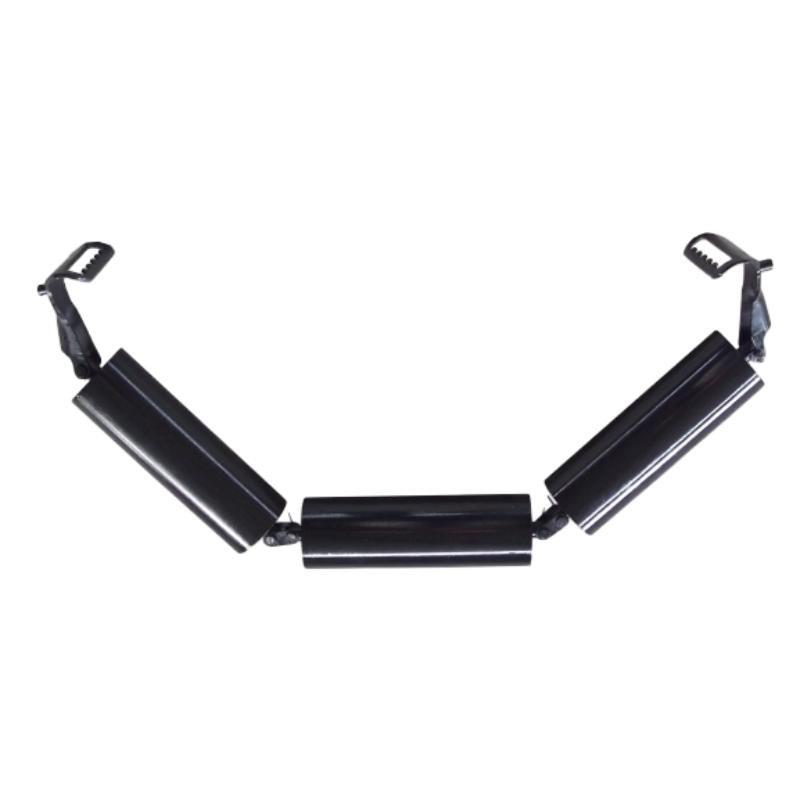
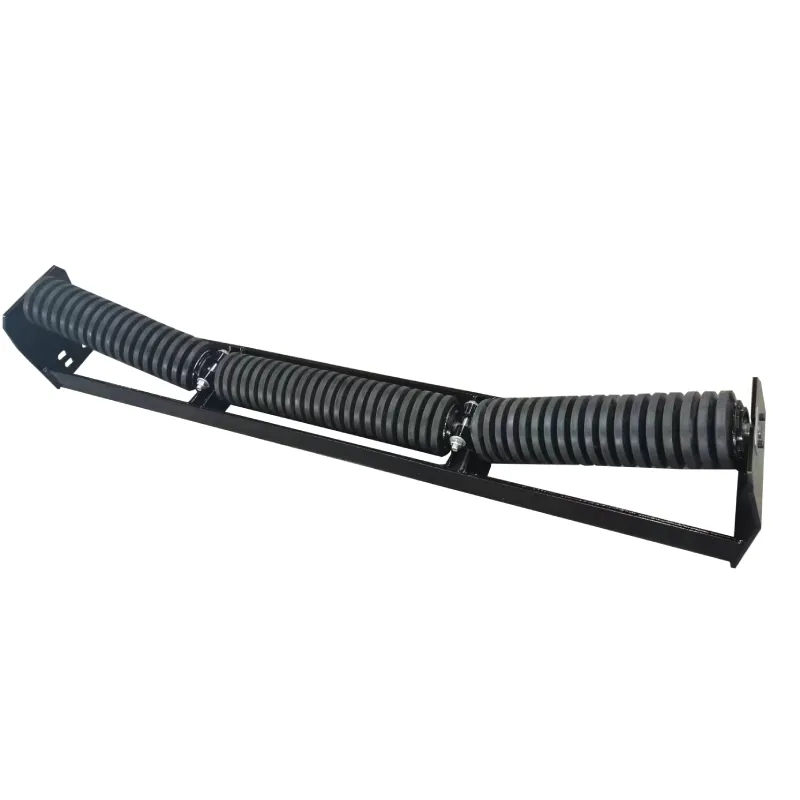
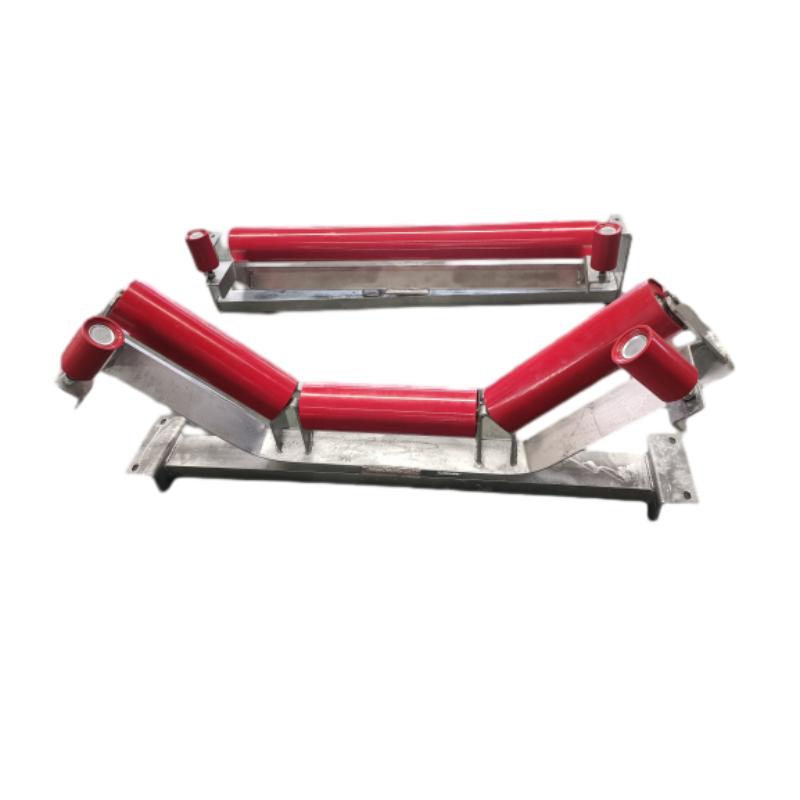
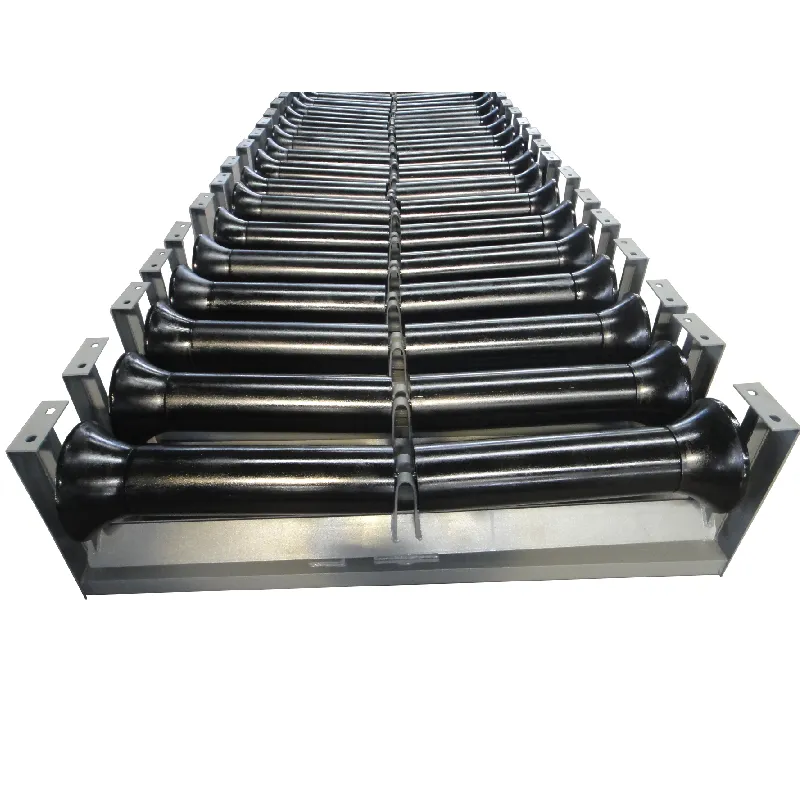
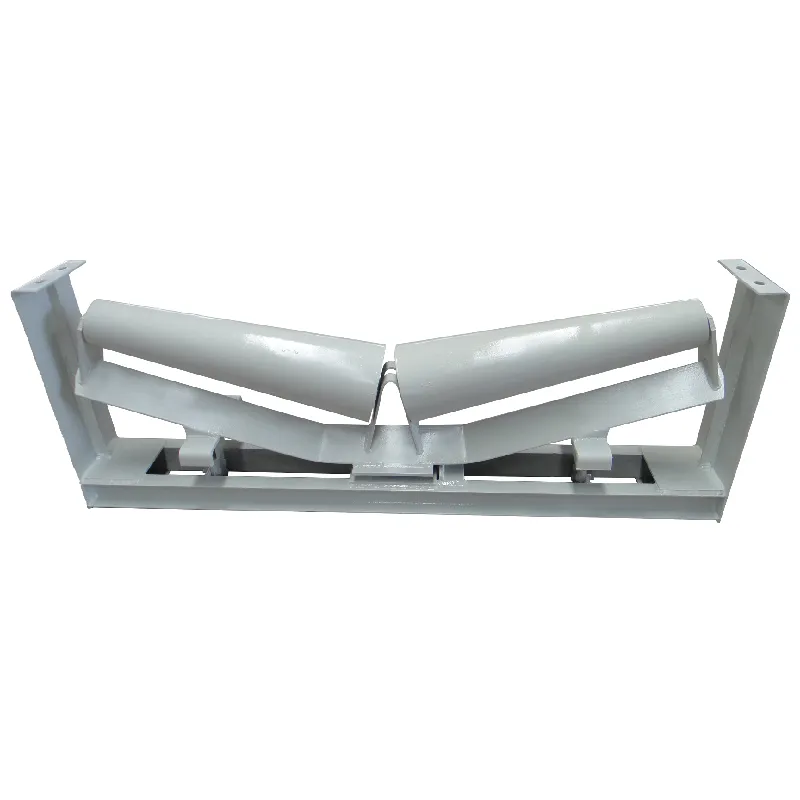
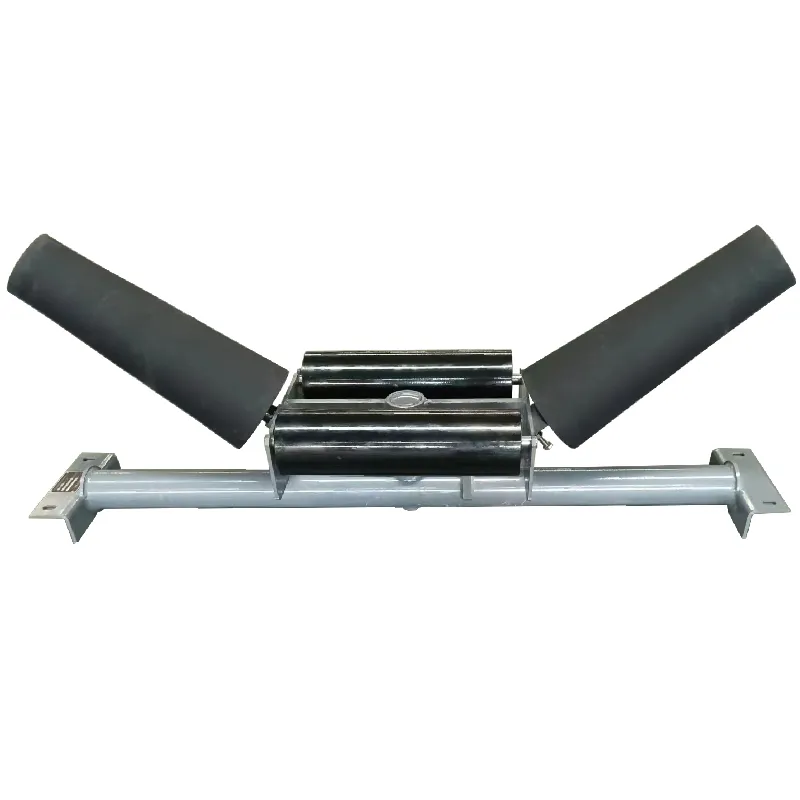
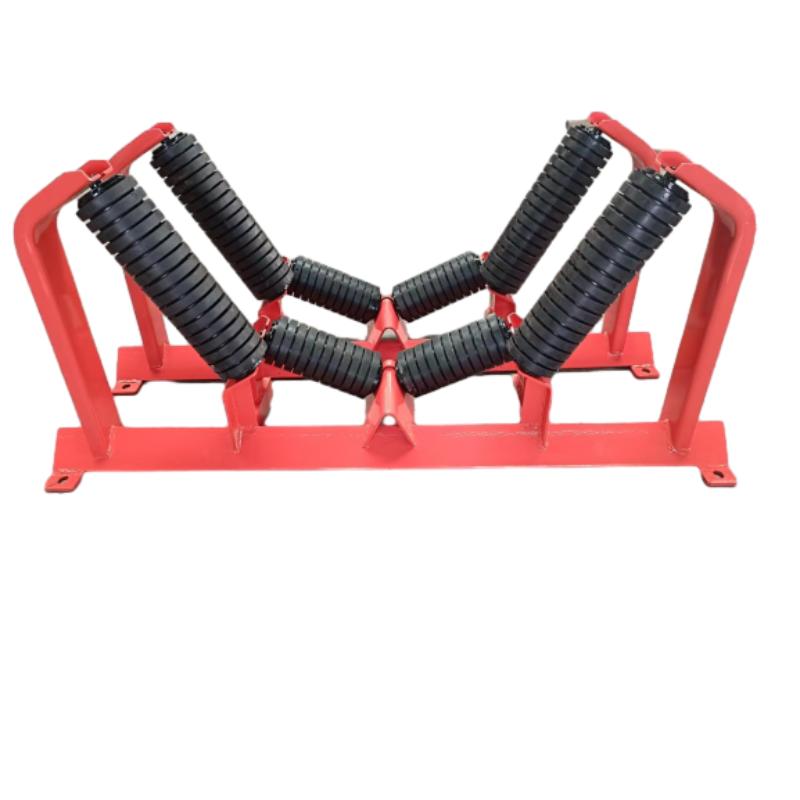
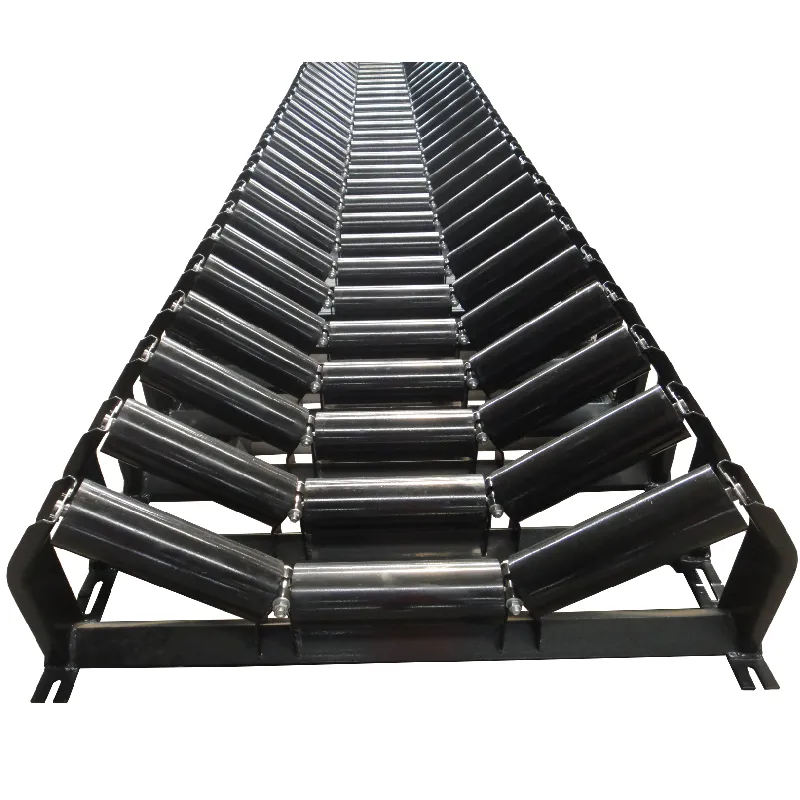
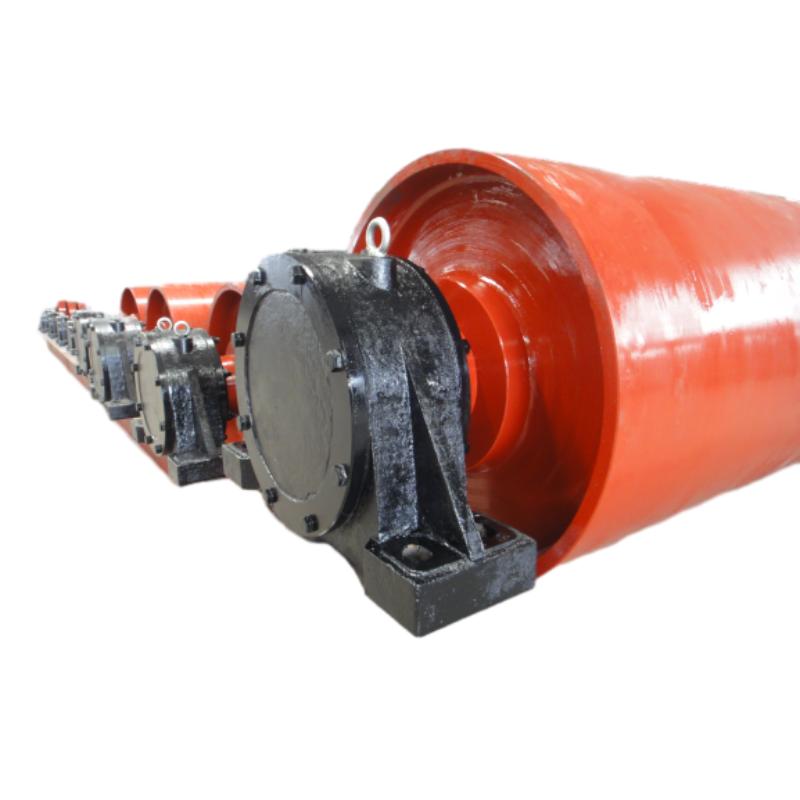
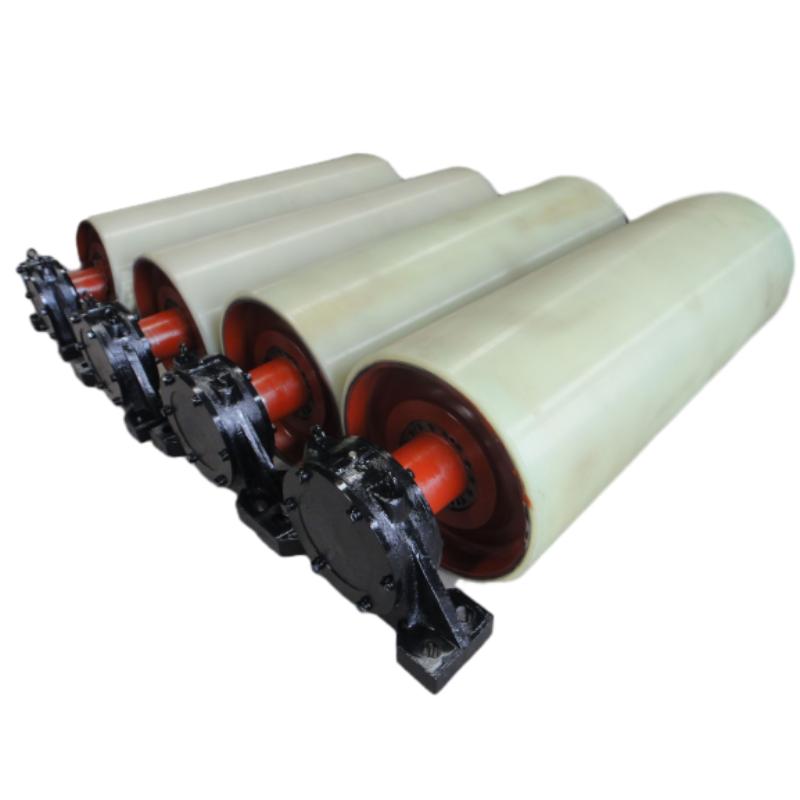
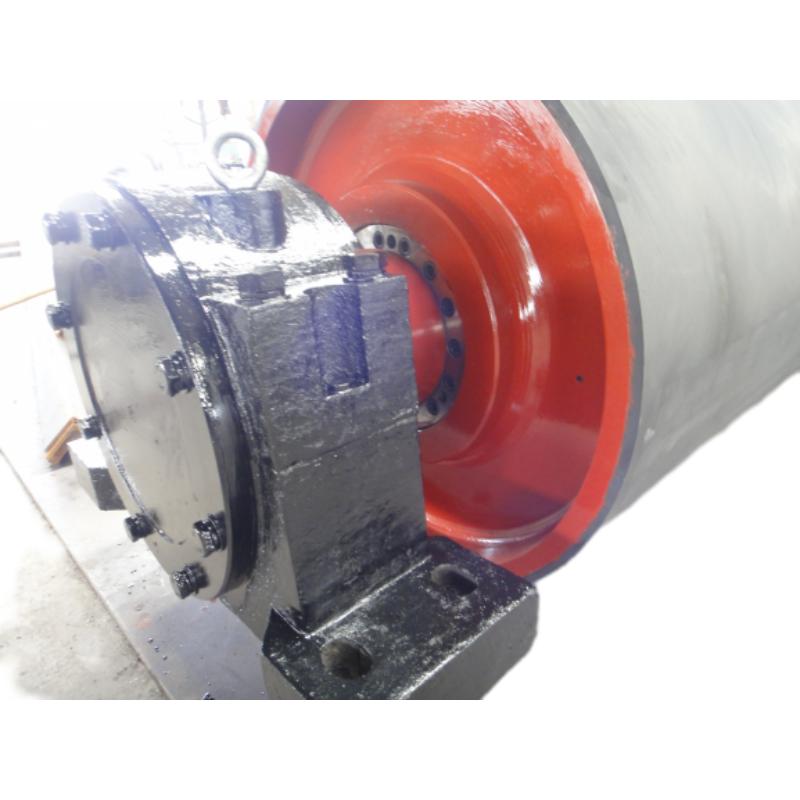
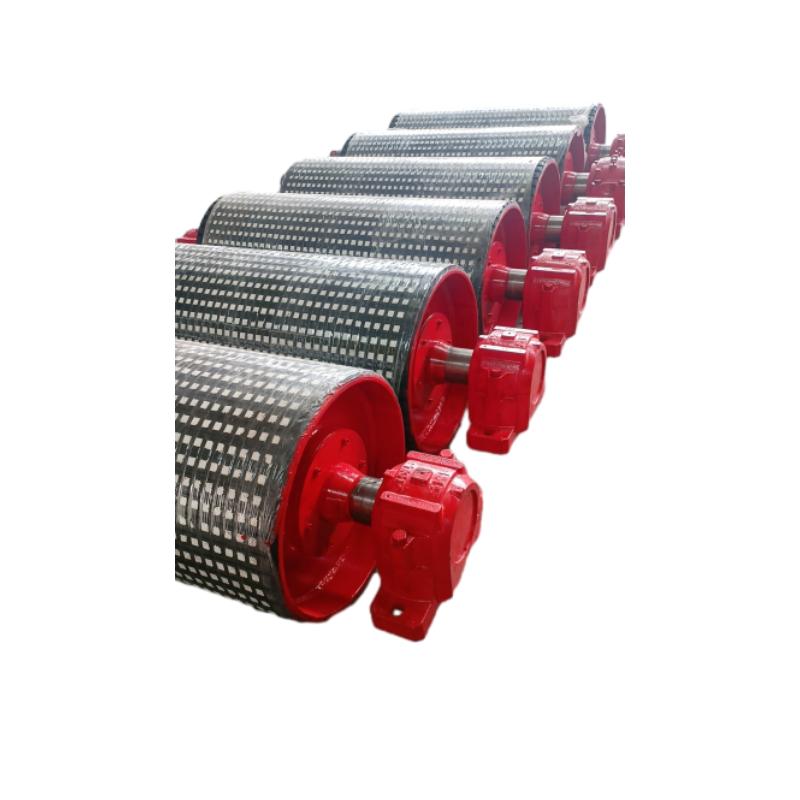
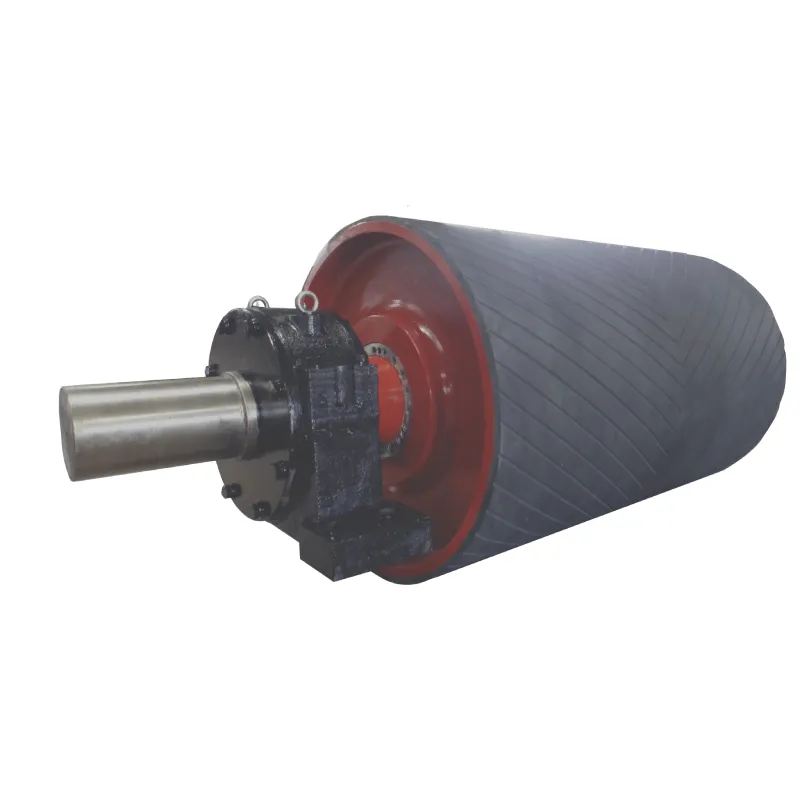
Simply put, rollers are cylindrical components designed to support and guide conveyor belts, while idlers are a type of roller that typically do not transmit power but maintain belt tension and alignment. Imagine a conveyor belt as a river; rollers and idlers serve as the rocks and small waterfalls that keep the flow steady and smooth, preventing snagging or dragging.
They also connect closely to industries tackling humanitarian needs. For instance, after natural disasters, temporary conveyor systems using durable rollers help deliver crucial building materials quickly to affected sites. This practical role underlines how these components matter more than we might first think.
Key Factors Behind Rollers and Idlers’ Effectiveness
1. Durability
Qualities like resistance to corrosion, wear, and extreme temperatures keep rollers functioning over long periods—even in harsh environments like deserts or underwater dockyards.
2. Load Capacity
Rollers must bear heavy weights; larger-scale mining conveyor lines require idlers that can handle tons of ore without bending or failing.
3. Cost Efficiency
Choosing the right rollers affects maintenance schedules and downtime. Investing wisely upfront means fewer replacements, making day-to-day operations cheaper.
4. Scalability
Flexible designs allow systems to upgrade easily. Modular rollers help fit conveyors of different lengths and types.
5. Maintenance & Accessibility
Rollers with easy-to-replace bearings or self-lubricating features reduce service complexity and costs.
Mini Summary:
- Durability and load tolerance are must-haves for rollers and idlers.
- Cost and scalability dictate long-term system performance.
- Maintenance-friendly designs save time and money.
Rollers and Idlers in the Real World
You’ll find these humble heroes everywhere, and their applications range widely:
- Mining: Heavy-duty idlers in iron and coal mines in South Africa keep operations smooth under heavy loads.
- Logistics: Giant warehouses in the US and Europe automate package sorting with roller conveyors built for high speed and accuracy.
- Post-Disaster Relief: Temporary conveyor setups deliver emergency shelter materials swiftly in earthquake zones.
- Manufacturing: Assembly lines rely on rollers for precision movement of parts in automotive factories in Japan.
Regions with growing infrastructure projects, such as Southeast Asia and Africa, are increasingly investing in high-quality rollers and idlers to boost industrial output efficiently.
Advantages Worth Noting
Rollers and idlers provide measurable benefits:
- They reduce friction, leading to lower energy consumption and costs.
- Reliable components decrease unexpected stoppages, increasing operational uptime.
- By enabling automation, they improve worker safety and minimize manual labor.
- Long-lasting rollers contribute to sustainability by reducing waste.
On an emotional level, engaging with robust equipment fosters a sense of trust and dignity in workers—they know the tools won’t fail them during critical tasks.
Future Trends in Rollers and Idlers
Technology marches on. Experts predict:
- Smart rollers: embedded sensors monitor bearing health and load in real-time, signaling maintenance needs before failure.
- Eco-friendly materials: new composites reduce environmental impact without sacrificing strength.
- Automation integration: rollers compatible with AI-controlled systems streamline factories and ports.
In short, these components are getting not just tougher, but smarter and greener.
Challenges and How to Overcome Them
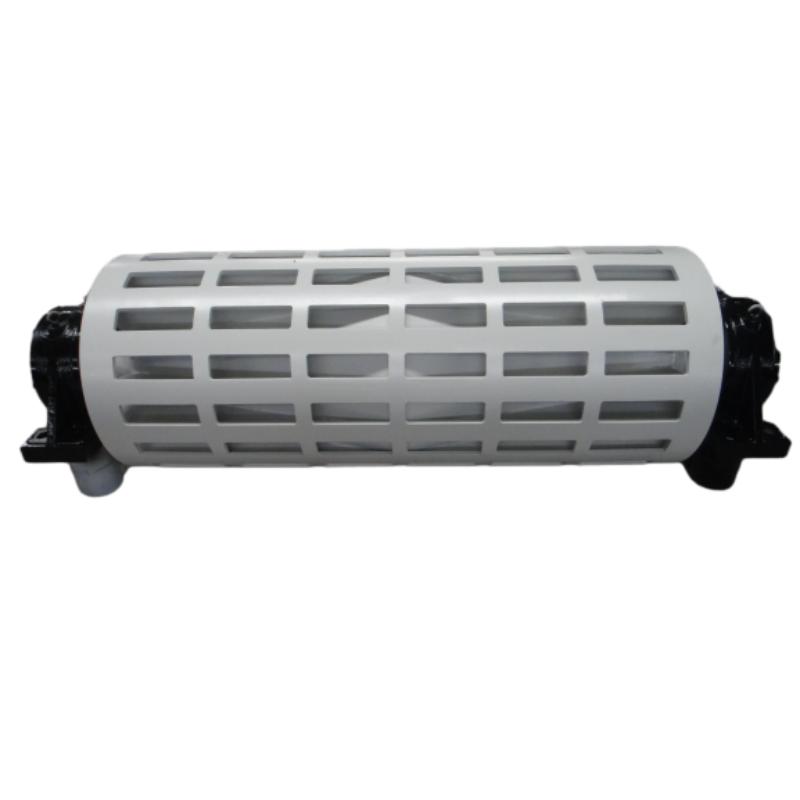
Among the common issues: premature wear, incorrect sizing, and poor installation. These can cause conveyor belt misalignment and costly repairs. Industry insiders emphasize proper training and choosing suppliers with stringent quality control. Also, innovations in self-cleaning rollers help reduce maintenance in dusty or sticky environments.
Product Specification Example of a Standard Conveyor Roller
| Specification | Details |
|---|---|
| Material | Carbon Steel with Anti-Corrosion Coating |
| Diameter | 89 mm |
| Length | 1000 mm |
| Bearing Type | Sealed Ball Bearing |
| Max Load Capacity | 2000 kg |
| Operating Temperature | -20°C to 60°C |
Vendor Comparison Table
| Vendor | Price per Unit | Lead Time | Warranty | Customization Options |
|---|---|---|---|---|
| IdlerPro Inc. | $85 | 2 weeks | 3 years | Standard sizes, limited coatings |
| RollTech Ltd. | $100 | 3 weeks | 5 years | Custom diameters, eco coatings |
| ConveyorPlus | $90 | 1 week | 2 years | Modular assemblies, sensor options |
FAQ: Common Questions About Rollers and Idlers
- What materials are rollers usually made from?
- Rollers are typically made from carbon steel, stainless steel, or composite materials, depending on application needs. Each has trade-offs in weight, durability, and corrosion resistance.
- How can I tell if an idler needs replacing?
- Signs include unusual noise, belt misalignment, or visible wear on the idler surface. Regular inspections and sensor data can help catch issues early.
- Are rollers and idlers customizable for different conveyor types?
- Yes, many vendors offer modular rollers and idlers tailored by diameter, length, and coatings to fit various conveyor systems like flat belts, troughed belts, or heavy-duty lines.
- What impact do faulty rollers have on conveyor efficiency?
- Damaged rollers increase friction, cause belt damage, and lead to downtime. Hence, quality rollers support smoother, more energy-efficient operations.
Wrapping Up: The Quiet Backbone of Material Handling
To sum it up — rollers and idlers aren't just mechanical parts; they're enablers for global industry, safety, and progress. Their roles may be unseen but their impact is undeniably felt across continents and sectors. From extending equipment life to supporting green innovation, their evolving technology promises brighter, smarter logistics futures.
If you want to dive deeper or source reliable rollers and idlers for your projects, don’t hesitate to visit our website and explore the offerings designed for today's industrial challenges.
Key Takeaway:
Investing in quality rollers and idlers is investing in operational reliability, safety, and sustainability for the long haul.
References:
- World Bank Report: Global Freight Demand openknowledge.worldbank.org
- ISO Conveyor Component Standards iso.org
- Mining Industry Conveyor Practices - Wikipedia wikipedia.org
-
Maximize Conveyor Life with a High Performance impact bedNewsApr.16,2026
-
Maximize Conveyor Efficiency Using a v plow belt scraperNewsApr.09,2026
-
Comprehensive Guide to Understanding Different Types of Belt CleanersNewsApr.07,2026
-
Enhancing Conveyor Efficiency with an Effective Scraper Belt CleanerNewsApr.04,2026
-
Optimizing Conveyor Systems with Advanced Cleaning Equipment SolutionsNewsMar.31,2026
-
Effective Conveyor Belt Scraper Adjustment for Optimal System PerformanceNewsMar.28,2026