

Comprehensive Guide to Return Idlers: Key Components & Global Applications
Understanding the Return Idler: A Global Industrial Essential
When you hear the term return idler, what comes to mind? For many, it’s a rather unassuming component tucked away in conveyor systems — yet it plays a pivotal role in countless industries worldwide. From mining operations in Australia to massive logistics hubs in Germany, the return idler quietly ensures smooth material handling and efficient production. But why should we care about this component on a global scale? Well, with supply chains stretched thin and industrial automation on the rise, understanding the return idler offers insight into how industries keep the belts moving, quite literally. Plus, knowing the key benefits can help businesses optimize maintenance, reduce downtime, and improve cost efficiency across operations.
Why the Return Idler Matters Globally
First off, let’s put things into perspective. Conveyor systems form the backbone of many industries — mining, manufacturing, agriculture, and even humanitarian relief logistics. According to the UN’s industrial machinery reports, over 60% of bulk material handling worldwide utilizes conveyor technology, with return idlers making up a significant portion of the conveyor subsystem. Yet, despite their crucial role, return idlers often go unnoticed until they fail or cause inefficiencies.
Here’s a problem: in high-demand environments like disaster relief or mining, premature idler failure causes unexpected downtime, spiking costs and delaying outcomes. As these sectors strive towards sustainability and smarter automation, improving idler reliability is key to smoother operations. So, the humble return idler is, oddly enough, a high-stakes player in global industry.
What Exactly Is a Return Idler?
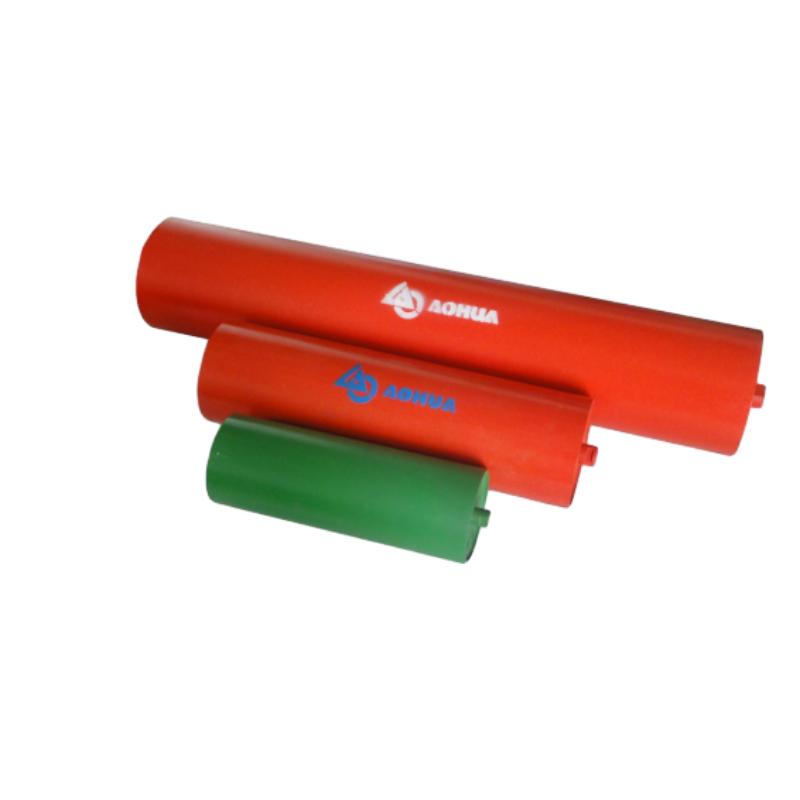
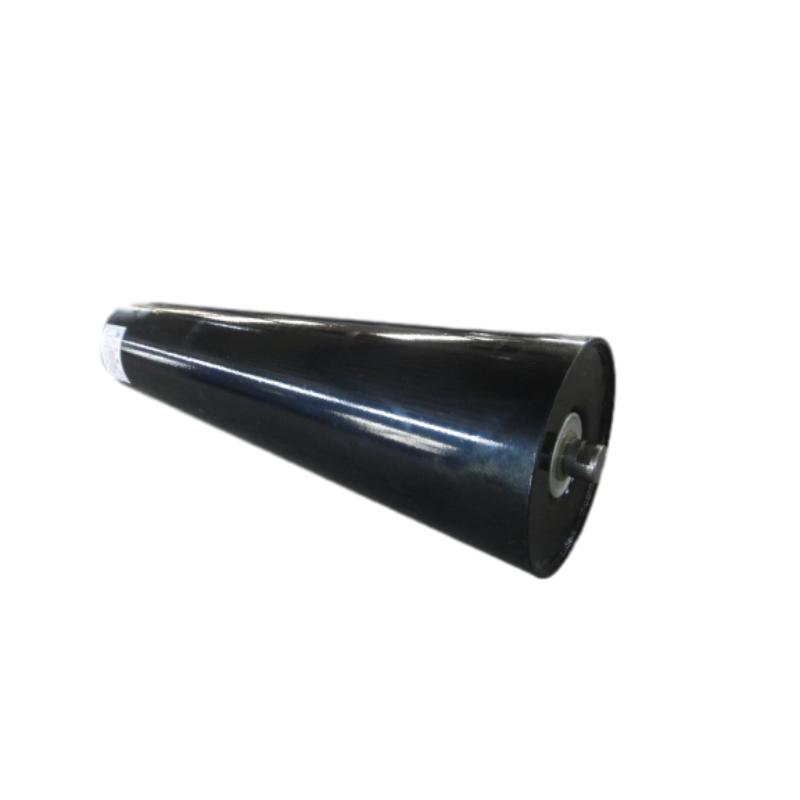
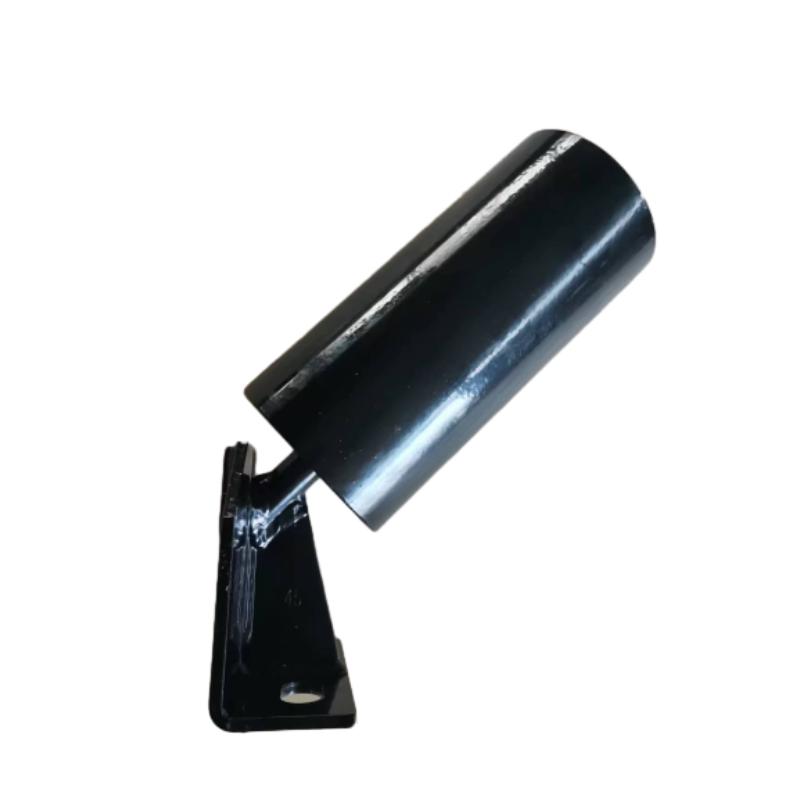
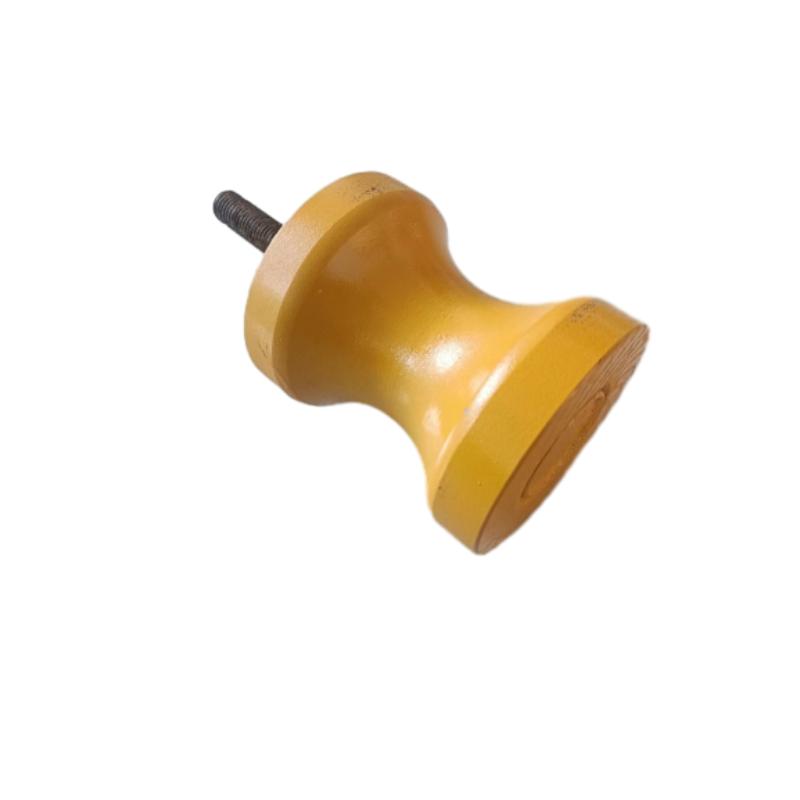
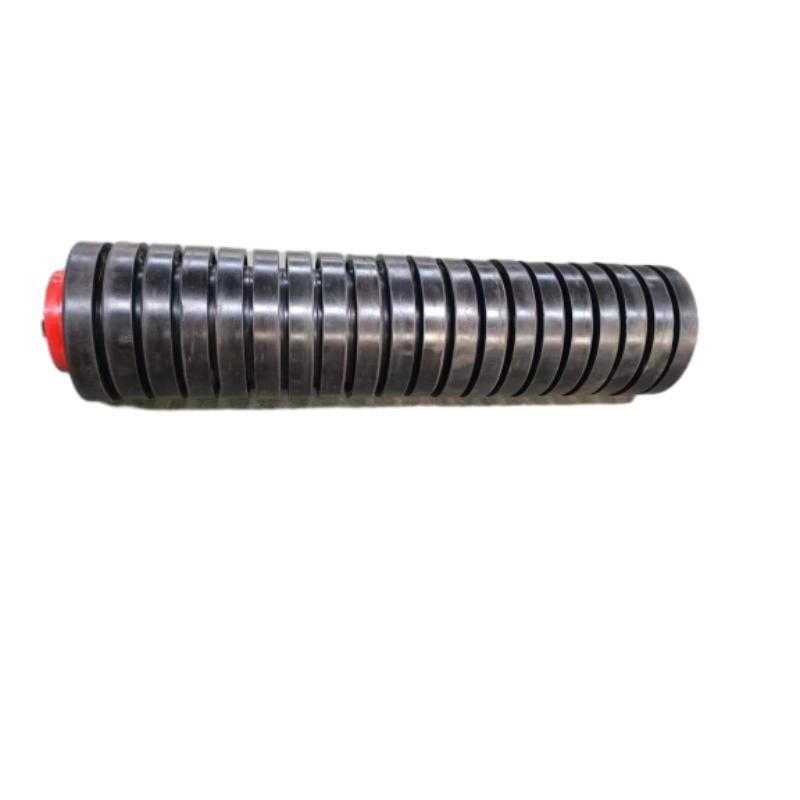
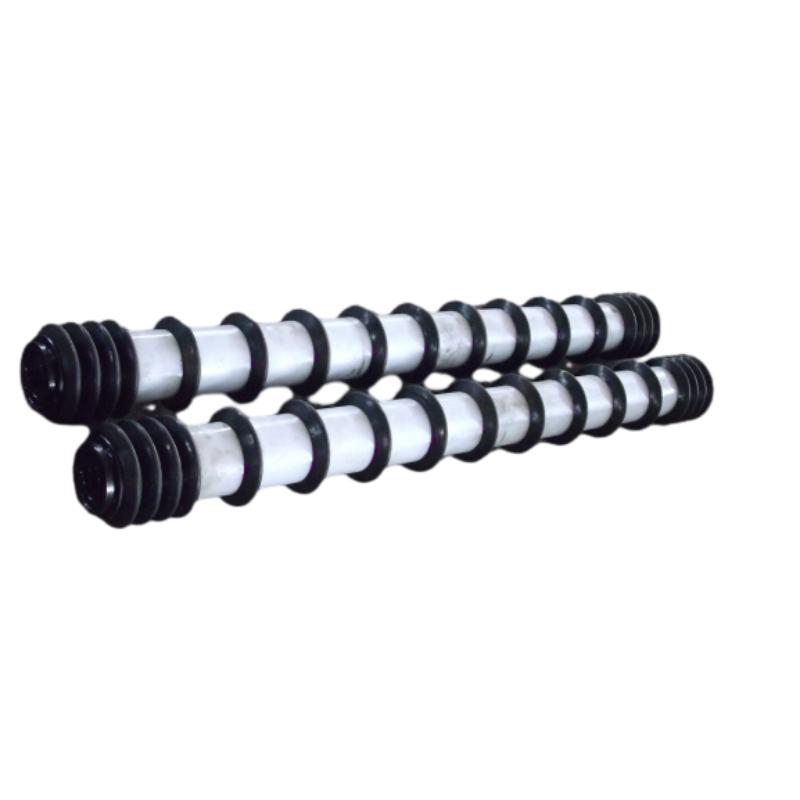
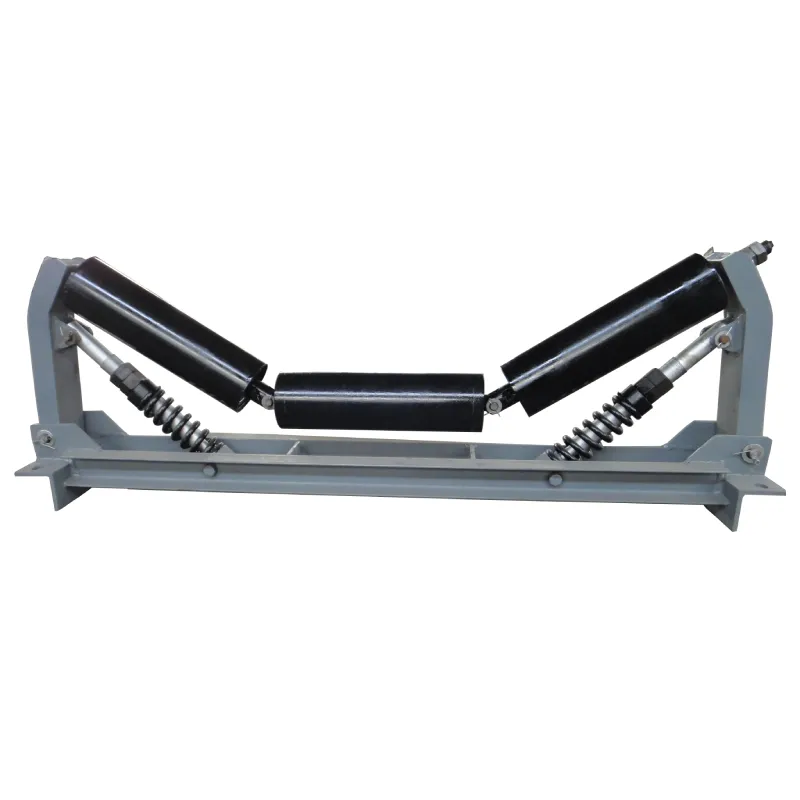
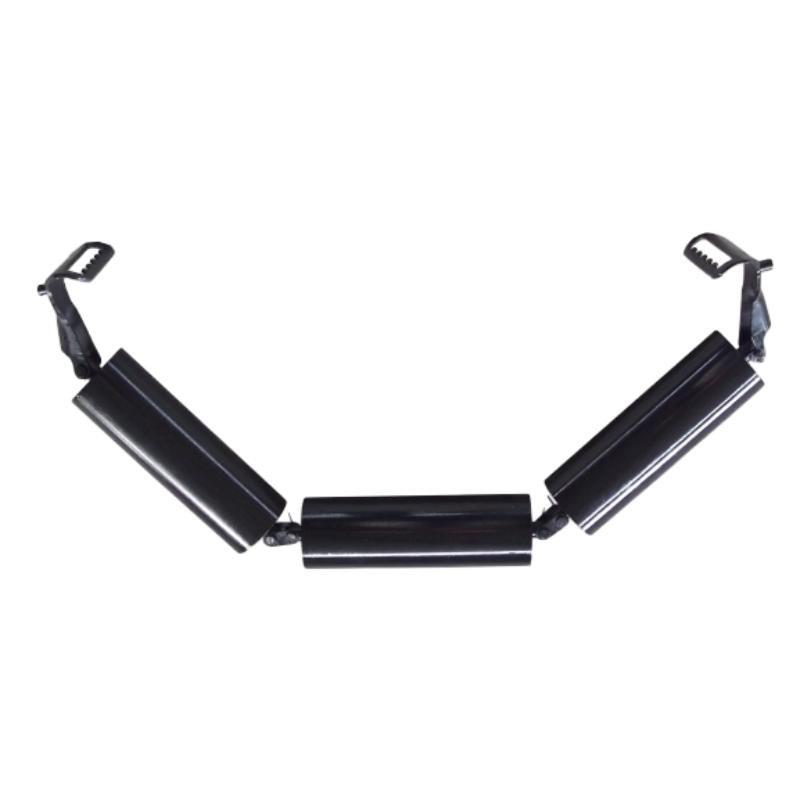
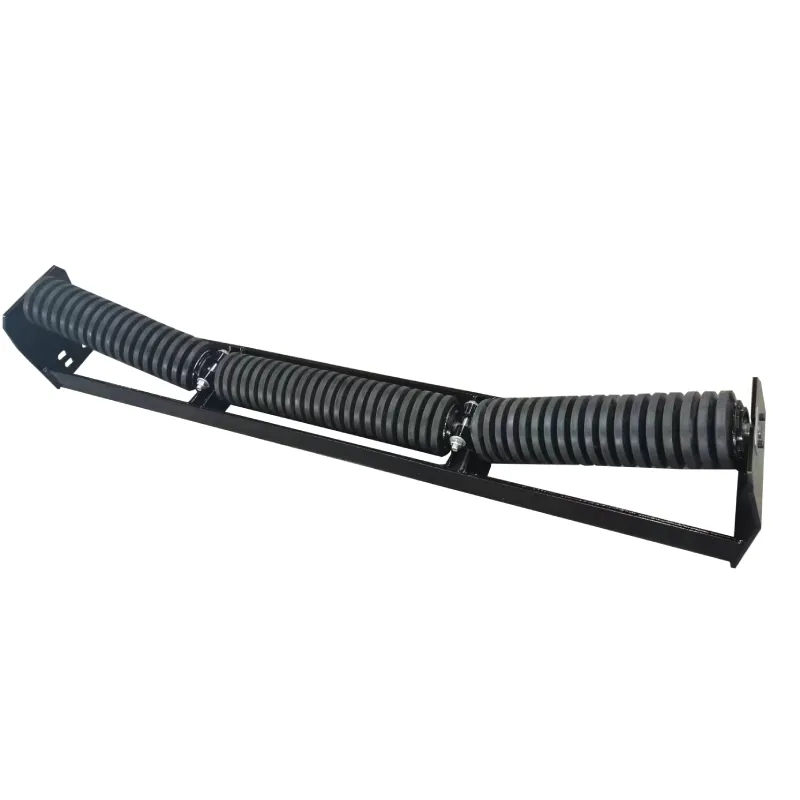
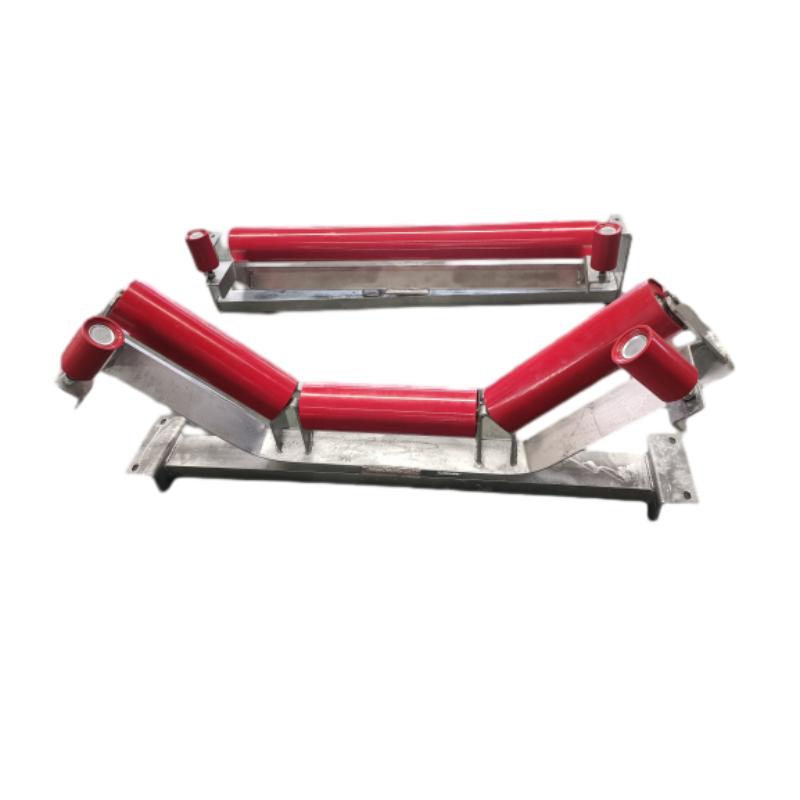
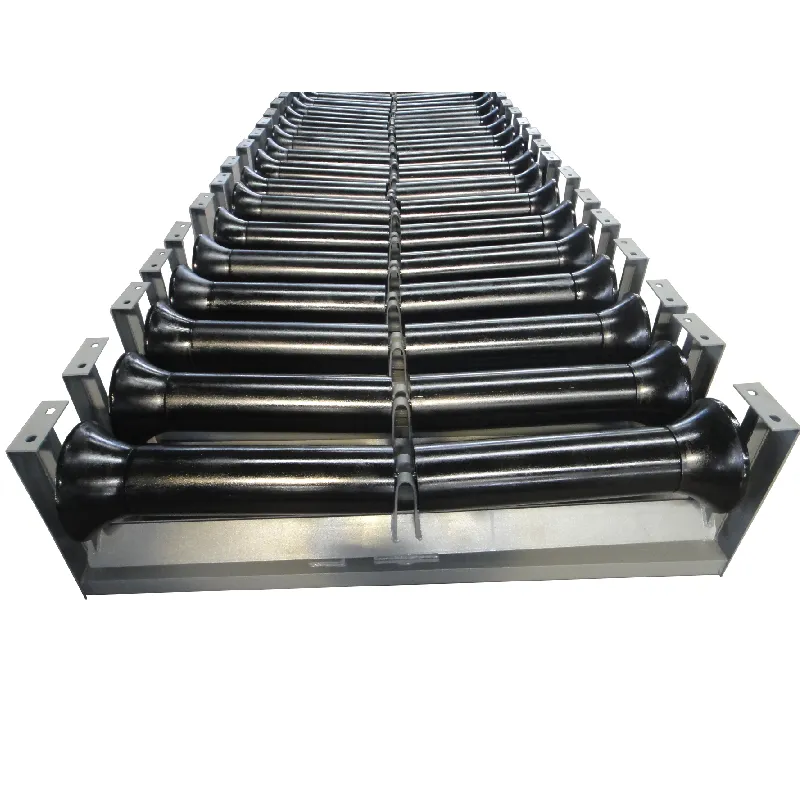
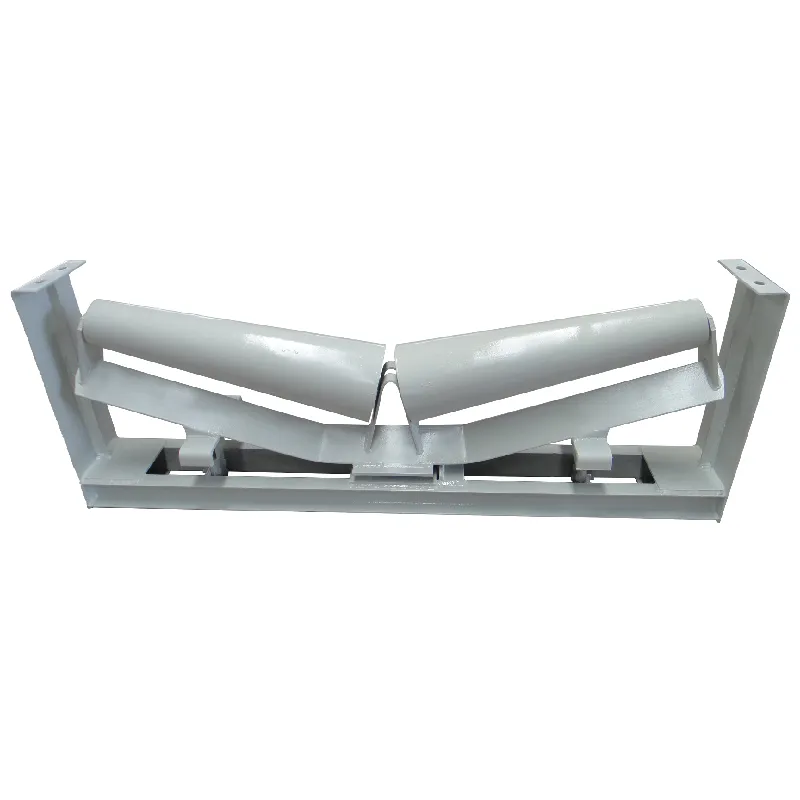
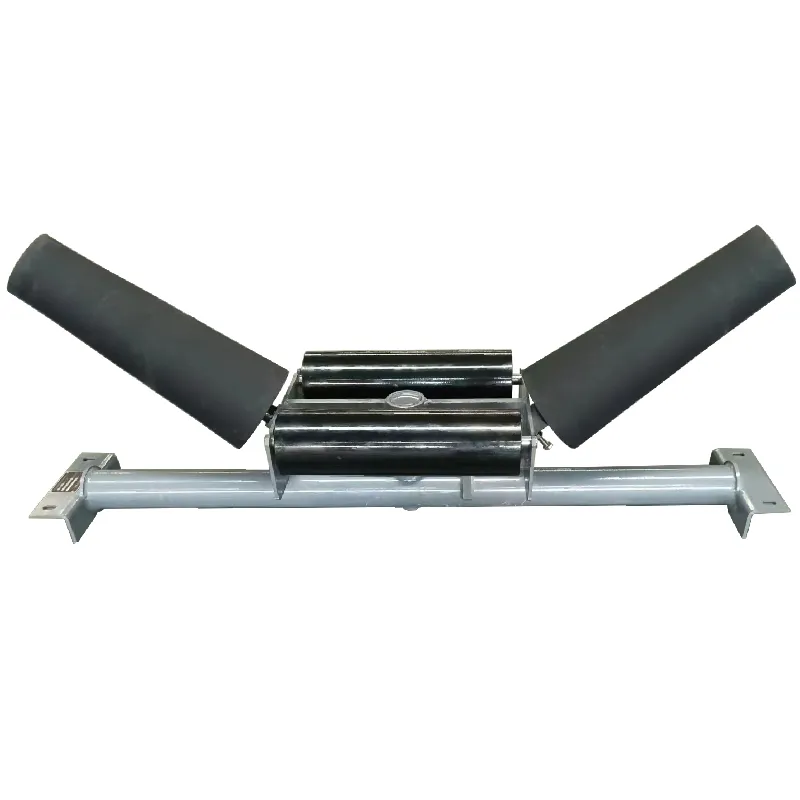
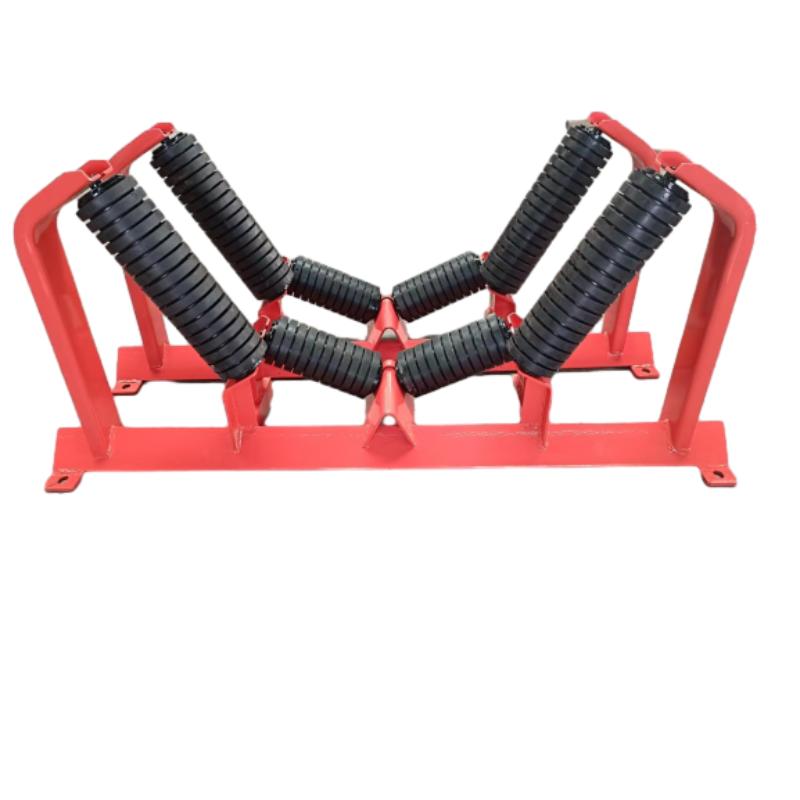
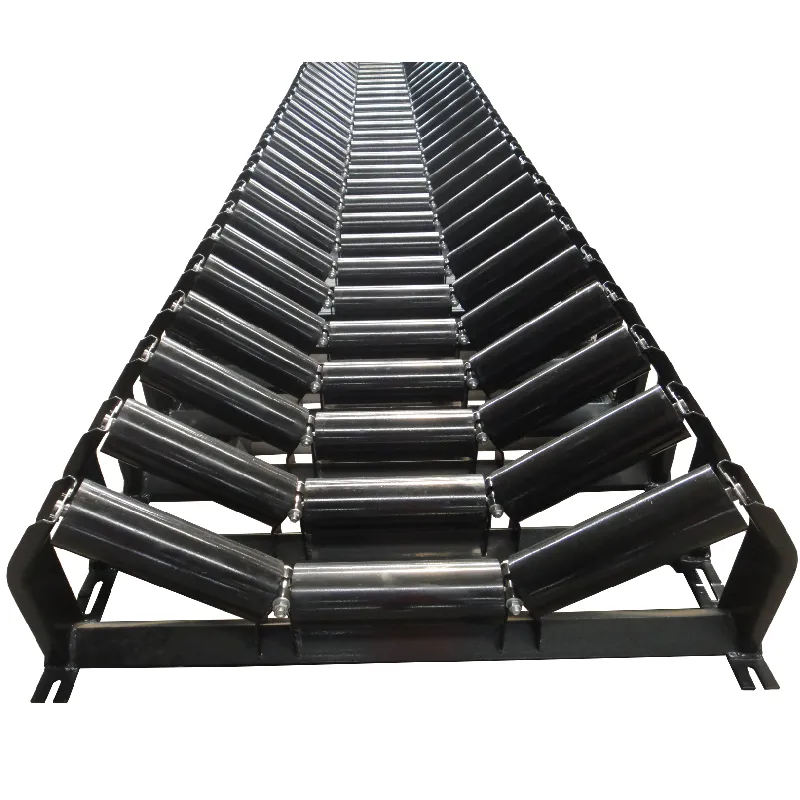
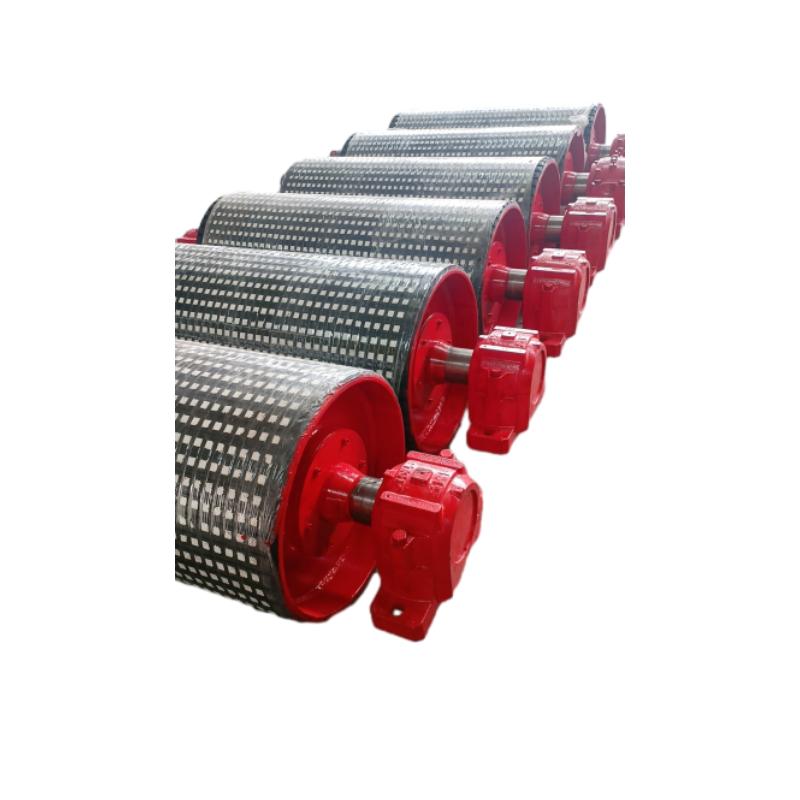
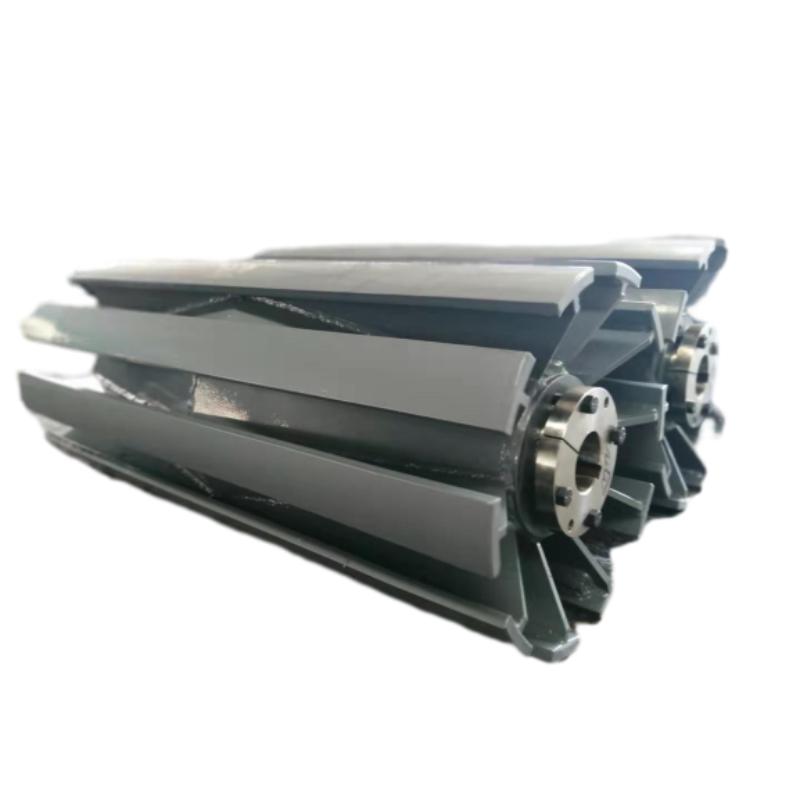
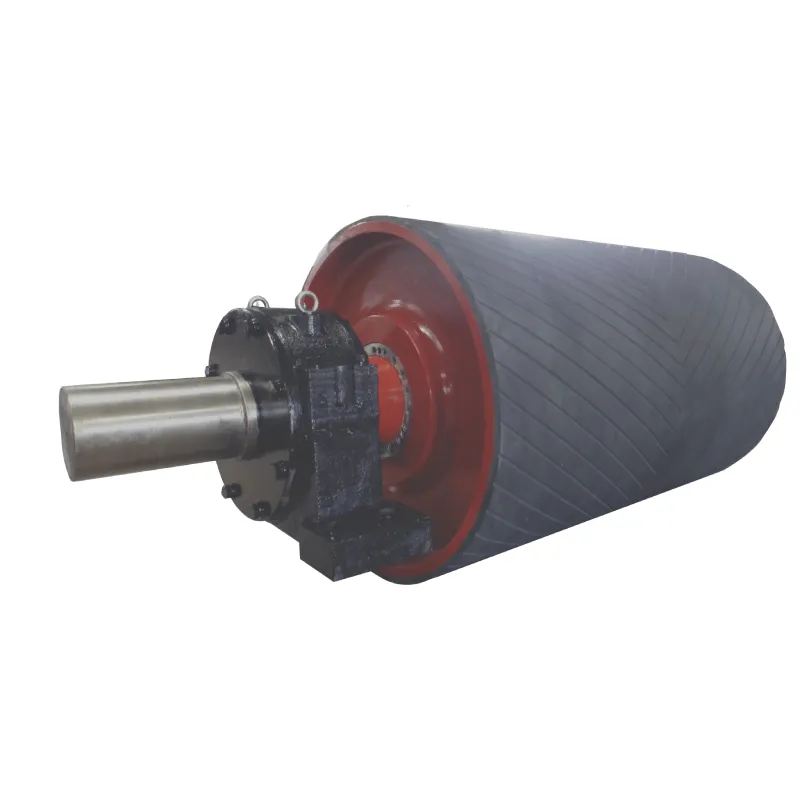
Simply put, a return idler is a roller or set of rollers supporting the underside of a conveyor belt as it returns from its load point back to the start. While the carrying side of a belt is usually supported by carrying idlers, the return idler prevents sagging, reduces friction, and guides the belt along its course without undue wear.
Think of it like the supporting cast in a theater production — rarely the star but invaluable to the performance. In mining and humanitarian logistics, where material flow defines success, the return idler ensures that the conveyor belt doesn’t stretch or lose its shape, helping protect valuable goods and keep the system running.
Core Components that Define a Return Idler
Durability and Material Quality
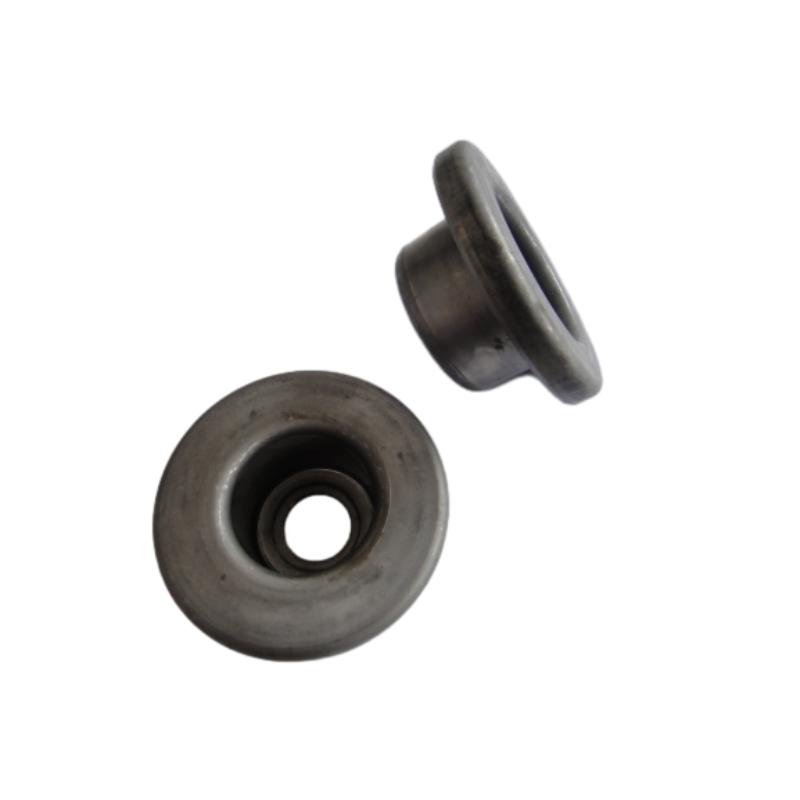
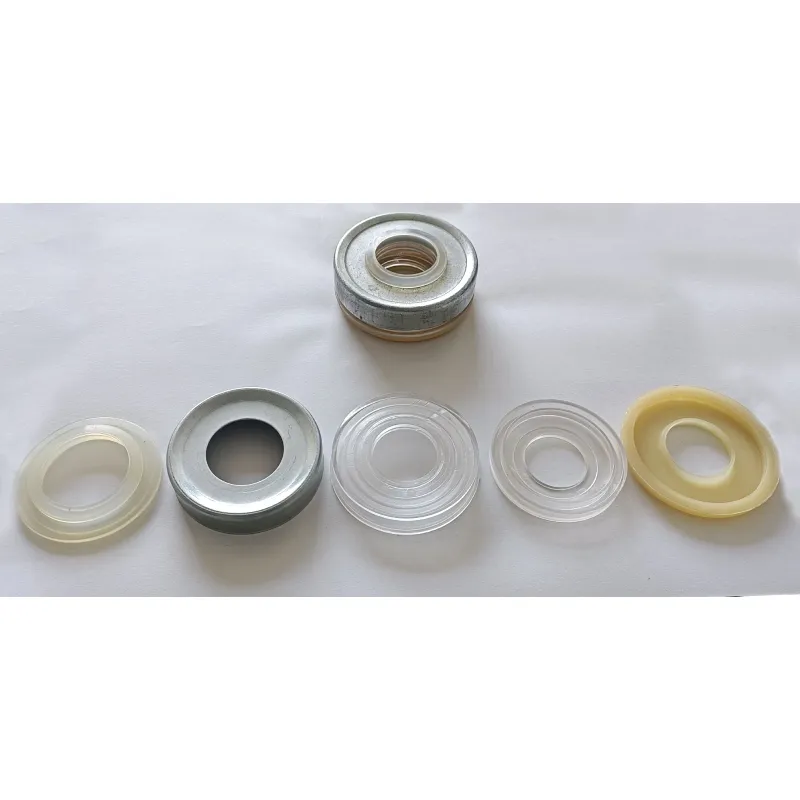
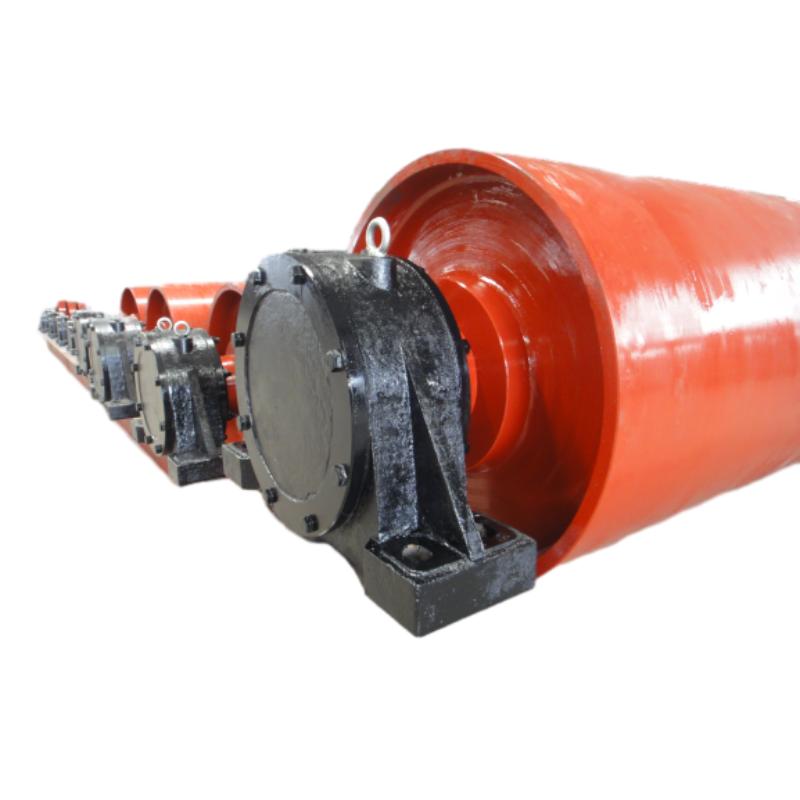
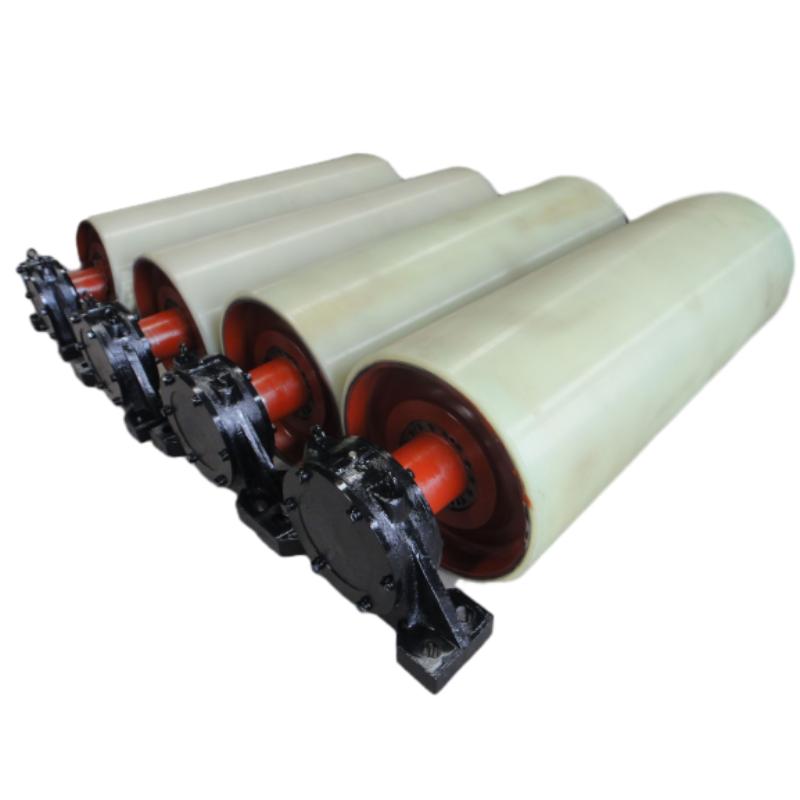
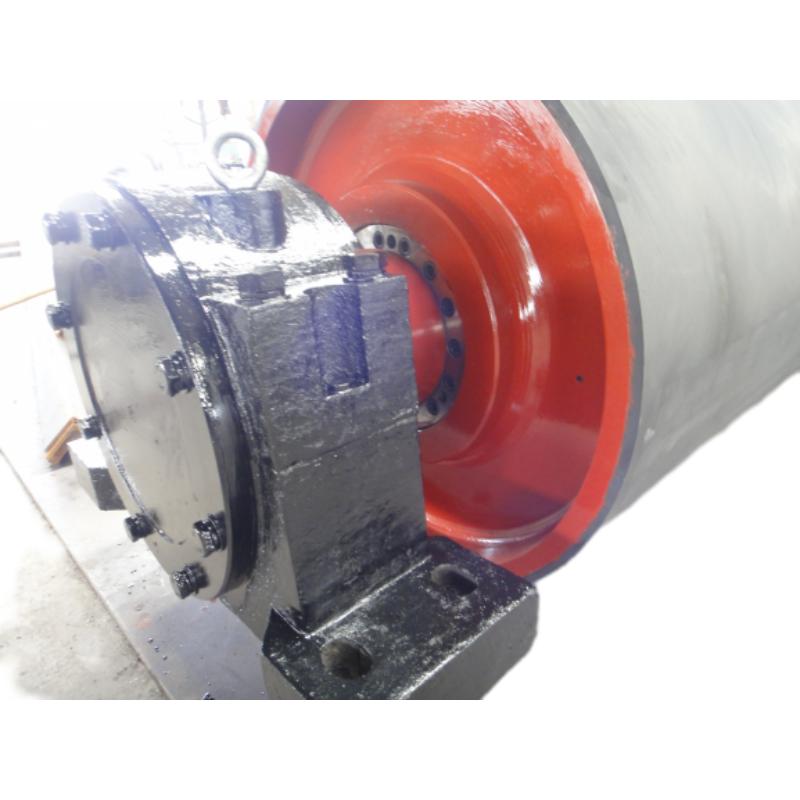
Return idlers face continuous movement, dust, moisture, and sometimes abrasive materials. Heavy-duty steel frames combined with corrosion-resistant rollers (often coated with rubber or polyurethane) are standard to ensure longevity. Many engineers I spoke to emphasize choosing idlers with sealed bearings — it’s the difference between sealing out dirt or inviting premature failure.
Scalability and Modularity
Modern industries often demand flexible conveyor setups. Return idlers must be modular, fitting varied belt widths (from narrow 400mm belts to broad 2000mm systems) and easy to replace without halting the entire operation. This scalability makes them invaluable across global contexts, from small-scale food production to giant mining rigs.
Cost Efficiency and Maintenance
Idlers are surprisingly affordable components, but the costs add up when factoring in downtime and repairs. Investing in higher-grade return idlers that reduce friction and wear leads to lower energy consumption and less frequent replacements. Additionally, idlers with easy inspection access dramatically reduce maintenance time — especially valuable in remote or disaster-struck zones.
Environmental Resistance
With global climate uncertainty, idlers are now built to withstand extremes: freezing Arctic temperatures, tropical humidity, and dusty deserts. Such environmental resilience isn’t luxury; it’s necessity. The best return idlers offer sealed, greased bearings and rugged frames offering years of trouble-free performance even in the harshest conditions.
Mini Takeaway
The return idler isn’t just a passive roller — it’s an engineered part fine-tuned for durability, adaptability, cost-saving, and environmental resilience. A strong return idler means a stronger, smoother conveyor system.
Global Applications & Use Cases
- Mining Industry: In mines across Africa and South America, return idlers keep giant belts carrying ores over kilometres of rugged terrain.
- Post-Disaster Relief: During humanitarian crises, temporary conveyor systems installed at ports and warehouses enable fast material distribution — here, reliable idlers reduce breakdowns when lives depend on speed.
- Logistics and Warehousing: Massive distribution centers from Europe to Asia rely on return idlers in conveyor networks moving millions of parcels daily.
- Agricultural Processing: Grain elevators in North America and Australia use idlers to ensure smooth handling without grain spillage or damage.
In real terms, wherever materials move on belts — whether heavy rocks or food packages — the return idler plays a quiet but crucial role. The return idler enables these industries to meet tight schedules and quality standards.
Advantages & Long-Term Value of Return Idlers
If you think about it, the best return idlers don’t just save money on replacements; they contribute massively to operational safety and dignity. For example, fewer conveyor failures mean reduced risk of accidents caused by belt slips or material spillage, which directly protect workers. Also, many modern idlers employ eco-friendly materials and sealed designs — hinting at a growing sustainability footprint.
Here’s the emotional angle: trusting your conveyor to function 24/7 without surprise breakdowns is a relief for plant managers and operators alike. It fosters innovation by allowing companies to focus on process improvements instead of constant repairs.
| Parameter | Description | Typical Range |
|---|---|---|
| Material | Steel frame, rubber or PU rollers | Confirm grade per environment |
| Roller diameter | Supports belt underside | 89 mm to 159 mm |
| Bearing type | Sealed, greased-for-life | Deep groove ball bearings |
| Belt width compatibility | Fits various belt sizes | 400 – 2000 mm |
| Operating temperature | Designed for harsh climates | -40°C to +80°C |
Comparing Leading Return Idler Vendors
| Vendor | Product Range | Price Range | Key Features | Warranty |
|---|---|---|---|---|
| IdlerTech Inc. | Standard, Heavy Duty, Low Resistance | $$ | Grease-filled sealed bearings, quick mount | 2 years |
| GlobalRoller Co. | Corrosion-resistant, Modular kits | $$$ | PU-coated rollers, wide temp range | 3 years |
| ConveyMaster Ltd. | Standard & custom idlers | $ - $$ | Budget-friendly, reliable | 1 year |
Looking Ahead: Trends in Return Idler Technology
The conveyor industry is quietly undergoing a bit of a renaissance — and return idlers are riding that wave. The adoption of IoT-enabled idlers with embedded sensors for real-time health monitoring is increasingly common. This means potential failures are spotted before any disruption, saving precious downtime.
Meanwhile, sustainability concerns drive innovation in materials — from recycled plastics for rollers to ultra-low-friction coatings that reduce energy use. Automation demands smaller, modular systems, pushing manufacturers to design idlers that deliver precision in compact conveyor lines.
Challenges and How Industry Leaders Address Them
Of course, there are limitations. Abrasive materials accelerate wear, and extreme environmental changes sometimes cause idler misalignment or bearing failure. However, solutions like polyurethane-coated rollers and magnetic self-aligning bearings have dramatically improved lifespan and reliability.
Many operations now use predictive maintenance software connected to idler sensor data — a game-changer that bridges human insight and machine precision. Frankly, I think this combination will rewrite the textbook on conveyor reliability.
FAQs: Your Return Idler Questions Answered
- What is the average lifespan of a return idler in heavy industrial use?
- Typically, well-maintained return idlers last between 3 to 7 years depending on environment and load. Harsh conditions reduce lifespan but sealed bearings and durable materials help extend it.
- Can return idlers be customized for specific conveyor belts?
- Yes, many manufacturers offer modular and customizable idlers to fit different belt widths, load speeds, and environmental conditions.
- How does a return idler affect conveyor energy consumption?
- Low-friction idlers reduce drag on the belt, which lowers the motor power needed and decreases overall energy use — a key factor in sustainable operations.
- Is it possible to retrofit return idlers without stopping conveyor operations?
- In many cases, yes. Quick-mount designs and modular frame sections enable idler replacement with minimal downtime, especially in well-planned maintenance windows.
Wrapping Up: Why Return Idlers Deserve Your Attention
In the sprawling world of industrial equipment, the return idler might seem small, but its impact is anything but minor. It’s the unsung hero that keeps conveyor belts taut, efficient, and dependable — across industries, geographies, and applications. Whether you’re mining iron ore deep underground or managing parcel flow in an urban distribution center, the right return idler choice can save money, time, and headaches.
So if you want to learn more or explore product options, I highly recommend visiting return idler suppliers and experts online. Your conveyor systems (and your budget) will thank you.
References
-
Maximize Conveyor Life with a High Performance impact bedNewsApr.16,2026
-
Maximize Conveyor Efficiency Using a v plow belt scraperNewsApr.09,2026
-
Comprehensive Guide to Understanding Different Types of Belt CleanersNewsApr.07,2026
-
Enhancing Conveyor Efficiency with an Effective Scraper Belt CleanerNewsApr.04,2026
-
Optimizing Conveyor Systems with Advanced Cleaning Equipment SolutionsNewsMar.31,2026
-
Effective Conveyor Belt Scraper Adjustment for Optimal System PerformanceNewsMar.28,2026