

Comprehensive Guide to Different Types of Conveyor Rollers in Industry
Different Types of Conveyor Rollers: Understanding Their Role in Global Industry
Conveyor rollers might not spark a lot of excitement in daily headlines, but these simple mechanical components keep the wheels of modern industry turning–quite literally. From massive manufacturing plants in Asia to automated sorting centers in Europe, different types of conveyor rollers are fundamental. Understanding their varieties illuminates how goods, raw materials, and even humanitarian aid get moving efficiently across the globe.
Why does this matter? The global supply chain depends heavily on conveyor systems, whose efficiency hinges on choosing the right roller type. Picking the wrong conveyor roller risks costly shutdowns, safety hazards, or higher maintenance—affecting everything from your morning coffee to disaster relief supplies delivered worldwide.
Introduction: The Global Relevance of Conveyor Rollers
According to the International Organization for Standardization (ISO), material handling equipment, including conveyors, represent a critical part of industrial operations worldwide. The World Bank highlights that efficient logistics lower costs and reduce carbon footprints, essential for sustainable growth. Conveyor rollers, while small, contribute directly to this efficiency. When faced with increasing demand and faster order fulfillment, industries need rollers that perform reliably under diverse conditions.
Yet challenges arise: improper roller selection can cause conveyor failures, disrupt supply chains, or increase energy consumption. Given the scale—tens of billions of dollars in goods moved daily—the impact is massive.
What Are Different Types of Conveyor Rollers?
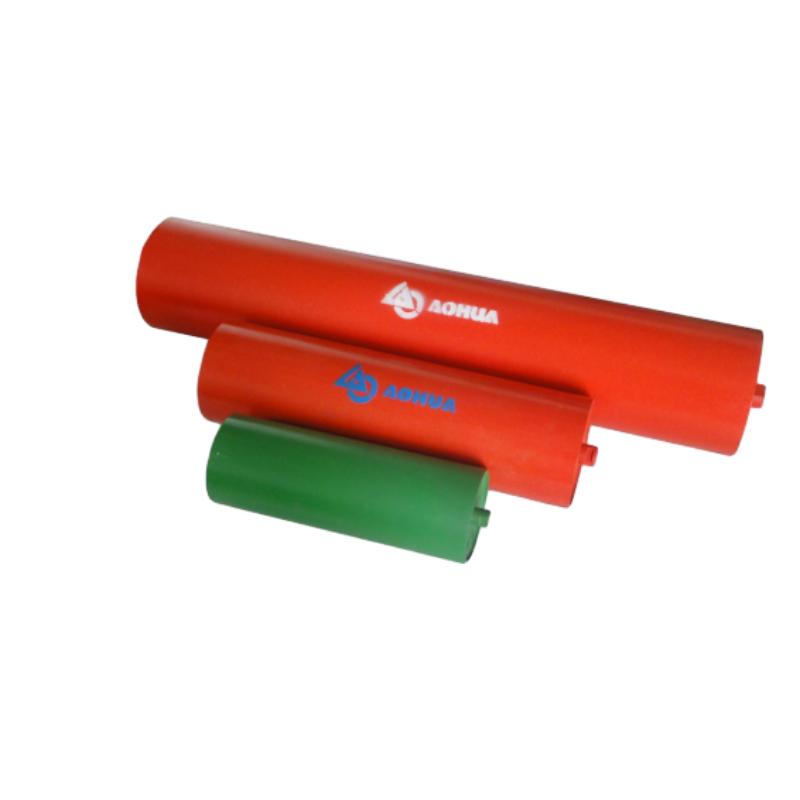
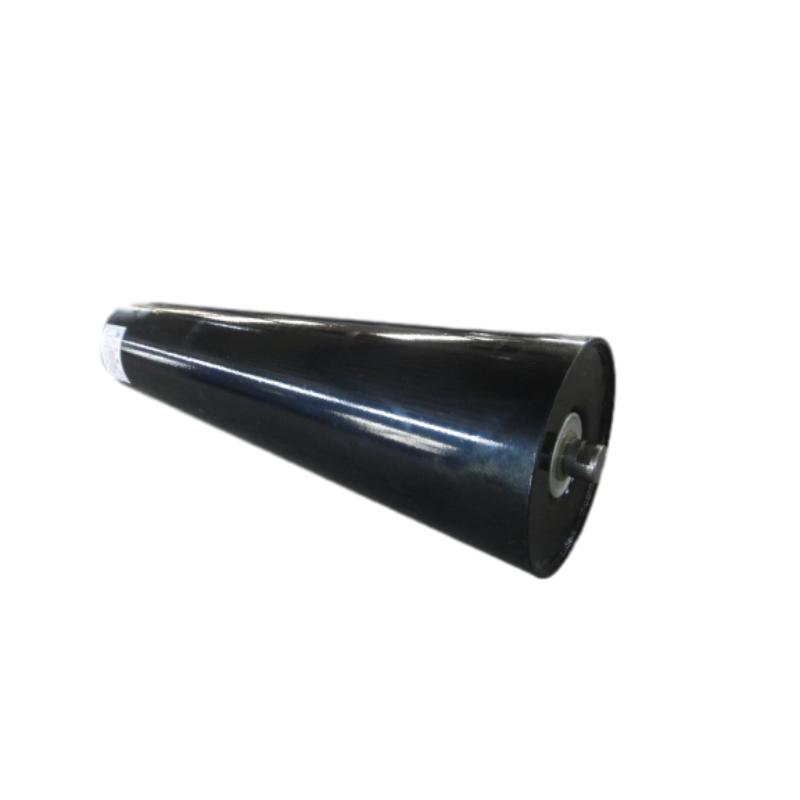
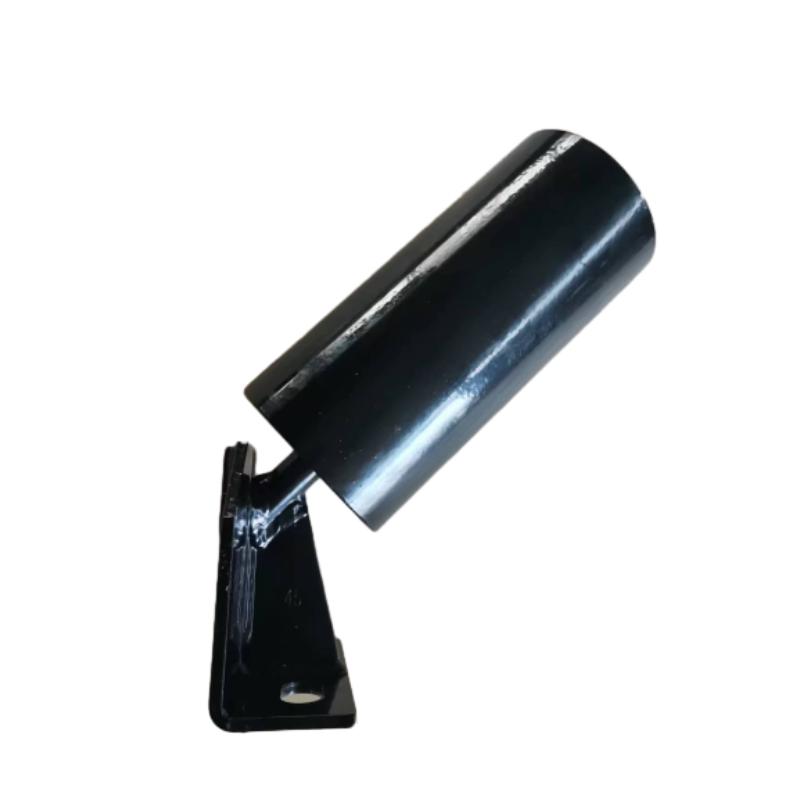
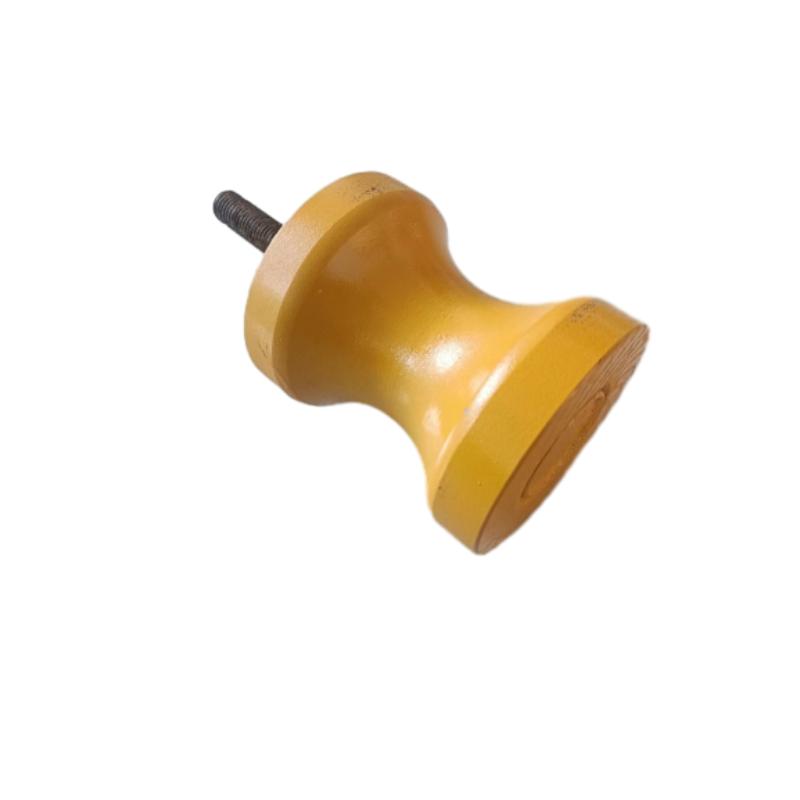
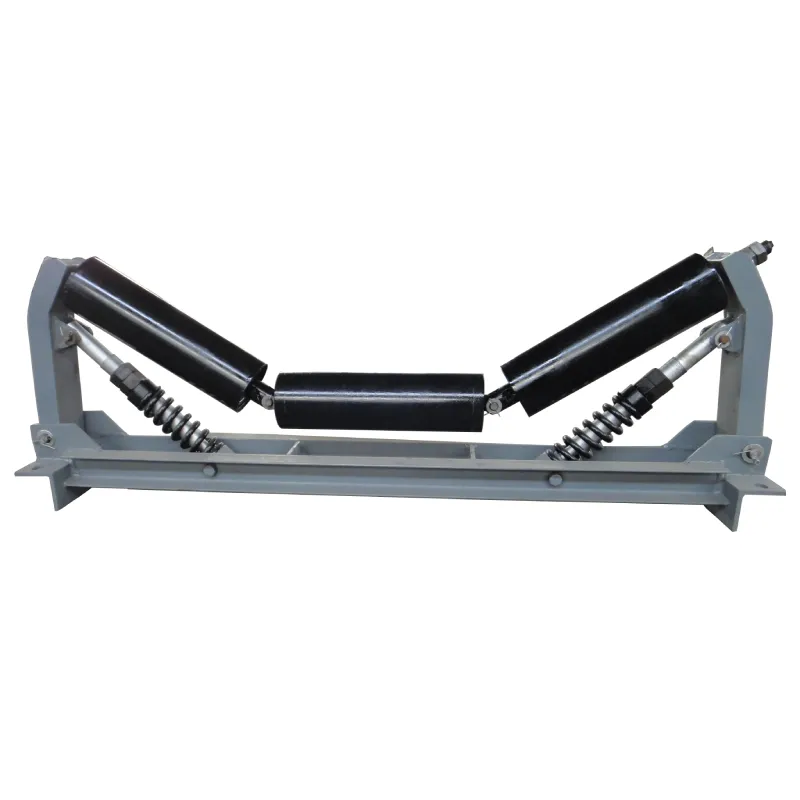
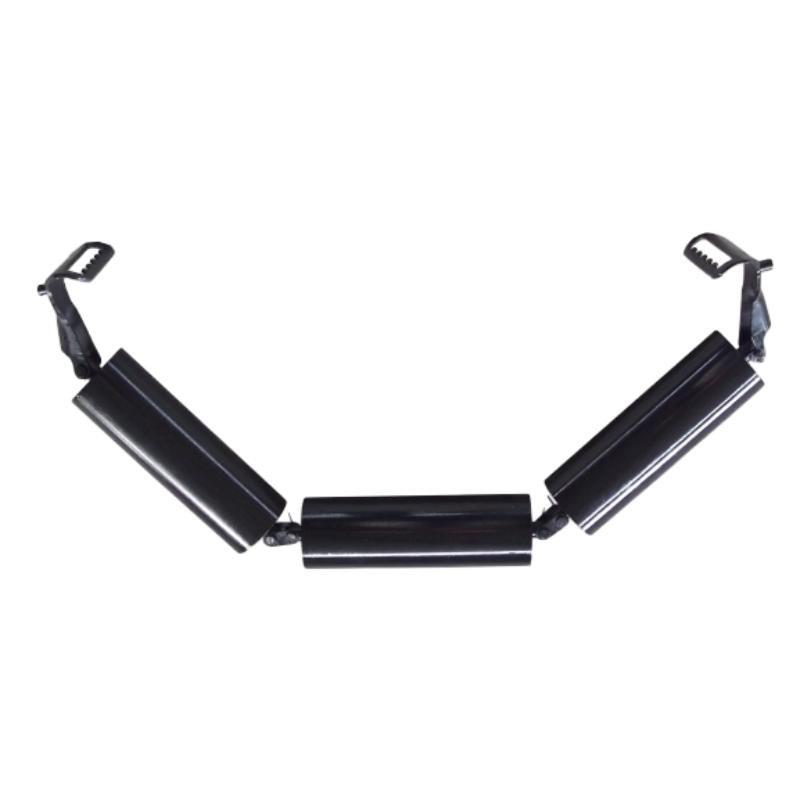
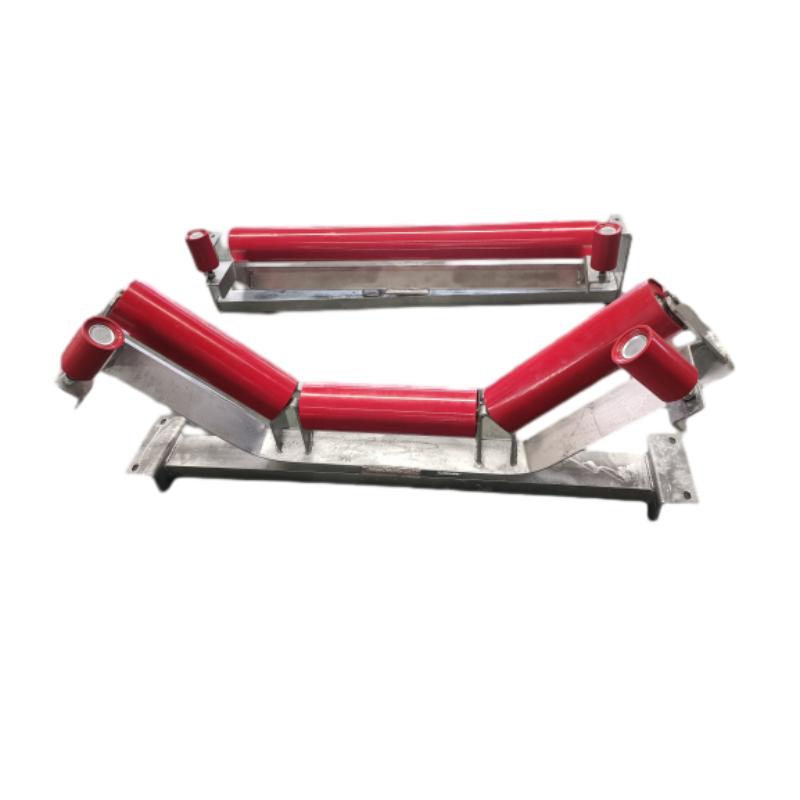
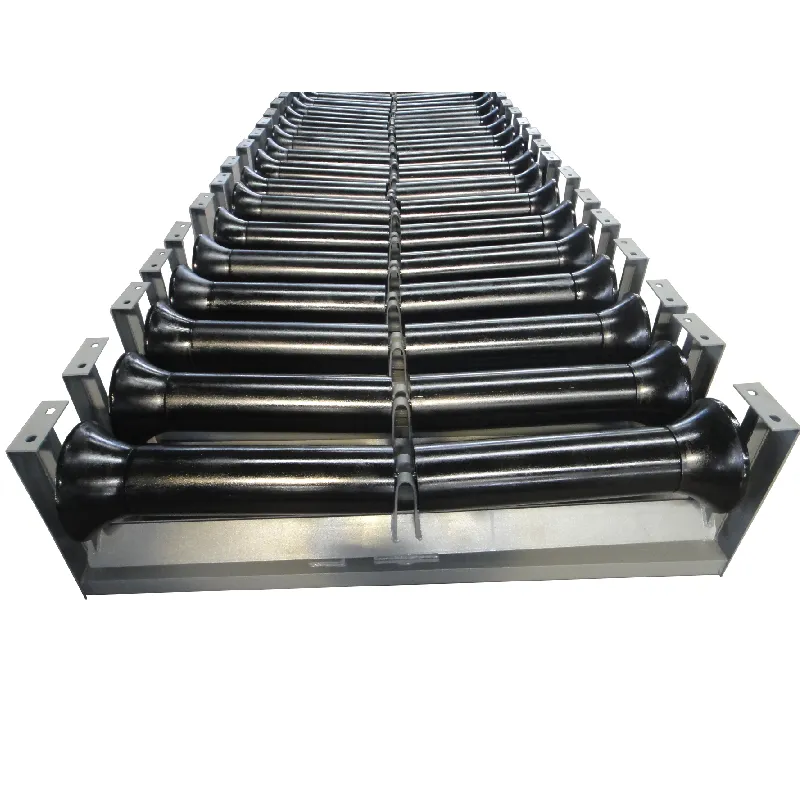
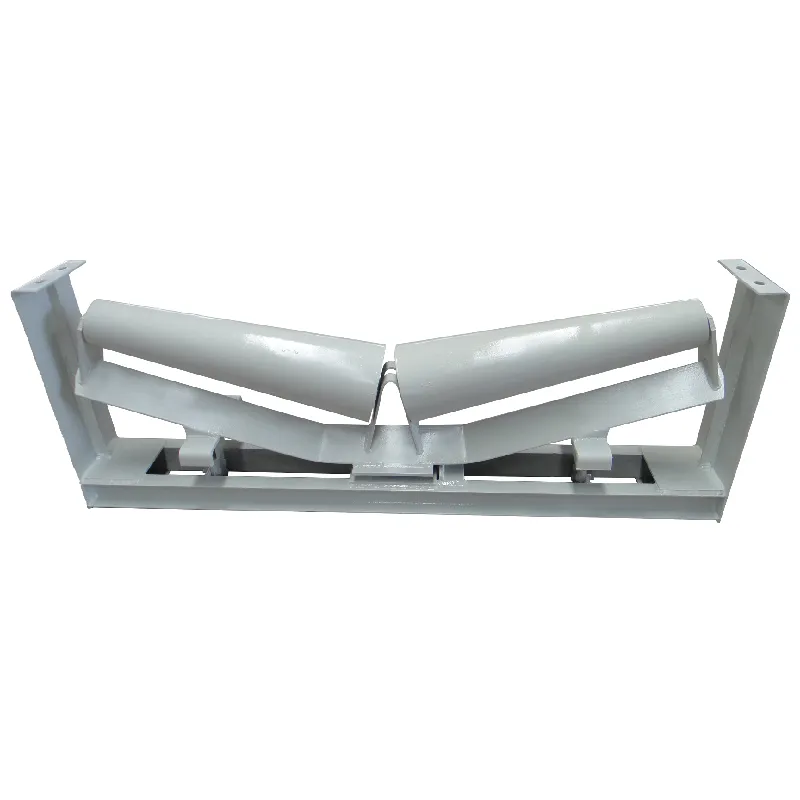
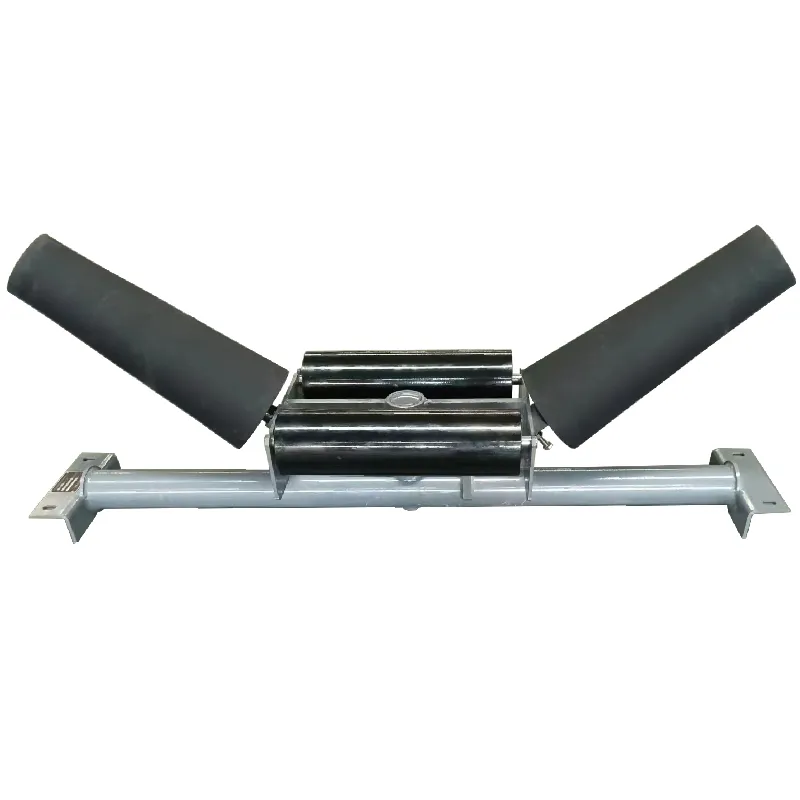
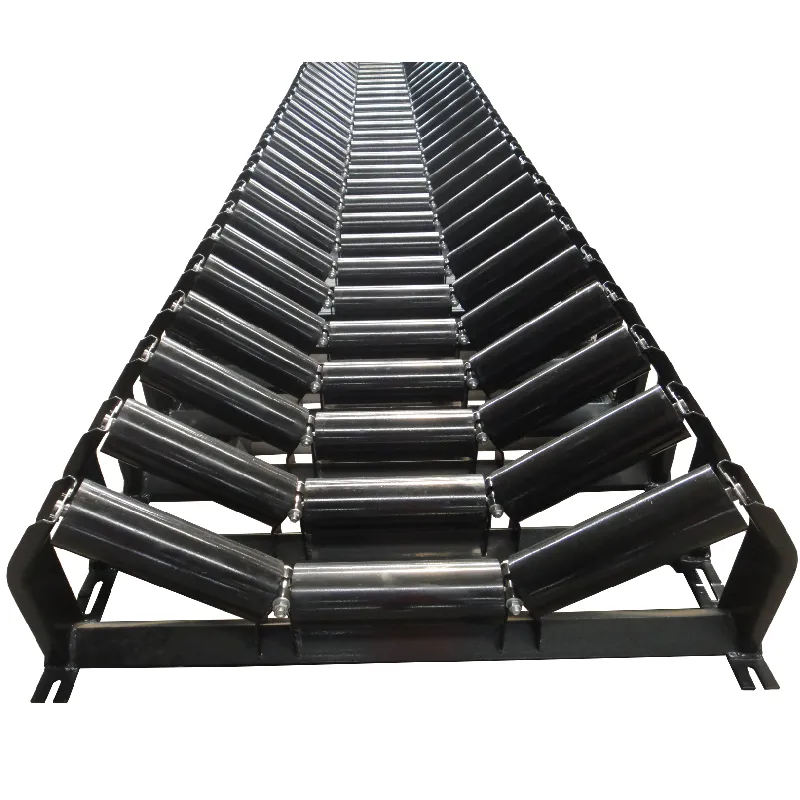
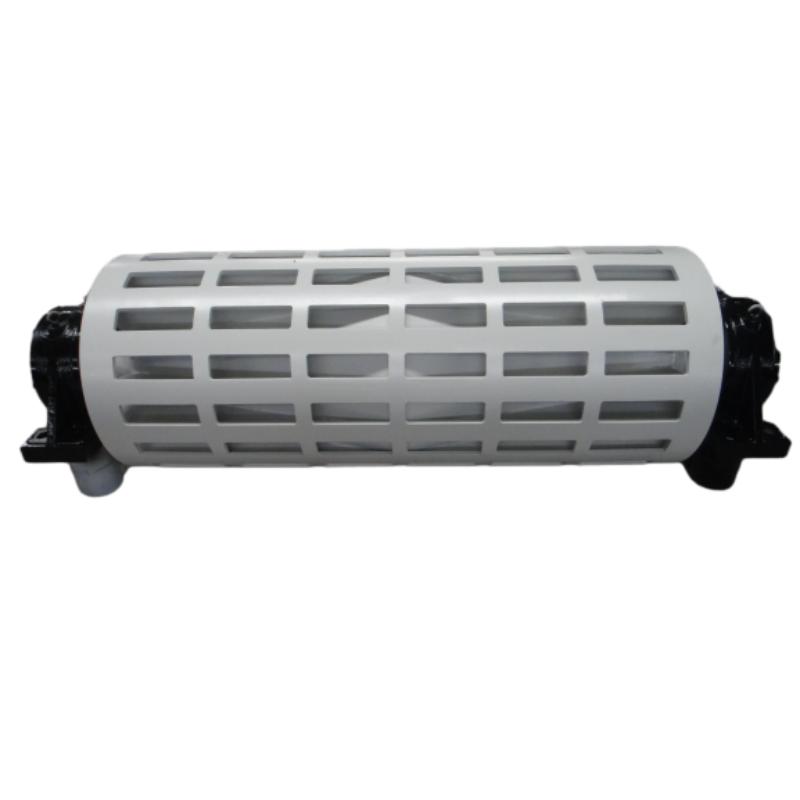
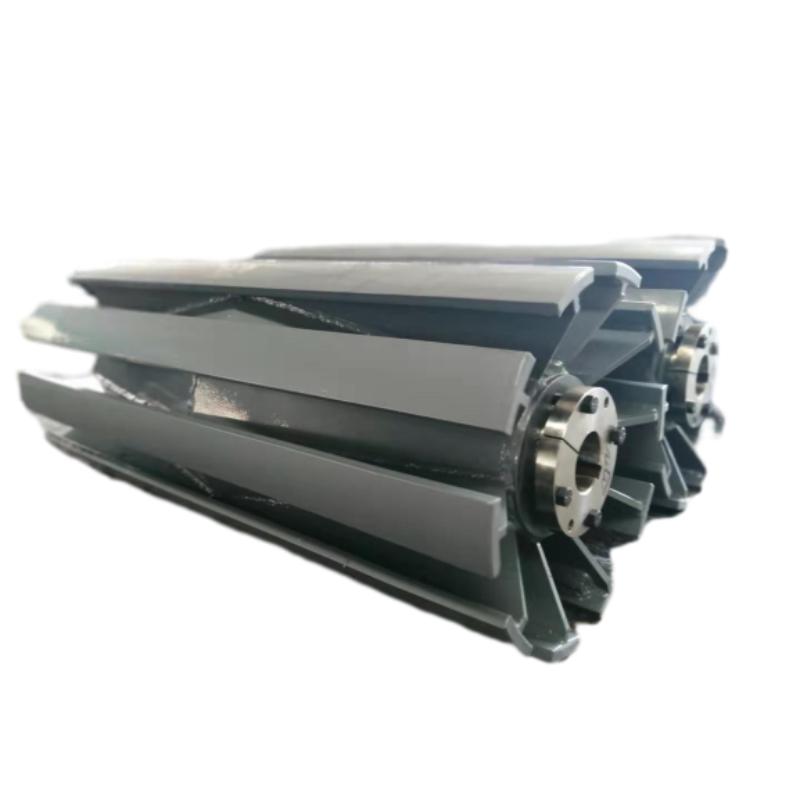
At its simplest, a conveyor roller is a cylinder that rotates to support and move materials on a conveyor belt or system. Different types of conveyor rollers refer to the variety designed to meet specific operational needs:
- Gravity rollers – Unpowered rollers relying on slope or manual force
- Powered rollers – Equipped with motors to drive materials forward
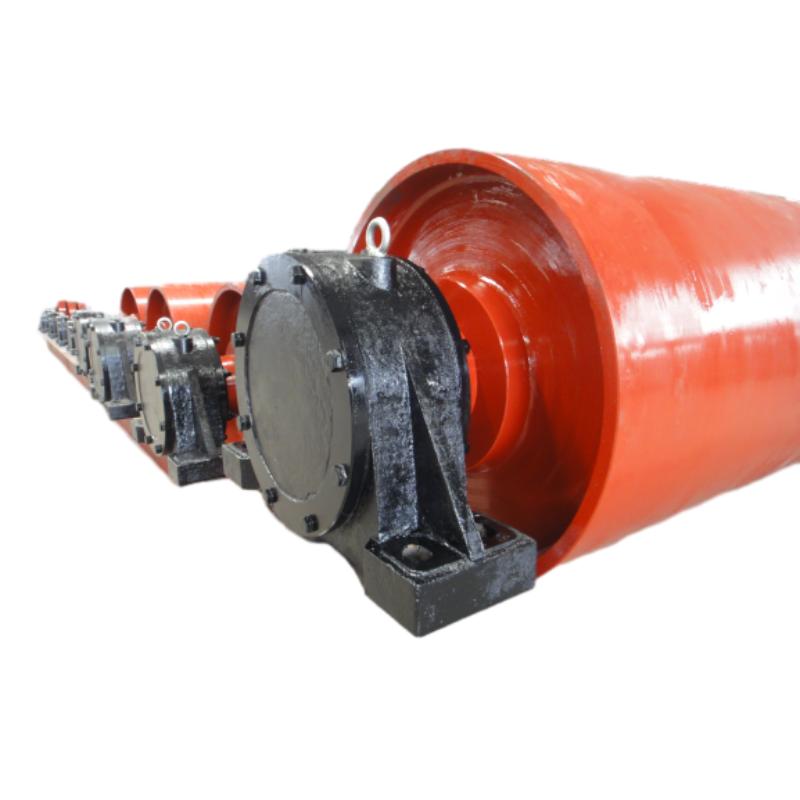
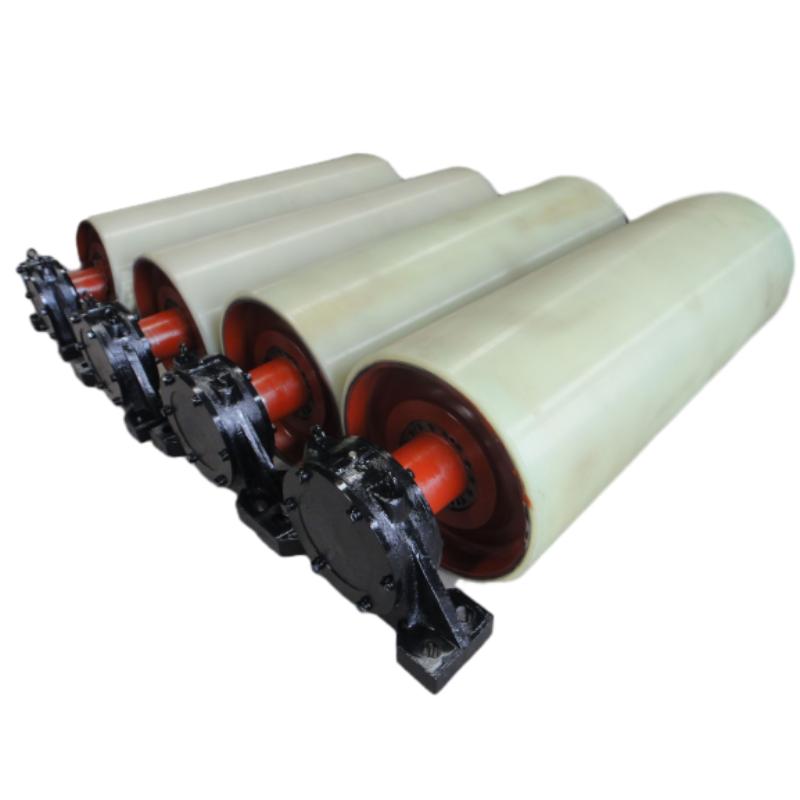
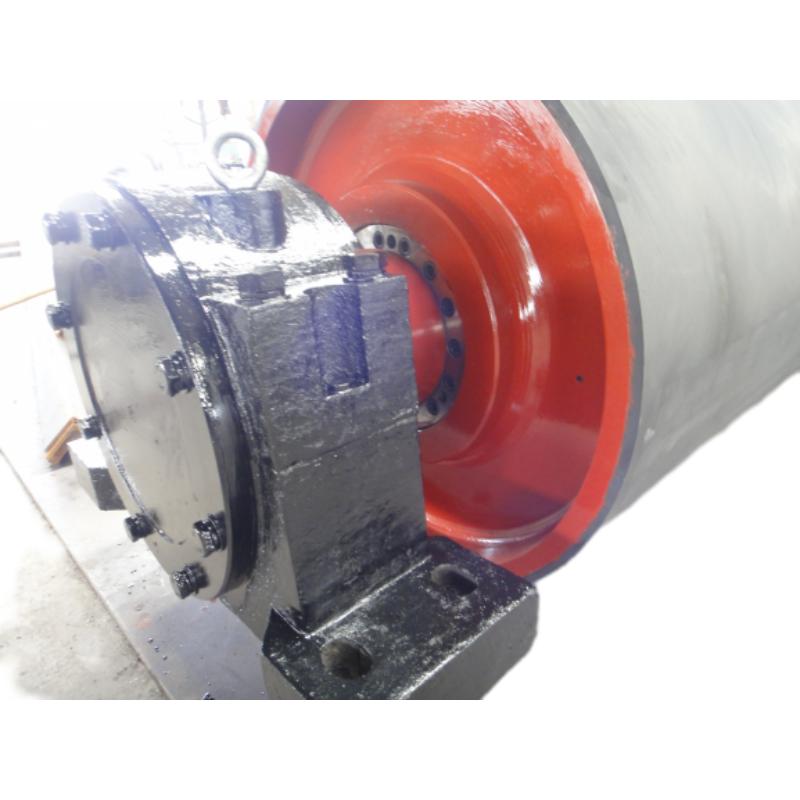
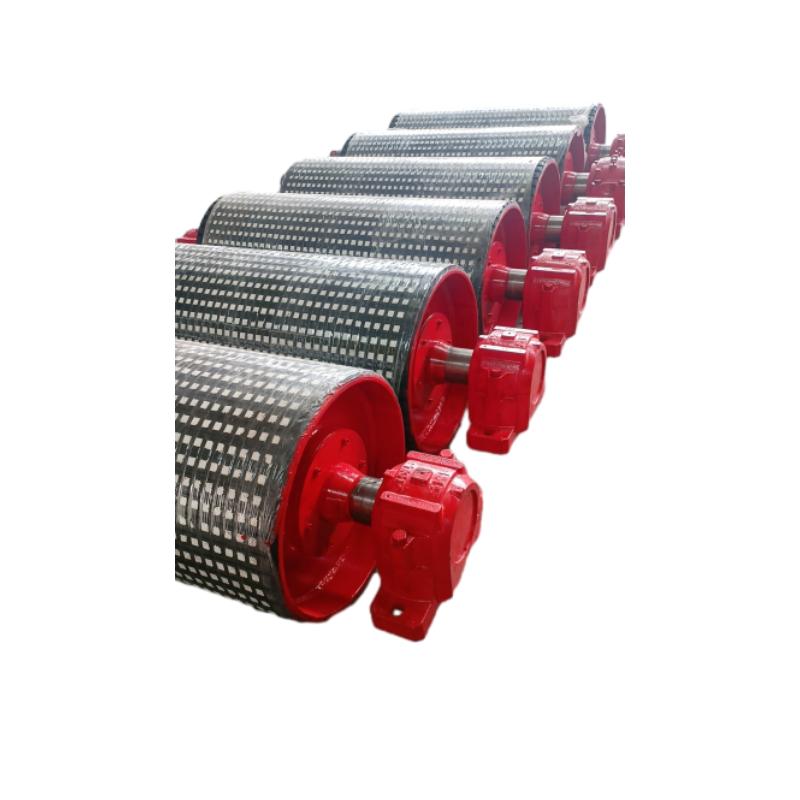
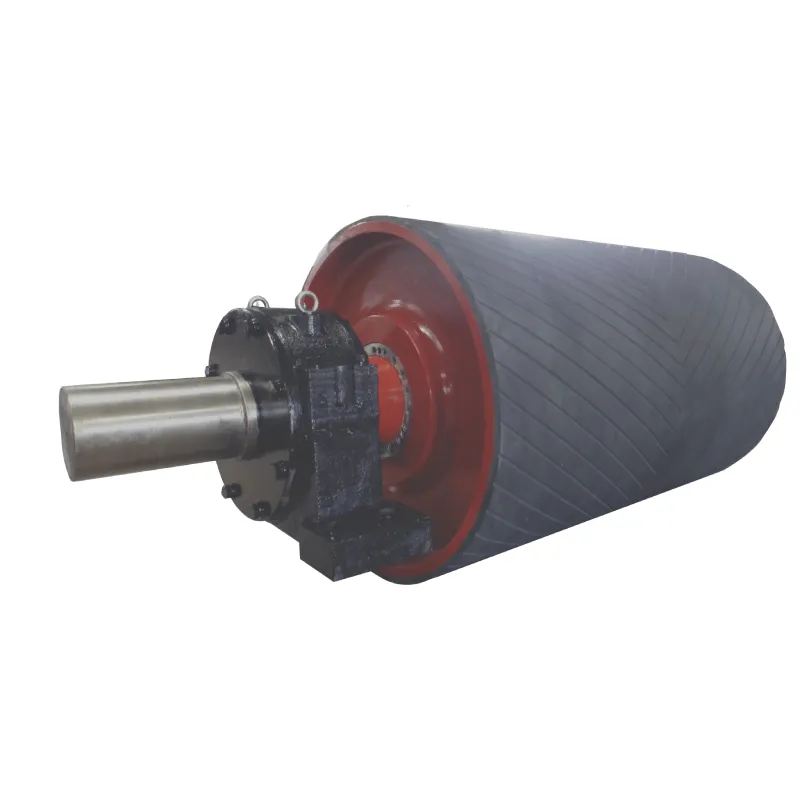
- Drum rollers – Cylindrical drums often used as drive rollers
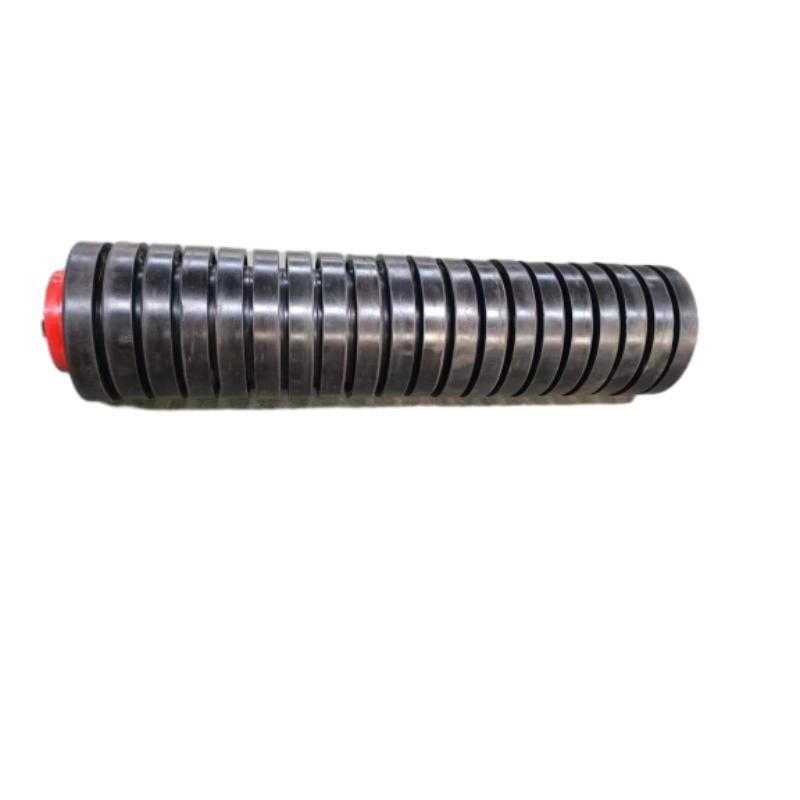
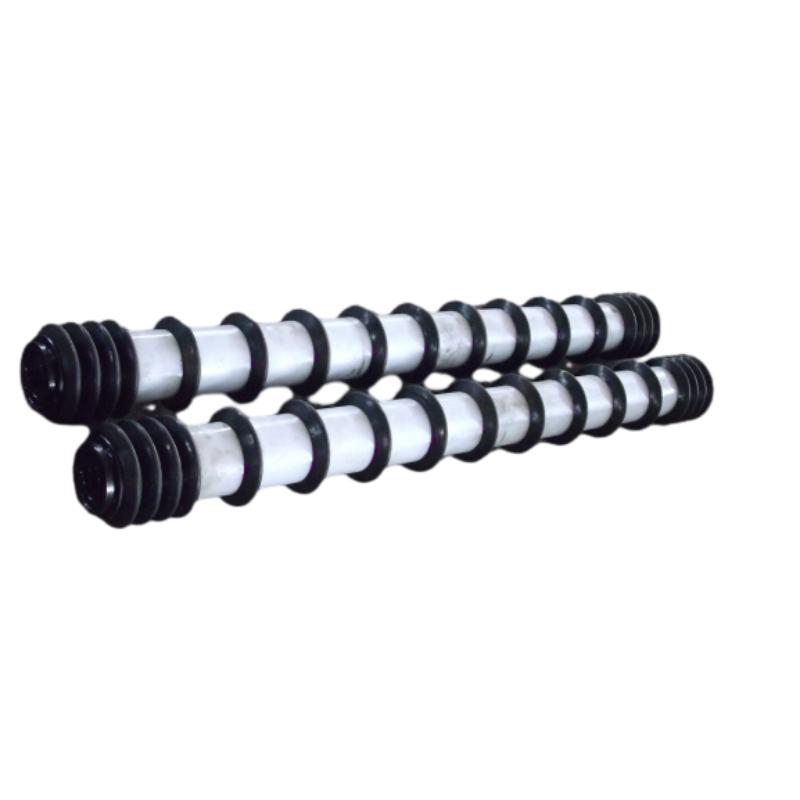
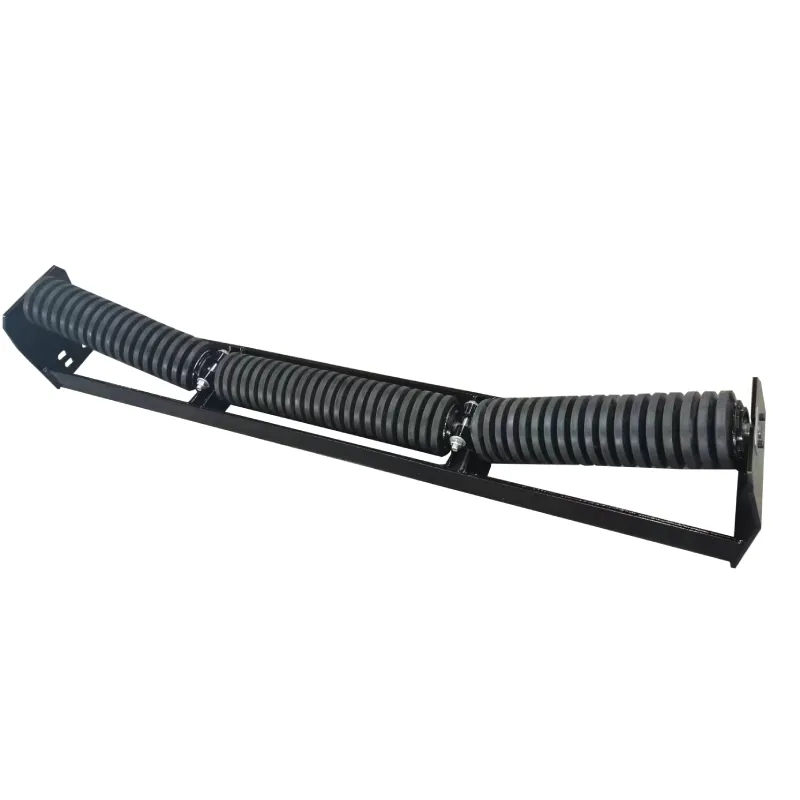
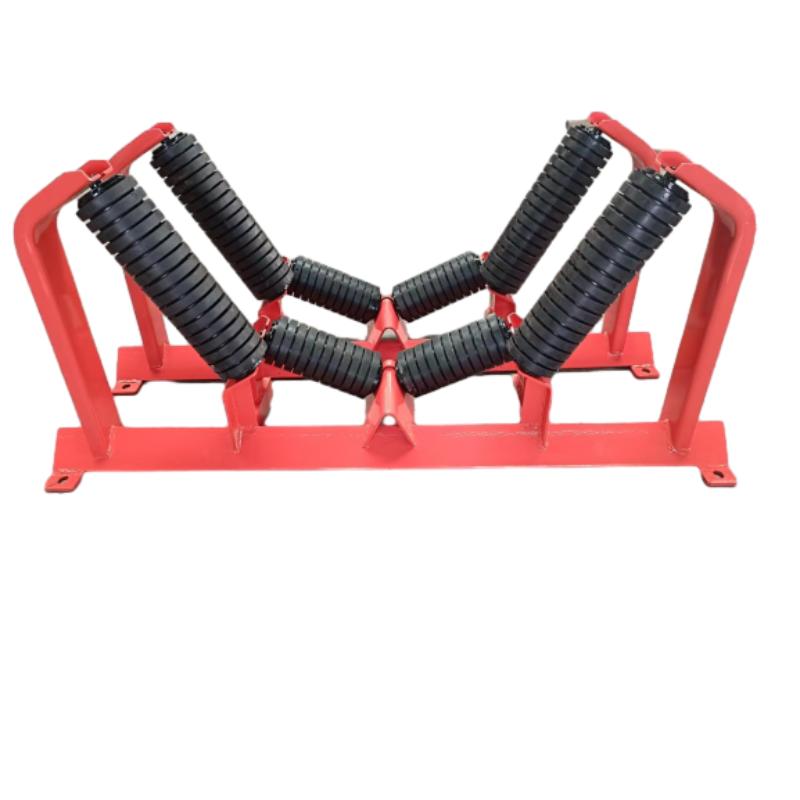
- Impact rollers – Designed with cushioning materials to absorb shocks.
They’re closely linked to modern industry because they facilitate automated, streamlined movement—critical to meeting fast-paced production and shipping schedules. More indirectly, humanitarian supply chains often use conveyors with tailored rollers to handle uncommon cargo safely and quickly.
Key Factors Influencing Conveyor Roller Selection
1. Durability
In rugged environments—like mining or outdoor logistics—rollers must withstand corrosion, impact, and wear. Material choice matters here, such as stainless steel versus plastic components.
2. Load Capacity
From light packages to heavy pallets, load demands dictate roller thickness, shaft strength, and bearing design. Matching these is critical to avoid failures.
3. Speed Compatibility
High-speed conveyors require rollers with precise balancing and low-friction bearings, ensuring smooth, reliable rotation without overheating or noise.
4. Cost Efficiency
Evaluating initial cost against maintenance and energy expenses helps businesses choose rollers that optimize total lifecycle value.
5. Environmental Considerations
Some rollers integrate eco-friendly materials or designs that reduce noise and energy consumption, aligning with corporate sustainability goals.
6. Customization & Scalability
Rolling conveyors often need tailored roller specifications or scalable setups for expanding operations or changing products.
Product Specification Table: Typical Conveyor Roller Types
| Roller Type | Material | Load Capacity | Typical Use |
|---|---|---|---|
| Gravity Roller | Steel / Plastic | Light to Medium | Manual handling, assembly lines |
| Powered Roller | Steel with Bearings | Medium to Heavy | Automated sorting, logistics centers |
| Impact Roller | Steel core with Polyurethane | Medium to Heavy | Loading zones, harsh environments |
| Drum Roller | Steel with welded shell | Heavy | Drive rollers, heavy-duty conveyors |
Global Applications & Use Cases
Conveyor rollers appear everywhere—from high-volume airports in the US streamlining baggage handling, to expansive coal mines in Australia moving heavy loads nonstop, to distribution warehouses in Europe optimizing e-commerce orders. Oddly enough, they even crop up in humanitarian settings; for example, after the 2010 Haiti earthquake, relief organizations used conveyor systems with custom rollers to unload incoming supplies efficiently despite damaged infrastructure.
Regions such as Southeast Asia and Sub-Saharan Africa increasingly invest in conveyor tech to support growing industries like manufacturing and agriculture. Companies like DHL and FedEx rely heavily on advanced conveyors featuring varied roller types to meet exacting delivery timelines worldwide.
Vendor Comparison Table: Conveyor Roller Suppliers
| Vendor | Roller Types Offered | Customization Options | Lead Time | Certifications |
|---|---|---|---|---|
| RollTech Solutions | All major types | High | 2-3 weeks | ISO 9001, RoHS |
| Global Conveyors Ltd. | Primarily powered & drum | Medium | 4-6 weeks | ISO 14001 |
| EcoRolls Inc. | Focus on impact and gravity rollers | Low | 1-2 weeks | ISO 45001 |
Advantages and Long-Term Value
Choosing the right conveyor roller delivers obvious cost savings by reducing downtime and maintenance. But it also fosters equipment longevity and operational safety. You know, fewer breakdowns mean less stress running logistics and happier employees. Many companies see improvements in energy efficiency too, especially when rollers with low friction bearings or eco-conscious materials are used.
On a deeper level, reliable conveyors enhance corporate trust—knowing your products move steadily from factory to customer maintains your brand’s reputation. Plus, conveyors designed with sustainability in mind contribute to the global push for greener industry practices.
Future Trends and Innovations
Technology marches on, and conveyor rollers are no exception. Emerging materials like carbon fiber composites reduce weight while increasing strength. Digital sensors embedded in rollers allow real-time condition monitoring, predicting maintenance needs before failure occurs—a neat leap toward Industry 4.0.
Automation and AI-driven conveyor controls optimize roller usage dynamically. Meanwhile, there's also a green energy movement: rollers powered by regenerative drives can feed energy back into the system, cutting costs and emissions.
Challenges and Solutions
Admittedly, one perennial challenge is balancing cost with performance. Sometimes, cheaper rollers fail prematurely. Also, harsh environments—extreme temperatures or chemical exposure—limit options. Fortunately, advances in coatings and composite materials are expanding roller durability.
Another difficulty lies in integration. Custom conveyor setups might need specialized rollers, which complicates sourcing and delivery. Collaborating early with vendors and applying modular design principles often solves this.
Frequently Asked Questions About Different Types of Conveyor Rollers
- What factors determine which conveyor roller type is best for my operation?
- Key factors include load weight, speed requirements, environmental conditions, and whether the system needs powered rollers for automation. Evaluating these helps narrow down choices for functionality and durability.
- How often should conveyor rollers be inspected or replaced?
- Inspection frequency varies but typically ranges from monthly to quarterly. Look for signs of wear, noise, or misalignment. Replacement depends on usage intensity but usually occurs every few years to prevent failures.
- Are there eco-friendly conveyor rollers available?
- Yes. Some manufacturers use recycled materials or design rollers to reduce energy consumption. Also, innovations in low-friction bearings and regenerative motors contribute to greener conveyor systems.
- Can conveyor rollers be customized for unique materials or shapes?
- Absolutely. Many vendors offer rollers tailored by diameter, length, bearing type, or external coating to accommodate special cargo types or operational constraints.
- What are common causes of conveyor roller failure?
- Typical causes include bearing wear, corrosion, misalignment, overloading, and lack of lubrication. Regular maintenance and choosing rollers aligned with operating conditions help prevent these issues.
Conclusion
In sum, understanding the different types of conveyor rollers feels essential when you realize how indispensable they are to global industry and humanitarian logistics alike. They’re small, yet mighty components that keep goods flowing safely and efficiently. If you want to explore further or discuss options tailored to your needs, do visit our website: https://www.idleraohua.com. After all, every conveyor tells a story, and the right roller turns the page smoothly.
Mini takeaway: Conveyor rollers might quietly spin behind the scenes, but picking the right type sets the foundation for dependable, sustainable, and safe material handling worldwide.
-
Maximize Conveyor Life with a High Performance impact bedNewsApr.16,2026
-
Maximize Conveyor Efficiency Using a v plow belt scraperNewsApr.09,2026
-
Comprehensive Guide to Understanding Different Types of Belt CleanersNewsApr.07,2026
-
Enhancing Conveyor Efficiency with an Effective Scraper Belt CleanerNewsApr.04,2026
-
Optimizing Conveyor Systems with Advanced Cleaning Equipment SolutionsNewsMar.31,2026
-
Effective Conveyor Belt Scraper Adjustment for Optimal System PerformanceNewsMar.28,2026