

Conveyor Head Roller: Key Component Driving Industrial Efficiency and Global Logistics
Understanding the Conveyor Head Roller: The Unsung Hero of Material Handling
If you’ve ever wondered about the silent components that keep industries moving smoothly, the conveyor head roller is one such element. Though it may sound niche, this small but mighty part plays a crucial role globally — from boosting manufacturing efficiency to enabling disaster relief logistics.
Why does the conveyor head roller matter? In a world increasingly reliant on efficient supply chains and automation, understanding this part can help optimize operations, cut costs, and even minimize downtime. Plus, it's kind of fascinating seeing how something so mechanical impacts big-picture economies and humanitarian efforts alike.
Introduction: The Global Significance of Conveyor Head Rollers
Consider this: industries worldwide rely on conveyor belts to transport billions of tons of goods annually — whether in mining, food production, or packaging. According to the International Organization for Standardization (ISO), conveyor systems are a backbone of manufacturing and distribution (ISO 5048).
The conveyor head roller, usually positioned at the discharge end of a conveyor, is pivotal. It not only supports the belt but also directs the flow of materials ahead. Inefficient rollers can cause belt misalignment, increased wear, and costly downtime. Frankly, a small failure here can cascade into significant operational headaches.
What Is a Conveyor Head Roller?
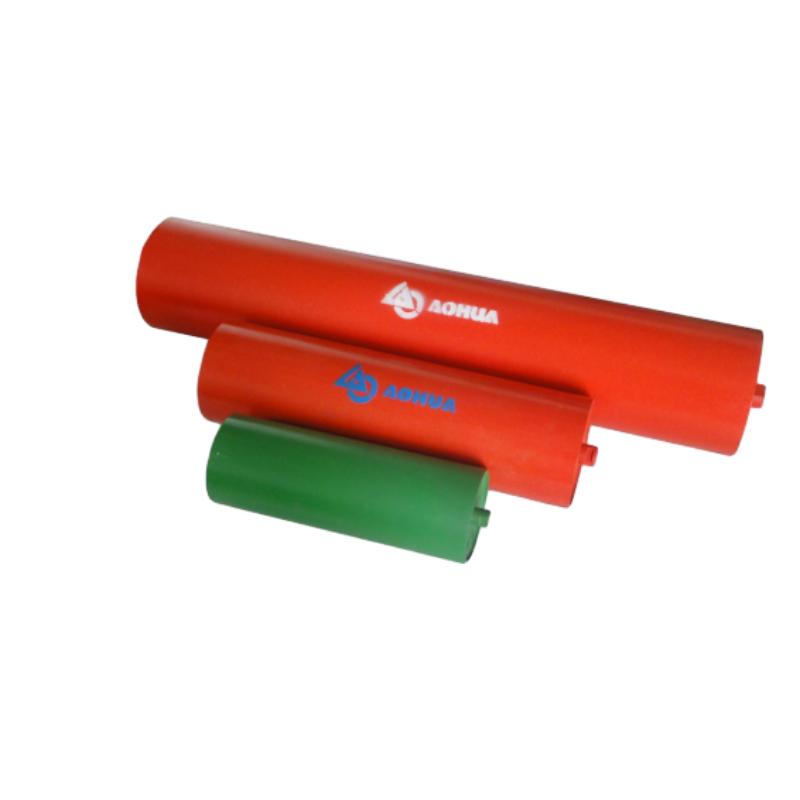
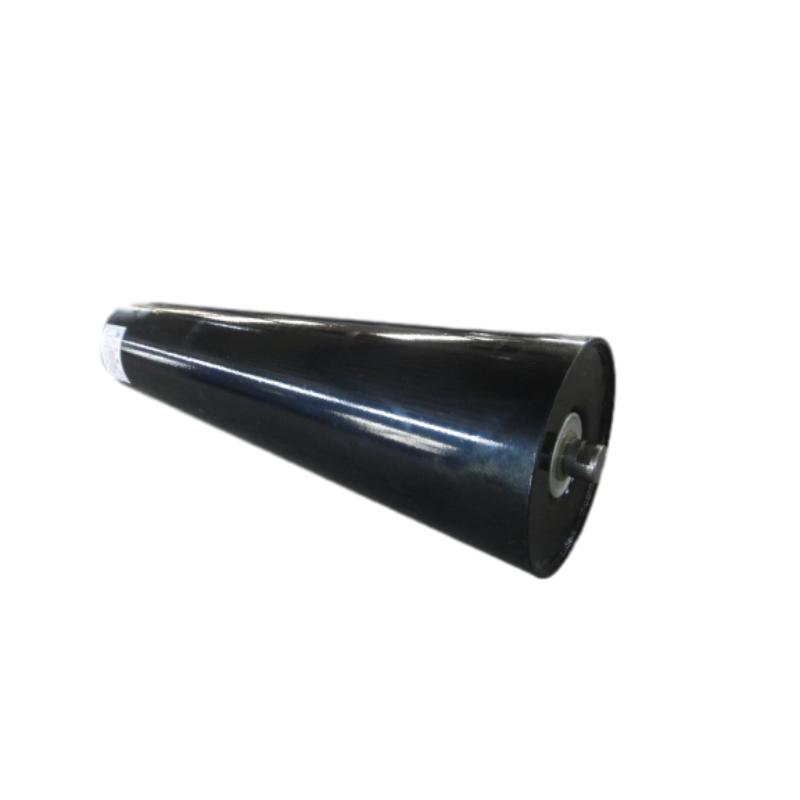
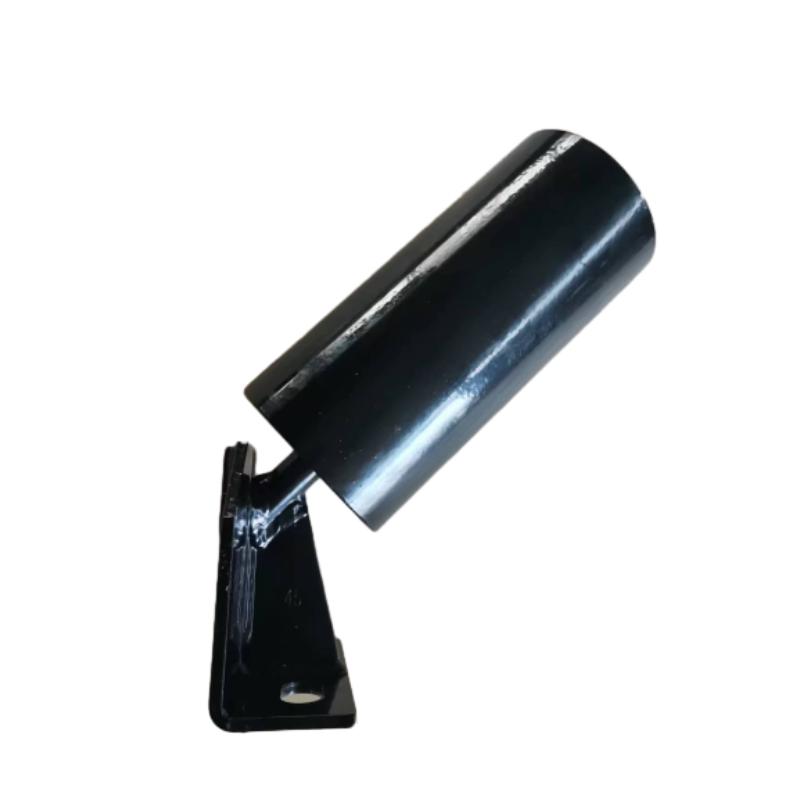
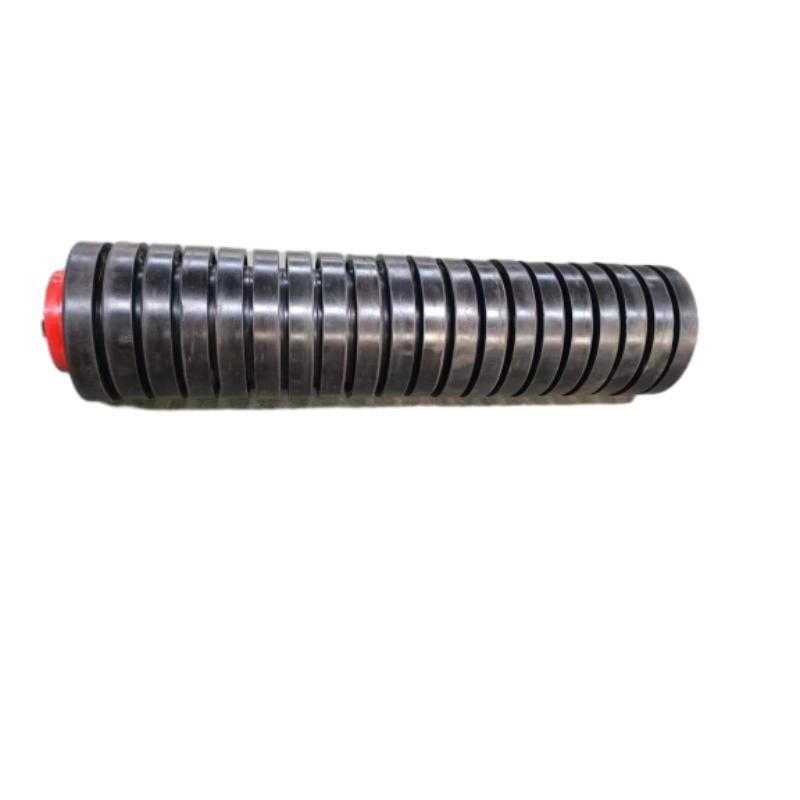
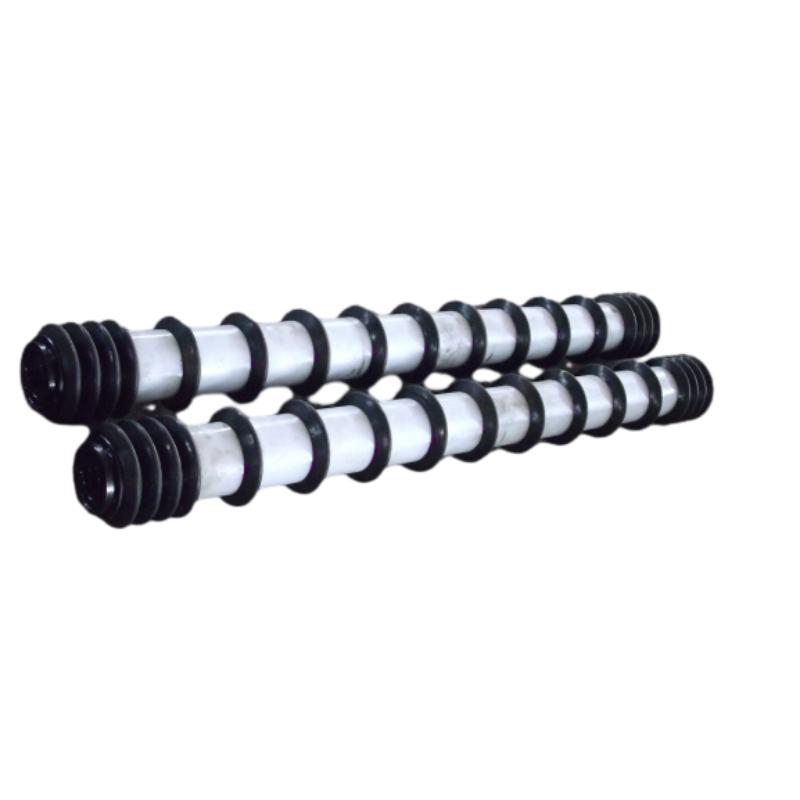
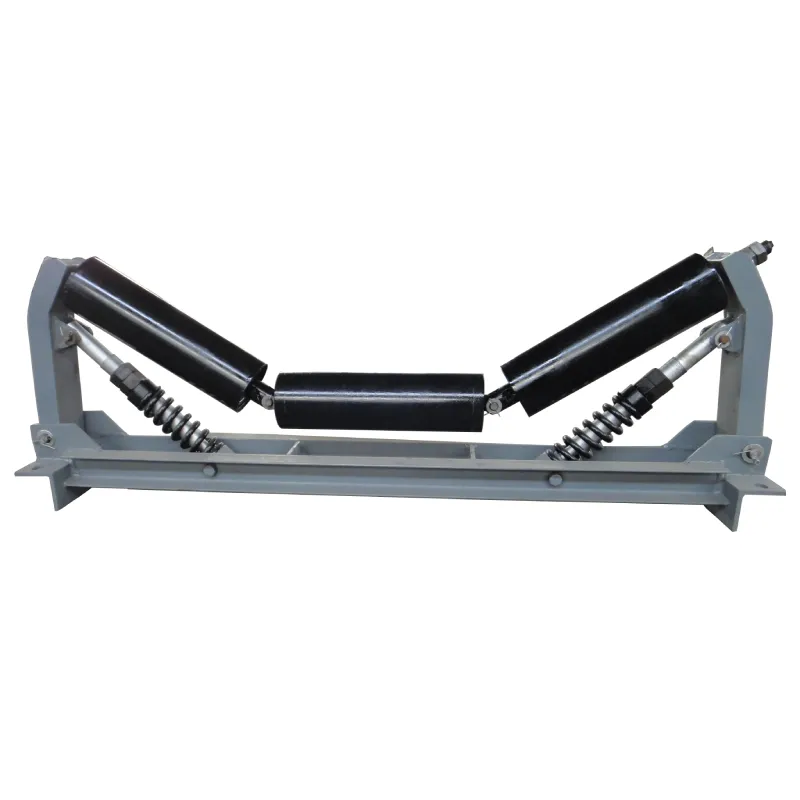
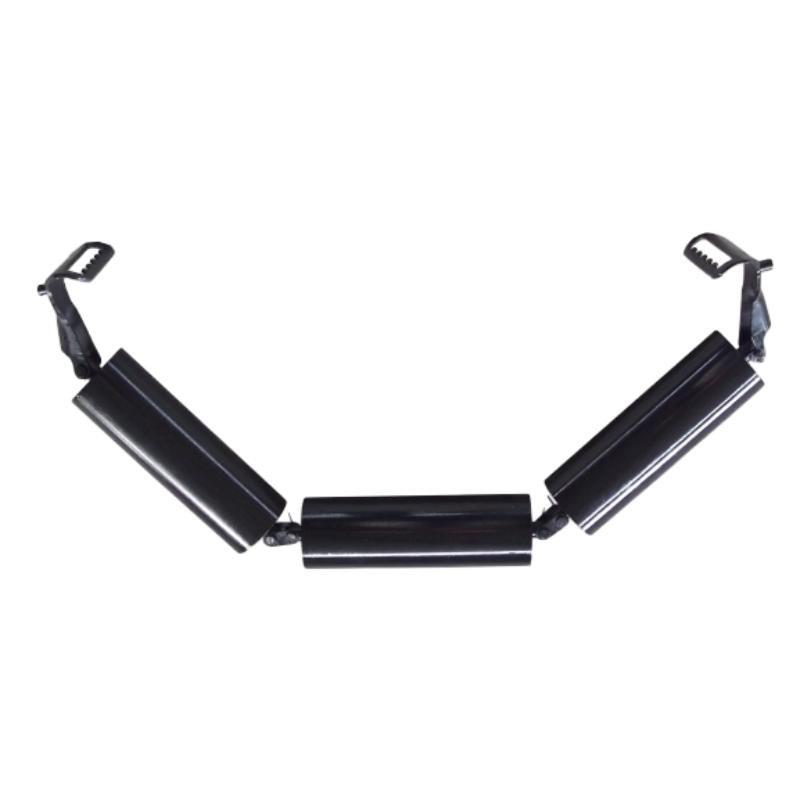
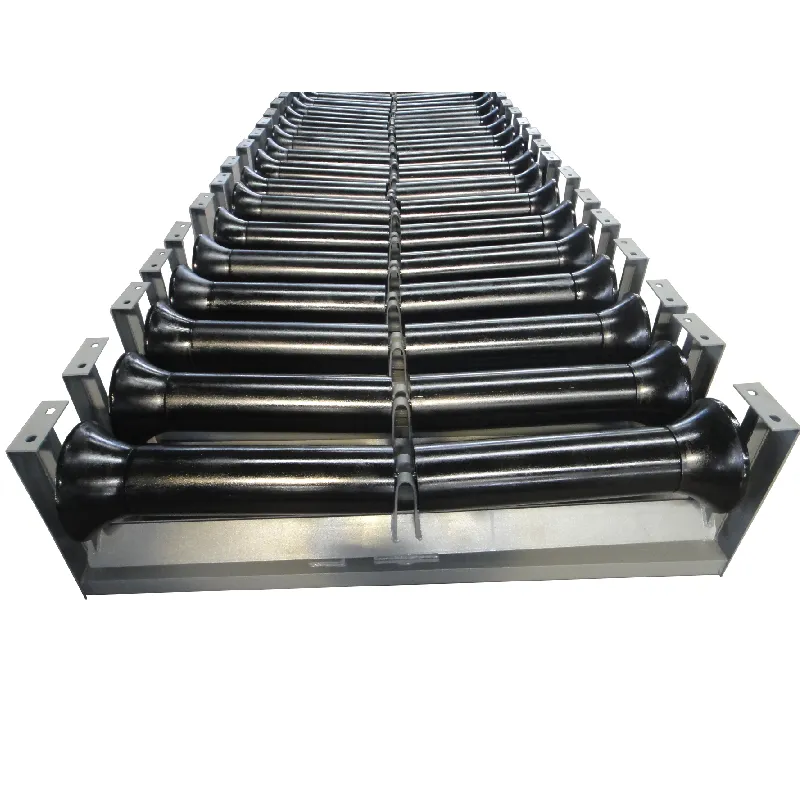
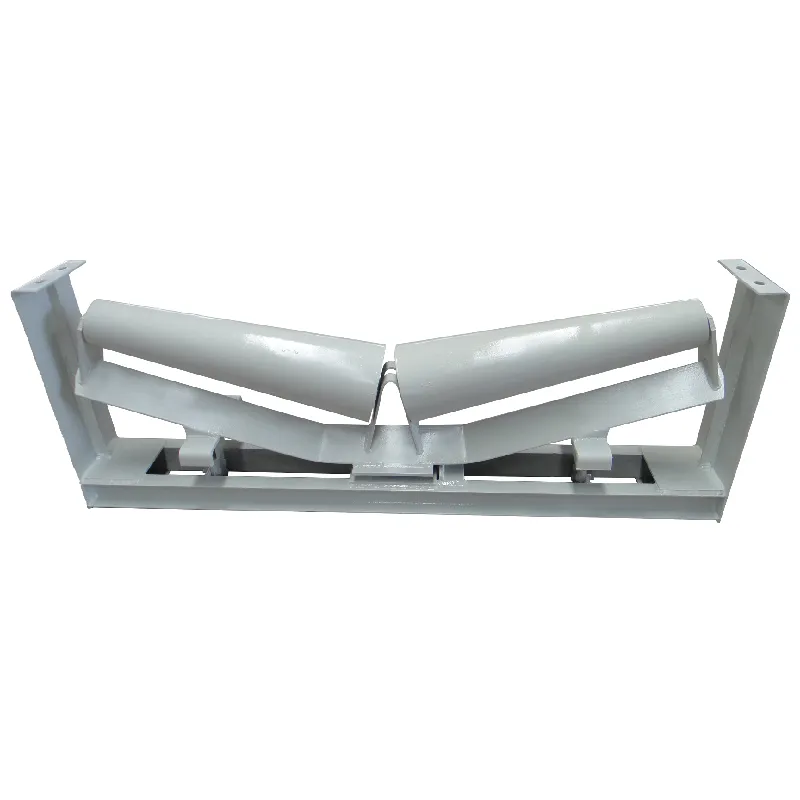
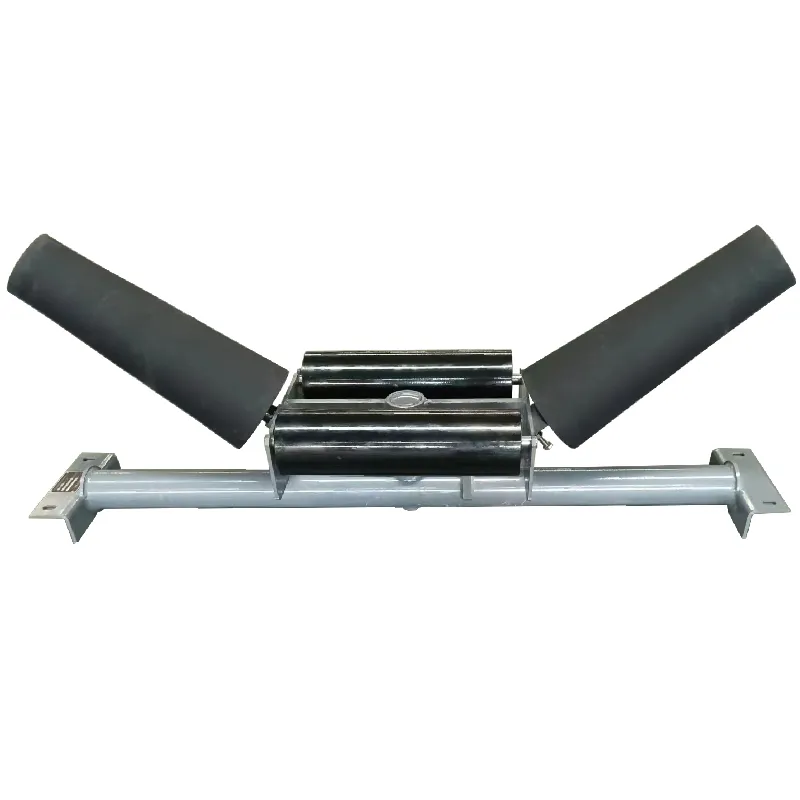
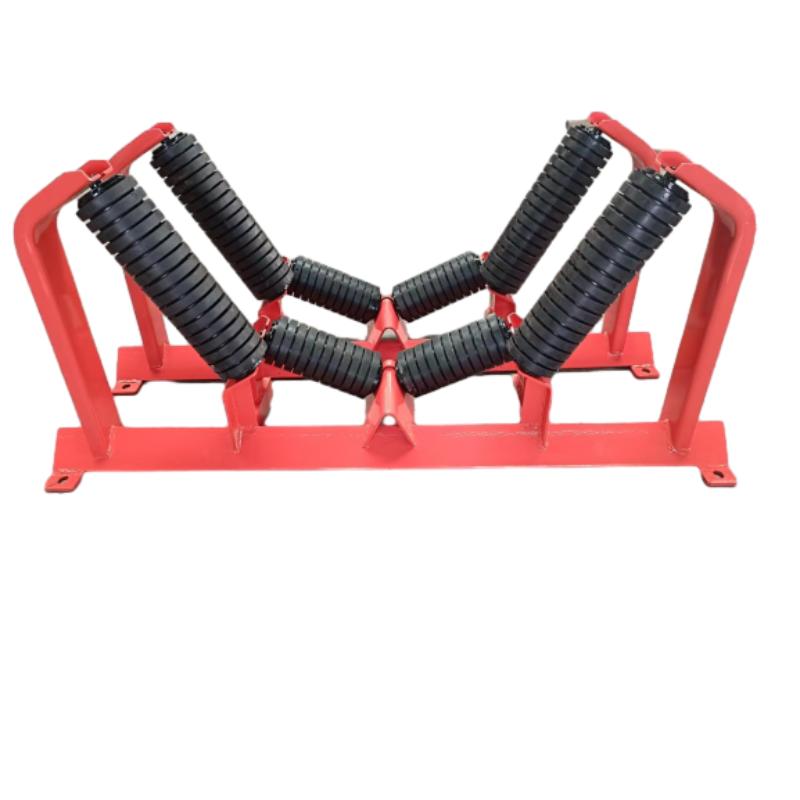
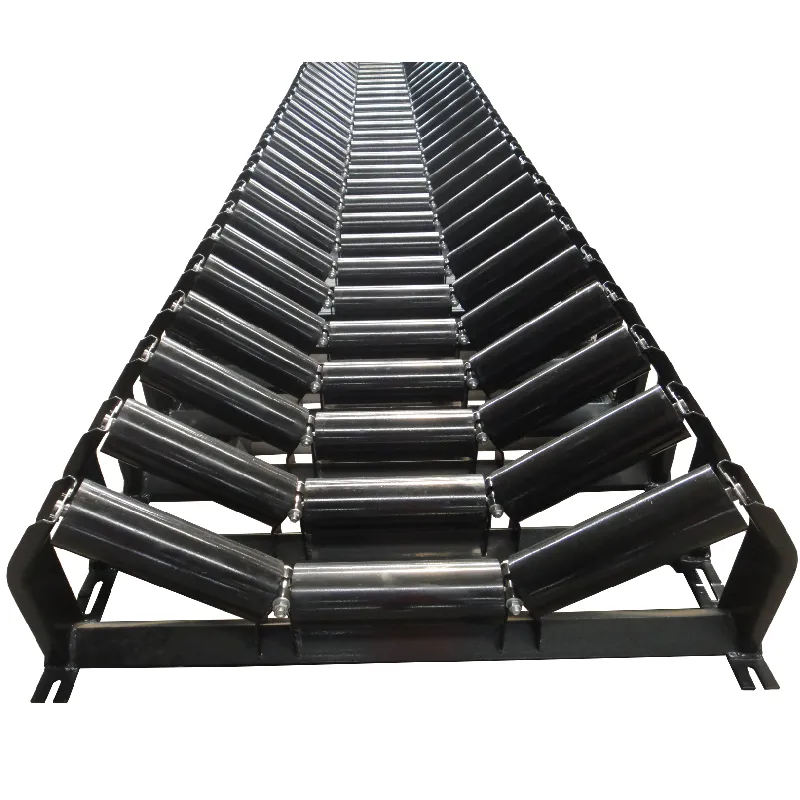
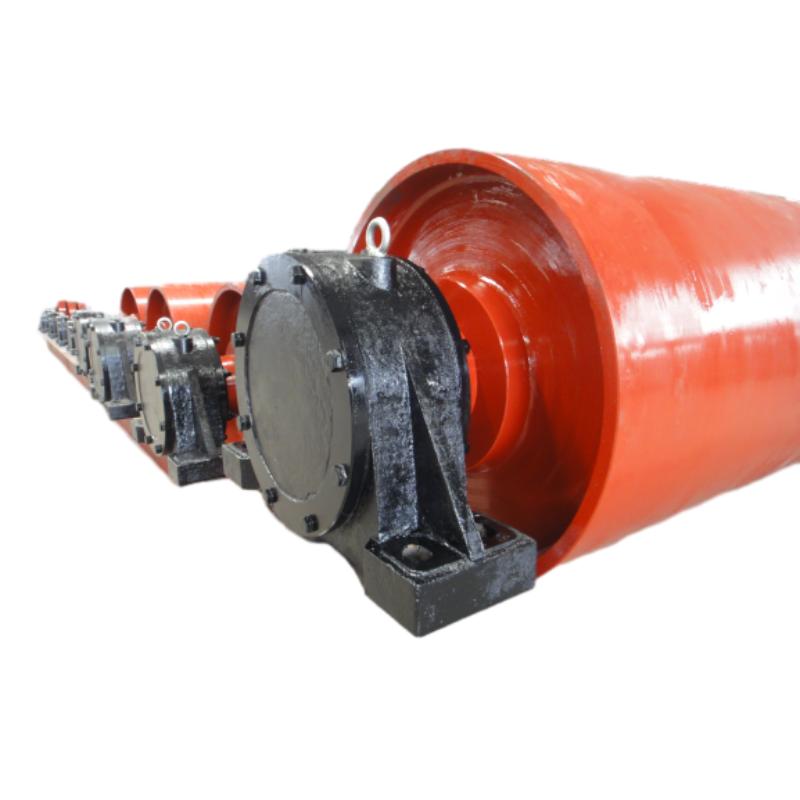
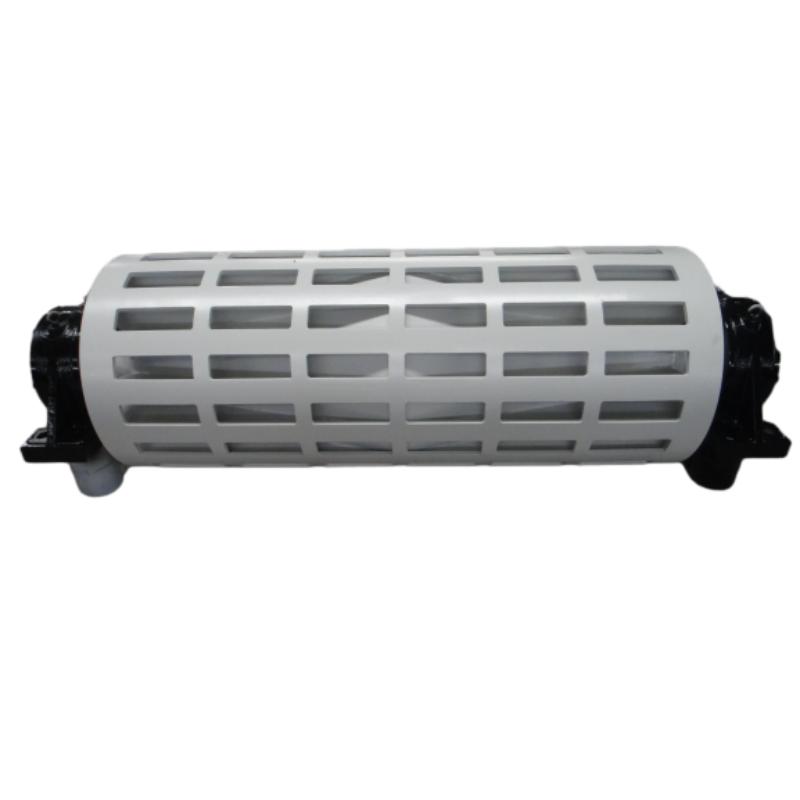
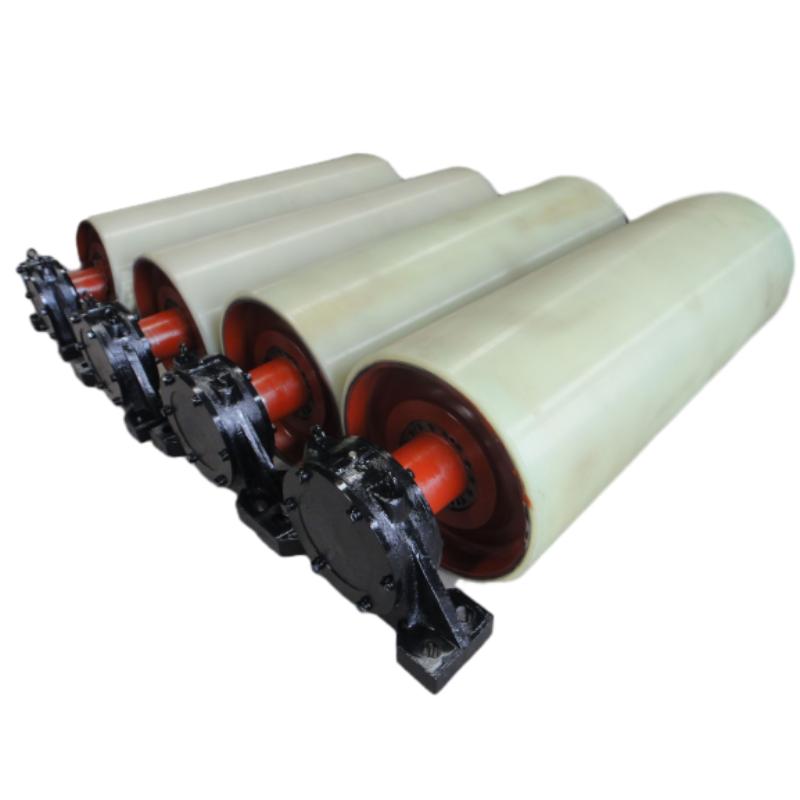
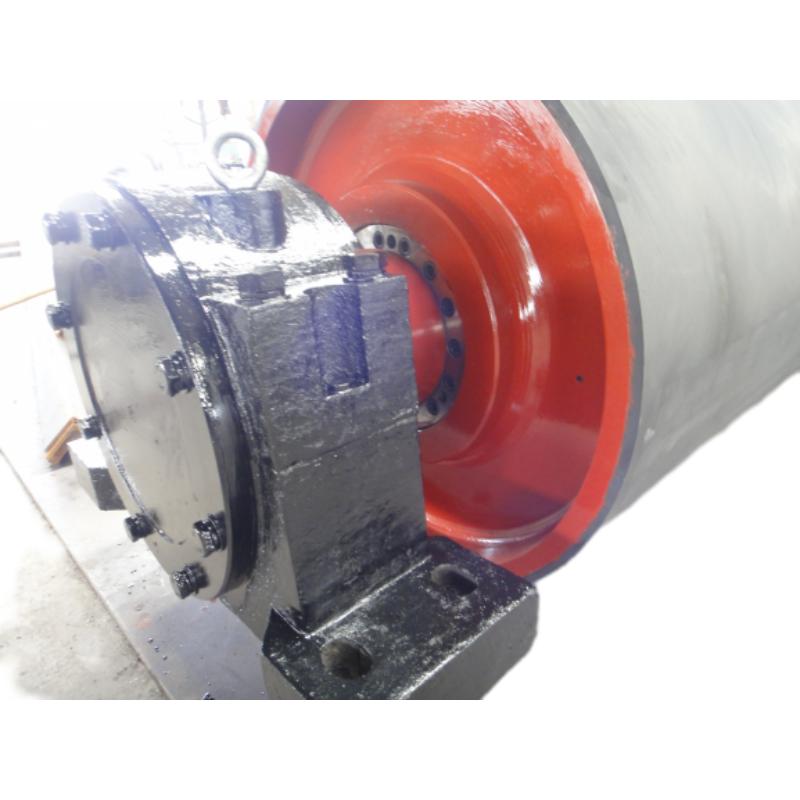
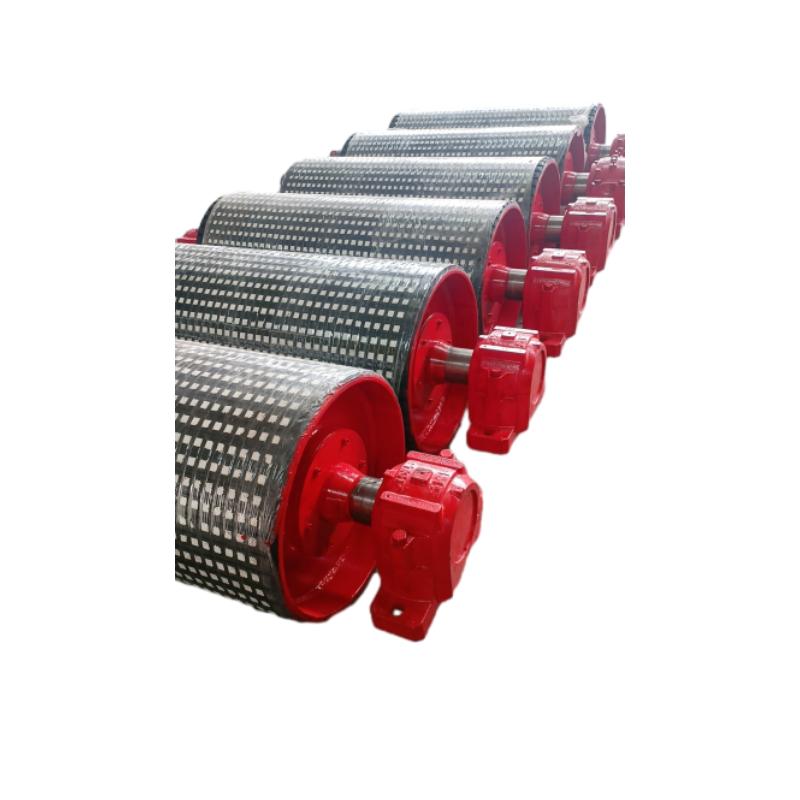
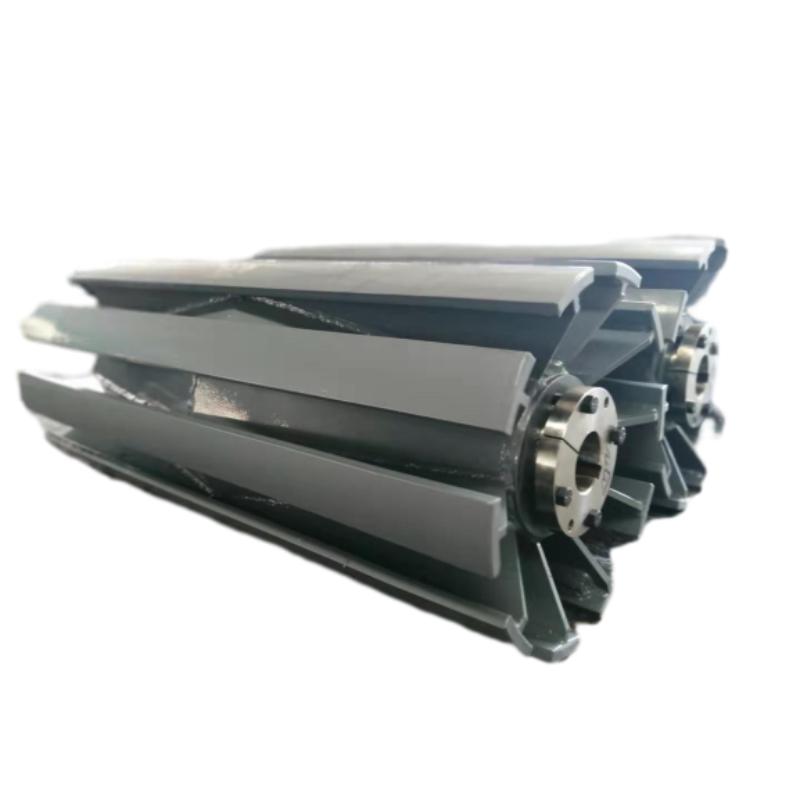
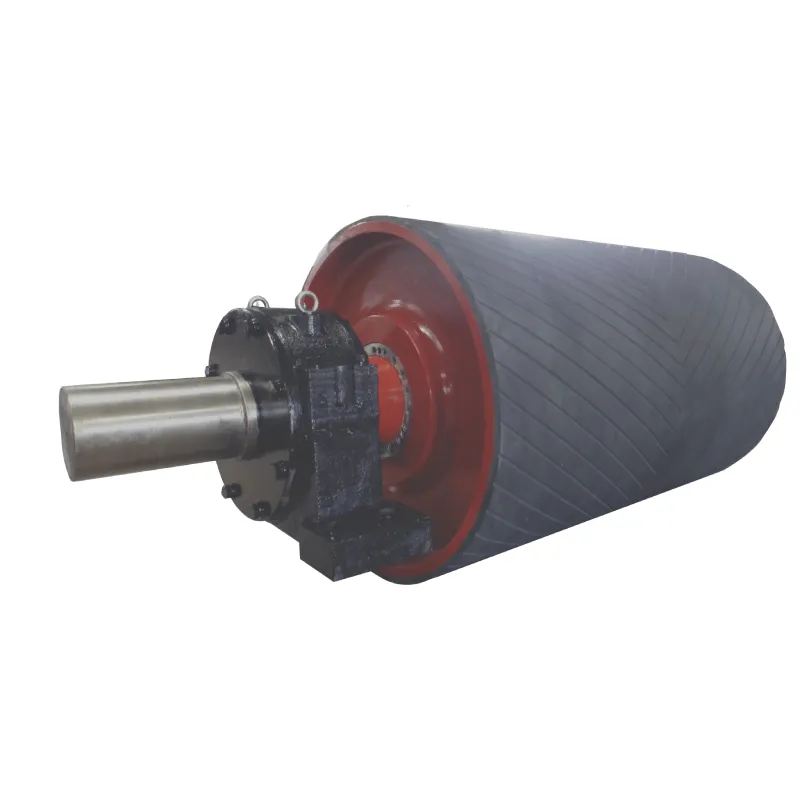
Simply put, a conveyor head roller is a cylindrical component mounted at the end (head) of a conveyor frame. Its job? To support the moving conveyor belt and help guide material off the belt efficiently.
This roller often works alongside others—like the tail roller and snub roller—to maintain consistent belt tension and direction. In modern industries, its reliability is essential to continuous operations — whether that’s funneling grain at a silo or sorting packages in a vast logistics center.
Key Factors to Consider About Conveyor Head Rollers
Durability and Material Selection
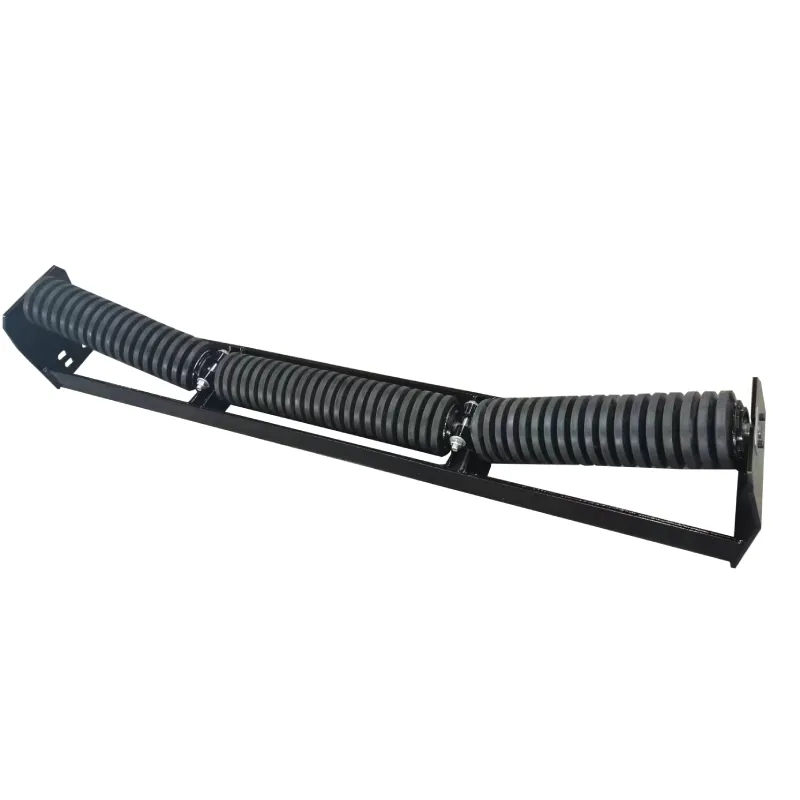
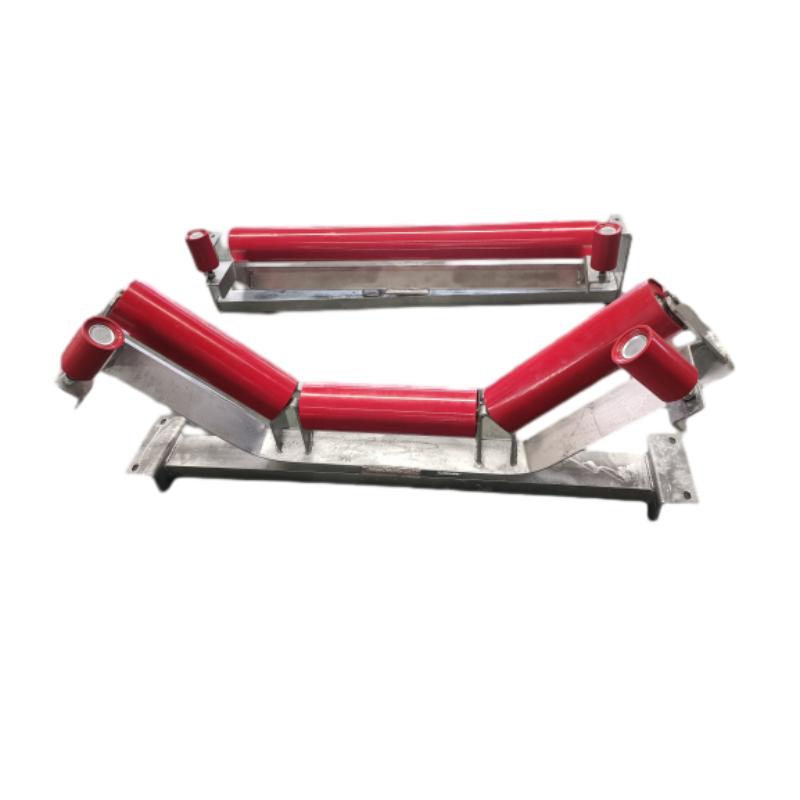
Conveyor head rollers endure constant stress and friction. Most are crafted from steel or stainless steel, sometimes coated with rubber to reduce vibration and wear. Their materials must resist corrosion — especially in moist or chemical-heavy environments.
Load Capacity
These rollers shoulder the weight of materials on the belt, so their load capacity dictates how heavy or large the transported goods can be. Getting this wrong can mean premature failure or safety risks.
Precision and Alignment
Conveyor head rollers must be precisely machined. Even slight misalignment can cause the belt to run off track, potentially halting production.
Maintenance Needs
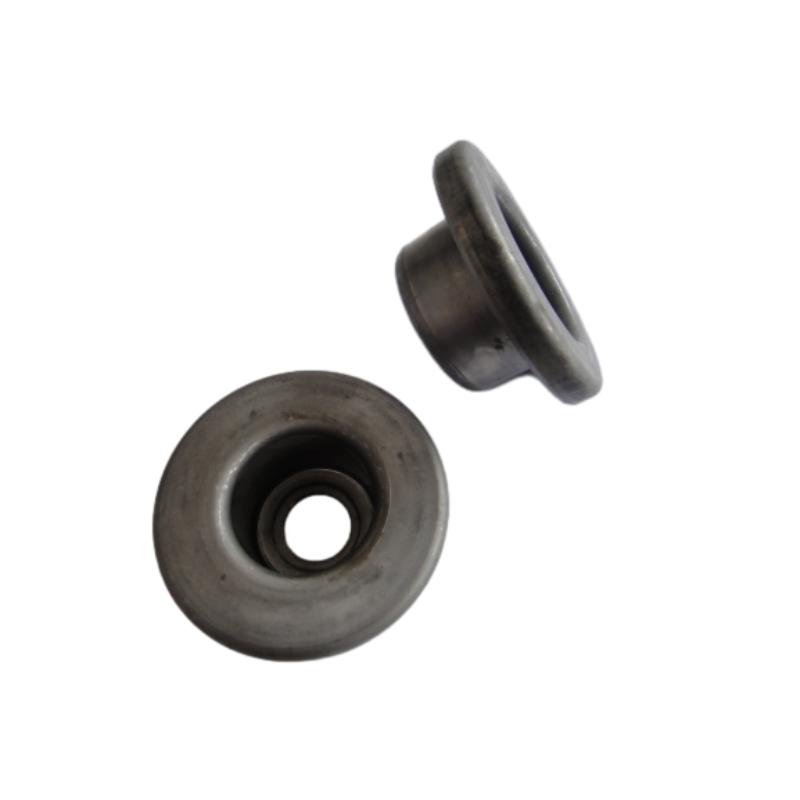
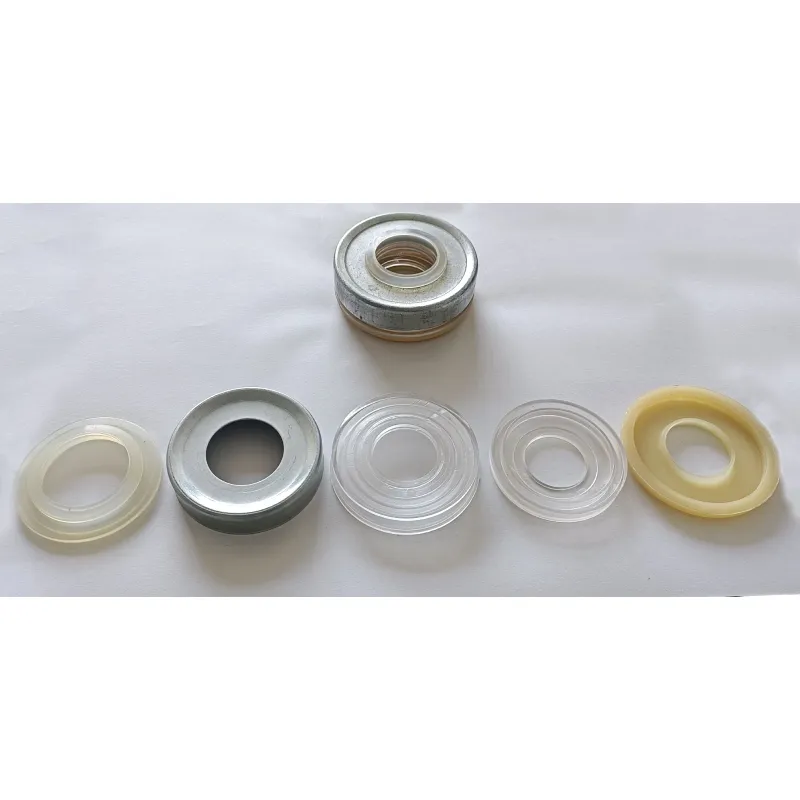
Easy-to-maintain rollers reduce downtime and operational costs. Bearings sealed for life or greased bearings help extend service cycles.
Conveyor Head Roller Product Specifications
| Specification | Typical Values | Remarks |
|---|---|---|
| Diameter | 89 mm to 219 mm | Depends on conveyor size and load |
| Length | 200 mm to 1200 mm | Customized to belt width |
| Material | Carbon steel, stainless steel, rubber-coated | Corrosion resistance varies |
| Bearing Type | Sealed ball bearings or roller bearings | Maintenance free options available |
| Load Capacity | Up to 3000 kg per roller | Depends on roller and bearing specs |
Comparing Top Conveyor Head Roller Vendors
| Vendor | Material Options | Customization | Lead Time | Warranty |
|---|---|---|---|---|
| RollerPro Inc. | Stainless steel, rubber-coated | High | 3-4 weeks | 2 years |
| ConveyTech Solutions | Carbon steel, galvanized | Medium | 2 weeks | 1 year |
| IdlerAohua | Custom alloys, rubberized | Very High (custom widths, coatings) | 4-5 weeks | 3 years |
Global Applications & Use Cases
Conveyor head rollers quietly keep things moving in factories, ports, and warehouses worldwide. In mining regions across Australia and South Africa, heavy-duty rollers allow conveyors to transport tons of ore reliably. Over in food processing plants in Europe, sanitary rollers with stainless steel resist corrosion and allow easy cleaning.
Oddly enough, these rollers even feature in emergency response logistics. When disaster strikes, speedy deployment of food and medical supplies requires durable conveyor belts — and, of course, reliable rollers. NGOs and governments benefit massively from robust conveyor systems that don’t fail under pressure.
Conveyor head roller technology is also evolving in automated warehouses—think Amazon fulfillment centers—where precision and quiet operation are paramount.
Advantages & Long-Term Value
- Cost Efficiency: High-quality rollers extend belt life and reduce maintenance costs.
- Sustainability: Durable materials mean fewer replacements and less waste.
- Safety: Properly aligned rollers prevent hazardous belt misruns and spillage.
- Reliability: Trustworthy rollers minimize downtime, keeping supply chains fluid.
- Innovation: New composite materials improve corrosion resistance and performance.
Future Trends & Innovations in Conveyor Head Rollers
In the coming years, expect conveyor head rollers integrated with sensors and IoT. These smart rollers will alert maintenance teams before failures occur. There's also green manufacturing pushing for rollers made from recycled or bio-based materials.
Digital transformation means rollers optimized through simulation software can be tailored for precise load conditions, saving energy and extending lifespan. Oddly enough, some manufacturers are exploring self-lubricating roller designs to make maintenance virtually hands-off.
Challenges & Solutions
Despite their simplicity, conveyor head rollers face issues like wear from abrasive materials, bearing failure due to dust ingress, and misalignment from poor installation. Solutions such as sealed bearings, rubber or urethane coatings, and modular designs that allow quick swaps are increasingly popular.
From my experience, partnering with vendors who offer thorough installation training and after-sales support often makes all the difference. Maintenance can sometimes feel like a chore, but good design and supplier relationships ease these headaches.
FAQ: Frequently Asked Questions About Conveyor Head Rollers
- Q: How do I choose the right conveyor head roller for heavy materials?
A: Focus on rollers with higher load capacities, robust materials like steel alloys, and sealed bearings for dust protection. Consulting with supplier specs is critical to match roller size and bearing type to your material weight and conveyor speed. - Q: What maintenance does a conveyor head roller require?
A: Regular inspection for wear, cleaning to remove debris, and lubrication if bearings are not sealed. Many modern rollers have maintenance-free sealed bearings, reducing upkeep drastically. - Q: Can conveyor head rollers be customized?
A: Absolutely. Vendors often customize diameters, lengths, coatings, and even bearing types to suit specific operations. This ensures compatibility with existing conveyor belts and environmental conditions. - Q: Are conveyor head rollers reusable or recyclable?
A: Many rollers, especially those made of steel, can be refurbished or recycled. Rubber coatings might be less recyclable, but increasing focus on sustainability encourages manufacturers to offer eco-friendly options.
Conclusion: The Silent Workhorse Worth Your Attention
The conveyor head roller might not get the spotlight, but its role is undeniable — a small cog that drives immense industrial and humanitarian wheels forward. With proper selection, maintenance, and perhaps a dash of future tech, these rollers ensure efficiency, safety, and sustainability.
For those looking to upgrade or learn more, visiting https://www.idleraohua.com is a great place to start. After all, every successful conveyor line begins with a reliable roller.
Takeaway: Sometimes, it’s the simplest parts — like conveyor head rollers — that keep global industries and aid efforts moving seamlessly.
References
-
Maximize Conveyor Life with a High Performance impact bedNewsApr.16,2026
-
Maximize Conveyor Efficiency Using a v plow belt scraperNewsApr.09,2026
-
Comprehensive Guide to Understanding Different Types of Belt CleanersNewsApr.07,2026
-
Enhancing Conveyor Efficiency with an Effective Scraper Belt CleanerNewsApr.04,2026
-
Optimizing Conveyor Systems with Advanced Cleaning Equipment SolutionsNewsMar.31,2026
-
Effective Conveyor Belt Scraper Adjustment for Optimal System PerformanceNewsMar.28,2026