

Comprehensive Guide to Carrying Rollers: Insights, Specs & Vendor Comparison
Understanding Carrying Rollers: Unsung Heroes of Material Handling
In the vast realm of manufacturing, logistics, and construction, some components quietly but critically enable our modern supply chains—the carrying roller is one such element. Whether you know it by name or not, this component plays a pivotal role in moving goods smoothly and efficiently across distances, impacting industries on a global scale.
To appreciate why carrying rollers matter worldwide, consider this: the global conveyor systems market recently topped $5 billion, with expected steady growth driven by rising e-commerce demand and industrial automation (Source: ISO, 2023). Behind these systems, carrying rollers help optimize durability and reduce energy consumption, crucial in a resource-conscious economy.
Mini takeaway: Carrying rollers may be small parts but wield massive influence in global supply chain efficiency and sustainability.
The Global Landscape: Why Carrying Rollers Are More Relevant Than Ever
In today's interconnected industrial ecosystem, materials need to be transported reliably and quickly—from raw inputs in mining regions to finished goods in warehouse hubs across continents. Studies reveal industries employing advanced roller-supported conveyors reduce operational wear-and-tear by 15-30% (World Bank Transport Report, 2022), cutting costs and downtime.
However, challenges like uneven loading, harsh environmental conditions, and fluctuating speeds place enormous demand on conveyor rollers. A worn or poorly chosen carrying roller can lead to conveyor failures, costly delays, and safety hazards.
Thus, understanding and selecting appropriate carrying rollers impacts not only productivity but worker safety and environmental footprint worldwide.
What Exactly Is a Carrying Roller?
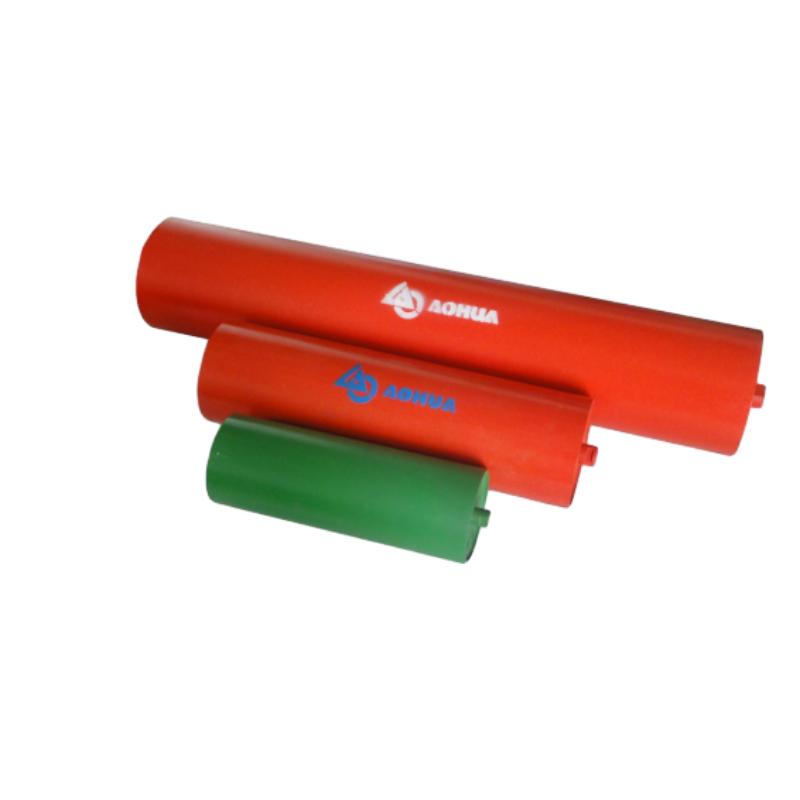
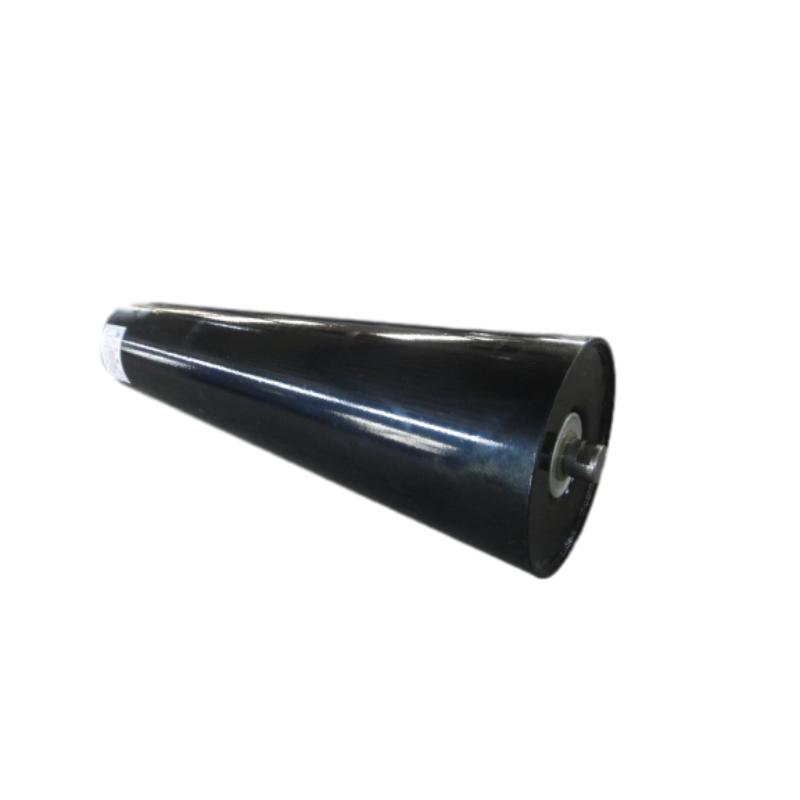
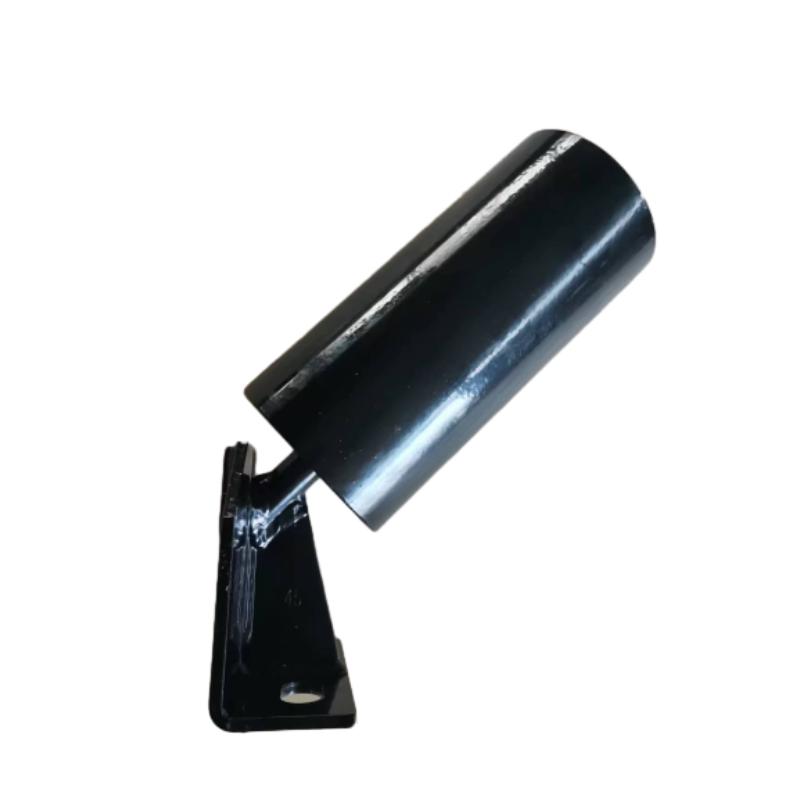
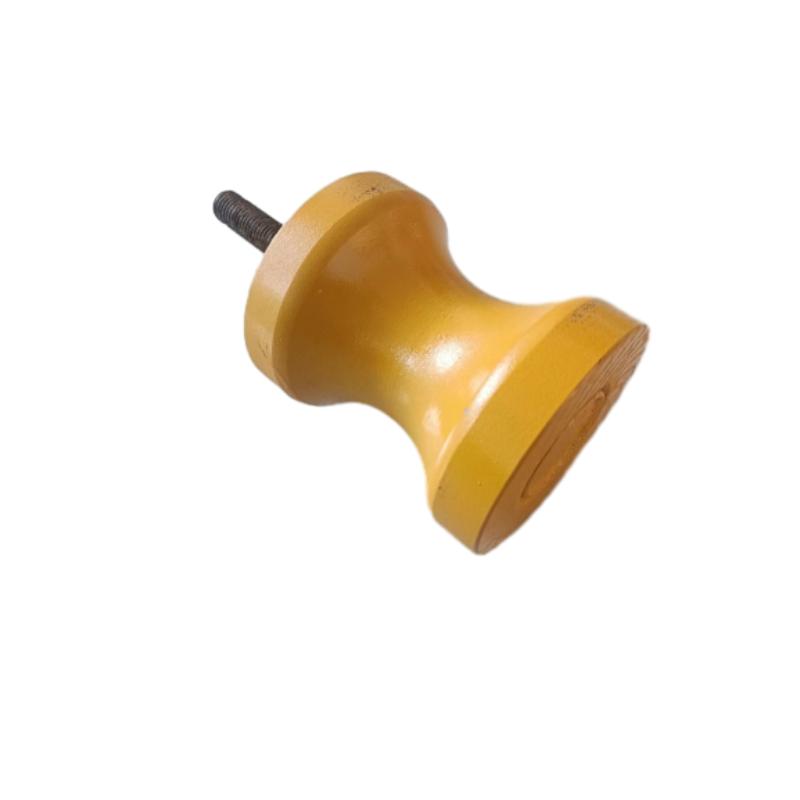
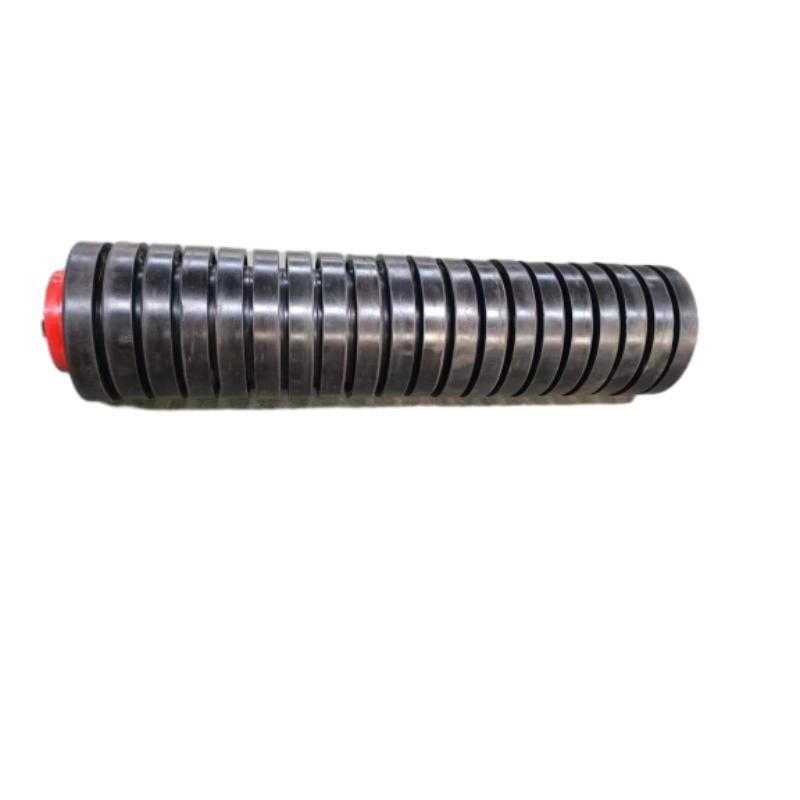
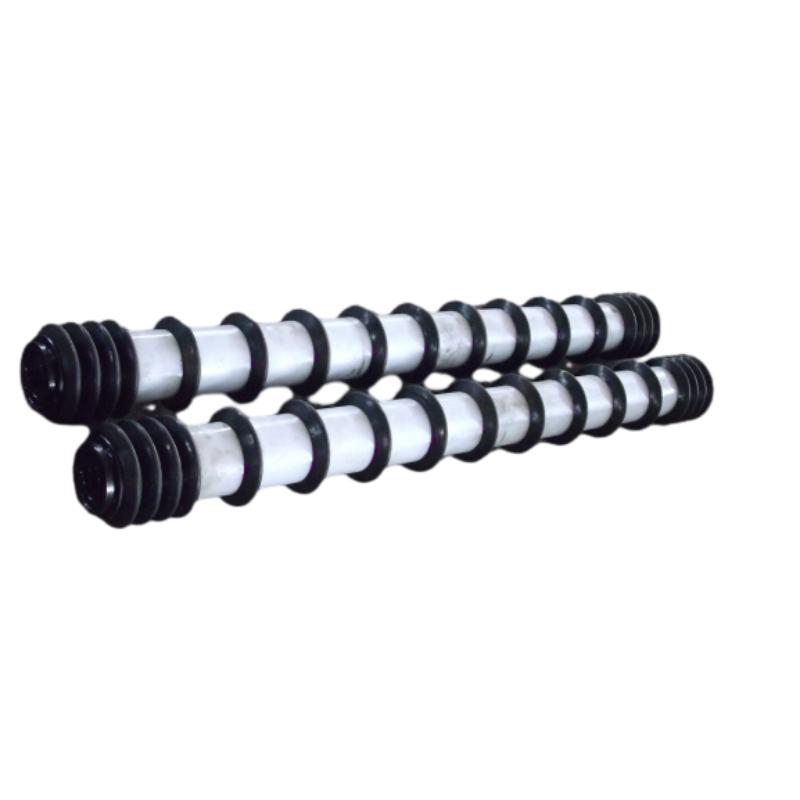
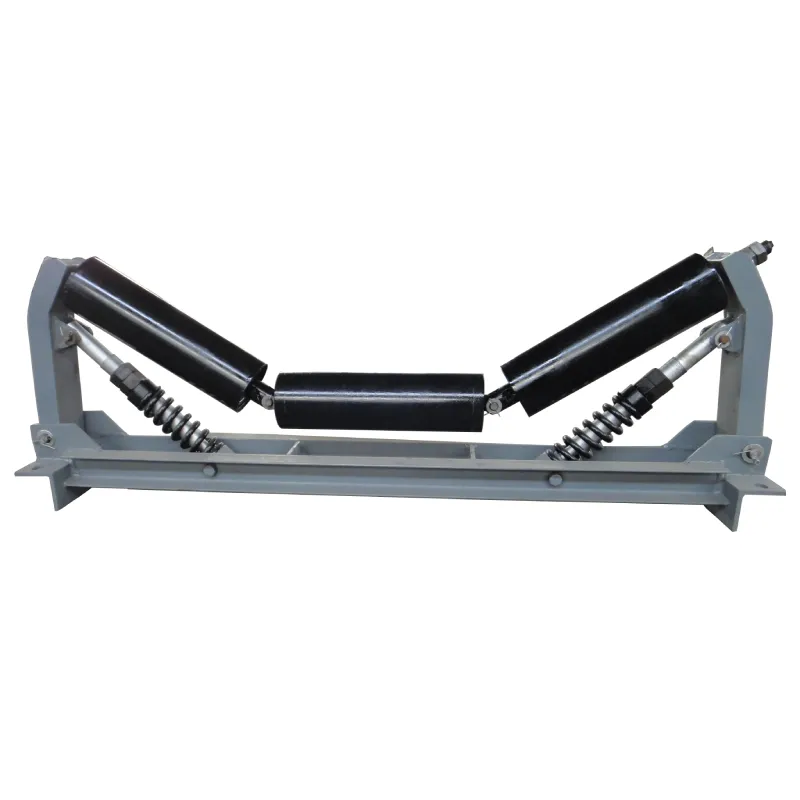
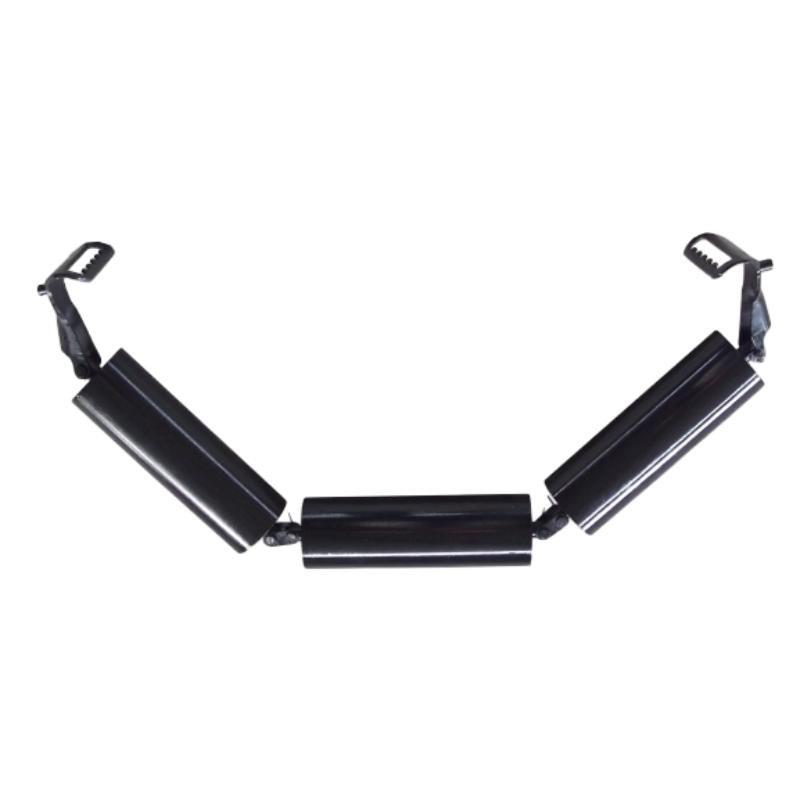
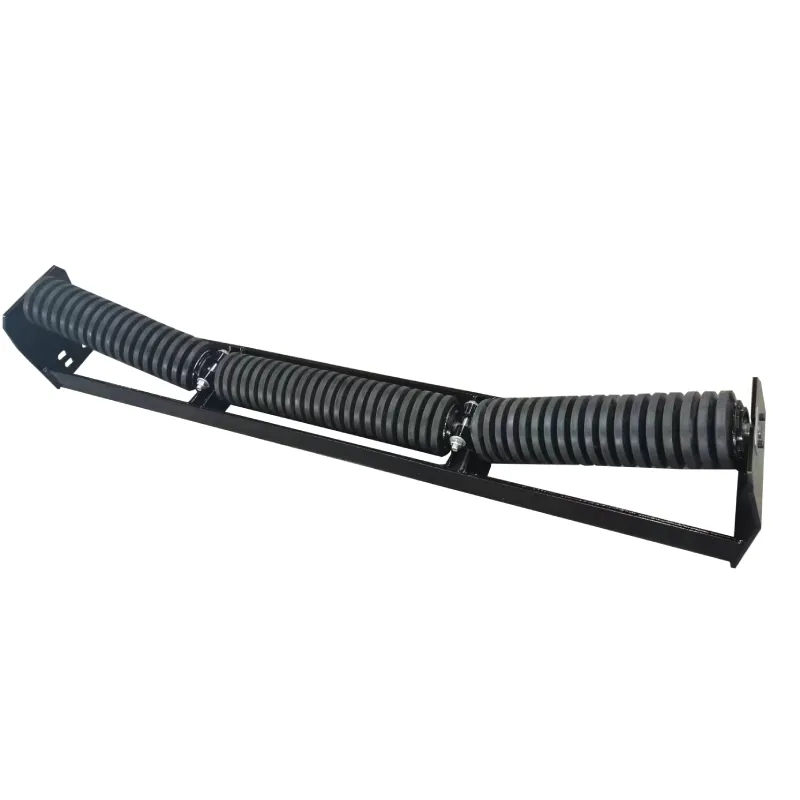
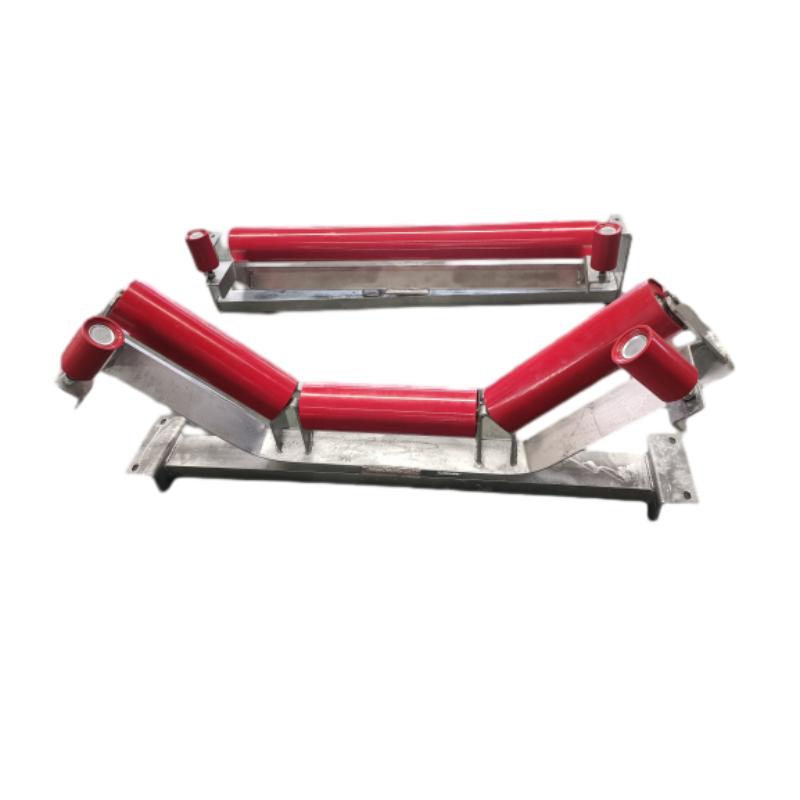
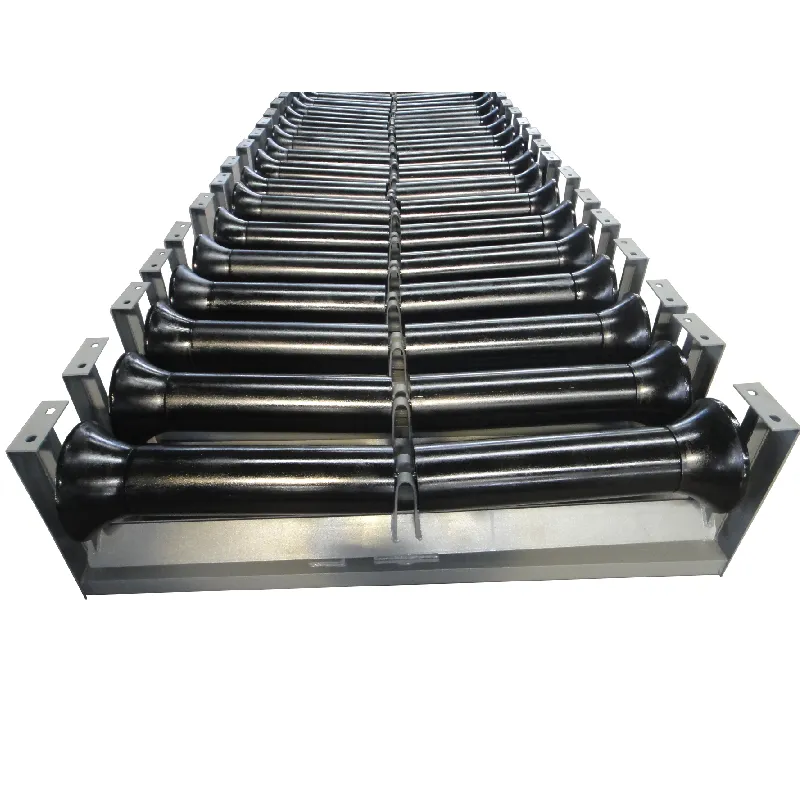
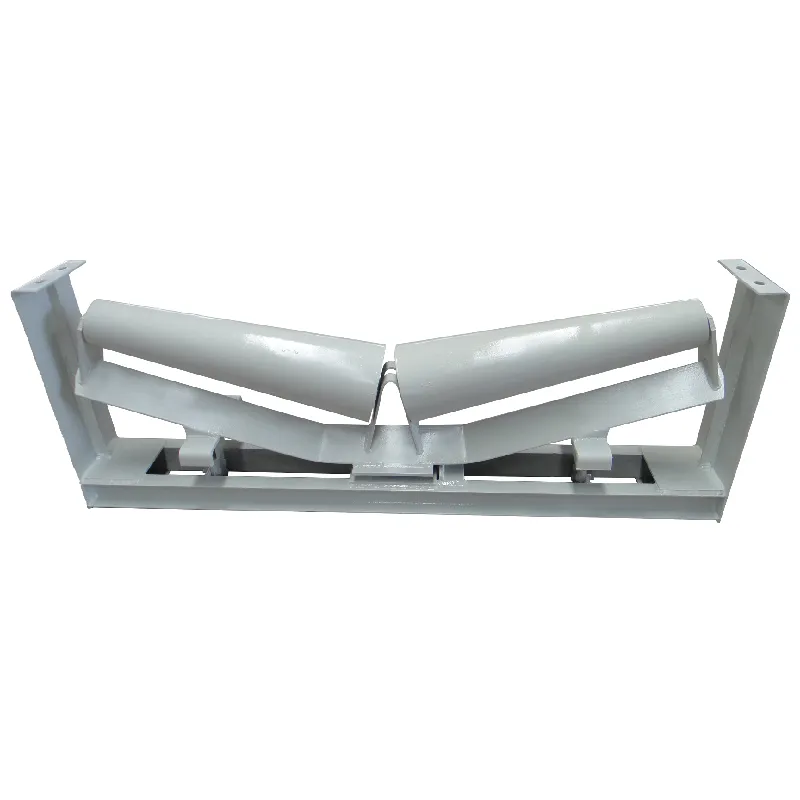
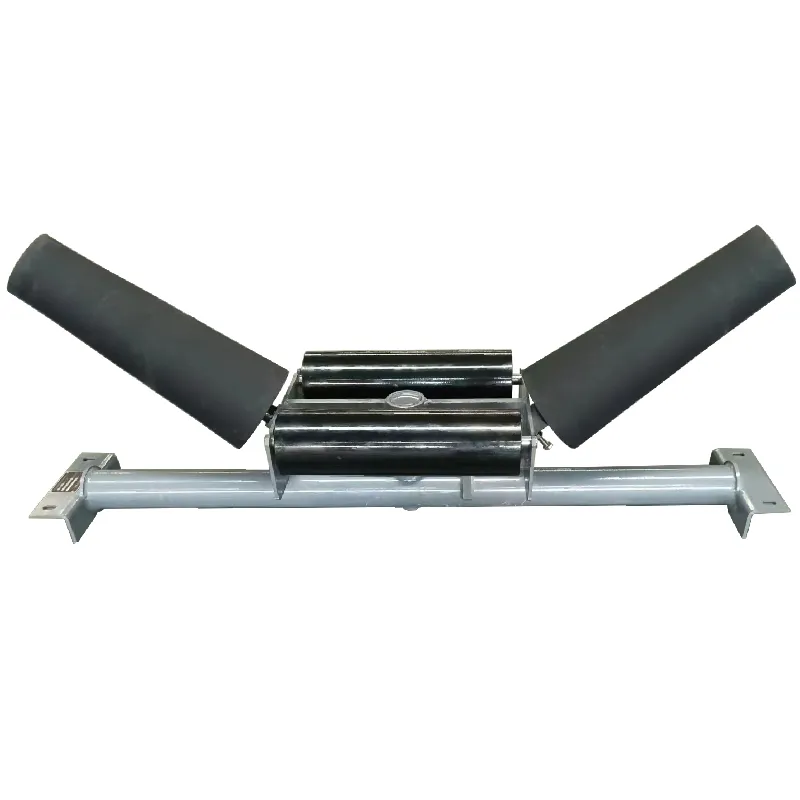
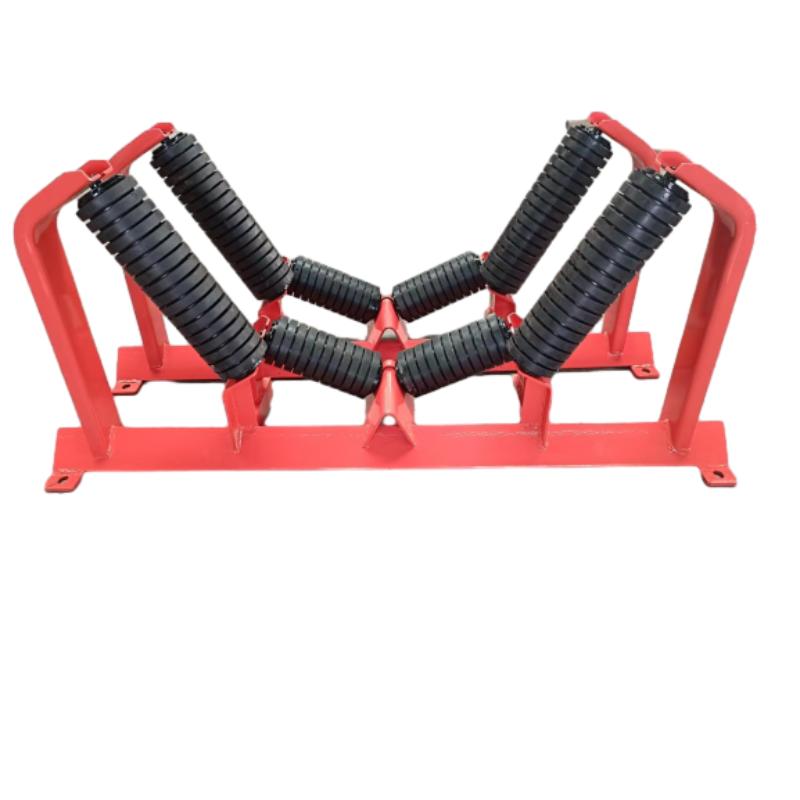
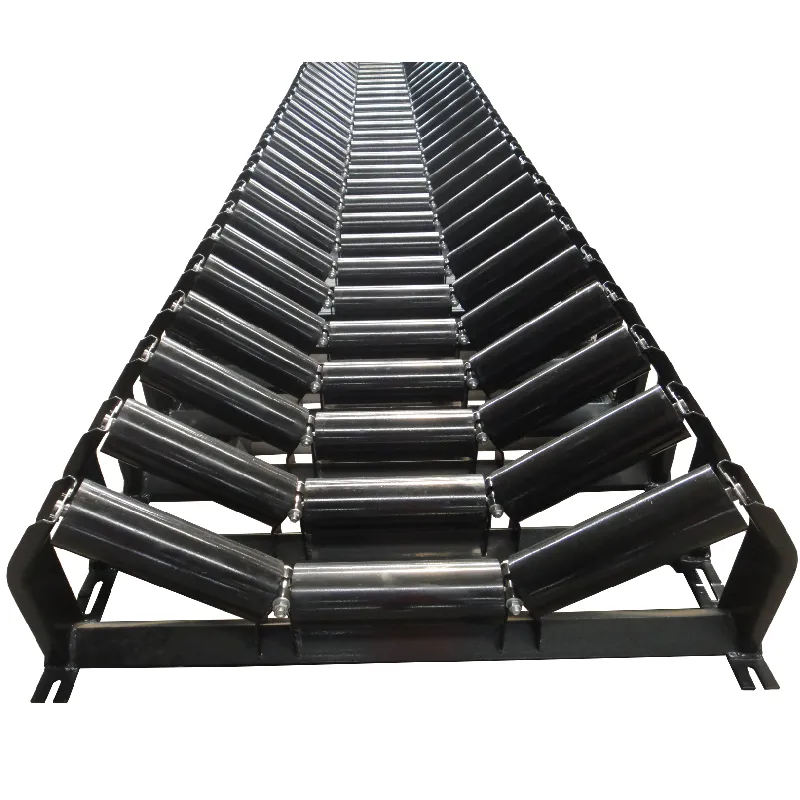
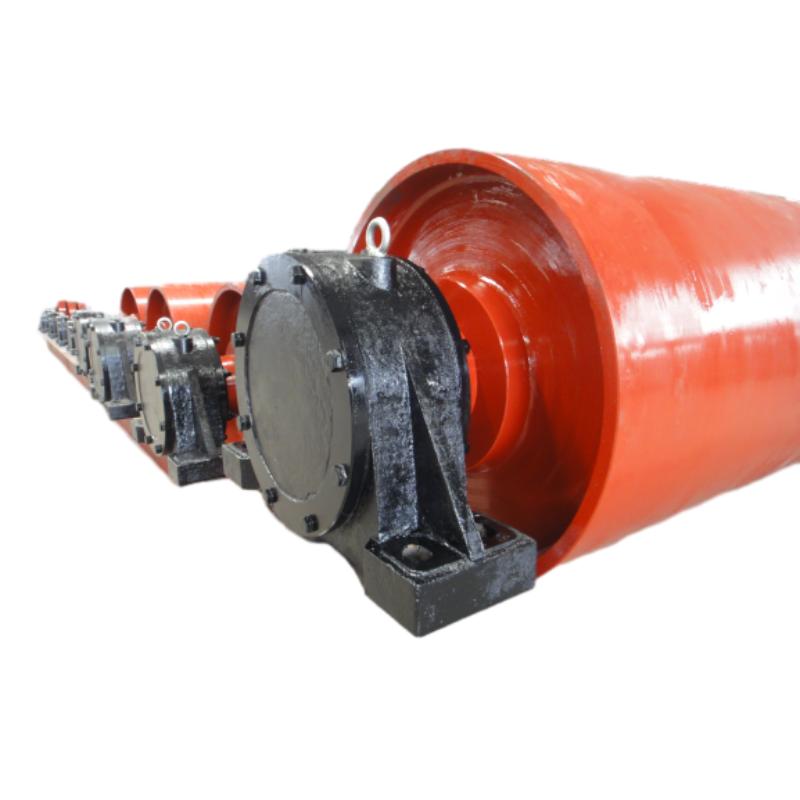
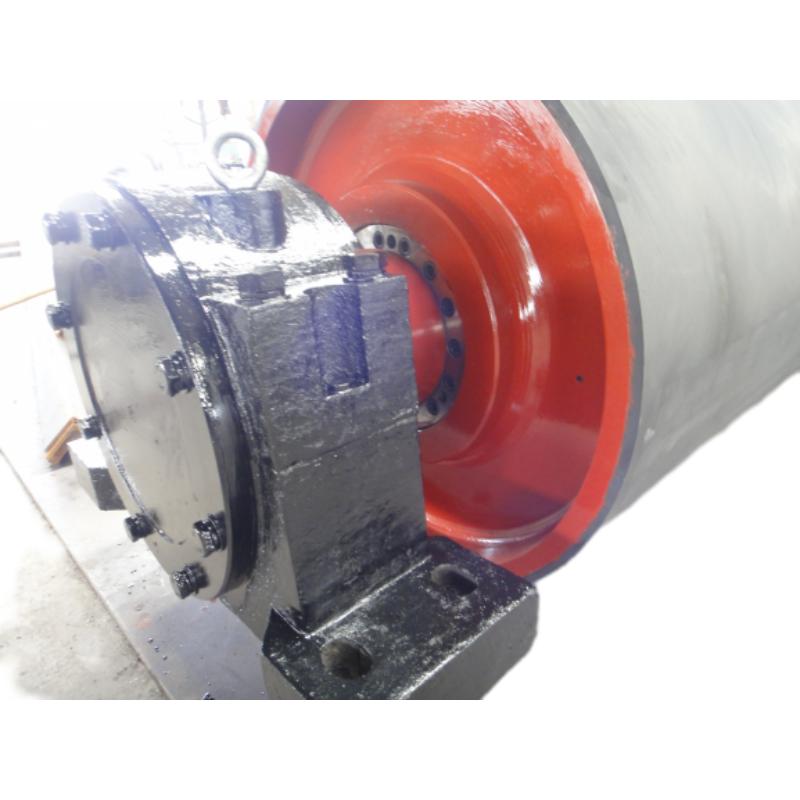
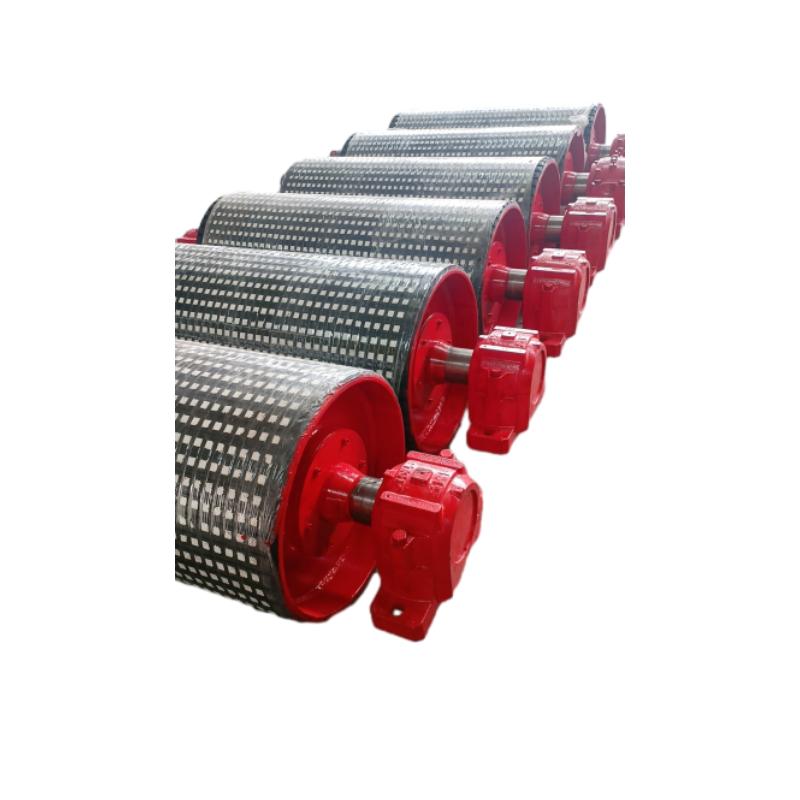
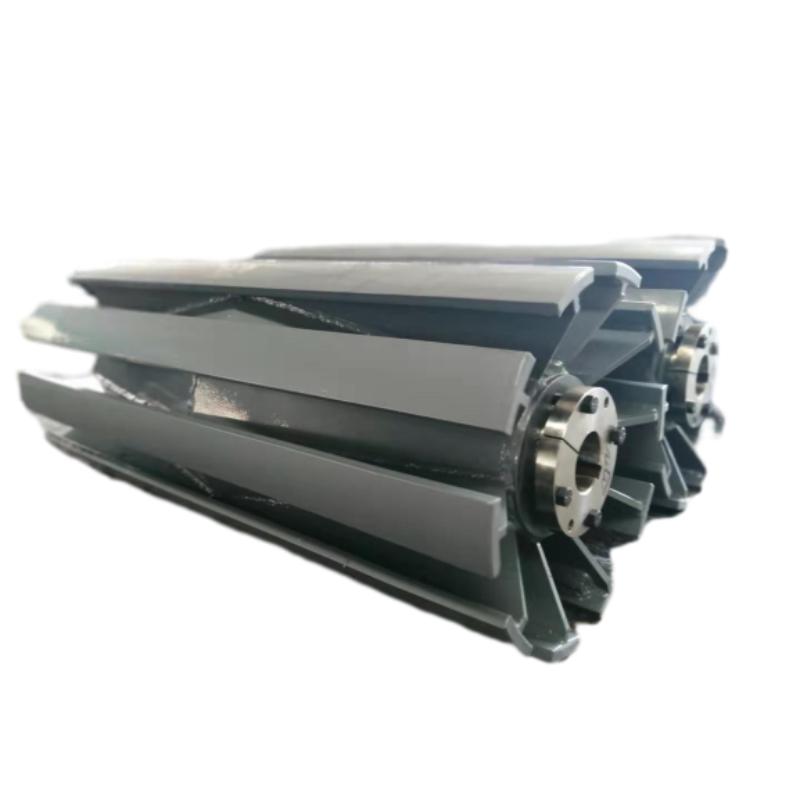
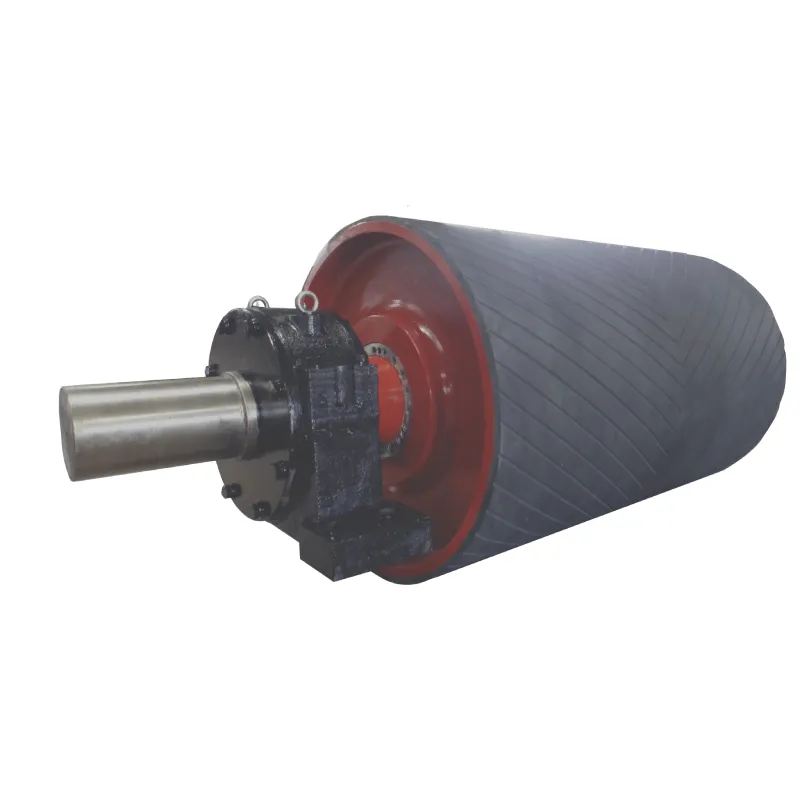
Simply put, a carrying roller is a cylindrical component around which a conveyor belt moves, designed specifically to support the belt and the load it carries. Installed along the conveyor frame in series, these rollers reduce friction and help maintain smooth material flow. Often made from steel, plastic, or rubber-coated materials, carrying rollers must withstand weight, speed, dust, and even humidity.
At its core, the carrying roller is a mechanical enabler of modern industry — think of it as the quiet workhorse underpinning everything from mining conveyors to airport luggage systems and even humanitarian aid logistics chains.
Key Features of Carrying Rollers
Durability and Material Strength
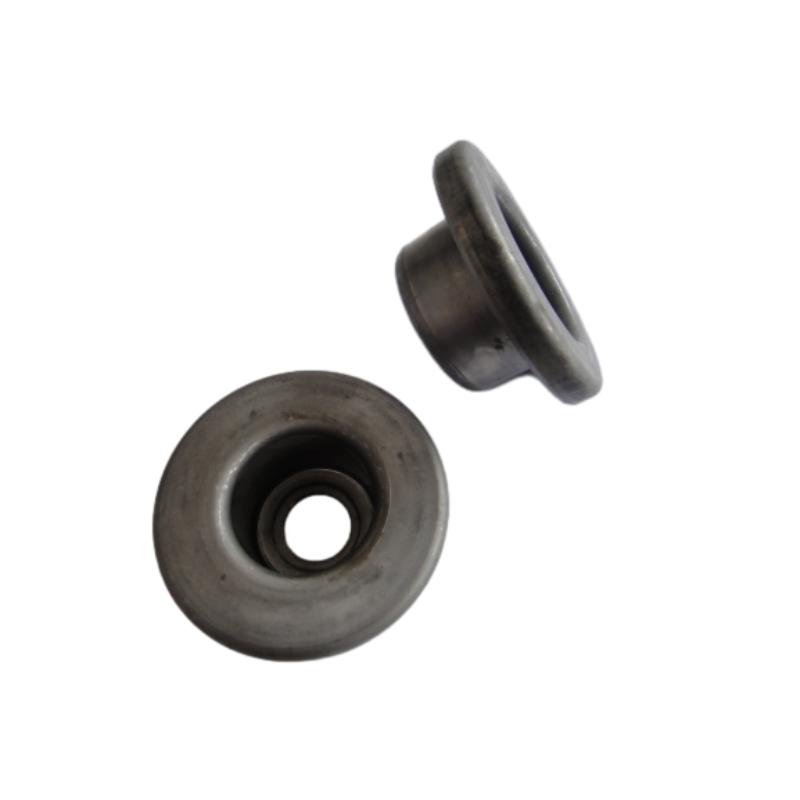
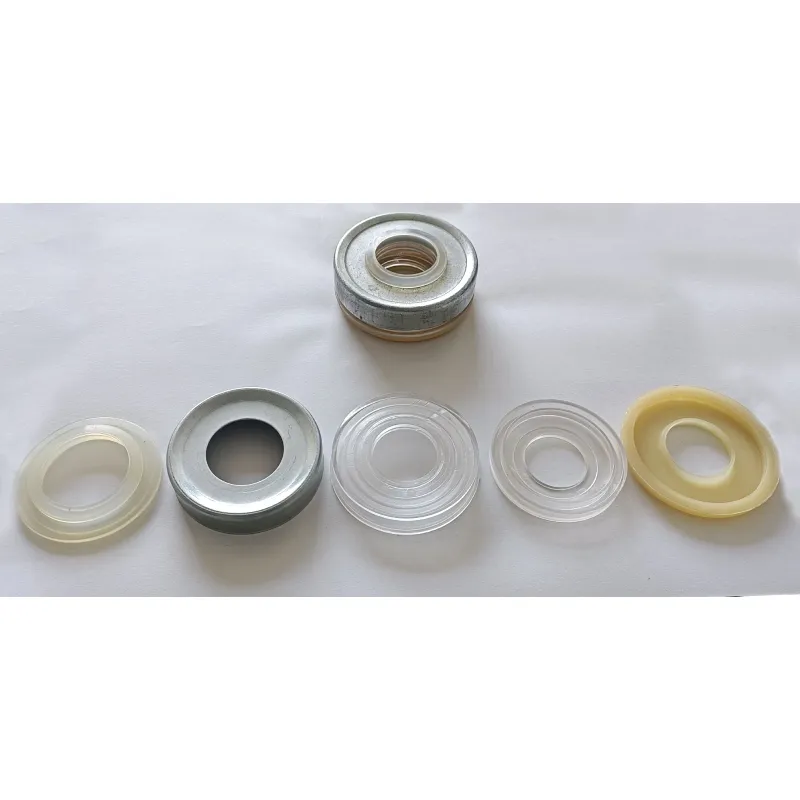
Carrying rollers often face high-impact, abrasive environments. To handle this, manufacturers use high-grade steel or specialized polymers which resist corrosion and deformation. Some rollers have sealed bearings to extend life and reduce maintenance.
Load Capacity
This is critical: carrying rollers must support various weight classes depending on application—from light parcel conveyors to heavy mining belts carrying tons of materials.
Noise and Vibrations
Advanced rollers incorporate acoustic dampening to reduce noise pollution in factories and warehouses—important for worker comfort and compliance with occupational safety norms.
Energy Efficiency
Low-friction roller bearings improve conveyor belt movement, lowering energy consumption—an increasingly important factor given today's energy costs and climate goals.
Customization and Scalability
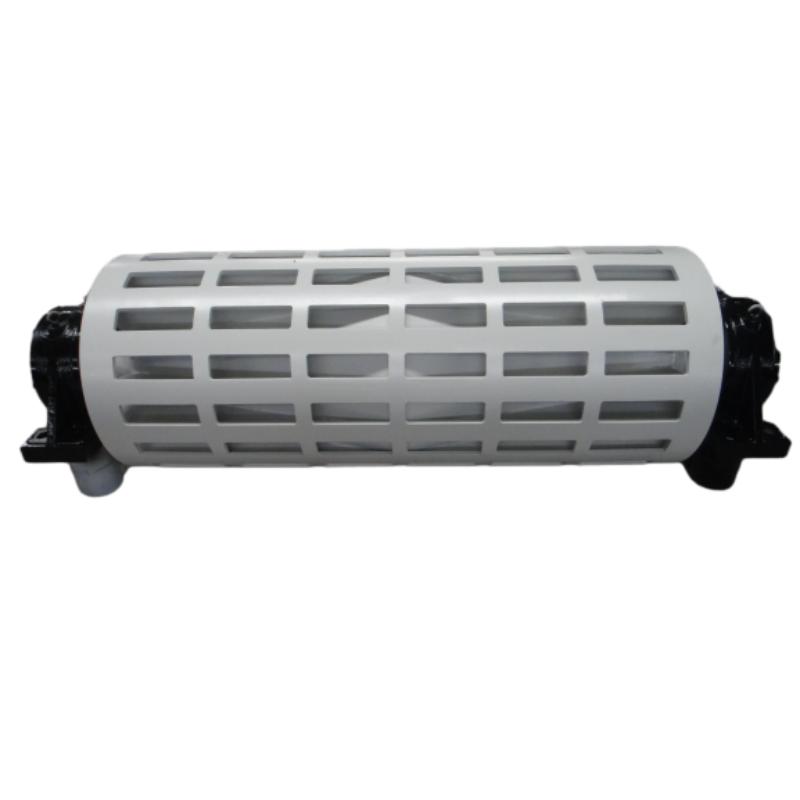
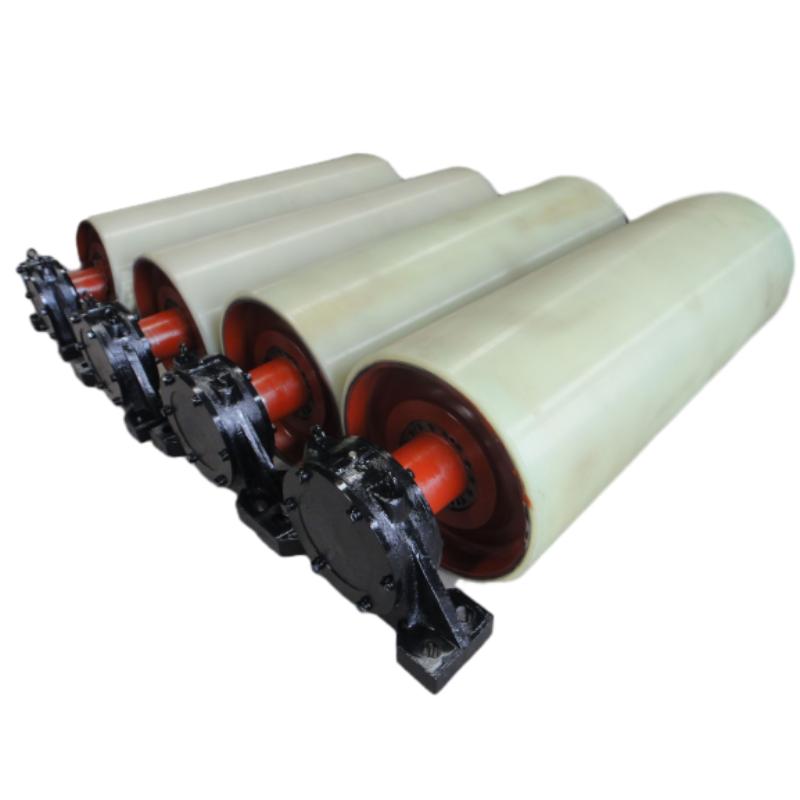
Rollers come in multiple diameters, lengths, and coatings, tailored to specific conveyor tasks, making them scalable for new industrial setups or retrofits.
Mini takeaway: When selecting carrying rollers, look beyond simple specs. Durability, load, noise, and efficiency collectively shape overall system performance.
Global Applications: Where and How Carrying Rollers Make a Difference
Carrying rollers are everywhere — on factory floors in Germany, mineral mines in Australia, cargo terminals in the USA, and sprawling warehouses in China. Each context demands something unique.
- Mining & Quarrying: Heavy-duty rollers resist dust and abrasives while supporting large bulk loads.
- Food Processing: Stainless steel rollers ensure hygiene and corrosion resistance.
- Airport Baggage Handling: Quiet, durable rollers maintain thousands of daily luggage movements.
- Disaster Relief Logistics: In post-disaster zones, portable conveyors with quick-deploy carrying rollers expedite aid deliveries efficiently.
For example, a logistics NGO in Southeast Asia recently upgraded their conveyor rollers to corrosion-resistant variants, enabling smooth operations during monsoon seasons—a real game changer when timing and reliability mean saving lives.
Advantages & Value: What Carrying Rollers Bring to the Table
Choosing the right rollers is about more than just "rolling parts." It’s about safeguarding operational uptime and worker safety—both of which translate directly into economic and social benefits.
- Cost Efficiency: Reduced wear means fewer replacements and maintenance calls.
- Environmental Sustainability: Energy-efficient rollers cut power use, while durable materials reduce waste.
- Safety & Comfort: Low noise and vibration foster better workplace conditions.
- Social Impact: Reliable logistics support critical sectors like healthcare and food distribution.
Frankly, many engineers remark that a good carrying roller is the silent guardian behind smooth workflows—giving managers peace of mind and safety officers fewer headaches.
Carrying Roller Specifications at a Glance
| Specification | Typical Range | Notes |
|---|---|---|
| Diameter | 50 mm - 219 mm | Smaller rollers for light loads, larger for heavy-duty conveyors |
| Length | 150 mm - 1200 mm | Customizable for conveyor width |
| Bearing Type | Ball, roller, sealed, open | Sealed bearings preferred for dusty or wet environments |
| Material | Steel, stainless steel, HDPE, rubber-coated | Material choice impacts durability & noise |
| Load Capacity | Up to 3000 kg per roller | Depends on material & bearing quality |
Comparing Leading Carrying Roller Vendors
| Vendor | Product Range | Customization | Lead Time | Price Range |
|---|---|---|---|---|
| RollerTech Inc. | Industrial & heavy-duty | High customization | 4-6 weeks | $$$ |
| ConveyRoll Systems | Light to medium duty | Moderate options | 2-3 weeks | $$ |
| GlobalRollers | Full spectrum | Custom builds on request | 3-5 weeks | $$$ |
Future Trends & Innovations in Carrying Roller Technology
The conveyor industry is evolving, and carrying rollers won’t be left behind. Innovations include:
- Smart rollers: Embedded sensors monitor wear and load in real-time, enabling predictive maintenance.
- Eco-friendly materials: New composite polymers reduce weight and carbon footprint without sacrificing strength.
- IoT integration: Automated systems adjust roller configurations dynamically, optimizing efficiency.
These trends highlight a future where carrying rollers not only support physical loads but also data-driven operational excellence.
Common Challenges & How to Address Them
While carrying rollers are simple in appearance, practical challenges arise:
- Premature wear under heavy loads: Specifying higher-quality bearings and thicker roller shells can help.
- Corrosion in harsh settings: Opting for stainless steel or polymer coatings extends lifespan.
- Alignment and installation errors: Proper training and equipment ensure rollers stay true, preventing belt damage.
- Supply delays and cost pressures: Building supplier relationships and stock buffers reduce risk.
Many operators find that proactive maintenance and consulting with supplier experts solve most issues before escalation.
FAQ: Frequently Asked Questions About Carrying Rollers
- What factors should I consider when choosing a carrying roller for my conveyor?
- Start with load capacity and conveyor speed. Also think about the environment—dusty, wet, or corrosive conditions require specialized materials or sealed bearings. Noise levels and maintenance access also matter.
- How often should carrying rollers be inspected or replaced?
- Regular quarterly inspections for signs of wear, noise, or misalignment are recommended. Replacement schedules vary but typically every 3–5 years depending on usage intensity and environment.
- Can carrying rollers be customized for non-standard conveyor sizes?
- Absolutely. Most manufacturers offer tailored diameters, lengths, and coatings to fit unique conveyor geometries and operational needs.
- Are carrying rollers compatible with automated conveyor control systems?
- Yes, especially the latest smart rollers designed with embedded sensors and connectivity features for predictive maintenance and system optimization.
- Is it better to buy carrying rollers locally or from specialized international suppliers?
- Local suppliers often provide faster lead times and easier support. However, international specialists may offer advanced technology and tailored solutions, worth considering for complex projects.
Conclusion: Why Carrying Rollers Matter More Than They Seem
For anyone involved in material handling, logistics, or manufacturing, appreciating the humble carrying roller is fundamental. It’s the small mechanical part that keeps vast operations flowing smoothly, efficiently, and safely. The right choice pays off in cost savings, sustainability, and reliability.
Interested in exploring your conveyor roller options? Visit our website at carrying roller for more insights, specifications, and expert advice tailored to your projects.
Thanks for sticking through this deep dive — sometimes it’s the little things that keep the big world moving.
References & Further Reading
-
Maximize Conveyor Life with a High Performance impact bedNewsApr.16,2026
-
Maximize Conveyor Efficiency Using a v plow belt scraperNewsApr.09,2026
-
Comprehensive Guide to Understanding Different Types of Belt CleanersNewsApr.07,2026
-
Enhancing Conveyor Efficiency with an Effective Scraper Belt CleanerNewsApr.04,2026
-
Optimizing Conveyor Systems with Advanced Cleaning Equipment SolutionsNewsMar.31,2026
-
Effective Conveyor Belt Scraper Adjustment for Optimal System PerformanceNewsMar.28,2026