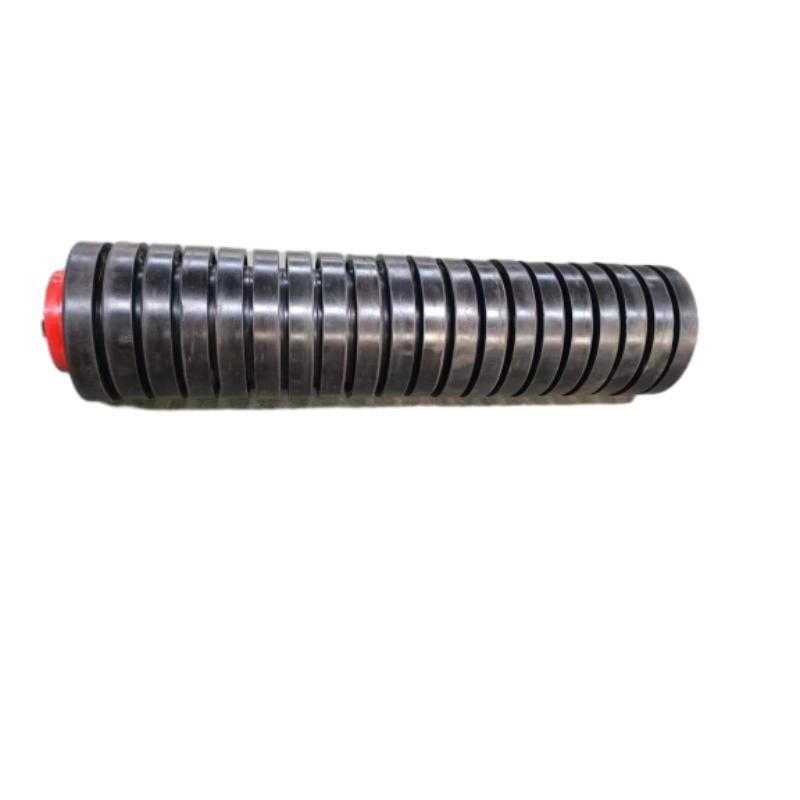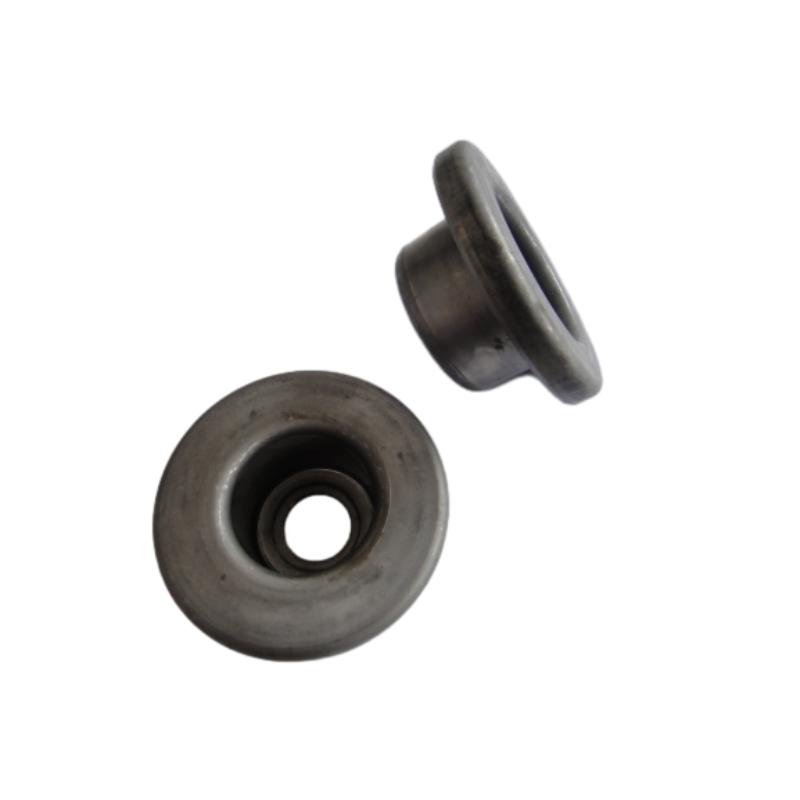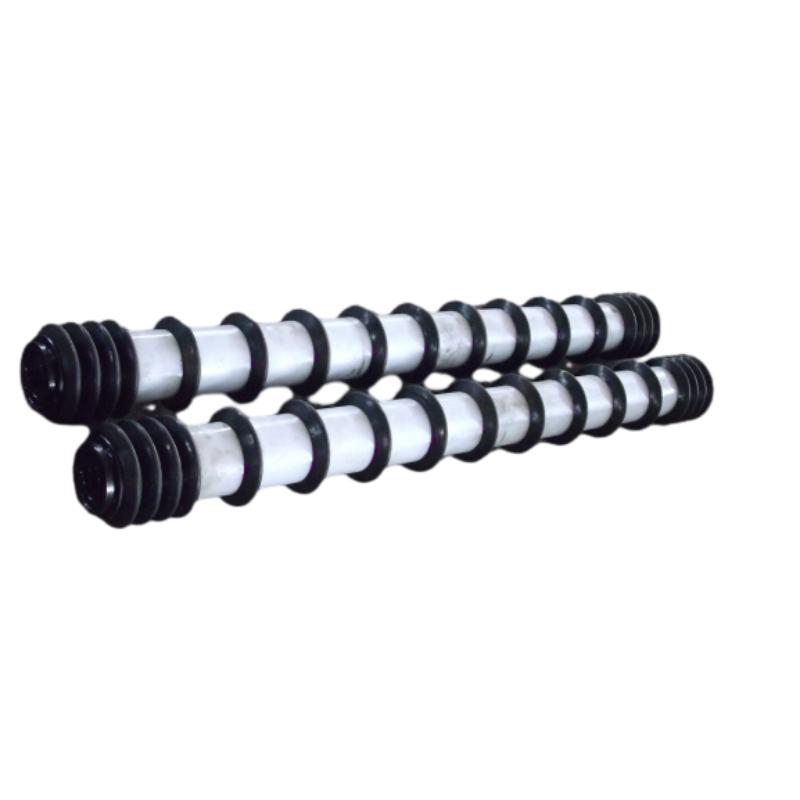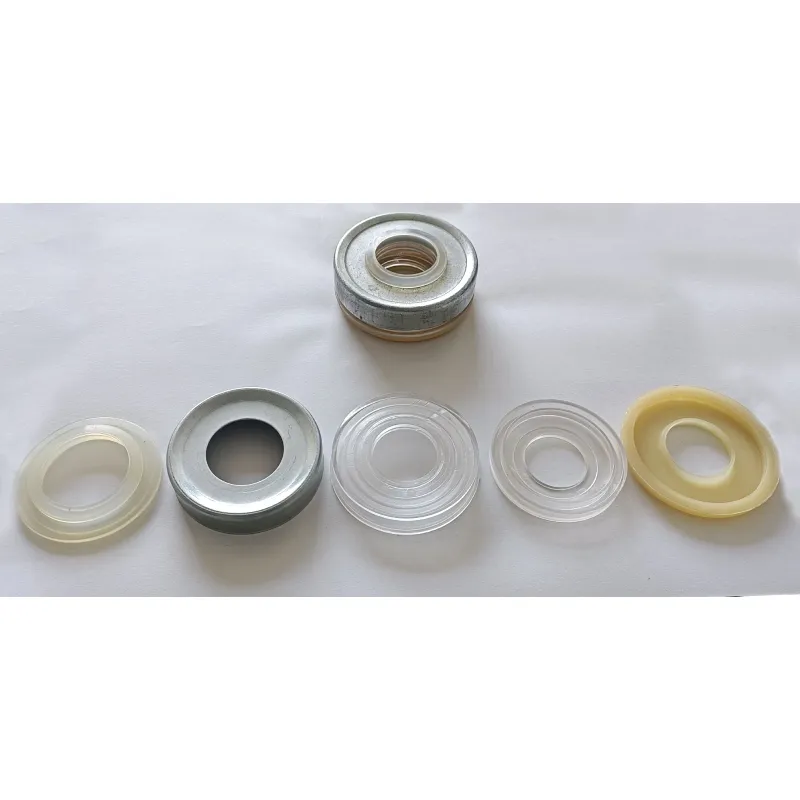


Conveyor Belt Guide Rollers – Essential Technology for Industrial Efficiency & Safety
Understanding Conveyor Belt Guide Rollers: Why They Matter Globally
At its core, a conveyor belt might seem like a simple mechanical system, a set of moving parts pushing products along a line. But consider this: without the humble conveyor belt guide rollers, modern manufacturing and logistics would slow down to a crawl. These small yet pivotal components keep the belt properly aligned, reducing wear and tear and minimizing costly downtime.
The fascinating thing is how crucial they are across various industries—mining, food processing, packaging, and even humanitarian relief logistics. Globally, as supply chains evolve and factories scale up, having reliable guide rollers isn’t just a convenience; it’s a necessity that safeguards efficiency and minimizes waste.
Global Context: The Unsung Backbone of Industry
Conveyor belts transport roughly 18 billion tons of bulk materials worldwide every year—that’s according to reports from industry bodies and manufacturing insights. The International Organization for Standardization (ISO) highlights that maintaining belt alignment and tension directly affects throughput rates and equipment lifespan.
Imagine a logistics hub in Asia or a mining operation in Australia, where unforgiving environments put constant strain on conveyor systems. Poorly aligned belts can cause catastrophic shutdowns, leading to losses in the hundreds of thousands of dollars daily. This is where conveyor belt guide rollers step up—acting as the silent guardians ensuring smooth operation.
Plus, with global emphasis on sustainable manufacturing, reducing slippage and belt damage means less energy use and fewer replacement parts. In real terms, that’s both cash saved and environmental impact reduced.
What Are Conveyor Belt Guide Rollers, Really?
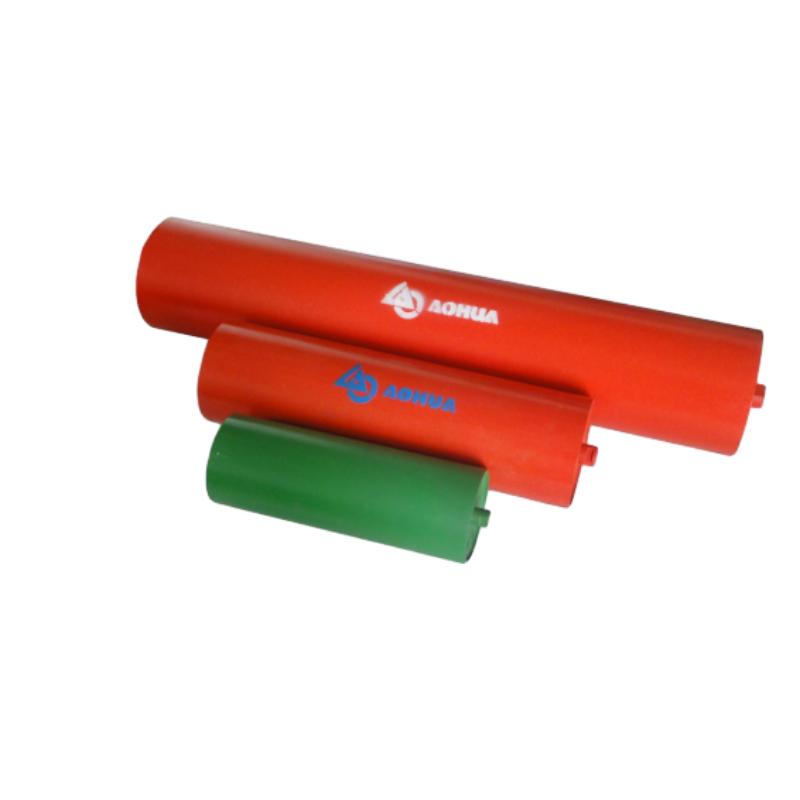
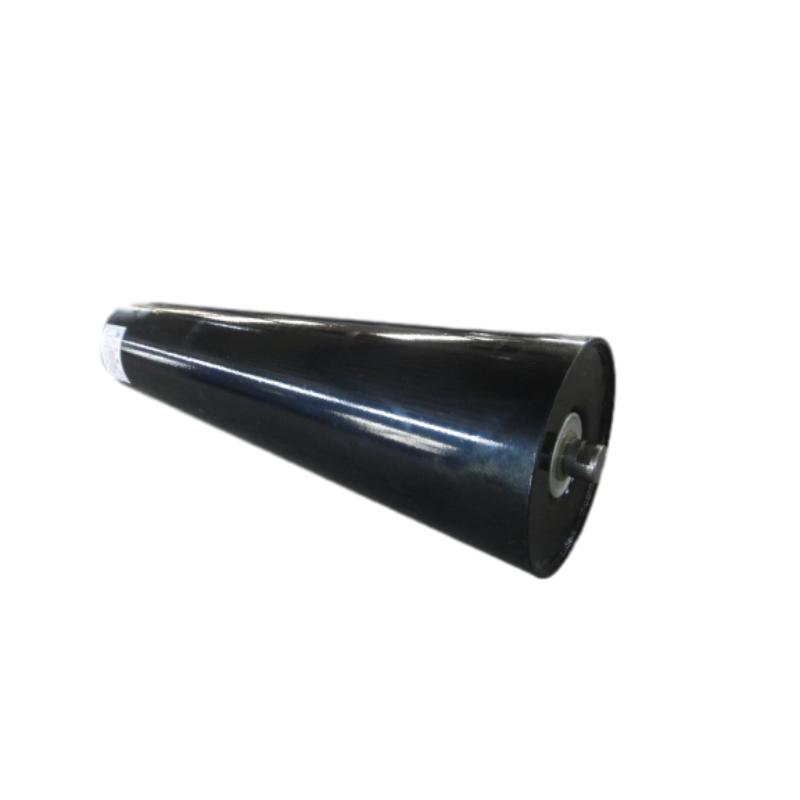
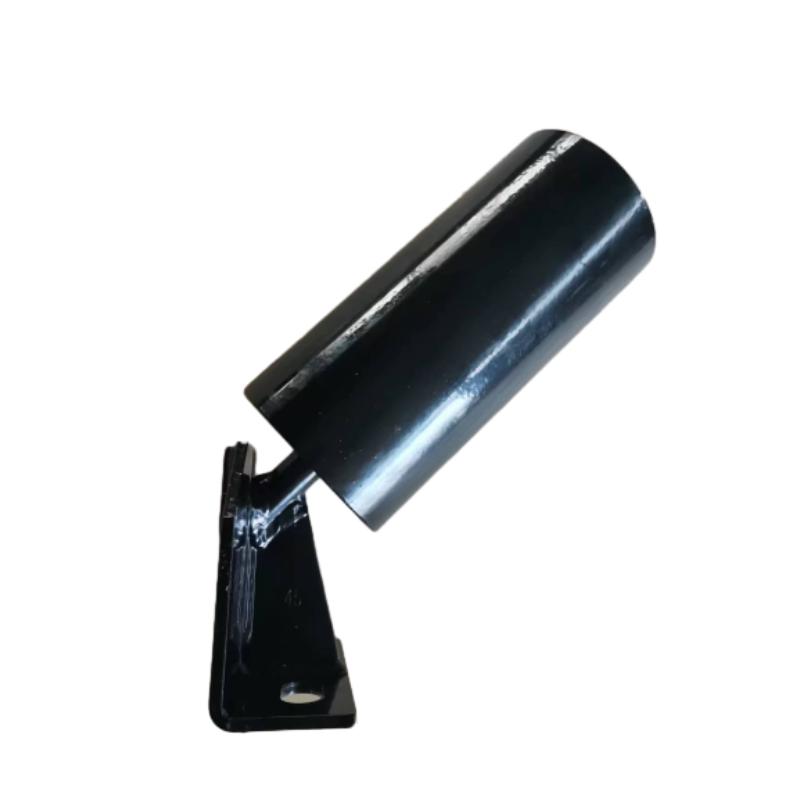
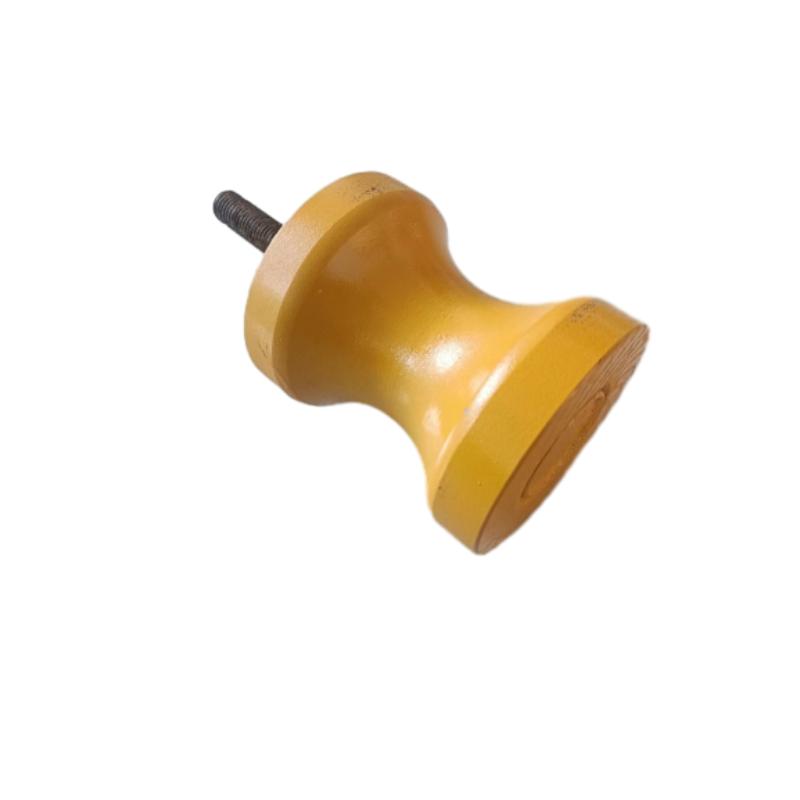
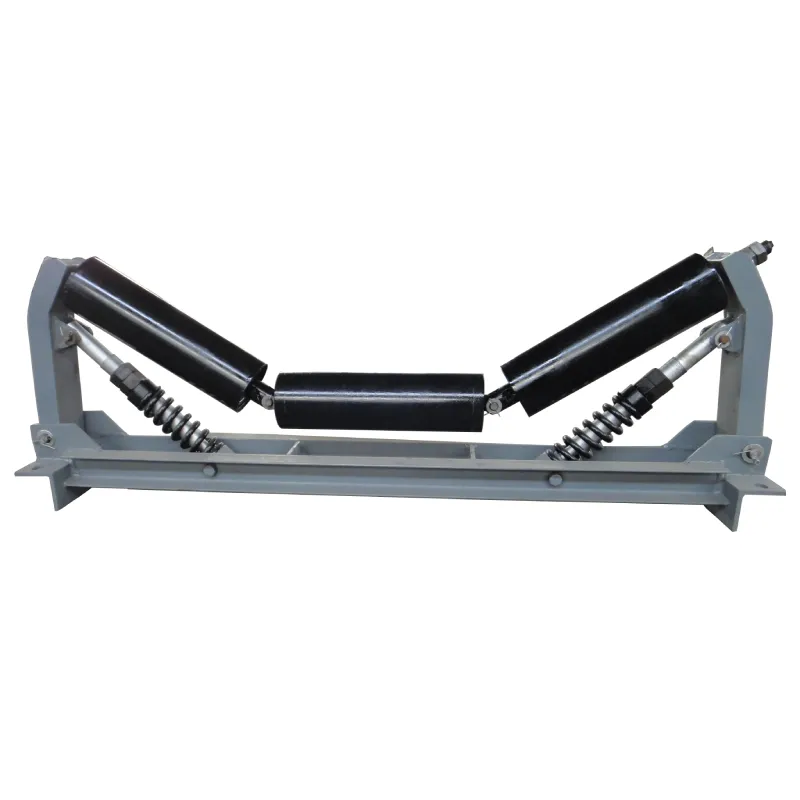
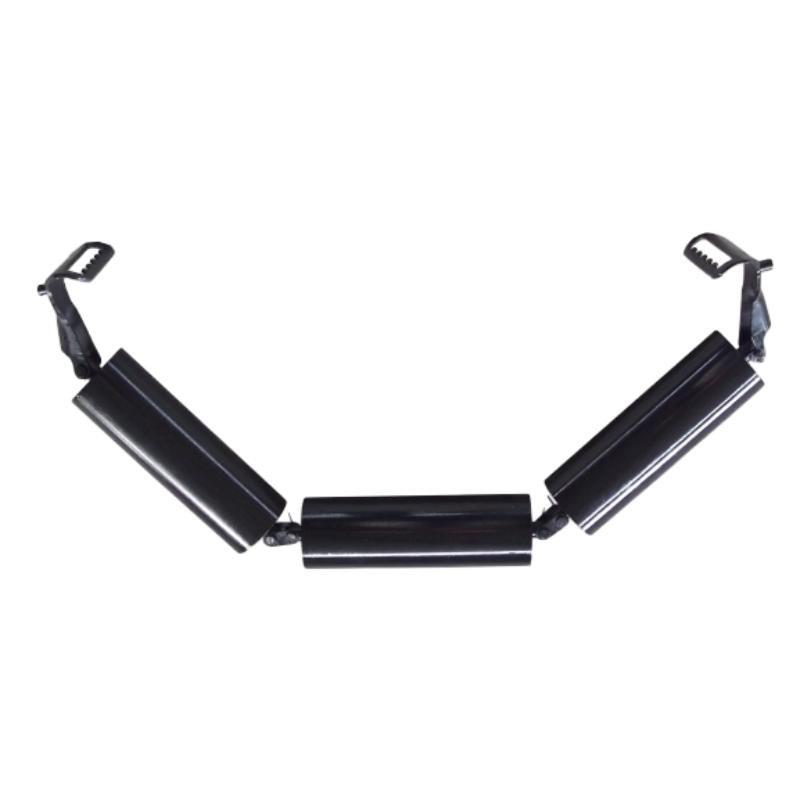
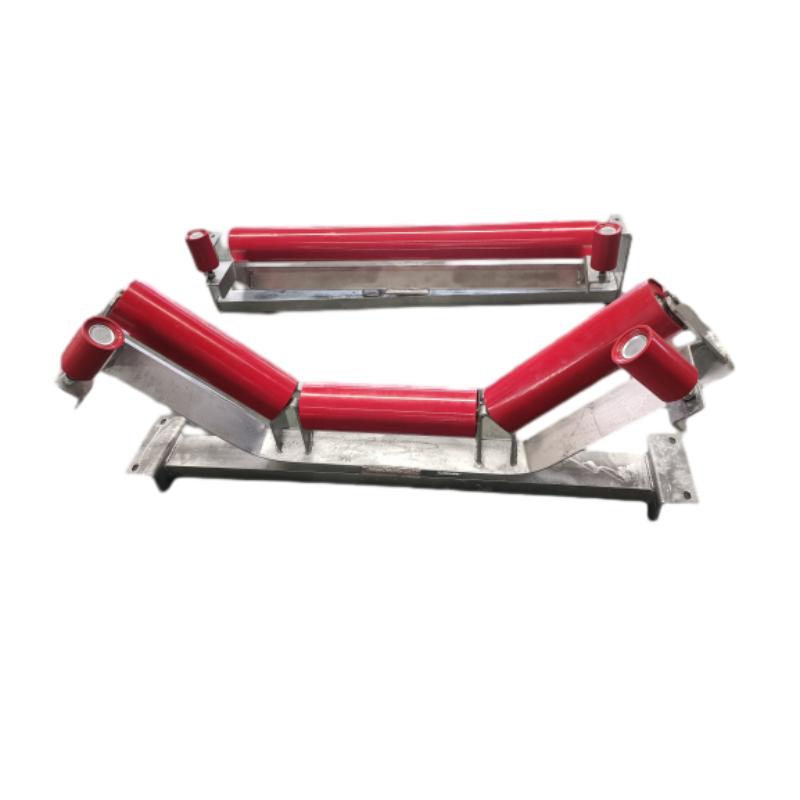
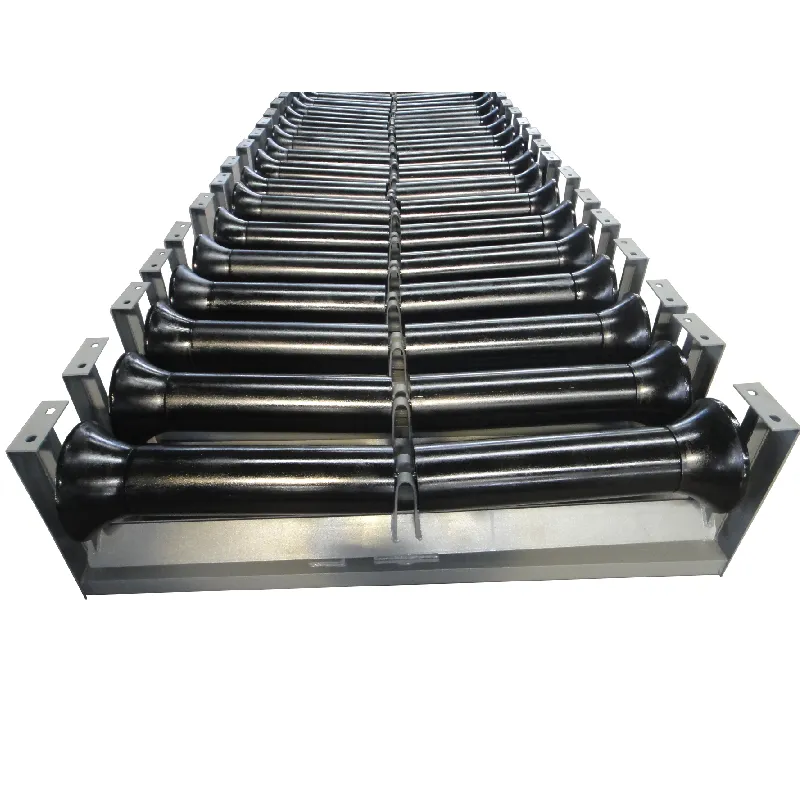
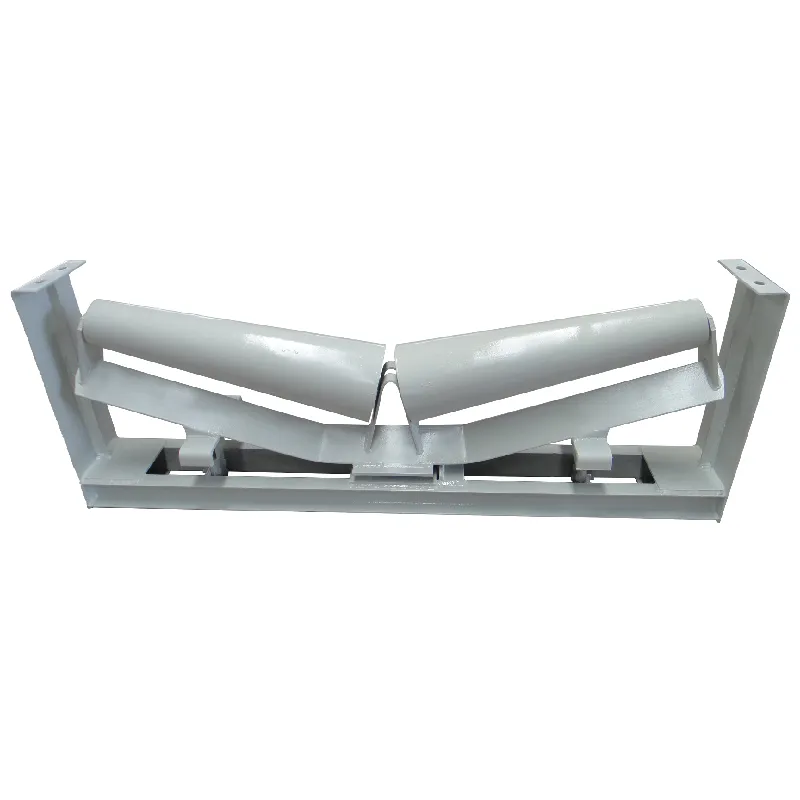
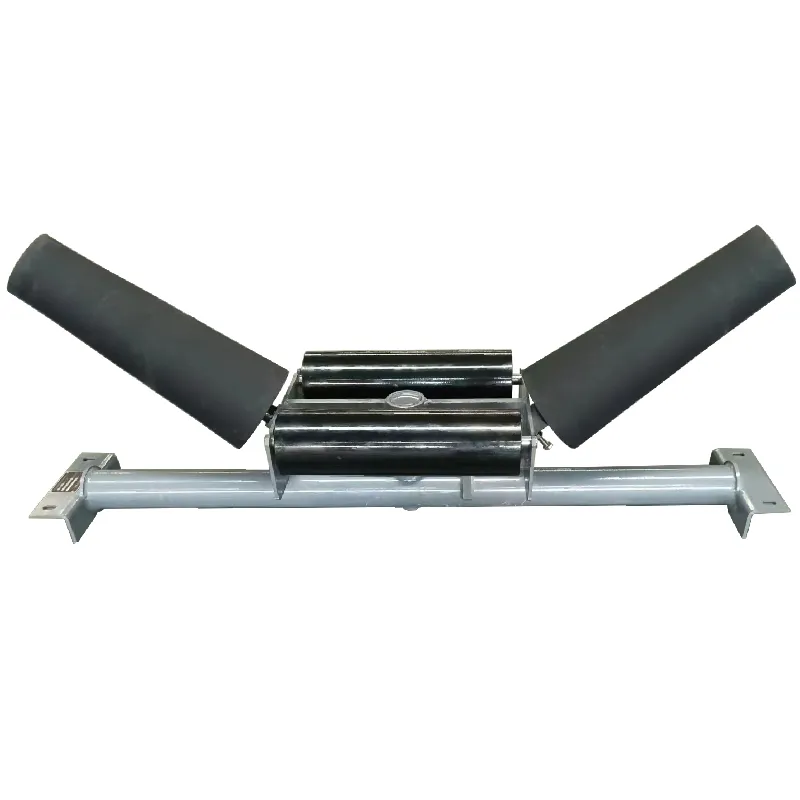
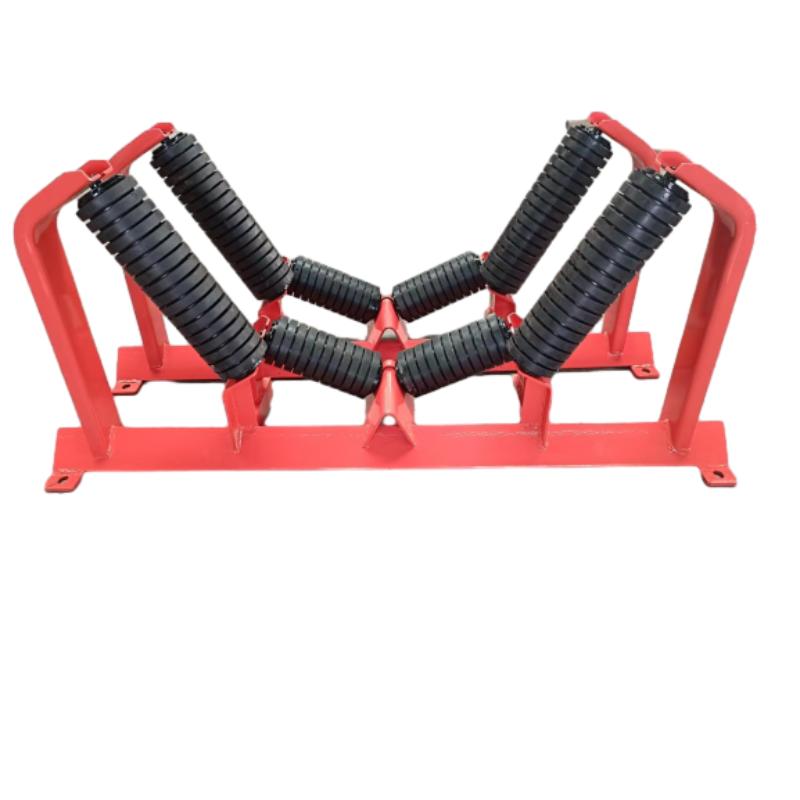
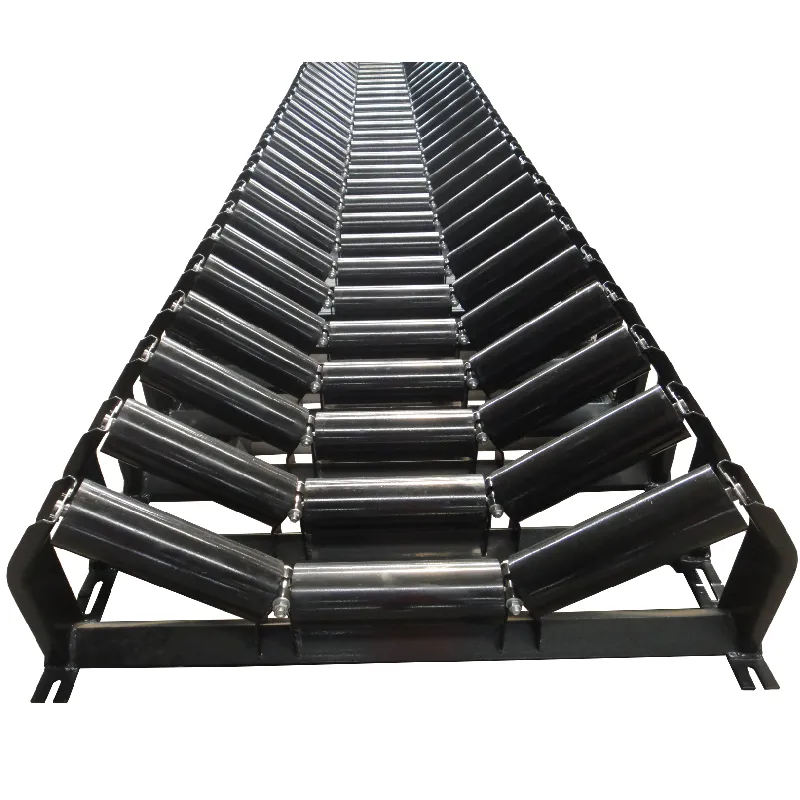
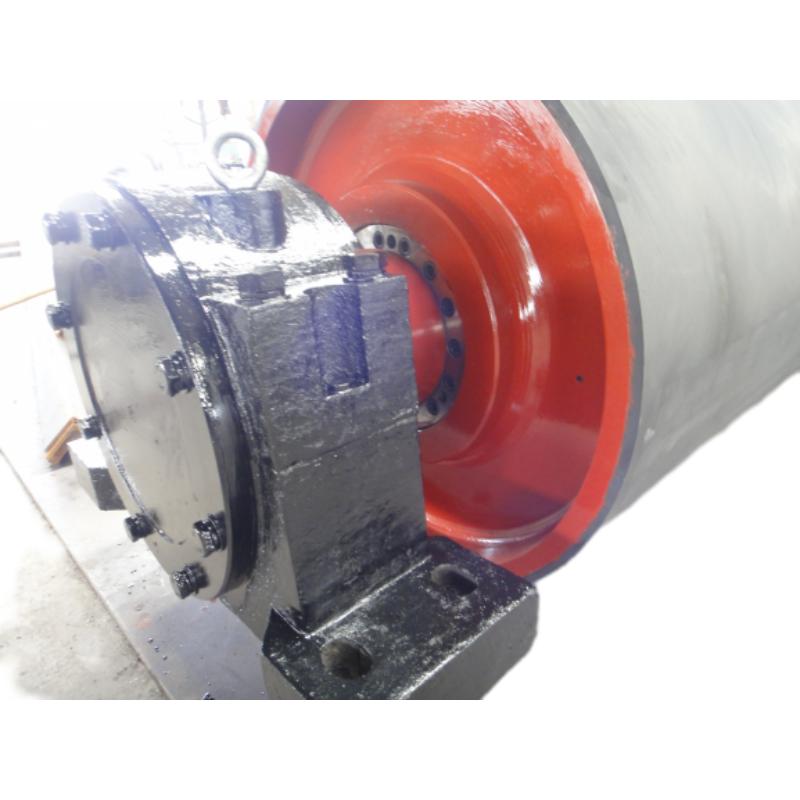
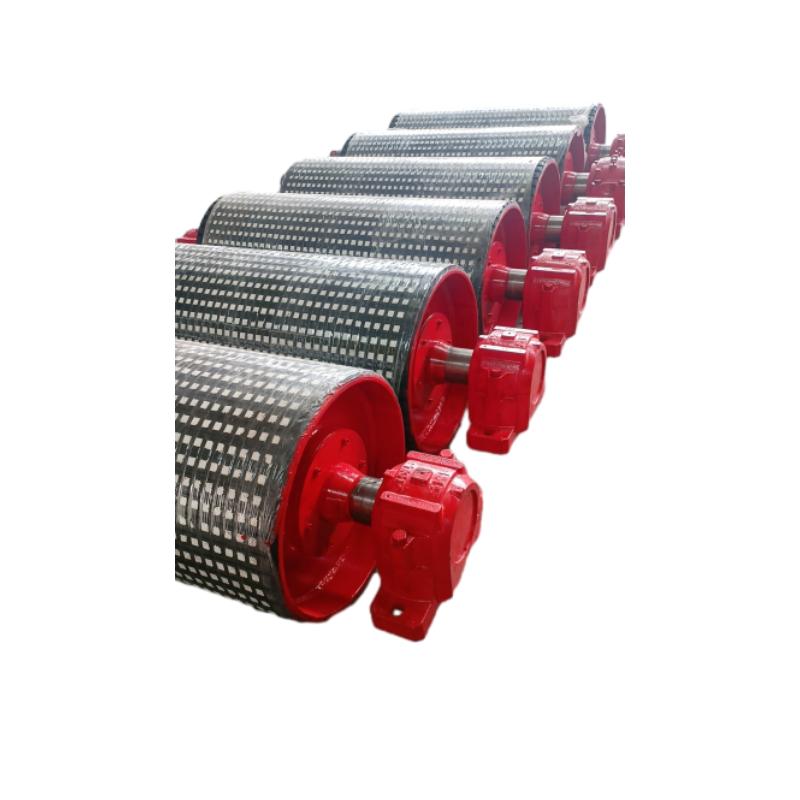
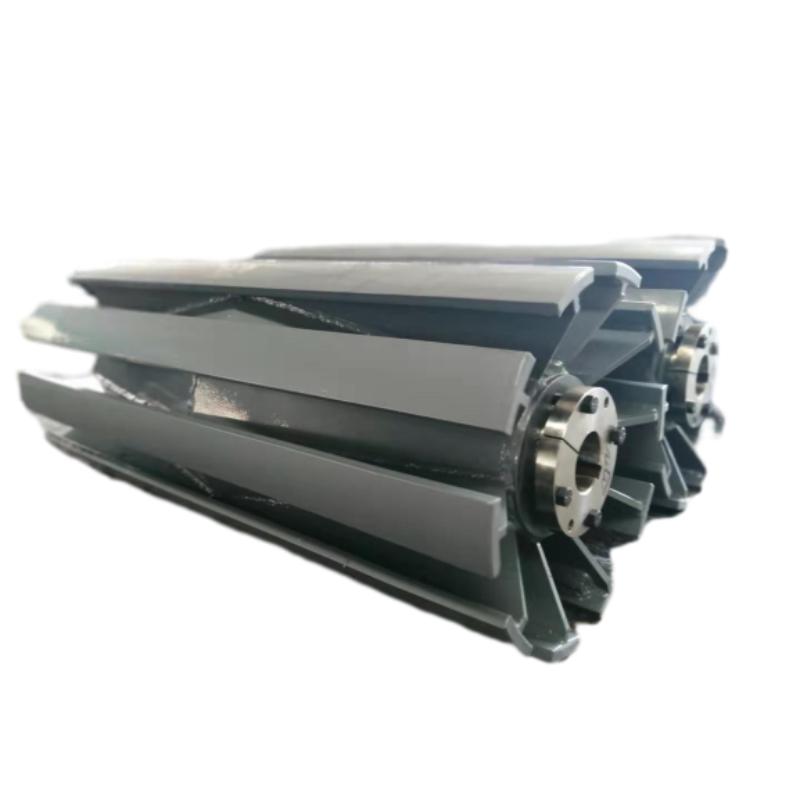
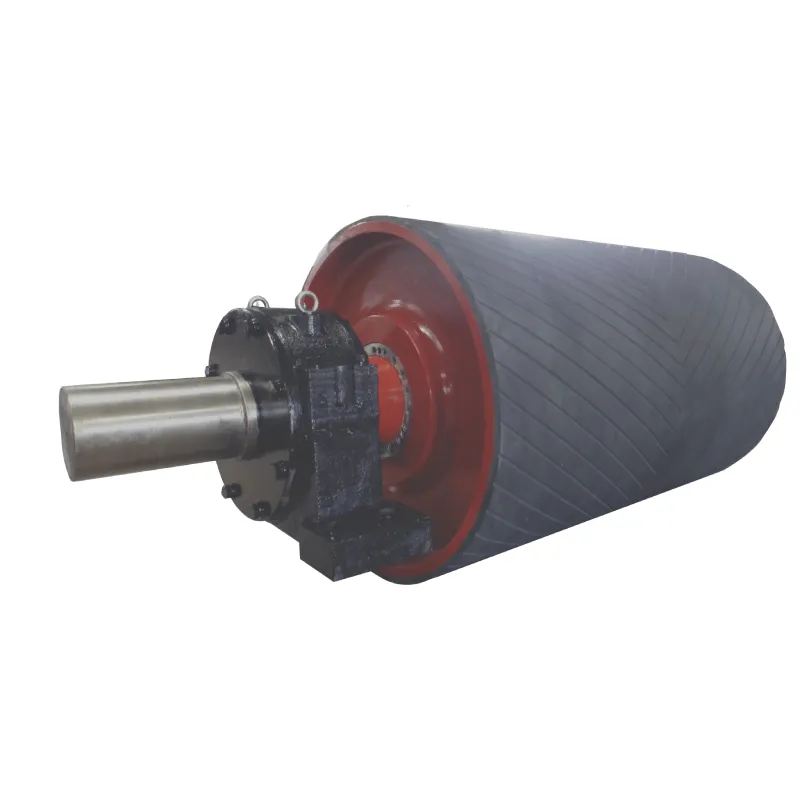
Let’s break it down. Conveyor belt guide rollers are cylindrical components placed along the conveyor frame. Their job? To keep the conveyor belt tracking correctly — that is, prevent it from sliding sideways off its path. You can think of them as “bumpers” or “steering wheels” for the belt.
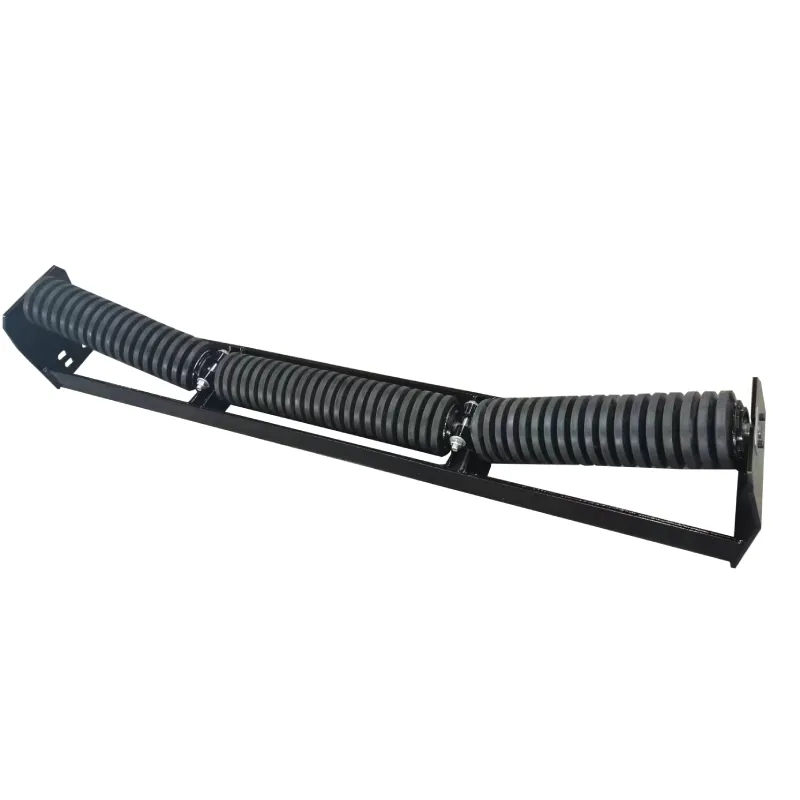
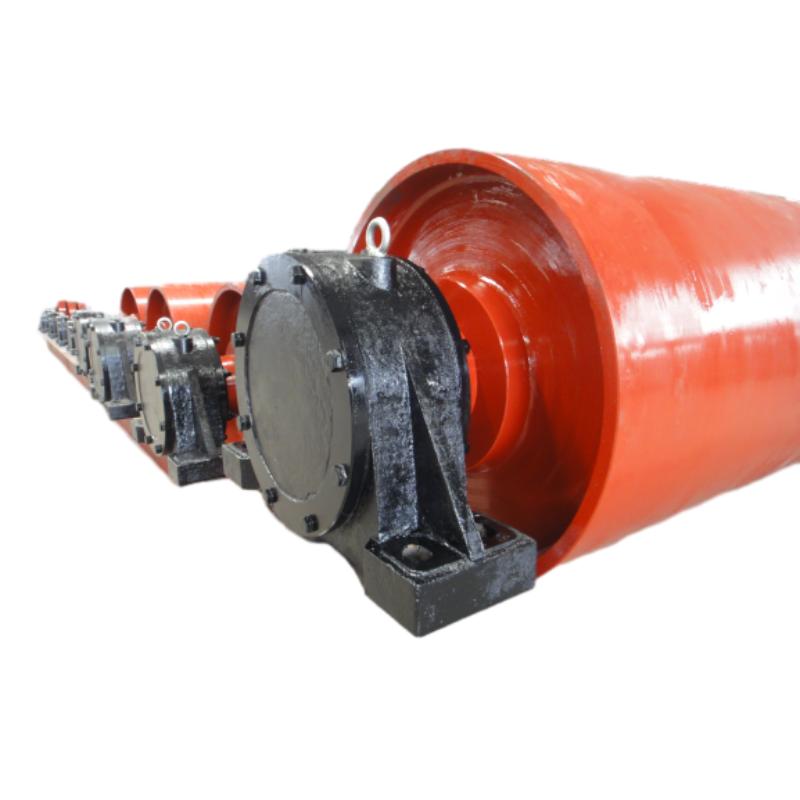
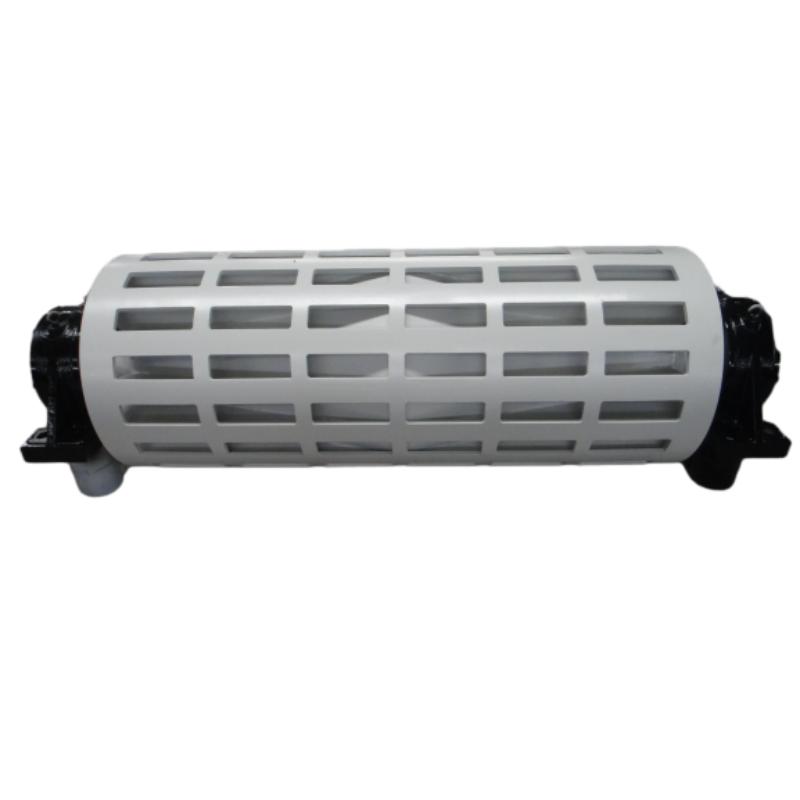
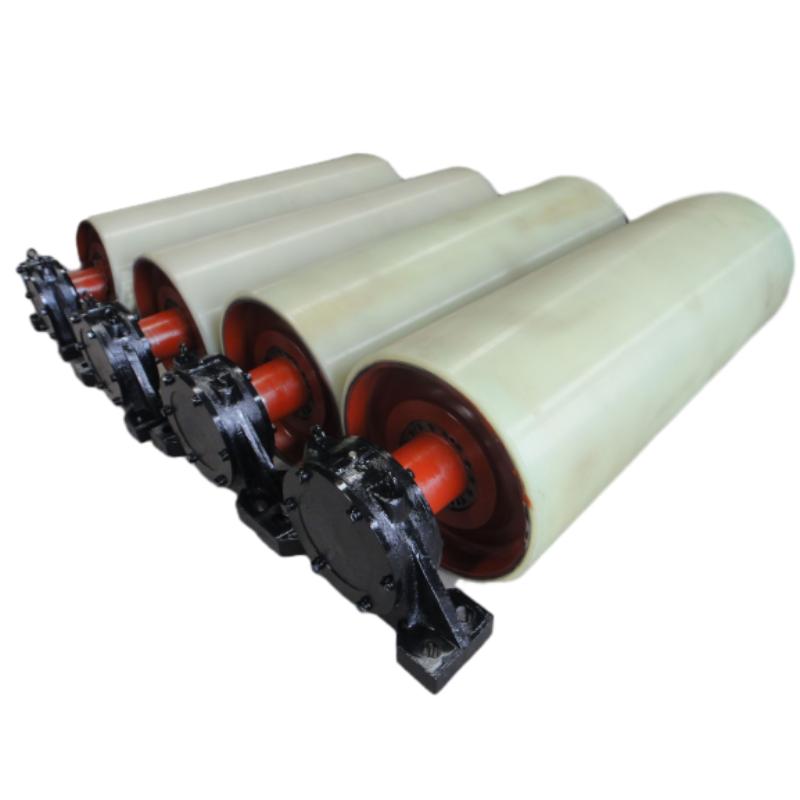
These rollers can be fixed or adjustable and come in various materials, from steel to rubber-coated surfaces, depending on operational needs. Their presence improves safety—no one wants conveyor belts slipping off and causing workplace hazards.
Oddly enough, they’re integral not just in factories but also in humanitarian missions where modular conveyor setups speed up sorting of aid supplies efficiently and safely.
Key Aspects of Conveyor Belt Guide Rollers
Durability
The environments conveyor belt guide rollers operate in can be brutally demanding: high temperatures, dust, water, chemical exposure—you name it. Durability isn't just a nice-to-have, it’s essential. Many rollers use corrosion-resistant alloys or heavy-duty rubber coatings to extend lifespan.
Scalability and Adjustability
Different conveyor setups require different roller sizes and adjustment mechanisms. Some systems use fixed rollers; others need adjustable ones for fine-tuning belt alignment as belts stretch or contract with temperature changes.
Energy Efficiency
When rollers are designed right—think low-friction bearings—the conveyor motor doesn’t have to work overtime. This reduces power consumption and ultimately operating costs.
Cost Efficiency
Investing in quality guide rollers pays off. You avoid frequent belt replacements, costly repairs, and unplanned shutdowns. Less downtime means sustained productivity gains.
Maintenance Simplicity
Many engineers say rollers with sealed bearings and modular designs make maintenance easier and faster, minimizing intervention times.
Custom Material Options
Depending on product handled—food, corrosive chemicals, abrasives—custom roller materials ensure compliance with hygiene or safety standards.
Global Applications and Real-World Use Cases
Conveyor belt guide rollers have secured their place in facilities spanning the globe—from sprawling coal mines in Canada to food processing plants in Europe and packaging hubs in Southeast Asia. Their importance shows up dramatically during a crisis, too.
- Disaster Relief Operations: Portable conveyor systems with guide rollers help swiftly sort and move thousands of tons of aid materials in emergency zones, speeding up relief efforts without equipment failure delays.
- Remote Industrial Zones: In places where access for repairs is scarce, high-quality guide rollers reduce breakdown frequency, keeping crucial supply chains operational.
- Manufacturing Automation: As plants become 'smart factories,' conveyor components adapt with sensor integration to monitor roller health and preempt issues.
Why Conveyor Belt Guide Rollers Add Value Over the Long Term
So much of conveyor maintenance headaches come down to belt misalignment, and no components address this better than guide rollers. The advantages go beyond just cost savings from less frequent replacements.
- Reliability & Safety: Less risk of belt derailment protects workers and equipment, building trust with operational teams.
- Sustainability: Longer-lasting rollers reduce material consumption and energy use.
- Innovation & Adaptability: Modern designs accommodate changing industry standards and evolving logistics requirements.
Emotionally, knowing your entire production line won’t halt because of a rudimentary roller failure simply eases tension—you can focus more on growth and innovation.
Conveyor Belt Guide Rollers Product Specification Table
| Feature | Specification | Benefit |
|---|---|---|
| Material | Steel, Stainless Steel, Rubber Coated | Improves durability and corrosion resistance |
| Diameter | 50mm – 150mm | Fits different belt widths and conveyor sizes |
| Bearing Type | Sealed ball bearings / Roller bearings | Low friction, longer lifespan, minimal maintenance |
| Adjustment Mechanism | Fixed, Manual Adjustable, Automatic | Easy belt alignment and correction on the fly |
| Operating Temperature | -20°C to 80°C (standard) | Suitable for most industrial environments |
Comparing Major Conveyor Belt Guide Roller Vendors
| Vendor | Material Range | Customization Options | Price Range | Lead Time |
|---|---|---|---|---|
| RollTech Solutions | Steel, Rubber Coated | Diameter & bearings adjustable | $$$ | 4-6 weeks |
| ConveyPro Industries | Stainless Steel, Plastic | Full customization; smart options | $$$$ | 6-8 weeks |
| RollMaster Co. | Steel, Rubber, Composite | Standard range with manual adjustment | $ | 2-3 weeks |
What's Next? Trends in Conveyor Belt Guide Roller Technology
We’re seeing some pretty cool innovations on the horizon. For one, materials are evolving—composites that are lighter but just as tough, making rollers easier on motors. Then there’s integration of smart sensors that track roller vibration and temperature in real time to predict maintenance needs.
Green manufacturing is pushing low-friction, recyclable materials and energy-efficient designs. Automation-friendly rollers that self-adjust and sync with the conveyor’s control system are becoming a reality as production floors digitize.
I suppose the biggest kicker is how these incremental improvements add up, creating huge efficiency leaps in industries where minutes saved translate to millions earned.
Challenges and How to Overcome Them
Conveyor belt guide rollers face typical challenges such as premature wear in dusty environments, corrosion, and bearing failures. Sometimes, engineers underestimate the importance of periodic inspection, resulting in unexpected downtime.
The solution? Combining robust material selection with routine condition monitoring. Many companies are now employing infrared thermography or acoustic sensors to catch roller degradation early. Plus, modular roller units that can be swapped quickly without disassembling large conveyor sections save hours during maintenance.
FAQs: Quick Answers About Conveyor Belt Guide Rollers
- Q: How do conveyor belt guide rollers improve belt lifespan?
- A: By ensuring the belt stays aligned and doesn’t drift sideways, guide rollers reduce abrasion and stress on the belt edges, preventing tears and premature failure.
- Q: Can I replace guide rollers without stopping the whole conveyor?
- A: Certain modular designs allow roller replacement on the fly, but it depends on the conveyor system. Most require a short downtime for safe maintenance.
- Q: What materials are best suited for rollers in corrosive environments?
- A: Stainless steel or rubber-coated rollers are ideal as they resist rust and chemical damage, extending service life.
- Q: Are adjustable guide rollers more expensive than fixed ones?
- A: Yes, adjustable rollers tend to cost more initially due to complexity but often save money long-term by preventing belt misalignment and damage.
- Q: How often should guide rollers be inspected or replaced?
- A: It varies by usage and environment, but a typical schedule is inspection every 3-6 months with replacements based on wear patterns or signs of bearing failure.
Final Thoughts
Conveyor belt guide rollers might not grab headlines, but their quiet, consistent work is vital to industrial efficiency, safety, and sustainability worldwide. Investing in good guide rollers with the right specification means fewer headaches and more uptime.
For anyone managing conveyor operations, it’s worth digging a little deeper—because as I’ve noticed, a smart roller investment pays dividends in the long run.
If you want to learn more or browse custom conveyor roller solutions, visit our website: conveyor belt guide rollers.
References
-
Maximize Conveyor Life with a High Performance impact bedNewsApr.16,2026
-
Maximize Conveyor Efficiency Using a v plow belt scraperNewsApr.09,2026
-
Comprehensive Guide to Understanding Different Types of Belt CleanersNewsApr.07,2026
-
Enhancing Conveyor Efficiency with an Effective Scraper Belt CleanerNewsApr.04,2026
-
Optimizing Conveyor Systems with Advanced Cleaning Equipment SolutionsNewsMar.31,2026
-
Effective Conveyor Belt Scraper Adjustment for Optimal System PerformanceNewsMar.28,2026