

Comprehensive Guide to Belt Conveyor Parts and Functions – Key Components, Uses & Innovations
Understanding Belt Conveyor Parts and Functions
If you’ve ever visited a manufacturing plant or a mining site, you’ve likely spotted one of the quiet workhorses of industry: the belt conveyor. These systems—composed of many parts working in harmony—play a critical role in moving materials efficiently across vast distances. Understanding belt conveyor parts and functions isn’t just an engineering curiosity; it’s vital knowledge underpinning global supply chains, disaster relief efforts, and numerous industrial sectors. So, why does it matter so much worldwide? Simply put, belt conveyors ensure heavy goods move safely and cost-effectively, reducing labor, time, and risk.
Introduction: Global Context and Industry Relevance
Around the world, industries generate more than a billion tons of transported materials daily—whether it’s coal in Australia, grains in the United States, or recycled waste in Europe. According to the International Organization for Standardization (ISO), conveyor belt systems improve logistics by 25-40%, trimming operational costs and carbon footprints simultaneously. But despite their ubiquity, challenges like system failure or inefficient parts integration can disrupt entire production lines. This is precisely where a solid grasp of belt conveyor parts and functions can transform outcomes.
Defining Belt Conveyor Parts and Functions
Put simply, a belt conveyor is a mechanical system designed to transport materials on a continuous loop of a reinforced belt, supported by rollers and powered by motors. The “parts” refer to essential components like pulleys, idlers, rollers, belts, motors, and frames—all synchronized to perform specific “functions” including material conveyance, tension control, and speed regulation. Industrially, these systems form the backbone for bulk handling and manufacturing logistics, but they also find application in crucial humanitarian areas such as post-disaster relief where rapid deployment of supplies is key.
Key Components and Their Roles
1. Durable Conveyor Belts
The belt itself is the heart of the system, usually made from layered rubber or PVC. Durability here ensures resistance to abrasion and weather, making it suitable from desert mining operations to humid port facilities.
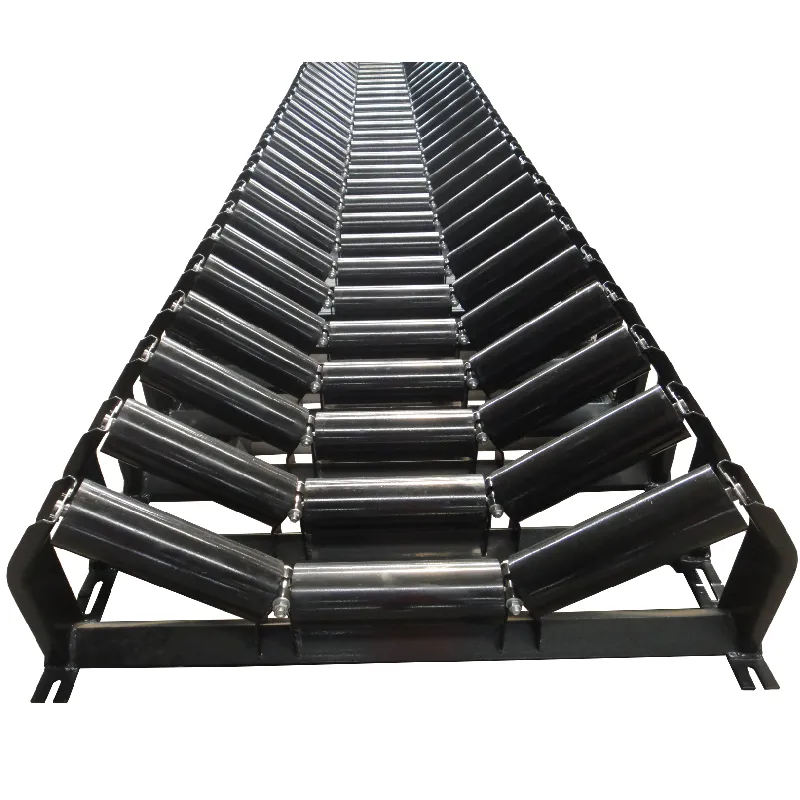
2. Rollers and Idlers for Smooth Movement
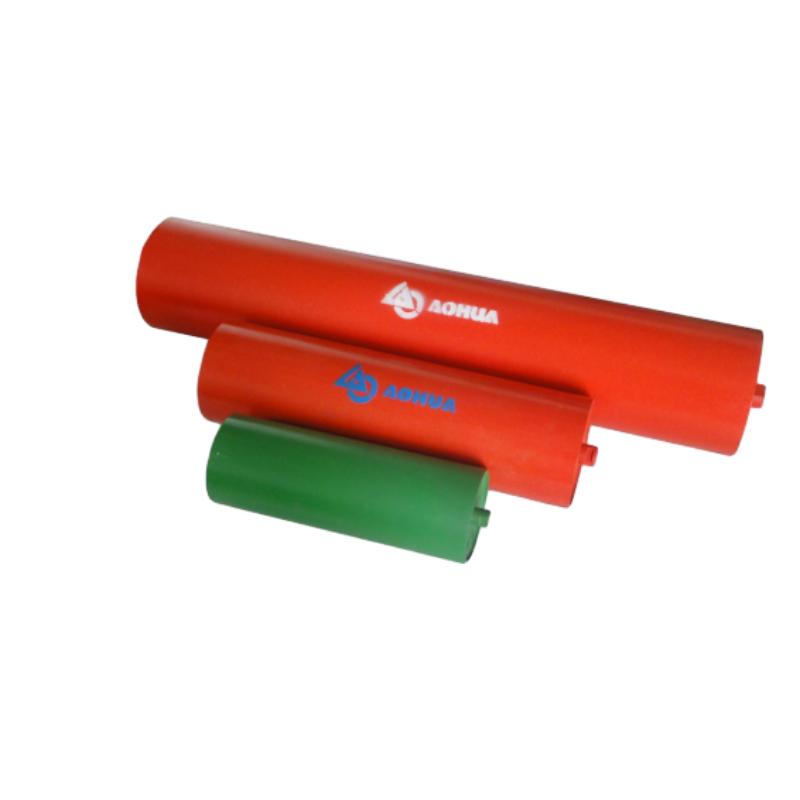
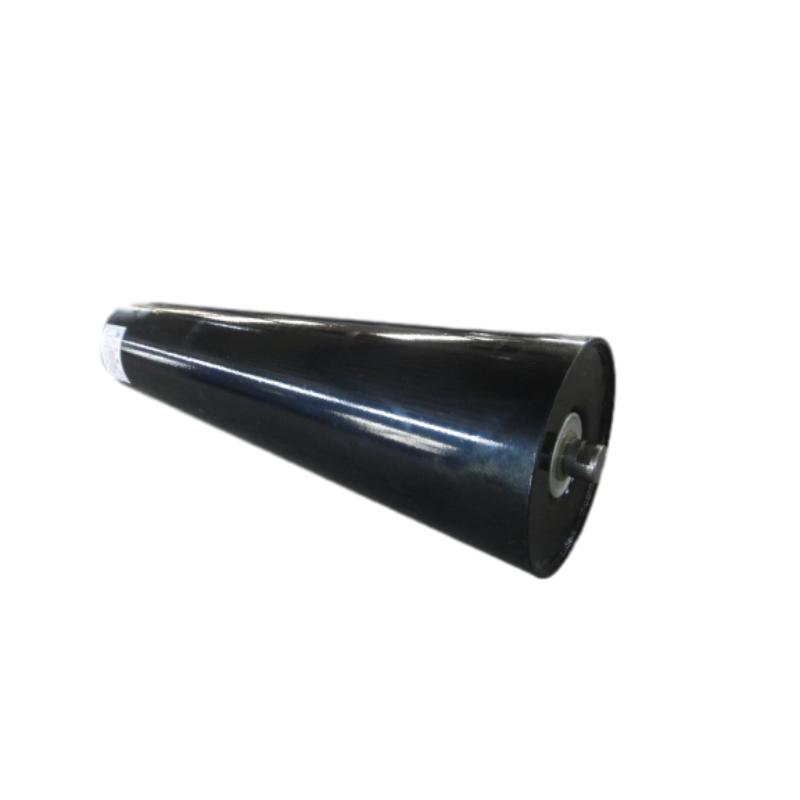
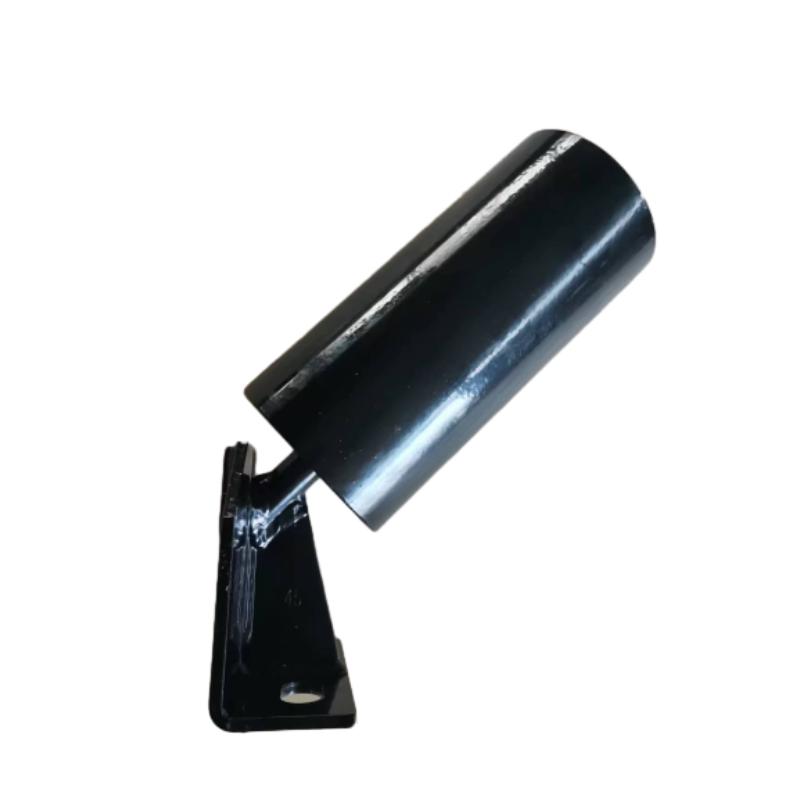
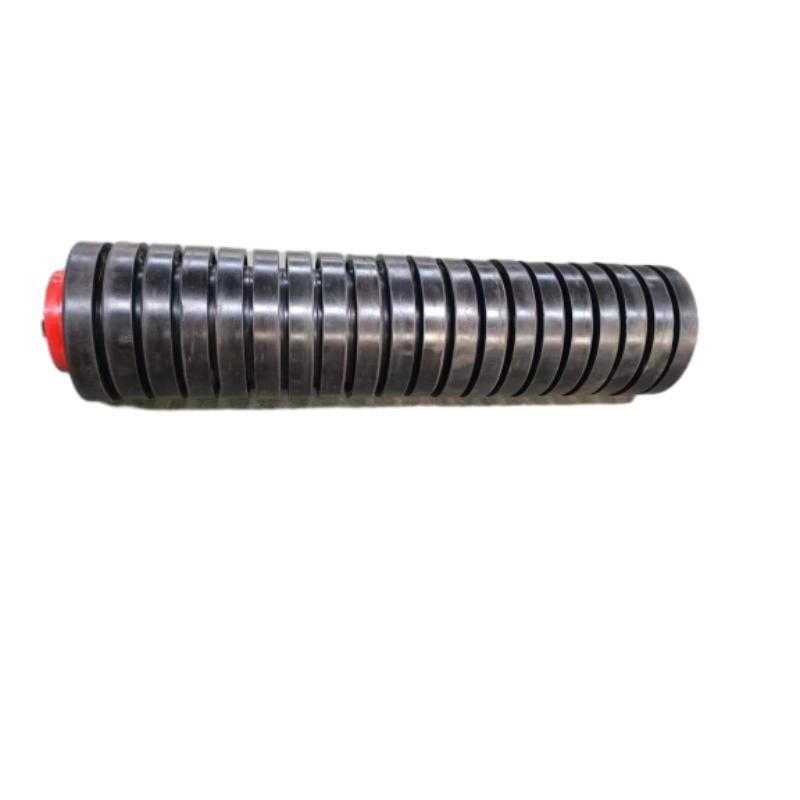
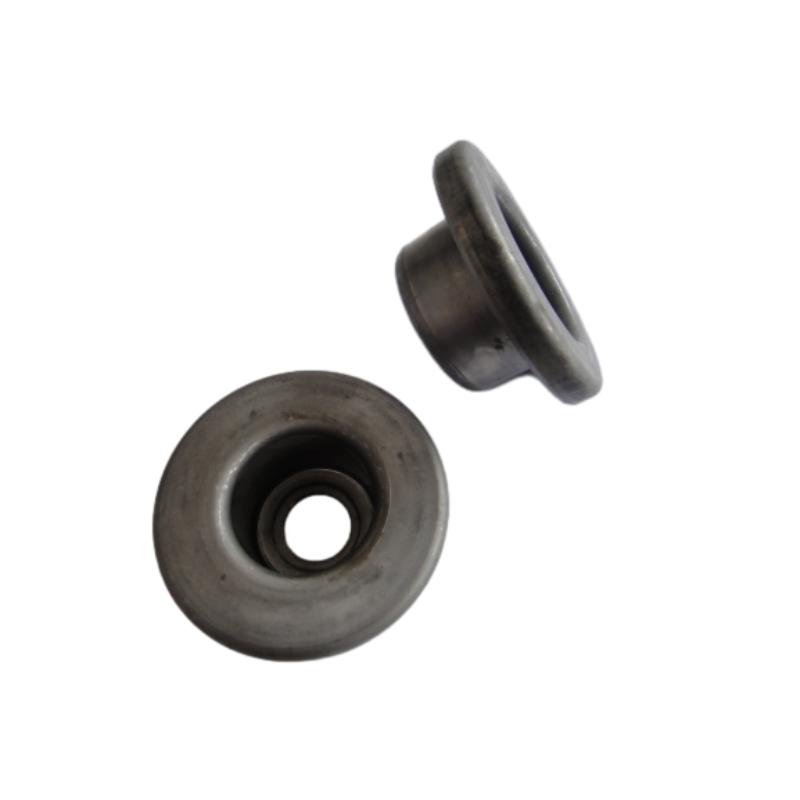
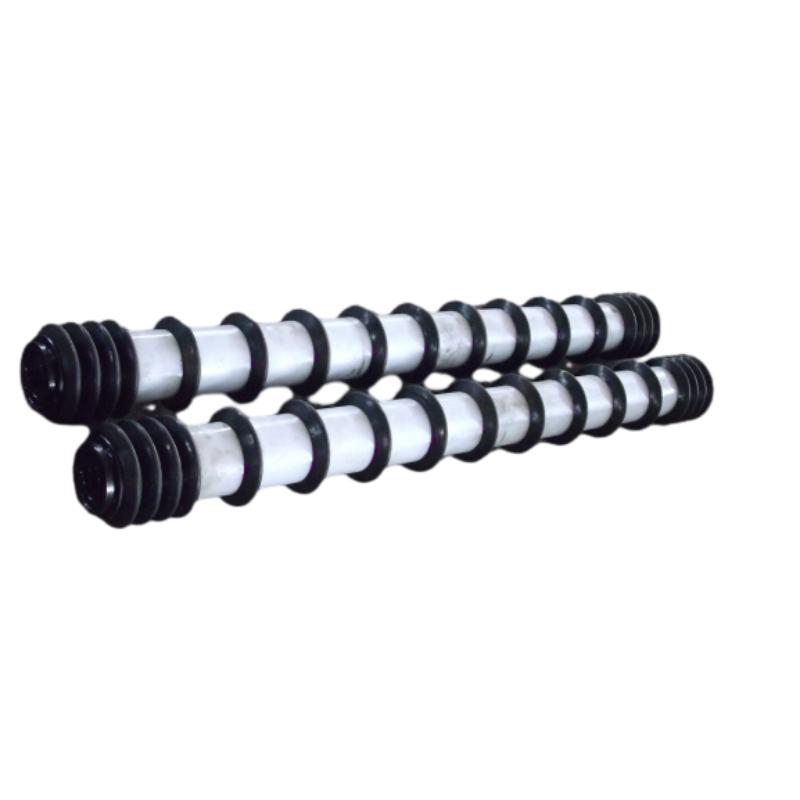
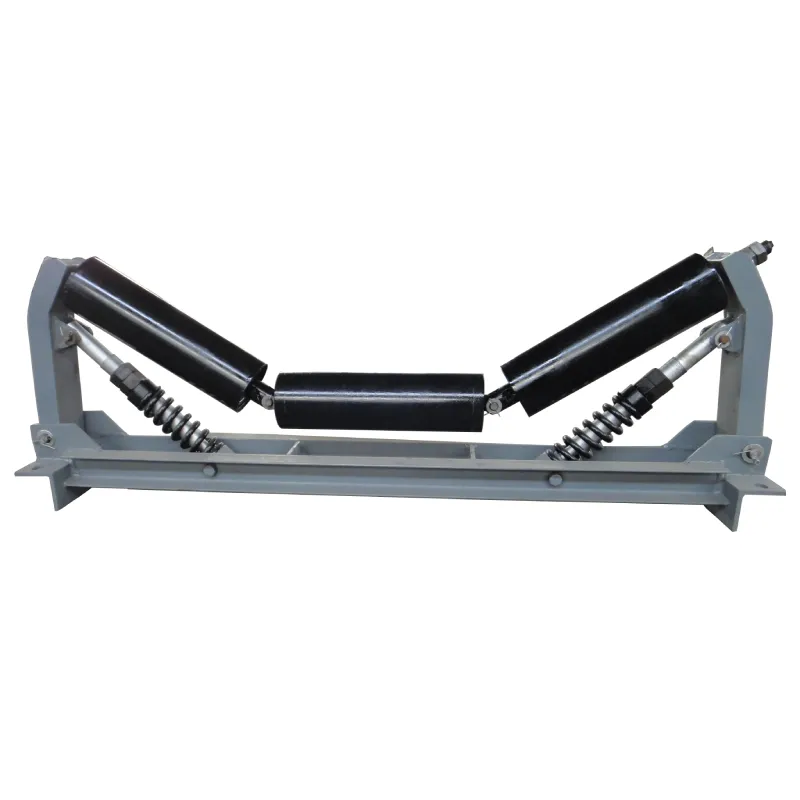
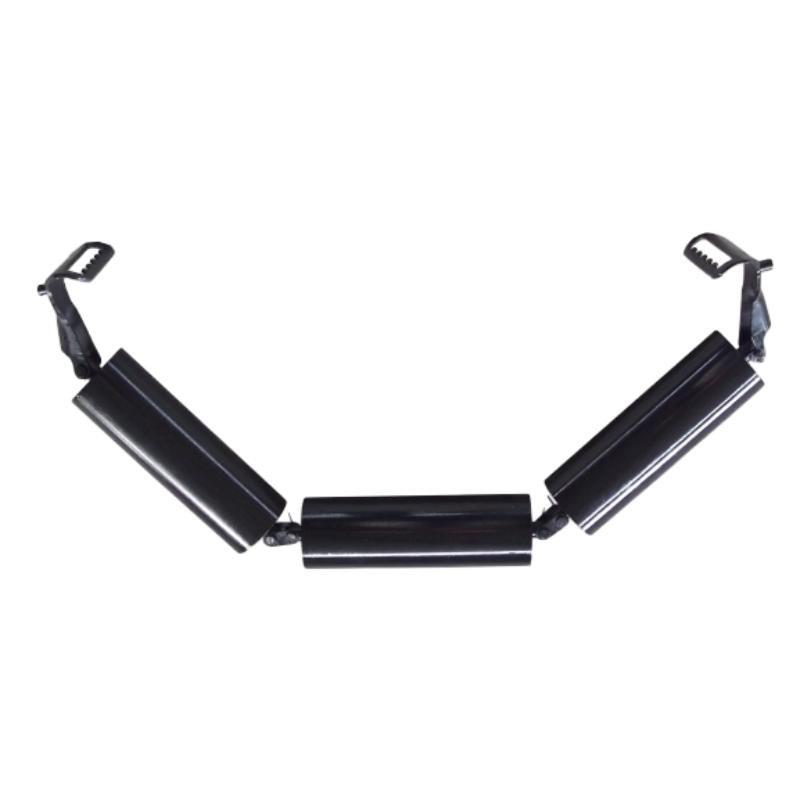
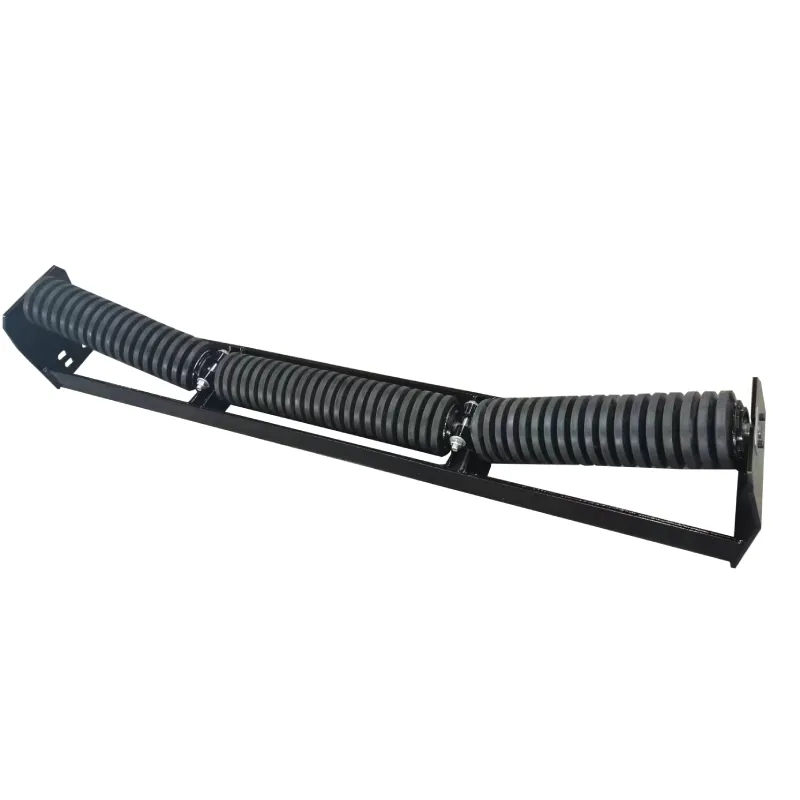
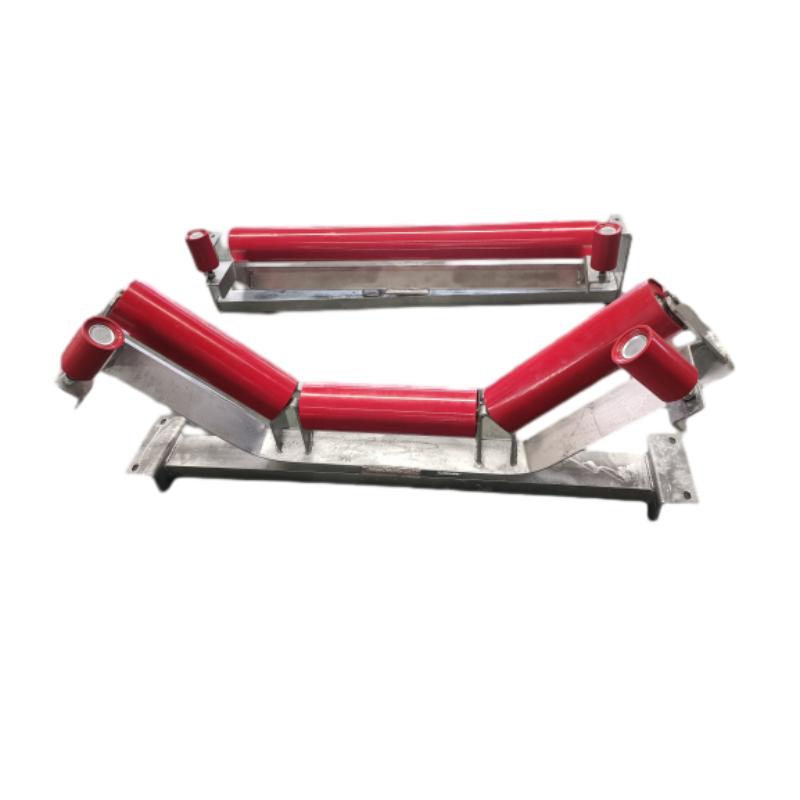
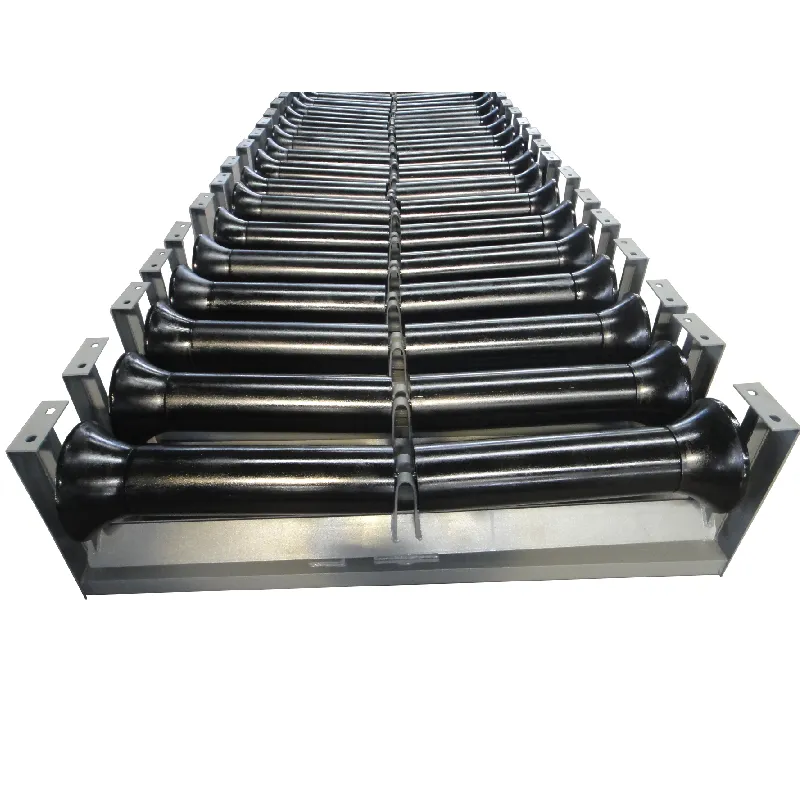
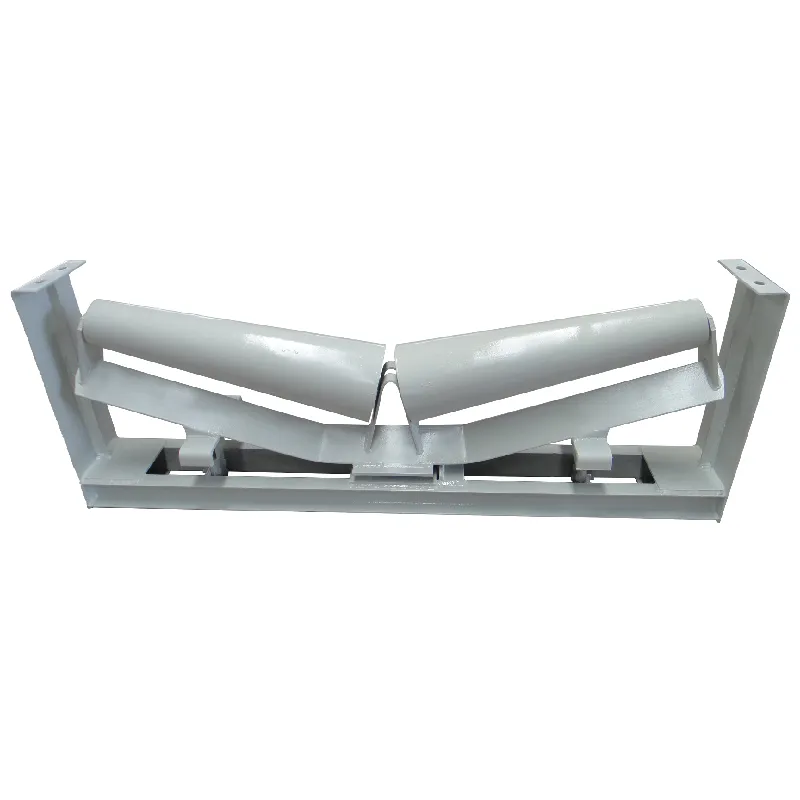
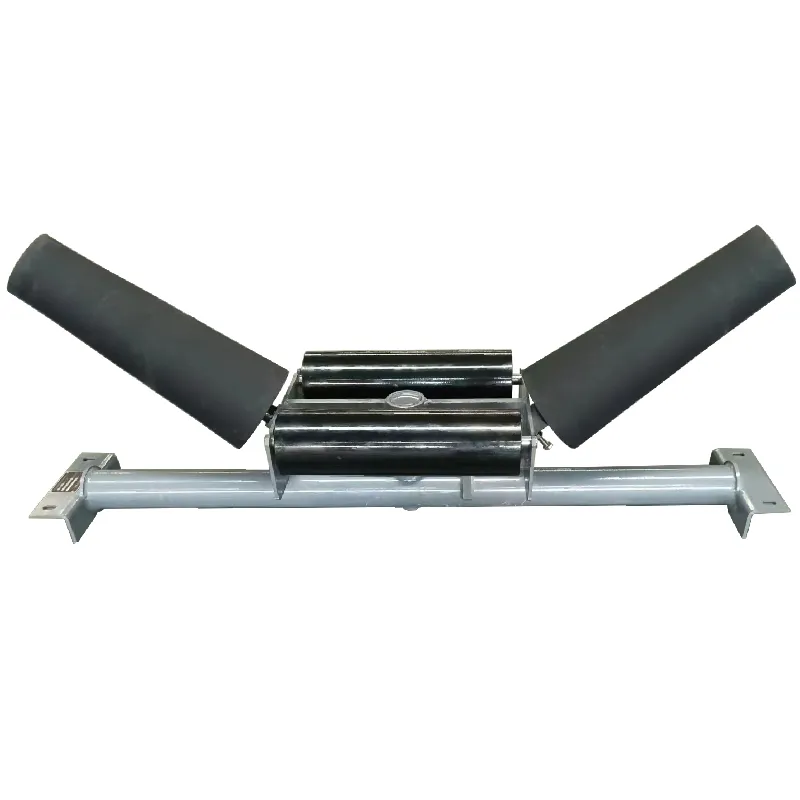
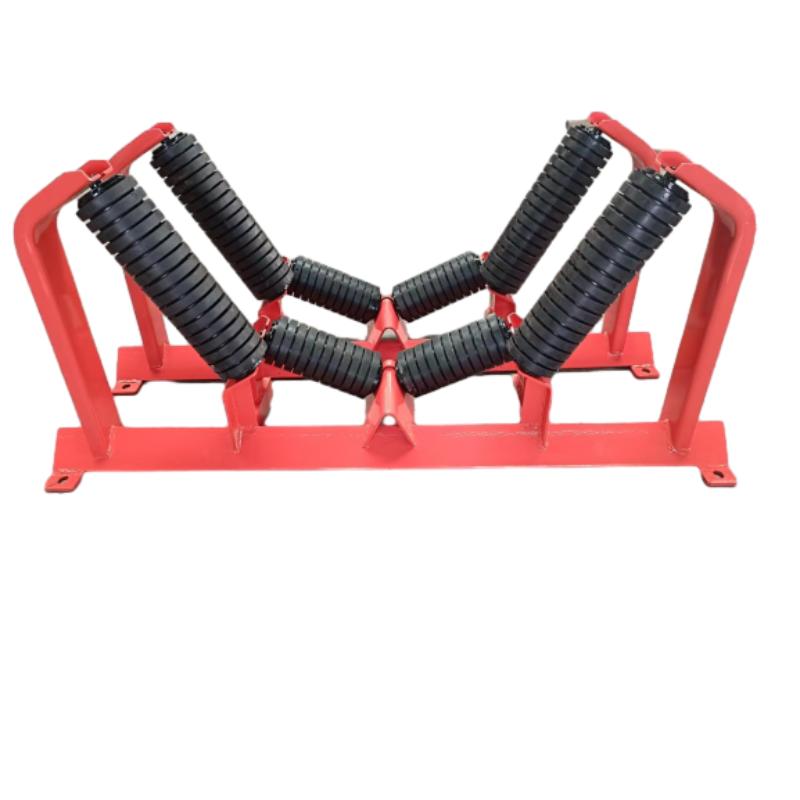
Rollers support the belt and cargo, minimizing friction. Their proper alignment avoids unnecessary wear—something many operators often overlook until costly repairs loom.
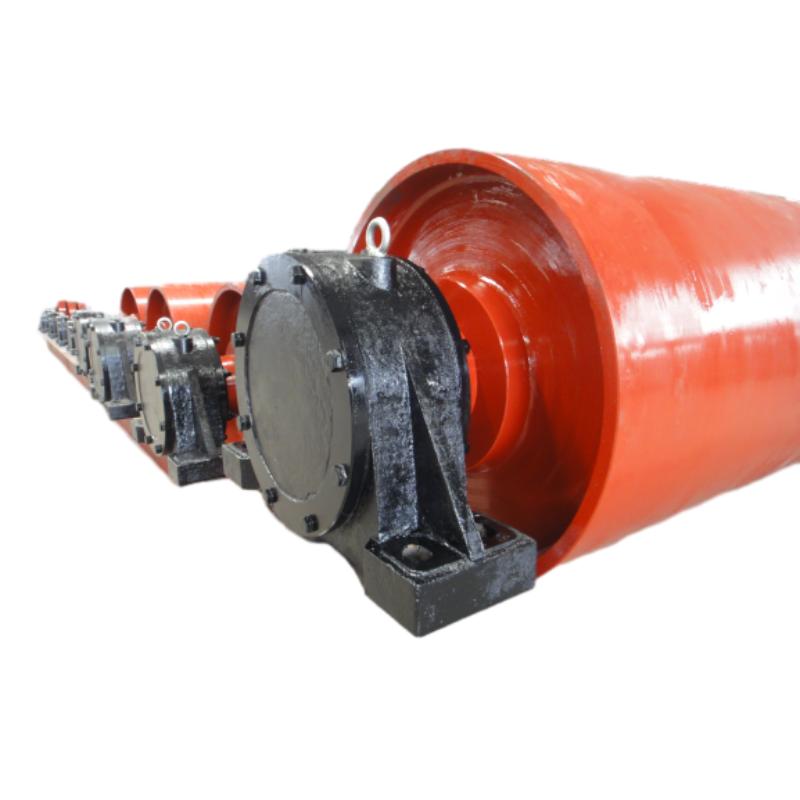
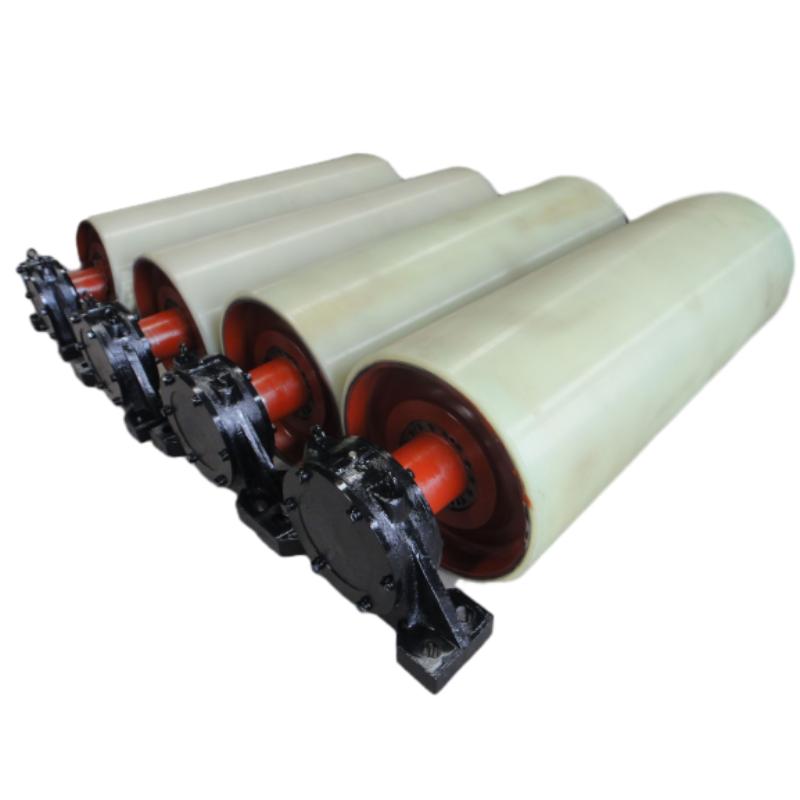
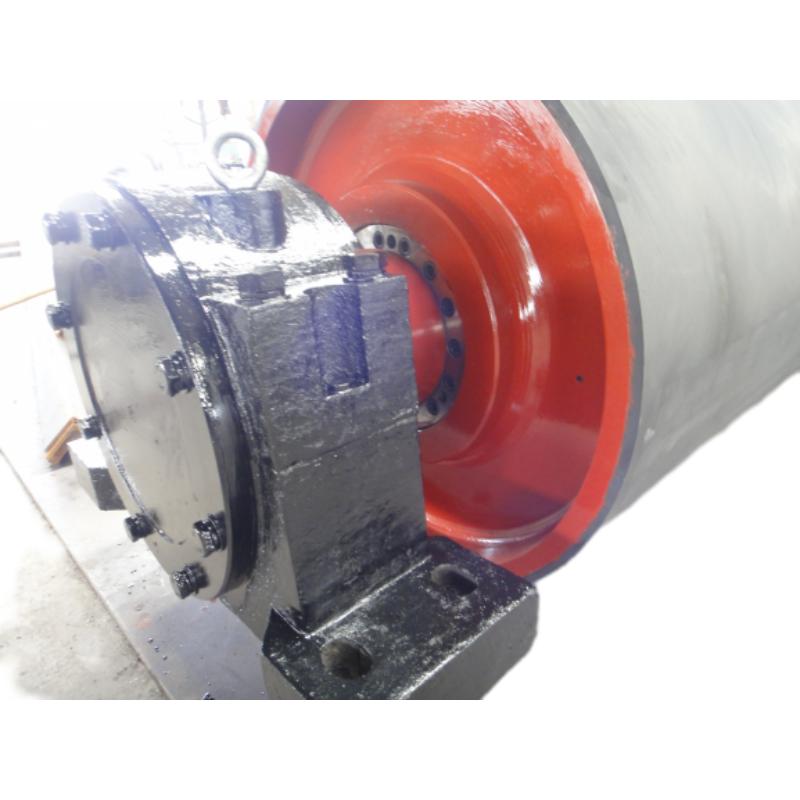
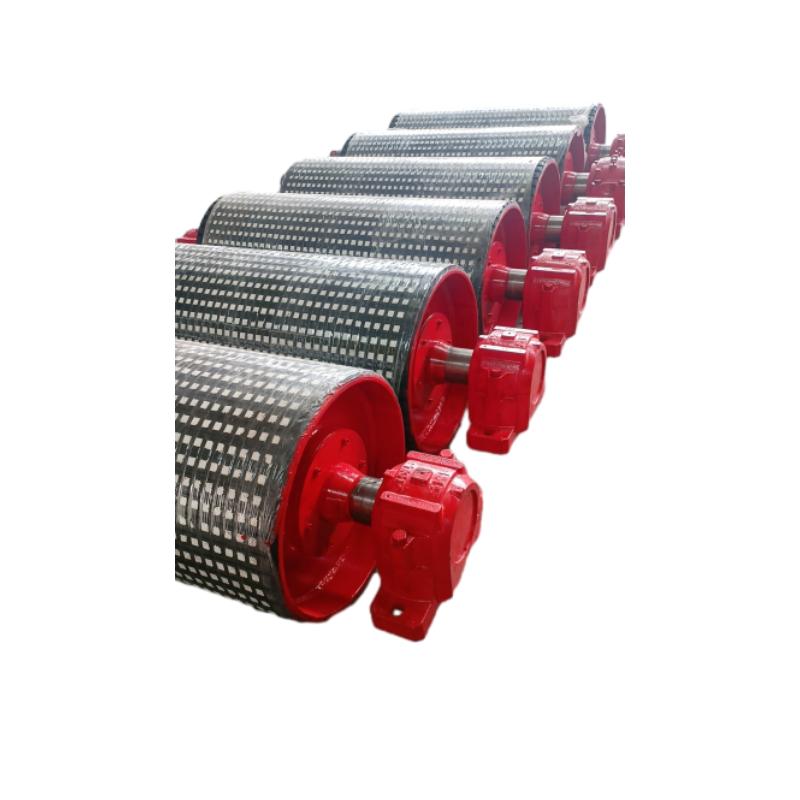
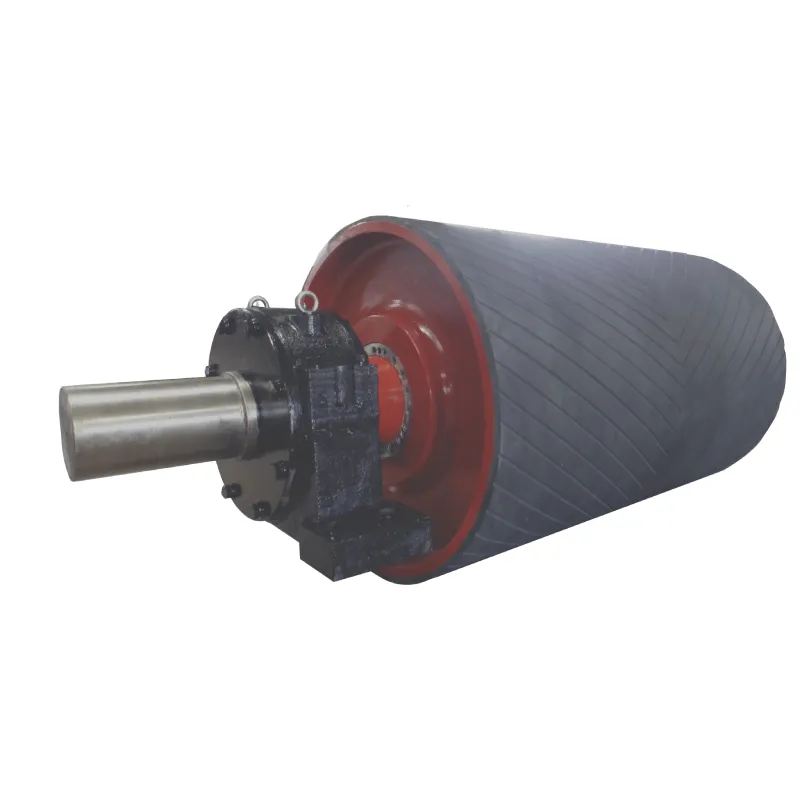
3. Drive Pulleys and Motors
These provide the mechanical power to move the belt. Motors vary in size and type—from electric to hydraulic—depending on operational scale.
4. Tensioners and Take-Up Units
Tensioners maintain the right belt tautness, crucial for preventing slippage or early breakdown—a common failure mode in harsh environments.
5. Safety and Control Systems
Sensors and emergency stops ensure systems run safely, preventing accidents and protecting both machinery and operators alike.
Mini Takeaway:
Each belt conveyor part has a specific function that, when integrated perfectly, keeps the entire operation running seamlessly and efficiently.
Belt Conveyor Parts: A Specification Overview
| Component | Material | Primary Function | Typical Lifespan |
|---|---|---|---|
| Conveyor Belt | Rubber, PVC, Nylon | Material transport surface | 5-10 years |
| Drive Pulley | Steel, Cast Iron | Powers belt movement | 8-15 years |
| Idlers/Rollers | Steel, Plastic Composite | Supports belt and load | 3-7 years |
| Tensioner Unit | Steel Springs, Hydraulic | Maintains belt tension | 5-10 years |
Global Applications and Use Cases
Across continents, belt conveyors appear as silent giants facilitating everything from mining ore in South Africa to sorting recyclable materials in Germany. Oddly enough, they’re even critical in emergency scenarios: following natural disasters, relief organizations rapidly set up conveyor systems to streamline distribution of food and medical supplies in affected zones, proving the system’s robust adaptability.
Remote industrial zones, like Arctic oil fields or desert solar farms, rely on conveyors to reduce reliance on trucks or human labor in tough terrain or climates. Familiar names such as Caterpillar, Siemens, and local manufacturers in Asia have developed variants tailored to these unique challenges.
Vendor Comparison for Belt Conveyor Components
| Vendor | Product Range | Customization | Lead Time | Notable Strength |
|---|---|---|---|---|
| Caterpillar | Full system solutions | High | 4-6 weeks | Industrial-grade durability |
| Siemens | Motors and controls | Medium | 3-5 weeks | Innovative drive technology |
| Idleraohua | Belt, rollers, parts | Custom sizes available | 2-3 weeks | Quick, cost-efficient solutions |
Advantages and Long-Term Value
Beyond efficiency, belt conveyor systems bring a bouquet of benefits. Cost savings over manual labor (sometimes upwards of 50%) plus improved safety reduce onsite injuries. Also, sustainability gains come from optimized energy use and reduced vehicle emissions. It’s pretty rewarding to see a tech solution that’s both financially and ethically smart. Socially, reliable conveyors mean more stable work environments and greater dignity for laborers—something one tends to forget amidst the gears and pulleys.
Future Trends and Innovations
Looking forward, the integration of smart sensors and IoT tech in belt conveyors is changing the game. Imagine real-time monitoring predicting wear or detecting faults before failures occur. Meanwhile, new eco-friendly belt materials—biodegradable or recycled composites—are being tested to reduce environmental impact. Automation, driven by AI-powered robots, is another frontier where the conveyor systems serve not just material movement but also intelligent sorting or packaging.
Challenges and Expert Solutions
Of course, no tech is flawless. Common issues include belt misalignment, excessive wear from abrasive materials, and downtime due to maintenance. Many engineers recommend regular condition-based monitoring paired with modular component designs for easy replacement. Frankly, investing in initial quality often saves headaches (and money) down the road. It’s also worth noting that safely integrating conveyors with other equipment sometimes requires custom safety protocols—nothing generic fits all.
FAQ: Common Questions About Belt Conveyor Parts and Functions
-
Q: How often should conveyor belts be replaced?
A: Typically, belts last between 5 to 10 years depending on usage and environment. Regular inspection can extend lifespan by addressing wear early. -
Q: Can conveyor systems be customized for unusual materials?
A: Yes, many vendors offer tailored belt materials and roller designs specifically for sharp, sticky, or heavy substances. -
Q: What safety features are essential?
A: Emergency stop switches, belt misalignment sensors, and guards around moving parts are key to preventing accidents. -
Q: How energy efficient are modern belt conveyors?
A: Innovations in motor technology and optimized part designs have improved energy efficiency by up to 30% compared to older models.
Conclusion and Call to Action
In real terms, mastering belt conveyor parts and functions means embracing industrial efficiency, sustainability, and safety all at once. Whether you’re managing plants, supporting disaster relief, or just curious about how massive supply chains keep humming, investing time to understand these systems pays lasting dividends. Explore more and find tailored solutions at https://www.idleraohua.com. They’re a reliable resource for quality conveyor parts and expertise.
The quiet strength behind industry’s biggest movers is often unseen—but with the right knowledge, their powerful story comes alive.
References
-
Maximize Conveyor Life with a High Performance impact bedNewsApr.16,2026
-
Maximize Conveyor Efficiency Using a v plow belt scraperNewsApr.09,2026
-
Comprehensive Guide to Understanding Different Types of Belt CleanersNewsApr.07,2026
-
Enhancing Conveyor Efficiency with an Effective Scraper Belt CleanerNewsApr.04,2026
-
Optimizing Conveyor Systems with Advanced Cleaning Equipment SolutionsNewsMar.31,2026
-
Effective Conveyor Belt Scraper Adjustment for Optimal System PerformanceNewsMar.28,2026