

Conveyor Roller Assembly – The Essential Guide to Efficient Material Handling Systems
Understanding Conveyor Roller Assembly: Key to Efficient Material Handling
Conveyor roller assembly might sound like something tucked away in factory corners, but it’s actually a quiet powerhouse of global industry. From movement of goods in sprawling warehouses to high-speed sorting in airports, these assemblies keep the flow steady and predictable. Grasping their role and impact matters, because they directly influence efficiency, cost-savings, and safety in countless industries worldwide.
Global Context: Why Conveyor Roller Assemblies Matter
In 2023, the global material handling equipment market surpassed $47 billion, with conveyor systems being a major slice of that pie (Statista). What’s striking is how critical conveyor roller assembly is to this infrastructure — an intricately engineered component that ensures smooth, uninterrupted transport of goods. Given international trade’s expanding footprint, and streams of e-commerce fulfillment centers mushrooming worldwide, the demand for reliable conveyor roller assembly only grows.
Yet challenges persist. Harsh environments, increasing load weights, and demands for faster throughput push these assemblies to their limits. Addressing these issues requires understanding their design, materials, and practical deployment.
What Is a Conveyor Roller Assembly?
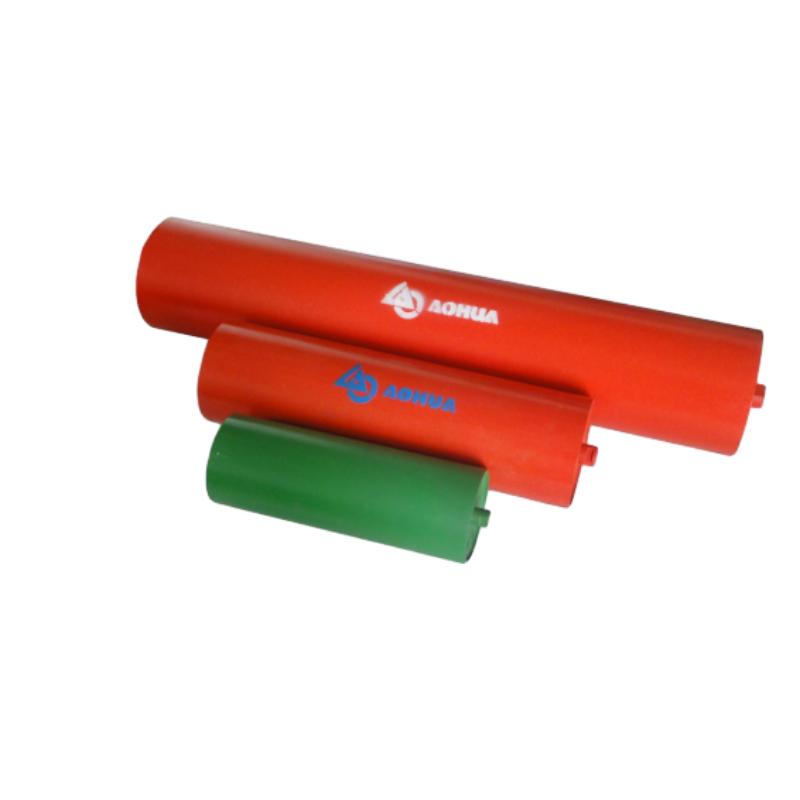
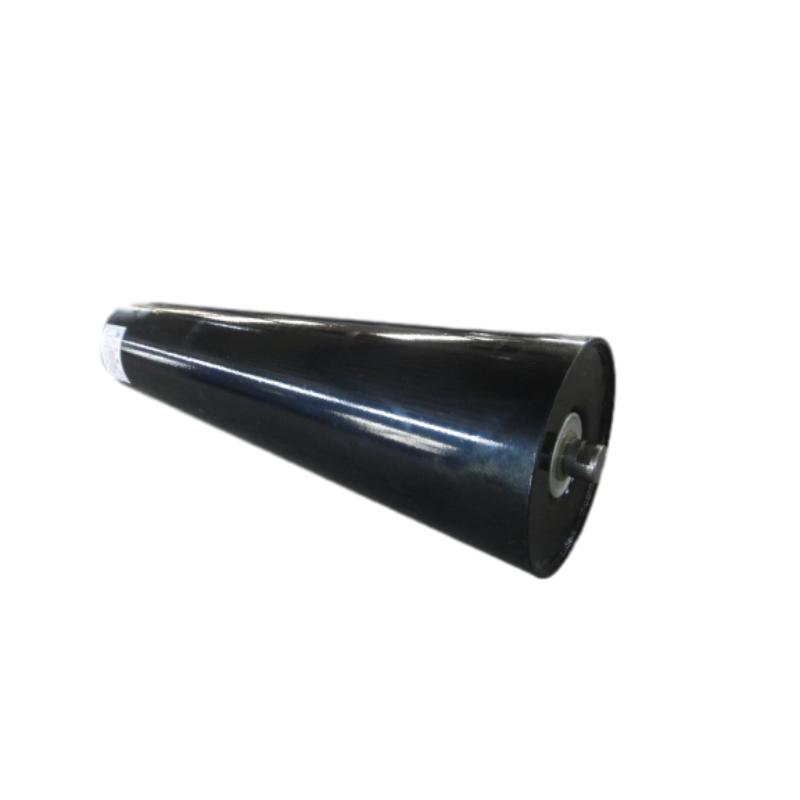
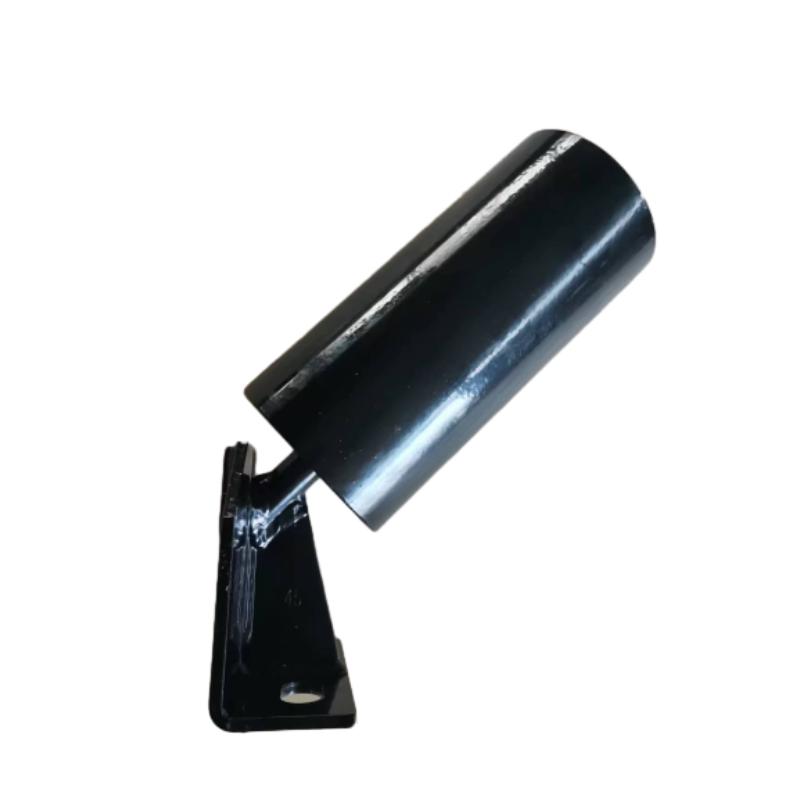
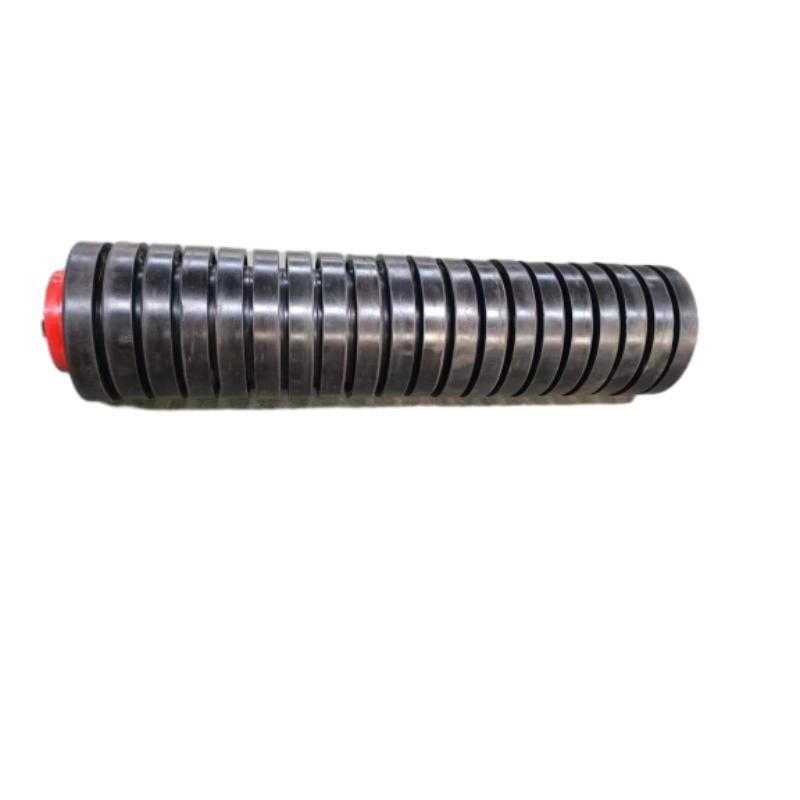
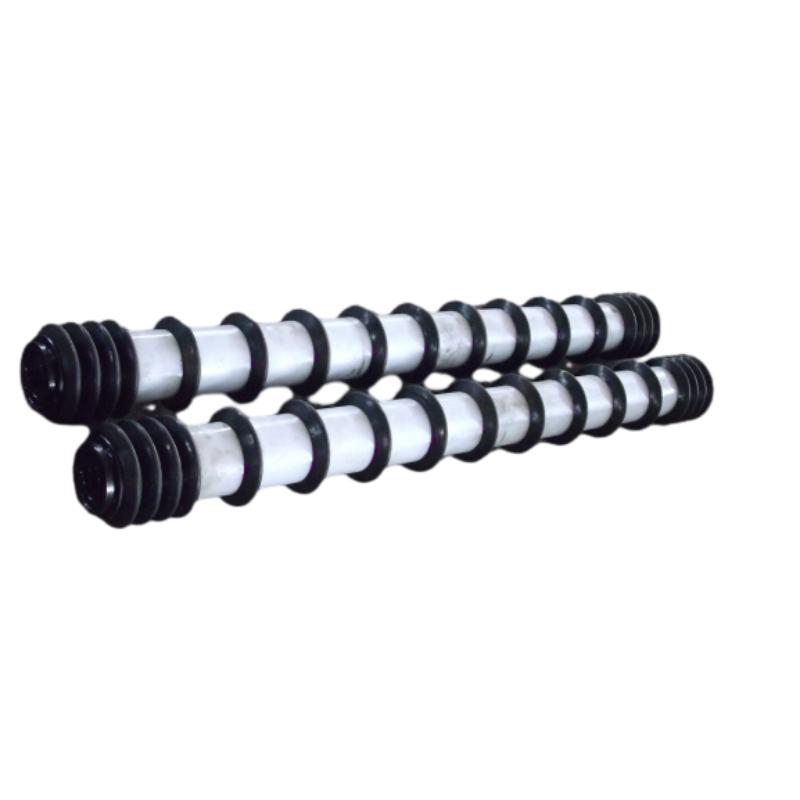
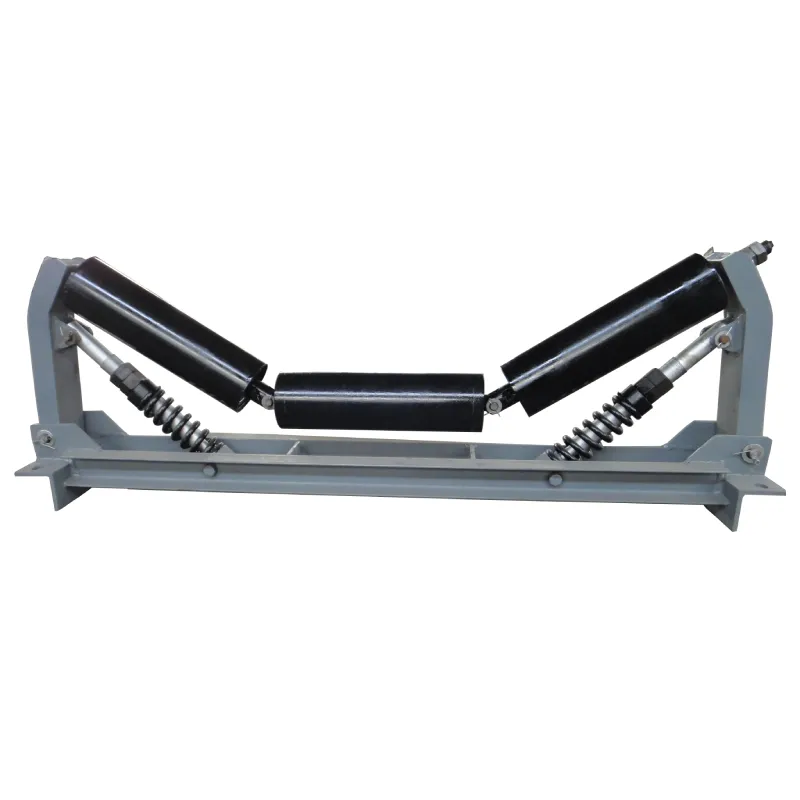
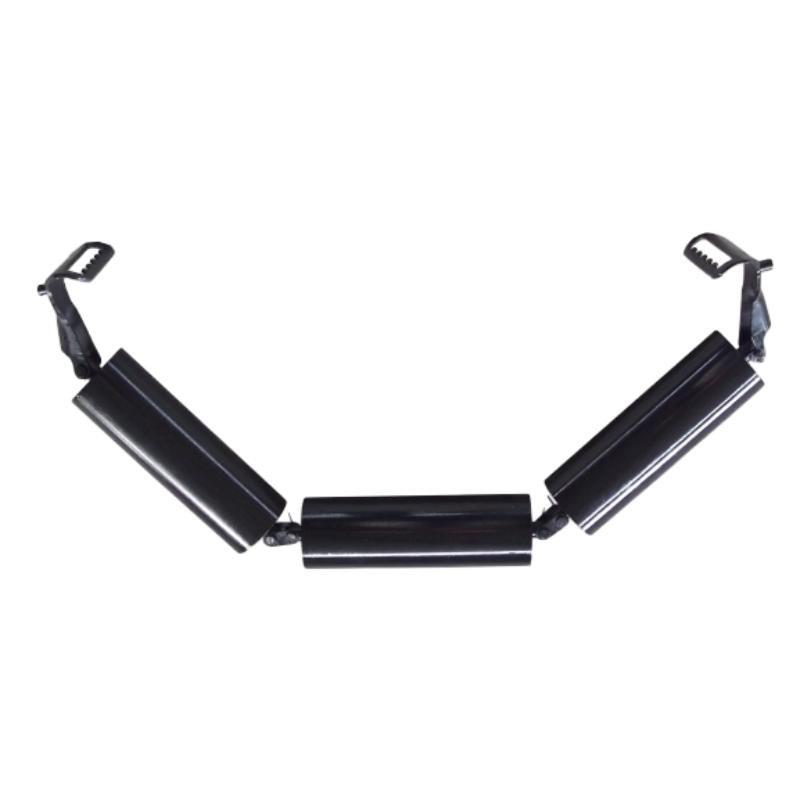
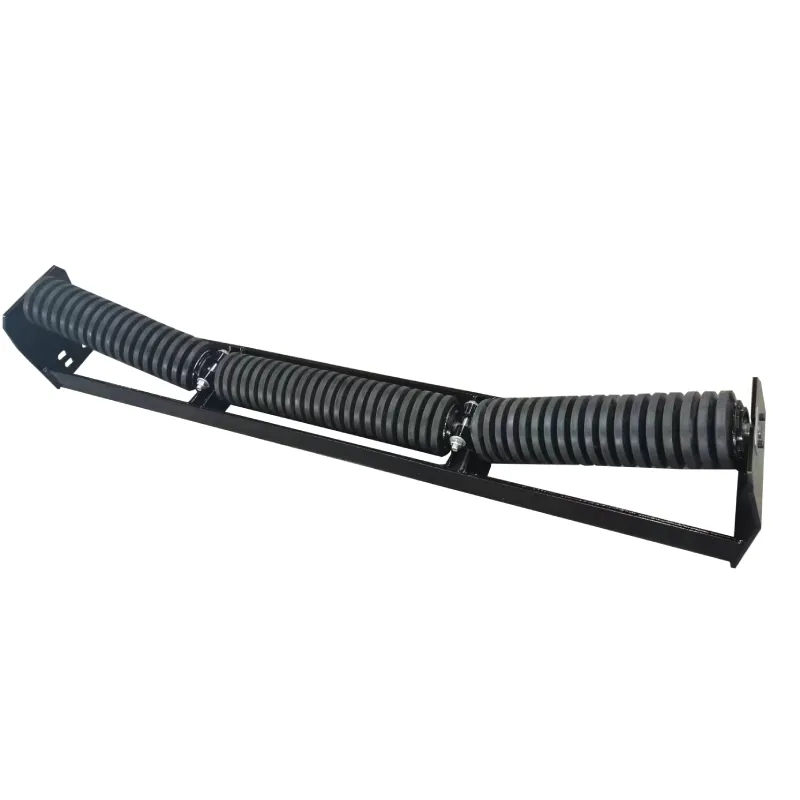
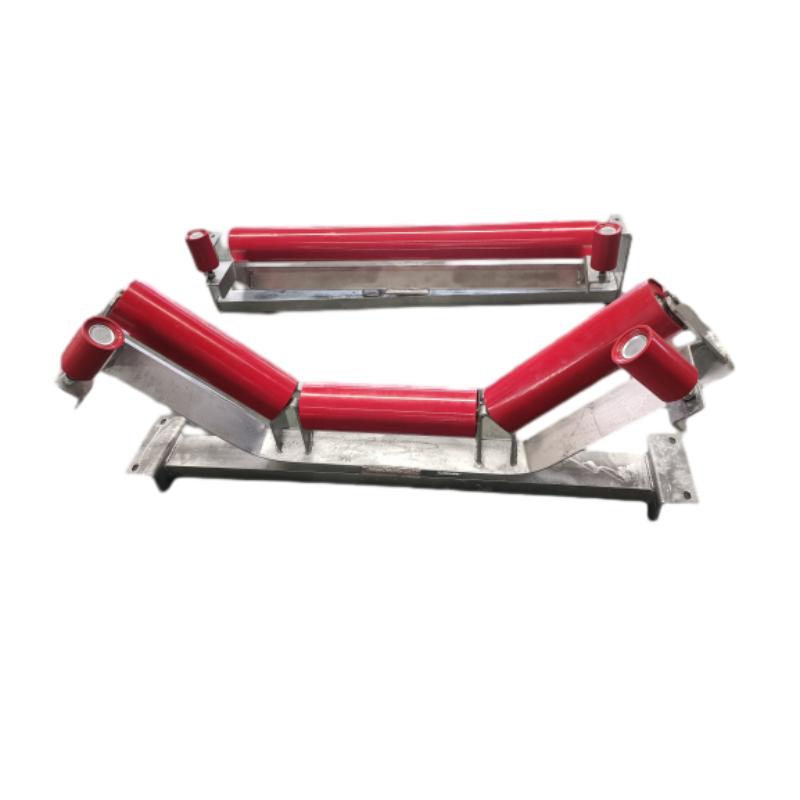
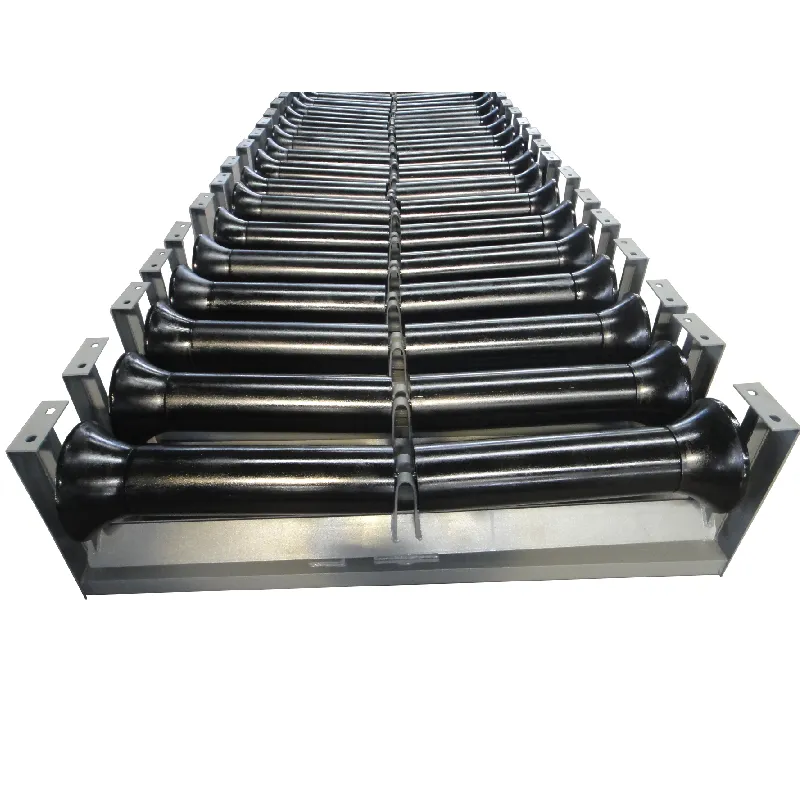
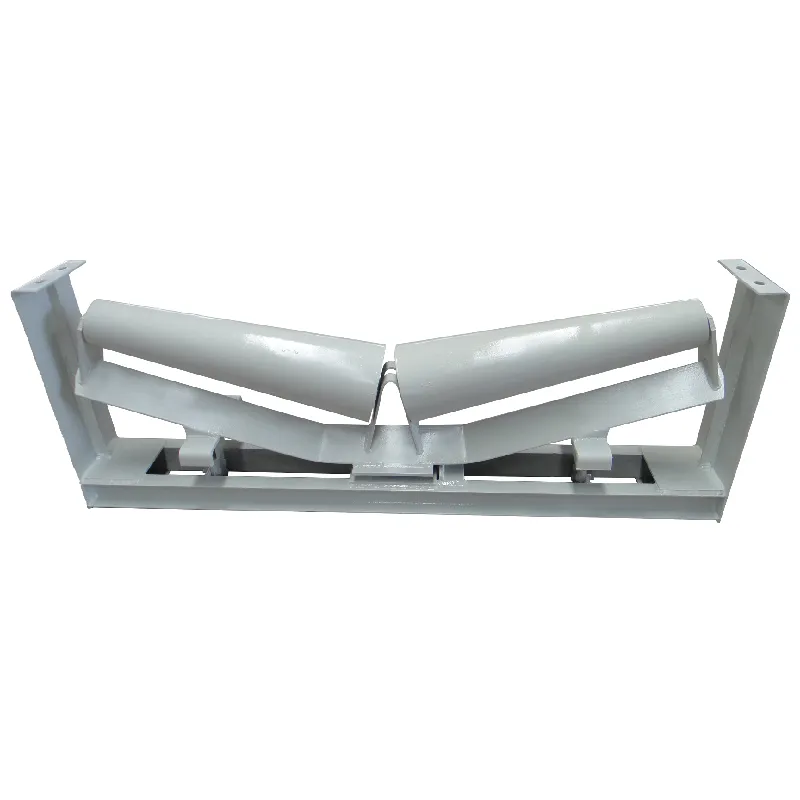
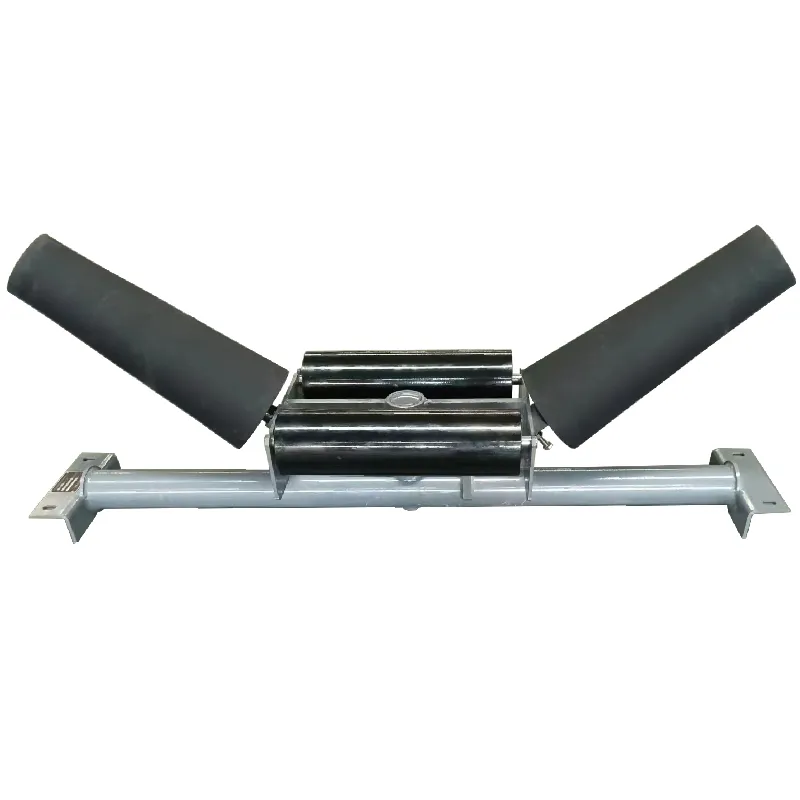
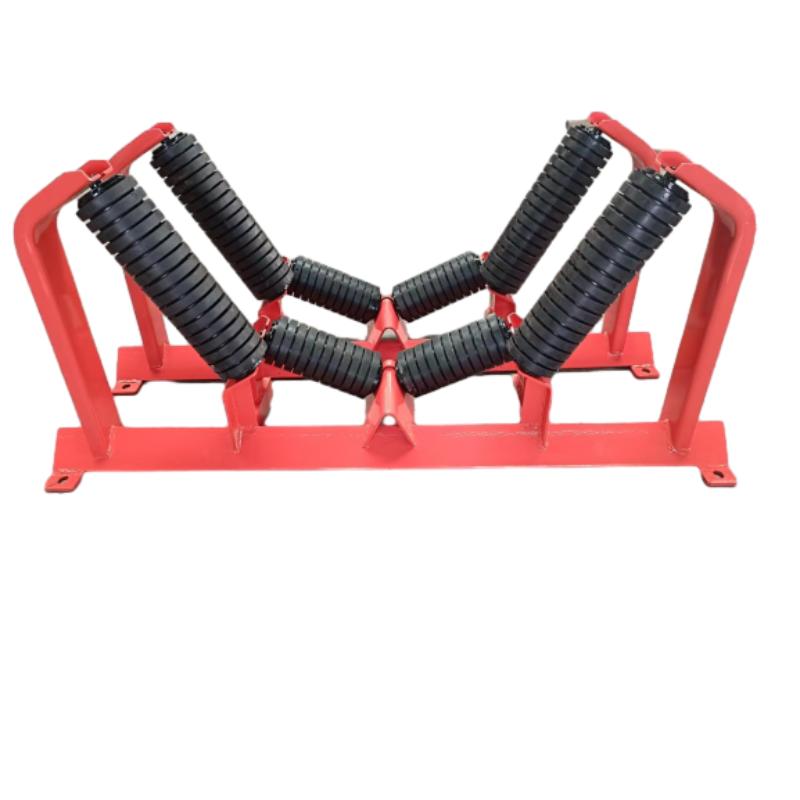
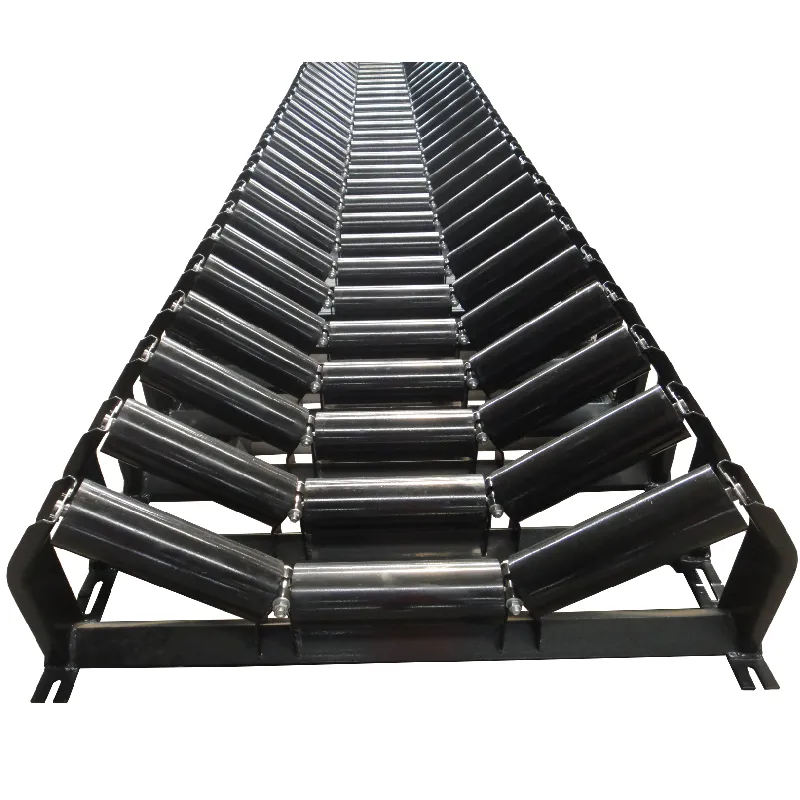
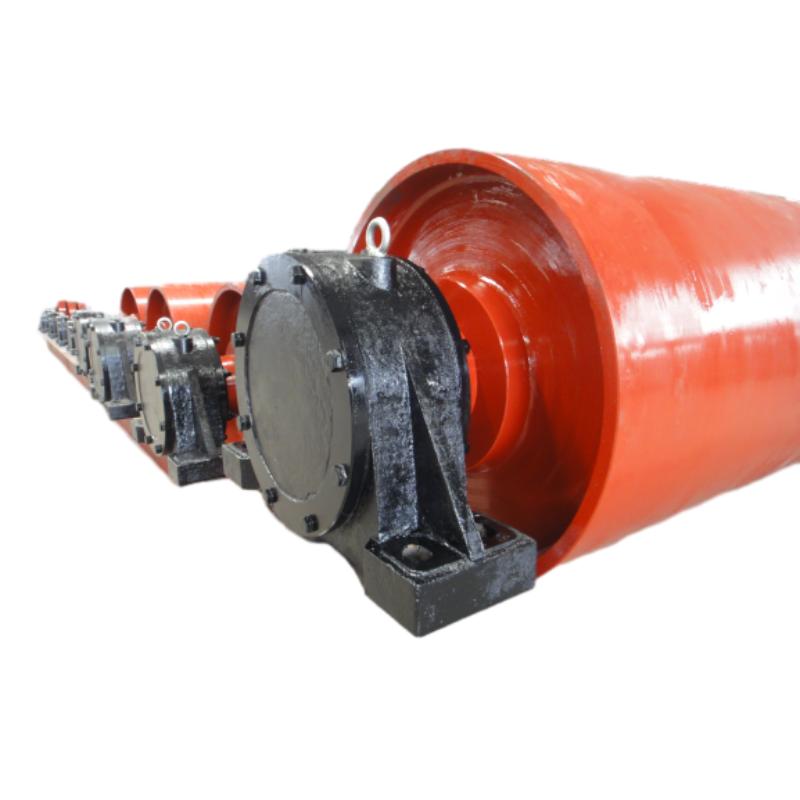
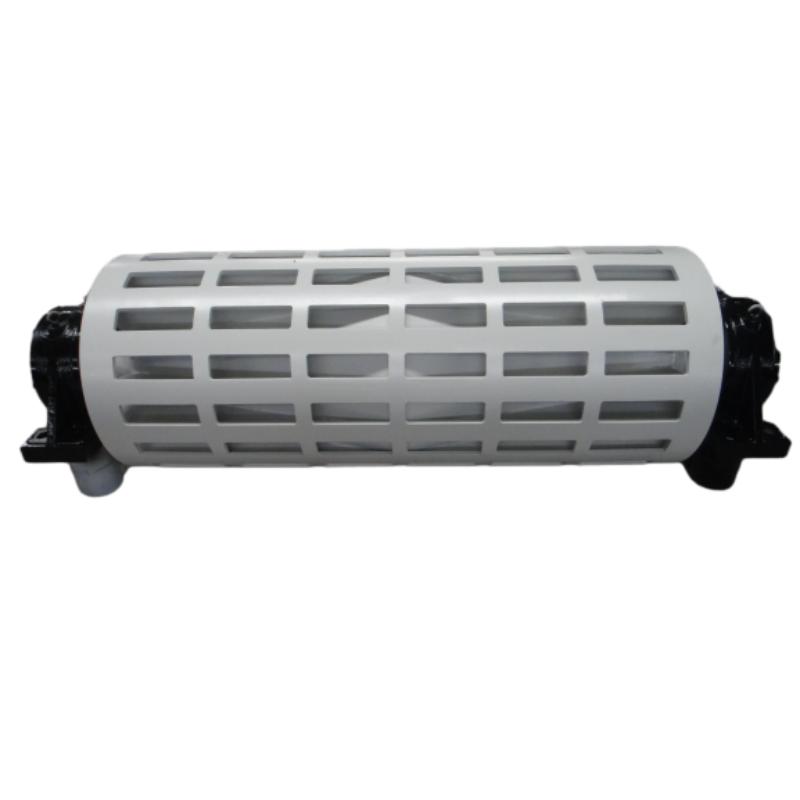
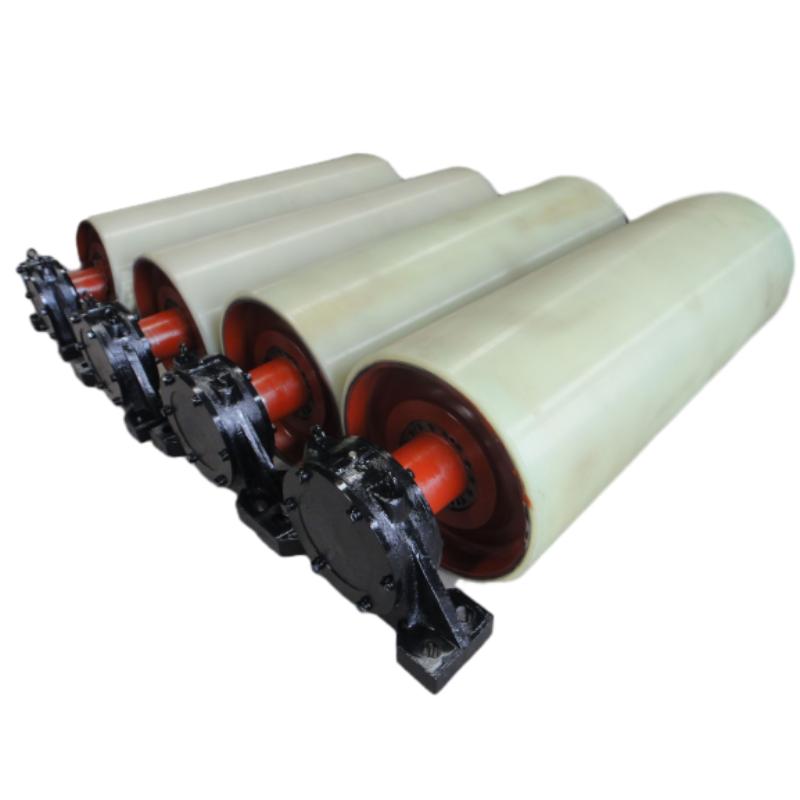
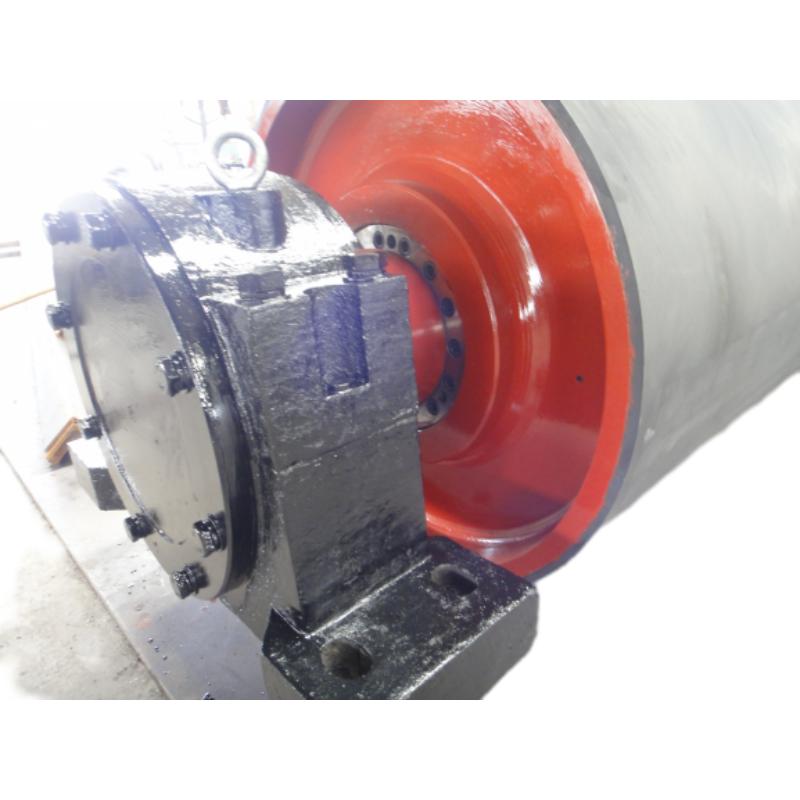
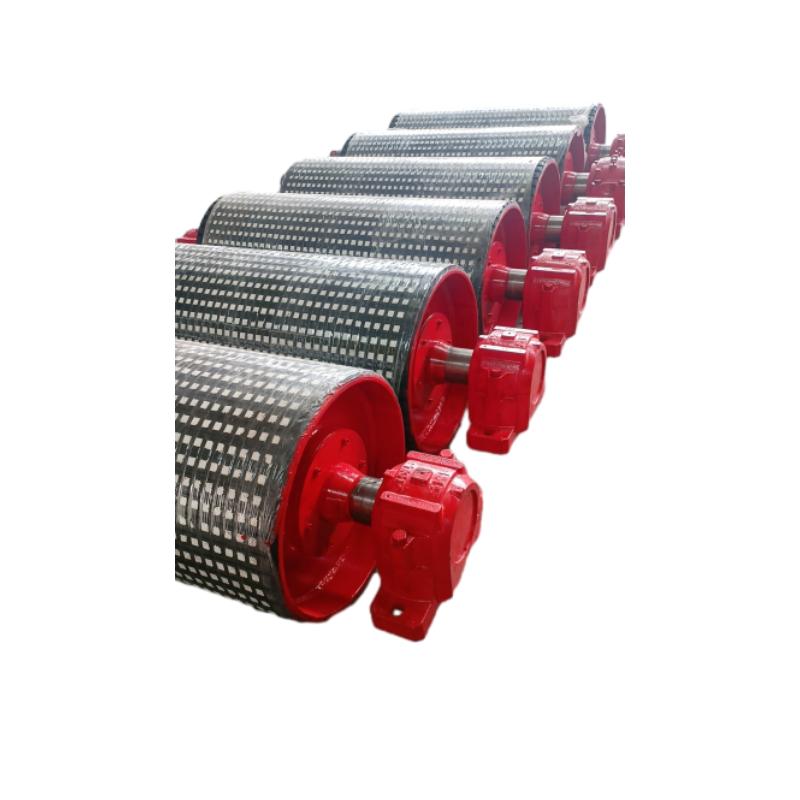
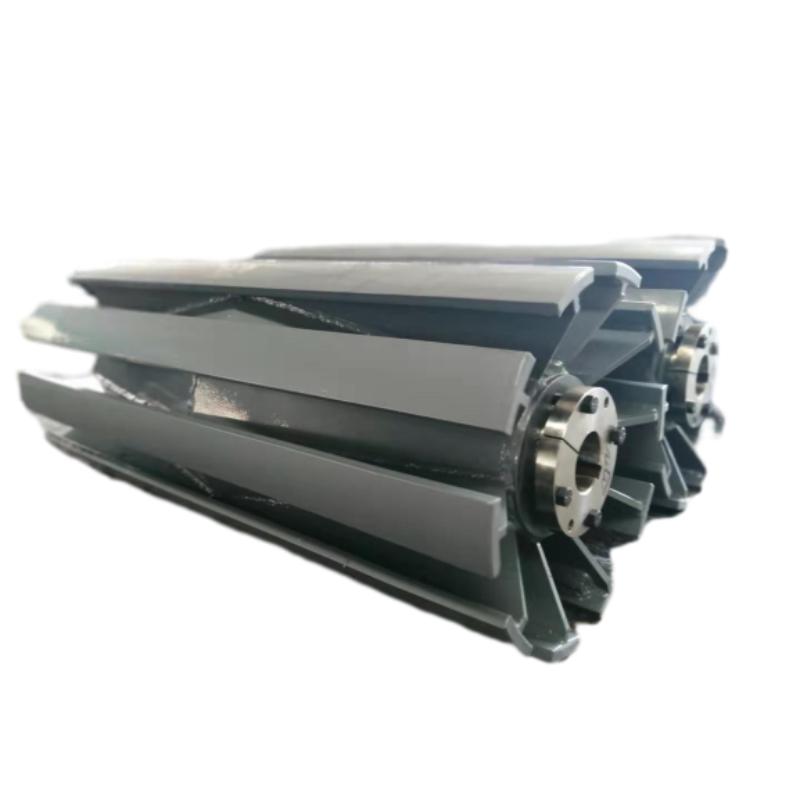
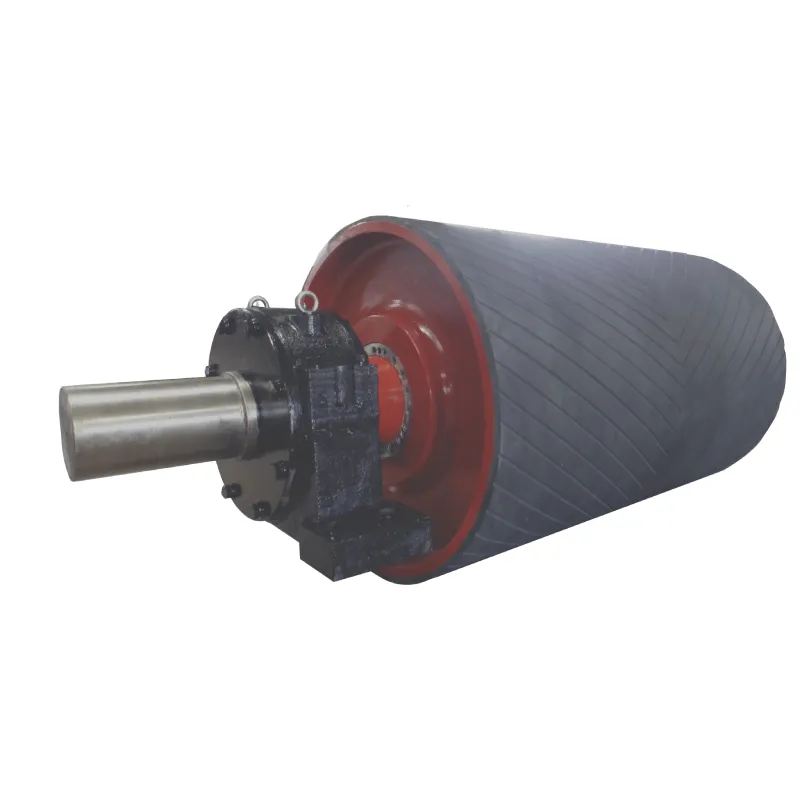
In simple terms, conveyor roller assembly refers to a set of cylindrical rollers mounted on shafts housed within a frame, usually part of a larger conveyor system. These rollers reduce friction, allowing heavy or bulky items to glide across conveyor belts or gravity-fed systems. You could think of it as the “wheels” of a conveyor — quietly enabling smooth movement that powerfully underpins logistics, manufacturing, and even humanitarian aid deliveries.
These assemblies aren’t just machinery. They’re vital to modern economies, connecting raw materials, assembly lines, and final package shipments in a chain that often spans continents.
Key Factors and Components in Conveyor Roller Assembly
Durability
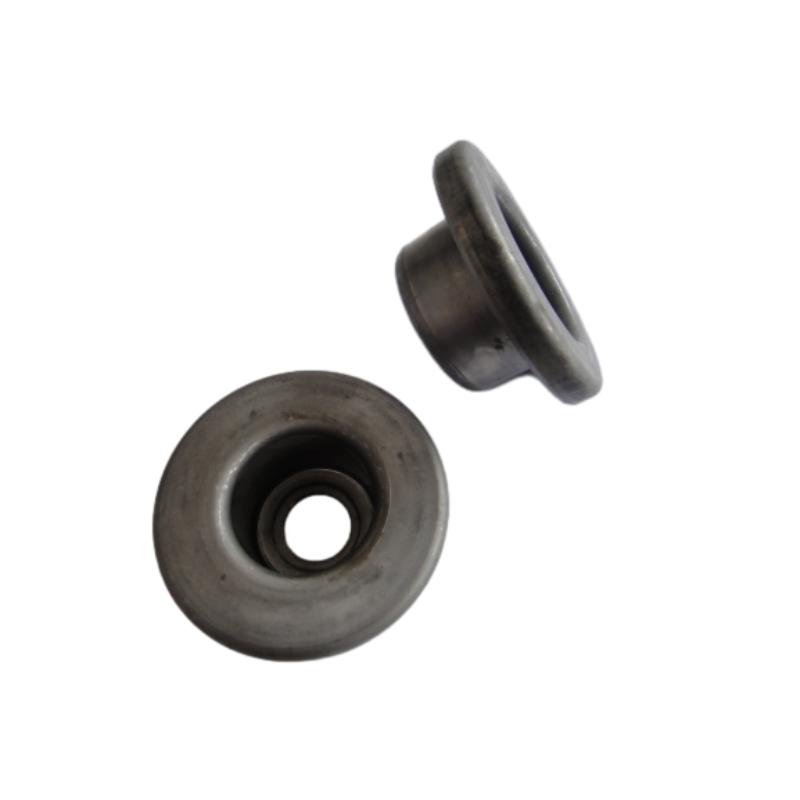
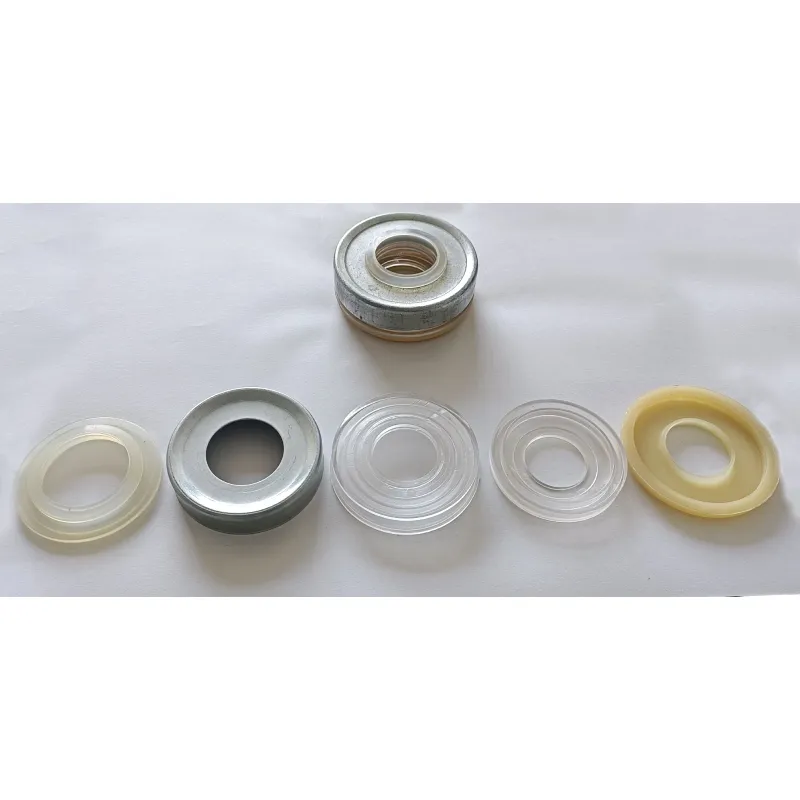
Given the relentless wear and tear — sometimes with abrasive or heavy materials — durability is paramount. Materials like galvanized steel or stainless steel frames and rollers improve lifespan, while bearings must resist corrosion and handle high loads.
Scalability
Modularity in roller assemblies allows businesses to scale up or down quickly. This means you can add or remove roller sections to adapt to changing throughput demands — essential in e-commerce hubs or seasonal industries.
Cost Efficiency
Thinking about total cost of ownership rather than just initial purchase is key. Low friction rollers reduce motor energy consumption, saving operating costs over the long run — an important factor, especially in large-scale facilities where conveyors run 24/7.
Maintenance & Accessibility
Easy-to-service roller assemblies minimize downtime. Systems that allow quick replacement of worn rollers or bearings save labor costs and keep lines moving.
Load Capacity & Speed
Roller assemblies must match the weight and expected speed of transported goods. Mismatching these specs can cause premature failures or safety issues.
Customization
Specialized rollers—like rubber-coated or stainless variants—serve niche environments, from food processing to chemical plants, where hygiene and corrosion resistance are critical.
Global Applications & Real-World Use Cases
- Manufacturing hubs: In factories across Asia and Europe, conveyor roller systems automate assembly lines, moving heavy parts between stations swiftly and safely.
- Logistics centers: Amazon warehouses in the U.S. rely on complex conveyor roller assemblies to sort millions of packages daily — some traveling over 15 kilometers on interconnected roller conveyors.
- Food industry: In Europe, stainless steel roller assemblies ensure hygiene in moving perishable items, maintaining food safety standards.
- Disaster relief operations: Conveyor assemblies expedite unloading and sorting of supplies in post-disaster zones, speeding humanitarian aid delivery.
- Mining operations: Remote sites in Africa use heavy-duty roller assemblies to transport extracted minerals efficiently over uneven terrain.
Oddly enough, these assemblies quietly support industries and humanitarian efforts alike — a testament to their versatility.
Advantages & Long-Term Value of Conveyor Roller Assembly
It’s not just about moving items. Conveyor roller assemblies deliver reliable, cost-effective, and scalable solutions that reduce labor intensity and increase throughput. This reliability fosters trust in supply chains. Imagine a hospital receiving medical supplies on time because the conveyor system didn’t fail — that’s the social impact these humble assemblies can underpin.
They also promote sustainability. Energy-efficient roller systems mean less power consumed per unit moved, lowering the carbon footprint of large warehouses and factories. And since they’re modular, you don’t need to replace entire conveyor lines when demand shifts — reducing waste.
Product Specifications: Typical Conveyor Roller Assembly
| Specification | Details |
|---|---|
| Roller Material | Galvanized Steel / Stainless Steel / Plastic |
| Diameter | 50 mm – 150 mm |
| Length | 300 mm – 2,000 mm |
| Bearing Type | Sealed Ball / Roller Bearing |
| Load Capacity per Roller | 50 kg to 500 kg |
| Operating Temperature | -20°C to 80°C |
Comparing Top Conveyor Roller Assembly Vendors
| Feature | Vendor A | Vendor B | Vendor C |
|---|---|---|---|
| Material Options | Galvanized, Stainless | Plastic, Stainless | Steel, Rubber Coated |
| Load Capacity | Up to 500 kg | Up to 300 kg | Up to 600 kg |
| Customization Level | High | Medium | High |
| Lead Time | 2-3 weeks | 1-2 weeks | 3-4 weeks |
| Price Range | $$$ | $$ | $$$ |
Future Trends & Innovations in Conveyor Roller Assembly
The conveyor roller assembly space is shifting, with fresh tech and sustainability goals leading the charge. Automation is picking up — smart rollers equipped with sensors can now monitor wear, temperature, and load in real time, alerting maintenance teams before failures occur.
Material innovation is another hotspot: composites that combine lightweight with durability, and antimicrobial coatings for food and pharma sectors — these reduce contamination risks.
Energy-wise, manufacturers aim to design ultra-low friction rollers to cut electricity bills for warehouses running 24/7. Plus, recycling efforts see more rollers made from reclaimed materials, aligning with circular economy ideals endorsed by ISO and industry standards (ISO).
Challenges & Expert Solutions
Not all is smooth sailing, of course. Environmental extremes, like corrosive chemicals or dust, can cause premature assembly failures. Often, companies underestimate the load specs or maintenance frequency, leading to costly downtime.
Experts suggest installing more robust seals, using specialized coatings, and implementing predictive maintenance technologies to head off surprises. Training staff thoroughly also pays off — because human factors often make or break operational success.
Frequently Asked Questions About Conveyor Roller Assembly
- Q: How do I choose the right conveyor roller assembly for my needs?
- A: Assess your product’s weight, speed, and environmental conditions first. Then, pick materials and bearings accordingly. Consulting vendors who offer customizable solutions often helps ensure your system matches operational needs perfectly.
- Q: Can conveyor roller assemblies be used outdoors?
- A: Absolutely, but you’ll want corrosion-resistant materials like stainless steel or coated rollers. Also, sealed bearings help prevent dirt and moisture ingress, which can degrade performance.
- Q: How often should conveyor roller assemblies be maintained?
- A: It depends on usage, but routine checks every 3-6 months are advisable. Look for unusual noises, wear signs, or misalignment. Predictive maintenance can optimize intervals further.
- Q: Are conveyor roller assemblies customizable for special industries?
- A: Yes, many vendors provide options like rubber-coated rollers for grip, food-grade materials for hygiene, or high-temperature capable rollers for foundries. Always communicate your requirements clearly upfront.
Conclusion: Conveyor Roller Assembly as an Industry Backbone
Ultimately, conveyor roller assemblies form the linchpin of countless supply chains — quietly enabling speed, safety, and sustainability. Their versatility and evolving tech keep industries adaptable and competitive. If you want to explore the right options and solutions tailored for your operations, visit our website. Trust me, investing in the right roller assembly pays dividends in efficiency and reliability for years to come.
References
-
Maximize Conveyor Life with a High Performance impact bedNewsApr.16,2026
-
Maximize Conveyor Efficiency Using a v plow belt scraperNewsApr.09,2026
-
Comprehensive Guide to Understanding Different Types of Belt CleanersNewsApr.07,2026
-
Enhancing Conveyor Efficiency with an Effective Scraper Belt CleanerNewsApr.04,2026
-
Optimizing Conveyor Systems with Advanced Cleaning Equipment SolutionsNewsMar.31,2026
-
Effective Conveyor Belt Scraper Adjustment for Optimal System PerformanceNewsMar.28,2026