

Choosing a Belt Conveyor Idler: Working Requirements and Integration Fit
THE BUYER'S GUIDE / SELECTION
Choosing a Belt Conveyor Idler: Working Requirements and Integration Fit
A buyer-focused guide to selecting a belt conveyor idler from Yanshan Aohua Machinery Equipment Manufacture Limited Company. It covers installation position, belt width, trough angle, spacing, roller and axle dimensions, bearing type, frame and coating options, and when a belt conveyor impact idler is the better fit. All figures come from the published product listings and should be confirmed against your drawing before ordering.

Installation position: carrying run (troughing, suspension, aligning idler) versus material receiving point (impact idler)
Belt width within the published 400–2400 mm range
Trough angle (10°, 20°, 30°, 35°, 45°, 60°, or custom)
Installation spacing: typically 1000–1200 mm for carrying idlers; generally under 400 mm for impact idlers; adjustable to user requirements
Roller diameter (48–219 mm), roller wall thickness (2.5–6 mm), axle diameter (17–60 mm) and length (150–3500 mm) matched to the parameter table
Bearing type matched to roller diameter per the parameter table; listed bearing brands HRB, ZWZ, LYC, SKF, FAG, NSK
Frame material (angle steel, channel steel, steel pipe) and material standard (Q235B, Q235A)
Coating: electrostatic powder spraying, painting or hot-dip galvanizing (general idler); painting (impact idler)
Impact idler only: impact material (NR plus synthetic additive or polyurethane), flame-retardant anti-static or common type, cold-pressed or hot-vulcanized forming
Drawing, drawing number or diagram dimensions supplied for an accurate match
Choosing a Belt Conveyor Idler: Working Requirements and Integration Fit
A belt conveyor idler supports the belt and the material it carries. Yanshan Aohua Machinery Equipment Manufacture Limited Company's product description says idler performance is an important factor in smooth conveyor running. Idlers come in several types, depending on what they do and where they are installed. So the right choice depends on your conveyor first and on the catalogue second.
This guide explains which working requirements to define before you send an enquiry. It also covers how to match them to the published ranges for the AOHUA Belt Conveyor Idler and Belt Conveyor Impact Idler. It does not replace a design review of your conveyor.
1. Start with the installation position
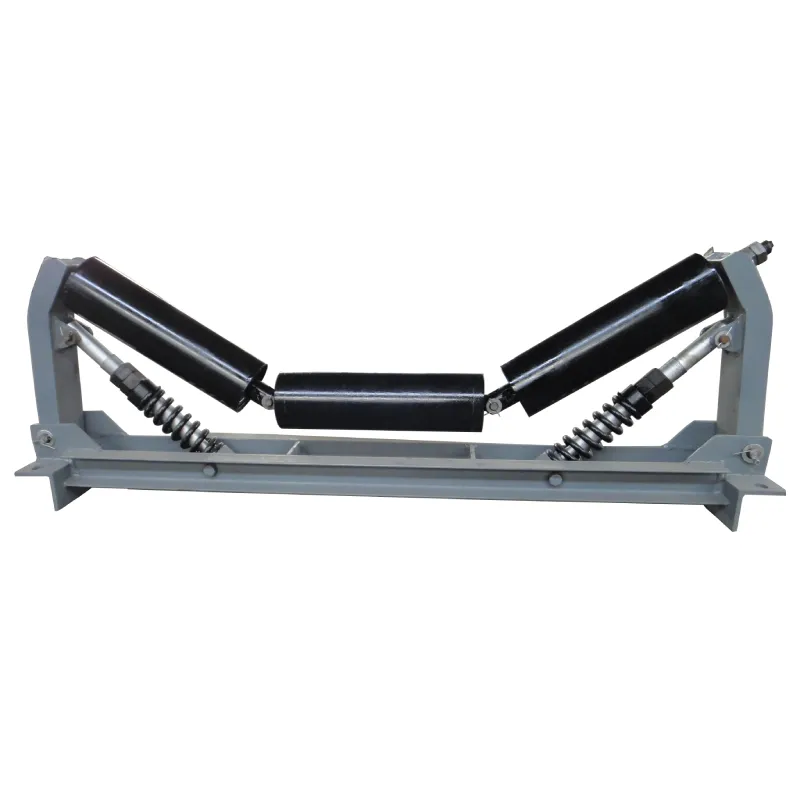
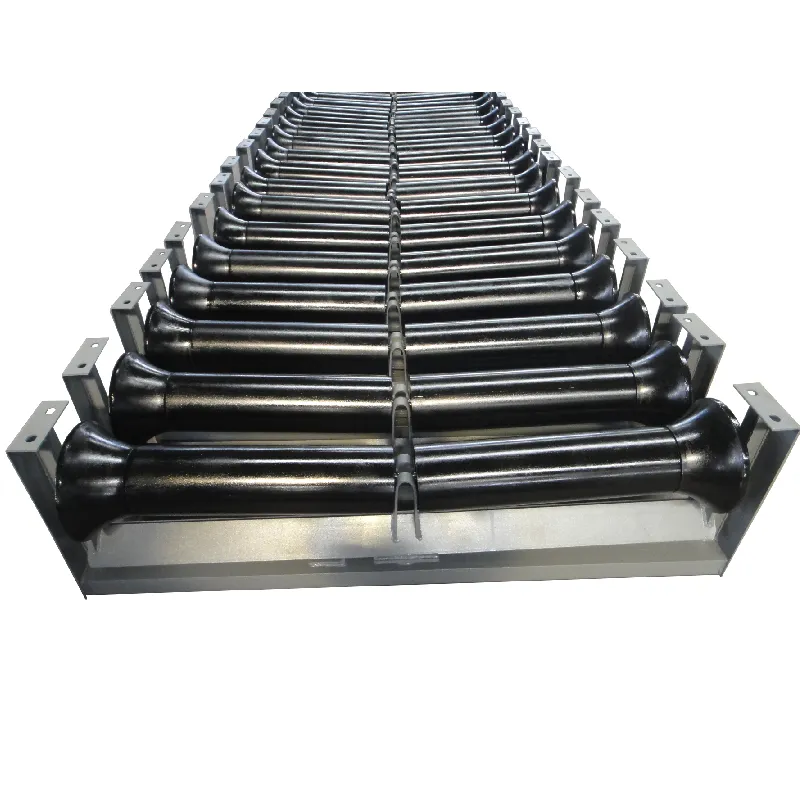
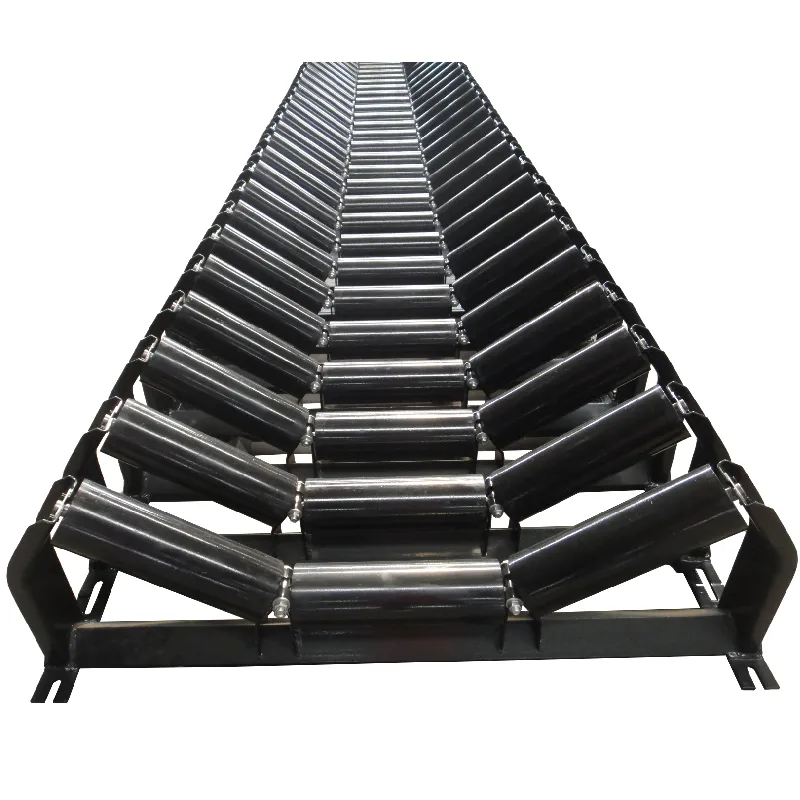
The published description lists these as carrying idlers:
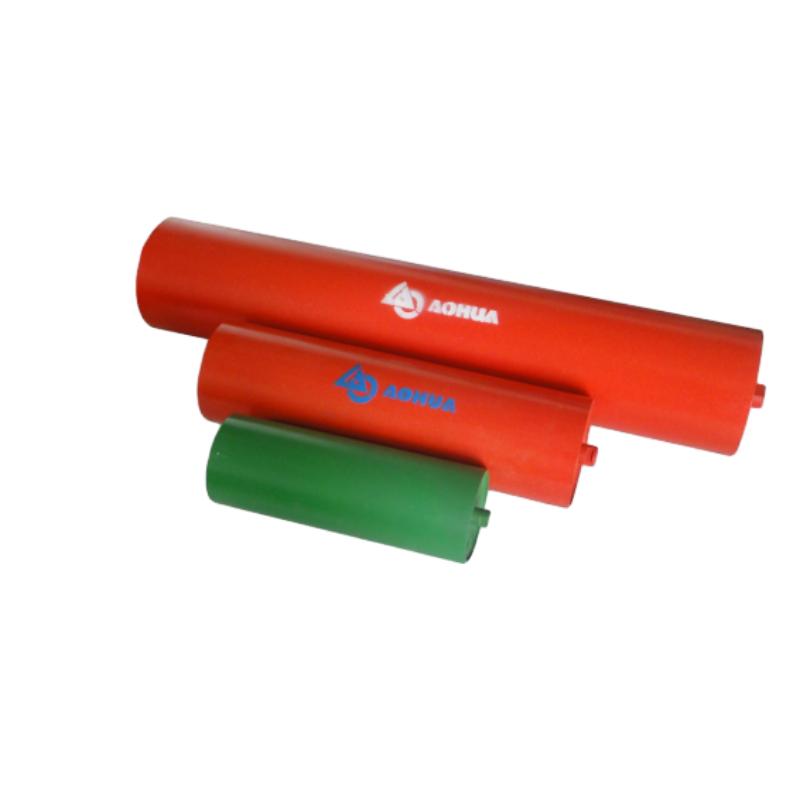
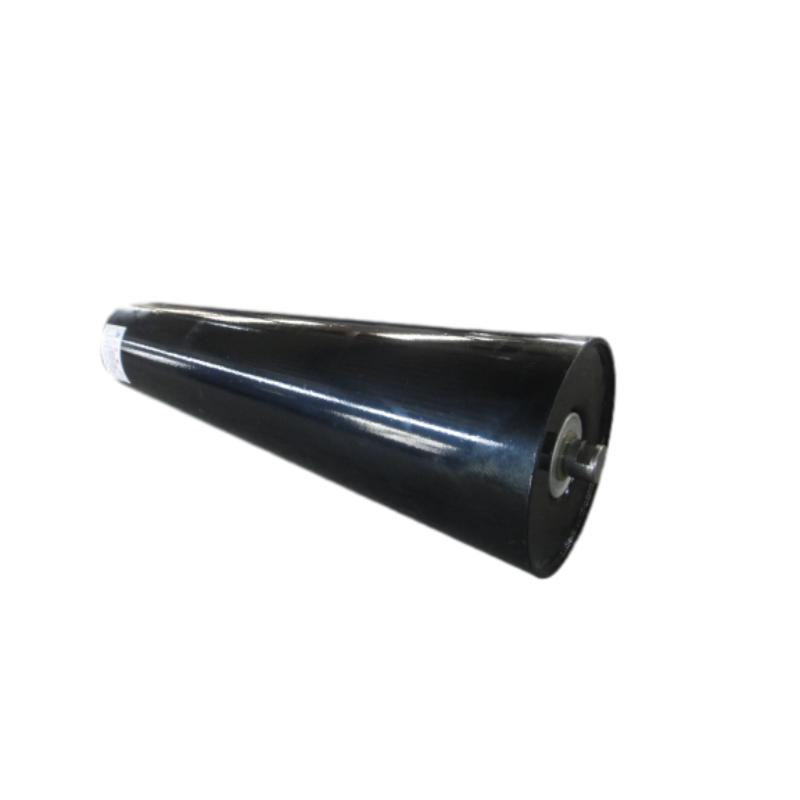
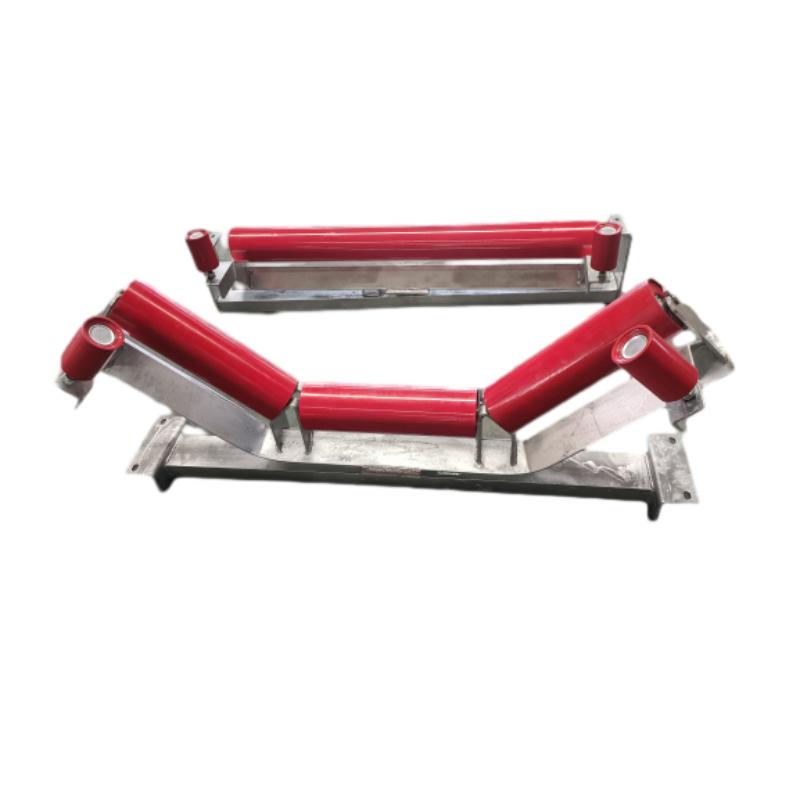
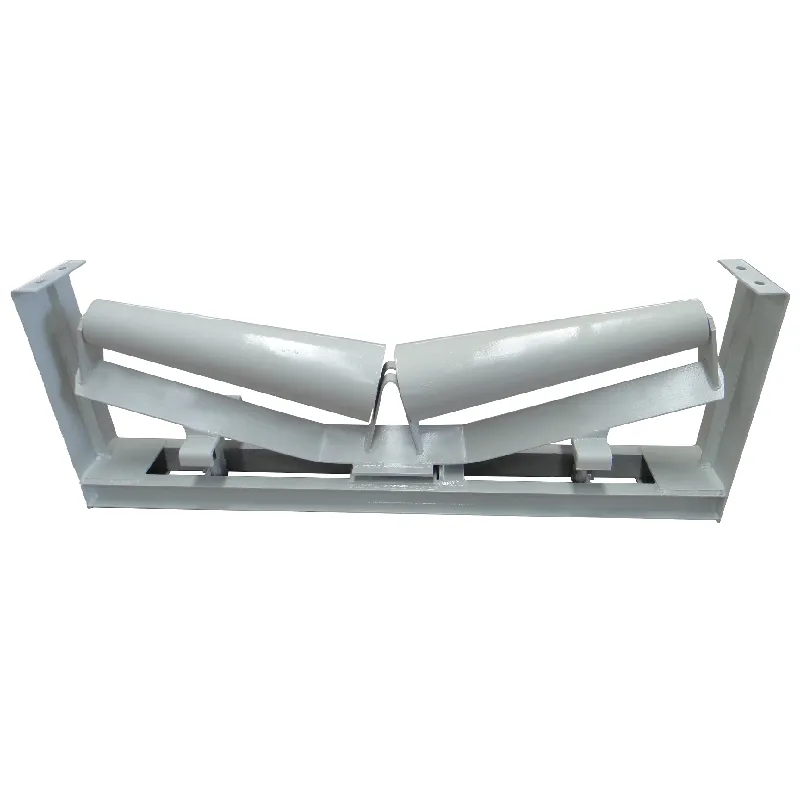
- Troughing idler: supports the loaded belt in a troughed profile along the carrying run.
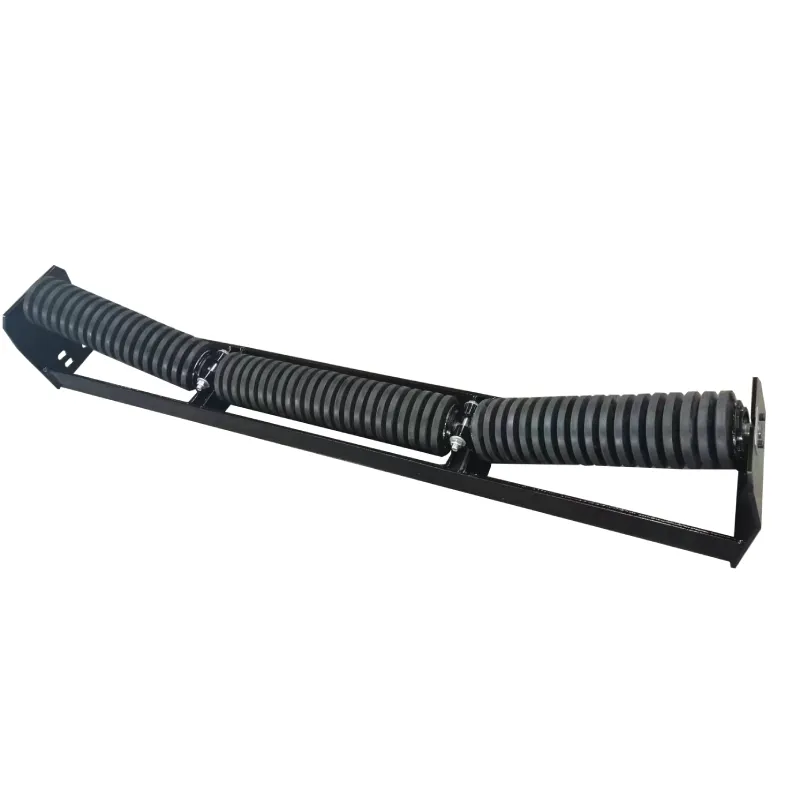
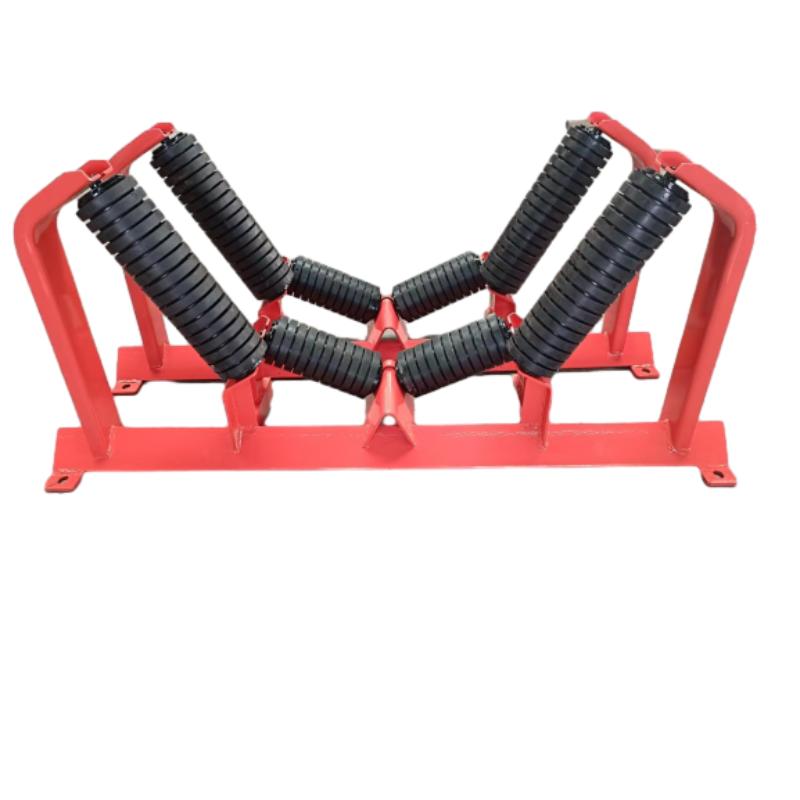
- Impact idler: installed below the point where material is received.
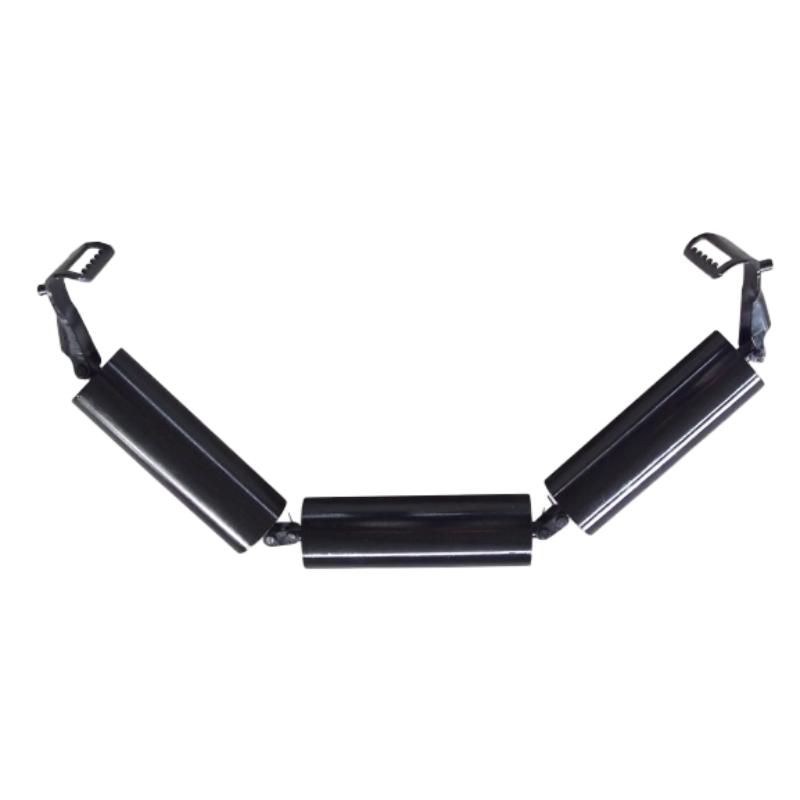
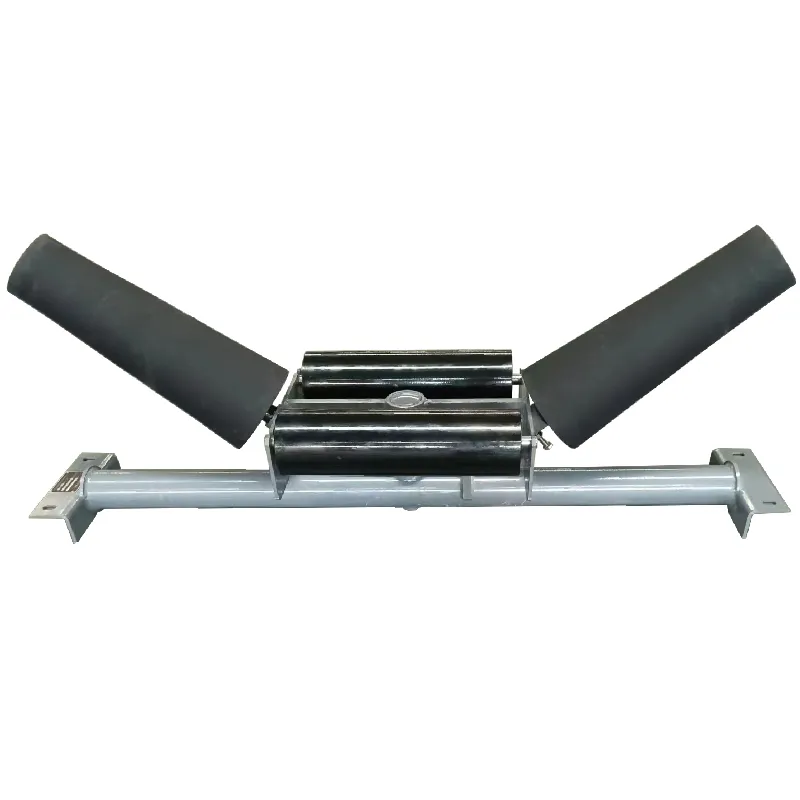
- Suspension idler
- Carrying aligning (adjusting) idler
If the idler goes on the carrying run, the general belt conveyor idler is the usual starting point. If it goes under a loading or transfer point where bulk material falls onto the belt, look at the belt conveyor impact idler instead (see section 6).
2. Confirm belt width and trough angle
- Belt width: both listings give 400–2400 mm.
- Trough angle: 10°, 20°, 30°, 35°, 45°, 60°, and so on. Other angles can be made to customer requirements.
Check that the trough angle matches the rest of the carrying run and your belt specification. Mixing angles at a transition is a design question for your conveyor engineer, not something the idler listing answers.
3. Plan the installation spacing
The listing gives a typical spacing of 1000–1200 mm for carrying idlers, which can be adjusted to user requirements. For impact idlers, the published description says spacing is generally less than 400 mm. When you order, state the spacing used on your existing structure so the frames and mounting holes line up.
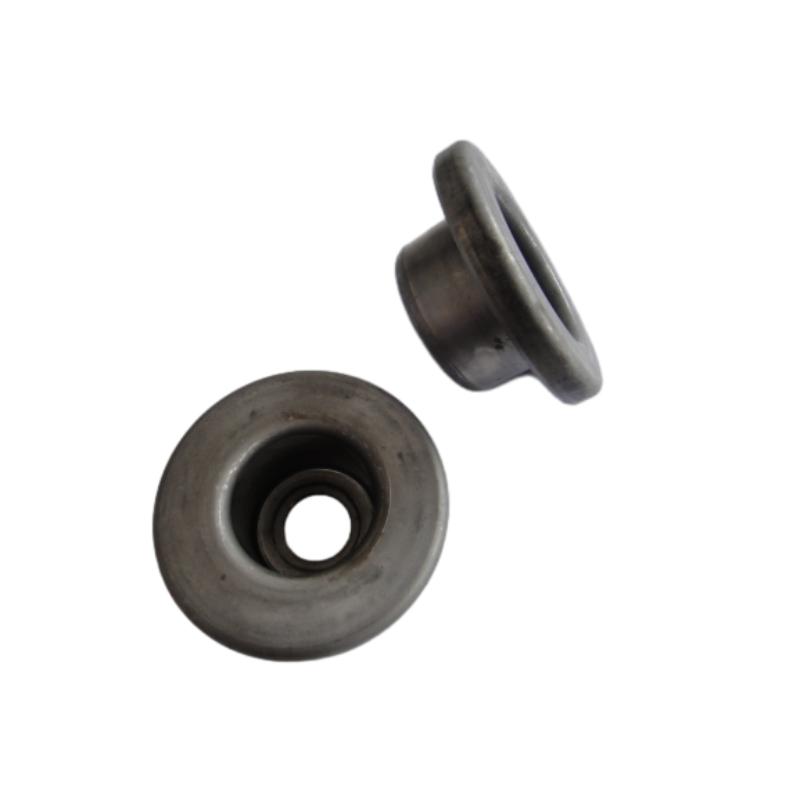
4. Match roller, axle and bearing dimensions
These are the published dimensional ranges for idler rollers for belt conveyors:
| Item | Published range |
|---|---|
| Roller diameter | 48–219 mm |
| Roller wall thickness | 2.5–6 mm |
| Axle diameter | 17–60 mm |
| Roller length | 150–3500 mm (per parameter table) |
| Frame wall thickness | 6–12 mm or according to order |
The parameter table links standard diameters to bearing types. Some examples:
- 63.5 mm (2 1/2 in) uses a 6204 bearing.
- 108 mm (4 1/4 in) uses 6204, 205, 305 or 306.
- 152 mm (6 in) uses 6205 to 308.
- 219 mm (8 5/8 in) uses 6308, 309 or 310.
Each diameter also has a roller wall-thickness range. For example, it is 3.0–4.0 mm at 89 mm and 4.0–6.0 mm at 219 mm. Pick a diameter and bearing combination that appears in the table.
The listed bearing brands include HRB, ZWZ, LYC, SKF, FAG and NSK. Say which brand you need in your enquiry.
For replacements, the best input is the product drawing. Failing that, give the drawing number or the dimensions from the diagram parameter table: belt width, roller diameter (D), length (L), bearing type, and the frame dimensions (A, E, C, H, H1, H2, P, Q, S), trough angle and mounting hole diameter.
5. Choose frame material, coating and colour
- Frame material: angle steel, channel steel or steel pipe.
- Material standard: Q235B or Q235A. The impact idler listing adds "or others".
- Welding: mixed gas arc welding using welding robots.
- Coating (general idler): electrostatic powder spraying, painting or hot-dip galvanizing.
- Coating (impact idler): painting.
- Colour: black, red, green, blue, or to order.
If your site is corrosive or outdoors, ask which of the listed coatings suits it. The listings do not state corrosion performance for each coating.
6. When a belt conveyor impact idler is the better fit
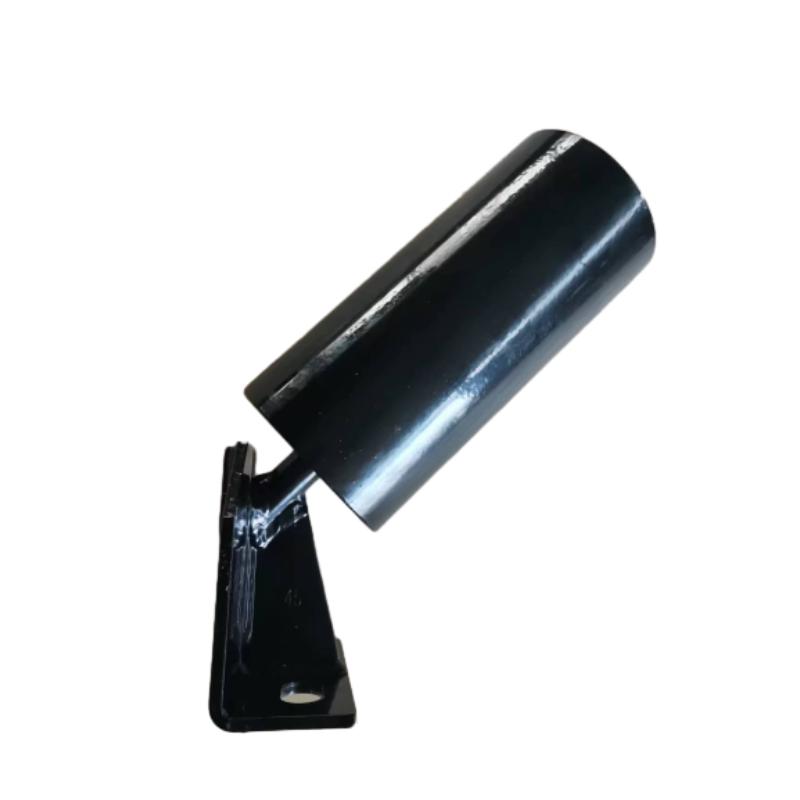
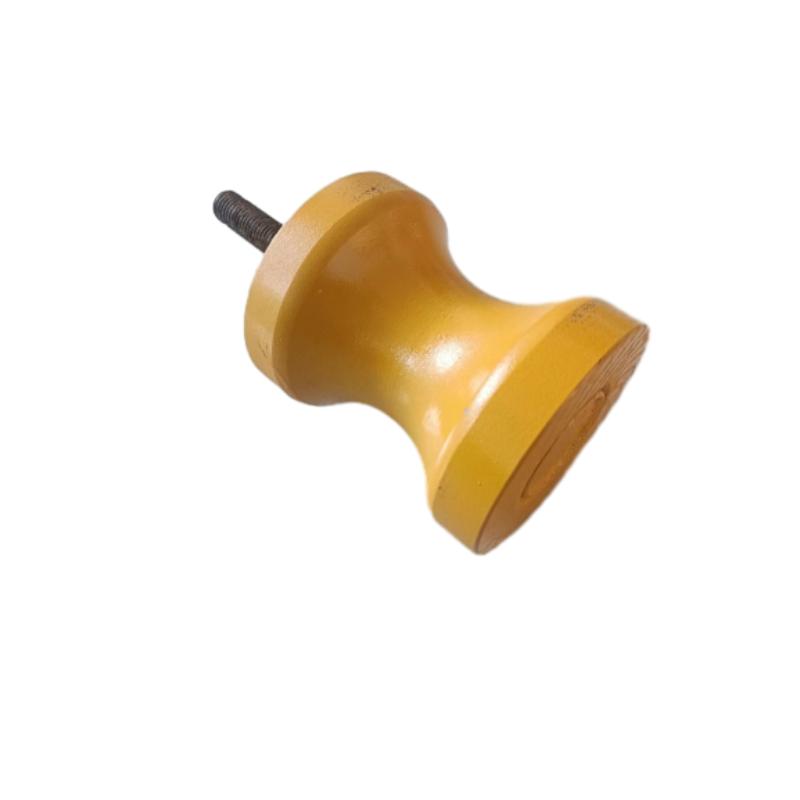
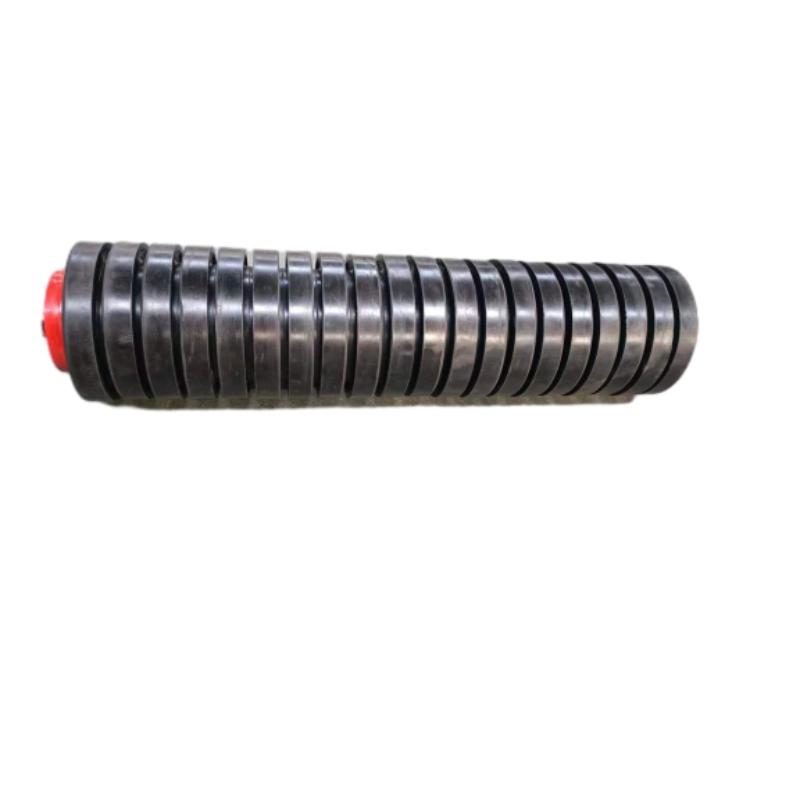
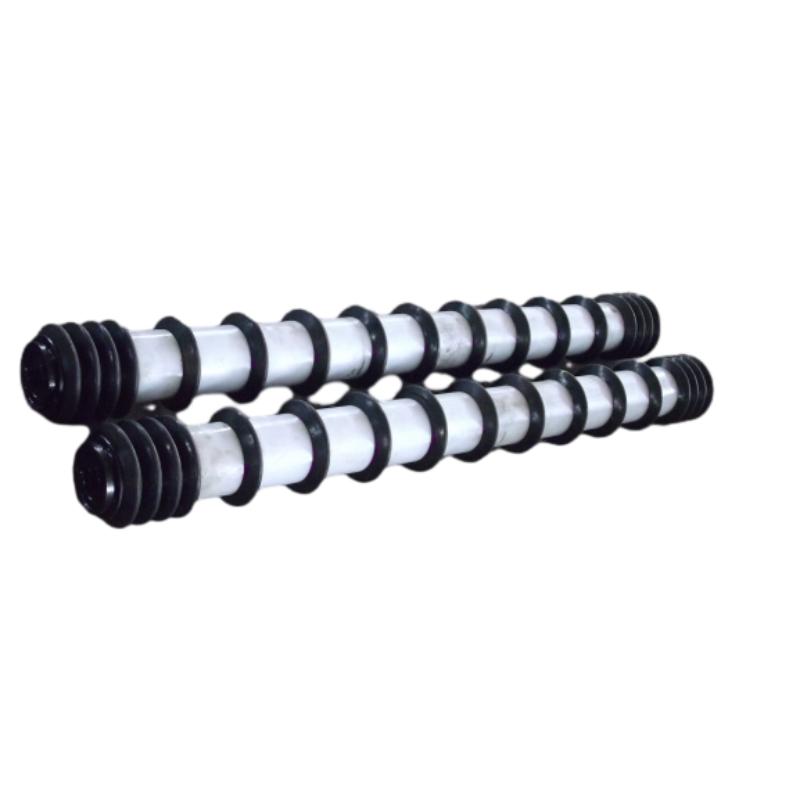
The Belt Conveyor Impact Idler is installed below the receiving position. Its job is to reduce the impact of falling bulk material on the belt and so extend belt service life. It is made of impact rollers and a supporting frame. The frame can be built in a telescopic or adjustable-angle style to make installation easier.
Impact-specific choices to state in your enquiry:
- Impact material: NR plus synthetic additive, or polyurethane.
- Material type: flame-retardant anti-static, or non-flame-retardant common type.
- Forming process: cold-pressed rubber rings or hot vulcanization.
If your application needs flame-retardant or anti-static materials, for example under mine safety rules, ask for the supporting documents for your order. A material option in a listing is not proof of compliance with any particular regulation.
If the idler sits away from loading points, a standard troughing or carrying idler is normally the right category. In that case an impact idler does not apply.
7. Applications and standards references
The listed applications are coal mines, cement plants, crushing, power plants, steel mills, metallurgy, quarrying, printing, recycling and other conveying equipment.
The impact idler listing references CEMA, ISO, DIN, JIS and DTII. The general idler listing shows the same list with "CENA", which looks like a typo for CEMA. Confirm which dimensional standard your order should follow. These are standards references, not certifications. Ask for documents if your project needs them.
The general idler listing states a life time of 30,000 hours. Ask how this figure is defined. Actual life depends on load, speed, environment and maintenance, and the listing gives no test conditions.
8. Ordering terms as published
- Minimum order: 1 piece
- Price: negotiable (no price is published)
- Listed delivery time: 10–15 days. Confirm this for your specific quantity and configuration.
- Payment terms: TT, LC
- Packing: fumigation-free plywood box, iron frame or pallet
- Shipping ports: Tianjin Xingang, Shanghai, Qingdao
- Service: online and video technical support
Quick selection checklist
- Installation position: carrying run, loading point, suspension or aligning
- Belt width (400–2400 mm range)
- Trough angle and spacing on your structure
- Roller diameter, length, wall thickness, axle diameter and bearing type from the parameter table
- Frame material, coating and colour
- For impact idlers: impact material, flame-retardant or common type, and forming process
- Drawing or drawing number, with the documents your project requires
Send these details to Yanshan Aohua Machinery Equipment Manufacture Limited Company. That lets the quote be checked against your conveyor rather than against general catalogue ranges.
THE PEOPLE

About the author
THE COMPANY
Yanshan Aohua Machinery Equipment Manufacture Limited Company
Yanshan Aohua Machinery Equipment Manufacture Limited Company. is located in the east outer ring of Yanshan County, CangZhou city,Hebei Province, China.Which is 150 kilometers away from Tianjin XingGang Port,China.and 60 kilometers away from Huanghua Port, China with super convenient transportation. our company was established in March 2007, which is a specialized enterprise in belt conveyor and parts&components research ,development, manufacturing and sales . Mr.…
About Us ↗Visit company website ↗YOUR NEXT STEP
Bring your brief. Start a useful conversation.
Use case, specification, quantity and delivery window: make the next conversation specific.
-
How to Choose a Self Aligning Idler for Belt TrackingNewsNov.10,2026
-
Rubber Lagging Pulley Questions on Materials, Fit and Test DataNewsNov.02,2026
-
Self Aligning Idler FAQ: Specifications, How It Works, Ordering & SupportNewsOct.28,2026
-
Choosing an Idler Frame: Application Fit and Specification ChecksNewsOct.27,2026
-
Choosing AH Labyrinth Seal: Medium, Dimensions and Operating ConditionsNewsOct.27,2026
-
Friction Head of Roller FAQ: Specifications, Ordering and Support QuestionsNewsOct.27,2026