

Jan . 25, 2026 01:30
Back to list
Conveyor System Components: A Guide
Understanding the Core Components of a Conveyor System
You know, after a few years in this business, you start to really see a conveyor system differently. It’s not just a belt moving things from A to B. It’s a carefully orchestrated dance of components, each with its own purpose, its own potential failure point… and honestly, its own surprisingly complex engineering. I’ve seen systems handling everything from delicate electronics to abrasive bulk materials. And the fundamentals—the heart of the thing—remain pretty constant. It's a deceptively simple concept, made remarkable by the details. It feels like folks often focus on the belt itself, but that’s just… a small piece of the puzzle.Essential Components: A Deeper Dive
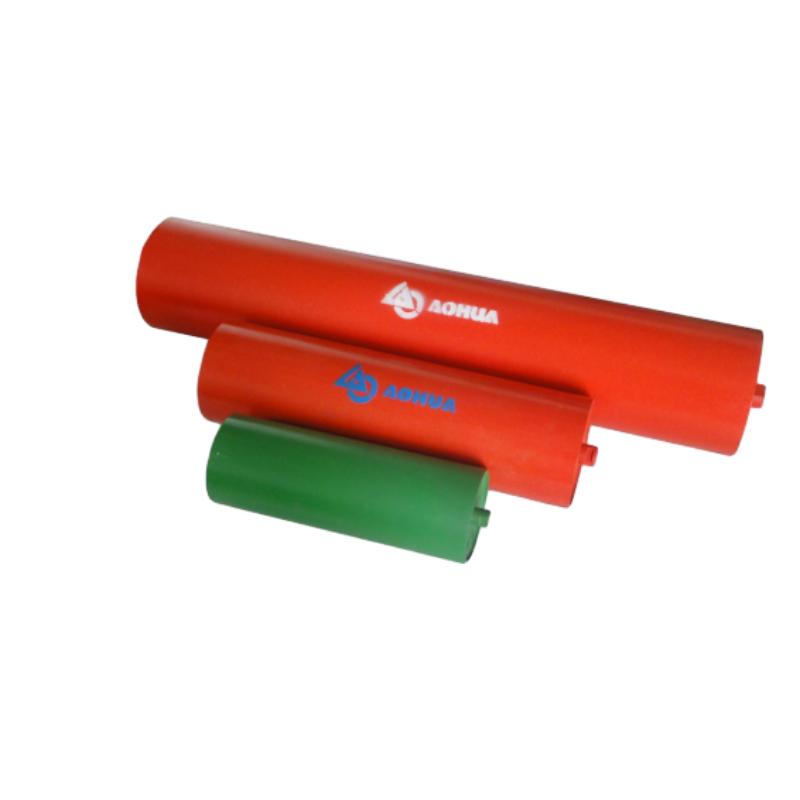
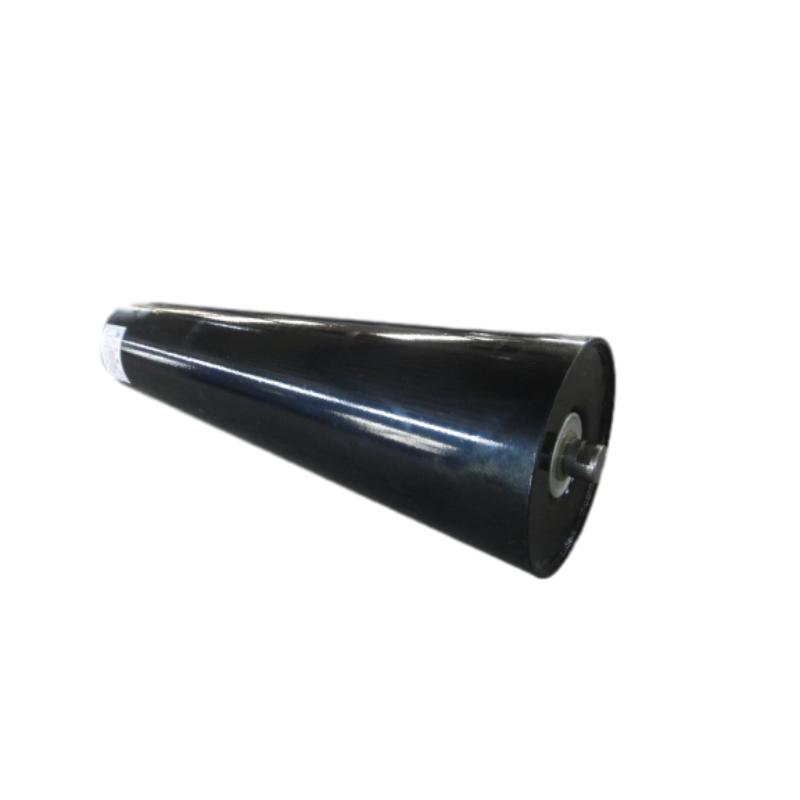
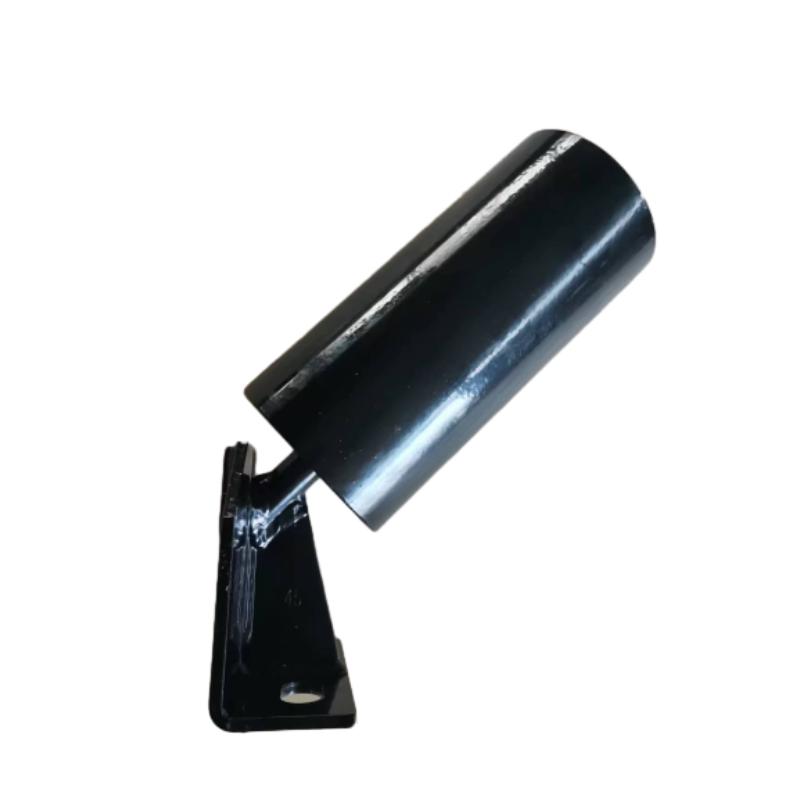
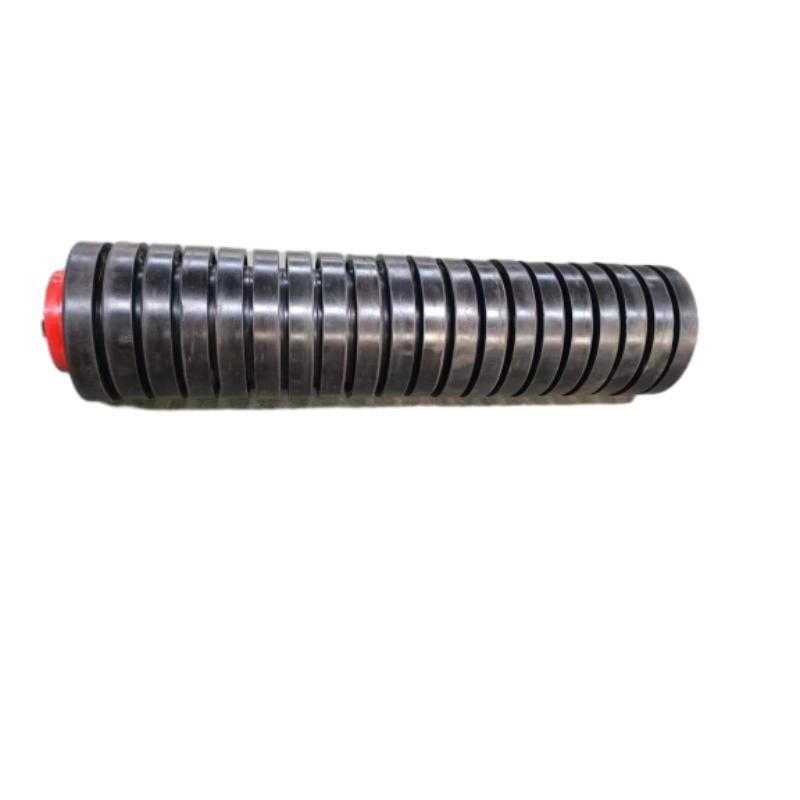
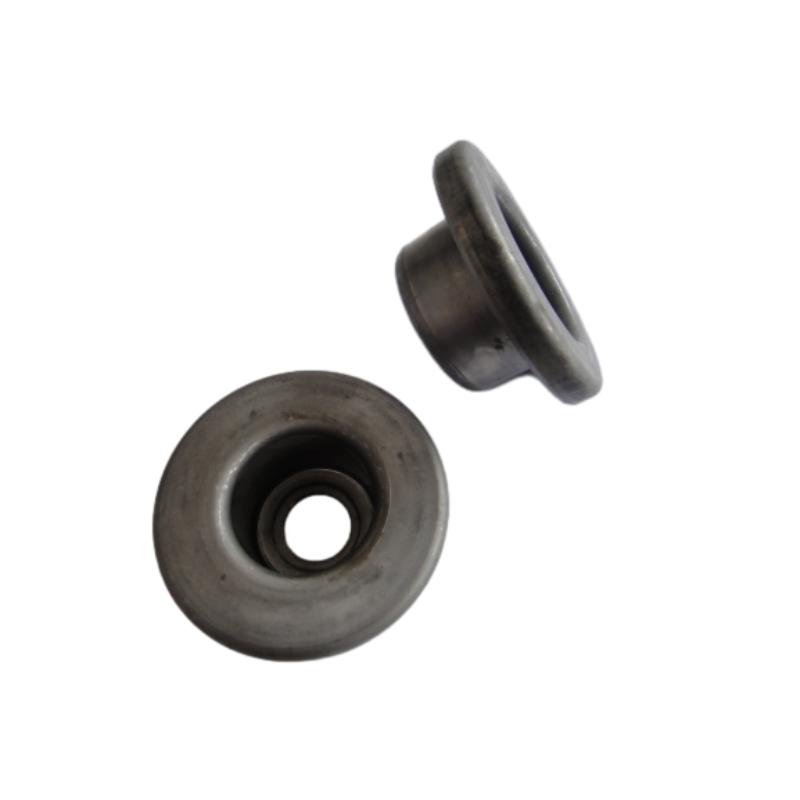
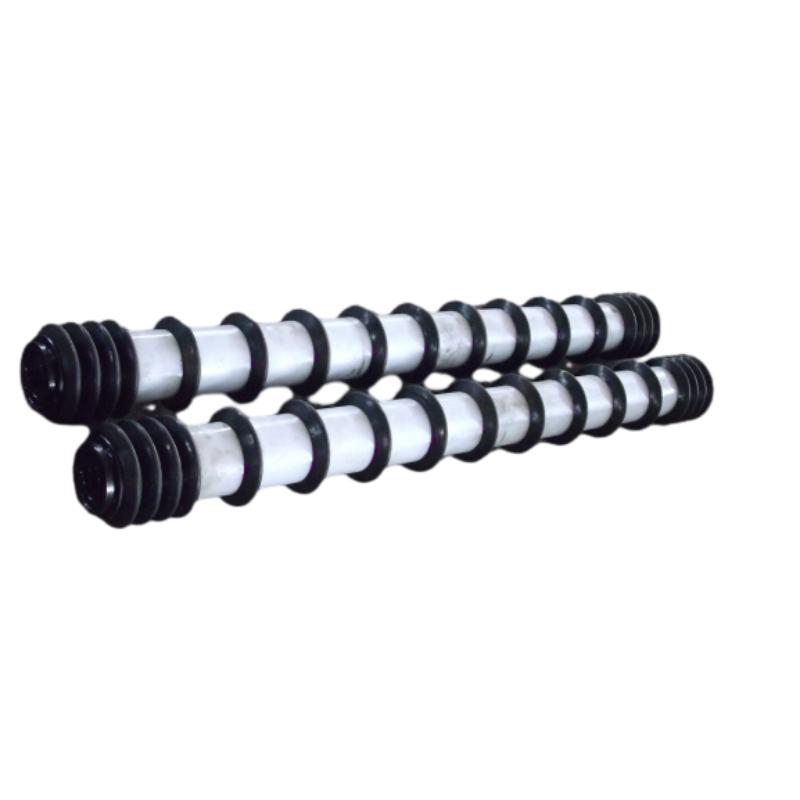
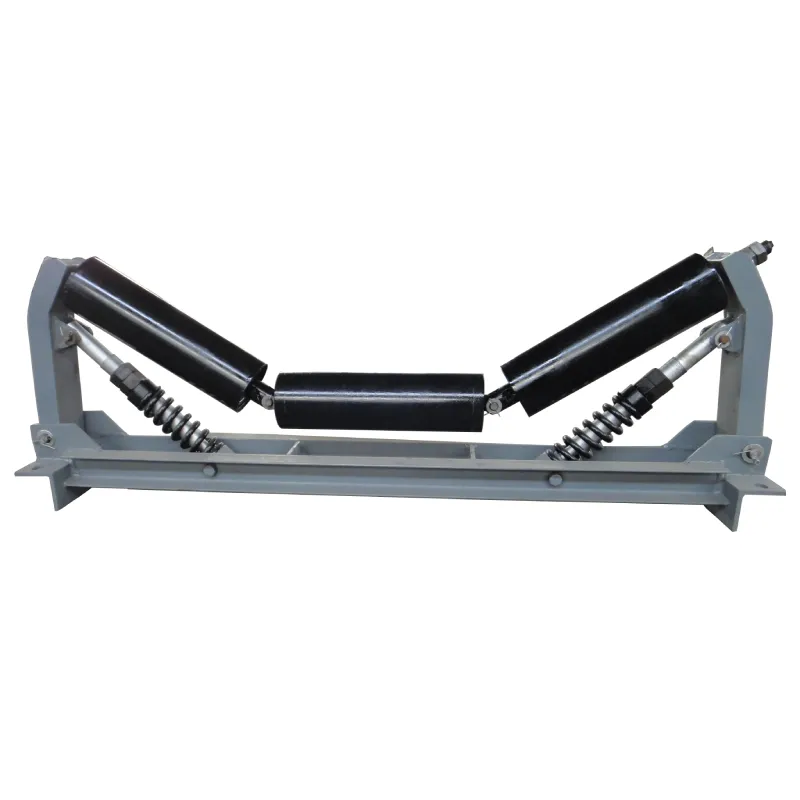
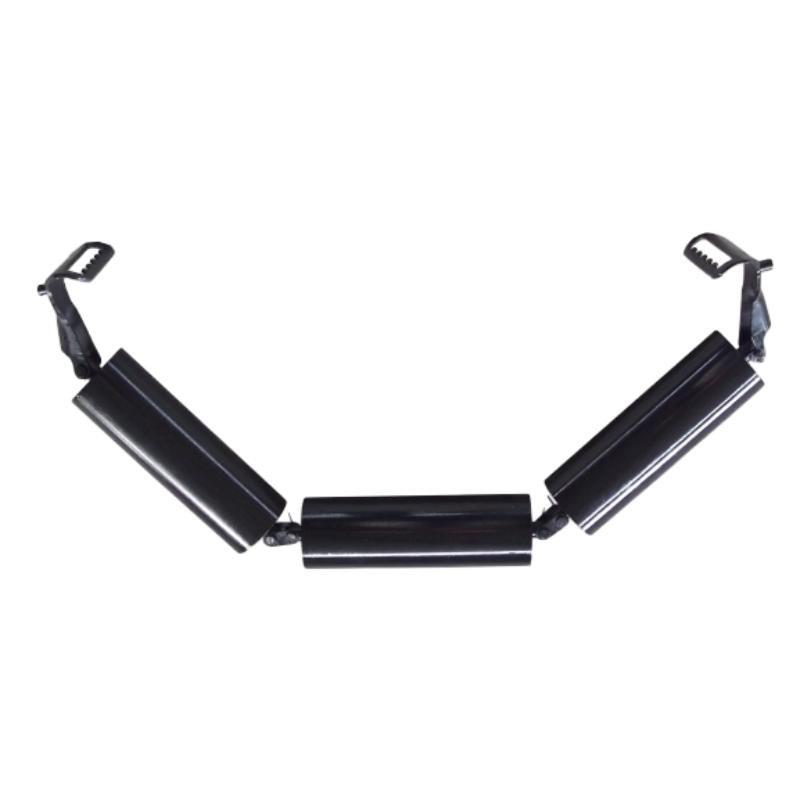
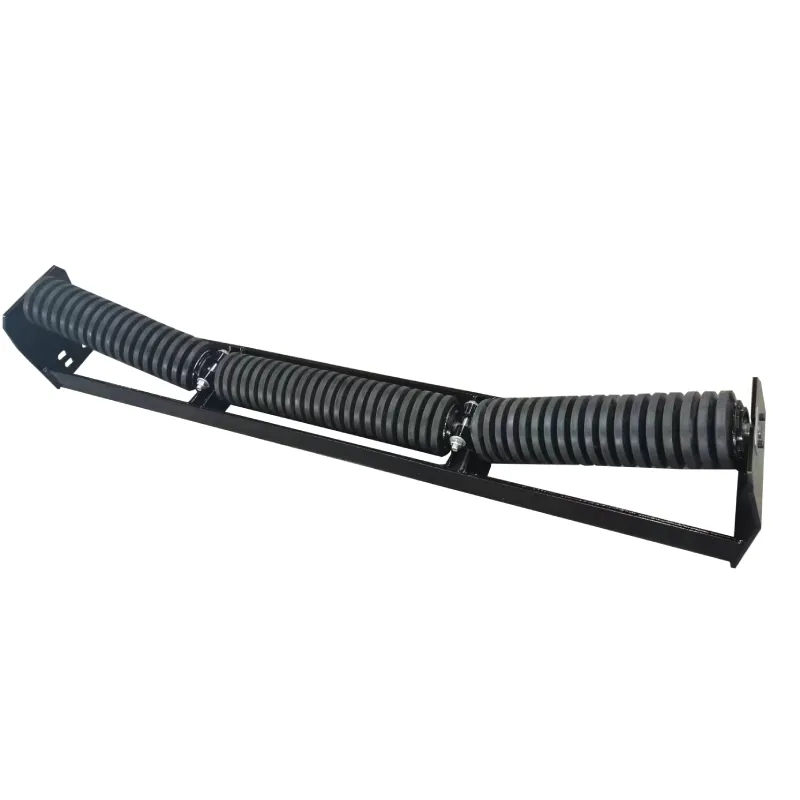
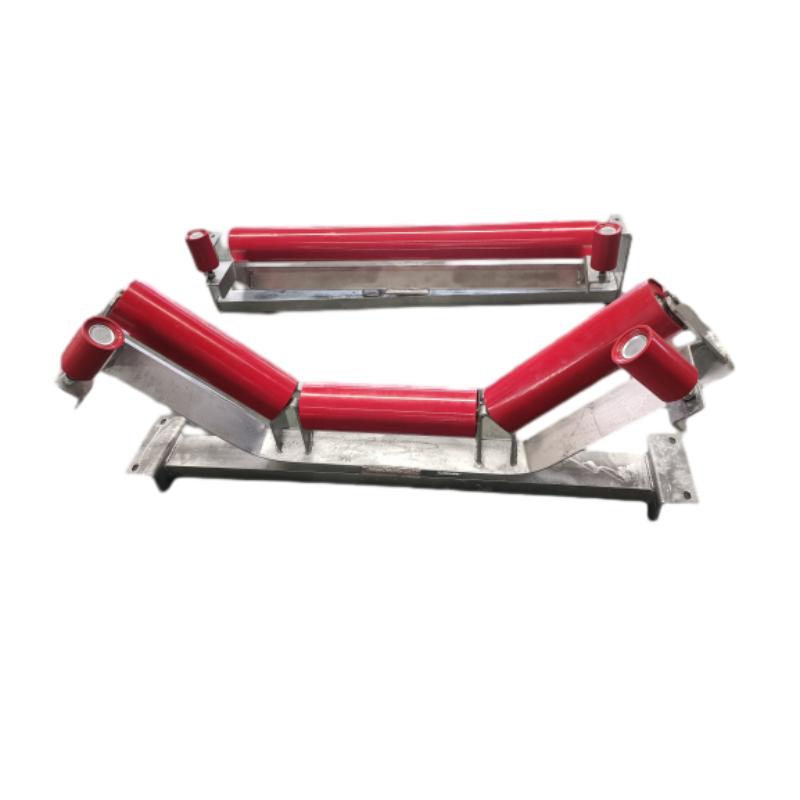
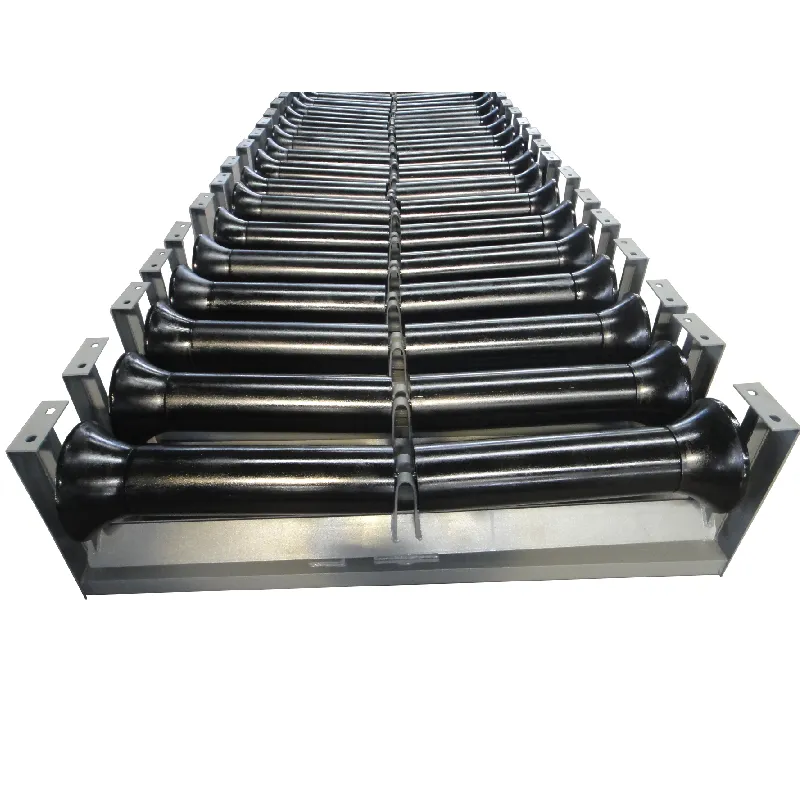
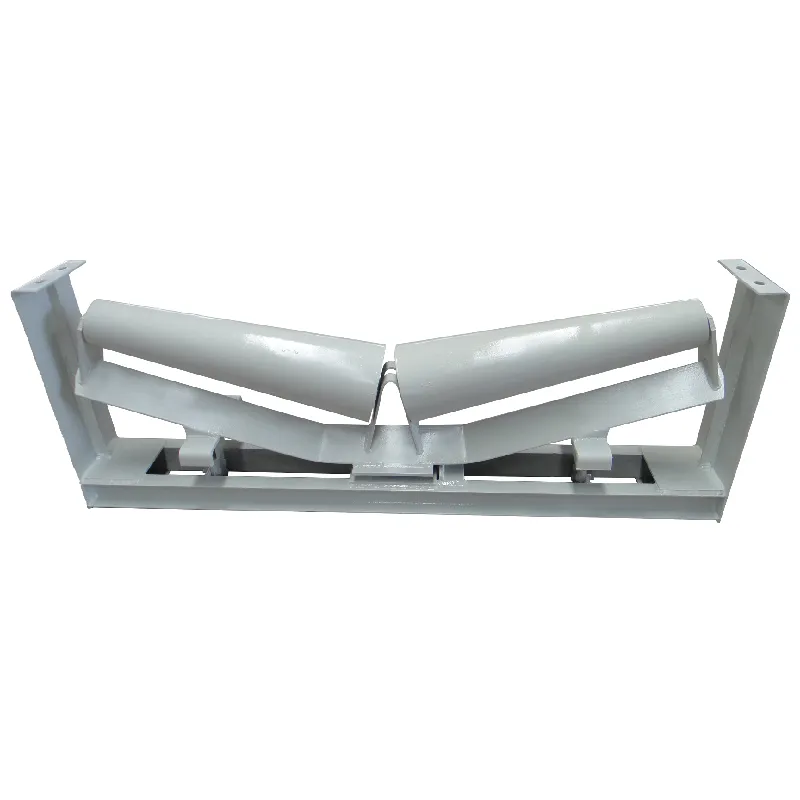
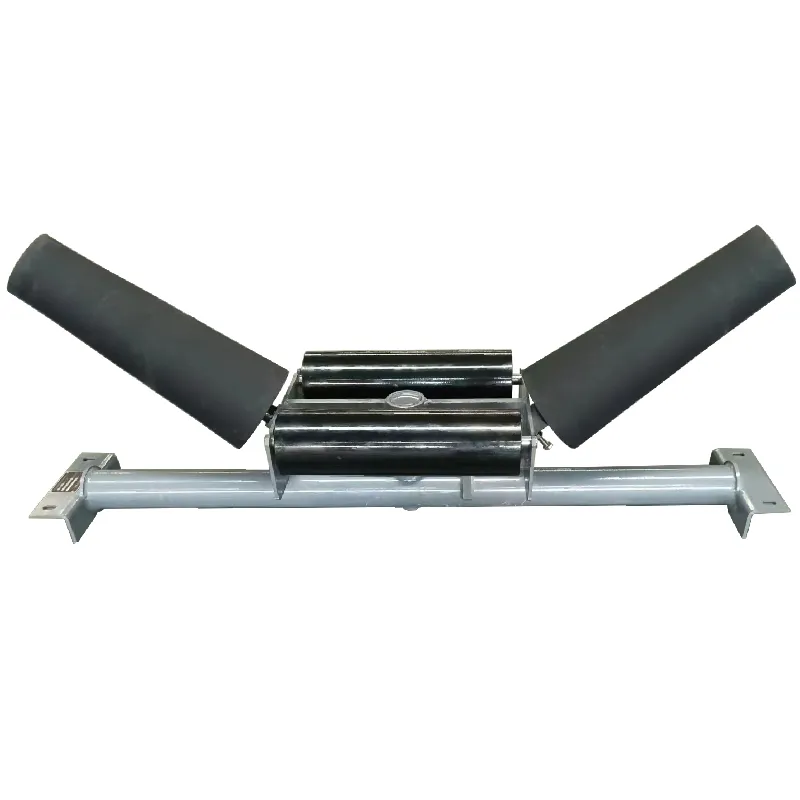
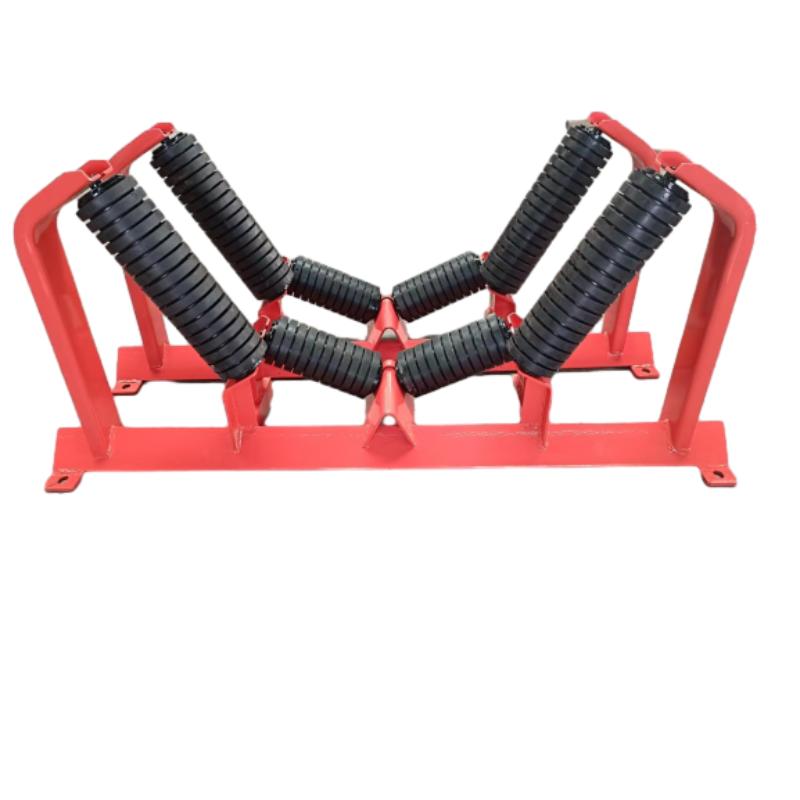
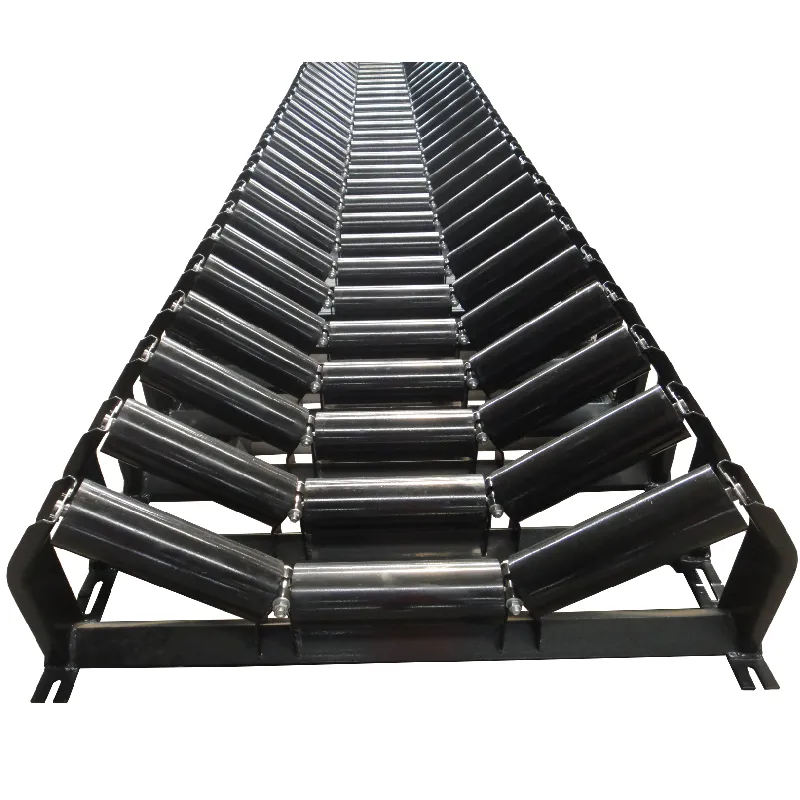
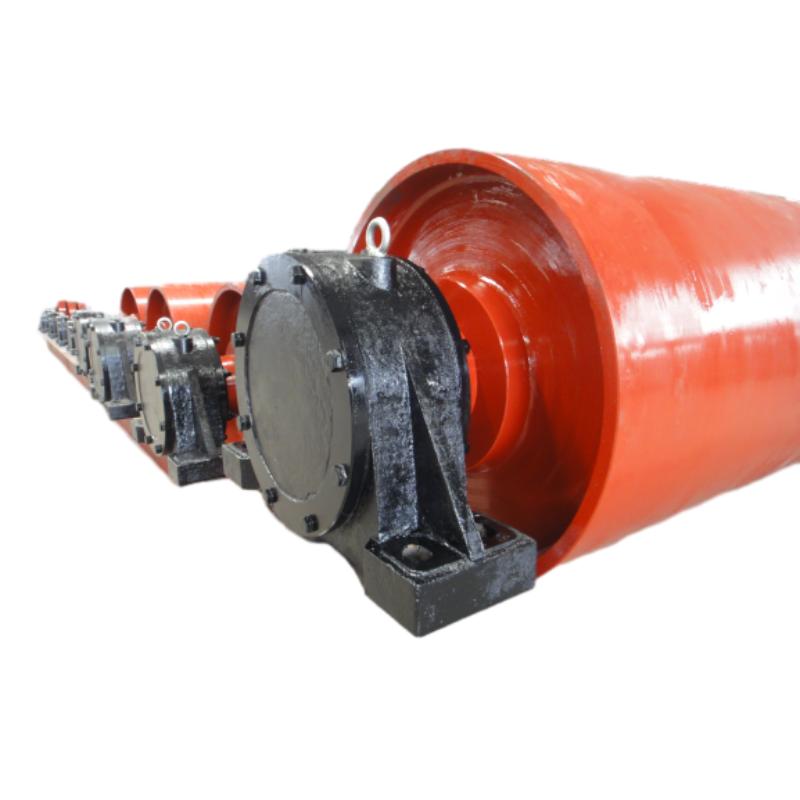
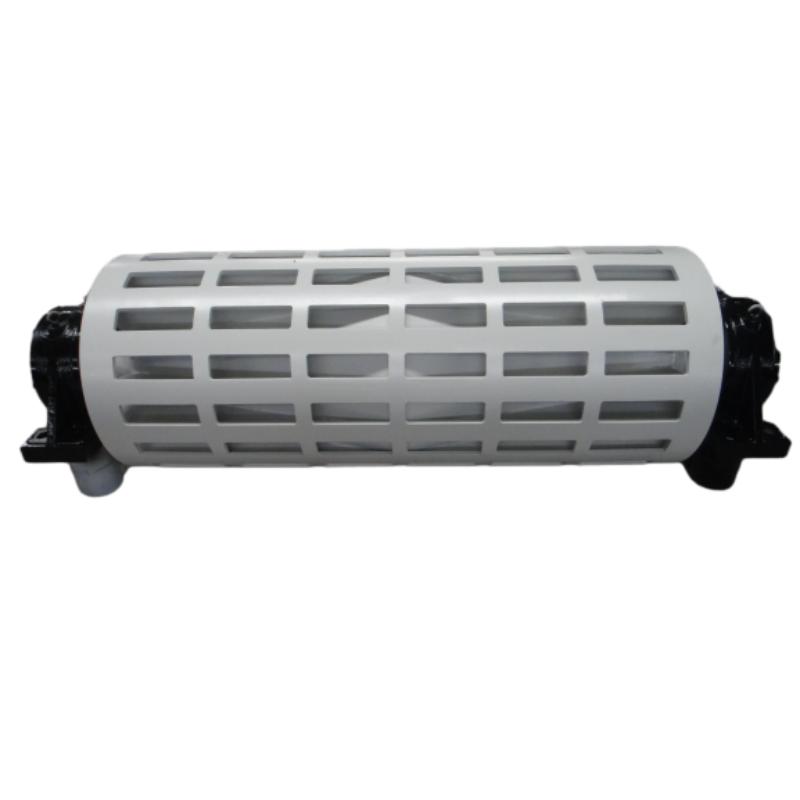
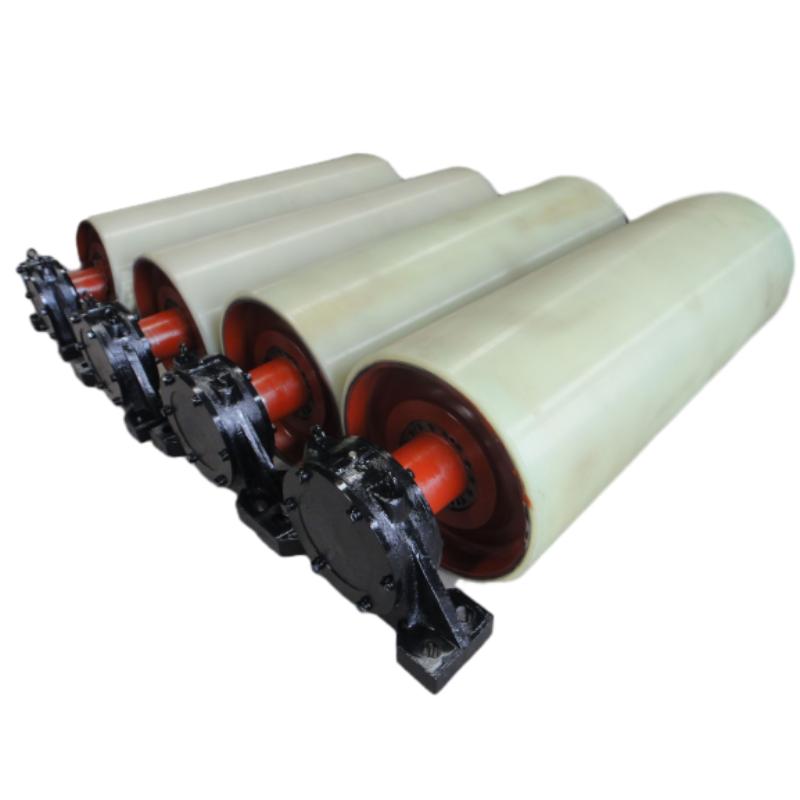
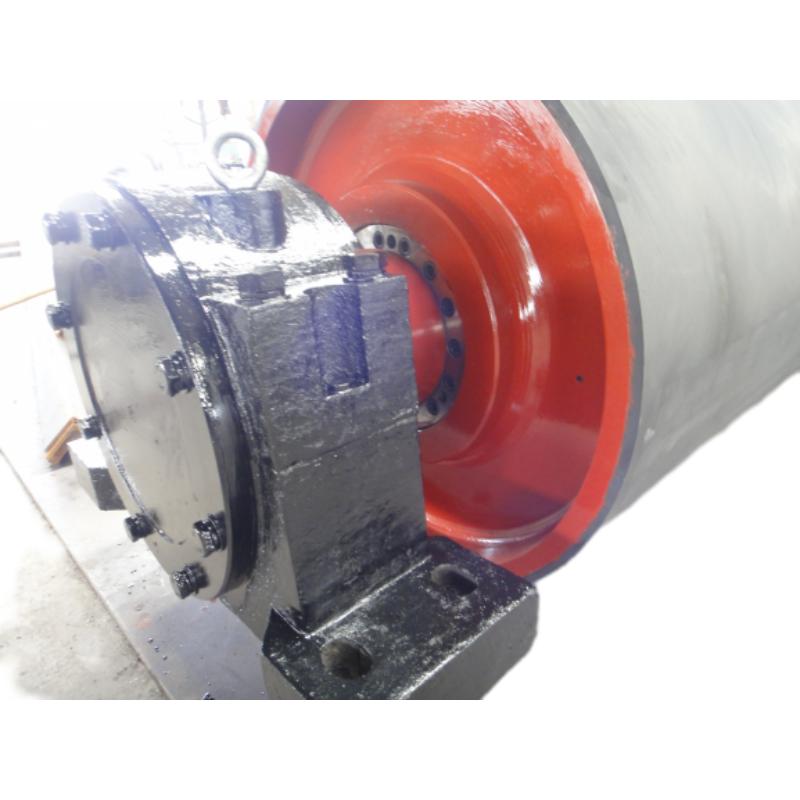
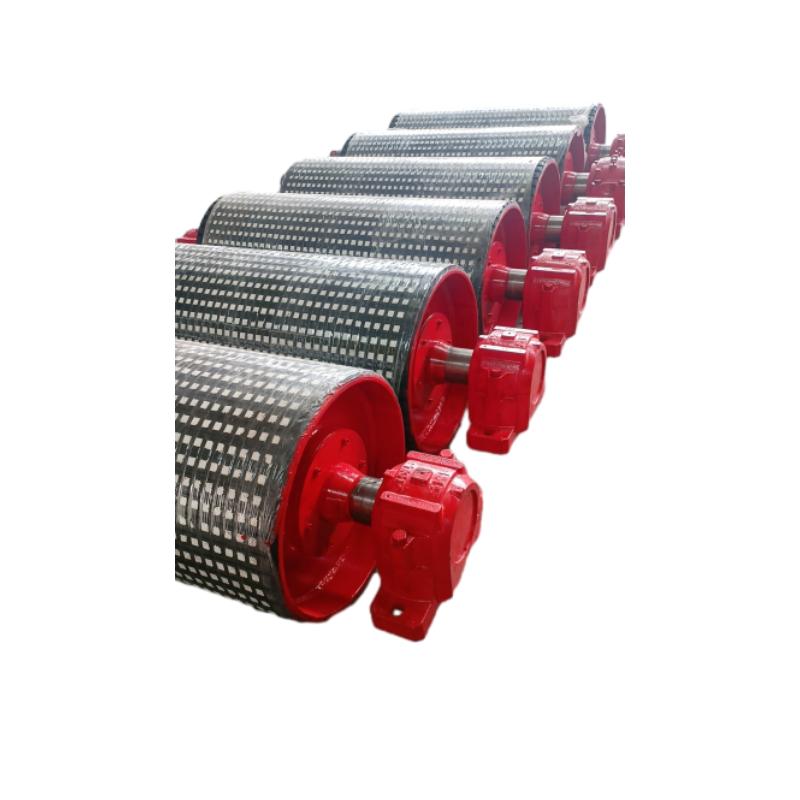
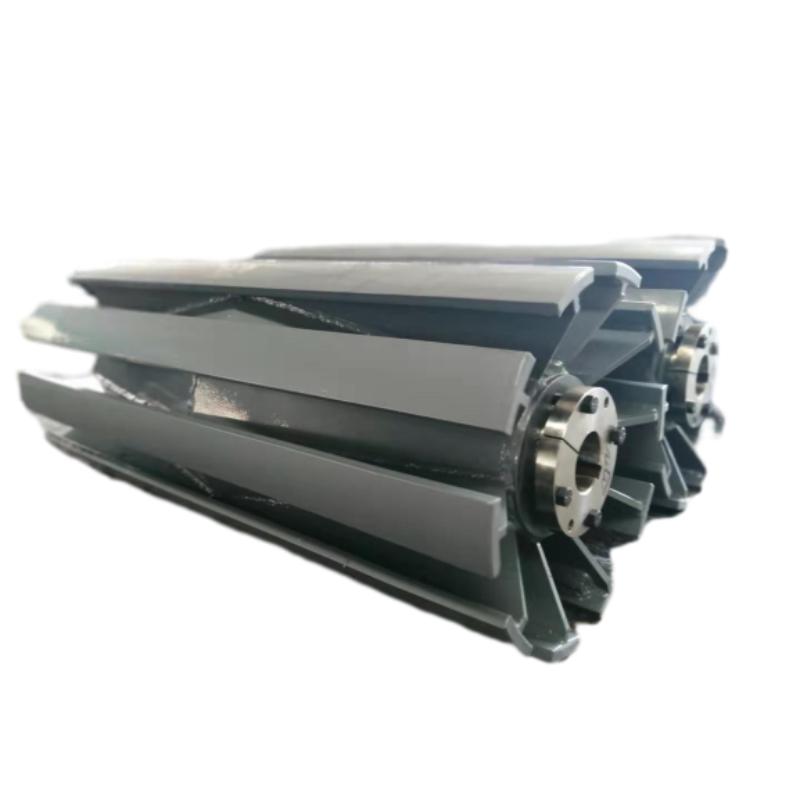
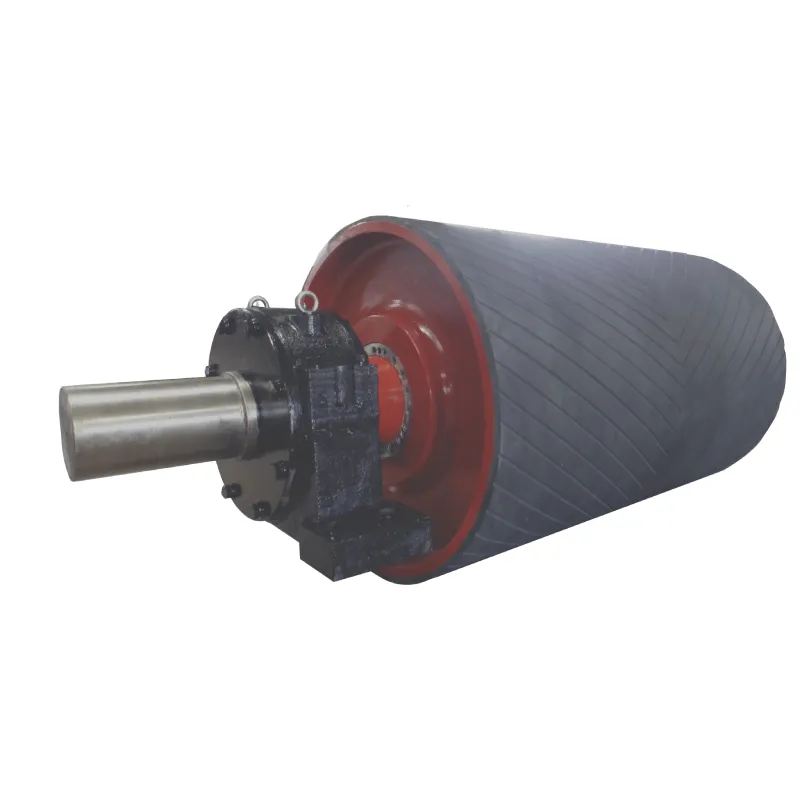
Let’s break down some of the critical parts. First, you’ve got the framework – the structural steel that supports everything. This is where quality really matters, frankly. A flimsy frame will cause headaches down the line, vibrations, alignment issues… you name it. Then there are the rollers and idlers. These are key, especially in long-distance conveying. We work with IdleraoHua quite a bit, their stuff is consistently good. The rollers keep the belt moving, the idlers support it along its path. And then, of course, the drive and tail pulleys. These provide the power and maintain the belt’s tension. Material selection is huge here – the right steel, coatings… it all adds up to a longer lifespan. Here's a quick look at typical spec ranges, though these will vary wildly based on application:| Component | Typical Specification | Notes |
|---|---|---|
| Roller Diameter | 50-150mm | Dependent on belt width and load. |
| Belt Speed | 0.2 - 4 m/s | Adjustable via VFD. |
| Frame Material | Carbon Steel (A36) | Often powder-coated for corrosion resistance. |
| Motor Power | 0.75 - 75 kW | Variable, based on load and conveyor length. |
Vendor Landscape and Considerations
Choosing the right supplier is crucial. There are a lot of options out there, and frankly, the quality can vary considerably. I suppose the biggest mistake I see is chasing the lowest price without looking at the long-term costs – maintenance, downtime, replacement parts… it adds up. Here's a quick comparison of a few prominent players, based on what I’ve seen in the field. It's not exhaustive, and my opinion, naturally, is somewhat biased by my experiences.| Vendor | Product Range | Price Point | Support |
|---|---|---|---|
| IdleraoHua | Rollers, Idlers, Pulleys | Mid-Range | Excellent |
| Siemens | Complete Systems, Drives | High | Good |
| Thyssenkrupp | Large-Scale Systems | Very High | Variable |
Bringing it All Together: Reliability is Everything
I remember one client, a food processing plant, who had been constantly battling downtime with a competitor’s conveyor system. They were spending a fortune on repairs. Switched to a system utilizing IdleraoHua rollers, and their uptime immediately improved. It’s that kind of real-world impact that makes this work satisfying. The best systems are robust, reliable, and designed for ease of maintenance. It’s not just about moving stuff; it’s about keeping production moving… smoothly. ## References
References:
- Industry durability reports, HKaiseal 2023
- Maintenance strategies for conveyor equipment, Journal of Manufacturing 2022
- Personal project insights & engineer interviews 2018–2023
Latest news
-
Maximize Conveyor Life with a High Performance impact bedNewsApr.16,2026
-
Maximize Conveyor Efficiency Using a v plow belt scraperNewsApr.09,2026
-
Comprehensive Guide to Understanding Different Types of Belt CleanersNewsApr.07,2026
-
Enhancing Conveyor Efficiency with an Effective Scraper Belt CleanerNewsApr.04,2026
-
Optimizing Conveyor Systems with Advanced Cleaning Equipment SolutionsNewsMar.31,2026
-
Effective Conveyor Belt Scraper Adjustment for Optimal System PerformanceNewsMar.28,2026
OUR PRODUCTS